
Lower Oder Valley National Park is Germany’s only floodplain national park, and honestly, it’s a rare treat for anyone who loves vast wetlands, wild river landscapes, and mind-blowing bird migrations. Tucked right up against the Polish border, this place really comes alive in spring and autumn. During those seasons, thousands of cranes and other birds gather here, filling the sky with movement and a kind of music only nature can make.
When I visited, the calm river and all the wildlife drew me in instantly. Biking and hiking along the trails, I wandered through hushed forests and wide open spaces—sometimes it felt like time just stopped for a bit.
If you’re into nature, bird watching, or just need a peaceful escape, this park’s got something special up its sleeve.
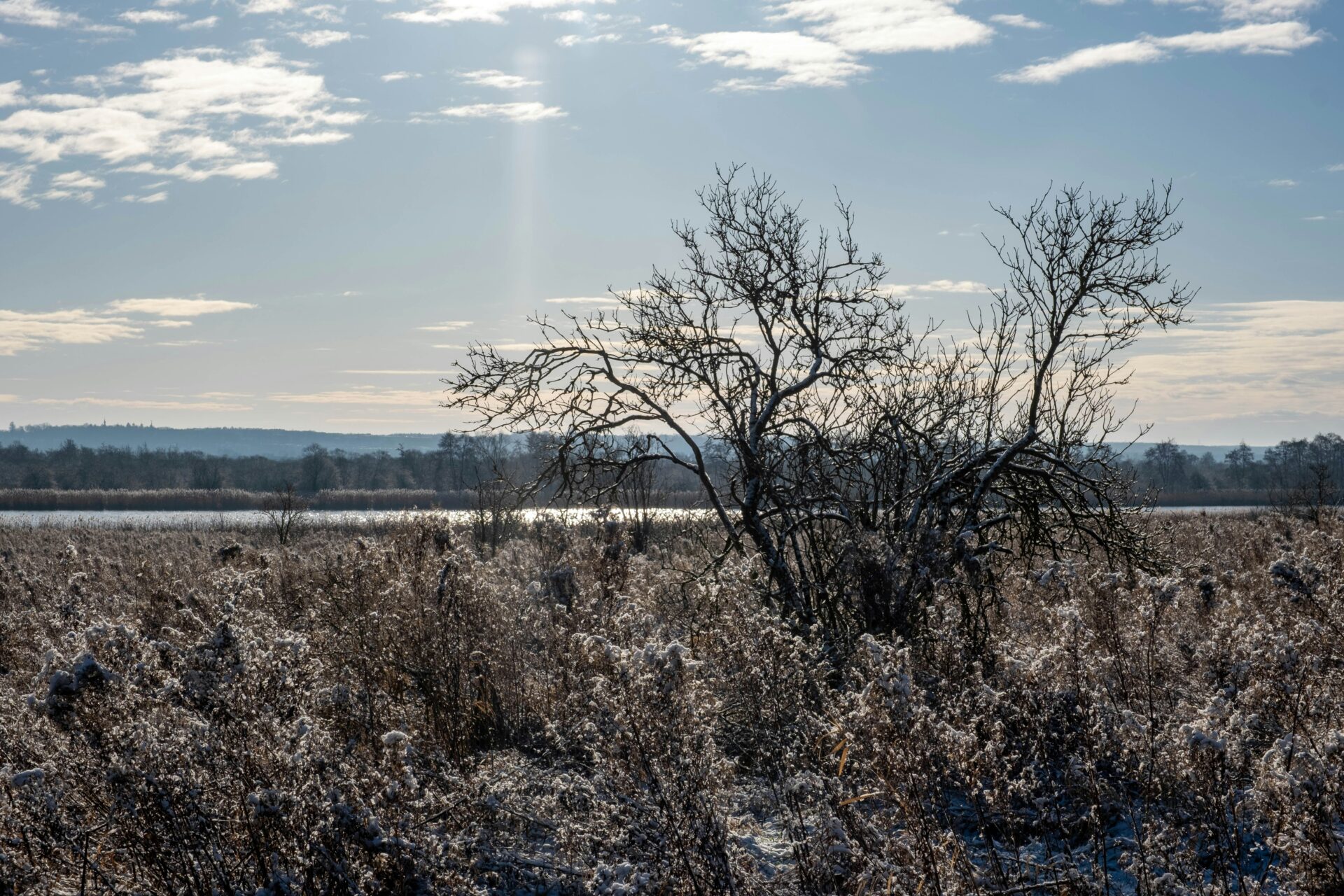
Overview of Lower Oder Valley National Park
Lower Oder Valley National Park stands out in Germany. It’s not your typical forest or mountain park—it’s all about rare floodplain landscapes and impressive wetlands along the River Oder.
The park’s famous for its rich biodiversity, unique water habitats, and its spot right on the Polish border.
Germany’s Only Floodplain National Park
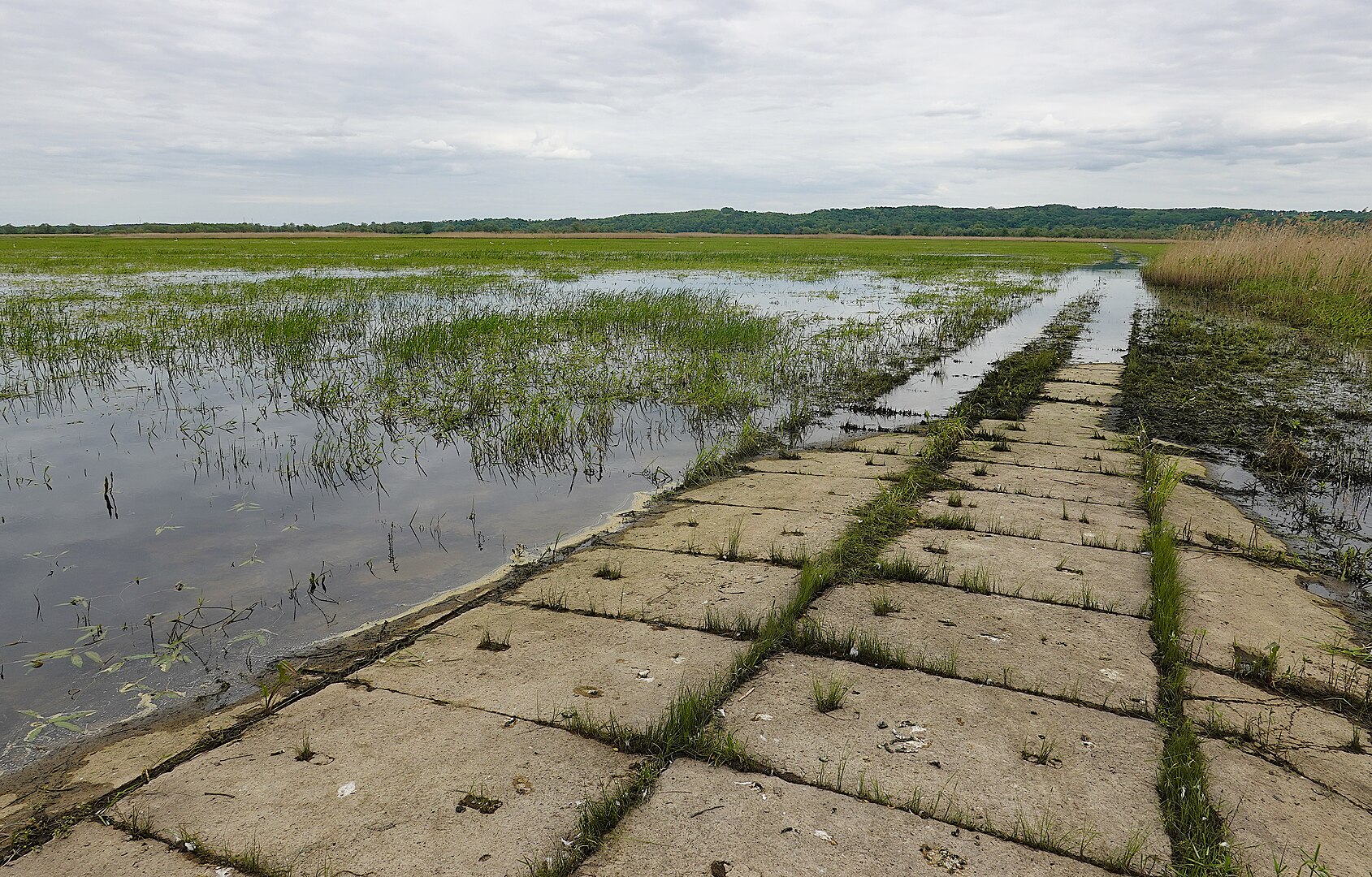
Lower Oder Valley National Park is the only floodplain national park in Germany. Instead of focusing on forests or peaks, it protects a big swath of marshes, meadows, and river channels that flood regularly.
It covers about 41 square miles (106 square kilometers) on the German side. Here, flooding isn’t just a risk—it’s the heartbeat of the whole landscape.
When the River Oder spills over, it creates a wild mix of lakes, wetlands, and grasslands. These floods shape the environment and support a tangle of life you won’t find anywhere else in Germany.
The marshes can be tricky to explore by boat unless you’re with a guide. For safety, only park staff can operate canoes in some zones.
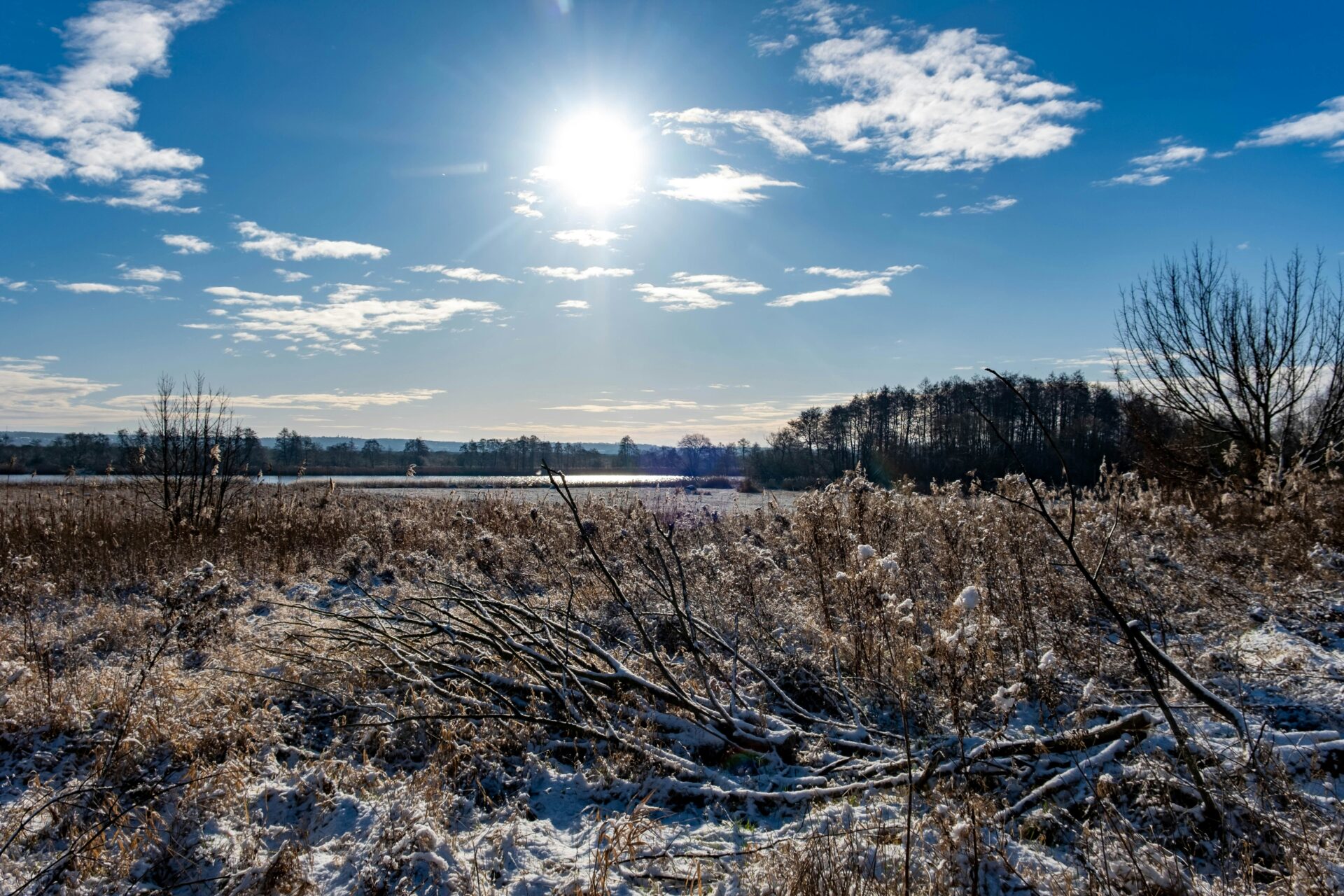
Importance of Wetlands and Biodiversity
Wetlands are powerhouses for life. In Lower Oder Valley National Park, these wetlands offer a vital stopover and breeding ground for tons of bird species.
During spring and autumn, I get to watch thousands of migratory birds—cranes and geese mostly—resting and refueling here.
Open water, reed beds, and wet meadows support rare plants, insects, and fish. That’s why the park is a big part of the Natura 2000 network, which looks after threatened habitats and species all across Europe.
Beavers, otters, and endangered amphibians call this place home. The regular flooding means only the toughest, most adaptable plants and animals can survive here. Conservation teams work hard to keep the ecosystem thriving.
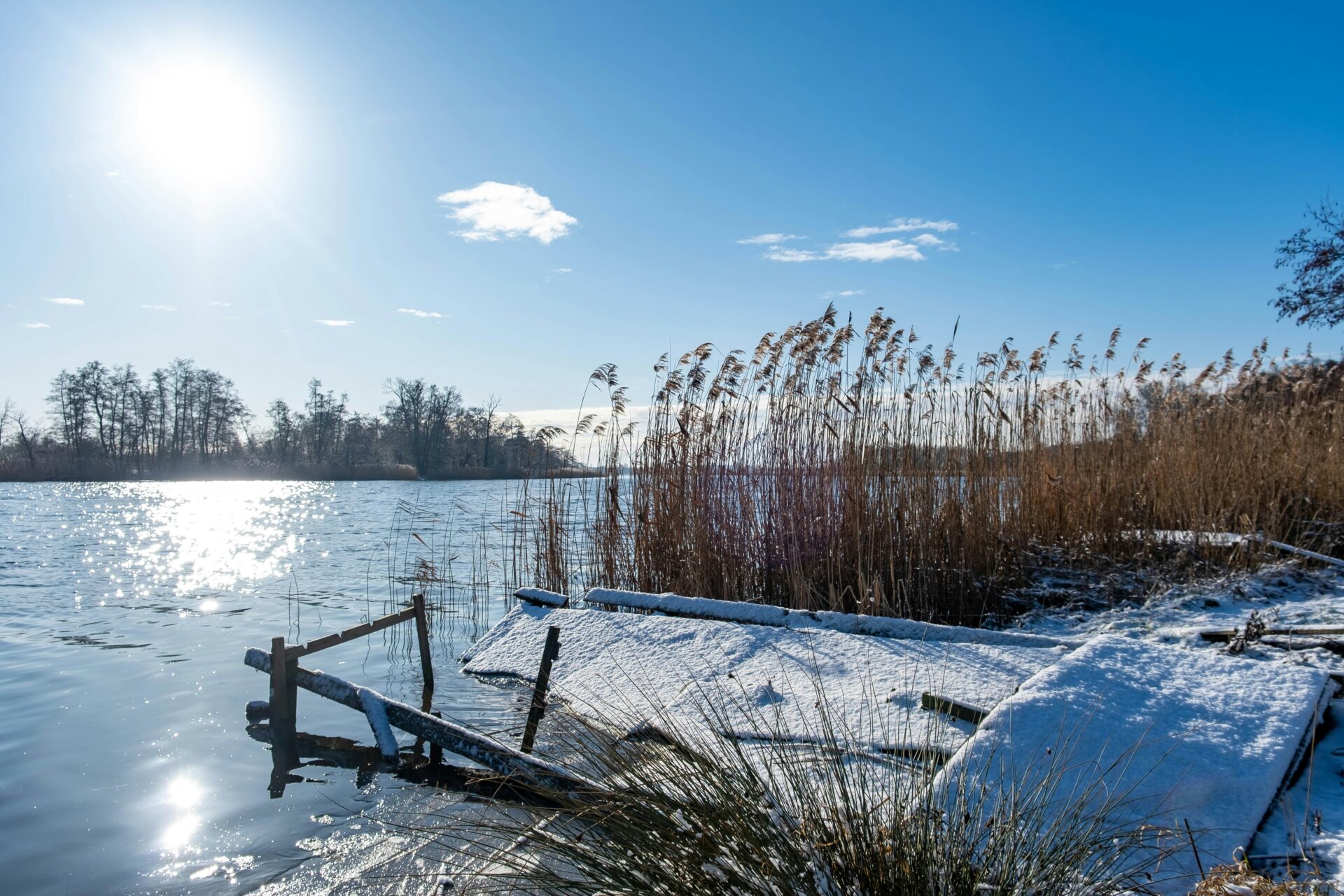
Location on the Polish Border
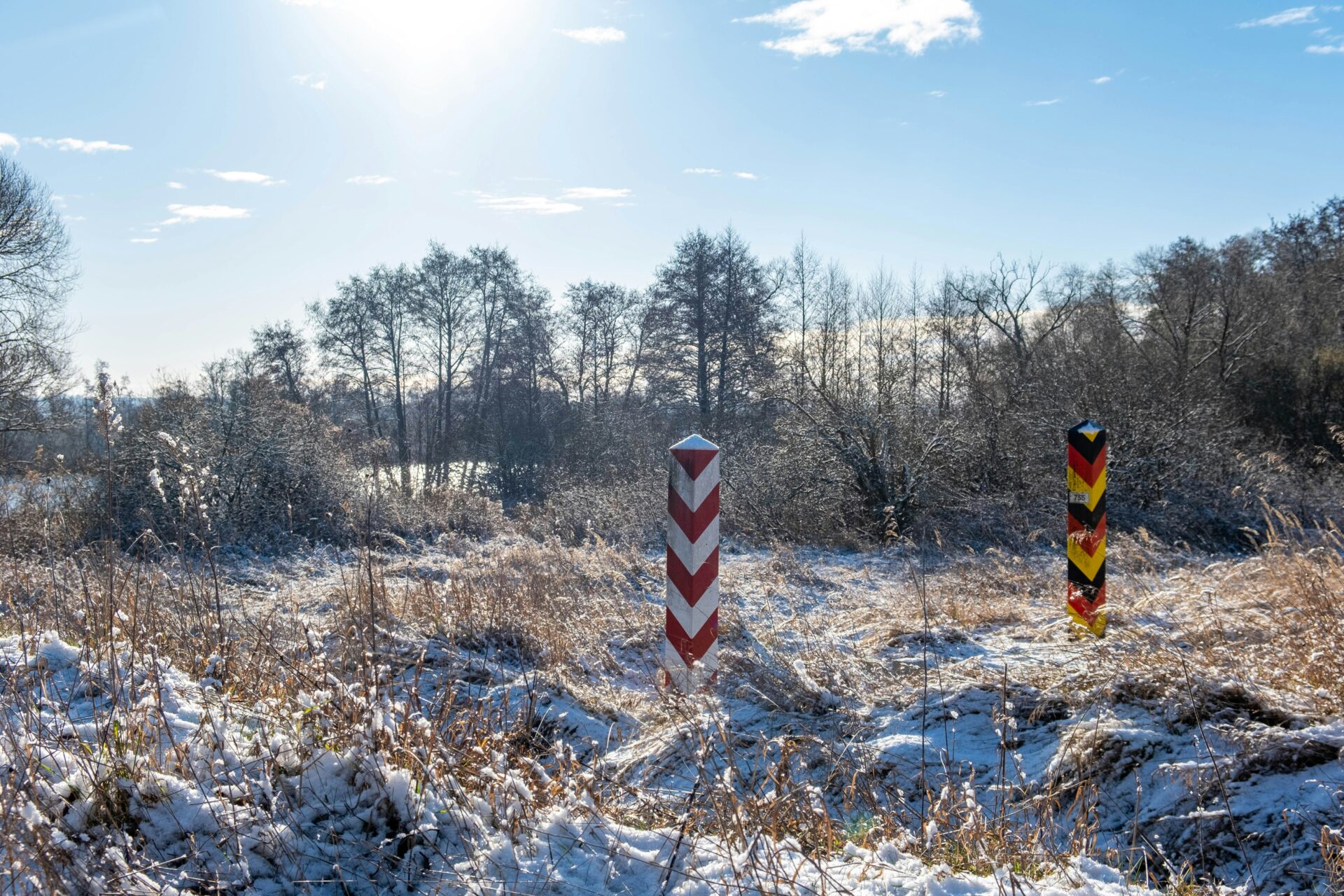
Lower Oder Valley National Park sits in northeastern Germany, hugging the Polish border. The River Oder marks the natural divide between the two countries.
On the German side, the park’s core is called Nationalpark Unteres Odertal. Nature doesn’t care about borders, though—right next door, Poland protects its own reserves.
Together, these areas cover over 1,170 square kilometers, making it one of central Europe’s biggest wetland systems.
Berlin is the closest major city, just about an hour’s drive away. At Criewen, the visitor center gives out maps, shares the latest wildlife sightings, and helps you plan hikes or bike rides along the river.
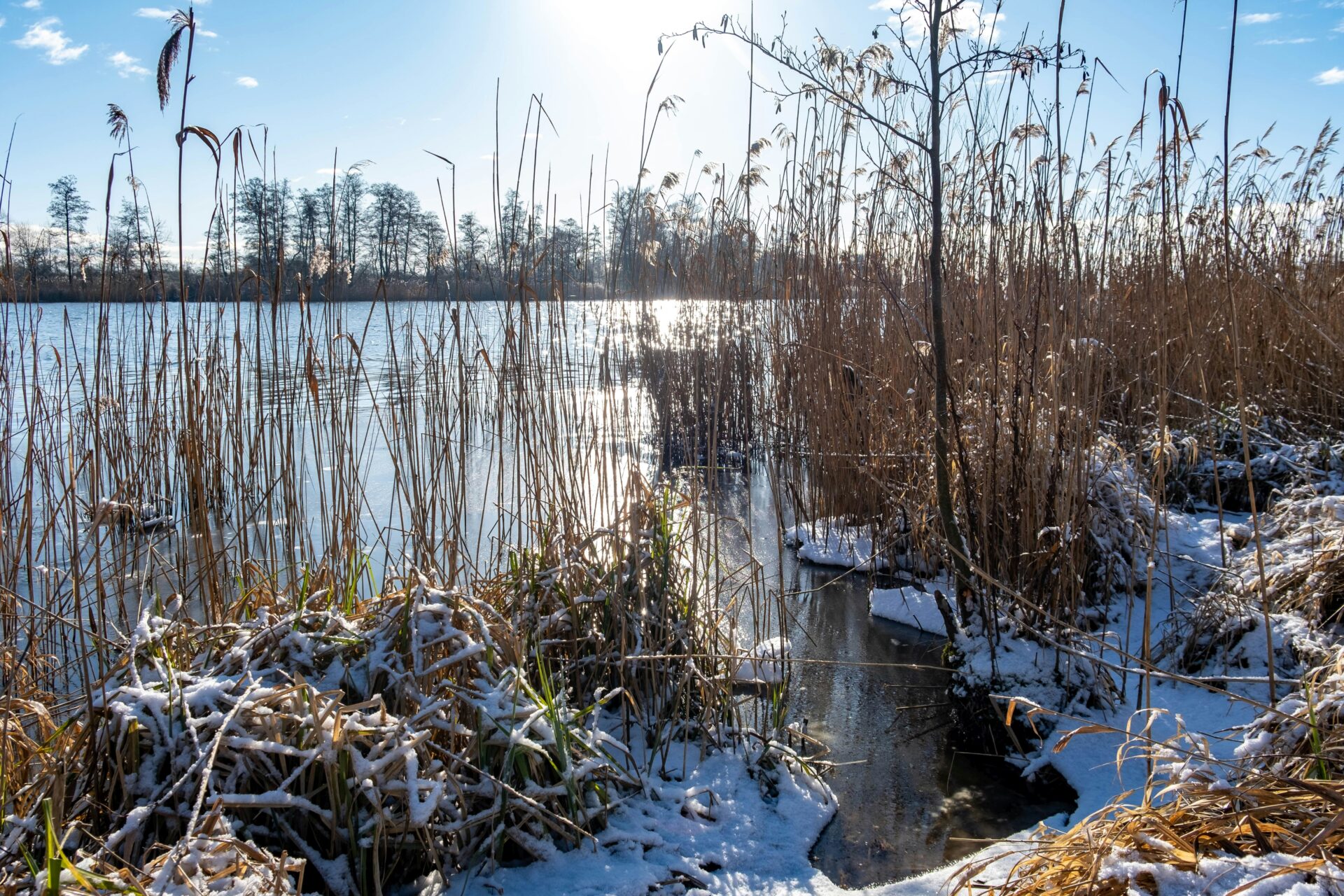
Bird Migrations and Wildlife Wonders
Lower Oder Valley National Park is a front-row seat to epic migrating bird gatherings. You’ll see rare and protected species, plus a whole cast of mammals, amphibians, and other wildlife that make every visit feel different.
Best Times to Observe Bird Migrations in Spring and Autumn
The park’s open floodplains make it super easy to spot flocks. Spring and autumn are peak birdwatching seasons.
Thousands of cranes, geese, and other species stop here on their way to and from their breeding or winter homes. Mornings and evenings are the busiest times, with birds swooping in or taking off in huge waves.
One evening, I watched over 13,000 cranes settle in for the night—their calls echoing everywhere. Bird watchers usually bring binoculars or cameras, but honestly, you can spot a lot with just your eyes.

Protected Birds: Cranes, Geese & White Storks
This park is a lifeline for protected birds. The common crane steals the show, with thousands stopping to feed and rest.
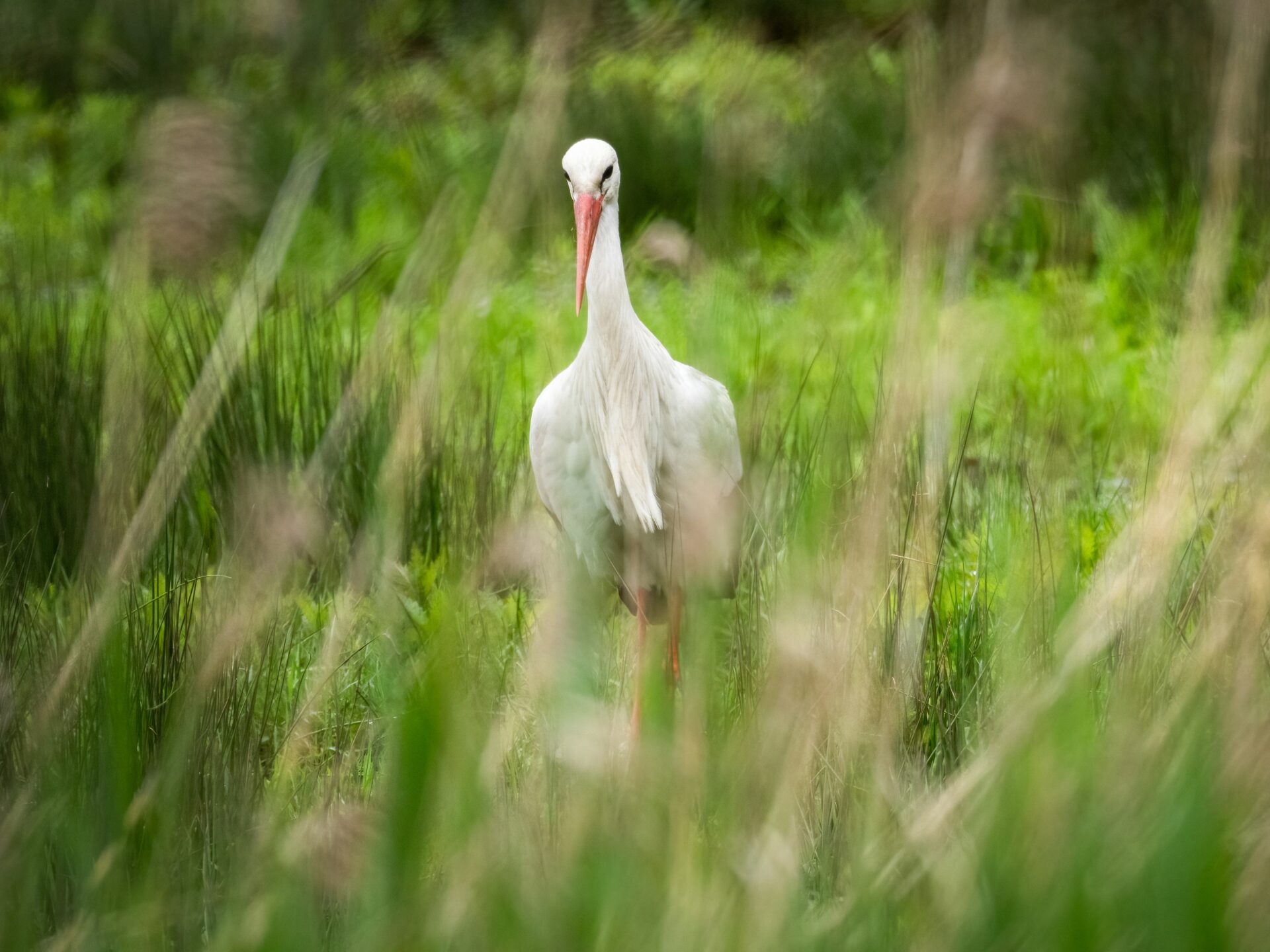
Graylag geese fill the air and grasslands, their honking unmistakable. The white stork is another star—I saw a few wading through wet meadows, hunting frogs and insects.
These storks are easy to spot with their bright white feathers. All these birds benefit from the park’s protected status and careful management.
Notable Species Table
| Bird Species | When to See | Habitat Type |
|---|---|---|
| Common Crane | Spring/Autumn | Wet meadows |
| Greylag Goose | Spring/Autumn | Open floodplain |
| White Stork | Spring/Summer | Wet meadows |
Rare Sightings: Aquatic Warblers, Black Storks & Sea Eagles
Some birds here are genuinely rare. Spotting an aquatic warbler feels like winning the lottery—they nest in tall reed beds, but there aren’t many left.
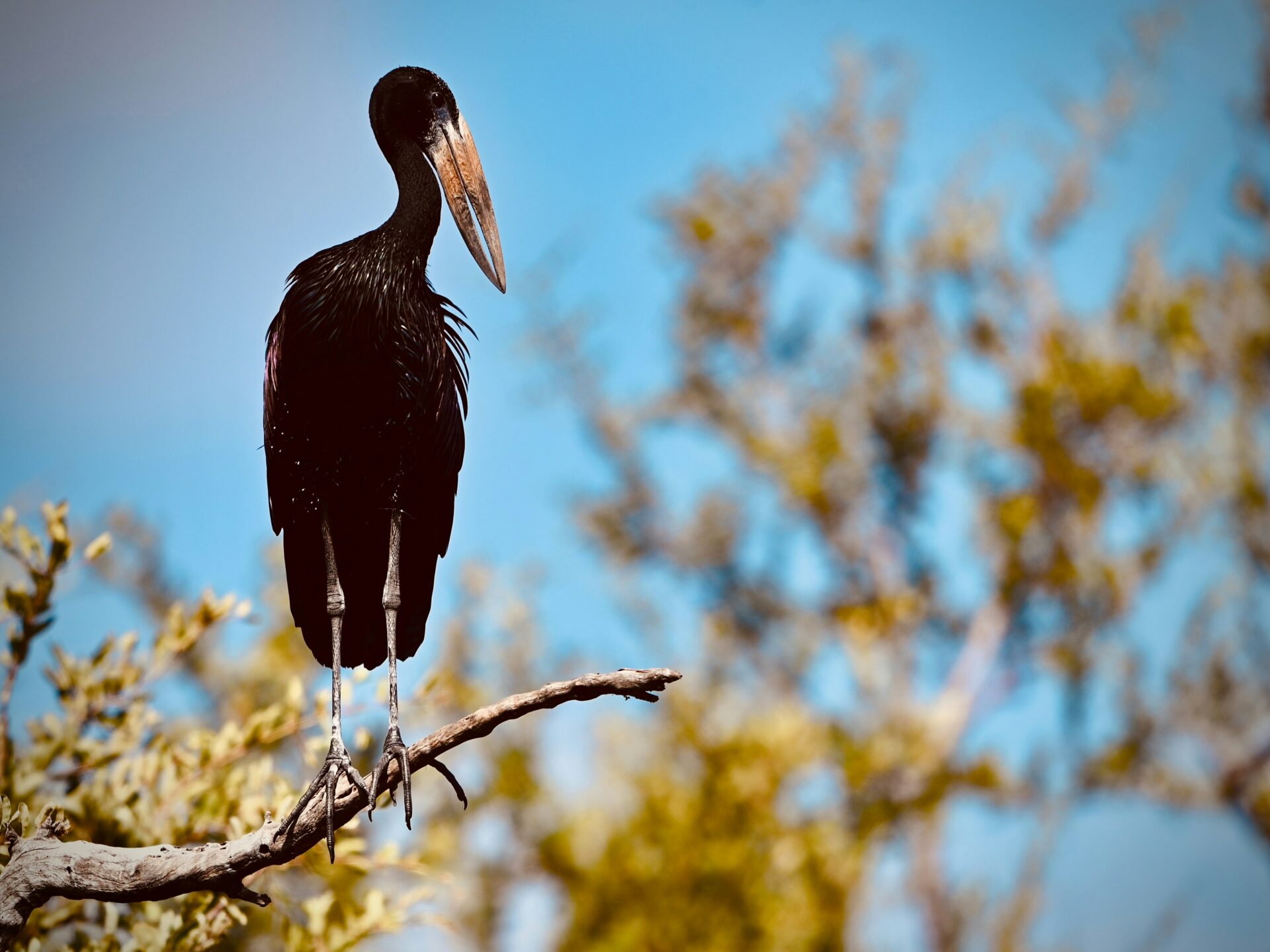
I once saw a black stork gliding over the river. Black storks are shy, nesting in quiet forest corners near water.
The white-tailed sea eagle is the park’s king of the skies. I watched one circle above the Oder, hunting for fish. These rare birds need healthy wetlands, so seeing them is proof the park’s doing something right.
Rich Mammal and Amphibian Diversity
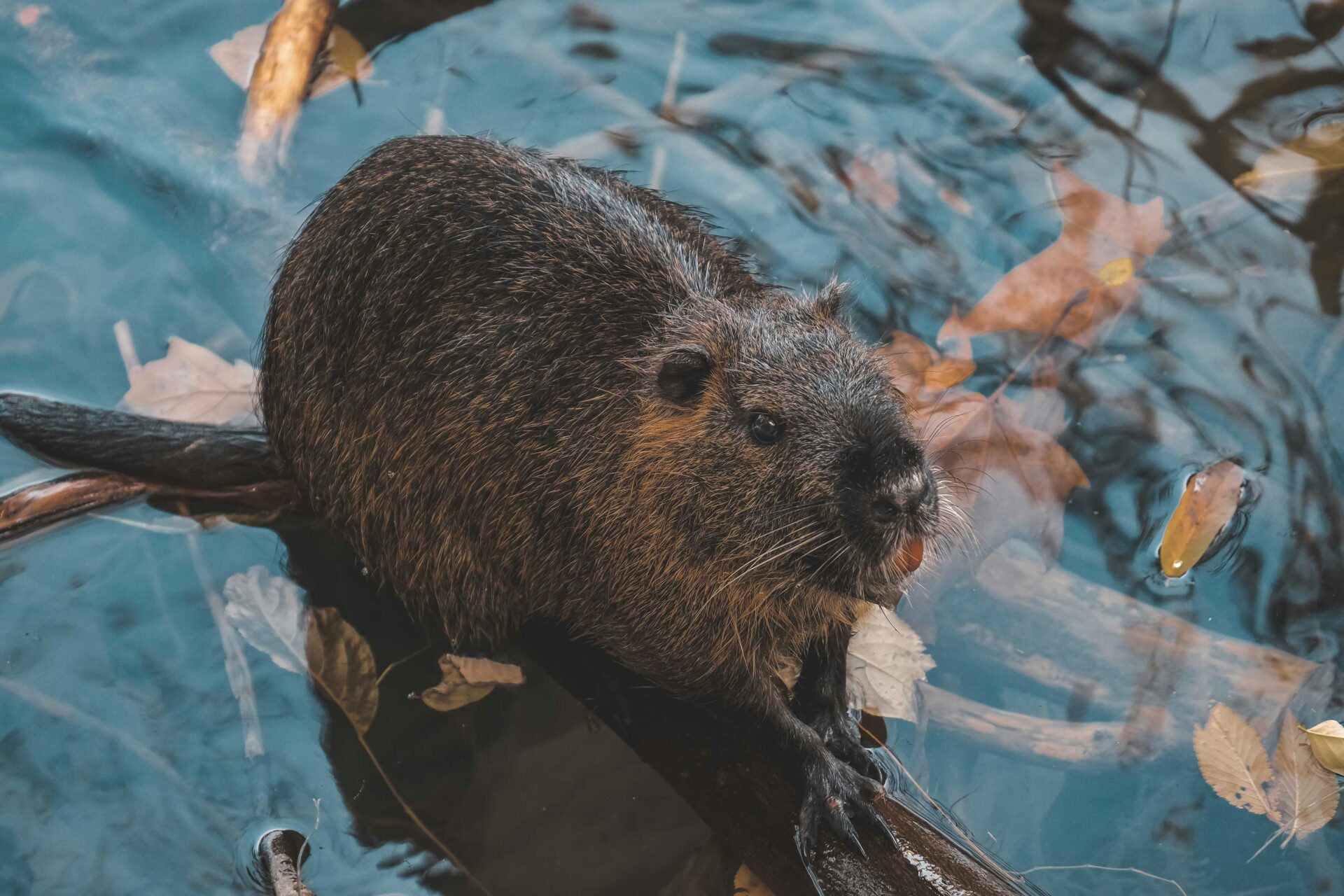
On my walks, I noticed how much mammal life buzzes here. I spotted otter tracks in the mud and saw where beavers gnawed trees along side channels.
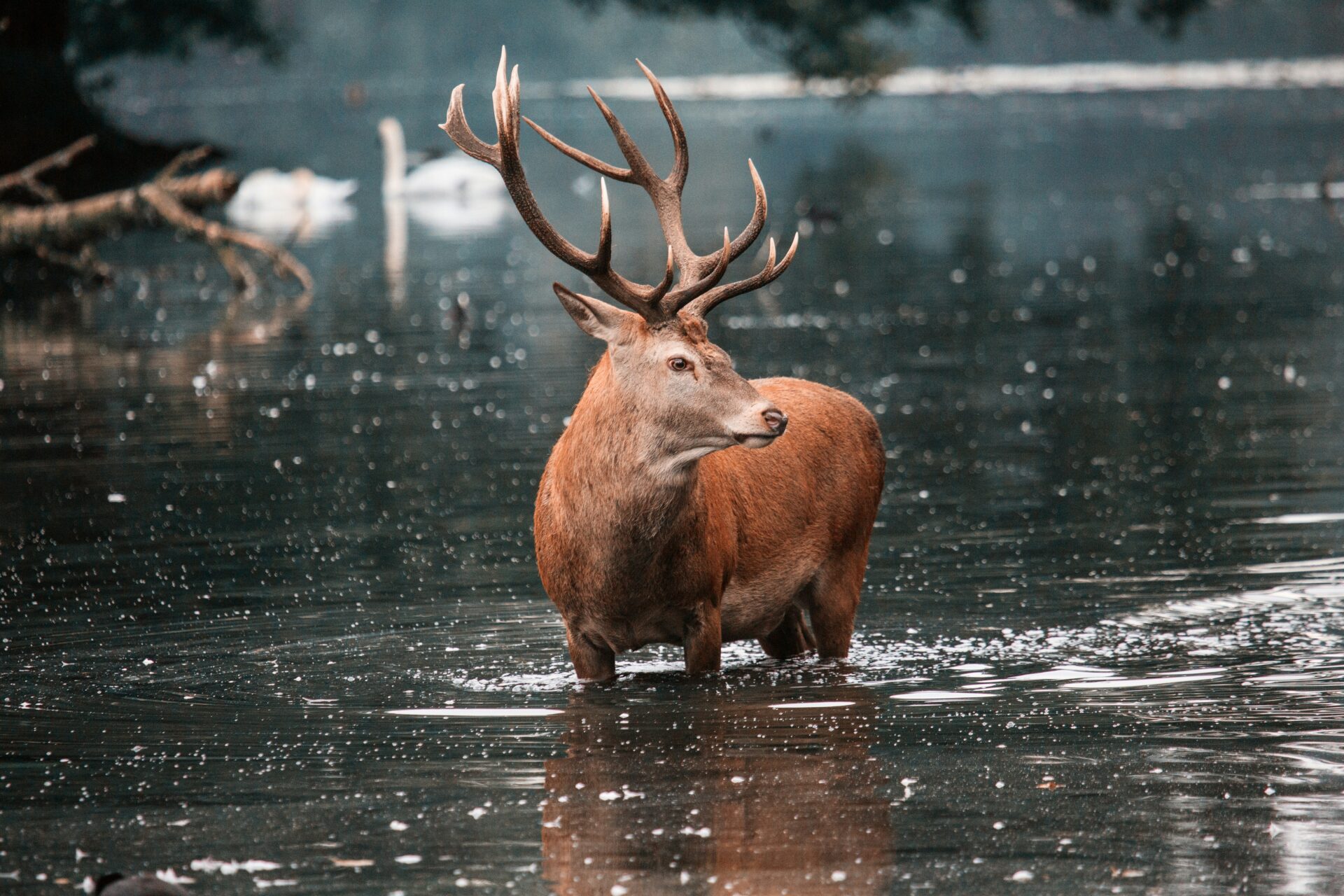
Red deer and wild boar sometimes leave tracks at the forest’s edge. In spring, frogs and toads put on a chorus near the flooded meadows.
European tree frogs seem everywhere once you know where to look. Amphibians keep insects in check and serve as food for birds, so they’re crucial to the whole system.
Riverine Landscapes and Wilderness Experiences
The River Oder and its ever-changing floodplains shape everything here. I found habitats packed with beavers, otters, and plenty of fish.
Exploring the Floodplain Ecosystem
Walking the trails, I saw how the River Oder shapes broad floodplains with shifting wetlands and thick reed beds. In spring and autumn, high water transforms meadows into marshes and ponds.
That means the landscape looks different every time you visit. Wet grasslands and willow groves hide rare birds, amphibians, and insects.
Boardwalks and observation towers make wildlife watching easy. In spring and summer, yellow flag iris, water mint, and marsh marigold splash color along the water’s edge.
Canoeing is limited to protect fragile habitats, but biking and hiking are fantastic ways to get around. I found sunrise and sunset are magical for quiet views across misty rivers and fields.
Beavers and Otters Along the Oder
Beavers have made a big comeback here. On early walks, I noticed chewed tree stumps and dams redirecting narrow streams.
Beavers are busiest at dusk, but their lodges, felled willows, and smooth water trails are easy to spot. Otters also patrol these banks.
Unlike beavers, otters are harder to catch in the act, but muddy slides and webbed prints give them away. I once glimpsed a playful otter in a backwater pool—pure luck, honestly.
Both animals signal a healthy floodplain and help keep the land and water in balance.
Fish Species of the River
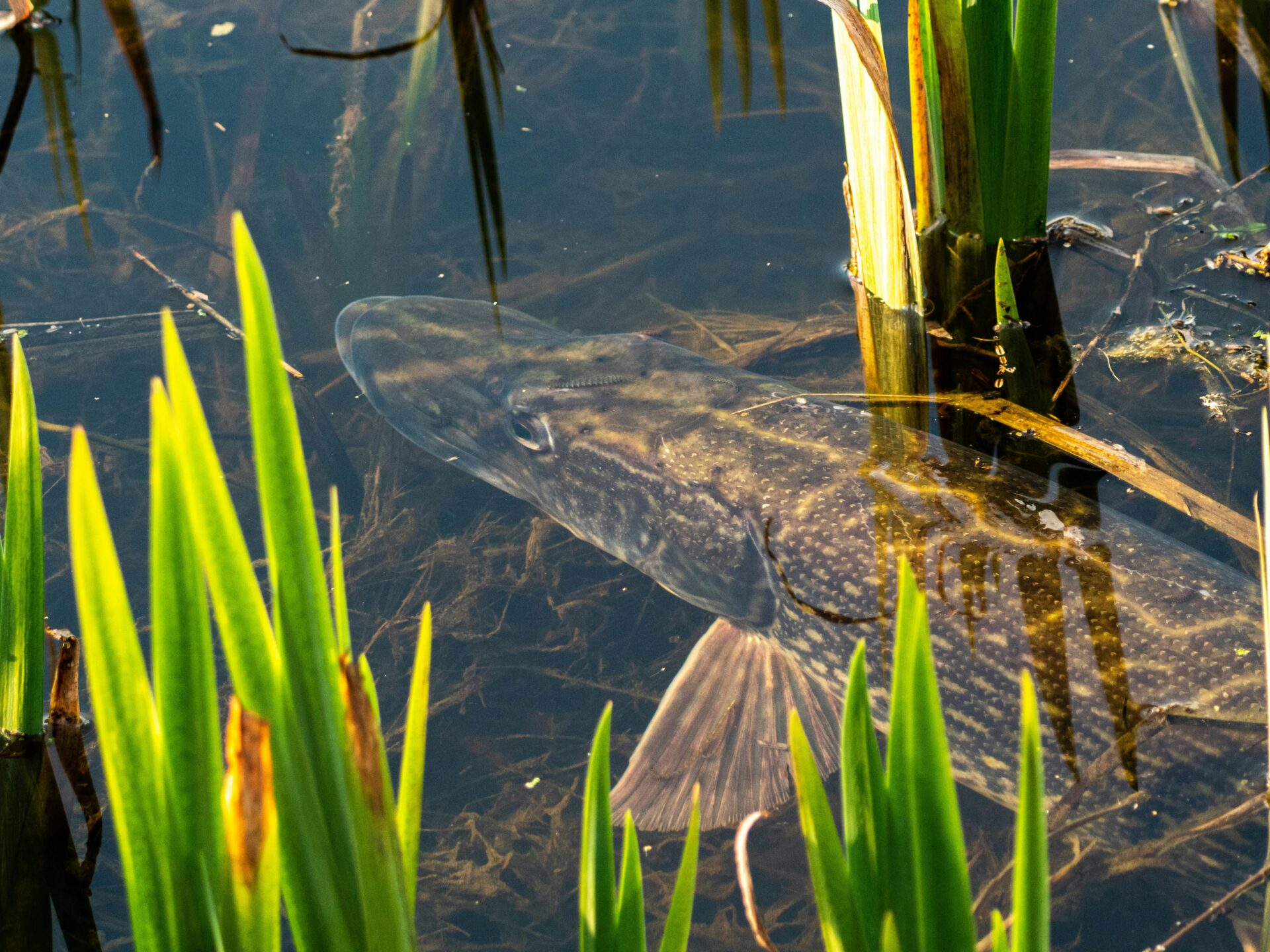
The Oder and its floodplain channels are full of fish. Here are a few you might come across:
| Native Fish Species | Notes |
|---|---|
| Pike | Prefers shallow weedy areas |
| Perch | Found in slow backwaters |
| Tench | Likes muddy bottoms |
| European catfish | Grows very large |
| Carp | Common in the floodplains |
Some spots, like old oxbows and quiet bays, are especially rich in young fish. These are important breeding grounds.
Clean, reedy margins and natural banks give fish plenty of places to grow up before heading into deeper water. Local anglers fish here with permits, but strict rules protect stocks and habitats.
Essential Activities and Adventure Trails
Exploring Lower Oder Valley National Park let me soak up both peaceful riverside scenery and vibrant wildlife. I found loads of trails for hiking, cycling, and birdwatching—and plenty of spots for snapping photos of birds and animals.
Hiking Trails and Nature Walks
Marked trails wind through wetland forests and open meadows. The Path of Floodplain Views let me gaze out over wide river flats and spot cranes and storks.
Shorter walks near the Criewen visitor center are great if you’re short on time. The Wild Forest Trail is perfect for spotting rare plants and butterflies, especially in spring.
Some routes lead to overlooks or castle ruins like Stolpe Castle—ideal for a break or picnic. Natural floodplains and scenic riverbanks make every hike feel fresh, no matter the season.

Cycling and Birdwatching Routes
I loved the Oder-Neiße cycle path—it’s a fantastic way to cover ground fast. The path hugs the Oder, and in early autumn, the light is just lovely.
Cycling let me spot groups of cranes gathering in the fields. I always had my binoculars handy, since you can see over 13,000 cranes resting here in fall.
There are marked birdwatching stops along the main routes. Platforms and benches make it easy to pause and watch waterfowl or raptors without scaring them off.
Tips for Wildlife Photography
Good light makes all the difference, so I head out early or just before sunset. Viewing platforms are perfect for using a zoom lens to capture cranes and swans from afar.
A tripod helps with shaky hands, especially on uneven ground. I stick to neutral clothes to blend in and avoid startling wildlife.
If you want more than just birds, keep an eye out for beavers and wild boar in the wetlands. I always keep my distance and stay on marked paths to protect habitats and still get memorable shots.
Planning Your Visit: Centers and Cultural Highlights
When I spent time at Lower Oder Valley National Park, I realized it’s not just about trails and wildlife. There are plenty of resources for learning about the park and its culture, plus nearby spots where you can explore local history and traditions.
Visitor Centre and National Park House
My first stop? The National Park House. It’s really the heart of the visitor centre experience. Friendly staff greeted me and pointed out the best trails, top birdwatching spots, and even checked the weather for me. I grabbed a park map, peeked at the event schedule, and got the inside scoop on what’s in season.
This place just makes it easy to get your bearings. Displays break down the park’s floodplain landscape and dig into conservation stories. Kids and adults can both find leaflets or sign up for a guided tour if they’re feeling curious. Restrooms, free parking, and a few comfy seats are all here too. The building itself? It’s a cool mix of old tobacco barns and modern touches, which feels pretty unique. Here’s a bit more about local tradition.
Interactive Exhibitions and Aquarium
Inside, interactive exhibitions bring the wetlands to life. Touchscreens share facts about bird migration and river life in a way that’s actually fun. I spent a while at a 3D relief map, watching how water flows during floods—it really helped me picture the park in different seasons.
There’s a small aquarium tucked in the corner. I watched perch and pike glide around, which gave me a new appreciation for the park’s ecology. Some exhibits use sound and video, which keeps things lively. Kids can get hands-on with bird call games or test out binoculars from the observation deck. It’s a good spot for families or anyone who likes to learn by doing.
National Park Shop and Local Products
Right near the entrance, you’ll find the National Park Shop. It’s stocked with regional goodies and practical stuff for your visit. I spotted guidebooks, maps, reusable bottles, and souvenirs like pins and t-shirts. There’s also local honey, jams, and herbal teas—buying them supports area farmers and small businesses.
Sustainability really stands out here. Most products are eco-friendly or locally sourced, which cuts down on plastic and supports the park’s conservation mission. The shop staff know their stuff and helped me pick out snacks for my hike and a couple of gifts to bring home.

Nearby Towns: Schwedt, Gartz, and Friedrichsthal
While I was in the area, I made quick trips to nearby towns for meals and a bit of exploring. Schwedt is the biggest—it’s got hotels, cafes, and a few small museums. If you’re coming from Berlin by train, this is probably where you’ll start.
Gartz feels smaller and more historic, with its old town walls, cobblestones, and a church that’s definitely worth a peek. I wandered along the riverbank trails there, keeping an eye out for migrating birds. Friedrichsthal is quieter and mostly residential, but I found a couple of local spots serving classic Brandenburg dishes.
Each town has its own connection to the park’s story. Old tobacco barns and small museums capture river life and farming from the past. Exploring these places made my trip feel a lot more personal and memorable.
Natural Heritage and Conservation Efforts
Lower Oder Valley National Park really stands out for its rare floodplain habitats. So many species depend on these wetlands. Conservation teams work hard to protect these landscapes, keeping them healthy for both wildlife and visitors.
Natura 2000 and Protected Area Status
The park sits at the heart of the European Union’s Natura 2000 network. This system protects places where rare plants and animals still thrive. Lower Oder Valley is Germany’s only wetland national park, and it’s protected by both national and international law.
Table: Key Protections
| Type | Description |
|---|---|
| National Park | German federal protection since 1995 |
| Natura 2000 | EU-wide habitat and species safeguard |
| Cross-border Reserve | Germany-Poland joint management |
These protections shape how people use the land, farm, and visit the area. Strict rules help preserve water levels, meadows, and forests—these make up the park’s unique ecosystems.
Maintaining Biodiversity in the Lower Oder Valley
Biodiversity in the park honestly blew me away. I spotted rare birds, amphibians, and a handful of shy mammals, all living in a landscape that floods whenever the river decides to spill over.
Seasonal flooding does more than just make things soggy—it creates perfect homes for storks, cranes, and those ever-industrious beavers.
People here really care about keeping this place wild and lively. Local rangers keep an eye on the animals and plants, and they roll up their sleeves to restore wetlands.
They don’t just let things run wild, though. Rangers actively remove invasive species and mow the meadows in ways that keep nesting birds and insects safe.
Why it matters:
- Wetlands in the valley clean the water naturally and help prevent floods.
- Protected meadows burst with wildflowers and insects—honestly, it’s a pollinator’s paradise.
- Rare birds drop by during their spring and autumn migrations, making this spot a real treat for birdwatchers.
With this kind of hands-on care, the Lower Oder Valley keeps its wild heart beating strong.

