
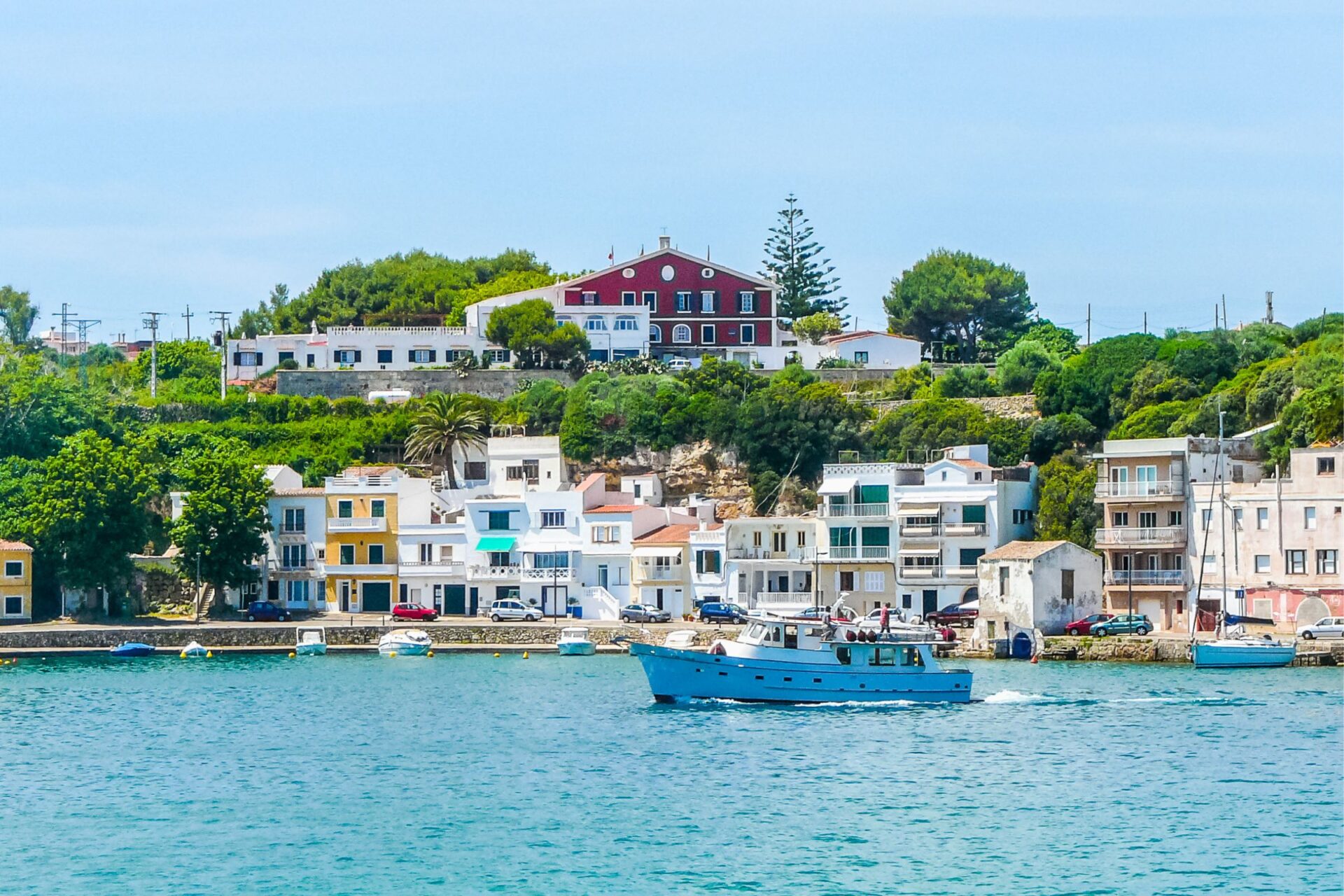
Every time I set foot on Menorca, I end up torn between Mahón and Ciutadella. These two cities couldn’t be more different. Mahón, the island’s capital, welcomes me with its wide natural harbor and those quiet British touches, while Ciutadella pulls me in with its lively, winding streets and unmistakable Spanish charm.
Both cities shape Menorca’s unique soul, blending history, local life, and culture in their own ways.
When I wander through Mahón, I spot British-style architecture mixed with classic Mediterranean scenes. As soon as I head to Ciutadella, the mood flips—Gothic buildings, vibrant plazas, and a rhythm that feels both timeless and buzzing with energy.
Choosing which city to visit—or even where to stay—depends on what kind of Menorca I want that trip. Sometimes it’s the laid-back elegance of Mahón, other times the colorful chaos of Ciutadella. Either way, I always find moments and memories here that I can’t get anywhere else.
Mahón: British Legacy and Harbor Charm
Mahón stands out from the rest of Spain. History jumps out at every corner, where British influences mix with Mediterranean beauty. The city’s lively port and understated streets always draw me in, especially if I’m chasing good food and culture.
Historic Sites and Museums
As I walk Mahón’s streets, its British past is impossible to miss. Georgian-style windows and those big townhouses remind me of when the British made Mahón the island’s capital back in the 18th century.
The Museum of Menorca sits in an old convent, and its rooms overflow with artifacts from Talayotic times through the 20th century. I found the displays easy enough to follow, even without a guide.
The old Fortaleza de Isabel II out on La Mola point offers huge sea views and a chance to dig into Menorca’s military past.
If you’re into architecture, Santa María Church is a must. The church’s impressive organ is a highlight, and it’s a hub for classical music concerts. Local guides often point you here to get a feel for Mahón’s shifting history.

Image Source: Wikimedia Commons
The Port of Mahón and Waterfront Life
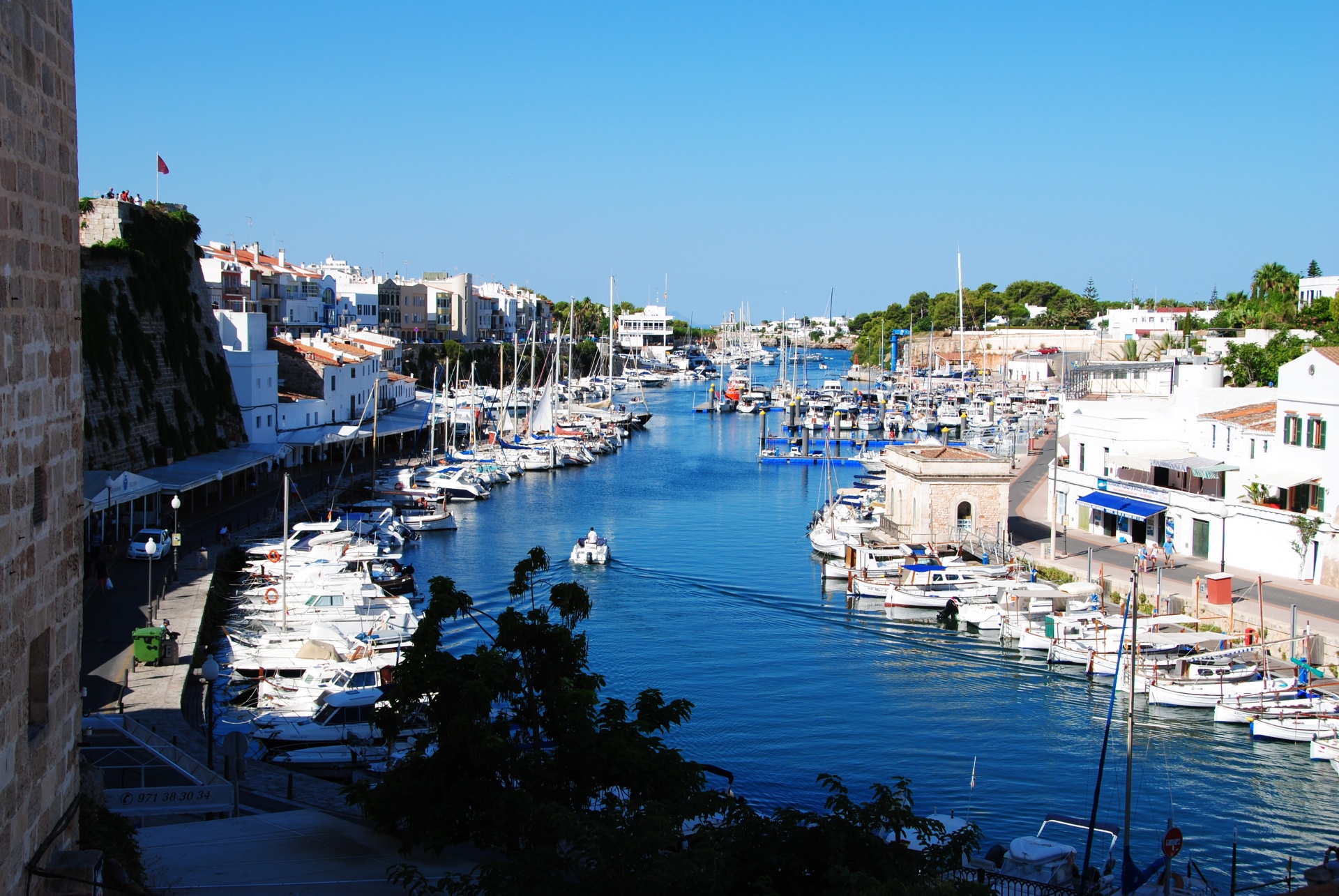
Mahón’s natural harbor runs deep—one of the deepest in Europe, actually. I love heading down to the water in the early morning. Fishing boats, luxury yachts, and ferries all line up along the esplanade, making the port itself a lively destination.
Palm-shaded promenades lead me past fish markets and busy outdoor terraces. Watching the marina’s comings and goings is an endless source of people-watching. Boat tours are easy to spot; I always suggest hopping on one to find hidden coves or Isla del Rey, where there’s a quirky military hospital museum.
Travel guides always put the port at the top of their lists, and I get why. The area blends Mahón’s history with its laid-back lifestyle. For me, it’s at its best in the early evening as the lights start to come on.
Local Cafés and Culinary Finds
Mahón moves at its own pace, especially in the morning. My favorite way to start the day is with a coffee at a tiny café facing the harbor. Local favorites like ensaimada (that sweet, fluffy pastry) and Mahón cheese show up everywhere.
Here’s what I always try to sample:
| Local Treat | Where to Find |
|---|---|
| Mahón-Menorca Cheese | Mercado de Pescados |
| Calamari or Octopus | Port-side restaurants |
| Tapas | Plaça de la Constitució |
For a real slice of daily life, I grab a seat outside at Mercado de Pescados (the fish market). Food stalls and wine bars get crowded but stay friendly. I often end up chatting with locals over a snack or a glass of pomada—a gin and lemon drink that Mahón claims as its own. These spots feel the most authentic to me.
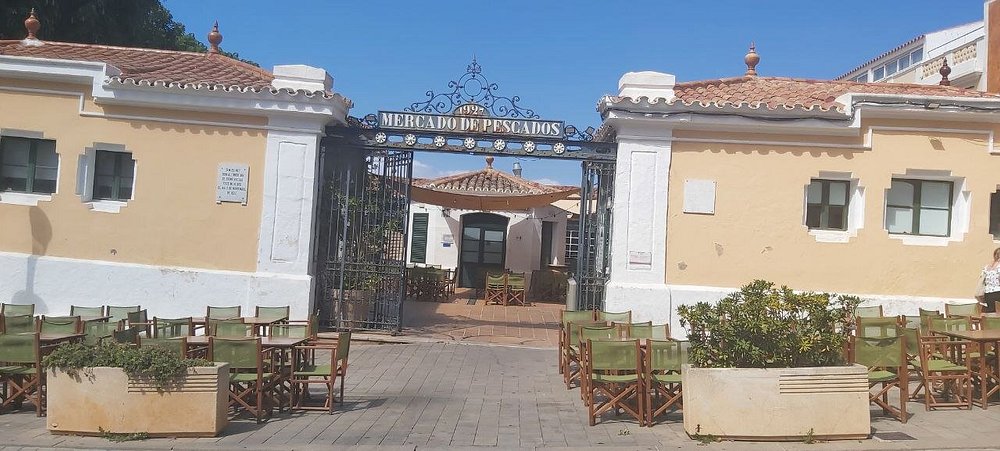
Image Source: Tripadvisor
Insider Tips for Visiting Mahón
To get the best out of Mahón, I stick to a few tricks:
- Arrive early to avoid cruise ship crowds, especially at the big historic sites.
- Wear good shoes. The old town’s streets can be steep and narrow.
- Try a guided walking tour. They’ll show you hidden courtyards and stories from the British days.
- If you rent a car, know that port parking fills up fast. I usually park just outside the center and walk in.
- Sundays are quiet. Most shops close and the city slows down—a peaceful vibe I really enjoy.
Mahón always manages to surprise me with its mix of history, food, and those endless sea views.
Ciutadella: Spanish Allure and Labyrinthine Streets
Ciutadella grabbed me right away with its winding old streets and deep Spanish spirit. Every corner buzzes with history and tradition, from bustling markets to quiet chapels tucked away from the crowds.
Landmarks and Old Town Wonders
Wandering Ciutadella’s old town feels like stepping into a maze of golden stone. The narrow lanes twist past grand palaces, lively squares, and historic buildings. Plaça des Born, the main square, stands out with its tall obelisk and views of the harbor below.
I could spend hours just soaking up the details—iron balconies, carved wood doors, and those colorful shutters. The town hall looks dramatic against the sky, and the neoclassical Palau Salort gave me a glimpse into aristocratic life. Down at the port, small fishing boats rock gently while locals chat along the water.
Churches and Monasteries
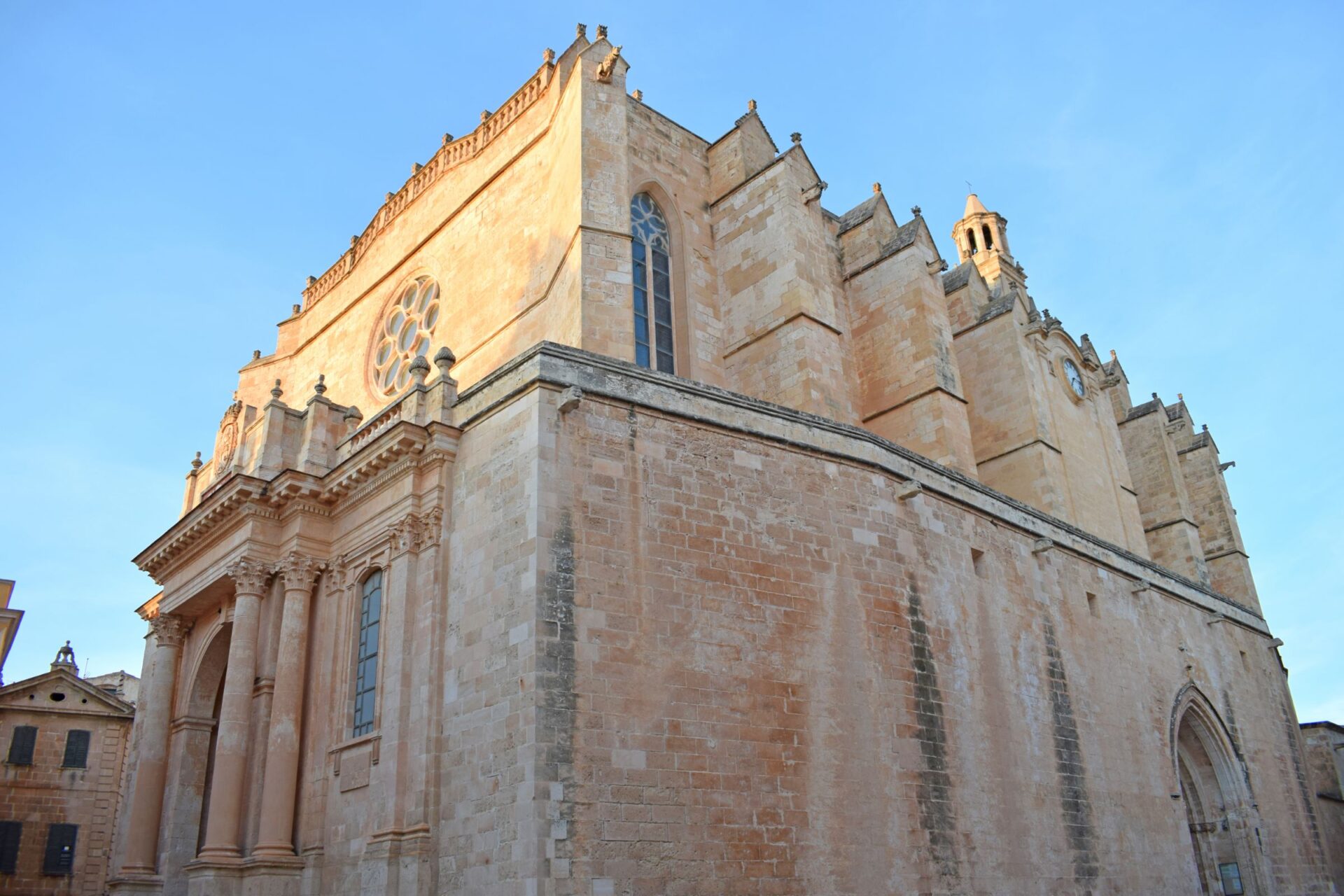
Ciutadella’s churches are a treat for anyone who loves old buildings. The Cathedral of Menorca, or Catedral de Santa Maria, rises right from the heart of town. Its Gothic arches tower overhead, and sunlight pours through stained glass, painting the stone floors in color.
Just a short walk away, the Convent of Sant Agustí sits quietly. I stepped inside to escape the afternoon sun and found a peaceful spot. Monasteries like this still host small communities and keep Spanish traditions alive. I joined a local mass out of curiosity and felt welcomed—tradition here isn’t closed off, even to visitors.
Other chapels, like Església del Roser, offer peaceful places to pause. Even if you’re not religious, the craftsmanship and calm in these spaces give you a sense of Menorca’s layered past.
Cultural Experiences and Craft Shops
Spanish culture pops up everywhere in Ciutadella’s markets and small artisan shops. I loved wandering through Mercat des Peix, the busy fish market, where stall owners called out greetings and offered samples of cheese or fresh seafood.
Around every corner, I stumbled on craft shops selling abarcas (those classic leather sandals), pottery, and lacework. Watching artists at work, I saw how these skills pass down through families. Some shops even let me try weaving or carving—such a fun way to get hands-on.
Evenings in Ciutadella often bring festivals—like the wild Sant Joan celebration—with horse parades, music, and crowds filling the streets. It’s easy to get swept up in the rhythm here, whether I’m sampling pastries at a bakery or joining a music-filled night in a small square.
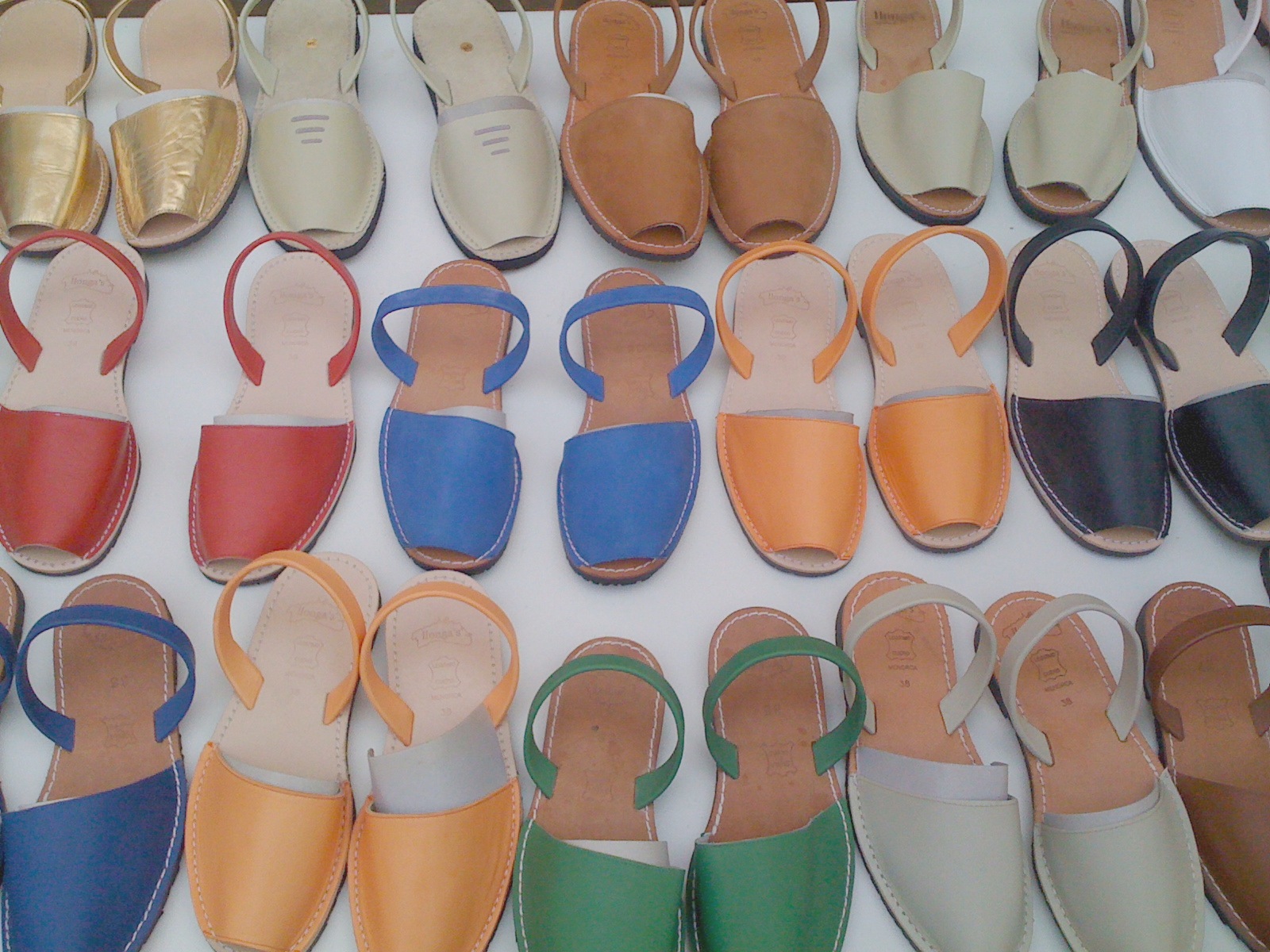
Image Source: Flickr
Natural Beauty: Coastlines and Outdoor Adventures
Menorca’s coastline is full of surprises—rugged cliffs up north, hidden coves in the southwest, and endless options for adventure. Each part of the island has its own thing, whether you want to hike, swim, or paddle out on the turquoise water.
Exploring the North Coast
When I first reached the north coast, I couldn’t believe how wild and untouched it felt. Cavalleria Beach, with its reddish sand and dramatic cliffs, stretches for what feels like forever. I love hunting for fossils in the rocks or climbing up to the lighthouse, which stands nearly 95 feet (about 29 meters) above the sea.
The wind shapes this part of Menorca, so the water’s often brisk and the surf can get lively. I always wear sturdy shoes, since the paths are rocky. Small fishing villages like Fornells offer a taste of Menorca’s simple charm—and honestly, some of the best seafood I’ve eaten. Go for the local lobster stew if you get the chance.
Wonders of the Southwest Coast
The southwest coast feels like a different world—calm, turquoise waters and white sand beaches everywhere you look. Cala Macarella and Cala Mitjana are two favorites of mine, both easy to reach with a short walk from parking. I can easily spend an afternoon swimming or snorkeling in these crystal-clear bays.
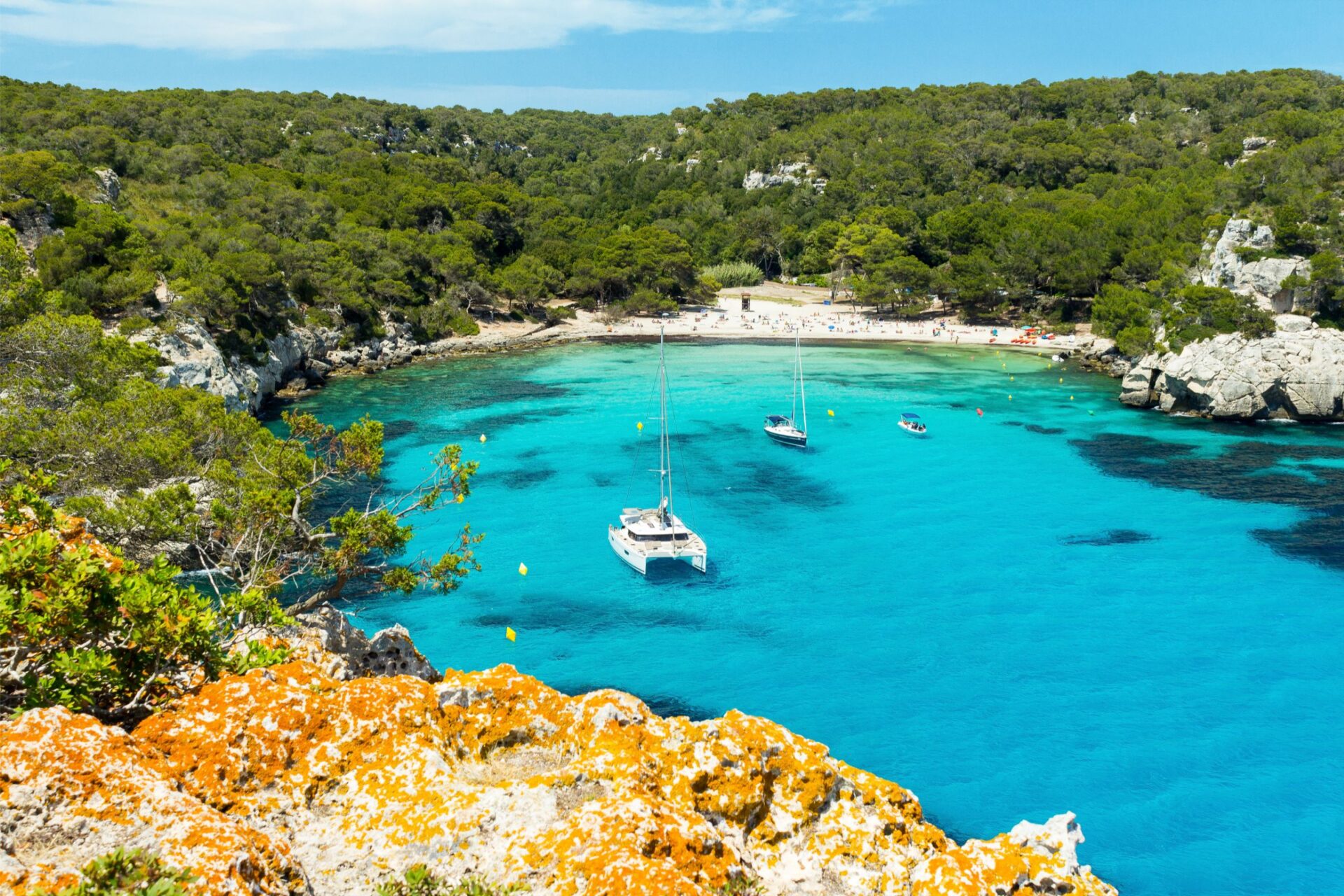
Pine forests ring the coves, and I often pack a picnic to enjoy in the shade. Near Ciutadella, the coastline twists into deep inlets. When the sun hits the limestone, everything glows golden. If you’re willing to hike a bit farther, you’ll find hidden spots perfect for privacy or that unbeatable photo.
Adventure Sports and Hiking Trails
Menorca is basically built for adventurers. The Camí de Cavalls, a 186-kilometer (about 115 miles) ancient trail, circles the whole island. I break it up into shorter hikes, picking sections with the best views or easiest beach access. It’s great for hiking, biking, or even horseback riding—every step or pedal gives you a fresh look at Menorca’s wild side.
Water sports are big here too. Kayaking and paddleboarding are especially popular in the calm, sheltered coves. In the north, strong winds pull in windsurfers, while the south’s protected areas are better for beginners. If you’re into climbing or abseiling, limestone cliffs along the coast offer a shot of adrenaline—all within sight of the sea.

Where to Stay: Accommodations and Local Hotels
Where you stay in Mahón or Ciutadella really shapes your Menorcan experience. Both cities have their own vibe when it comes to hotels and guesthouses. You’ll find historic boutique inns and welcoming guesthouses with tons of local character, so it all depends on what you want.
Unique Boutique Hotels
In Mahón, I spotted lots of boutique hotels tucked into old Georgian mansions. They really play up the city’s British influence. These places blend colonial architecture with modern comforts, and most keep original features—arched doorways, stone patios, and balconies overlooking the harbor.
Ciutadella’s boutique hotels feel different. The old stone buildings and narrow lanes create a romantic setting. Many of the lodgings are restored townhouses, some with rooftop pools or cozy courtyards. I learned quickly that booking ahead, especially in summer, is smart. Most offer breakfasts made with local ingredients, and the staff are usually eager to share tips about quieter beaches nearby.
If you love design and a personal touch, boutique hotels in both cities deliver. Here’s a quick comparison:
| City | Style | Typical Features |
|---|---|---|
| Mahón | Colonial/British | Georgian architecture, harbor views |
| Ciutadella | Gothic/Mediterranean | Stone buildings, central courtyards |
Charming Local Accommodations
Beyond hotels, I noticed that both Mahón and Ciutadella have some really inviting guesthouses, B&Bs, and even holiday homes. In Mahón, I picked a family-run pension right near the old town.
It felt warm and friendly, with simple rooms and home-cooked breakfasts. It’s honestly a great way to meet locals and get a feel for the place.
Ciutadella’s places to stay feel even more varied—think traditional B&Bs in old stone houses or tiny seaside inns. Many of them sit within walking distance of cathedrals, harbor cafés, or those lively open-air markets.
I especially enjoyed the sense of community at these spots. Hosts often shared tips about hidden tapas bars or scenic walks that I’d never have found on my own.
If you want to live more like a local or you’re traveling with family, renting a holiday home or apartment is a solid choice. Airbnbs aren’t as common here as in some other places, but the ones you’ll find are comfy and usually in great locations.
When I stay in Menorca, I honestly feel that the right place to sleep lets the spirit of each city—whether it’s British-tinged Mahón or Spanish-scented Ciutadella—shine through the whole trip.
Menorca in Context: Connections to Spain and the Balearic Islands
Menorca might be a quiet island, but its ties stretch across the Balearics and over to mainland Spain. When I first arrived, I felt surprised by how easy it is to connect Menorca’s unique vibe with the rest of this lively region.
Links to Mallorca and Palma
Mallorca, the biggest Balearic Island, sits just a short ferry or plane ride from Menorca. Every time I take the ferry over, I notice the scenery changing—from Menorca’s low, green fields to Mallorca’s taller, rugged mountains.
Palma, Mallorca’s capital, is really the beating heart of the Balearics. Its busy streets, grand cathedral, and outdoor cafés pull in plenty of visitors. When I walk around Palma, I can’t help but compare its energy to the quieter charm of Mahón or Ciutadella.
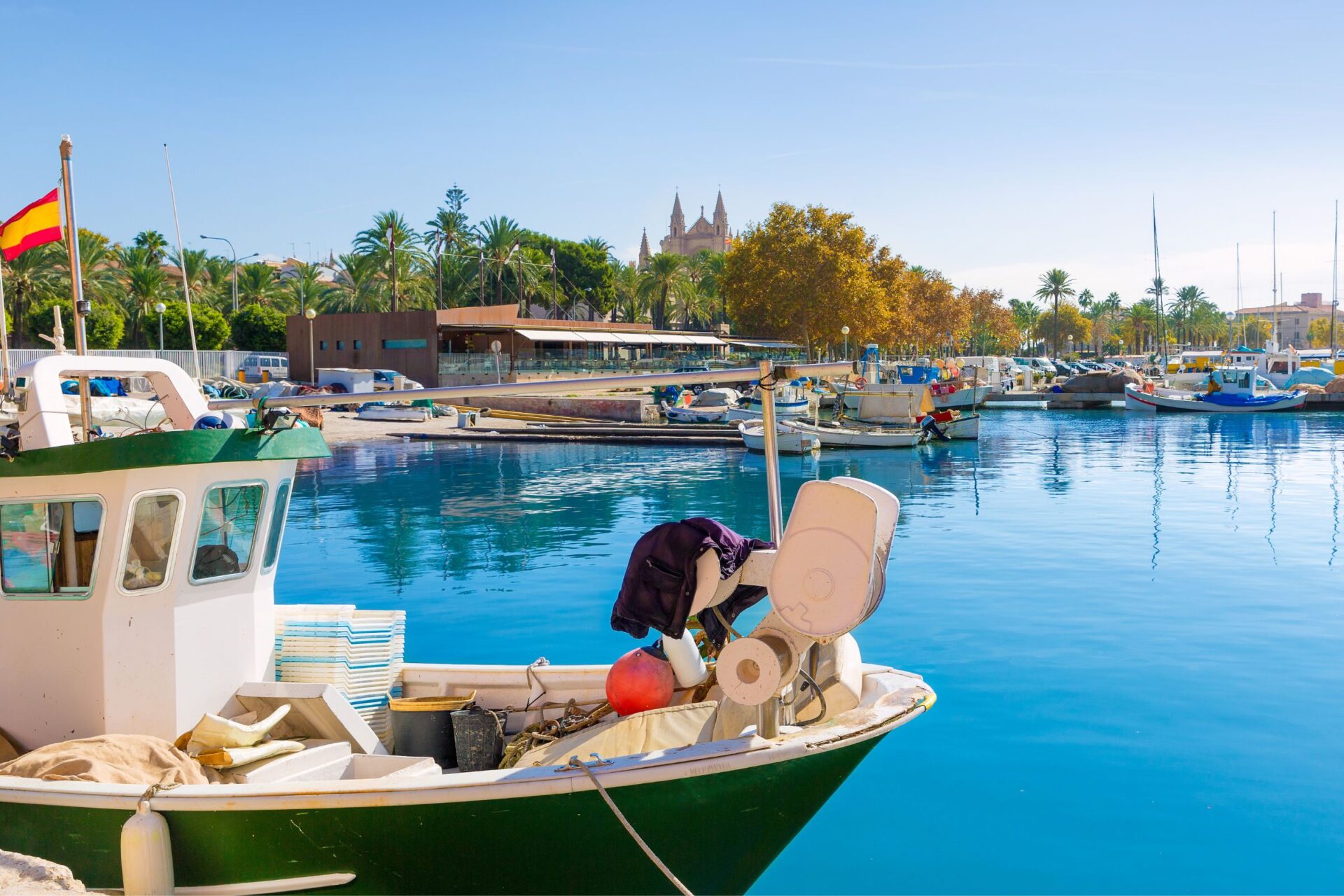
People travel back and forth between Menorca and Mallorca for festivals, shopping, or just to see friends. Fast ferries can get you there in as little as two hours, so weekend trips are totally doable. Flights also connect Menorca and Palma several times a day.
Travel in Spain: Getting to Menorca
Getting to Menorca from mainland Spain is pretty straightforward. Most folks arrive by plane, usually from Barcelona, Madrid, or Valencia.
I usually pick the quick flight from Barcelona. It takes less than an hour, and the views of the Mediterranean from above are just gorgeous.
Direct flights to Menorca also run from other Spanish cities, especially in the summer months. Flying from Madrid gives a nice contrast between the capital’s buzz and Menorca’s peaceful coast.
Ferries from Barcelona reach both Ciutadella and Mahón. The overnight ferry feels relaxing, and I love watching the sunrise as we approach the island.
Major airlines and ferry companies run regular service, so it’s easy to plan a trip whenever you want.
Neighboring Attractions and Day Trips
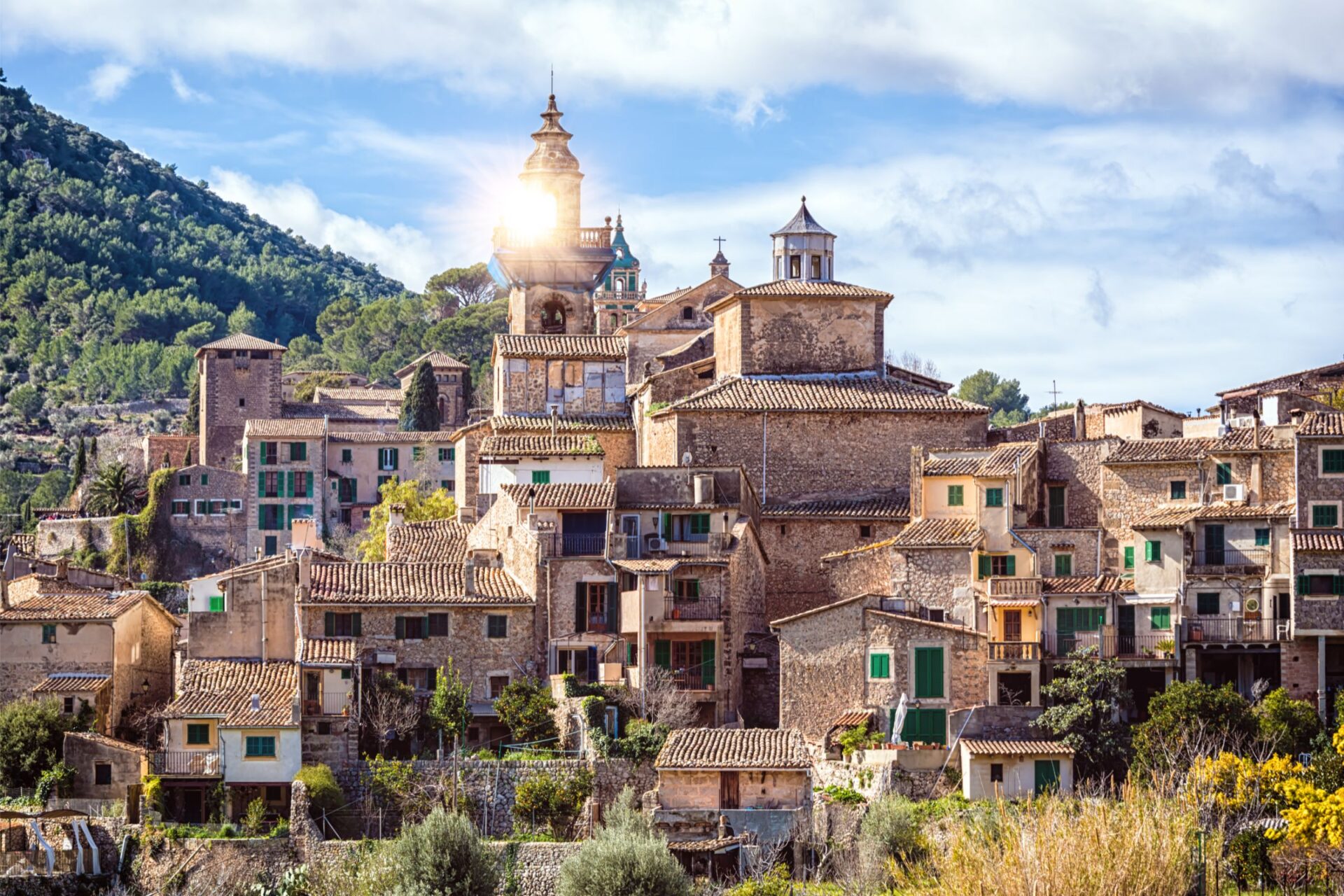
When I’m in Menorca, I love wandering off to nearby spots in the Balearics or even the Spanish mainland. Mallorca’s villages—take Valldemossa, for example—draw me in with their mountain views and those old stone houses.
A day in Palma? It’s a perfect mix of shopping and a stroll through history. Ferries make it pretty simple to swing by Mallorca before or after Menorca.
If I’m feeling adventurous, I’ll catch a flight to Barcelona or Granada. Sometimes I just need that big-city buzz—Barcelona’s Sagrada Família and the bustling food markets always hit the spot.
Arranging day trips isn’t hard at all. Local travel agencies usually set up tours to other islands or share tips for folks who want to explore on their own.
Honestly, hopping between islands never gets old. Every trip, I seem to find some new corner of Spain I hadn’t seen before.

