
Memorial Day stands out as one of the most meaningful American holidays. It’s a blend of solemn remembrance and the celebration of freedoms that our fallen heroes fought to protect.
Over the years, I’ve found Memorial Day offers all sorts of unique ways to honor military sacrifice. It’s also a time when communities come together, whether that’s for a parade, a quiet visit to a cemetery, or some hands-on volunteering that makes a difference for veterans’ families.
Memorial Day adventures? They’re everywhere. You might end up at a national cemetery, soaking in the rows of flags, or maybe you join a local parade and feel the energy of a crowd united in respect. Some folks head to historic battlefields, while others roll up their sleeves for a service project.
These experiences stick with you. They’re meaningful, but there’s room for joy and family traditions too. I think the best Memorial Day weekends blend remembrance, education, and a little bit of fun—especially if you’re trying to show kids why this day matters.
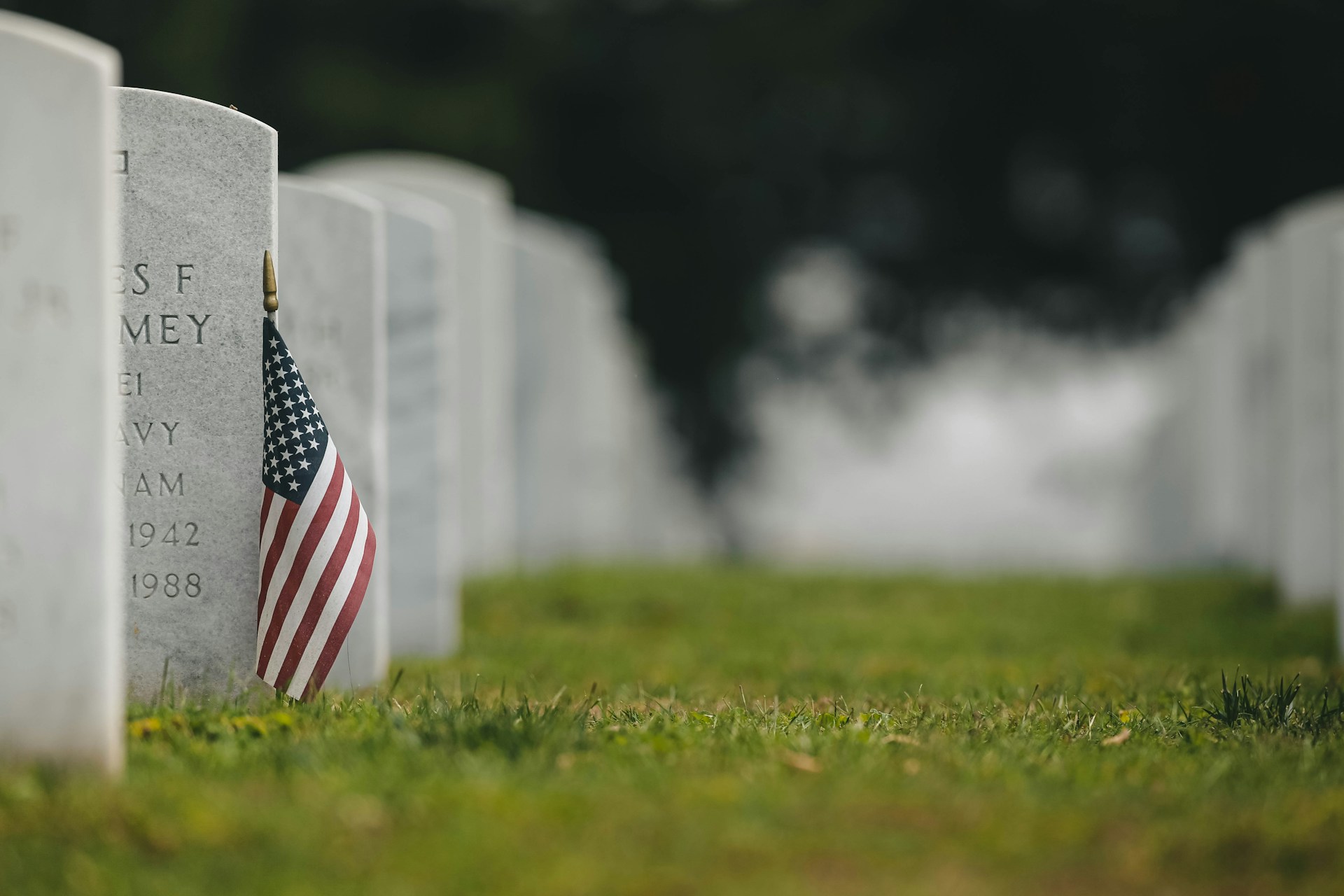
Honoring Fallen Heroes and the Meaning of Memorial Day
Memorial Day traces its roots to the aftermath of the Civil War, when Americans wanted to honor soldiers who’d died in battle. Veterans Day, on the other hand, focuses on everyone who served.
Certain traditions give Memorial Day its deep meaning. The National Moment of Remembrance at 3 PM is one of those powerful, unifying rituals.
The History and Origins of Memorial Day
Back then, people called it Decoration Day. The Civil War left more American casualties than any other conflict in the country’s history.
On May 30, 1868, General John A. Logan declared the first official observance. Thousands gathered at Arlington National Cemetery, laying flowers on both Union and Confederate graves.
Communities across the country soon started their own ceremonies. They decorated graves with flowers, flags, and wreaths.
Eventually, the day grew to honor all American military personnel who lost their lives in service. That means everyone—from World War I, World War II, Korea, Vietnam, and even more recent wars in Iraq and Afghanistan.
In 1971, Memorial Day became a federal holiday. Now, we observe it on the last Monday of May.

Observing Sacrifice and Remembrance
American traditions on Memorial Day help us remember those who gave everything. The National Moment of Remembrance at 3 PM local time stands out as the most important.
I always pause for a minute of silence. Millions of Americans do the same, and it feels powerful to be part of that.
In the morning, the American flag flies at half-staff. At noon, people raise it to full-staff, symbolizing resilience after mourning.
Many families head to cemeteries and memorials. Flags and flowers mark graves, and people take a moment to reflect.
Ceremonies usually include:
- Parades
- Name-reading
- Military honors
- Wreath-laying
Gold Star families, those who lost loved ones in service, carry this day in their hearts all year.
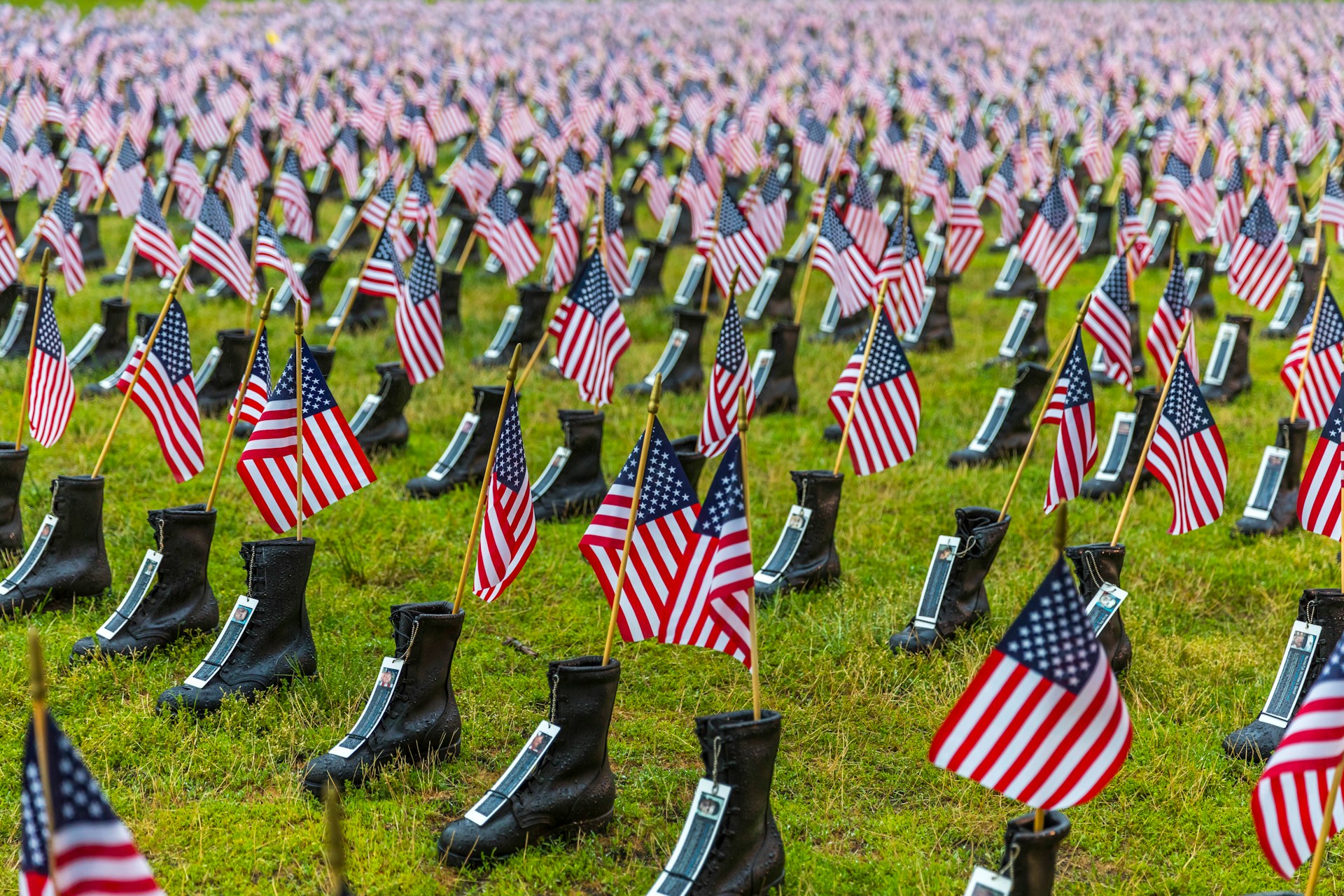
Differences Between Memorial Day and Veterans Day
People mix these two up a lot, but they’re really different. Memorial Day honors those who died in service.
Veterans Day thanks all who served—living or deceased. It’s about recognizing their sacrifice and service.
Quick comparison:
| Memorial Day | Veterans Day |
|---|---|
| Honors fallen military personnel | Honors all veterans |
| Last Monday in May | November 11 |
| Somber remembrance | Celebration of service |
| Flags at half-staff until noon | Flags at full-staff |
Memorial Day feels heavier, more reflective. Veterans Day is a bit more upbeat.
Both matter deeply, especially to military families. They remind us that freedom isn’t free.
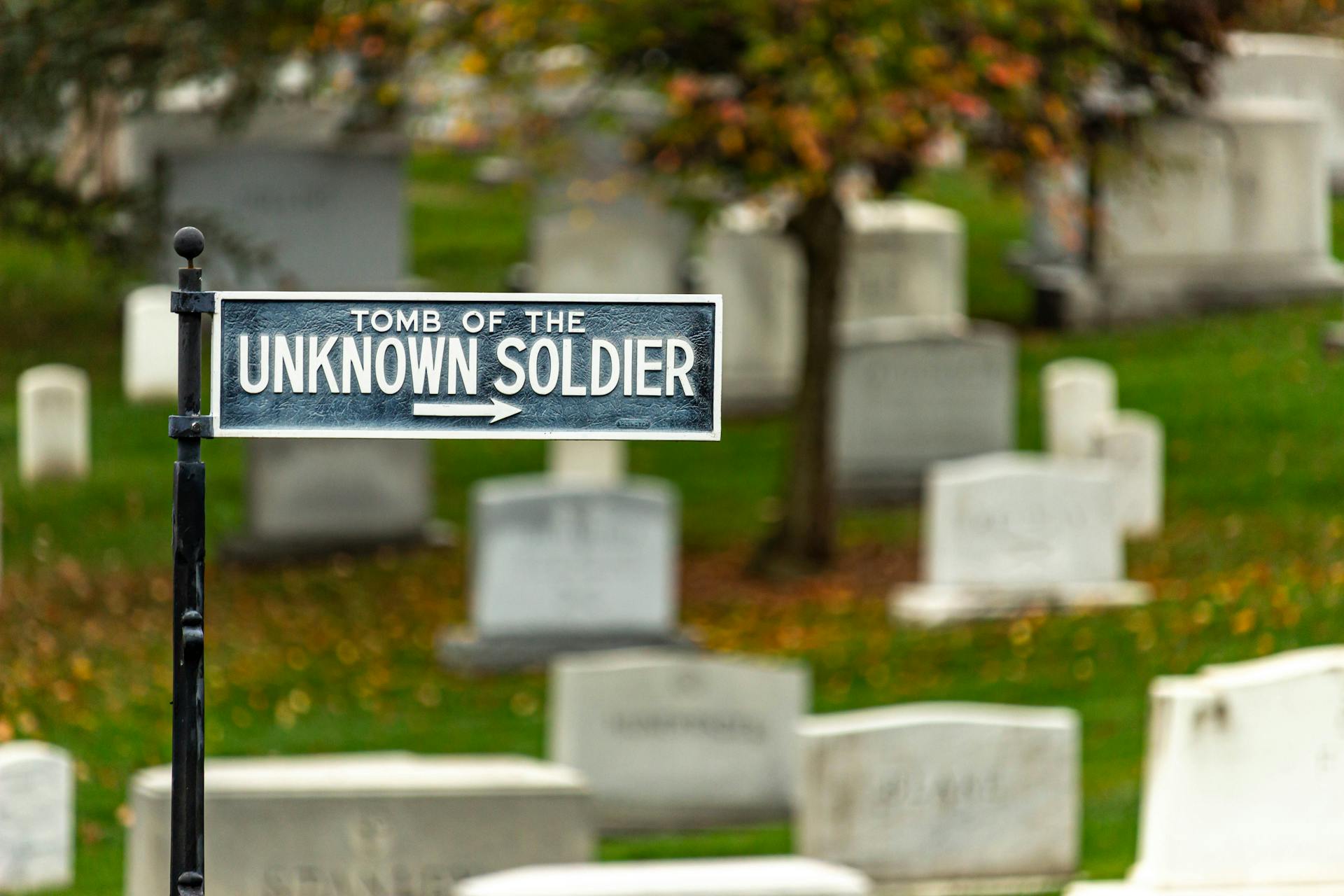
Memorial Day Activities and Traditions
Americans come together on Memorial Day through activities that really mean something. Visiting graves, watching parades, and taking a moment to pause all play a part.
Visiting Cemeteries and Placing Flags
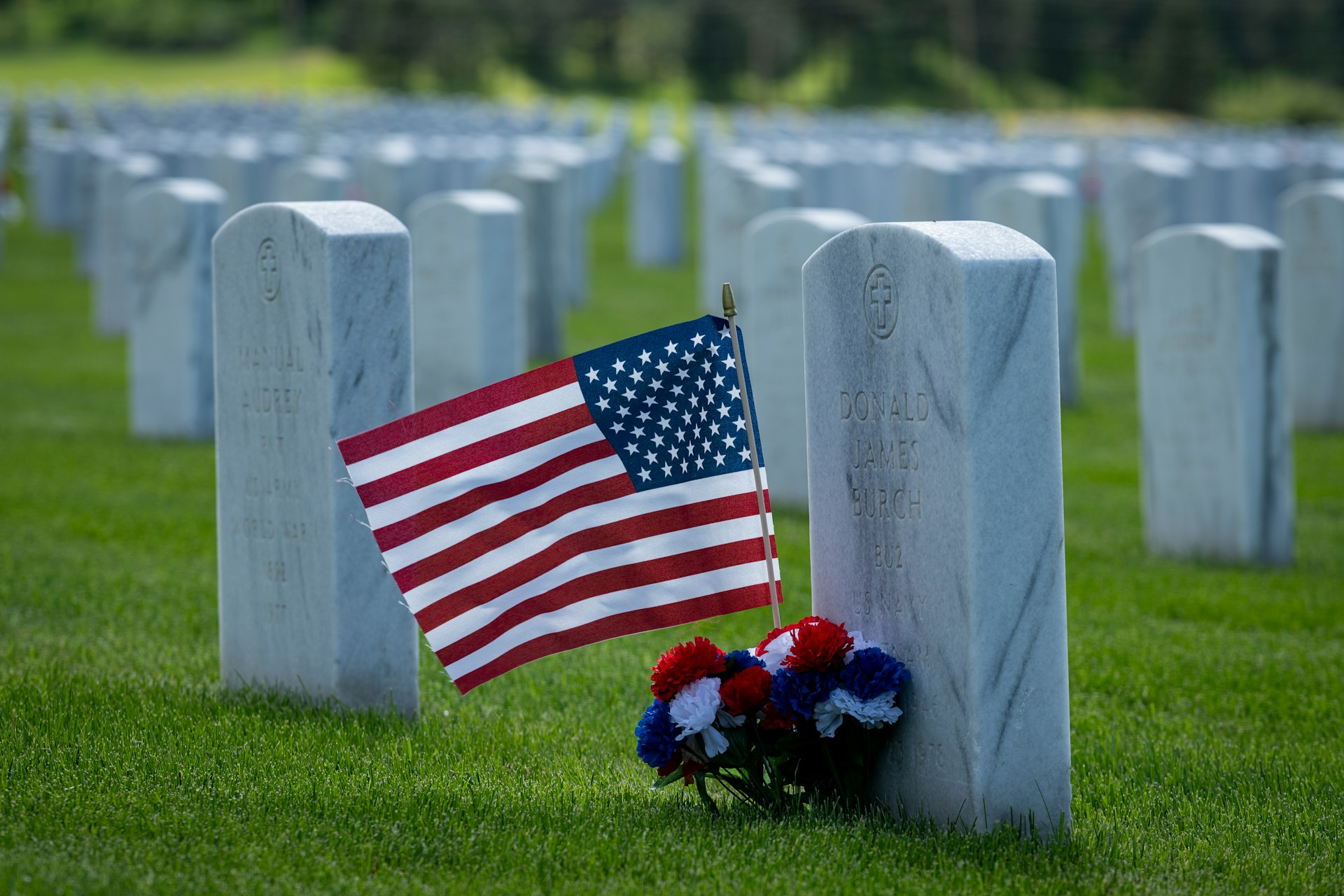
Every year, I visit national cemeteries or a local graveyard. Placing American flags on veterans’ graves has become a tradition for many.
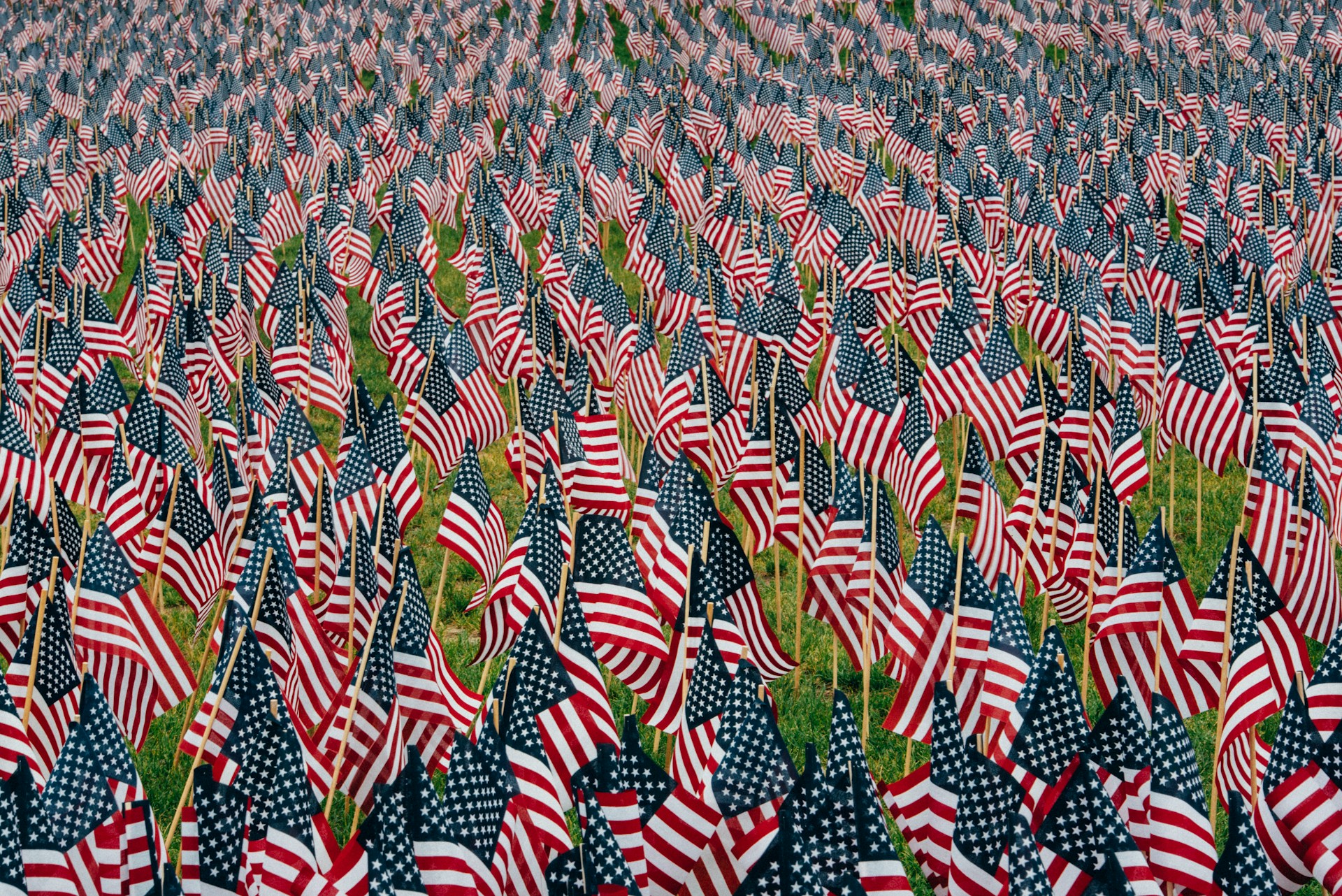
It’s a family affair for lots of people. Kids help place flags and learn about sacrifice. The sight of thousands of flags fluttering in the breeze? It’s unforgettable.
Favorite places to visit:
- Arlington National Cemetery
- Local veterans’ sections
- Military burial grounds
- Family plots
Volunteers gather early to get the flags out. Some cemeteries provide them, but I like to bring my own—just in case.
The quiet among the gravestones gives you time to think. Each marker tells a story.
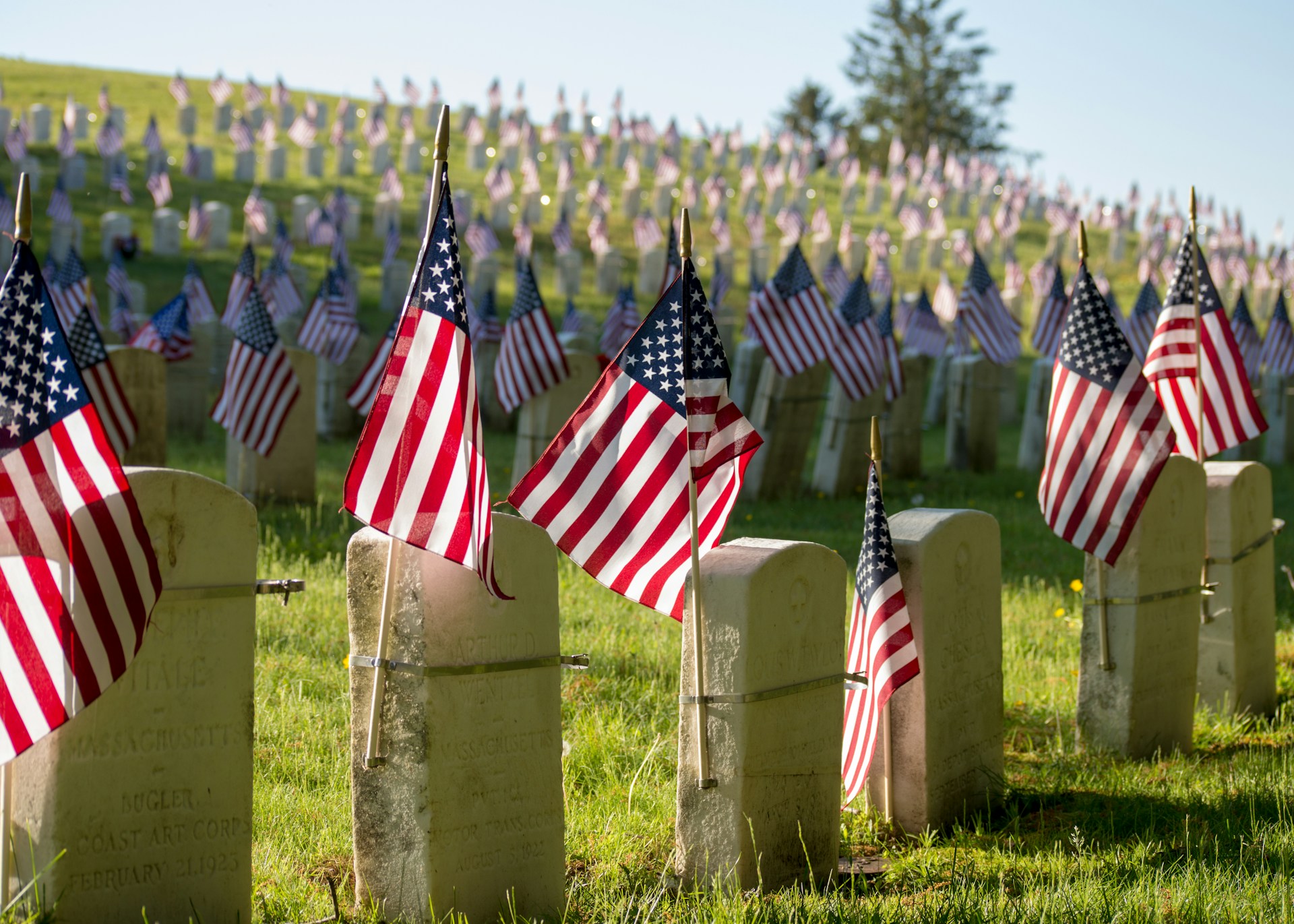
Parades and Public Ceremonies
Memorial Day parades fill streets across the country. Veterans march with pride, and local bands set the mood.
Parades usually kick off in the morning. Veterans wear their uniforms or organization shirts. Local leaders give short speeches.
You’ll see:
- Veterans marching
- High school bands belting out patriotic tunes
- Military vehicles on display
- Floats decked in red, white, and blue
Often, parades end at a cemetery or monument. Public ceremonies follow, with speeches and wreaths laid in honor.
Bringing the family along teaches kids firsthand about service. Watching older veterans always gives me a lump in my throat.
Moment of Silence and Reflection
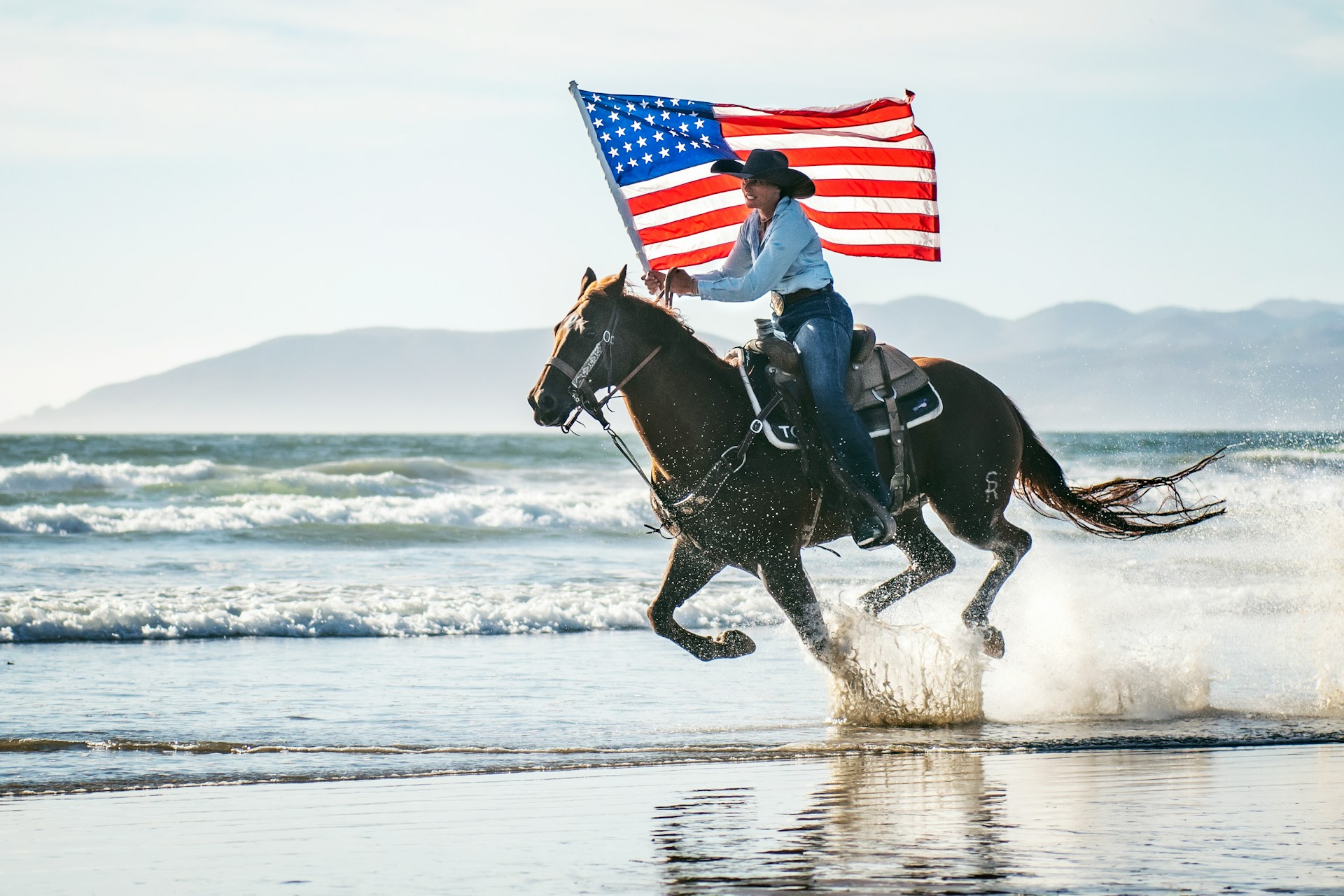
At 3 PM, I stop whatever I’m doing for the National Moment of Remembrance. One minute of silence can feel surprisingly powerful.
People bow their heads or put a hand over their heart. It’s a small gesture, but it connects us all.
How to observe:
- Pause at 3 PM
- Stand by a flag if you can
- Think about those who served
- Tell others about the tradition
Radio and TV stations usually mention the moment. Some towns ring bells or sound sirens.
This tradition started in 2000, and it’s still growing. I use that minute to think about what freedom really costs.
Celebrating Freedom and American Values
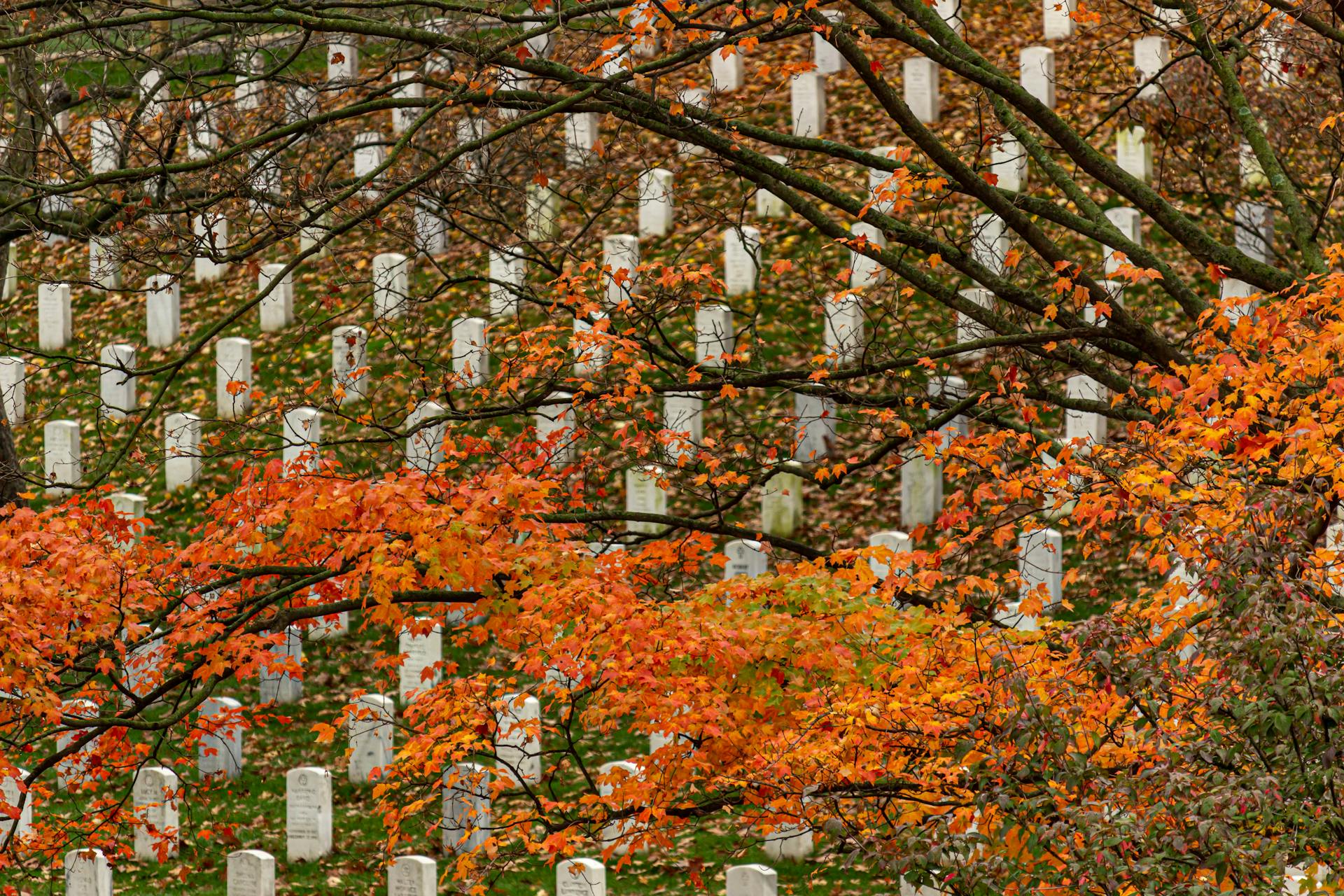
Memorial Day isn’t just about looking back. It’s also a time to celebrate what makes America unique—our freedom, our values, and the people who protect them.
Patriotic Displays and Flag Etiquette
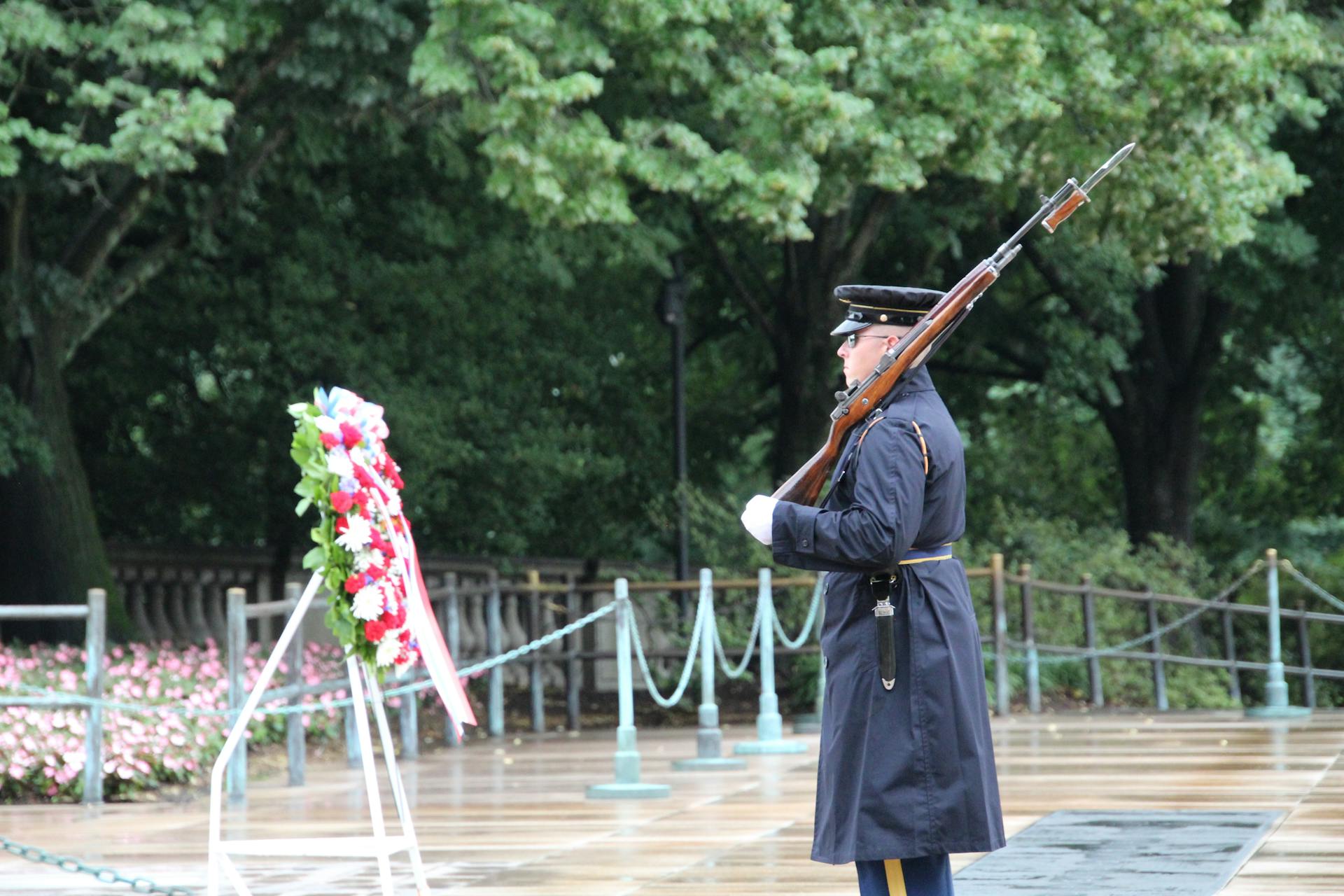
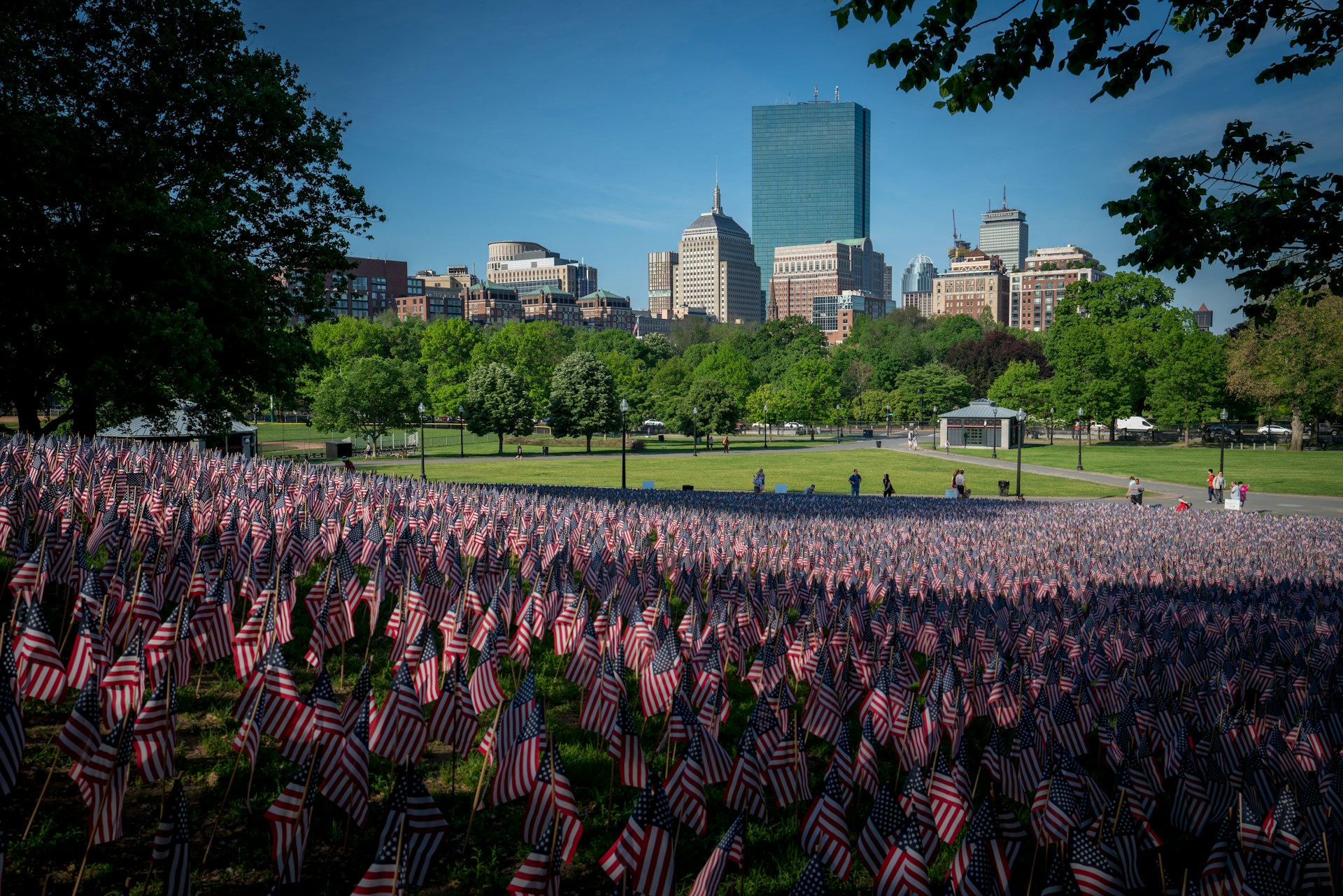
The American flag becomes the star of the show on Memorial Day. I see flags at half-staff in the morning and raised high by afternoon.
Flag etiquette basics:
- Half-staff from sunrise to noon
- Full-staff from noon to sunset
- Don’t let it touch the ground
- Fold it in a triangle for storage
Volunteers place flags on graves in cemeteries. The sight of so many flags in neat rows always gets me.
Parades feature honor guards and veteran groups carrying flags. Bands play “The Star-Spangled Banner” while crowds wave their own flags.
Flag sales spike this weekend. Stores push flag kits and accessories, which can sometimes feel a bit commercial. I know some veterans wish the focus stayed on remembrance.
The Role of Freedom in National Identity
Freedom is at the core of Memorial Day. The United States was built on liberty, and soldiers fought to defend those ideals.
People use their rights—speech, religion, assembly—during Memorial Day events. We gather, we speak, and we remember.
Freedoms we celebrate:
- Speech and expression
- Religion
- Peaceful assembly
- Voting
Memorial Day reminds us these rights came at a price. Service members gave their lives for future generations.
Communities celebrate in different ways. Some hold church services, others opt for secular gatherings. All of them honor the same basic truth: freedom needs defending, and we need to remember those who did.
Educational Approaches and Involving the Next Generation
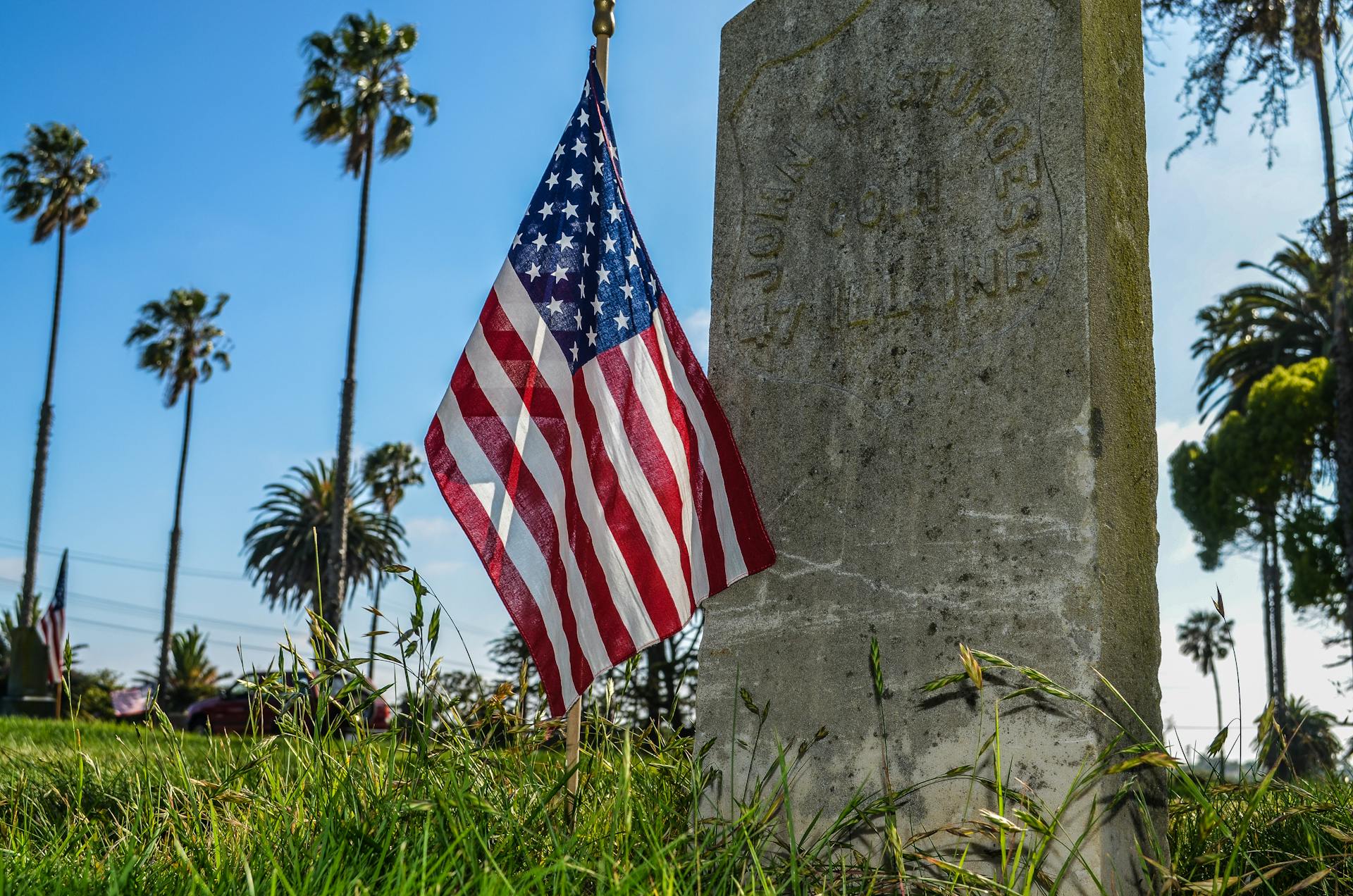
Teaching kids why Memorial Day matters is so important. Schools and families can make it real through hands-on activities and honest conversations.
Meaningful Memorial Day Activities for Students
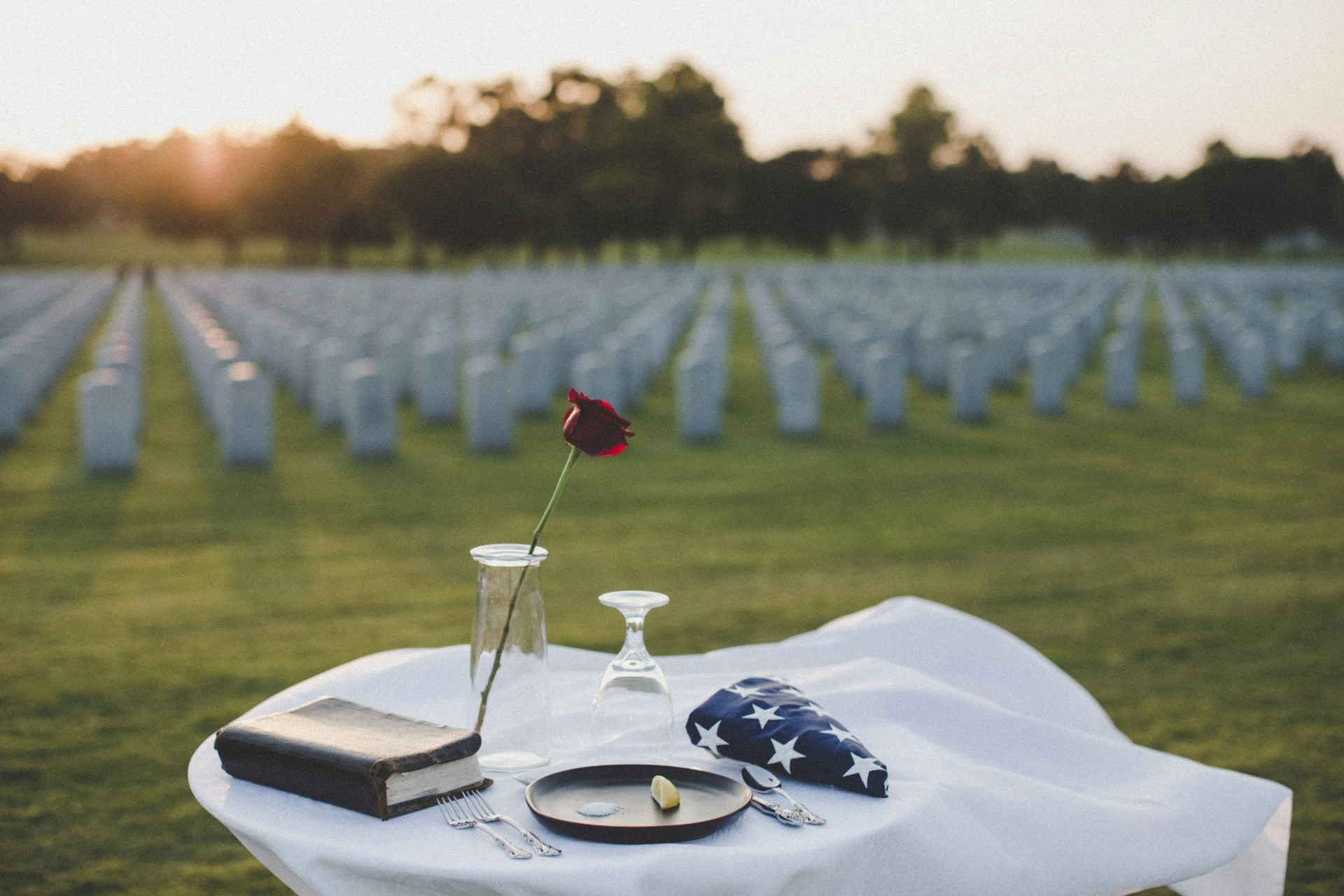
Younger students love visual, interactive lessons. The white table ceremony uses symbols—an empty chair, a single red rose, a folded flag—to teach about remembrance.
Flag history can be surprisingly interesting. Did you know the American flag once had 15 stripes? Little facts like that stick with kids.
Elementary activities:
- Crafting poppies
- Reading stories about Medal of Honor heroes
- Interviewing veterans for memory books
- Visiting local memorials
Older students can dig deeper. They might study historic battles or watch interviews with Medal of Honor recipients.
Teachers sometimes tie math lessons to Memorial Day, using real military data. It’s a creative way to show how different skills connect to remembrance.
Teaching the Importance of Sacrifice and Service
Memorial Day honors those who died in service. That’s different from Veterans Day, and it’s good for students to understand why.
Real stories make the biggest impact. When students hear about Medal of Honor recipient Alfredo González, they get a sense of true sacrifice.
Teaching points:
- Memorial Day is for the fallen
- Service members protect our freedoms
- Sacrifice affects entire communities
- Remembrance keeps their legacy alive
At 3 PM, students can join the National Moment of Remembrance. It’s a simple way to show respect.
Inviting local veterans to speak brings history to life. Kids realize heroes are real people who made tough choices.
Literature, Art, and Film Inspired by Memorial Day
Books help kids connect with Memorial Day. “America’s White Table” explains traditions in a way young readers understand.
Poetry about war and sacrifice gives students words for big feelings. Some write their own poems about veterans or family members who served.
Creative projects:
- Designing memorial posters
- Making short documentaries about local heroes
- Writing letters to Gold Star families
- Painting murals of remembrance
Art lets students express what they’ve learned. Drawing or planting memorial gardens helps them process it all.
Films about military service can spark good discussions. Age-appropriate movies show how ordinary people become heroes. Documentaries help students grasp the reality behind the holiday.
When schools display student artwork, it spreads awareness. Kids end up teaching each other, and even their families, about why we remember.
Supporting Our Troops and Their Families
Memorial Day is also a chance to help active military, veterans, and their families. You can volunteer, send care packages, or just show up for someone who’s served.
Community Service and Volunteering
I like to volunteer for flag placement at cemeteries. Local American Legion and VFW groups usually organize these events.
Visiting veterans in nursing homes or VA hospitals means a lot to them. Many love sharing stories and just having someone listen.
Ways to volunteer:
- Placing flags at graves
- Visiting hospitalized veterans
- Fostering pets for deployed service members through Dogs on Deployment
- Cooking or baking for Soldiers’ Angels
Organizations like Soldiers’ Angels connect volunteers with troops who need support. You can bake treats, make blankets, or donate calling cards.
If you’re near a military base, reach out to their Community Relations Office. Inviting service members for a holiday meal can make their day, especially if they’re far from home.
Correspondence and Care Packages
Writing letters to active troops and veterans can really spark a personal connection. I’ve found that organizations like Operation Appreciation and Blue Star Families make it easy to get those messages delivered.
Around the holidays, there’s something special about sending cards through the Red Cross to deployed service members. It’s a small gesture, but honestly, it means the world to someone far from home.
What to Send:
- Personal letters of thanks
- Holiday cards
- Expired grocery coupons (military stores still accept them)
- Homemade treats (just check with approved programs first)
If you want to send a care package, I highly recommend going through established military support groups. They’re pros at knowing what’s needed and how to get it shipped safely, no matter where it’s going.

Assisting Veterans and Military Families
Military families deal with some pretty unique challenges, especially when deployments come around. Sometimes, I just check in with families nearby and see if they need a hand.
Even small gestures can go a long way. Maybe I’ll drop off a meal, help with errands, or mow the lawn if someone’s away on duty.
Ways to Help:
- Invite a military family over for dinner. It’s simple, but it matters.
- Offer to watch the kids during doctor visits or appointments.
- Share any extra grocery coupons you’ve got lying around.
- Pitch in with yard work or other seasonal tasks—trust me, it’s appreciated.
Groups like the Semper Fi Fund step in to give financial help to wounded veterans and their families. I like to donate to these organizations because I know the support goes straight to those who need it.
Gold Star Families—those who’ve lost a loved one in service—deserve support all year, not just on Memorial Day. Folds of Honor, for example, provides scholarships for kids of fallen service members. That’s something I really admire.
