
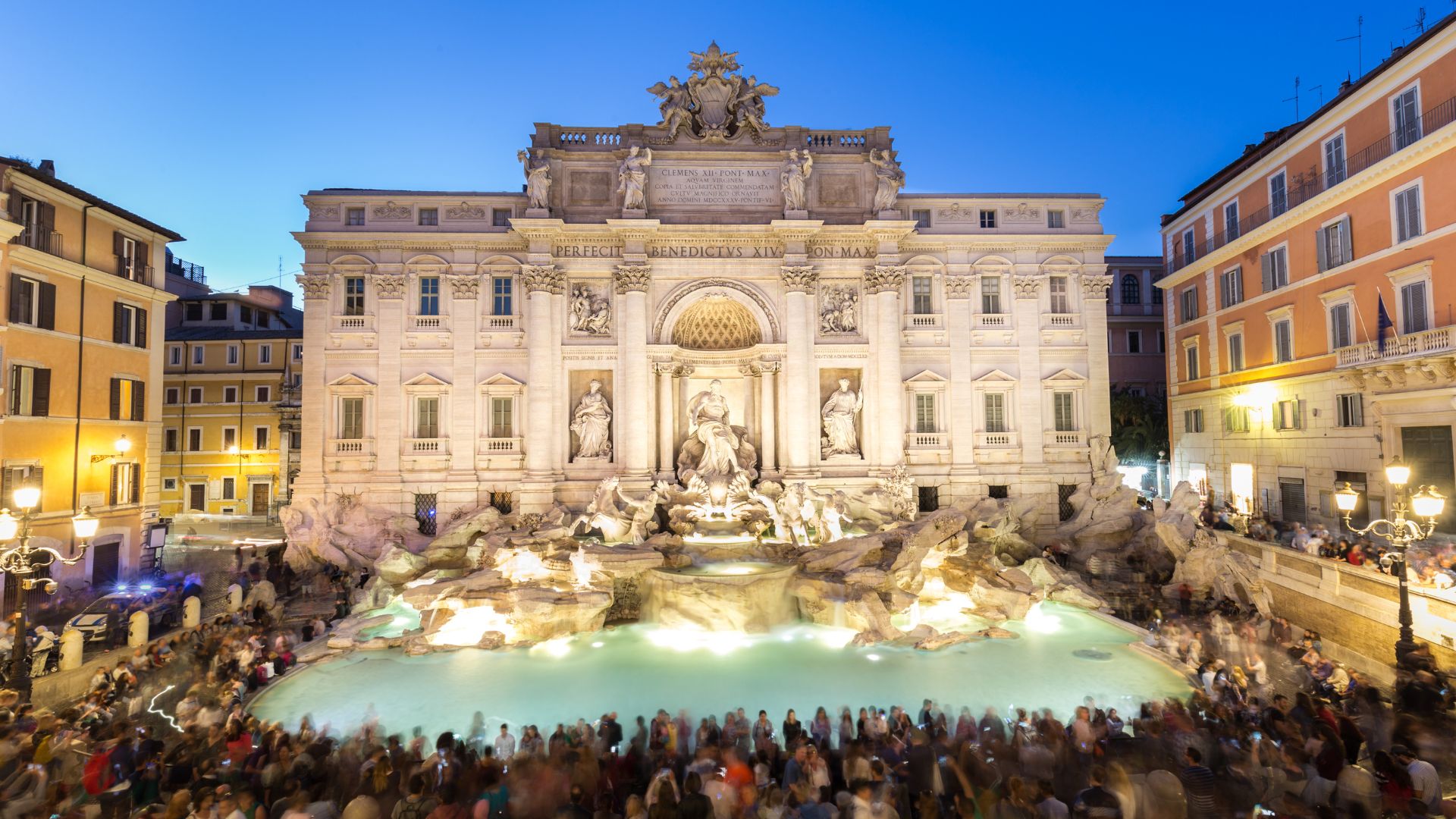
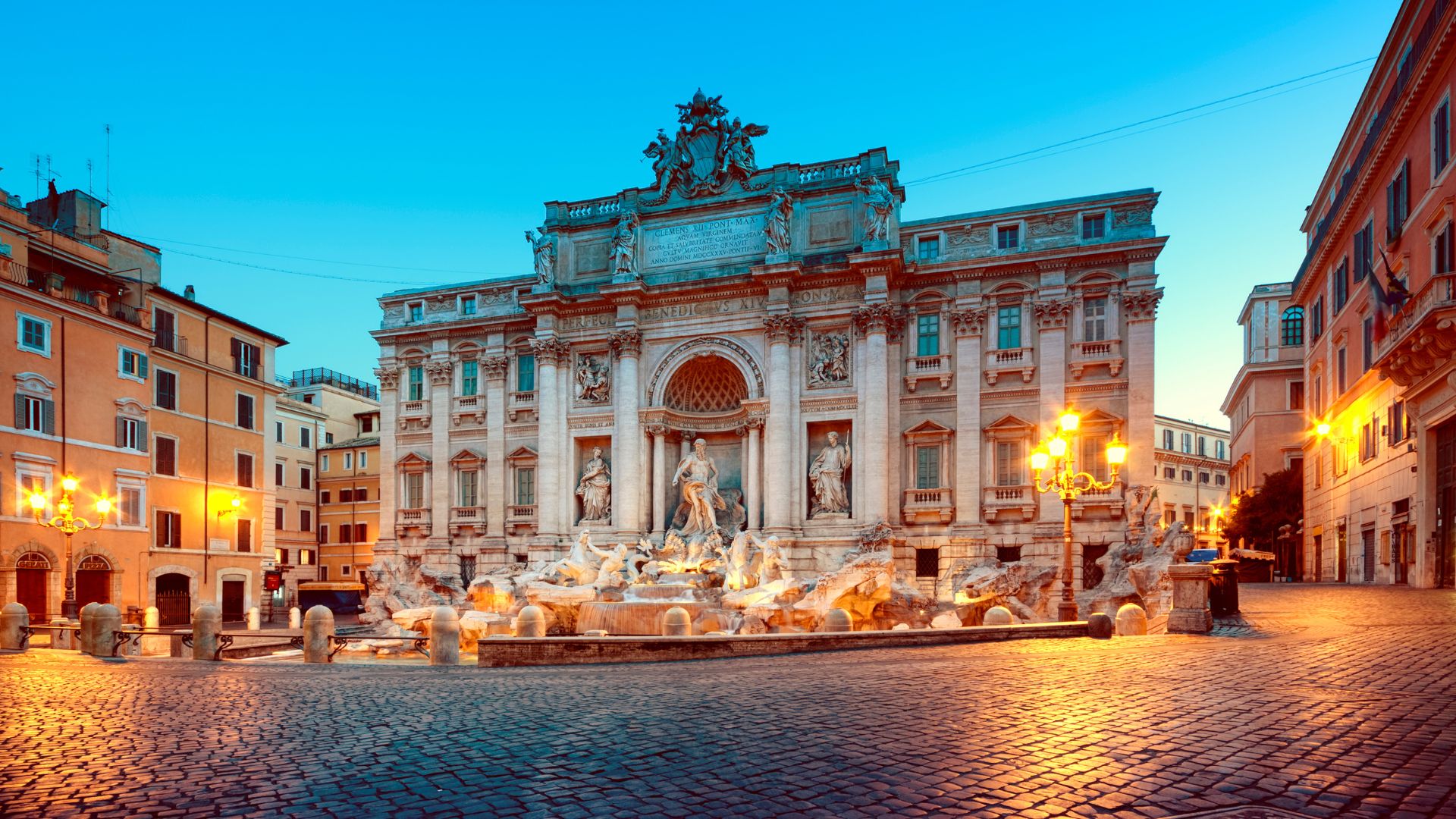
Rome transforms when the sun sets, and nowhere is this magic more evident than at the Trevi Fountain after midnight. I discovered this on my last journey through the Eternal City. When I stumbled upon the famous landmark well after most tourists had retreated to their hotels, I found that visiting the Trevi Fountain at night offers a completely different experience. No crowds, just peace, beauty, and a chance to truly appreciate this magnificent monument.
The gentle splash of water against marble creates a soothing soundtrack as moonlight dances across the elaborate sculptures. What feels like tourist theater by day transforms into a romantic scene worthy of an old Italian film. During my midnight visit, I was able to sit on the edge of the fountain and gaze at the details without being jostled by selfie sticks or tour groups.
There’s something deeply inspiring about experiencing such a famous landmark in solitude. The Trevi holds a special charm after dark that few travelers discover. While tossing my coin into the quiet waters, I felt connected to centuries of visitors who’ve shared this ritual before me. If you’re planning a trip to Rome, save at least one evening to experience the fountain’s nighttime transformation—it might become your most treasured memory of the Eternal City.
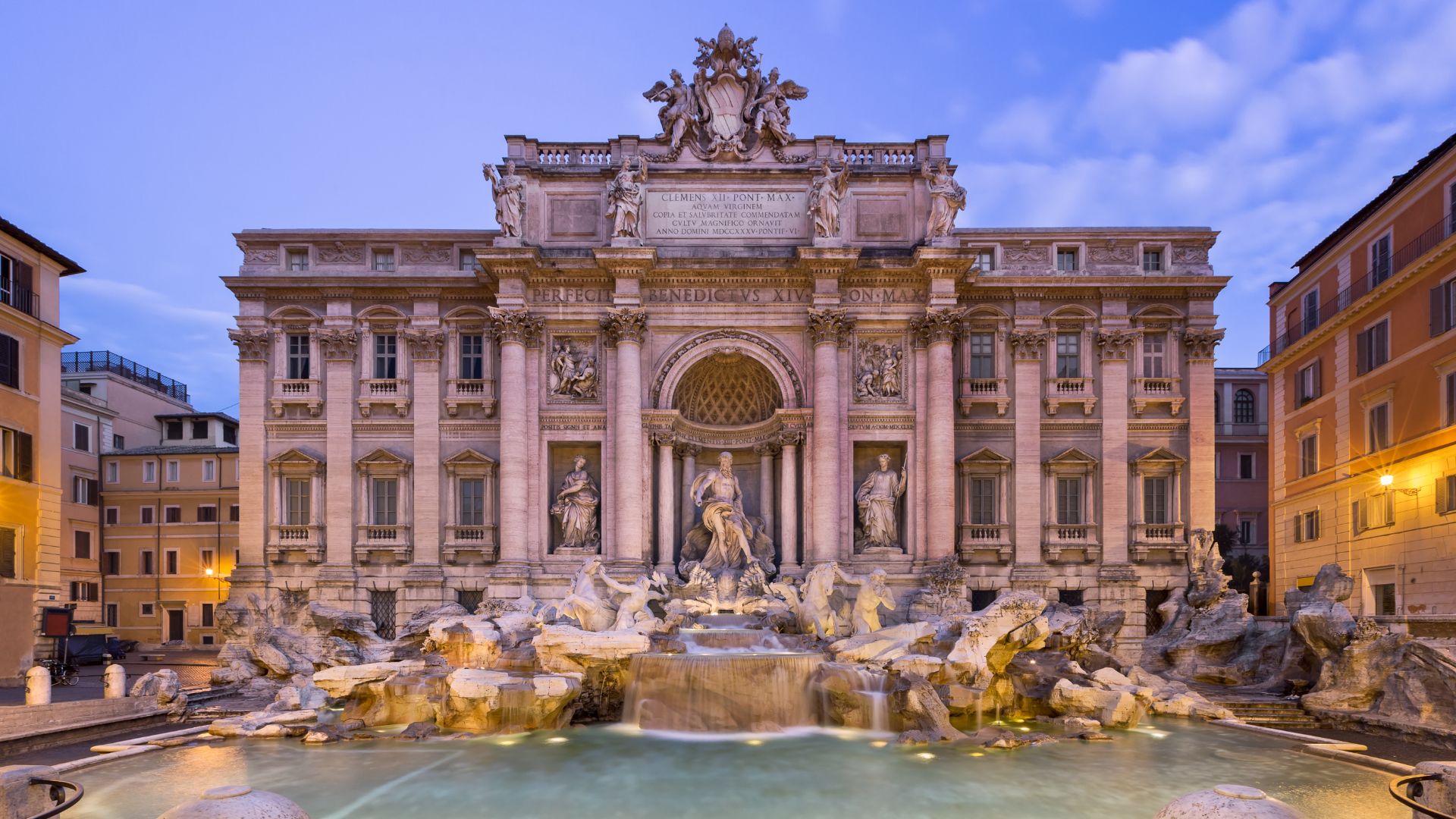
Trevi Fountain at Night: A Spectacle Unveiled
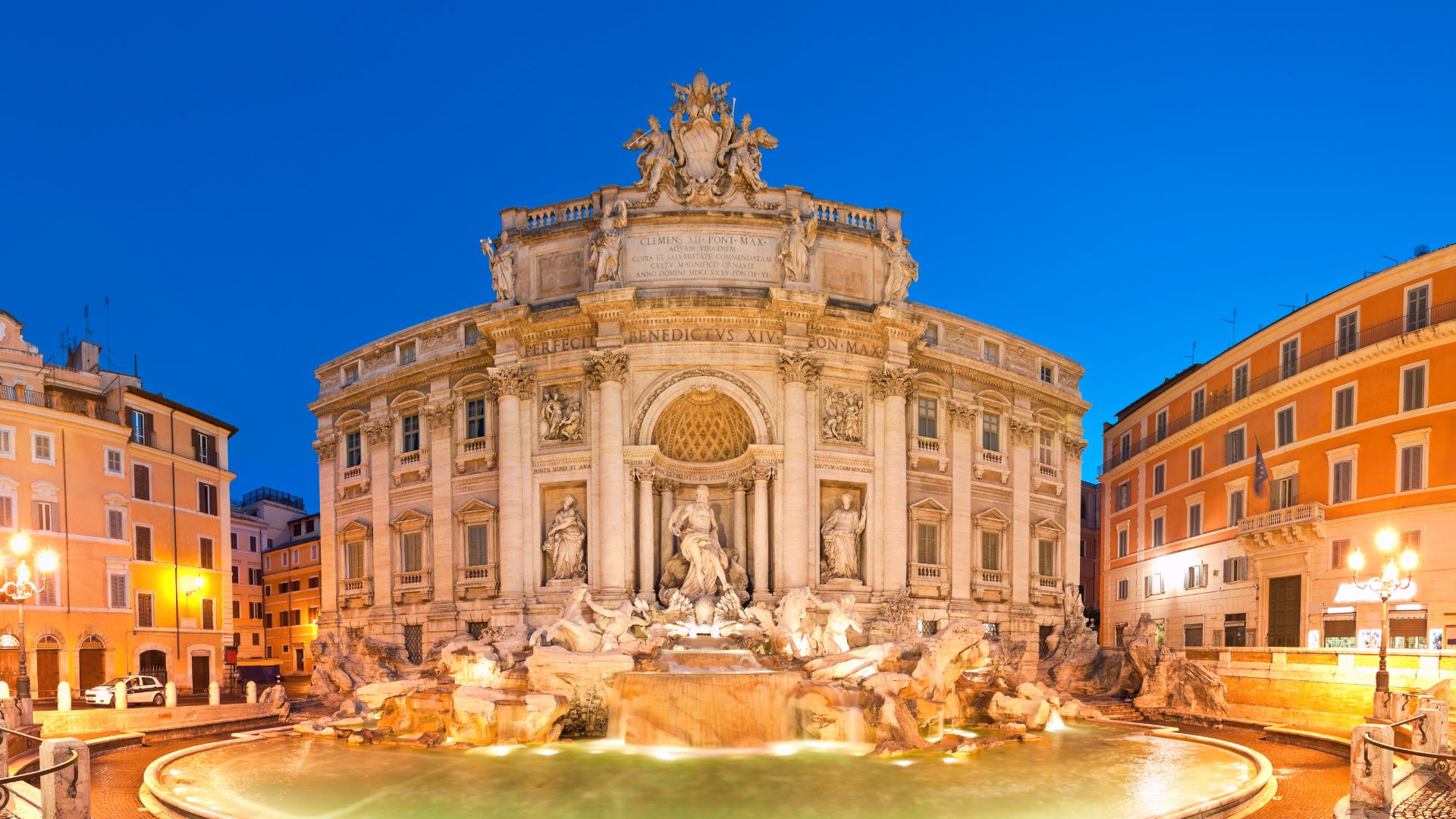
The Trevi Fountain transforms completely after sunset, offering a magical experience that few daytime visitors ever witness. The illumination creates a completely different atmosphere, turning marble and water into a captivating nighttime show.
The Magic of the Trevi Without the Crowds
I’ve visited the Trevi Fountain multiple times, but nothing compares to experiencing it at night. The daytime crowds thin dramatically, replaced by a peaceful ambiance that lets you truly appreciate this masterpiece.
When I first approached the fountain after dark, I was struck by how the strategic lighting accentuates every sculptural detail. The illuminated water cascades create a mesmerizing effect against the night sky.
Without the daytime chaos, you can hear the water splashing. It’s incredibly romantic – no wonder so many couples find themselves drawn here after dinner.
The Mediterranean night air carries a certain charm that enhances the experience. I could sit on the steps for hours, watching the play of light on water.
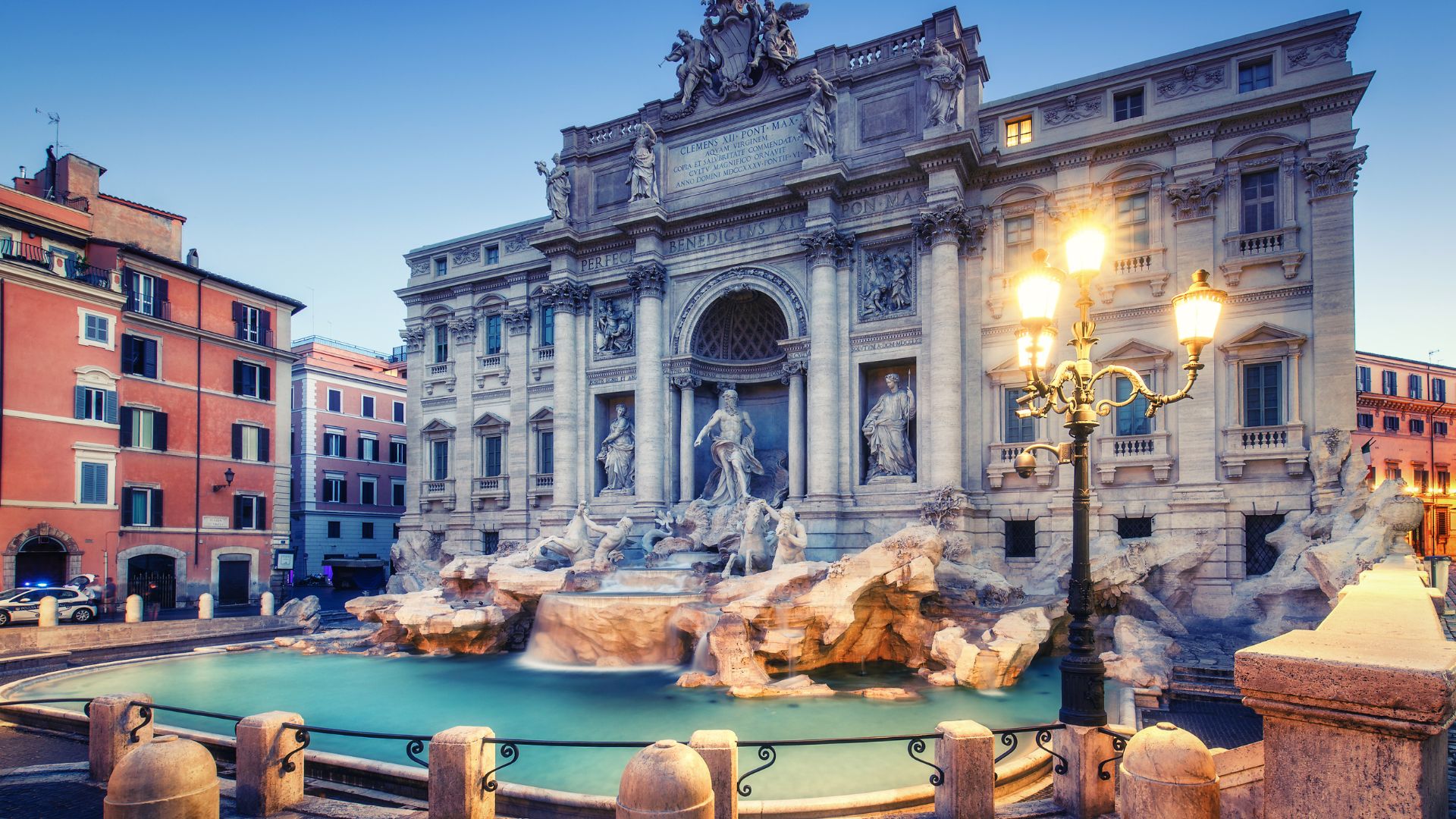
Best Time to Visit and What to Expect
The Trevi Fountain is best visited between 10 PM and midnight. By this hour, most tour groups have departed, and the fountain takes on an almost private feel.
During summer months, expect a few more night owls, but nothing compared to daytime crowds. Winter evenings offer the most solitude, though bring a jacket as Roman nights can be surprisingly cool.
The lighting show continues until the early morning hours. I’d recommend arriving from Via delle Muratte for the most dramatic first impression as the fountain suddenly appears before you.
Photography is spectacular at night, but challenging. Bring a small tripod for the best shots of the illuminated water.
Keep your coin ready! The tradition of tossing money into the fountain continues at night, and somehow feels more meaningful under the stars.
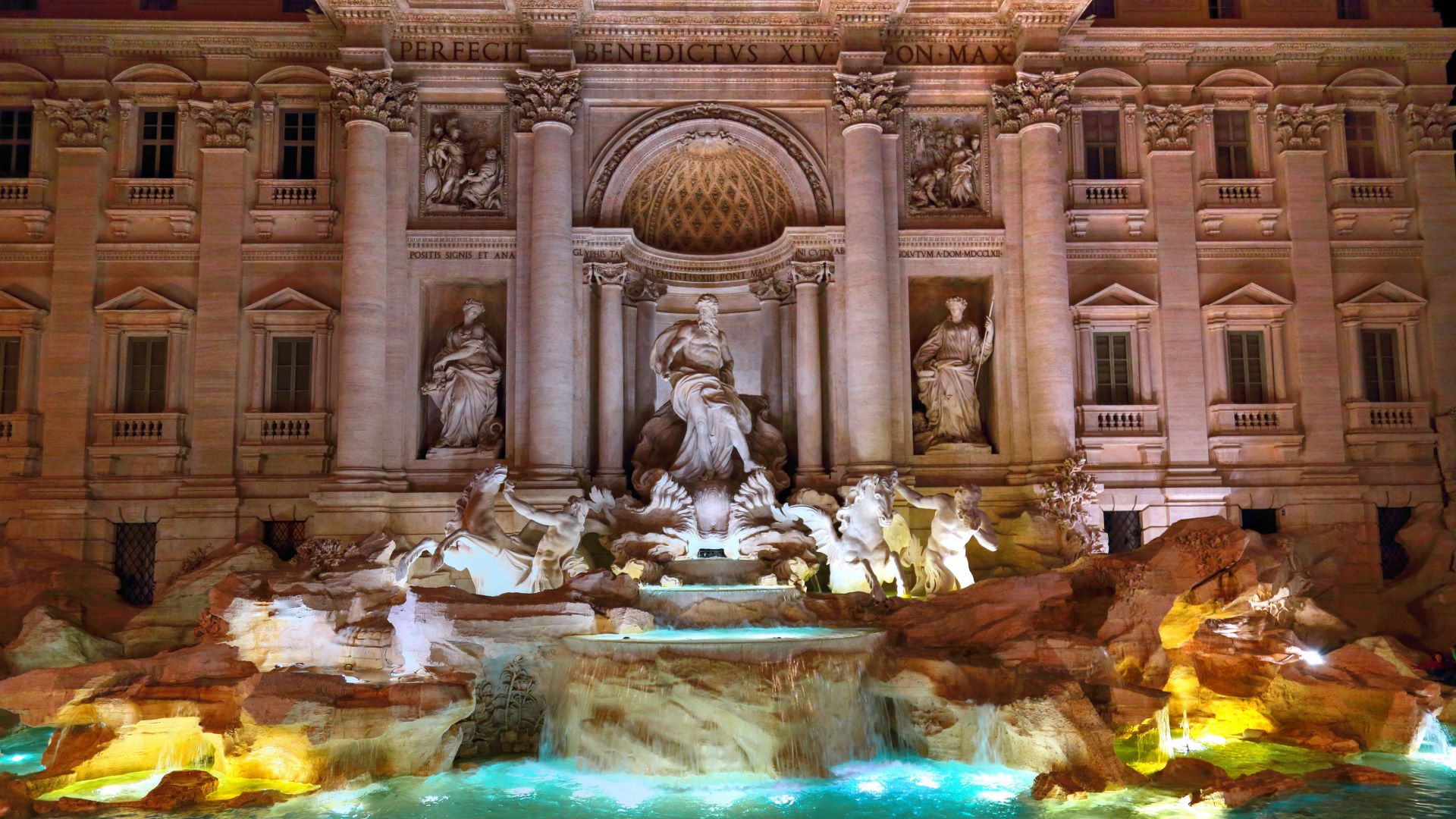
Historical Enigma: Uncovering the Secrets of Trevi
The Trevi Fountain holds more mysteries than what meets the eye during daytime crowds. Beneath its sparkling waters and behind its baroque façade lies a rich tapestry of history and hidden spaces that few visitors ever discover.
Architectural Marvels and Artistic Mastery
The massive fountain stands as Rome’s largest baroque masterpiece, measuring nearly 86 feet high and 161 feet wide. I was stunned to learn that water travels more than 14 miles from Salone Springs to feed this magnificent structure!
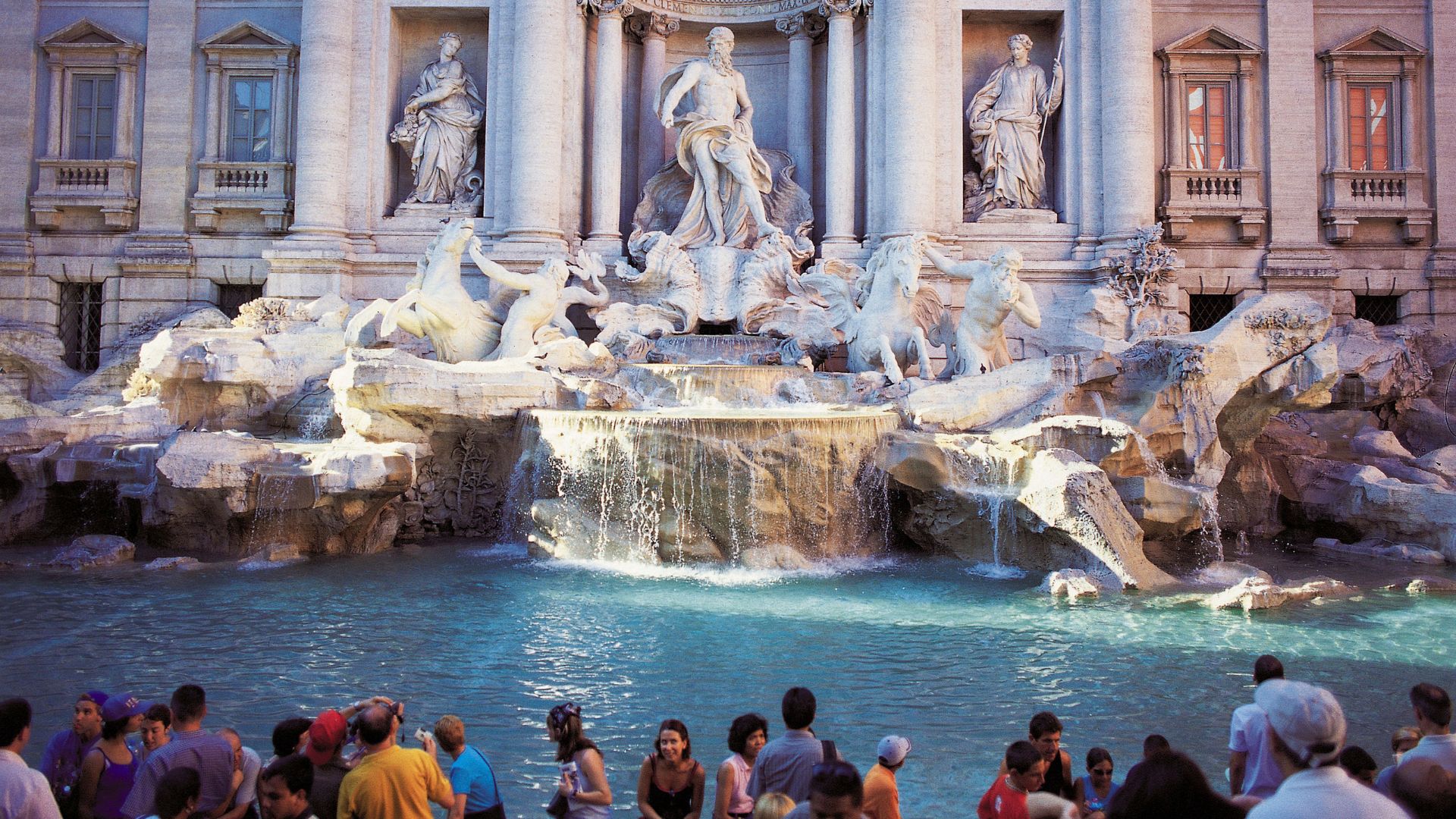
Nicola Salvi designed the fountain in 1732, though he never lived to see its completion in 1762. What fascinates me most is how the fountain’s central figure, Oceanus, rides his shell chariot led by Tritons with sea horses – one calm, one restless – symbolizing the sea’s dual nature.
The craftsmanship reminds me of other Medici-commissioned works, though this was a papal project. Every corner reveals another detail: acanthus leaves, figures representing abundance, and the coat of arms of Pope Clement XII.
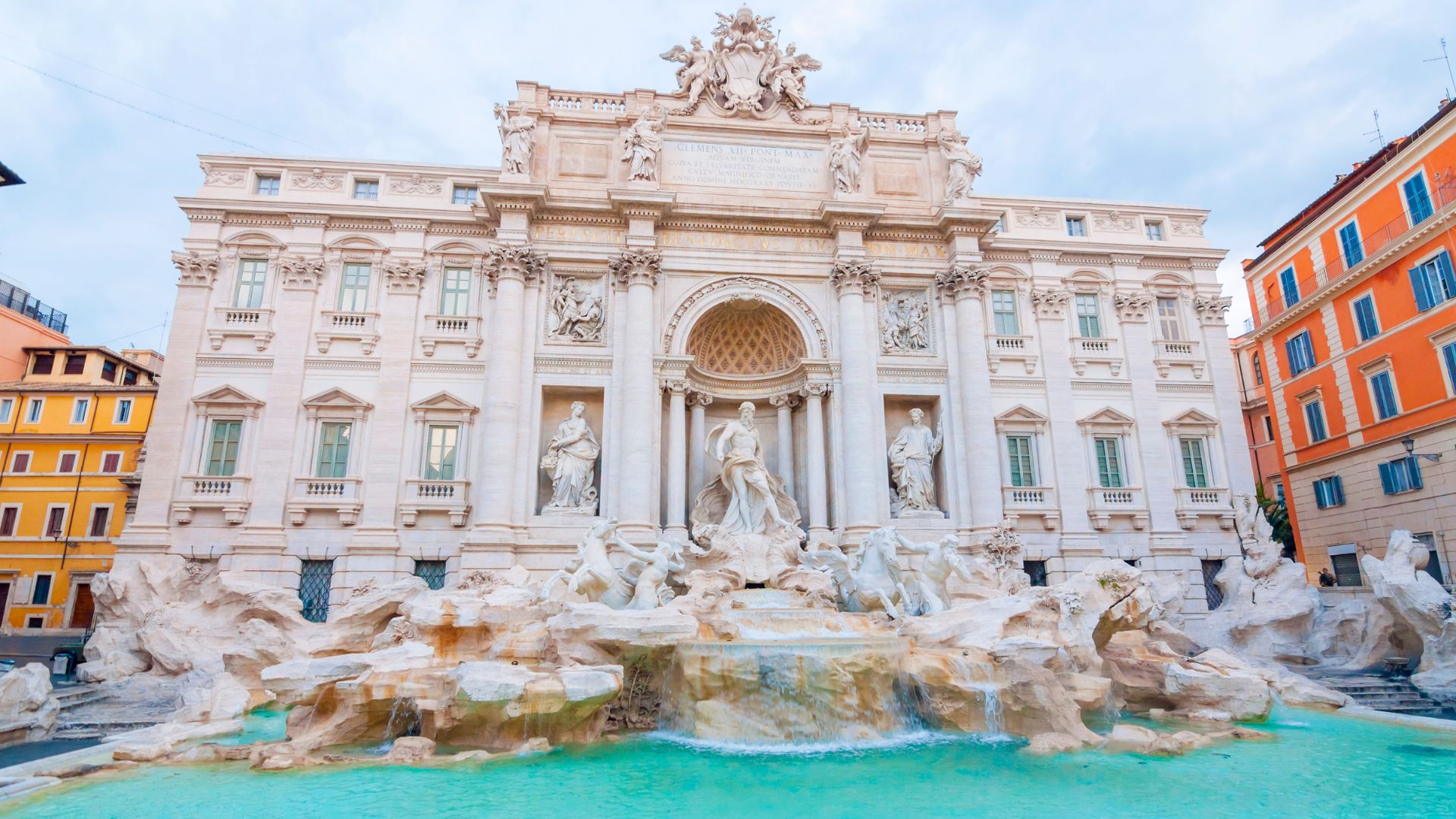
The Mystique of Trevi’s Origins
What many tourists don’t realize is that an entire ancient world exists beneath the fountain. During my early morning visit, a local guide told me about Vicus Caprarius – the “City of Water” – an ancient Roman apartment complex hidden beneath the Trevi district.
This underground archaeological site preserves remnants of the original aqueduct that first brought water to this area in 19 BC. I was amazed to discover these labyrinthine passages that offer a completely different perspective on the fountain’s history.
The name “Trevi” itself comes from “tre vie” (three roads) that once converged at this spot, marking the terminal point of the ancient Aqua Virgo aqueduct. Legend claims a young virgin helped Roman soldiers find this precious water source, giving the aqueduct its name.
Romantic Interludes: Finding Love at Trevi
The Trevi Fountain has long been a backdrop for love stories that seem almost supernatural in their charm. I’ve witnessed countless couples drawn to its spell, especially in the peaceful midnight hours when the eternal city sleeps.
Trevi’s Role in Romance and Prophecy
The Trevi doesn’t just attract tourists—it attracts destiny. One touching story I encountered involves a woman who made a wish for love at the fountain, only to have her boyfriend propose moments later. The timing wasn’t coincidental; many believe the fountain amplifies our deepest emotions.
During my midnight visits, I’ve spotted couples stealing kisses beside the cascading waters. There’s something about the moonlight reflecting off the baroque sculptures that inspires romance.
The “Lover’s Tap,” located to the right side of the fountain, is a lesser-known spot. Locals tell me drinking from it binds couples in eternal devotion.
Films like Roman Holiday have cemented Trevi’s reputation as one of Rome’s most romantic settings.
A Fountain of Wishes: Love, Legend, and Coin Tossing
The most famous Trevi tradition involves tossing coins over your left shoulder with your right hand. Legend says one coin ensures your return to Rome. Two coins promise romance, while three predict marriage.
I’ve watched countless visitors perform this ritual with hope in their eyes. The fountain collects approximately €3,000 daily from wishful tossers!
For the best romantic experience, visit between 11 PM and 1 AM. The crowds thin dramatically, and the illuminated fountain creates a magical atmosphere.
Many couples leave locks or small tokens near the fountain—unofficial tributes to their love stories that began or blossomed in this enchanted space.
The inspiration that flows from Trevi’s waters has sparked countless proposals, reconciliations, and first kisses beneath the watchful gaze of Neptune.
Cultural Immersion: The Trevi Quarter by Moonlight
The Trevi Quarter transforms into a different world after dark, offering rich cultural experiences that extend far beyond the famous fountain. The moonlit neighborhood reveals authentic Roman life through its boutiques, restaurants, and artistic venues.
Boutique Experiences Beyond the Fountain
Walking away from the illuminated cascade, I discovered charming shops that stay open late for night owls. Just two streets behind the fountain, a small bookstore specializing in Italian literature caught my eye. The owner, Marco, often hosts midnight readings of classic Roman folklore.
Several artisan workshops offer evening demonstrations of traditional craftsmanship. I watched a glassblower create delicate Mediterranean-inspired pieces while explaining his family’s century-old techniques.
The quiet nighttime streets also reveal hidden art galleries showcasing contemporary Roman artists. My favorite displays rotate exhibitions of local photographers who capture the city’s emotional connection to water and light.
Culinary Delights and Nightlife
The quarter’s culinary scene truly comes alive after dark. Small family-owned trattorias serve authentic Roman dishes away from the tourist crowds.
I recommend Osteria Luna, a tiny establishment where Nonna Maria still makes pasta by hand each evening. Their midnight carbonara special pairs perfectly with local wines.
For something sweeter, the gelaterias near the quarter’s edge stay open until 2 AM. Try the pistachio at Gelateria Stellata – the owner sources nuts from Sicily and follows a 200-year-old recipe.
The area’s wine bars offer intimate settings for conversation. Enoteca del Poeta features live poetry readings on Thursdays, connecting visitors to Italy’s rich literary traditions over glasses of regional wines.
The Galleria Luna opens exclusively at night. It specializes in light-based art installations that transform with the moonlight. Its rotating exhibits often explore the emotional connection between Romans and their ancient water sources.
Local Arts and Performance Venues
The Trevi Quarter hosts surprising cultural venues that come alive after sunset. The Teatro Piccolo presents one-act plays and abbreviated opera performances, perfect for evening entertainment.
I stumbled upon an underground ballet studio where dancers practice late into the night. On summer evenings, they sometimes perform impromptu shows in the quiet piazzas.
Street musicians add to the quarter’s romantic atmosphere. An elderly violinist regularly plays classical Italian compositions near the fountain after midnight.
Trevi through the Seasons: A Year-Round Wonder
The Trevi Fountain offers different faces throughout the year, transforming with each season while maintaining its timeless charm that captivates visitors no matter when they visit.
When Trevi Transforms: Seasonal Beauty and Activities
Spring brings a special magic to the Trevi Fountain. April and May offer perfect weather. It’s warm but not too hot, and slightly smaller crowds than in summer. The surrounding piazza comes alive with vibrant energy as nature reawakens.
Summer visits are popular but challenging. The fountain becomes a refreshing oasis in Rome’s heat, though you’ll share the experience with thousands. I recommend early morning visits (before 8 AM) or late evening after 11 PM for a more intimate experience.
Fall might be my favorite time at the Trevi. The golden autumn light creates spectacular reflections on the water, and the crowds thin noticeably after September. The cooling temperatures make lingering to admire the details much more comfortable.
Winter reveals a different kind of beauty. I’ve stood alone at the fountain on January mornings, watching the rising sun illuminate Neptune’s face. The quiet season offers rare moments of solitude with this magnificent monument, especially on weekdays.
