
Nestled in northern Portugal, Minho swept me away with its rolling green hills, ancient cities, and endless vineyards. People call Minho the “green heart of Portugal” for good reason—it blends natural beauty, deep-rooted traditions, and it’s the birthplace of Vinho Verde wine.
Every corner buzzes with life, rivers and forests shaping the land and the local culture in ways I didn’t expect.
When I wandered through places like Braga and Guimarães, I felt like I’d stepped back in time. Old churches, narrow cobbled streets, and lively markets all told their own stories.
I sipped crisp Vinho Verde straight from the source and realized how tightly the region’s landscapes and history tie to its people and their way of life.
Hiking through lush valleys or tasting local dishes in a tiny, family-run tavern, Minho gave me an unbeatable mix of adventure and relaxation.
Honestly, if you’re searching for authentic Portuguese charm, this region is a fantastic place to start.
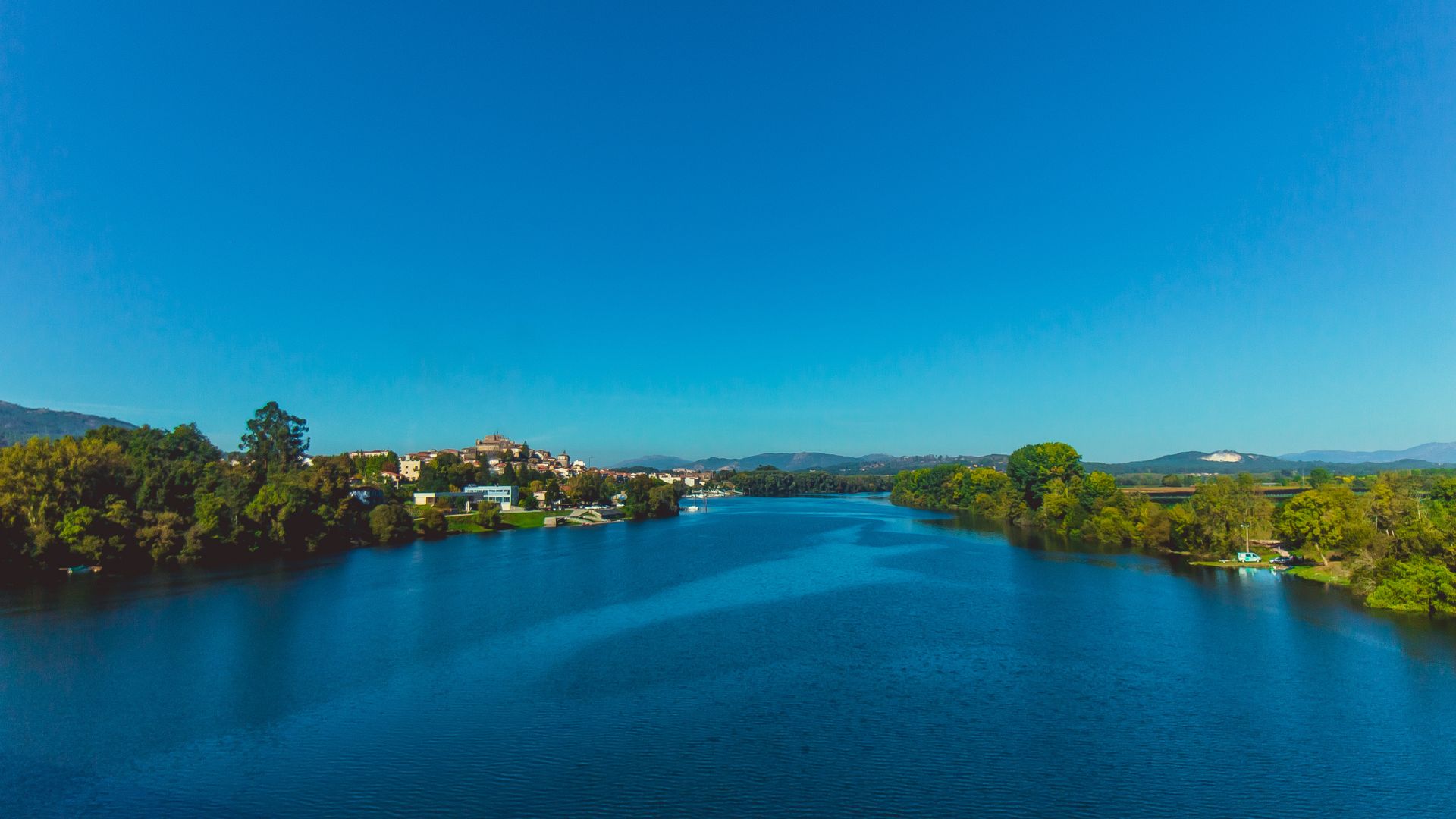
Minho’s Lush Landscapes and Natural Beauty
Minho dazzled me with scenery that could’ve been pulled straight from a postcard.
The region stands out for its green valleys, terrace farms, and protected parks bursting with plants and animals.
Enchanting Valleys and Rolling Hills
When I first arrived in Minho, I couldn’t believe how green everything looked. Vineyards, small farms, and thick forests blanket the hills and stretch along wide river valleys.
There’s something magical about early mornings here—the mist floats over the fields, and sunlight catches the slopes in every shade of green.
Some of my favorite drives wound along the Lima and Minho Rivers. Wildflowers and grapevines lined the roads.
I passed locals walking narrow paths, tending gardens or leading goats up the hills. It’s peaceful, but also alive with rural work and village life.
Everything here feels connected to the land.
Top sites for stunning views:
- Lima River Valley: Wide views, perfect for photos
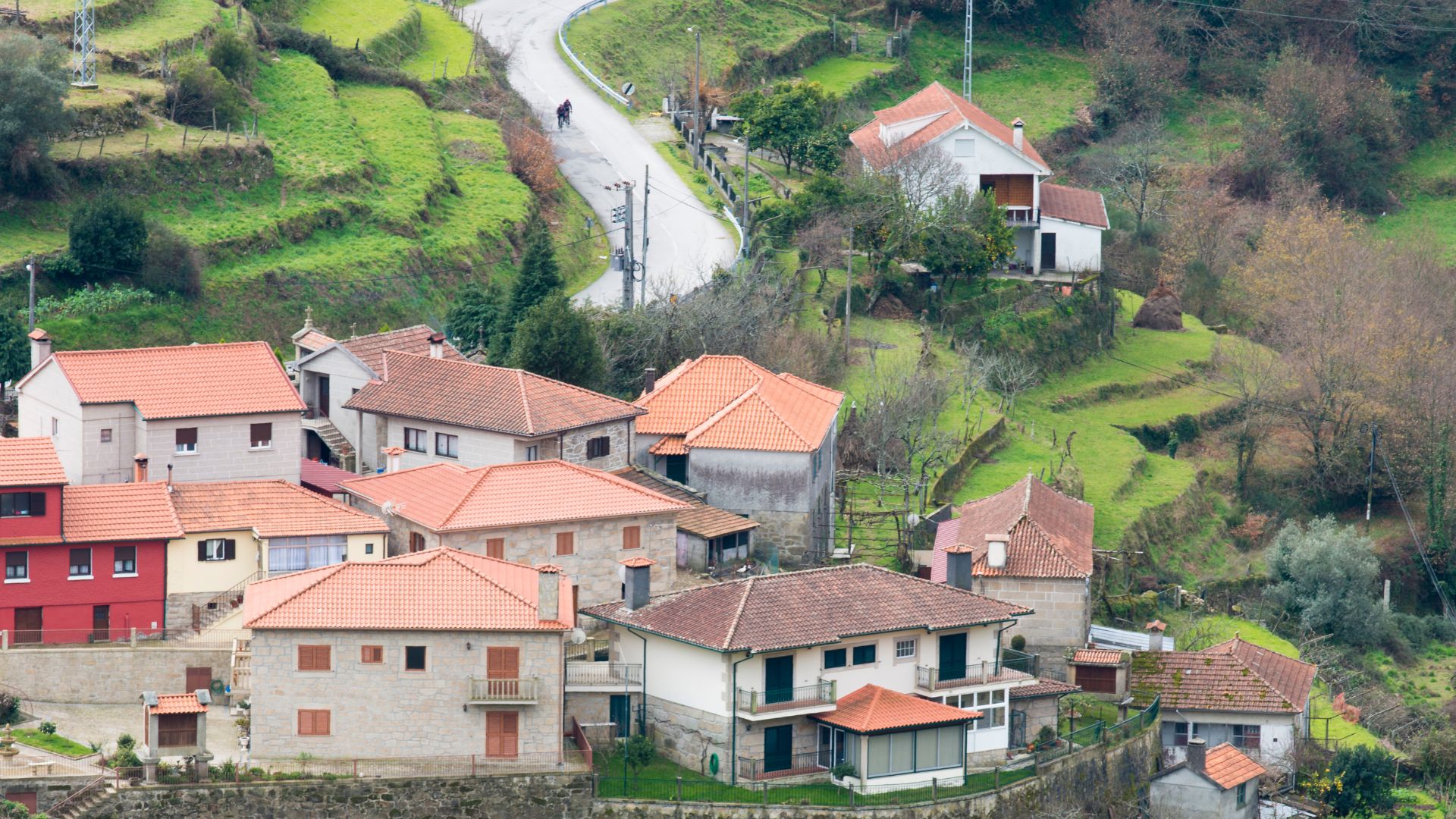
- Soajo and Arcos de Valdevez: Granite villages with old grain stores, set against rolling hills
- Minho’s Wine Route: Vineyards stretch as far as you can see
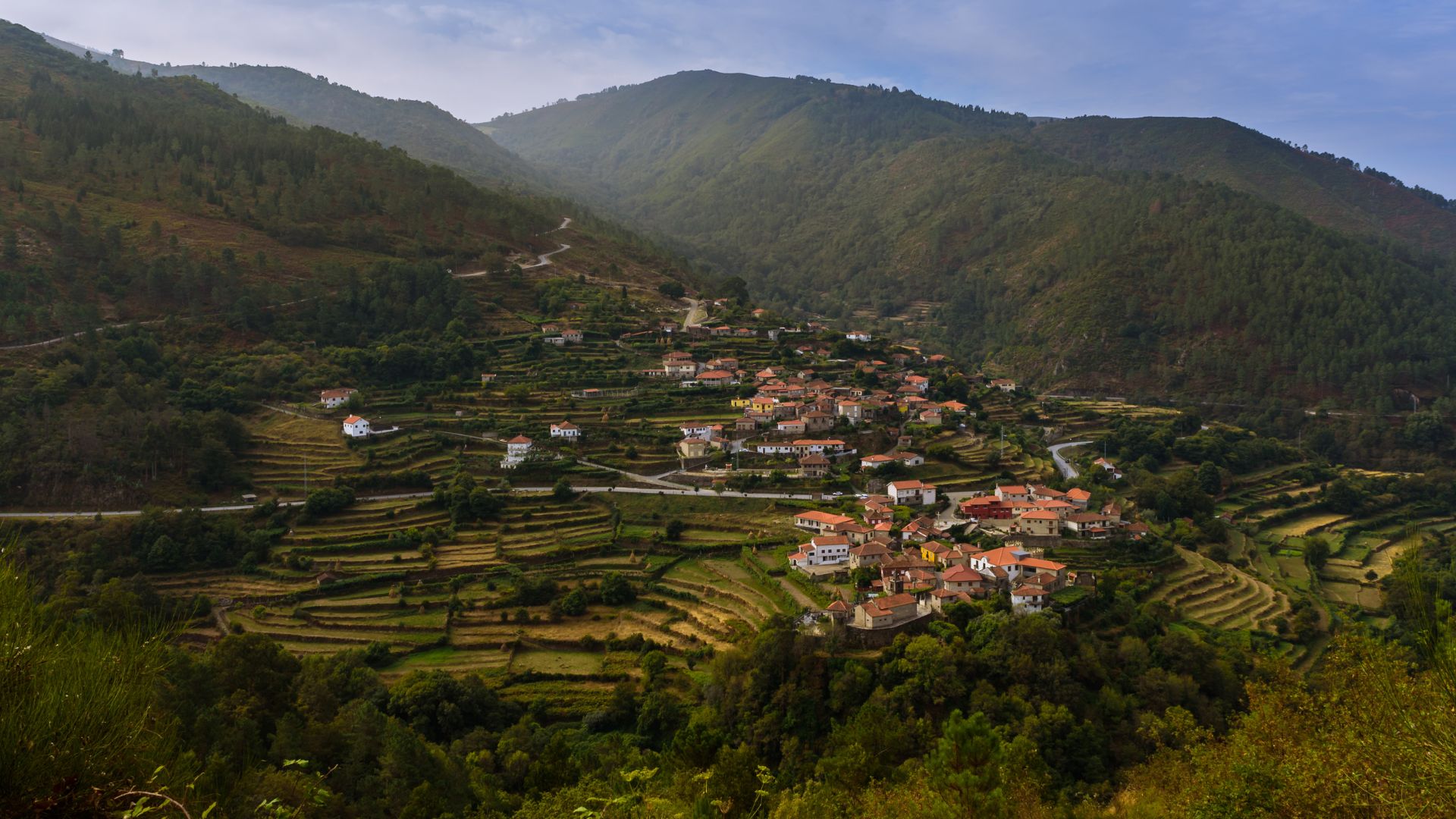
Exploring Sistelo’s Green Terraces
I like to call Sistelo the “Little Portuguese Tibet.” This tiny village in northern Minho stands out for its unique landscape.
Long ago, families transformed the steep slopes around Sistelo into green terraces. They built stone walls to hold the earth and planted every patch with crops or grass for cows.
Walking the wooden trails above these terraces, I could look down and see layer after layer of bright green—especially in spring.
The hiking paths let you wander between old grain storage huts, village houses, and hilltop forest.
Cows and sheep graze on the terraces, watched by their owners. I’d definitely recommend sturdy shoes and a camera.
There are information signs and benches for breaks. It’s easy to spend a whole day here, soaking up the natural beauty and admiring how closely people and land intertwine.
Protected Natural Parks and Wildlife
No trip to Minho felt complete without a stop at Peneda-Gerês National Park, Portugal’s only national park.
The park covers part of Minho and stands out for its wild mountains, rushing streams, and thick oak forests.
I stumbled on stone villages and old Roman roads, and even spotted wild ponies called “garranos” grazing in the meadows.
The air felt fresh, and the silence in the forests was almost startling. Eagles soared overhead.
Once, near a river, I saw a family of otters slip away into the water.
Wildlife I saw (or hoped to see):
- Wild horses (garranos)
- Deer
- Wolves (rare and shy)
- Golden eagles
- Otters
You’ll find visitor centers, marked trails, and picnic spots. If you love hiking, birdwatching, or just want to be surrounded by nature, this park is a must in Minho.
Historic Cities: The Birthplace of Portugal
Walking through Minho, I saw how history weaves into daily life.
The towns each offer something special—coastal beauty, ancient bridges, and deep connections to Portugal’s earliest days.
Viana do Castelo’s Seaside Charms
Viana do Castelo sits where Minho’s green slopes meet the blue Atlantic.
I stood along the riverfront, watching fishing boats glide past. The old town feels full of life, with narrow streets and colorful tilework.
The Praça da República buzzes, especially when locals gather for markets or celebrations.
From the hilltop Sanctuary of Santa Luzia, I gazed over the city and wild beaches beyond.
It’s easy to explore both the coast and Minho’s rich traditions here. I grabbed a bola de berlim from a bakery near the water and felt like part of the town’s rhythm.
Viana do Castelo blends sea and mountains, making it a great spot for anyone who loves both history and nature.
It’s not crowded, so wandering on foot lets you notice details like ancient fountains and beautiful azulejos.

Ponte de Lima: Portugal’s Oldest Village
Ponte de Lima feels timeless. Crossing the Roman bridge over the Lima River, I tried to imagine soldiers pausing here centuries ago.
Locals say it’s the oldest village in Portugal, and the streets seem to hold endless stories.
On market days, the riverside comes alive with stalls selling cheese, honey, and flowers.
I tasted Vinho Verde at a cafe by the water—honestly, it’s a must in Minho. This wine, fresh and lightly sparkling, comes from grapes grown in the surrounding hills.
I spent hours exploring leafy parks and old lanes lined with stone houses.
Ponte de Lima moves at a slower pace, perfect for soaking up northern Portugal’s rural charm. Walking here, I understood why so many call this the real heart of the country.

Porto’s Northern Influence on Minho
Porto isn’t actually in Minho, but its energy definitely shapes the region’s northern spirit.
I started my journey in Porto, crossing the Dom Luís I Bridge before heading north.
The city’s lively markets and grand train station give you a taste of sights and customs that echo through Minho’s towns.
From Porto, you can hop on a train or bus to places like Viana do Castelo and Ponte de Lima.
Porto’s long history in trade always connected the north to the rest of Portugal and Europe.
Even local dishes in Minho remind me of Porto’s bold flavors—grilled sardines, hearty soups, you name it.
Exploring Minho, I noticed how Porto’s energy links historic towns to the countryside, making the whole region feel united yet still wonderfully diverse.

Vinho Verde Vineyards and Wine Tourism
Minho’s vineyards give life to Vinho Verde, a crisp wine with deep local roots.
I loved the mix of rolling green scenery, distinct grape varieties, and welcoming vineyard estates. It’s a dream for anyone seeking a real wine adventure.
Introduction to Vinho Verde’s Unique Wines
As I explored Minho, I quickly realized Vinho Verde is unlike any other wine I’ve tried.
The name means “green wine,” not because of its color, but because it’s young and fresh.
Its lightness, gentle fizz, and lower alcohol make it especially easy to enjoy, even on warm days.
Vinho Verde comes as white, rosé, or red, though white is by far the most common.
It usually tastes crisp, with citrus notes, green apple or pear, and a little effervescence that tingles on your tongue.
I loved how well it paired with Portuguese seafood and salads—perfect for a relaxing lunch.
Wine lovers visiting Minho can expect a wide range of Vinho Verde styles.
Local producers now offer sparkling varieties too, so there’s even more choice. The best bottles rarely leave Portugal, so there’s real joy in tasting them right at the source.
Alvarinho and Loureiro: Signature Grape Varieties
In the vineyards, I kept hearing about two grapes: Alvarinho and Loureiro.
These native varieties really shape Minho’s winemaking.
Alvarinho grows mostly near the northern border with Spain, around Monção and Melgaço.
Its wines are super aromatic, with notes of peach, apricot, and lime.
Loureiro grows closer to the Lima and Cávado rivers. It makes lively, floral wines with fresh citrus and herbal flavors.
Here’s a quick look at how they compare:
| Grape | Taste Notes | Primary Area |
|---|---|---|
| Alvarinho | Peach, lime, apricot | Monção, Melgaço |
| Loureiro | Citrus, floral | Lima, Cávado valleys |
Both grapes have their own charm. Sampling them side by side at local vineyards, I could really taste the subtle differences.
Immersive Vineyard Tours in Minho
The highlight of my trip? Exploring the vineyards up close.
Many estates in Minho now offer guided tours, tastings, and even hands-on experiences in the vines, depending on the season.
Some are family-run and tiny, while others are bigger, with modern cellars and visitor centers.
During one tour, I walked row by row through leafy vines while a local guide explained the traditional pergola system.
The views of patchwork-green hills rolling into the distance blew me away.
I tasted several Vinho Verde types, from classic whites to rare reds.
You can book tours in advance, and many estates organize food pairings, picnics, and even bike rides through the countryside.
Local guides shared stories about harvest festivals and family traditions, turning the tour into much more than just a tasting.
If you love wine and culture, these vineyard visits are a must when you’re in Minho.
Gastronomy and Culinary Delights of Minho
Minho’s food culture thrives on local ingredients, age-old recipes, and genuine hospitality.
Every meal here feels rooted in tradition, with lively flavors and pairings that make northern Portugal stand out.
Traditional Dishes and Local Specialties
Minho’s kitchens burst with energy in the region’s classic dishes.
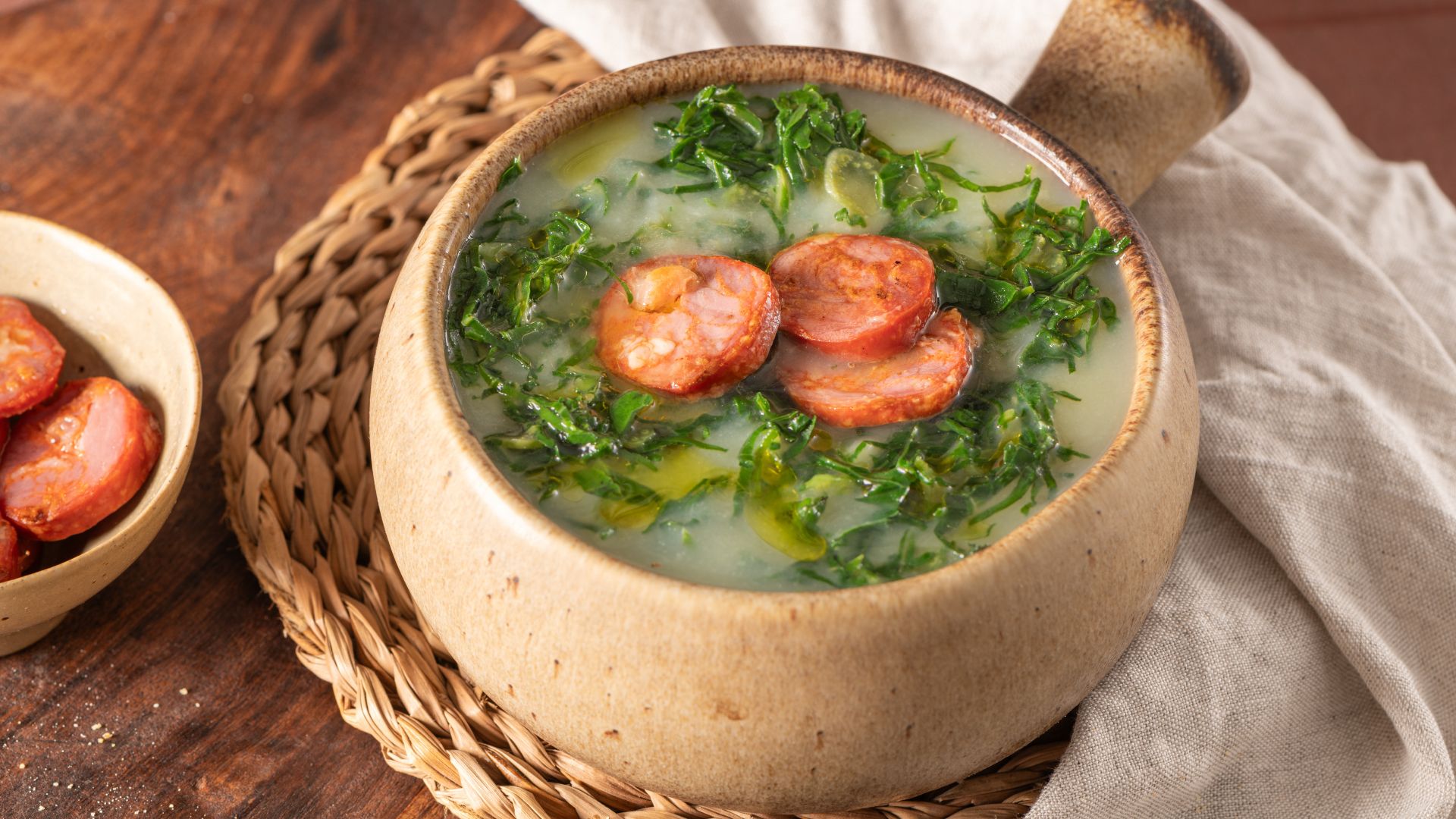
I still remember my first bowl of caldo verde, a simple green soup made with finely sliced cabbage, chorizo, and potatoes.
It felt like comfort in a bowl—fresh, filling, and unmistakably local.
Pork takes center stage in Rojões à Moda do Minho, hearty pieces marinated with garlic, bay leaf, and wine, then slow-cooked.
When I visited a small village, my hosts served this alongside rustic bread and pickled vegetables.
If you’re craving seafood, Bacalhau à Minhota—fried cod with onions and potatoes—stands out as a local favorite.
Minho’s cuisine also includes smoked pork sausages, local lamb, and garden-fresh vegetables like cabbage and beans.
Some must-try dishes include:
| Dish Name | Main Ingredients | Typical Occasion |
|---|---|---|
| Caldo Verde | Kale, potatoes, chorizo | Everyday, Festive |
| Rojões à Moda do Minho | Pork, garlic, wine | Family gatherings |
| Bacalhau à Minhota | Cod, onions, potatoes | Special meals |

Pairing Minho Cuisine with Vinho Verde
I found out pretty quickly that a meal here just isn’t right without a cold glass of Vinho Verde. People in Minho love this wine—it’s light, a bit fizzy, and totally unique to the region.
Its crisp, fresh taste cuts through richer dishes and keeps things interesting. Even when the sun’s beating down, Vinho Verde stays cool and lively. Honestly, it’s a real treat for anyone who loves wine.
Locals showed me how the citrusy notes in Vinho Verde can brighten up fried cod or bring out the best in pork. When I paired rojões with a chilled glass, it felt like I finally understood what Minho is all about.
If you’re looking for ideas, here are some classic pairings:
- Caldo Verde: Go for a young, lightly sparkling white Vinho Verde.
- Rojões à Moda do Minho: Both white and rosé Vinho Verde work here.
- Bacalhau à Minhota: This one shines with a crisp, mineral-heavy Vinho Verde.
Whether I sat in a noisy market or tucked into a quiet tavern, the food and wine always felt like part of the adventure. Every bite and sip brought me closer to the real flavors of Minho.
Cultural Highlights and Unforgettable Experiences
Minho mixes tradition and creativity in a way that gives every town a certain spark. You can feel it in the festivals and see it in the old streets shaped by generations of skilled hands.
From the start, I noticed that daily life here revolves around real, lived moments.
Authentic Festivals and Celebrations
Minho doesn’t hold back when it comes to festivals. These aren’t just about costumes or music—they’re the region’s heartbeat.
Semana Santa in Braga really pulled me in with its candlelit processions and old rituals. People fill the streets, carrying flowers and candles, while church bells ring out over the city.
Ponte de Lima lights up during Feiras Novas. Folk dancers, parades, fireworks—it’s all there. Families set up along the river, sharing homemade food and, of course, vinho verde. The whole scene feels welcoming and unmistakably Minho.
Even the smaller villages keep their own traditions alive. In Viana do Castelo, a local woman taught me how to tie a colorful lenço for the Romaria de Nossa Senhora d’Agonia. Festival tables overflow with sarrabulho rice, chouriço, and sweet pastries.
People greet you with smiles and open doors, so for a moment, you’re not just a visitor—you belong.
Architectural Heritage and Local Artisans
As I wandered through the Minho region, I kept stumbling onto Baroque churches and old granite bridges. Grand manor houses popped up too—each one seemed to have a story tucked into its walls.
Guimarães really caught my eye. Those medieval lanes twist and turn, and the castle looms over everything. People call it the “birthplace of Portugal,” and honestly, every stone seems to whisper about kings, battles, and deep roots.
I spent hours in Braga’s old squares. Azulejo-tiled chapels sit right next to bright, sunny cafés. Local workshops buzz with artisans who shape delicate filigree jewelry and stitch traditional costumes by hand.
I ducked into a family-run pottery studio in Barcelos, which is famous for its colorful rooster. The family welcomed me and handed over a brush, so I got to try painting a ceramic rooster myself. It was trickier than it looks!
Here’s a table showing off some unique crafts you’ll find in Minho towns:
| Town | Notable Craft | Where to See or Buy |
|---|---|---|
| Barcelos | Ceramics (Galo de Barcelos) | Local markets, artisan shops |
| Viana do Castelo | Filigree Jewelry | Jewelry workshops, souvenir shops |
| Guimarães | Leather Goods | Artisanal boutiques |
I chatted with these makers, and those conversations gave each place a new kind of depth. Meeting the people who keep history alive with their hands and hearts—that’s what stuck with me.

