
Stepping into Miniatur Wunderland in Hamburg, I instantly knew this was more than just a typical tourist spot—it felt like entering a whole new universe, only in miniature. Miniatur Wunderland holds the title of the largest model railway in the world, and honestly, the attention to detail blew me away at every corner.
Even as an adult, I found myself completely captivated. The intricate city scenes, the trains in constant motion, and the fully functional airport—with planes actually taking off and landing—kept me entertained for hours.
The exhibition doesn’t just focus on Germany. It brings to life the Alps, France, Italy, and even the United States, all crafted with such care that you might forget you’re looking at models.
If you’re on the fence about visiting Miniatur Wunderland as an adult, let me just say: go for it. There’s so much to see that I lost track of time, always spotting new surprises tucked away in every region.
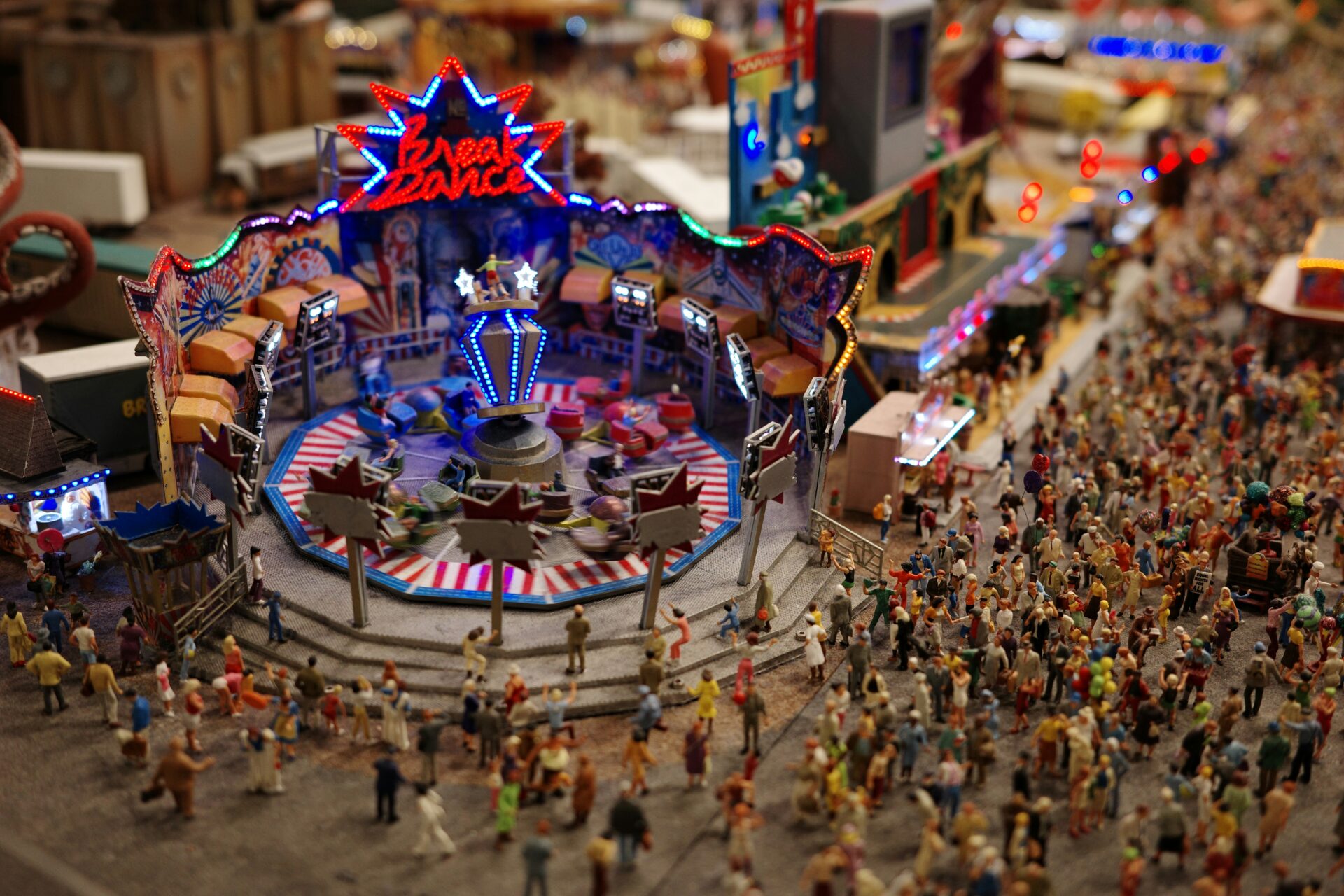
Miniatur Wunderland Hamburg Overview
Miniatur Wunderland in Hamburg claims the crown as the world’s largest model railway system. The vast landscapes, insanely precise details, and the way history, creativity, and engineering come together all in one place left me genuinely impressed.
History of Miniatur Wunderland
Miniatur Wunderland opened back in 2001. What began as a small idea quickly snowballed into something massive.
Today, the exhibit sprawls across more than 16,000 square feet. It’s packed with tracks, cities, and scenes from all over the globe.
Guinness even gave it the world record for the largest model railway. Each new section required years of planning and building before joining the main exhibit.
You’ll find working trains, cars, boats, and an airport where planes actually take off and land. The creators constantly expand the Wunderland, adding new countries and features to keep things exciting for returning visitors.
Founders: Frederik and Gerrit Braun
Twin brothers Frederik and Gerrit Braun dreamed up Miniatur Wunderland. They grew up in Hamburg, sharing a love for models, tech, and all things creative.
In 2000, they started planning the project, drawing inspiration from their childhood passion for model trains. Frederik took charge of the creative side—he designed scenes and layouts.
Gerrit dove into the technical stuff, handling automation, electronics, and computer systems. Their teamwork, dedication, and local pride made the dream a reality.
They now employ hundreds of staff, from artists to engineers, who help maintain and grow this massive exhibit.
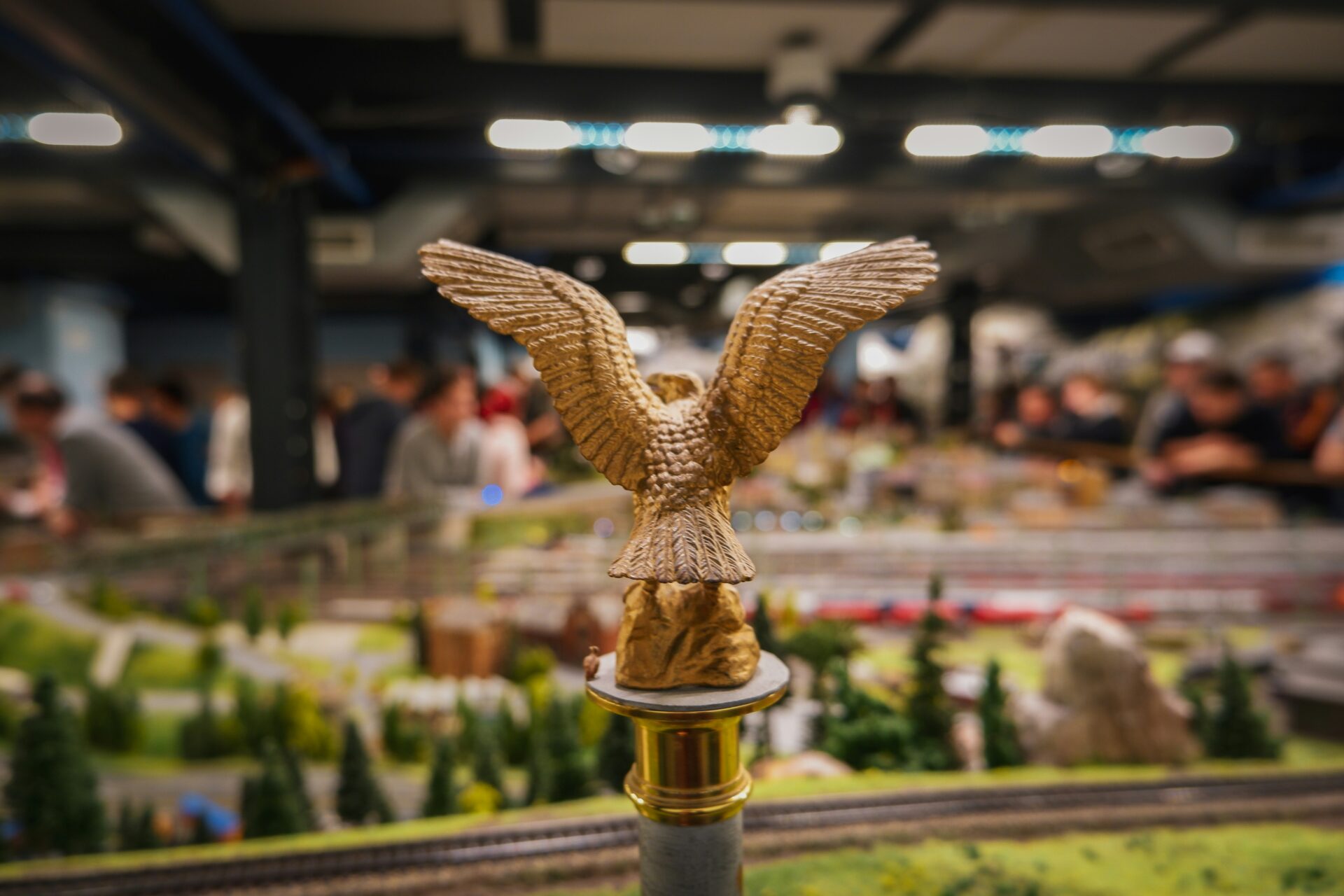
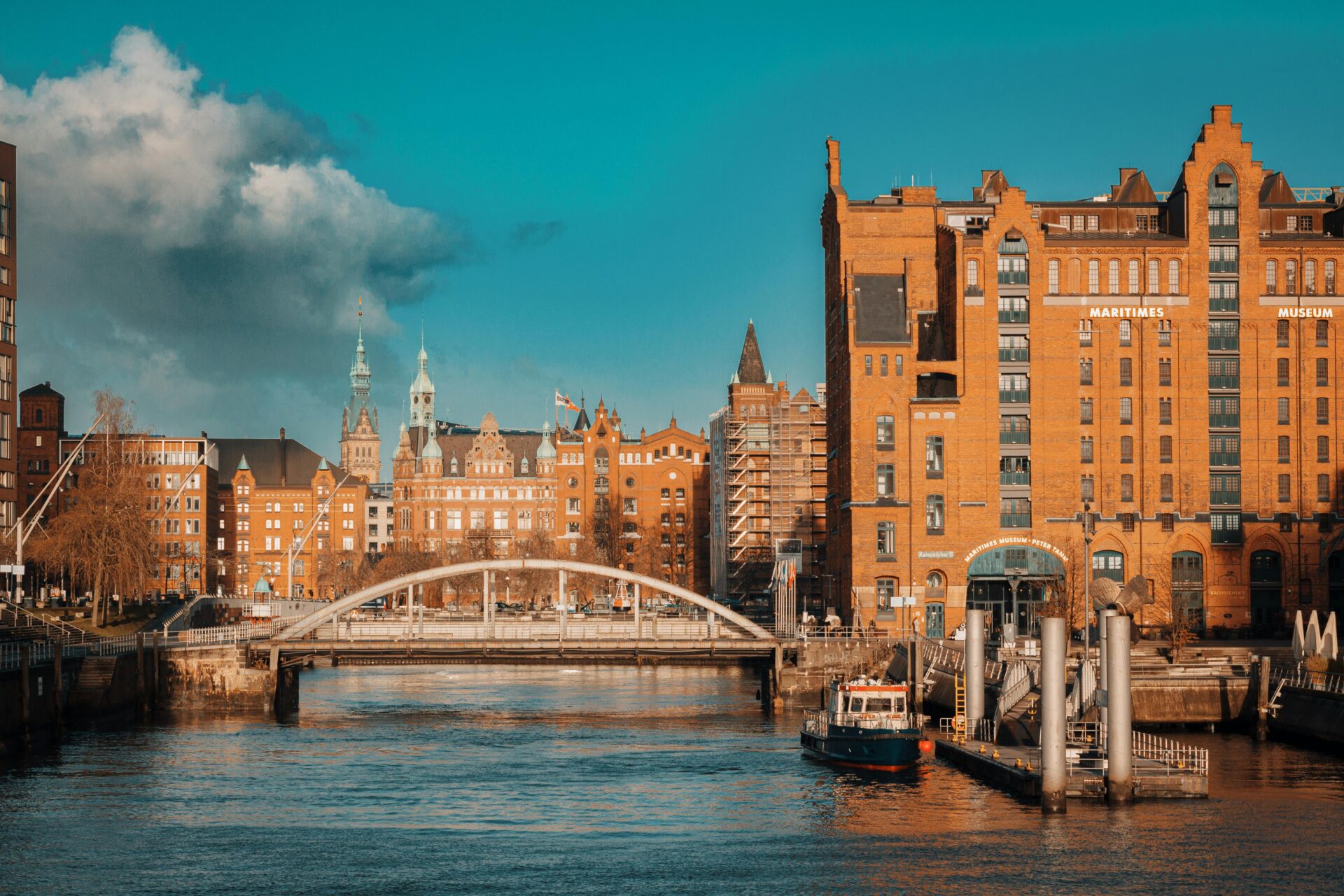
Speicherstadt Location
You’ll find Miniatur Wunderland in Hamburg’s Speicherstadt district. Speicherstadt, with its historic brick warehouses and winding canals, creates a unique backdrop for the attraction.
The area itself is a UNESCO World Heritage Site. I loved the mix of old warehouses and new attractions.
Getting there is easy, and you’re close to other top sights like the Elbphilharmonie concert hall. Visiting Wunderland gave me a chance to soak in Speicherstadt’s beautiful views and rich history.
Its central location makes it a must-see, whether you’re a local or just passing through Hamburg.
Experiencing the World’s Largest Model Railway
Miniatur Wunderland isn’t just a bunch of model trains. It’s this wild blend of creativity, tech, and realism that’s hard to describe until you see it.
The sheer size, the mind-boggling attention to detail, and the interactive elements kept surprising me again and again.
Stunning Model Railway Systems
The moment I walked in, the scale hit me—it covers about 16,000 square feet. They really weren’t kidding about being the world’s largest.
The railway snakes through themed sections. Each area captures real and imagined places: Germany, the Alps, Scandinavia, and the USA, just for starters.
You’ll spot everything from mountain tunnels to busy cities and tiny rural towns. Trains zip along hundreds of tracks, weaving in and out of each scene.
A real control center runs the schedules. It feels like whole worlds are moving at once, and I honestly could’ve stood there forever, just watching the trains glide by.
Intricate Details and Miniature World
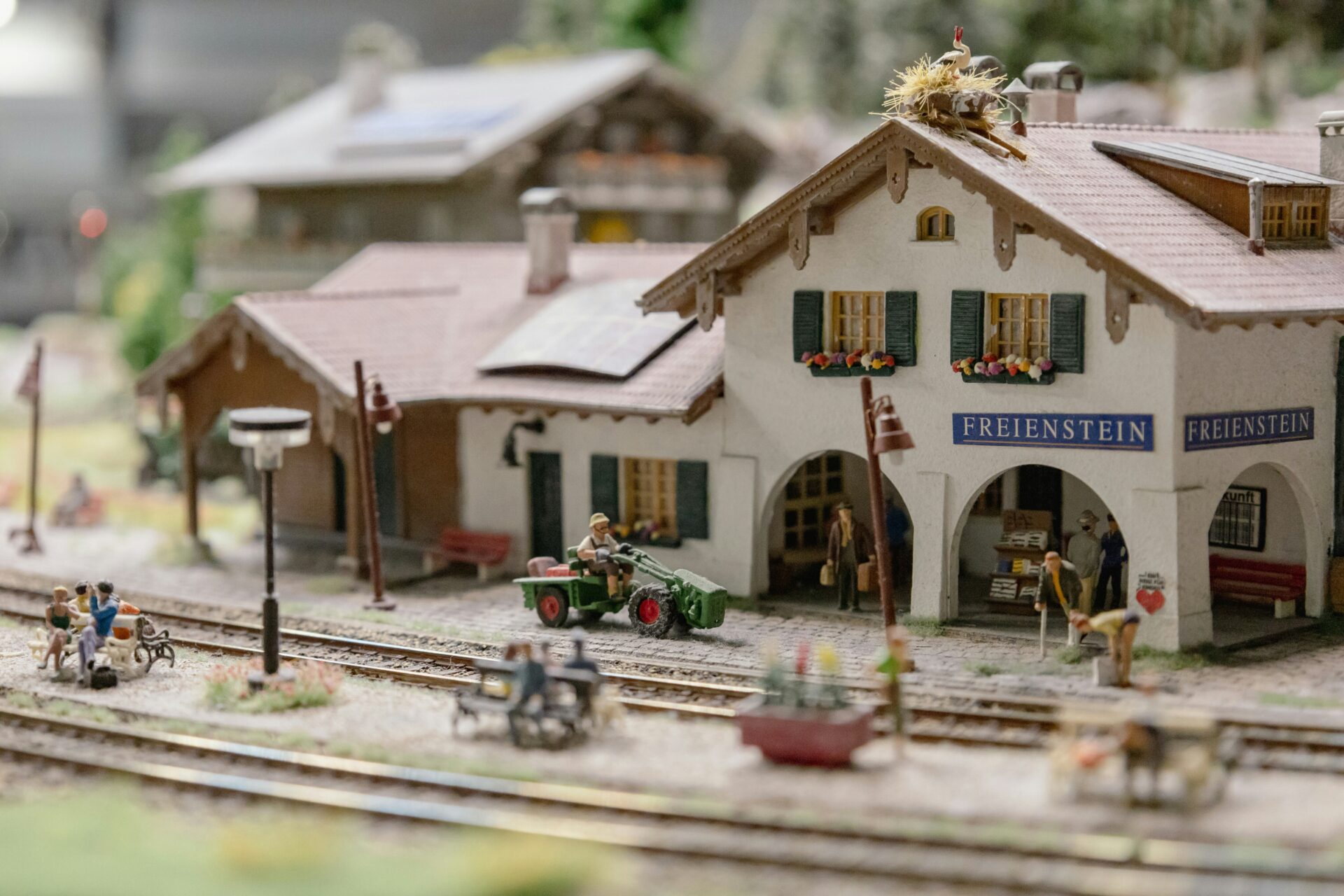
What really pulled me in was the insane level of detail. Every city and landscape has lifelike touches—houses with curtains, streets packed with cars, glowing streetlights, and water so realistic it almost fooled me.
Little scenes are everywhere. I found a couple getting married, firefighters tackling emergencies, and towns filled with thousands of tiny figures living their lives.
The airport section isn’t just for show; planes actually “take off” and “land” thanks to some clever engineering.
Just look at these numbers:
| Area | Approximate # of Figures | Special Features |
|---|---|---|
| Hamburg Section | 50,000+ | Harbor, concert, city events |
| Swiss Alps | 30,000+ | Mountain rescue, working cable car |
| Knuffingen Airport | 40 planes | Moving aircraft, lighted runways |
The mix of moving trains, shifting lights, and busy mini people made it easy to forget I was looking at models. Sometimes I caught myself grinning at the tiniest details.
Interactive Features and Technology
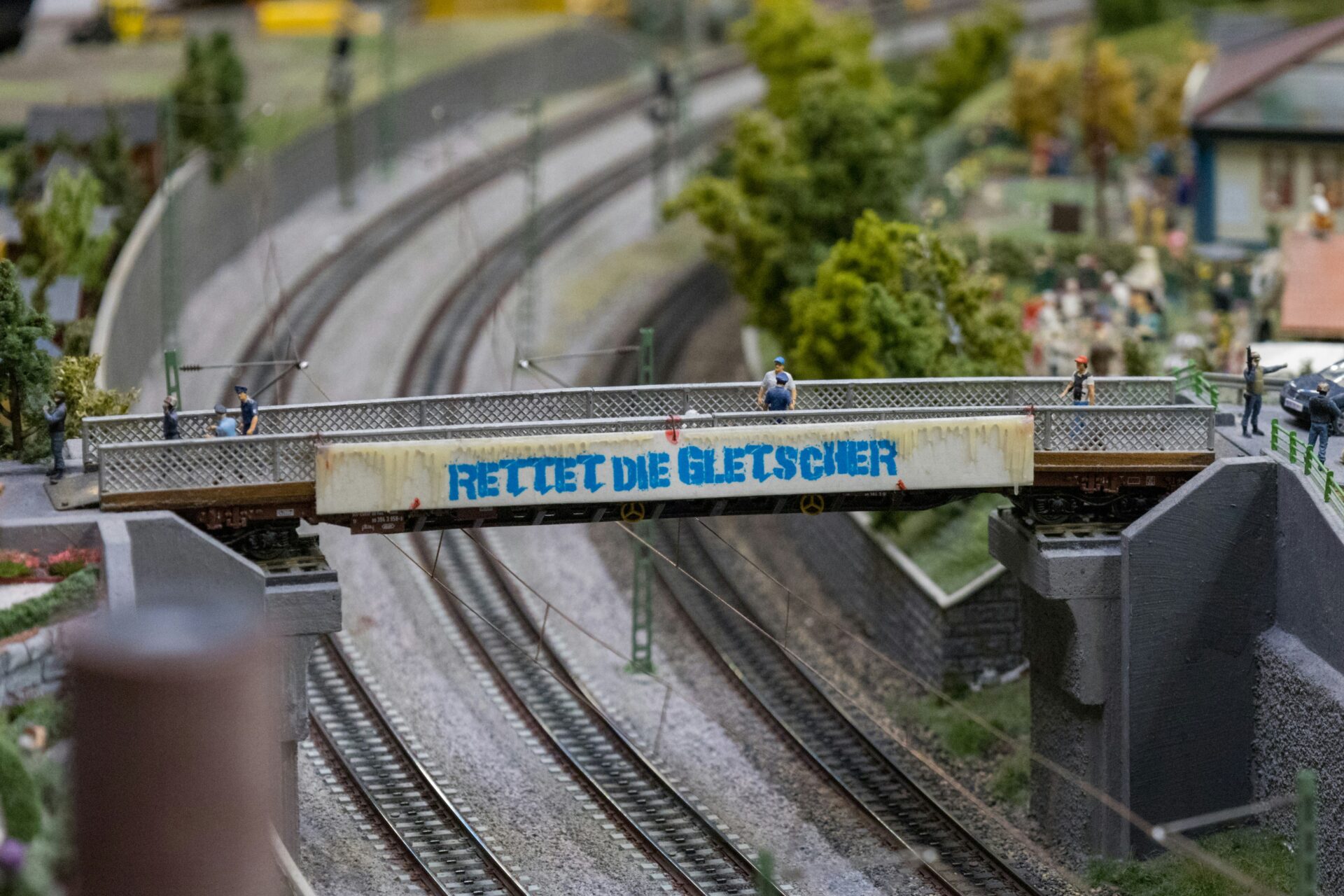
I found buttons and interactive panels all over the place. Pressing them set off little animations—a fire truck would race to a blaze, or cows would start plodding across a field.
A sophisticated computer system runs the show, controlling over 1,000 trains and thousands of signals and switches. Touchscreens let me track train locations, check schedules, and read fun facts about each area.
Every fifteen minutes, the lights cycle from “day” to “night.” Suddenly, hundreds of tiny lights flick on, making the miniature cities and countryside glow in the dark.
The tech on display makes every visit feel new. I kept wanting to see what would happen next each time I wandered into a different section.

Captivating Themed Sections and Countries
Miniatur Wunderland isn’t just a model railway—it’s a patchwork of famous regions and countries. Each section packs in so much detail that you can almost feel the atmosphere of the real places.
Germany and Central Germany
The German sections really shine. I walked past models of Hamburg’s port, iconic bridges, and city streets buzzing with life.
Cars, people, and even emergency vehicles on the move fill the scenes. Central Germany brings rolling hills, castles, and forests.
Railways wind through villages that look just like the real thing. The historical details are spot-on, and I felt a bit like I’d stepped back in time.
One highlight is the Car System. Tiny vehicles drive around, stop at signals, and even park. It’s a small touch but adds so much movement and realism.
Local trains and high-speed ICE trains zip through fields and tunnels, showing off the diversity of German railways.
Austria and Switzerland
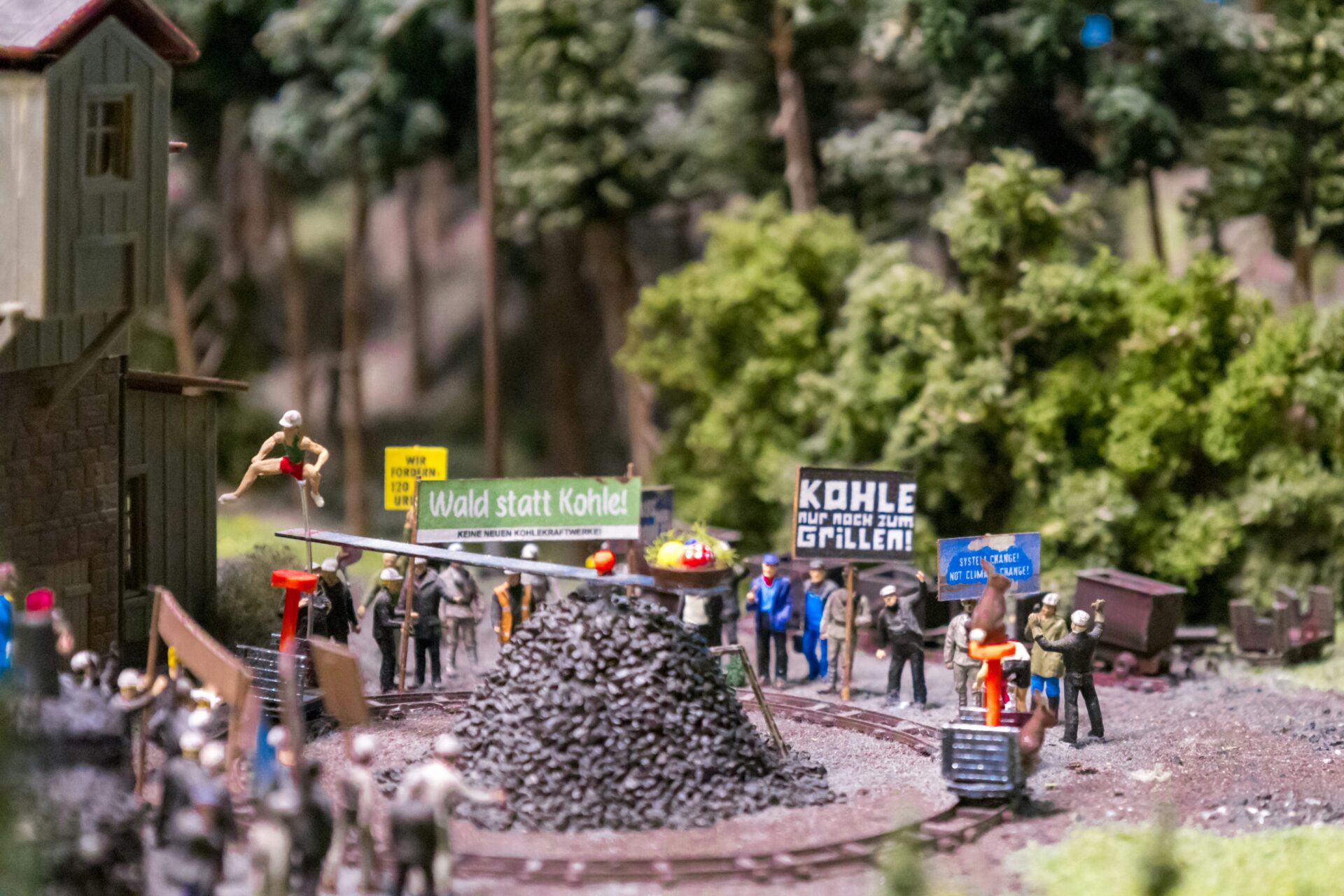
The Austrian and Swiss Alps sections are a treat. Snowy mountains, deep valleys, and winding tracks fill the space.
I spotted cable cars going up the slopes and skiers heading down. Tiny villages nestle between cliffs, surrounded by pine trees.
They’ve included famous landmarks from Austria and Switzerland—alpine churches, lakes, and more. The trains here climb steep tracks and dart through tunnels cut into the mountains.
What really caught my eye were the weather effects. Some spots even have lighting that mimics day and night.
The mountain railways and snowy scenes felt peaceful and, honestly, pretty impressive.
Scandinavia and Harz
Scandinavia stands out for its water features. Huge stretches are covered in fjords, bridges, and moving ships.
Bright houses line the shore. Real water flows beneath model ferries.
Winter scenes are everywhere—tiny figures ice fishing, frozen lakes, and snow-dusted towns inspired by Norway, Sweden, and Denmark.
I watched trains cross long bridges over the water. The Harz region shows off forested hills and historic steam engines winding around tight bends.
Villages dot the green valleys. Sometimes it’s foggy, sometimes clear—the changing weather makes this area feel alive.
Italy, America, and USA
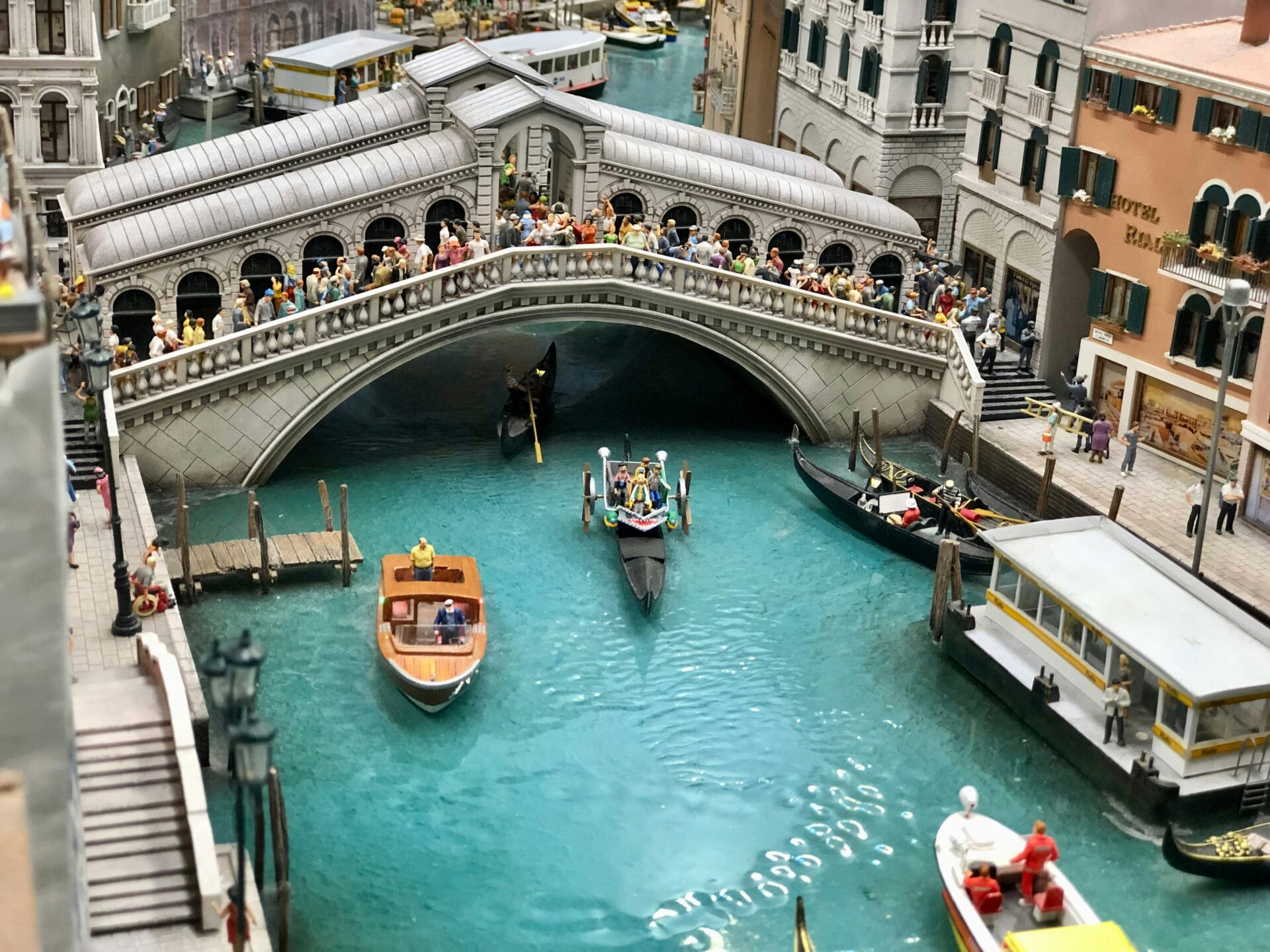
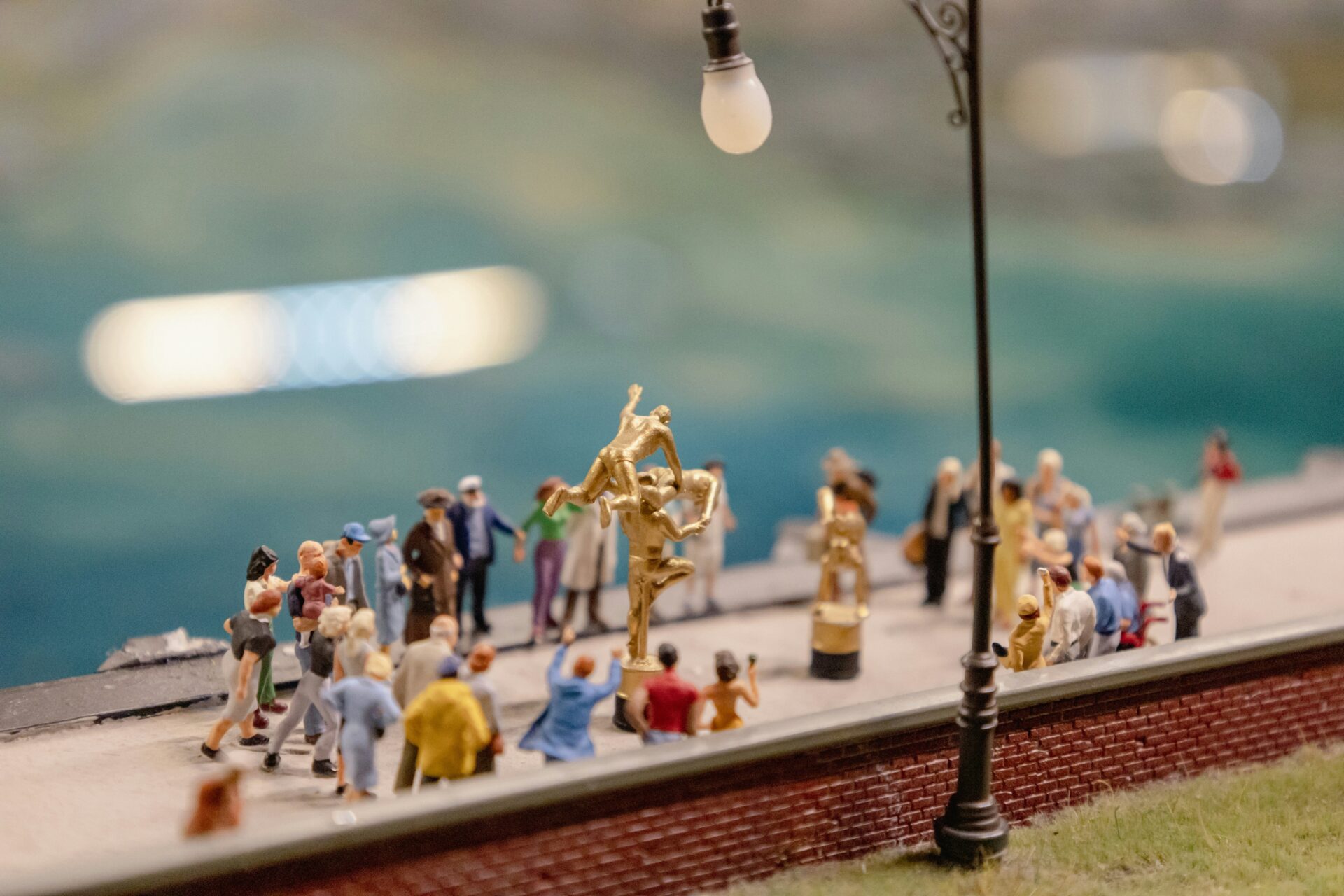
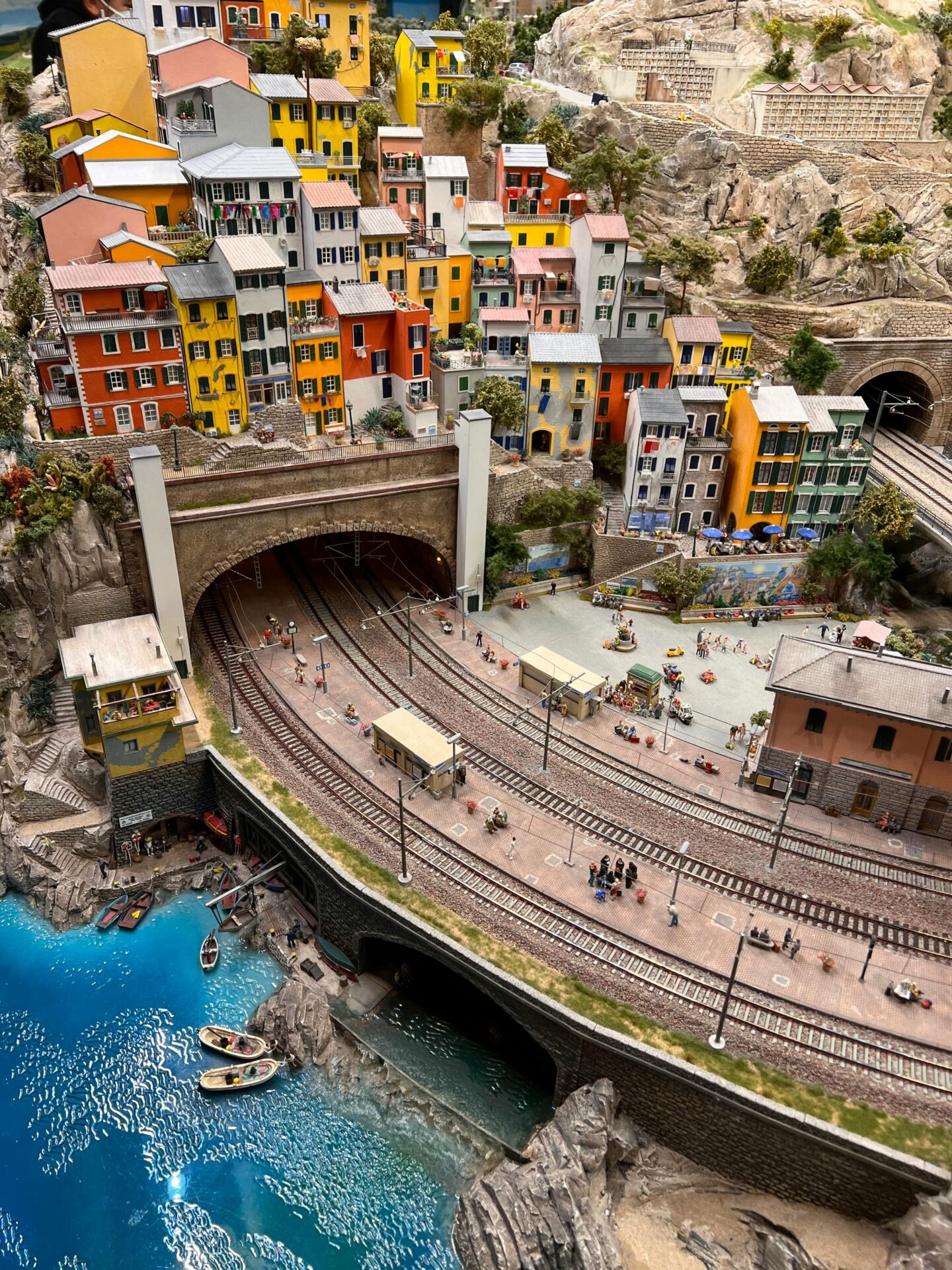
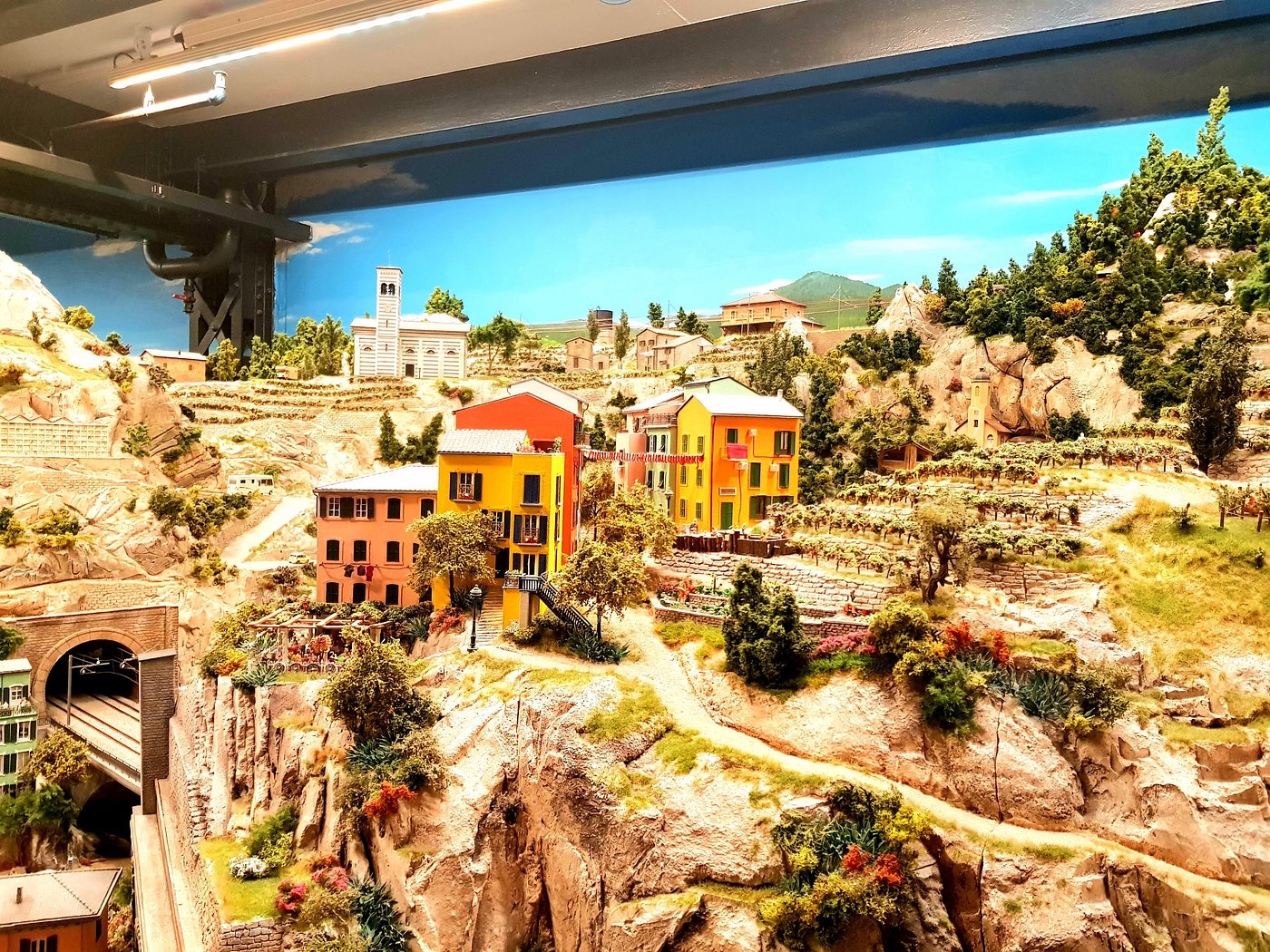
Italy’s section brings classic architecture, city plazas, and mountain villages to life. I found a tiny Venice with canals, bridges, and gondolas gliding along the water.
The cities look sun-soaked and lively, giving the whole area a warm vibe.
America and the USA add a totally different flavor. Wide highways, sprawling cityscapes, and famous landmarks fill the space.
You’ll spot Las Vegas with its neon glow, New York’s skyscrapers, and the deep canyons of the West. Classic American trains, long freight cars, and busy stations bring the scenes to life.
They’ve paid close attention to American culture, so you’ll recognize plenty of icons from movies and history. The detail and variety keep this area buzzing.
Unmissable Highlights for Adults
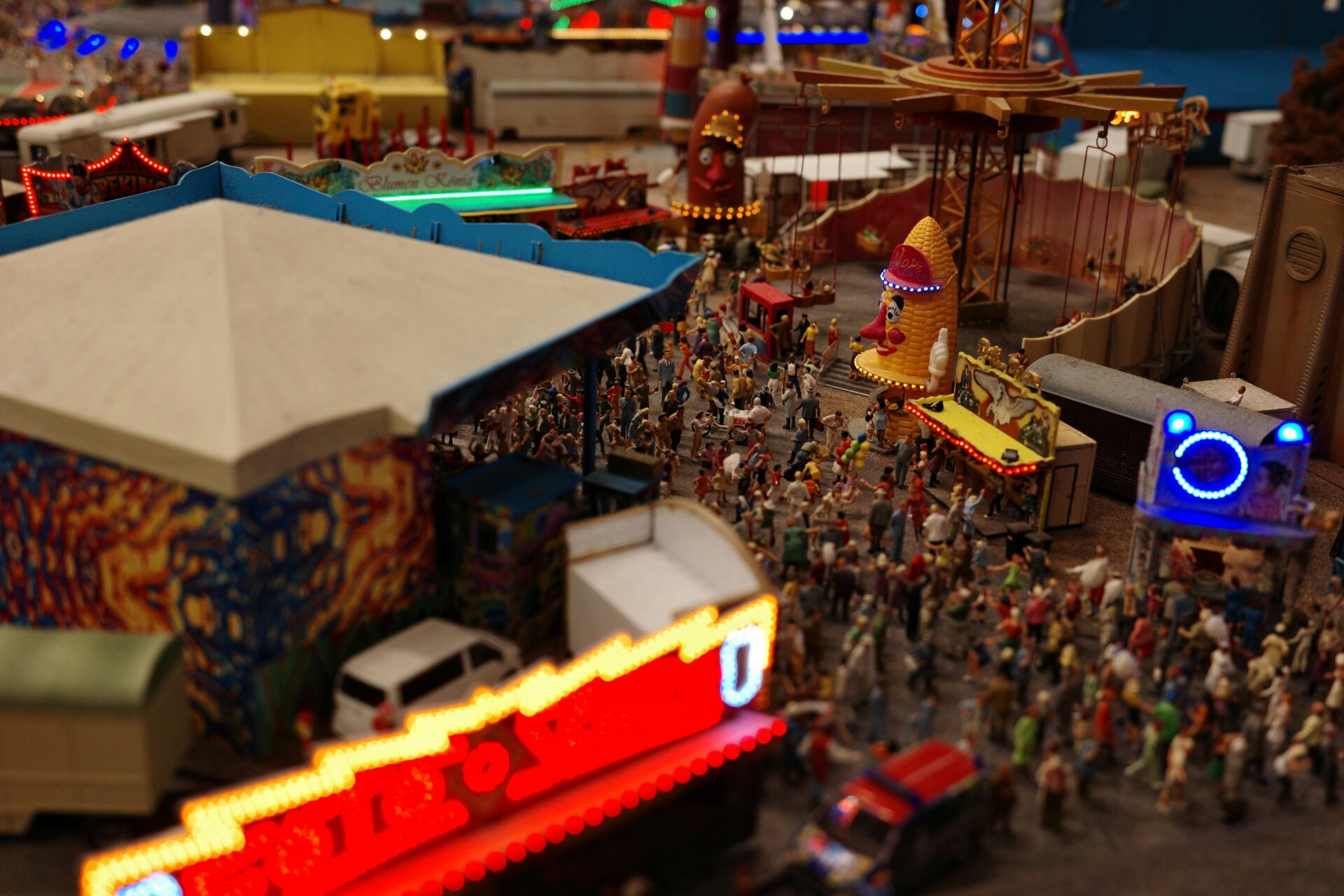
Miniatur Wunderland isn’t just for kids. Tons of scenes are packed with technical skill, hidden jokes, and clever touches that adults—especially those who love engineering, travel, or history—will appreciate.
Some displays are massive, complex, and loaded with interactive features that invite you to look closer.
Knuffingen and its Airport
Knuffingen is a fictional city, but the airport next to it steals the show. I couldn’t get over how many moving parts and how much life the place had.
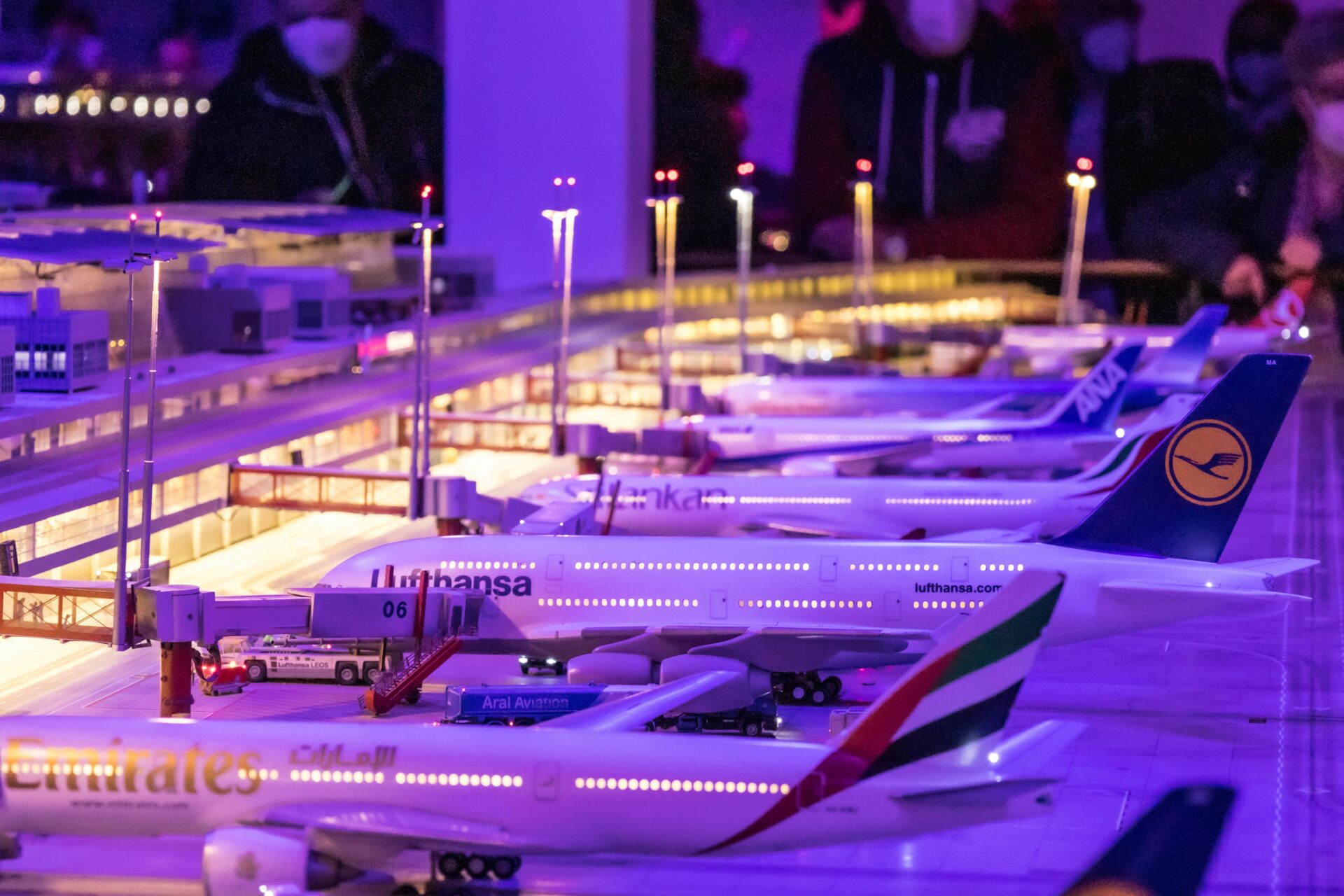
Knuffingen Airport is fully operational in miniature. Tiny planes taxi, take off, and land.
Little service vehicles zip around the runways. Luggage carts move bags, and the fire department rushes out when alarms sound.
Everything runs on a digital clock, so the airport never stops. Lights shift, announcements echo, and planes from different airlines come and go.
The control tower is worth a look. The terminals, jet bridges, and hangars all feel real.
I could’ve spent all day just watching the flow of operations and the ever-changing fleet of aircraft.
Aviation, Runway, and Cape Canaveral
Aviation fans, you’re in for a treat. Long, realistic runways stretch through the miniature world, marked by lights and dotted with support vehicles.
The technical design and air traffic routines are spot on.
Cape Canaveral is another standout. Rockets, launch pads, and a full space center come to life with movement and light effects.
I watched a rocket countdown and “launch” with sound and flashing lights. It felt surprisingly dramatic for something so small.
The blend of classic aviation at Knuffingen Airport and space-age engineering at Cape Canaveral adds variety.
Both areas mix real-world references with playful details, so there’s always something new to spot if you’re into flight and exploration.
Grand Canyon and Mount Rushmore
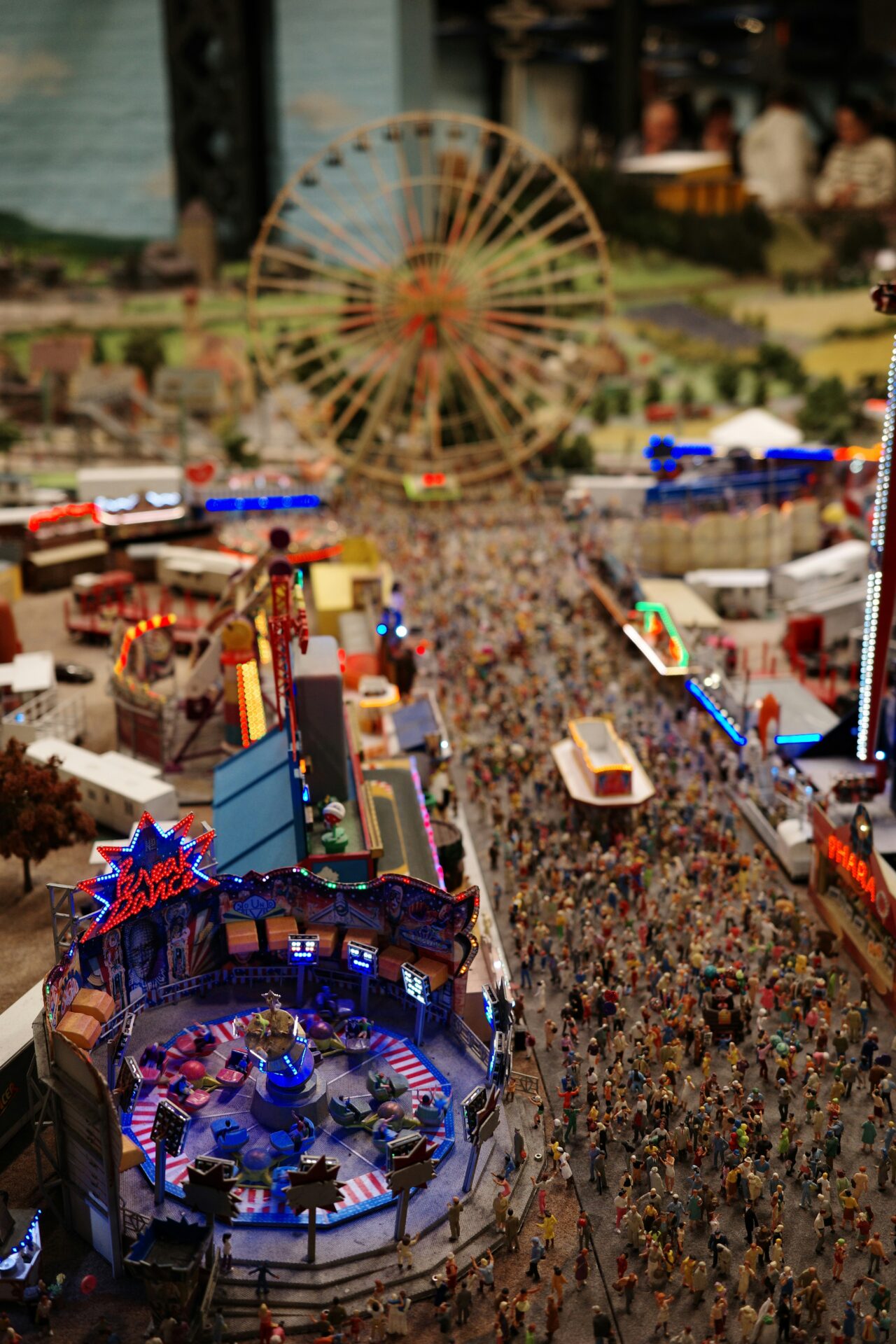
The Grand Canyon and Mount Rushmore bring the American southwest to life.
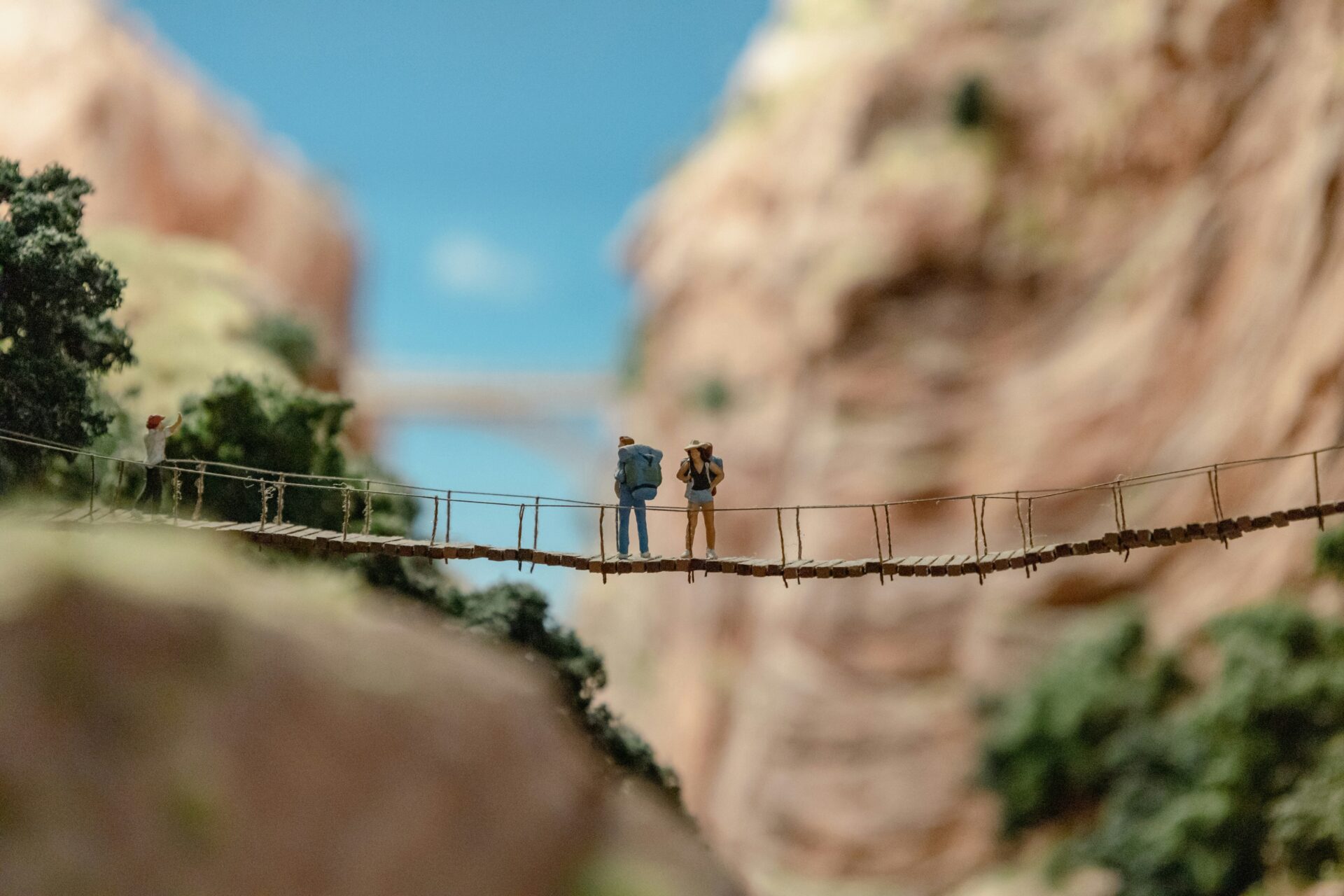
The Grand Canyon model is huge and filled with natural colors. Trains snake along ledges, and tiny rafters tackle whitewater rapids.
Mount Rushmore stands out with the presidents’ faces carved into “rock,” surrounded by mini tourists.
Picnic spots, hikers, and moving vehicles fill the area. I even found a hidden wedding photo scene at the canyon’s rim.
These landscapes are full of surprises and clever references. The rock formations and terrain details show off the craftsmanship.
I appreciated the engineering just as much as the playful little touches sprinkled throughout.
Essential Visitor Information
Getting into Miniatur Wunderland is pretty straightforward, but you’ll want to plan ahead. Tickets sell out, opening hours can change, and you’re free to snap photos as long as you follow some easy rules.
Miniatur Wunderland Tickets
I always buy tickets online before visiting. Walk-up tickets are rare, especially on weekends or holidays.
Online booking lets you pick a specific time slot, so you can skip the worst of the lines and crowds.
Here are the main ticket options:
| Ticket Type | Price Range (Adult) | Notes |
|---|---|---|
| Standard Admission | €20 – €25 | Price varies by day & time |
| Children (under 16) | €12 – €15 | Discounted rate |
| Annual Pass | ~€80 | Unlimited visits for a year |
You’ll find discounts for families, students, seniors, and people with disabilities. I always check their website for the latest deals.
Trying to book last-minute during busy months like July or December? Good luck—you’ll need it!
Opening Hours and Best Times to Visit
Miniatur Wunderland opens its doors every day, but the hours shift depending on the season and what day it is. In summer or during holidays, you might find them welcoming visitors right up until midnight. I always double-check their website before heading out—saves me from any surprises.
If you’re not a fan of crowds, mornings work best. Late evenings, especially on weekdays, feel almost peaceful.
My tips:
- Try to get there early to avoid crowds.
- Weekdays beat weekends by a mile.
- School holidays? Expect it to be packed.
When I want to soak up every detail, I book a late slot. Once you’re inside, you get to stay until closing—no one rushes you out.
Photography Tips for Visitors
You’ll want to bring your camera or smartphone—trust me, there’s plenty worth capturing. They don’t allow tripods, though; those things just clog up the walkways and honestly, nobody wants to trip over your gear.
Flash is technically allowed, but I usually skip it. The photos come out better without that harsh burst, plus it’s just kinder to everyone else around.
Inside, the lighting shifts a lot. Some spots feel dim, and sometimes they even mimic different times of day. I bump up my ISO or switch on night mode to keep my shots sharp.
Macro lenses? Fantastic for catching tiny details. Still, I always remind myself not to crowd the models—getting too close can ruin the scene for others.
Selfie sticks don’t really work here. The paths are narrow, and it’s just awkward. Instead, I hunt for interesting angles by kneeling down or steadying my camera right on the glass barriers. Sometimes, that’s how you get the best shot anyway.
