
There’s just something about Morro Bay that makes you pause the second you roll into town. That massive 576-foot volcanic rock pops up from the harbor like a gentle giant, keeping an eye on fishing boats, sea otters, and lucky visitors who stumble upon this Central Coast gem.
This small working harbor town brings together natural beauty and real coastal living in a way most California beach destinations just can’t anymore.
Morro Bay gives you accessible wildlife, real-deal harbor vibes, and outdoor adventures—all orbiting around that iconic rock. I’ve paddled my kayak alongside playful otters, watched harbor seals nap on the docks, and poked around tide pools with that volcanic monolith in the background every time.
What really sets Morro Bay apart? The town manages to welcome tourists without losing its working harbor soul. The Embarcadero waterfront buzzes with fishing boats unloading their catch, restaurants serving up just-caught seafood, and wildlife that seems to consider the bay their own backyard.
If you’re up for water sports, nature walks, or just want to watch otters float by, Morro Bay serves up an authentic slice of California coast.
Discovering Morro Bay: Where Nature and Harbor Life Meet
Morro Bay sits right on California’s Central Coast, blending natural wonders with a bustling maritime community. The town’s character comes straight from its 581-foot volcanic rock, a busy fishing harbor, and its close connection to the Pacific.
The Iconic Silhouette of Morro Rock
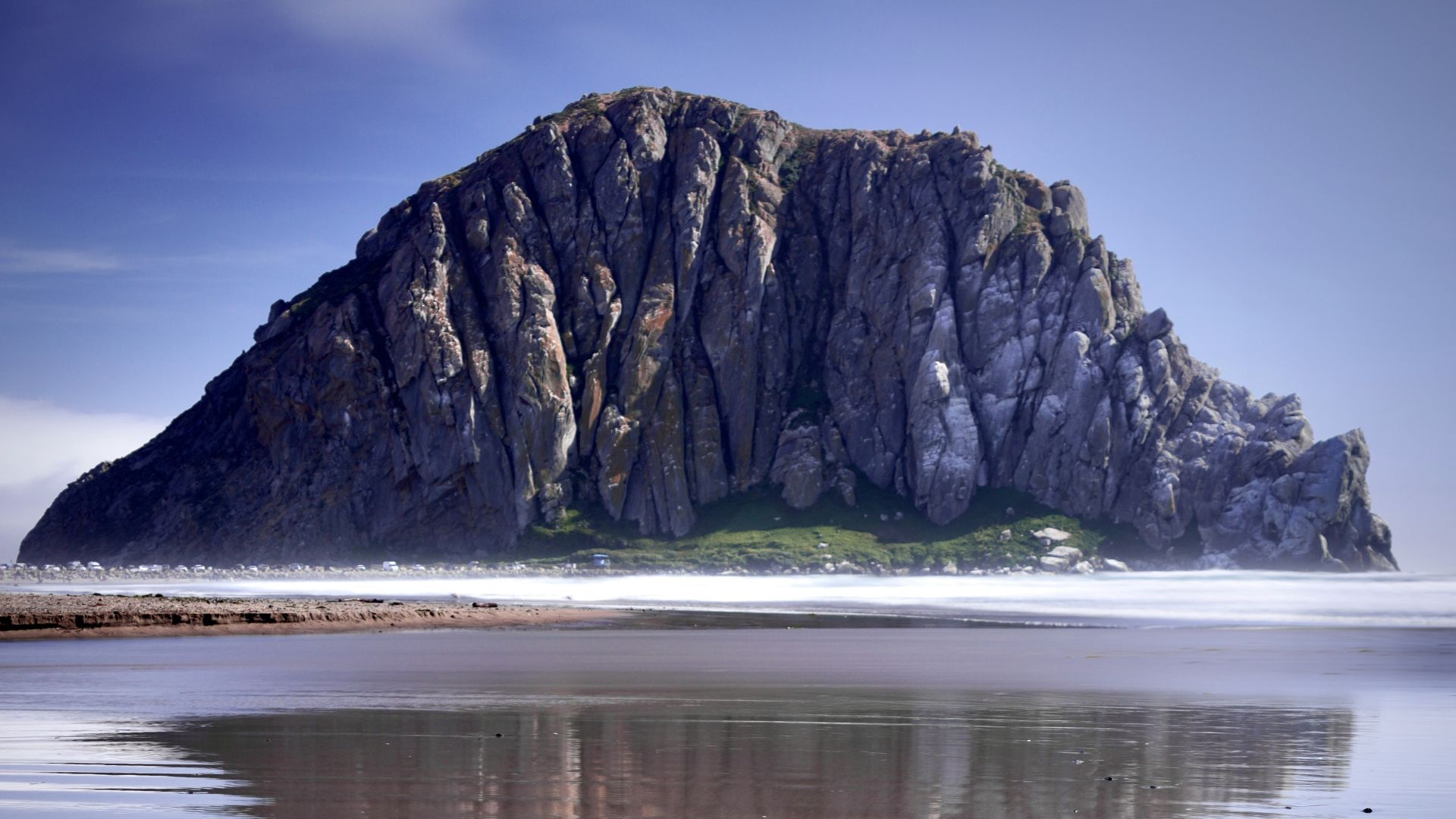
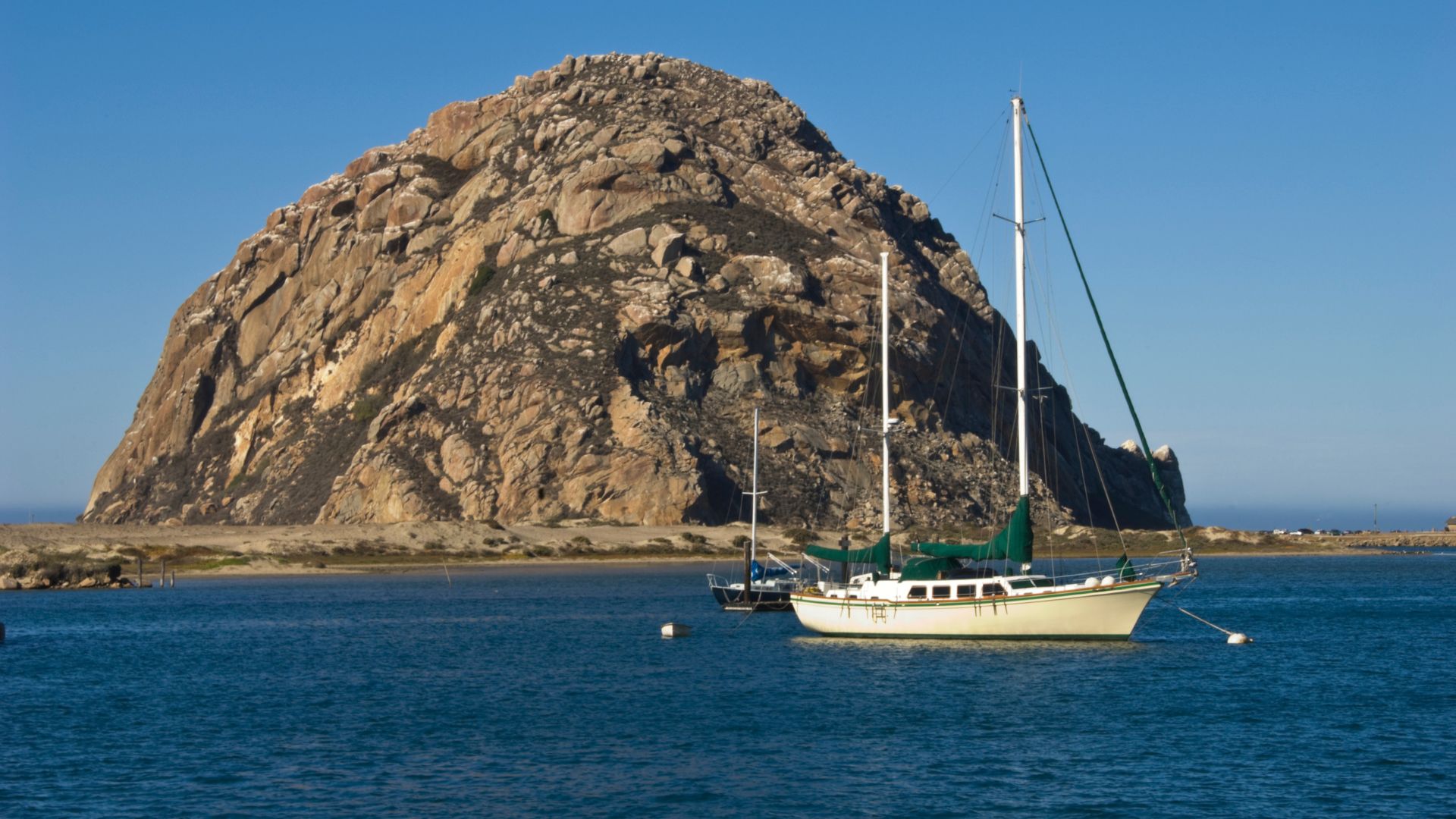
Morro Rock dominates the scene, rising 581 feet as a volcanic plug formed 23 million years ago. It’s the last in a chain of nine volcanic plugs that run across San Luis Obispo County.
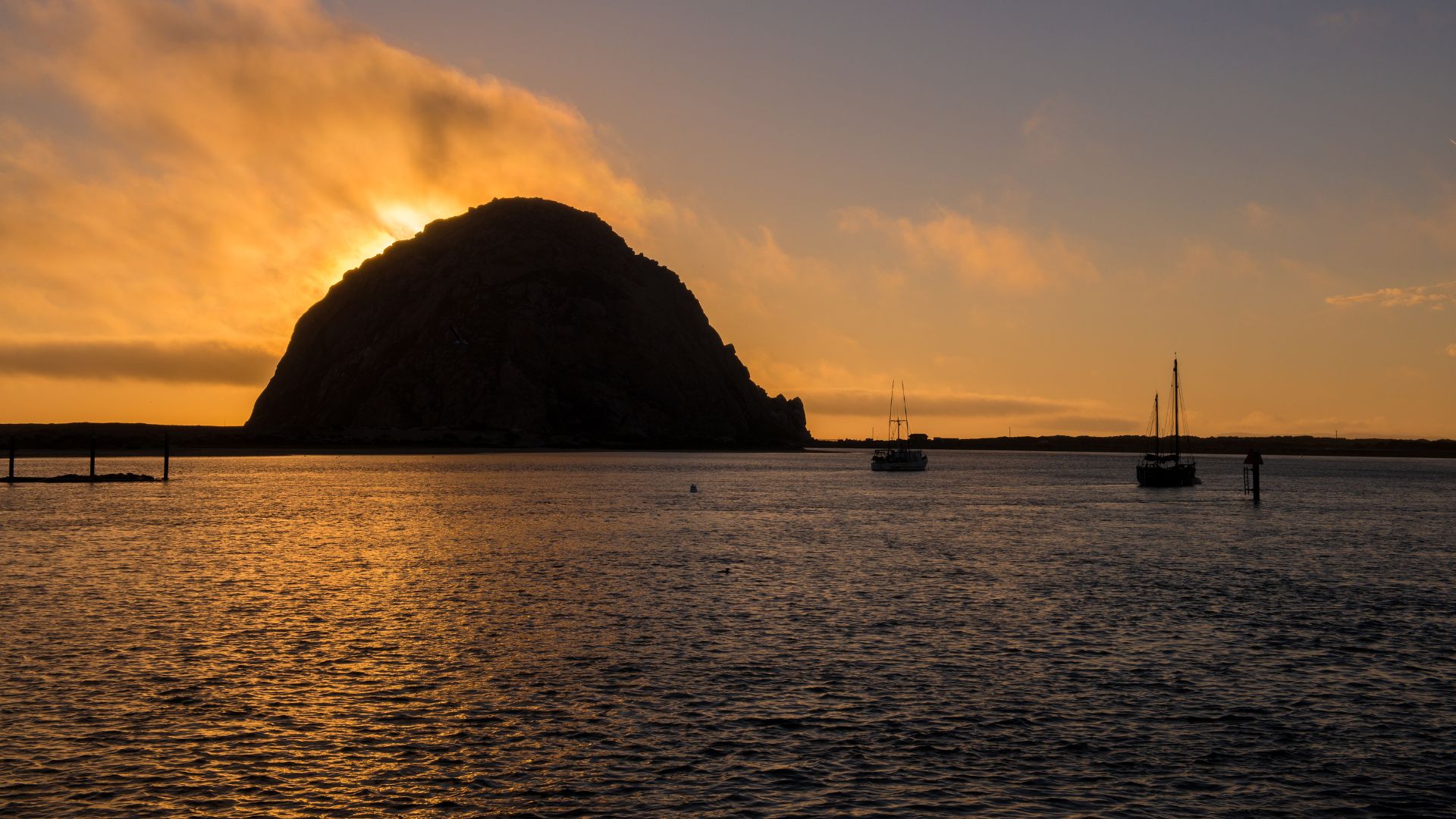
The rock sits at the harbor’s mouth, a natural landmark that’s impossible to miss. I always find it wild that this ancient formation acts as both a geological marvel and a navigation point for boats heading in.
Key Features of Morro Rock:
- Height: 581 feet
- Age: 23 million years
- Type: Volcanic plug
- Location: Harbor entrance
From Morro Strand Beach, I can stroll right up to the base. The Harborwalk brings you even closer, and surfers get a unique view from the waves.
A Working Harbor on the Central Coast
Morro Bay Harbor buzzes with activity as fishing boats bring in fresh catches every day. The harbor’s mix of working docks and recreational spots creates a true maritime vibe.
I’ve watched fishing boats leave before sunrise and return loaded with fish. Both commercial and recreational boats fill the harbor, keeping things lively.
The Embarcadero hugs the water, lined with seafood joints that serve what local fishermen just brought in. That boat-to-table connection gives Morro Bay its reputation for top-notch seafood.
Harbor Activities:
- Commercial fishing
- Recreational boating
- Kayak and paddleboard rentals
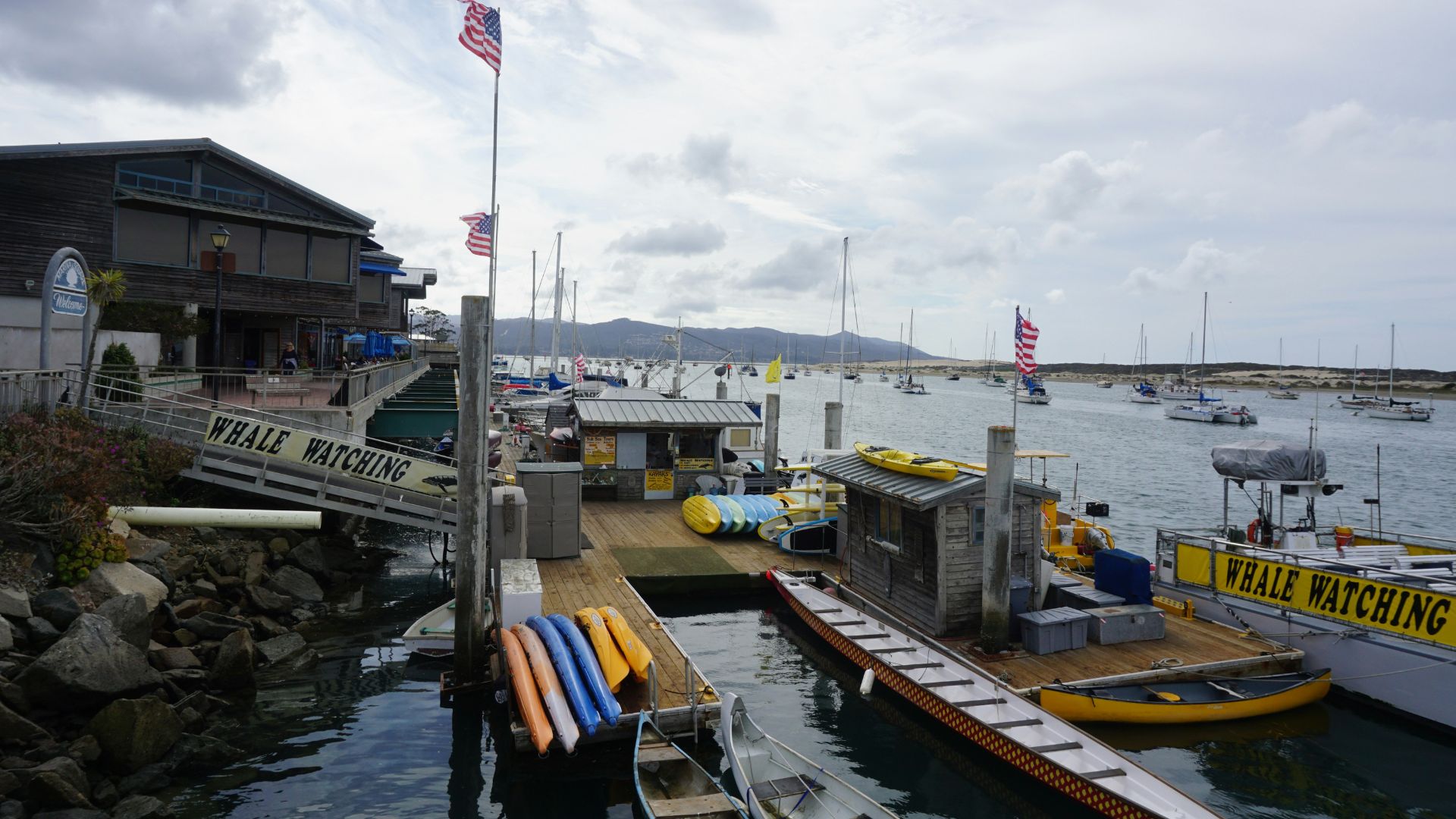
- Whale watching tours
A Town Defined by the Pacific Ocean
The Pacific Ocean shapes everything in Morro Bay. Waves pound Morro Strand Beach, while the harbor stays calm thanks to the rock and sandbar.
The ocean brings a wild mix of wildlife. Sea otters float near the South T-Pier, sometimes in groups of 20 or more. Sea lions claim the docks as their own.
Fog rolls in most mornings, thanks to the ocean, then usually burns off by afternoon. That marine layer keeps things cool and comfortable, perfect for being outside.
Marine life changes with the seasons. Humpback whales show up from March to May, blue whales from April into summer, and gray whales migrate past twice a year. Whale watching here almost never goes out of season.
Wildlife Encounters: Sea Otters, Marine Mammals, and Birdwatching
Morro Bay’s protected waters shelter about 40 sea otters year-round, with even more activity during pupping seasons. Harbor seals, sea lions, and birds like peregrine falcons and great blue herons call this place home.
Sea Otters: The Bay’s Furry Stars
The best sea otter watching? I always head for Harbor Walk, South T-Pier, or around Target Rock. These little guys stick close to shore, so you don’t need binoculars (though they help).
Most otters here are females with pups. Peak pupping runs October to January, then again in March and April.
Best Viewing Tips:
- Keep 150 feet away, minimum
- If otters act nervous or swim off, back up
- Early mornings and late afternoons are prime time
- Binoculars make it even better
The shallow bay entry keeps big predators out. This makes Morro Bay a safe haven for otter families.
I’ve watched mothers float with pups on their bellies, wrapping themselves in kelp to stay put while they nap.
Harbor Seals and Sea Lions in Their Element
Harbor seals and sea lions love the quieter corners and rocky bits around the bay. I spot them sunning on docks and floating platforms all the time.
Harbor seals are smaller, with spotted coats and sweet, dog-like faces. Sea lions? Bigger, darker, and way more vocal.
Where to Find Them:
- Docks and piers at the marina
- Rocky spots near Morro Rock
- Floating platforms in the harbor
- Beaches at low tide
The seals usually hang out in groups midday. If they get spooked, they slip into the water but often come back soon.
Sea lions bark and bicker, their calls echoing across the harbor. You can’t really miss them during breeding season.
Birding Highlights: Peregrine Falcons and Great Blue Herons
Morro Bay is a National Audubon Society Important Bird Area. Winter brings the most species as birds migrate through.
Great blue herons stand still in the shallows, waiting to snag a fish. I always see them along the harbor’s edge or on the mudflats when the tide’s out.
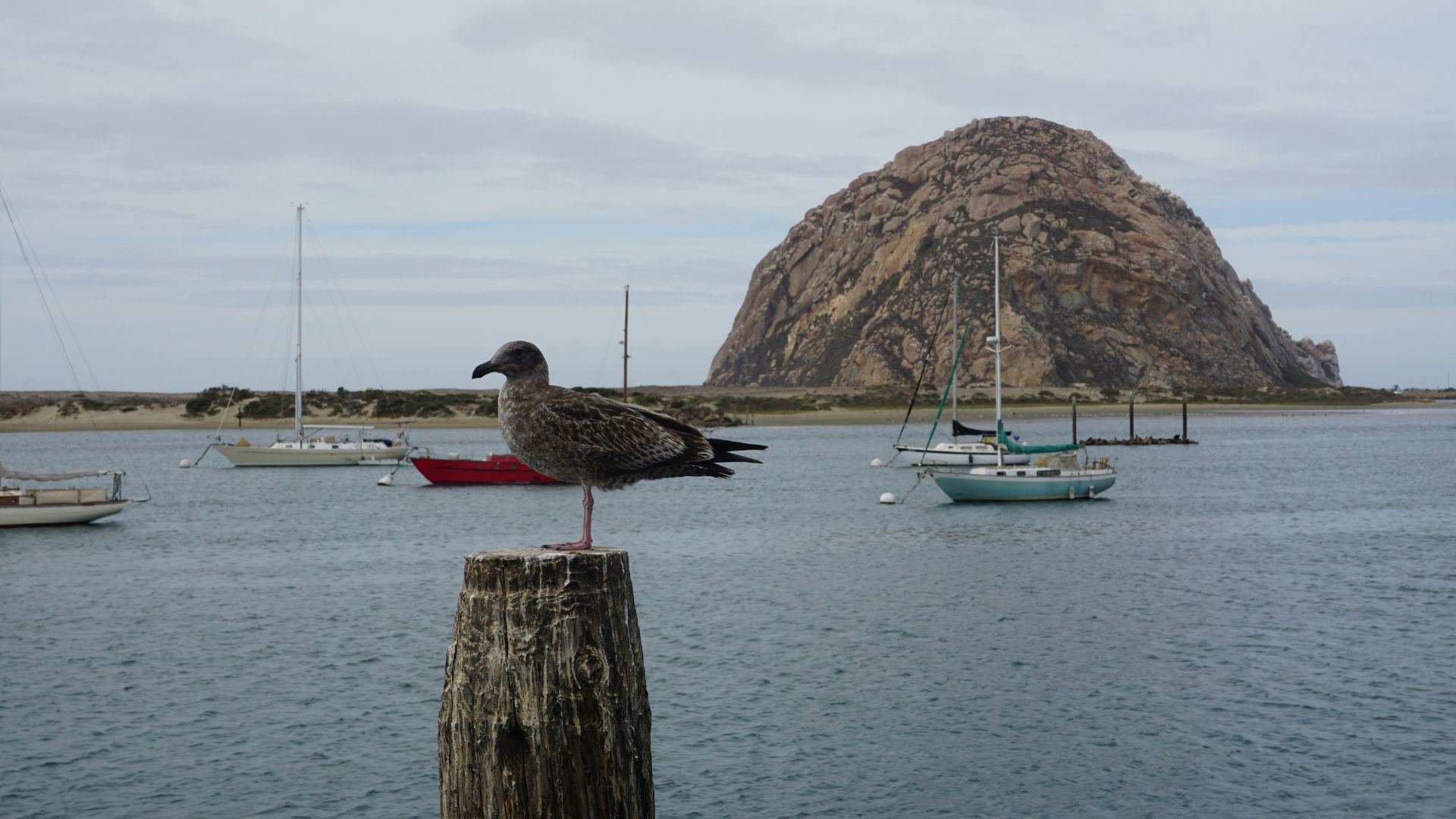
Peregrine falcons nest on Morro Rock’s cliffs. These raptors dive at breakneck speeds—over 200 mph—when they hunt.
Birds I’ve Spotted:
- Great blue herons in the shallows
- Peregrine falcons near Morro Rock
- Brown pelicans diving for fish
- Cormorants perched on the piers
- Snowy egrets in tidal flats
Low tide mudflats attract sandpipers and plovers. Early mornings are best, before things get busy.
Seasonal Whale Watching Opportunities
Whales cruise through Morro Bay’s waters all year. Sometimes you’ll see them from shore, but boat tours from the Embarcadero get you closer.
Whale Watching Calendar:
- Gray Whales: December – April
- Humpbacks: April – December
- Blue Whales: June – October
Blue whales, the planet’s biggest animals, feed just offshore in summer. Watching these giants surface is honestly unforgettable.
Gray whales pass close to shore on their migration between Alaska and Mexico, often spouting near the beaches.
Humpbacks stick around the longest, feeding on krill and small fish. They’re famous for breaching and those long, wing-like fins.
The Embarcadero Experience: Culture, Shopping, and Local Flavors
The Embarcadero is Morro Bay’s main waterfront drag, packed with seafood spots, local breweries, and coastal shops that ooze maritime character.
Strolling the Waterfront Promenade
I love starting my day on the Embarcadero’s boardwalk. The promenade runs right along the harbor, offering up-close views of Morro Rock and the busy fishing boats.
Highlights along the walk:
- Marina Square’s local art displays
- Fishing piers where anglers reel in their catch
- Tidelands Park with boat launches
- Handy public restrooms and benches
The Morro Bay National Estuary Program’s Nature Center sits right on the Embarcadero. I’ve wandered through, checking out exhibits on local wildlife and the bay’s ecosystem.
Street musicians often play on weekends. The vibe stays lively but never overwhelming, so you can actually relax and enjoy the stroll.
Seafood Dining, Cafes, and Tasting Rooms
Seafood rules here. Most restaurants get their fish straight from the bay. I’ve tried a handful of spots that source right from the local fleet.
Seafood spots I recommend:
- Tognazzini’s Dockside – Famous for clam chowder and fish & chips
- Galley Seafood Grill & Bar – Great views, grilled fish
- Dutchman’s Seafood House – Classic seafood platters
Libertine Brewing Company stands out with regional ingredients and a killer view. I sampled their craft beers on the patio and lingered longer than I planned.
Wine fans should check out Absolution Cellars for Central Coast tastings. It’s a quieter option compared to the busy restaurants.
Several cafes serve lighter bites and coffee with waterfront views. Perfect for breakfast or a midday pick-me-up.
Artisan Shops and Coastal Markets
The Embarcadero’s shops capture Morro Bay’s coastal vibe with locally made goods and nautical finds. I picked up some truly unique gifts.
Shops I enjoyed:
- Marina Square – Local artists and handmade crafts
- Shell Shop – Seashells from a longtime local family
- Salt Air Studio – Eco-friendly, handcrafted items
Carousel Taffy drew me in with its fresh, chewy saltwater taffy made right there. This place has been a staple for decades, and you can watch them pull the taffy.
Babylonian Soap Company sells handcrafted bath goodies with sustainable ingredients. Their stuff makes for thoughtful souvenirs—way better than generic tourist trinkets.
Shops stay open late in summer, so you can browse after dinner. You’ll find everything from affordable keepsakes to high-end local art.
Active Adventures on the Bay and Beyond
Morro Bay’s got endless ways to get outside—whether you want to paddle calm harbor waters or venture out to the open ocean. Kayaking among sea otters is a personal favorite, and guided harbor tours let you spot wildlife and soak up local history.
Paddling: Kayaks and Stand-Up Paddleboards
Kayaking in Morro Bay is my go-to. The protected bay means even beginners can get out there without worry.
I’ve launched from several spots, but the state park marina and areas near the Embarcadero are the easiest.
Sea otters pop up everywhere. On one morning paddle, I counted over 20 otters floating nearby—sometimes just 15 feet away.
Stand-up paddleboards are also popular, especially in the calmest parts of the bay. I gave both a try and loved the different perspectives.
Water conditions tend to be calm, especially early in the morning. Less wind and clear water make it the best time to paddle.
Guided Tours and Harbor Cruises
Harbor tours give you a solid overview of Morro Bay’s wildlife and history. I hopped on a 45-minute tour that circled the whole bay.
Lost Isle Adventures runs regular tours from the Embarcadero. Their guides know all the best spots for sea otters, sea lions, and birds.
Tour boats get you closer to Morro Rock than you can manage on your own. I learned a ton about the bay’s history and even spotted parts of the estuary I missed while kayaking.
Whale watching tours run seasonally. Humpbacks and blue whales show up in summer; gray whales migrate through in winter and spring.
Most tours last 45 minutes to two hours. If you can, book a sunset tour—the lighting is gorgeous and it’s cooler.
Sailing and Fishing Boat Charters
Maya Sailing Adventures offers private sailing charters on a Hans Christian 43 sailboat. These trips fit up to six people for half- or full-day outings.
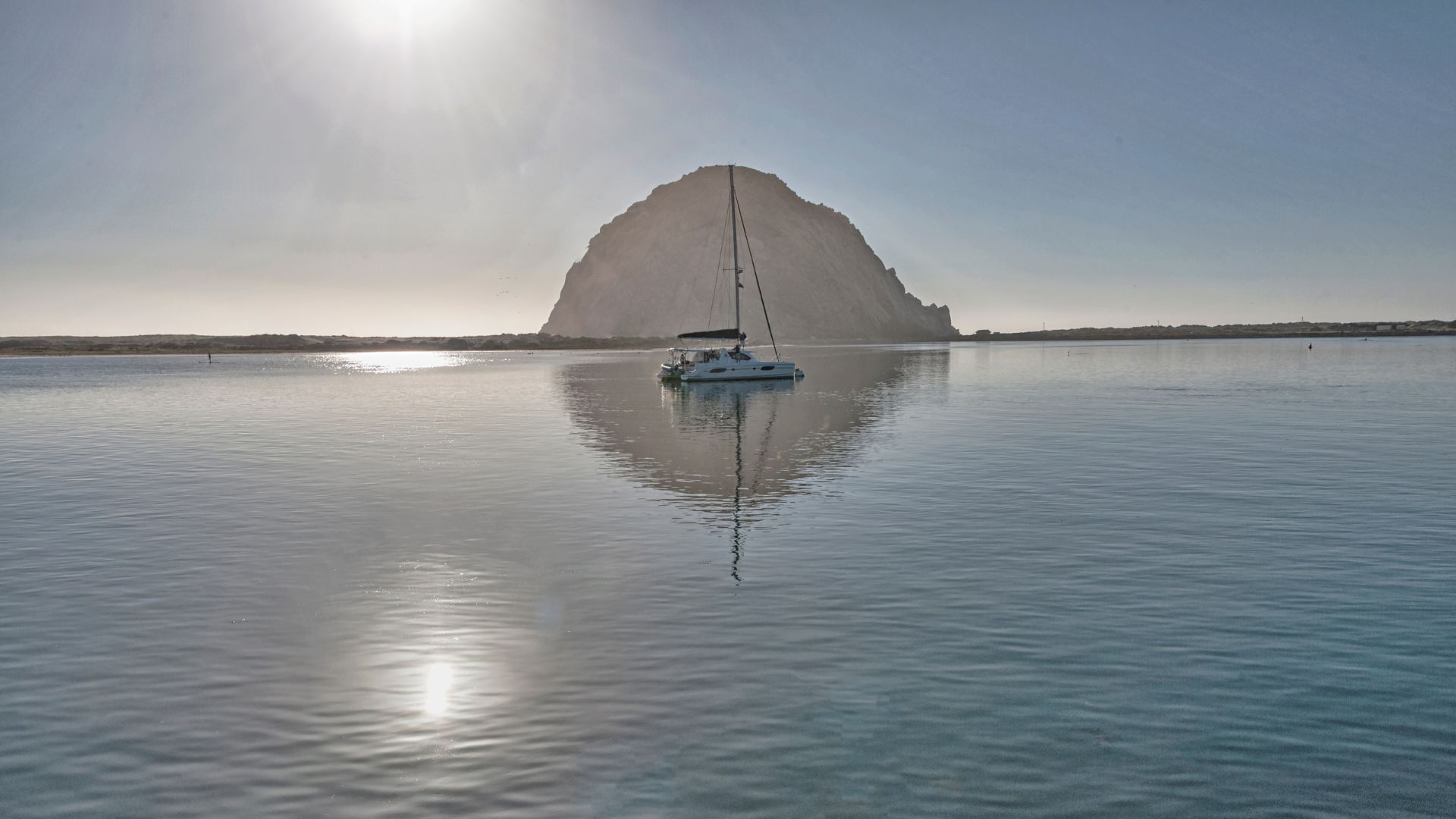
I’ve watched sailboats navigate the tricky channel between Morro Rock and the harbor. It takes some skill, but the views are unbeatable.
Fishing charters leave from several docks, with South T-Pier being a popular spot for sport fishing.
Deep-sea trips target rockfish, lingcod, and sometimes salmon. You’ll need a California fishing license before heading out.
Private yacht charters are available for special occasions, offering full-day trips with catering and bar service.
Natural Escapes: Beaches, Parks, and Scenic Trails
Morro Bay packs in stunning natural spaces just minutes from downtown. You’ll find everything from the protected saltwater marsh at Morro Bay State Park to the sweeping sands of Morro Strand State Beach.
I’ve explored tidepools at North Point Beach and wandered trails that stretch all the way south to Montana de Oro State Park.
Morro Bay State Park and Saltwater Marsh
Morro Bay State Park sits just south of town and protects one of California’s most important saltwater marshes. The park covers over 2,700 acres of wetlands, grasslands, and forested hills.
I keep coming back to the Heron Rookery Natural Preserve during nesting season, usually from February through June. Great blue herons, great egrets, and double-crested cormorants crowd the eucalyptus trees, building their nests and squabbling over branches. Early mornings and late afternoons seem to bring the most action.
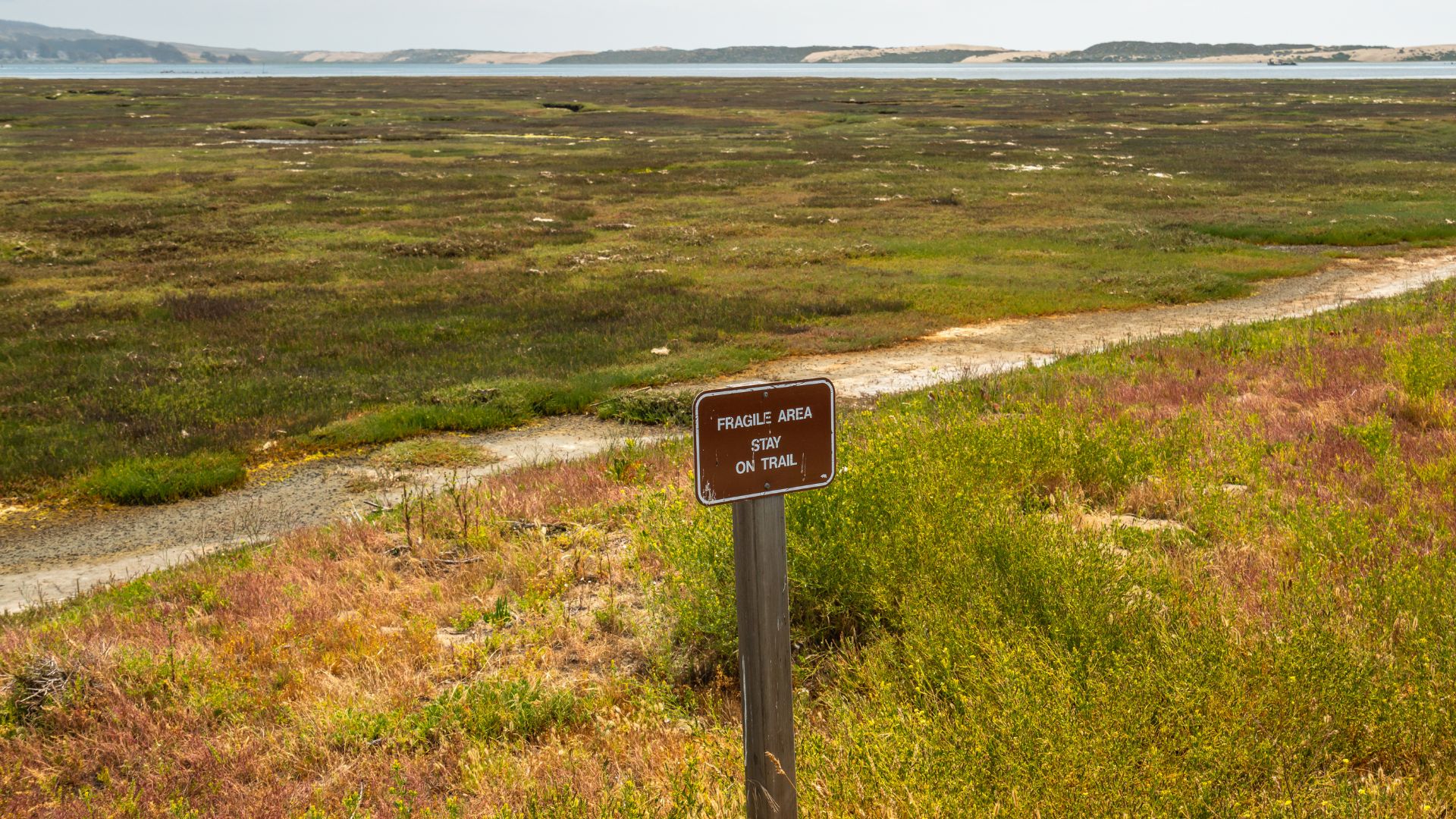
The Marina Peninsula Trail hugs the bay for 0.7 miles. It’s a flat, simple walk, but the bird watching is always rewarding. Sometimes I spot sea otters rolling in the kelp beds or harbor seals lounging on the mudflats when the tide’s out.
If you want the best panoramic views, hike the Black Hill Trail. It’s a short 0.6-mile round trip, but you’ll climb about 190 feet to the summit of this extinct volcano. I always try to catch sunset here—there’s something about the way the light turns Morro Rock golden that never gets old.
The Museum of Natural History opens daily from 10 AM to 5 PM. Adults pay $3 for admission, but kids and teens under 18 get in free.
Exploring Morro Strand State Beach
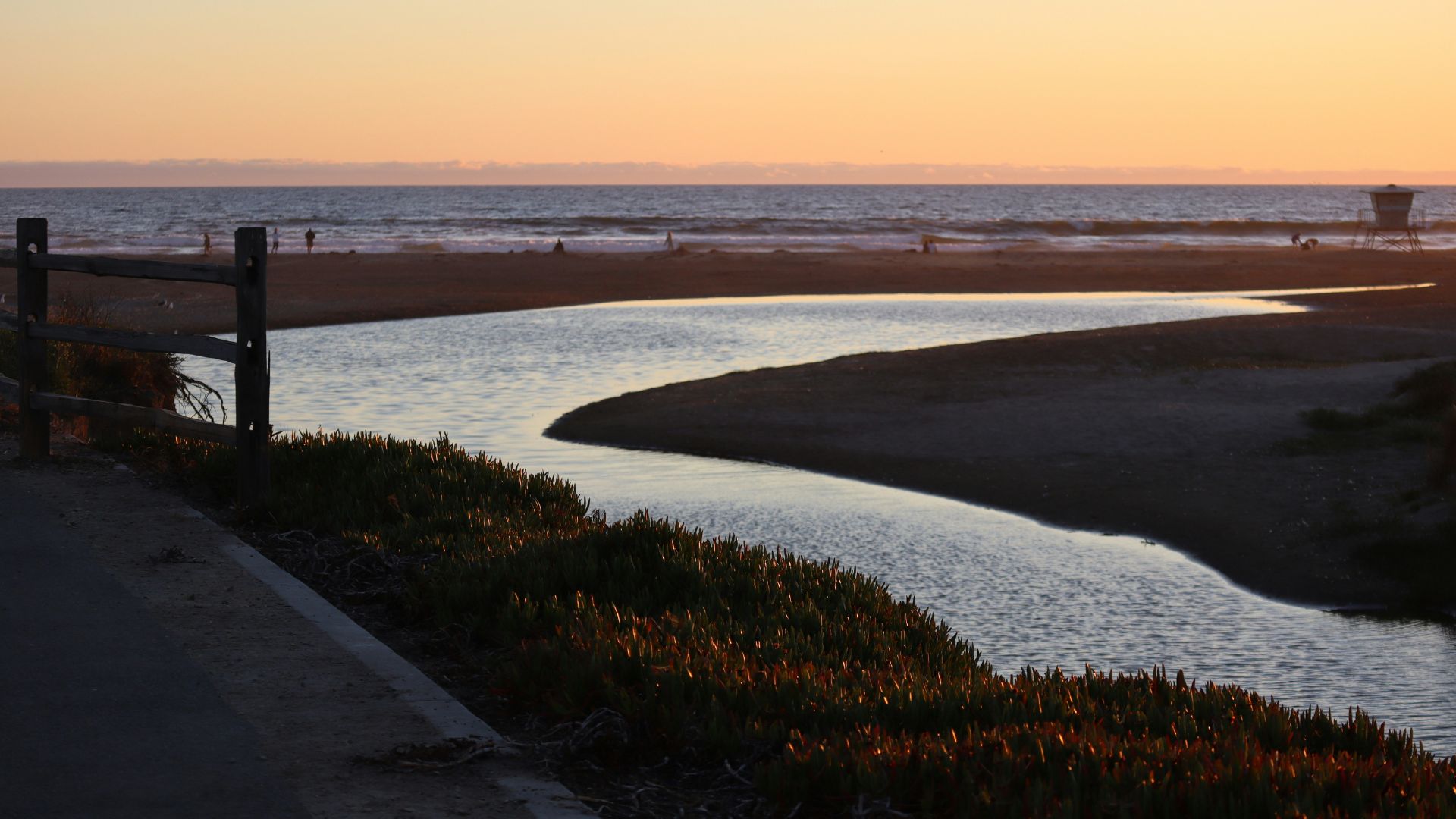
Morro Strand State Beach stretches north from Morro Rock for three long miles, all the way to the Cayucos pier. The sand is wide and open, facing the endless Pacific.
The water’s cold year-round, and the currents are no joke. I wouldn’t swim here, but the beach is perfect for long walks, jogging, or just watching the waves pound the shore. At low tide, the sand gets firm enough for biking.
Parking is easy to find at several spots along Highway 1. The main lot is down by Morro Rock, but you’ll find more parking at Yerba Buena Street and Beachcomber Drive.
I like to watch the surfers near the rock and hunt for sand dollars after a storm. It gets windy most afternoons, so I usually aim for a morning visit. Dogs are welcome on leash in most areas, which is a bonus.
North Point Beach and Toro Lane Tidepools
North Point Beach sits at the end of Toro Lane, about two miles north of downtown. This stretch of rocky shoreline hides some of the best tidepools I’ve found anywhere nearby.
I always plan visits around minus tides, which show up twice a month. The best time for tidepooling is usually an hour or two before the lowest tide. I check tide charts online before heading out.
The pools teem with sea anemones, hermit crabs, sea stars, and tiny fish. The rocks get really slick, so I always wear shoes with decent grip. Parking is limited, especially during summer weekends, so I show up early.
Toro Lane is a narrow, mostly residential street. I drive slowly and only park in marked spots—no one wants to annoy the neighbors.
Nearby Adventures: Montana de Oro State Park and Avila Beach
Montana de Oro State Park is about 15 miles south of Morro Bay, and it’s a rugged, wild place for hiking. The name means “Mountain of Gold,” thanks to the yellow wildflowers that explode along the hillsides in spring.
I love hiking the Bluff Trail for its jaw-dropping ocean views and the chance to spot whales offshore. The trail runs for three miles along dramatic clifftops, and Spooner’s Cove is the only sandy beach—a natural spot to turn around and rest.
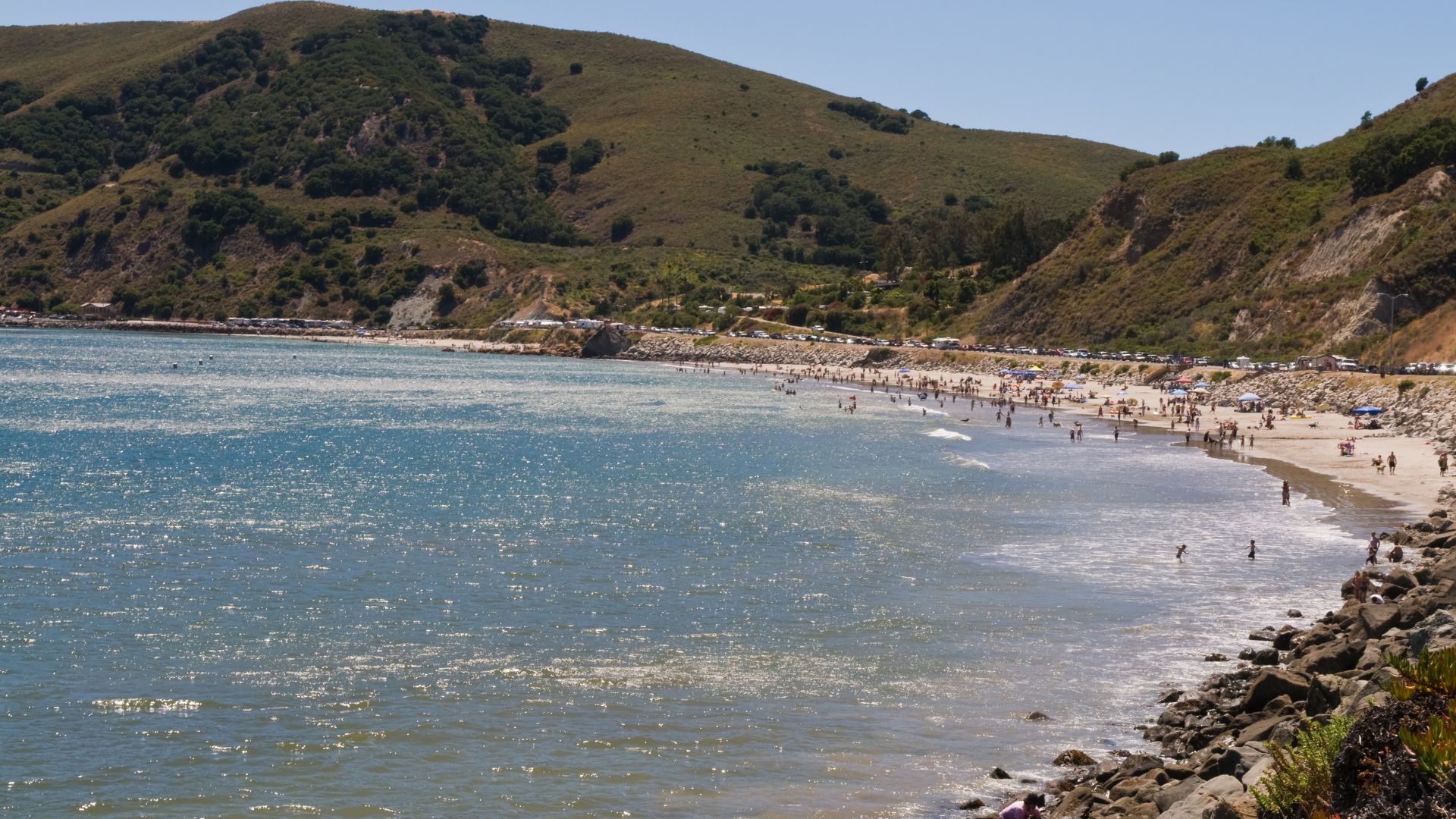
Avila Beach is 20 miles southeast, tucked into a protected cove. The water feels warmer here, which is rare along this stretch of coast. On hot days when I actually want to swim, this is where I go.
The town itself is compact, with a short pier, a handful of restaurants, and the usual beach rentals. Avila Hot Springs sits just inland and offers natural mineral pools. I sometimes pair a swim and a soak for the ultimate day trip from Morro Bay.
Planning Your Visit: Getting Here, Local Lifestyle, and Surrounding Areas
Highway 1 is the main route into this Central Coast spot, and it never really gets old. Morro Bay’s fishing village vibe feels like a breath of fresh air compared to California’s glossier beach towns.
San Luis Obispo is just fifteen minutes away, so Morro Bay makes a great base for exploring the region.
Travel Tips and Arrival via Highway 1
If you’re driving, definitely take Highway 1 for the views alone. The coastal scenery is unreal, whether you’re coming from San Francisco or Los Angeles—both about a four-hour drive.
Flight Options:
- San Luis Obispo Airport (17 miles out)
- Direct flights from Dallas, Denver, Phoenix, San Francisco, Seattle, and Los Angeles
Ground Transportation:
- RTA Route 12 links the airport to downtown Morro Bay
- Uber and Lyft work here, but don’t expect tons of cars
- Amtrak stops in San Luis Obispo, with bus connections to Morro Bay
Most parking in town is free, which is a pleasant surprise. Summer weekends get crowded, though, so I recommend arriving early or hopping on the seasonal trolley.
The town itself is tiny—less than two miles end to end. Walking from the Embarcadero to downtown or the waterfront takes under fifteen minutes.
Local Lifestyle and Community Vibe
Morro Bay still feels like a real working harbor. I’ve watched commercial boats unload their catch at dawn while tourists wander the same docks.
Local Rhythm:
- Fishing boats head out early
- Shops and cafes start opening mid-morning
- Afternoons bring the most visitors
- Evenings settle into a quiet harbor mood
Tourism is big, but the town never loses its maritime roots. Local restaurants serve seafood caught that day, and a lot of businesses have been family-run for generations.
Town Character:
- Fishing families going back decades
- Laid-back, unhurried vibe
- Locals care about the environment—especially the sea otters
- Outdoor activities are a way of life
People here bike to work and stroll their dogs along the waterfront. The pace is slower, intentionally so. I’ve come to appreciate how the town manages to honor its heritage while still welcoming newcomers.
Connecting to San Luis Obispo and the Central Coast
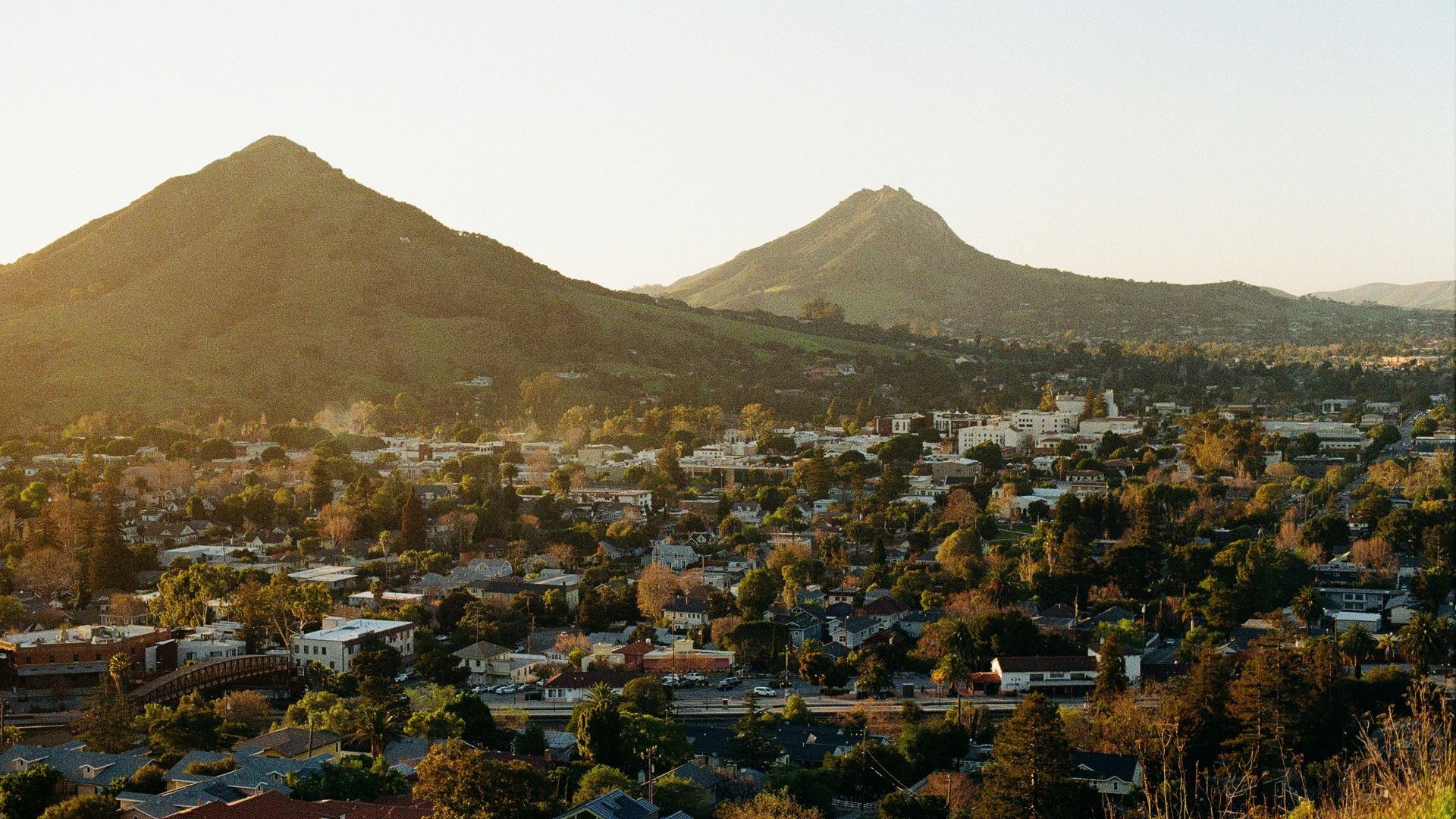
San Luis Obispo sits just 15 minutes inland on Highway 1. It’s a lively college town, and there’s always something happening—great food, quirky shops, and a surprising amount of art and culture for a place its size.
Regional Destinations:
- Cambria (30 minutes north): Think art galleries tucked into pine forests and plenty of wine tasting rooms.
- Hearst Castle (45 minutes north): You can wander through this extravagant mansion and soak up a bit of California history.
- Pismo Beach (30 minutes south): Sand dunes, surfers, and a laid-back vibe that’s classic Central Coast.
You can catch RTA Route 15 if you want to head north to Cambria or San Simeon. Route 12 will take you south, passing through San Luis Obispo.
Central Coast Highlights:
- Paso Robles wine country (about an hour inland)
- Big Sur coastline (roughly two hours north)
- Monterey Bay area (two and a half hours north, give or take)
I’ve used Morro Bay as a jumping-off point for day trips all over the Central Coast. It’s honestly hard to beat the convenience—one morning you’re sipping wine in Paso Robles, the next you’re hiking along the coast or poking around tide pools.
The Central Coast stretches from Santa Barbara County all the way up to Monterey County. You’ll find rolling hills, dramatic shorelines, and all sorts of hidden gems, usually just a short drive away.
