
Museum Island in Berlin really stands out. It’s a UNESCO World Heritage Site packed with five unique museums, all clustered together on a little island right in the city’s heart.
Each museum takes you on a trip through art and history, from ancient relics to European masterpieces. My day wandering these famous museums was a whirlwind—totally worth it, but wow, planning ahead made all the difference.
I strolled between the Altes Museum, Neues Museum, Alte Nationalgalerie, Bode Museum, and Pergamon Museum. Every collection seemed to reveal how deeply Berlin is tied to human culture.
Let me share what worked for me—how to get tickets, the best route, and how to squeeze the most out of your visit.
If you’re looking to see world-class treasures without running all over town, Museum Island is honestly the place to start.
Planning Your Visit to Museum Island
To get the most out of Museum Island, I needed to figure out tickets, opening hours, and the best way to get there.
Choosing when to visit and how to arrive really helped me save money and dodge the crowds.
Museum Passes and Admission Options
I saw a few ways to buy tickets for the museums. The Museum Island Day Pass covers all five museums for a whole day. Adults pay about €24, and kids under 18 get in free.
This pass made things so much easier—one ticket for everything, no standing in line at each door.
There’s also the Berlin WelcomeCard. This one gives discounts on museum tickets and includes unlimited public transport. If you’re planning to see more of Berlin or hop on the S-Bahn a lot, it’s a solid deal.
Some special exhibitions need a separate ticket. Guided tours are available too, and they sometimes include entry—great if you want more background or just don’t want to miss the highlights.
Here’s a quick breakdown:
| Ticket Option | Price | Includes | Notes |
|---|---|---|---|
| Museum Island Day Pass | €24 (adult) | All five museums | Free for under 18 |
| Berlin WelcomeCard | varies | Discounts + transit | Good for city-wide travel |
| Single Museum Ticket | varies (avg €12-16) | One museum | More costly if visiting 2+ |
I’d say buy your tickets online, especially if you’re going in summer or on a weekend.
Opening Hours and Ticket Prices
Most museums open at 10:00 a.m. and close at 6:00 p.m. On Thursdays, a few stay open until 8:00 p.m., which is handy if you’re a night owl or just want more time.
Mondays? Some museums close, so double-check before you go.
A single museum ticket usually costs €12 to €16 for adults. Special exhibitions can be extra. Kids and teens under 18 get in free, which is amazing if you’re traveling with family.
The Day Pass is a bargain if you want to see more than two museums in a day.
Always check the Museum Island website or each museum’s page for the latest hours and prices. Holidays and special events can shift things around.
Navigating Public Transport and S-Bahn Access
Getting to Museum Island turned out to be super easy. It’s in the Mitte district, right in Berlin’s core.
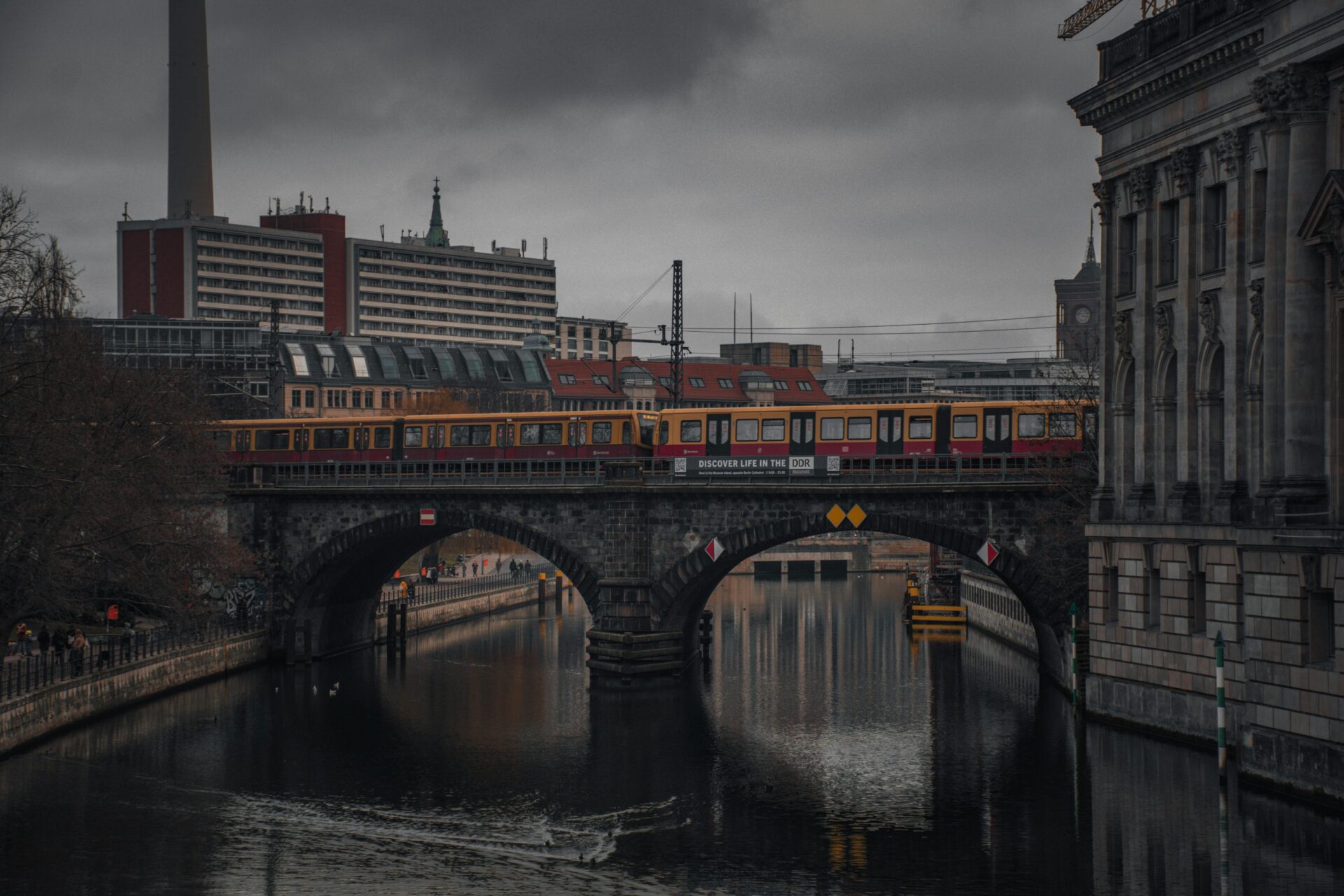
I hopped off the S-Bahn at Hackescher Markt. From there, it’s just a short walk. Alexanderplatz and Friedrichstraße stations are also close if you’re coming from another direction.
Here’s how I’d get there:
- S-Bahn (Lines S5, S7, S75): Get off at Hackescher Markt.
- U-Bahn (U2, U5, U8): Stop at Alexanderplatz, then walk about 10 minutes.
- Tram (M4, M5, M6): Get off at Hackescher Markt.
I used the Berlin WelcomeCard for all my public transport in zones AB. It kept things simple and saved me a few euros. Buses and trams are everywhere, and taxis can drop you right at the entrance if you’re feeling fancy.
Tips for Maximizing Your Day
I showed up early, right at 10:00 a.m., and that helped me skip the crowds. Weekday mornings felt way calmer than weekends, and coming outside peak summer meant fewer lines.
I started with the museums I cared about most, since I knew I’d get tired later. Lockers at the entrances let me stash my bag and coat, making everything easier.
I packed a snack and a water bottle—food options inside are pretty limited, and the nearby cafés fill up fast. Taking breaks between museums really helped me avoid that glazed-over “museum fatigue” feeling.
I grabbed free maps and followed the signs, which made hopping between buildings a breeze.
If I wanted a little more context, I looked out for guided tours. Some are in English and add a lot of background you might miss otherwise.
Honestly, booking tickets ahead, keeping to a loose schedule, and traveling light let me see almost everything I wanted in just one (very full) day.
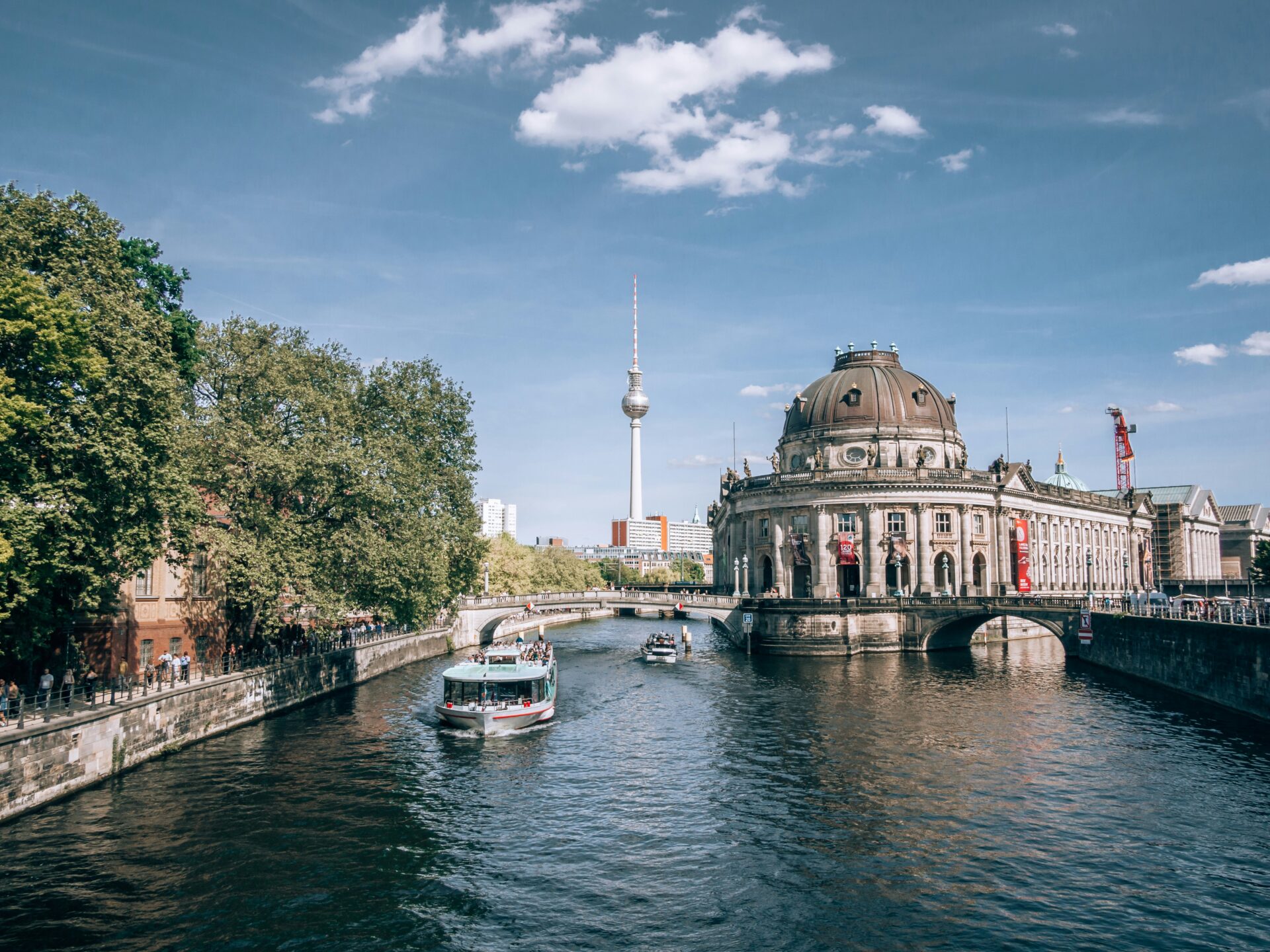
Museum Island: UNESCO World Heritage Significance
Museum Island sits right in Berlin’s heart, surrounded by the Spree River and facing the Berliner Dom and Lustgarten park.
When I visited, I realized just how much these buildings mean for art, history, and architecture—not just for Berliners, but for everyone.
UNESCO Designation and Historical Importance
Museum Island, or Museumsinsel, landed its UNESCO World Heritage status in 1999. Why? Because it brings together five museums with collections that stretch from ancient civilizations to centuries of European art.
The island started taking shape in the 19th century, opening museums to the public instead of keeping treasures locked away for private collectors.
It took some heavy hits during both World Wars, but Berlin restored and protected what it could. Even after all that, Museum Island kept standing as a symbol of Berlin’s dedication to preserving human culture.
As I wandered past those old museum halls, I felt the layers of history and the city’s passion for learning. It’s easy to see why UNESCO called this place special.
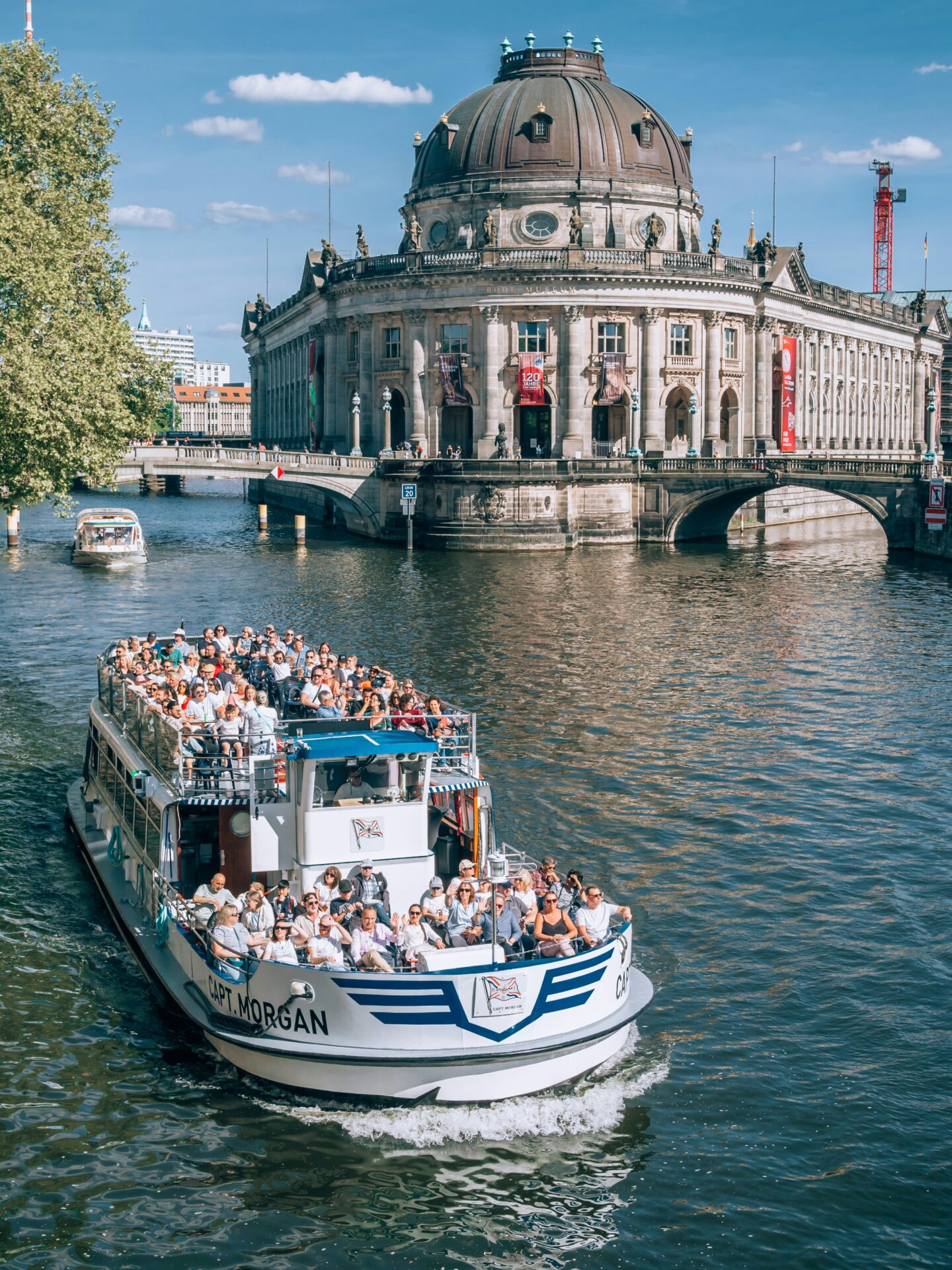
The Role of Architecture and Restoration
Every building on Museum Island has its own personality, but together they create a striking panorama.
Karl Friedrich Schinkel designed the Altes Museum, giving it a classic vibe. Friedrich August Stüler added the Neues Museum and Alte Nationalgalerie, mixing neoclassicism with a dash of modern style. These historic buildings line up beautifully with Unter den Linden boulevard.
After the wars, restoration was crucial. Modern architects like David Chipperfield led the way, repairing and expanding the museums.
The Neues Museum, for example, blends old and new in a way that feels respectful and fresh.
Right now, Museum Island stands as a living piece of Berlin—constantly evolving, never just a relic. The changes here show just how much Berlin values its past and its future.
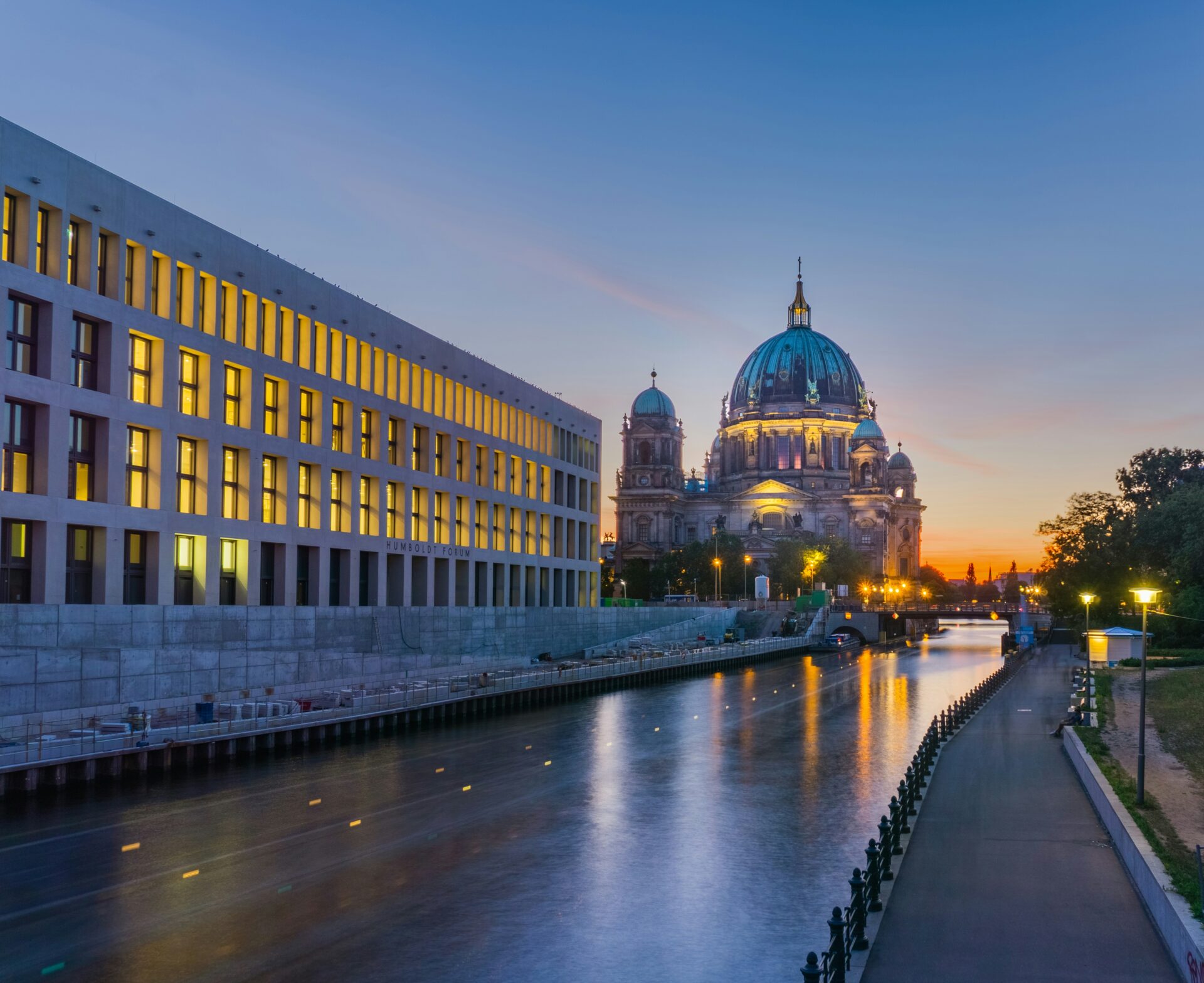
A Day at Museum Island Berlin: Exploring All Five Museums
Museum Island Berlin overflows with art and history. I saw ancient Greek statues, the famous bust of Nefertiti, and some jaw-dropping 19th-century paintings.
Altes Museum: Classical Antiquity Treasures
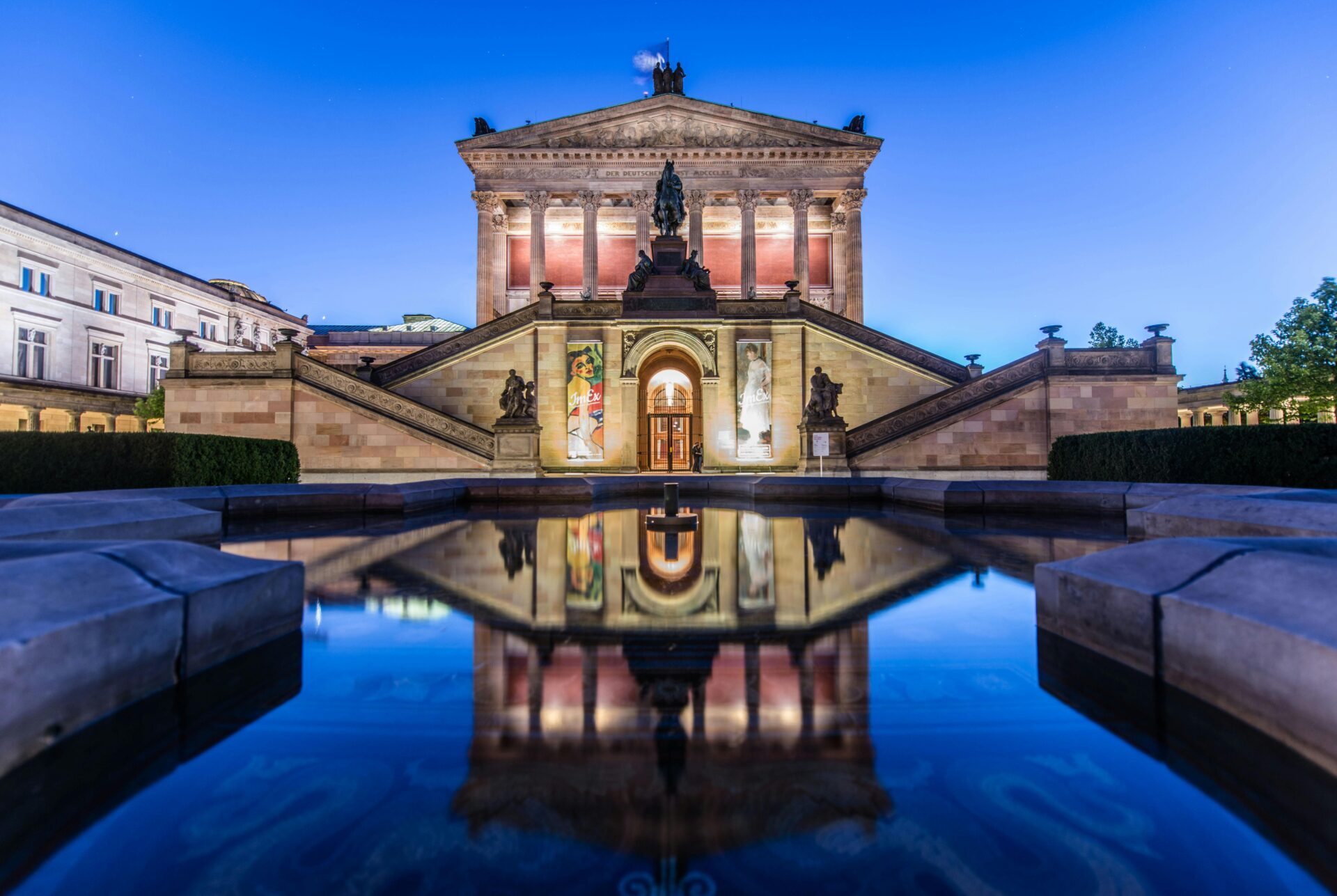
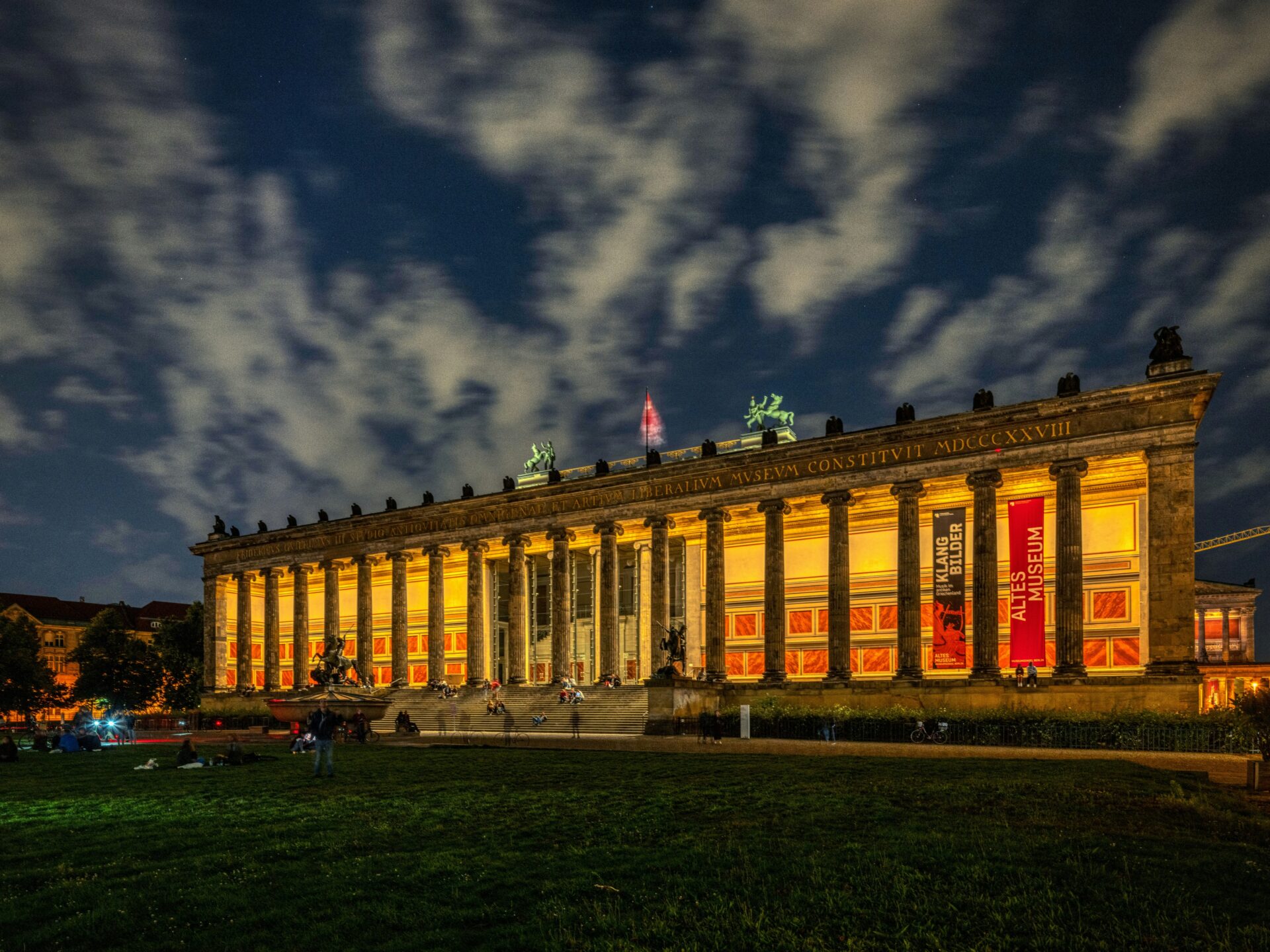
The Altes Museum stands out for its neoclassical facade and focus on Classical Antiquity.
Inside, I found a huge Collection of Classical Antiquities—mostly Greek, Roman, and Etruscan. Statues of gods and heroes fill the grand halls, all surrounded by marble columns.
Some of the most impressive pieces are those Greek vases and bronze figurines, still in great shape after all these centuries.
This place gives you a peek into the everyday lives and myths of the ancient world. The building itself, designed by Schinkel in 1830, is a historic treasure.
Each gallery is laid out to show off the beauty and skill of ancient artists.
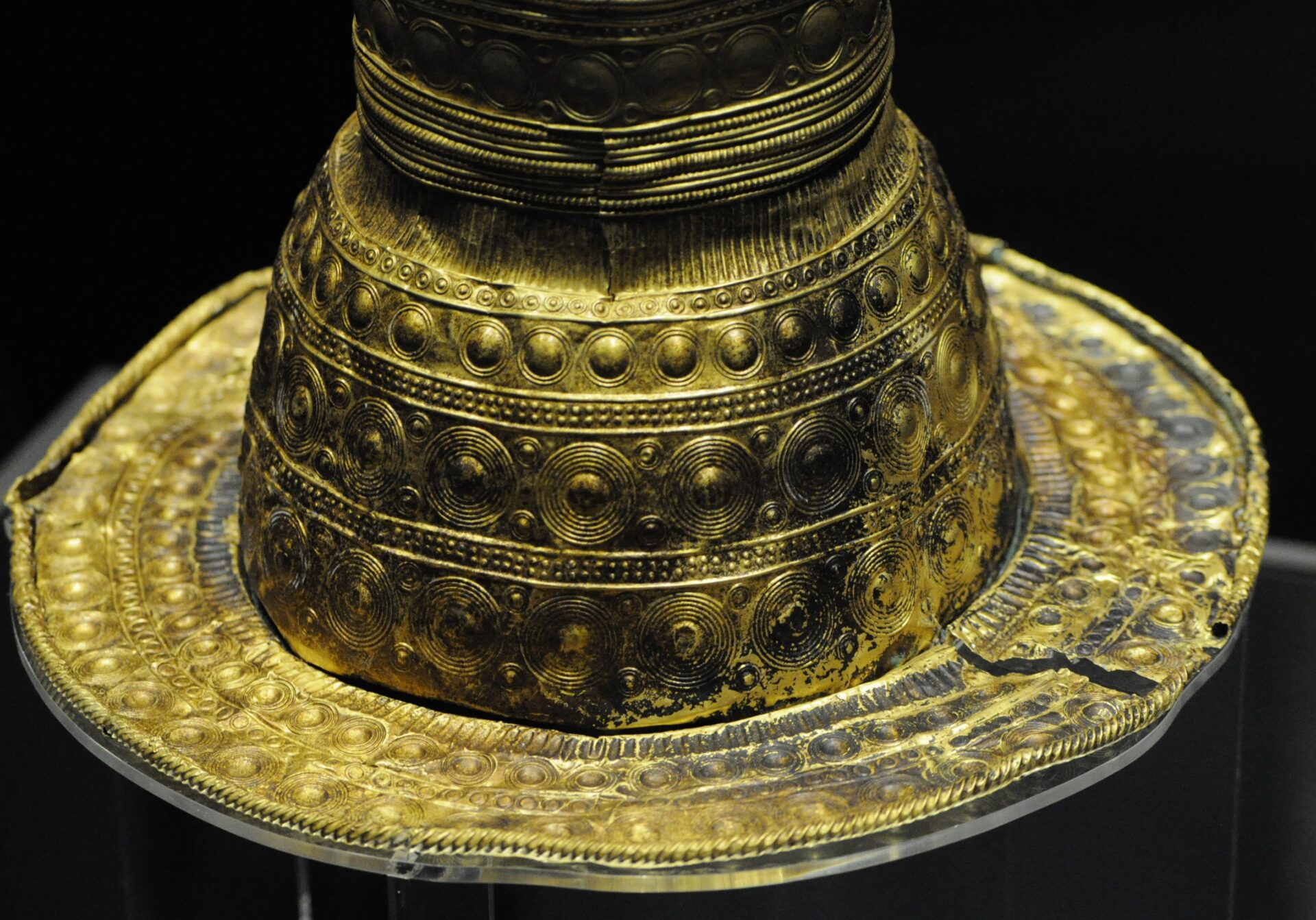
The Berlin Gold Hat really caught my eye. It’s displayed with other early treasures, and I spent extra time marveling at its details, trying to picture it in use during ancient rituals.
Neues Museum: Home of Nefertiti and Ancient Egypt
The Neues Museum holds the Egyptian Museum and Papyrus Collection. The star attraction? The Bust of Nefertiti. It’s famous for a reason—seeing her in person is something you won’t forget.
There’s a big focus on Ancient Egypt here. Mummies, delicate jewelry, and stone steles covered in hieroglyphs fill the rooms.
The Papyrus Collection features rare manuscripts, and the displays explain how Egyptians wrote and recorded daily life.
Beyond Egypt, the museum also covers the Museum of Prehistory and Early History. Neanderthal skulls and Stone Age tools tell the story of early humans.
Each exhibit is easy to follow, showing how civilizations evolved over thousands of years.
Alte Nationalgalerie: Masterpieces of Painting and Sculpture
The Alte Nationalgalerie feels like walking into a 19th-century art history lesson—minus the boredom.
The galleries are full of Romanticism, Classicism, and Impressionism paintings.
I saw works by Caspar David Friedrich (his moody landscapes are pure German Romanticism) and by French artists like Manet, Monet, and Auguste Renoir.
Here are a few highlights I spotted:
| Artist | Style | Notable Work Seen |
|---|---|---|
| Caspar David Friedrich | Romanticism | “Monk by the Sea” |
| Édouard Manet | Impressionism | “In the Conservatory” |
| Claude Monet | Impressionism | “The Seine at Argenteuil” |
| Auguste Renoir | Impressionism | “Seated Bather” |
Sculptures line the grand staircase and fill quiet corners. Many paintings reflect political events, daily life, or social change, including the French Revolution.
The galleries are calm and bright, making it a pleasure to linger and really look at each piece.

Icons and Highlights: The Pergamonmuseum and Bode-Museum Experience
My day on Museum Island wouldn’t have been complete without diving into two of its most famous museums. Both are packed with ancient artifacts, sculptures, and rare coins.
They offer a close-up look at the genius of past civilizations and artists.
Pergamonmuseum: Ancient Wonders of Babylon and Greece
The Pergamonmuseum blew me away with its giant archaeological monuments.
Right as I walked in, the massive Ishtar Gate from Babylon greeted me. Its bright blue tiles and animal reliefs are honestly unforgettable.
Nearby, the Market Gate of Miletus towers over everyone, showing off Greek and Roman skill.
The Pergamon Altar is another highlight, though during my visit, it was partly under renovation. Even so, you get a sense of its size and importance.
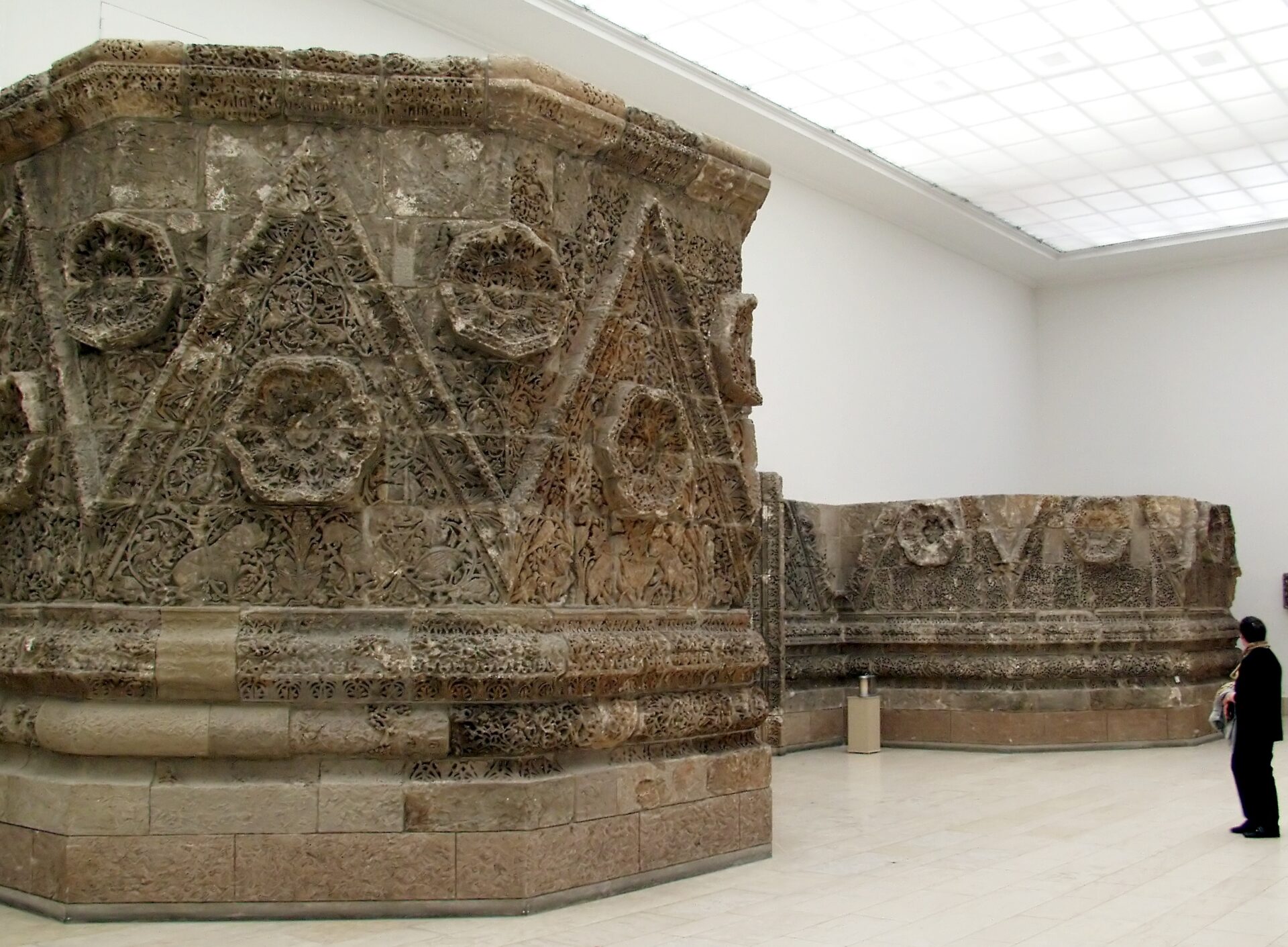
I wandered into the Museum of Islamic Art, which holds treasures like the beautifully decorated Aleppo Room from Syria.
Every gallery feels like a trip through centuries of creativity and history.
Bode-Museum: Byzantine Art, Sculpture, and Coins
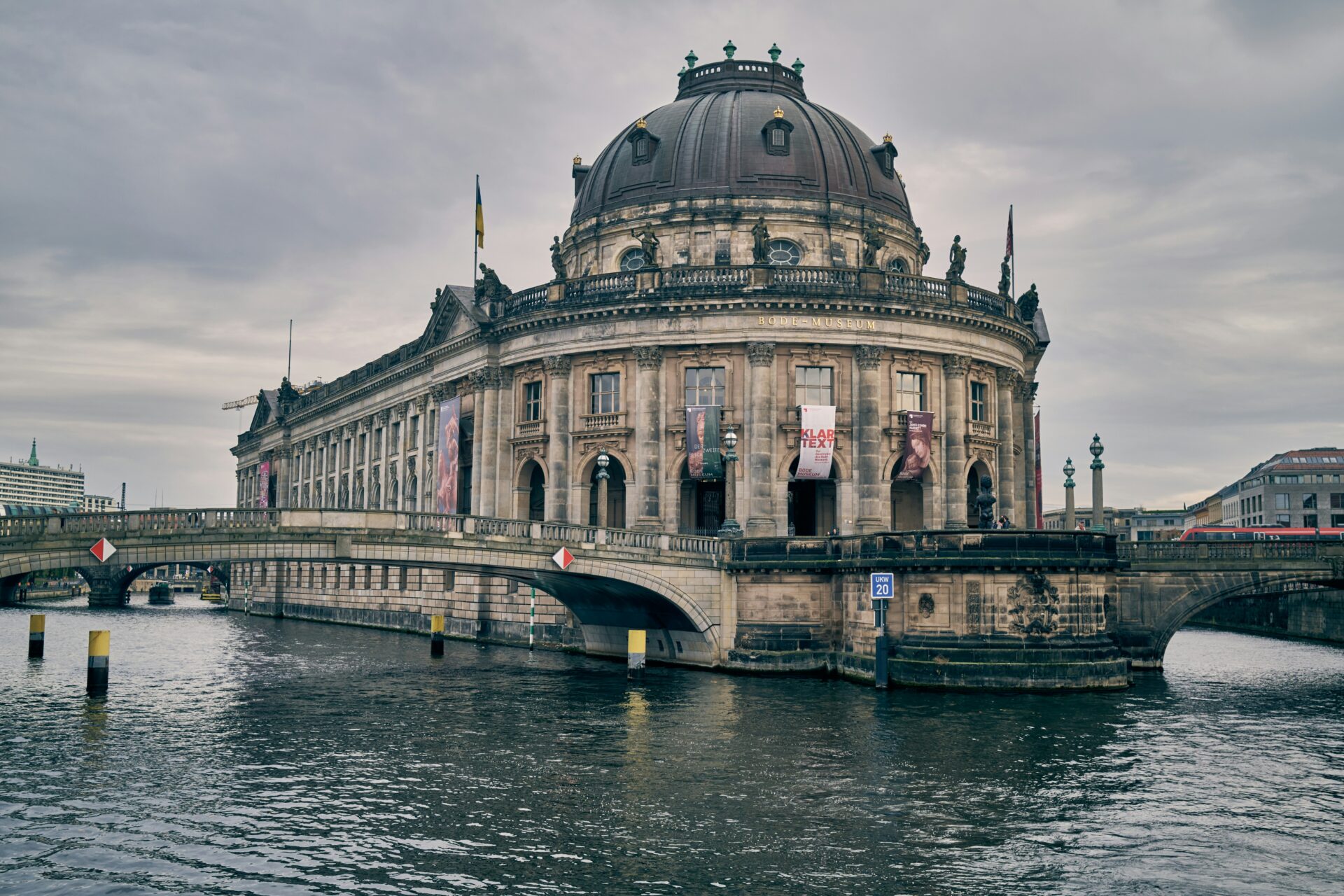
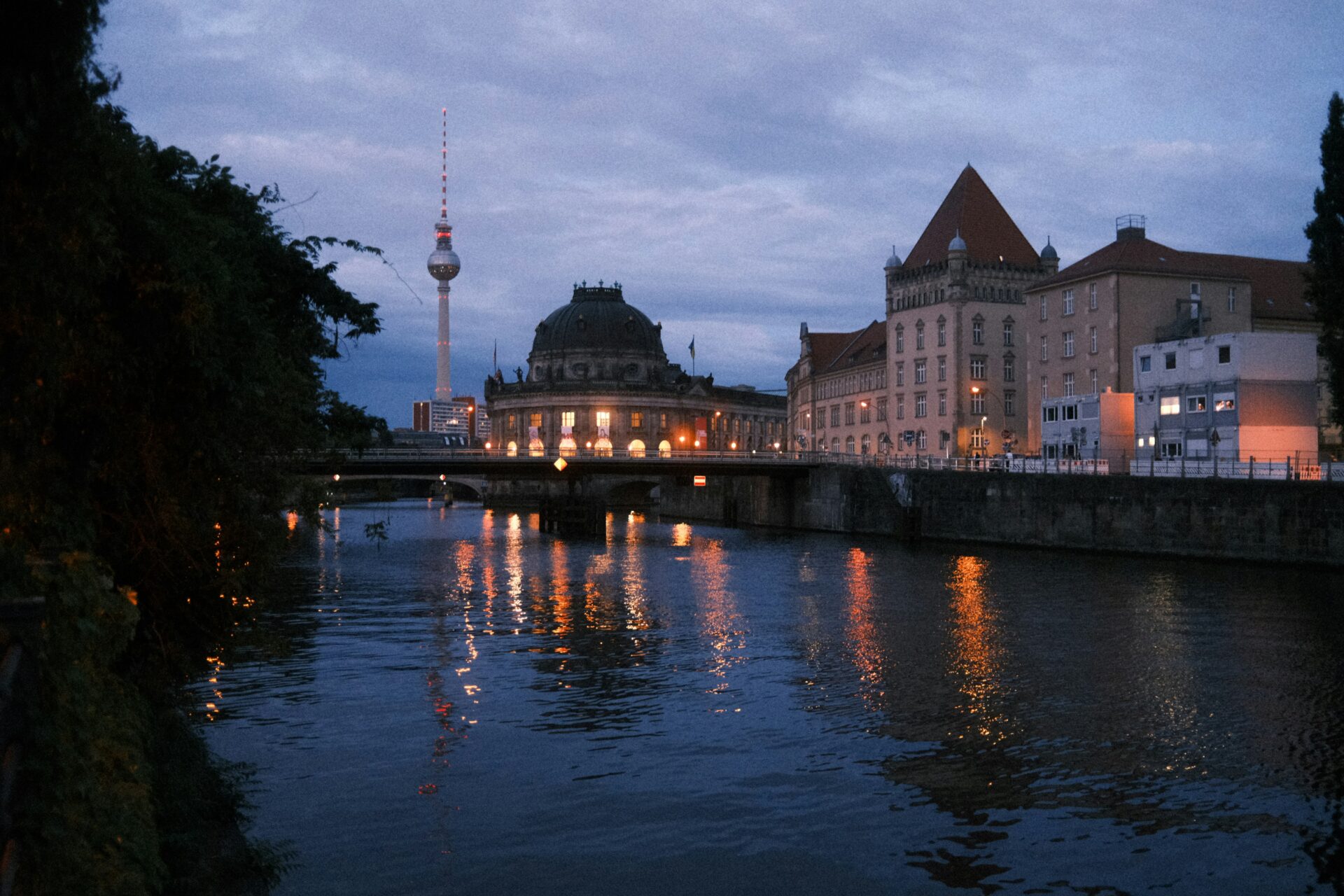
The Bode-Museum totally surprised me. Its galleries hold some of Europe’s finest Byzantine art—think glittering icons and golden mosaics that glow in the sunlight.
The sculpture collection spans from the early Middle Ages to the 18th century. I spotted works by Donatello, Canova, Rodin, and Bernini.
One section focuses on classical sculpture from Greece and Rome. Another dives into Etruscan art and other ancient pieces.
The coin collection is massive—one of the world’s largest, actually. Coins and medals from ancient and medieval cultures fill the cases.
If you love history or art, you’ll find plenty to marvel at here.
Discovering the James Simon Gallery
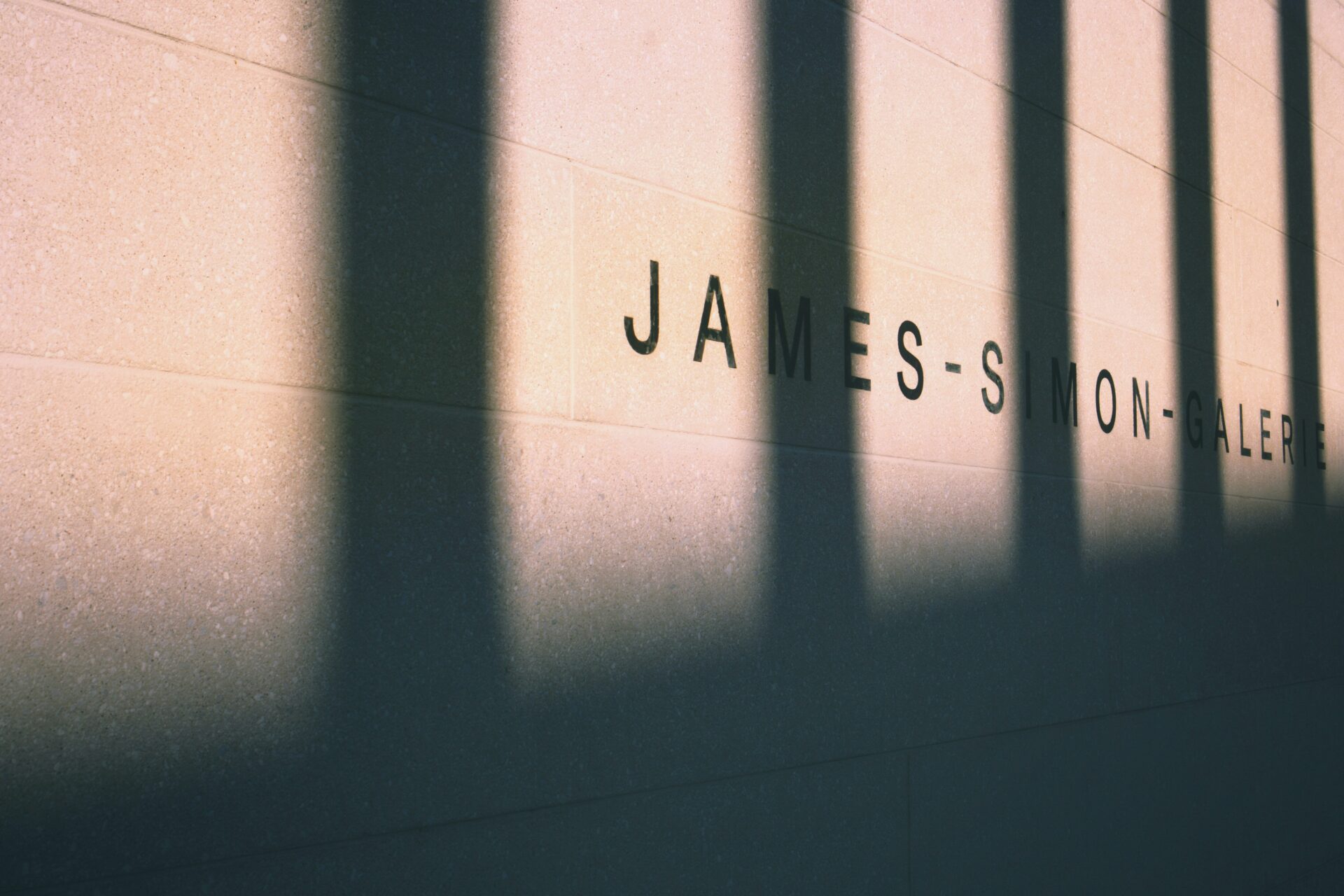
Before I even set foot in the main museums, I wandered through the James Simon Gallery. This place is basically the front door to Museum Island, and you can’t really miss it. The modern design and those wide-open spaces made me feel like I could actually breathe, which isn’t always the case in big city museums.
I grabbed a map, checked out the current exhibits, and tried to figure out what not to miss. They’ve got these small displays that tease what’s inside each museum, which honestly helped me plan my day. The staff seemed genuinely friendly, and the whole vibe was relaxed—nothing stuffy or intimidating about it.
Visitor Essentials and the Best of the Surroundings
If you’re spending a whole day on Museum Island, you’ll want to think ahead about food, breaks, and maybe a little exploring. The Mitte district around the museums has plenty to offer—places to eat, riverside hangouts, and the always-busy Hackescher Markt if you’re in the mood for shopping.
Dining, Cafés, and Rest Spots Near Museum Island
When hunger sneaks up on me, I usually find a casual café or restaurant nearby. The James-Simon-Galerie itself has a modern café where I can grab a coffee, a pastry, or a quick sandwich. Sometimes that’s all I need to keep going.
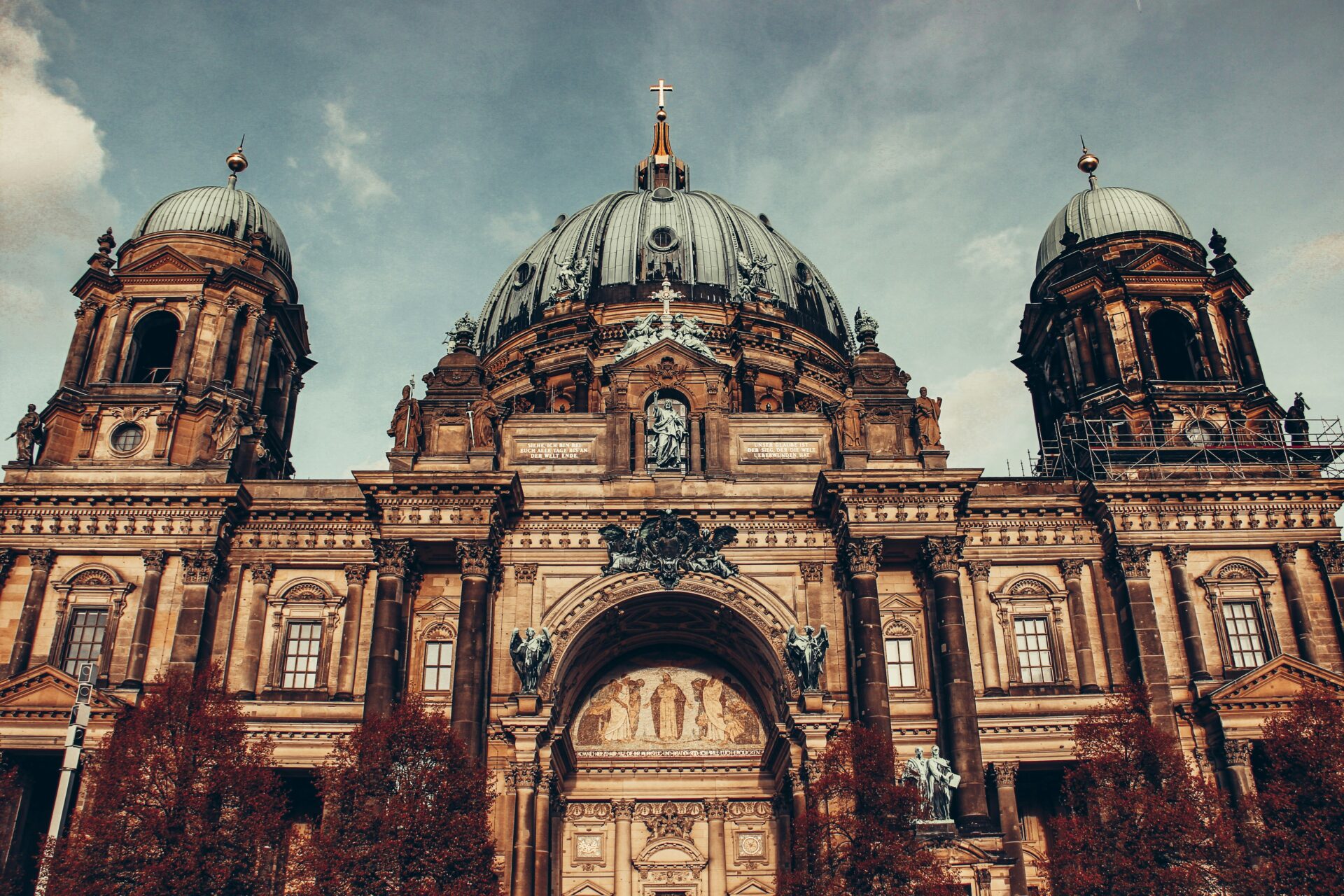
If I’m craving a break with a view, I’ll head out to Lustgarten park. There are benches scattered around, and I like sitting there with a snack, just soaking in the sight of the Berliner Dom towering nearby.
Café am Neuen Museum is a classic spot for a midday pause—think German cakes and drinks, nothing too fancy but always satisfying. I love that so many places have outdoor seating, especially when the weather’s decent and you can watch the Spree River drift by. And if I want something a bit heartier, Hackescher Markt north of Museum Island has a bunch of bistros and international restaurants to choose from.
Local Landmarks and Riverside Walks
Right next to Museum Island, the Berlin Cathedral (Berliner Dom) absolutely dominates the skyline. I like to stroll through Lustgarten park, which sits right between the museums and the cathedral. It’s surprisingly peaceful, with lawns and trees that give you a breather from the city rush.
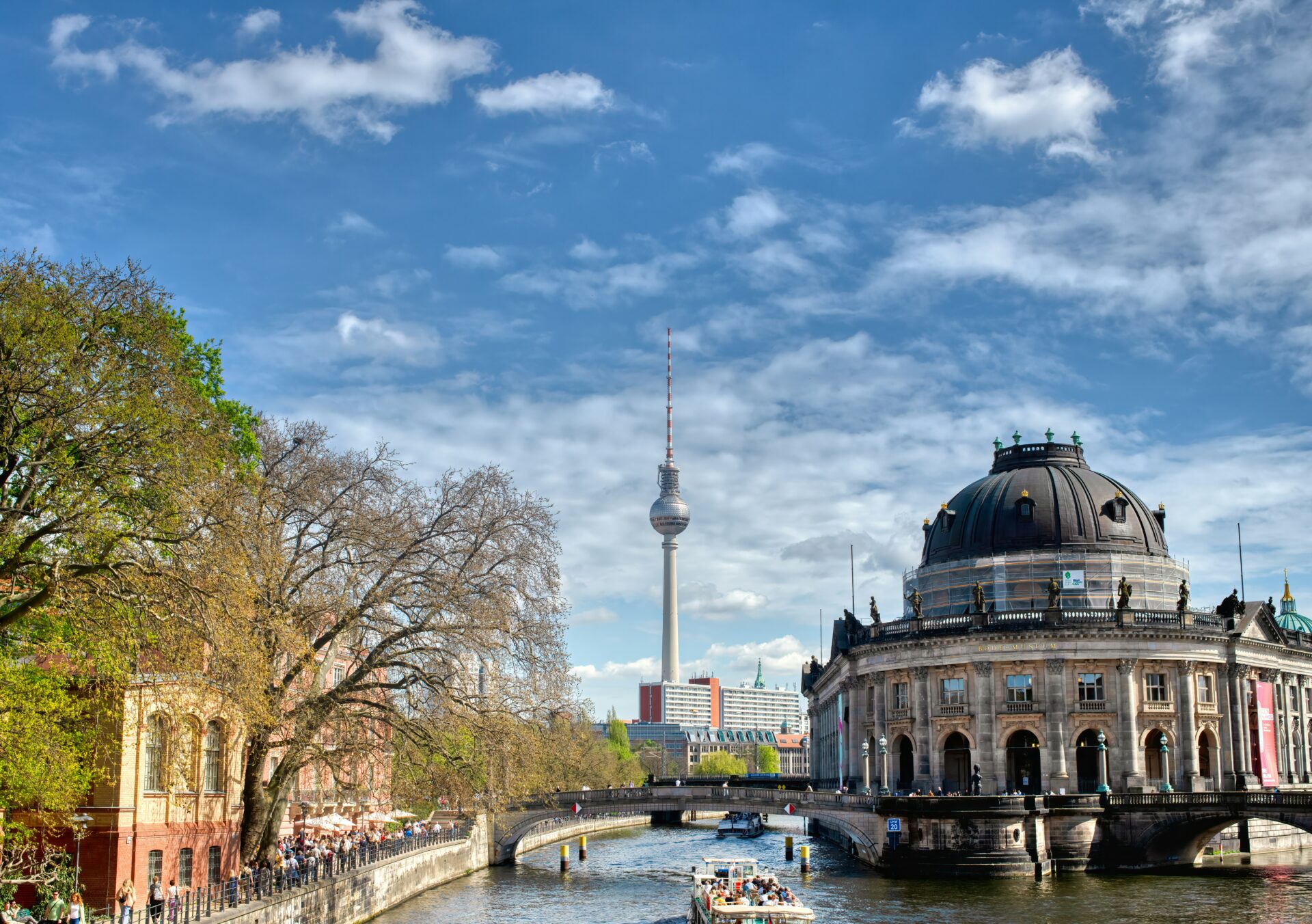
There’s a paved path along the River Spree that I always end up following. The views from Monbijou Bridge toward the Bode Museum are, honestly, photo-worthy every time.
If I keep walking, I’ll pass tour boats gliding by, street artists doing their thing, and sometimes I just sit by the water for a bit. The area buzzes with life, but it never feels overwhelming. Plus, since you’re in Mitte, it’s a breeze to get to other Berlin landmarks from here.
Shopping and the Hackescher Markt
Whenever I need a break from museums, I wander over to Hackescher Markt. It’s just a quick five-minute stroll from the Bode Museum.
This spot always grabs my attention with its open-air market and quirky little boutiques. I love poking around the stalls, especially the ones with handmade crafts and unique souvenirs.
If you show up on a Saturday, you’ll find a sprawling market. There’s everything from artisan cheese that tempts you with its smell to local art that’s honestly hard to resist.
Cafés and bakeries line the area, and grabbing a snack or a quick coffee while watching the city’s life roll by? Honestly, it’s one of my favorite ways to pause and take it all in. People-watching here never disappoints.
The shops around Hackescher Markt really embody Berlin’s creative streak. You’ll stumble across fashion, books, and local design—often all packed into one tiny store.
There’s something about the blend of relaxed shopping and the lively atmosphere that feels like a breath of fresh air after the quiet halls of a museum.


.jpg)