
Just a short boat ride from the lively streets of Cannes, I stumbled into a hidden world among the Lérins Islands.
These Mediterranean gems offer a peaceful escape, blending serene natural landscapes with the quiet rhythm of monastic life.
In just 15 minutes across the water, I left behind the busy Riviera and found myself in an oasis where pine forests meet rocky shores and history feels close.
As I explored the islands, I wandered quiet footpaths shaded by tall trees.
I watched the sun sparkle on turquoise waves and found spots where wild rosemary scented the air.
On Saint-Honorat, monks greeted visitors with homemade wine, and ancient stone walls whispered stories from centuries past.
It honestly felt like stepping back in time—a refreshing change from the buzz of mainland travel.
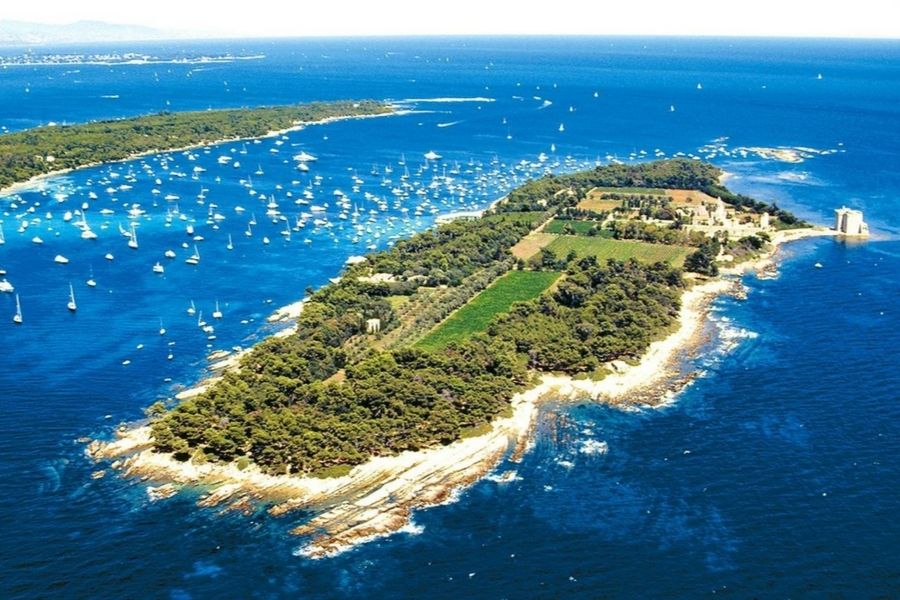
If you’re searching for a place that balances relaxation, nature, and a bit of culture, a day trip to the Lérins Islands is easy to arrange and absolutely worth it.
Every moment, from the ferry ride to the shaded walks, brought a break for both body and mind.
Planning Your Day Trip from Cannes
Getting to the Lérins Islands is quick and straightforward, but planning your visit and timing it right can really shape your experience.
Being prepared means you’ll spend more time relaxing among pine forests, ancient stonework, and sparkling Mediterranean waters.
Getting to the Lérins Islands
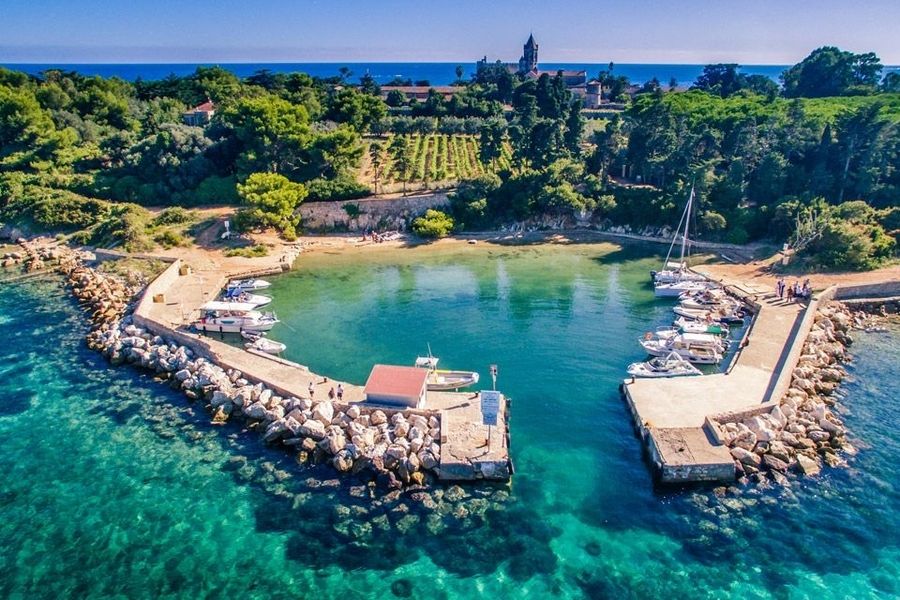
I caught a ferry from Cannes, and the short crossing was both easy and pleasant.
Ferries to both Sainte-Marguerite and Saint-Honorat islands run frequently, especially in spring and summer.
Planaria runs the main ferry to Saint-Honorat, and the trip takes about 15 to 20 minutes.
Each island has its own ferry dock, so double-check your ticket before boarding.
Round-trip adult fares usually range from €16 to €18.
You can grab tickets at the ferry terminal or buy them online before you go.
Boats leave from the Cannes Old Port, which you can reach on foot from the train station.
If you’re arriving in Cannes by train from elsewhere in the South of France, it’s just a 10-minute walk to the harbor.
Cars aren’t allowed on the islands, so everyone gets there by boat.
I always check the ferry schedule ahead of time, especially during busy travel dates like long weekends or local feast days.
Booking in advance helps make sure you get your preferred departure and return times.
Best Times to Visit and Local Climate
The South of France enjoys a mild, sunny climate most of the year.
Spring (April to June) and early fall (September and October) felt just right to me—warm days, fewer crowds, and clear Mediterranean air.
July and August bring peak season, which means bigger crowds, hotter temperatures, and a livelier vibe around the beaches.
Winter is quieter, but ferries run less often.
If you want peace and less noise, avoid major holidays and school breaks.
On feast days and Catholic holidays, Saint-Honorat’s monastery draws more visitors, so ferries get busier.
Bring layers, even in summer.
Early mornings and ferry rides can be breezy, but sunny afternoons call for sunscreen, a hat, and lots of water.
Closed-toe shoes help if you plan to walk forest paths or visit nature reserves.
I always check the weather forecast the day before so I can pack smart and actually enjoy the islands.
Suggested Itinerary for Maximum Enjoyment
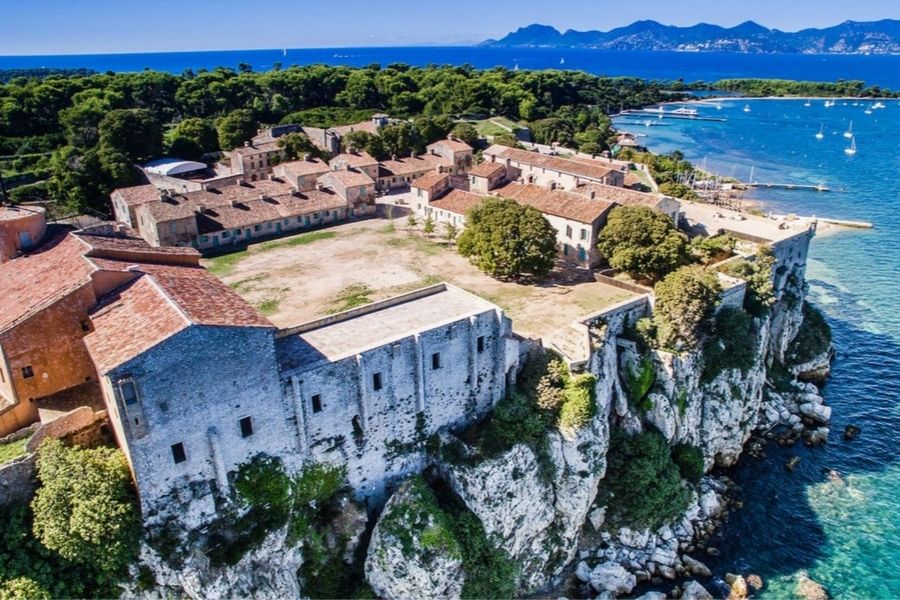
After arriving on Sainte-Marguerite, I spent about two hours exploring Fort Royal and its museum, soaking up the island’s history and the legend of the “Man in the Iron Mask.”
I wandered shaded pine trails and eventually found a quiet cove for a swim.
By midday, I hopped over to Saint-Honorat.
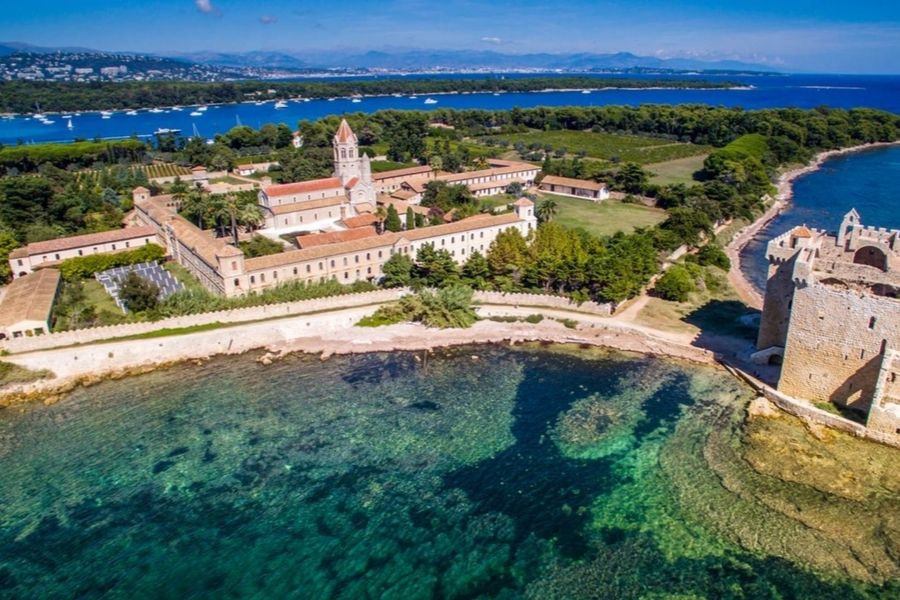
I visited the ancient abbey and its peaceful gardens.
The monks sell wine and local products, which made a thoughtful treat to bring home.
If I had extra time, I joined a guided walk to learn more about monastic life.
Sample timeline:
| Time | Activity |
|---|---|
| 09:00 am | Catch ferry from Cannes |
| 09:20 am | Arrive Sainte-Marguerite |
| 12:00 pm | Ferry to Saint-Honorat |
| 12:20 pm | Visit abbey, picnic lunch |
| 15:00 pm | Swim or relax by the sea |
| 17:00 pm | Return ferry to Cannes |
Pack a picnic or pick up snacks in Cannes before you leave.
With a little planning, I soaked up wild nature, history, and monastic calm—all in a single day.
History and Mystique of the Lérins Islands
The Lérins Islands blend ancient monastic roots with tales of mystery and resilience.
Their peaceful nature hides stories of spiritual devotion, historical upheaval, and legendary miracles.
Monastic Legacy and Spiritual Traditions
When I stepped onto Île Saint-Honorat, a deep sense of peace seemed to rise straight from centuries of prayer.
A monastic community has lived here for over a thousand years.
Tradition says Saint Honoratus founded the first monastery in the 5th century, making it one of France’s oldest Christian sites.
As I walked past vineyards and stone paths, I learned that the monks still practice centuries-old rituals.
They gather for prayer, reflection, and hands-on work.
Stories tell of the angel Gabriel appearing to Saint Honoratus, inspiring his devotion.
Some say miracles and conversions happened here, bringing hope and healing to the faithful.
During my visit, I realized that the island’s spiritual life isn’t just for show.
The monks offer novenas, prayers, and silent retreats—welcoming visitors to experience quiet reflection.
It’s easy to see why seekers have come here for ages.
The Islands During Times of Revolution
The Lérins Islands have experienced more than just peace and prayer.
During times of revolution in France, these islands became strategic sites.
Sainte-Marguerite’s fortress once held famous prisoners, including the mysterious “Man in the Iron Mask.”
When the French Revolution swept through, the islands were seized from the church.
Revolutionaries drove out the monks and turned the monastery into a military outpost.
Looking at the old defensive walls, I couldn’t help but imagine the unrest and change that echoed here.

Over time, the monastic community reclaimed its home, showing real resilience.
Revolutionary graffiti carved into stone still lingers—a reminder of those turbulent days.
Historical Landmarks and Stories
Exploring Sainte-Marguerite and Saint-Honorat, I kept noticing how history reveals itself in layers.
On Sainte-Marguerite, the 17th-century Fort Royal stands above turquoise coves.
Walking through its cells, the legend of the Man in the Iron Mask comes alive.
Some say ghostly echoes linger in the stones.
Across the water, Saint-Honorat’s abbey boasts a fortified 11th-century monastery.
I gazed at ancient chapels and olive groves where monks have prayed for centuries.
Legend claims Mary herself once watched over the island, and miracle stories fill local lore.
Landmarks worth visiting:
- Fort Royal (Île Sainte-Marguerite)
- Cistercian Abbey and fortified monastery (Île Saint-Honorat)
- Old chapels surrounded by vineyards and forests
Each site shares stories—of devotion, captivity, miracles, and the ongoing search for peace.
Experiencing Monastic Peace
The Lérins Islands give you a rare chance to slow down and reflect.
From ancient abbey walls to peaceful gardens, every part of Saint-Honorat Island seems to invite a sense of calm and hope.
Visiting the Abbey of Lérins and Daily Life
When I walked up to the Abbey of Lérins, something in the air shifted—a sense of history and devotion settled in.
Cistercian monks have run the abbey for centuries.
They spend their days in quiet prayer, working the fields, and making wine and honey.
A daily routine shapes the island.
Prayer bells ring out over the water, calling everyone to pause.
Students and visitors can join the services or just sit in silence.
The abbey’s rhythm feels gentle, and after a while, it’s easy to forget the world outside.

I found myself moved by the monks’ simple way of life.
Their focus on faith and hard work hints at hope and, for many, a quiet chance at personal conversion away from city noise.
Finding Serenity at Chapels and Quiet Gardens
Scattered around the island, several small chapels offer private spaces to rest or reflect.
Some chapels look out over the sea, while others nestle among stone pines and olive trees.
The feeling is always one of peace.
I found a shady spot beside an ancient wall, just listening to birds and the distant sound of waves.
It was easy to tune out stress and just be present.
These quiet places have a certain healing energy—perfect for anyone burned out from city life or searching for new meaning.
Benches and winding paths cut through flower-filled gardens, perfect for writing, reading, or silent walks.
The gardens felt alive with hope—reminders that even small places can offer deep calm.
Healing and Meditation Retreats
Saint-Honorat’s historic abbey isn’t just a pretty sight—it also hosts retreats focused on healing and meditation.
These retreats welcome anyone, whether you want guided prayer, silent meditation, or just space away from your phone and deadlines.
Monks or guest leaders guide visitors through daily practices.
Many arrive as students or seekers, hoping for answers or comfort after busy months of work or study.
Simple meals, group reflection, and the island’s natural silence make it easier to find what you’re looking for.
During the retreat I attended, I noticed that even a short visit could spark real change.
Some left feeling rested, others more hopeful—proof that even a brief stay can bring healing and a gentle path toward personal change.
Discovering Unspoiled Nature and Breathtaking Scenery
The Lérins Islands surprised me with their wild landscapes, blue Mediterranean waters, and quiet trails.
I could feel the long history here, from ancient monasteries to the brush of foreign influences.
Nature Trails, Flora, and Fauna
As I strolled along the island paths, coastal woods surrounded me with pine and oak trees.
Soft needles carpeted the ground, and wild herbs like rosemary and thyme filled the air.
Wildflowers popped up in quiet corners, adding bright splashes of color.
Small animals—rabbits, lizards, and butterflies—darted between bushes.
Sometimes, I paused to watch a bird land on an old stone wall.
The islands serve as a refuge for birds like gulls, herons, and swifts.
It’s easy to see why locals and visitors come here to reconnect with Mediterranean nature.
A few signs pointed out rare plants, reminding me that the Lérins Islands are protected for their unique ecosystem.
I kept my camera ready, hoping to spot a unique bird or a shy lizard sunning itself on a rock.
Mediterranean Views and Coastal Walks
Every path seemed to lead to a new view of the Mediterranean.
Walking along shaded trails, the sea would suddenly appear—glittering under the sun, surrounded by rugged coastline and hidden coves.
Benches and lookouts gave me a chance to just sit and take in the view.
The Riviera skyline on the horizon reminded me how close Cannes is, but the peace here felt like a world apart.
I watched small boats drift near the shore, their bright colors shining in the clear water.
One of my favorite moments: reaching the island’s southern tip.
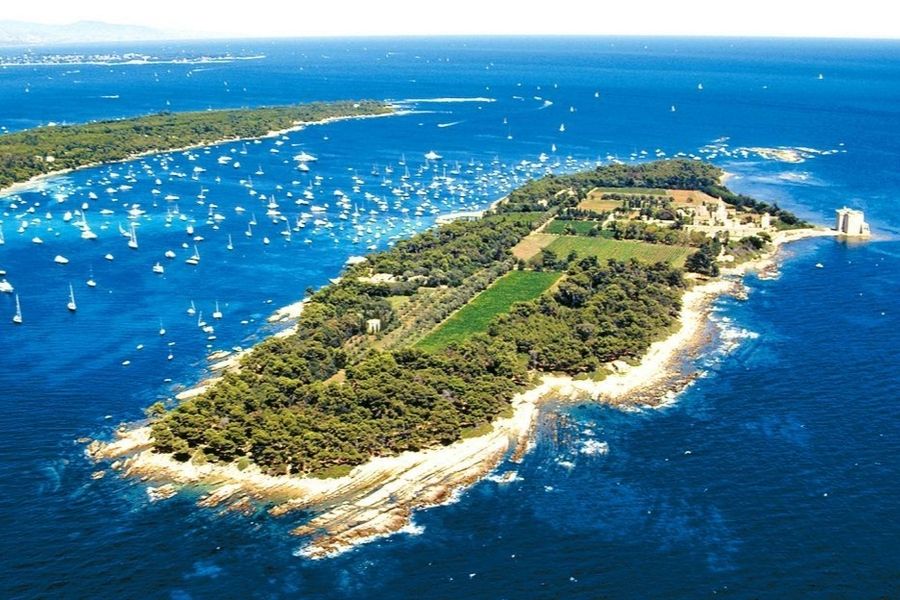
The wind felt cooler, and I could see both Sainte-Marguerite and Saint-Honorat, rich blue and green in the golden light.
These coastlines offer some of the best walking routes, whether you want a short hike or just a slow, meditative stroll.
Malaria, Malayan Influences, and Island Magnetism
Before my trip, I read that people once saw these islands as places of healing. Back then, folks believed the sea air could ward off diseases like malaria.
Even now, I feel a special energy here—some kind of natural “magnetism.”
While exploring Saint-Honorat, I noticed symbols and plants that hinted at distant influences. Scholars say travelers and monks from all over, even as far as Malaya, came to these islands.
These subtle connections add a mysterious layer to the place’s story.
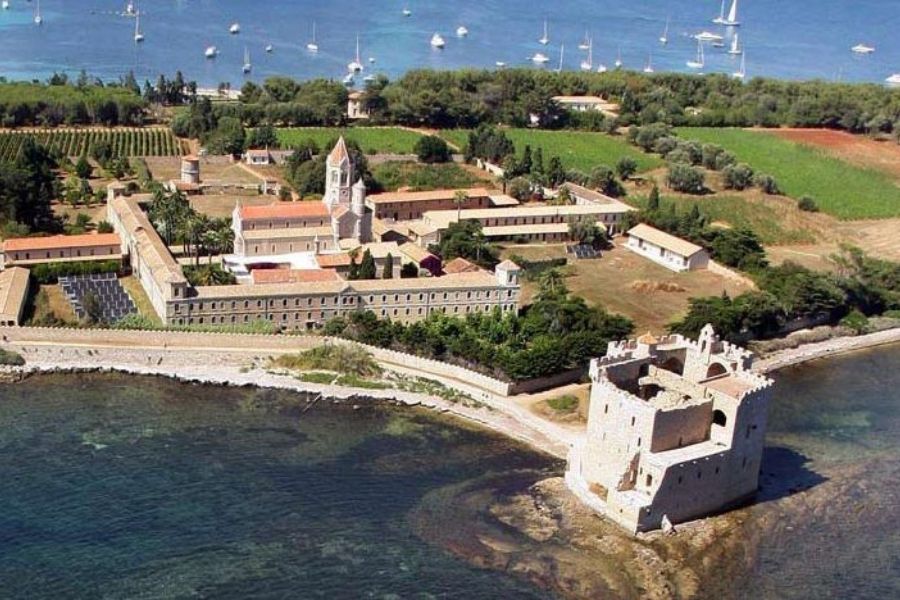
There’s just something about the air, the sunlight, and the waves that makes these islands feel restorative—almost magnetic.
It isn’t just history; it’s an atmosphere you pick up on, especially when you wander alone along a sunlit path.
Practical Tips for Visitors
Packing for the Lérins Islands can really shape your day. You’ll want to balance leisure, nature, and maybe a little monastic discovery.
Food choices are limited once you’re there. Booking the right hotel before or after your trip makes everything smoother.
What to Bring and What to Expect
For an easy trip, I packed the basics: sunscreen, a hat, water, and good walking shoes. There’s plenty of sun here, and not much shade, so sun protection is essential.
A light jacket helps, too, since sea breezes can surprise you, even in late spring.
You’ll find lush trails, old monastery stones, and sometimes thick bushes, especially on Saint-Honorat. I recommend bringing a small backpack if you plan to hike from one end to the other.
Swimsuits are smart to pack, since the rocky coastline is perfect for a quick swim.
I found that ferries leave from Cannes pretty often—about every hour. The ride only takes about 15-20 minutes.
Definitely check the last return time, though. Missing it is a pain, trust me.

You can buy tickets at the port or online if you want to avoid waiting.
Dining, Spas, and Local Experiences
The islands stay quiet, and most food spots close early. On Île Saint-Honorat, I found a small restaurant run by monks, serving simple, fresh dishes.
Picnic tables by the water are great if you bring your own lunch from Cannes. Dining options are limited, so I always throw snacks and water in my bag.
There aren’t any full-service spas on the islands, which honestly keeps things peaceful. If I want a little pampering, I just head back to Cannes, where lots of luxury hotels have spas near the port.
Visiting the old abbey is a must. Sometimes the monks sell their own wine and honey.
Tradition and history feel strong here. Families come for quiet picnics or just a taste of the island’s monastic past.
Best Hotels and Accommodation Options
Most folks head out to the islands just for the day, but honestly, staying in Cannes makes everything easier. You can walk to the ferry in just a few minutes, and after a long day, it feels great to relax somewhere comfortable.
I always gravitate toward hotels close to the port. The convenience is hard to beat, and those sea views? Absolutely worth it.
The Majestic Barrière and InterContinental Carlton Cannes usually top the list if you want a luxury stay. Both places have spas and face the water directly.
If you’re watching your budget, you’ll find plenty of smaller boutique hotels and guesthouses right in central Cannes. They’re comfortable and tend to offer decent value.
You won’t find hotels on the Îles de Lérins themselves. So, nobody has to deal with moving residents or tricky emigration rules—everyone just catches the ferry back.

Sometimes, if I’m in the mood for something different, I’ll stay in Toulon or somewhere in the Var. Both are just a train ride away. Still, Cannes is my favorite base for exploring the Lérins.
