
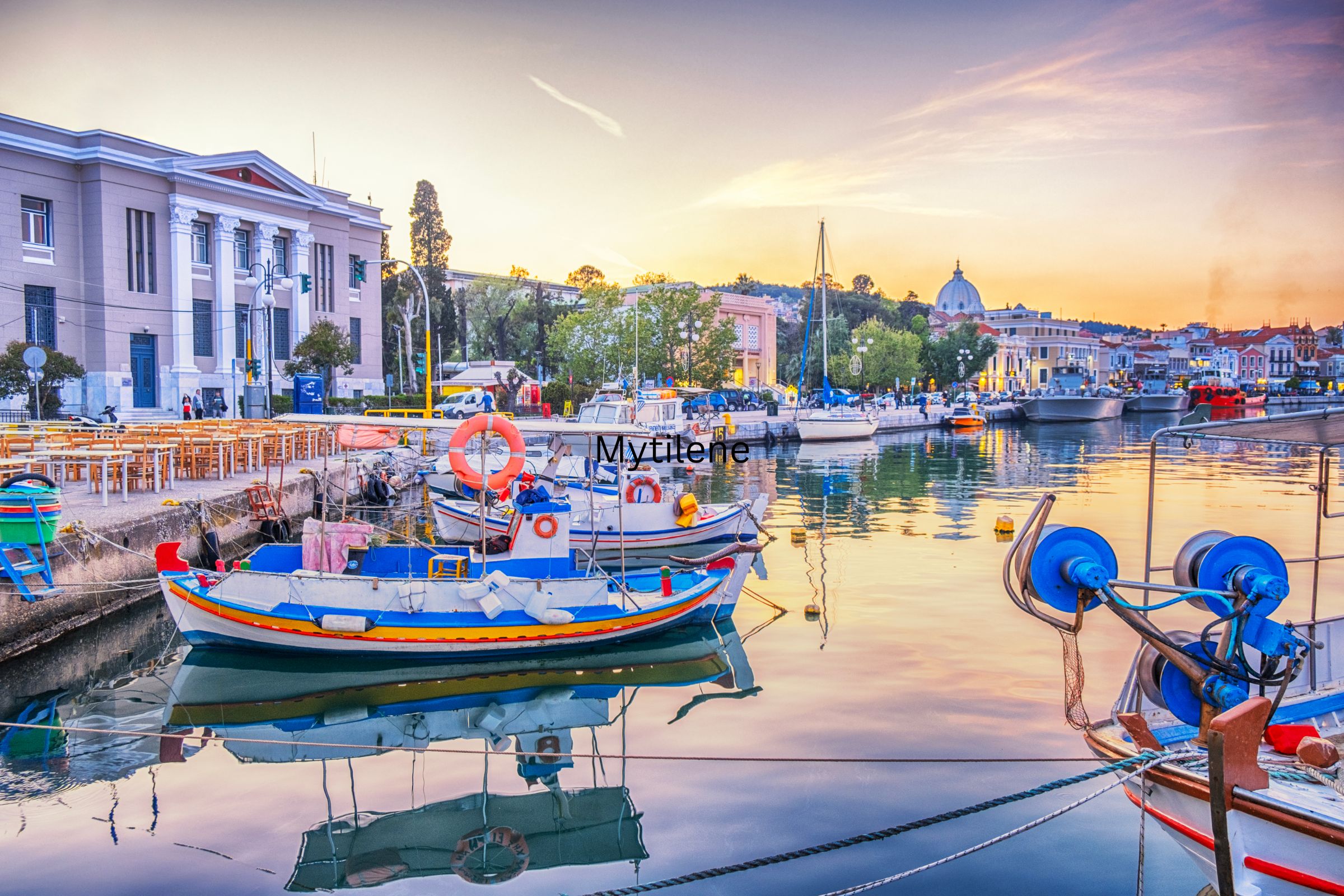
Mytilene didn’t reveal its secrets all at once. I wandered its winding streets, discovering crumbling stones and quiet corners that most visitors miss.
This ancient harbor city somehow blends Byzantine ruins, neighborhood cafes buzzing with locals, and ouzo tastings that feel like a direct link to centuries of Greek island culture. The medieval castle dominates the skyline, but honestly, the real magic hides in those tucked-away spots only a curious traveler will find.
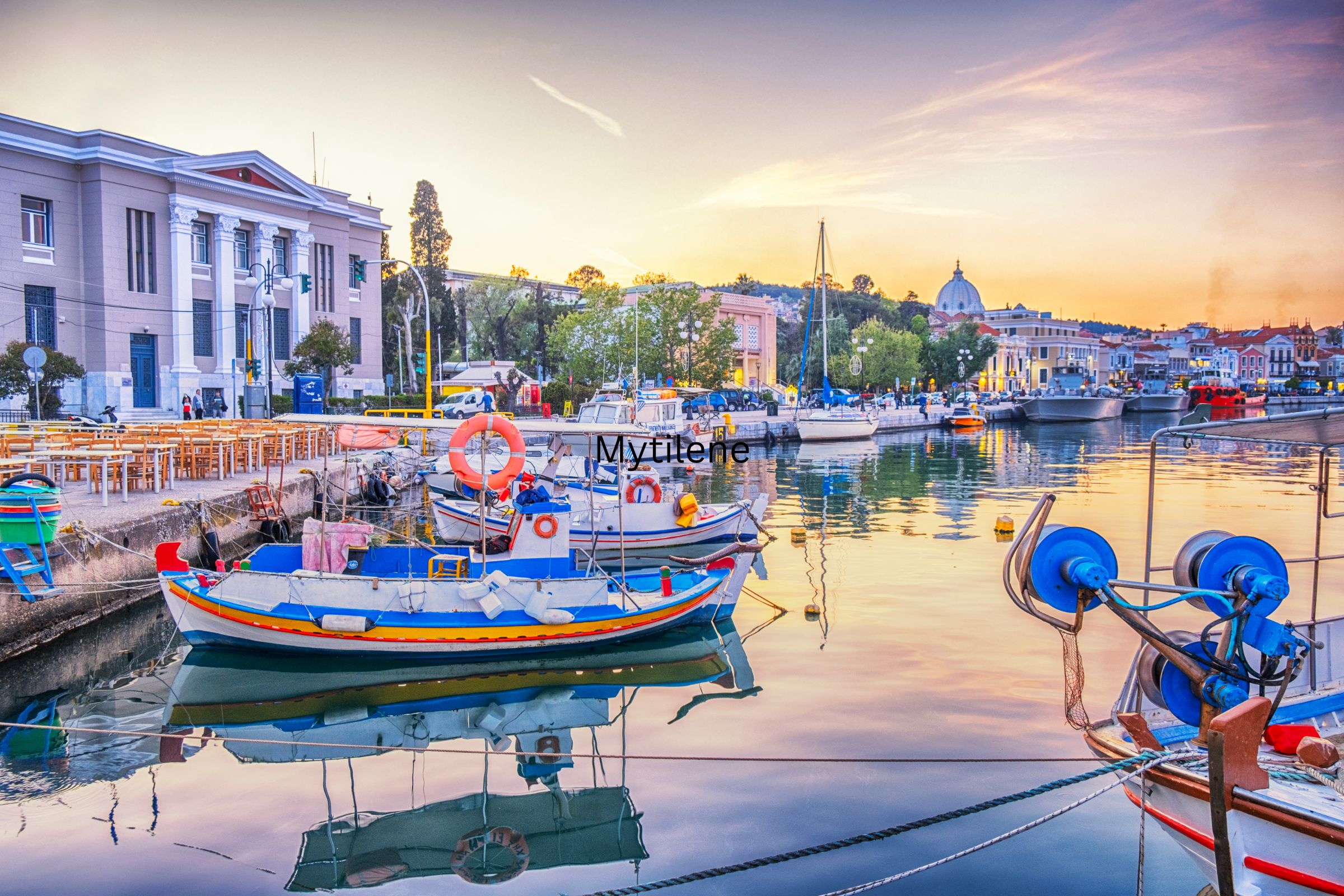
I realized early on that the best experiences happen when you wander away from the main harbor. Residential streets sometimes hide ancient theaters, and family-run taverns pour ouzo from distilleries that have been perfecting their recipes for generations.
Neoclassical mansions whisper stories of the city’s prosperous past. Small museums display artifacts that make 3,000 years of history feel personal and alive.
My favorite moments always seem to start with a surprise. Maybe it’s stumbling across a Byzantine church squeezed between apartment blocks or watching an old man demonstrate the proper way to drink ouzo at a local cafe. Mytilene rewards curiosity.
Discovering the Ancient Ruins of Mytilene
If you love archaeology, Mytilene will spoil you. This city has it all: a massive Byzantine castle, an ancient theater carved right into a hillside, and even the remains of a Roman aqueduct.
Scattered temple ruins peek through the city’s western side. Each site offers a glimpse into the layers of civilization that called this place home.
Mytilene Castle: A Fortress Through the Ages
I usually kick off my explorations at Mytilene Castle. It’s huge—one of Greece’s largest fortifications—and you can see it from almost anywhere in the city.
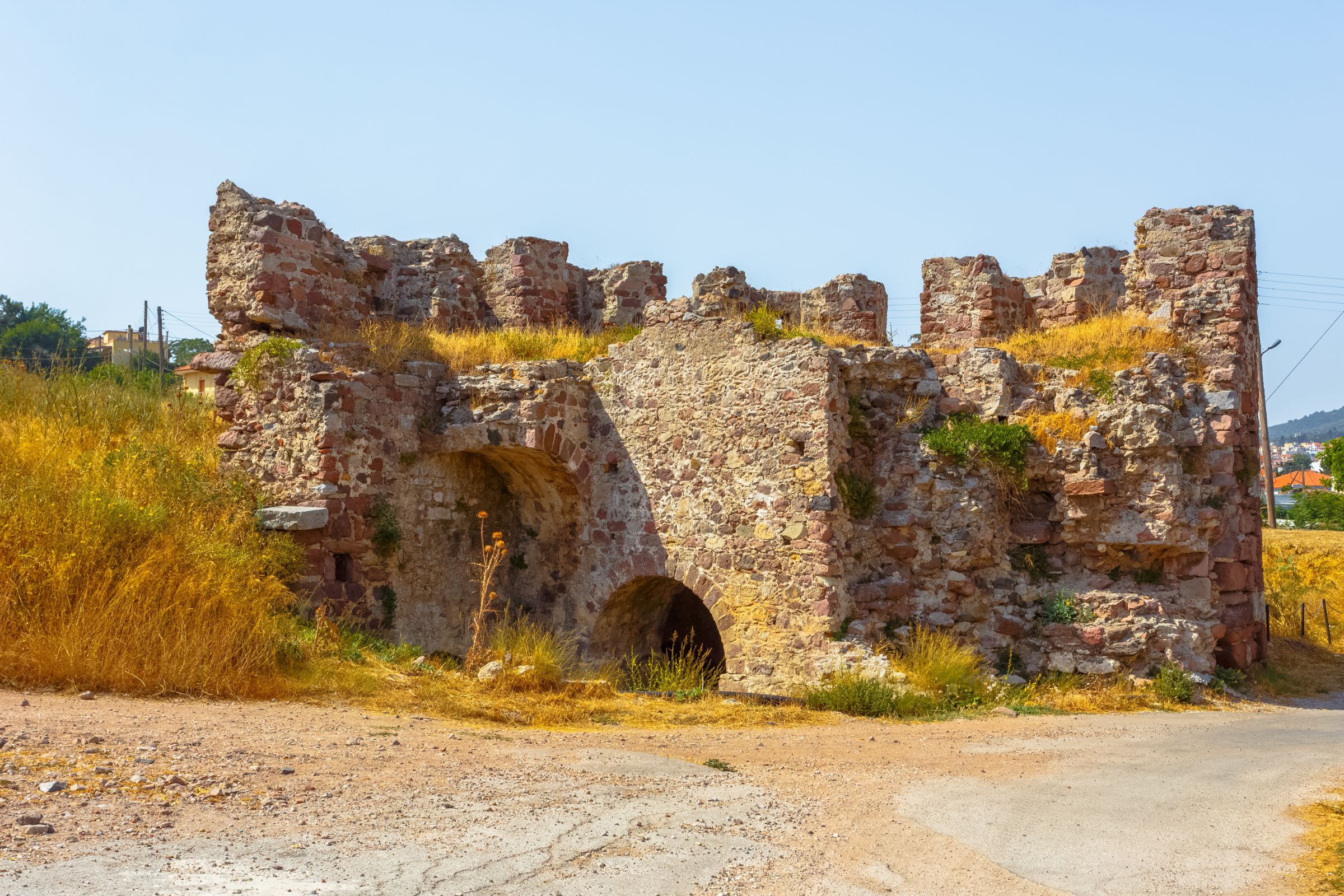
The Byzantines started building it atop the ancient Acropolis, long before the 14th century. Later, the Genoese expanded it in the 1300s, turning it into a serious stronghold.
In the early 16th century, the Ottomans came along and added double curtain walls, bastions, and even dug a moat around the whole thing.
The castle splits into three parts:
- Upper Castle—the “Megas Perivolos” (Grand Bailey) at the top
- Middle Castle—the biggest section, built by the Gattilusi family
- Lower Castle—added by the Ottomans near the sea
I always enter through the controlled west gate to reach the Middle and Upper sections. The Lower Castle is more relaxed, with free access from several points after a double gate got demolished in 1960 for a new road.
Exploring the Ancient Theatre
The Ancient Theatre of Mytilene sits quietly on the western slope of Agia Kyriaki hill. I still think it’s one of the most impressive sites on Lesbos.
They built the theater near the old city walls, showing off the expansion that happened during Hellenistic and Roman times.
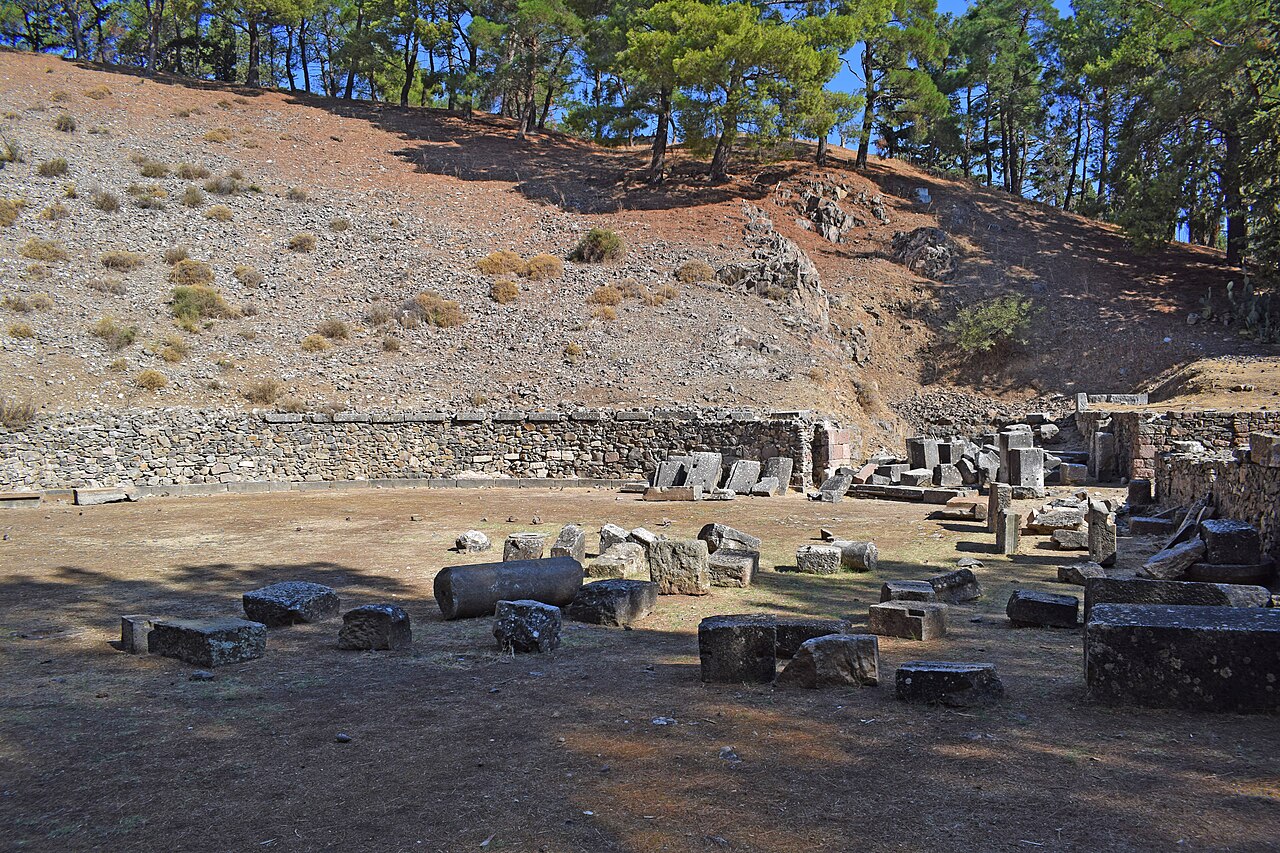
Image Source: Wikimedia Commons
Walking past the stone seats, I can almost hear the echoes of ancient plays. The theater faces east, which gave it great acoustics and lighting for performances.
The views from here are incredible. I get why the ancient city planners picked this spot—it’s practical and beautiful.
Roman Aqueduct and Forgotten Temples
You’ll spot remnants of the Roman aqueduct if you know where to look. I’ve traced sections of this old water system that once supplied the city during Roman times.
Temple ruins dot the western edge of Mytilene. These weathered stones hint at the religious life of ancient civilizations.
Many sites remain only partially excavated. Every visit reveals something new as archaeologists continue their work.
Greek, Roman, Byzantine, and Ottoman influences all collide here. Each left its mark, creating an archaeological patchwork that’s unlike anywhere else.
Wandering Through Mytilene’s Storied Neighborhoods
Every neighborhood in Mytilene tells its own story. Elegant mansions near Kioski speak of a golden age, while Ermou Street buzzes with daily life and market chatter.
Kioski and Surada: Mansions and Old-World Charm
I love starting my walks in the Kioski area. Neoclassical mansions line the quiet streets, built by wealthy merchants in the late 19th century after they struck it rich trading olive oil and ouzo.
Just uphill, the Surada district charms me with its mix of Ottoman and Greek island architecture. There’s something timeless about these narrow lanes.
Stone paths wind between houses with wooden balconies and iron railings. Most mansions are still private homes, but their facades hint at Mytilene’s golden days.
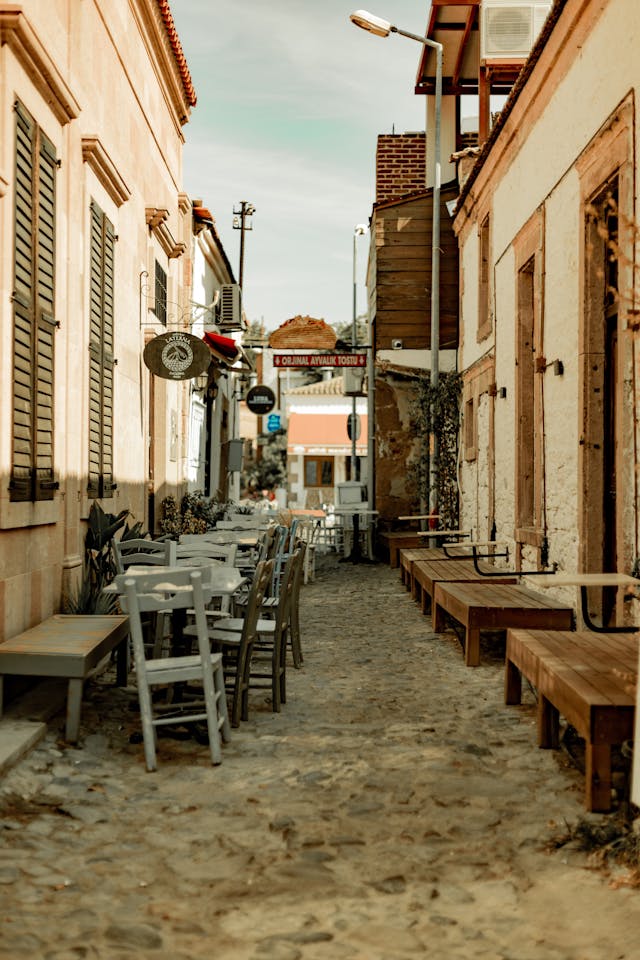
If you visit in late afternoon, golden sunlight warms the stone walls and the area stays peaceful compared to the busy port below.
Ermou Street and the Central Market
Ermou Street is the city’s beating heart. This pedestrian stretch connects the harbor to the upper town, winding past shops and cafes.
Every morning, the central market area bursts into life. Vendors sell fresh fish, olives, and veggies. I like popping into tiny groceries for local cheese and honey.
Traditional kafeneions hide just off Ermou. These old-school coffee houses serve Greek coffee in little cups, always with a glass of cold water. The owners seem to know everyone.
You’ll find both touristy souvenirs and everyday staples here. Bakeries tempt me with fresh bread and pastries, and small tavernas set up simple tables right on the sidewalk.
Secluded Churches and the Yeni Mosque
Religious buildings hide in unexpected corners. I’ve stumbled across tiny Byzantine churches squeezed between houses on streets with no names.
The Yeni Mosque sits near the harbor, a reminder of Turkish rule. Built in the 19th century, it stands out with its single minaret and simple stonework. These days, it’s a cultural monument, not an active mosque.
Agios Therapon church rises above red-tiled roofs in a quiet square. Inside, you’ll find old icons and wooden prayer stalls.
These places offer a peaceful break from the city’s hustle. Most churches stay open during the day, so you can step inside for a moment of calm.
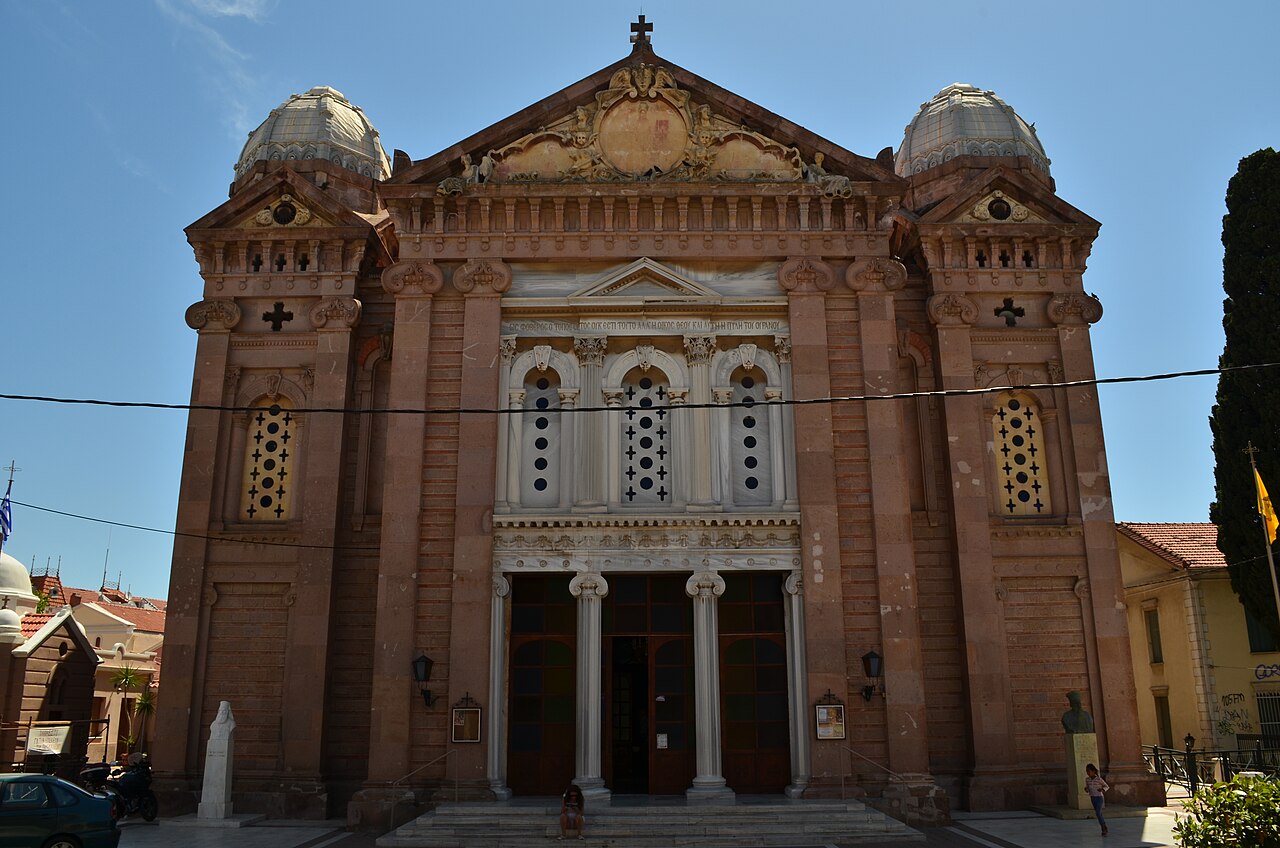
Image Source: Wikimedia Commons
The Authentic Taste of Mytilene’s Ouzo Culture
Ouzo in Mytilene isn’t just a drink—it’s a whole world. Here, you’ll discover family distilleries, seafood meze that pairs perfectly with that cloudy white spirit, and those magical waterfront spots where locals gather as the sun dips below the Aegean.
Ouzo Distilleries to Savor
I’ve lost count of how many ouzo producers call Mytilene home—over 30, at least. Each has its own twist, but the island’s clear water and aromatic anise make every bottle special.
Ouzo VETO is a personal favorite. On James Aristarchou Street, this distillery has been making ouzo since the 1930s. Their 100% distillate version tastes pure and clean—locals swear by it.
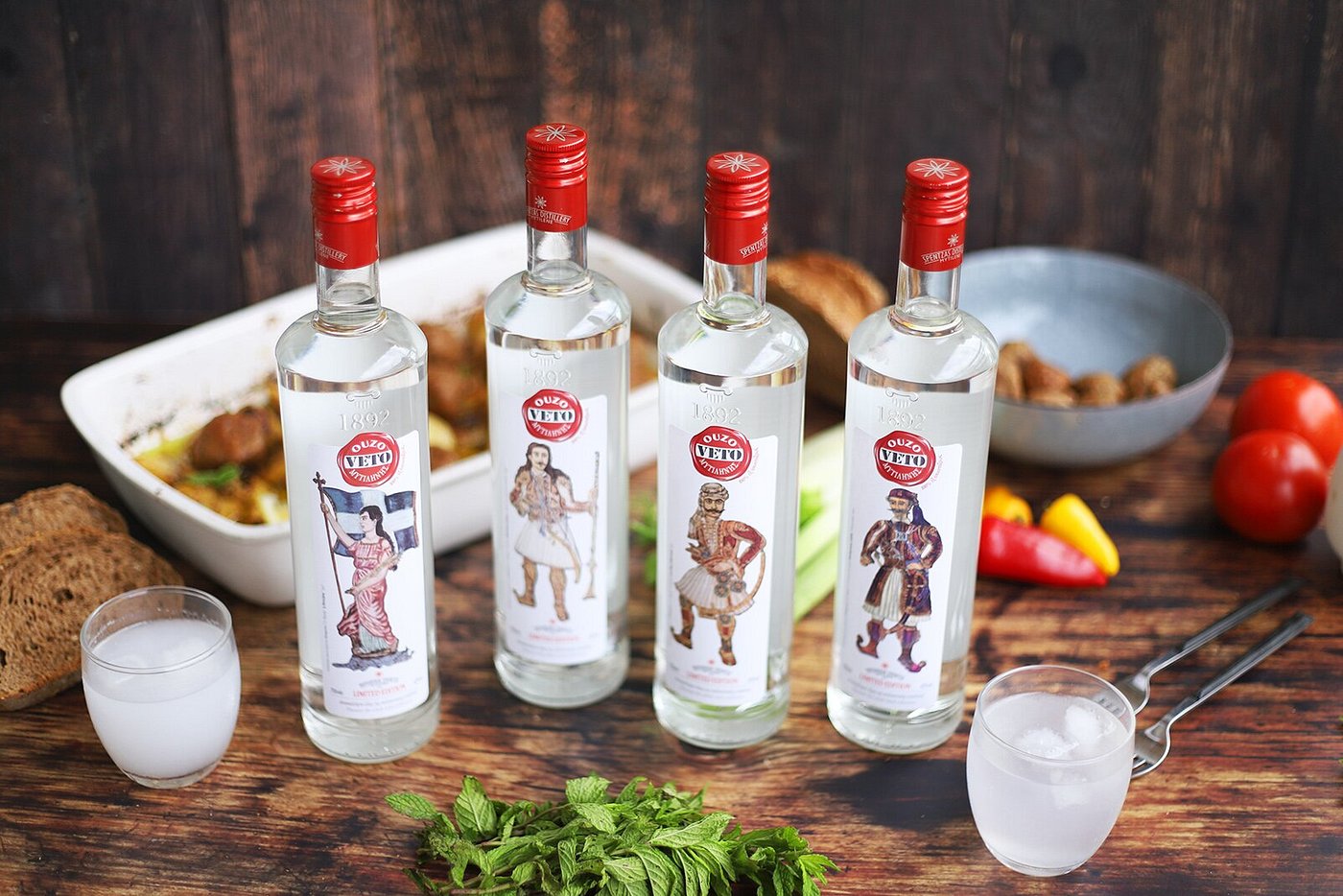
Image Source: Tripadvisor
Ouzo Mini uses anise from Lisvori, which many say is the world’s best. Their recipe hasn’t changed in half a century. It’s smooth, 40% alcohol, with just the right hint of bitter spice.
You can visit these small producers directly. That’s where you’ll taste the difference—family operations using wood-burning stills and old-school recipes create flavors you won’t find in mass-market bottles.
The Perfect Pairing: Fresh Seafood and Meze
Ouzo comes alive when you pair it with fresh seafood and traditional meze. The anise notes just work with the Aegean’s bounty.
At To Balkonaki in Vareia, I’ve watched Patroklos cook calamari so tender it feels like dessert. His Imam dish—eggplants marinated for a whole day—pairs beautifully with a cold glass of ouzo.
Koutsomytis’ Ouzeri serves classic dolmades wrapped in vine leaves and hearty sougania filled with minced meat. Grilled seafood and a spread of small dishes make for a real feast.
The ritual matters. I always pour ouzo into a tall glass, add cold water until it turns milky, then drop in a couple of ice cubes. The meze just keeps coming—dried broad beans, lemony shrimp, and more.
Nobody rushes. Meals stretch on, conversations flow, and every bite tastes better with a little more ouzo.
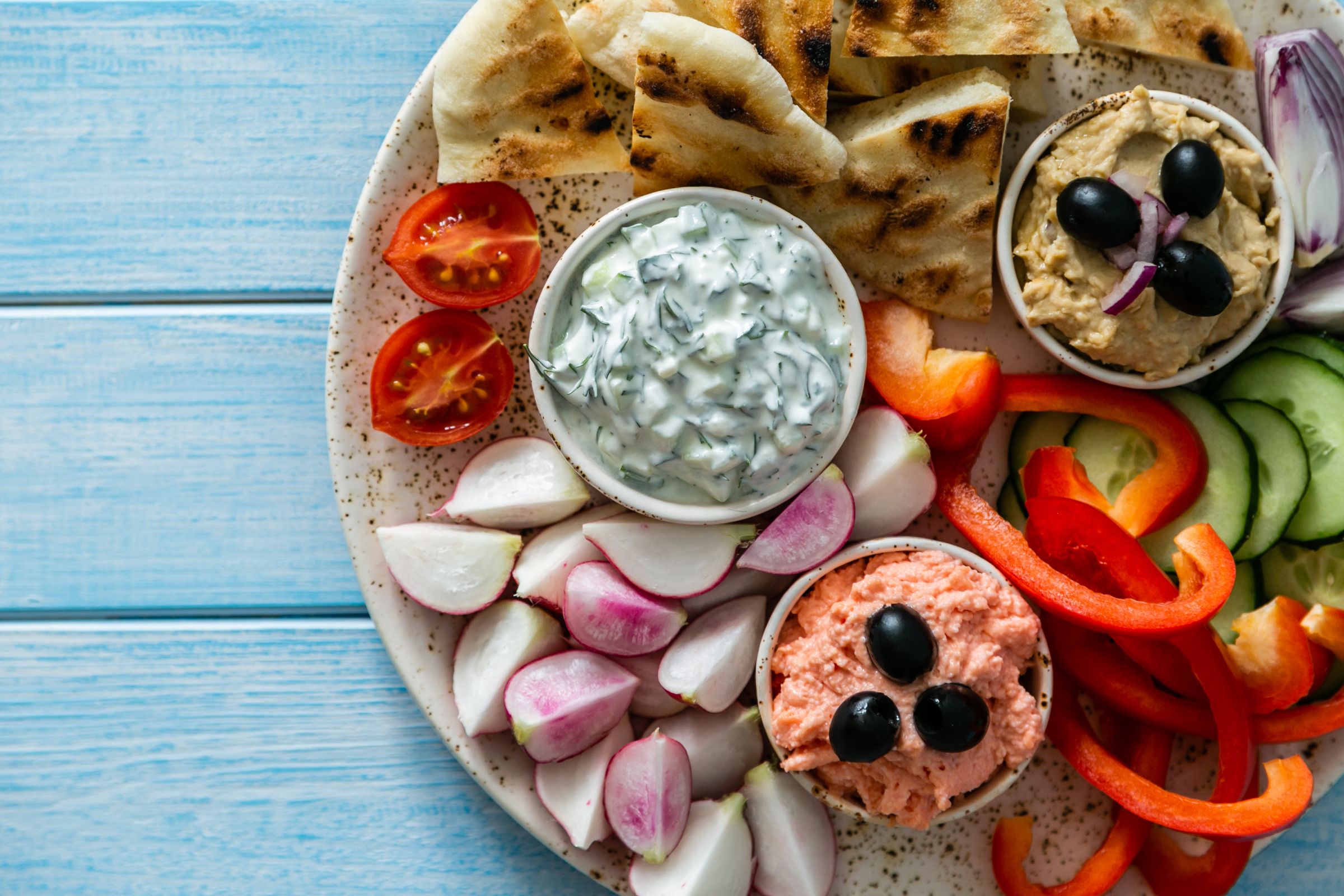
Cafés with Sunset Views Over the Aegean Sea
The best ouzo moments? They happen at sunset, with the Aegean glowing gold. I’ve found a few favorite spots where locals gather for this daily ritual.
O Dimos hugs the harbor curve in Upper Scala. The castle looms in the background, and you can watch fishing boats glide in as the sky changes color. Empty bottles on tables show this is serious ouzo territory.
Apagkio fills up early. Ms. Ariadne’s kitchen sends out fresh bread and island specialties, and the place hums with conversation.
Sometimes I prefer the quieter corners—just a few tables, paper tablecloths, and decades of tradition in the air. Friends, families, even strangers, share stories as the last sunlight catches the ouzo glasses.
Walk the coastal road for dramatic views. As the sun sets, you’ll see ouzo culture in action—not a tourist show, but a living tradition connecting Mytilene to its roots.
Traditional Cafés, Taverns, and Immersive Local Experiences
The real flavor of Mytilene lives in its family-run cafes and taverns. The waterfront boasts some of Greece’s friendliest spots, while hidden courtyards offer cozy escapes from the crowds.
Coffee Houses Steeped in History
I’ve spent countless mornings in Mytilene’s traditional kafeneions. Elderly men play backgammon over thick Greek coffee at Kafeneion Olympia near the old port, a spot that’s served the same families for three generations.
The marble tables and brass fixtures haven’t changed since the 1950s. Fishermen stop in before dawn, swapping gossip over strong coffee.
On Ermou Street, Café Hermes fills a restored neoclassical building. Yannis, the owner, roasts his own beans and pairs them with homemade sweets his grandmother taught him to make.
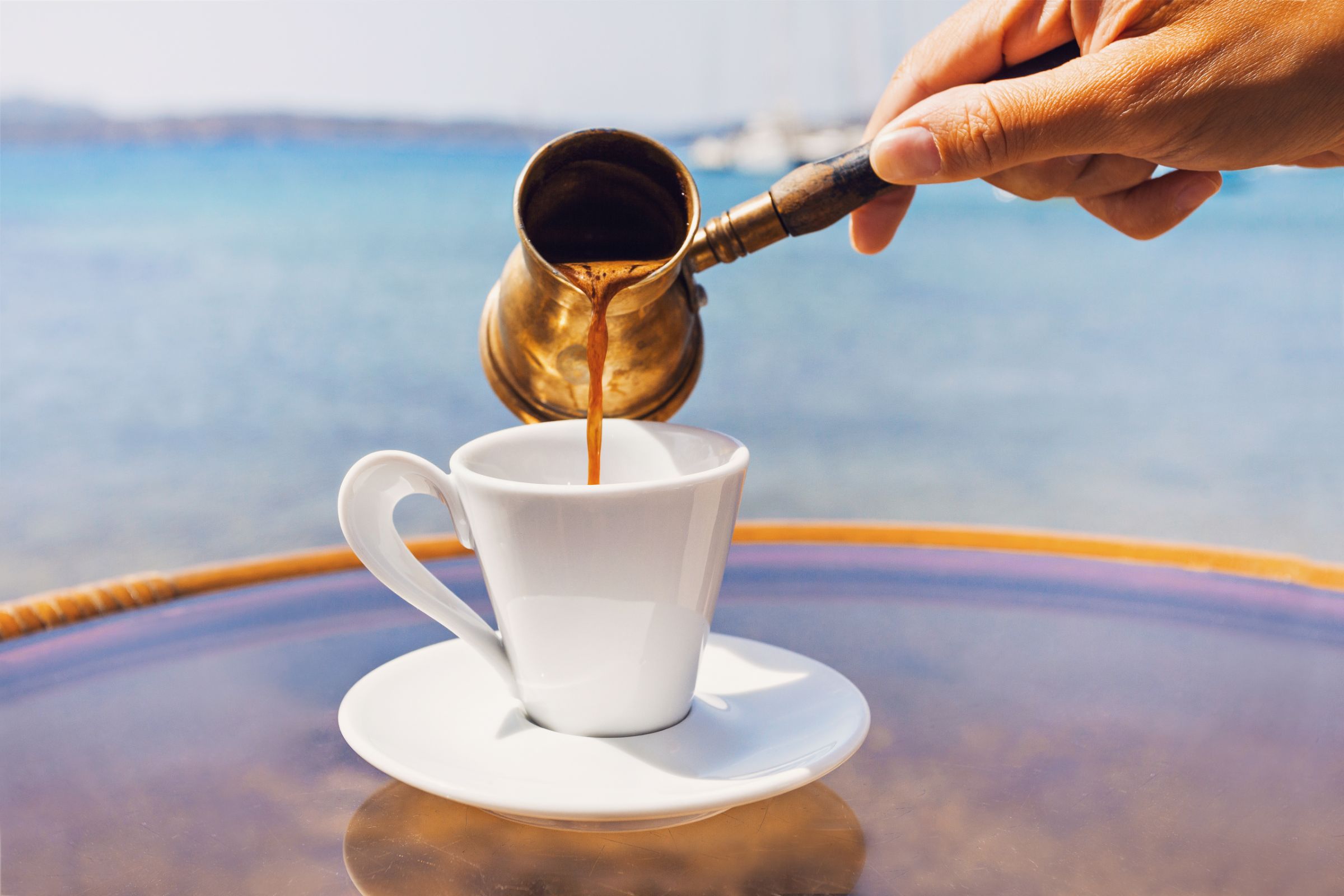
These cafes move at their own pace. You order a metrio (medium-sweet coffee), sit by the window, and watch Lesbos wake up. There’s no point in rushing.
Waterfront Taverns and Local Favorites
Taverna Stratos sits right on the fishing harbor. The family’s been running it for 40 years, serving whatever fish the boats bring in fresh that day.
Maria, the owner’s daughter, always knows what’s good. Her grilled sardines with local olive oil taste like pure Aegean sunshine.
To Kafeneio tis Kyrias Marias fills up every Sunday after church. Lamb slow-cooked in clay pots and fava from Lesbos-grown legumes are the stars.
The tavern overlooks the northern coastline. Tables spill onto the sidewalk, and you’ll hear Greek, Turkish, and a little English from the few travelers who find their way here.
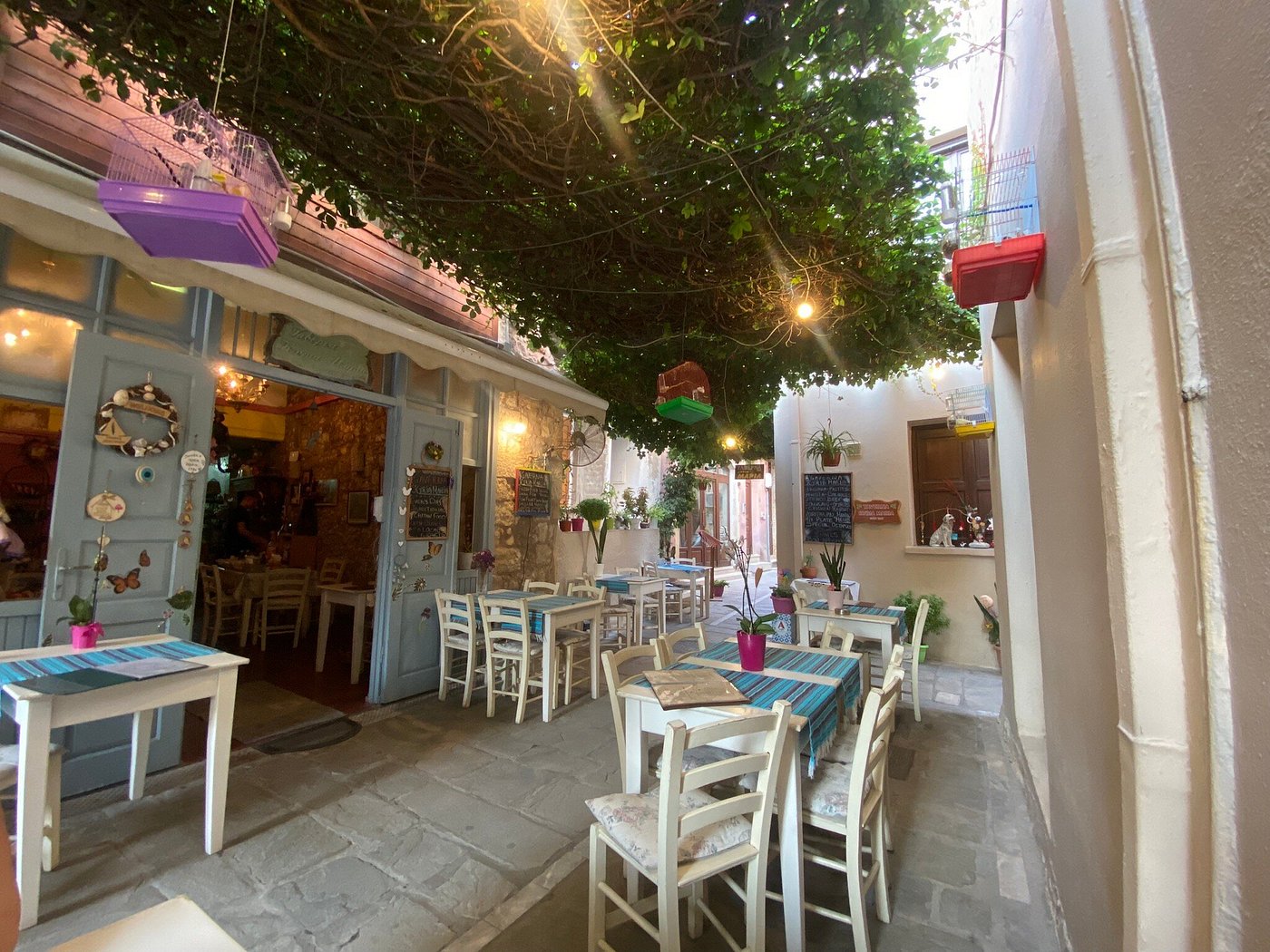
Image Source: Tripadvisor
Hidden Courtyards and Local Haunts
Ouzeri Grammata hides behind an unmarked door on a narrow street. Step inside and you’ll find a courtyard shaded by grapevines and mismatched chairs around tiny tables.
Meze changes daily, depending on what’s fresh at the market. I still dream about the htapodi (octopus) I had here, paired with ouzo straight from a local distillery.
Café Politeia fills the courtyard of a converted mansion. Jasmine climbs the stone walls and a small fountain bubbles in the center.
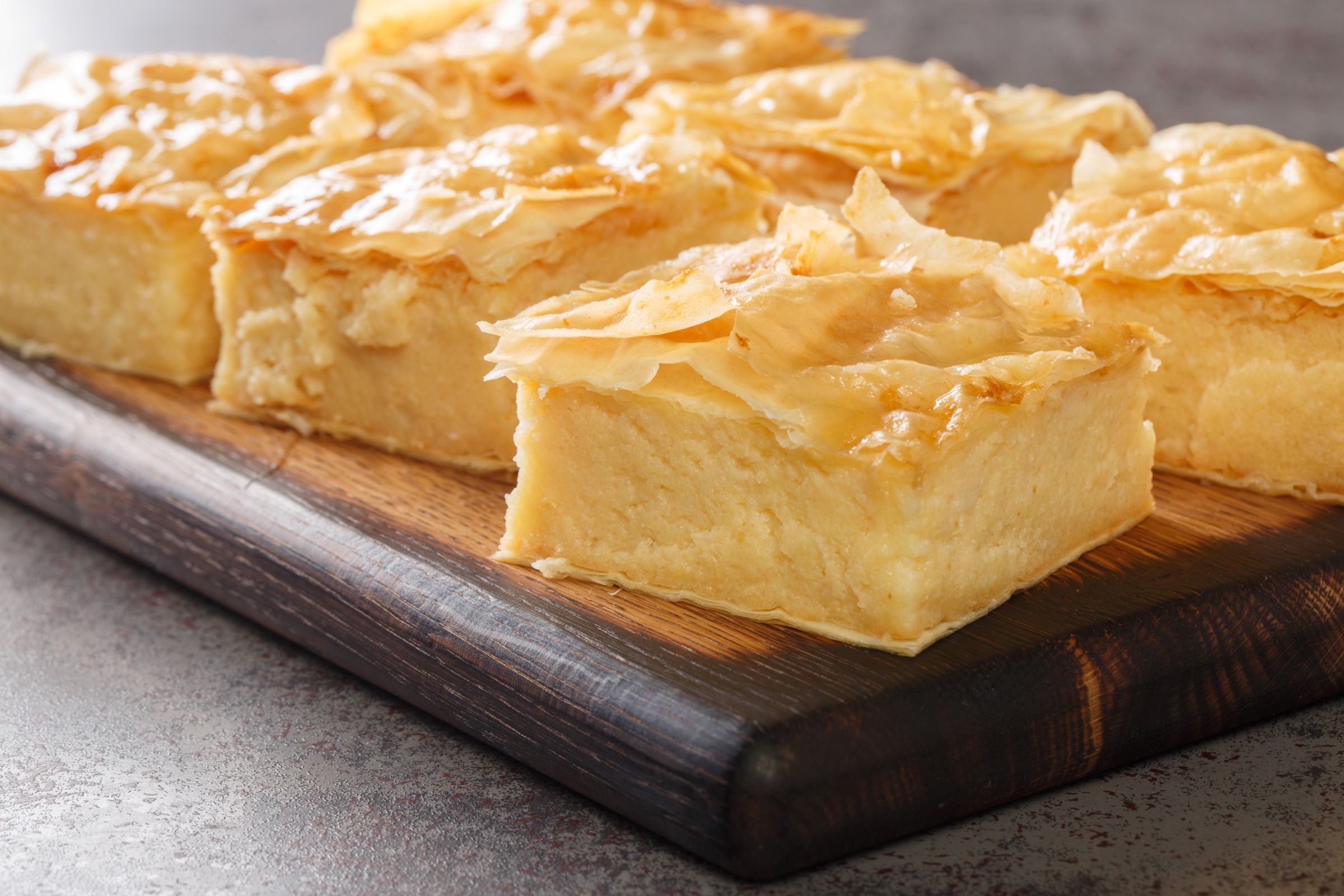
The owner speaks perfect English and serves galaktoboureko alongside modern coffee drinks. It’s where young locals meet their grandparents for afternoon coffee—a place where old Mytilene meets new Greece.
Art, Heritage, and Museums in Mytilene
Mytilene’s museums? They’re a real mix of ancient wonders and fresh bursts of Greek creativity. When you wander through the Theophilos Museum, you’ll stumble into the colorful world of one of Greece’s most beloved painters. Just around the corner, the archaeological collections peel back the layers of the island’s past, century by century.
Theophilos Museum and Local Art
I still remember the first time I stepped into the Theophilos Museum. The place buzzes with the spirit of Theophilos Hatzimichael, a self-taught artist who painted Greek folk life with a raw, vibrant energy that just pulls you in.
The museum, which opened its doors in 1965, spreads over five rooms. You’ll find more than 85 of his paintings here. I couldn’t take my eyes off his scenes of rural Lesvos—there’s something honest and almost nostalgic about them.
His artwork brings together daily life, Greek myths, and moments from history. The brushstrokes feel personal, almost like he’s telling you stories he lived himself.
Key highlights you shouldn’t miss:
- Lively folk scenes from everyday island life
- Portraits of legendary Greek figures
- Paintings inspired by religion and mythology
- Detailed depictions of traditional costumes and customs
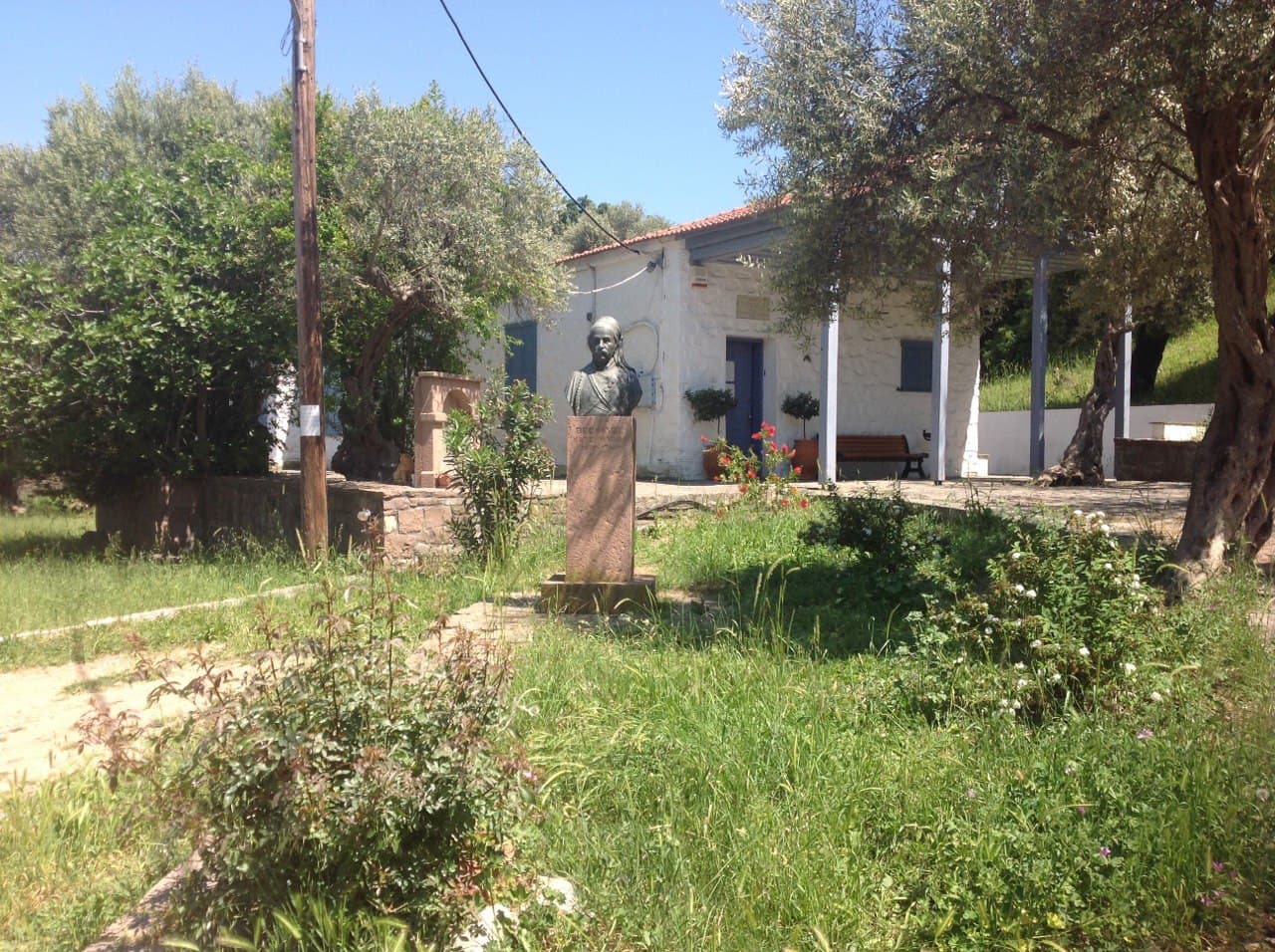
Image Source: Wikimedia Commons
If you crave something modern, the Mytilene Municipal Gallery is a must. I wandered through exhibits packed with contemporary Greek art—paintings, sculptures, even some striking photographs by both local and national artists.
Both museums are right in the heart of Mytilene, making them easy to reach. They give you a real sense of how Greek artists have always wrestled with their own culture and history, each in their own way.
Archaeological Museums and Historical Collections
The Archaeological Museum of Mytilene sits right in the city center, split between two buildings. I wandered for hours, taking in artifacts that cover thousands of years of Lesvos’ history.
The newer building opened its doors in 1999. Here, you’ll find treasures from the Hellenistic and Roman periods—seriously, Lesvos was thriving back then. Those intricate mosaic floors and the frescoes from Roman villas really stopped me in my tracks.
Some highlights from the collection:
- Ancient ceramics and pottery
- Roman sculptures and statues
- Coins from various eras
- Decorative items people actually used in everyday life
The older building takes you even further back. It’s packed with Ancient Greek artifacts, each one revealing a little more about how the island shaped itself over the centuries.
Don’t skip the Byzantine Museum, either. Its collection of religious art and artifacts from the Byzantine Empire era pulled me in for much longer than I expected. It’s a great place to get a sense of Mytilene’s influence in medieval Greek history—who knew this island played such a big role?


_03.jpg)
