
Honestly, I never thought one musical performance could flip my understanding of a whole culture upside down. But that’s exactly what happened during my first real encounter with fado in Lisbon. The melodies were haunting, the vocals achingly raw—before I knew it, I was swept up in an experience that ended up defining my entire trip to Portugal.
Fado, which literally means “fate,” is Portugal’s national music. It’s all about longing, loss, and nostalgia, wrapped up in acoustic melodies and passionate storytelling. This art form started in 19th-century Lisbon and, over time, earned a spot on UNESCO’s list of Intangible Cultural Heritage. Fado, in many ways, is the heartbeat of Portuguese identity.
My fado journey led me through intimate taverns, old-school venues, and cultural centers. I got to see the artistry up close. From learning about its roots and regional flavors to watching both legendary and up-and-coming artists, I realized fado is a window into the Portuguese idea of saudade—that bittersweet, universal ache of yearning.
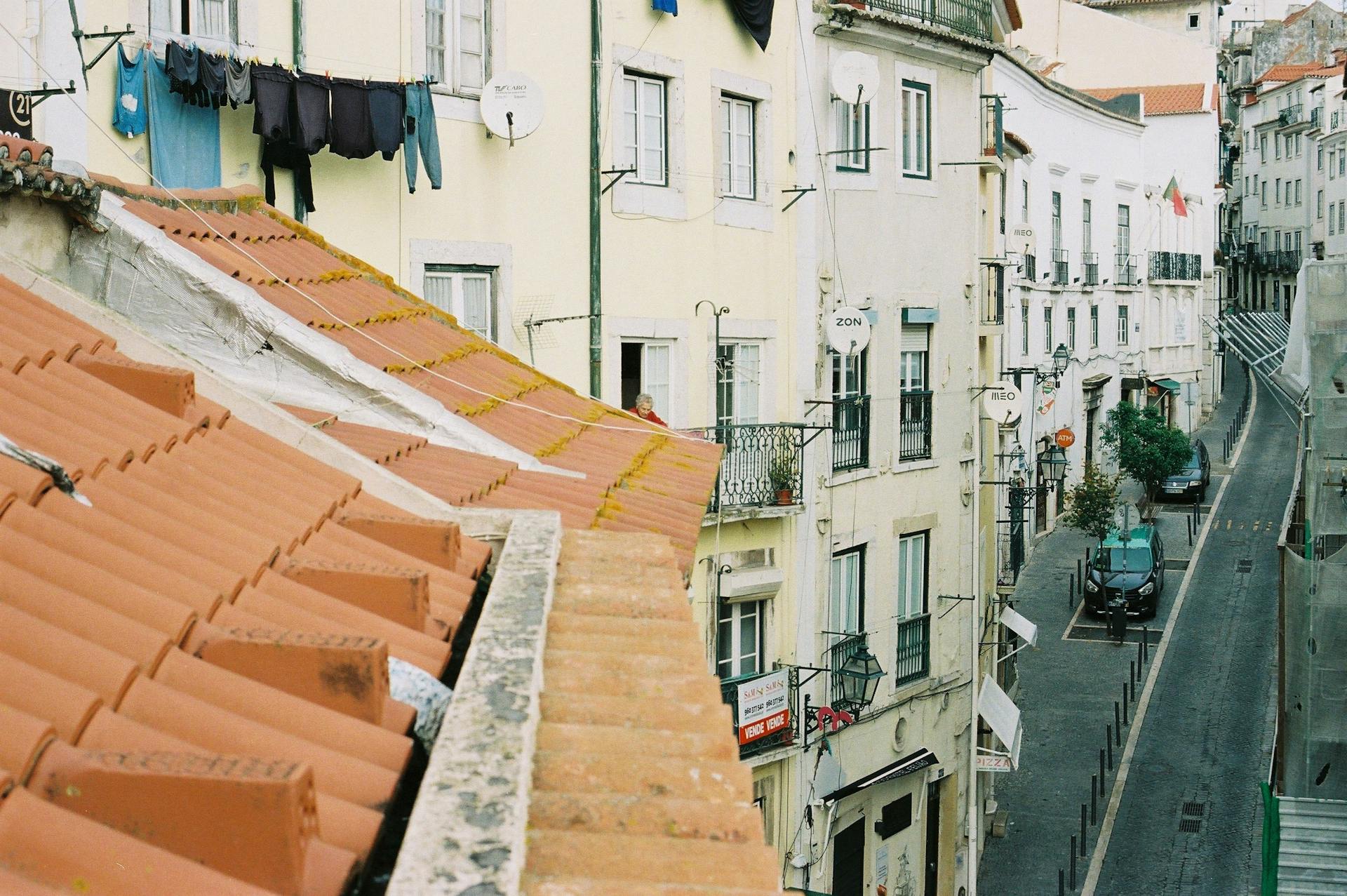
The Moment I First Heard Fado: Immersion in Portuguese Soul
I walked into a dimly lit tavern in Lisbon, not knowing I was about to have the most unforgettable moment of my trip. The fadista’s voice filled the room, introducing me to saudade and the deep emotional core of Portuguese identity.
Setting and Atmosphere in Lisbon
The fado house, tucked away in Alfama’s winding cobblestone alleys, felt like a portal to another era. Soft yellow lights threw shadows on old stone walls. Only about twenty tables squeezed into the cozy space.
I picked a spot close to the tiny stage. The lighting stayed low, making it feel even more intimate.
What made the venue special:
- Stone walls that seemed to echo decades of music
- Minimal lighting, all focused on the singer
- Tables forming a semicircle around the fadista
- The audience sat in total silence
The Portuguese guitar and viola leaned against plain wooden chairs. No fancy tech, no distractions. That simplicity made the music feel raw and real.
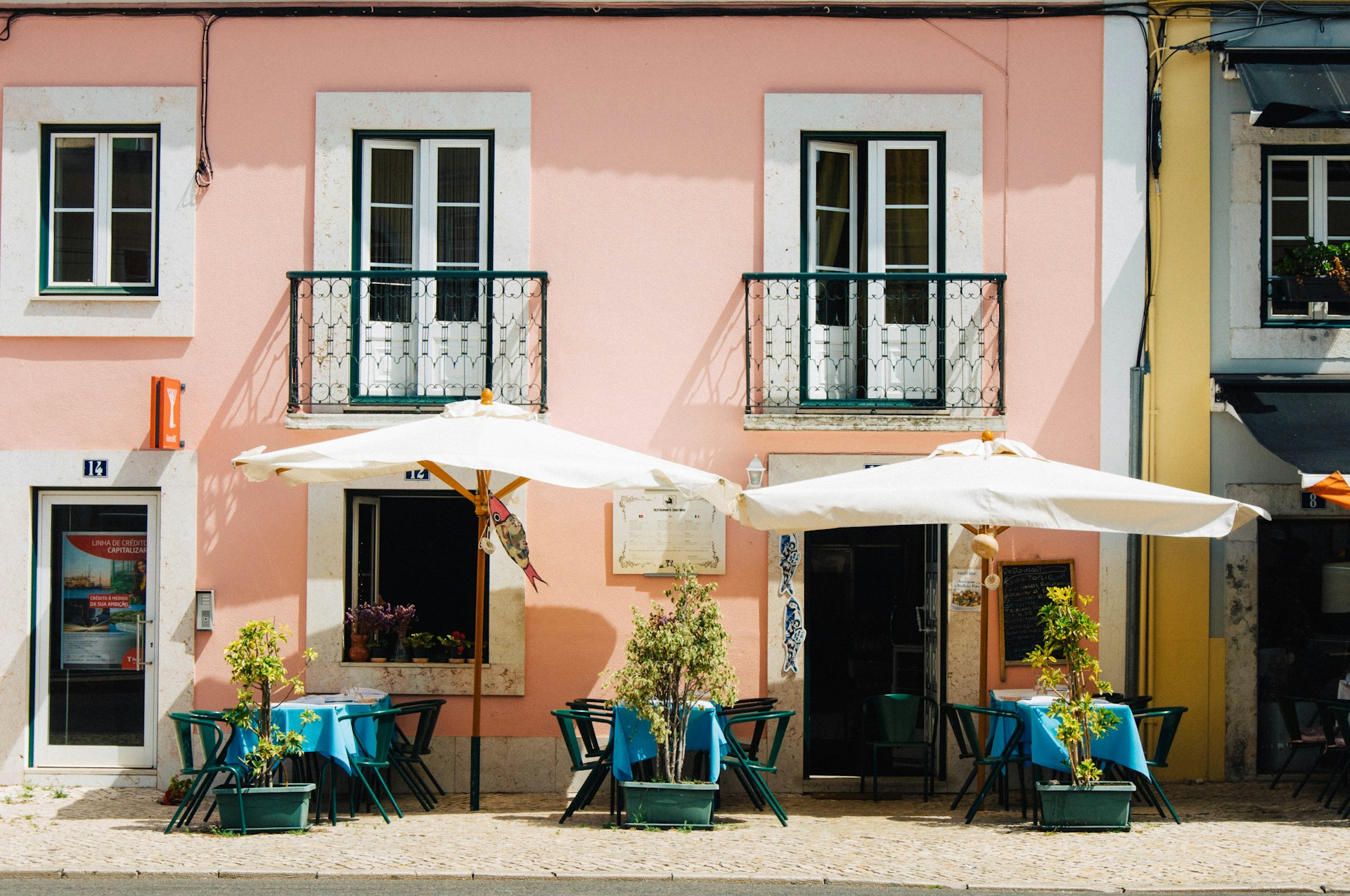
Immediate Emotional Impact of Fado
As soon as the fadista started, I felt something inside me shift. Her voice had a gravity I’d never felt in music before. The melody was mournful and somehow reached straight into my chest.
I didn’t know the words, but the emotion smashed through any language barrier. Tears just welled up in my eyes, no warning.
The way the Portuguese guitar’s metallic strings blended with the singer’s voice was almost hypnotic. Every note felt intentional, like it mattered. The music spoke of loss and longing—those deep, messy human feelings.
The whole audience sat frozen, faces reflecting the same emotions. There was this unspoken connection in the room, like we were all part of something bigger.

Connection to Saudade and Longing
Fado introduced me to saudade—that uniquely Portuguese sense of nostalgic yearning. The music captured it perfectly. Suddenly, I got why people here say it’s the core of their identity.
The songs told stories of:
- Missing someone who might never return
- Longing for places that only exist in memory
- Love and loss, always with a bittersweet edge
Each fado was about ordinary people and their struggles. No heroes, just raw, universal emotion.
The fadista seemed to live every word she sang. It wasn’t just a performance—it felt like a confession. Her vulnerability made the whole room feel safe to dive into deep feelings together.
That night, fado became my entryway into understanding what Portugal is really about.
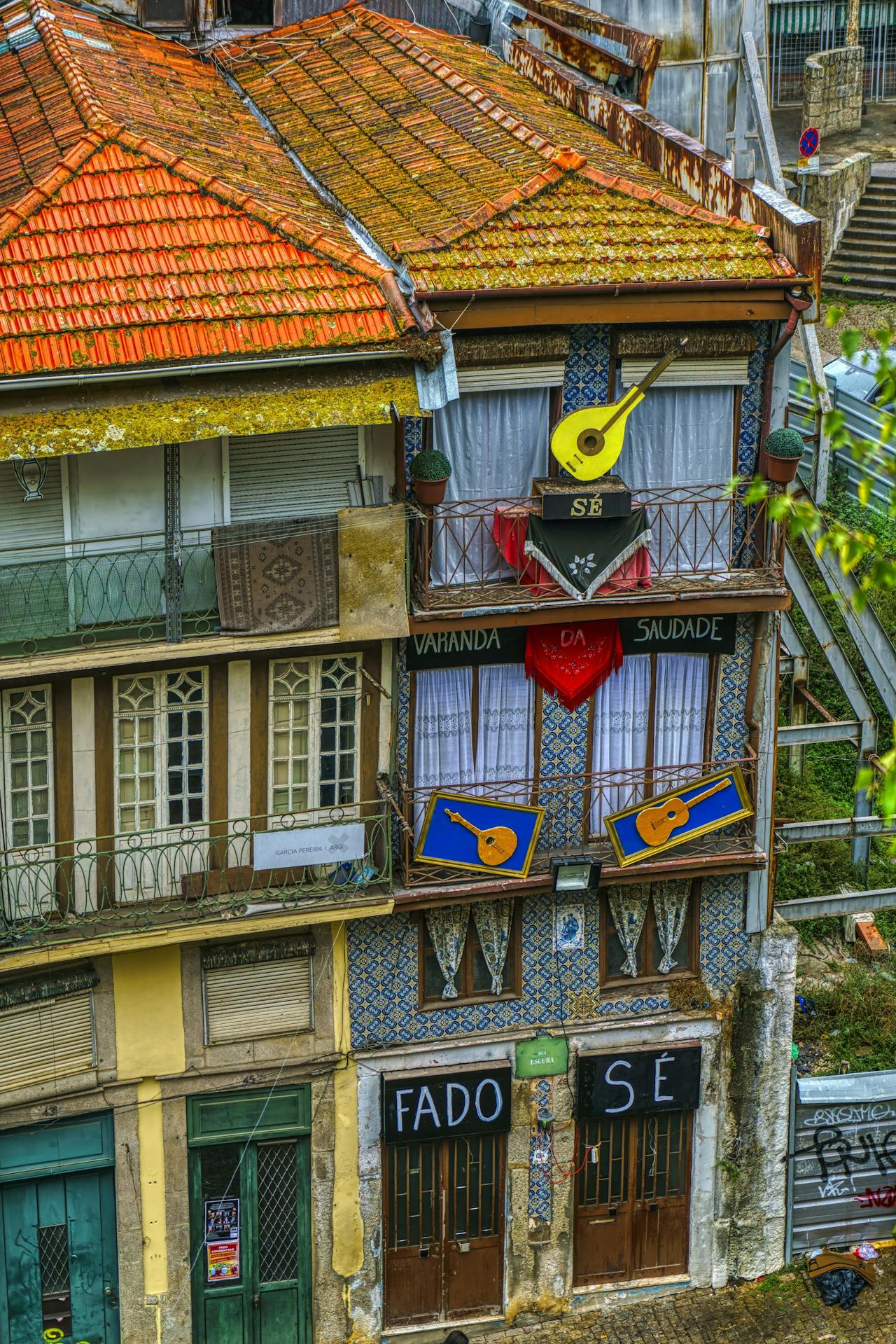
Understanding Fado: Origins and Cultural Significance
Fado grew out of Lisbon’s working-class neighborhoods back in the 1820s. It’s now Portugal’s most important musical tradition. The genre reflects the Portuguese soul—always circling around longing, loss, and saudade. In 2011, UNESCO recognized fado as an Intangible Cultural Heritage.
History and Evolution of Fado
Fado started in Lisbon’s poorest neighborhoods in the early 19th century. People first played it in taverns and tiny venues where workers gathered after long days.
No one can say for sure where it came from. Some think Moorish songs played a role, others point to Brazilian influences brought back by sailors.
What really grabbed me was how fado began as street music. Fishermen, sailors, and laborers used it to express their daily struggles.
It didn’t stay on the streets for long. By the mid-1800s, fado had spread across Portugal, reaching people from all walks of life.
Quick Timeline:
- 1820s: Fado appears in Lisbon
- Mid-1800s: Crosses social boundaries
- Early 1900s: First professional fado houses open
- 2011: UNESCO gives its stamp of approval
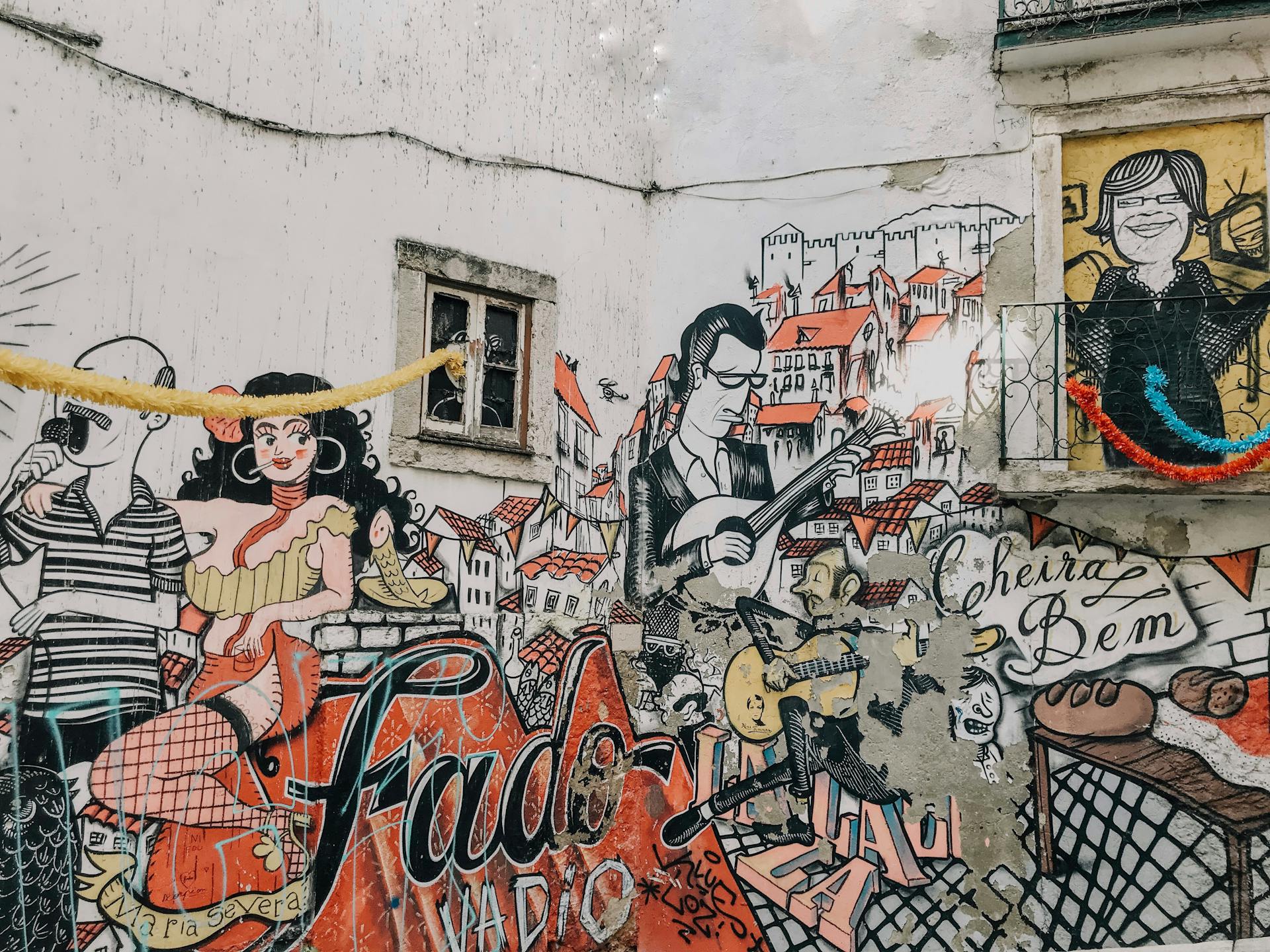
Fado’s Roots in Lisbon’s Neighborhoods
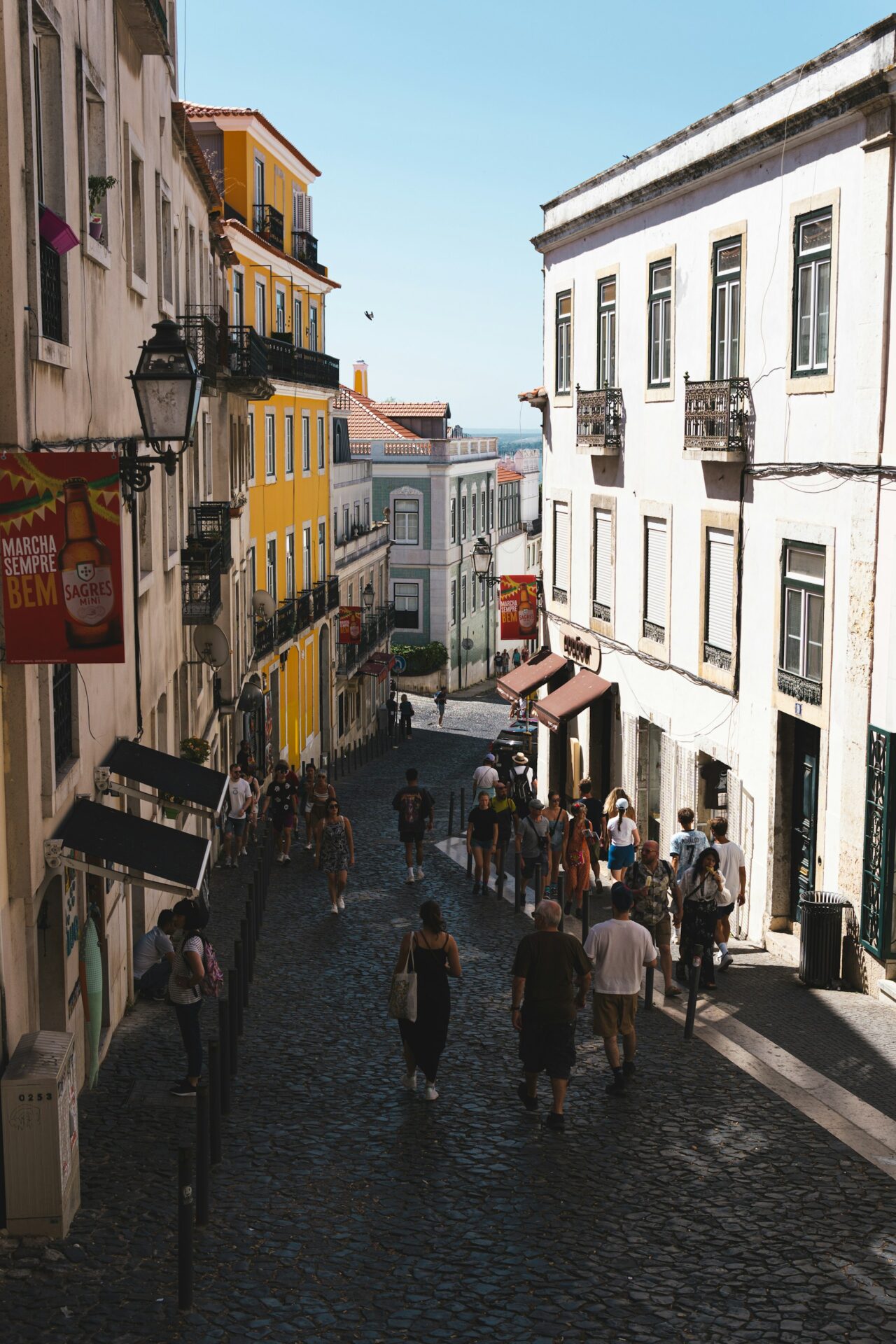
Three neighborhoods shaped fado: Alfama, Mouraria, and Bairro Alto. Each one left its mark on the music.
Alfama, the city’s oldest district, became the spiritual home of fado. Those narrow lanes and ancient buildings created perfect acoustics.
Mouraria brought multicultural flavors. The neighborhood’s mix of people added fresh musical ingredients.
Bairro Alto turned into the bohemian heart, where writers and musicians pushed fado’s artistic boundaries.
You can still find traditional fado houses in these neighborhoods. They offer a chance to hear the music right where it was born.
Fado as a Reflection of Portuguese Identity
Fado channels Portuguese culture through saudade—a word that mashes up nostalgia, longing, and love for what’s gone.
The music mirrors Portugal’s maritime past and the ache of separation. Songs often tell of wives waiting for sailors or emigrants missing home.
Portuguese identity seems to revolve around emotional depth and a kind of beautiful melancholy. Fado gives those feelings a voice.
Traditional fado sticks to just the Portuguese guitar and classical guitar. That stripped-down setup lets the singer’s emotion take center stage.
Even now, fado keeps its grip on Portuguese culture. Fado houses in Lisbon and Coimbra keep the tradition alive, while new artists add their own spin.

Intimate Experiences: Where and How to Enjoy Fado
The magic of fado lives in small, intimate settings. I found the best experiences in tiny traditional venues, where silence is sacred and the music pairs perfectly with authentic Portuguese food.
Traditional Fado Houses and ‘Casas de Fado’
If you want the real deal, go to a traditional fado house. These places exist for the music, and silence is non-negotiable.
There are two main types of fado shows. Professional fado features well-known artists in classic venues. Fado vadio is more relaxed—sometimes the audience even gets to sing.
The best casas de fado book up fast, especially in Lisbon and Porto. Space is always limited, so it pays to reserve a table.
House Rules:
- Don’t talk during the show
- Skip the flash photography
- Silence your phone
- Dress comfortably, but leave shorts and flip-flops at home
Shows usually last between 45 minutes and an hour and a half. The lights stay low, drawing all focus to the music.
Atmosphere in Alfama, Mouraria, and Bairro Alto
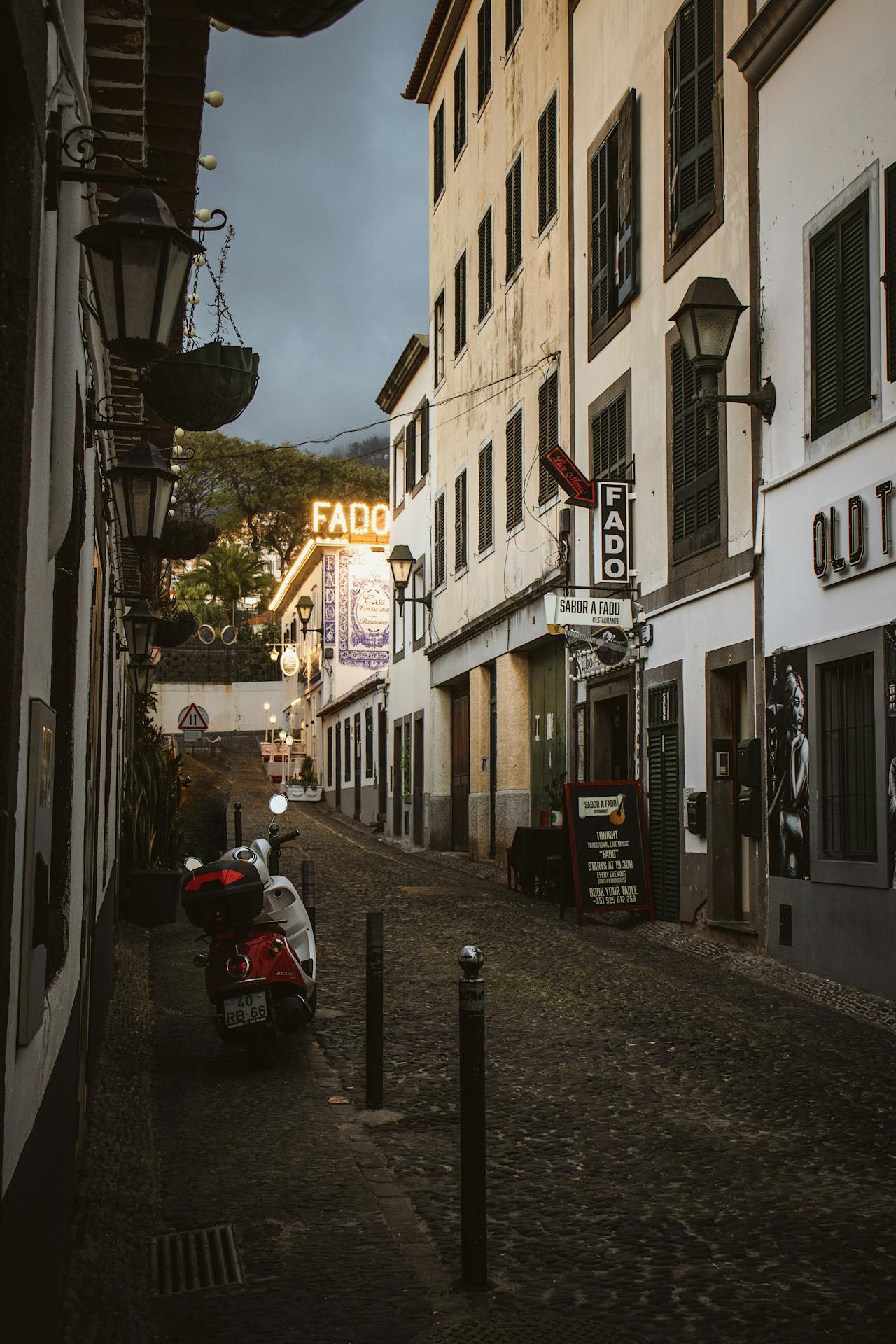
Alfama is where fado was born, and it still has the most atmospheric venues. Those winding streets and old buildings set the mood.
Most of Alfama’s fado houses hide away from the main tourist routes. Some are tucked inside old chapels or centuries-old buildings.
Mouraria and Bairro Alto also offer memorable fado nights. Each neighborhood brings its own style, but the venues all keep things small and personal.
Top Neighborhoods for Fado:
- Alfama: Historic, authentic, unforgettable
- Mouraria: Local feel, traditional charm
- Bairro Alto: A mix of old and new vibes
The low lights and quiet hush make every performance feel close and meaningful.
Pairing Fado With Portuguese Cuisine
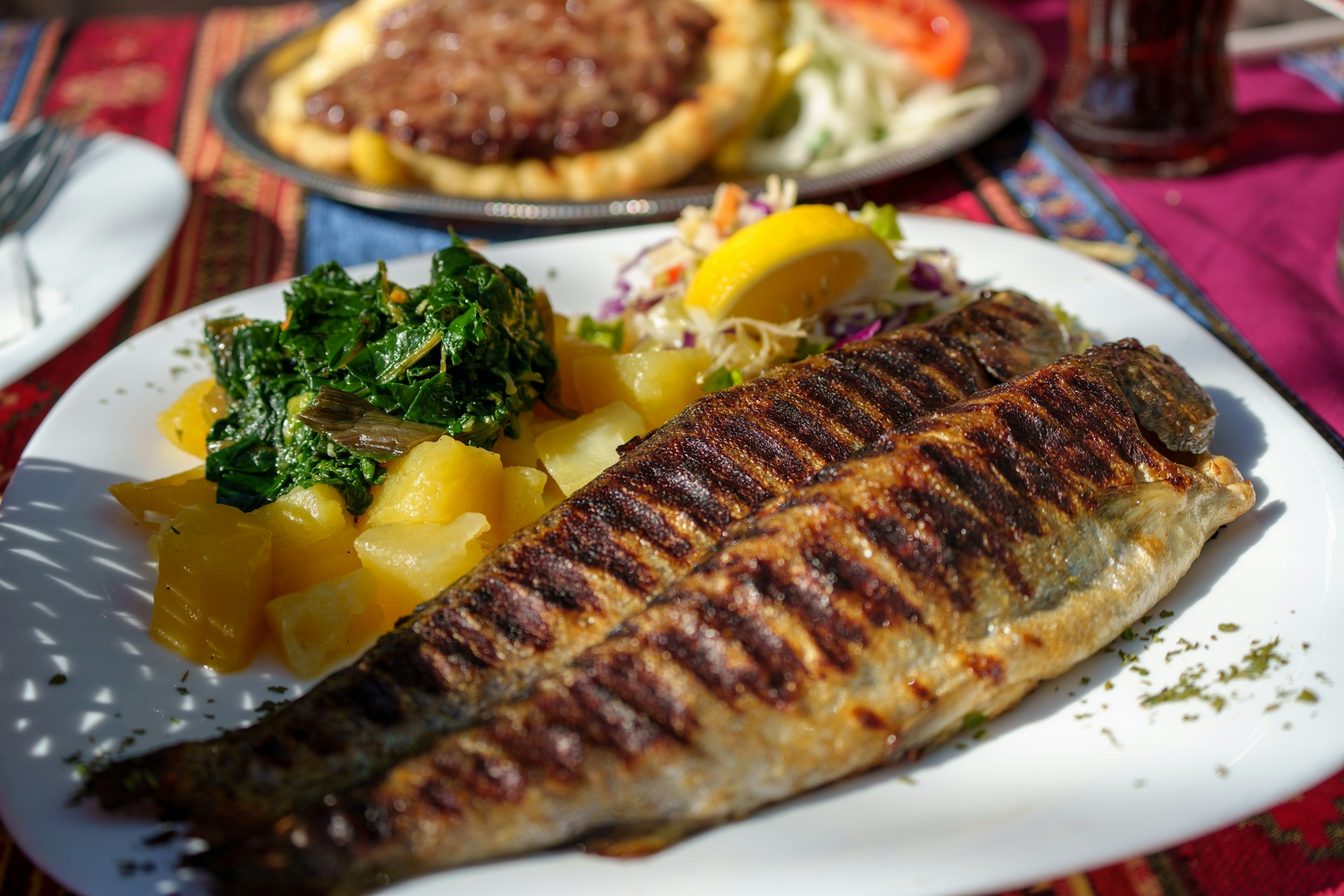
A lot of fado houses serve classic Portuguese dishes alongside the music. Dinner becomes part of the whole experience.
Restaurants serve food before or between sets so the music isn’t interrupted. That way, you can really savor both.
Usually, the evening flows in short musical bursts between meal courses. The rhythm of music and food just works.
Sharing fado and traditional food gives you a real taste of the country’s soul. Some spots focus on drinks and music, while others go all-in with regional recipes.
The Artistry of Fado: Instruments, Styles, and Performing Legends
It’s the Portuguese guitar that gives fado its signature sound. Lisbon and Coimbra each have their own fado flavors, and legendary fadistas have shaped the genre into the powerhouse it is today.
The Role of the Portuguese Guitar and Classical Guitar
The Portuguese guitar, or guitarra, creates those unmistakable, haunting melodies. It’s a 12-string, pear-shaped instrument with metal strings that ring out with a bright, almost piercing tone.
Watching the guitarra player’s fingers fly across the strings is mesmerizing. They use metal picks, which gives the sound its bite.
The classical guitar, or fado viola, lays down the rhythm and bass. It’s the backbone of the music. Together, these two guitars create the full fado sound.
What sets them apart:
- Portuguese guitar: 12 strings, metal picks, handles the melody
- Classical guitar: 6 strings, fingerpicked, builds the rhythm
The guitarra often takes center stage between verses, letting the music’s emotion shine without words.
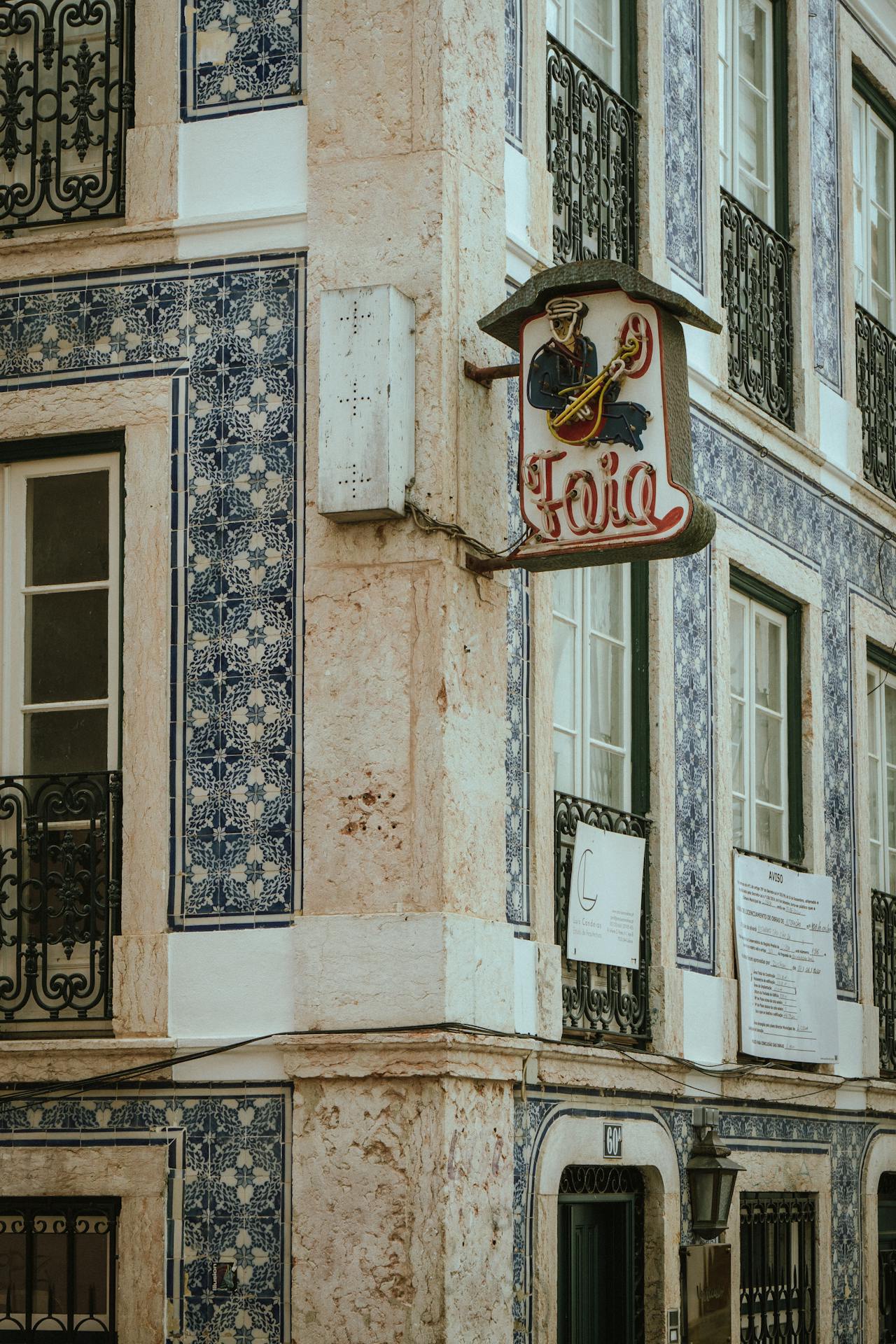
Traditional and Contemporary Styles of Fado
Traditional fado sticks to strict rules and themes—always circling around saudade, love, and life’s struggles. Lisbon’s version feels more urban and gritty.
Coimbra fado comes from the university town. Male students usually perform it, and the songs have a more academic or formal flavor.
Contemporary fado mixes in new influences. Some artists experiment with instruments or topics, but the emotional core stays the same.
Fado Styles:
- Lisbon fado: Urban, both men and women sing
- Coimbra fado: Academic roots, mostly male voices
- Contemporary fado: Traditional heart with modern touches
I heard both old-school and modern fado during my trip. No matter the style, the emotion was always front and center.
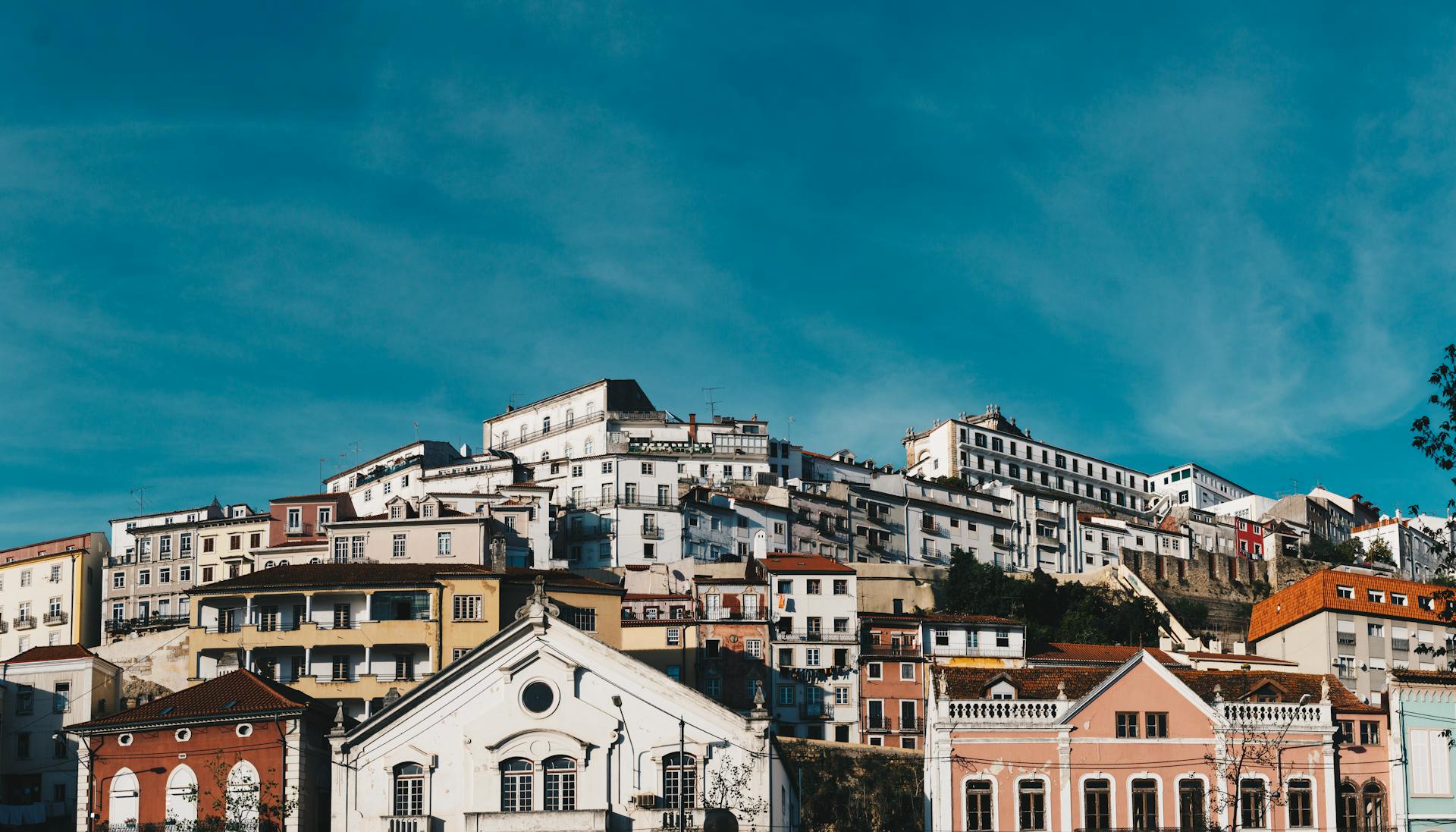
Renowned Fado Singers and Fadistas
Amália Rodrigues stands as the queen of fado. She brought the music to the world stage in the 20th century. Her voice and dramatic style set the bar high.
Now, artists like Mariza and Carminho keep the tradition alive. They blend classic fado with their own twist, but never lose sight of its roots.
A great fadista doesn’t just sing—they make you feel every ounce of saudade. Technical skill matters, but it’s the emotion that really hits home.
Fado Icons:
- Amália Rodrigues: The original superstar, still unmatched
- Mariza: Modern voice, Grammy-nominated
- Carminho: Young, rooted in tradition
The singer I heard poured her heart into every note. It felt like she carried generations of stories in her voice.

Unforgettable Voices: Iconic and Modern Fado Artists
Fado’s power lives in the voices that sing it. From Amália Rodrigues’ legendary presence to Carlos do Carmo’s innovation, and today’s stars like Mariza and Ana Moura, the tradition keeps evolving—always blending old soul with something new.
Amália Rodrigues and Her Lasting Influence
You can’t talk about fado without mentioning Amália Rodrigues. She earned the title “Queen of Fado”—and honestly, no one else has ever come close. Born in 1920, she took fado from smoky Lisbon taverns and turned it into an art form that the world recognizes today.
Her voice? It just hits you. Pain, longing, hope—she poured it all into every lyric. She recorded over 170 songs and sang her heart out on stages across Europe and America, from Paris to New York.
Why she matters:
- She brought fado to international audiences.
- She raised the genre’s artistic status.
- She set the gold standard for emotional expression in fado.
The first time I heard her sing “Lágrima,” I finally got why the Portuguese say she’s irreplaceable. Every fado singer since has walked in her shadow.

The Legacy of Carlos do Carmo
Carlos do Carmo shook things up. From the 1960s to the 2020s, he brought fresh energy to fado, mixing in orchestral arrangements and exploring themes that went way beyond heartbreak.
His baritone voice worked for both classic and modern fado. In 2014, he picked up a Latin Grammy Lifetime Achievement Award—well deserved, if you ask me.
Carlos grew up surrounded by fado. His mother ran Lisbon’s famous Fado Menor club, so he respected tradition while still pushing boundaries.
His album “Um Homem na Cidade” proves that fado can talk about city life and social issues too. He showed everyone that fado could evolve and still keep its soul.
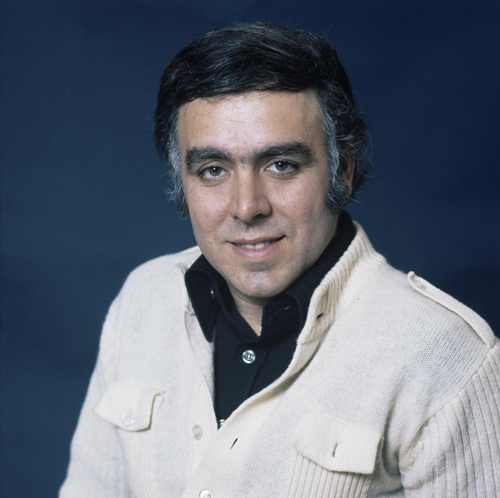
Contemporary Fado Voices: Mariza, Ana Moura, Camané, and Cristina Branco
Let’s talk about the new wave. Mariza stands out as today’s biggest fado star. She was born in Mozambique but grew up in Lisbon’s Mouraria district, and somehow she mixes traditional fado with jazz and blues in a way that just works.
Her voice is powerful, and her stage presence grabs you. Albums like “Fado em Mim” show how she honors the old ways while making the music her own.
Ana Moura is all about fado’s modern side. She’s teamed up with rock and pop artists, but she never loses that fado feeling.
Camané keeps things more traditional, yet he still connects with younger fans. He’s got that pure fado sound that goes straight to the heart.
Cristina Branco adds a thoughtful, poetic touch. She often sings lyrics from famous Portuguese writers, which gives her music a literary richness.
These artists prove that fado isn’t stuck in the past. They respect its roots but keep it alive and relevant for us today.

Exploring Fado Beyond Lisbon: Regional Variations and Museums
Fado isn’t just a Lisbon thing. My own journey with this music took me all over Portugal, and every region adds its own twist. Museums around the country help keep this tradition alive for future generations.
Porto and the Spread of Fado
When I wandered through Porto, I realized fado had spread north in the late 1800s and early 1900s. Porto embraced fado, but with its own unique spin.
The fado houses here feel more intimate than in Lisbon. Performances often focus on local themes and stories from the north.
Singers in Porto sometimes weave in the city’s industrial history and its ties to the Douro River. One night in a local casa de fado, I noticed the guitarists slipping in northern folk influences.
What sets Porto apart:
- Some songs have a slightly faster tempo.
- There’s more use of the local dialect.
- Fado here often mixes with Porto’s wine culture.
The venues are usually small and family-run. This creates a personal vibe between performer and audience that really moved me.
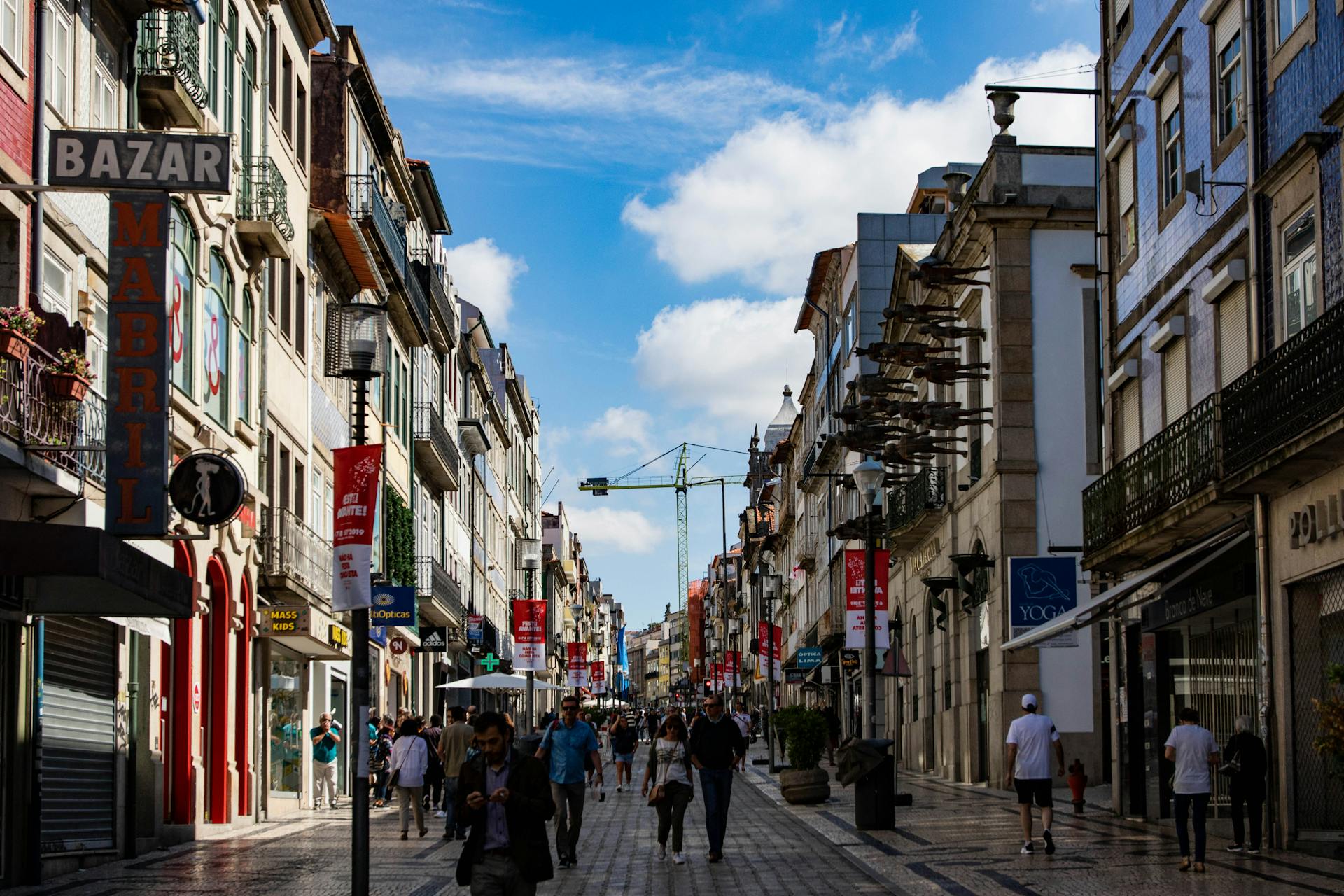
The Unique Tradition of Coimbra Fado
Coimbra fado surprised me. It’s a totally different world from Lisbon’s style. This tradition grew out of Portugal’s oldest university and has its own strict rules.
Only men sing traditional Coimbra fado. This goes back to the university’s all-male student body from way back when.
The singers wear the classic black academic cape, the capa e batina. When I visited, I watched students perform songs about love, student life, and the city’s old streets.
What makes Coimbra fado unique:
- Traditionally, only male voices perform it.
- The style is more structured and formal.
- Lyrics focus on academic themes and university life.
- The guitar techniques are different and more complex.
The melodies are tricky and require serious skill on the guitar—lots of intricate fingerpicking. Coimbra’s fado houses are often tucked into historic buildings near the university. The vibe is scholarly but still full of emotion, and honestly, I didn’t find anything quite like it anywhere else.
Museu do Fado: A Tribute to Portugal’s Musical Heritage
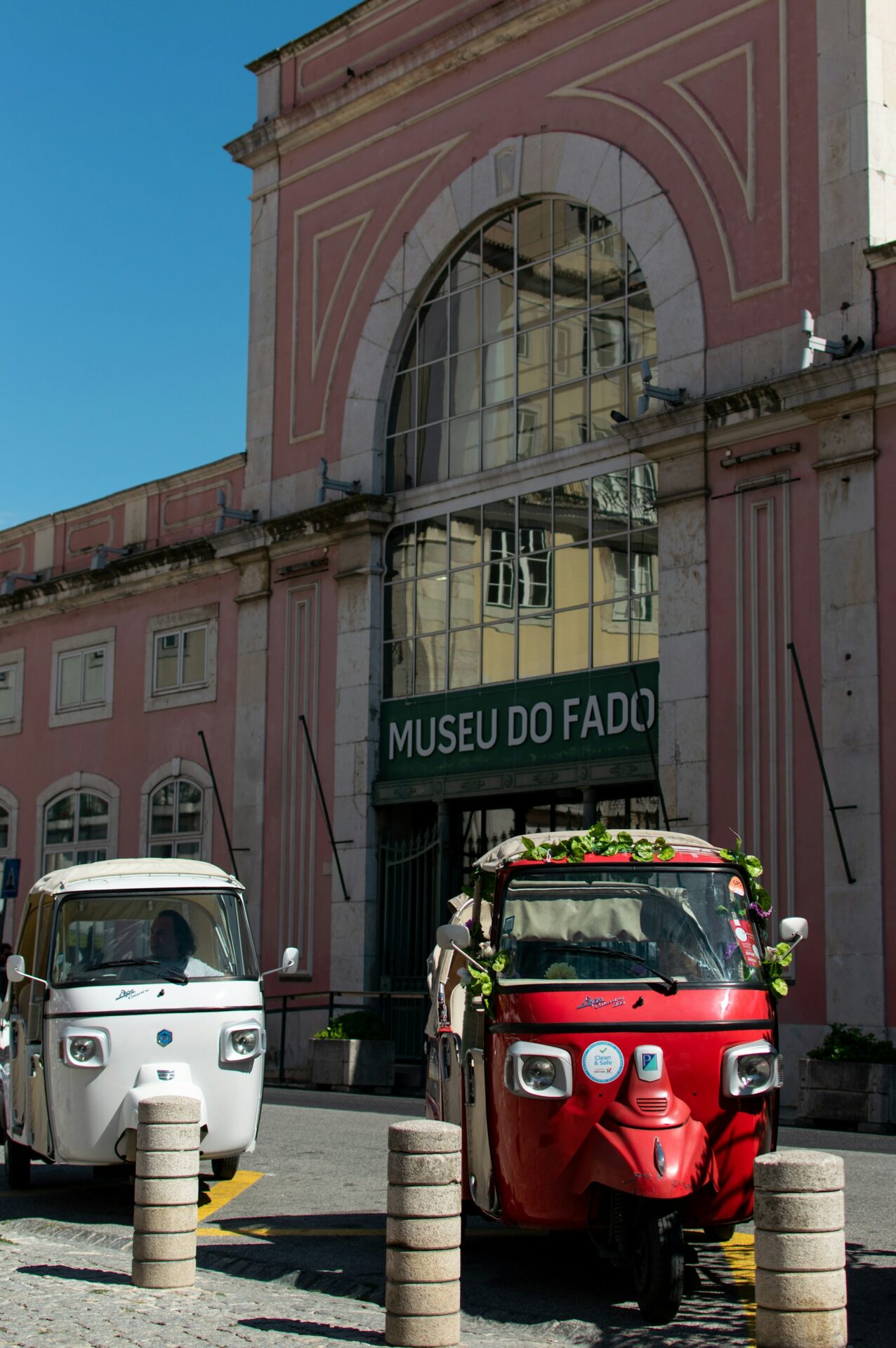
If you want to understand fado, the Museu do Fado in Lisbon is a must. This place pulls together centuries of music, stories, and the people who made fado what it is.
I spent hours wandering through exhibits that trace fado’s journey from its working-class roots in the 1820s to its international fame today. Listening stations let you sample all sorts of fado styles and legendary recordings.
What you’ll find at the museum:
- Interactive displays with old recordings
- Personal belongings from famous fadistas
- A look at how fado guitars and instruments evolved
- Insights into how censorship shaped fado during Salazar’s regime
The current Carlos Paredes exhibition caught my eye. He was a genius on guitar and changed the way people play fado.
The museum also celebrates pioneers like Ercília Costa, who was the first to sing fado for Portuguese communities abroad. Her 1936 trip to Brazil helped fado go global.
I love how the museum digs into fado’s cultural meaning. It’s not just about the music—it’s about Portuguese identity, immigration, and that bittersweet feeling they call saudade.
Frequently Asked Questions
If you’re new to Portugal, you probably have questions about fado. Here’s what I’ve learned about the music, the venues, and how to get the best experience.
Fado has three main parts: the singer (fadista), the Portuguese guitar, and the classical guitar. The singer usually pours their soul into songs about love, loss, and longing.
The Portuguese guitar, with its 12 strings, gives fado its signature bright, metallic sound.
The lyrics almost always circle back to “saudade”—that deep, aching nostalgia only the Portuguese seem to truly understand. Songs tell stories of heartbreak, daily life, and fate.
Head to the Alfama neighborhood—that’s where fado was born. You’ll find plenty of small, traditional fado houses there.
Skip the tourist traps and ask locals, your hotel, or even a friendly restaurant owner for their favorite spots.
Some places require reservations, especially on weekends. Book ahead if you can.
Yes, actually! Some Alfama restaurants offer free fado shows while you dine—just pay for your meal.
During summer, look out for free outdoor fado concerts at festivals.
The Fado Museum and a few other museums sometimes host free performances. It’s worth checking their schedules.
Sr. Fado feels like being welcomed into someone’s home. You get professional singers and classic Portuguese food.
Tasca do Chico is tiny and casual. On “Fado Vadio” nights, you might hear local amateurs sing their hearts out.
A Baiuca is another gem—super small, but the acoustics make every note hit hard.
Most shows last between 45 and 90 minutes. You’ll hear different singers and songs throughout the night.
Silence is golden during performances—no talking, no phones, and definitely no flash photography.
If you’re eating, expect your meal before or between sets. Nobody wants the clatter of cutlery messing with the music.
Clube de Fado always pops up in conversations about the best Fado spots. The music feels genuine, and the atmosphere just pulls you in. You’ll find it tucked away right in the heart of Alfama.
Fado in Chiado stands out for its polished performances and crisp sound. The place feels a bit more modern, so if you’re after a twist on tradition, you might love it here.
Mesa de Frades? Now, that’s an experience. People rave about the food, but the real highlight is the intimate vibe and the raw talent of the musicians. It’s small, cozy, and honestly, it’s hard not to get swept up in the emotion of the music.

.jpg)

