
Honestly, I never thought a train ride could completely change the way I look at travel. But my first TGV journey in France did just that.
The high-speed rail zipped me from Paris to Lyon at nearly 200 miles per hour. Instead of dealing with airport stress and delays, I kicked back and watched the French countryside blur by.
The TGV makes traveling between French cities so much faster and easier than flying. Trains leave from city centers, and there’s no annoying check-in process. When I stepped off that sleek train, I knew I’d found something that would change how I explore France—and maybe all of Europe.
Along the way, I picked up some useful lessons about booking tickets, navigating busy stations, and getting the most out of the ride. I figured out why these trains are so fast, plus a few tips that made everything smoother. If you’re a first-time TGV rider, here’s what you should know.

What Makes the TGV Unique and Why It’s So Fast
The TGV (Train à Grande Vitesse) can hit speeds up to 320 km/h. French engineers started working on this technology back in 1966, and they didn’t just build a faster train—they reimagined the whole system.
What’s cool is how the TGV combines trains, tracks, and signals into one seamless network. That’s a big part of why it works so well.
History and Development of High-Speed Rail in France
The TGV’s story began with Project C03 in 1966. French engineers set out to beat every speed record that existed.
By 1981, the first TGV line opened between Paris and Lyon. This was more than just a new train; it was a whole new way to travel.
Engineers pushed test trains up to 380 km/h in the early ‘80s, though regular service ran at 270 km/h. That was still way faster than anything else at the time.
Since then, the TGV network has exploded. Now, it links every major French city and even heads into neighboring countries.
Over 100 million people ride the TGV each year. That’s wild when you think about it.
How TGV Trains Achieve High Speeds
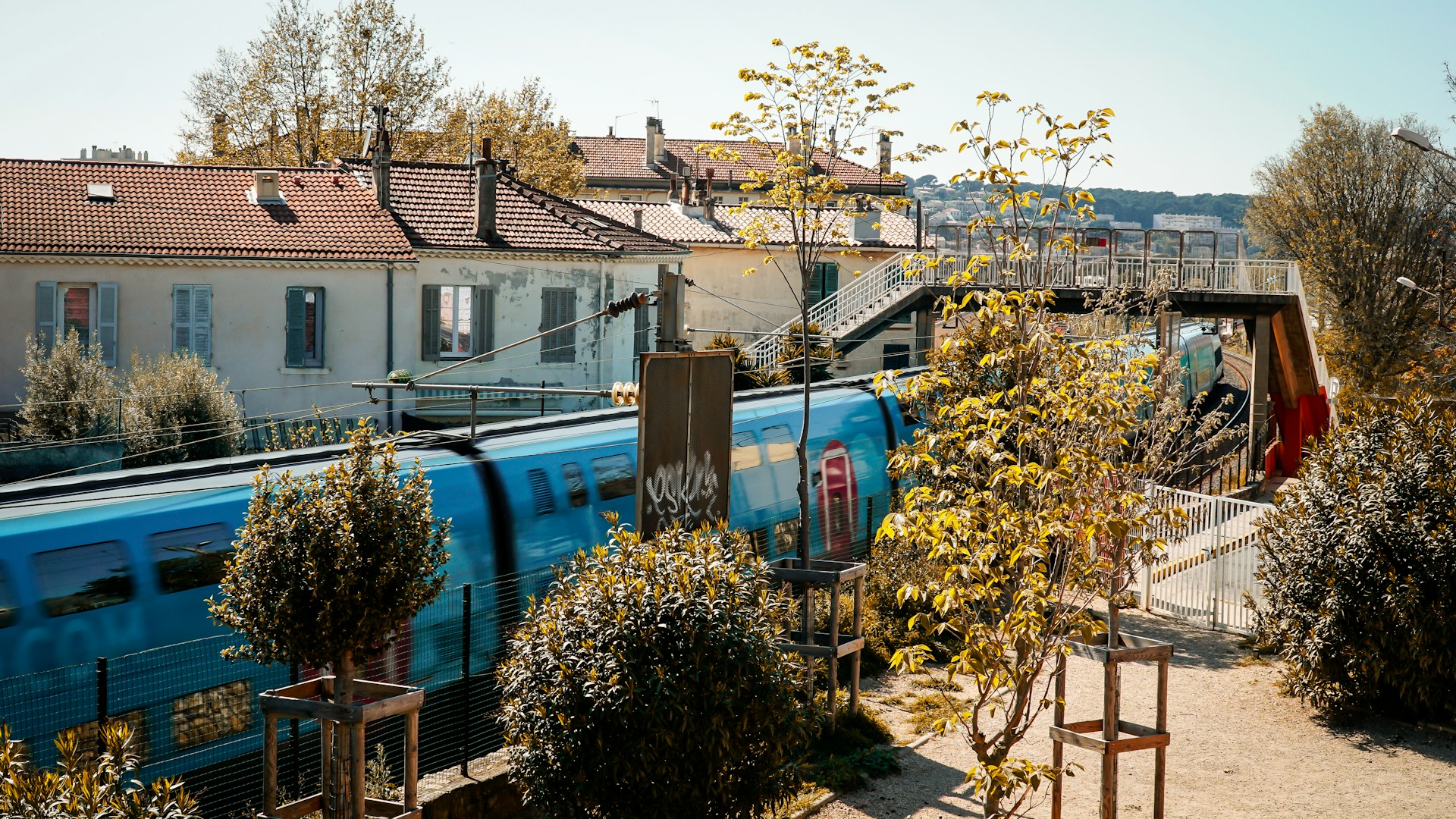
TGV trains go so fast because they use special technology—and it all works together.
The trains run on dedicated high-speed tracks, not the old, winding lines. These tracks have gentle curves and gradual slopes, so the trains never have to slow down for corners.
The signaling system keeps a close eye on every train’s position and speed. Everything feels smooth and quiet, even when you’re flying along at 320 km/h.
The train’s aerodynamic shape helps it slice through the air. Electric power gives it steady energy, and special wheel assemblies (bogies) keep everything stable.
I barely noticed any bumps or noise. It almost felt like I was gliding through the country.
Differences Between TGV and Other High-Speed Train Systems
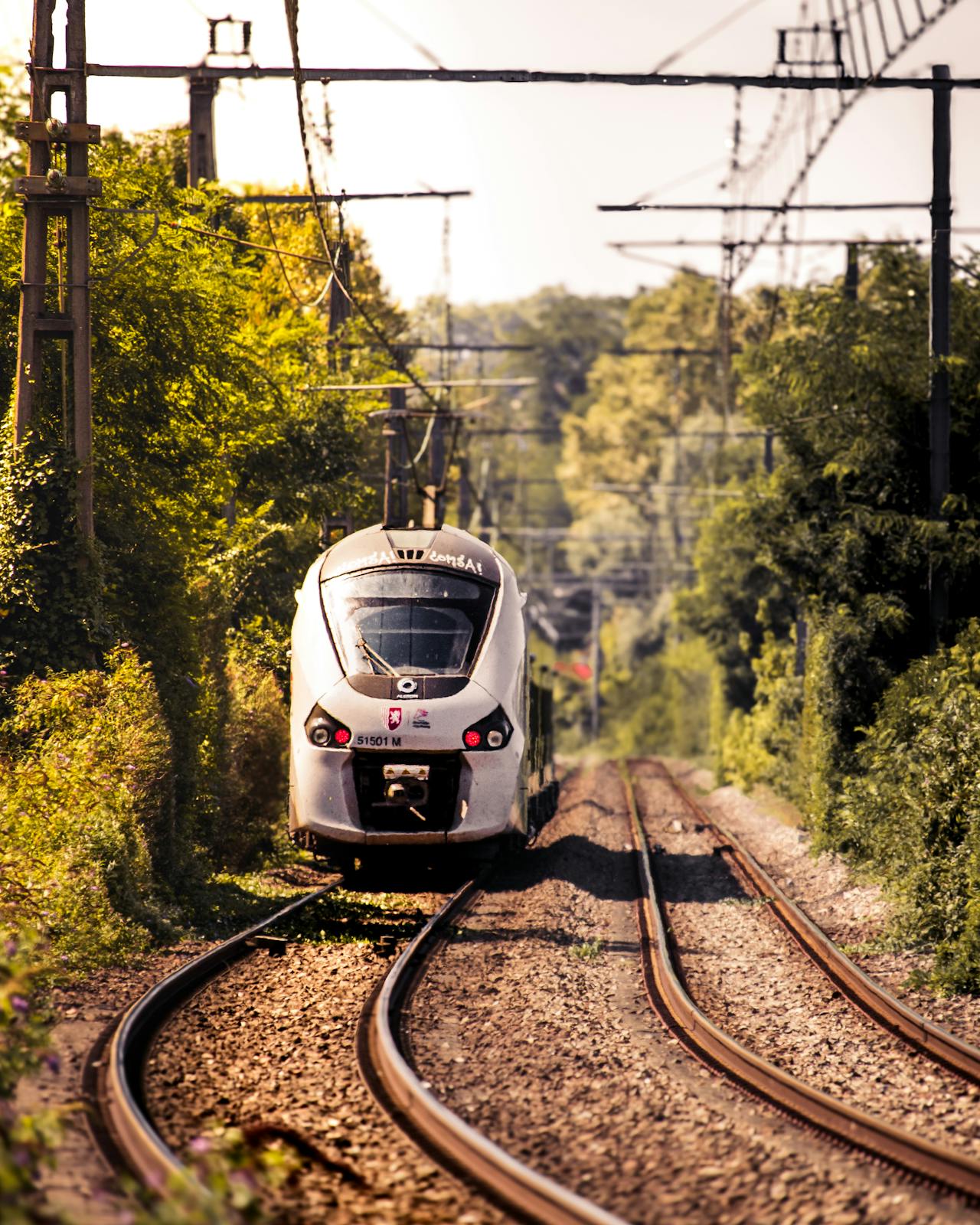
The TGV does a few things differently compared to other high-speed trains.
Unlike Japan’s Shinkansen, which stays on its own network, some TGV trains can switch to regular tracks at slower speeds.
TGV vs Other Systems:
- Can run on both high-speed and conventional tracks
- Many trains have two levels (TGV Duplex)
- Designed for 320 km/h regular service speeds
- Everything—trains, tracks, and signals—works as a single system
The double-decker trains carry more people, which is great for busy routes. The TGV’s 320 km/h operating speed keeps it among the fastest in the world, though Japan’s newest trains edge it out by a bit.

Booking and Preparing for Your TGV Journey
Sorting out your TGV tickets ahead of time really makes life easier. Once you know the routes and ticket types, booking is pretty simple.
Choosing TGV Routes and Destinations
TGV trains link up all the big French cities on a network of high-speed lines.
Paris is the main hub. If you’re heading south, you’ll probably leave from Paris Gare de Lyon. For western cities like Bordeaux or Nantes, it’s Paris Montparnasse.
Here are some popular TGV routes:
- Paris to Lyon (2 hours)
- Paris to Bordeaux (2 hours 15 minutes)
- Paris to Marseille (3 hours 15 minutes)
- Paris to Nice (5 hours 30 minutes)
The trains hit 200 mph on special LGV tracks. Sometimes they use regular tracks, which slows things down a bit.

Using SNCF Connect and the SNCF Connect App
SNCF Connect is the official way to book French trains. I used both their website and the app.
With the SNCF Connect app, you can store tickets on your phone. No more paper tickets—just scan your QR code at the gate.
You can book up to four months in advance. I found that Prems fares are the cheapest options, especially if you book early. Sometimes you can get Paris to Bordeaux for just €20.
Prices change all the time, like airline tickets. Mornings, evenings, and weekends usually cost more.
Seat Classes and Ticket Types
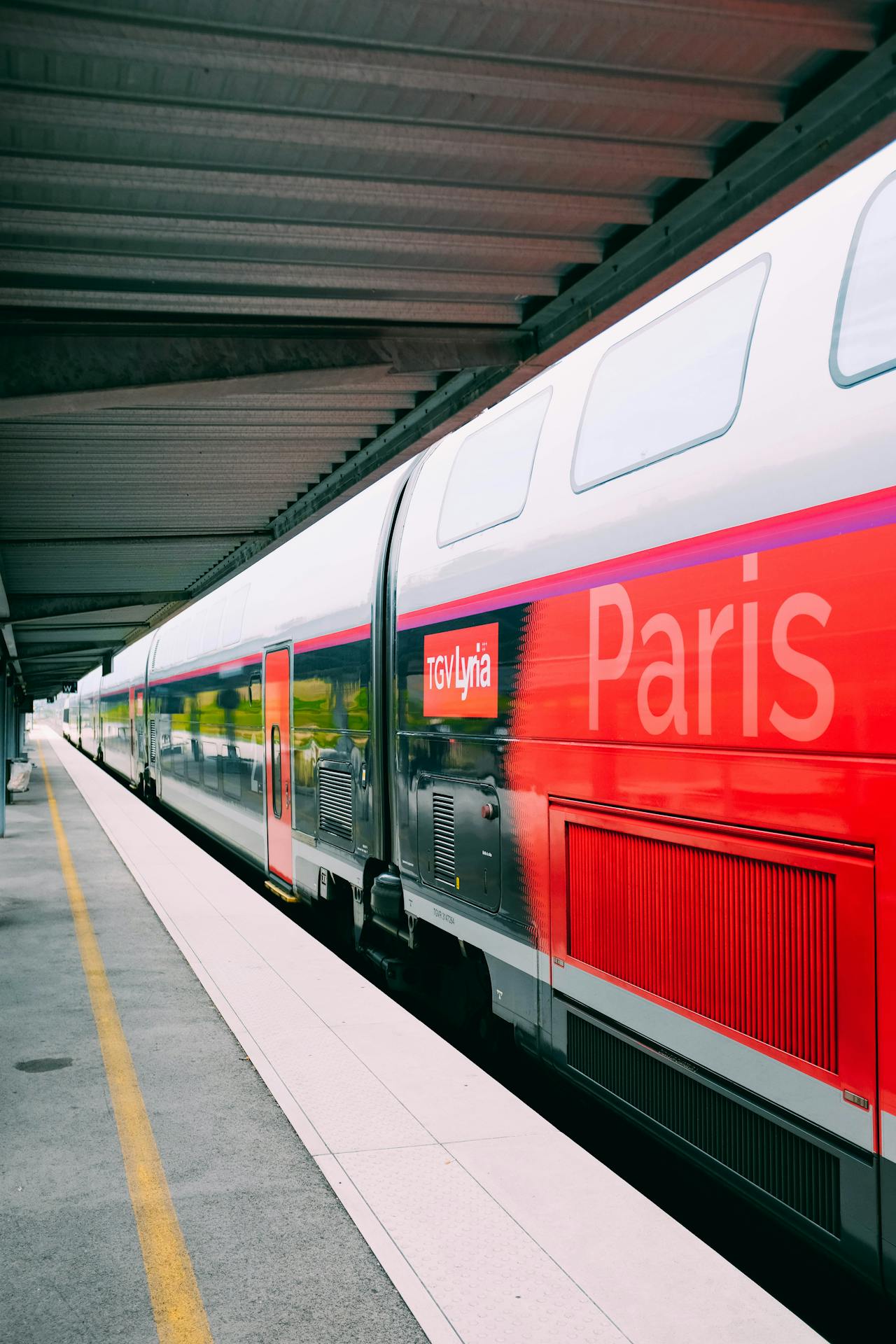
TGV trains have first class and second class seats. Both are comfortable and come with tables and power outlets.
Second class has two seats on each side of the aisle, with armrests and fold-down tables. It’s totally fine for most people.
First class gives you a bit more space, with bigger seats and a quieter vibe.
Ticket types break down like this:
| Type | Features | Price |
|---|---|---|
| Prems | Cheapest, non-refundable | €20-25 |
| Second | Some flexibility | €40-60 |
| Flex | Full refund/exchange | €80-120 |
Every ticket comes with a reserved seat. If you want to change trains, you have to update your reservation.
Navigating French Train Stations
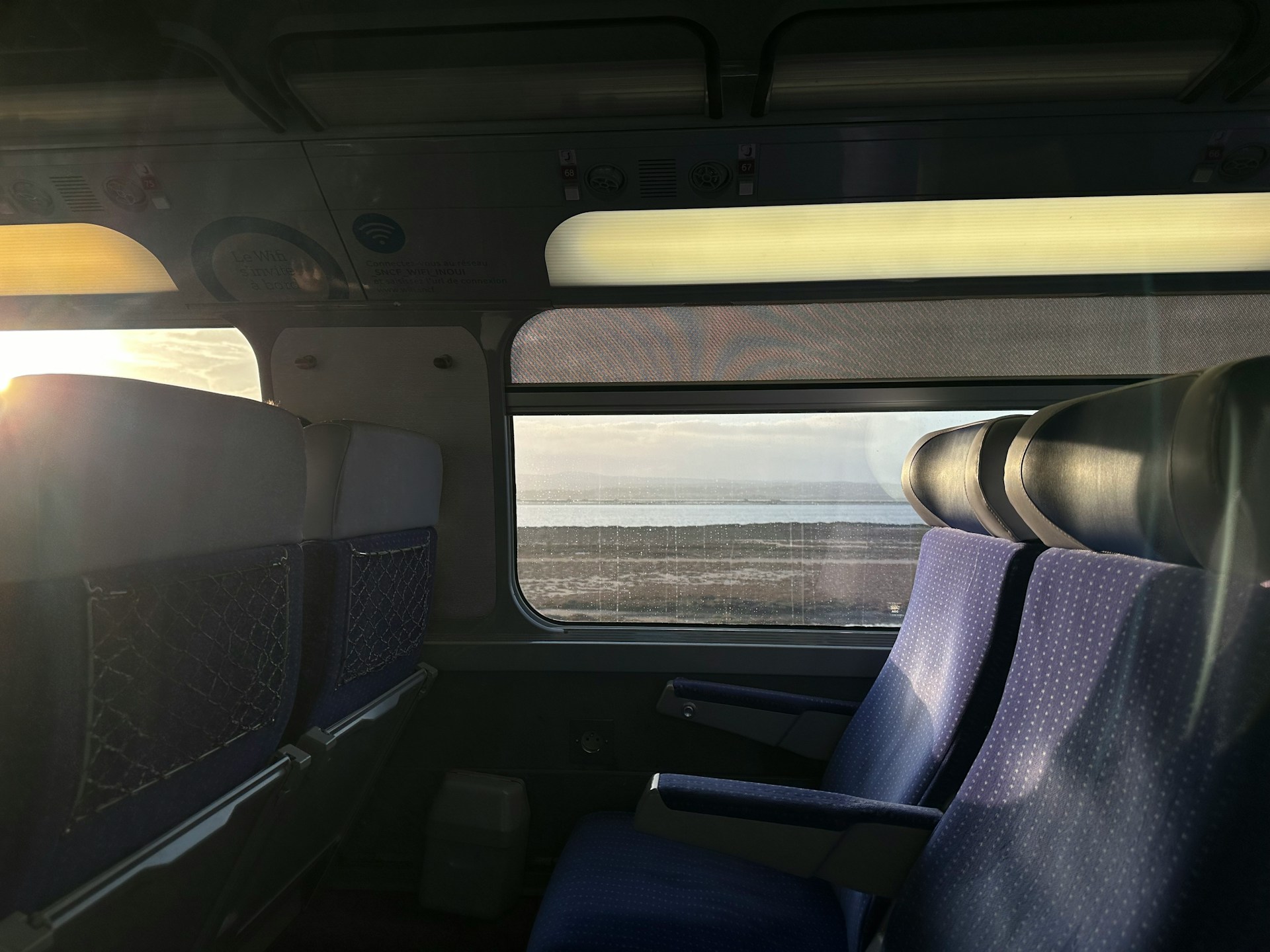
French train stations can look intimidating at first, but once you get the hang of it, they’re pretty logical.
Major stations like Gare Montparnasse are key for TGV routes. The boarding process is a little different from regular trains.
Major Stations: Paris and Beyond
Paris has a bunch of big train stations, each serving a different part of France. I learned that Gare du Nord covers the north and international lines, while Gare de Lyon handles the southeast.
Key Paris Stations:
- Gare du Nord: Northern France, Belgium, UK
- Gare de Lyon: Southeast France, Switzerland
- Gare Montparnasse: Western and southwestern France
- Gare de l’Est: Eastern France, Germany
Signs are in French and English. Digital boards show departure times, and platform numbers pop up about 20 minutes before your train leaves.
Arriving 30 minutes early gave me enough time to find my platform. The French train system uses a logical numbering system, so higher numbers are usually farther from the entrance.
You’ll find ticket counters, machines, and info desks. Staff usually speak enough English to help out.
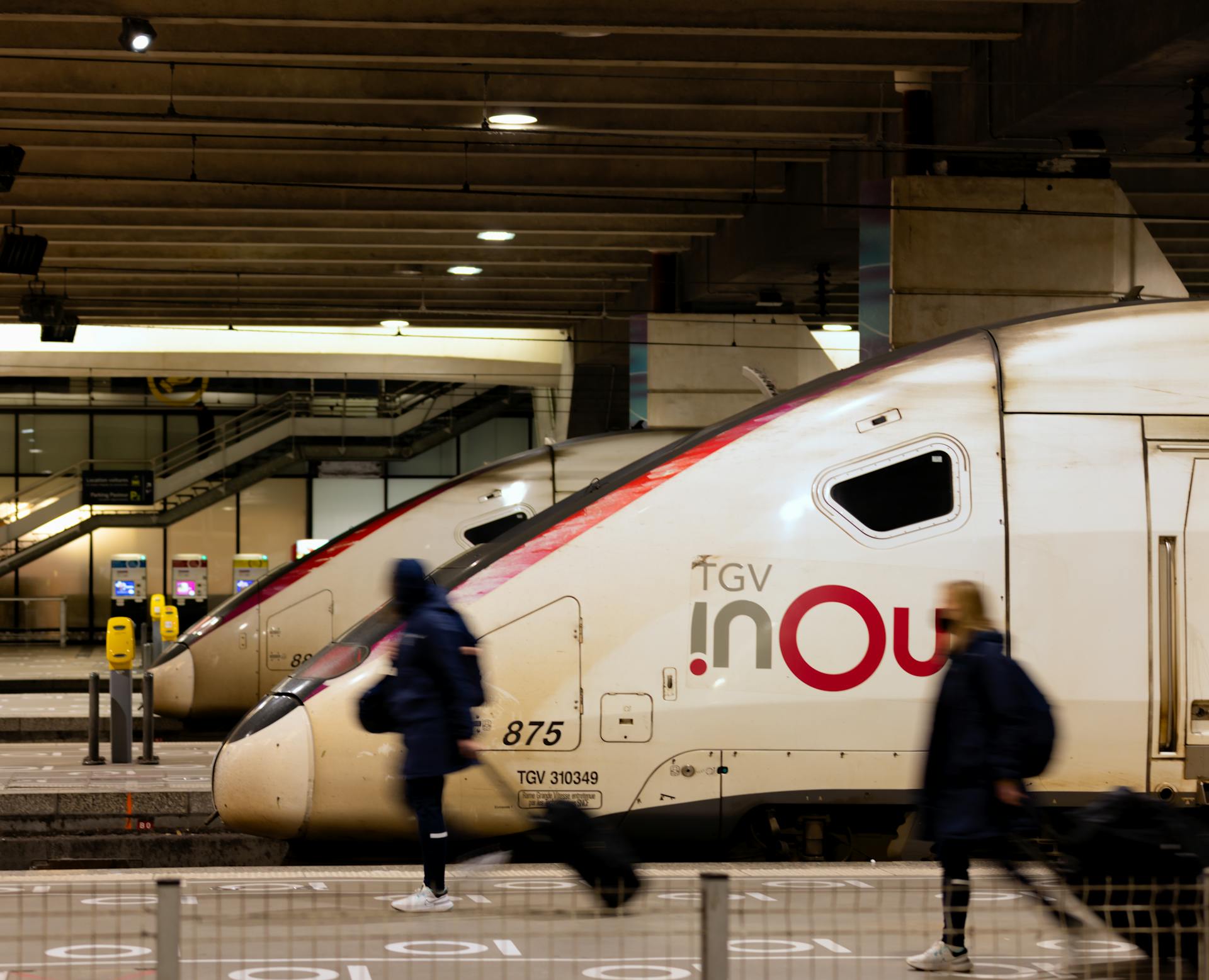
Gare Montparnasse: A Key Departure Hub
Gare Montparnasse is the main spot for TGV trains heading to western France—Bordeaux, Nantes, Rennes, and more.
The station splits into two areas: the classic train hall and the modern TGV section.
The TGV platforms sit upstairs, reached by escalators. This setup helps keep high-speed travelers moving smoothly.
Station Layout:
- Ground floor: Regional trains, shops, restaurants
- Upper level: TGV platforms and waiting areas
- Lower level: Metro connections
Departure boards use color codes—TGVs are blue, regional trains are black.
No security checks for domestic TGVs, which feels refreshing. Ticket validation happens electronically when you board.
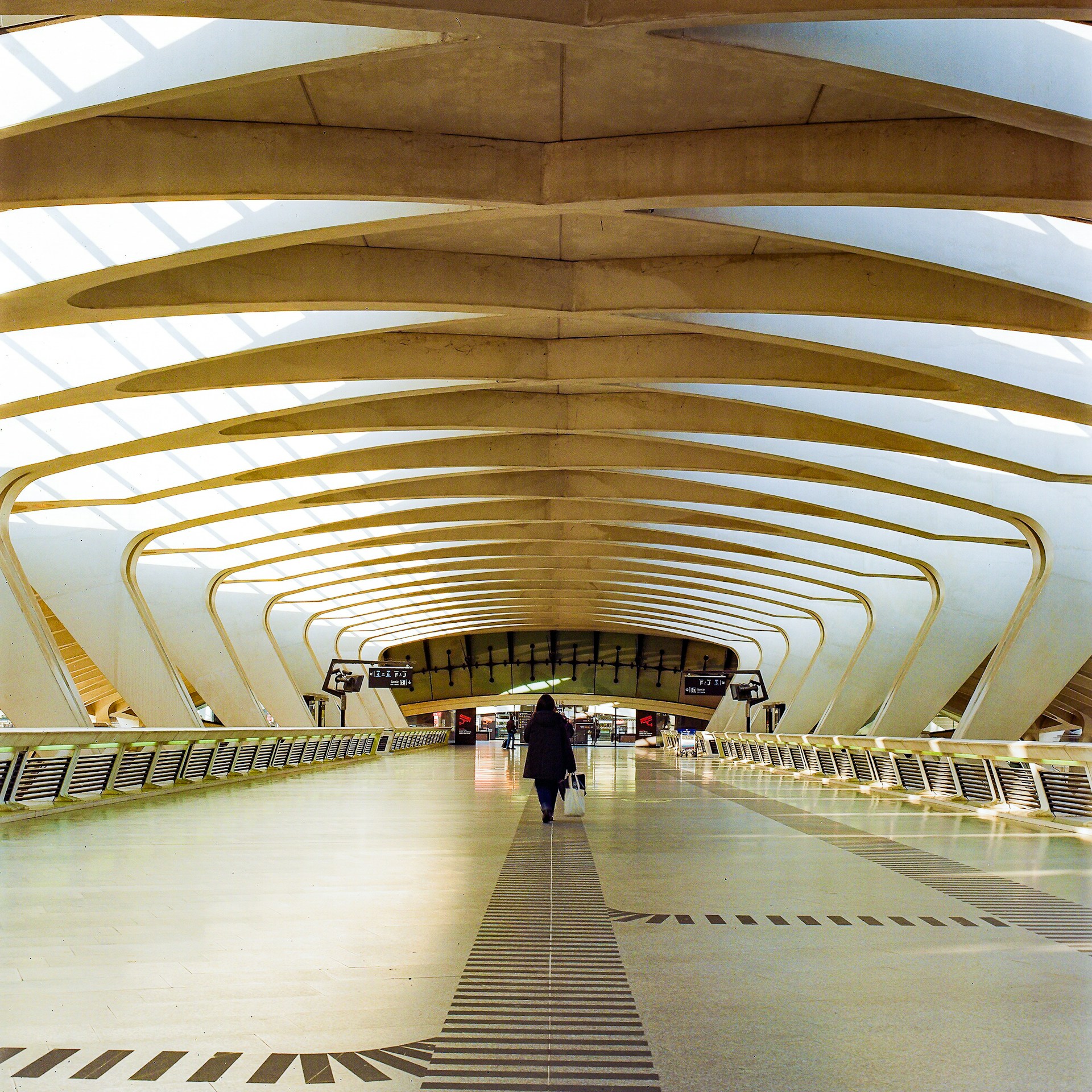
Boarding Process and Tips for Smooth Travel
Boarding a TGV isn’t like catching a regular train. The platform number shows up 20 minutes before departure, and then everyone heads for the platforms at once.
Your ticket lists your car and seat number. Each car has a spot on the platform, marked so you know where to stand.
Boarding Steps:
- Watch the board for your platform number.
- Find your car’s position.
- Let people off before you get on.
- Find your reserved seat.
The TGV always requires seat reservations. Your ticket has all the info you need.
Luggage fits above your seat or in special racks at the ends of each car. Big suitcases go behind the last row of seats.
I usually hang out by the departure boards until the platform pops up. Twenty minutes is plenty to get to your train without rushing.
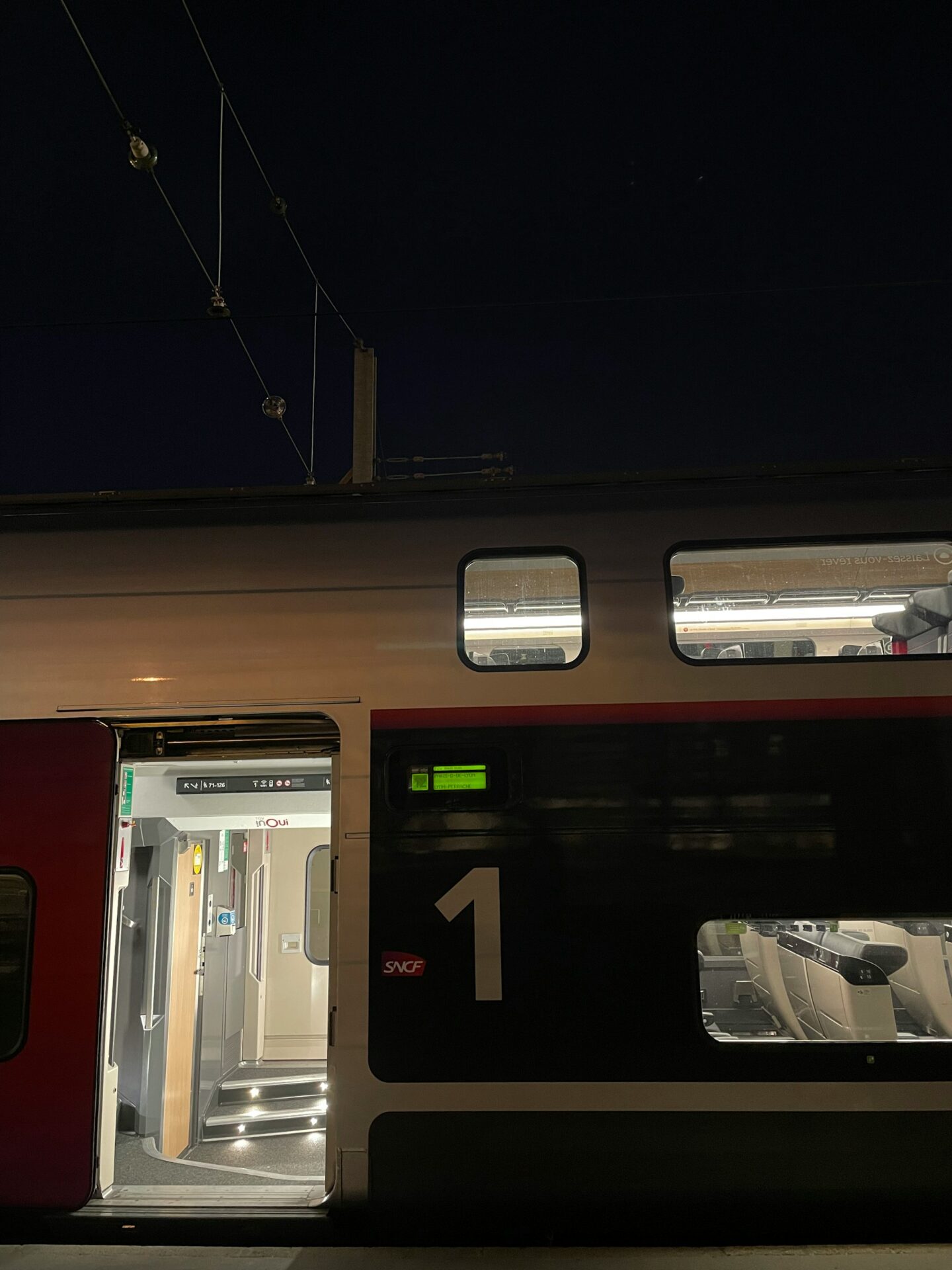
Onboard Experience: Comfort, Scenery, and Facilities
TGV trains are genuinely comfortable. The seats, storage, and amenities make high-speed travel a breeze.
What to Expect from TGV Seating
Seating varies between classes. First class has a 2+1 layout, with wider seats that recline and come with their own lamps.
Some seats have drop-down tables, others have fixed tables—both work well for laptops or snacks. There’s more space to stretch out, which I appreciated on longer rides.
Second class uses a 2+2 layout. The seats are still comfy, with armrests and enough legroom for most people.
You’ll find a few seating options:
- Club Duo: Two seats facing each other with a table
- Club Quatre: Four seats around a table
- Solo seats: Single forward-facing seats (first class only)
- Standard facing seats: Regular forward-facing seats
The ride stays smooth, even at top speed. I barely noticed any shaking or noise—just the scenery flying by.

Luggage Storage and Accessibility
Storage is everywhere. Overhead racks hold smaller bags, and bigger luggage fits in spots between seats or at the car ends.
SNCF asks you to put your name on your bags.
Current luggage limits:
- 1 carry-on + 2 suitcases OR 1 carry-on + 1 suitcase + 1 special item
- Carry-on: up to 40cm x 30cm x 15cm
- Suitcases: up to 90cm x 70cm x 50cm
- Special items (like bikes): up to 130cm x 90cm
You’re supposed to carry all your luggage in one trip. Go over the limit, and you’ll pay €50.
All TGVs include wheelchair spaces and accessible toilets. Baby-changing tables are standard, too.
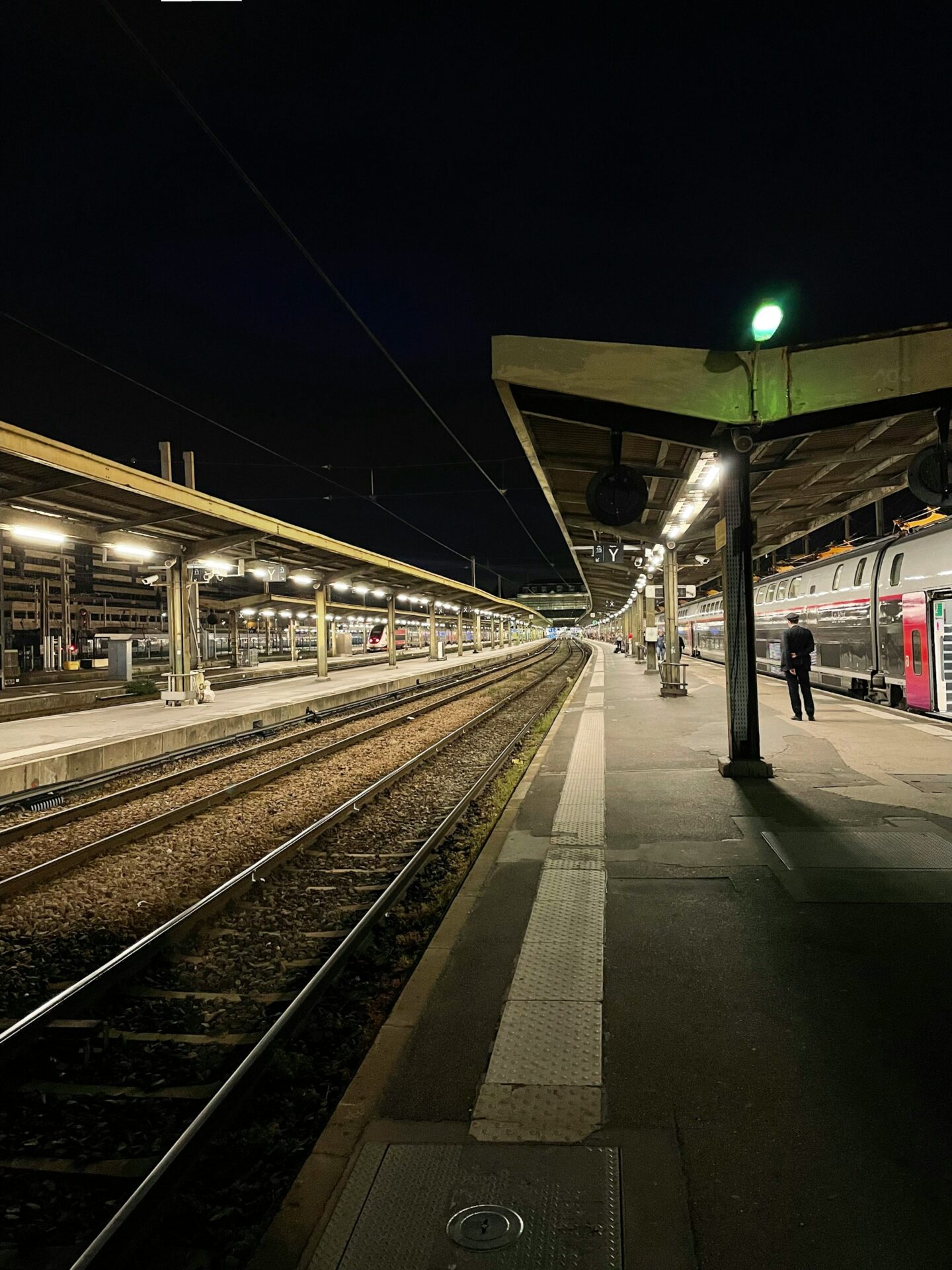
Food, Drinks, and Onboard Amenities
The cafe-bar sits between first and second class. You’ll find hot drinks, sandwiches, and even hot meals like quiche or lasagne.
The coffee actually surprised me—it was good. Staff take cash or cards, and you can eat at the bar or bring food back to your seat.
Handy ordering tips:
- Order by phone using onboard WiFi to skip the line
- Pre-order at lebar.sncf-connect.com before your trip
- Pick up your food during your assigned 15-minute window
Most TGVs now have free WiFi, though not every older train does. First class always has power outlets, and nearly all second-class seats do, too.
If the WiFi’s spotty, mobile data usually works fine.
You can bring your own snacks, wine, or beer onboard. That makes meal timing way less stressful.

Top Lessons and Tips for First-Time TGV Travelers
My first TGV ride taught me that a little planning goes a long way. Know your stations, book early, and keep an eye on the departure boards. It’s honestly an awesome way to travel—fast, comfy, and just a bit magical if you love trains.
Optimal Arrival Times and Avoiding Delays
I’ve found that arriving at the station about 20-30 minutes before departure for TGV trains works best. That buffer gives me time to check the boards, find my platform, and stroll to my car without breaking a sweat.
French stations usually announce platform numbers 10-15 minutes before the train leaves. I keep an eye on the departure boards, just in case they change platforms at the last minute. It happens more often than you’d think.
Here are a few timing tricks I stick to:
- If it’s peak hours (7-9 AM, 5-7 PM), I show up even earlier.
- On weekends, especially leaving Paris, I plan for bigger crowds.
- Huge stations like Lyon Part-Dieu? They always eat up more time than the smaller stops.
Even though most TGV tickets are electronic, I still validate mine before boarding. Conductors come around to check tickets during the ride, and having everything sorted out keeps things smooth.
I make sure my phone stays charged for digital tickets. Honestly, I’ve learned to screenshot my ticket since station WiFi can be a bit iffy.
Best Practices for a Stress-Free Journey
Before any trip, I take a peek at the train layout to snag a good seat. Some TGVs have two levels—if I can, I grab a spot upstairs for the views.
A few packing essentials that never leave my bag:
- Compact bag that fits overhead
- Noise-canceling headphones (absolute lifesaver)
- Snacks and water—because the café car can be pricey
- Phone charger (most seats have outlets, but you never know)
Whenever possible, I book a forward-facing seat. The TGV flies at 200 mph, and sitting backward just feels odd to me.
I always stash my luggage in the overhead racks or at the end of the car. There’s no assigned luggage spot, so I keep valuables close.
Unique Perks of High-Speed Rail in France
The TGV network zips between major cities way faster than flying, especially when you count airport time. Paris to Bordeaux? Just over two hours—no contest.
I love that I can work, read, or just zone out during the ride. The train hums along at 320 km/h, but it’s so steady, I barely notice.
A few TGV perks I genuinely enjoy:
- You go from city center to city center—no taxis from far-off airports.
- No one hassles you about baggage weight.
- Stretching your legs is easy; just wander the aisles.
- Trains usually run on time, which is a relief.
Seats are roomier than any economy flight I’ve taken. Those big windows? Perfect for watching the countryside roll by. Sometimes I just sit back and watch the scenery blur past.
Most TGV trains offer WiFi, but it can cut out in rural stretches. I always download a show or two, just to be safe.
Frequently Asked Questions
People ask me all sorts of things about riding the TGV. Here are answers to the big ones—hopefully, they’ll help you plan your own trip.
The TGV hits about 200 mph (320 km/h) on its high-speed tracks. Once it gets going, you’ll hardly feel the movement.
The ride is smooth and surprisingly quiet. I’ve found it way comfier than flying or driving long distances.
First-class coaches have wide seats, armrests, and lots of legroom. Usually, there’s one seat on one side of the aisle and two on the other.
Every seat comes with European and USB charging ports. You get free WiFi and your own reading light, which is handy for late-night journeys.
You can buy tickets on the SNCF website or their mobile app. I always download the app for easy ticket access and real-time updates.
Booking early is key. The window opens about three months ahead, and prices climb as your travel date gets closer.
TGV uses dynamic pricing, just like airlines. The earlier you book, the better the fare.
During booking, you pick your departure time, class, and seat. If you have luggage, I’d suggest grabbing a seat on the lower level so you don’t have to lug bags up stairs.
TGV is pretty relaxed about luggage. There aren’t strict size or weight limits for your bags.
You’ll need to carry and store your own luggage. Storage spaces sit at the entrance to each coach.
There’s extra room above and under your seat for smaller items. I’ve always found enough space for a regular suitcase and backpack.
Try to pack light—it makes moving through the station and getting on board much easier.
TGV INOUI trains have a café car upstairs. The menu usually has sandwiches, salads, croissants, and drinks—yes, including wine and beer.
First-class coaches stay quiet, which makes them great for reading or catching up on work. Smoking isn’t allowed anywhere.
Restrooms are available on both levels of each coach, and they’re kept clean.
WiFi is free throughout the train. Every seat has charging ports, but I still bring a charging brick, just in case.
The TGV beats driving and regional trains for speed. Paris to Bordeaux takes just over two hours—hard to top that.
Trains run every 1-2 hours on busy routes, so you’ve got plenty of options.
TGVs are usually right on time. If there’s a delay, the SNCF app sends out a notification.
Skipping airport security and landing in the city center makes the TGV a strong rival to flying on most routes.
First things first—before you even hop on the TGV, you’ll scan your ticket’s QR code at machines right by the platform. It’s a quick step, but it helps staff keep tabs on who’s coming and going.
Once you’re on board and the train’s gliding along, the conductor comes around to check tickets. They scan your QR code again, making sure everyone’s got a valid ticket.
The trains themselves run on special high-speed tracks. These tracks are fenced off and monitored, so random folks can’t just wander onto the rails.
If anything goes sideways, each coach has an emergency communication system that links straight to the driver’s cabin. Staff on the TGV? They’re trained for all kinds of emergencies—so you can relax and enjoy the ride.