
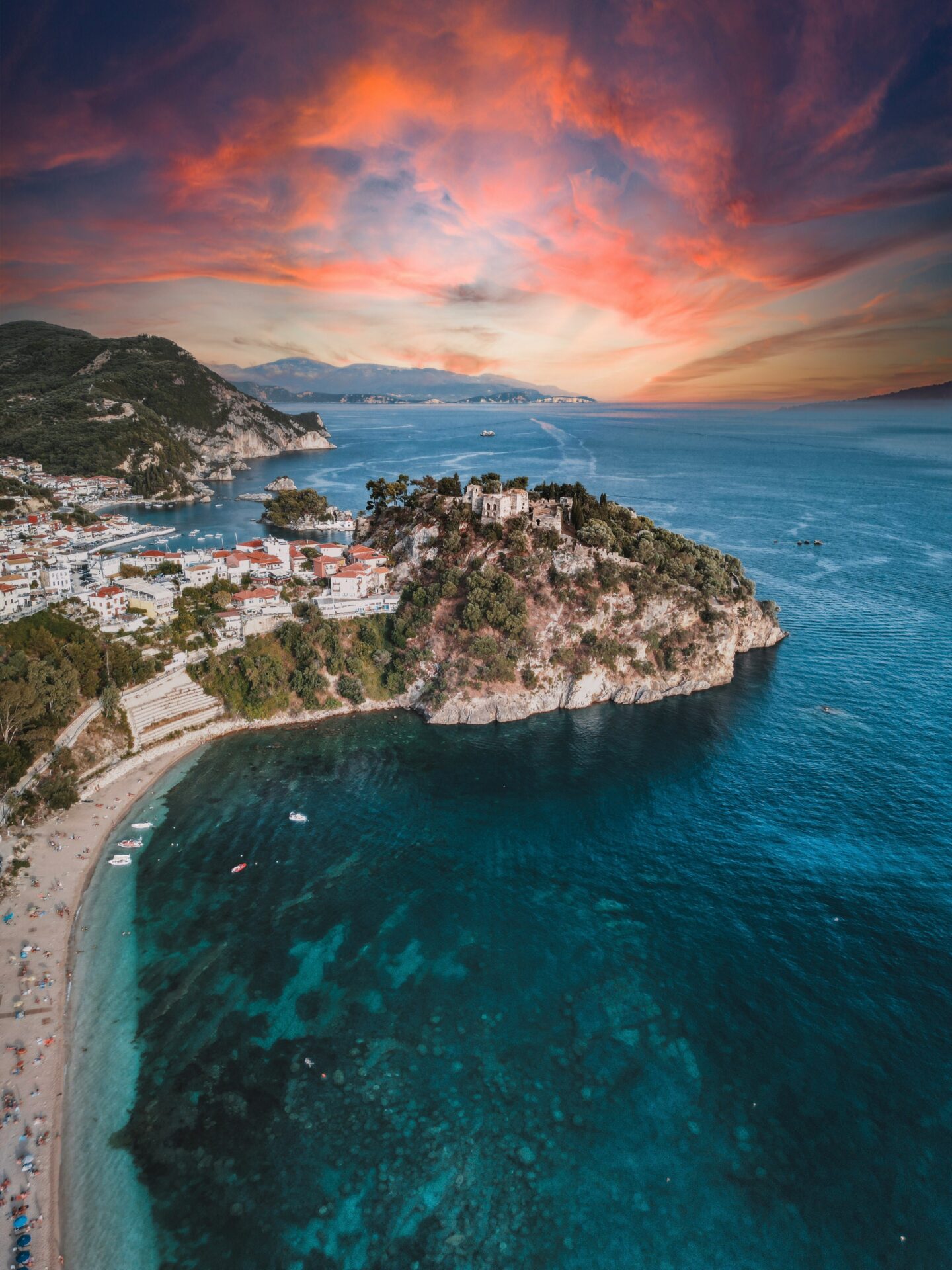
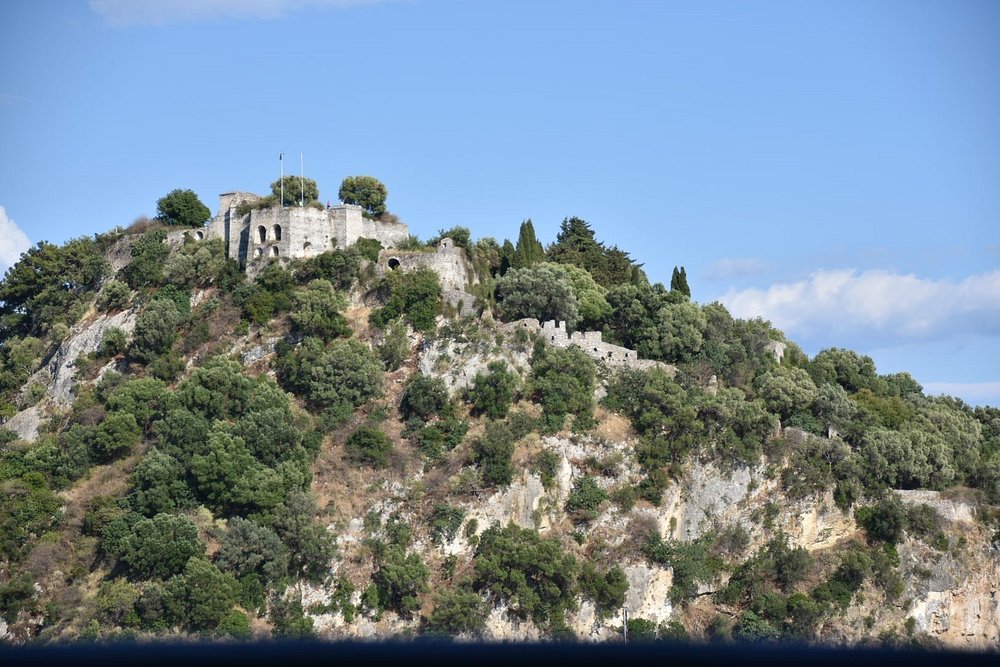
As I wandered through Parga’s olive groves, I found more than just a pretty path—I stumbled on what might be the best spot to see Parga Castle and the blue bay below. The best view of Parga Castle really pops up after you take a peaceful walk through those winding groves, ending at a spot that overlooks both the castle and that sparkling coastline.
It’s not hard to see why Parga draws so many people in the summer. The cliffside houses, green hills, and old stone walkways make it feel like a postcard that you can actually walk through.
Let me show you how I found that unforgettable castle view and toss in a few tips for enjoying the olive grove trail.
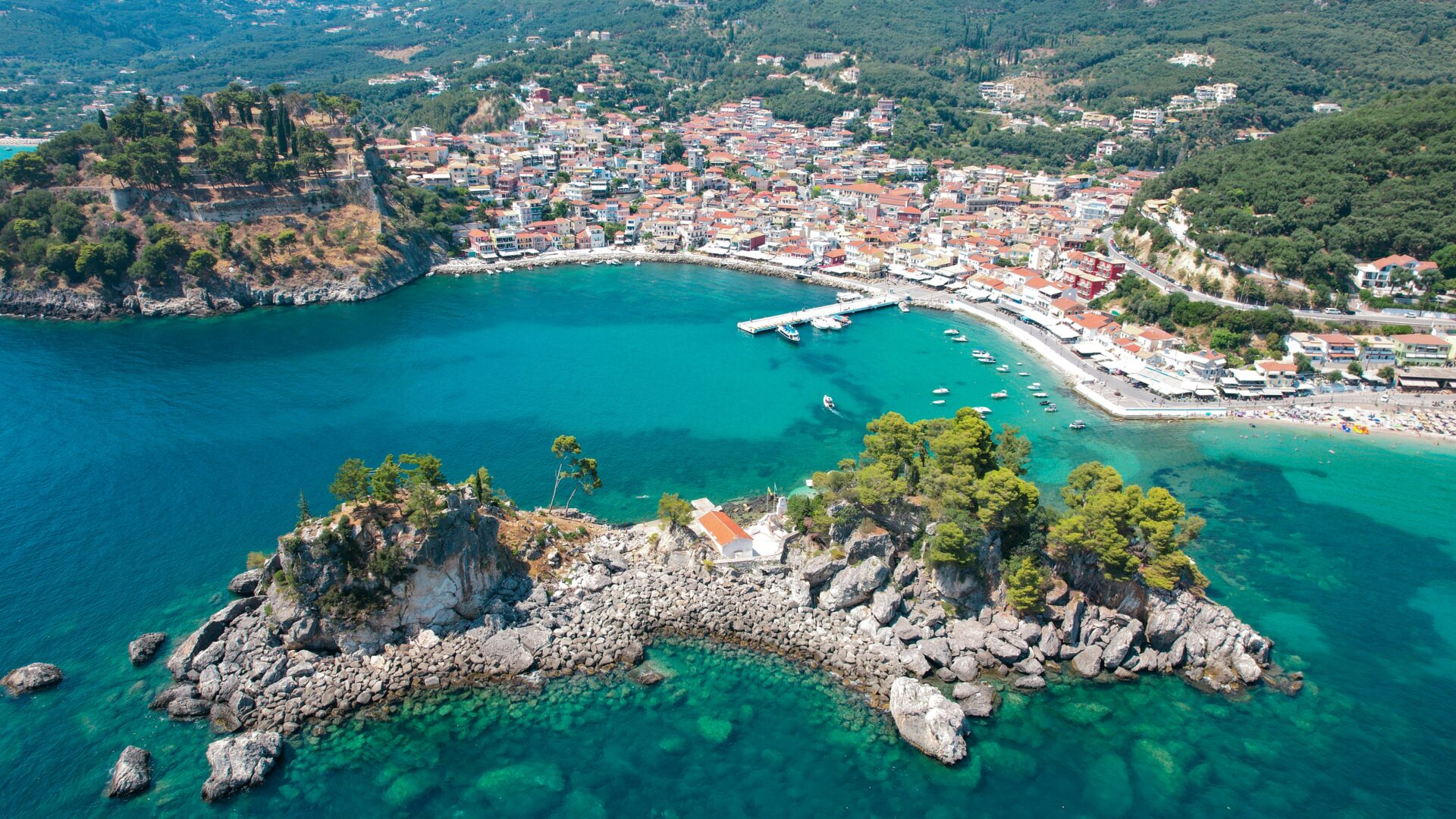
Unveiling Parga Castle: History and Significance
Parga Castle stands tall above the town, keeping an eye on both Parga and the Ionian Sea. When I explored its ruins, I found traces of conquerors, local heroes, and a few surprises.
Origins and Historical Influence
People in the 11th century built the first defenses on the hilltop where Parga Castle sits today. They wanted to keep pirates and invaders away.
Over the years, the fortress turned into a vital shield for the region, whether threats came by land or sea.
The Venetians took control in the 15th century and really beefed up the defenses. Under their watch, Parga became a Christian stronghold, and churches started popping up around the castle walls.
Honestly, it felt like every stone had its own story of faith or resistance.
Byzantine, Venetian, and Ottoman empires all left their mark here. The owners changed, but the castle’s mission stayed the same—protecting Parga’s people.
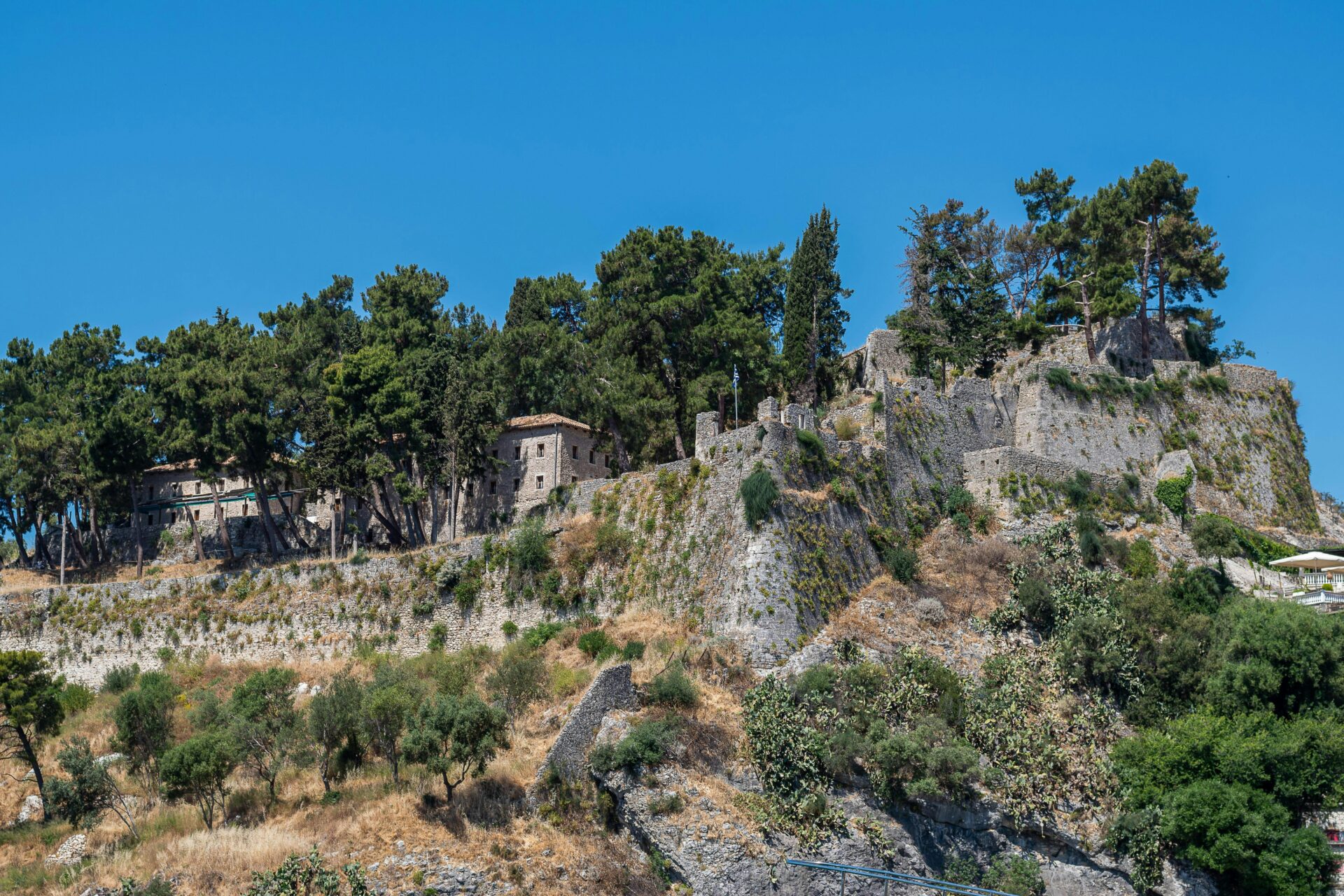
Ali Pacha’s Legacy at Parga Castle
Ali Pacha was one of the Ottoman Empire’s most ambitious rulers in this corner of the world, and he definitely left his mark on Parga Castle. In the early 1800s, he set his sights on Parga, wanting to expand his Epirus territory.
When Ali Pacha finally took over, he got to work—adding new defenses and fixing up anything that was falling apart. Some locals still talk about secret tunnels he supposedly carved into the rock, or the supplies he hid there.
People in Parga still talk about Ali Pacha with a mix of fear and fascination—his rule was harsh, but he also brought some wild innovations.
While I explored the castle, I could almost picture him standing at the top, looking out over the sea, plotting his next move.
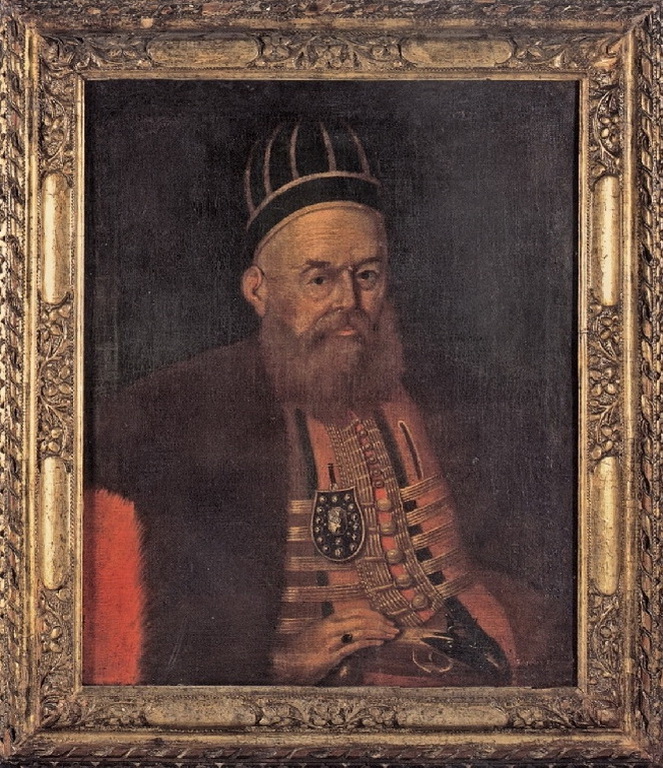
Architectural Innovation Over Centuries
Walking through Parga Castle, I noticed how every era left its own touch on the place. The first version was simple, but as threats changed, so did the defenses.
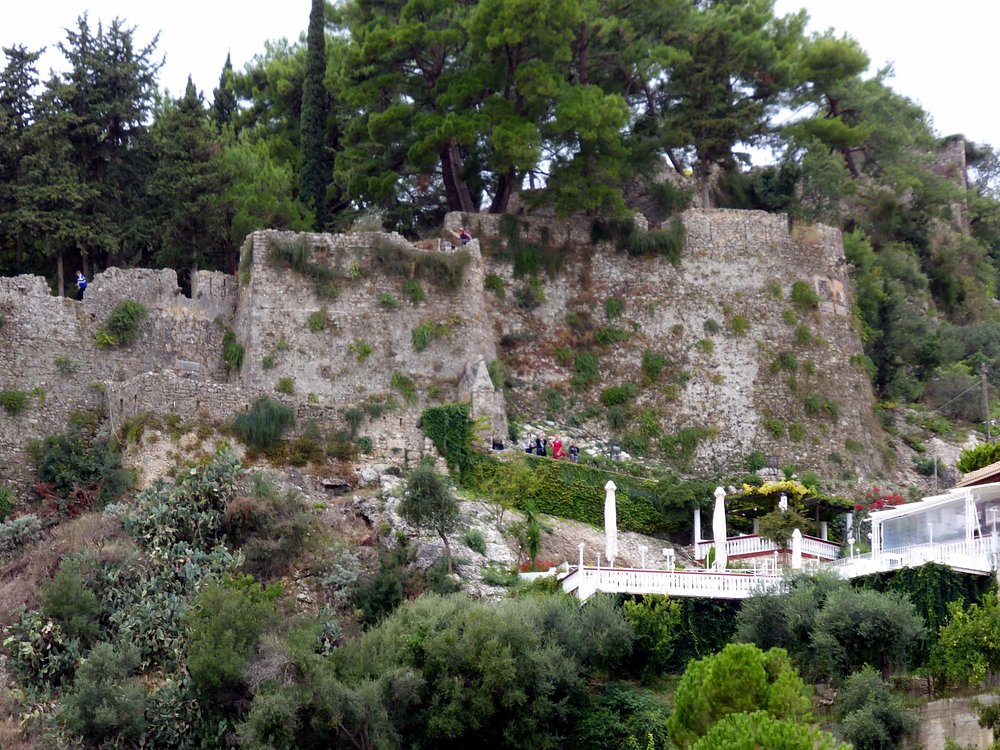
The Venetians built stronger walls, added taller watchtowers, and dug underground water reservoirs so people could survive long sieges. They even designed sloped walls to make things harder for invaders.
Later, when Ali Pacha took over, he installed new cannons, reinforced the gates, and dug hidden tunnels. These upgrades turned Parga Castle into one of the most impressive fortresses on the Ionian coast.
Even now, you can spot crosses carved into the stone and old cannons resting by the cliff, reminders of both faith and clever engineering.
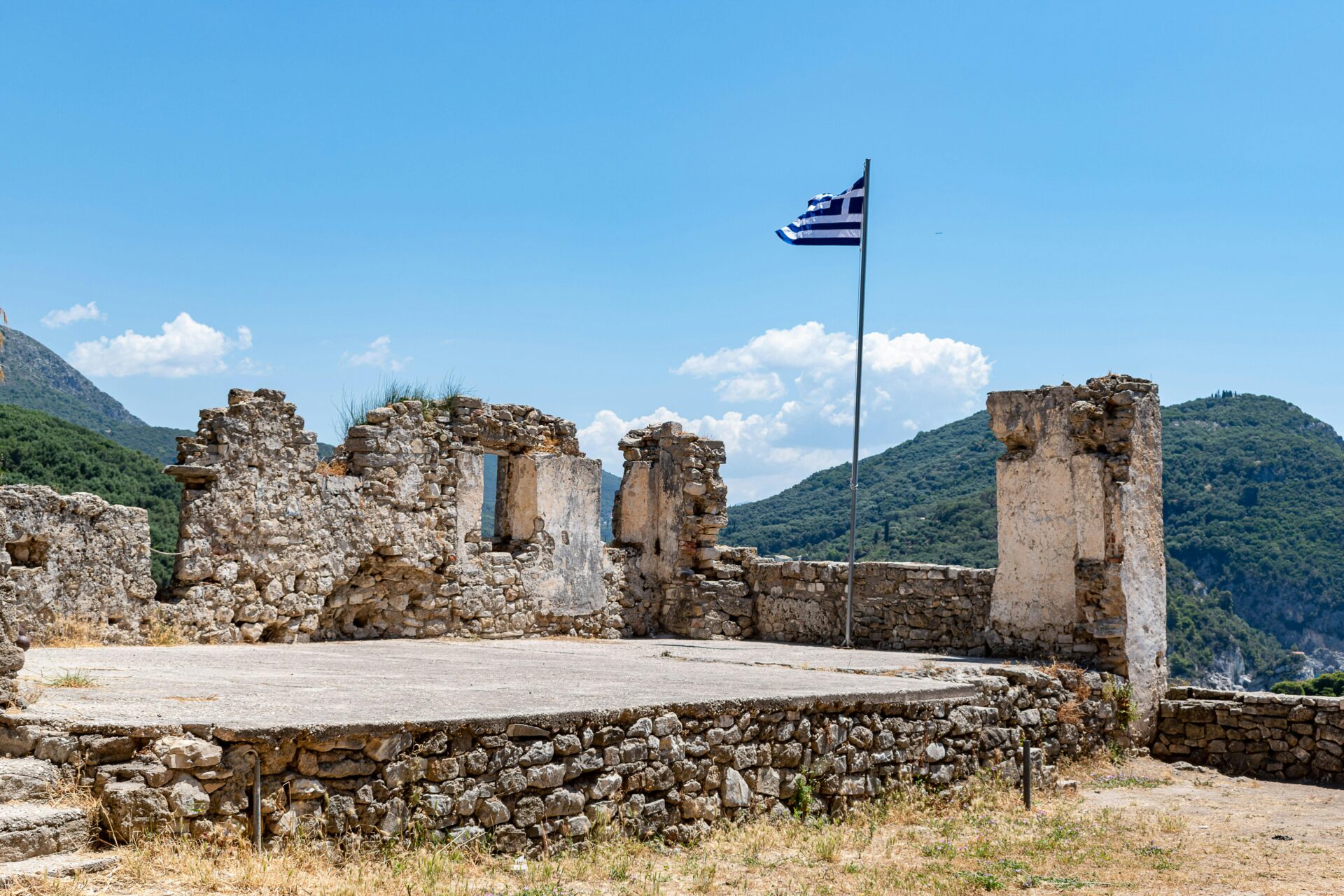
The Legendary Olive Grove Path
Under the Greek sun, a simple path winds through ancient olive groves, linking Parga’s center to its famous castle. This walk isn’t just about the view—it blends history, nature, and everyday local life.
Starting Point: Entering the Olive Groves
I started my walk just outside Parga’s lively center. A short climb took me away from the colorful houses and busy cafés.
The pavement quickly gave way to a dirt path lined with wildflowers.
People told me the olive grove walk would take about 45 minutes each way. Locals and travelers use it, but it never felt crowded.
Cicadas buzzed as I stepped under the silvery olive leaves. Some of these trees are centuries old—thick, twisted, and full of character.
Along the trail, I got the sea breeze on one side and cool shade on the other. Signs pointed to the castle, so getting lost wasn’t much of a risk.
Benches and flat rocks popped up here and there, handy for a quick rest.
Flora, Fauna, and Mediterranean Sights
The grove was bursting with life—shades of green, dappled sunlight, and earthy smells everywhere. I spotted wild oregano, tall fennel, and big fig leaves creeping along the edges.
Butterflies, bees, and little lizards darted across the warm stones.
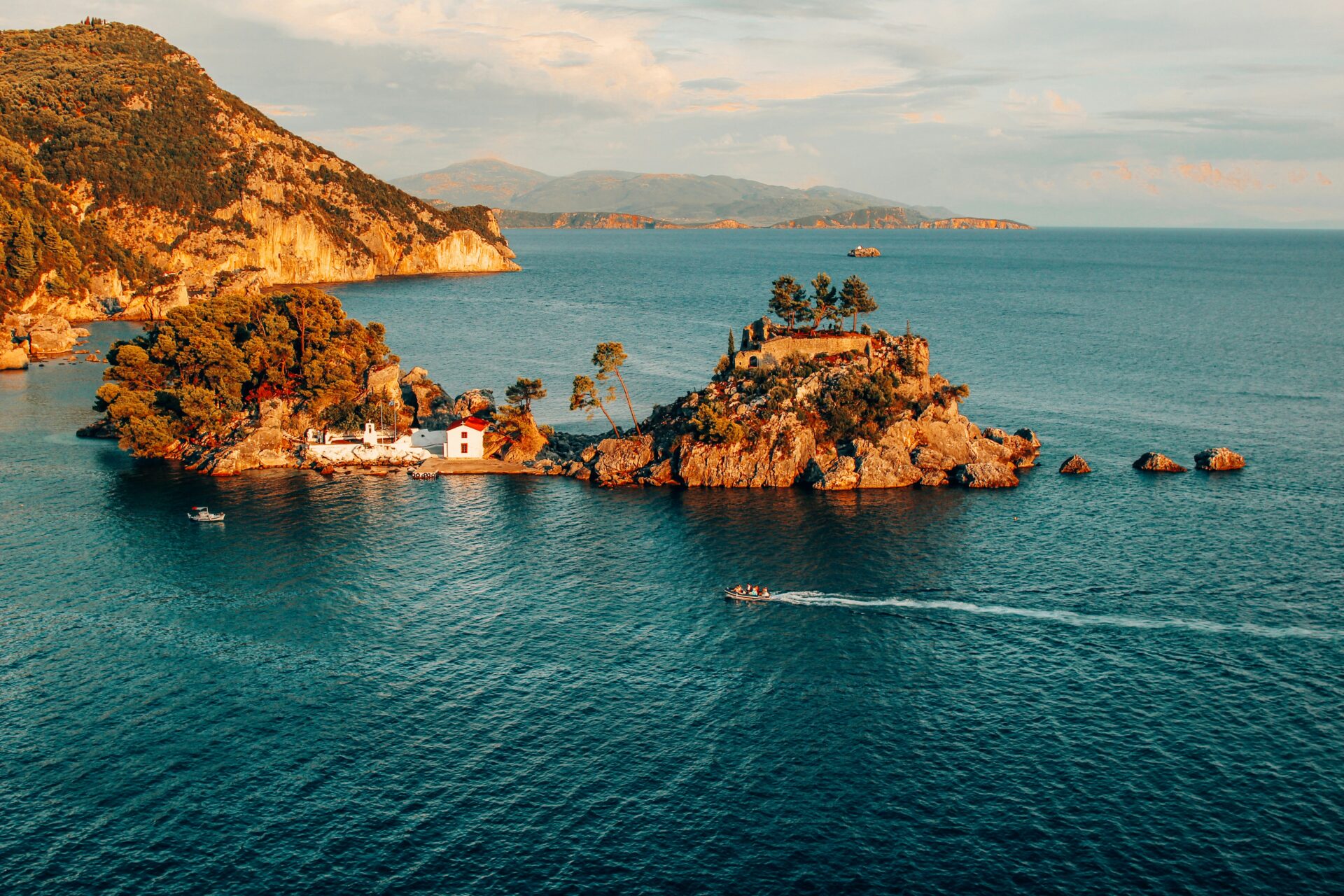
Not far in, the trees opened up and I got my first real look at the bay. Parga’s blue water sparkled below, dotted with boats.
The distant hills and rocky islets made it feel like the Greek Islands were just around the corner.
Birdsong followed me the whole way—swallows and doves overhead. Olive branches creaked in the breeze.
Sometimes, local Christians wandered by, greeting me with a cheerful “kalimera.” It was easy to feel like I belonged, just for a moment, to this ancient place.
Local Life and the Art of Greek Hospitality
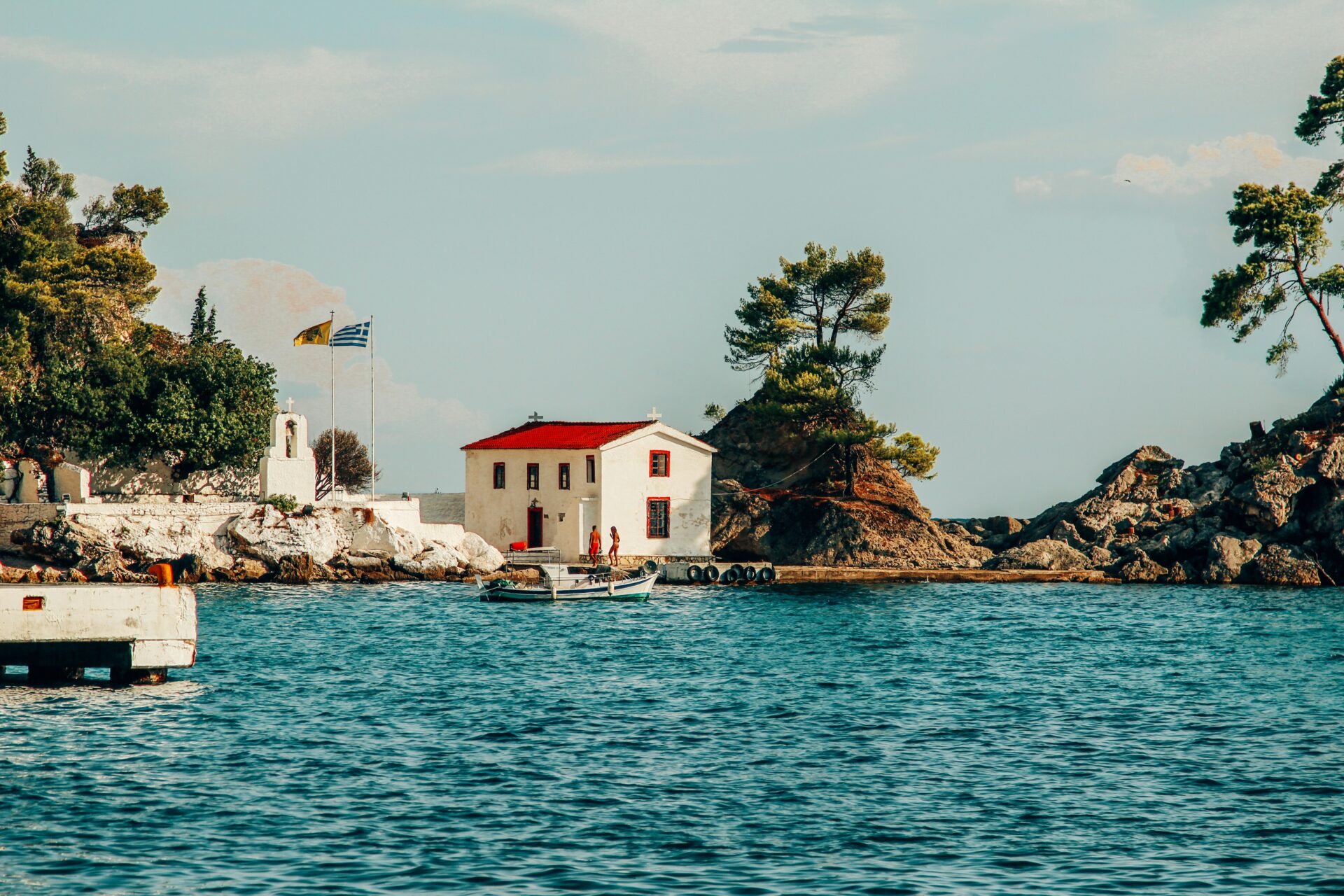
I passed a small white chapel hidden in the grove and heard bells ringing somewhere nearby. Locals worked the trees, shaking nets or picking up olives.
Families have cared for these groves for generations, and you can see their pride in every careful move.
Villagers often paused to wave or chat. One older man handed me a few fresh figs—he insisted I try them.
Nobody seemed in a hurry. The slow, genuine hospitality here makes Parga feel different from the crowded tourist towns.
Neighbors stopped to talk or shared a cool drink under the trees. These groves are both a workplace and a meeting spot.
Their kindness turned my walk into something more than just a hike—it felt like I was part of daily Greek life.
Chasing the Best Parga Castle Views
The walk to Parga Castle isn’t just about getting there. Every twist in the olive grove path reveals new scenery, hidden corners, and spots with stunning views of Parga and the Ionian Sea.
Scenic Overlooks: Finding the Perfect Angle
As I climbed the hill to the castle, I found several overlooks above the town’s colorful rooftops. The most popular one sits right at the castle gates, where the old stone walls frame a sweeping view of the harbor.
The turquoise water, clustered boats, and busy waterfront all crowd into one perfect shot.
Halfway up the path, next to a group of old olive trees, I found another favorite spot. Fewer people stopped here, and the leaves made cool patches of shade.
From here, the view stretched west, opening up to cliffs and the bay.
Here’s the quick list I made for myself:
- Castle entrance overlook
- Mid-path olive grove view
- Sea-facing terrace past the main gates
Each spot gave me a different angle, and I took time to pause, breathe, and just let it all sink in.
Golden Hour Photography Secrets
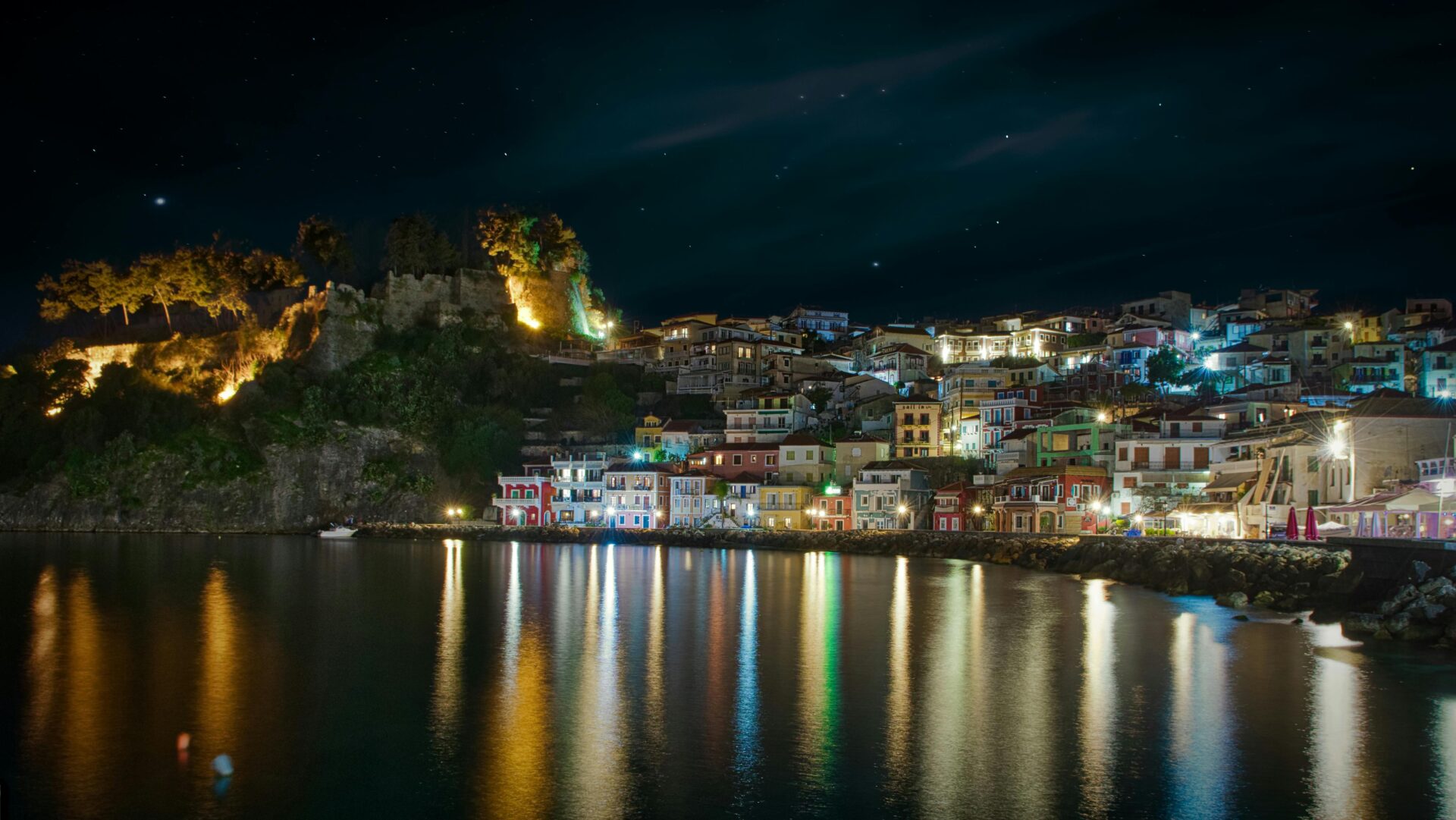
Nothing beats sunset from the castle walls. During golden hour, Parga’s pastel houses turn almost gold, and the Ionian water lights up.
I timed my walk to reach the top just as the sun dipped low, casting long shadows.
With my camera ready, I hunted for interesting angles. The best light hit right before the sun slipped behind the hills.
That’s when I aimed at the rooftops and the little boats in the bay. I didn’t bother with fancy gear—a phone camera worked fine if I watched the changing light.
These tips always helped me get good summer castle shots:
- Face east at sunset for soft light
- Wait for colorful clouds
- Use the castle’s arches to frame the scene
Hidden Spots for Tranquil Moments
Behind the castle, away from the main paths, I found quiet pockets. Stone benches under olive trees gave me a break from the heat and a new view of Parga beach.
Sometimes, I wandered onto narrow trails where lizards zipped by and wild thyme scented the air.
When crowds got to be too much, these hidden spots felt like my own secrets. The sound of the sea and distant church bells brought real calm.
I’d say, don’t be afraid to wander off the main path—there’s always another shady nook or lookout waiting.
Most visitors rush straight to the top, but my favorite moments came from these peaceful detours, watching sunlight shift over the town and groves. Each spot felt like a little piece of Parga just for me.

Cultural Connections Along the Path
While I walked the olive grove trail to Parga Castle, I found more than scenery. History, food, faith, and nearby places all made the walk richer than I expected.
Byzantine and Ottoman Heritage Influences
Climbing the stone-paved trail, I saw how old walls and arches told the story of Parga’s complicated past. The castle started with the Byzantines, who built thick walls and secret passages.
Later, the Ottomans left their stamp—turrets, arched gates, and carved symbols in the stones.
Below the castle, buildings mix features from both eras, showing how centuries of rule and resistance shaped the town.
Stories linger about exiles from Asia Minor, and I noticed hints of Albanian influence in local dress and speech.
Even the way the olive terraces are laid out seems touched by this blend of cultures.
Local Traditions: Moussaka and Greek Yoghurt
After the hike, the smell of food pulled me into a small taverna under ancient olive trees. Moussaka was always on the menu—layers of eggplant, potato, and spiced meat under creamy béchamel. It tasted like every grandmother in Parga had a hand in the recipe.
For dessert, I went for thick, tangy Greek yoghurt with honey. The yoghurt here is dense and smooth—nothing like the stuff back home.
Locals say the flavors come from Asia Minor, since some families still have roots across the sea. Those influences shaped what ends up on the table in Parga today.

Religious Footprints: From Christians to Mahomedans
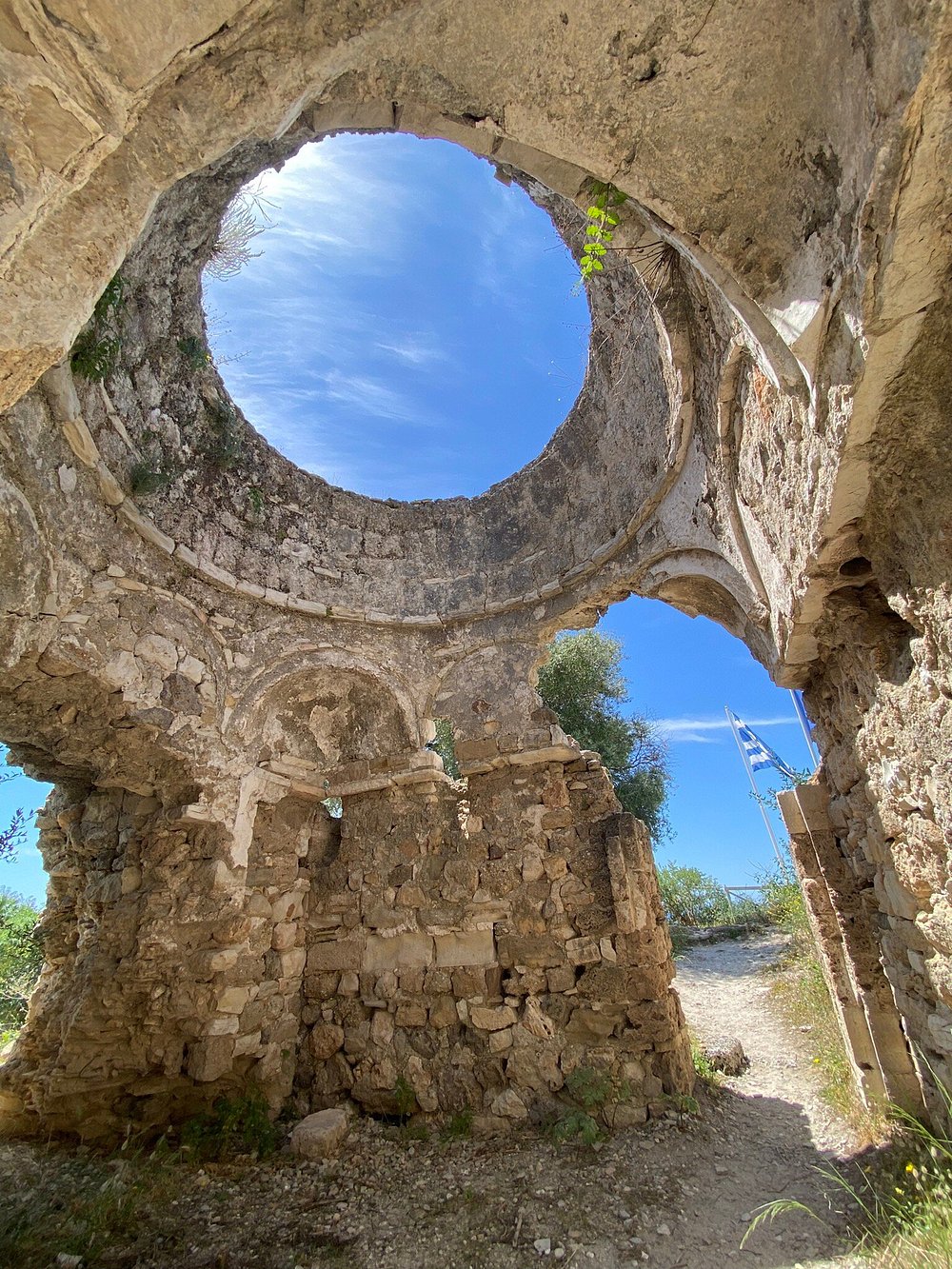
Church bells followed me as I got closer to the castle. Some chapels along the path have ancient roots, built by Christians who lived through invasions and hard times.
Frescoes of saints peeked out from behind olive trees—tiny reminders of faith that survived it all.
Not far away, the ruins of old mosques hinted at the Mahomedans (Muslims) who once lived here. Few traces remain, but local storytellers remember when both faiths coexisted.
A couple of old grave markers carried faded Arabic script, linking this place to Jerusalem and lands far beyond Greece.
Tie-Ins with Nearby Destinations
Walking these trails, I realized Parga isn’t cut off from the world. To the west, ferries to Corfu bring new faces and fresh stories all the time.
Up north, road signs point to Albania—a place many local families once called home before moving back or heading elsewhere.
Chatting with shopkeepers, I heard about ties to Asia Minor—a grandmother’s brother in Izmir, a cousin who visited Jerusalem.
Maps in cafes showed Nydri and Delphi marked as favorite stops for travelers going further. Parga’s olive grove path feels alive with all these connections, weaving its small-town charm into a much bigger Greek and Mediterranean story.
Memorable Moments: Wedding Anniversaries and More
Some places stick with you, not just for their beauty, but for the memories you make there. In Parga, every visit feels special—whether you’re celebrating something big or just soaking up the simple joys of travel.
Celebrating Special Occasions in Parga
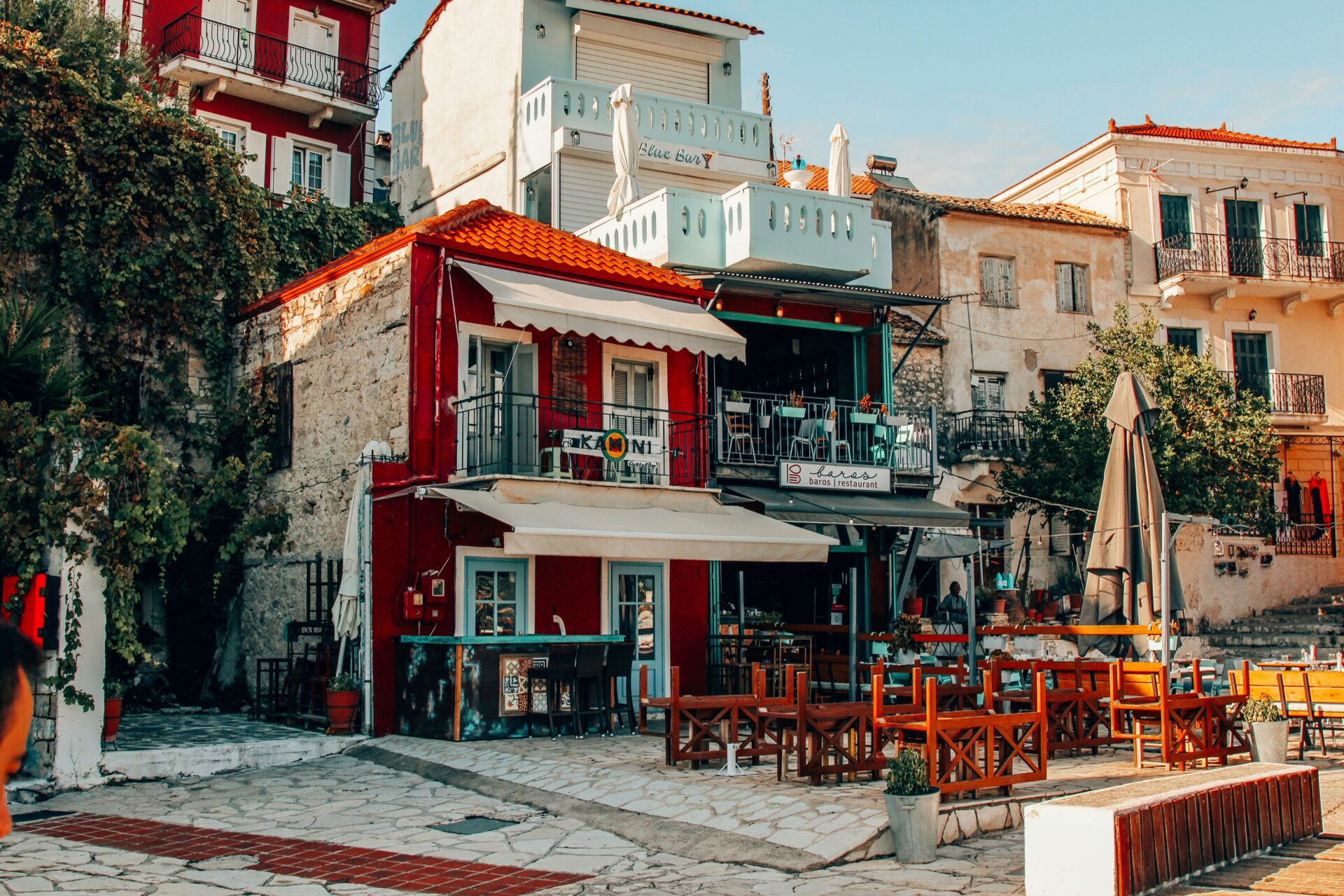
Parga really sets the stage for a memorable wedding anniversary. The Venetian Castle soars above turquoise water and those old-town roofs—honestly, it’s just begging for special photos.
Couples usually find quiet corners by the fortress or wander along olive grove paths, just soaking it all in.
Highlights for Couples:
- Walk the castle at sunset and snap some amazing anniversary photos.
- Grab a table at a seaside taverna and order the freshest seafood.
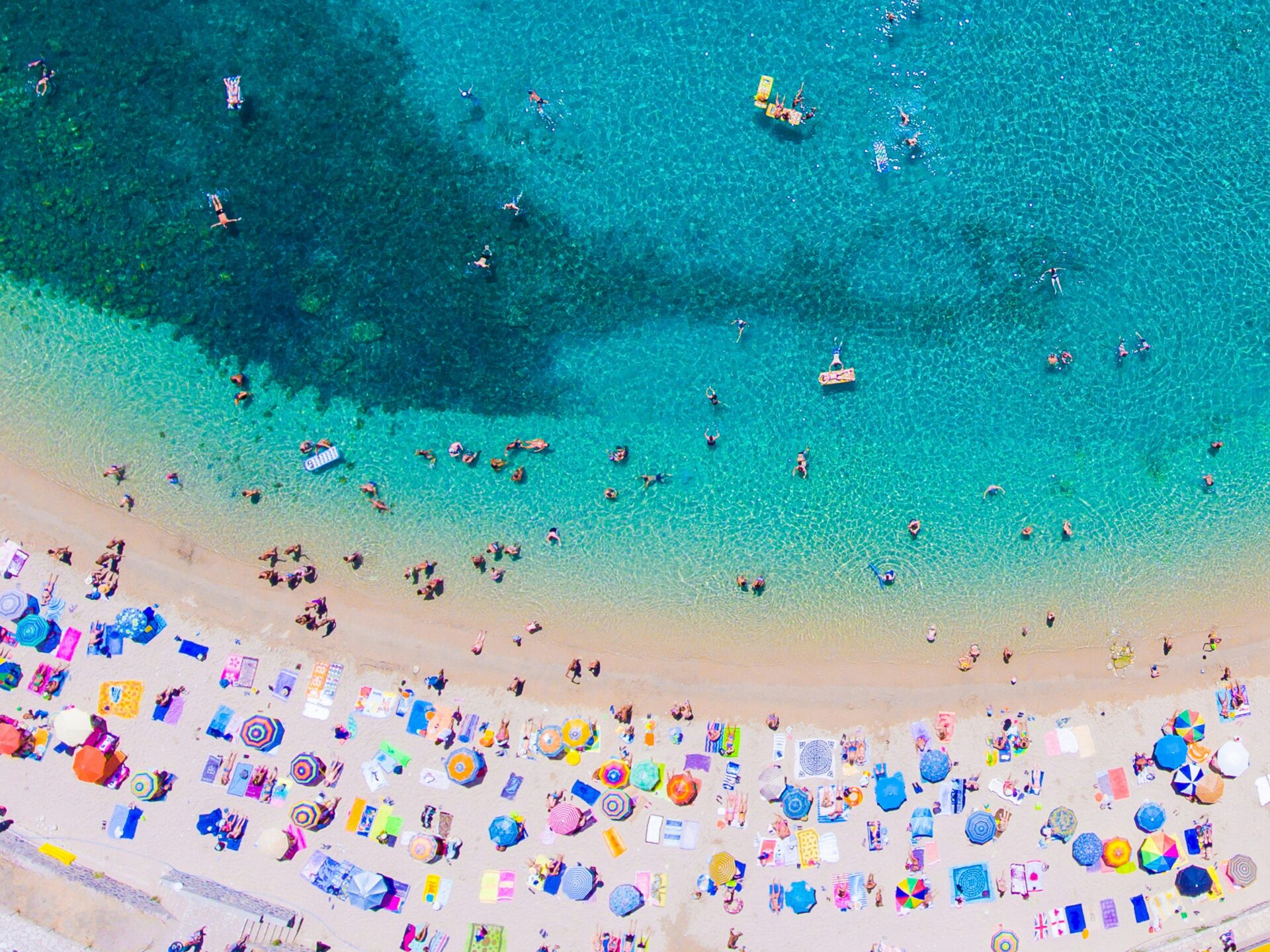
- Hop on a little boat to Valtos or another nearby beach for a private celebration.
I once met a couple from Vienna who picked Parga over their city’s famous coffee houses for their tenth anniversary. They told me the laid-back Greek vibe, especially under those olive trees, made the day feel both romantic and real.
Personal Reflections and Travel Stories
One afternoon, I walked up the olive grove path with Petra, a friend who tagged along for this trip. It wasn’t an anniversary, but somehow, the landscape turned an ordinary day into something special.
Wildflowers lined the trail to the castle, and church bells drifted through the air. When we reached the top, the view just stopped me in my tracks.
I started thinking—how easy would it be for memories, like anniversaries or close friendships, to root themselves right here?
Some practical tips:
- Bring water if you’re hiking up in the summer.
- Wear sturdy shoes since the path gets uneven.
- Take breaks in the olive groves and enjoy the view.
Parga showed me that the best moments don’t always come from big plans. Sometimes, they sneak up on you in the quiet in-betweens.

Beyond Parga: Inspiring Journeys and Literary Echoes
When I wandered beyond Parga, I stumbled into stories and landscapes shaped by ancient myths. Every place brought its own mix of culture, history, and a dash of adventure.
Some spots felt quiet, others buzzed with legend. I never really knew what I’d find next.
Study and Exploration in the Greek Islands
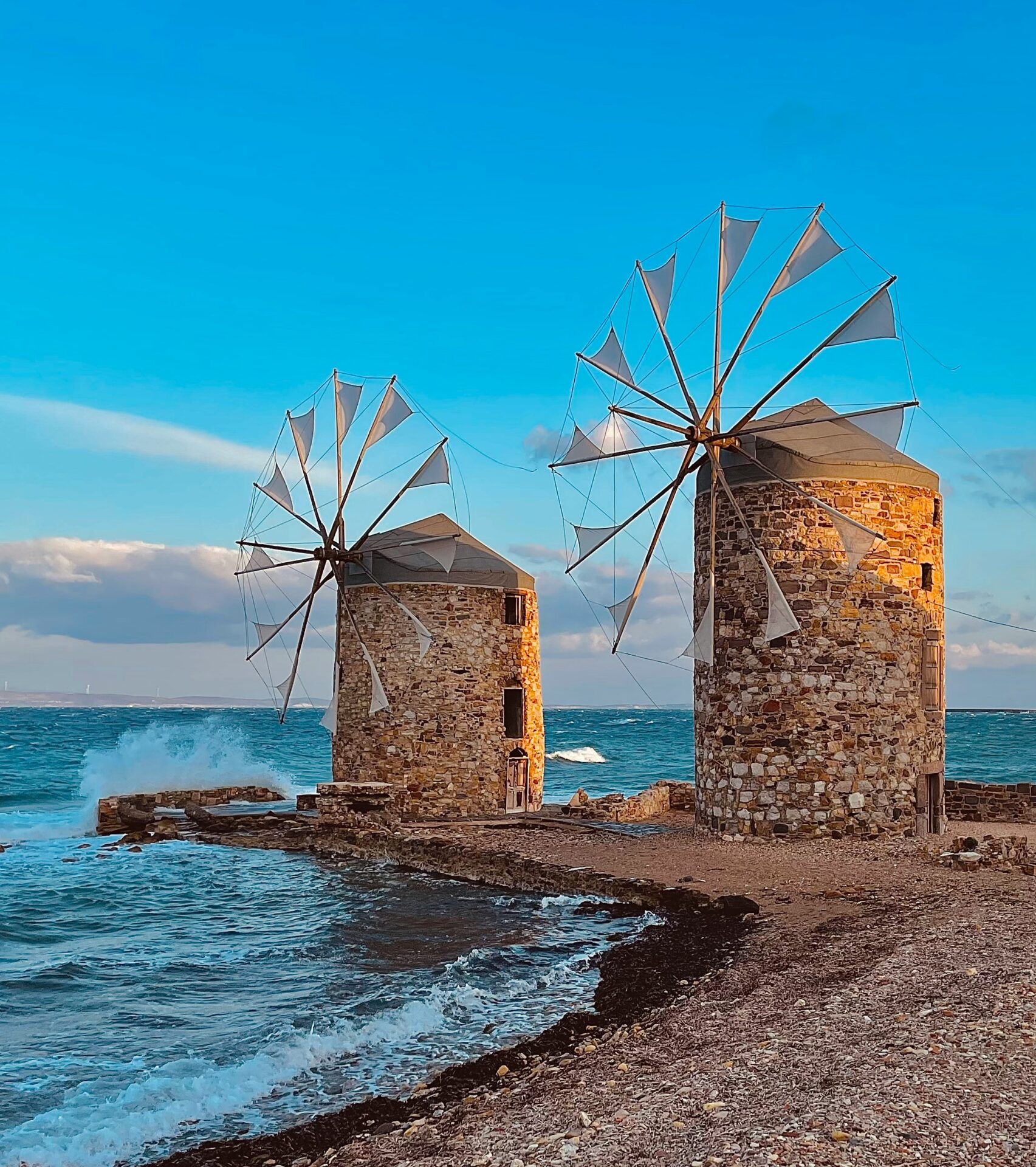
Roaming the Greek islands, I realized that curiosity and discovery shape every trip. On Mytilene, I wandered olive groves that reached all the way to the sea—reminded me so much of Parga.
The air there smelled like wild herbs and salt. I loved it.
Chios stuck with me for its tangled history and sleepy villages. Locals pointed out old mastic orchards, and I learned how gum has tied the island to trade for centuries.
Each island offered something to learn. Sometimes, just chatting with people or sitting in a shaded courtyard, I’d pick up a new story.
I always carry a little notebook to jot down whatever I find. Staying curious turns travel into more than just sightseeing.
Echoes from Project Gutenberg and Classic Travels
Books have always fueled my wanderlust. Before I even set foot in Greece, I downloaded old travel accounts from Project Gutenberg.
Titles like A Journey to Central Africa colored the way I pictured distant places.
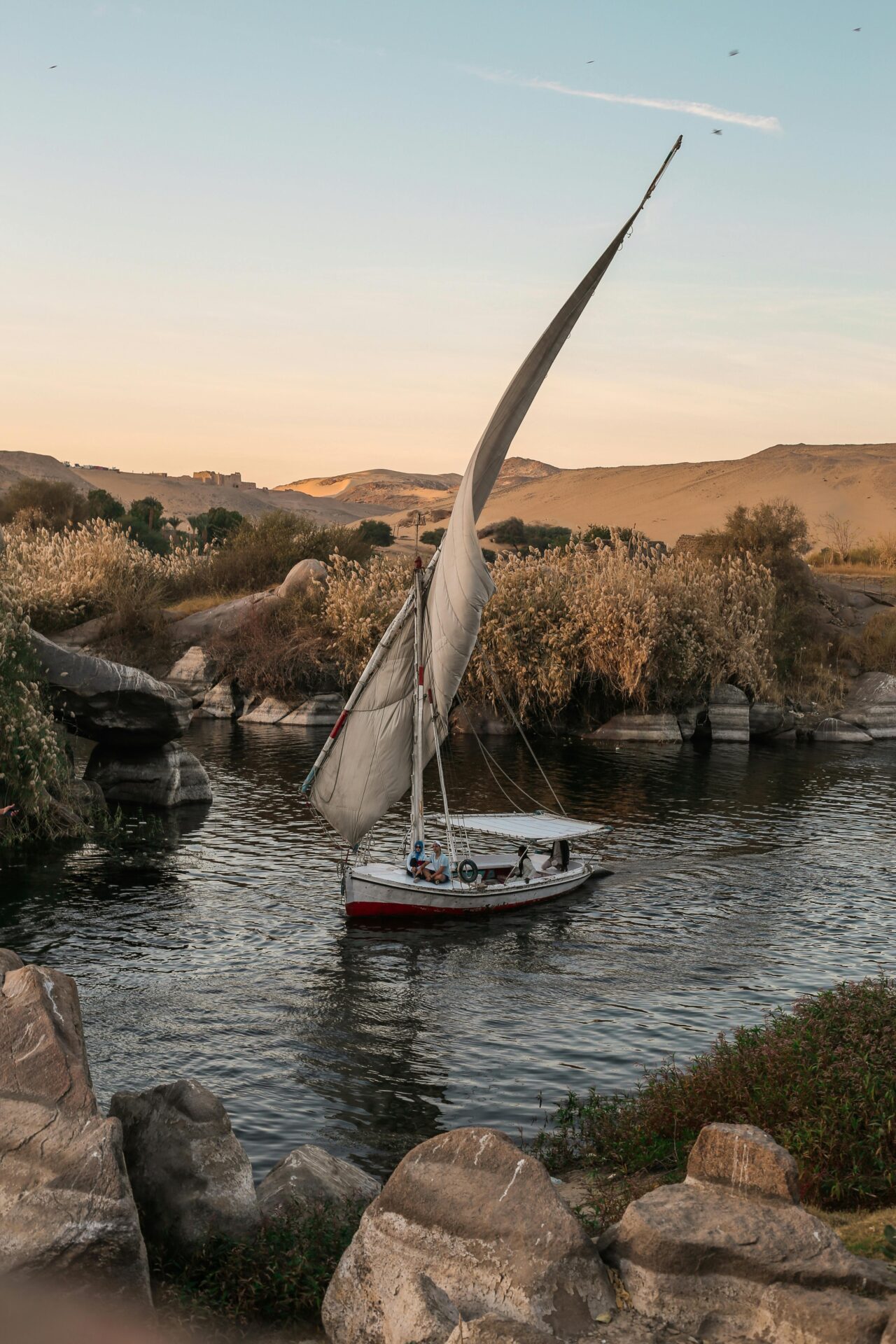
Some of those books described epic journeys past the Nile, pyramids rising from the sand, or long trips across Mediterranean waters. When I wandered ancient sites, I could almost hear the footsteps of old travelers in the ruins.
Even Leigh Hunt’s poems added a poetic vibe to quiet moments by the coast.
Bringing a few favorite books along makes every landscape feel alive with stories. I’d definitely suggest saving some titles for slow ferry rides or lazy afternoons.
Wonders of the Wider Region: From Chios to Aleppo
My journeys didn’t always stop in Greece. One year, I wandered east toward Aleppo, passing through lands packed with different cultures.
The route from Chios to Aleppo follows old merchant paths. Traders, scholars, and even legends like Medusa once walked these routes—or so the stories go.
Some nights, I bumped into travelers who had just come over from the Aegean islands. Each one had their own stories, some wild, some quiet.
In Aleppo, I wandered through markets buzzing with languages and spices I’d never even heard of. The sense of wonder felt real, whether I stood by the pyramids at Giza or just looked out over olive groves near Chios.
If you’re itching to travel, here’s a quick list to help you plan something bigger:
| Destination | Highlight | Tip |
|---|---|---|
| Mytilene | Olive groves | Visit local farms |
| Chios | Mastic orchards | Take a guided tour |
| Aleppo | Bustling souks | Try local sweets |
| Pyramids (Egypt) | Ancient wonders | Arrive early |