
Ronda sits high above a dramatic gorge in the heart of Andalusia. It’s not just a pretty postcard stop—it’s a place that somehow feels both historic and very much alive. When I planned my quick visit, I kept wondering if just one day would do it justice or if I’d leave feeling like I missed out. After I wandered through its famous viewpoints, twisted through narrow streets, and poked into hidden corners, I realized a day trip shows you the best bits, but staying overnight lets Ronda’s magic really sink in.
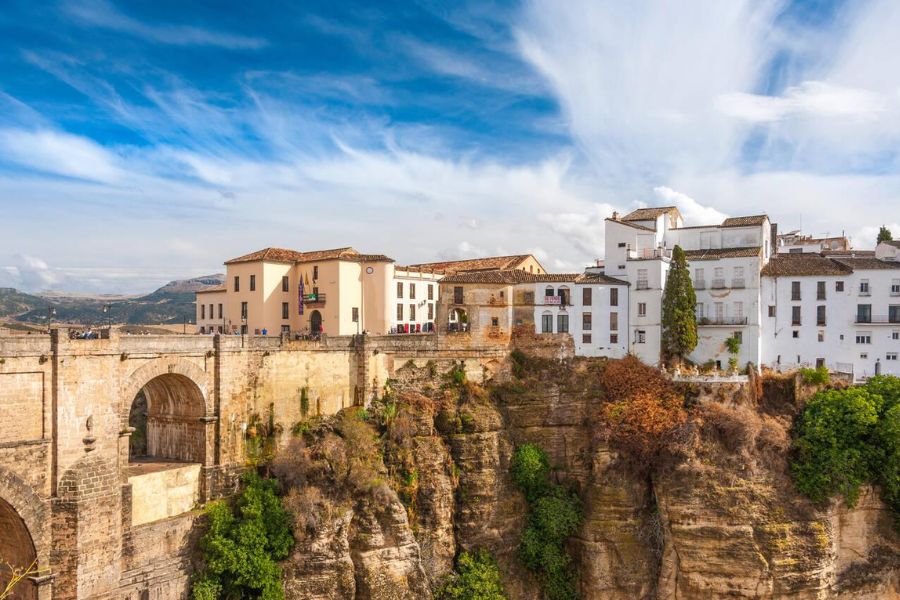
I wandered the old town, stared down into the wild El Tajo gorge, and stopped at every lookout I could find. It hit me why travelers rave about Ronda. One day meant I had to keep moving, but honestly, every second felt worth it. If you’re thinking about your own perfect day in Ronda or just wondering if a short visit is enough, I’ll share what worked, what I missed, and my honest advice for squeezing the most out of your time.
Why Choose Ronda for a Day Trip?
Ronda stands out among Andalusia’s white towns with its clifftop views, deep history, and quirky character. Fast connections from Málaga and Seville make it an easy pick if you’re short on time.
The Allure of This Andalusian Gem
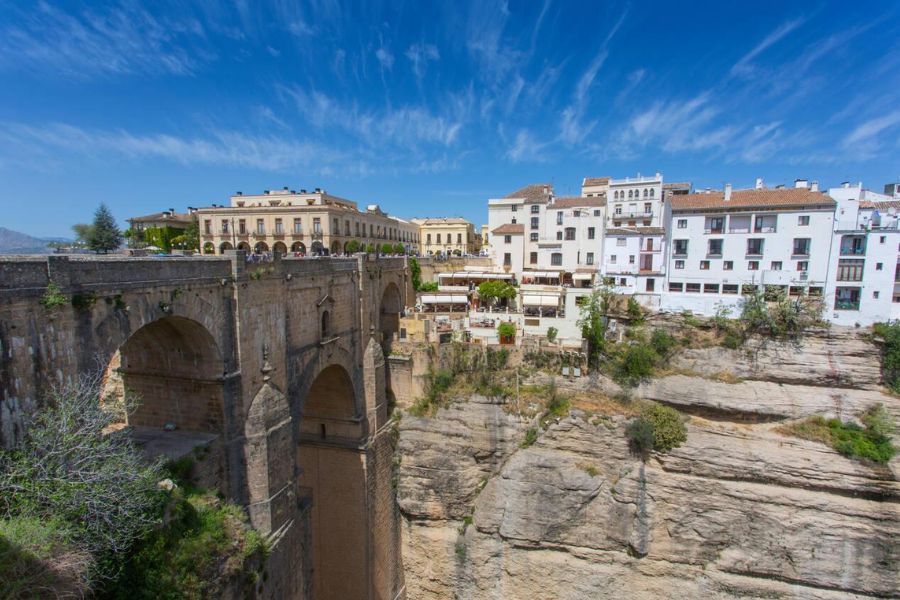
The first thing that grabbed me about Ronda? That insane setting above El Tajo gorge. The city almost floats between two cliffs, joined by the iconic Puente Nuevo bridge.
As I walked along the edge, I caught sweeping views of the green valley and mountains way off in the distance.
Ronda’s old town is small but full of highlights. There’s the historic bullring, one of Spain’s oldest, and winding lanes lined with whitewashed houses. I loved how I could explore on foot, ducking into quiet plazas or grabbing coffee with a view.
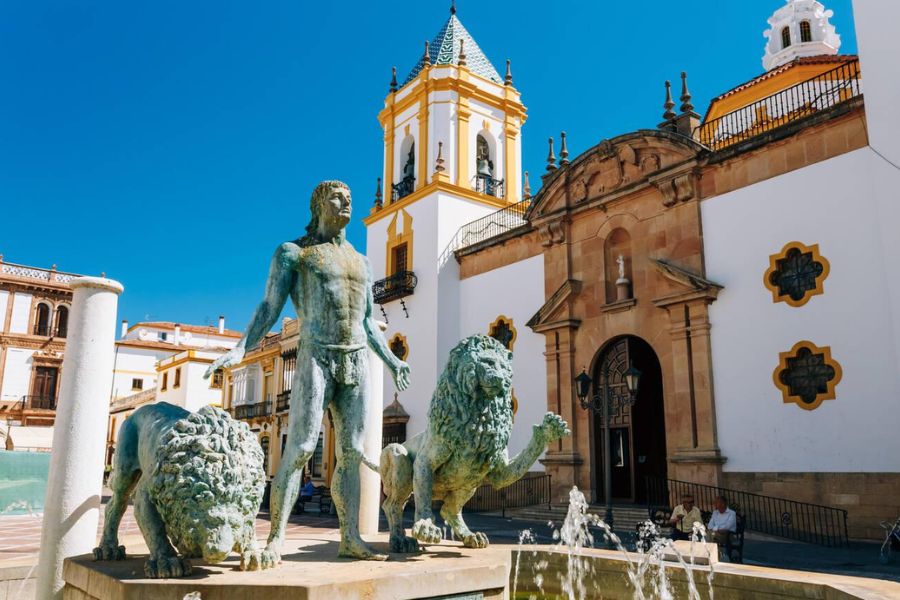
Couples will love the romantic vibe here. The lookouts—miradores—are perfect for snapping photos or just soaking up the scenery together. Hikers can find trails around the gorge and into nearby parks. Even in a few hours, I felt like I got a taste of Ronda’s real charm.
How Ronda Compares to Other Spanish Destinations
Ronda feels more laid-back and intimate compared to bigger cities like Seville or Málaga. Seville has its grand sights and Malaga is always buzzing, but Ronda moves at a slower, old-world pace.
The main sights sit close together, so a day trip actually works. I didn’t feel pressured to rush, and I could linger at each spot. Other towns in Spain sometimes need more time or planning to see the best parts.
Ronda’s scenery is just next-level. I haven’t found anywhere else in Andalusia with such jaw-dropping views from almost every corner. If you like history, nature, and a bit of adventure all in one day, Ronda nails it in a way that big cities just don’t.
Nearby Cities: Seville, Málaga, and Beyond
You can reach Ronda easily from Málaga or Seville, whether you drive, take a bus, or join a tour. I drove from Málaga—it took me just under two hours through rolling countryside. Buses run often and drop you close to the center.
Seville is a bit farther, but a day trip still works. I started early to get the most out of my time. I met travelers from both cities who agreed it was worth the journey, especially if you’re after somewhere quieter and more romantic.
If you’re based in Marbella or Granada, Ronda is also doable. My itinerary was tight, but Ronda fit in easily and didn’t add much stress. Signs are clear, the tourist office is helpful, and the town’s size kept things simple.
Planning Your Perfect Ronda Day Trip
A little planning made my Ronda visit smooth and fun. Picking the right time, knowing what to pack, and figuring out how to get around those winding streets really made a difference.
Best Time to Visit and How to Get There
Ronda is at its best in spring (April–June) or early fall (September–October). The weather is warm but not roasting, and the countryside looks its greenest. I went from Malaga by car—about two hours. Trains and buses are solid options too. They run regularly from Malaga and Seville, but I booked tickets ahead to avoid headaches.
Table: Transport Options to Ronda
| From | By Car | By Train | By Bus |
|---|---|---|---|
| Malaga | ~2 hours | 2 hours | 2.5-3 hours |
| Seville | ~2 hours | 2-2.5 hours | 2-3 hours |
Driving let me pull over for photos, but parking in the old town is a pain. I found it easier to use lots outside the center and walk in. Public transport takes longer but skips parking stress and lets you watch the scenery roll by.
What to Pack for a Comfortable Adventure
Good shoes saved my feet—Ronda’s cobblestones and hills are no joke. I brought a refillable water bottle and a hat, since the sun here means business. Even on cooler days, the Andalusian sun can surprise you.
Essential Packing List:
- Walking shoes
- Reusable water bottle
- Sunscreen and sunglasses
- Light layers (mornings can be chilly)
- Camera or phone for photos
- Daypack for snacks and personal stuff
A small backpack kept my hands free while I crossed bridges and stopped at viewpoints. I packed a light jacket, and once the sun dipped, I was glad to have it.
Navigating the Town Efficiently
Ronda’s main sights are all close together, so I skipped public transport in town. I started at Puente Nuevo for those epic views, then wandered to the old town and Plaza de Toros.
Most attractions are within a 15-minute walk, though some streets are steep or narrow.
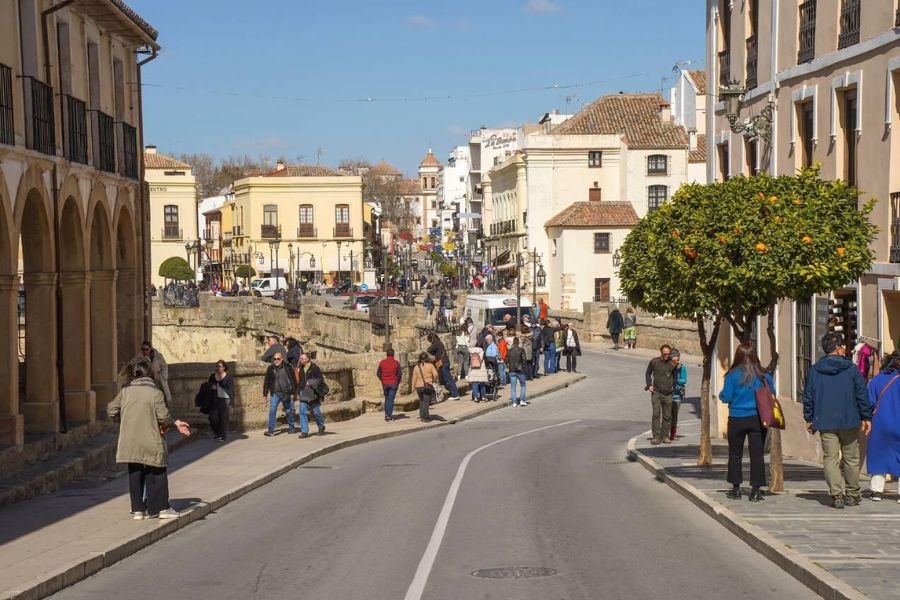
Google Maps helped, but honestly, the signs in Ronda are easy to follow. When I got tired, I just ducked into a café with a countryside view and watched the world go by. If you’re not up for walking, taxis are around, but honestly, strolling is the way to go—take your time, rest when you need to.
Stunning Sights and Must-See Attractions
Ronda kept surprising me with wild views, bold architecture, and centuries-old traditions. From jaw-dropping bridges over the gorge to a legendary bullring, this place really shows off Andalusia’s heart.
A Walk Across Puente Nuevo and the Dramatic Gorge
Puente Nuevo (New Bridge) is Ronda’s showstopper. I walked across and kept stopping to stare down into the dizzying El Tajo gorge—almost 100 meters straight down. The bridge, finished in 1793, links the old Moorish quarter to the newer side of town.
Key Details:
| Feature | Details |
|---|---|
| Height | ~98 meters |
| Year finished | 1793 |
| Best photo spot | Mirador de Aldehuela |
I leaned over the stone railings and spotted green fields and white houses perched on cliff edges. The view down into the gorge is both gorgeous and a little scary. For that classic Ronda photo, head to the viewpoint just south of the bridge. If you walk below, you’ll hear the Guadalevín river rushing through the rocks—a reminder of how this wild landscape shaped the town.
La Plaza de Toros: Spain’s Oldest Bullring
Walking into La Plaza de Toros felt like stepping back in time. Built in 1785, it’s Spain’s oldest bullring. The round arena sits on the edge of town, surrounded by open arches and ochre sand.
My ticket got me into the museum, where I learned about the bullring’s past and Ronda’s deep bullfighting roots. I checked out vintage costumes, old photos, and horse-drawn carriages. Even if you don’t care for bullfights, the architecture and stories are worth a look.
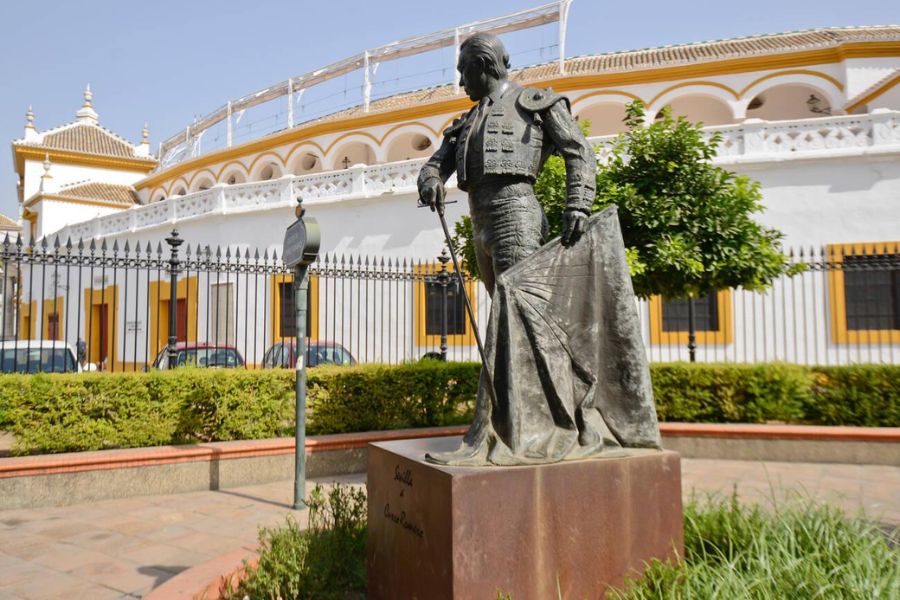
- Fun Fact: Legendary matador Pedro Romero, a Ronda native, helped shape modern bullfighting.
- Guided tours dig deeper into the traditions if you’re curious.
The bullring was empty when I visited, so I had the place to myself to think about centuries of culture and passion tied to this spot.
Indulging in Food, Wine, and Local Delights
Ronda’s flavors, views, and experiences stick with you. The wine scene, food traditions, and dramatic terraces gave me plenty of reasons to slow down and enjoy every minute.
Wine Tasting and Bodegas Experiences
Ronda’s wine scene surprised me. The hills around town are full of small bodegas—family-run wineries—where tastings feel relaxed and personal.
I stopped by Bodega García Hidalgo, and the owners poured generous samples of their reds and whites. I got to wander the vines and learn about local grapes like Garnacha and Tempranillo. Most bodegas let you book a tour, usually with tastings, a stroll through the vineyards, and sometimes cheese or local ham.
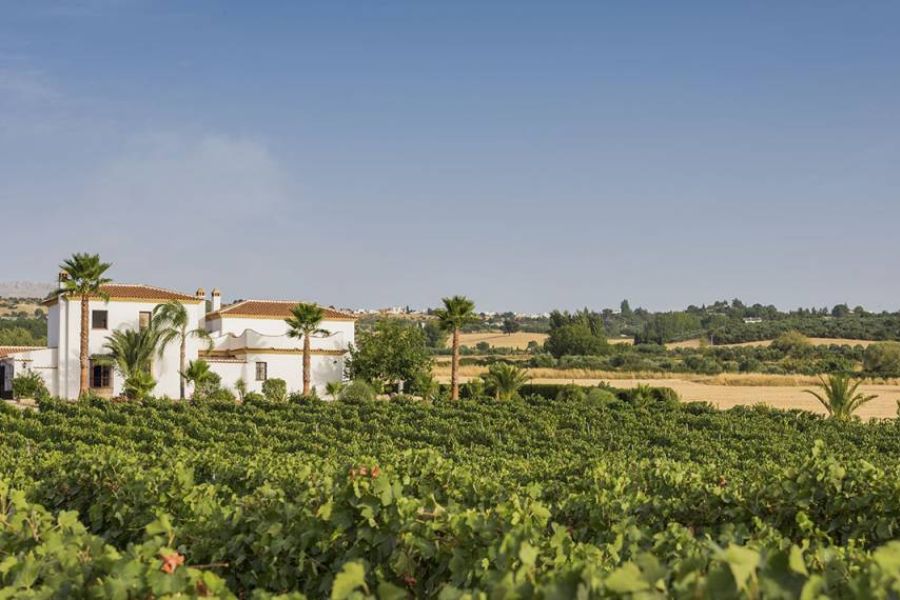
If you have a car, you can visit two or three bodegas in one afternoon. They’re just a short drive from Ronda’s old town, so you don’t waste much time. If you want to buy a bottle, prices are fair and the quality is honestly impressive.
Authentic Andalusian Dining: From Rustic Eateries to Michelin-Starred Restaurants
Picking a place to eat in Ronda was the hard part—there are just so many options. The narrow streets are packed with traditional tapas bars, cozy bistros, and a few fine-dining gems.
I loved the no-frills taverns filled with locals, where I tried salmorejo (a thick tomato soup), slices of Iberian ham, and grilled lamb. For a more memorable meal, I reserved at Tragata, a modern spot with creative takes on Andalusian flavors. If you’re after something fancy, Ronda even has Michelin-starred restaurants like Bardal.
Menus here focus on seasonal, local produce—wild mushrooms, goat cheese, or olive oil from nearby groves. I made sure to soak up the lively energy, whether grabbing a quick lunch or settling in for a long dinner.
Savoring Views from Ronda’s Best Terraces
Eating in Ronda isn’t just about the food; the setting takes things up a notch. So many restaurants and cafés have terraces or patios with dramatic views of the gorge or rolling hills.
My favorite was a sunny terrace near Puente Nuevo, where I sipped espresso and watched sunlight move across the bridge. A couple of spots like Hotel Catalonia Reina Victoria and Albacara Restaurant serve up sweeping vistas that make any meal special.
Some terraces are tiny, so book ahead if you want the best seat. Whether I was having coffee in the morning or sharing a bottle of wine at sunset, these outdoor spaces made every bite and conversation feel even better.
Relaxation and Hidden Corners of Ronda
Ronda isn’t just about cliffs and plazas. There’s a quieter side with secret treats and spots that feel restful, stylish, and full of Andalusian charm.
Peaceful Moments by the Pool Area
After a day in Ronda’s busy old town, I needed to slow down. A bunch of boutique hotels and guesthouses here offer relaxing pool areas, usually surrounded by gardens with lavender and olive trees.
Lounging poolside with views of the hills and birds chirping felt like a real escape.
Most places had clean, modern bathrooms nearby, so I could rinse off and freshen up between dips. Some pools also had shaded spots—perfect for reading or sneaking in a nap. If you visit in the warmer months, having this kind of retreat can make your Ronda day feel a lot more relaxed and balanced.
Discovering Andalusian Cortijos and Countryside Escapes
Exploring the countryside just outside Ronda turned out to be a real highlight. I booked a quick visit to a traditional Andalusian cortijo—a classic rural estate that really shows off the region’s rustic charm and wide-open landscapes.
You’ll see whitewashed walls, big stone patios, and potted flowers everywhere. These cortijos feel peaceful, almost untouched by time.

Some cortijos serve farm-to-table lunches or offer homemade olive oil tastings. Others simply give you a quiet spot under shady trees. If you need a break from city crowds, a few hours among vineyards and farmland might be the perfect reset.
Honestly, the air out there just smells different—cleaner, softer, and somehow quieter.
Unwinding in Boutique Accommodations
After a long day exploring, having a welcoming place to stay makes all the difference. Ronda’s full of boutique hotels and small inns tucked away from the busiest streets.
Each spot has its own style, but they all focus on comfort. I noticed plush bedding, modern bathrooms, and sometimes little balconies overlooking the mountains or the gorge.
A few places even have cozy lounges with shelves of regional books, handmade crafts, or patios for evening drinks. These small details gave my stay a personal touch.
If you care about good design and a bit of pampering, Ronda’s boutique accommodations really stand out.
Is One Day in Ronda Enough? My Honest Insights
With only one day in Ronda, I managed to see its most famous spots and soak in the town’s unique charm. Some experiences, though, just need more time than a typical day trip gives you.
What I Was Able to Experience
Arriving early gave me a head start on the main attractions. I crossed the Puente Nuevo, the towering bridge stretching over the El Tajo gorge.
The views from up there? Totally worth every minute. The old town has winding streets that are easy to wander, and I stopped for coffee in a tiny plaza surrounded by whitewashed buildings.
A walk along the cliffside let me snap some stunning photos of the countryside. I also checked out the Plaza de Toros, one of Spain’s oldest bullrings, and learned about its history in the attached museum.
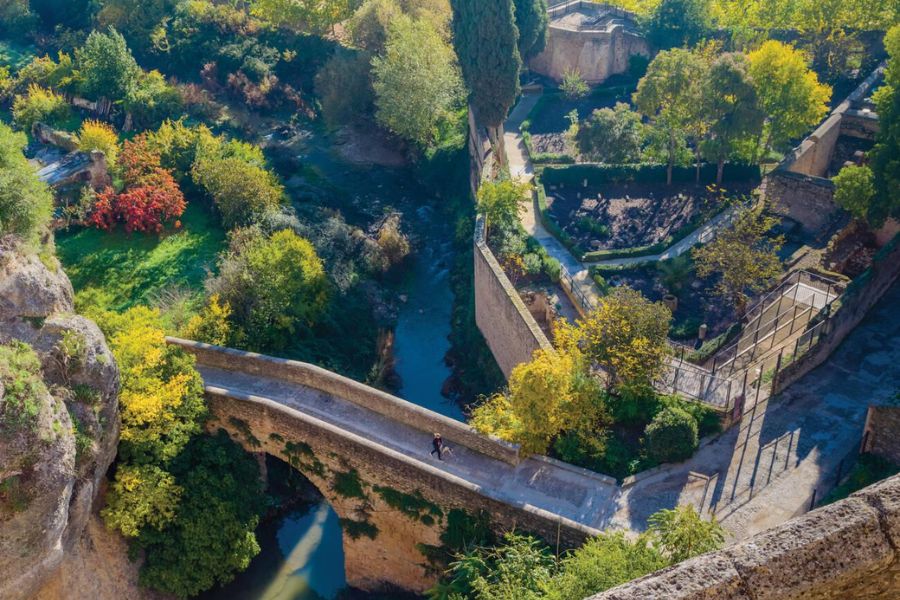
There was just enough time for a leisurely lunch with local tapas and a quick peek inside a couple of small churches. Since Ronda’s highlights all sit close together, you can see a lot even in a short visit.
Hidden Gems I Missed (and Why I’d Return)
Honestly, I saw a lot, but I just couldn’t squeeze everything in. The Arab Baths—they’re tucked away down some little side street—stayed on my wish list for next time.
I skipped the local hiking trails along the bottom of the gorge. Those trails promise peaceful views, way out of reach from the usual crowds.
If I’d stayed overnight, I could’ve watched the sunset from the clifftop gardens. Dinner would be so much better after the day-trippers disappear.
People say the quiet nights in Ronda feel almost magical when the crowds thin out. I’d need more time to poke around the smaller museums and maybe check out a winery or two.
If you’re into slow travel, honestly, a single day just isn’t enough.
