
Coimbra is one of those places where history, music, and a bunch of unforgettable moments just sort of blend together. When I wandered through Coimbra, I bumped into ancient universities, lively streets, and the haunting sound of Fado drifting through a candle-lit room. There’s a certain magic in walking under old stone arches and feeling the old stories almost whispering at you.
Honestly, the best bits of Coimbra mix the classic sights with quirky finds that don’t always make the guidebooks. I stepped inside the breathtaking Joanina Library, lost track of time in tiny cafés, and caught an evening Fado show that still echoes in my mind. If you’re after things to do in Coimbra that aren’t just the usual tourist checklist, here are my top 10 picks—the ones that really made me fall for this city.
Immersing in Coimbra’s Soulful Fado Nights
That first night in Coimbra? Fado hit me hard—the music is raw, emotional, and it fills the city’s evenings with something you just don’t get anywhere else. It’s this wild blend of history, art, and local pride, all rolled into a sound that sticks with you.
Magical Moments at a Live Fado Performance
Seeing fado live in Coimbra isn’t just a concert—it’s like peeking into the city’s soul. The venues are small, candle-lit, and everyone whispers until the first note.
When the musicians walk in, usually in black academic capes, you can feel the room shift. The singer’s voice pairs with the bright, poetic ring of a Portuguese guitar—there’s nothing quite like it.
Every lyric and chord pulls you deeper. I sat there, totally silent, just soaking it in. The sadness and longing, the love in the songs—it all made me feel connected to Coimbra, even though I didn’t catch every word.

Traditional Portuguese Music and Its Meaning
Fado in Coimbra isn’t just music—it’s a core part of Portugal’s cultural DNA. This tradition goes back to the mid-1800s, shaped by students, poets, and musicians.
Unlike Lisbon’s fado, here it’s almost always men performing, and the songs drift between student life, unrequited love, and the beauty of Coimbra itself. Those academic robes? They tie the music straight to the famous University of Coimbra and its centuries-old student traditions.
What gets me is the way the music mixes melancholy—“saudade”—with a flicker of hope. That bittersweet feeling? It’s at the heart of Portuguese identity, and you really feel it when you listen.
Where to Catch Authentic Fado in Coimbra
You won’t have trouble finding real fado in Coimbra if you know where to look. Fado ao Centro is the classic spot—a cultural hangout in the old city with shows most nights. They’ll even give you a little intro to fado history before the music starts. The vibe is relaxed and super welcoming, especially if you’re new to this.
Some taverns near the university host casual performances, especially once it gets dark. I loved just wandering the narrow streets, chasing the sound of a guitar or a quiet voice, and stumbling into a hidden venue. Early evening is best—shows usually kick off around 6:00 p.m., so you’ve got time for dinner after.
Quick Tips:
- Book tickets in advance during busy seasons.
- Arrive early for a good seat.
- Stay quiet during the music—locals take this stuff seriously.
Bibliophile’s Dream: Inside the Joanina Library
The Joanina Library completely grabbed me—one part awe, one part curiosity. Every detail, from the ornate woodwork to the golden touches, feels like stepping into a world that’s frozen in time.
Joanina Library’s History and Haunting Beauty
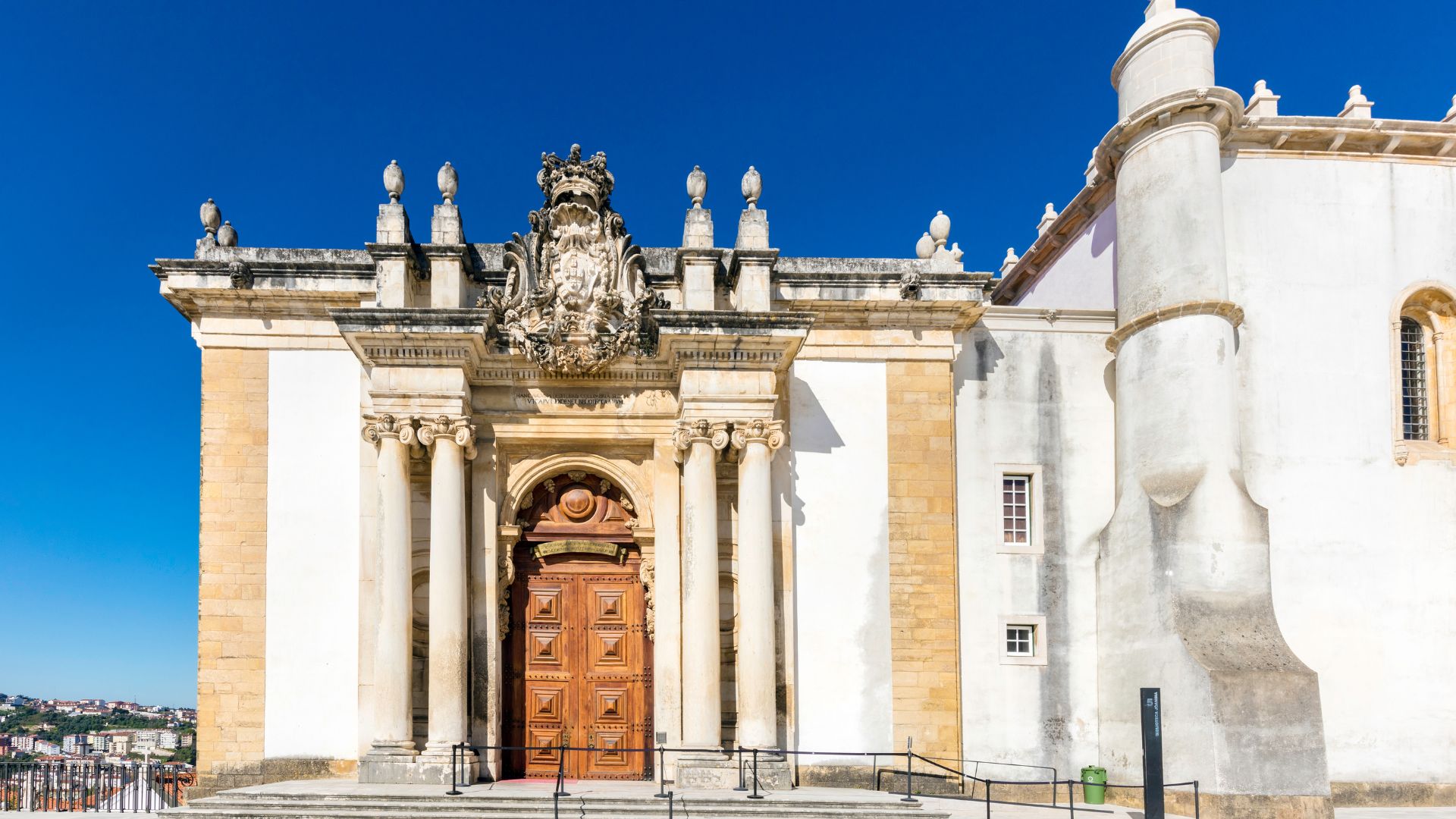
The Baroque architecture of the Joanina Library hits you right away. Built between 1717 and 1728 under King João V, it sits within the University of Coimbra, which has been around since 1290. There are three grand reading rooms, separated by arches, with carvings and old portraits everywhere.
Tall, dark shelves almost reach the painted ceilings, and gold leaf glimmers on all kinds of details. Every corner feels like it’s holding secrets. Soft daylight filters through tiny windows, and honestly, it’s a little eerie—in a good way. When I walked across the creaky floors, I could almost sense the generations of scholars who’d passed through before me.
They don’t let you take photos inside, which just adds to the mystery. The rules keep the artifacts safe and the atmosphere special for everyone. If you love design or history, the Joanina Library is a must.
Rare Manuscripts and Hidden Corners
What really blew me away? The sheer number of rare books and manuscripts—over 60,000 volumes, many older than the 18th century. Topics run from medicine and law to philosophy, literature, and science. I caught glimpses of ancient, leather-bound books with faded labels.
Staff carefully protect the oldest books in climate-controlled rooms. I noticed thick doors and warning signs guarding the most valuable areas. Not every part is open, but if you join a guided tour, you’ll get to hear about some of the library’s best-kept secrets.
Fun fact: The library has a colony of bats. At night, the staff let them out to eat insects that might harm the books. It sounds like a legend, but it’s true—just another way Coimbra fiercely protects its literary treasures.
Exploring the Historic Heart: Monuments and Landmarks
Coimbra’s history isn’t hidden behind glass—it’s out in the open, shaping the skyline and the city’s rhythm. When I wandered the old center, I found layers of architecture, legendary places, and the buzz of student life mixing with echoes of royalty and religion.
Sé Velha: Coimbra’s Old Cathedral
Sé Velha instantly pulled me back to medieval Portugal. This Romanesque cathedral from the 12th century rises like a fortress in the historic heart. Its thick walls and narrow windows give it a real castle vibe.
Inside, the silence is only broken by footsteps on stone. I was drawn to the carved columns and the detailed altar. The mix of Romanesque and Gothic, especially in the cloister, makes Sé Velha a dream for architecture fans.
Check out the ancient doors—they’re something else. I tagged along on a local walking tour and learned that coronations once happened here. It’s wild to think this was once the city’s ceremonial center.

The Enigmatic Machado de Castro National Museum
The Machado de Castro National Museum is hands down my favorite museum in Coimbra. It’s also one of Portugal’s richest cultural gems. The building itself sits atop the ruins of a Roman cryptoporticus, which you can actually wander through in the basement.
Upstairs, sunlight pours into rooms packed with medieval sculptures, religious art, and centuries-old silver. The lifelike statues from old churches really grabbed me—the detail is almost spooky. The terrace views over Coimbra are a great reward after all the exploring.
Give yourself extra time for the sculpture collections. And don’t skip the Roman tunnels—they’re a highlight. There’s a handy café inside if you need a break.
Santa Cruz Monastery: Resting Place of Kings
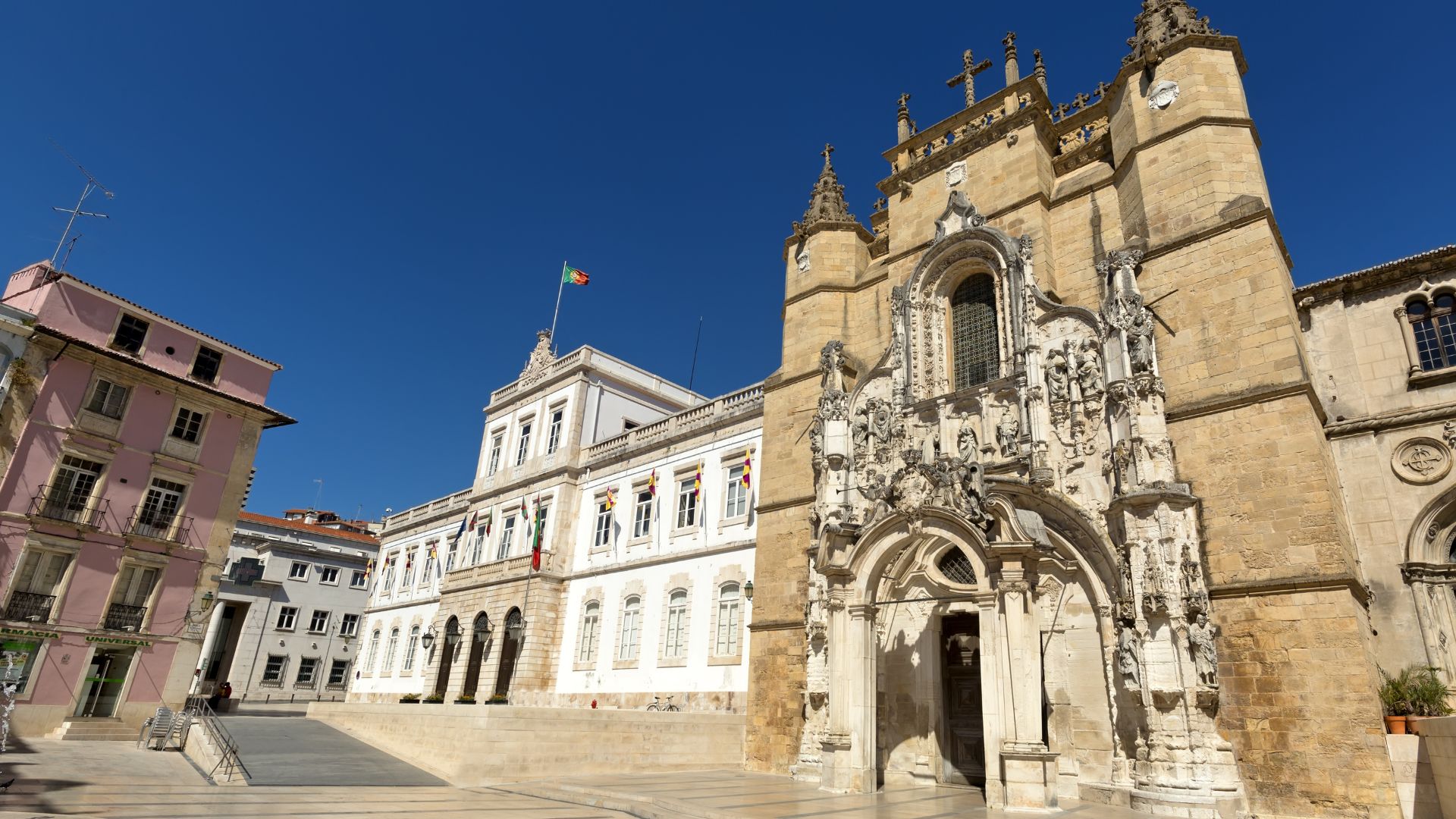
Santa Cruz Monastery isn’t just a beautiful church—it’s where Portugal’s first two kings are buried. It sits in a lively square, and that grand Manueline doorway is impossible to miss. When I stepped inside, the calm atmosphere and tiled chapels surprised me.
The royal tombs, carved from marble and surrounded by intricate stonework, are a highlight. Monks still chant here, adding to the peaceful vibe. I’d suggest coming in the morning to avoid crowds and catch sunlight streaming through the stained glass.
Right next door, there’s a historic café with some of the best pastéis de nata I tried in Coimbra. It’s a great place to sit and soak in the history.
The Royal Palace and University Tower Experience
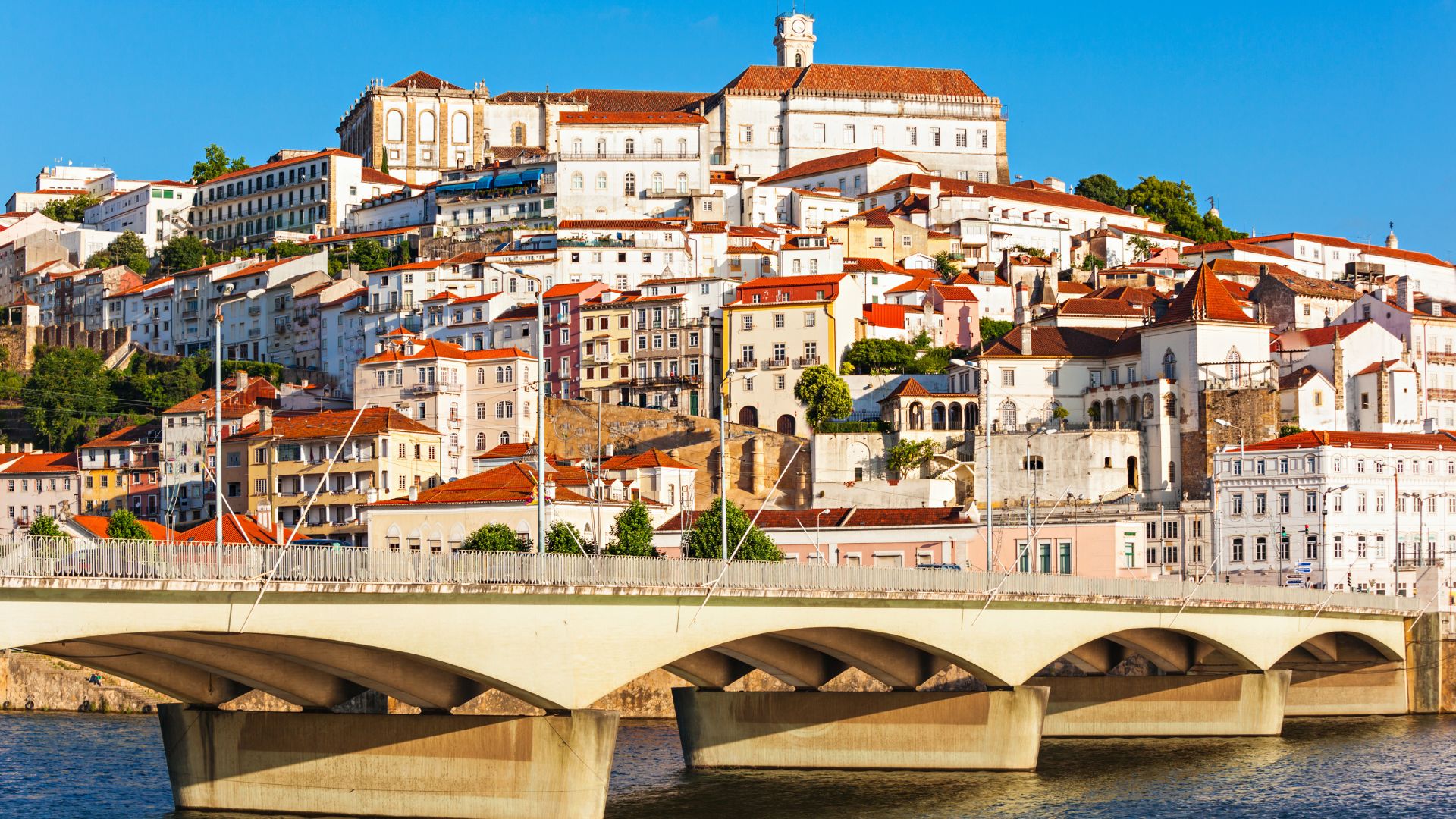
The Royal Palace, now part of the University, is a place where royal halls and the iconic University Tower come together. I climbed the narrow tower steps for a view that honestly took my breath away—the red rooftops and the Mondego River just stretch out forever.
Inside, the grand halls with azulejo tiles and antique furniture show off Coimbra’s academic and royal roots. My tour guide explained how the palace shifted from royal residence to world-famous university.
Hearing the tower’s bell echo over the city was unforgettable. Students have listened to that sound for centuries. If you get the chance, definitely climb up—it’s the best view in town.
Nature, Gardens, and River Walks
Coimbra isn’t just about stone and history—it’s got green spaces, peaceful river walks, and little slices of quiet you might not expect. These spots gave me a chance to slow down and find hidden corners away from the crowds.
Strolling Through the Botanical Garden of Coimbra
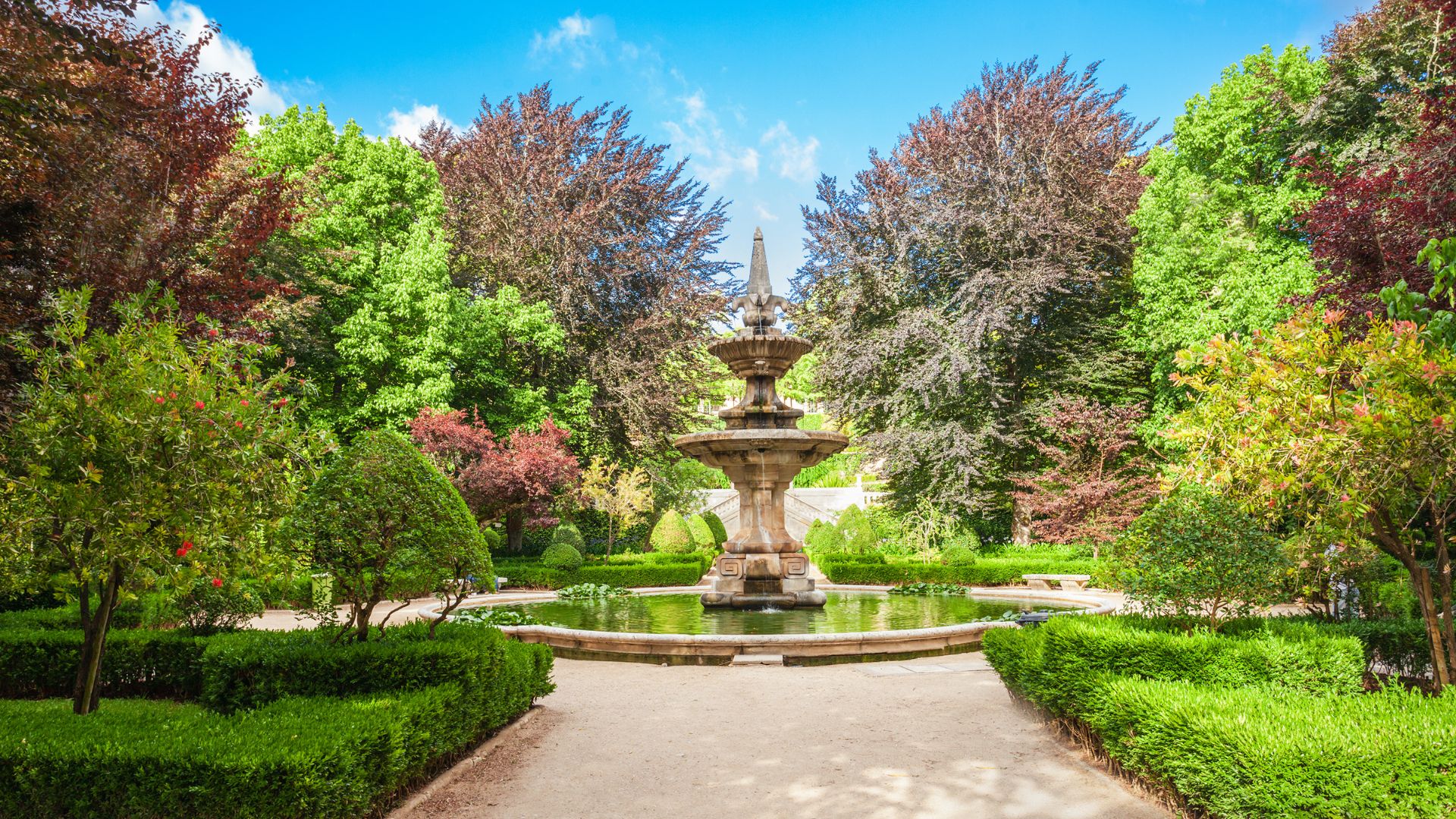
The Botanical Garden of Coimbra is one of Portugal’s oldest, and it’s a real retreat. I wandered shaded paths lined with giant bamboo, rare flowers, and trees older than most buildings.
Just a short walk from the university, the garden covers nearly 13 hectares. I found quiet spots perfect for thinking or snapping photos. Students read on old benches, and I even saw artists sketching by the Palace Gate.
The glasshouses with tropical plants and the old fountain in the center were highlights for me. Entry is free, and the garden’s open all year.
If you’re into historic plant collections or just want a break from the city, you’ll love it here. The rooftop views back over Coimbra aren’t bad either.
Mondego River: Urban Serenity and Sunset Views
The Mondego River adds a whole new layer to Coimbra. The banks feel lively but somehow calming, perfect for a walk or a bike ride.
There’s a wide path along the water, winding under willow trees and past picnic spots. I walked here a few times—sometimes just to clear my head, other times to watch the sunset paint the old city in gold.
Locals jog, kids ride bikes, and families sprawl out on the grass. A few cafés and gelato stands pop up near the path, so you can grab a treat if you want.
If you stick around until twilight, the city’s reflection on the river is something you won’t forget. The view near the historic downtown is especially stunning.
Finding Beauty at the Pedro e Inês Bridge
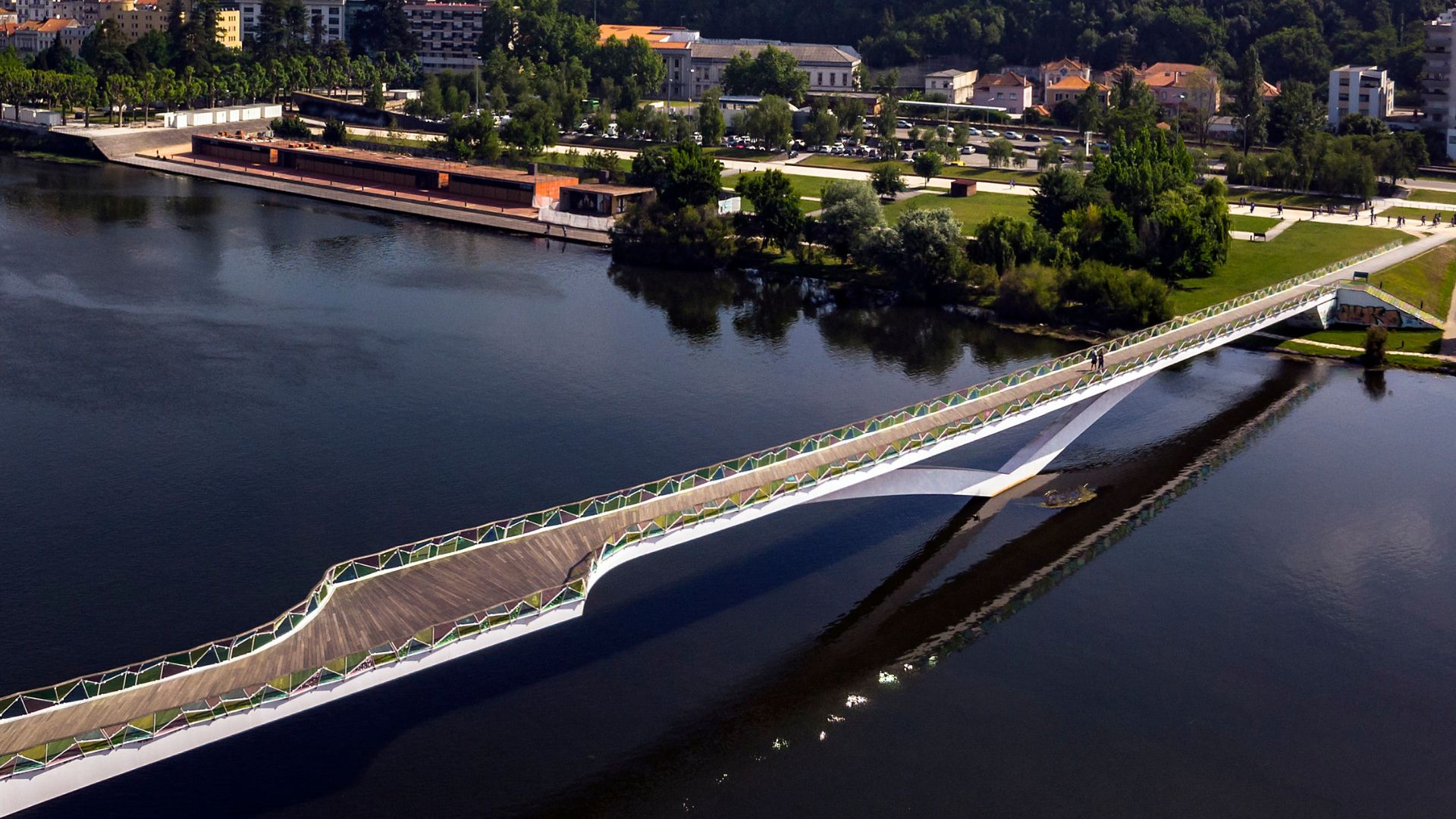
The Pedro e Inês Bridge quickly became one of my favorite spots in Coimbra. Its modern, zig-zag design stands out—a pedestrian bridge covered in colorful glass blocks, arching right across the river.
When I crossed it, I felt suspended between two beautiful parts of the city. From the middle, you get a view of the historic upper city on one side and the green parks along the Mondego River on the other.
Here’s a quick tip: go around sunset. The colored glass glows and throws shifting patterns across the walkway. There’s usually a gentle breeze, and the whole scene feels lively but also peaceful.
The bridge sits close to the park surrounding Portugal dos Pequenitos. You can easily pair your walk with a fun museum stop if you’re up for it.
It’s a great route if you want to explore Coimbra on foot, which I highly recommend.
A Visit to the Monastery of Santa Clara-a-Velha
You’ll find the Monastery of Santa Clara-a-Velha tucked beside the riverbank. Workers built it in the 14th century, but it slowly sank after the Mondego River flooded again and again. Eventually, people abandoned it for centuries.
Wandering through the ruins, I noticed the quiet beauty of limestone arches poking through overgrown gardens. Calm pools of water reflected the old walls, and the atmosphere felt almost otherworldly.
Interpretative signs tell the story of the floods and the nuns who once lived here. There’s also a modern visitor center nearby with artifacts and small exhibits.
I found it fascinating to learn how teams unearthed and preserved the site. Visiting adds a sense of Coimbra’s layered history, right next to the steady rhythm of the river.
If you love atmospheric places or want a glimpse of Coimbra’s spiritual side, don’t skip Santa Clara-a-Velha.
Cultural Flavors: Food, Festivals, and Local Life
Every trip to Coimbra feels like a deep dive into real Portuguese flavors, lively traditions, and a strong sense of community. The city’s food scene and festivals show off its history and unique spirit.
Sampling Must-Try Dishes & Traditional Cuisine
Eating in Coimbra felt like a journey through time. Classic Portuguese dishes fill the city’s cozy restaurants and cafes.
I found the flavors comforting. Many meals center around fresh seafood, savory stews, and rustic bread.
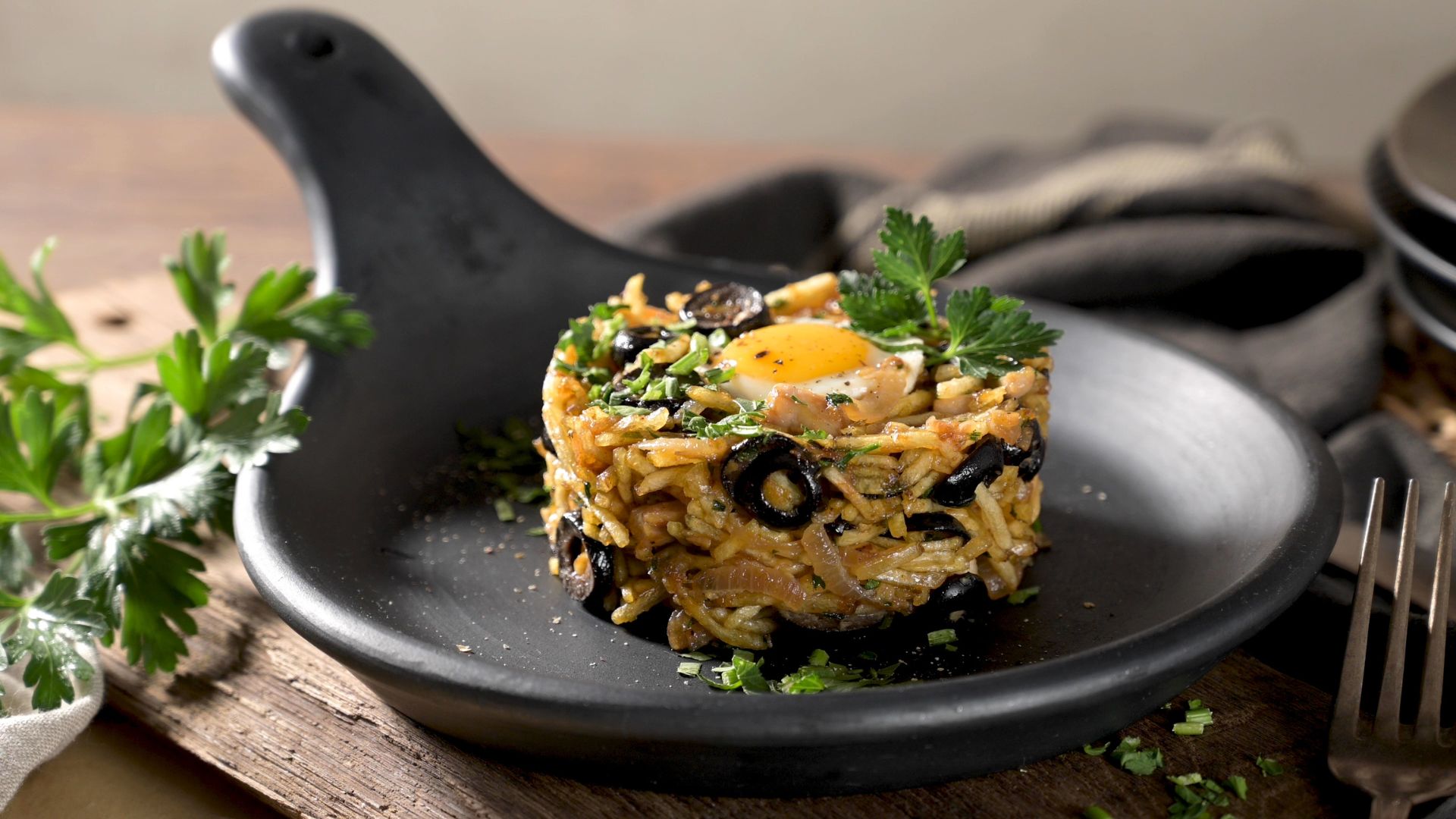
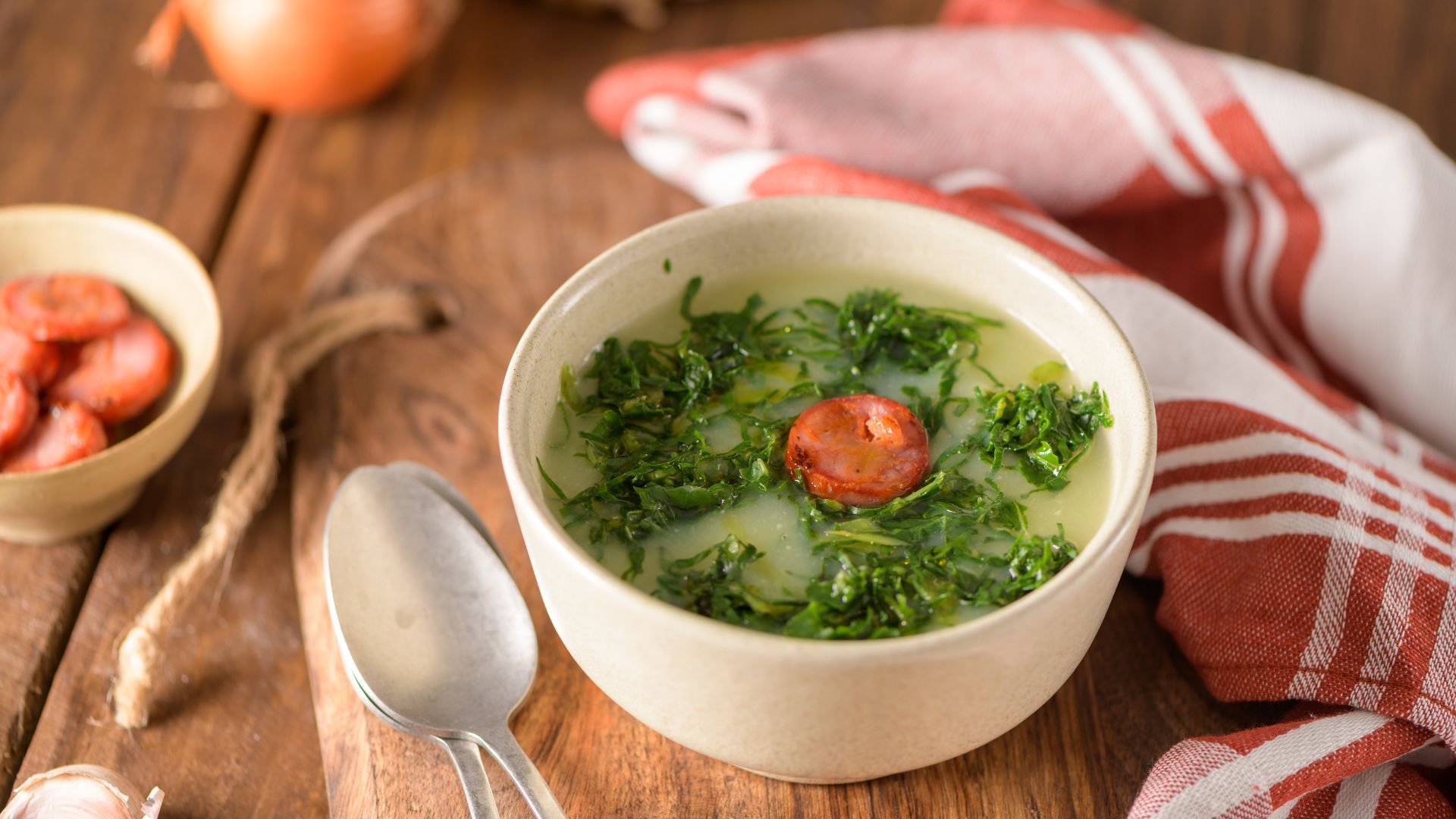
You have to try bacalhau à Brás (cod with eggs and potatoes) and caldo verde (kale soup). Even grilled sardines come with their own story, tied to the city’s riverside roots.
For dessert, pastéis de Santa Clara—delicate almond pastries—are a local favorite. I always paired them with a strong espresso, and honestly, I never regretted it.
Many places offer set menus at lunch, so you can taste traditional dishes without spending much. Sharing a table with locals helped me pick up the best recommendations for authentic meals.
Chanfana and Other Local Specialties
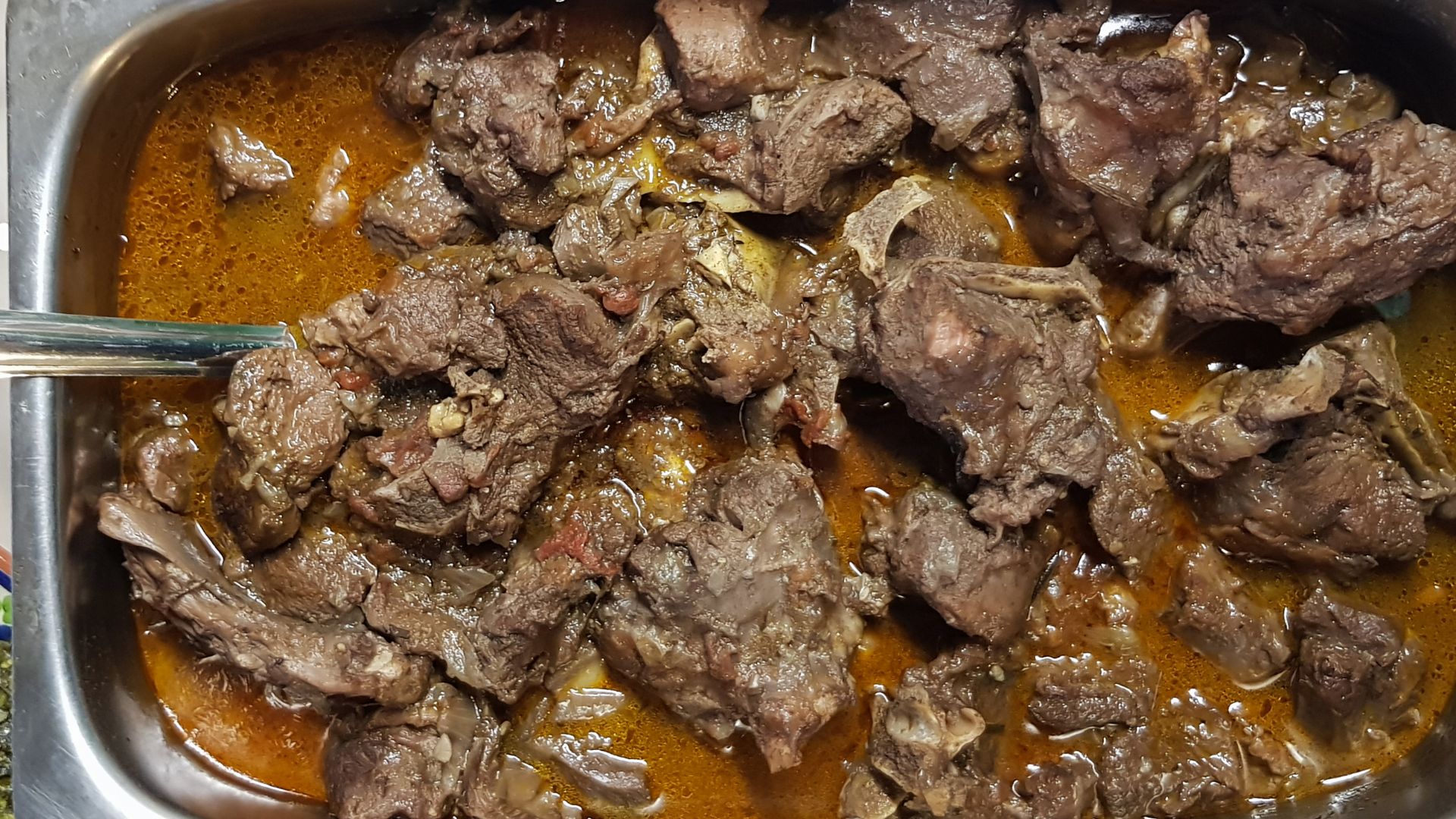
Coimbra’s signature dish is chanfana. Cooks make this slow-cooked goat stew with red wine, garlic, and herbs, usually in old clay pots.
The meat gets so tender it falls right off the bone. I first tasted it in a village tavern outside the city, and it’s still one of my top food memories.
People often save chanfana for special occasions and family gatherings, but you’ll find it in many restaurants all year. I also tried leitão à Bairrada (roast suckling pig), which came out crispy and juicy—a real treat, especially at busy roadside eateries.
Other specialties to look for:
- Arroz de pato (duck rice)
- Queijo Rabaçal (local cheese)
- Traditional pork sausages
Each dish tells a story about the countryside and old traditions. When I chatted with local chefs, they explained how recipes have barely changed. The flavors really do stand the test of time.
Celebrating Coimbra: Festivals Like Queima das Fitas
Coimbra’s festivals are lively and full of spirit. The most famous is Queima das Fitas, a wild student celebration every May.
You’ll spot parades, live music, and colorful ribbons everywhere. I joined the crowds along the main streets, watching graduates in black capes celebrate the end of their studies.
The atmosphere buzzed—students and locals sang, danced, and toasted together. Besides Queima das Fitas, Coimbra also hosts the medieval-themed Feira Medieval de Coimbra and the Festa das Latas in autumn.
Going to these festivals gave me a real sense of the city’s youthful energy and strong academic traditions. The celebrations feel open, welcoming, and honestly, it’s hard not to get swept up in Coimbra’s local culture.
Hidden Culinary Gems and Farmers’ Markets
You won’t find Coimbra’s best food in fancy restaurants. I found the city’s real flavor in local markets and little taverns tucked down side streets.
Mercado D. Pedro V? That place bursts to life every morning. Stalls overflow with fresh produce, local cheeses, olives, and homemade pastries.
I’d wander through and grab picnic supplies—fresh cherries, crusty bread, and some local Rabaçal cheese. That combo made for a perfect riverside lunch.
Back near the university, I stumbled onto some budget-friendly tasca bars. Locals packed these spots for petiscos (think Portuguese tapas), a glass of vinho verde, and easygoing conversation.
Hopping between markets and tiny eateries gave me a real taste of Coimbra’s everyday life. Honestly, every meal felt like a bit of an adventure.
