
France totally captured my heart, and honestly, I didn’t see it coming when I first landed in Paris years ago. What started as a pretty standard tourist trip—snapping a photo of the Eiffel Tower, sipping wine, maybe nibbling some cheese—quickly turned into a love affair with a country that just keeps surprising me.
I’ve roamed everywhere, from the lavender fields of Provence to Normandy’s wild cliffs. The magic? It’s not just in the guidebook must-sees. It’s in those in-between moments—wandering quiet village lanes at dusk, stumbling into a tucked-away café, or just soaking up the warmth of French hospitality.
I’ve hustled through southern France’s markets and wandered fairy-tale castles in the Loire Valley. Each trip peeled back a new layer, and before I knew it, France started to feel like a second home.
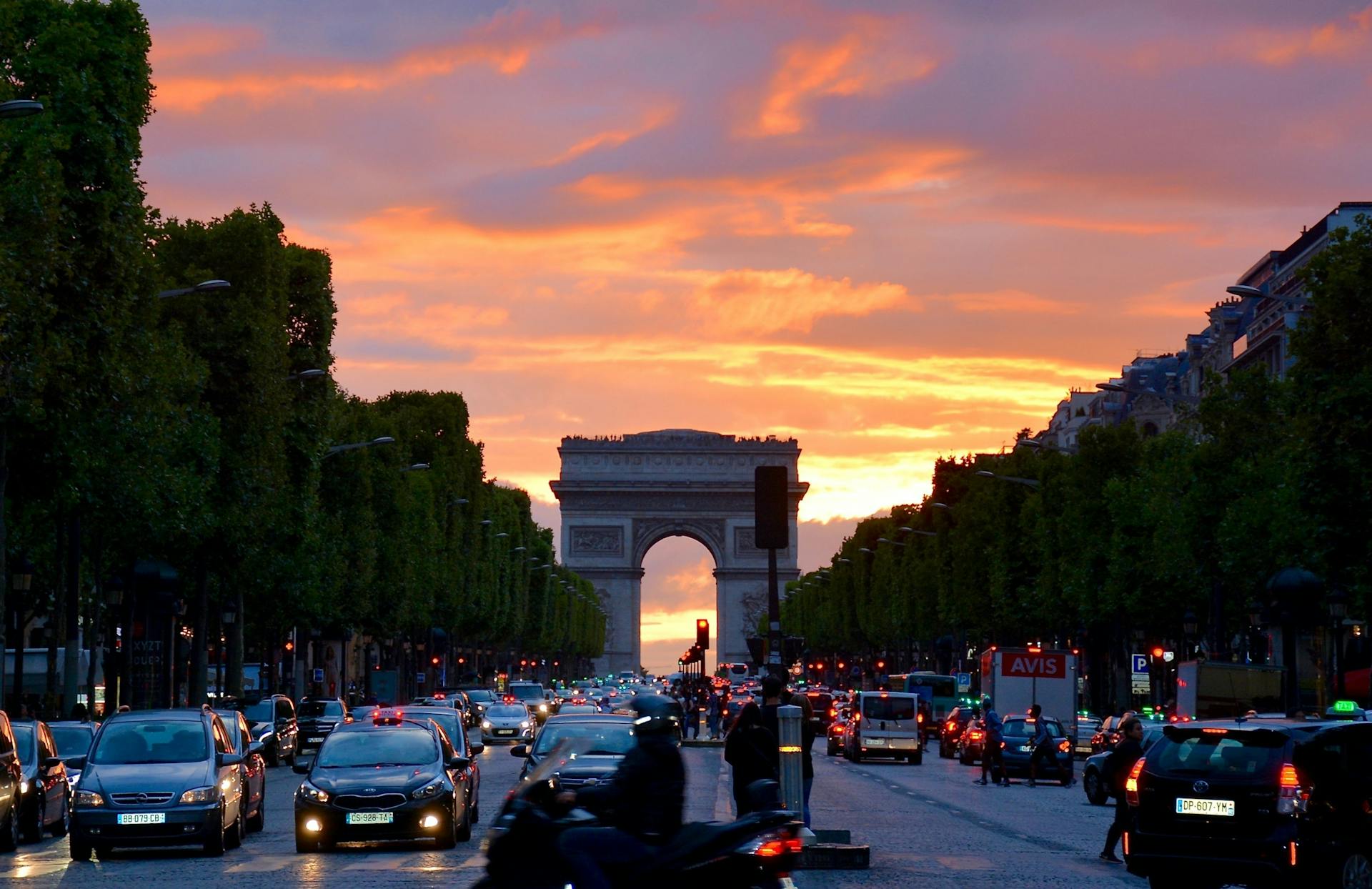
Savoring French Cuisine Beyond Expectations
French food culture? It runs so much deeper than just wine and cheese. I stumbled into some of my favorite meals in tiny villages, countryside bistros, and bustling markets—places where menus aren’t in English and the flavors just blow you away.
Hidden Gourmet Experiences Outside Paris
Lyon totally stole my heart as France’s food capital. The city’s bouchons serve up dishes like andouillette and tablier de sapeur—stuff you just don’t find back in Paris.
Chez Hugon became my go-to spot. Red-and-white checkered tablecloths, tables packed close together—so cozy. The quenelles de brochet in crayfish sauce? Completely unique.
Down in Marseille, I found real bouillabaisse at Chez Michel. They deboned the fish right at my table, and the saffron broth with rouille and Gruyère on croutons just hit differently.
Dishes that seriously wowed me:
- Escargots de Bourgogne in Beaune, swimming in garlic butter
- Oysters in Bouzigues, plucked fresh from the Étang de Thau
- Raclette in the Alps, gooey cheese over potatoes—simple, perfect
Nice’s old town surprised me with socca. Street vendors serve these hot, peppery chickpea pancakes, and honestly, I’d grab one every chance I got.
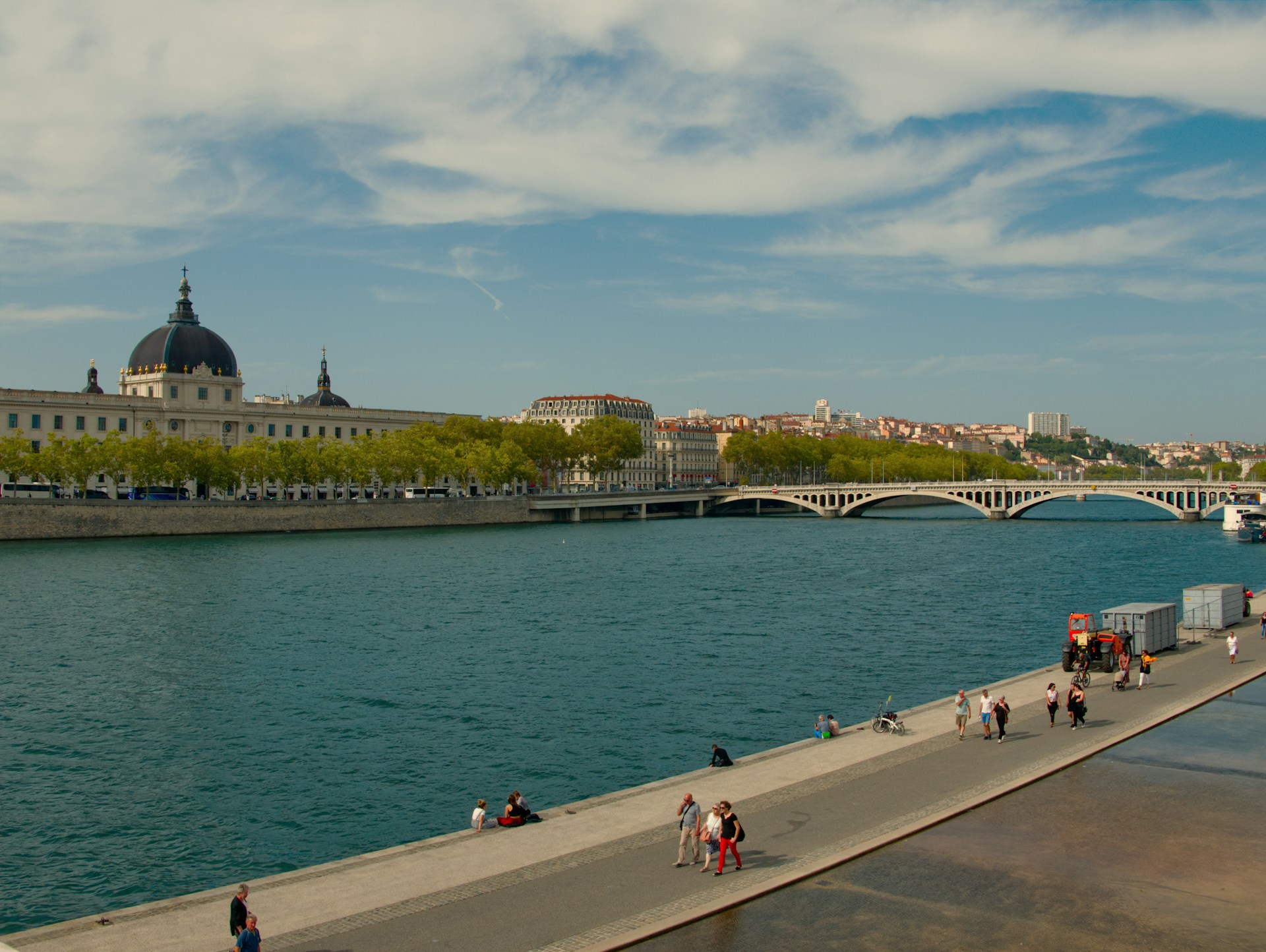
Memorable Meals in Picturesque Countryside Settings
The Dordogne region—wow. I joined a truffle hunt at Domaine Truffier de Saleix. Dogs sniffed out black Périgord truffles beneath ancient oaks.
Afterward, we tasted fresh duck liver paired with sweet Monbazillac wine. That earthy truffle flavor? I still think about it.
Burgundy surprised me with the story of monks eating escargots during Lent. Snails stuffed with parsley and garlic butter—so much better than I expected.
Up in Savoie, I finally tried real fondue savoyarde. We dunked bread into a pot of melted Emmentaler, Beaufort, and Comté, and lingered over every bite.
Countryside foodie hotspots:
- Truffle villages near Sorges-et-Ligueux-en-Périgord
- Vineyard bistros in Beaune
- Mountain chalets in the Alps
Meals in the countryside made me slow down. No one’s in a rush here, and honestly, that’s the best way to eat.
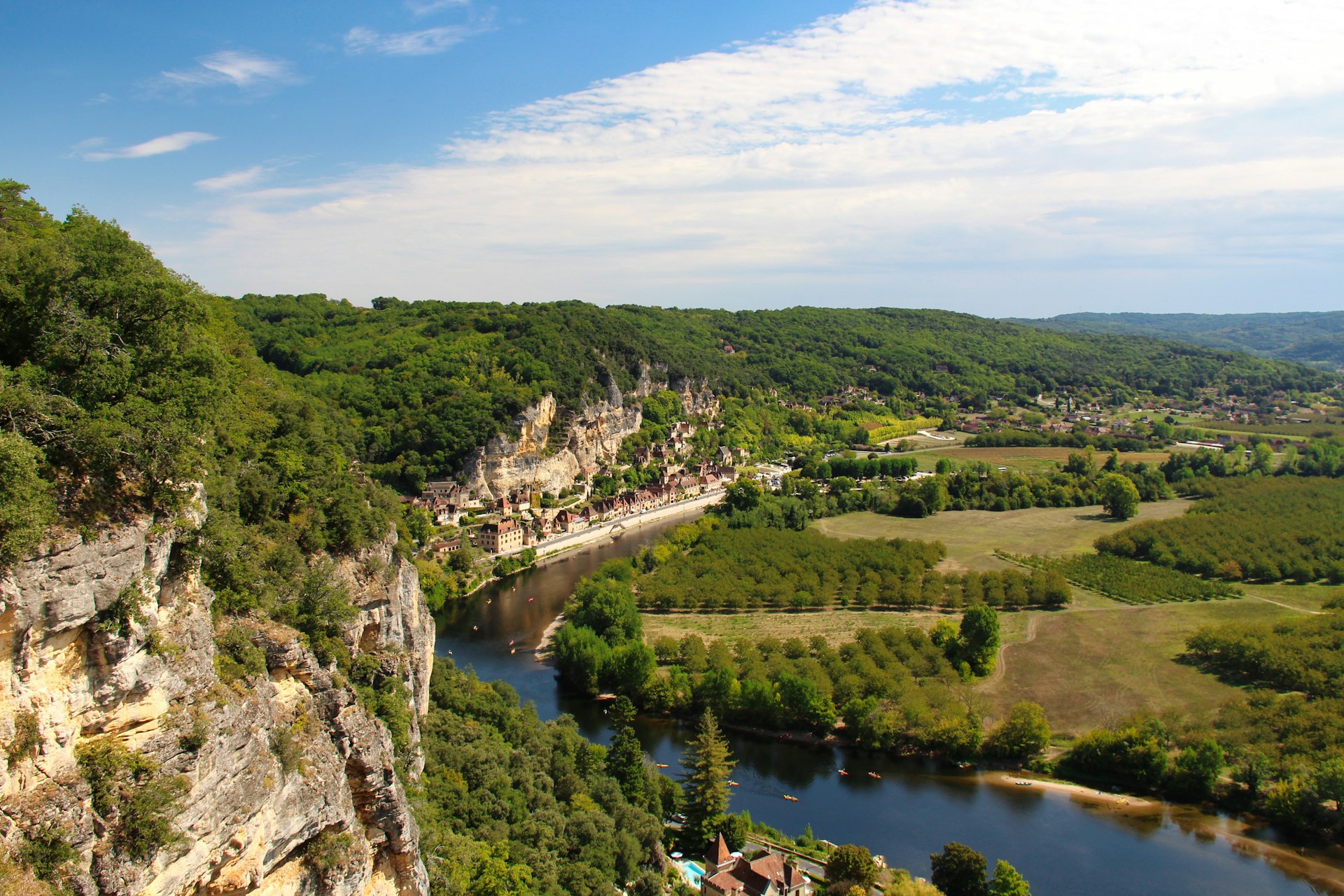
Tasting Local Specialties in Regional Markets
Cours Saleya market in Nice quickly became my morning ritual. I tried tourte de blette, a chard tart with raisins and pine nuts—locals eat it for breakfast, and now I get why.
Pan bagnat sandwiches, soaked in olive oil, were messy but worth it. Tuna, eggs, anchovies, all tucked into crusty bread—ideal beach food.
In Brittany, I watched galette makers swirl buckwheat batter on giant griddles. The galette complète—ham, cheese, and a sunny-side-up egg—became my go-to.
Regional market favorites:
- Bayonne ham and Espelette peppers in Basque country
- Alpine cheeses at Savoie fruitières
- Shellfish at Les Halles de Sète
Rennes really opened my eyes to crêperie culture. Over 30 crêperies in one city! I learned to eat galettes with a knife and fork, never rolled up. Caramel beurre salé, made with salted Breton butter, was the ultimate treat.
Vendors always shared stories about what’s in season. Spring meant fresh goat cheese and asparagus. Winter brought black truffles and hearty fondues.
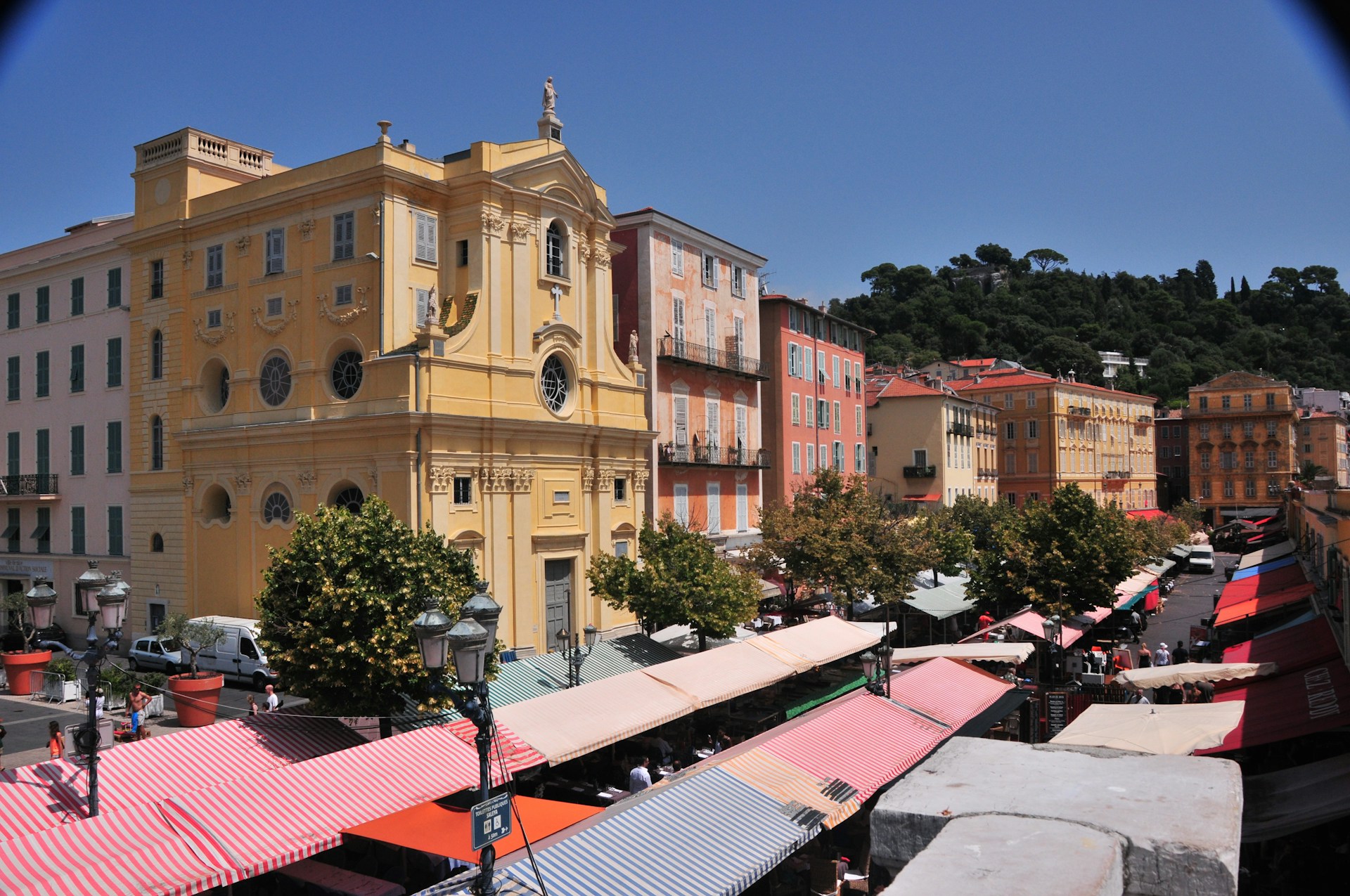
Immersing in Parisian Magic and Culture
Paris gave me some of the most captivating cultural moments I’ve ever had. Wandering cobblestone streets where legends like Picasso once lived, floating past centuries-old bridges on the Seine—somehow, it never gets old. And then there’s Versailles, just a short train ride away, with its mind-blowing royal grandeur.
A Day Exploring Montmartre’s Artistic Soul
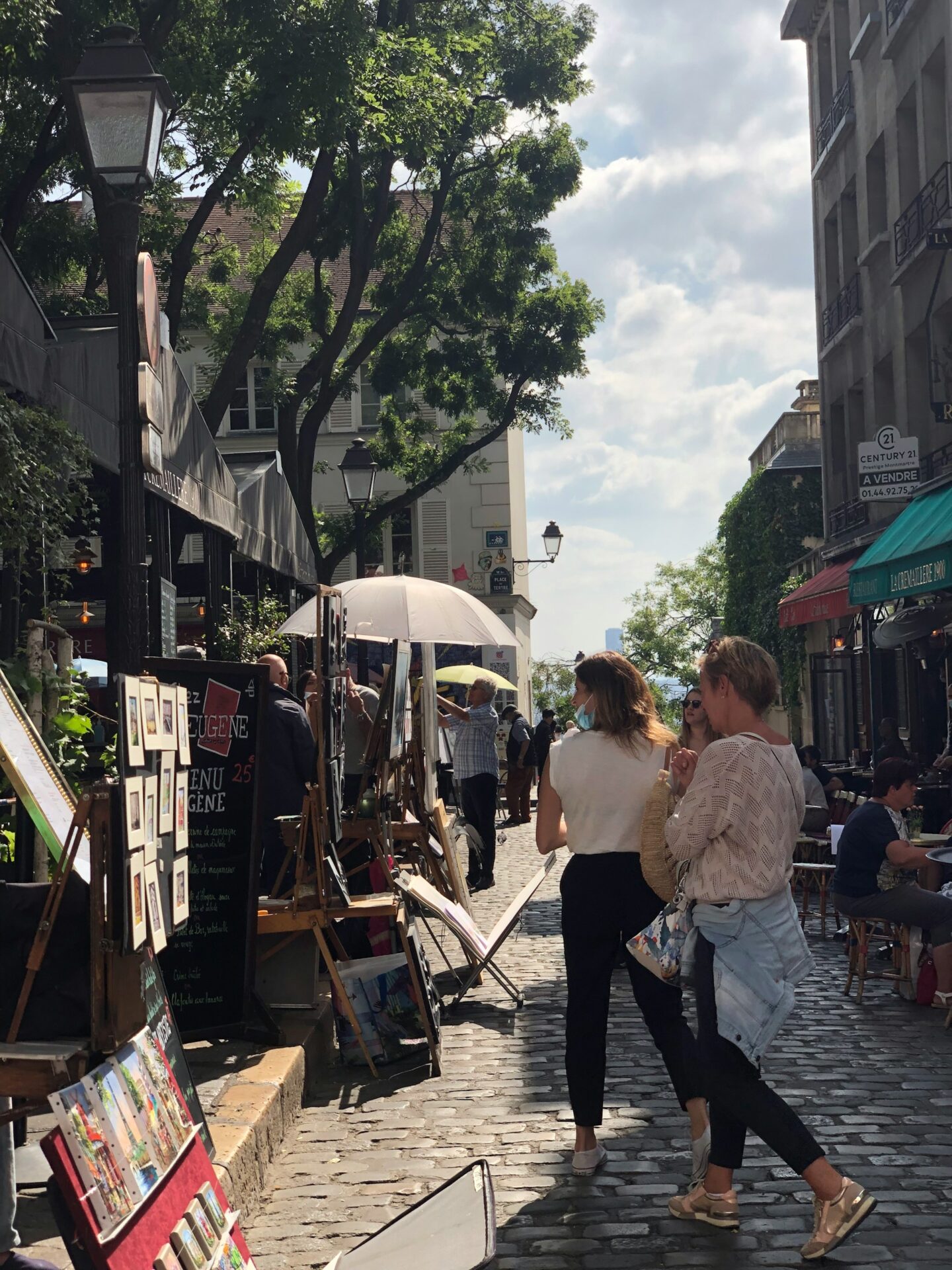
I kicked off my morning climbing Montmartre’s winding streets, following the ghosts of Picasso and Van Gogh. The cobblestone alleys felt alive with creative energy.
Place du Tertre buzzed with artists sketching portraits and landscapes. I grabbed a coffee at a sidewalk café and watched them work. Some pieces really captured the quirky charm of this hilltop neighborhood.
The Basilica of Sacré-Cœur capped my morning with sweeping views over Paris. Inside, the mosaics glimmered and the city noise faded away.
I found hidden wine bars squeezed between art studios. Local painters gathered here at night, swapping stories over cheap glasses of red. This is the real Montmartre—messy, creative, and full of life.
Early mornings felt magical. With fewer crowds, the bohemian spirit shone through. Jazz musicians played on the corners, and shopkeepers set out fresh flowers.
Captivating Walks Along the Seine
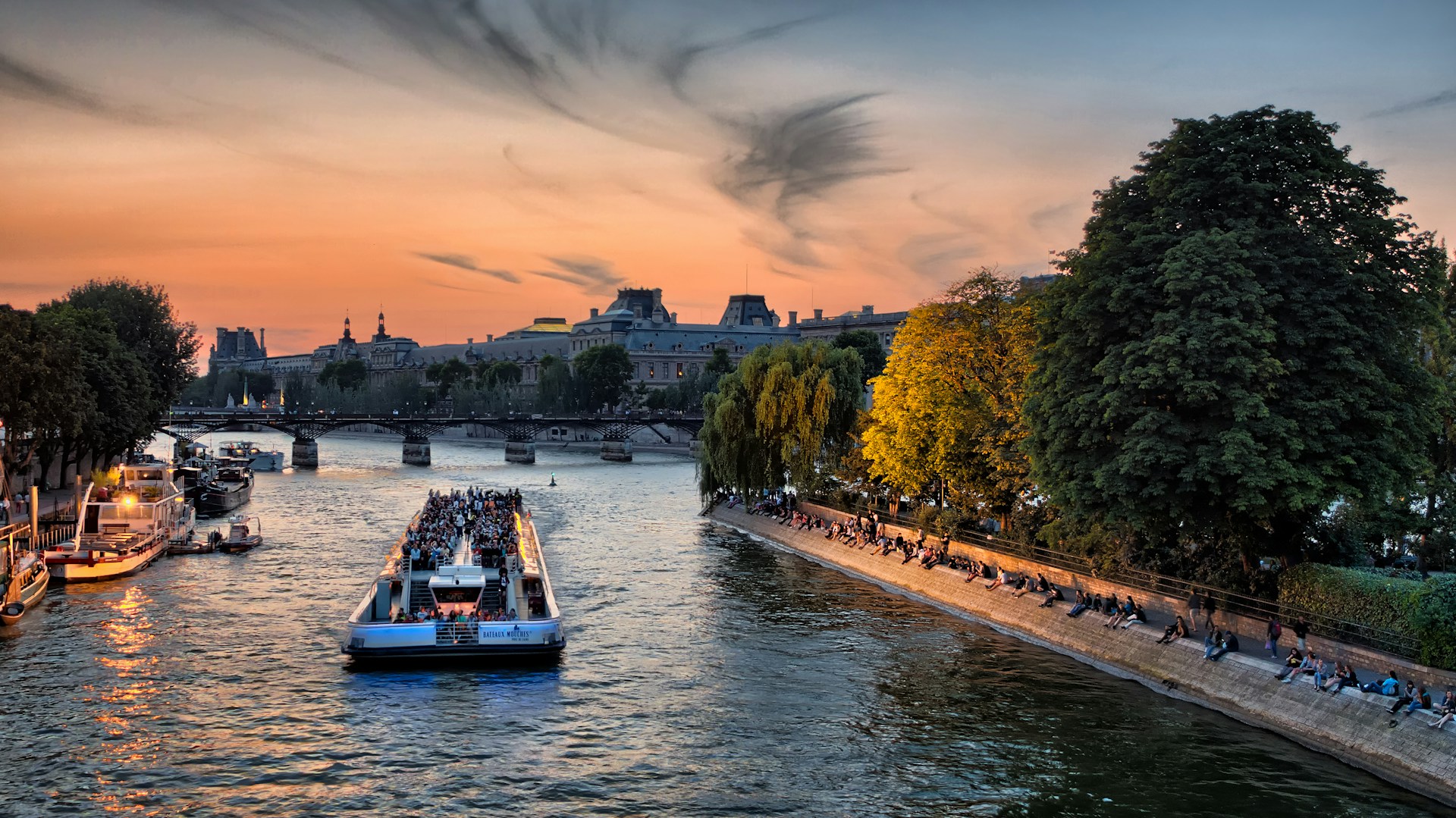
My Seine river cruise changed how I saw Paris. Floating past the Eiffel Tower and Notre-Dame under ancient bridges, the city looked completely different from the water.
I picked an evening cruise for the atmosphere. City lights shimmered on the river, soft music played, and everyone seemed a little more relaxed.
Views that stuck with me:
- The Louvre’s grand riverside face
- Île de la Cité’s medieval charm
- Ornate bridges, each with its own story
- The Musée d’Orsay’s iconic clock tower
The audio guide dropped some fun facts about each spot. I learned how the Seine shaped Paris, and why kings built their palaces right along its banks.
Winter cruises? Surprisingly cozy. Heated interiors and big windows meant I didn’t miss a thing, even when the trees were bare and the air felt crisp.
Experiencing Versailles’ Grandeur
A 45-minute train from Paris dropped me straight into royal extravagance. Versailles really does go above and beyond.
The Hall of Mirrors left me speechless. Seventeen mirrored arches bounced sunlight from the gardens, making the whole room sparkle. I could see why visiting dignitaries got so awestruck.
Marie Antoinette’s private estate felt like a different world. Her little village, complete with a working farm, gave a peek into her need for simplicity away from palace drama.
The gardens stretched for miles—seriously, you need a bike to see it all. I found hidden groves and sculptures tucked away from the crowds.
On weekends in warmer months, musical fountain shows fill the air with classical music and dancing water. It’s theatrical and, honestly, a little over the top in the best way.
The Grand Canal offers boat rentals if you want a break from walking. From the water, the palace looks even more impressive, and the gardens just seem to go on forever.

Breathtaking Adventures Across Southern France
The French Riviera? It’s more than just glitz and beaches. I found some of my most jaw-dropping moments here—hiking wild limestone cliffs, swimming in turquoise coves, and even brushing up against a bit of casino glamour.
Escaping to Calanques National Park
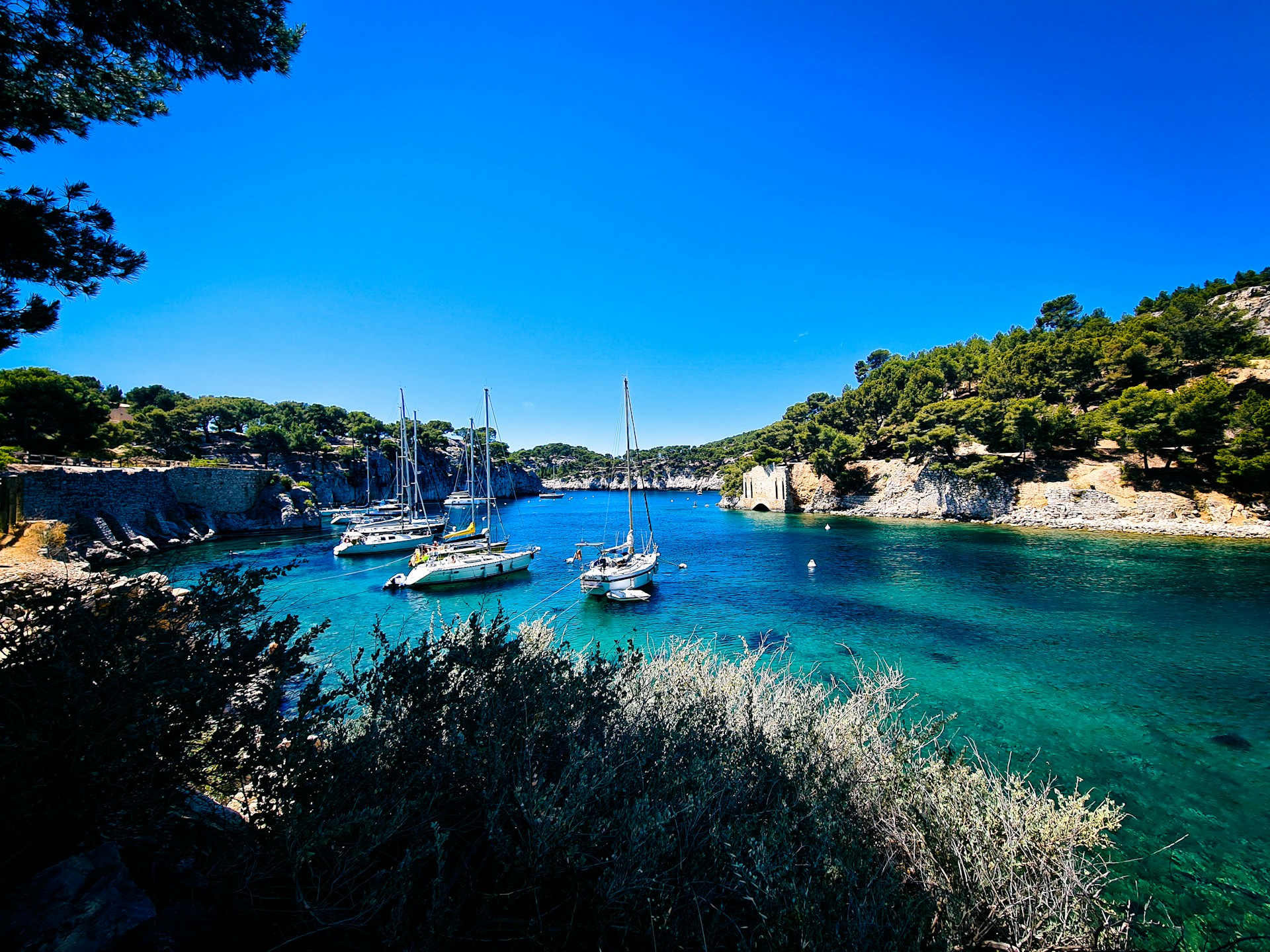
The Calanques became my hiking obsession. These steep cliffs and narrow inlets hide water so clear and blue, it almost looks fake.
I spent three days exploring different calanques. Each one felt like a secret world. The trek to Calanque d’En-Vau was tough, but the view at the end? Totally worth it.
Calanques I loved:
- Calanque de Sormiou (easy to reach)
- Calanque d’En-Vau (most dramatic)
- Calanque de Morgiou (great for a swim)
The water stayed warm enough for swimming, even in late September. I always packed extra water since there’s nowhere to refill along the trails.
Crowds pick up in summer, so I started hikes early to beat both the heat and the people.
Relaxation and Flavor in Nice
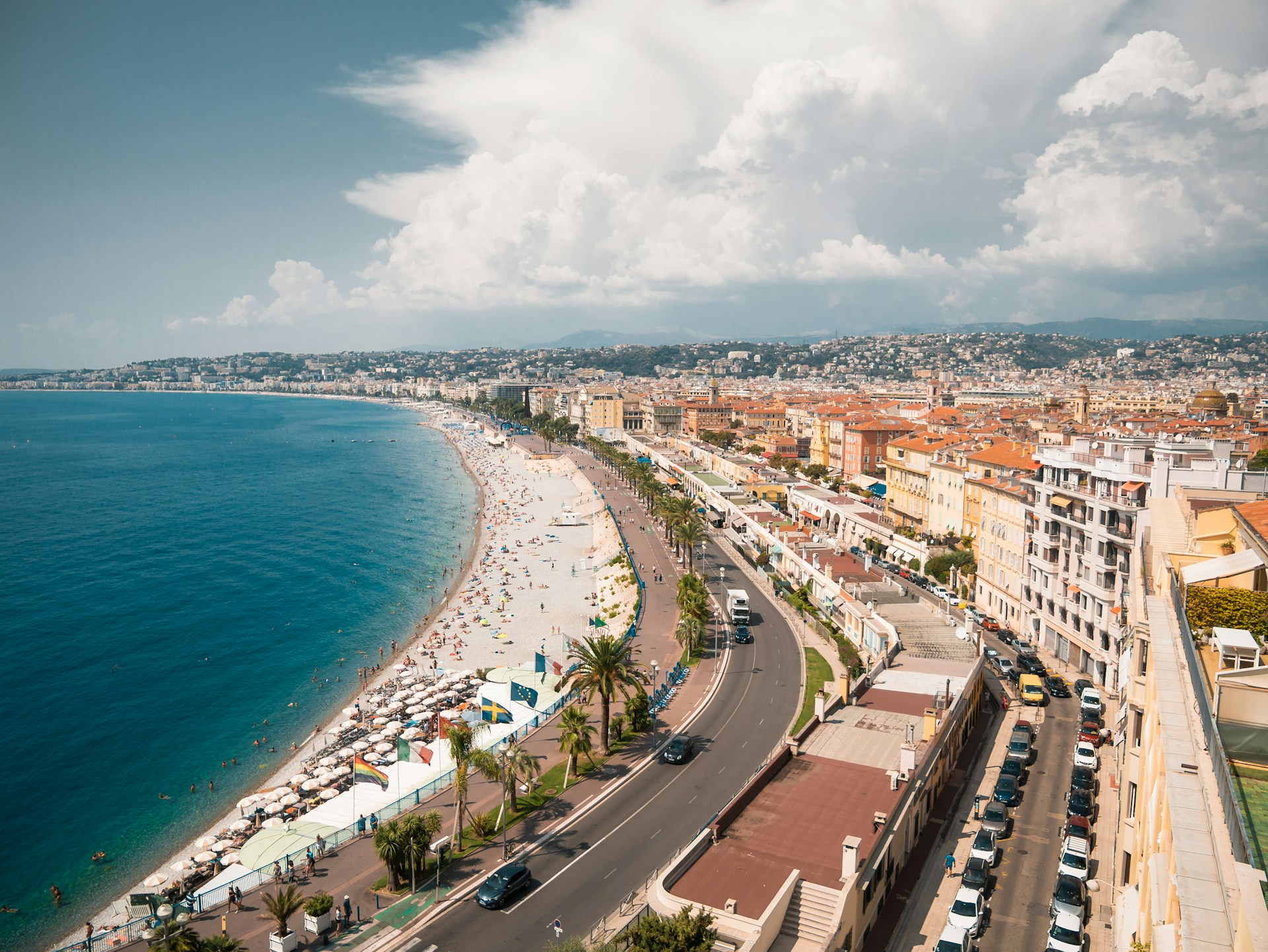
Nice surprised me with its energy. Beyond the beaches, the Old Town’s twisty streets and lively markets kept me coming back.
I’d spend mornings wandering Cours Saleya market. Piles of fresh veggies, cheeses, and handmade soaps filled the air with scents I still miss. Vendors always offered samples—dangerous for my wallet, but so fun.
Evenings were for slow strolls along the Promenade des Anglais. I rented a bike and rode the full seven kilometers beside the Mediterranean.
Nice highlights:
- Hot socca from street vendors
- The Russian Orthodox Cathedral’s golden domes
- Swimming at Plage Beau Rivage
The food here? A perfect French-Italian mashup. Salade niçoise tasted totally different from what I’d had elsewhere—fresher, brighter, more local.
A Glimpse of Glamour in Monaco
Monaco is tiny but packs in the drama. I walked the entire country in under two hours, but it felt like a movie set.
The Monte Carlo Casino was my big night out. Even if you don’t gamble, just walking inside feels special. I dressed up and, for a second, pretended I belonged.
The Prince’s Palace gave me postcard-worthy views over the Mediterranean. I caught the changing of the guard at 11:55 AM—touristy, but kind of fun.
Monaco must-sees:
- Casino de Monte-Carlo (don’t forget your passport)
- Palace Square’s sweeping views
- Exotic Garden with wild cacti
The luxury here is wild. Superyachts crowd the harbor, and even a coffee costs a small fortune. Still, it’s worth a visit—just maybe not an overnight stay.
I always recommend Monaco as a day trip from Nice. The train’s cheap and quick, and you can soak up the glam without breaking the bank.

Unmissable Historical Journeys
France is packed with history—some of Europe’s most important sites are right here. These places gave me a real sense of the past, from ancient Roman aqueducts to World War II beaches and medieval art that still inspires today.
Standing in Awe at the Pont du Gard
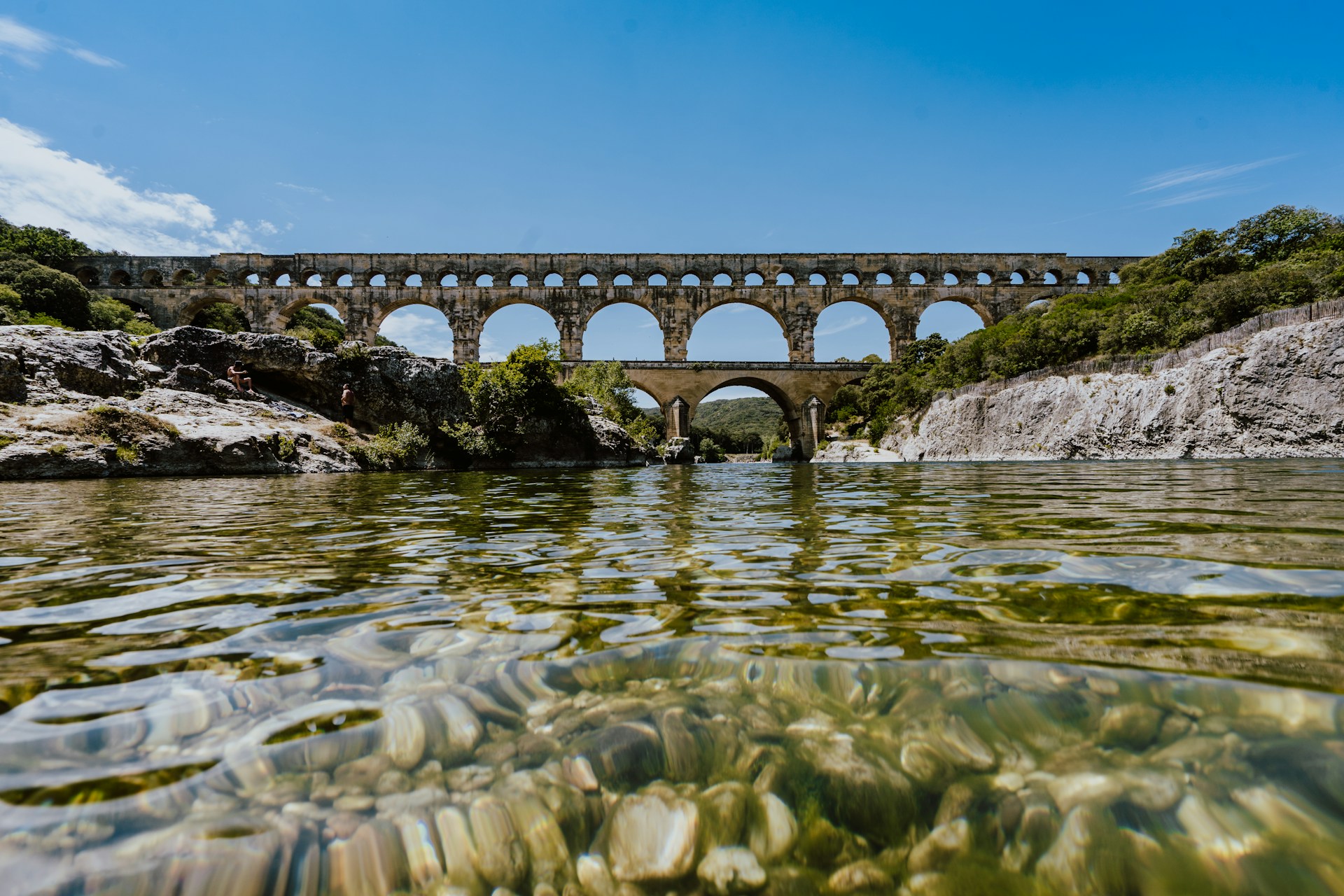
The Pont du Gard near Nîmes floored me. This Roman aqueduct bridge towers 160 feet above the Gardon River.
The Romans built it around 50 AD, sending water 31 miles from the springs to Nîmes. They shaped every stone block to fit seamlessly—no mortar, just pure precision.
Crossing the bridge’s three levels felt surreal. The bottom level shows off six arches. The middle has eleven. The water used to flow along the top.
What blew my mind:
- Size: Some stone blocks weigh as much as 6 tons.
- Precision: The stones snap together like a giant puzzle.
- Durability: It’s survived almost 2,000 years—how wild is that?
At the visitor center, I watched how Roman engineers figured out water flow and angles. I lost track of time and honestly, three hours wasn’t enough.
Reflections at Normandy’s D-Day Beaches
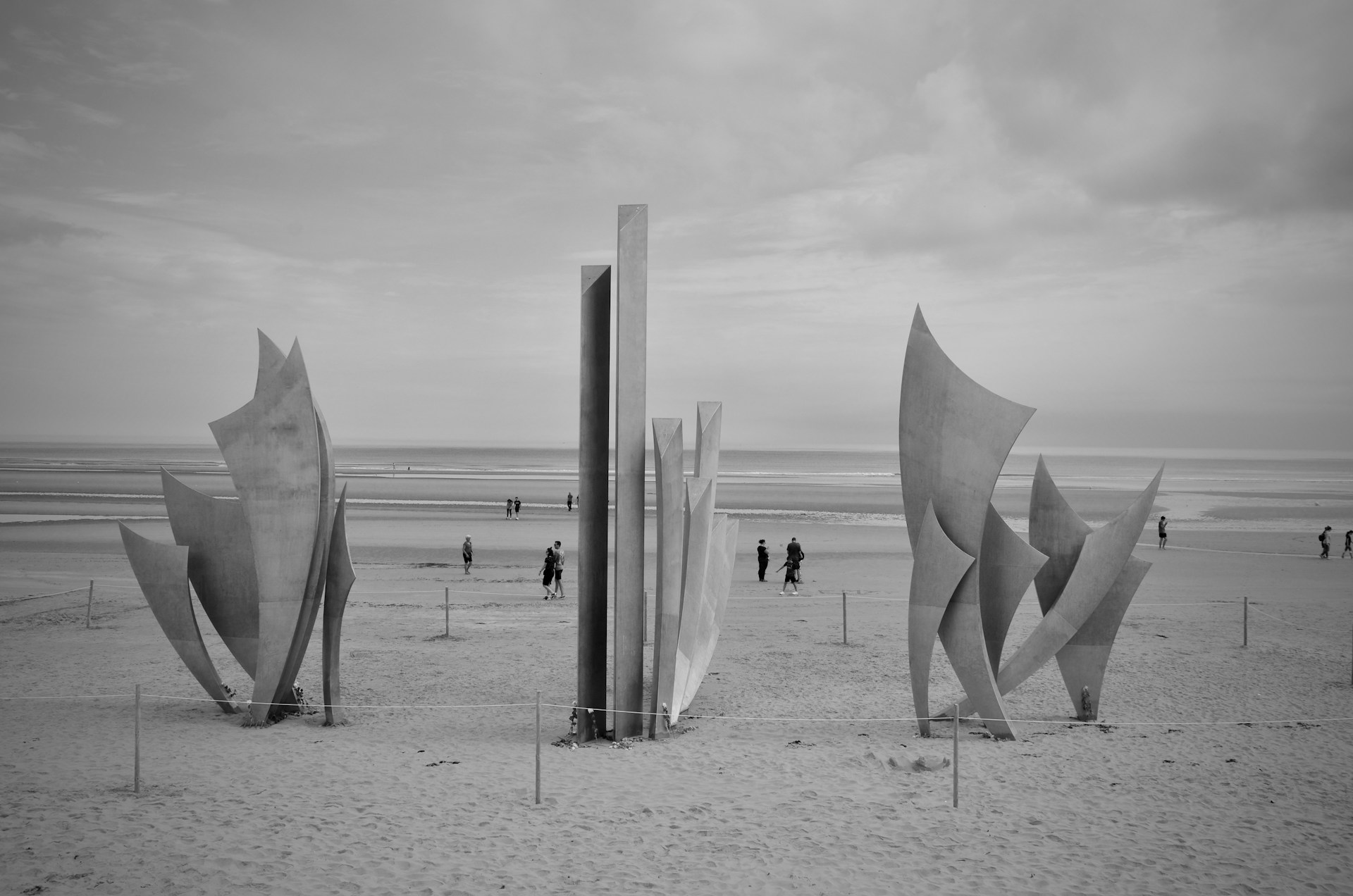
Walking along Omaha Beach felt nothing like any other beach I’ve seen. On June 6, 1944, Allied troops stormed these sands to start freeing Europe from Nazi rule.
The beach stretches for miles, gentle waves rolling in. Looking up at the German bunkers still perched on the cliffs, I couldn’t help but imagine the chaos of that day.
At the American Cemetery in Colleville-sur-Mer, I wandered among 9,387 white marble crosses and Stars of David. Every marker stands for a life lost fighting for freedom.
Inside the cemetery museum, I followed the D-Day invasion timeline. I hadn’t realized 156,000 troops landed across five beaches that day.
At Pointe du Hoc, I scrambled into bomb craters. Army Rangers scaled those sheer 100-foot cliffs under fire. Their bravery still sends chills down my spine.
Discovering Tapestry History in Bayeux
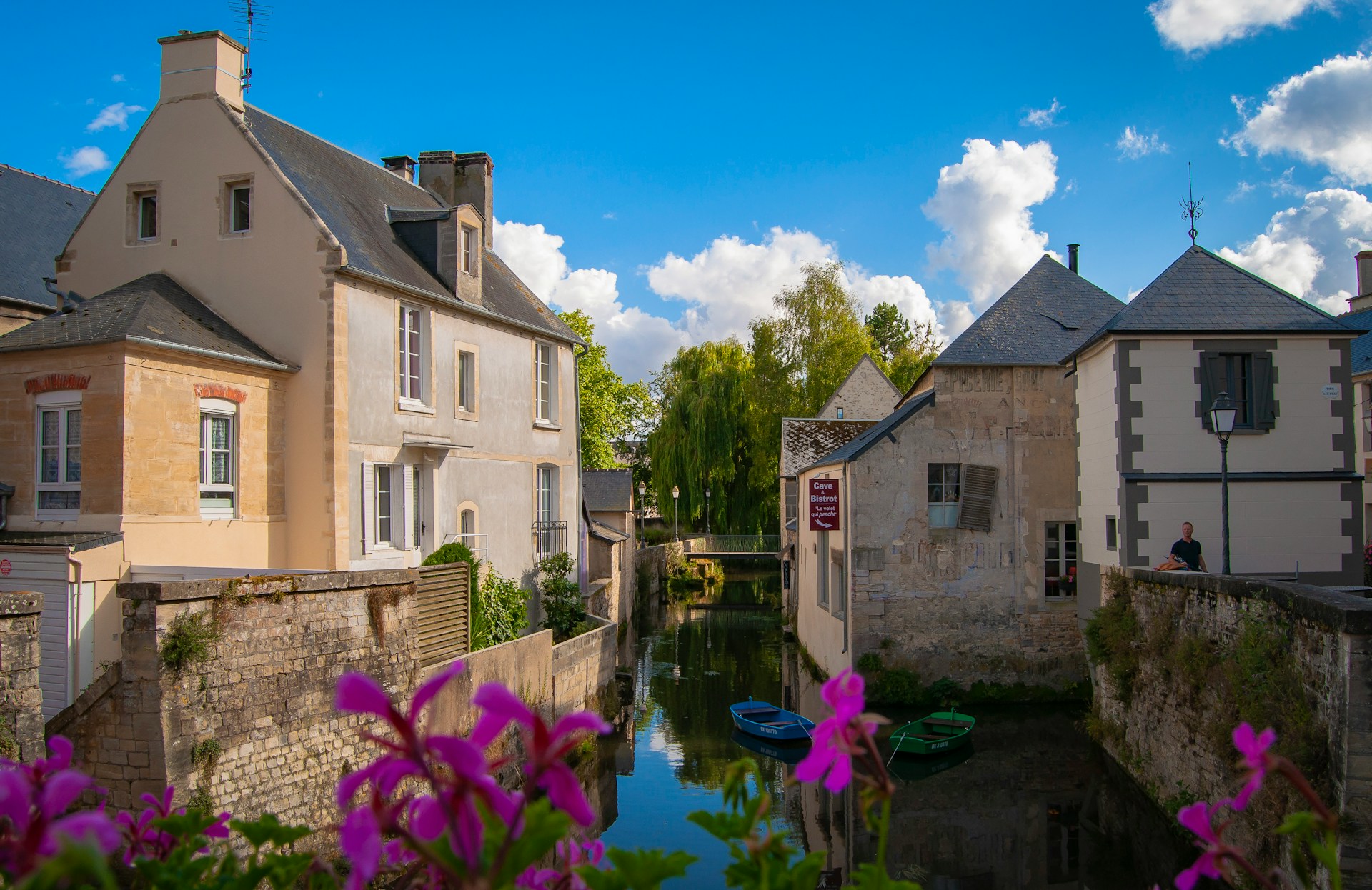
The Bayeux Tapestry totally changed how I see medieval storytelling. This 230-foot embroidered masterpiece tells William the Conqueror’s story and the 1066 invasion of England.
It’s not even a tapestry, technically. It’s wool embroidery on linen. Eight thread colors bring 58 scenes to life, with 626 people and 202 horses stitched in.
I followed the story left to right, almost like reading a comic strip. There’s King Edward’s death, Harold’s coronation, then the chaos of the Battle of Hastings.
Moments that stuck with me:
- Halley’s Comet blazing as a bad omen
- Norman ships crossing the Channel
- King Harold’s death—arrow in the eye and all
The audio guide runs about 45 minutes, but I circled through twice to catch the details I missed. The museum also displays medieval finds from the area.
Somehow, the tapestry survived nearly a thousand years, even through World War II bombings.
Enchanting Castles and Vineyards of the Loire Valley
The Loire Valley ended up as one of my favorite discoveries in France. Renaissance castles dot the countryside, and world-class vineyards stretch for miles. This UNESCO World Heritage region stuns with architectural gems like Château de Chambord and wines from more than 6,000 producers.
Touring Majestic Châteaux
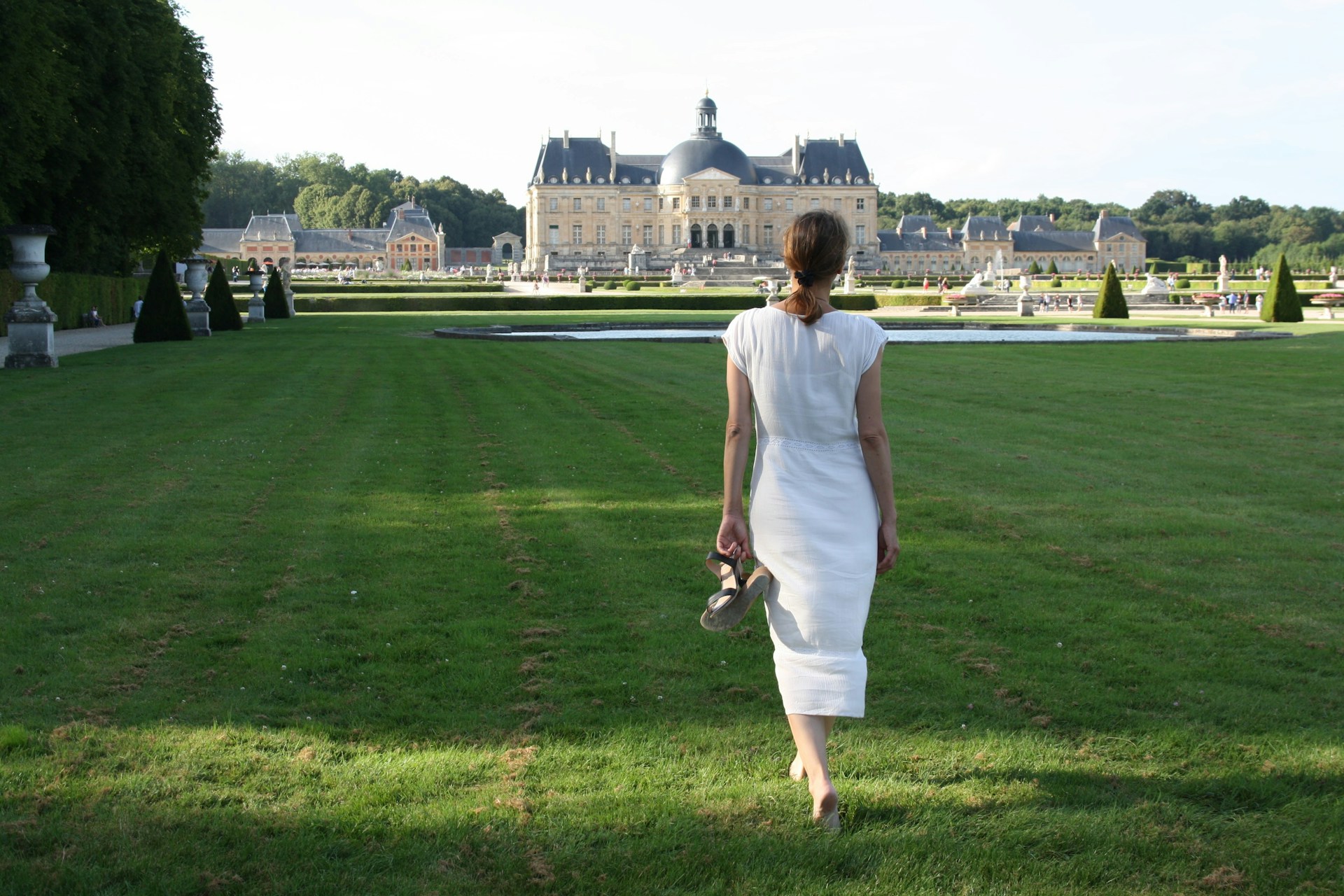
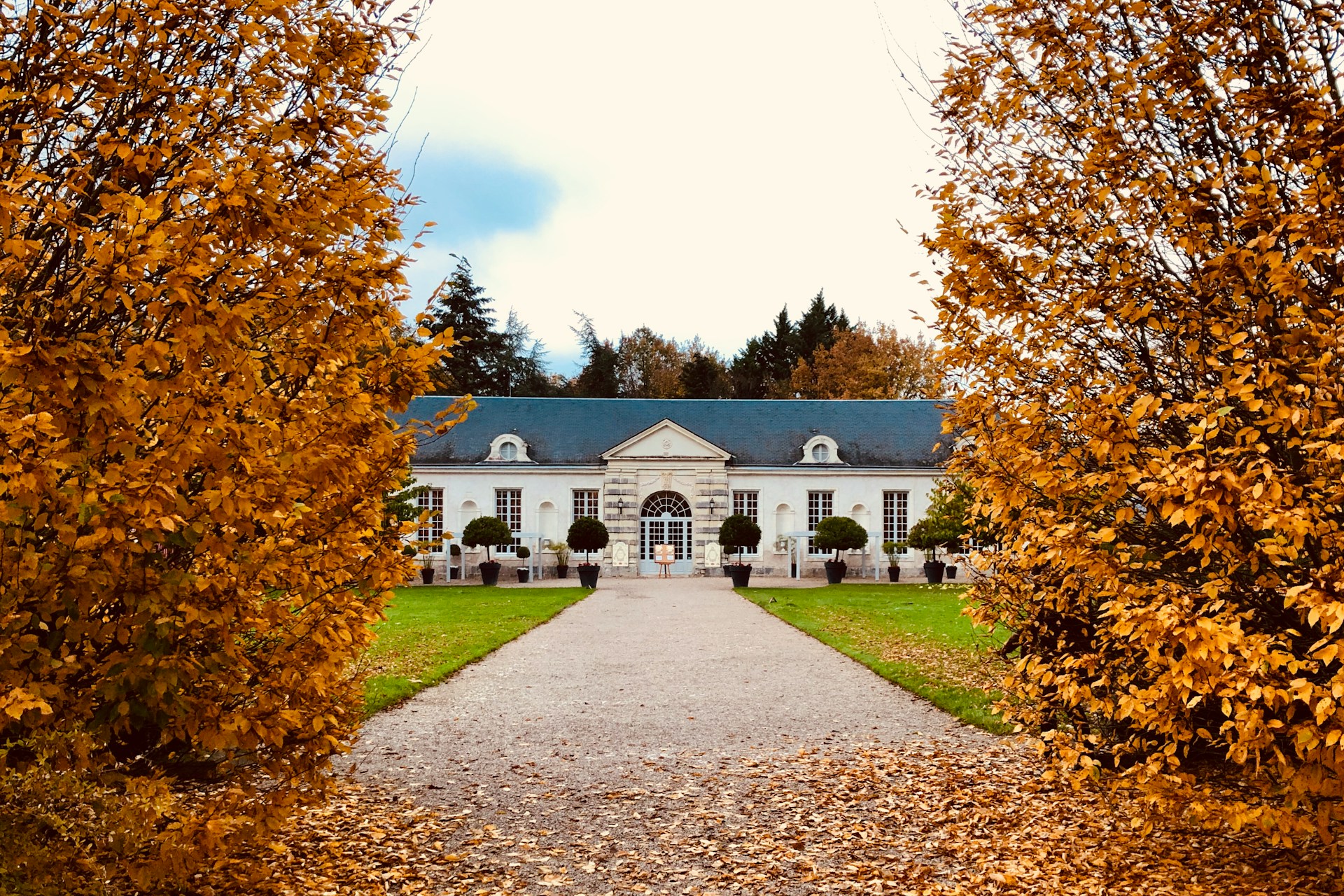
I spent hours (days, honestly) wandering the Loire Valley’s legendary castles. Each one has its own story of French royalty and Renaissance flair. Château de Chambord takes the cake—its French Renaissance design and 440 rooms left me speechless.
Château de Chenonceau almost floats across the Cher River. Locals call it the “Ladies’ Castle” because of the powerful women who shaped its history. The gardens in late spring? Absolutely stunning.
Château d’Amboise sits high above the Loire River, and yes, Leonardo da Vinci is buried there. That artistic touch makes it extra special.
Here’s a tip: I grabbed a castle pass at the tourism office in Blois and saved a chunk of change visiting multiple châteaux. Many offer shuttle buses from towns like Tours and Blois.
Blois itself made the perfect base—central, right on the river, and just 90 minutes from Paris by train.
Wine Tasting Amid Rolling Vineyards
The Loire Valley’s wine scene? So diverse. Four main regions, more than 185,000 acres of vines, and excellent wineries just a short drive from the famous castles.
Chenin Blanc stole my heart. At Domaine Sébastien Brunet in Vouvray, I tasted organic, limestone-aged whites with zippy acidity.
For reds, Cabernet Franc from Chinon surprised me. Domaine Olga Raffault’s single-vineyard bottles really show off what this grape can do.
| Wine Type | Best Region | Key Characteristics |
|---|---|---|
| Chenin Blanc | Vouvray | Crisp, mineral, ages beautifully |
| Cabernet Franc | Chinon | Elegant, earthy, great with food |
| Muscadet | Sèvre et Maine | Light, crisp, perfect for seafood |
The climate shifts from maritime near the Atlantic to continental inland, and you can taste those differences in the glass.
Village Hopping Along the Loire
Driving between wineries and castles, I stumbled on villages that completed the Loire Valley experience. Blois drew me in with medieval streets and the quirky Denis Papin Staircase.
Villages like Amboise and Vouvray felt authentic and refreshingly uncrowded. Local markets overflowed with specialties that paired perfectly with regional wines.
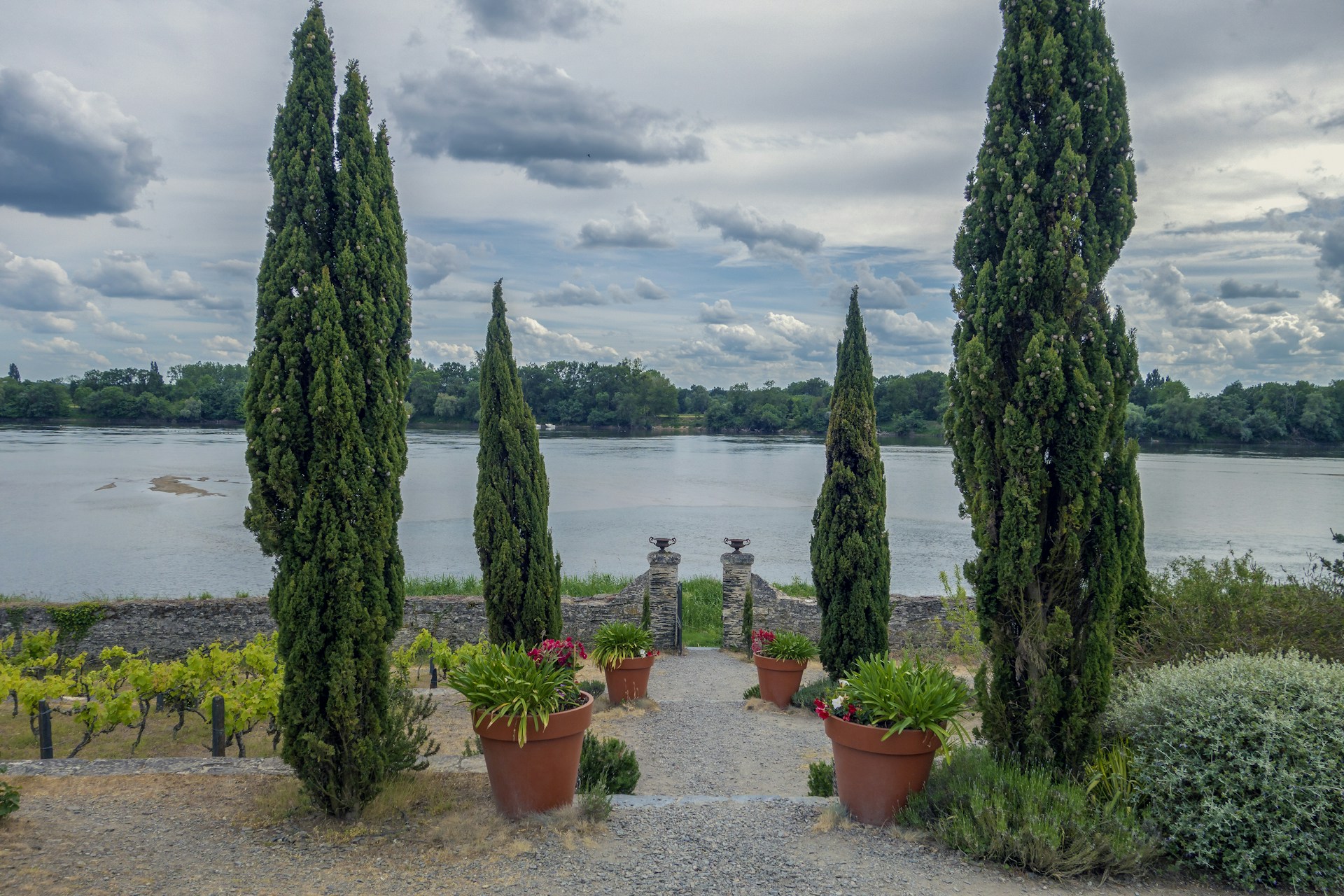
The Loire River itself added so much scenic magic. Some villages offer boat tours for castle views you just can’t get from land.
Restaurants in these villages serve up traditional dishes with local ingredients. The goat cheeses here? Honestly, they’re the perfect match for crisp Loire whites.
Getting around was a breeze. Public buses, taxis, and car rentals made spontaneous detours easy. The well-kept roads encouraged exploration—no rigid plans needed.
Frequently Asked Questions
Traveling around France, I’ve noticed that most folks have similar questions about finding real, memorable experiences beyond the obvious tourist spots. These answers come straight from my own adventures in villages, countryside corners, and places you won’t find in every guidebook.
I’ve stumbled upon some amazing places few tourists ever see. Conques in Aveyron, for example, floored me with its winding medieval streets and breathtaking abbey. Only about 300 people live there, but it’s truly one of the most beautiful spots I’ve found.
The Vercors Plateau in the Alps is a haven for hiking and cave exploring. I spent three days there and barely saw another soul. The underground rivers and limestone caves are just magical.
In Normandy, Beuvron-en-Auge charmed me with half-timbered houses and apple orchards. I stayed on a local farm and even learned to make calvados with the owner.
The Camargue in the south totally surprised me. Wild horses roam the salt marshes, and on a horseback tour, I got close to flocks of pink flamingos.
Grape harvesting in Burgundy during vendange season was a highlight. Working with local families gave me a deeper understanding of wine culture than any tour could. The harvest feast at the end? Unforgettable.
Learning pottery in Vallauris was a hands-on adventure. I spent a week with a master potter, and my wobbly clay bowls still remind me of that trip.
In Provence, I joined a truffle hunt with trained dogs. The thrill of unearthing truffles was addictive, and we cooked them up right away in a simple omelet.
Cooking classes with village grandmothers changed how I see French food. In Périgord, Madame Dubois taught me to make cassoulet from her family’s 19th-century recipe.
The Gorges du Verdon absolutely blew me away. It’s a massive canyon with turquoise water—honestly, it rivals anything I’ve seen worldwide. Kayaking there was both exhilarating and peaceful.
Mont Blanc’s beauty isn’t just about the summit. Hiking the Tour du Mont Blanc trail, I wandered through alpine meadows, past glacial lakes, and into villages that felt frozen in time.
The Calanques near Marseille are jaw-dropping. I hiked to Calanque d’En-Vau and swam in crystal-clear water surrounded by white limestone cliffs.
Corsica is a world of its own. The red cliffs of Bonifacio and the mountain lakes in Restonica Valley make the island feel like a different country altogether.
Albi stands out with its massive brick cathedral and the Toulouse-Lautrec Museum. The medieval center is so well preserved, I spent hours getting lost in the narrow lanes.
Colmar in Alsace looks straight out of a storybook. Colorful half-timbered houses line the canals, and the Unterlinden Museum holds amazing medieval art.
Dinan in Brittany wowed me with its intact medieval walls and cobblestone streets. Walking the ramparts, I could almost picture life centuries ago.
Sarlat-la-Canéda in the Dordogne is all golden limestone and 13th-century charm. The Saturday market packs the square with local products and contagious energy.
Every region has its own must-try specialties. In Lyon, I ate at classic bouchons where silk workers once gathered. The quenelles de brochet completely changed my idea of French comfort food.
Oyster farms in Cancale blew my mind. I learned about the different oyster types and tasted them fresh from the sea. The Belon oysters? Next level.
In Périgord, I toured a foie gras farm and watched traditional methods in action. Tasting it with Monbazillac wine was a real treat.
The cheese caves in Roquefort-sur-Soulzon fascinated me. Watching blue cheese age in natural cliffside caves explained its unique flavor—there’s nothing else like it.
Chambres d’hôtes—those cozy French bed and breakfasts—have been my go-to for genuinely local experiences. Local families run them, and you get way more than just a room; you get stories, home-cooked breakfasts, and tips you’d never find in a guidebook.
Then there’s Gîtes de France. I’ve booked everything from old farmhouses to quirky mill buildings and even a wine estate through their site. The places always keep their authentic vibe, but you don’t have to worry about comfort—there’s a certain standard they stick to.
If you’re the spontaneous type, just drop by the local tourism office in a small town. I’ve stumbled upon some absolute gems that never showed up in my online searches, simply by asking the folks at the desk.
Want a real taste of rural life? Try a “séjour à la ferme.” I once spent a few days on a goat cheese farm in the Loire Valley, helping out with chores and learning way more about goats than I ever expected. It’s hands-on, for sure, but honestly, that’s what makes it memorable.
