
Whenever I visit Hamburg, I end up spending a lot of time in St. Pauli. Sure, most people think of this district as a nightlife hotspot, packed with famous bars, but there’s a whole other side that’s easy to miss. Here are my top 3 alternative ways to experience Hamburg’s St. Pauli—no bar crawl required.
I’ve stumbled on some pretty cool spots—places where street art explodes across walls, where quirky independent shops pop up, and where you can really feel the area’s creative culture. These places always give me a fresh perspective on what makes St. Pauli tick. If you’re after something a bit different and want to dig deeper into Hamburg, these ideas should hit the spot.
Discovering Urban Art and Culture in St. Pauli
St. Pauli isn’t just about nightlife. I see it as a patchwork of bold urban art, buzzing community spaces, and wild ideas that reflect Hamburg’s diversity. Sometimes it feels like every corner is telling its own story through art or a local project.
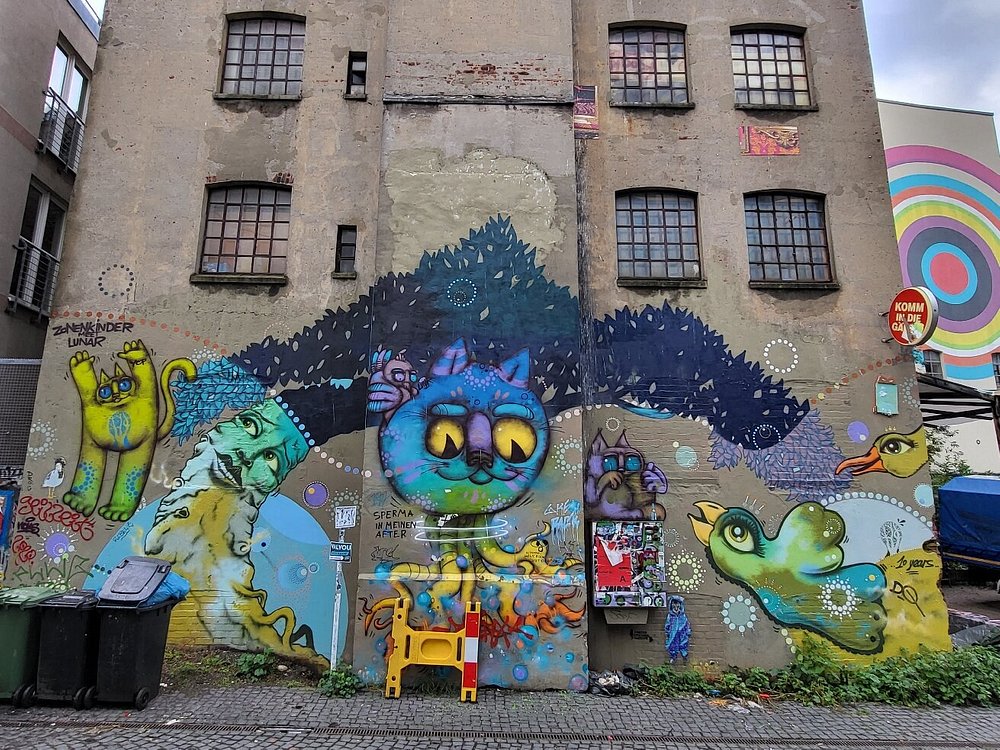
Exploring Street Art and Graffiti
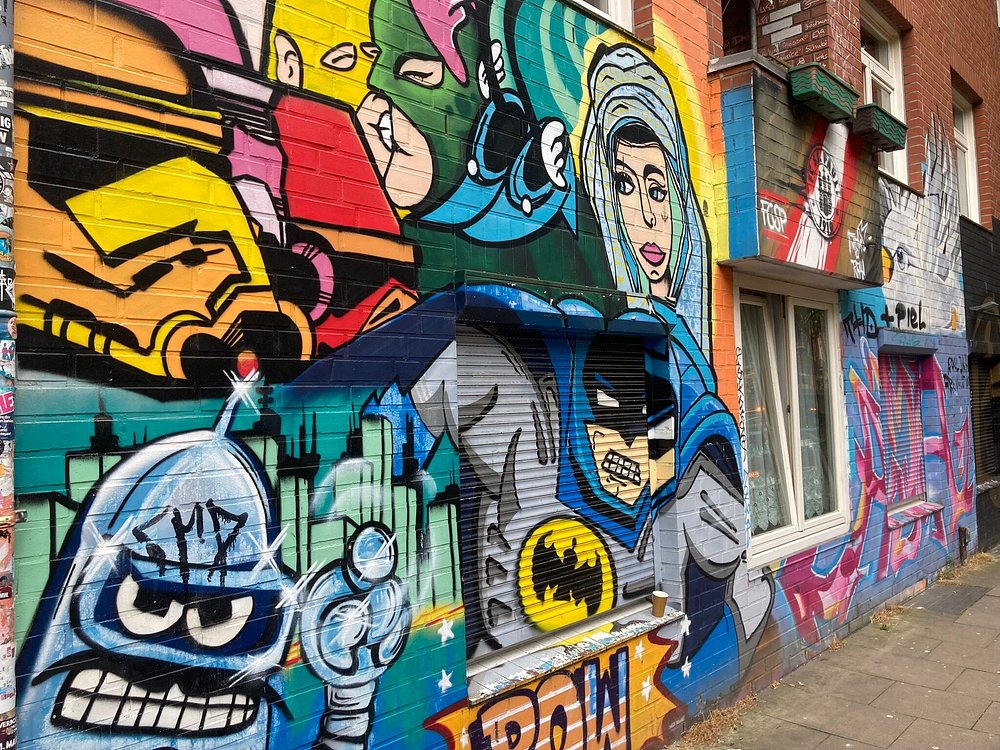
Street art covers St. Pauli. You’ll spot murals and graffiti everywhere, especially near the Millerntor-Stadion. Artists like Rebelezer and Herakut have left their signatures here, and I’ve seen entire stadium walls turned into canvases for giant paintings and political messages. The street art isn’t just for show—it often shouts out opinions or highlights what’s happening locally.
You can visit the Millerntor Gallery inside the stadium during exhibitions. Artists show off new urban art and chat with visitors about their process. Guided street art tours are easy to find and let you in on the real stories behind all those tags, stickers, and wild murals. If you’re into photography, this neighborhood is basically an open-air gallery.
Here’s what you’ll get from a street art walk in St. Pauli:
| Feature | Description |
|---|---|
| Murals | Large, colorful, and usually themed |
| Graffiti Walls | Political, expressive, always changing |
| Guided Tours | Real stories about artists and projects |
| Millerntor Gallery | Regular urban art exhibits |
Gängeviertel: Artistic Community Hub
When I’m craving a more organized art fix, I make my way to Gängeviertel. It’s not right in the center of St. Pauli, but it’s close enough for a quick walk. This restored spot feels like a living workshop—creativity spills out from every corner. Local artists fill old buildings with studios, galleries, and tiny venues. No two visits are ever the same; sometimes there’s a pop-up show, other times a market or a surprise sculpture outside.
The open-door vibe stands out to me. Community workshops invite anyone to join in, learn something, or just watch artists at work. Gängeviertel thrives on freedom of expression and welcomes everyone, no matter where you’re from. You can jump into an art class or just wander the lively courtyards and graffitied walls. The creative buzz is real.
Highlight:
- Free art exhibitions
- Cultural festivals
- Hands-on workshops
Reeperbahn’s Creative Corners
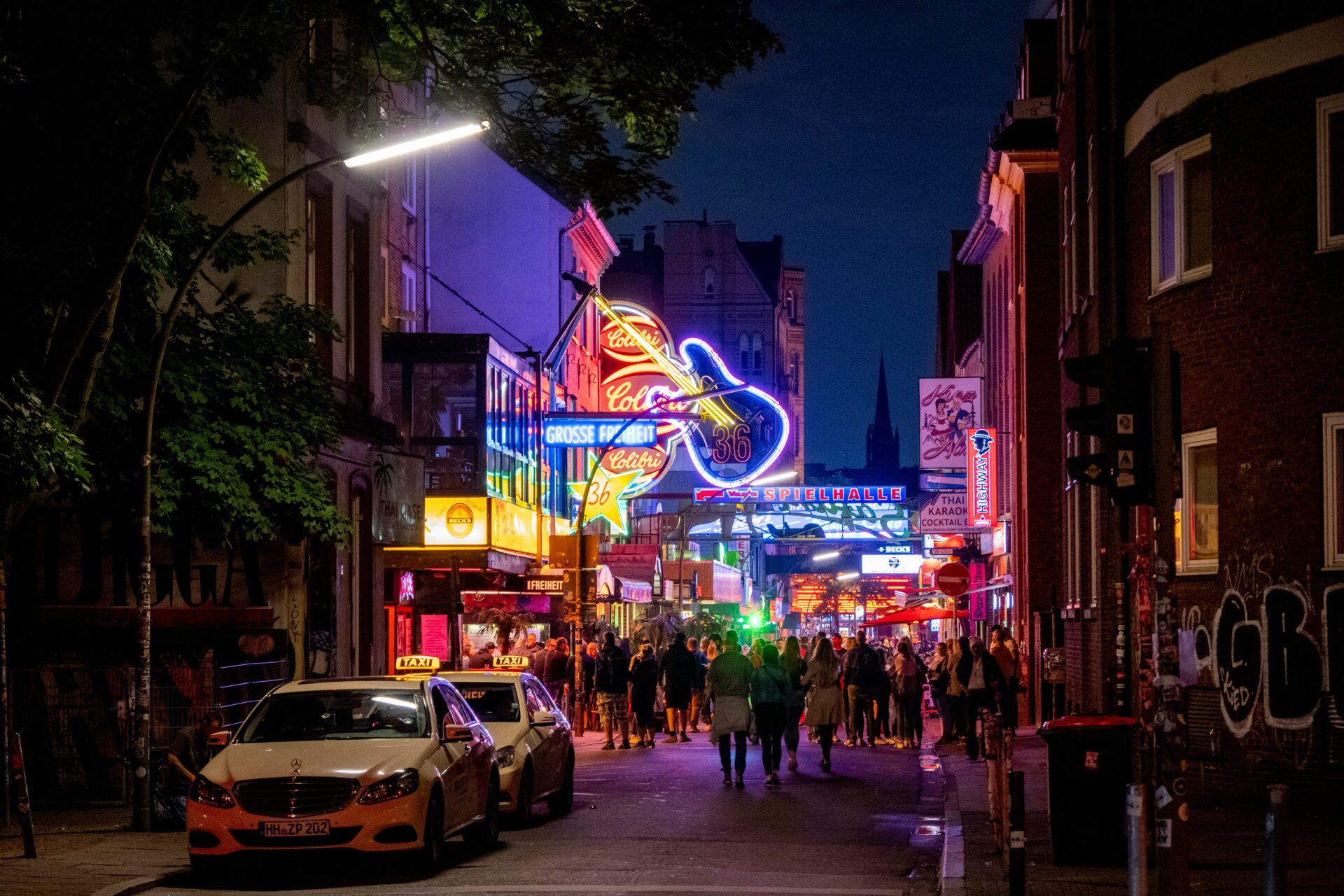
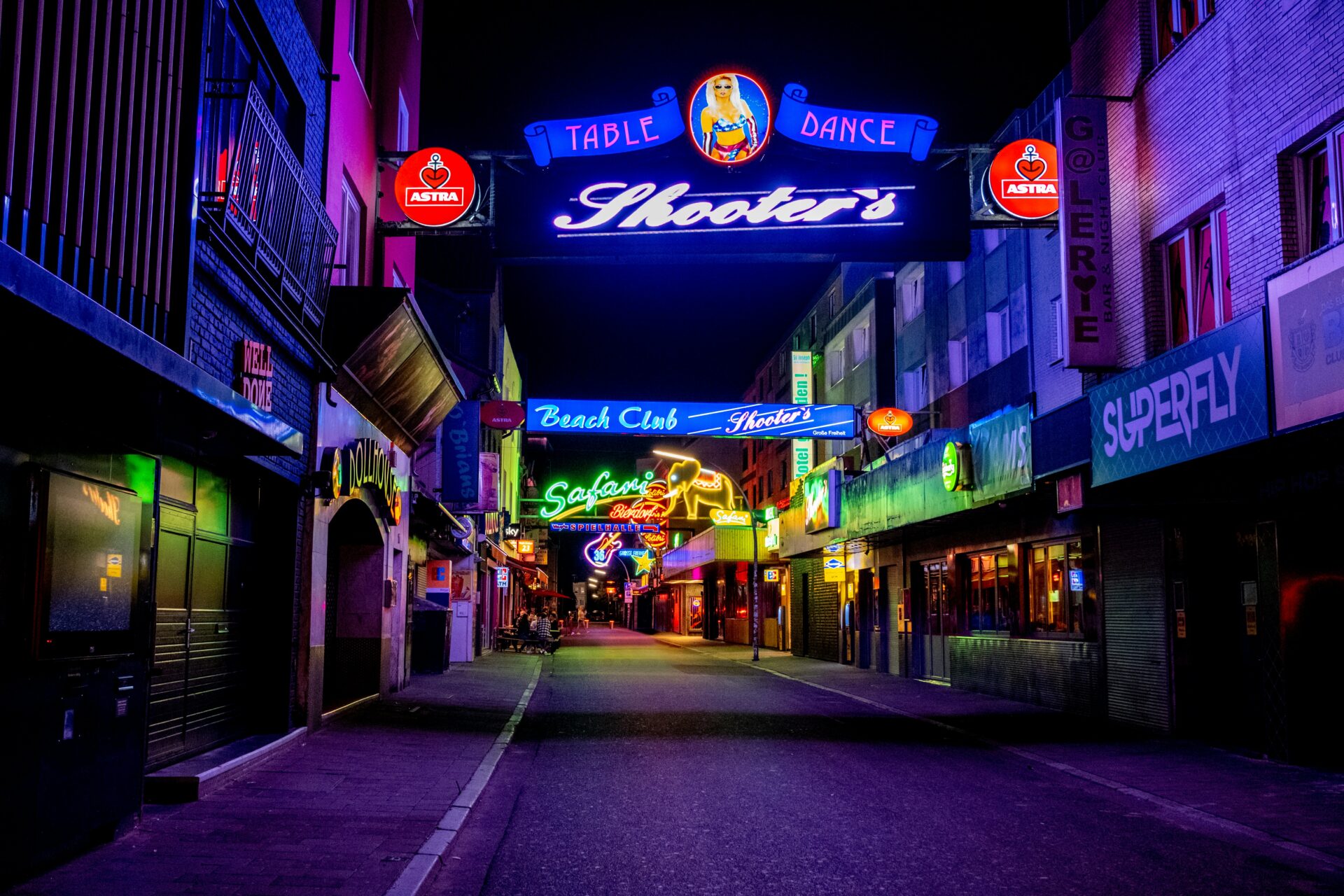
People usually think of Reeperbahn as just bars and the red-light district, but I’ve found it hides creative corners if you know where to look. Art galleries and quirky shops are tucked just a block away from the noise. During the Reeperbahn Festival, the whole area transforms—street performances and art installations seem to pop up everywhere.
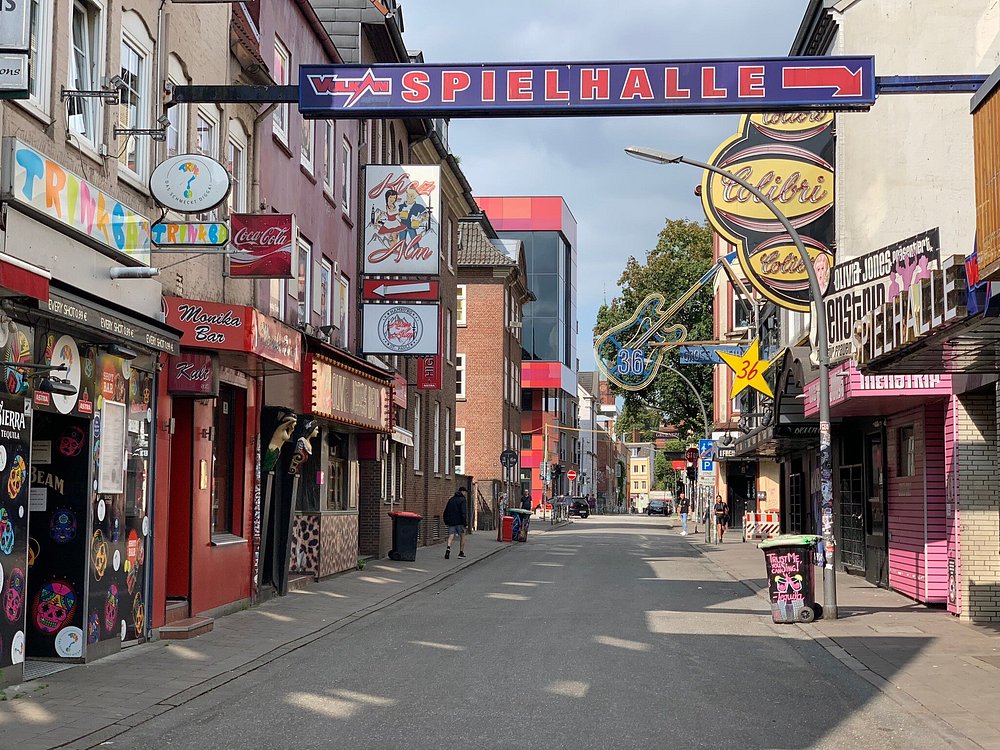
Independent galleries display fresh urban art and photography. Art cafés double as exhibition spaces. On side streets like Große Freiheit, I’ve spotted vibrant graffiti and murals that celebrate the district’s wild history. The scene feels raw and rooted in St. Pauli’s mix of cultures.
If you want local flavor beyond the bar scene, Reeperbahn’s quieter corners deliver. Artists from all backgrounds get a voice here, making the district so much more than its party reputation.
Unique Alternative Tours Beyond the Bars
St. Pauli offers way more than nightlife. You’ll find immersive tours focused on street art, history, and the wild changes shaping the community.
Pay-What-You-Like Walking Tours
I’ve joined pay-what-you-like walking tours to explore St. Pauli on a budget. These tours dig into the district’s alternative side—hidden street art, secret spots, and stories that most tourists never hear. The guides are usually locals who know their stuff.
Most tours start near the Reeperbahn but quickly veer away from the bar strip. You’ll visit creative spaces, funky shops, and even the WWII bunker on Feldstrasse, now a venue for music and exhibitions.
At the end, you just tip what you feel the tour was worth. I like that it keeps things affordable and personal.
Highlights:
- Local guides with real insider stories
- Street art, murals, creative installations
- Pay what you think it’s worth
Insightful Alternative Hamburg Experiences
Some tours in St. Pauli get hands-on. I once tried a graffiti workshop, led by a local artist, and got to spray my own piece (not gonna lie, it was harder than it looks). These workshops usually include stories about Hamburg’s urban art scene and the artists behind the work.
Other tours focus on the history behind famous murals or street installations. I learned about crews like Daim & Oz and the city’s quirky Styro art, which often packs a social or political punch.
These walks pull you straight into Hamburg’s creative underground—no bar-hopping needed. Every step, there’s something new to see, from huge murals to offbeat public art.
Gentrification and Community Spirit Walks
One tour that really stuck with me focused on gentrification and the fierce community spirit here. St. Pauli’s changing fast, with higher rents and pressure on old businesses. The guides explain how locals are fighting to keep the district’s soul.
I heard about projects where neighbors and artists team up to keep public spaces lively and open. You’ll get stories about protests, meaningful art installations, and what makes St. Pauli’s identity so stubbornly unique.
These walks don’t sugarcoat things. Instead, they show how people are working hard to hold onto their traditions and sense of belonging.
Live Music and Cultural Events in St. Pauli
St. Pauli isn’t just about nightlife. The area pulses with live music, quirky Beatles history, and a creative community that throws events all year long.
Indie Music Venues
When I’m in the mood for live music, I skip the big clubs and head to indie venues like Molotow and Knust. These places champion new bands and local artists.
Molotow has a basement club that’s raw and intimate. Knust, set in an old slaughterhouse, mixes concerts with outdoor events in summer. The gigs are usually cheap or even free.
Lineups feature both Hamburg talent and touring bands. The crowd’s a mix—sometimes you’ll hear three languages in one night. My advice: check their websites for last-minute shows; there’s almost always something happening.
The Beatles Legacy at Beatles-Platz
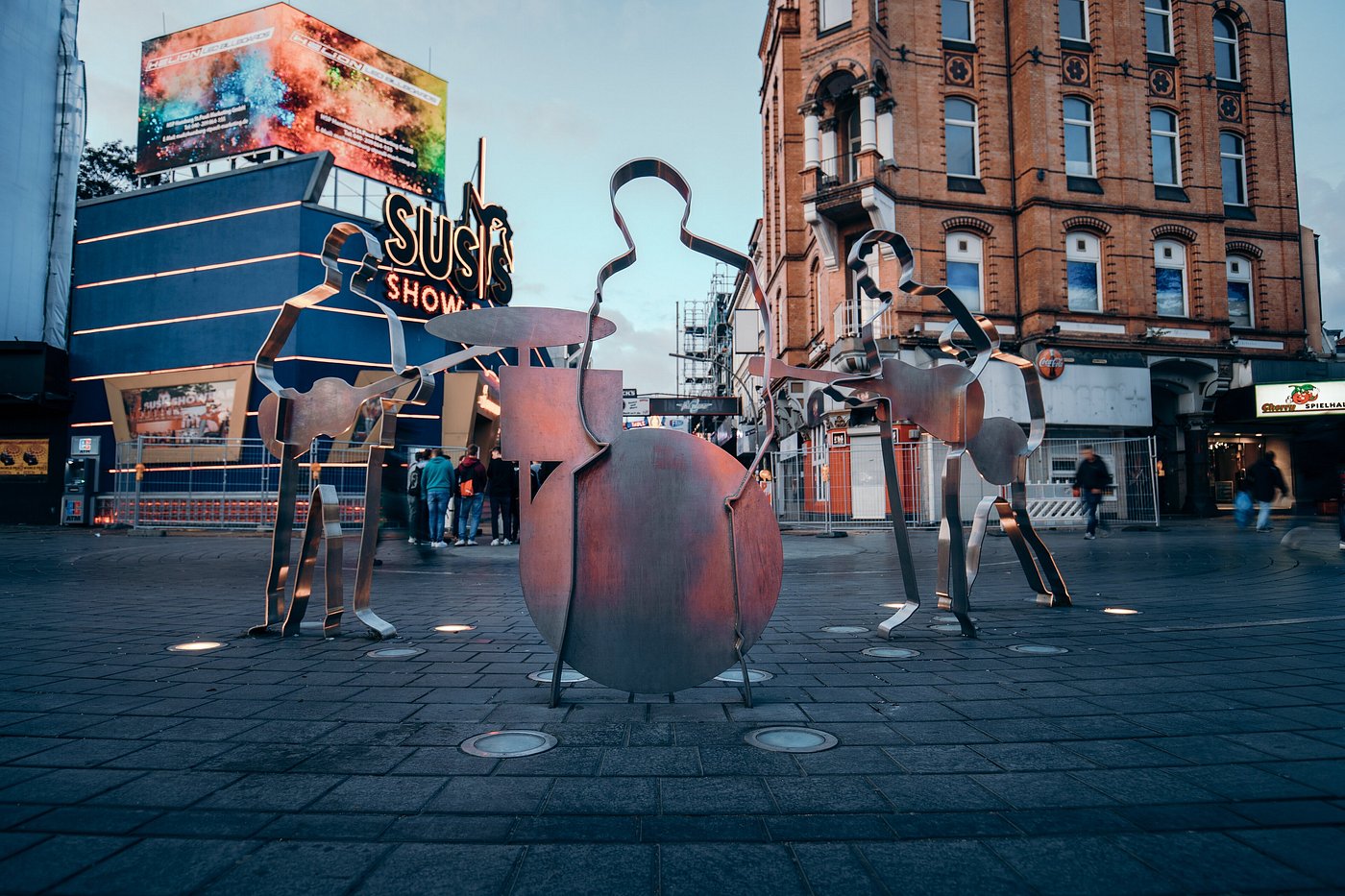
Beatles-Platz is a public square that honors The Beatles, who played their early gigs in St. Pauli back in the early ‘60s. The plaza looks like a vinyl record and shows off metal statues of the band members. Standing there, I always picture how Hamburg shaped their sound.
Just steps away, the Reeperbahn still points you toward their original venues, like Indra and Kaiserkeller. Fans sometimes leave flowers or notes on the statues.
Local guides offer walking tours that share stories from St. Pauli’s music history. If you’re a Beatles fan or just curious about music legends, Beatles-Platz is an easy stop.
Exhibitions and Local Creative Happenings
St. Pauli’s arts scene spills out of galleries and into daily life. Pop-up exhibitions, open studios, and local festivals are everywhere. I like dropping by the Gängeviertel collective or the St. Pauli Museum, which often hosts rotating exhibitions about local culture and protest art.
Neighborhood spaces double as meeting spots, where artists show work, musicians play small sets, or activists gather. In warmer months, outdoor art markets and workshops are common. Handwritten signs for upcoming events fill windows along the side streets.
Community events usually center on what matters to locals: politics, history, and everyday life in St. Pauli. It’s a cool way to see how creativity brings people together.
Exploring St. Pauli’s Neighborhoods and Social Spaces
Hamburg’s St. Pauli district buzzes with lively neighborhoods, unique social spaces, and a creative energy that goes way beyond the Reeperbahn. I wander past striking street art, local activism, and places where community and history shape everyday life.
Karolinenviertel: Alternative Vibes
Walking through Karolinenviertel, I always notice the laid-back vibe. Small shops and indie cafés line the streets, often run by people who know their regulars. Vintage stores and record shops sit right next to vegan bakeries.
Walls here are covered in murals and paste-ups—some political, others just showing off local talent. The openness stands out. Locals welcome everyone, whether you’re a student, artist, or family.
Karolinenviertel’s community spirit really pops during flea markets. On weekends, I see people selling handmade crafts or clothes right on the street. It’s easy to strike up a conversation about art, social issues, or just the best new coffee spot.
Schanzenviertel and Schulterblatt Hotspots
Schanzenviertel, or Sternschanze, buzzes day and night. Schulterblatt, the main drag, is packed with food stands, cozy bars, and tons of outdoor seating. I love grabbing snacks at Turkish bakeries and trying street food like falafel or vegan doner.
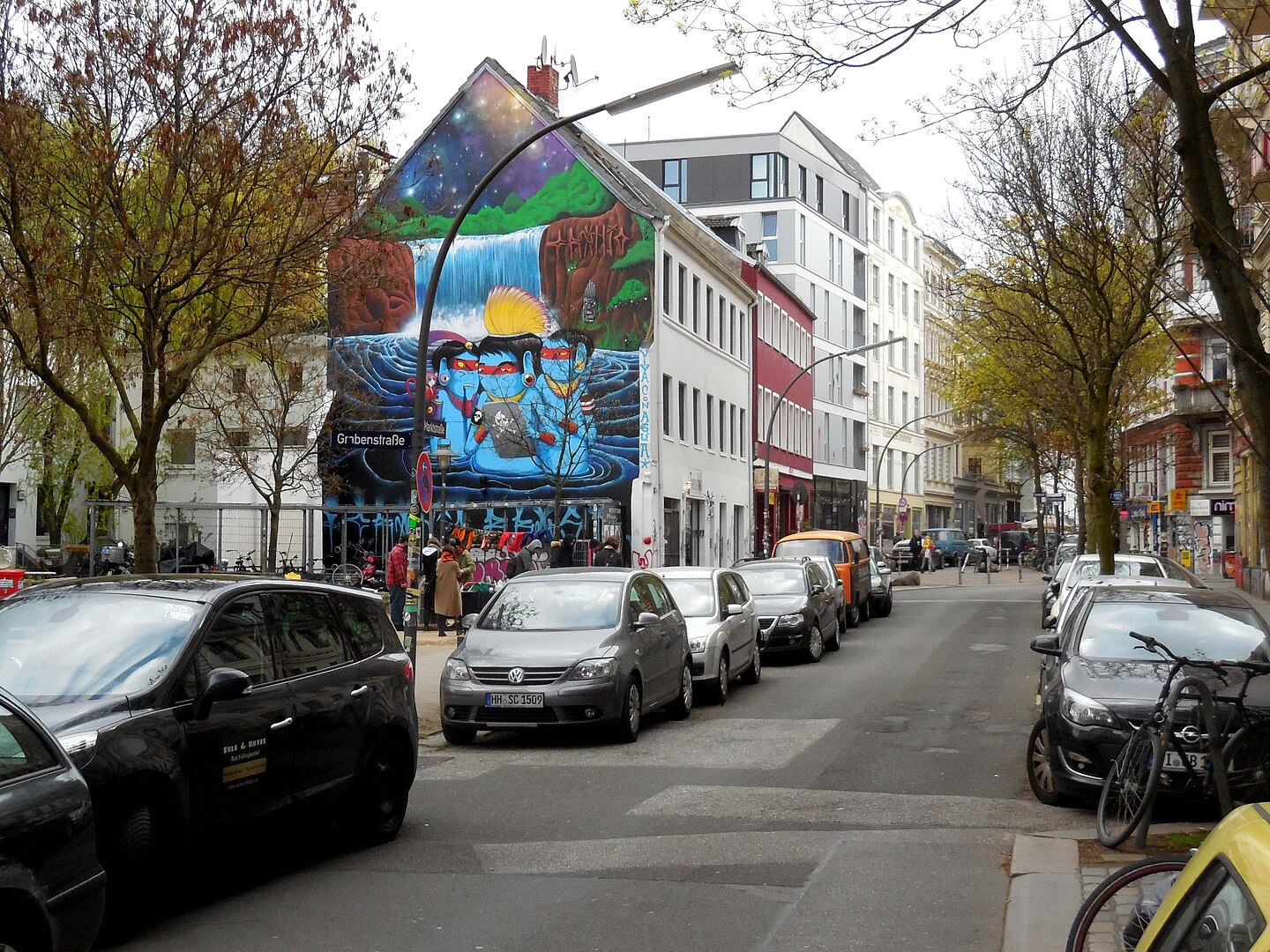
This area is a hub for Hamburg’s alternative culture and activism. Street art decorates nearly every corner—sometimes it changes overnight. Indie bookshops and small galleries pop up everywhere, so I always find something new.
Events often break out on Schulterblatt—maybe a protest, a pop-up street festival, or just a spontaneous chess match. The relaxed, multicultural vibe makes it a favorite spot to hang out or people-watch.

Park Fiction and Rote Flora: Activism and Urban Green
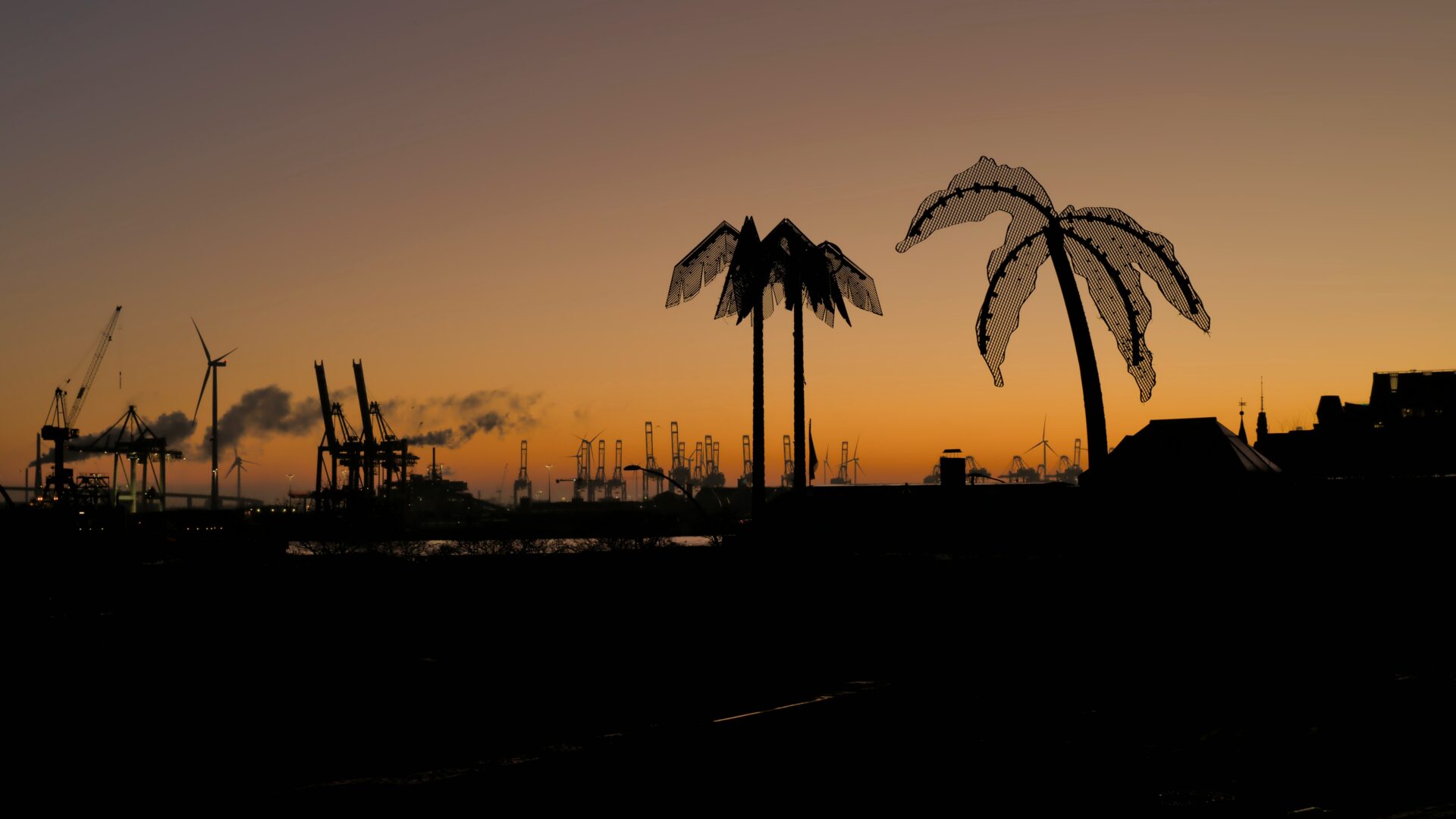
Park Fiction overlooks the harbor, but it’s not just a park. Locals started it in the ‘90s as a protest to keep the area open for everyone, not just for developers. I like wandering past the palm-shaped lawns and plastic benches—a reminder of the DIY spirit here.
Rote Flora, close by, is a former theater now serving as a base for activism, art, and public events. The building’s covered in graffiti and posters. It stands as a symbol of social protest and community self-management.
These places pull together artists, activists, and families, all sharing space on their own terms. Even now, they play a big role in campaigns for affordable housing and public access to city spaces.
Culinary Adventures Away from the Usual Bars
St. Pauli’s food scene goes way beyond the bar circuit. You’ll find local foods, original craft beers, and new spins on German cuisine.
Fischmarkt Tastes and Atmosphere
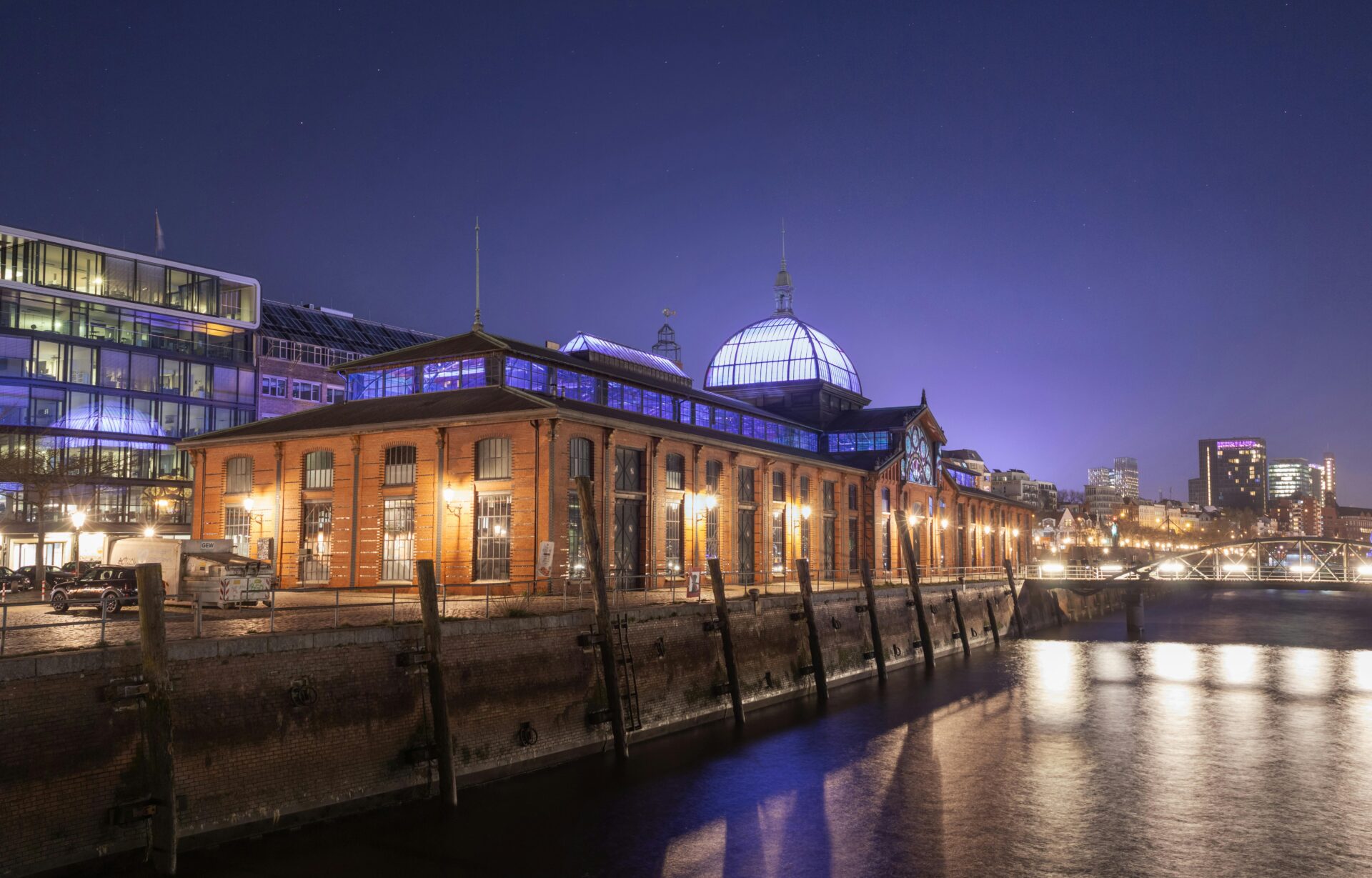
If I’m up early on a Sunday in St. Pauli, I always swing by the Fischmarkt. This historic open-air market sits by the Elbe and has been running since 1703. Every Sunday morning, it comes alive—locals and tourists flock here before sunrise.
It’s not just for buying fish. Food stalls pack the street, serving up hearty North German snacks like fischbrötchen (fish sandwiches) and smoked eel. The air fills with the smell of fresh bread, coffee, and grilling seafood. People crowd together for quick breakfasts, often with live music in the background. Some folks show up straight after a night out, but you don’t need to party to soak up this Hamburg tradition. Fischmarkt is the place to taste and feel the real St. Pauli.
Craft Beer Scene and Local Breweries
The craft beer scene in St. Pauli always surprises me. Small breweries and cozy taprooms pop up everywhere, each one focusing on local ingredients and flavors you won’t find anywhere else.
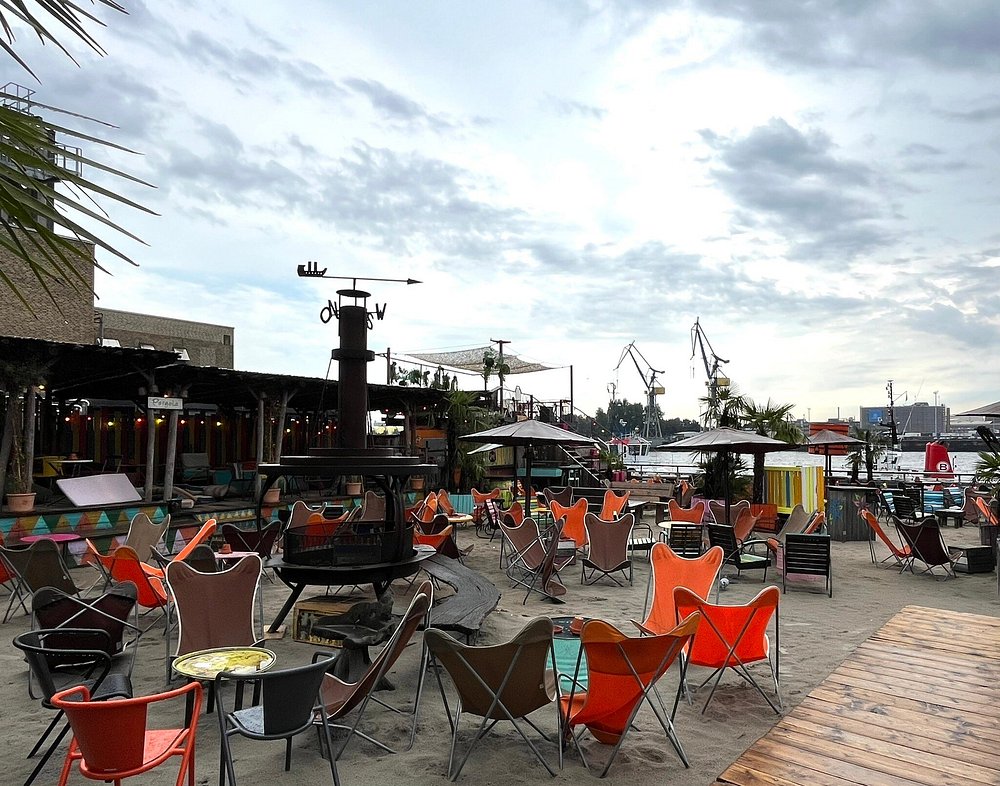
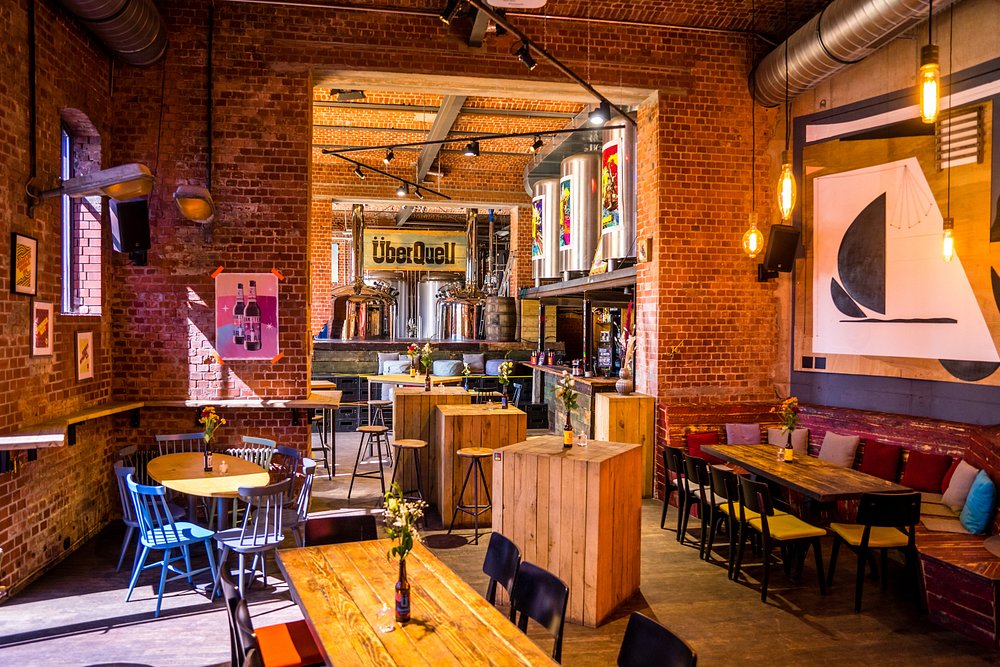
Instead of squeezing into crowded bars, I usually head to ÜberQuell. This place sits right by the harbor, pouring out freshly brewed IPAs, lagers, and stouts. The atmosphere feels relaxed, and you can actually taste the care that goes into every pint.
Many breweries offer beer tasting flights, which let you sample a handful of their own creations in one go. Some places even serve snacks or hearty meals, so you can settle in for a laid-back afternoon or an early evening with friends.
The brewers here genuinely love to chat about their process. They’ll tell you what makes each batch different, and you can really feel their passion. It’s such a refreshing way to enjoy beer—no noisy bar scene, just good drinks and good company.
Modern German Cuisine and Unique Restaurants
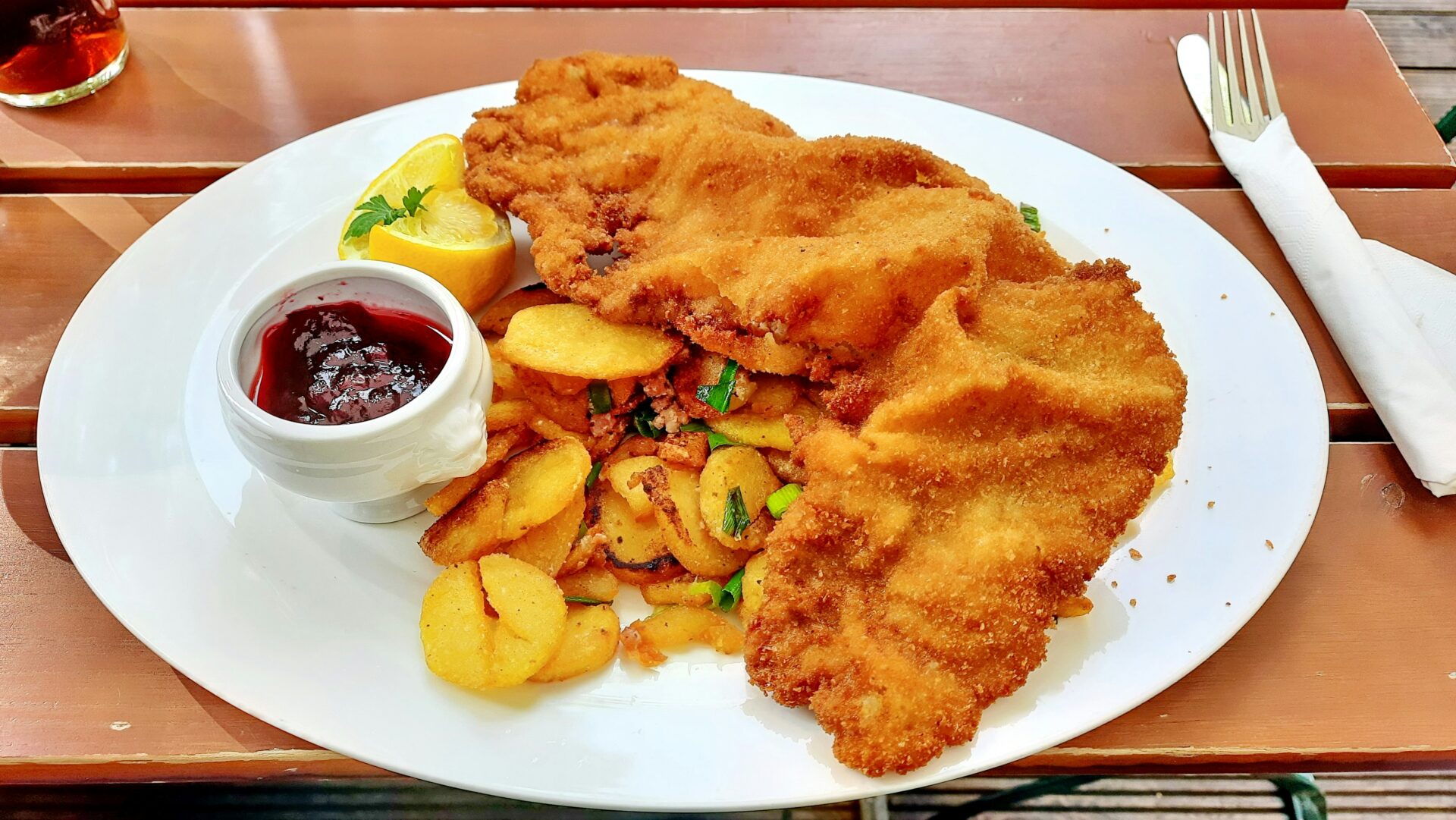
St. Pauli’s restaurants love to get creative with German cuisine. Classic dishes like schnitzel or roast pork show up with unexpected twists—maybe a splash of international flavor or a focus on what’s in season.
Some kitchens here go all-in on plant-based versions of German favorites. I’ve found a few places that only use regional ingredients, which keeps the menu fresh and always changing. The vibe tends to be relaxed, with simple décor and open kitchens where you can see the action.
Staff usually seem eager to tell you about the origins of each dish. Whether I’m in a casual bistro or somewhere a bit fancier, it’s never hard to find a memorable meal in St. Pauli. For food lovers who want something a little different, this district really delivers.
Waterfront Sights and Unconventional Attractions
St. Pauli hugs some of Hamburg’s most striking riverside views. Even locals still stumble upon surprises here, from old harbor tunnels to elaborate model worlds tucked away in brick buildings.
Landungsbrücken and Elbphilharmonie Vistas
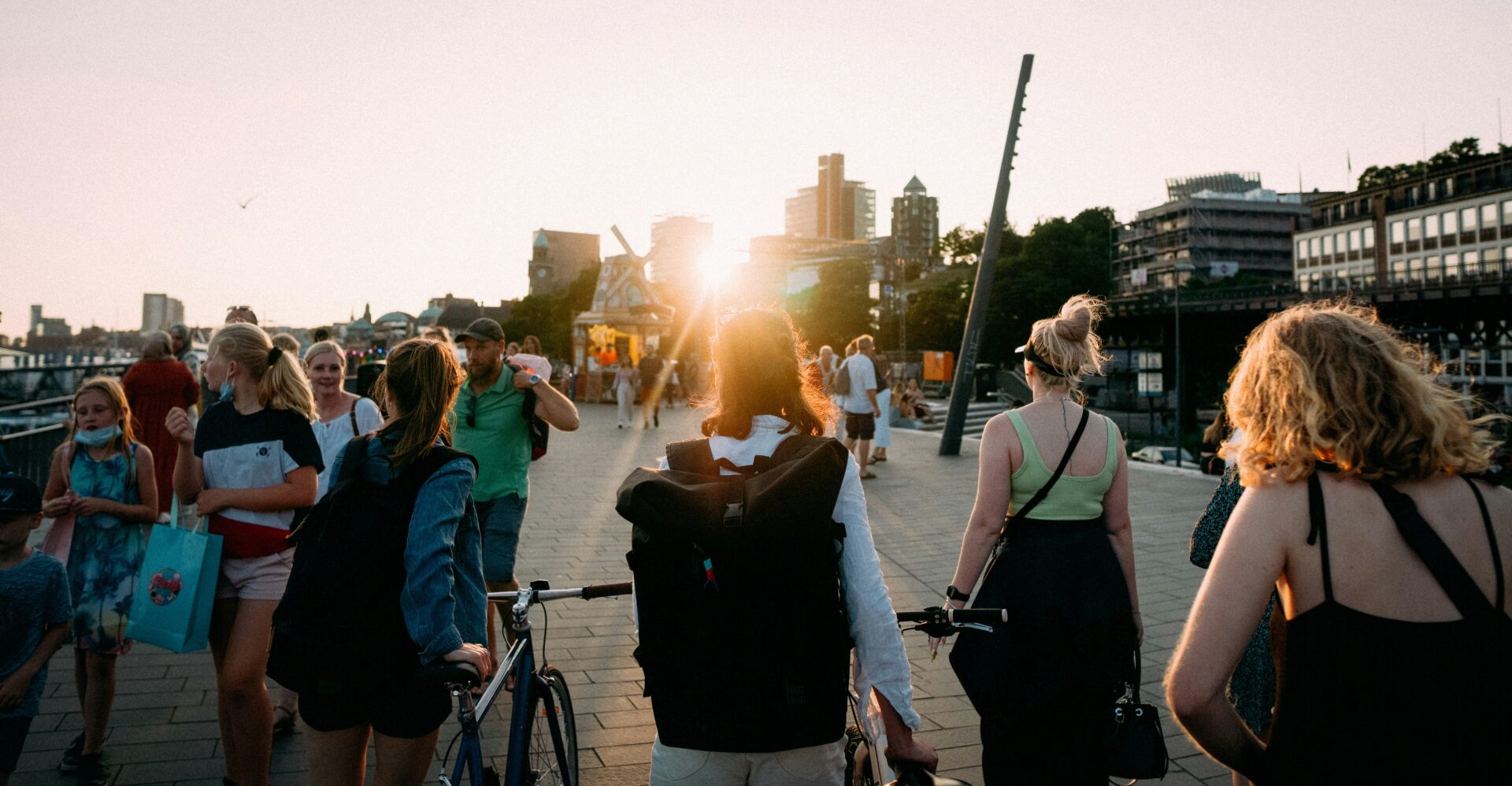
Landungsbrücken always feels like the perfect place to start a day. The area buzzes with ferry docks, ships of every shape, and views across the Elbe. It instantly puts me in the mood to explore.
You’ll find sightseeing tours leaving from here all day long. Some are quick round trips, others are longer harbor cruises that really dig into Hamburg’s working port and industrial side.
The Elbphilharmonie stands just a short walk or ferry ride away, with its wild glass design and wave-shaped roof. Even if you don’t have concert tickets, you can still visit the Plaza for free.
The Plaza wraps around the building and offers some of the best views in Hamburg. You’ll see the city, the river, and the busy docks spread out below.
Tip: Take the escalator up to the Plaza, even if you’re not into architecture. The sweeping views alone are worth it, and it’s probably the best spot for panoramic photos in the city.
Unusual Sights in Speicherstadt
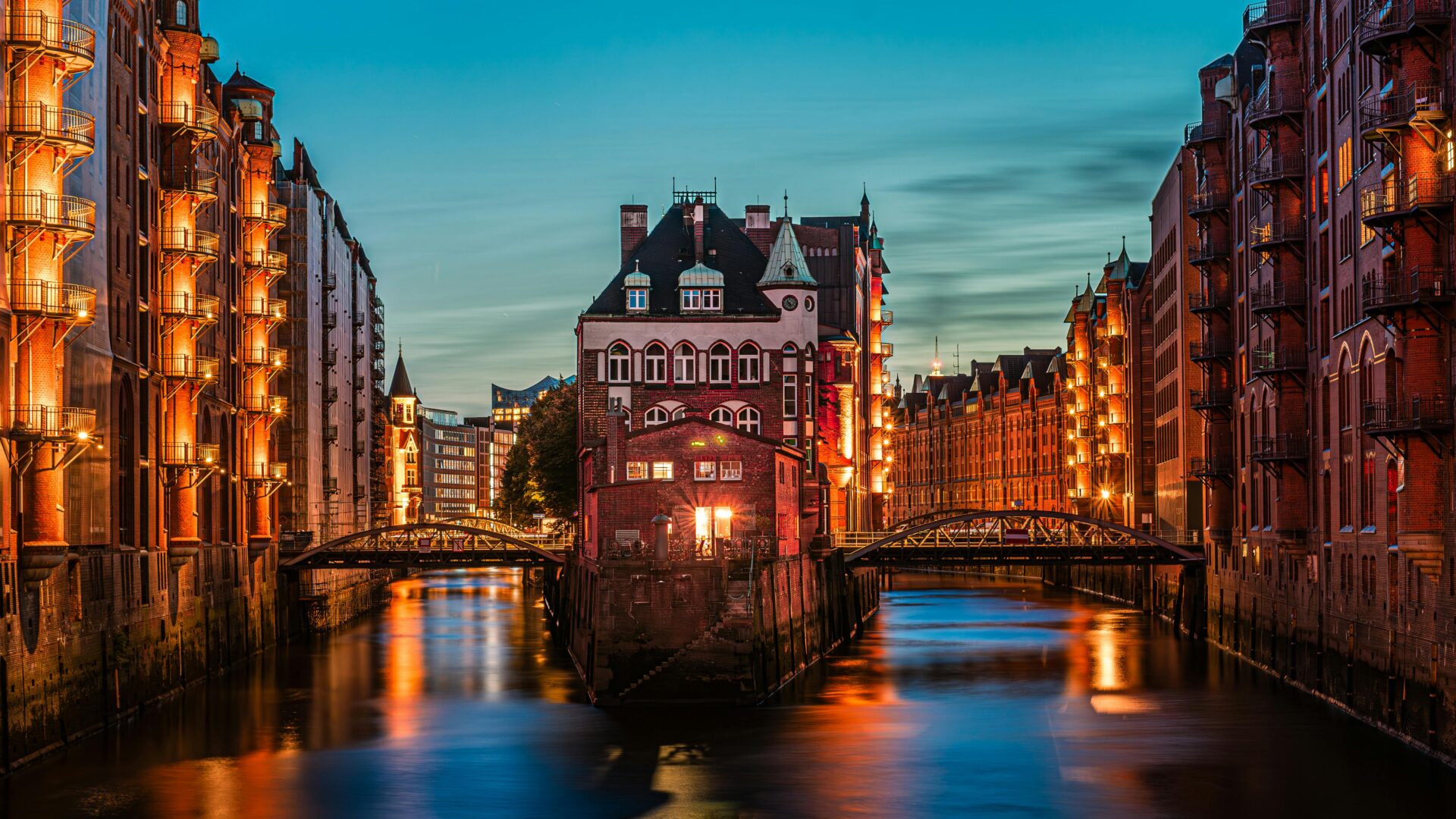
Speicherstadt, the old warehouse district just east of St. Pauli, has a vibe all its own. Tall red-brick buildings line narrow canals, and you can almost smell the history—spices, tea, and coffee once filled these streets.
I love wandering past the warehouses, ducking into quirky museums or shops tucked inside these old spaces. In the evening, the whole district glows as lights reflect off the water, making for a surprisingly peaceful stroll.
The mix of Gothic Revival architecture and modern attractions like the International Maritime Museum feels timeless. Speicherstadt never really gets old.
Guided walking tours run every day if you want a deeper dive. They usually share stories about old traders and point out the best photo spots along the canals.
Miniature Wonderland for the Curious
Honestly, I didn’t expect to have such a blast at Miniature Wonderland, tucked away inside one of Speicherstadt’s old warehouses. Sure, it claims the title of the world’s largest model railway, but there’s so much more going on here than just trains.
You’ll spot detailed landscapes from all over the globe, quirky little city scenes, and even moving figures. Watching those tiny planes actually take off at the model airport? That moment totally caught me off guard—I couldn’t help but grin.
The level of detail everywhere is wild—tiny St. Pauli even boasts its own miniature nightlife. Each display hides clever surprises, rewarding anyone who looks closely.
Book tickets ahead if you can, especially for weekends. The place fills up fast, and nobody likes waiting in a long line.
Families wander in and get just as hooked as solo travelers. It’s rare to find a spot where both adults and kids are equally wide-eyed, but this place pulls it off.

