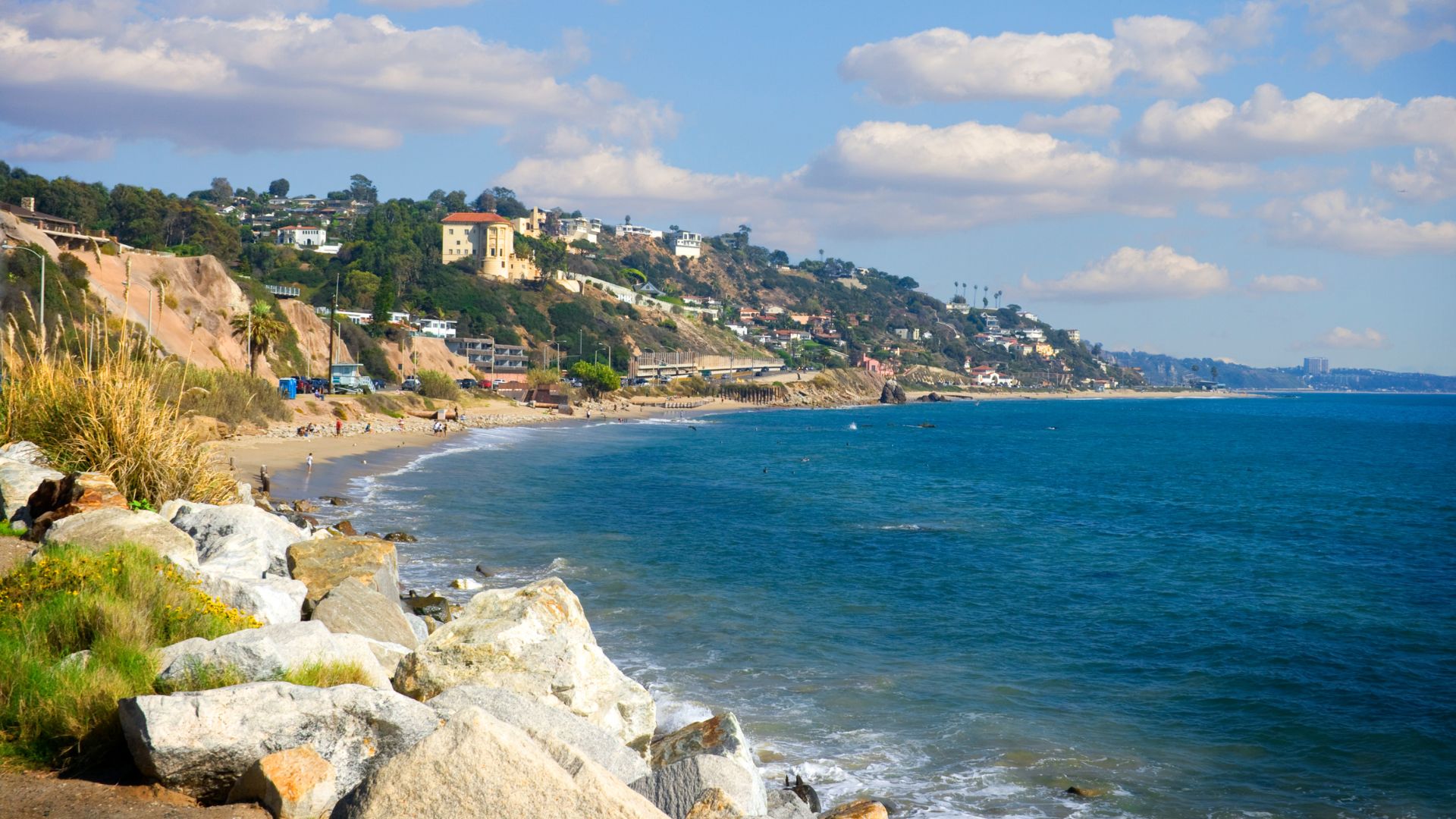
Malibu’s coastline is legendary, and honestly, it lives up to the hype. I checked out a bunch of beaches on my last trip, but a few really blew me away.
Here are my top three most breathtaking beaches in Malibu, plus some straightforward advice on how you can get there.
Maybe you love wide, sandy stretches. Or maybe you’re after dramatic rocks and peaceful views. Trust me, there’s a Malibu beach for every mood. My time at these spots might help you figure out where you want to spend your next sunny day. Let’s get into what makes these places so special—and how you can experience them, too.

Why Malibu Is Home to California’s Most Breathtaking Beaches
Malibu’s coast is striking. Those clear ocean views and sandy shores keep travelers and locals coming back.
Each beach has its own personality, whether it’s about the scenery, the vibe, or just how easy it is to get there.
Scenic Beauty and Natural Landscapes
Malibu’s beaches blend soft sand with rugged cliffs in a way that’s tough to find elsewhere in Southern California. I’d see the waves roll in, stretching out along the sand, while those tall bluffs loomed in the background.
Wildflowers and coastal plants popped up along the trails and at some beach entrances. Sometimes, I’d catch the Santa Monica Mountains crashing right into the Pacific. That’s a view that sticks with you, especially at sunrise or sunset.
Most of these beaches have clear blue water and sand that feels great under bare feet. If you pay attention, you might spot dolphins or seabirds gliding by. The whole setting is just kind of soothing—almost meditative.
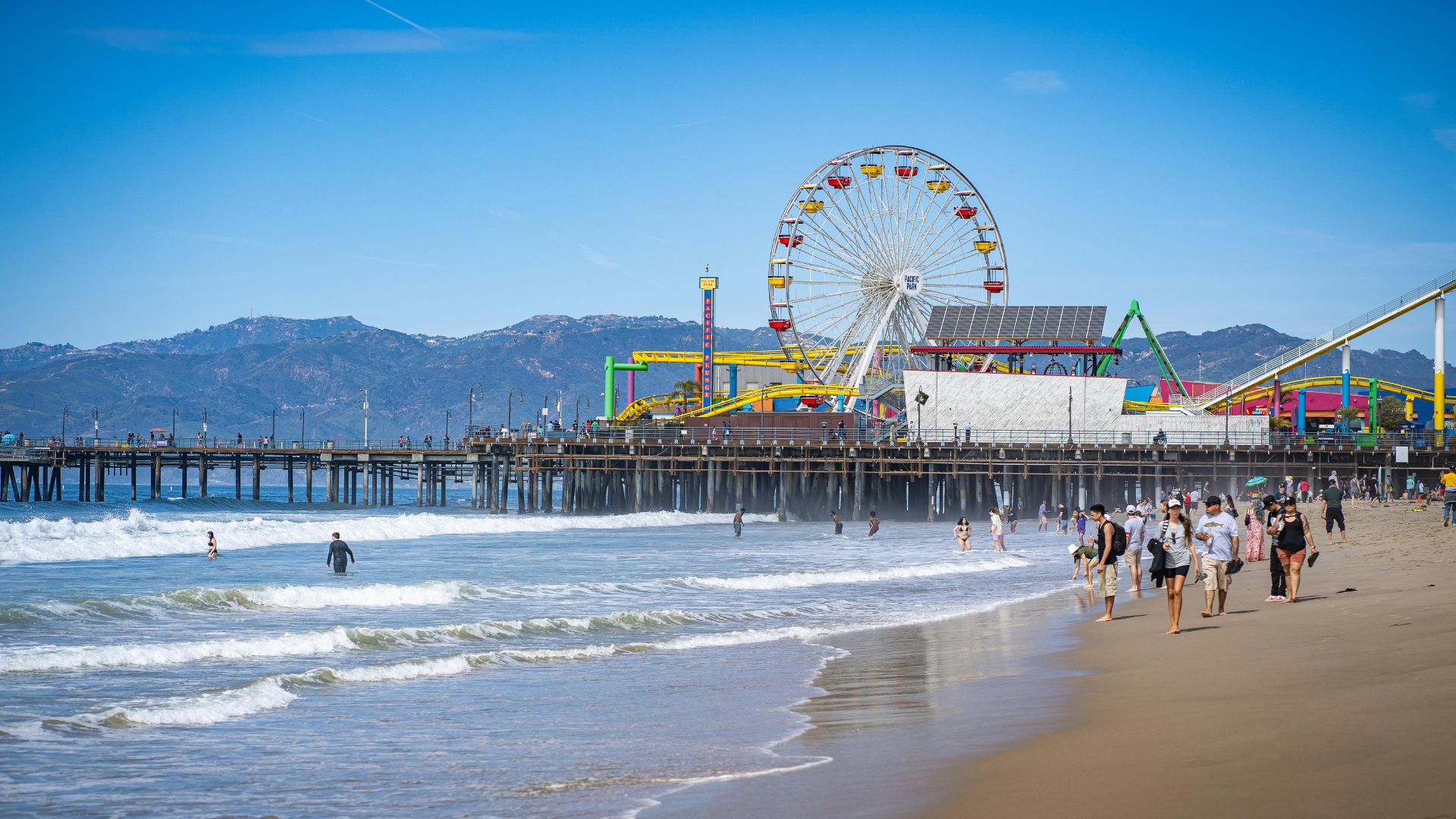
Famous Malibu Beach Destinations
Some Malibu beaches are famous for good reason. Zuma Beach, for example, is massive, with plenty of sand, easy parking, and gentle surf.
I liked how you could swim, play volleyball, or just picnic in one spot. El Matador Beach really wowed me with its rock arches and sea caves. Wandering around the rocks at low tide felt like a mini adventure, and it wasn’t packed with people.
Surfrider Beach, right by Malibu Pier, is the place to watch surfers—or even give it a go yourself. Shops and restaurants are right nearby, so you can hang out all day. I found the signs and paths super clear, so you won’t get lost.
Unique Beach Experiences
Every Malibu beach has its own thing going on. At some, I stumbled across tide pools brimming with sea life during low tide.
Other spots had quiet little coves where I could just read or zone out, far from the crowds. Latigo Beach, for example, felt almost like a secret—hardly anyone around.
I found these gems by poking around smaller access points off the main road. Even when Malibu gets busy, you can find your own peaceful corner if you’re willing to walk a bit.
Malibu’s mix of big-name spots and hidden gems means every visit can be different. Whether you’re up for a hike or just want to sprawl out by the water, you get to pick your vibe.
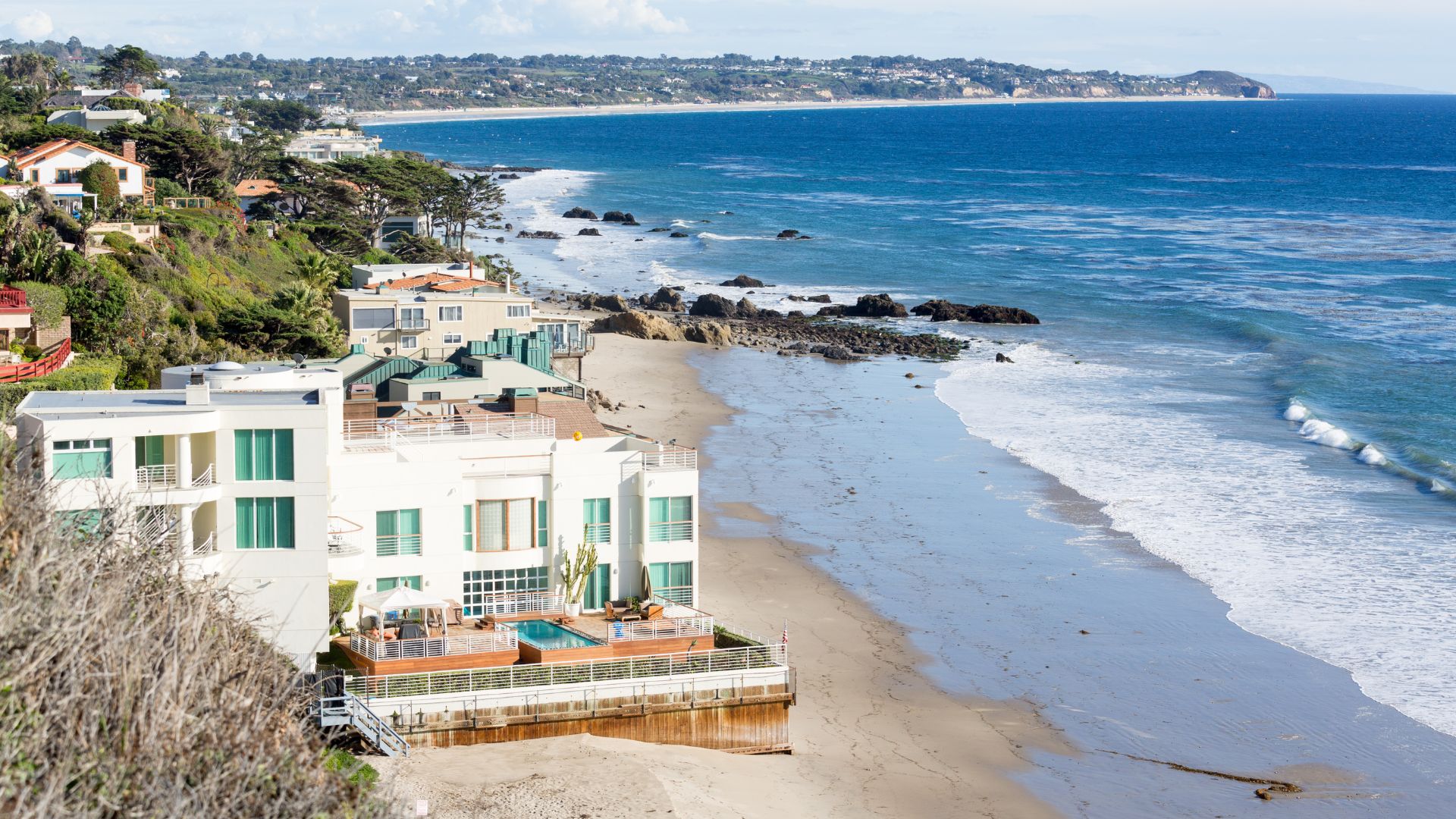
El Matador Beach: Dramatic Vistas and Coastal Wonders
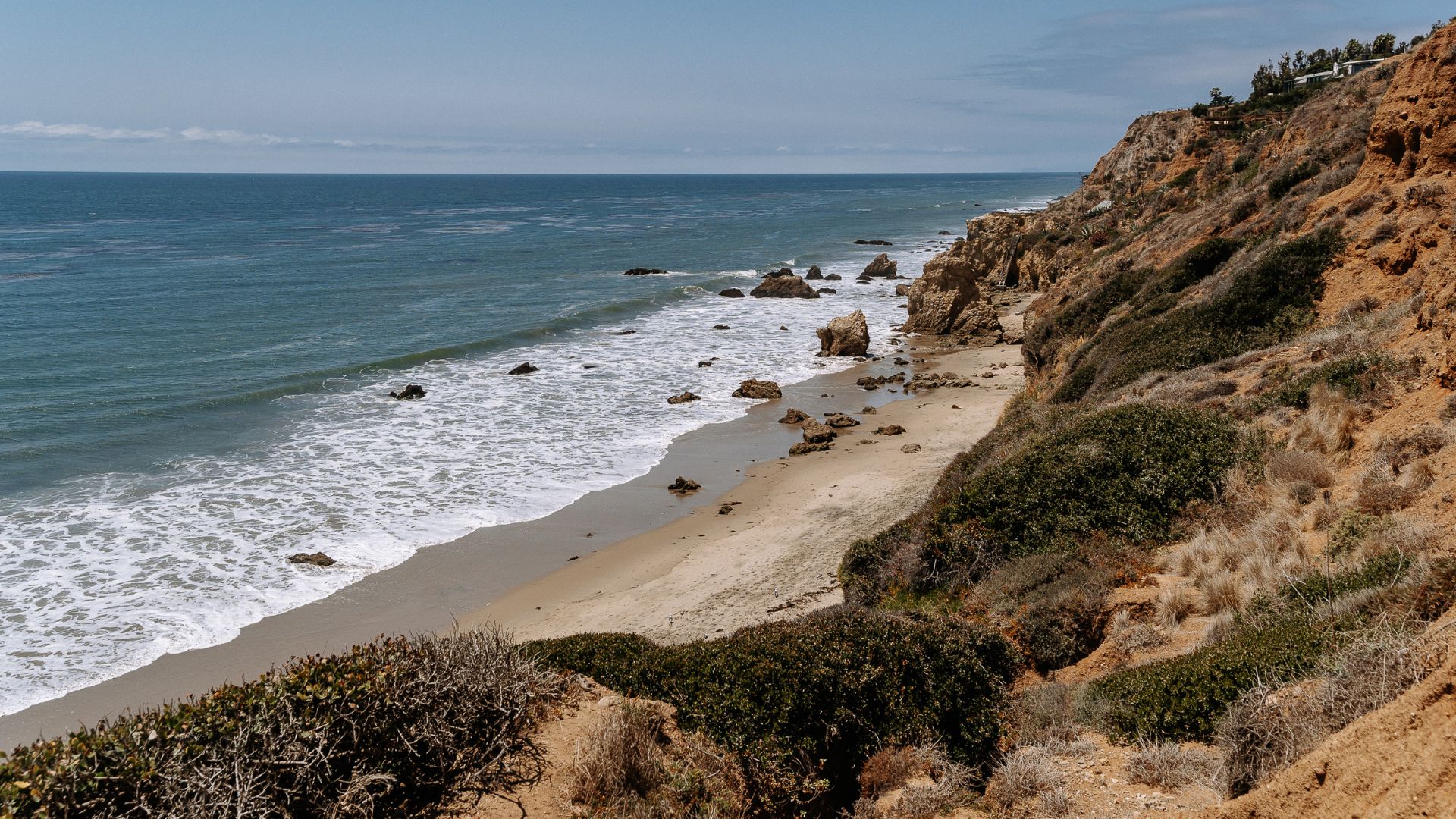
El Matador State Beach is just wild—huge cliffs, scattered boulders, and sea caves that look like they belong in a movie. I found some of the best photo spots and tide pools here.
How to Access El Matador Beach
You’ll find El Matador Beach right off the Pacific Coast Highway, as part of Robert H. Meyer Memorial State Beach. The entrance is easy to spot, but the parking lot is tiny and fills up fast, especially after lunch.
After I parked, I followed a marked path and then took a steep staircase down to the sand. The stairs aren’t super long, but they’re uneven and a bit rough in spots.
If you’re carrying a lot or wrangling little kids, get ready for a workout on the way back up. There’s no wheelchair access to the sand, unfortunately.
Usually, you’ll need to pay for parking, but sometimes you can luck out with free spots along the highway. I’d say get there early to avoid hiking in from far away. There aren’t any big restrooms—just a couple of portable toilets up at the lot.
Top Activities and Experiences
Low tide is when El Matador really shines. I poked around tide pools and found sea anemones and tiny crabs, which was honestly more fun than I expected.
Climbing the big rocks felt adventurous, but they get slippery, so take it slow. Photographers love this place, especially at sunset. The golden light on those cliffs is unreal.
The rock arches and craggy shoreline make for epic backdrops. There aren’t any rentals or food stands, so bring your own picnic and snacks.
I wandered the short trails above the cliffs for some sweeping ocean views. It’s a great spot to just sit and watch the waves, too.
El Matador State Beach Tips for Visitors
Wear sturdy shoes—the stairs and trails aren’t exactly smooth. There’s almost no shade, so I always pack a hat, sunscreen, and water.
Swimming is possible, but the waves can get rough, and there’s no lifeguard. Definitely check the tide charts before you go.
Most caves and tide pools are only accessible at low tide, and you don’t want to get trapped by rising water.
What to bring:
- Water and snacks
- Camera (trust me, you’ll want it)
- Sun protection
- Trash bags (no bins on the beach)
Weekends and holidays get crowded. I liked going on a weekday morning when it was quieter. It’s a state beach, so pack out everything you bring—let’s keep it beautiful for the next person.
Point Dume Beach: Iconic Cliffs and Hidden Coves
Point Dume Beach is something else. Those towering cliffs, tucked-away coves, and endless ocean views make it feel a bit magical.
You get a mix of adventure and chill, which is rare.
Getting to Point Dume Beach
Point Dume sits off Westward Beach Road in Malibu. I parked in the Point Dume State Beach lot, which is paid but puts you right by the sand.
On weekends or in summer, the lot fills up, so I made a point to arrive early. If it’s full, you can try parking on Cliffside Drive, but it’s a longer walk and there’s a steep staircase down to the beach.
Accessibility isn’t great here—those stairs and the natural terrain can make things tricky. I wore comfy shoes and kept my bag light.
Signs will point you to the main entrance or the alternative trails.
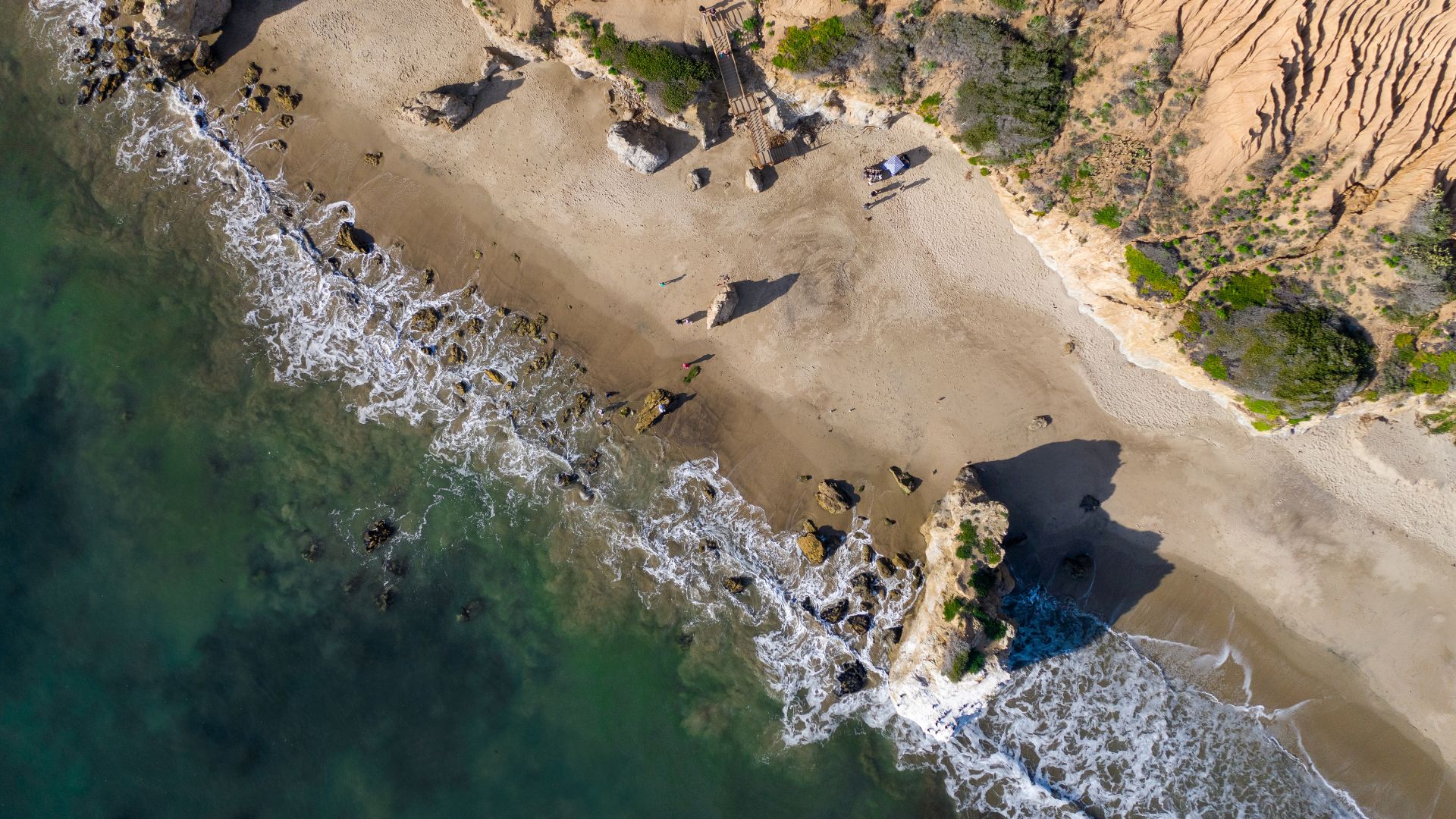
Exploring Point Dume State Beach
The first thing that hit me at Point Dume was the headland jutting out into the ocean. The beach runs for over a mile, with tall cliffs on one side.
Tide pools form at the base of the headland when the tide is low, and I found little sea creatures like starfish and crabs there.
Wildlife is everywhere. I watched sea birds glide over the waves, and during whale migration season, you might spot gray whales from the cliffs.
This area is protected, so the ecosystem stays healthy. Rocky coves off the main beach give you quiet spots to hang out or explore.
The views from the cliff tops at sunset? Just wow.
Outdoor Adventure Opportunities
Point Dume is a magnet for hikers and climbers. I followed the marked trail to the top of the headland—not a long hike, but the views are unbeatable.
Rock climbers love the cliffs here, especially for easy to moderate routes with ocean backdrops. Bring the right gear and some experience, though—the rocks can get slippery after rain or strong surf.
Whale watching is best from December through April. On calm days, I’ve even seen dolphins. The combo of hiking, wildlife, and climbing makes Point Dume a top pick for outdoor lovers.
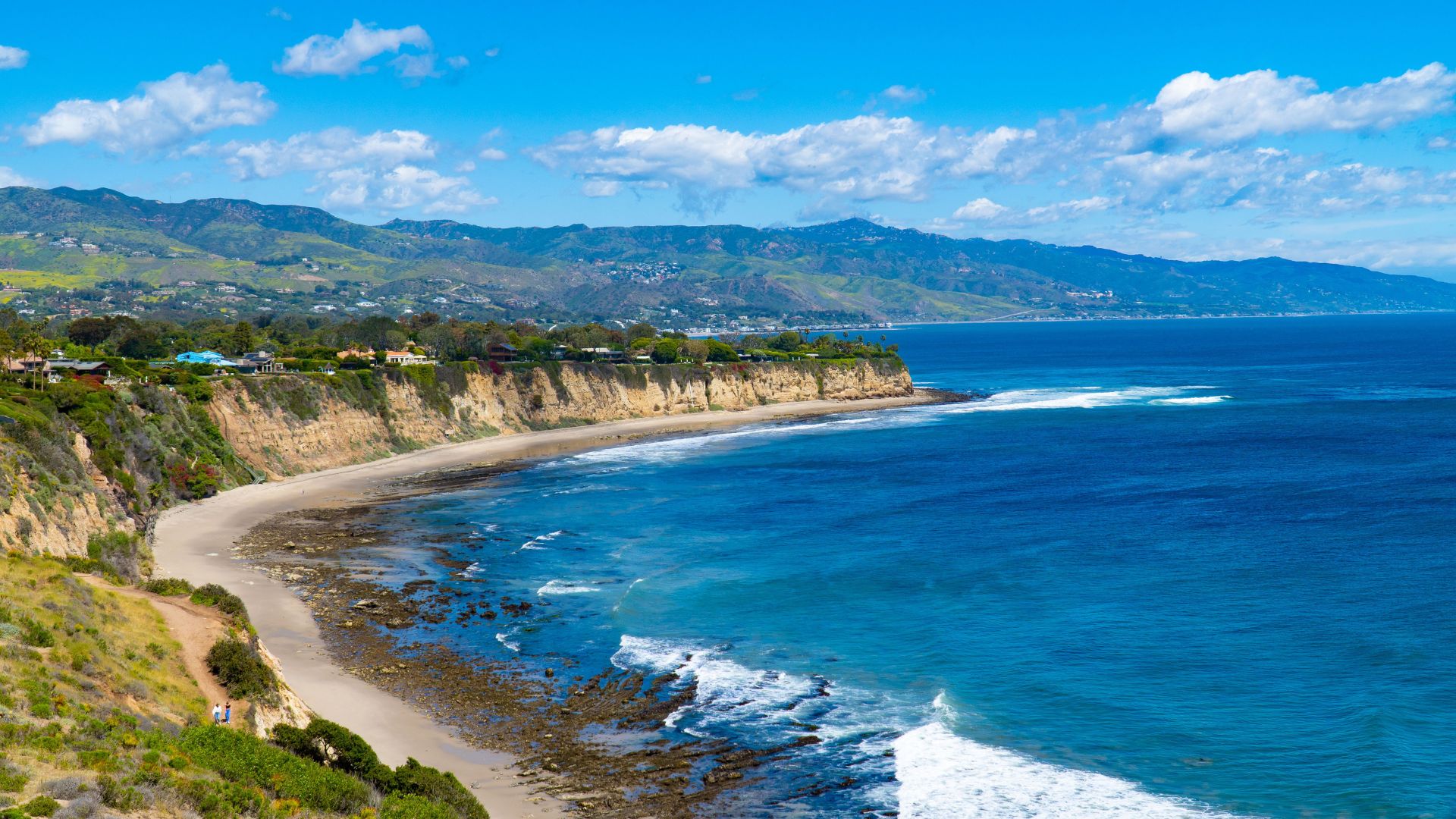
Paradise Cove Beach: Relaxation and Beachside Dining
Paradise Cove Beach is all about easygoing vibes, calm water, and delicious food. I spent a laid-back day here, eating with my toes in the sand and just soaking up the atmosphere.
Paradise Cove Beach Access and Parking
Paradise Cove is right on Pacific Coast Highway, a bit north of LA. The beach sits directly in front of the famous Paradise Cove Beach Café.
There’s both public and private access, but parking next to the café is pricey. I parked in the café’s lot—yes, it’s expensive, but being close to the sand made it worth it for me.
Free street parking is tough to find and means a longer walk. If you eat at the café, you might get your parking partially validated, so always ask the staff.
The signs for the beach and parking are clear, so you won’t get turned around.
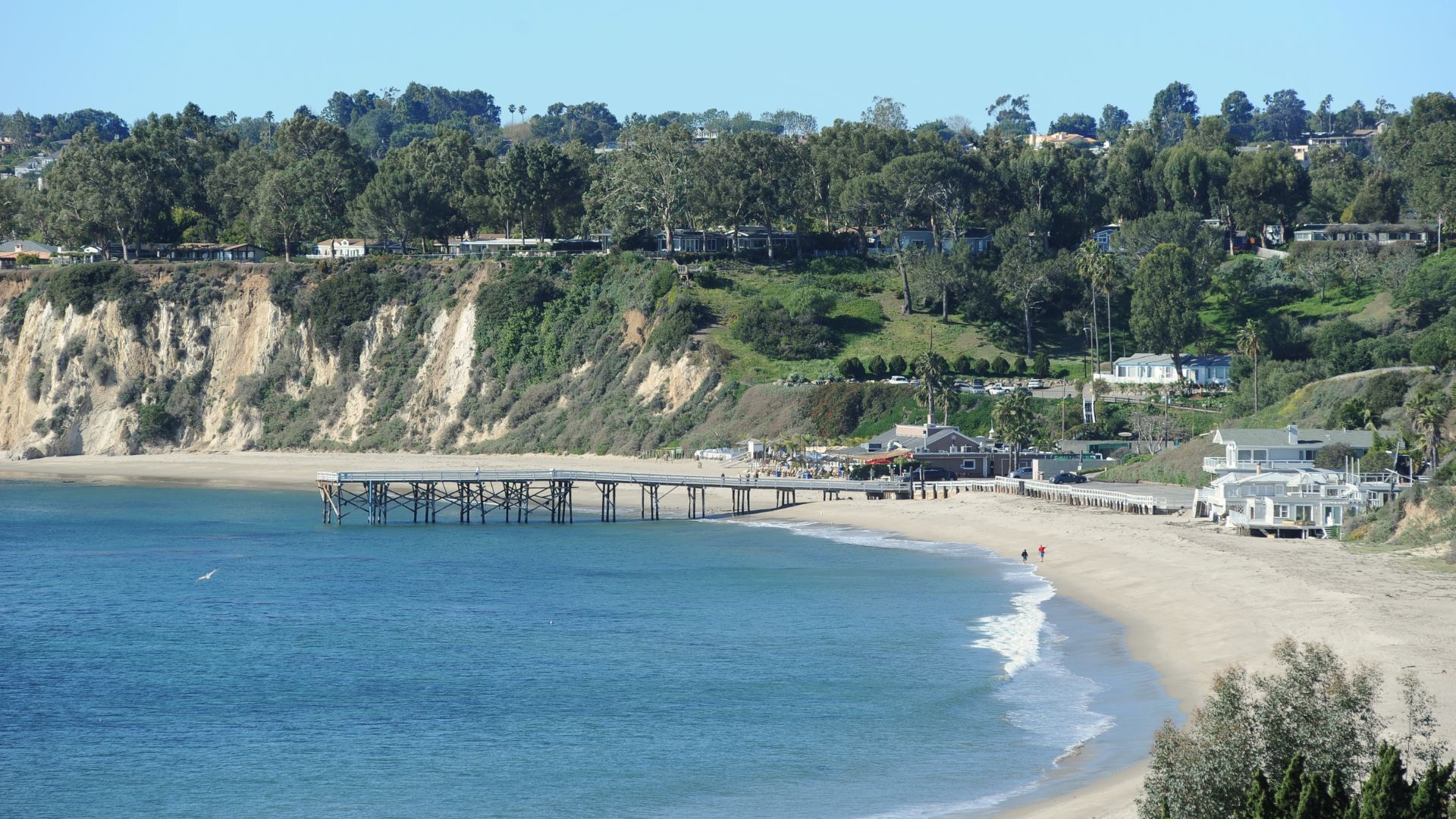
Dining and Amenities at Paradise Cove
I grabbed breakfast and lunch at the Paradise Cove Beach Café, which literally sits on the sand. The menu covers everything from seafood to burgers, and you can eat inside or out on the patio.
The vibe is super casual. I liked sitting outside with the ocean breeze, watching the waves roll in. They serve your food at picnic tables, and you don’t have to dress up—plenty of people just showed up in swimsuits.
Restrooms and outdoor showers are close by. You can rent beach chairs and umbrellas, which is perfect if you want to stay for a while.
For something special, order a cocktail or dessert at sunset. The place gets busy, so I came early to snag a good table.
Family-Friendly Activities
Paradise Cove is peaceful, with gentle waves most days, so it’s great for families. I saw kids building sandcastles and families playing games on the wide beach.
The water stays shallow near the shore, which is less intimidating for little ones or new swimmers. Picnic tables are scattered near the sand, and lots of groups set up snacks and lunches there.
Walking along the beach, I watched people collecting seashells or scanning the horizon for dolphins. The café rents out kayaks and paddleboards if you feel like getting on the water.
It’s nice having everything in one spot—you can easily spend all day here without moving your car.
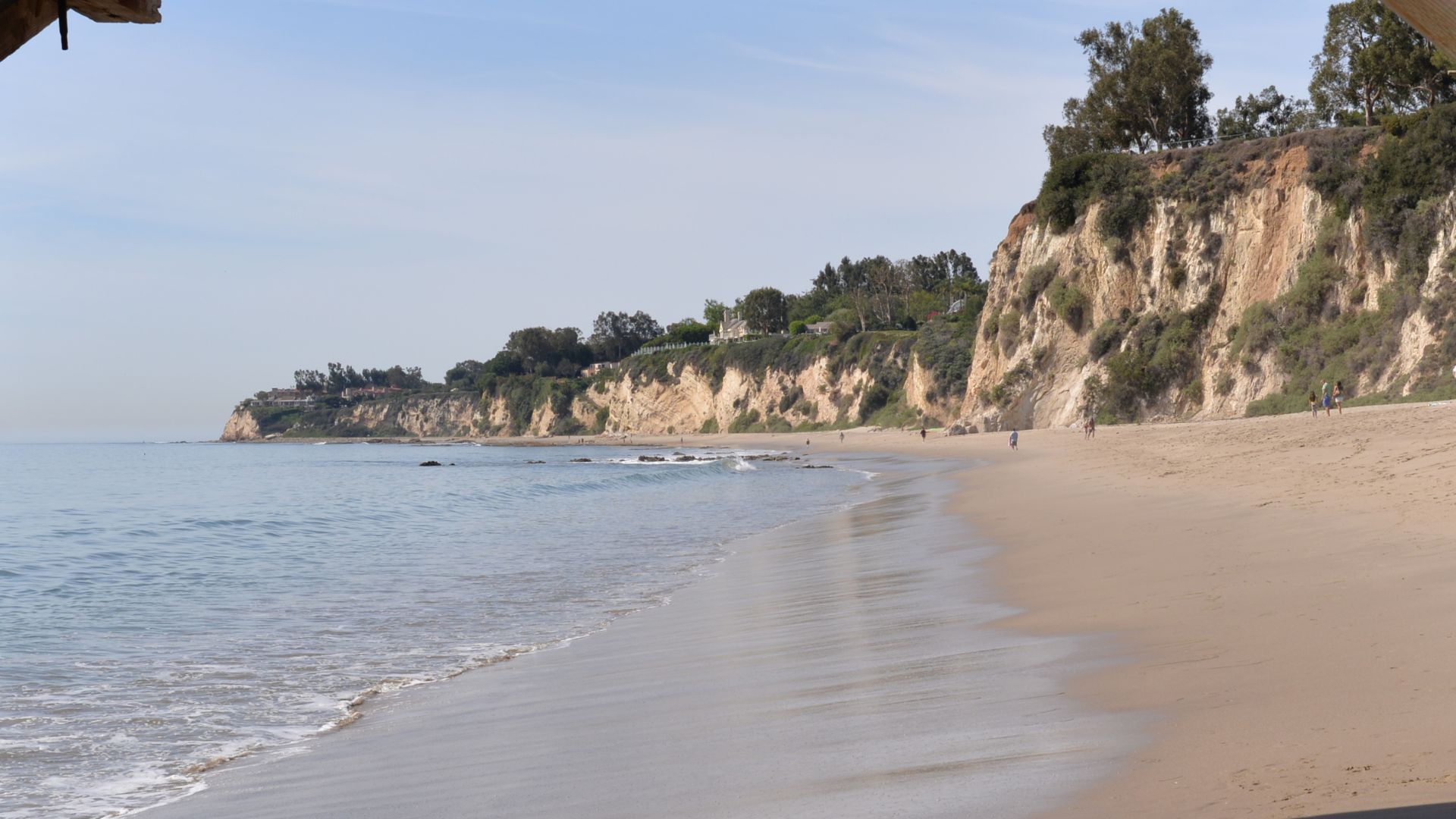
Planning Your Malibu Beach Adventure
If you want to make the most of Malibu’s beaches, you’ll want to know the best ways to get there, where to park, and what to expect. Every beach has its own quirks—some are easy, some take a bit more planning, but all are worth it.
Navigating the Pacific Coast Highway
Driving the Pacific Coast Highway (PCH) is an experience on its own. The road hugs the coast and passes right by most of the public beaches, so it’s easy to spot places you want to check out.
Traffic can get gnarly, especially on weekends or in summer. I always check for road updates before heading out.
Beach access points sometimes sneak up on you—they’re often wedged between private homes and not always obvious. I use GPS apps to find public beach entrances.
Many beaches are just a quick turn off the highway, but watch for sudden stops and cars pulled over. I drive slow and stay patient if I’m searching for a specific spot.
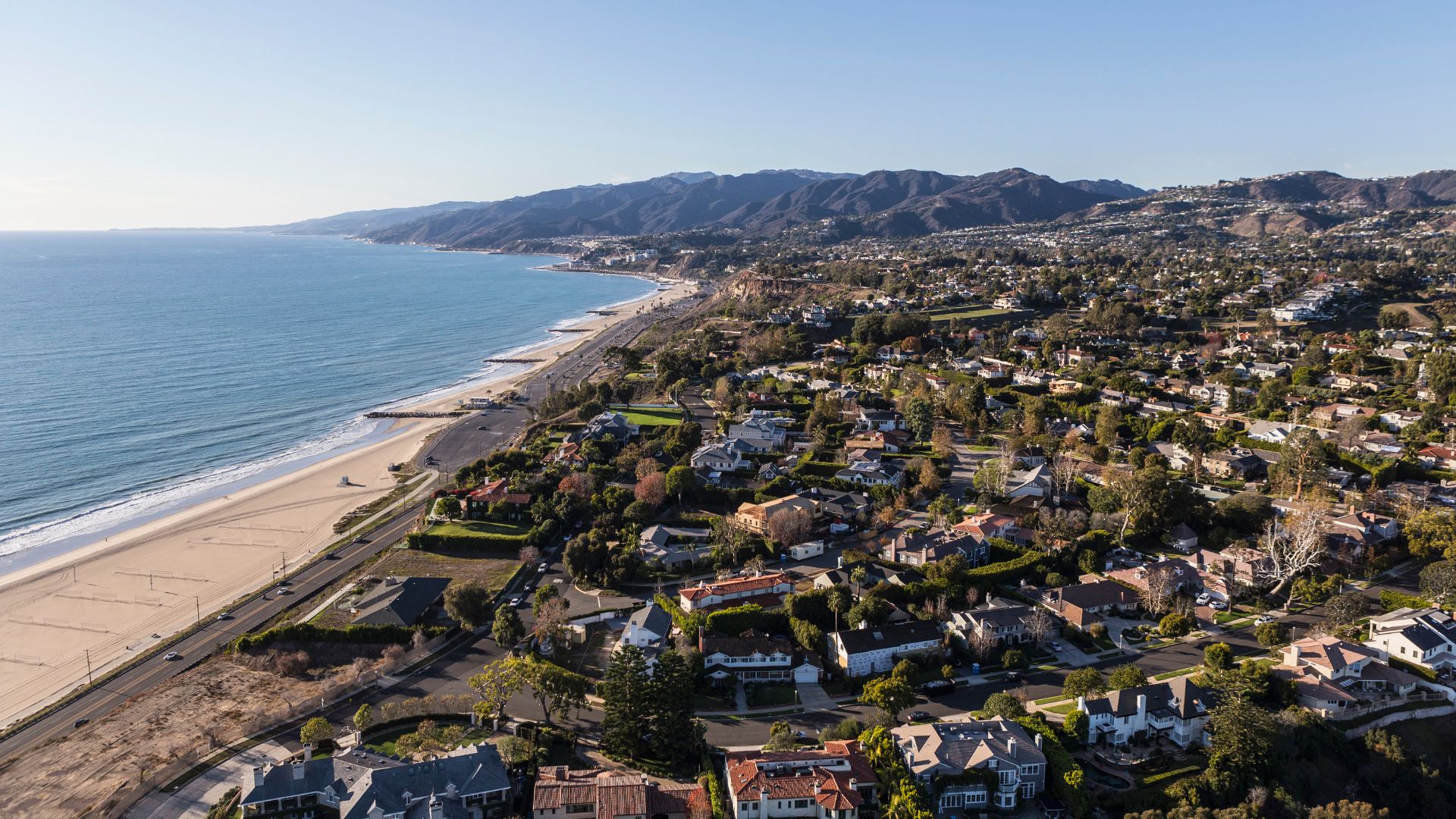
Coastal Access and Parking Information
Malibu offers both free and paid parking. The bigger beaches, like Zuma, have large lots with posted fees—usually around $10–$20 for the day.
Some places only have street parking, so I always check for signs about time limits or resident-only zones. Parking farther away can save money, but it means more walking.
For the quieter beaches, I look for the official coastal accessways marked by those blue signs. Sometimes they’re hidden between houses, so keep your eyes peeled.
Here’s a quick parking cheat sheet:
| Beach | Main Parking Option | Typical Cost |
|---|---|---|
| Zuma Beach | Large lot | $10–$15/day |
| El Matador | Small lot | Fills up early |
| Staircase Beach | Street/limited lot | Free to low cost |
I try to get there early for better parking choices. Always double-check signs so you don’t end up with a ticket.
Essential Tips for Beachgoers
Packing the right essentials makes any beach day so much easier. I always toss enough water, sunscreen, and snacks into my bag—trust me, not every beach has a snack shack or even a vending machine nearby.
For beachcombing, I bring a small bag for shells and stones. But I always double-check local rules before picking anything up. Malibu has some wild, unique stones along the tide line, and I love wandering with my eyes glued to the sand, hoping to spot something special.
It’s not unusual to see people hoping for a celebrity sighting, especially at hotspots like Zuma or Surfrider. I get it, but honestly, the scenery is the real star here. Lifeguards watch over most big beaches, but I still pay attention to currents and wave warnings—better safe than sorry.
Even in summer, I bring a light jacket. The ocean breeze can sneak up and chill you when you least expect it.
And I always carry out all my trash. It just feels right to help keep these gorgeous places clean for everyone else.
Outdoor Activities and Water Sports Across Malibu
Malibu bursts with outdoor adventures, both on land and out in the waves. The beaches here invite you to surf, swim, try out water sports, play volleyball, or just watch for wildlife along the shore.
Surfing at Surfrider Beach and Beyond
Surfrider Beach is legendary—one of California’s most iconic surf spots. I’ve hung out on the sand and watched surfers of every level chasing perfect waves across its three breaks. The vibe is friendly, and there are showers and easy parking close by, which is a lifesaver.
Zuma and Point Dume attract surfers too, especially when the swell is right. Surfrider is classic Malibu, but Zuma’s stronger breaks are more challenging and draw experienced surfers. You can rent a board from local shops or sign up for a lesson with a certified instructor. I’ve noticed that if you go early in the morning, you’ll beat the crowds and catch the cleanest waves.
Swimming, Kayaking, and Paddleboarding
Zuma Beach is my go-to for swimming. The shore is wide, the sand is soft, and lifeguards are always on patrol. In summer, the water usually stays calm, so families with kids seem to love it.
Paradise Cove and Westward Beach are also great for swimming or just soaking up the sun. If you’re into kayaking or paddleboarding, you’ll find plenty of options near Point Dume and Malibu Pier. Rentals and guided tours are easy to find, so even if you’re a beginner, you can get started safely. I’ve found that early mornings are best for paddling—less wind, smooth water, and sometimes you’ll spot dolphins or seals if you’re lucky.
Some folks even kayak out to sea caves or to get a closer look at marine life.
Beach Volleyball and Recreation
Malibu’s long, flat stretches of sand are ideal for volleyball. Zuma Beach has public courts that fill up fast, especially when the weekend hits. I like that anyone can jump in—first come, first served, so you don’t need to be a pro to join a game.
People also play frisbee, go jogging, or do yoga right on the sand. Some beaches have picnic tables and grassy spots nearby, which are perfect for groups or just chilling out. The beaches here are so wide and open, there’s always enough space for whatever you want to do.
Wildlife, Whale Watching, and Photography
Malibu’s coastline always surprises me with new wildlife sightings. Every spring and winter, gray whales make their migration close to shore.
I remember grabbing my binoculars at Point Dume, just hoping to catch a glimpse—and sure enough, I’d spot a spout or a tail flick in the distance. There’s something thrilling about that moment.
Dolphins and sea lions seem to pop up out of nowhere, and seabirds swoop by almost any time of year. Sometimes I just watch them from the sand, but kayaking gives a whole different perspective.
If you’re into photography, you’ll want to set your alarm. Early mornings or those golden late afternoons? That’s when the coast really shows off—light just dances across the water and cliffs.
And don’t skip the tide pools at Leo Carrillo Beach. I’ve crouched down there, camera in hand, to get close-ups of crabs, anemones, and tiny fish. It’s like a secret world at your feet.