
Most folks swing by Checkpoint Charlie in Berlin, snap a quick photo at the guardhouse, and then wander off. But honestly, there’s so much more packed into this historic spot—if you just know where to look.
This area isn’t just a famous photo stop. It’s full of wild stories, hidden gems, and unexpected corners that give you a real sense of Berlin’s past.
I’ve spent time exploring Checkpoint Charlie, and I’ve found my top three things that go way beyond the usual snapshots. There’s Cold War history to soak up, street art to hunt down, and some surprising museum exhibits right nearby.
Digging into these spots made me realize why Checkpoint Charlie still sticks in people’s minds. If you want more than a surface-level visit, you’re in the right place.
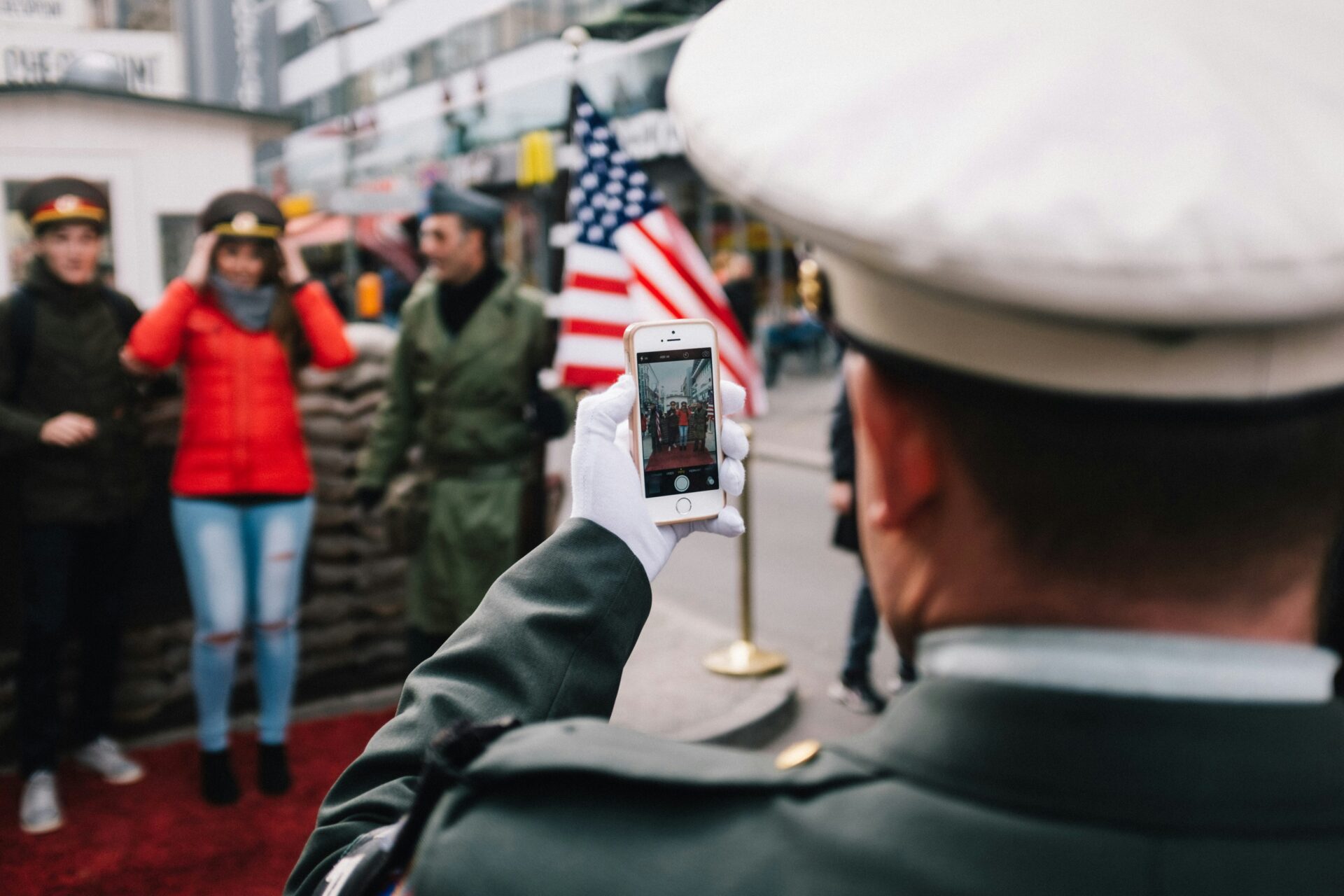
The True History of Checkpoint Charlie
Checkpoint Charlie played a starring role at the Berlin Wall. You can almost feel the tension that once buzzed between East and West here.
Its story covers everything from face-offs between soldiers to wild escape attempts and the everyday grind of a divided city.
Significance During the Cold War
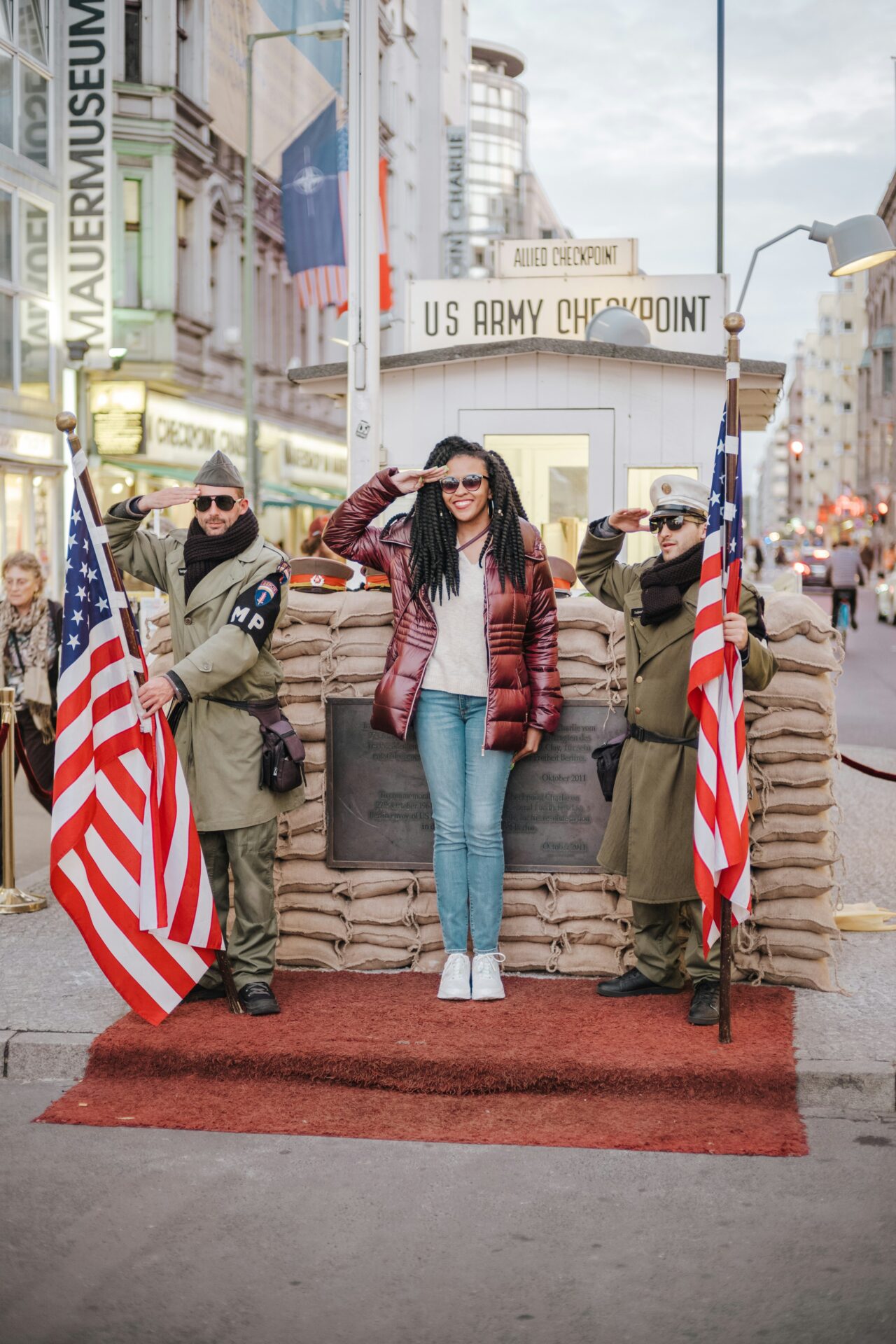
Checkpoint Charlie stood as the best-known border crossing between East and West Berlin during the Cold War. It popped up in 1961, right after the Berlin Wall’s sudden construction, smack in the middle of Friedrichstraße.
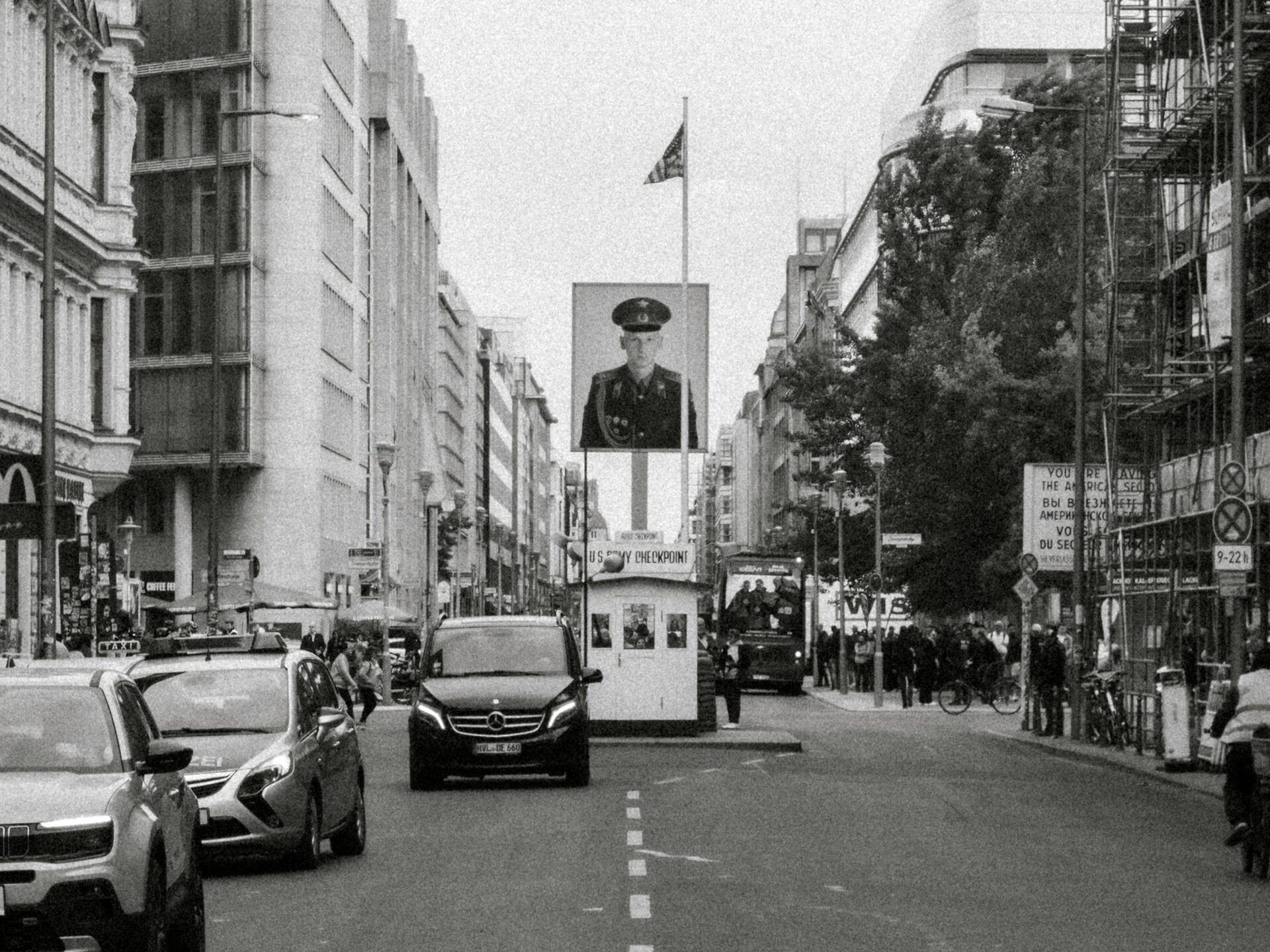
U.S. and Soviet soldiers often stared each other down across this line. The most famous standoff happened in October 1961, when tanks rolled in on both sides and nobody knew what would happen next.
Tourists and diplomats could cross here, but the checkpoint mostly saw foreigners and Allied military. The checkpoint became a global symbol of Cold War tension, not just a Berlin quirk.
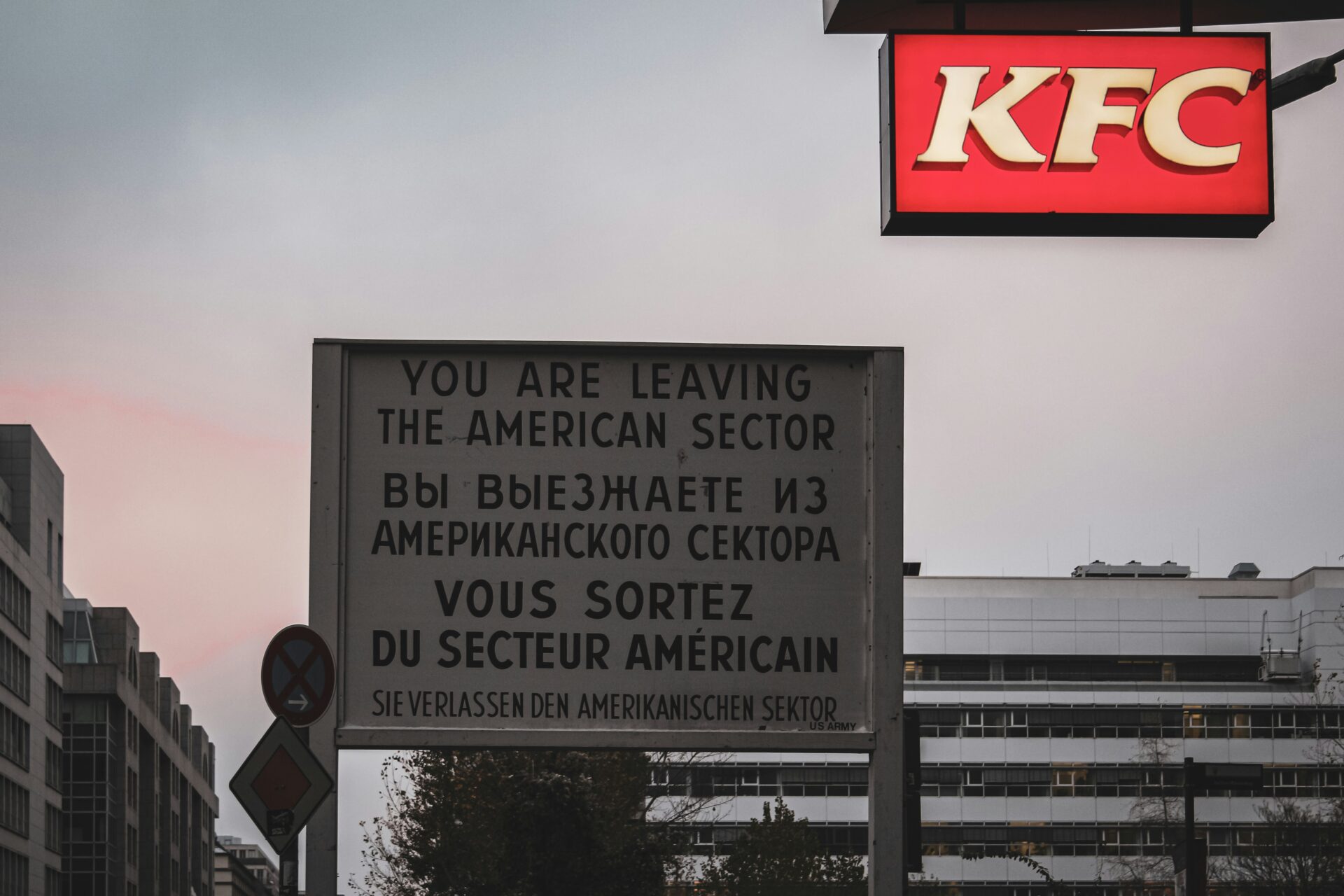
Signs in several languages told you when you were leaving—or entering—a totally different world.
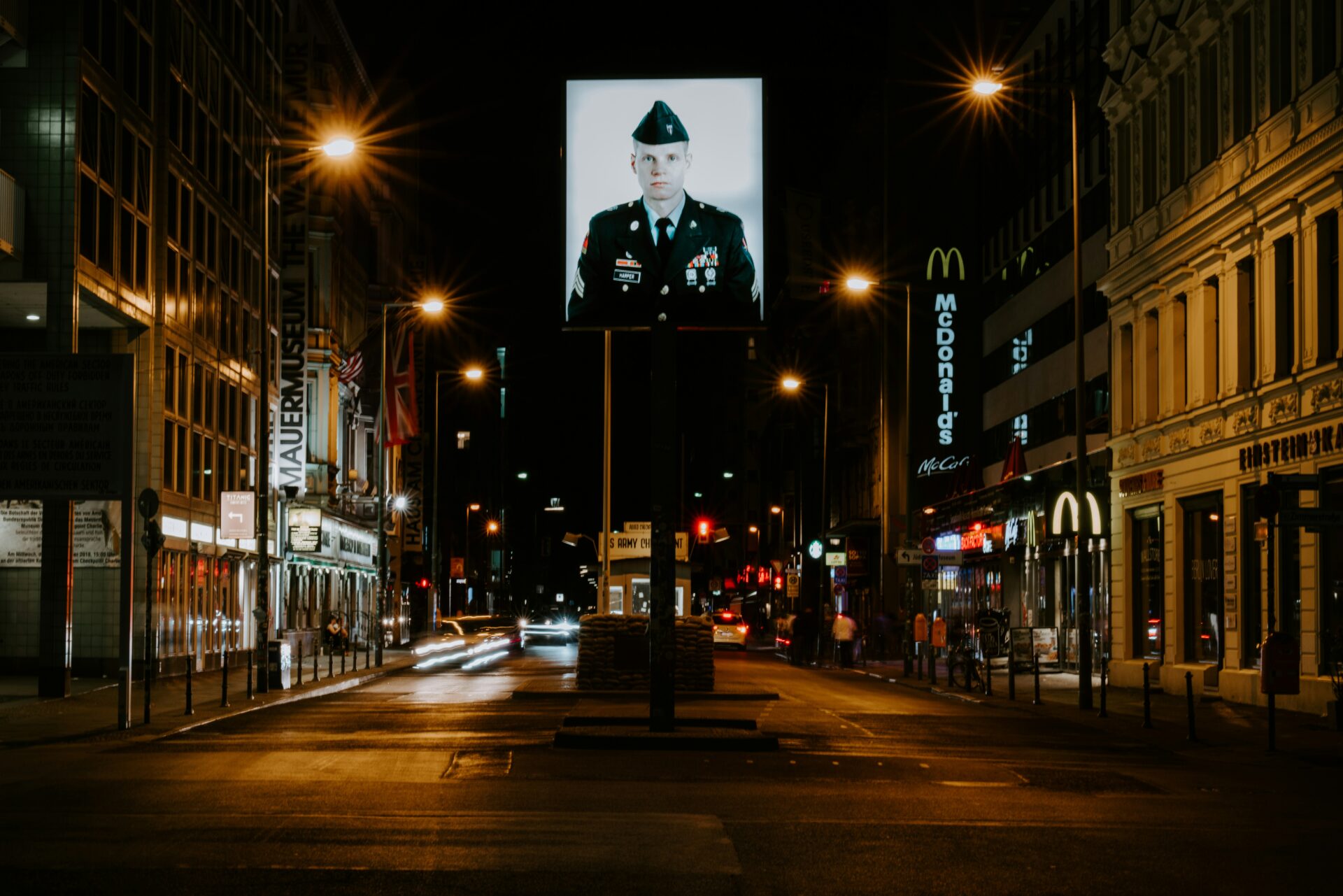
Famous Escape Attempts
The border barriers and strict rules at Checkpoint Charlie never stopped brave escape attempts. People got creative: hiding in car trunks, digging tunnels, even dressing up as American soldiers.
There’s this wild story about a young East German soldier who just bolted over the barbed wire in 1961, right in front of stunned guards. Others dug tunnels under the street or built their own gadgets to sneak across.
Not everyone made it. Some escapees got caught or worse. These stories still hit hard—they show just how desperate people were to break free and how risky it all was.
Symbol of Divided Germany
Checkpoint Charlie quickly became a symbol of Germany’s split. It marked the line between two worlds jammed into one city. Sometimes, I picture the small wooden guardhouse, barriers all around, and think about how it stood for a city—and a country—split in half.
Movies, books, and even James Bond scenes have used Checkpoint Charlie as a backdrop. Its photo still pops up in travel guides as a reminder of Berlin’s divided days.
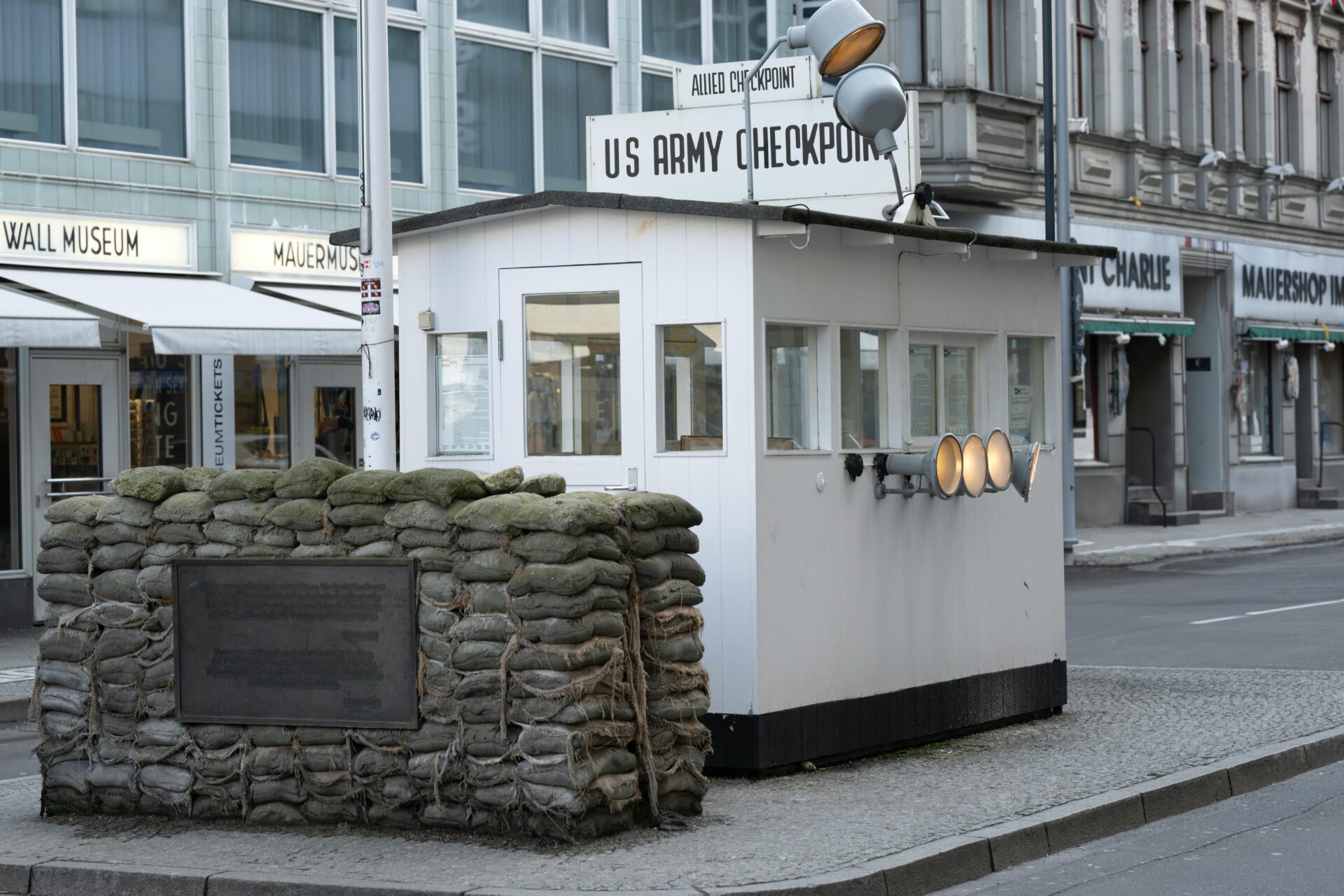
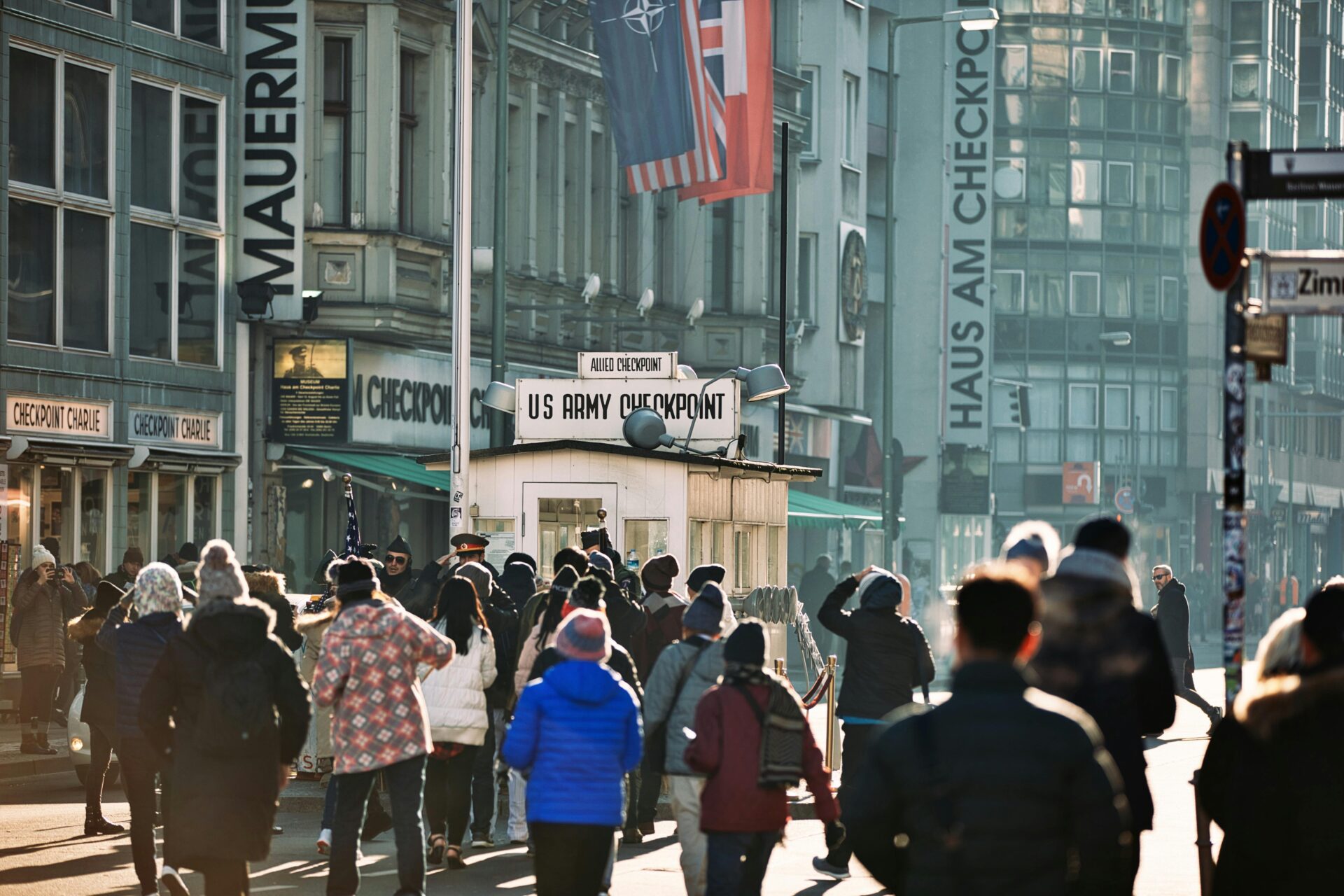
You can see a replica guardhouse at the site today, while the original sits in a Berlin museum. The spot still stands as a sign of the Cold War and what people endured just to cross a single street.
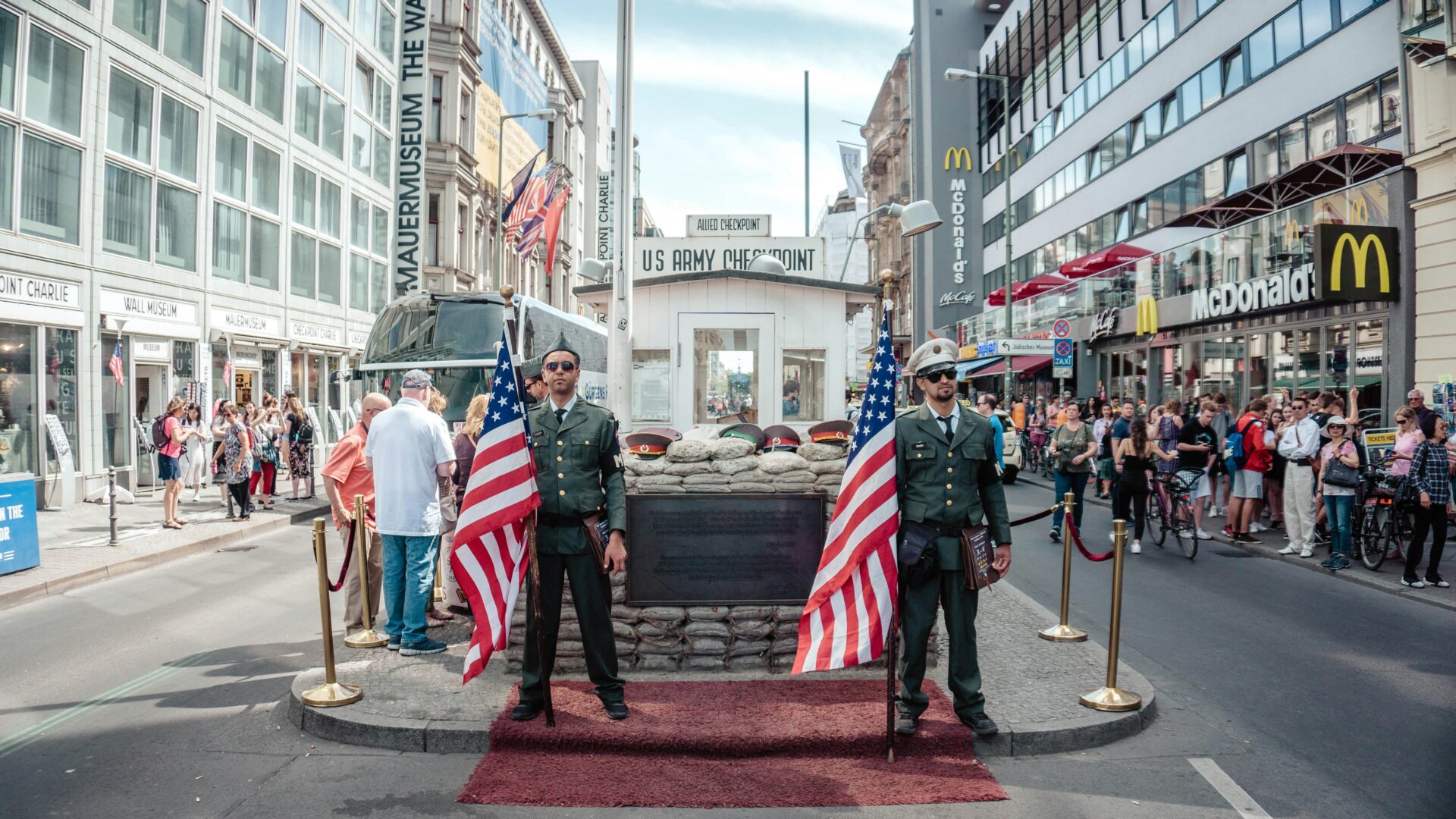
Must-See Museum Experiences Nearby
Berlin’s history feels real near Checkpoint Charlie, thanks to some truly memorable museums. I’ve found powerful exhibitions and rare objects that tell the city’s story in a way no street corner can.
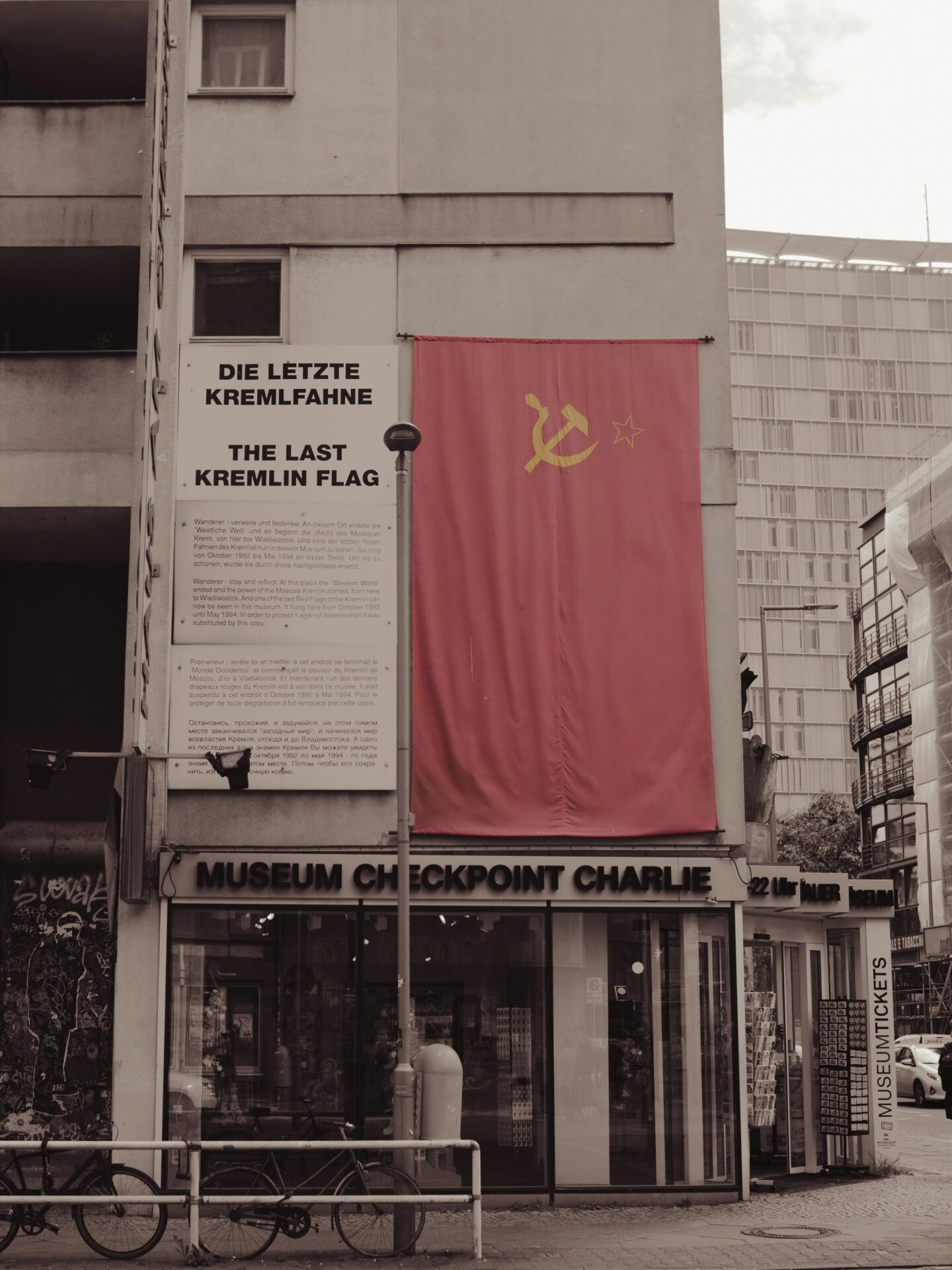
Exploring the Checkpoint Charlie Museum (Mauermuseum)
I always make time for the Checkpoint Charlie Museum, or Mauermuseum, right next to the guardhouse. Walking in, I spot real escape gear—homemade hot air balloons, tiny cars with secret compartments, even a mini submarine.
Every item tells a story about someone risking it all to cross the Berlin Wall. The museum lays out Checkpoint Charlie’s history, the Wall itself, and the city’s split.
I follow personal stories, learn about border guards, and check out documents from the Allied forces. The Mauermuseum switches up its temporary exhibits and sometimes features famous speeches given at the site.
It usually takes at least an hour to get through the highlights, and honestly, every visit sticks with me.
Highlights:
- Real escape tools and vehicles
- Emotional survivor stories
- Timelines and maps
- Items from the Allied Museum
- Multimedia displays
Discovering Museums Along Friedrichstraße
Just steps from Checkpoint Charlie, Friedrichstraße offers other museum experiences. Smaller galleries and exhibitions here dive into Berlin’s history, Cold War culture, and daily life in divided Germany.
These museum stops feel quieter and less crowded than the Mauermuseum, but they’re just as packed with details.
Some displays focus on everyday life in East and West Berlin, using photos, films, and personal stories. I’ve found interactive exhibits that explain how people communicated across the border and how the city changed after reunification.
The vibe is a bit lighter, but you still walk away knowing more about Berlin’s past.
Top picks:
- The BlackBox Cold War exhibit
- Small art and photo museums
- Local history corners on Friedrichstraße
Immersive Walks and Memorials Around Checkpoint Charlie
Whenever I’m at Checkpoint Charlie, I make time to wander the landmarks and memorials nearby. The area is full of reminders of Berlin’s past, each with its own story.
Berlin Wall Remnants and Memorials
Walking around Checkpoint Charlie, I spot the last pieces of the Berlin Wall. Some sections have artwork and plaques explaining their history.
A few blocks away, the Berlin Wall Memorial preserves a chunk of the Wall with an open-air exhibit. This place really shows how stark the division was.
Signs and photos tell the stories of people who tried to cross. I also keep an eye out for the metal strip on the ground that marks where the Wall stood. It runs right through city streets—a simple but powerful reminder.
I like using the map signs nearby to follow the Wall’s path and see how it shaped Berlin.

Topography of Terror Exhibition
The Topography of Terror is a must for history fans. It’s just a short walk from Checkpoint Charlie, on the old SS and Gestapo headquarters grounds.
This free outdoor and indoor exhibition explains Nazi crimes and how oppression took root.
I find the remains of Gestapo prison cells especially chilling. The outdoor panels walk you through Berlin’s dark transformation during the Third Reich.
Inside, clear displays show how persecution unfolded under Nazi rule. There are also sections about the Wall and the Cold War, connecting Berlin’s two darkest chapters.
I usually spend at least an hour here, reading stories and looking at the photos. The place delivers the facts directly, without sensationalizing.
Holocaust Memorial Nearby
Not far from Checkpoint Charlie, I always suggest visiting the Memorial to the Murdered Jews of Europe, or the Holocaust Memorial. The site has over 2,700 concrete slabs of different heights, set out in a huge grid near the Brandenburg Gate.
Walking among the slabs, I feel a mix of reflection and respect. The memorial stays open all day and night, so you can visit whenever.
There’s an information center underneath, sharing stories of victims and families. Being here reminds me that Berlin’s history is about real people.
The walk from Checkpoint Charlie to the Holocaust Memorial takes about 15 minutes, so it’s easy to fit in.
Street Art, Guided Tours, and Popular Culture
Checkpoint Charlie gets most of its fame from Cold War history, but there’s a lot more going on here. Street art, tours, and Berlin’s pop culture scene show a whole other side of the area.
Street Art and the East Side Gallery
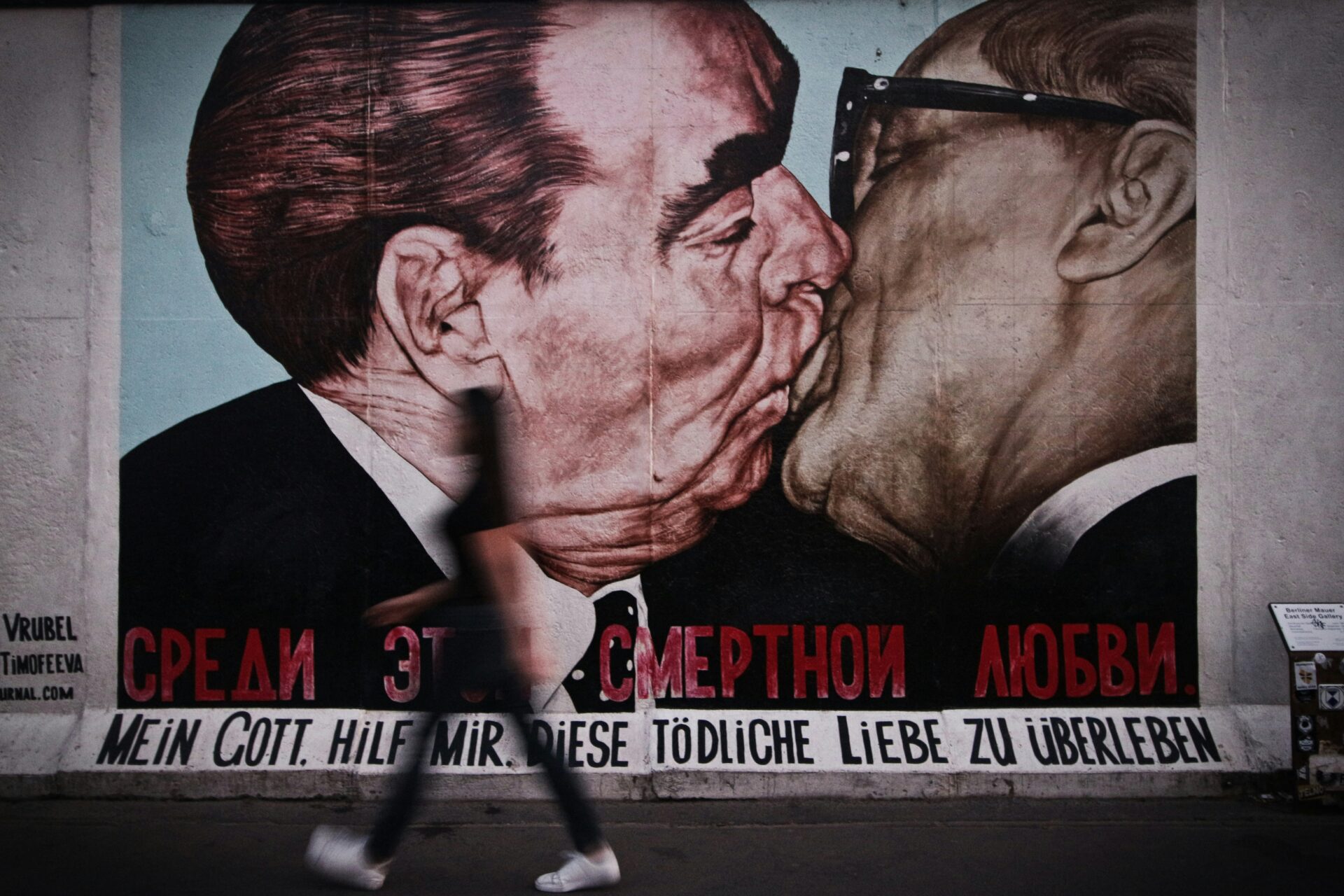
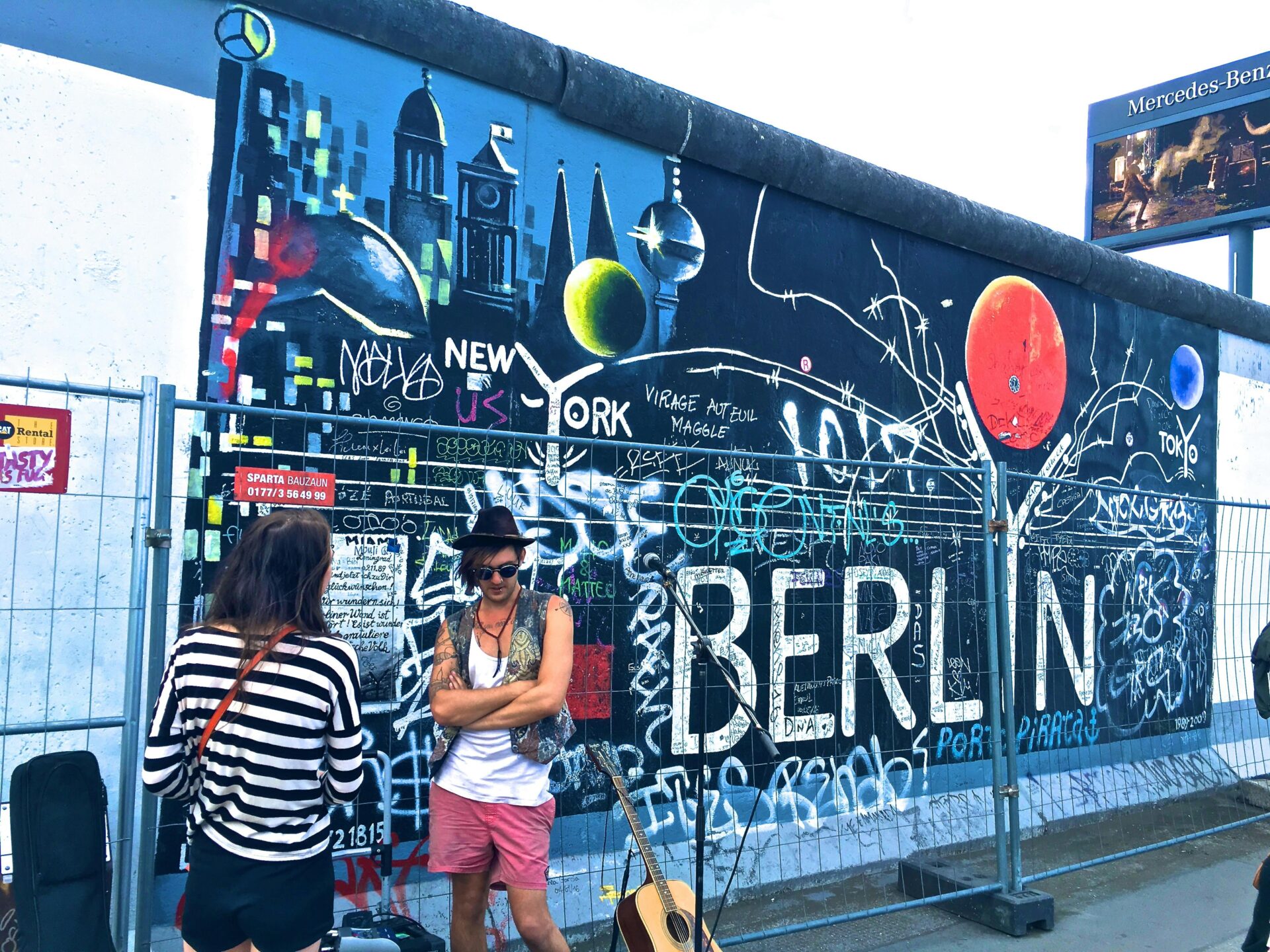
Berlin’s street art scene is legendary, and the East Side Gallery is the crown jewel. This open-air gallery stretches along the old Berlin Wall, covered in over 100 murals by artists from around the globe.
It stands as a symbol of freedom and unity after the Wall came down.
Every mural tells its own story. Some are political, some dream of peace, and others just burst with color and hope.
The Gallery is a fantastic spot for photos and a bit of quiet thought. I always suggest taking it slow—read the plaques, check out the artists’ backgrounds, and soak in the messages.
Street Art Tours Near Checkpoint Charlie
If you’re curious about street art beyond the Gallery, try a street art tour near Checkpoint Charlie. These guided or self-guided walks often wind through neighborhoods, revealing hidden murals, graffiti, and quirky installations in unexpected spots.
Tours usually last an hour or two, and the art changes often as new pieces pop up.
Some tours use mobile apps or scavenger hunts to keep things interactive and fun. Local guides can point out famous works, explain their history, and share stories about Berlin’s creative side.
If you’d rather go solo, there are apps that map out street art routes and highlight must-see pieces. It’s a great way to catch fresh artwork and see Berlin’s art scene beyond the big tourist stops.
Guided Tours: Then and Now
Guided tours around Checkpoint Charlie have changed a lot. Years ago, most tours stuck to Cold War checkpoints and museums. Now, they often blend history with Berlin’s modern culture—art, food, and local hangouts.
I’ve noticed more tours mixing escape stories with details about Berlin’s transformation since reunification.
Some themed tours use actors, costumes, or even virtual reality to bring history to life. Others stop at spots featured in movies or TV, like “Bridge of Spies” or “Good Bye, Lenin!”.
You don’t have to be a history buff to enjoy these tours. Many guides share personal stories and keep the info clear and engaging.
Tour options range from big group walks to private, customized experiences.
Where to Eat and Relax Around Checkpoint Charlie
If you’re hungry or just need a break, you’ll find plenty of options near Checkpoint Charlie. Most spots are within easy walking distance and fit all kinds of budgets.
Sampling Berlin’s German Cuisine
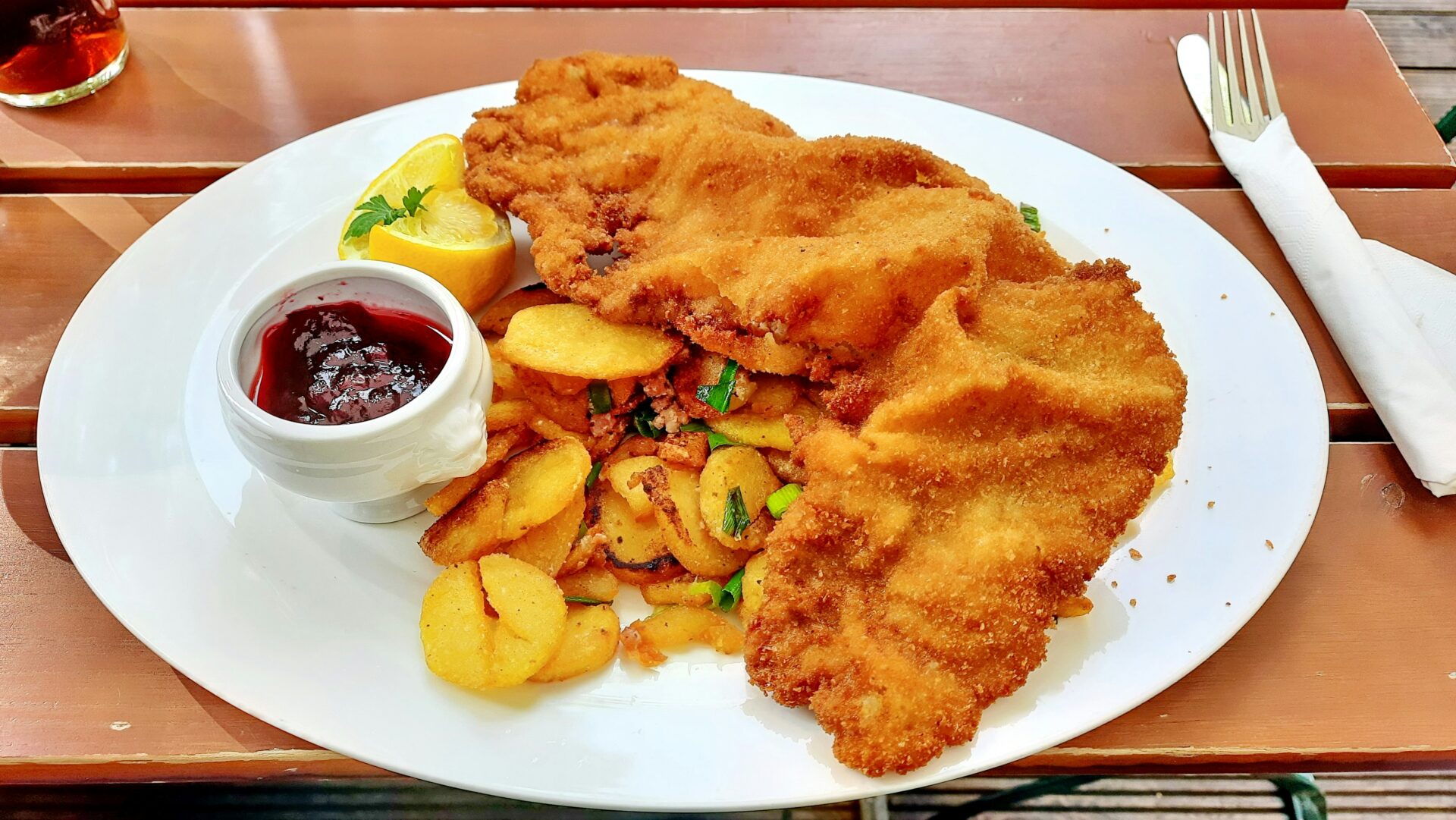
When I’m in Berlin, I love grabbing some authentic German food. Near Checkpoint Charlie, Stadtklause serves up schnitzel, sausages, and potato salads. The menu is straightforward, prices are fair, and it’s a cozy place to recharge after sightseeing.
Entrecôte is another good pick, offering German and French-inspired meals. Locals often fill the place, especially at lunch. Their steaks and seasonal veggies are a nice change from the usual fast food.
If you want a beer with your meal, lots of places serve Berlin’s classic brews. Trying a Berliner Weisse or local pilsner is a must. Most restaurants are just a few minutes’ walk from the main sights, so you won’t wander far.
Currywurst and Local Cafes on a Budget
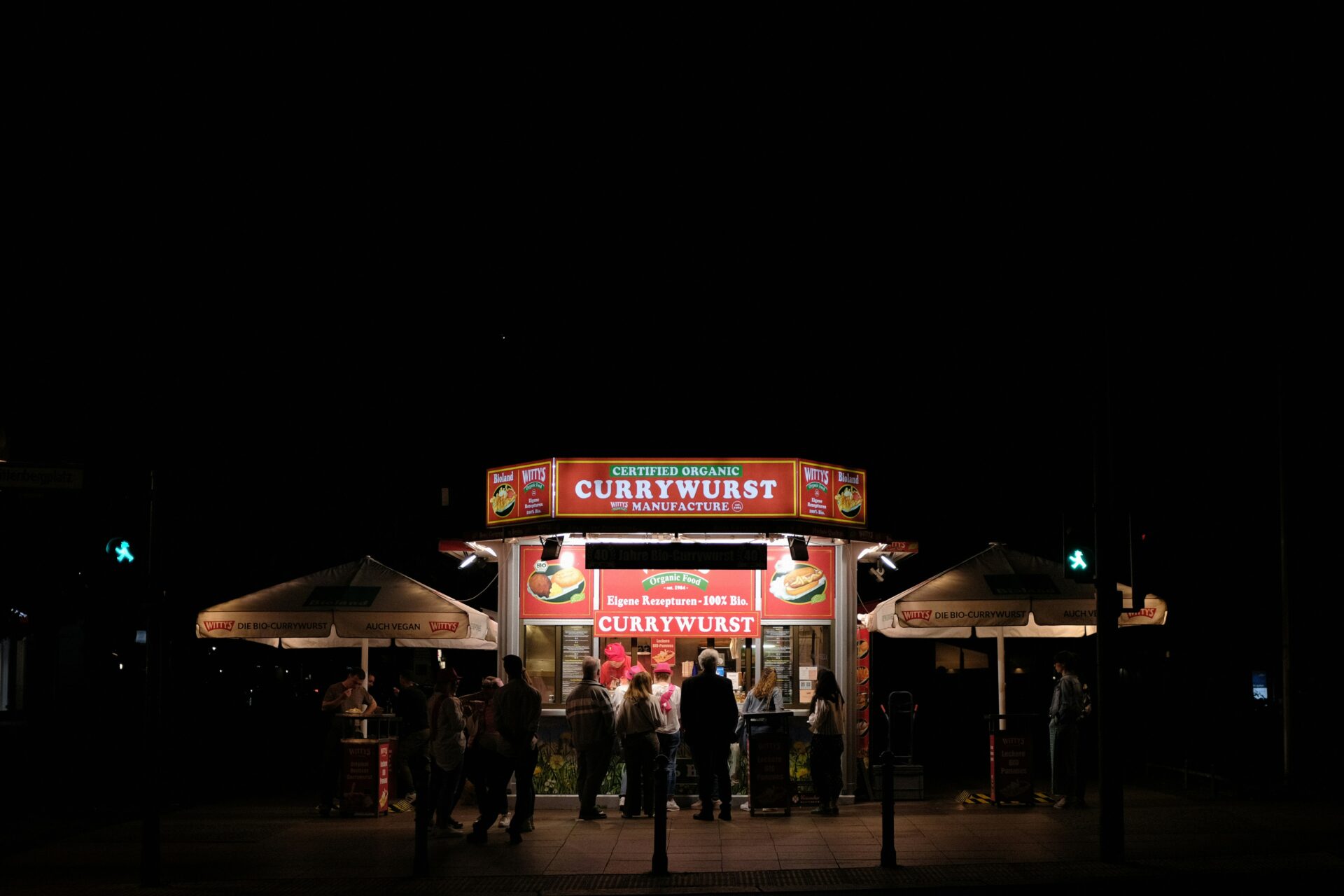
Berlin is famous for currywurst. If you want something quick and cheap, hit up one of the snack stands or small shops near the checkpoint. Most currywurst meals cost around 5–6 EUR, making them great for budget travelers.
It’s a pork sausage with a tangy ketchup-curry sauce, usually served with fries or a roll.
For something even faster, bakeries and chain cafes like Back-Factory have sandwiches, pastries, and coffee to go. Handy if the crowds get thick and you just want a quiet break.
If you’re after groceries, Lidl is close by with fresh bread, fruit, and drinks. It’s an easy way to keep costs down and still eat well.
Kreuzberg & Tapas: International Flavors
Checkpoint Charlie is just a short walk from Kreuzberg, which might be Berlin’s most international neighborhood. When I’m craving something different, I wander a few blocks this way.
There’s always a mix—Spanish tapas bars, Turkish döner kebab joints, Asian noodle spots. It’s a total shift from the usual German dishes.
Barcelona Restaurant? That’s a go-to for me when I’m after Mediterranean flavors and those addictive little plates. On a tighter budget, I’ll swing by Spätzle Club for Swabian noodles loaded with creative toppings.
Many places here serve the lunchtime crowd, so the food comes out quick and there’s no fuss. It’s easy to duck down a side street and find a quiet table, away from the busy main drag.
Honestly, the variety in Kreuzberg keeps surprising me. Every visit brings a new favorite, and when I’m tired of heavy German meals, these international spots near Checkpoint Charlie always hit the spot.