
When I first got to Gordes in Provence, France, I had one thing on my mind: that classic postcard shot. You know the one—soft morning light pouring over those stacked stone houses, rolling hills behind. But honestly, it’s not just about snapping a quick photo. The magic happens when you find the right angle and wait for the light to do its thing.
The best photos of Gordes come from knowing where to stand, when to show up, and how to frame the village’s charm.
Gordes draws photographers from all over the world. I noticed that even small changes—like taking a different footpath, planning for golden hour, or just waiting as the light shifts—can totally change your photos.

If you’re aiming for that iconic view and want to bring a bit of Provence home, these three tips should help you find the perfect spot and get the most out of your photography adventure.
Discovering the Best Viewpoints in Gordes
Gordes is packed with great places to take photos. From the classic overlooks to quieter corners with surprising angles, you’ll find plenty of inspiration.
Finding the right spot and timing your visit just right helps bring out both the heritage and natural beauty of this hilltop village.
Identifying the Iconic Overlook
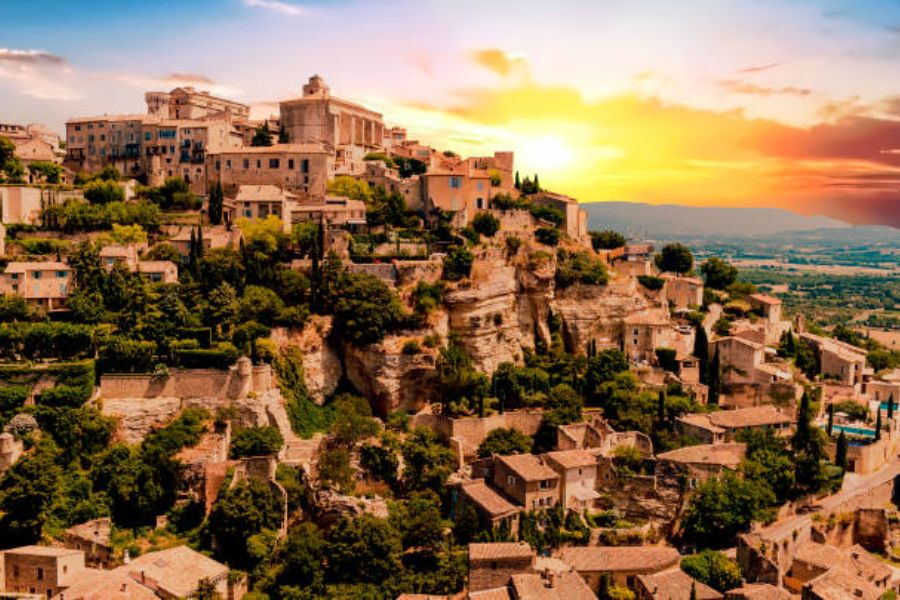
The most famous viewpoint in Gordes sits along the main road before you enter from the south. You’ll see it called the “Town View Point Gordes” on Google Maps. From here, the houses spill down the hillside and the castle stands above it all.
Before sunset, the view just glows. Warm light spills over the rooftops, and you can park nearby, grab your camera, and walk a few steps to the overlook. I always suggest arriving early, especially in tourist season, if you want some space to yourself.
This classic spot doesn’t just show off the village—it frames the Provençal landscape behind it. The mix of old architecture and sweeping valleys really gives you a sense of the region’s deep roots.
Unique Local Perspectives
Sure, the classic view is famous, but honestly, some of my favorite shots come from just wandering inside Gordes. If you walk down an old stone lane, you might spot rooftops and arches framed by olive trees. Some tiny alleys suddenly open up to views of the Luberon countryside.
I like to chat with locals or stop for a coffee—sometimes these spots have angles most tourists miss. Early mornings, when the streets are empty, I’ll duck down side paths and find little surprises. These discoveries add a personal touch and highlight details you might otherwise overlook.

Here are a few quieter places I like for photos:
- Steps near Rue de la Gendarmerie
- Archways by Place du Château
- Benches shaded by trees behind the church
Seasonal Vistas and Light
Light in Provence can be a bit of a chameleon. In summer, the sun rises early and throws sharp shadows—perfect for showing off the texture of those old stones. In spring, wildflowers pop up in the fields below, adding a burst of color to wide shots from the overlook.
Autumn afternoons turn everything golden and soft, which makes for gentle, glowing photos. Winter mornings, with mist hanging in the valleys, feel magical (just bring a warm jacket). Visiting at different times of year lets you capture Gordes’ changing moods.
Timing matters. I usually shoot for early morning or late afternoon when the light is soft or golden, and skip the harsh midday sun. This gives the village and the Provençal hills their best look on camera.
Timing and Lighting: Capturing Gordes at Its Most Magical
When I set out to photograph Gordes, I quickly realized timing is everything. The light changes the whole mood and detail of the village, so knowing when to go can make or break your shot.
Golden Hour Strategies
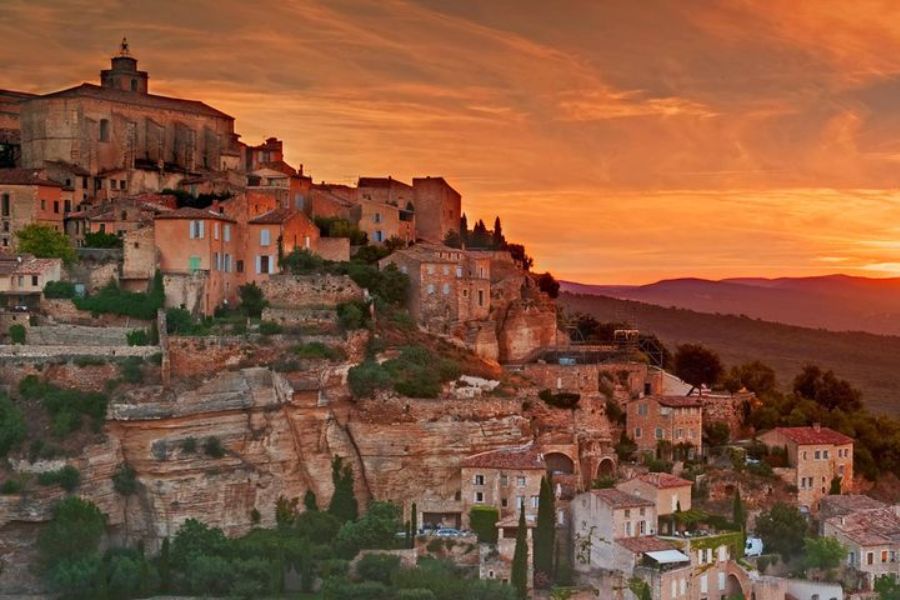
Golden hour—that sweet spot just after sunrise or before sunset—makes Gordes come alive. The light warms the stone and highlights every twist in the cobbled lanes. I always try to get to my chosen spot well before sunset.
You’ll get the best iconic view of Gordes during golden hour in the evening. The sun dips behind the hills and the village glows in gold and orange. This soft light smooths out harsh shadows and brings out the stone’s texture. At sunrise, the village stays mostly in shade, but you’ll find it peaceful and nearly empty.
Golden Hour Checklist
| Item | Why It Matters |
|---|---|
| Arrive early | Secure the best spot |
| Scout angles | Find unique village views |
| Check the sky | Clouds can add drama |
Dawn vs Dusk: Pros and Cons
Morning in Gordes feels totally different from sunset. At dawn, it’s quiet, with locals just starting their day and hardly any tourists around. The iconic side of the village is mostly in shadow, but the peace and soft sky can be worth it if you want undisturbed shots.
At dusk, colors warm up and more of the village catches the light. The whole place glows against the Luberon hills, which is why sunset is so popular. The trade-off? More people, especially in summer. I always weigh what matters more: calm blue dawns or golden warmth (plus a few more folks) before night falls.
Tip: If I want crowd-free photos, I get up before sunrise. But if glowing stone is the goal, I go for sunset and stake out my spot before everyone else arrives.
Weather Patterns and Sky Drama
Weather in Provence can be unpredictable, especially around Avignon and Gordes. June usually brings blue skies, but late summer might surprise you with sudden clouds or a storm. I keep an eye on Météo-France for local forecasts, but honestly, a little unpredictability often means better photos.
Clouds at sunset can be dramatic, catching the last light and adding interest to the scene. Even a rain shower before sunset can create a rainbow or glowing mist around the village. If the sky’s too clear, I focus on the textures and colors of the earth and stone.
Being ready for whatever the sky throws at you means you’ll catch both classic and unexpected sides of Gordes.
Composing Striking Photos: Framing, Angles, and Focal Points
When I’m shooting the iconic hilltop village of Gordes, framing the scene right matters just as much as timing. What sets a photo apart is how you balance the historic buildings, the natural surroundings, and your own creative choices.
Incorporating Village Architecture
Gordes’ limestone buildings look their best in natural light, especially during golden hour when everything glows. I look for places where old stone walls meet cobblestone streets, using doorways or arches as frames.
Changing up your angle—shooting up from below or crouching down—can reveal both the sweeping views and the small details, like terra-cotta rooftops or hidden courtyards.

I like using the rule of thirds. Placing church towers or facades off-center draws your eye through the picture, showing off Gordes’ architecture and the spirit of Provence. Sometimes I use selective focus to highlight one building and let the rest blur, creating a sense of place.
Showcasing Natural Surroundings
The hills and fields around Gordes really give the village its character. I’ll step back to include lavender fields or olive groves, framing the village within the landscape.
If the sky looks dramatic, I’ll use it as a backdrop to show how Gordes blends into its surroundings. Early or late light gives the land rich shadows and texture.
Changing lenses helps. I’ll go wide for sweeping views, or use a longer lens to pull the fields and stone houses closer together. This way, you see both the village and the nature that surrounds it.
Foreground Interest and Depth
Foreground details—like stone fences, blooming poppies, or a winding lane—add depth and pull you into the photo. If I place a rustic fence at the bottom, it leads your eye toward Gordes on its ridge.
Layering details (foreground, midground, background) shows how old traditions and modern life mix here. I always check for clutter and try to keep lines clean so nothing distracts from the main subject.
Adding a foreground object doesn’t just make things interesting—it helps tell a fuller story. For me, it’s about capturing the feeling of stepping into a living postcard, where every layer is part of Gordes’ timeless blend of old and new.
Travel Logistics for Photographers
Packing your camera bag for Gordes means thinking a bit ahead—how you’ll get around, when to show up, and how to reach those perfect spots. Taking local tours can also help you find hidden gems and plan for the best light.
Getting Around Gordes and Nearby Regions
Exploring Gordes is easiest on foot, especially if you’re chasing that morning or evening light. The village is compact but hilly, with narrow cobblestone streets. I always wear sturdy shoes and keep my gear light. Parking is available at the edge of town, but it fills up fast in peak season.
If you want to go beyond Gordes, renting a car makes things much easier. The roads wind through the Luberon Valley, so you can visit lavender fields or Roussillon’s ochre cliffs. Public buses connect Provence towns like Avignon and Marseille, but they don’t run often. I find having a car lets me wait out harsh midday sun and time my shots for golden hour.
Recommended Tours and Excursions
Organized tours are great for reaching hard-to-find spots and learning local secrets. Photography tours from Avignon, Marseille, or even Italy often include sunrise or sunset stops for the best light. Small group tours sometimes visit private estates or lavender farms, places I wouldn’t have found on my own.
I enjoy guided excursions that mix history and scenery—like trips to Abbaye de Sénanque or wine tastings in the vineyards. These tours let me focus on taking photos, not worrying about getting lost or parking. Sharing a minibus with other photographers often sparks new ideas as we swap tips and favorite spots in Provence.
Cultural Contexts and Personal Stories
Gordes is more than just a pretty backdrop. Visitors shape its vibe, and preservation groups work hard to keep its history alive even as crowds grow.
Influence of International Visitors
Gordes buzzes with travelers from everywhere. As I wander the narrow streets, I hear German, Japanese, and American voices. I’ve met folks like Laurence from the US, who told me she’d dreamed of capturing that famous hilltop view ever since seeing it in a magazine.
Sometimes, I come across community events or protests that show how locals balance tradition with tourism. At sunset, the famous viewpoint fills up—tripods everywhere, each person seeing the scene in their own way.
Chatting with visitors from other countries always gives me new photography ideas. People share tips from home or bring a fresh perspective.
Groups from Japan or Germany each bring their own energy. Most folks are respectful, which helps keep the village welcoming even during busy times. I try to blend in and match the local pace, because it’s obvious Gordes thrives on sharing its heritage with everyone who visits.
Heritage Preservation Efforts
Preserving Gordes takes real effort. I’ve spotted signs from preservation societies, warning photographers not to climb certain walls or wander into private gardens.
The rules feel strict, but they keep the town’s history and daily rhythms safe. On my last visit, I watched volunteers fix stone pathways that tourists had worn down.
Locals sometimes protest new construction projects. They just want the classic stone façades to stay the way they remember them.
I once chatted with an artist named Laurence. She told me about restoration projects that local groups and even donors from Germany and Japan funded.
Some organizations run guided tours to explain how Gordes’ architecture has lasted so long. These walks aren’t just full of facts—they help you see why some limits exist.
Honestly, respecting these efforts makes me feel more connected to every story behind the photos I take in Gordes.
