
When Dartmoor comes to mind, I see wild hills, dramatic tors, and villages where time just seems to slow down. There’s a real magic in wandering the moors, spotting ponies, and then ducking into a cozy pub for a warm meal.
Here are my top 5 Dartmoor experiences—from climbing rocky peaks to classic pub lunches—that really capture the best of this national park. Each one lets you see Dartmoor’s wild beauty and quirky personality in a different way.
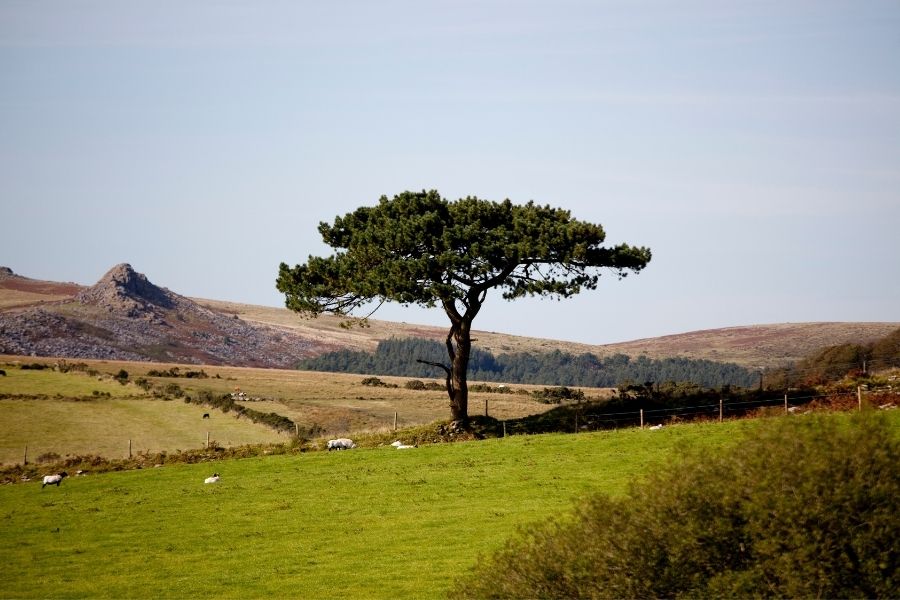
If you’re up for adventure or just want to soak up the views, these activities will help you make your Dartmoor trip memorable.
Unmissable Tor Climbs and Panoramic Views
Dartmoor bursts with granite tors, each with its own character and story. Some are easy to reach, others come with legends or odd shapes that make you pause.
Haytor Rocks: The Crown of Dartmoor
Haytor Rocks might be Dartmoor’s most famous landmark. Twin granite outcrops rise above the moor, making them impossible to miss from miles away.
The climb up is short but steep, and I’ve always found the paths from the car park well-marked and straightforward.
Once you’re at the top, the views are just huge—on a clear day, you can see right out to the coast. I love poking around the nearby old quarries and ruined tramways after coming down.
Haytor gets busy on weekends, so if you want peace, try going early or on a weekday.
| Feature | Details |
|---|---|
| Height | About 457 meters (1,500 feet) |
| Best for | Epic views, beginner-friendly climb |
| Parking | Large dedicated car park |
Climbing Hound Tor for Stunning Vistas
Hound Tor stands out with wild rocks and sweeping views over the moor. The walk from the car park takes about 20–30 minutes, with sheep and ponies dotting the fields.
Kids and adults both love scrambling over the cracks and nooks here. From the top, you can spot the old medieval village ruins and Dartmoor rolling out in every direction.

If you’re into legends, Hound Tor comes with ghost stories and ties to the Hound of the Baskervilles. It’s also a perfect place for a picnic or snapping some great photos.
Quick Tips:
- Wear sturdy shoes for climbing.
- Pair your visit with a walk to the old village or Saddle Tor.
Exploring Bowerman’s Nose and Granite Formations
Bowerman’s Nose really grabs attention with its weird, almost human-like stack of granite blocks. Legend says a hunter gave the rock its name after being turned to stone.
You’ll find the site after a short stroll from a quiet roadside lay-by. As you get closer, the pillar stands alone above the heather, almost like it’s keeping watch.
I like how peaceful it feels here—fewer people, more space to just be. Bring a camera, maybe a sketchpad, and just take your time exploring the wild shapes.
What to Bring:
- Camera for cool rock formations
- Snacks for a quiet break
- A windbreaker—trust me, it gets breezy
Historic Walks and Ancient Landmarks
Dartmoor hides so much history in its woods and stone ruins. I keep coming back to these places where the past feels close and the landscape has its own secrets.
Discovering Wistman’s Wood and Ancient Woodland
Wistman’s Wood is a tiny pocket of ancient forest, unlike anywhere else on Dartmoor. It sits near Two Bridges, and the twisted, mossy oaks make it feel straight out of a fairy tale.
The walk to the woods isn’t far, but the ground turns rocky and damp if it’s been raining. I like to look for ferns and lichens clinging to the granite boulders—there’s something wild and untamed about it all.
This spot matters for wildlife, so I stick to the paths and try not to disturb anything. The mix of old trees and wild nature makes Wistman’s Wood a must-see if you love Dartmoor’s wilder side.
The Granite Way: Iconic Dartmoor Walking Trail
The Granite Way is one of the best walks or bike rides on Dartmoor. It follows an old railway between Okehampton and Lydford, almost entirely off-road and really peaceful.
What I love most is the variety: you cross high viaducts, pass Meldon Viaduct up close, and catch wide-open views across the moor. The old railway bridges add a cool, historic twist to the walk.
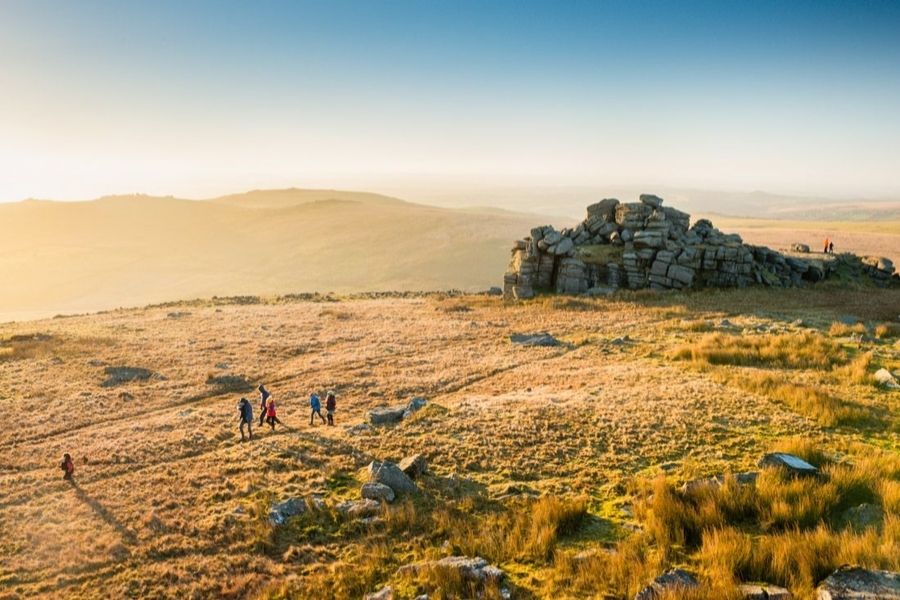
Signs keep you on track and the path stays mostly level, so it’s easy for all ages. It’s a laid-back way to enjoy Dartmoor’s scenery and a bit of its industrial past.
Exploring Merrivale Stone Rows and Grimspound
Merrivale Stone Rows are among Dartmoor’s oldest sites. You’ll find rows of standing stones, stone circles, and burial cairns stretching out over the moor, all set down over 4,000 years ago.
Grimspound is just a short drive away. This ancient settlement has 24 stone hut circles inside a massive granite wall. The path gets rough, but it’s worth the effort—I always end up picturing what life must have been like here in the Bronze Age.
Places like these (and Postbridge Clapper Bridge) offer a real glimpse into Dartmoor’s ancient daily life. It’s easy to imagine whole communities living and working out here.
Wild Swimming and Outdoor Adventure
Dartmoor’s wild spaces are a dream for anyone who loves water and untamed places. Whether I’m plunging into a cold pool or finding a hidden waterfall, I always feel close to nature out here.
Embracing the Pools of Sharrah and Spitchwick Common
Sharrah Pool tops my list for wild swimming on Dartmoor. Tucked along the River Dart, it’s ringed by woods and rocks that make it feel both private and dramatic.
The water’s usually crystal clear and chilly, but that’s half the fun. After a walk, a dip here wakes you up, and the banks are perfect for a picnic. I wear water shoes—those rocks are slippery.
Spitchwick Common is another favorite, with grassy banks for lounging between swims. Big groups sometimes set up for the day, but it’s not hard to find your own quiet corner.
On hot days, these spots fill up quickly, so I try to get there early. There’s something special about having the river almost to yourself.
Refresh at Venford Falls and Burrator Reservoir
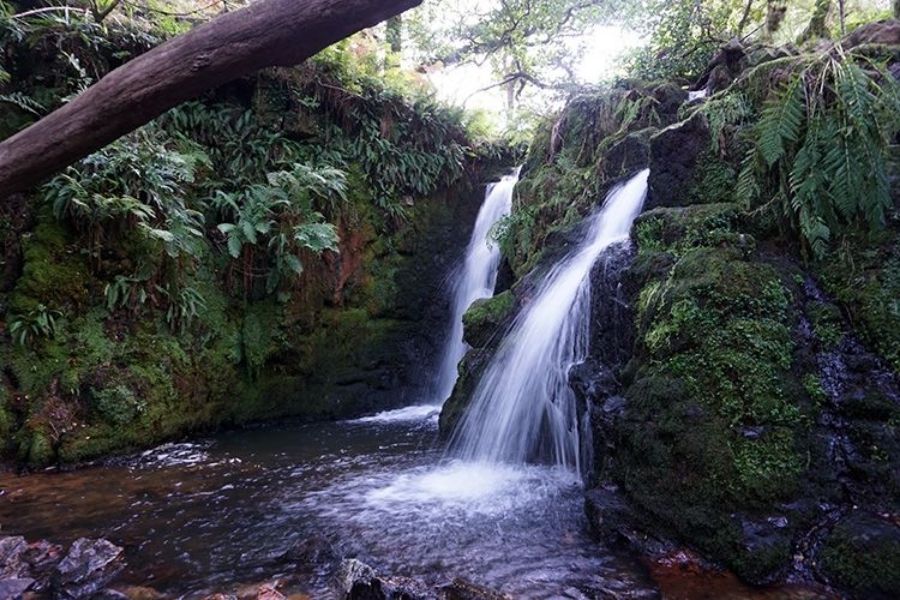
Venford Falls is a tucked-away gem near Venford Reservoir. The path down is steep, but the sight and sound of the falls make it worth the scramble.
The pool isn’t big, but it feels magical. I usually just paddle—honestly, the water’s freezing and the rocks can be sharp. Still, it’s a lovely place to sit and listen to the waterfall.
Burrator Reservoir offers more than swimming. Hiking, birdwatching, and even a little caving at Crazy Well Pool are all on the menu. The water’s cold and clean, and the hills around are dramatic.
If the sun’s out, I bring a towel and a thermos of tea for a simple picnic. Burrator is also a great base if you fancy camping out under the stars.
Charming Pubs and Local Flavors
Dartmoor’s pubs and tearooms add so much to every visit. There’s nothing like stumbling into an old inn for cream tea or a hearty lunch after a day exploring the moors.
Traditional Lunches at Warren House Inn
Warren House Inn is a Dartmoor classic. It sits alone on the open moor, with nothing but wild land for miles around.
This 18th-century building always feels warm inside, with peat fires burning almost year-round. That fire’s famous for never going out—a quirky detail I always remember.
The menu sticks to the basics: steak and ale pie, jacket potatoes, and local ales. After a long walk, that’s all I want. Hikers and locals mix here, so it’s a good place to swap stories or get tips about the area.
The views from the windows are huge, and sometimes wild ponies wander right up. Even if you just pop in for a drink, it’s the kind of spot that sticks with you.
Soak Up Atmosphere at The Rugglestone Inn
Just outside Widecombe-in-the-Moor, The Rugglestone Inn is everything you want in a Dartmoor pub. Think granite walls, low beams, and a garden with picnic tables.
When it’s cold, the fire inside is a lifesaver after a wet walk. They serve real ales, cider, and homemade food—proper pub lunches like ham, eggs, chips, or a big bowl of stew.
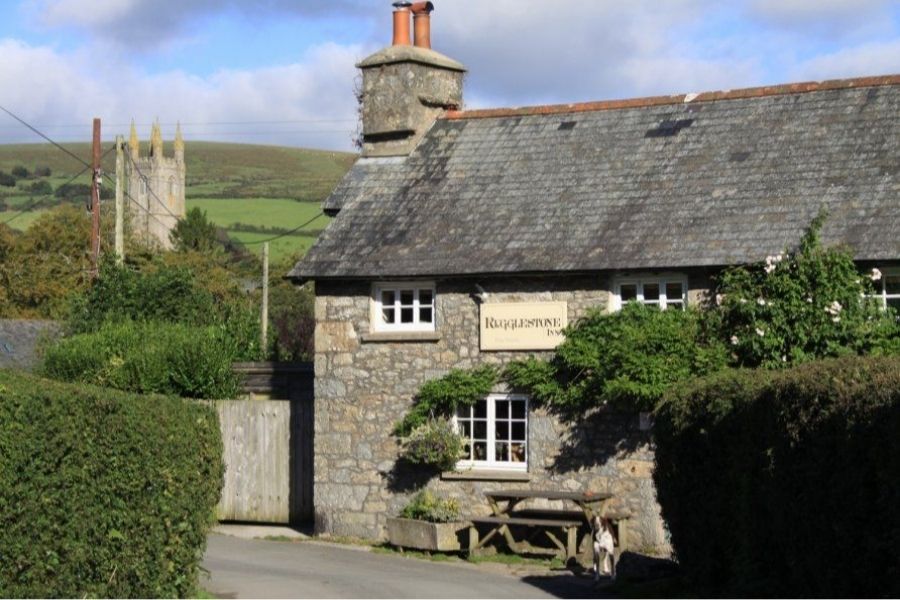
It’s one of those places where muddy boots are welcome and nobody cares about phone signal or WiFi. The pub gets busy, but it’s always friendly. Sitting with a pint, listening to locals chat, you feel like you’re part of Dartmoor life.
Indulge in Cream Tea in Lustleigh or Widecombe-in-the-Moor
Cream tea on Dartmoor is a must. You get a pot of tea, warm scones, homemade jam, and thick Devon clotted cream. Lustleigh and Widecombe-in-the-Moor both have lovely cafés for this treat.
Lustleigh charms with its thatched cottages and peaceful vibe. On a sunny day, I love sitting outside and watching village life go by. Widecombe’s known for its big church and green, and it’s a great spot for tea after a long walk.
Cream tea isn’t just about the food—it’s a pause, a chance to chat, and a taste of Dartmoor tradition. Honestly, the memories are as sweet as the jam.
Dartmoor’s Unique Wildlife and Scenic Villages
Dartmoor brings together wild open spaces and villages full of character. On my trips, I’ve spotted rare animals and wandered historic towns that feel like they belong in another time.
Encounter Dartmoor Ponies and Local Wildlife
I never get tired of seeing Dartmoor ponies. These tough little horses wander freely across the hills, and spotting them always feels special.
Buzzards and peregrine falcons often soar above the tors, hunting for prey. In spring and summer, smaller birds like stonechats and skylarks fill the air with song.
If you’re lucky, you might glimpse foxes, deer, or rabbits hiding in the gorse. Streams and rivers sometimes reveal otters or wagtails darting about.
Wildlife here is best enjoyed from the walking trails. I always keep my distance and never feed the ponies—it’s their home, after all.
Strolling Through Picturesque Chagford, Princetown, and Ashburton
Chagford just draws you in with its thatched cottages and the old market square. Wandering down the quiet lanes, I usually stumble upon a friendly café or a bakery and can’t resist grabbing a Devon cream tea.
Princetown sits high up on the moor and has this wild, remote feel—plus that famous prison looming in the distance. After a long hike, I’ve ducked into a cozy pub or stopped by the visitor center, both great spots to warm up and chat with locals.
Ashburton feels lively, with antique shops and quirky galleries tucked along winding streets. I always notice the welcoming vibe, and the local museum gives a peek into Dartmoor’s rich history.

Every village really has its own personality. Still, they all let you soak up Dartmoor’s charm and connect with both nature and the people who call it home.
Hidden Gems and Day Trip Inspirations
Dartmoor’s wild tors and moorland get a lot of attention, but honestly, some of my favorite spots are the quieter ones. I’ve found places that feel a little off the beaten track—full of beauty, history, and a bit of magic.
Discover Dartmeet and Bellever Forest
Dartmeet sits right where the East and West Dart rivers come together. It’s honestly a perfect spot for photos or just an easy stroll. Sometimes I’ll bring a picnic and watch the river rush over those ancient clapper bridges.
If you love dipping your toes in cool water, the shallow spots are ideal. I always end up wading in, even if I didn’t plan to.
Bellever Forest is just up the road. Shaded trails wind through tall pine trees, and there’s something peaceful—almost mysterious—about it. In spring, bluebells pop up everywhere, turning the ground blue and green.
The paths are well-marked, so most walkers will have no trouble. Sometimes I find myself slowing down just to breathe in the pine scent.
Here are a few things I’d recommend trying around Dartmeet and Bellever:
- Picnic by the river at Dartmeet
- Climb Bellever Tor for those sweeping views
- Watch for wild ponies in the forest
Exploring Canonteign Falls, Becky Falls, and Holwell Lawn
Canonteign Falls claims the title of one of England’s highest waterfalls. You can follow woodland paths up to a lookout and get a stunning view of the Teign Valley. There’s a lakeside walk too, and a little café that’s perfect for a break.
Becky Falls is just a short drive away. Mossy boulders and woodland trails make it a great place for families, but honestly, anyone will enjoy the waterfall circuit—especially on a hot day. I’ve stopped for a snack and sometimes spotted shy wildlife along the way.
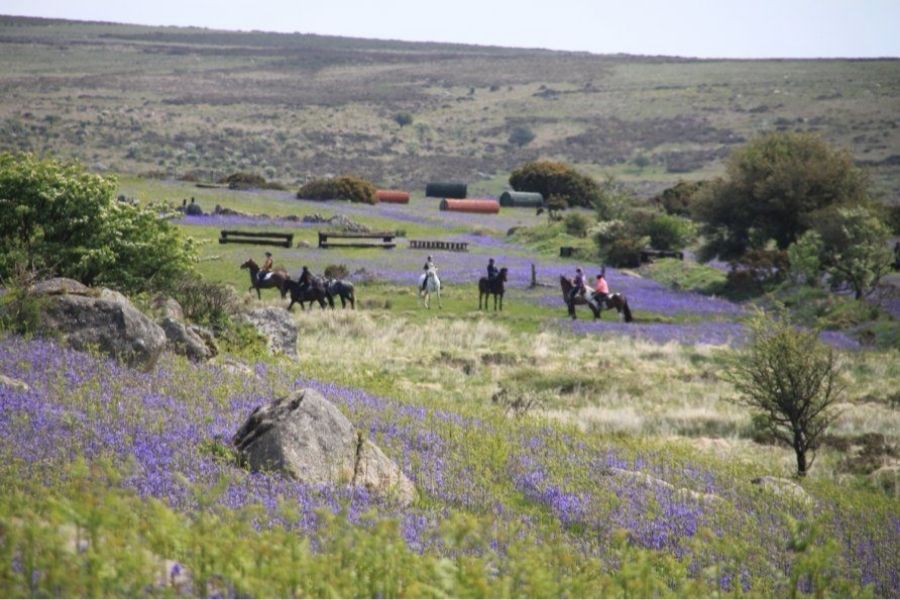
Holwell Lawn is a bit more hidden, close to Haytor. In May, bluebells take over the whole area. I like to get there early in the morning, when it’s quiet and the colors are brightest. It feels wild and untouched, a nice change from the busier parts of the moor.
| Site | Key Feature |
|---|---|
| Canonteign | Tallest waterfall for views |
| Becky Falls | Woodland paths and rocky stream |
| Holwell Lawn | Bluebells in late spring |
Uncovering the History of Dartmoor Prison Museum and Brentor Church
Step inside the Dartmoor Prison Museum in Princetown, and you’ll dive straight into the moor’s gritty past. The curators really bring to life stories of prisoners, daring escapes, and the routines of daily confinement.
I wandered through the World War-era displays and, honestly, they stopped me in my tracks. There’s something about seeing old uniforms and escape tools up close that makes the stories stick.
Anyone with a soft spot for local history should check it out. It’s not huge, but you’ll leave with a head full of wild tales.
Brentor Church perches on a windswept hilltop just north of Tavistock. The church is tiny, almost hidden up there, and the inside just radiates peace and age.
That climb, though—it’s a bit of a scramble, but the reward? Sweeping views over Dartmoor that stretch on forever, even when the clouds roll in.
If you’re already in the area, Foggintor Quarry is just around the corner. The place feels almost forgotten, with its still pools and sheep wandering between tumbled stone walls.
It’s one of those spots that’s perfect for a quick wander or snapping a few moody photos. Sometimes, you’ll have the whole place to yourself, which makes it even better.
