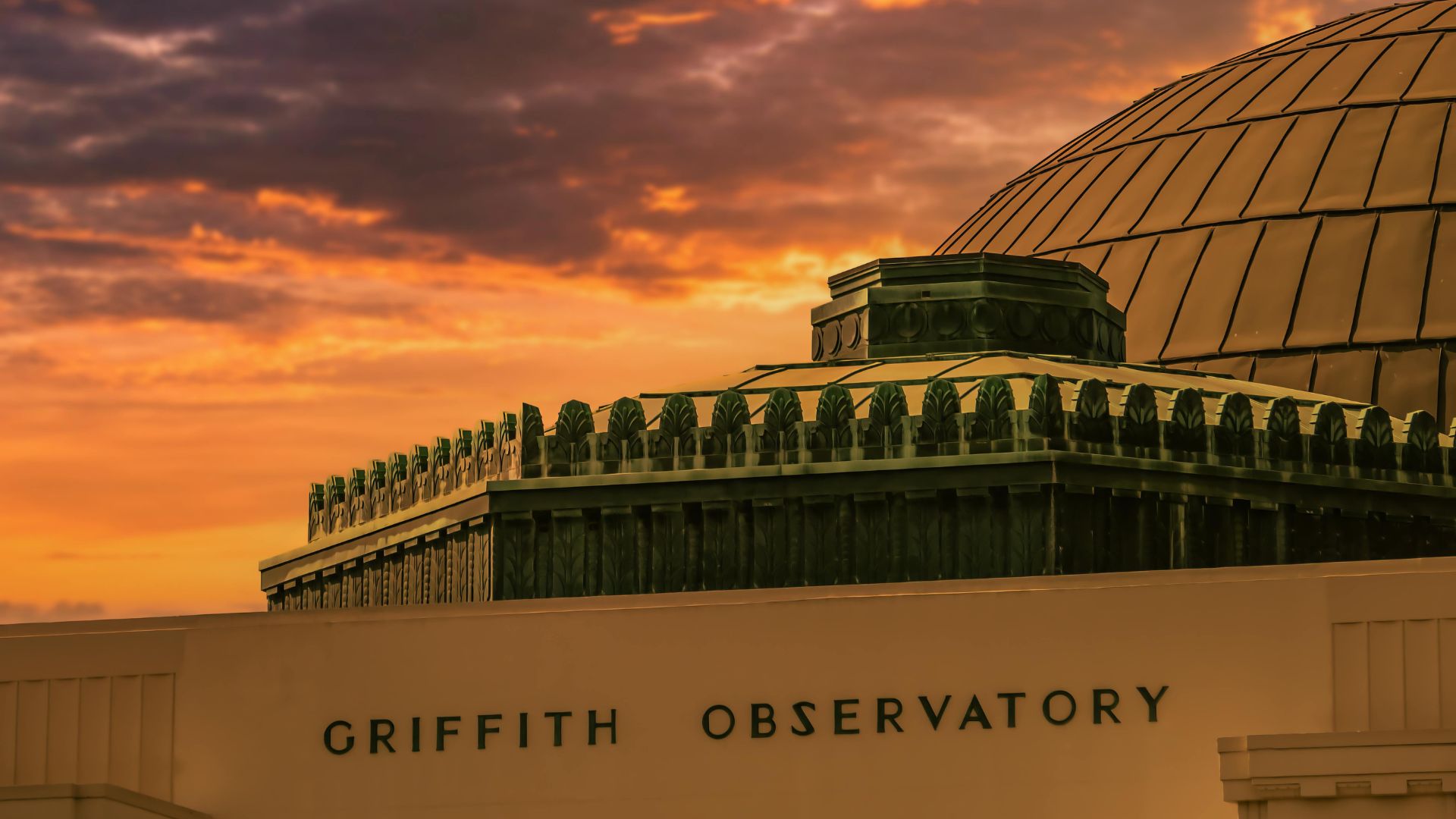
Griffith Observatory easily tops my list of the best free things to do in Los Angeles. You get jaw-dropping city views, hands-on science exhibits, and an only-in-LA vibe—all without shelling out a dime for admission. Every time I wander up here, I remember why folks insist it’s a must-see, whether you’re local or just passing through.
There’s something unforgettable about gazing out at that sprawling skyline from the Observatory’s terraces. I’m a sucker for the astronomy exhibits, and the public telescopes are such a treat—especially since you don’t have to pay to use them.
But honestly, it’s not just about the views or the science. Being at Griffith Observatory makes me feel connected to LA in a way very few places do. If you’re after a spot that’s fun, educational, and completely free, stick around—let me show you what makes this place so special.

Unmatched Panoramic Views of Los Angeles
Griffith Observatory serves up sweeping views of LA that make it a dream for anyone who loves a good cityscape. It’s the perfect place to soak in those famous landmarks, catch a killer sunset, and snap a few photos you’ll want to show off.
From up here, I can spot everything from the Hollywood Sign to the Pacific Ocean—sometimes all in one glance.
Hollywood Sign and City Landmarks
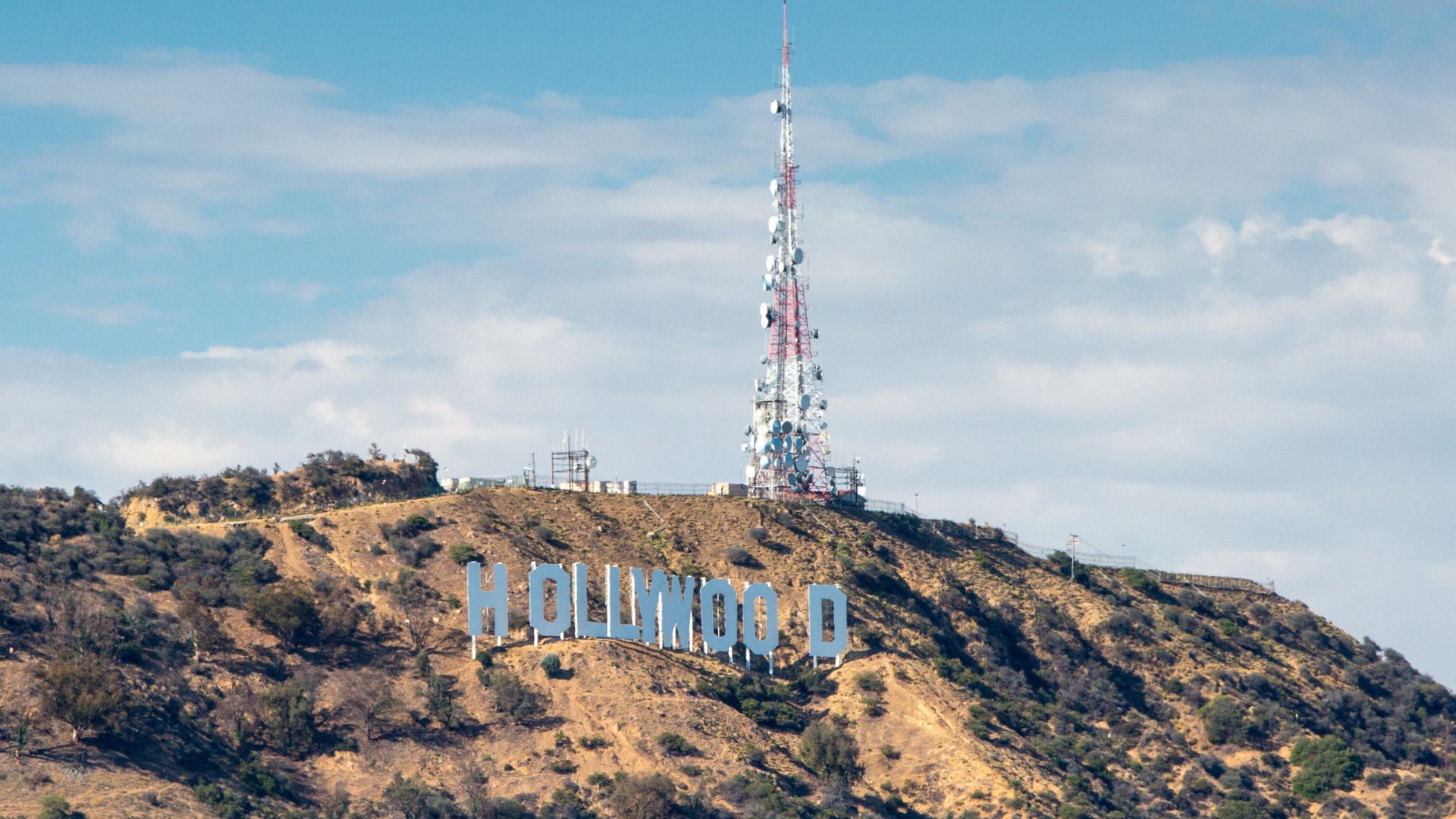
Nothing beats the clear view of the Hollywood Sign from Griffith Observatory. The sign perches high on the hills, and from the terraces, you get one of the city’s best vantage points.
It’s far enough away to take in the whole sign, but close enough that you can actually see it. I usually spot other landmarks, too—Capitol Records, the LA skyline, and the palm-dotted sprawl below.
If you want that classic “I saw the Hollywood Sign!” photo, this is your spot. I’d suggest bringing binoculars or using the coin-op telescopes for a closer peek.
Breathtaking Sunset and Night Sky Views
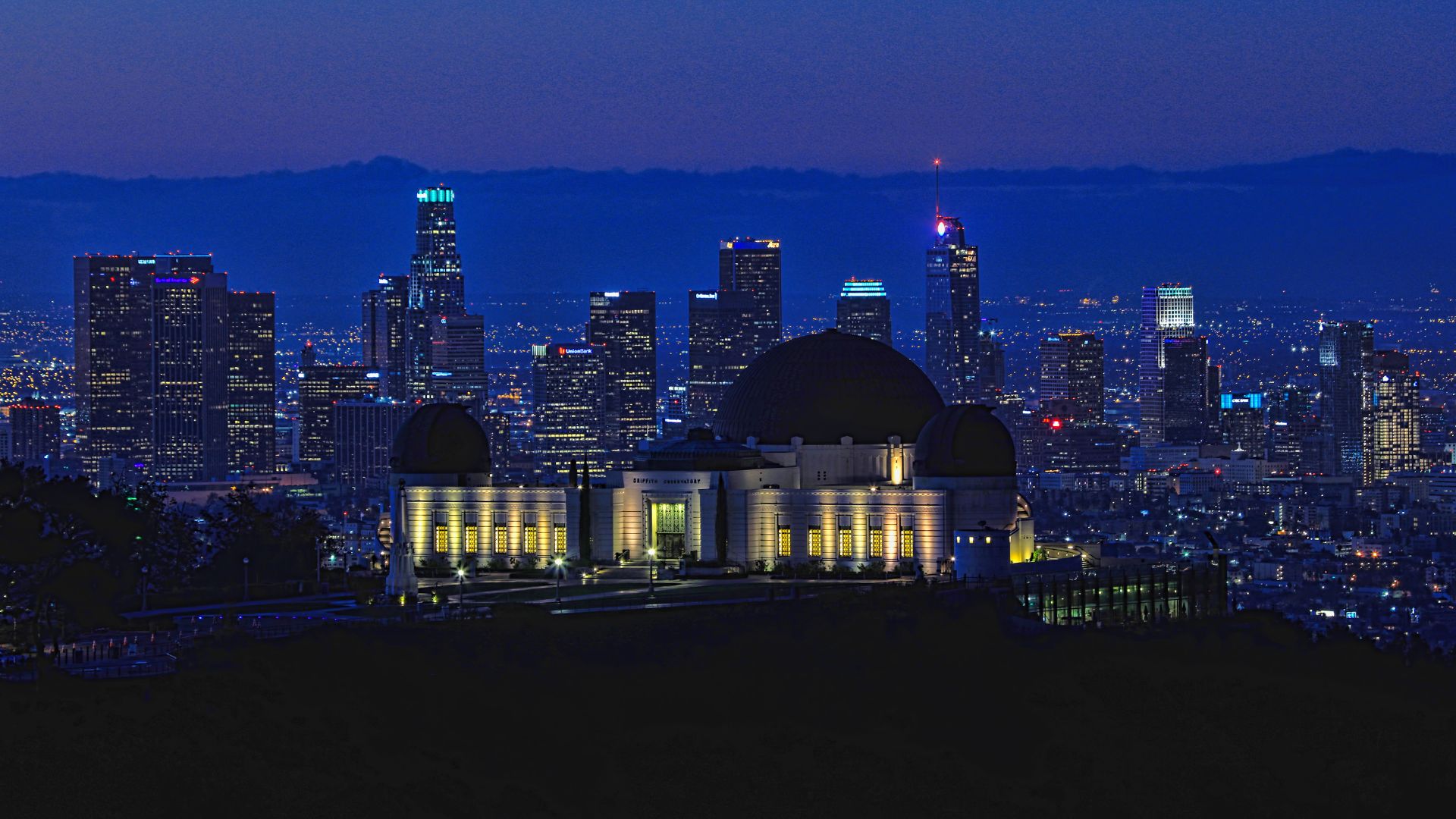
Sunsets up here? Absolutely magical. As the sun dips behind the Santa Monica Mountains, the sky lights up in pinks, oranges, and purples. I always grab a spot on the west-facing terraces for the best show.
Once night falls, the Observatory transforms. Public telescope viewing happens on most clear evenings, and I love watching the city lights flicker on, stretching all the way to the ocean.
Best times for viewing:
- Arrive about an hour before sunset for easier parking.
- Don’t forget a jacket if you’re sticking around to stargaze.
Pacific Ocean and Downtown L.A. Vistas
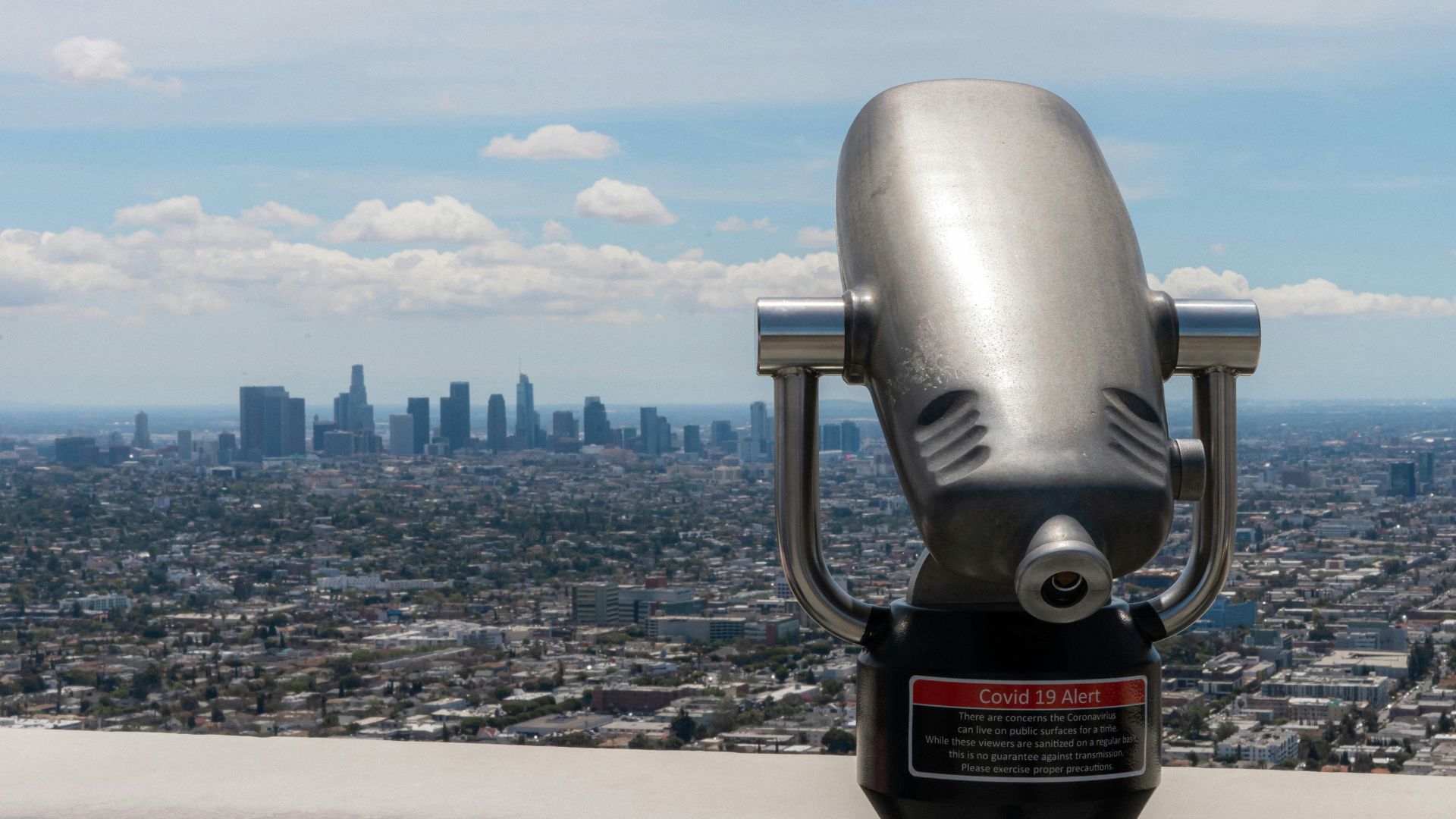
On those rare crystal-clear days, I can see all the way out to the Pacific from Griffith Observatory. The view sweeps across the LA Basin, with Santa Monica and Venice Beach glimmering on the horizon.
Downtown’s skyscrapers stand tall and easy to spot from up here. I usually pick out the U.S. Bank Tower and Wilshire Grand without much trouble.
The view changes with the weather. Sometimes, morning fog hangs around, but by late afternoon, the city usually reveals itself. It really hits me how massive and varied LA is from this spot.
Best Photography Spots
If you love photography, you’ll want to bring your camera. The main terraces on the north and south sides give you those wide, unobstructed shots LA is famous for.
For the best Hollywood Sign photos, I head to the west side of the building. There’s always a cluster of folks with tripods catching sunset or blue hour. If you want downtown in your backdrop, check the southeast terrace.
Some of my favorite shots actually come from the nearby Griffith Park trails—especially just before sunrise or after sunset when the city’s sparkling. I always pack extra batteries and show up early for a good spot. A basic tripod and a wide-angle lens go a long way here.

World-Class Astronomy and Science Experiences
Griffith Observatory makes science feel exciting and accessible. I get to peer through incredible telescopes, watch immersive shows, and explore space science—all without paying for admission.
Zeiss Telescope and Free Telescope Viewing
The historic Zeiss telescope keeps me coming back. This 12-inch refractor lets anyone see planets, the Moon’s craters, and distant stars for free. Staff and volunteers set up lines for public viewing on most clear nights—no fancy background needed.
They’ve been letting the public use this telescope since 1935, and millions have seen the stars through it. I always check the Observatory’s website for telescope hours since weather can change things. There’s something special about seeing the sky with your own eyes, not just in pictures.
Samuel Oschin Planetarium Shows
The Samuel Oschin Planetarium is honestly one of the coolest planetariums I’ve visited. The dome and projection tech make you feel like you’re flying through space.
A live presenter guides each show, so there’s always a fresh vibe. Topics range from black holes to the Milky Way and new planet discoveries. You do have to pay for planetarium tickets, but it’s super affordable and worth every penny. It’s one of those experiences that makes astronomy click, even if you’re not a science buff.
Interactive Exhibits and Demonstrations
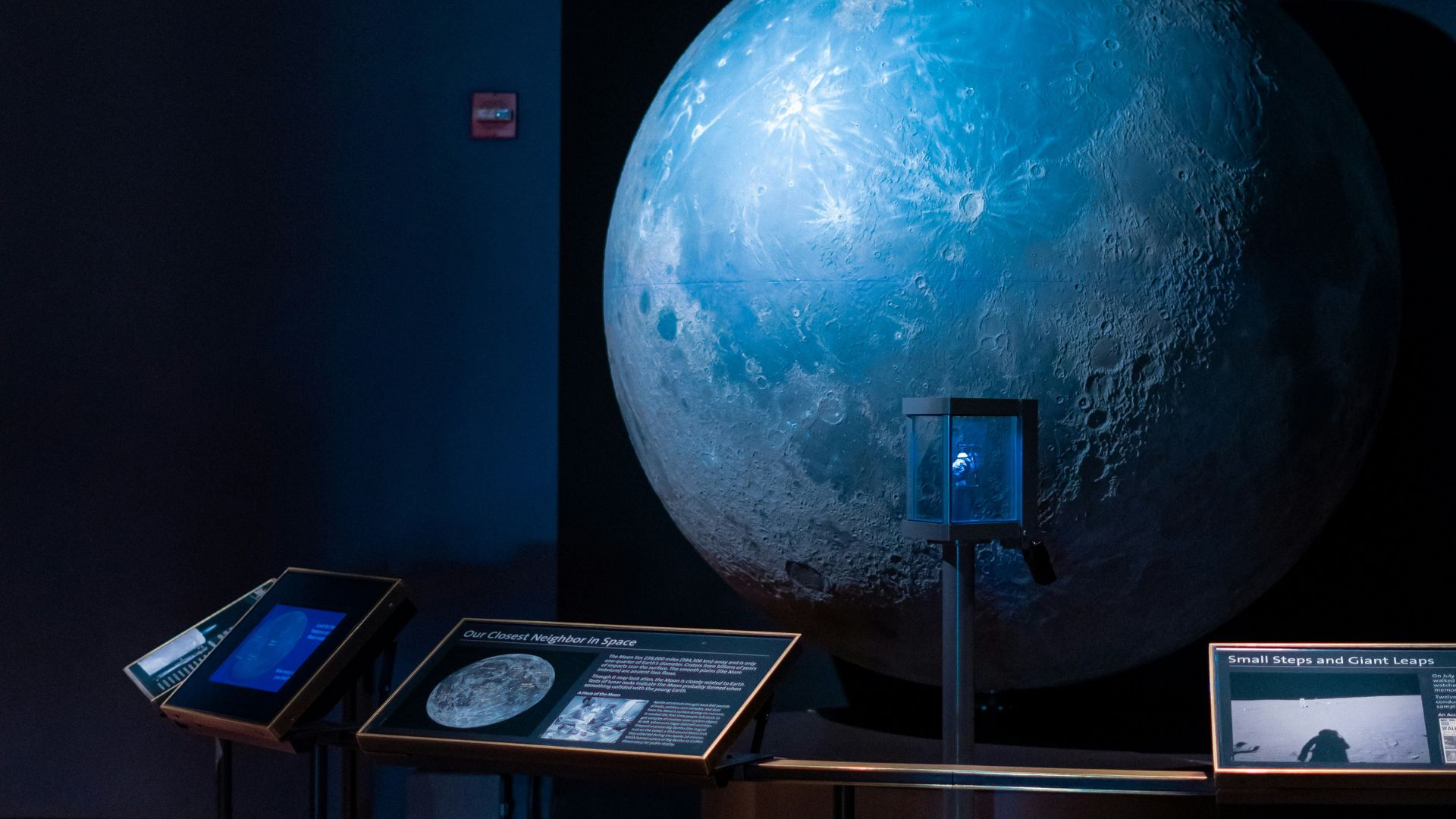
Inside, you’ll find tons of interactive exhibits. I like touching meteorites, messing with solar system models, and checking out real scientific tools. The Gunther Depths of Space exhibit, with its glowing displays, makes the universe’s scale feel a little less overwhelming.
Staff often run live demonstrations, like firing up the Tesla coil to shoot electric arcs. The hands-on displays about light, time, and space travel help me learn by doing, not just reading. Everything’s designed for all ages, so there’s always something new to discover, whether I’m solo or with friends.
Star Parties and Public Programs
Star parties are a blast—amateur astronomers set up extra telescopes on the lawn and invite everyone to take a look. You can ask questions, chat about planets, or just gaze at the night sky from a new angle.
Public programs also include lectures and special talks on topics like eclipses or NASA missions. I’ve joined a few guided sky viewing sessions and always walked away with some new nugget of knowledge. The Observatory’s volunteers and staff make it easy to jump in and get involved.
Historic and Cultural Significance
Griffith Observatory isn’t just about science and views. It stands as a piece of LA history, with roots in philanthropy, Hollywood, and some seriously cool architecture.
Griffith J. Griffith and Observatory Origins
Griffith J. Griffith, the Observatory’s namesake, donated the land and funds to make it happen. Back in 1896, he gave over 3,000 acres to the city, including the spot where the Observatory now stands.
He wanted everyone—not just scientists—to have access to the stars. When the Observatory opened in 1935, free public telescopes and exhibits drew crowds right away. I always think about his vision when I see people of all ages and backgrounds exploring the place.
Hollywood Movies Filmed at Griffith Observatory
You’ve probably seen Griffith Observatory on screen, even if you’ve never visited. Its most famous cameo? Rebel Without a Cause (1955). The dramatic steps and domes are instantly recognizable.
Other movies filmed here include La La Land, The Rocketeer, Transformers, Gangster Squad, and Yes Man. The Observatory’s classic look and stunning backdrop make it a favorite for filmmakers. It’s fun to spot it in movies and know you’ve stood in the same place.
Architectural and Artistic Highlights
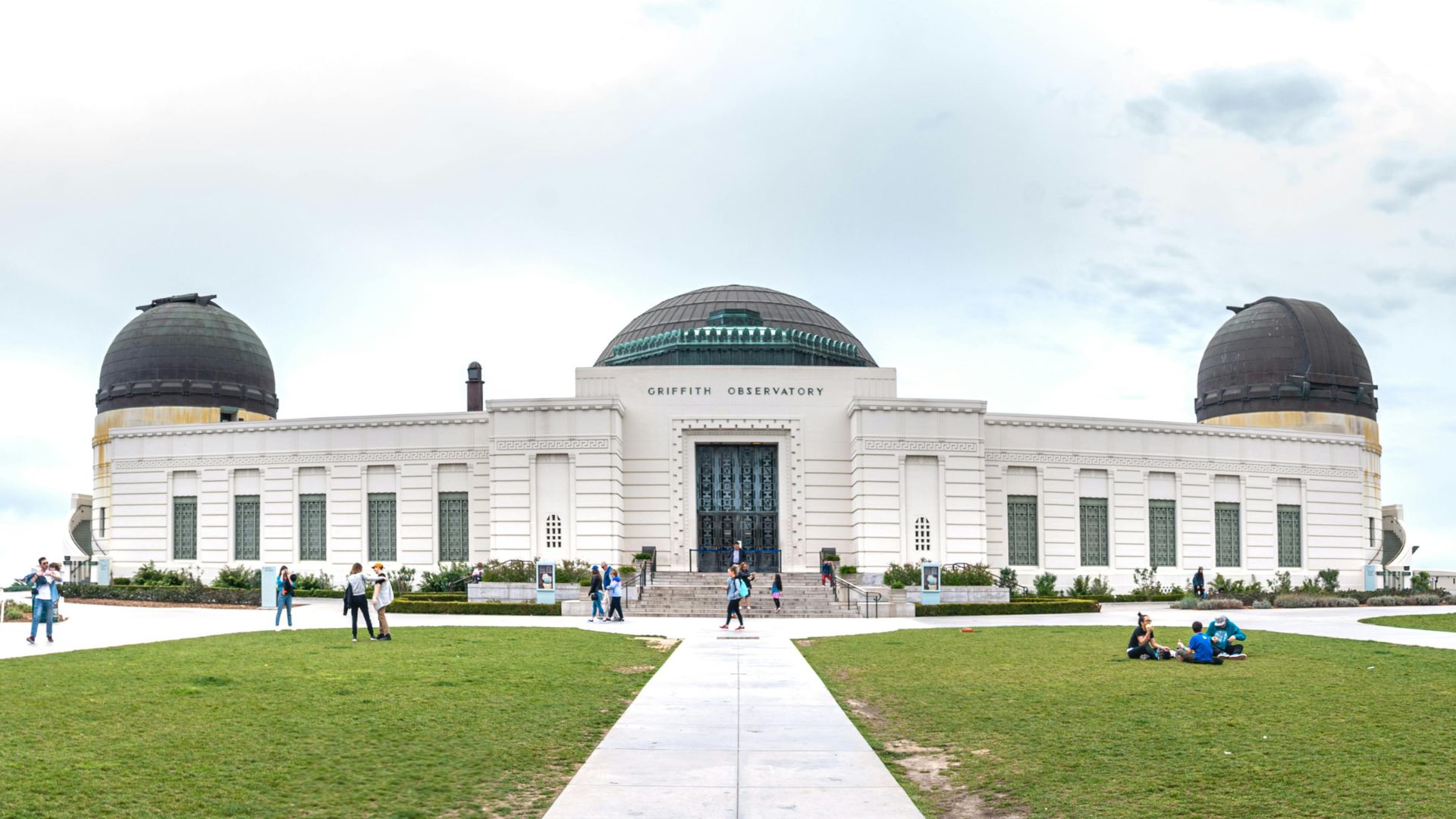
Walking into Griffith Observatory, I’m always struck by its Art Deco style—those clean lines and 1930s details really pop. The three copper domes have become a signature part of LA’s skyline.
Inside, the Rotunda steals the show with its gorgeous ceiling mural. Outside, the Astronomers Monument honors six legendary astronomers, like Galileo and Newton. Sculptures and artistic touches all around the building celebrate science and human curiosity, making the Observatory feel special even before you look through a telescope.
Griffith Park Adventures and Hiking Opportunities
Griffith Park is packed with hiking trails, scenic views, and activities for just about everyone. Whether you want a tough hike, a family stroll, or the perfect spot to see the Hollywood Sign, you’ll find it here.
Mount Hollywood and Observatory Trail Routes
My go-to route is hiking up Mount Hollywood. The West Observatory Trail starts near Fern Dell Drive and leads up Observatory Road with gentle slopes and clear signs.
It usually takes me an hour or two round trip, depending on my mood and pace. Along the way, I get panoramic views of downtown LA and the San Gabriel Mountains.
The Charlie Turner Trailhead starts right by the parking lot at the end of Griffith Park Drive. This trail climbs higher to the peak of Mount Hollywood, where you can see the Pacific and the whole city on a clear day.
For sunrise or sunset, these trails are unbeatable. They’re wide, well-traveled, and perfect for first-timers or photographers chasing that golden light.
Hollywood Sign Hike and Scenic Overlooks
Hiking to the Hollywood Sign is a classic LA adventure. I usually start near the Griffith Observatory and follow trail signs toward the sign’s backside and above.
The Innsdale and Mt. Hollywood routes both work well. Along the way, you’ll find overlooks that are perfect for a breather or a quick photo. The last stretch can get steep, so I always pack water and sunscreen.
The payoff? A close-up look at the sign and sweeping city views. Some trails loop back along the ridge, which makes it easy to fit this hike into a busy day. I always check trail conditions ahead of time, since routes sometimes close for maintenance.

Family-Friendly Hiking Trails
When I’m with friends or family, I pick easier trails that everyone can handle. The Ferndell Trail is a favorite—short, shady, and lined with trees. It feels tucked-away and peaceful, and it starts near The Trails Cafe, which is perfect for a snack stop.
For kids or less experienced hikers, the routes leading to the Observatory don’t have tough inclines. Picnic areas along the way make it easy to pause and take in the scenery. I also like the Bird Sanctuary Trail for spotting wildlife and escaping city noise.
These trails stay well maintained, so they’re great for both planned outings and spontaneous adventures in Griffith Park.
Visitor Tips for a Memorable Free Experience
A little planning can make your Griffith Observatory visit even better. Free entry means you get access to fascinating science exhibits and those epic city views.
How to Get to Griffith Observatory
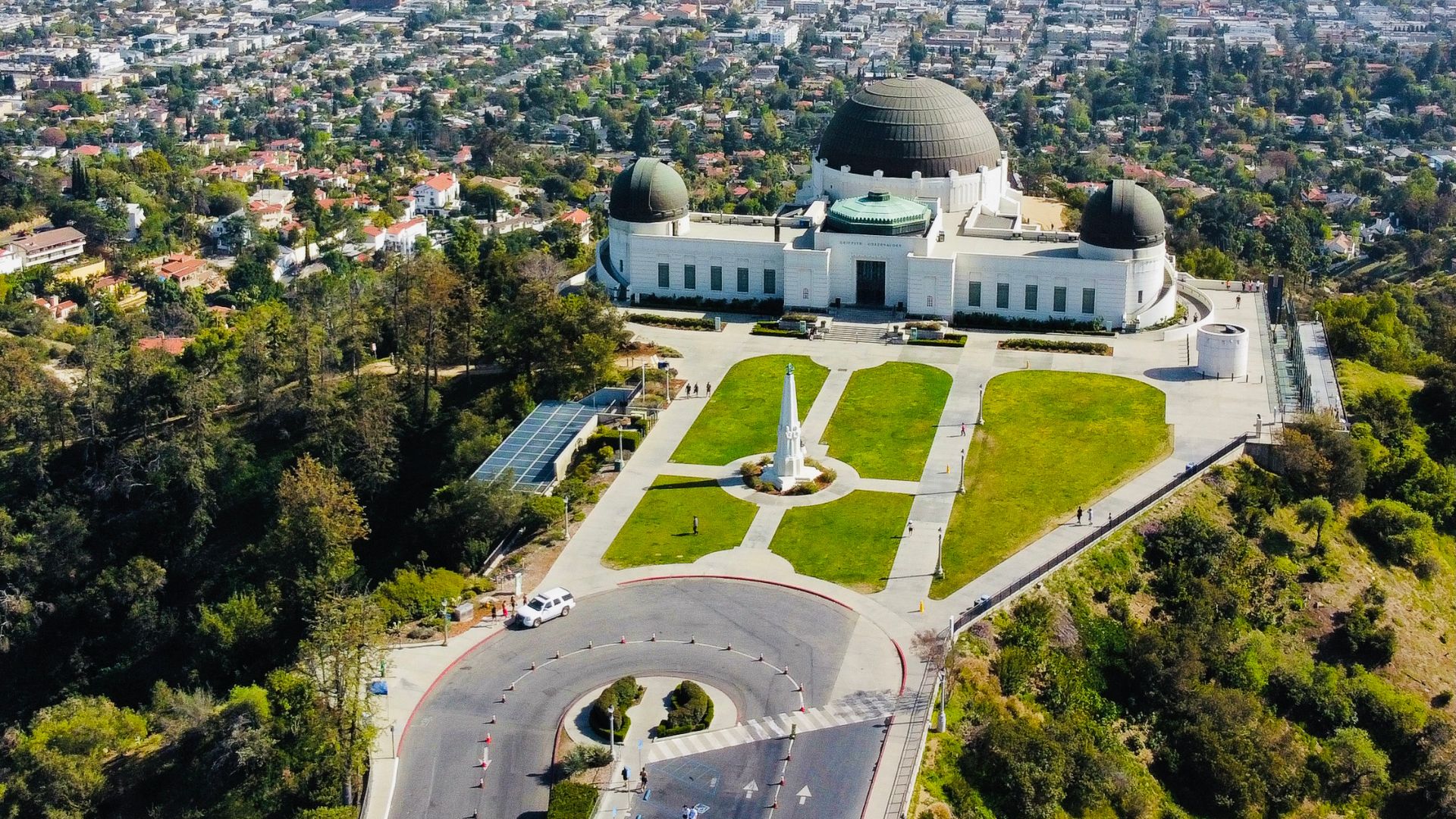
Griffith Observatory sits on the southern slope of Mount Hollywood. I usually drive up from Los Feliz, but rideshare and biking work well too. The Observatory’s close to the Greek Theatre, and the drive up is pretty scenic.
If you’re up for a walk, several well-marked hiking trails from Griffith Park lead right to the Observatory. I always recommend the hike if you want skyline and Hollywood Sign views along the way.
Here’s a quick table of routes:
| Method | Details |
|---|---|
| Car | Up Vermont Ave. via Observatory Rd. |
| DASH Bus | Connects from Metro Red Line (Vermont/Sunset) |
| Walking | Multiple trails through Griffith Park |
| Rideshare | Drop-off area near entrance |
Parking, DASH Observatory Bus, and Public Transportation
Parking at Griffith Observatory? It can get pretty stressful, especially on weekends or right after they finish up renovations. The lot fills up quickly, and you’ll have to pay by the hour.
When I can’t snag a spot up top, I usually end up parking down by the Greek Theatre or hunting for street parking around Los Feliz. Honestly, it’s not always fun, but sometimes that’s just the way it goes.
If you want to skip the hassle, I always tell friends to hop on the DASH Observatory Bus. It swings by every 15-20 minutes from the Vermont/Sunset Metro Red Line station, and it’s super affordable. Just tap your TAP card and you’re set.
Here’s a quick breakdown:
- Paid Parking: Observatory lot, Greek Theatre, or street spots.
- DASH Observatory Bus: Cheap, reliable, and totally avoids the parking headache.
- Metro: Ride the Metro, then switch to the DASH at Vermont/Sunset.
If you plan ahead and use public transportation, you’ll save both time and cash. Try to show up before 10 AM or after 6 PM—otherwise, you’ll probably hit some gnarly midday traffic.

Gift Shop, Cafe, and Other Amenities
Inside Griffith Observatory, the Gift Shop is one of my favorite stops. You’ll find all sorts of science-y books, quirky toys, and souvenirs. I’ve picked up some pretty fun postcards and gifts there.
The Cafe at the End of the Universe keeps things casual. You can grab a sandwich, snack, or drink, and the patio view of the city is honestly worth a stop. If you’re craving a real meal, I’d steer you toward Little Dom’s in Los Feliz—it’s just a quick drive away and always hits the spot.
You’ll also find plenty of restrooms, drinking fountains, and a big exhibit space filled with hands-on science displays and telescopes. It’s perfect for anyone who wants to poke around and actually learn something while exploring.
Best Time to Visit and Concert Schedule
Honestly, I love visiting Griffith Observatory on weekday mornings. The crowds thin out, parking feels less stressful, and you can actually soak in the atmosphere.
Sunset? That’s a whole different vibe. Everyone flocks here for those sweeping city and Hollywood Sign views, so expect a much busier scene.
Sometimes, the place buzzes with special events—think telescope nights, astronomy talks, or even the occasional concert. These can really pack the place, so I always check the official website for the latest schedule before heading out.
The planetarium and exhibit spaces usually stay open during public events. If you want to catch a tour or see what’s new after a renovation, it’s smart to check the daily schedule either when you arrive or online ahead of time.