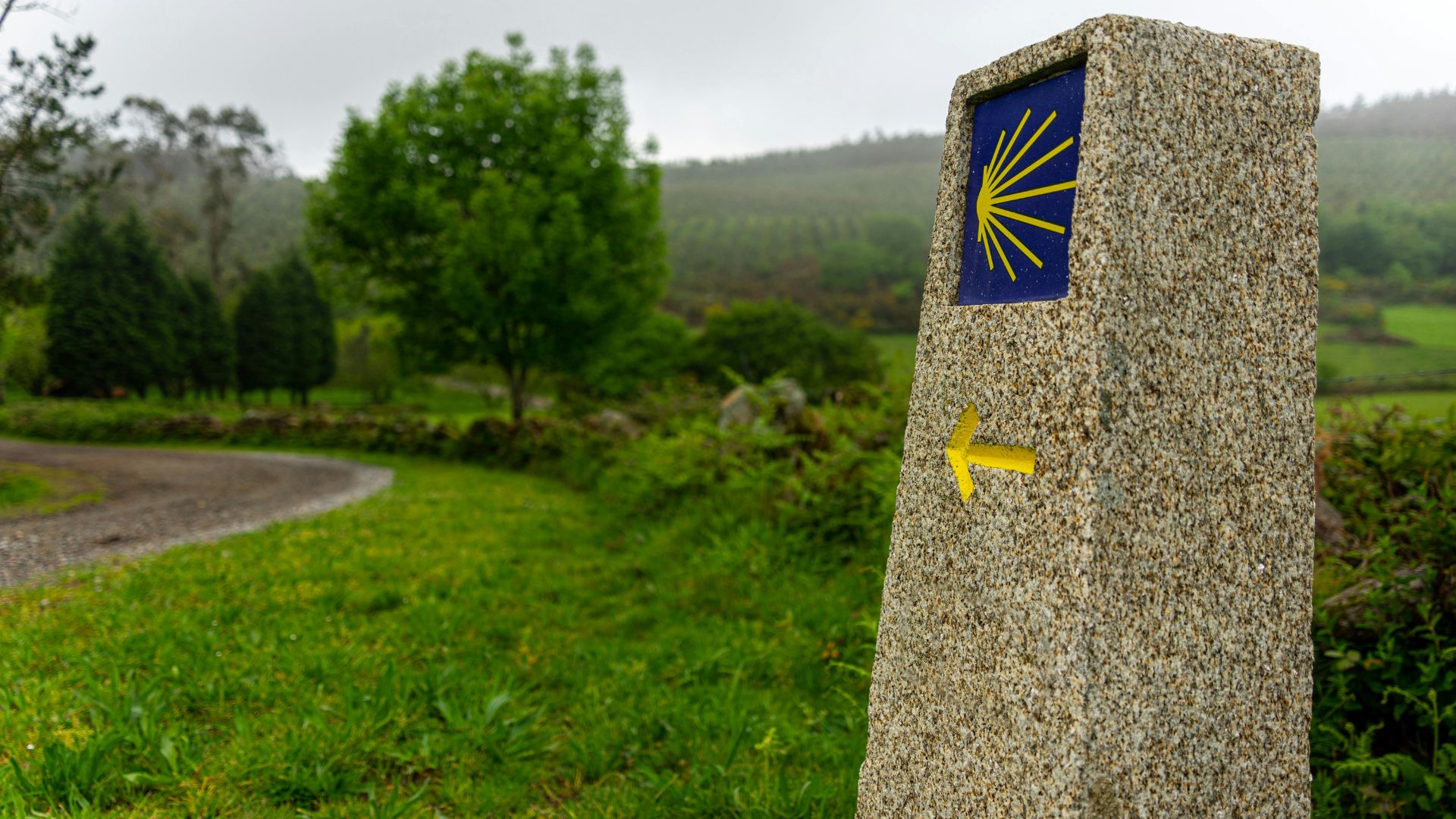
Northern Portugal is packed with surprises, but honestly, no place swept me off my feet quite like the Minho region. Those rolling green hills, friendly faces, and food that makes you want seconds—it’s not hard to understand why travelers get hooked.
Minho brings together culture, nature, and unforgettable flavors—including the iconic Vinho Verde wine—in a way that just sticks with you.
Everywhere I went, I stumbled across charming villages, lively markets, or quiet roads lined with grapevines. I tasted food straight from the source and chatted with locals who genuinely wanted to share their favorite haunts.
The relaxed pace
Lima River and Medieval Bridges
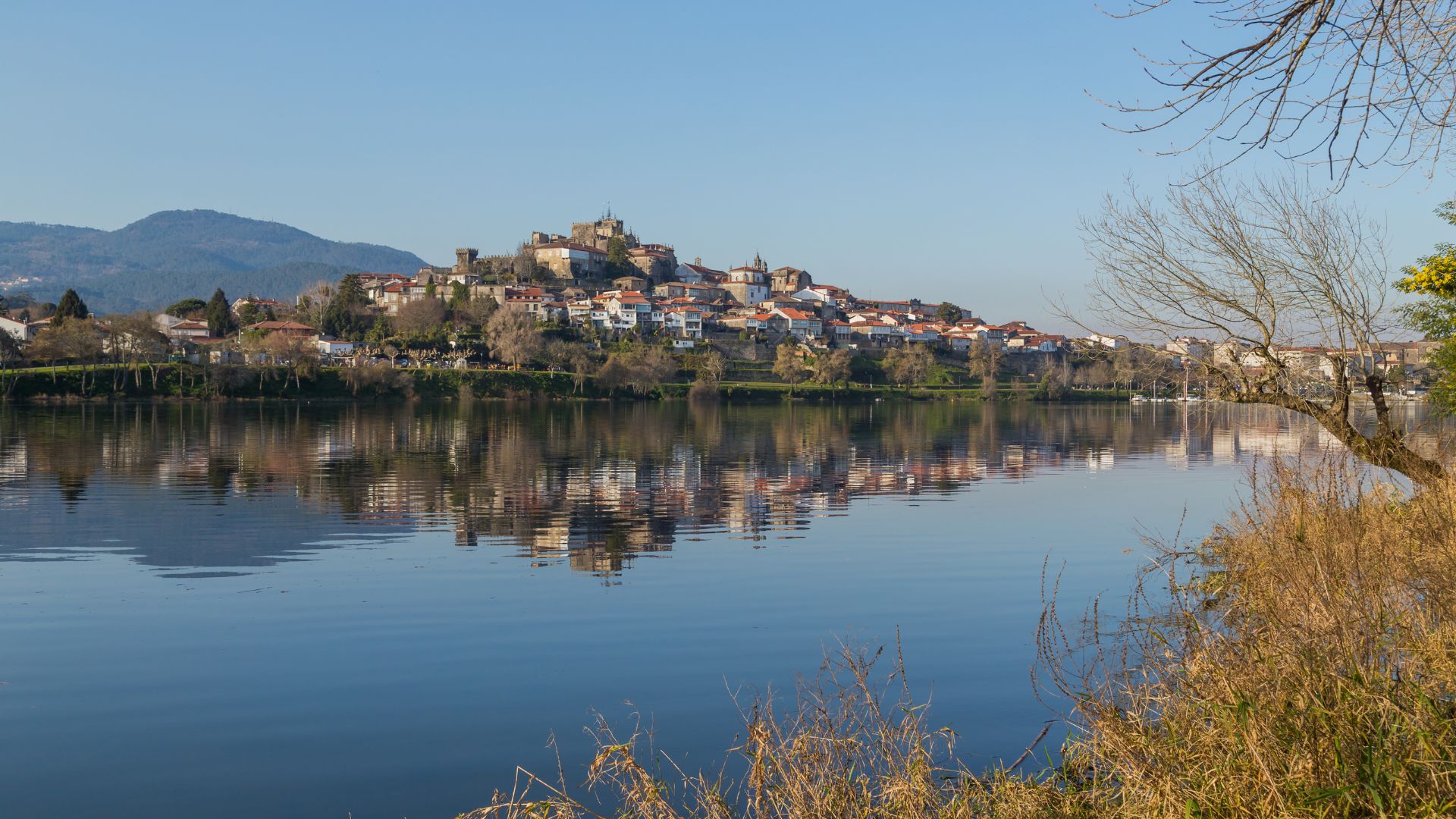
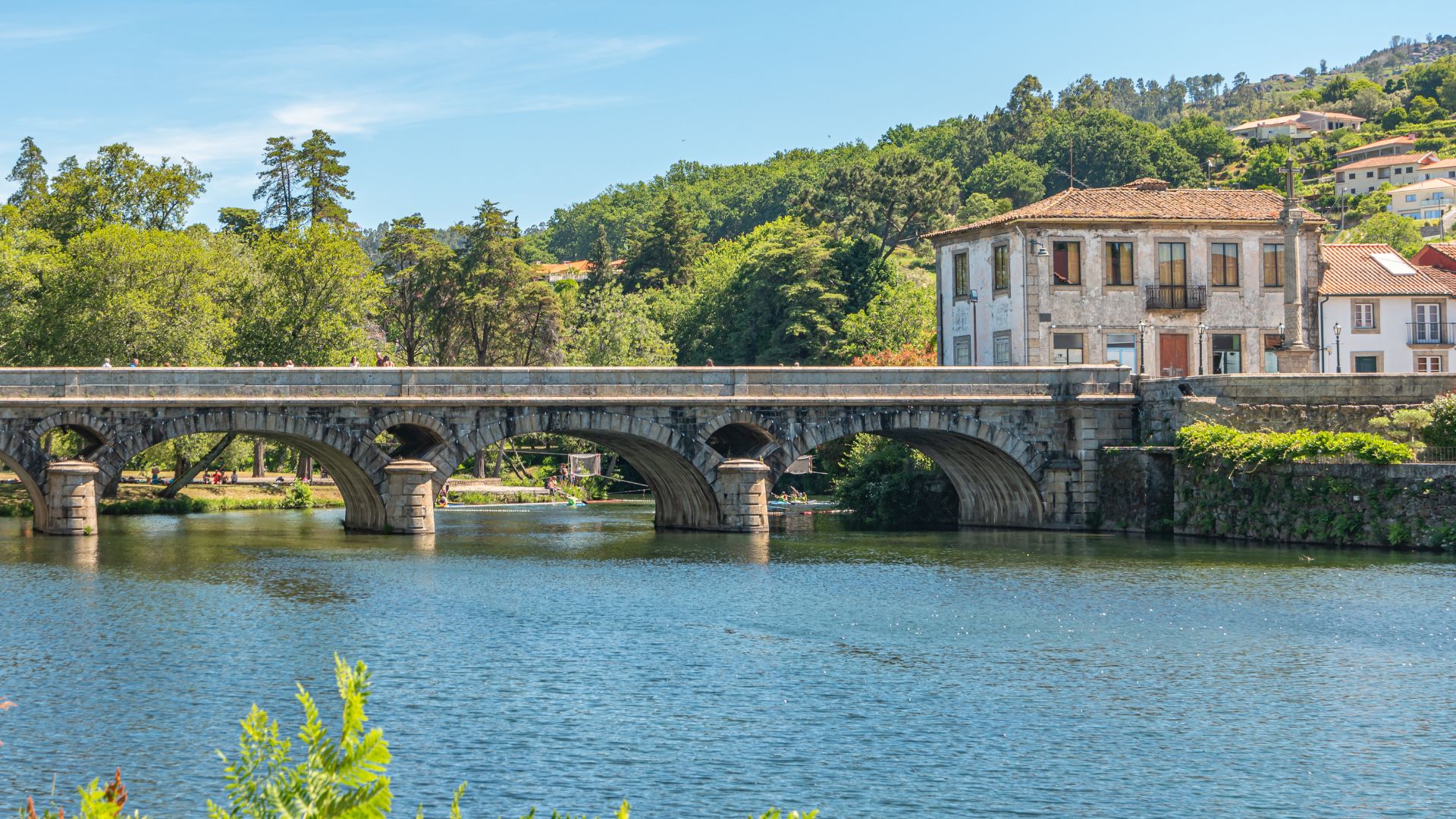
The Lima River runs through the heart of Minho, winding past emerald hills and old towns. When I walked along the riverbanks, I honestly felt like I’d stepped back in time—especially at Ponte de Lima.
This iconic stone bridge, with its medieval arches, ties the two sides of town together. It frames the colorful riverside scene in a way that’s hard to forget.
Most mornings, I’d stroll the riverside promenade. The path hugs the water and gives peaceful views of fishermen and families with picnic baskets.
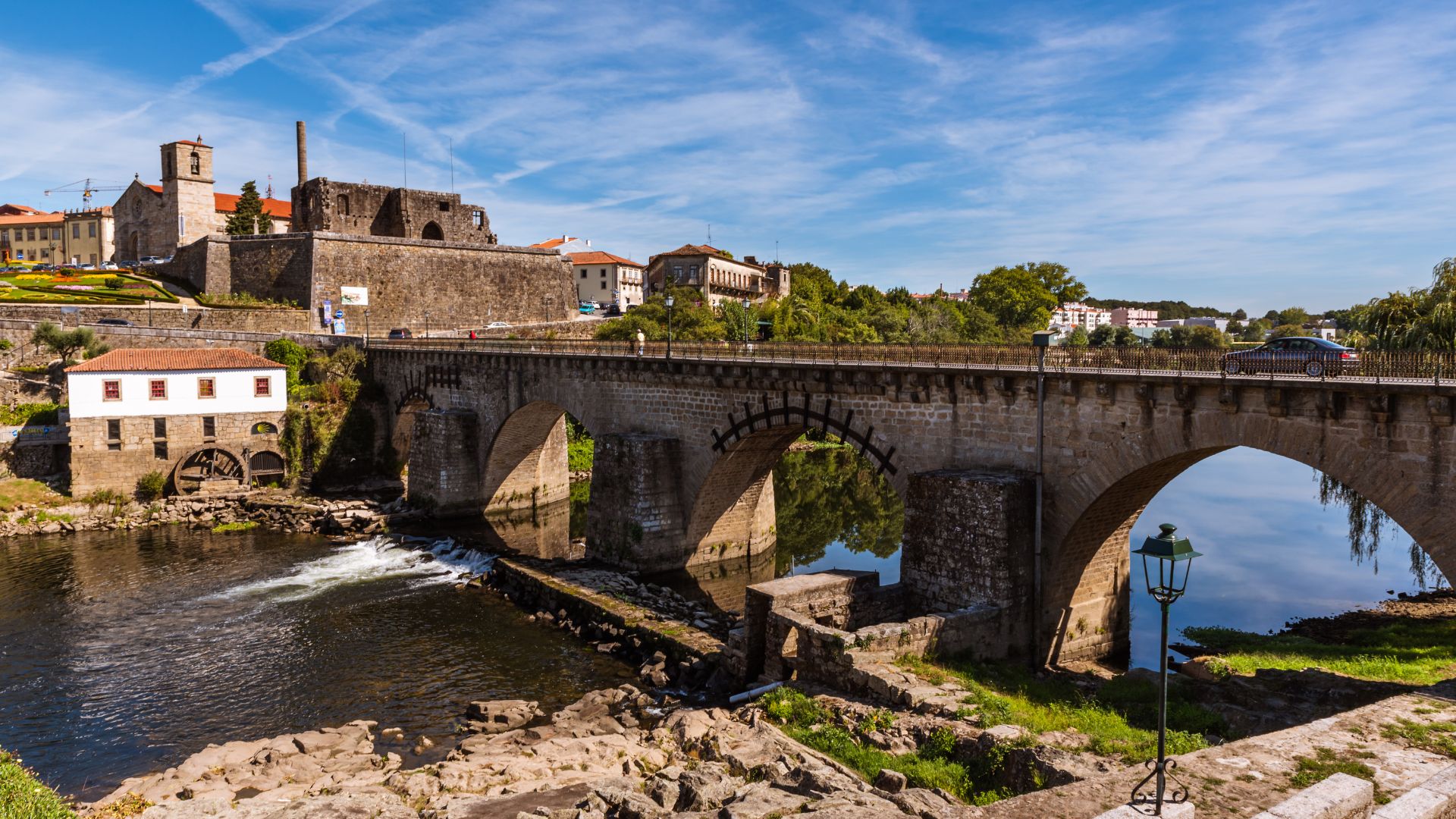
Not far away, the town of Ponte da Barca shows off its own ancient bridge. It’s another lovely spot to pause for a photo or grab a coffee at a local café.
Canoeing on the Lima? Absolutely worth it. The clear water, forested banks, and the occasional heron make it feel like a hidden world.
I think my favorite moment was watching the sunset from the bridge. The warm light on those centuries-old stones just hits differently.
Hiking in Peneda-Gerês and Waterfalls
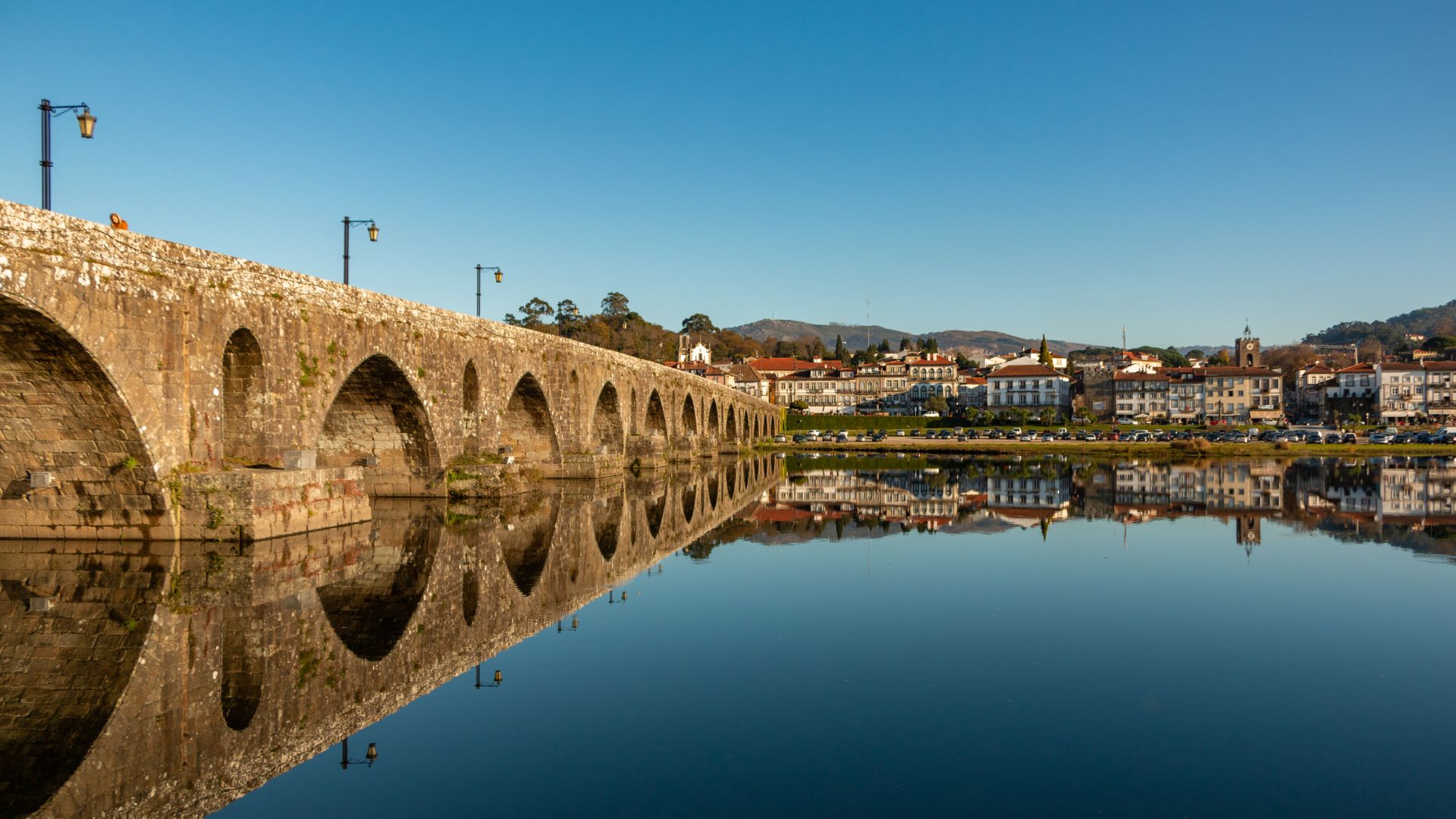
Peneda-Gerês National Park stands as Portugal’s only national park, and honestly, it’s just as wild and beautiful as you hope. I spent a whole day hiking the trails—some easy, some rocky, all with sweeping views of green hillsides and tiny stone villages.
The waterfalls here steal the show. My top stop was Arado Waterfall, tucked away in the forest. The turquoise pools below are perfect for dipping your feet after a sweaty climb.
I wandered around ancient wolf traps and granite outcrops, half expecting to stumble into a fairytale. Wild ponies and eagles pop up along the trails, and in spring, wildflowers explode everywhere.
Even in summer, the air stays fresh. If you’re lucky enough to catch the forests in bloom, the colors stick with you.
Beaches and Riverside Promenades
The Minho coast surprised me. It mixes wide sandy beaches with quiet little coves.
Praia de Âncora is a favorite for swimming and seashell hunting. I went early, just to watch fishing boats glide in at sunrise.
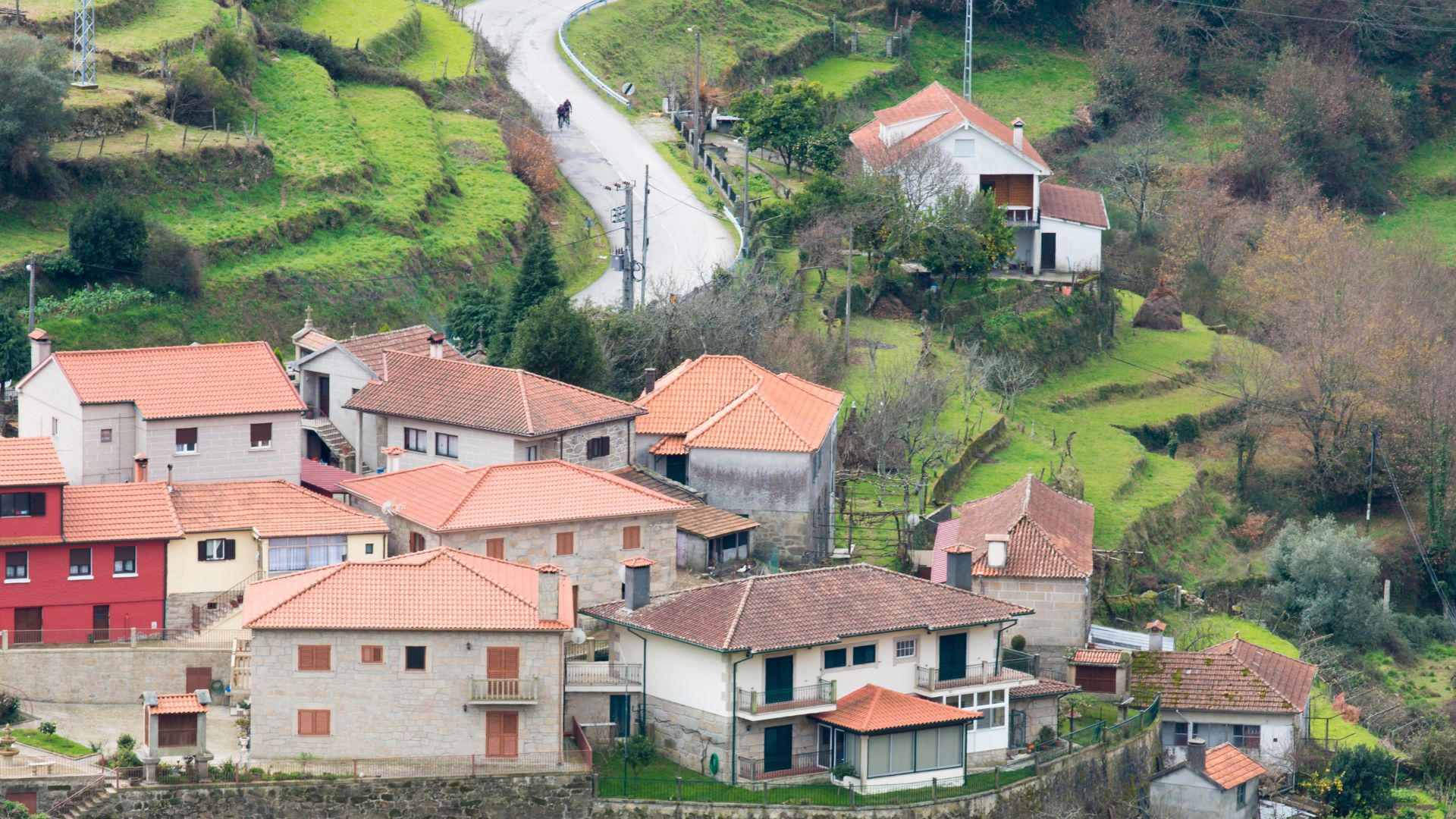
Further inland, riverside promenades in places like Ponte de Lima and Arcos de Valdevez invite slow, easy walks. The paths, shaded by plane trees, often lead to picnic spots or playgrounds tucked away for kids.
On hot days, locals swim in the river or stretch out on grassy banks. The small beach near the river in Ponte da Barca feels especially peaceful, with views of hills and old stone bridges.
Pack a picnic, take a book, and just let yourself soak in the relaxed pace of river life.
Planning Your Ultimate Minho Getaway
Minho really left its mark on me. I found myself swept up in picturesque drives, lively local traditions, and landmarks that have been around for centuries.
From plotting scenic road trips to catching cultural festivals, every choice shaped my trip and made exploring Northern Portugal’s heart something I won’t forget.
Itinerary Tips and Road Trip Guidance
Driving through Minho lets me set my own pace. I usually start in Porto—car rentals are easy, and the main roads are in great shape.
I like to take detours through the Costa Verde coast or into scenic valleys whenever I can.
Here’s a sample 5-day Minho itinerary:
| Day | Destination | Must-See |
|---|---|---|
| Day 1 | Porto to Guimarães | Historic center, UNESCO site |
| Day 2 | Braga & Barcelos | Bom Jesus, famous market |
| Day 3 | Esposende, Vila Verde | Seaside, traditional villages |
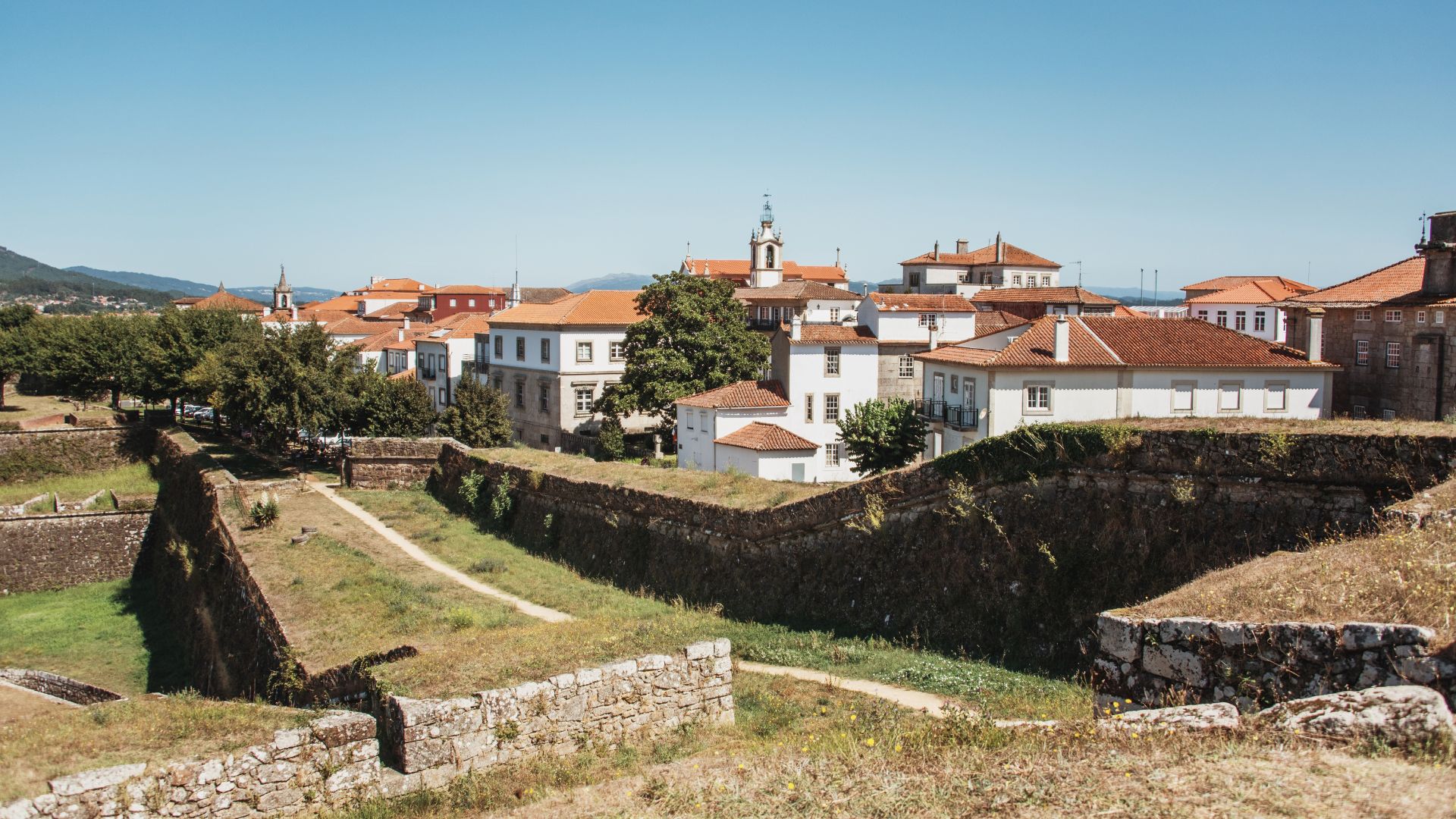
| Day 4 | Valença, Monção, Melgaço | Fortresses, Vinho Verde tastings |
| Day 5 | Caminho de Santiago routes | Walking paths, Roman road ruins |
I always pack light, leaving a little trunk space for local wines and crafts. The route is flexible, and sometimes I double back just to catch another sunset or stop in a hillside village.
Cultural Insights: Festivals, Fairs, and Local Life
The real heart of Minho beats in its everyday culture. In towns like Barcelos and Braga, weekly markets burst with color—I never manage to leave without a hand-painted rooster.
Festivals are a must. I try to plan around Braga’s Holy Week or the Barcelos Market fair. Summer brings music, dance, and each village throws its own saints’ day with parades and fireworks.
Most mornings, I start with strong coffee at a café, watching the town wake up. Locals love to share stories, and it’s easy to feel included, especially during festivals or open-air markets.
Guided Tours, World Heritage, and Historic Routes
Guided tours unlock stories I’d never find on my own. In Guimarães, I joined a walking tour and really got to experience the UNESCO-listed historic center.
Medieval squares and that towering castle? The guides actually made the town’s role in Portuguese history stick with me.
When I decided to follow the Caminho de Santiago, I walked a stretch of the old Roman road near Ponte de Lima. These historic routes wind through towns like Melgaço and Valença, where ancient fortresses and stone bridges still stand.
If you ever get the chance, join a vineyard tour in Monção. You’ll taste real Vinho Verde, usually with local cheese and some pretty stunning mountain views.
Mixing guided days with wandering on my own gave me the best of both worlds—learning a lot, but still having space to explore.