
Tucked away in the mountains of northern California, Lassen Volcanic National Park feels like a secret volcanic playground that most people overlook. Here, you’ll find bubbling mud pots, steaming hot springs, towering volcanic peaks, and wild cinder cones—all mashed together into a landscape that’s honestly hard to describe.
After wandering through this park more times than I can count, I’ve settled on seven wonders that really show off the wild side of volcanic activity. From the famous Lassen Peak to the strange and steamy Bumpass Hell, each spot reveals some new twist in Earth’s story.
Maybe you’re itching to hike up a volcano, crawl through ancient lava tubes, or just stare at mud bubbling up from who-knows-where. Either way, this place delivers. I’ll walk you through my favorites and toss in some tips so you can make your own adventure out here.
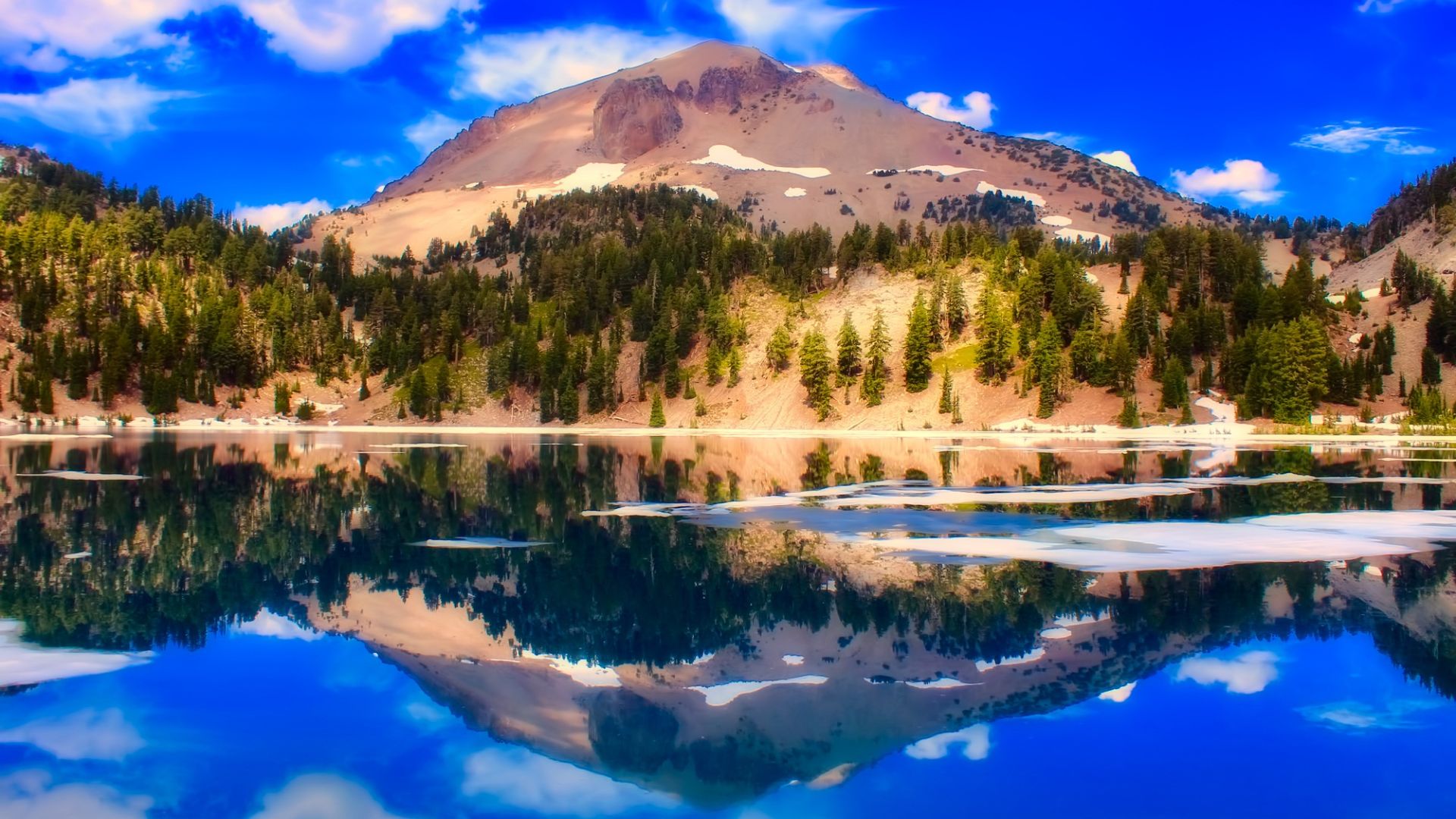
Essential Information for Experiencing Lassen Volcanic National Park
Lassen sits high up in Northern California, and its volcanic features make it a place that rewards a little pre-trip research. The park closes off a lot of its roads and trails for months because of snow, so timing really matters.
Overview and Geology
Lassen Volcanic National Park sprawls over 106,000 acres in the Cascade Range. It anchors the southern end of the Cascade Volcanic Arc.
Within the park, you’ll run into four types of volcanoes: plug dome, shield, cinder cone, and composite. Lassen Peak itself is the world’s largest plug dome volcano, rising to 10,457 feet.
Magma chambers deep below ground heat up the park’s famous geothermal features. You’ll spot hot springs, mud pots, and steam vents scattered all over. Some of these hydrothermal spots get hotter than 200 degrees Fahrenheit.
Key Volcanic Features:
- Lassen Peak (last erupted 1914-1917)
- Cinder Cone (last erupted around 1650)
- Chaos Crags (formed 1,000-1,100 years ago)
- Mount Tehama (ancient stratovolcano, now eroded)
The park’s elevation stretches from 5,000 up past 10,000 feet. That means you’ll move through different climates and ecosystems as you explore.
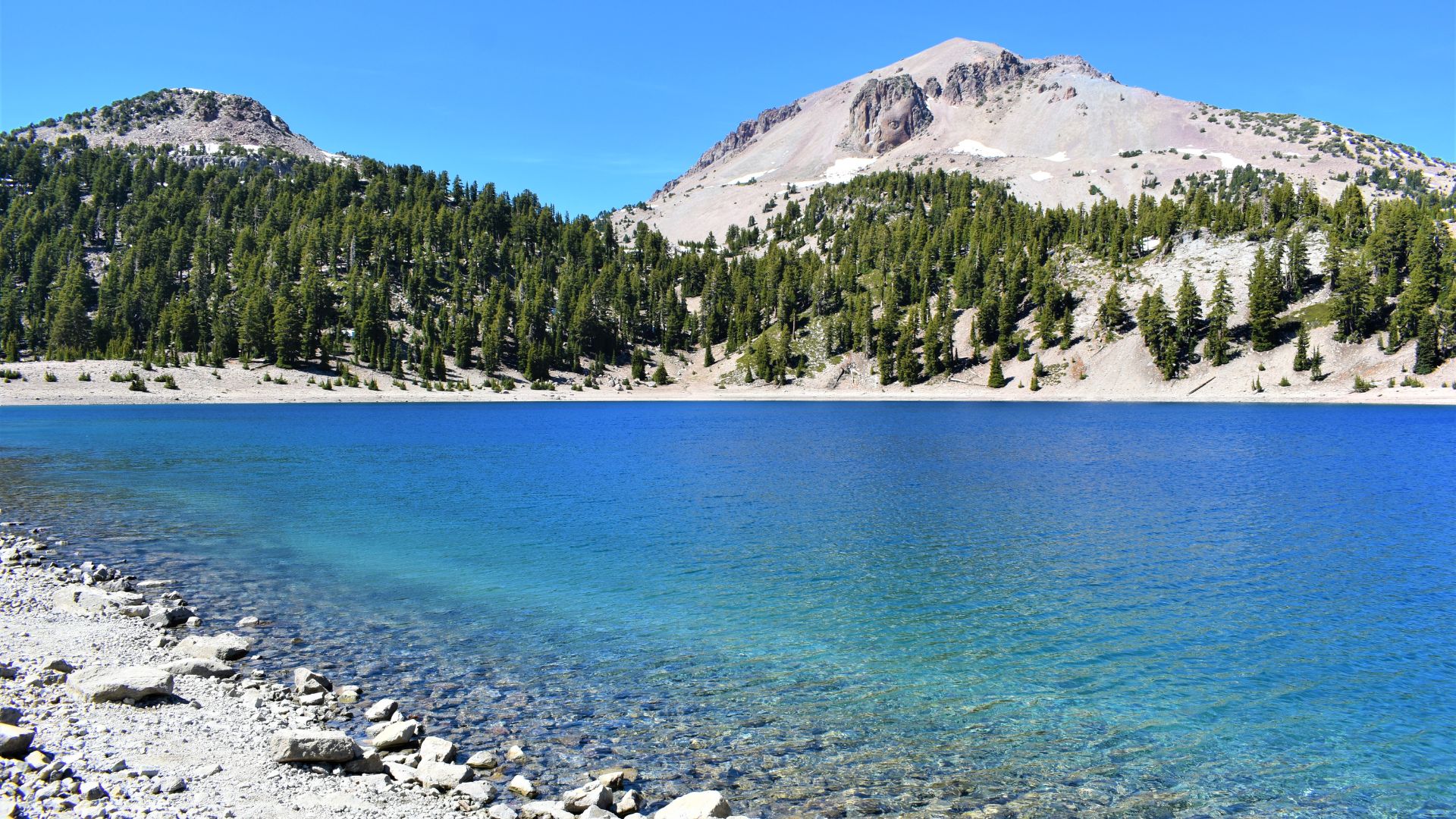
Best Time to Visit and Park Access
If you want to see it all, plan your trip between July and October. Snow usually blocks a bunch of roads and trails from November through June.
Peak Season (July-September):
- All roads tend to open
- Warmest weather
- Campgrounds and trails get busy
- Wildflowers pop in July and August
Shoulder Season (May-June, October):
- Fewer people around
- Some roads might still be closed
- Cooler weather
- Chance of snow higher up
Highway 89, the main park road, connects most of the best spots. In winter, they close it between the north and south entrances, but you can still drive a few miles in from either end.
Entry Fees (2025):
- 7-day vehicle pass: $30
- Annual Lassen pass: $55
- America the Beautiful annual pass: $80
Before you go, check the park’s website for road updates. Conditions change fast up here.
Visitor Centers and Facilities
The Kohm Yah-mah-nee Visitor Center acts as the park’s main hub. It’s near the southwest entrance and stays open all year. Inside, you’ll find exhibits on volcanic activity and the park’s history.
Visitor Center Hours:
- Summer (June-October): 9 AM – 5 PM daily
- Winter (November-May): 9 AM – 5 PM Wednesday-Sunday
The Loomis Museum sits near the north entrance and opens seasonally. It focuses on Lassen Peak’s 1915 eruption and the early days of the park.
Camping Options:
- Manzanita Lake: 179 sites (reservations needed)
- Summit Lake: 46 sites (first-come, first-served)
- Butte Lake: 101 sites (first-come, first-served)
- Juniper Lake: 18 sites (tents only)
If you’re coming in summer, definitely book ahead on Recreation.gov. Campgrounds fill up ridiculously fast.
Essential Services:
- Gift shop and bookstore at Kohm Yah-mah-nee
- Restrooms at main trailheads
- Cell service is spotty at best
- No gas stations inside the park
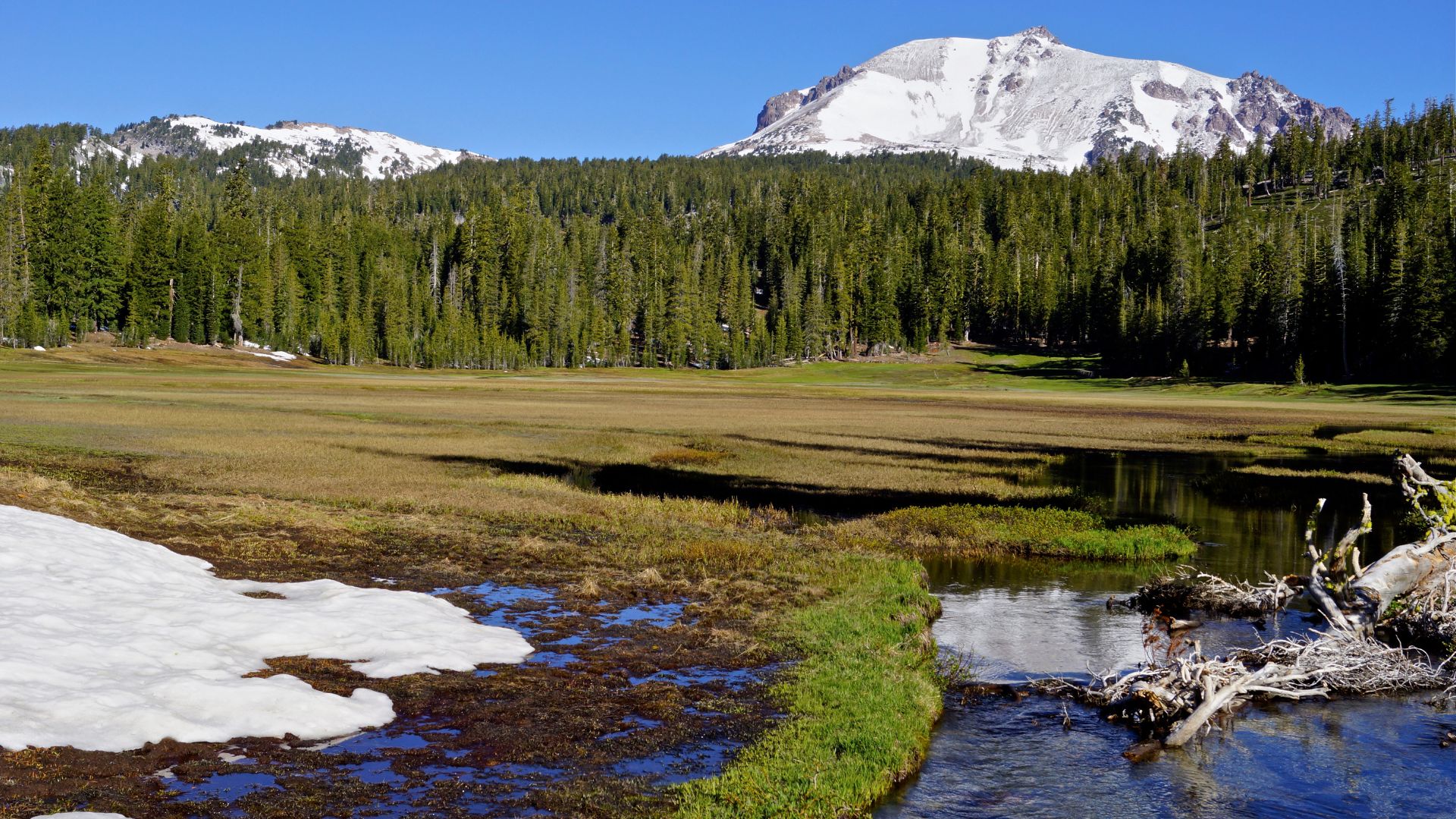
Lassen Peak: The Crown Jewel of the Park
Lassen Peak towers over the park at 10,400 feet, making it one of the biggest plug dome volcanoes you’ll ever see. The summit hike isn’t easy, but the views? Totally worth the effort.
History and Geology of Lassen Peak
Peter Lassen, a gold prospector who wandered into these mountains in 1851, gave the peak its name. People started paying attention after the mountain erupted in 1915.
Lassen Peak formed when thick lava oozed up but couldn’t flow far, so it just piled up and made a steep dome. That 1915 eruption was wild—ash shot into the sky, and mudflows raced for miles. Early photographers even caught it all on film.
Climbing up, you’ll notice the rocky summit still shows off its volcanic roots. Hardened lava is everywhere, and the summit sits at a dizzying 10,400 feet.
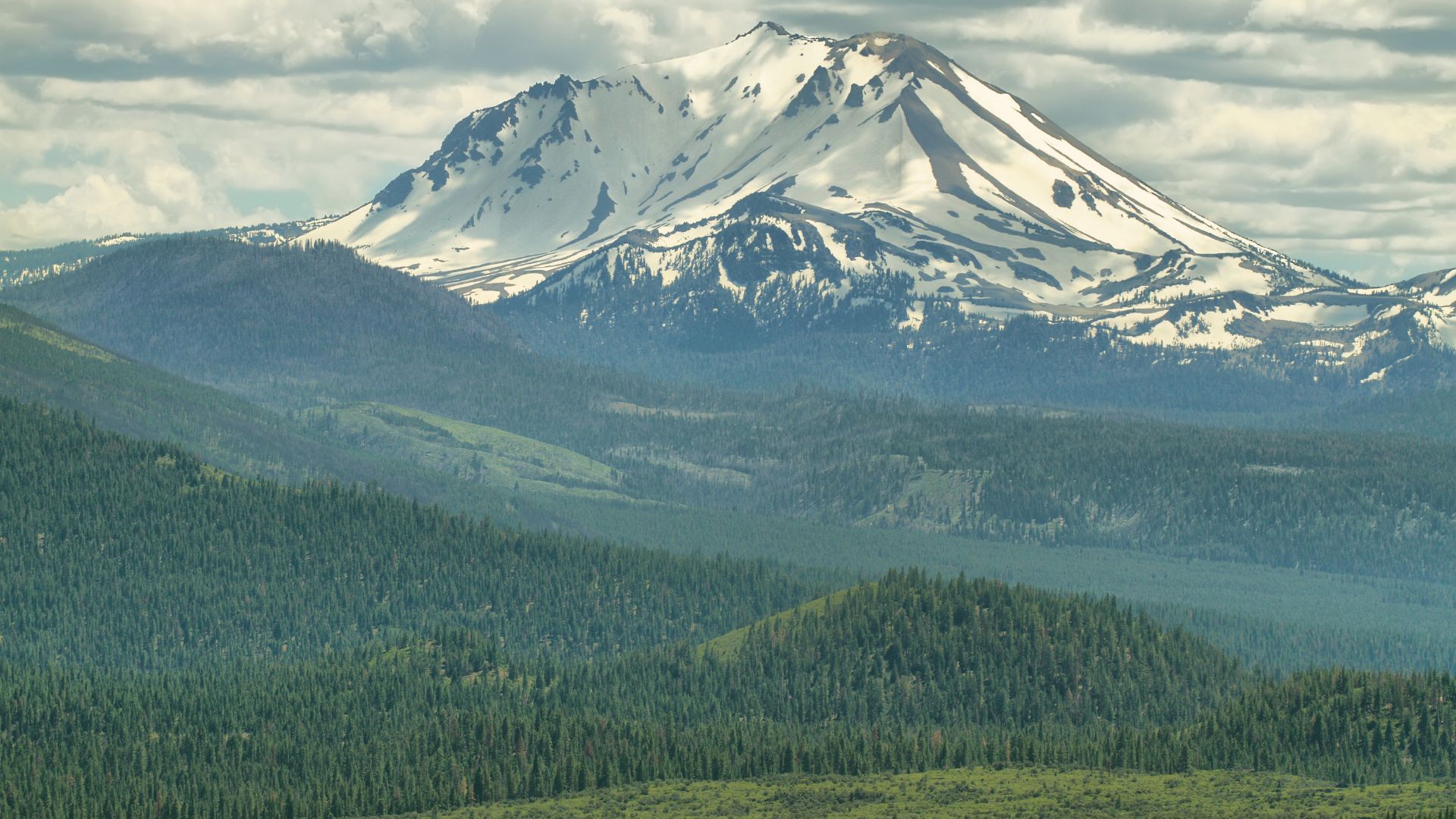
Hiking the Lassen Peak Trail
The Lassen Peak Trail draws a crowd for a reason. It’s a tough 5-mile round trip with 2,000 feet of elevation gain, so you’ll want to start early—afternoon storms are no joke.
The trailhead sits at 8,500 feet, so even the start feels high. As you climb, you’ll pass through pine forest, then alpine meadows, and finally, the loose volcanic rock near the top.
Trail Difficulty: Strenuous
Distance: 5 miles round trip
Elevation Gain: 2,000 feet
Time: 4-6 hours
The ground underfoot shifts from dirt to crumbly rock. Trust me, sturdy boots are a must.
Panoramic Views and Summit Experience
Standing on Lassen’s summit, I always feel like I’m on top of the world. On a clear day, you can see Mount Shasta in the north and the Sierra Nevada stretching south.
Look down, and the whole volcanic playground spreads out—Bumpass Hell, Cinder Cone, and the park’s wild geothermal patches. The summit has little plant life, just wind and rock.
What You’ll See from the Summit:
- Mount Shasta (north)
- Sierra Nevada range (south)
- Cascade Range peaks
- Geothermal features below
- Alpine lakes and forests
There’s something surreal about knowing this mountain erupted just a century ago. It adds a thrill to every step at the top.
Bumpass Hell and Other Hydrothermal Marvels
Bumpass Hell is the park’s most dramatic hydrothermal zone—a 16-acre field of bubbling mud and hissing steam vents. I’ve never seen anything quite like it anywhere else.
Bumpass Hell Trail and Features
The Bumpass Hell trail leads you right into the heart of the action. I like to start early, when the chilly air makes the steam even more dramatic.
It’s a 3-mile round trip and pretty manageable for most folks. You’ll follow a boardwalk through the active geothermal zone—and you’ll want to stick to it.
Key Features:
- 16 acres of steamy, bubbling hydrothermal features
- Temperatures over 200°F
- Bright mineral colors splashed everywhere
- Safe boardwalk access
Kendall Vanhook Bumpass gave the area its name after he accidentally broke through the crust and badly burned his leg here back in the 1800s. Ouch.
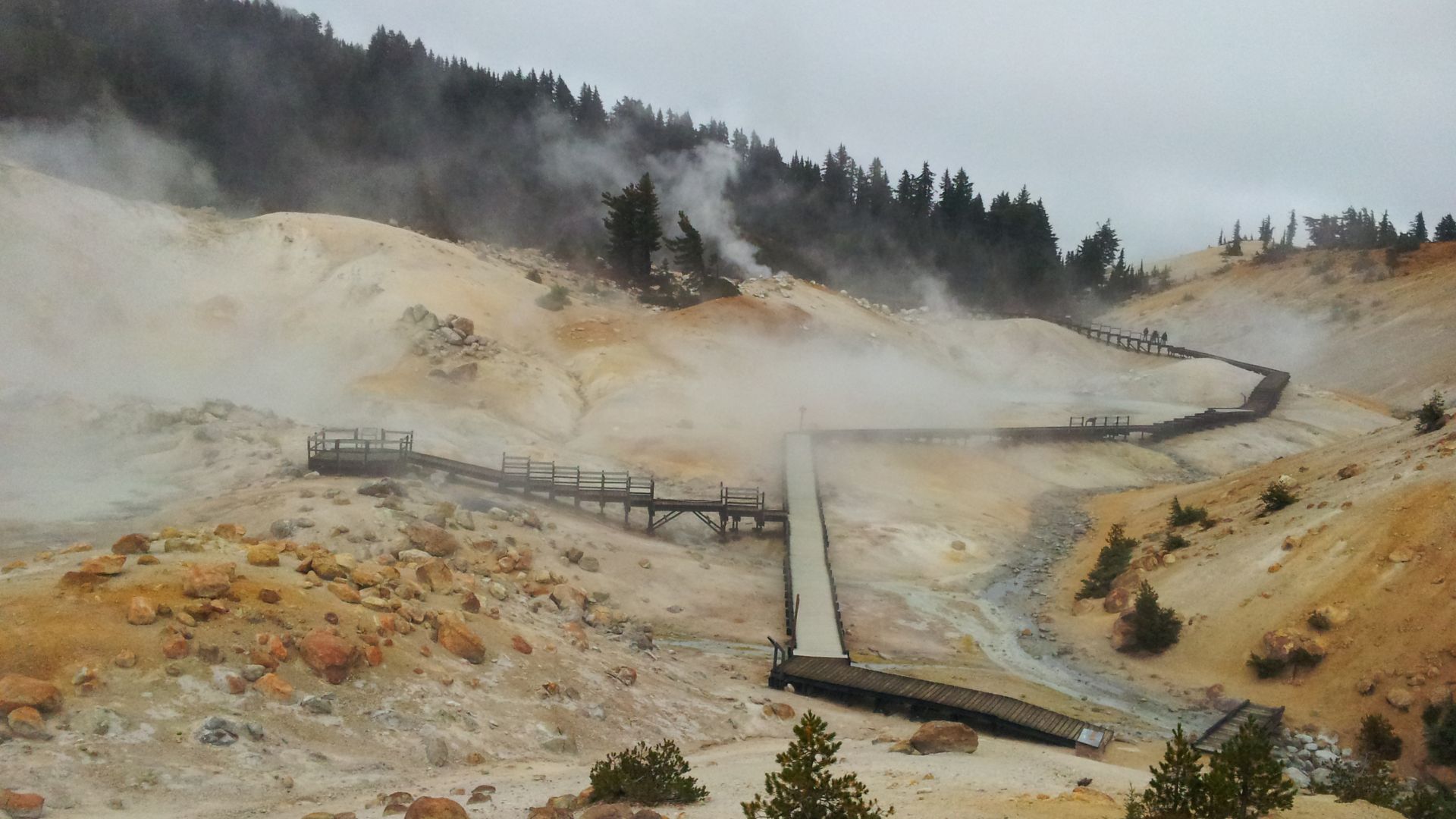
Mud Pots and Boiling Springs
Mud pots at Bumpass Hell put on a show, with thick, bubbling clay that changes with the seasons. Sometimes the pools are high, sometimes they shrink back.
Underground water mixes with volcanic gases and clay, creating that thick, burbling mud—sometimes hitting 180°F or more.
What You’ll See:
- Gray and brown mud in constant motion
- Gurgling and popping sounds
- Steam drifting up everywhere
- Bright mineral stains around the edges
Nearby, boiling springs shoot up hot water from deep below, heated by the volcanic heart of the park.

Fumaroles and Steam Vents
Fumaroles—basically steam vents—are scattered all over Bumpass Hell. They hiss and roar, releasing volcanic gases and vapor straight from the earth.
Steam vents let you hear and see the volcanic energy below. It’s a real reminder that this land is still alive.
Important Safety Notes:
- Stay on the boardwalks—seriously
- Ground temps can burn right through shoes
- Some gases here aren’t great to breathe
- The crust can break if you wander off trail
These features shift all the time, depending on underground pressure and water. Volcanic activity here never really stops.

Cinder Cone and the Painted Dunes
The Cinder Cone area might just be my favorite part. You get sandy volcanic trails, wild colored dunes, and those crazy black lava beds stretching out to Butte Lake.
Exploring the Cinder Cone Volcano
Cinder Cone rises about 700 feet above the plain, and hiking it is like climbing a giant black sand pile. The 4-mile round-trip hike is moderate, but the loose cinders make every step a little tricky.
Trail Details:
- Distance: 4 miles round-trip
- Elevation gain: 850 feet
- Difficulty: Moderate
- Best time: July through October
It’s a slog, but the crater views from the top make it all worth it. The volcano formed from eruptions between 1650 and 1700.
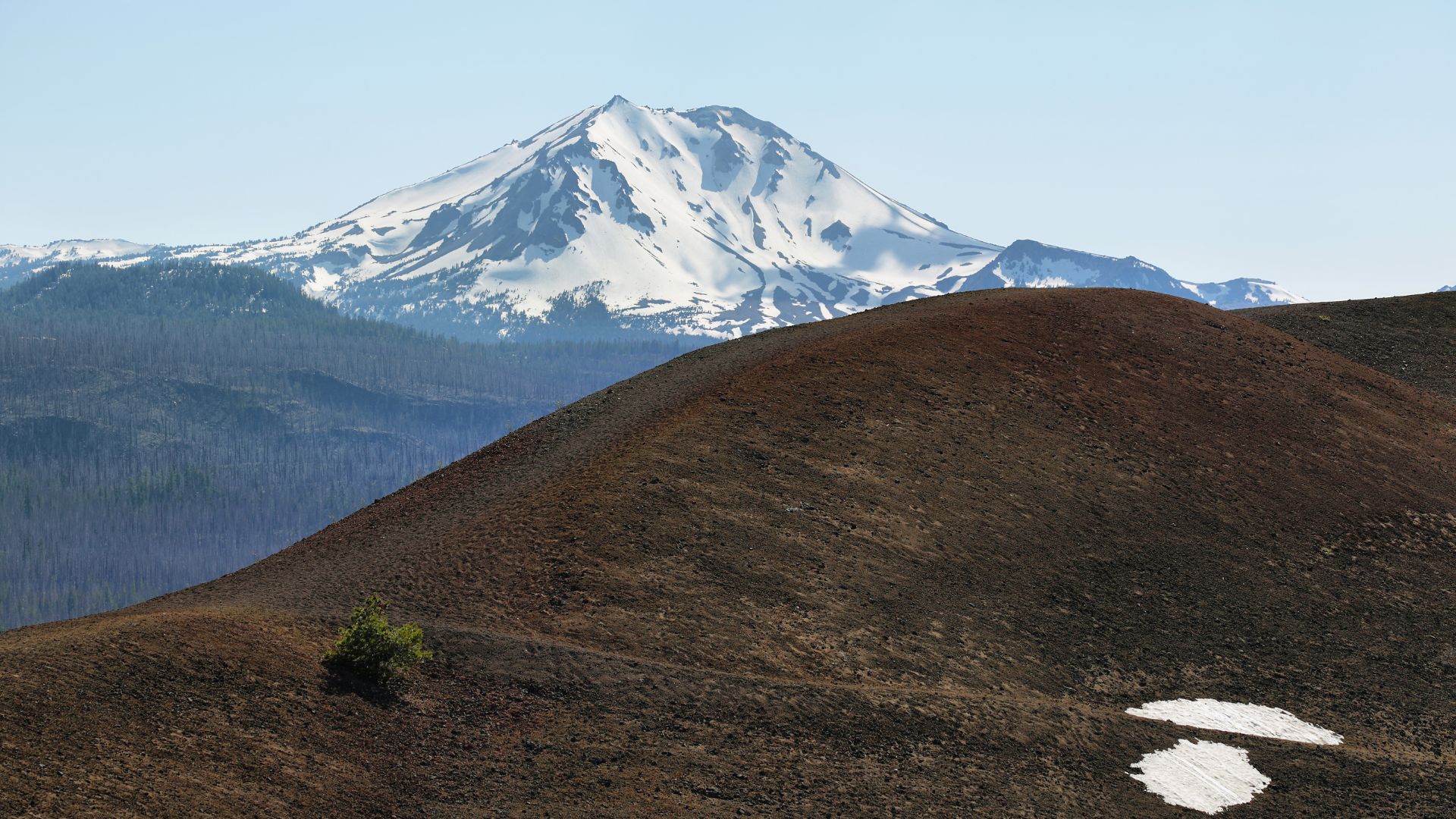
Fantastic Lava Beds
From Cinder Cone’s base, the Fantastic Lava Beds sprawl out toward Butte Lake. These black flows cover six square miles—pretty wild to walk on.
The same eruptions that built Cinder Cone sent lava pouring out, which cooled into the rough, broken landscape you see now.
You can scramble around on parts of the lava beds during your hike. Wear tough boots—the rocks are sharp and uneven.
What to Look For:
- Jagged and smooth lava textures
- Small caves and cracks in the rock
- Hardy plants pushing up through the stone
- Sweeping views toward Butte and Snag Lakes
The contrast between black rock and blue water makes for gorgeous photos. Early or late in the day, the light is just right.
Painted Dunes Landscape
At the base of Cinder Cone, the Painted Dunes burst into color. Reds, oranges, and yellows streak the landscape, thanks to cinders that got baked by hot lava.
When lava rolled over the cinders, it oxidized the minerals and turned them into this crazy palette. The colors shift with the light and weather.
Best Viewing Spots:
- From Cinder Cone’s summit
- Along the approach trail
- Higher ground near the lava beds
Wind and rain move the cinders around, so the dunes are always changing. If you catch them at golden hour, the colors practically glow. The whole scene feels otherworldly—like you’ve landed on Mars for the afternoon.
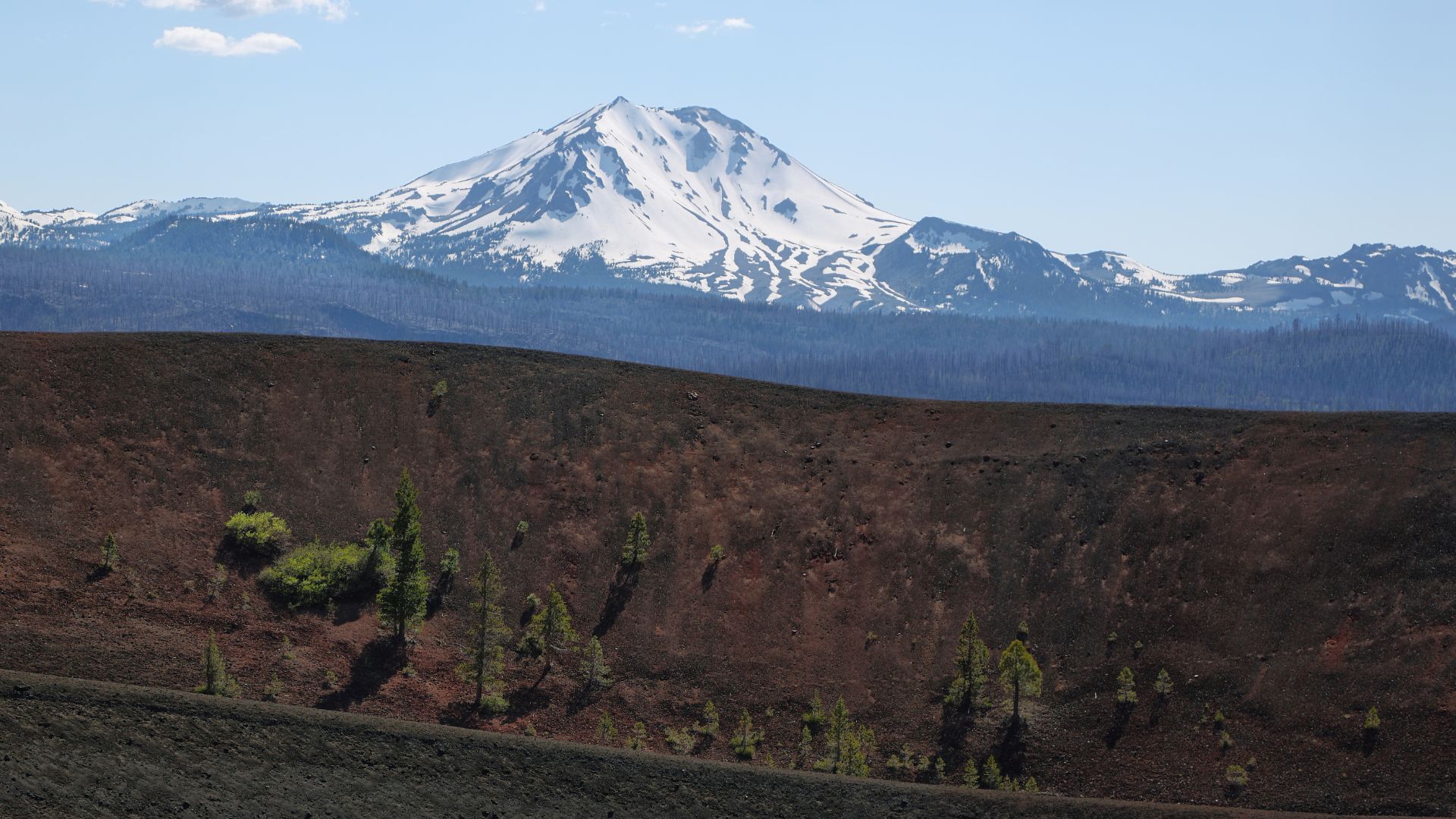 Cinder Cone in Lassen Volcanic National Park, California
Other Must-See Wonders: Lakes, Falls, and Sulphur Works
Lassen hides a few wild surprises beyond its famous geothermal spots. I stumbled upon a boiling turquoise lake, some funky-smelling roadside hot springs, and a waterfall that feels like a secret tucked deep in the woods.
Boiling Springs Lake and Surroundings
Honestly, Boiling Springs Lake might be my favorite hidden gem in the park. You’ll find this unreal blue-green lake at the end of a mellow 3-mile round-trip hike winding through Warner Valley.
Steam constantly curls from the water’s edge. The lake’s edges bubble and hiss, and the temperature can hit a steamy 140°F.
I stood at the shore one morning, just watching the mist drift over the surface. It’s mesmerizing.
The color? It’s unreal—sort of a shifting turquoise that seems to glow, thanks to all the minerals in the water.
Trail Details:
- Distance: 3 miles round-trip
- Difficulty: Easy to moderate
- Elevation gain: 300 feet
- Trailhead: Warner Valley Road
This trail meanders through open meadows and past little bubbling springs. I’ve spotted deer and a surprising number of birds along the way.
Late spring to early fall works best for this hike, since snow can block the trail earlier in the year.
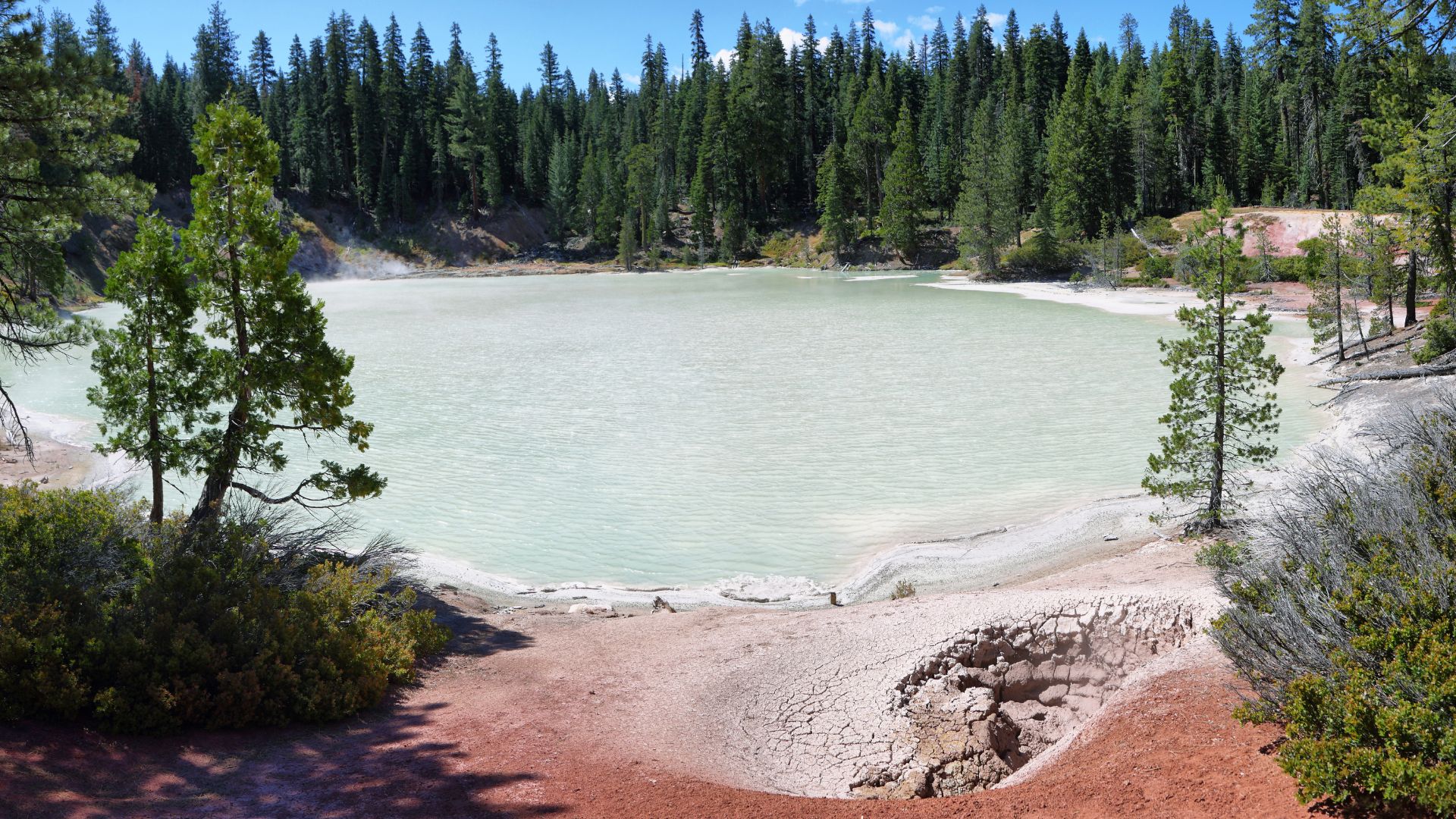
Sulphur Works
Sulphur Works is the easiest way to get up close to Lassen’s volcanic power. You can just pull off Highway 89, hop out of the car, and walk a few steps to see steam vents and boiling springs.
The sulfur smell hits you right away—no warning. The springs here bubble up at around 190°F, and on cold mornings, steam pours off the ground.
What You’ll See:
- Hot springs bubbling right from the earth
- Steam vents puffing out volcanic gases
- Striking yellow and orange mineral stains
- Hot Springs Creek running by
A boardwalk lets you get close without risking your shoes (or your toes). I usually spend about 15 minutes here, just watching the patterns and colors in the rock.
Families love this spot because there’s no hike required. I’ve brought friends who don’t like long walks, and even they can’t help but stare at the steam and bubbling pools.

Kings Creek Falls
Kings Creek Falls always draws me back. The waterfall drops 30 feet over black volcanic rock into a crystal-clear pool.
The trail covers 3 miles round-trip and starts at the Kings Creek Falls trailhead, not far from the main park road.
You’ll follow the creek as it twists through meadows and forest. The sound of water gets louder with every step.
Trail Information:
- Distance: 3 miles round-trip
- Difficulty: Moderate
- Best time: May through October
- Features: Creek crossings, wildflowers, forest views
Late spring and early summer bring the waterfall to life, fueled by snowmelt. I went in July once, and the flow still thundered over the rocks.
Don’t expect to swim—the water’s way too cold. I just sit on the rocks, let the mist cool my face, and soak in the sound.
The hike back climbs a bit, but the hills aren’t too bad. I always pack some water and snacks for a break along the way.
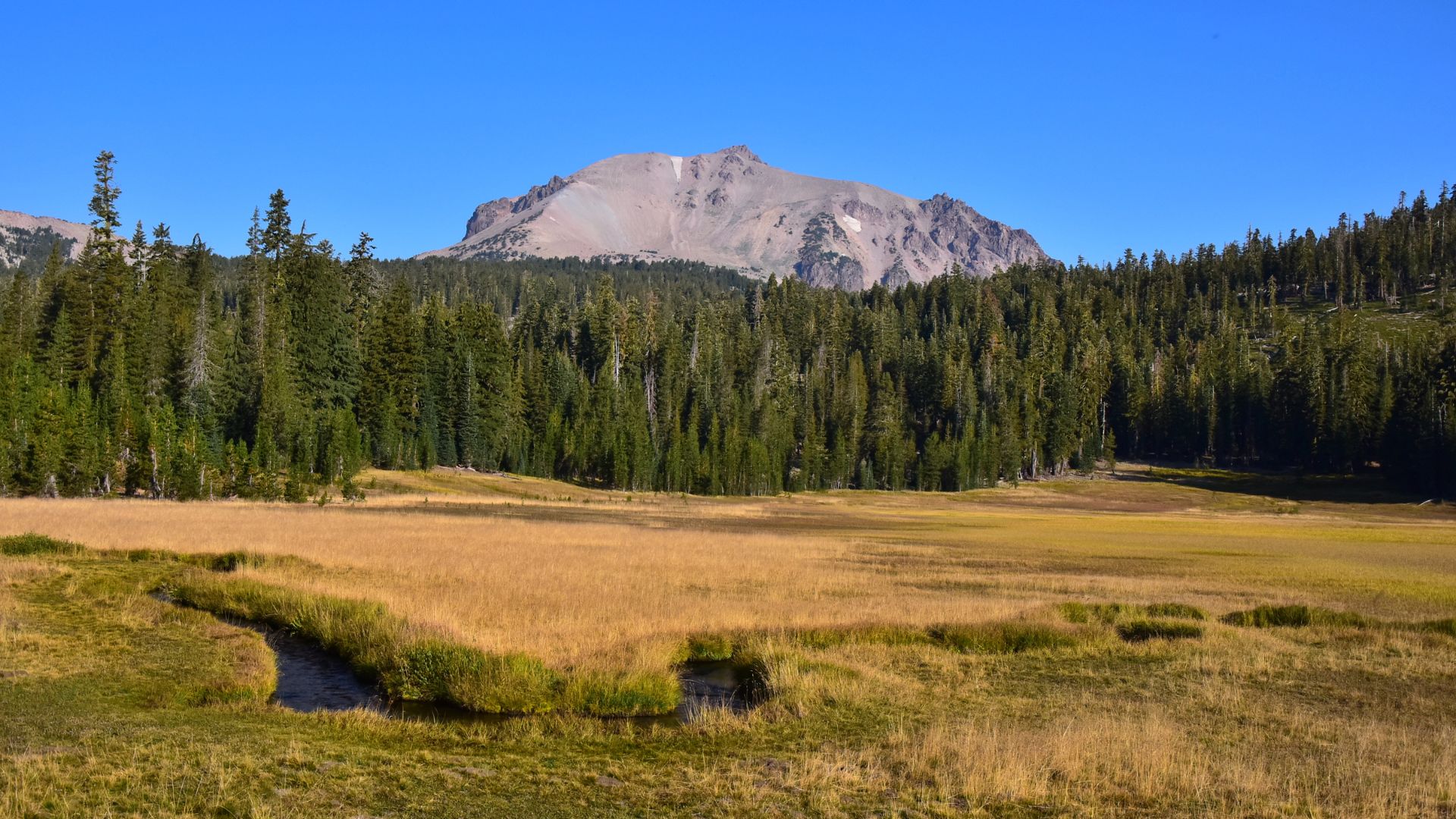
Planning Your Adventure: Activities, Nature, and Experiences
Lassen’s got a little bit of everything. You can camp by a lake, disappear into the backcountry, or just stroll through forests and volcanic fields. The sky here gets so dark at night—perfect for stargazing. And if you’re into wildlife, Manzanita Lake is the place to be.
Camping and Campgrounds
Book early if you want a good campsite—summer crowds can fill up the best spots fast. Manzanita Lake Campground tops my list for first-timers.
You’ll camp right on the lake’s edge. Go fishing, paddle a kayak, or just kick back and watch the sun set over the water.
If you want something quieter, try Butte Lake Campground. It’s out by the Cinder Cone trailhead, so it’s a solid pick for hikers.
Facilities here are basic. There’s no running water, but you’ll find old-school hand pumps.
Summit Lake Campgrounds (North and South) are smaller and feel more tucked away. These work well if you want quick access to several trailheads.
Backcountry camping is an option too, but you’ll need a permit. I’d grab one at least two weeks before your trip.
Hiking and Scenic Trails
With over 150 miles of trails, you’ll never run out of options. I usually tell people to start easy and ramp up—there’s no rush.
Bumpass Hell Trail is a gentle 3-mile round trip. Most of it’s flat, but you’ll climb a bit at the end.
You’ll walk through pine and fir forests, and if you’re lucky, catch wildflowers in bloom during spring or early summer.
Lassen Peak Trail is the real challenge. The 5-mile round trip includes some tough climbs and loose rock.
Start early if you can. Crowds pick up fast, and thunderstorms roll in by afternoon.
Cinder Cone Trail is a favorite for views. The 4-mile hike takes you up a steep, cindery slope, and the panorama of the Fantastic Lava Beds is wild.
Some trails pass by Lake Helen, a high alpine lake that usually stays frozen until late spring. The first time I saw it thawed, it felt like I’d stumbled onto another planet.
Manzanita Lake, Stargazing, and Wildlife
Manzanita Lake always feels perfect for a quiet morning walk or a peaceful evening spent watching wildlife. The trail circles the lake for about 1.6 miles—flat, easy, and honestly, it’s hard not to slow down and just enjoy the scenery.
I’ve run into deer nibbling near the shore, watched ducks glide by, and heard songbirds in the trees. If you get there early or linger as the sun goes down, you’ll probably spot more animals than people.
On calm days, Lassen Peak reflects on the water like something out of a postcard. It’s become one of those places I just keep coming back to for photos.
Stargazing at Lassen? Unreal. The sky gets so dark here, you can actually see the Milky Way stretching overhead.
I usually bring a blanket and just sprawl out on the grass, letting my eyes adjust. If you visit in summer, the skies are usually the clearest—definitely worth staying up late.
Wildlife here ranges from black bears and mountain lions to chipmunks and marmots darting through the brush. Keep your food locked up and give the animals plenty of space; it’s safer for everyone.
The forests are mostly pine, fir, and cedar, and as you move up or down in elevation, you’ll notice the plants change. Every part of the park seems to have its own personality.

