
Let’s be honest: Berlin’s public transport can look a bit intimidating at first glance. But once you get the hang of it, moving around the city feels surprisingly straightforward.
With a handful of tips, you’ll hop on the U-Bahn, S-Bahn, and trams like you’ve lived here for years. Whether you’re off to see iconic sites or just need to cross town, Berlin’s trains and trams really do connect almost anywhere you’d want to go.
I’ve spent a lot of time exploring Berlin, and honestly, the city’s public transport has saved me from many headaches. From ticket quirks to the best apps, I’ve picked up some tricks that make every ride smoother.
Let’s dig into what actually works and how you can make Berlin’s public transport your travel superpower.
Understanding Berlin’s Public Transport System
Berlin’s public transportation network stretches into nearly every corner of the city and even out to the suburbs. You’ll find the U-Bahn, S-Bahn, trams, buses, and ferries—each with its own vibe and purpose.
Knowing which does what makes getting around so much easier.
Key Differences Between U-Bahn, S-Bahn & Trams
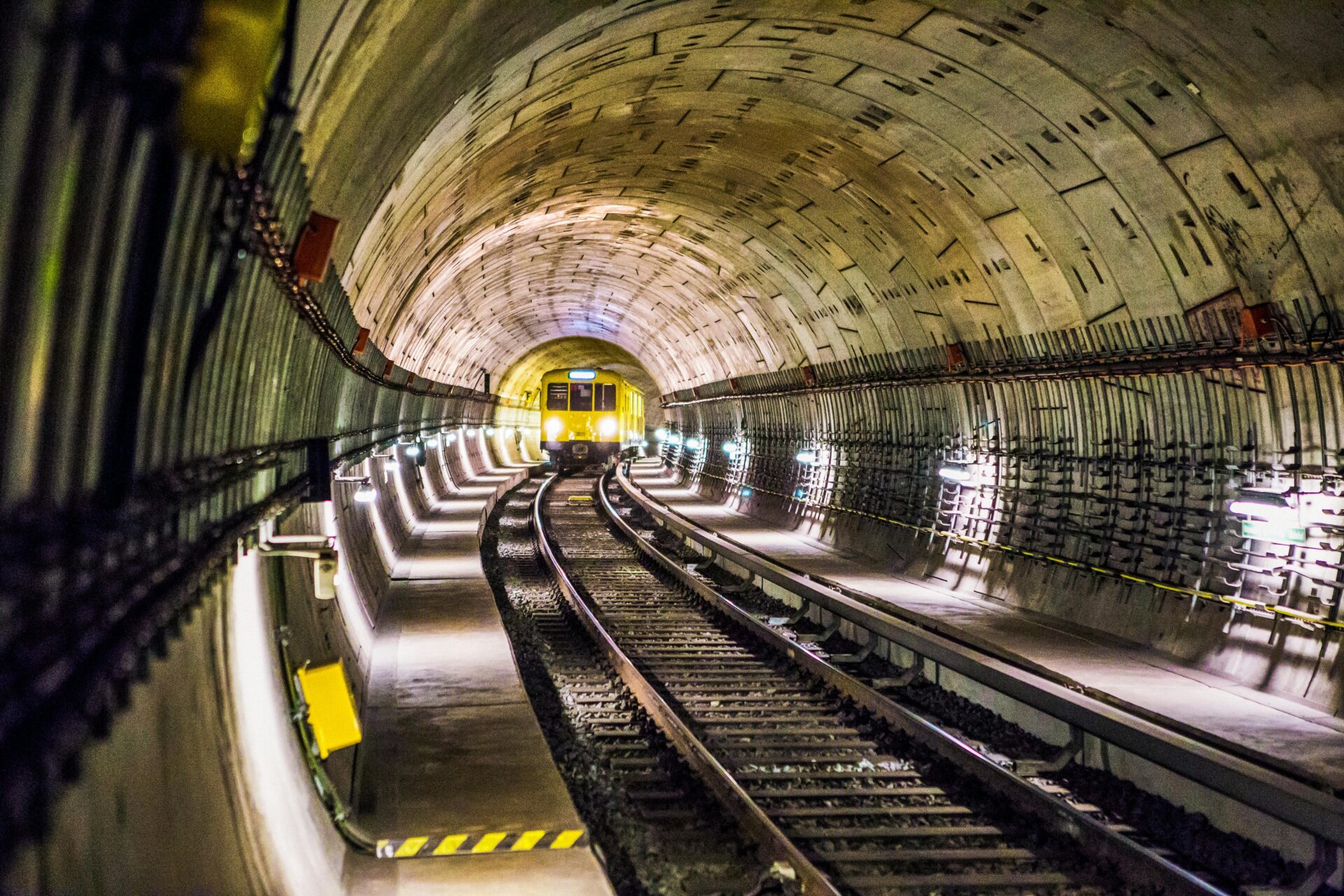
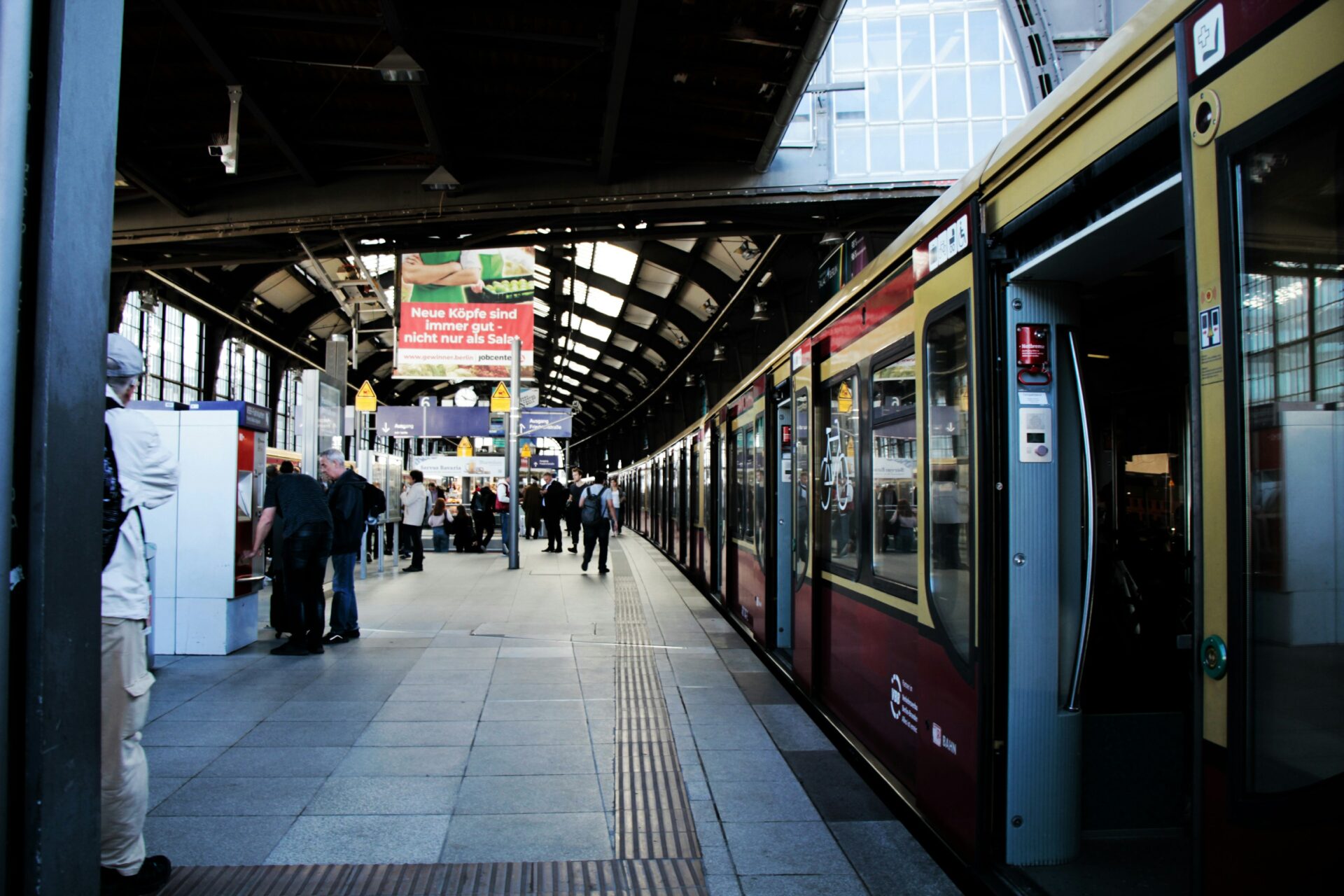
The U-Bahn is Berlin’s classic underground metro. Most of it runs below the streets, but don’t be surprised if you spot it above ground in the outer districts.
It’s fast, stops often, and works best for zipping around the center.
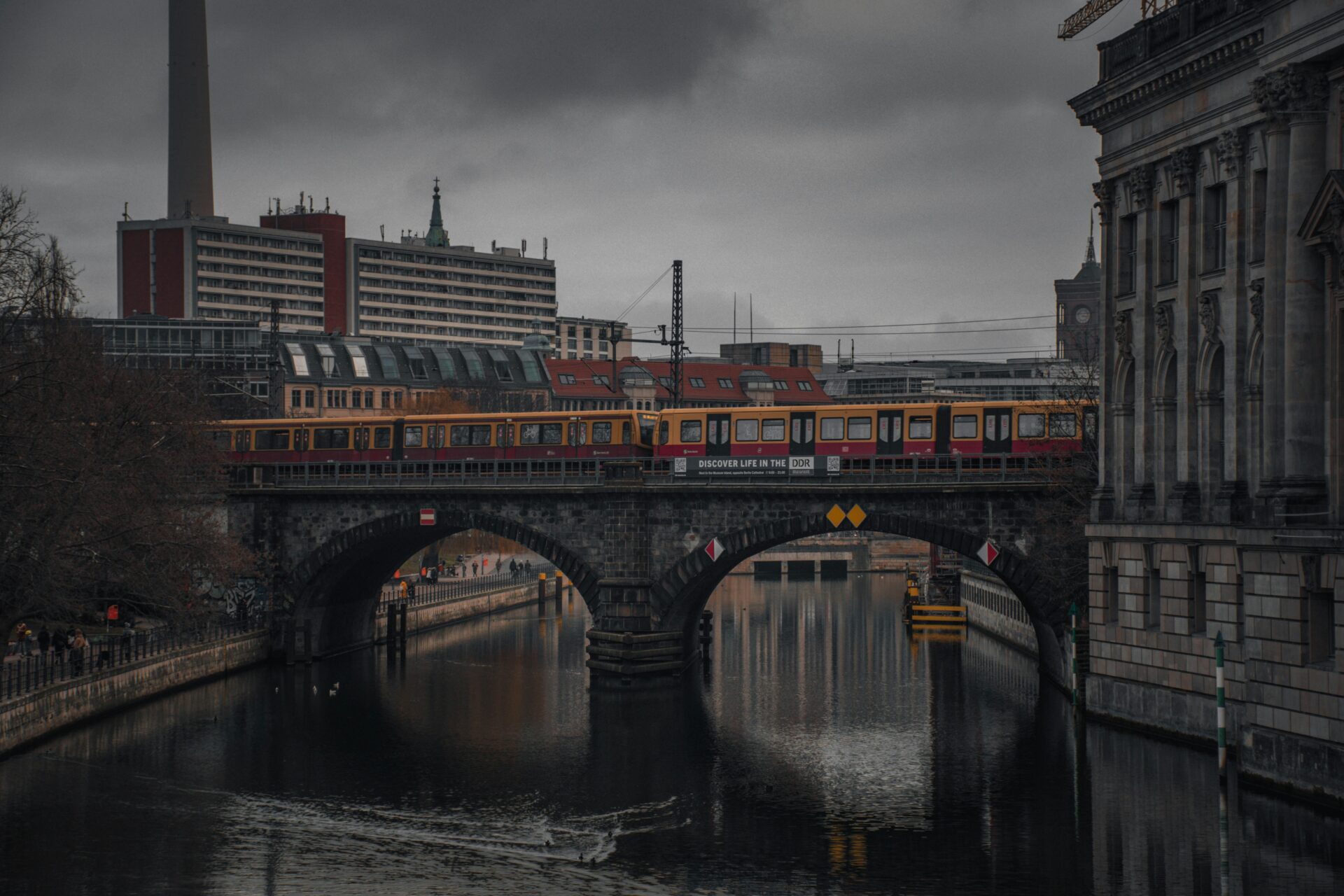
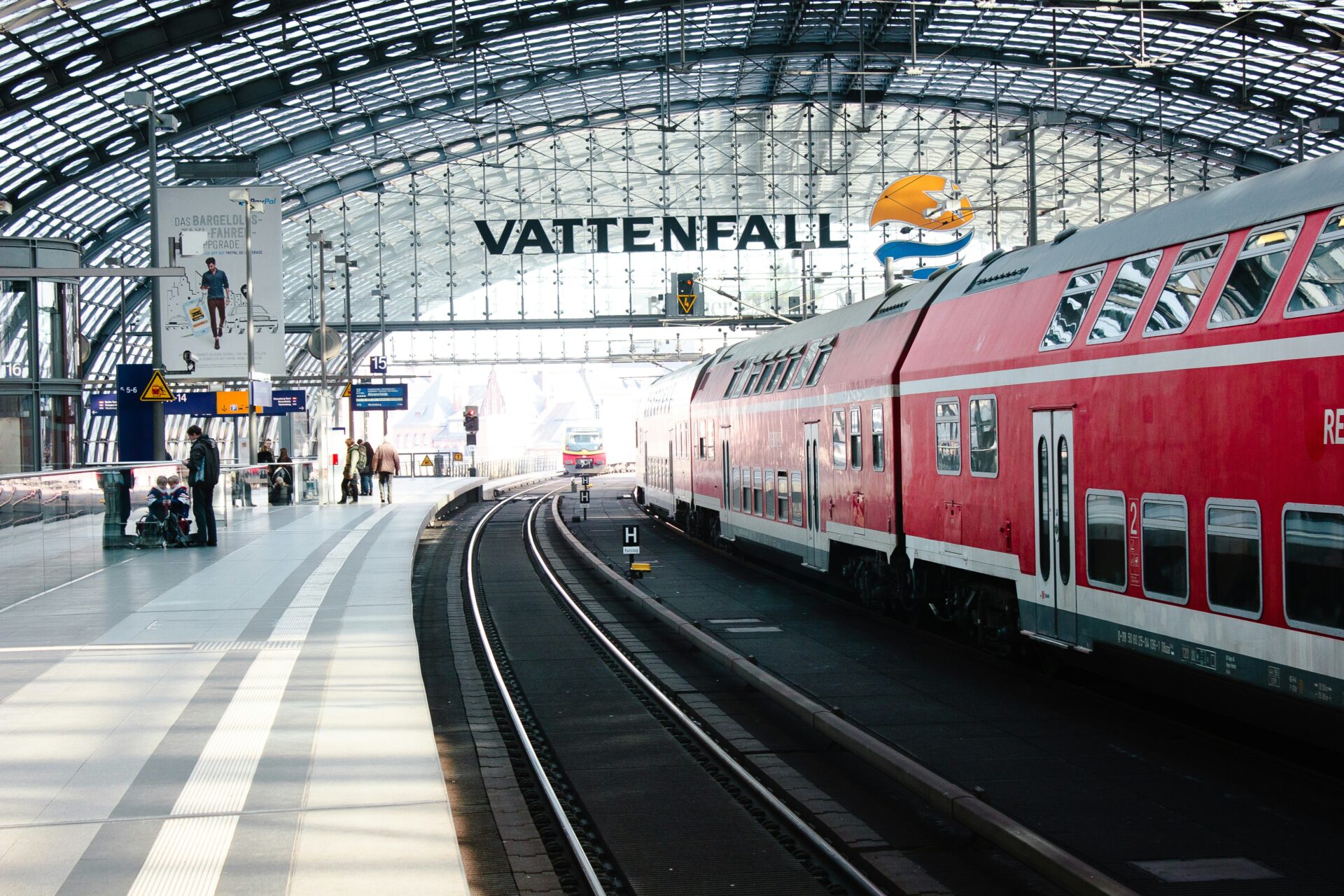
The S-Bahn covers longer distances and usually sticks to above-ground tracks. It links the city center to outlying neighborhoods and towns, with the famous Ringbahn looping around Berlin.
Trams mostly operate in the eastern parts of the city. They glide along at street level, stopping often, and work great for routes that the trains don’t cover.
If you’re bouncing between districts or want to see Berlin from a different angle, trams are a fun pick.
| Mode | Mostly Serves | Underground? | Key Feature |
|---|---|---|---|
| U-Bahn | City center, urban | Yes/Partial | Fast, frequent stops |
| S-Bahn | City & suburbs | No | Long distances, Ringbahn |
| Tram | East & local streets | No | Street-level, many stops |
Overview of Buses and Ferries
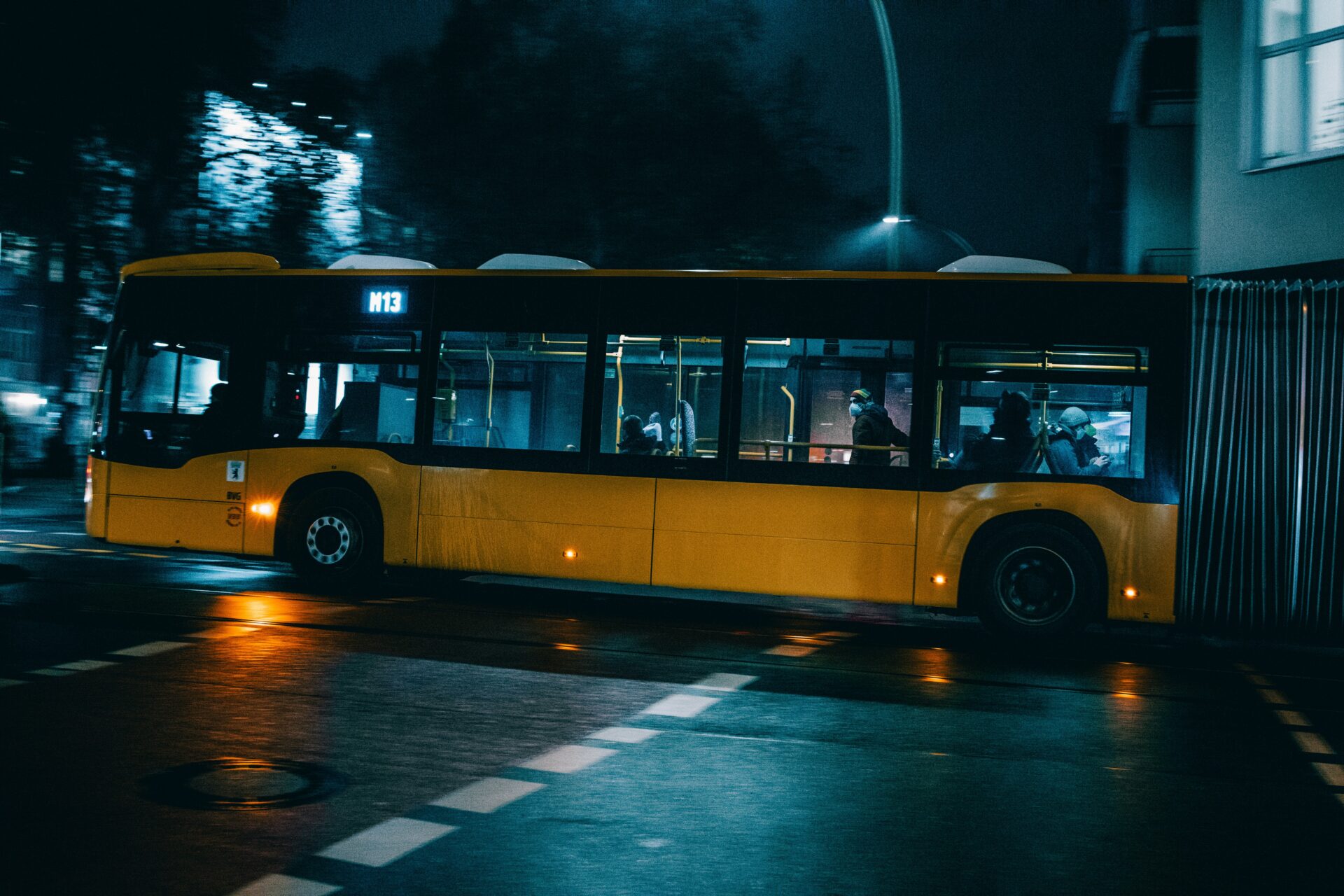
Buses fill in the gaps where trains and trams don’t reach. There are metro buses (the M lines) that run super frequently, even at odd hours, and regular city buses that stick to set timetables.
When the trains wind down at night, buses become essential.
Ferries also count as public transport here. They cross rivers and lakes, connecting neighborhoods where bridges are rare.
Sometimes, I’ll take a ferry just for a scenic trip, especially if I’m headed to a district by the water.
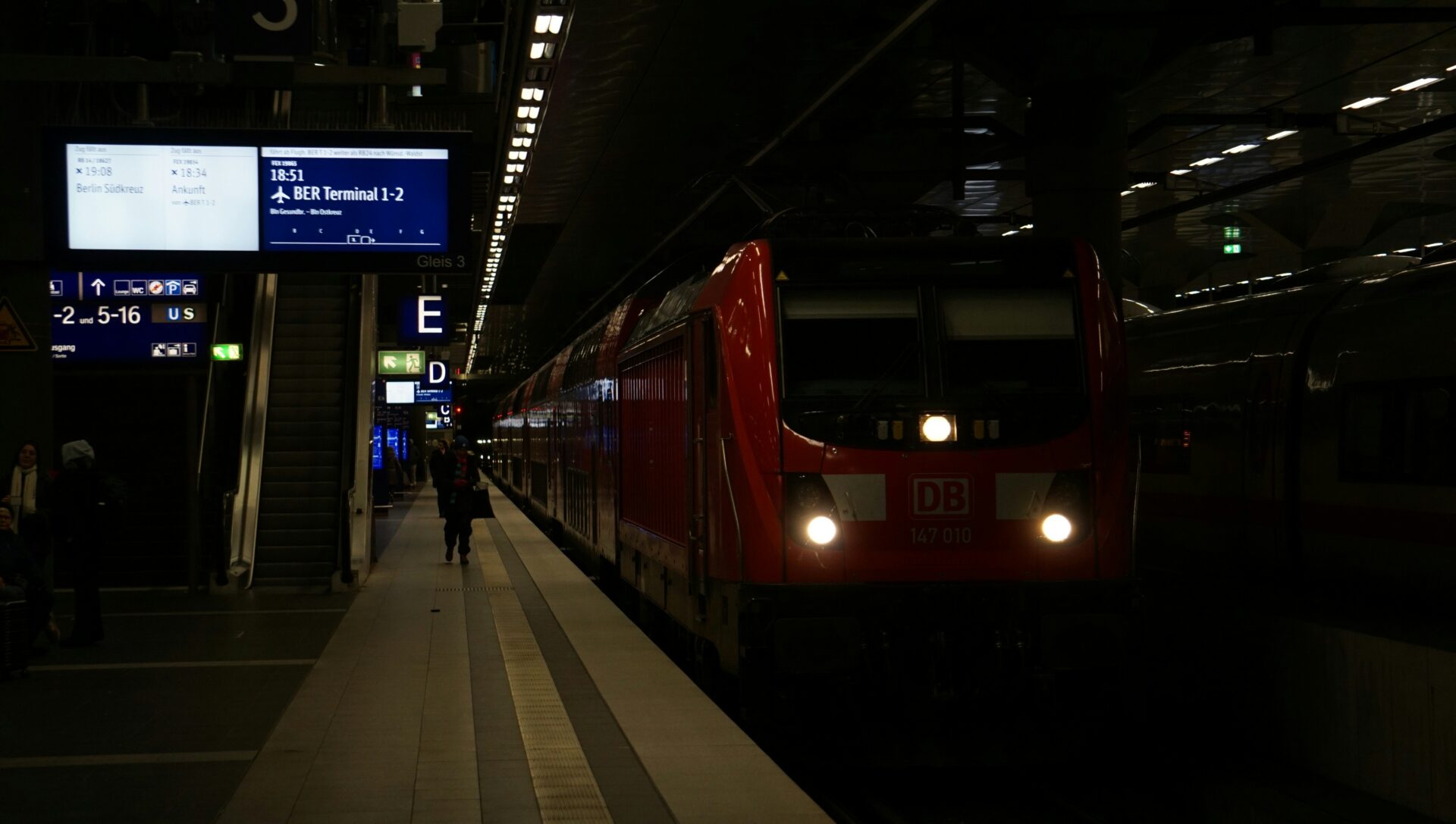
Regional trains—marked RE or RB—get you to far-off places or out to Zone C. You can use the same tickets for these, so usually, you don’t need to overthink it. Just check your zones before buying.
Decoding Tariff Zones: Zone A, B, and C
Berlin splits into three fare zones: A, B, and C.
- Zone A covers the city center, including the S-Bahn Ring.
- Zone B stretches from the Ring out to the city limits.
- Zone C includes the area around Berlin, like Potsdam and the airport.
Your ticket depends on how far you’re going. If I’m sticking to the center, an AB ticket is enough.
Heading out to Schönefeld Airport or Potsdam? I grab an ABC ticket.
One ticket lets you switch between U-Bahn, S-Bahn, trams, buses, and ferries, as long as you stay in the right zones. Always check the zone map at stations or online before buying—saves a lot of hassle.

Essential Apps and Journey Planning Tools
Apps make everything easier. I rely on the BVG Fahrinfo app to check real-time departures, browse route maps, and buy digital tickets.
Google Maps works well for Berlin too, giving step-by-step directions for all types of transport.
The BVG journey planner on their website is pretty reliable if you want to see the fastest route or check for delays. I always keep at least one of these on my phone—Berlin’s transport is good, but a little planning never hurts.
Mastering Ticket Options and Purchasing
Figuring out the right ticket in Berlin can save you time, money, and a lot of stress. Once you know where and how to buy tickets, the whole system feels way less complicated.
How to Choose the Right Ticket Type
Berlin’s got quite a few ticket options—single tickets, short trip tickets, day passes, monthly passes, and the Deutschland Ticket.
A single ticket covers a one-way trip for about two hours. If you’re just going a couple stops, the short trip ticket is cheaper, but it’s only good for up to 3 S-Bahn/U-Bahn stops or 6 tram/bus stops.
If I’m planning to hop around a lot in a day, I go for a day pass. It gives unlimited rides in your chosen zones.
Staying longer? A monthly pass often works out cheaper per trip.
And if you want to travel all over Germany, the Deutschland Ticket gives you unlimited local and regional train rides for a flat monthly fee.
Here’s a quick look:
| Ticket Type | Typical Use | Duration |
|---|---|---|
| Short Trip | Few stops | 20 minutes |
| Single Ticket | One-way, longer journey | 2 hours |
| Day Pass | Multiple daily trips | 1 day |
| Monthly Pass | Regular commuters | 1 month |
| Deutschland Ticket | All Germany, local travel | 1 month (rolling) |
Using Ticket Machines and Mobile Apps
You’ll find ticket machines at every U-Bahn and S-Bahn station. They’re easy enough to use, with instructions in several languages, and they take cash, coins, or cards.
On trams or buses, you can usually buy tickets from the driver or at a nearby machine. Just don’t forget to validate your paper ticket by stamping it before you board, or right after you get on.
If I’m using the BVG app, buying tickets is a breeze. I pick my ticket, pay with my card or wallet, and I’m good to go.
Mobile tickets don’t need to be stamped—just activate before you travel.
I prefer the app for day or monthly passes, since there’s no paper to worry about. But if you like the classic way, machines and drivers work fine. Just stamp your ticket if it’s paper—seriously, don’t skip that step.
Special Tickets: Short Trip, Day Passes, Monthly & Deutschland Ticket
The short trip ticket is perfect for super quick rides. It’s not valid for changing lines or longer distances, so check the station list before buying.
If you’re sightseeing or planning lots of travel in a day, grab a Welcome Card or a regular day pass. The Welcome Card also gives discounts at attractions and lets you bring up to three kids (ages 6-14) for free—great for families.
Monthly passes make sense if you’re staying more than a week. The Deutschland Ticket is digital-only and covers all of Germany’s local trains for a flat rate, but you need to order it online.
I always pick my ticket based on how much I’ll actually travel—no need to overpay.
Validating and Using Your Ticket Properly
Buying the right ticket is just the start. You need to validate it before you ride, follow the rules, and know what to do if ticket inspectors show up.
Stamping Machines and Mobile Validations
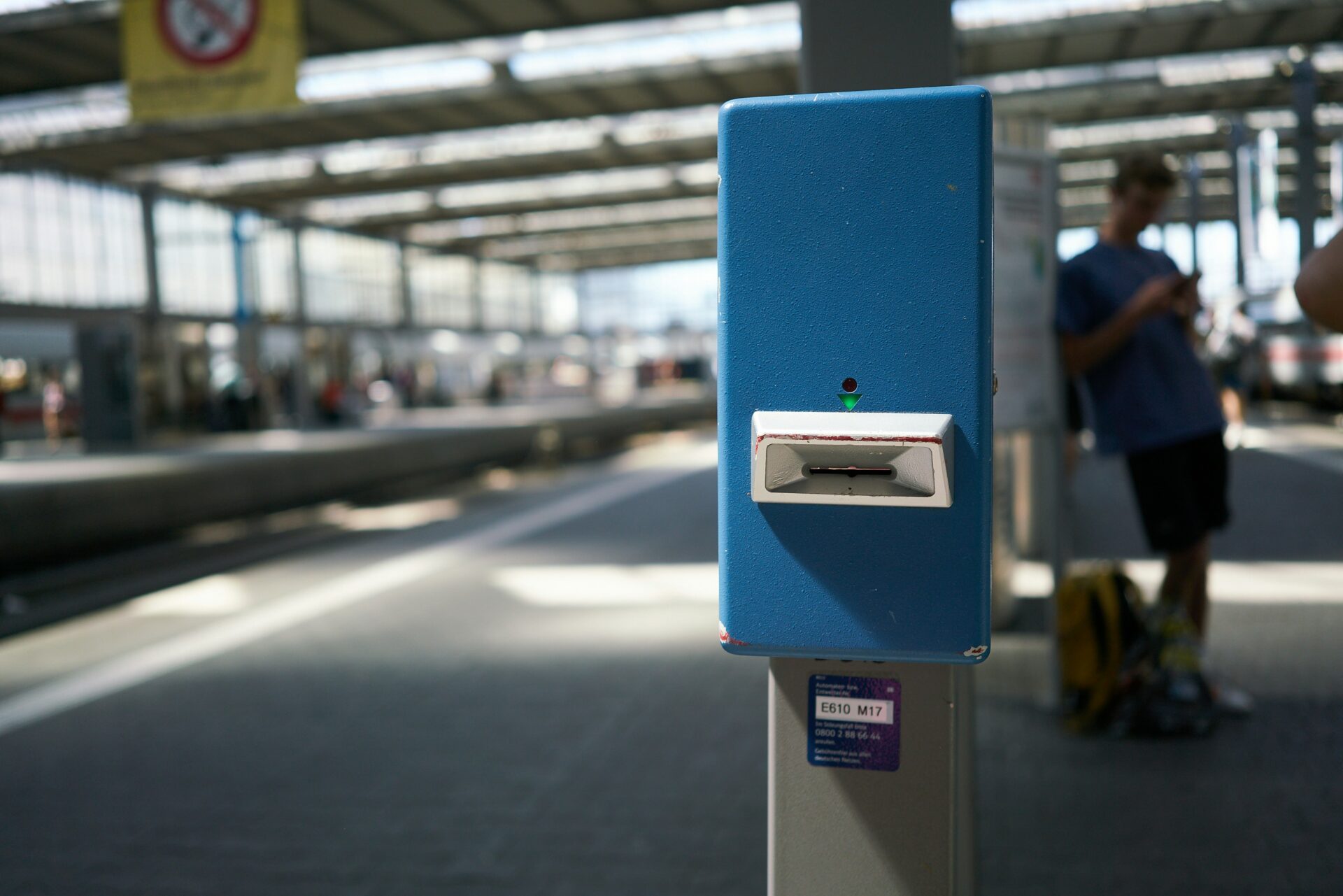
Before I hop on the U-Bahn, S-Bahn, trams, or buses, I make sure to validate my paper ticket. The stamping machines—usually bright yellow or red—sit at station entrances or inside vehicles.
I just slide my ticket in, and the machine stamps the date and time. If there’s no stamp, the ticket’s not valid, even if I bought it seconds ago.
With the BVG app, my digital ticket is good from the moment I activate it. Sometimes you need to tap a button to start the timer, so double-check the instructions.
Both paper and mobile tickets work fine, but you have to activate or stamp them before boarding.

Avoiding Fines and Dealing with Ticket Checkers
Berlin’s public transport runs on an honor system, but ticket checkers (Kontrolleure) can show up at any time. If you get caught without a valid ticket, expect a €60 fine.
I always keep my ticket or phone handy, ready to show at a moment’s notice. If your ticket isn’t stamped or activated, you’ll be treated like you didn’t pay at all.
Counterfeit or altered tickets? Don’t even try it—the fines are hefty.
If I ever get fined and feel it’s unfair, I just follow the instructions on the slip. Most of the time, arguing with the inspector gets you nowhere, so I stay calm and polite.
Tips for Seamless Transfers and Access
Your ticket usually covers all public transit within the zones you paid for—U-Bahn, S-Bahn, trams, and buses. Once you validate, a single fare lasts from 60 to 120 minutes (depending on the ticket) and covers transfers as long as you keep traveling in the same direction.
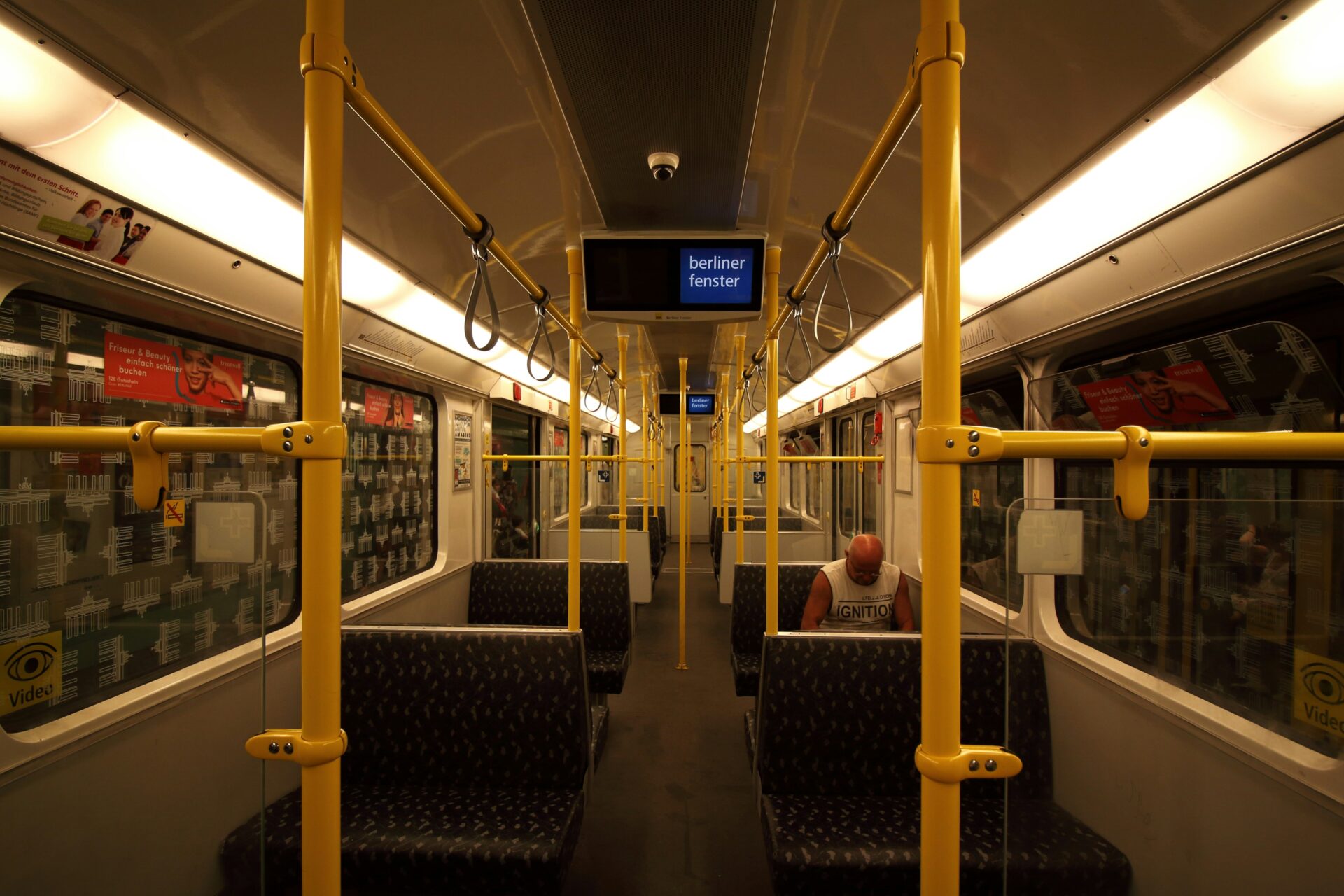
You don’t need to stamp your ticket again when switching lines within the valid time. Trams and most buses have low floors, so getting on is easy. Most stations have elevators or ramps, so accessibility is pretty solid.
I always check the zone and time left on my ticket before transferring. That quick glance has saved me from a few close calls.
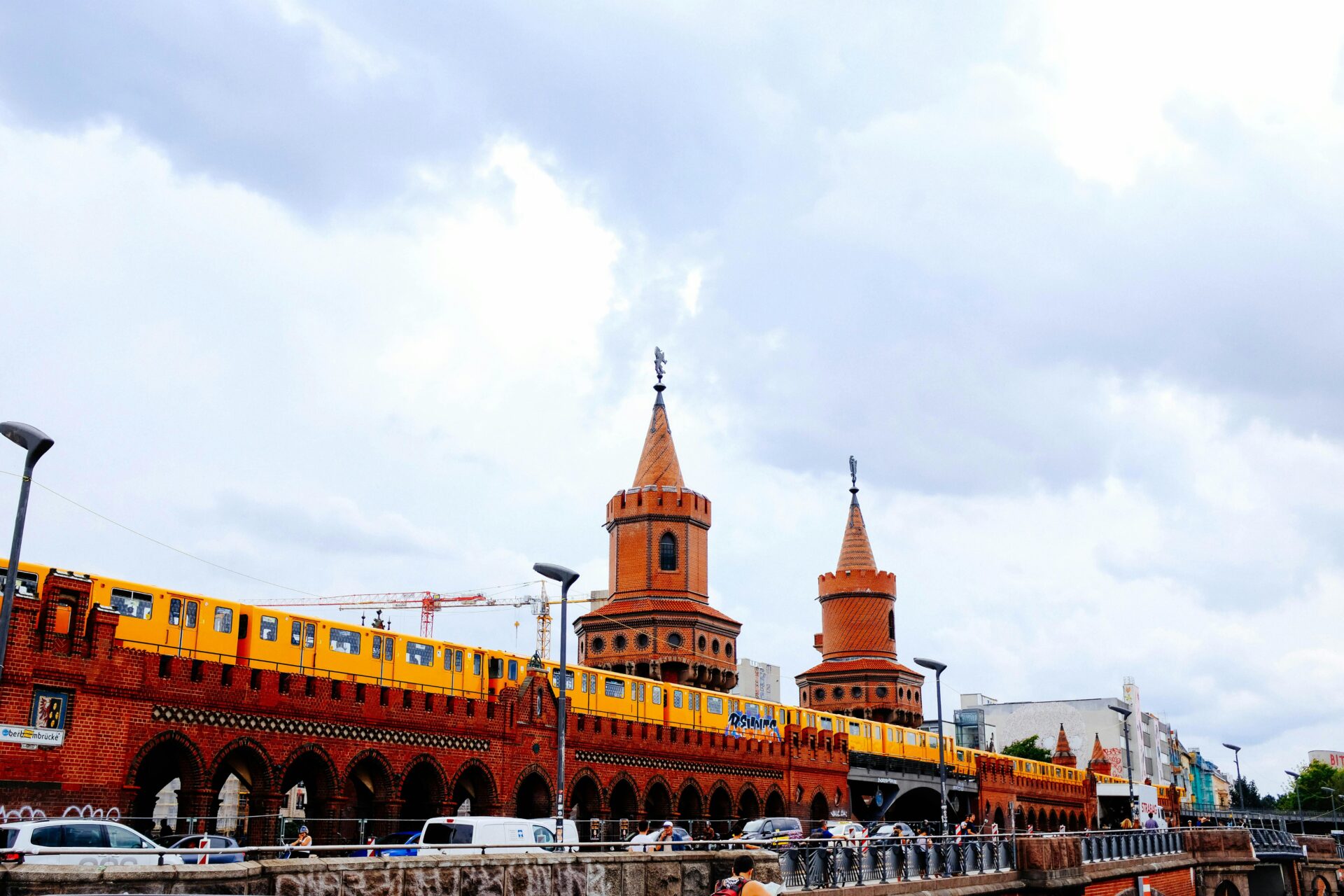
Essential Tips for Getting Around Like a Local
Berlin’s trains, trams, and buses take you everywhere—from the city center to the airport. With smooth transfers and reliable night options, exploring the city feels pretty effortless.

Smart Transfers Between U-Bahn, S-Bahn, Trams & Buses
Switching between different types of transport in Berlin is simple. The city uses an integrated ticket system, so you don’t need to buy a new ticket for every ride.
I always look for the color-coded signs at stations. They’re easy to spot and help you find your way.
Big hubs like Alexanderplatz and Hauptbahnhof connect everything—S-Bahn, U-Bahn, and trams. Most lines run every few minutes, though some bus or tram routes in the outer areas might be less frequent.
I use the BVG or DB Navigator app to find the quickest routes and check real-time departures.
Quick tip: Scan your ticket before boarding (or on the bus/tram), since spot checks are random, and fines are no joke.
| Transport | Color/Sign | Note |
|---|---|---|
| U-Bahn | Yellow ‘U’ | Underground trains |
| S-Bahn | Green ‘S’ | Rapid suburban trains |
| Tram | White/Green | Mostly in East Berlin |
| Bus | Yellow | Covers all Berlin |
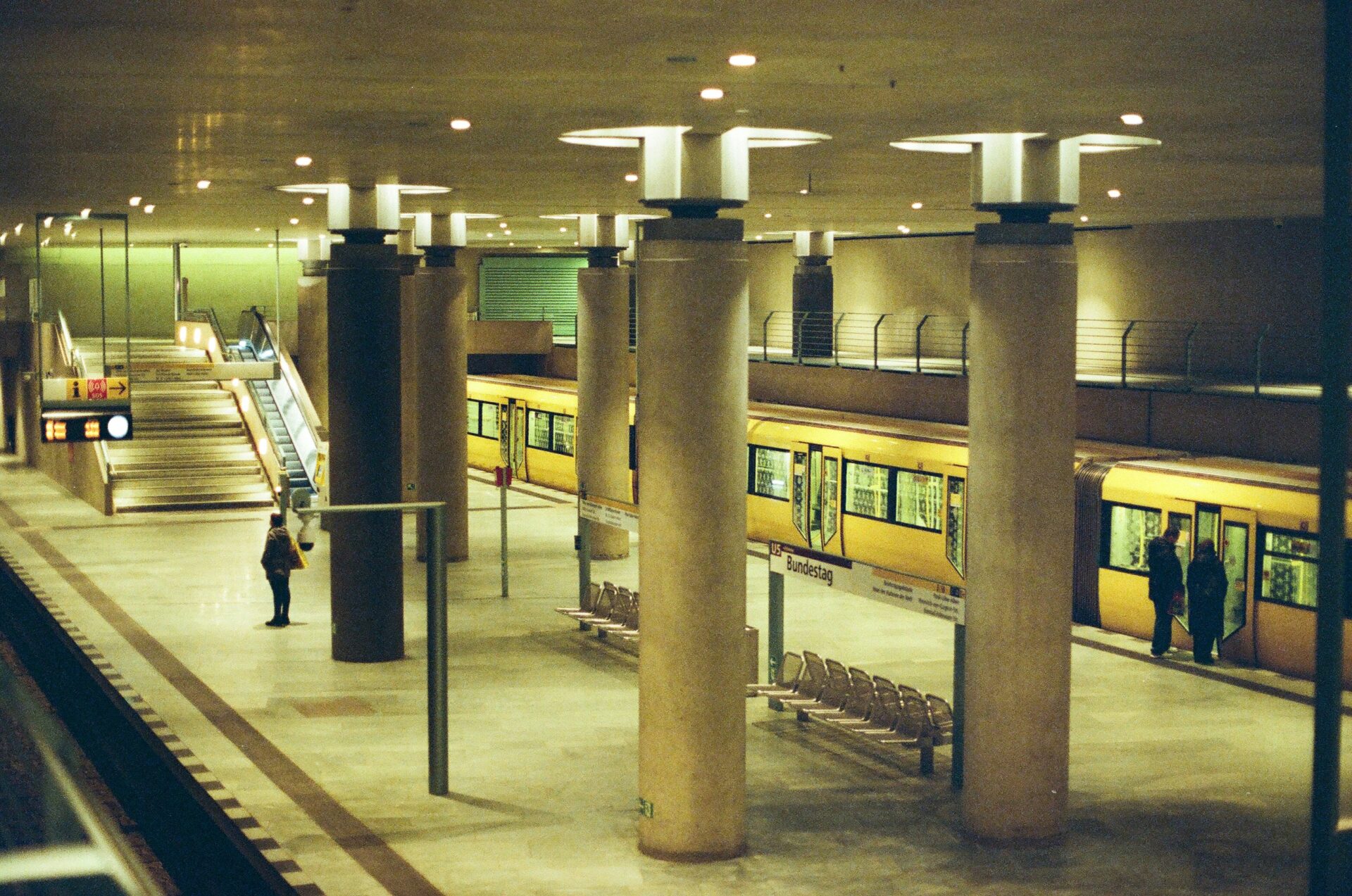
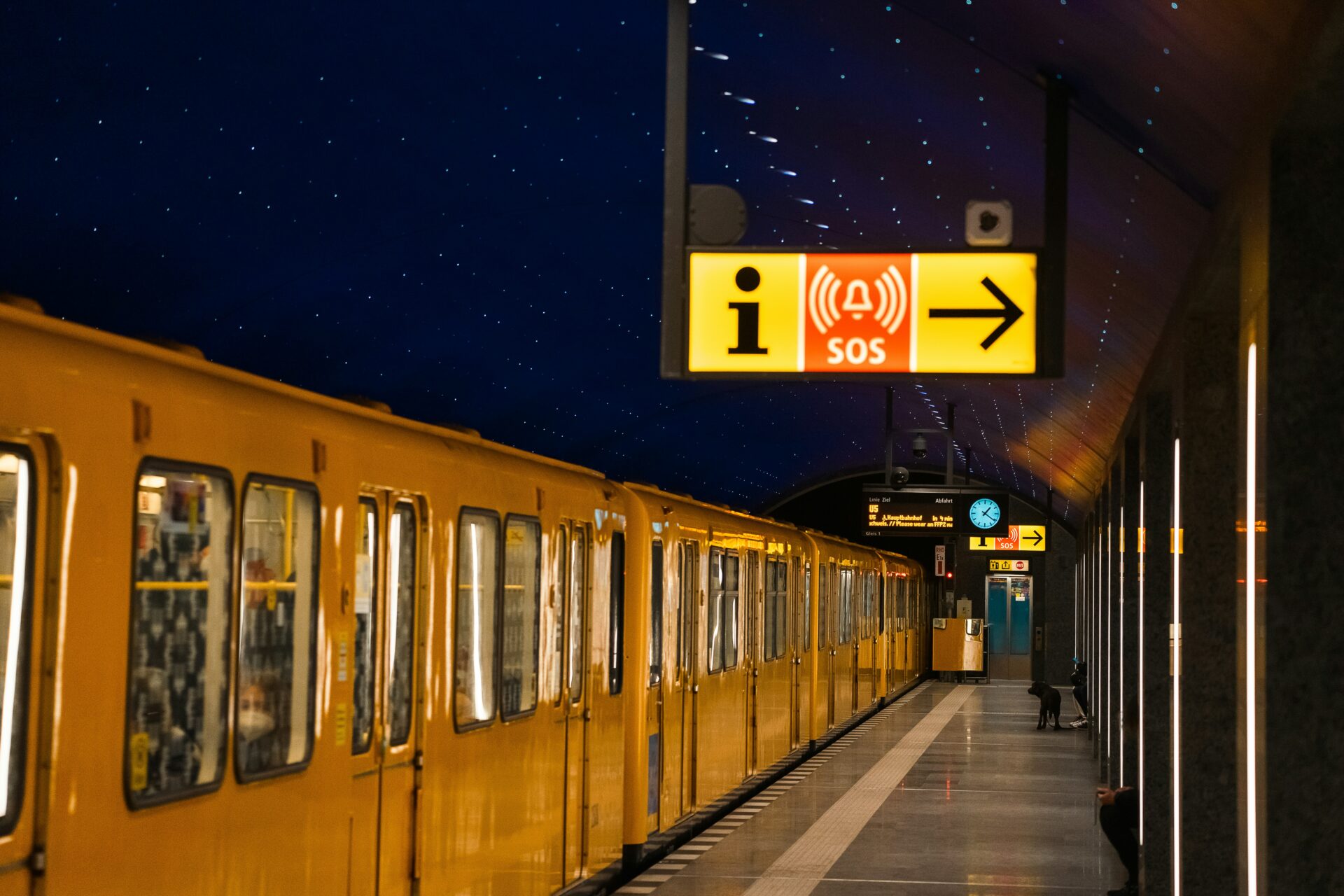
Navigating Berlin at Night: Night Buses and Late Trains
After midnight, U-Bahn and S-Bahn trains run less often or stop for the night—except on Fridays and Saturdays, when most major lines keep rolling. That’s a lifesaver after a late night out.
On other nights, night buses (look for an “N” before the route number, like N1) pick up the slack along main routes.
Night buses usually come every 30 minutes and hit all the big stations and intersections. I always check the BVG app or the stop’s timetable so I’m not left waiting in the cold.
Night fares are the same as daytime, and your regular ticket works just fine on night buses and trains. So, you don’t need to worry about extra costs if your night runs late.
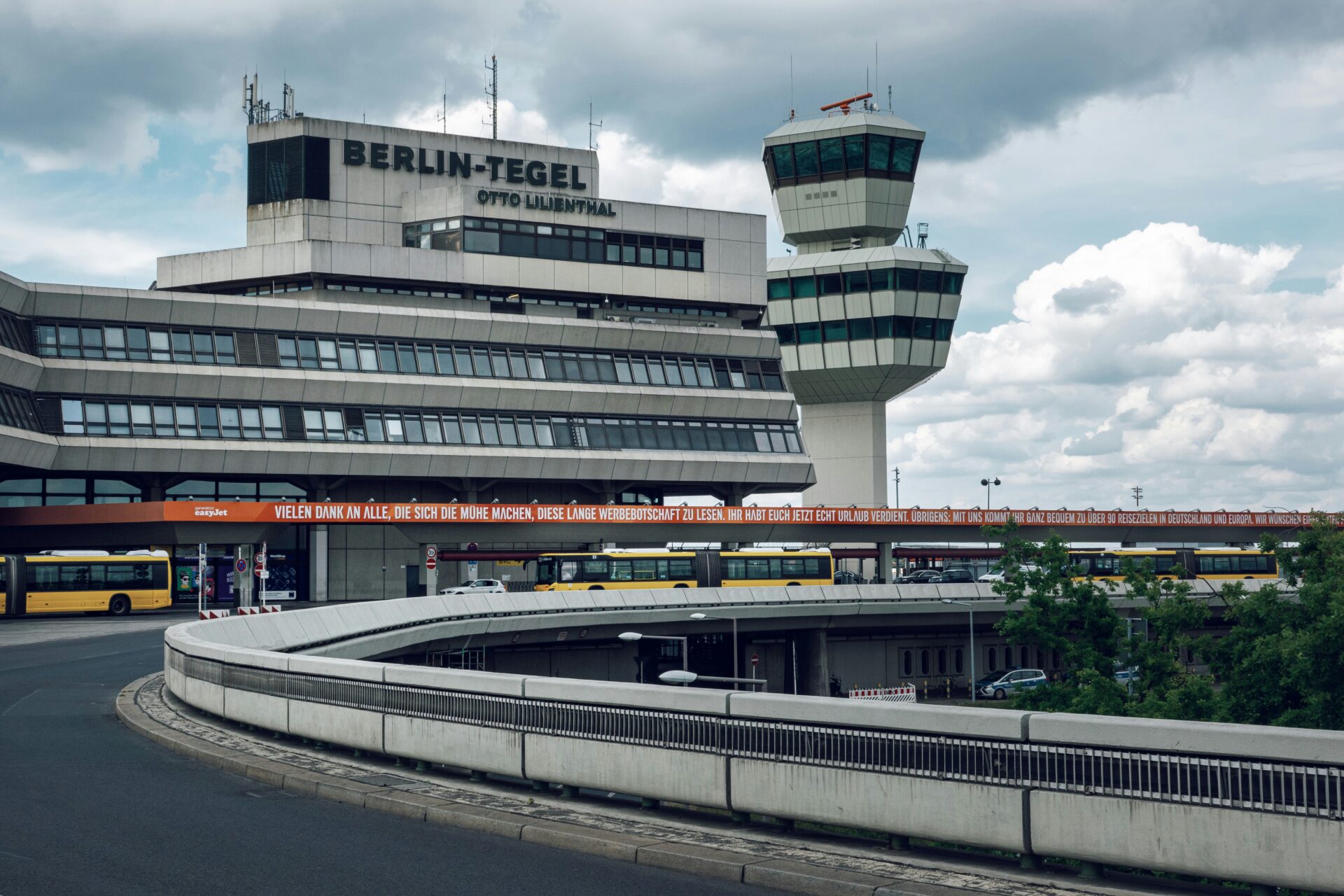
Airport Transfers and Connections to BER
Berlin Brandenburg Airport (BER) is honestly a breeze to reach by public transport. The S-Bahn lines S9 and S45 take you straight to the airport from the city. They show up every 20 minutes, stopping at places like Ostkreuz and Südkreuz.
If I’m in a hurry, I’ll grab the FEX airport express train—it’s faster to the main station. Airport transfers usually take 30 to 45 minutes, but it depends on where you start.
Since BER sits outside the central AB fare zone, I always grab an ABC zone ticket. The BVG ticket machines at the airport and in stations are simple to use, and there’s always an English menu if you need it.
Tip: I like to double-check my route on the BVG or DB Navigator app before heading out. It saves me from scrambling with last-minute platform changes.
Popular Destinations and Day Trips via Public Transport
Berlin’s public transit just makes life easier. Famous sights? No problem. Even day trips outside the city feel totally doable with the U-Bahn, S-Bahn, and regional trains running so often.
I’ve hopped between landmarks and even dashed off to nearby towns, all thanks to these connections.
Exploring Central Berlin: Mitte, Alexanderplatz, and Museum Island
Mitte is the beating heart of Berlin. Most people, myself included, start exploring here.
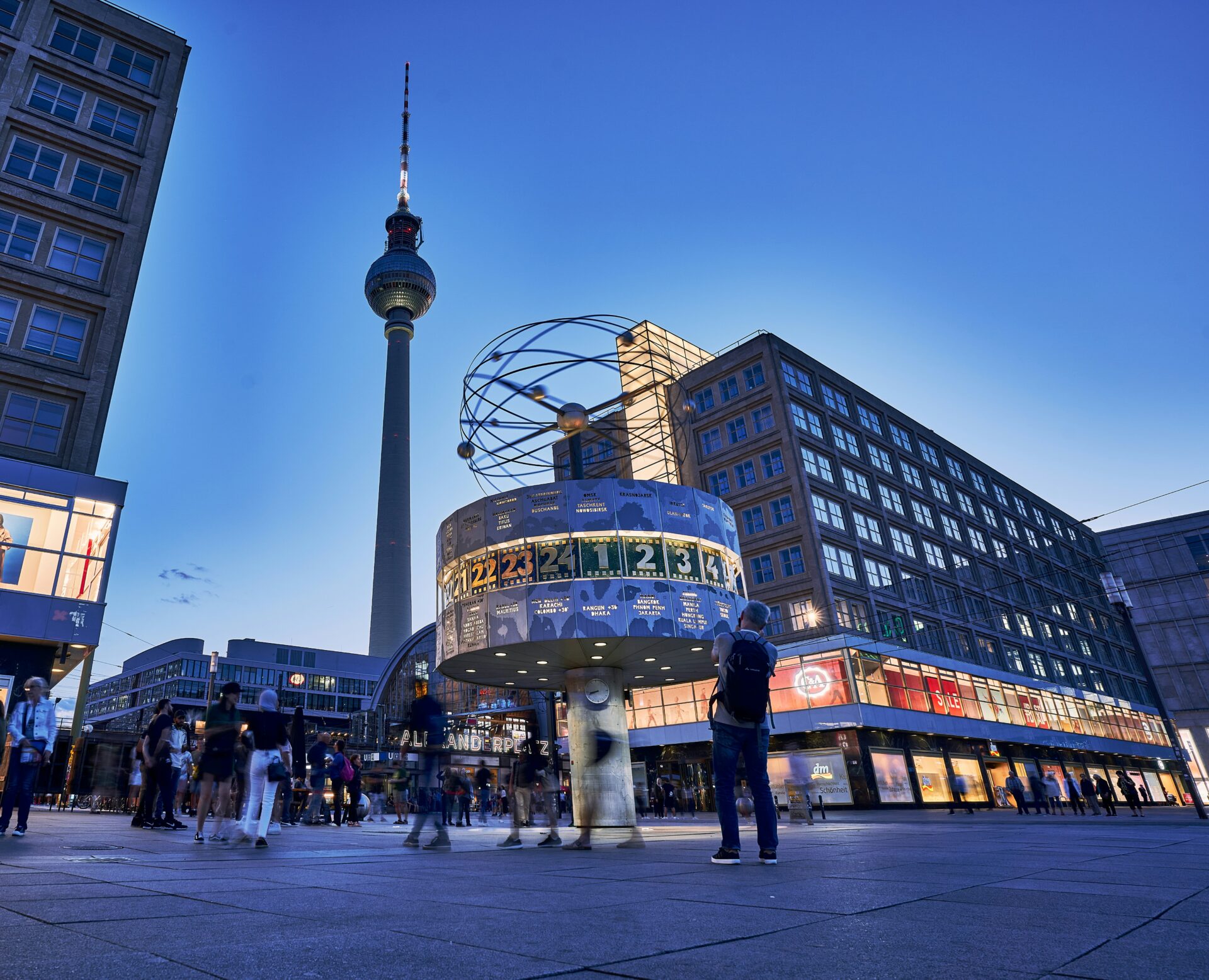
I usually kick things off at Alexanderplatz. It’s a major transit hub with S-Bahn, U-Bahn, and trams all crisscrossing through. The Fernsehturm (TV Tower) and World Clock are right outside—hard to miss.
Museum Island is just a short walk away, but if I’m feeling lazy or it’s raining, I’ll take the M4 tram or S-Bahn to Hackescher Markt. That drops me closer to the island’s five famous museums, like the Pergamon and the Altes Museum.
Insider tip: Your ticket for the U-Bahn, S-Bahn, or tram covers transfers within the city. I never bother buying extra tickets just to bounce around Mitte.
Using Public Transit for Brandenburg Gate and Reichstag
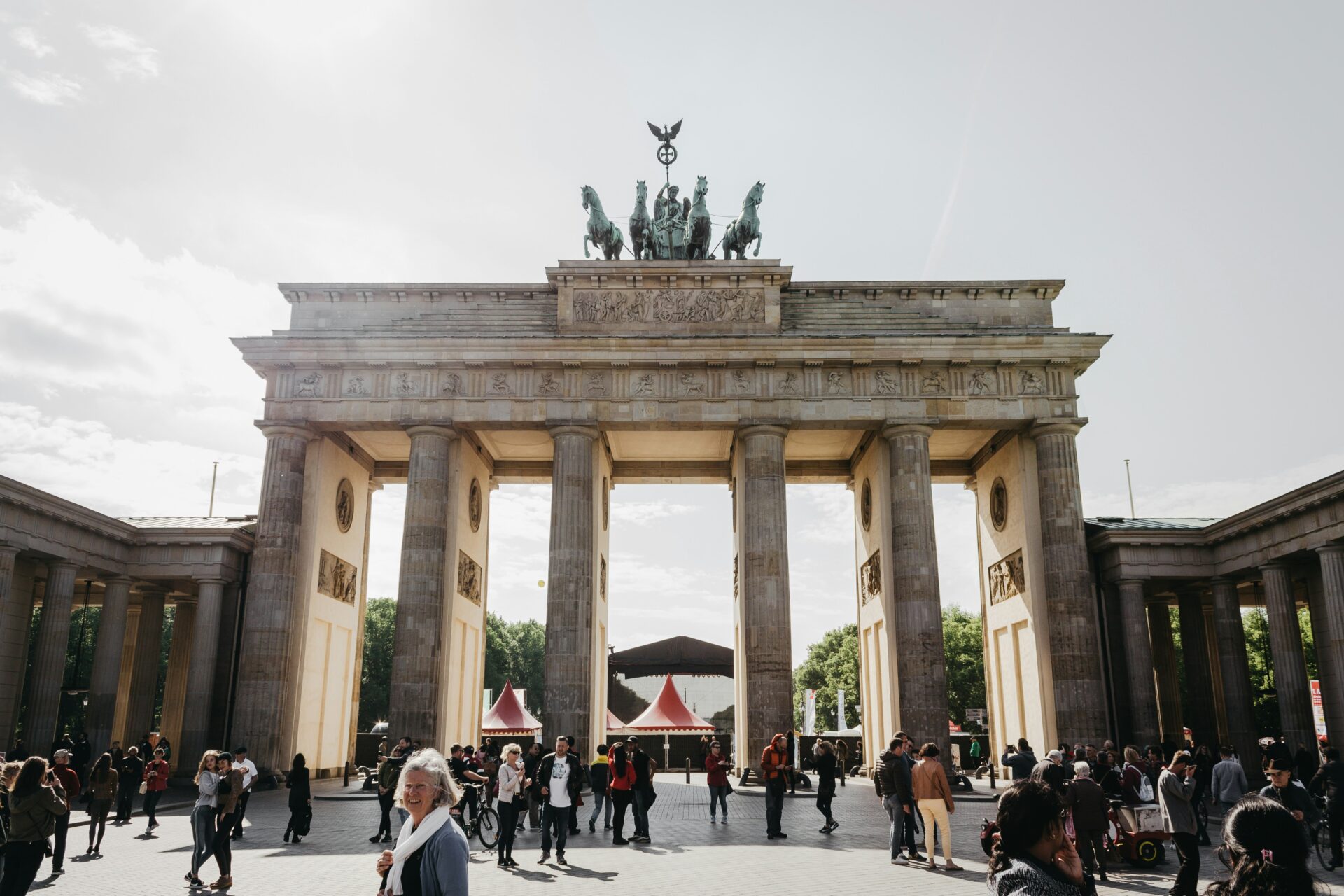
Brandenburg Gate and the Reichstag? Absolute must-sees. The S-Bahn and U-Bahn make it so easy.
I usually hop on the S1, S2, or S25 to Brandenburger Tor station. That puts me right at the edge of the Brandenburg Gate, and the Reichstag is just a few minutes’ walk away.
Because these spots are so central, it’s easy to squeeze them into any sightseeing day. Buses 100 and 200 are super handy too—they follow scenic routes past a bunch of Berlin’s landmarks. I’ve used them to jump on and off wherever I feel like.
Day Trips: Potsdam, Sachsenhausen, and Brandenburg
Sometimes I just need a break from Berlin’s buzz. Day trips are super easy thanks to the regional trains.
Potsdam is my go-to. The S7 line gets me there in about 40 minutes. Sanssouci Palace is a must—those gardens are unreal.
If I’m after something heavier, I’ll catch a regional train to Oranienburg to visit Sachsenhausen Concentration Camp Memorial. The S1 S-Bahn takes around 45 minutes, and buses connect from the station to the memorial.
Brandenburg an der Havel is another favorite for its river views and old churches. The RE1 regional train gets me there in just over an hour. I love that I don’t need a car for any of these trips—trains run often and tickets are affordable.

Alternative Transport, Last-Mile Options, and Accessibility
Getting around Berlin doesn’t stop at trains and buses. The city’s packed with options—bikes, scooters, car-sharing, taxis. There’s always a way to cover that last stretch, no matter where you’re headed.
Bike-Sharing and Electric Scooters
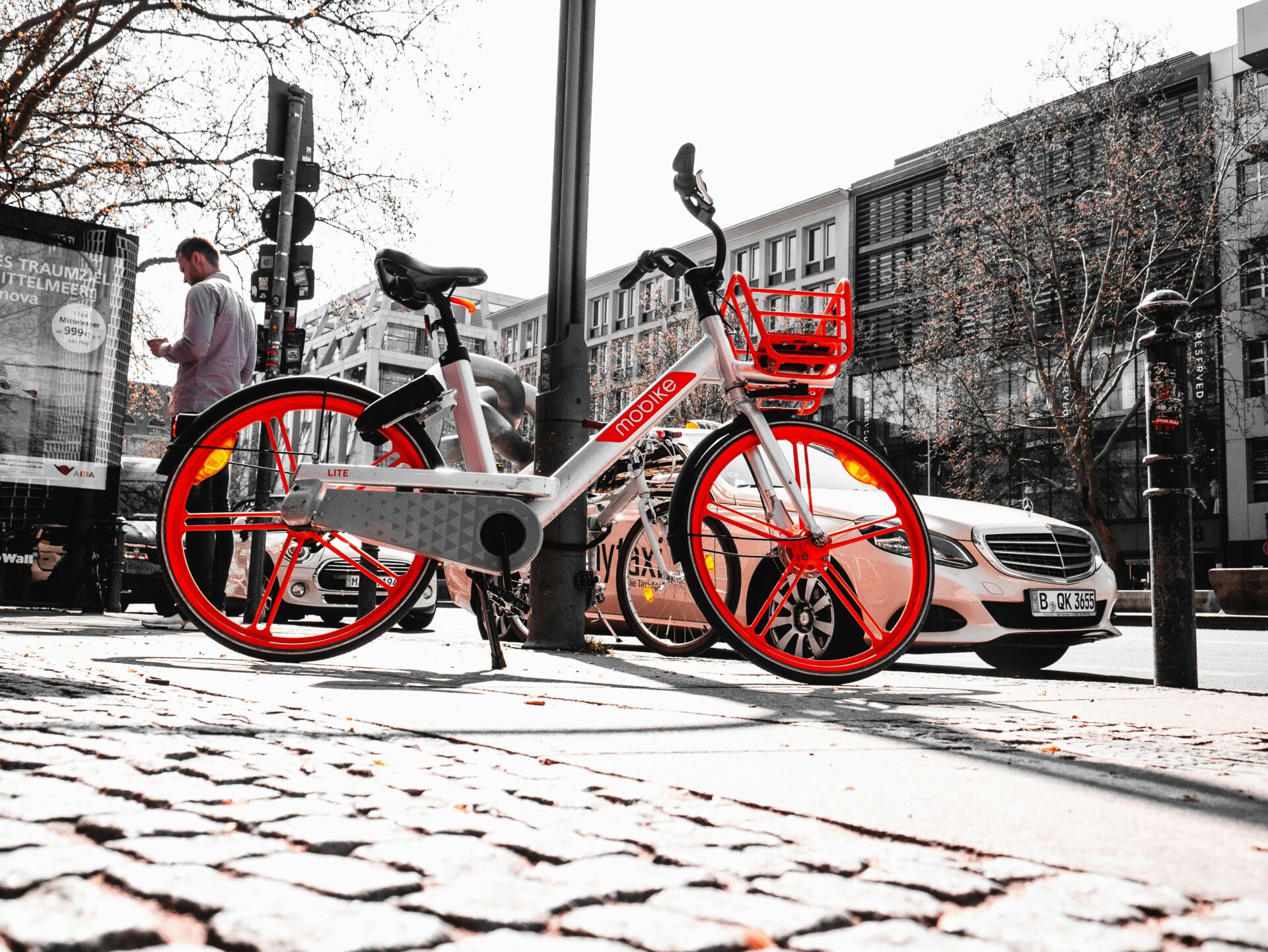
I’m a big fan of bike-sharing and electric scooters, especially for those awkward short trips. nextbike and Lime are everywhere in Berlin. I just scan the QR code in their app, unlock a bike or scooter, and pay by the minute.
Scooters clutter central neighborhoods, which is perfect when I need to zip that last mile. I always try to park responsibly—nobody likes blocked sidewalks. Most bike lanes run along main streets, so rides feel safer and quicker.
Here’s a quick look at the popular options:
| Service | Type | App Required | Areas Covered |
|---|---|---|---|
| nextbike | Bike | Yes | Citywide |
| Lime | Bike/Scooter | Yes | City & Suburbs |
Most apps let me pause my rental if I want to make a stop. I’ve found these services reliable, especially when trains are packed or running late.
Car Sharing, Taxis, and Ride-Hailing Services
Sometimes I just need a car, and Berlin’s got me covered with car-sharing like Miles and Sixt. I register through their apps, pick up a car parked on the street, and drive off. Miles charges by distance, while Sixt gives you hourly or daily rates. I always double-check parking rules before ending my trip.
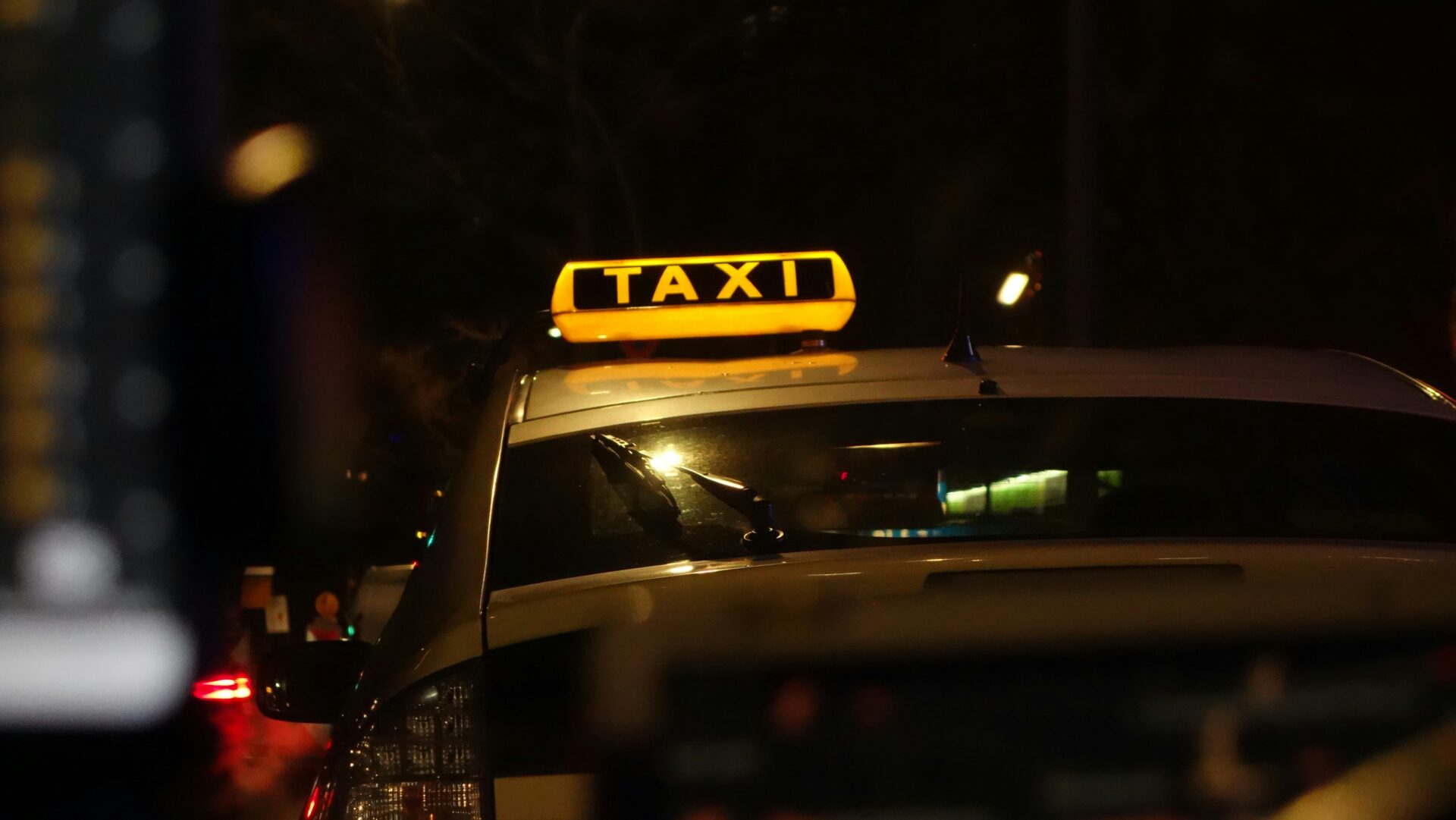
Taxis are easy to find at big stations, or I’ll order one through a taxi app. Official taxis are cream-colored and pretty obvious. Uber works here too, connecting me with licensed drivers—prices are usually similar to taxis.
Late nights or group trips? Car-sharing and ride-hailing come in handy when trains aren’t running or if I’m hauling luggage. Some apps even let you split fares, which is great if you’re traveling with friends.
Bicycle Tickets, Bike Lanes, and Parking Information
So, if you want to take your bike on the U-Bahn or S-Bahn, you’ll need a special bicycle ticket. Regular fares—like the standard or student ticket—don’t cover bikes.
You can grab a daily or single-trip bike ticket from any ticket machine, or just use the BVG app. It’s honestly pretty straightforward once you get the hang of it.
Berlin’s network of bike lanes keeps growing, and you can spot them easily. Most are painted red or green, and they usually run right alongside the main roads, set apart from cars.
Don’t ride on the sidewalk unless you see a sign for bikes. The city’s strict about that, and people will definitely let you know if you forget.
Nearly every station has bike stands and parking areas. I always lock up at a rack—it just feels safer, and I don’t have to worry about fines.
Some U-Bahn and S-Bahn stations even offer covered parking, which is a lifesaver when it pours. I’ve been grateful for those a few times.
When I’m using a rental bike or scooter, I always double-check the app for the nearest legal drop-off spot. Certain busy spots don’t allow parking, and the apps usually flag those for you.
It’s a good system, honestly, since it keeps sidewalks and station entrances open for everyone.
