
Every summer, planning a visit to the Calanques near Marseille gets a little tricky because of strict fire risk rules. I learned this the hard way—one time, I got all the way to the trailhead and found the path closed, no warning at all.
From June 1 to September 30, access to many Calanques gets regulated or even banned on certain days because of high fire danger. Always check the official website before heading out.
I want to share how I worked around unpredictable closures, which apps and phone numbers actually helped, and the mistakes I saw people make during peak season. These tips let me enjoy those stunning views and swim in the sparkling water without running into trouble—or fines.
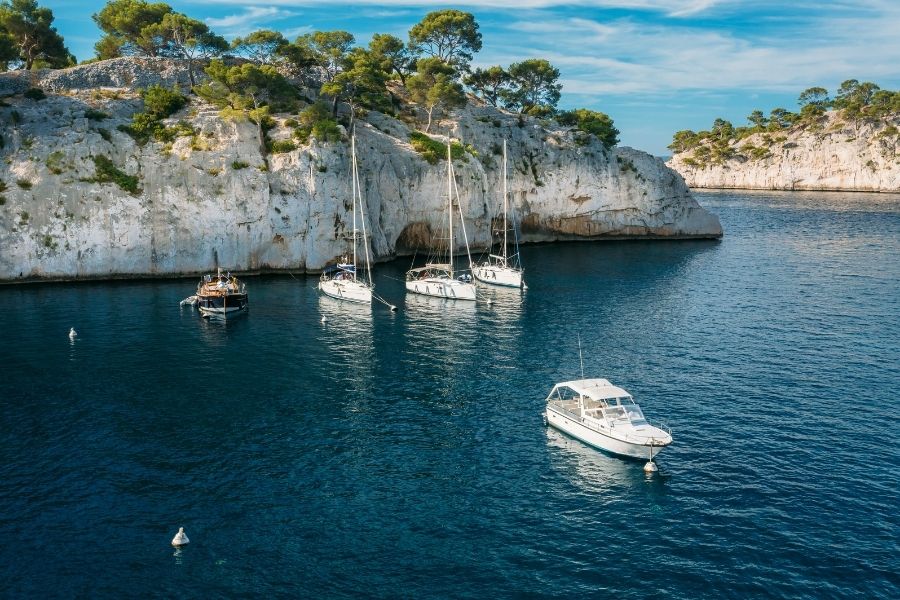
If you’re planning a summer adventure, stick with me. I’ll show you how to avoid being turned away, stay safe, and get the most out of your trip to these gorgeous cliffs and coves.
Understanding the Calanques Summer Access Rules
Visiting the Calanques near Marseille in summer means you have to plan ahead. The right info saves you from disappointment and keeps you safe so you can enjoy the trails and those crystal-clear waters without breaking any rules.
Why Fire Risk Shapes Your Visit
Wildfires pose a real threat in the Calanques from June 1 to September 30. The landscape looks beautiful but it’s dry as a bone, and even a tiny spark can start a disaster.
Local authorities restrict access during these months. Some days, the fire risk gets so high that entire sections close with zero warning.
This can totally change your plans. I always check the official website or local signage before leaving. Downloading an app or bookmarking the prefectural site on your phone is a lifesaver.
Thinking of bringing a picnic? Forget open flames and smoking—those are strictly forbidden everywhere. Even one dropped cigarette could trigger an evacuation.
I just keep snacks cold and skip anything that needs to be lit. It’s not worth the risk.
Key Prohibited Zones and Allowed Areas
The Calanques National Park splits into zones, and not all of them stay accessible when fire risks go up. Some coves and trails—like Sugiton and En-Vau—often need an advance reservation in peak summer to control crowds and reduce risk.
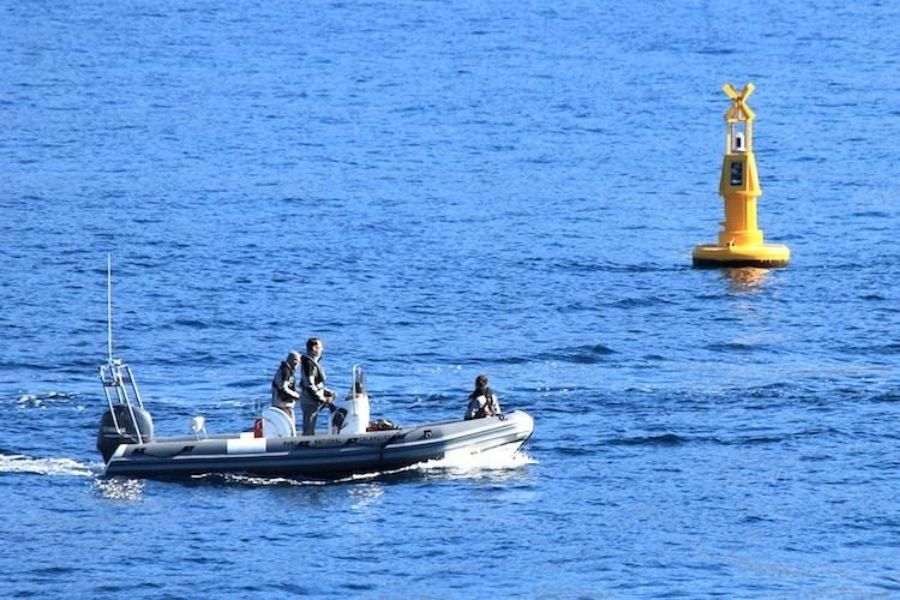
Look for clear signs at trailheads and parking lots:
| Zone Type | Open/Closed? (Summer) | Notes |
|---|---|---|
| Main Calanques | Sometimes closed | Depends on fire risk; reservations or online booking may be required |
| Remote Trails | Often closed | Risk is higher; always check status |
| Beaches/Coves | Reservation required or closed | En-Vau, Sugiton, usually restricted |
If you want to visit hidden spots, check the Parc National des Calanques map for updates. I’ve been turned away before just because I assumed a cove would be open—don’t skip this step.
Daily Color Codes: Decoding Restrictions
Access to the Calanques uses a color-coded alert system that changes every day based on weather and fire risk. You’ll see these codes posted at entrances and online:
- Green: Access allowed, normal conditions
- Orange: Access allowed with caution, extra restrictions
- Red: Access forbidden, extreme danger
I always check the daily map before heading out (usually updated early in the morning). If it’s red, I stay away. No arguments. Orange days can still be amazing for hiking, but I bring extra water, sun protection, and stick to main paths.
Using the color code system helped me plan a last-minute beach picnic without stress. I learned not to risk it on red days—the fines are steep, and honestly, it’s just not worth it. Always trust the code, even if the weather looks fine from your window.
Essential Tips for Safe Exploration
Getting ready for the Calanques in summer takes some prep. Access rules change, fire risk is real, and the Mediterranean sun can be intense.
I always double-check conditions and pack carefully so my visit stays safe and enjoyable.
Monitoring Real-Time Alerts
Before I lace up my hiking shoes, I always check for real-time alerts. The Calanques National Park closes trails and paths during wildfire risk, especially in hot and windy weather.
Access rules can change every day, and they enforce them to protect both visitors and the park’s delicate ecosystem. I keep the official park website bookmarked on my phone for daily updates.
Local tourism offices and social media channels often share last-minute changes too. Sometimes I’m all ready to go, and I still have to change plans on short notice.
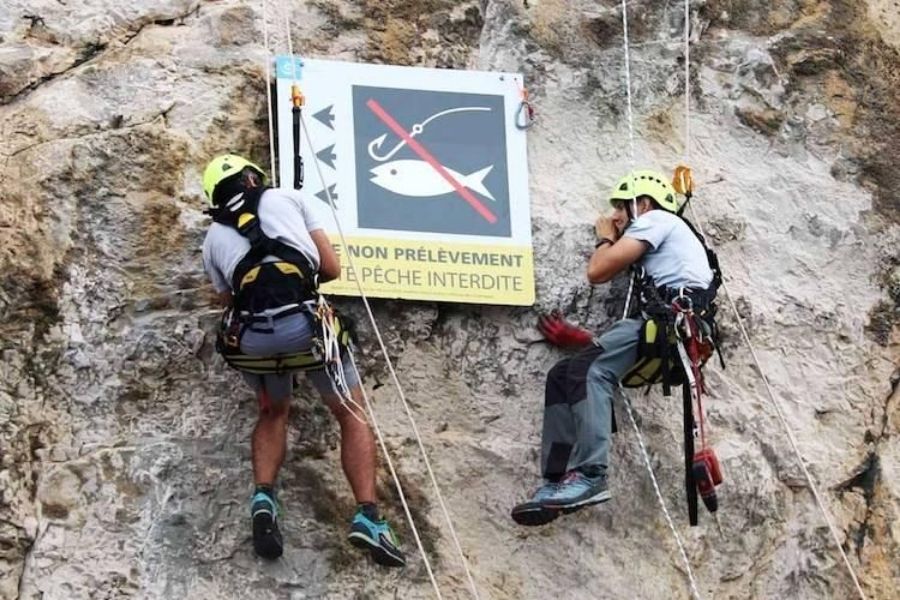
Getting caught off guard is never fun, and fines for ignoring closures can be brutal. Paying attention to alerts can literally save the day—and maybe the forest, too.
What to Pack for Summer Safety
Packing for the Calanques in summer isn’t optional for me. I wear walking shoes with good grip because the rocky trails can be tricky.
A wide-brimmed hat or cap is a must—there’s almost no shade along much of the coastline. Sunglasses help with the glare.
My daypack always has reef-safe sunscreen, since regular sunscreen can hurt marine life. I carry a map or download an offline trail app because cell signal can get patchy.
A lightweight long-sleeve shirt keeps sunburn at bay on open stretches. If I plan to swim, I pack a small towel and water-friendly shoes for the pebbly coves.
Band-aids and a mini first aid kit have come in handy more than once—slips and scrapes happen.
Staying Hydrated and Protected
I carry at least two liters of water per person, even for short hikes, since water sources are scarce out there. Refilling can be tricky if I wander far from main roads or towns.
To avoid dehydration, I sip water often, not just when I’m thirsty. The high temperatures and steep climbs can sneak up on you.
Snacks like nuts or fruit keep my energy steady. Shade is rare, so I reapply sunscreen every couple of hours.
I go for high-SPF, broad-spectrum protection, and cover exposed skin as much as possible. Midday sun is brutal, so I try to hike early or late in the day.
Best Practices for Respectful Adventure
Exploring the Calanques in summer means you have to think about more than just the views. With fire risks high, every step matters.
Here’s what I do to keep this place special and safe.
Leave No Trace Principles
Every time I pack my backpack, I remind myself that everything I bring in needs to leave with me. Even fruit peels or a stray snack wrapper make a difference here.
Here’s what I always keep in mind:
- Take all trash out, even biodegradable stuff.
- Don’t pick flowers or move rocks—it changes the landscape for everyone.
- Stick to marked trails to prevent erosion and protect habitat.
Many summer visitors forget that even sunscreen and bug spray can leave traces. I pick products labeled reef-safe and avoid washing in streams or the sea.
Table: Essentials for Leaving No Trace
| Action | Why It Matters |
|---|---|
| Pack out all trash | Reduces pollution and fire risk |
| Stay on paths | Prevents trampling sensitive plants |
| Leave what you find | Preserves the natural and cultural landscape |
Wildlife Awareness During High Risk
Animals in the Calanques are easy to miss, but they notice us—especially during hot, dry months. When fire risk peaks, animals get even more stressed and vulnerable.
I avoid loud noises so I don’t scare birds or lizards hiding from the heat. Feeding animals isn’t safe for them and can pull wildlife closer to fire danger zones.
Summer brings restrictions for a good reason. It’s illegal and unsafe to start campfires or use smoking materials.
Passing hikers sometimes forget, which is risky for everyone—people and animals. I double-check that my group follows the rules and gently remind others on the trails.
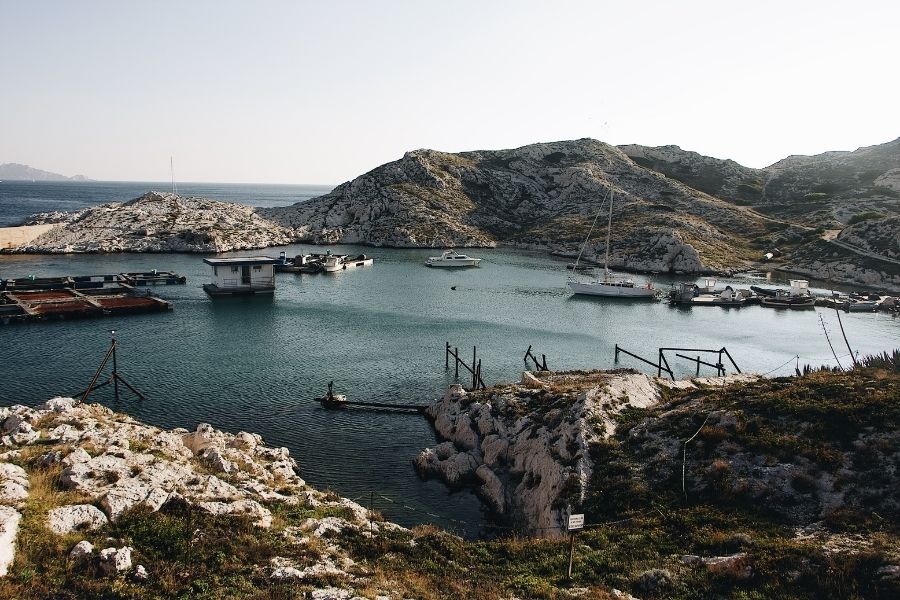
Sometimes, I spot signs warning about protected species or nesting sites. If I see one, I give it a wide berth—even switching trails if needed.
For me, seeing wildlife from a distance is a highlight, but only if I know my visit isn’t putting them at risk.
Smart Route Planning and Itinerary Suggestions
Visiting the Calanques in summer means you have to plan around fire risks and crowds. A good route and timing can make the scenery even better—and the experience more memorable.
Early Morning and Evening Entry Strategies
I try to start my hike early—right around sunrise. The air is cooler, and the sunlight on the cliffs and water is just unreal.
Wildlife is more active in the mornings too. This is when I often spot birds and hear the first boats heading out from Cassis or Marseille.
Arriving between 6:30 and 8:00 a.m. usually lets me beat the crowds. I get a quieter hike and plenty of time before the heat and any early closures.
If mornings aren’t your thing, evenings—after 5:00 p.m.—work well too. The trails empty out as day-trippers leave, and the setting sun makes the limestone glow.
Both times help me avoid the hottest part of the day and the strictest access rules. I also pack a headlamp and double-check bus schedules, just in case I need to leave after sunset.
Choosing Lesser-Known Calanques
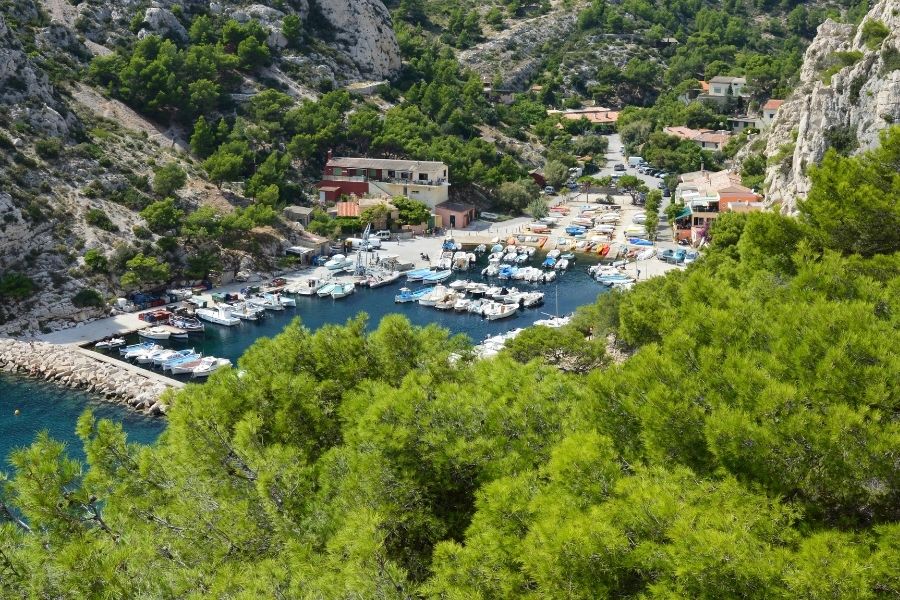
Most visitors flock to Calanque d’En-Vau and Calanque de Sugiton, but honestly, lesser-known calanques can be the real highlight. Places like Calanque de Morgiou or Calanque de Sormiou have stunning blue water and dramatic cliffs but see far fewer people outside peak hours.
For a quieter hike, I’ve followed the trail to Calanque de Marseilleveyre. It’s a bit longer, but the peaceful pebble beach and the family-run little restaurant make it worth it.
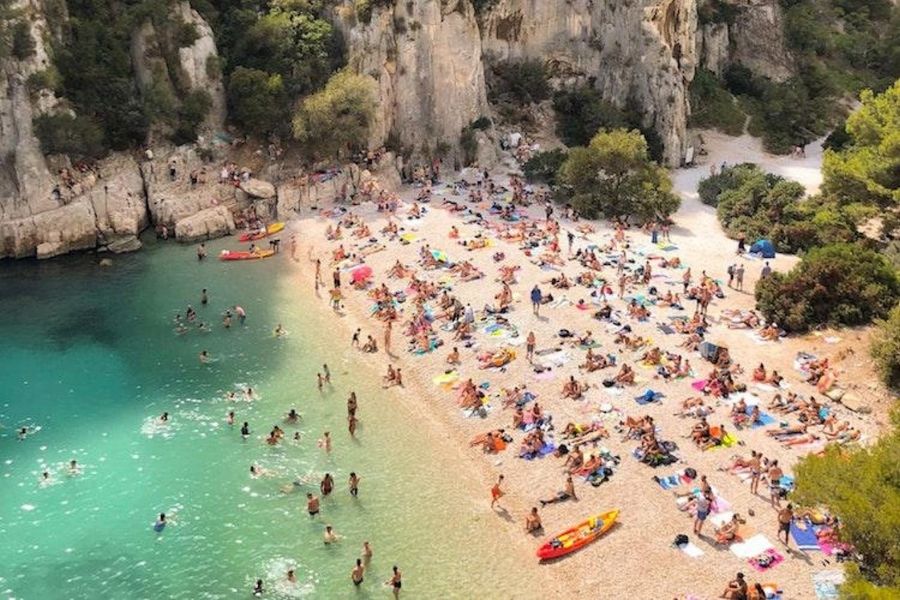
Some calanques can only be reached on foot, not by boat, which keeps crowds down and lets me enjoy the scenery at my own pace.
Here’s a quick comparison of crowd levels:
| Calanque | Access Type | Typical Crowds |
|---|---|---|
| En-Vau | Hike/Boat | Very High |
| Sugiton | Hike | High |
| Morgiou | Hike/Drive* | Medium |
| Sormiou | Hike/Drive* | Medium |
| Marseilleveyre | Hike only | Low |
*Car access is often restricted in summer—check before you go.
Exploring less-famous calanques usually means better photo spots, easier swimming, and a sense of adventure away from the main crowds.
Transportation and Access Alternatives
When I started planning my Calanques adventure, I realized that summer rules change how you can get in and move around—especially because of fire risks and big crowds. Choosing between arriving by boat, public transit, or car can totally make or break your day.
Boating Regulations and Guided Tours
Visiting the Calanques by boat can be both amazing and restricted. In summer, regulations get tight to protect the fragile environment and limit fire danger.
Boats can only dock in certain calanques, and private anchoring isn’t allowed everywhere. I always pay close attention to updated local rules before planning my route, since fines can be hefty.
Guided tours really helped me out. Licensed operators know the latest rules and handle the paperwork.
Tours also teach about local wildlife and history while keeping you safe and on the right path. If you’re short on time or worried about regulations, a guided boat trip is easy and stress-free.
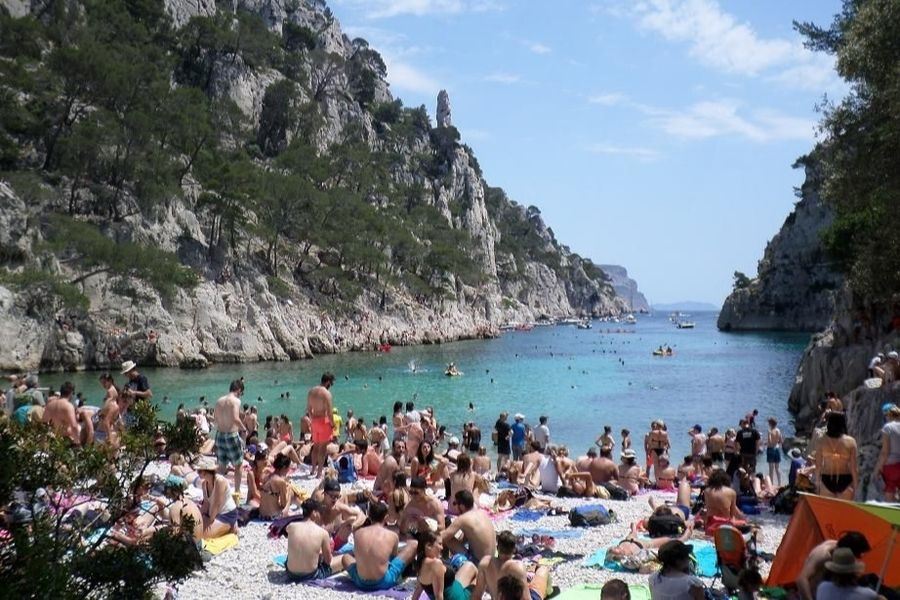
Tip: Book tours in advance during summer—spots fill up fast.
Public Transit and Parking Tips
Trying to drive to the Calanques in summer? It gets tricky fast. Only a handful of calanques let cars in, and honestly, parking fills up almost instantly.
Sometimes, authorities close the roads because of fire risk. I just found it way easier—and honestly less nerve-wracking—to hop on public transportation. Buses head out from Marseille to the main trailheads, and in my experience, they usually show up on time.
If you do decide to drive, set your alarm early and snag a spot before the crowds roll in. Always double-check access updates online the night before, just to avoid surprises. I learned that lesson the hard way after arriving late one time and circling for over an hour, hoping for a spot to open up.
Bringing a printed map or downloading an offline one saved me more than once. Cell service drops out near some of the smaller calanques, and you don’t want to get turned around out there.
Here’s a quick comparison:
| Mode | Pros | Cons |
|---|---|---|
| Public transit | Cheap & eco-friendly | May require walking |
| Private car | Flexibility | Parking issues, closures |
| Guided tour | Easy, info provided | Higher cost, limited time |