Let’s be honest—waking up on January 1st with a pounding headache and a vague sense of regret? Not exactly the vibe I want to set for the year ahead. More and more people are skipping the party scene and looking for something that actually feels good—inside and out. Wellness retreats are calling. They give you real time to rest, set new intentions, and actually feel refreshed for once.
Wellness tourism is booming, expected to top $1.4 trillion by 2027. Honestly, it’s no wonder—retreats have shifted from being strict or clinical to offering fun, immersive experiences that feel like an actual vacation. I’ve been down the rabbit hole researching spots that blend relaxation with activities you’ll genuinely want to do. These places help you recharge without making you feel like you’re at a health boot camp.
You’ll find everything from desert escapes to dreamy tropical beaches. The right retreat can completely change how you approach the year ahead. Maybe you want yoga by the sea, brain-boosting workshops, or just some silent stargazing—there’s a place for that.
Key Takeaways
- New Year 2026 wellness retreats are all about connection and memorable experiences, not just health rules.
- Desert landscapes and star-gazing are trending, offering a cool twist on the usual beach retreat.
- Family-friendly programs, brain training, and creative hobbies are popping up alongside classic spa treatments.

The Transformative Power of New Year Wellness Retreats
New Year’s wellness retreats give you a rare, structured space to reset your body, clear your mind, and find some emotional balance.
You get expert guidance and a break from everyday chaos, which makes real change possible.
Benefits of Starting the Year With a Retreat
Kicking off 2026 with a wellness retreat beats the usual resolutions, hands down. Right away, you get access to instructors, nutritionists, and coaches who actually listen and tailor things to you.
You leave behind work emails, chores, and social stuff that usually trip up your best intentions.
Physical perks? Better sleep, healthier eating habits, and more energy. Most places offer yoga, meditation, and meal plans you can stick with once you’re home.
Mentally, you learn stress management and mindfulness you can actually use later. The space to reflect helps you figure out what really matters for your year ahead.
Why the New Year Is Ideal for a Wellness Reset
The calendar flip creates a natural pause. You can step away from your routine and try new habits without a million other things competing for your attention.
Motivation’s at a high. You’re already thinking about what you want to change, so it’s easier to jump in.
For lots of folks, January and February are quieter at work. That means you can go all-in without stressing over deadlines.
Let’s face it—escaping winter for somewhere warm makes everything better. Who doesn’t want to swap snow for sunshine while working on themselves?
Types of Wellness Retreats for 2026
Yoga retreats offer daily yoga, meditation, and breathwork. Perfect if you want to stretch out and de-stress.
Spa and relaxation retreats focus on massages, thermal baths, and gentle movement. I always recommend these for anyone feeling burned out.
Fitness and adventure retreats bring hiking, water sports, and high-energy workouts. If you like to break a sweat, these are your jam.
Mindfulness and meditation retreats keep things quiet and contemplative, with guided sessions and silent practices.
Detox and nutrition retreats run cleansing programs, plant-based meals, and nutrition workshops. You’ll pick up real tips for eating better back home.
Top 9 Wellness Retreats to Reset Your Vibe for 2026
Let’s dive in. Here are nine retreats that offer everything from tropical hideaways to mountain sanctuaries. Each one blends ancient healing with modern science, all in settings that make you want to slow down and breathe.
Signature Retreat Highlights
Kamalaya in Koh Samui, Thailand nails personalized wellness. Their programs tackle stress, energy, and detox, using a mix of Eastern healing and modern methods. Open-air treatment rooms overlook the coast—honestly, it’s dreamy.
COMO Shambhala Estate in Bali sits tucked in the jungle near Ubud. It balances structure with wild serenity. You’ll find yoga, fitness, and stress management, all supported by seriously good food.
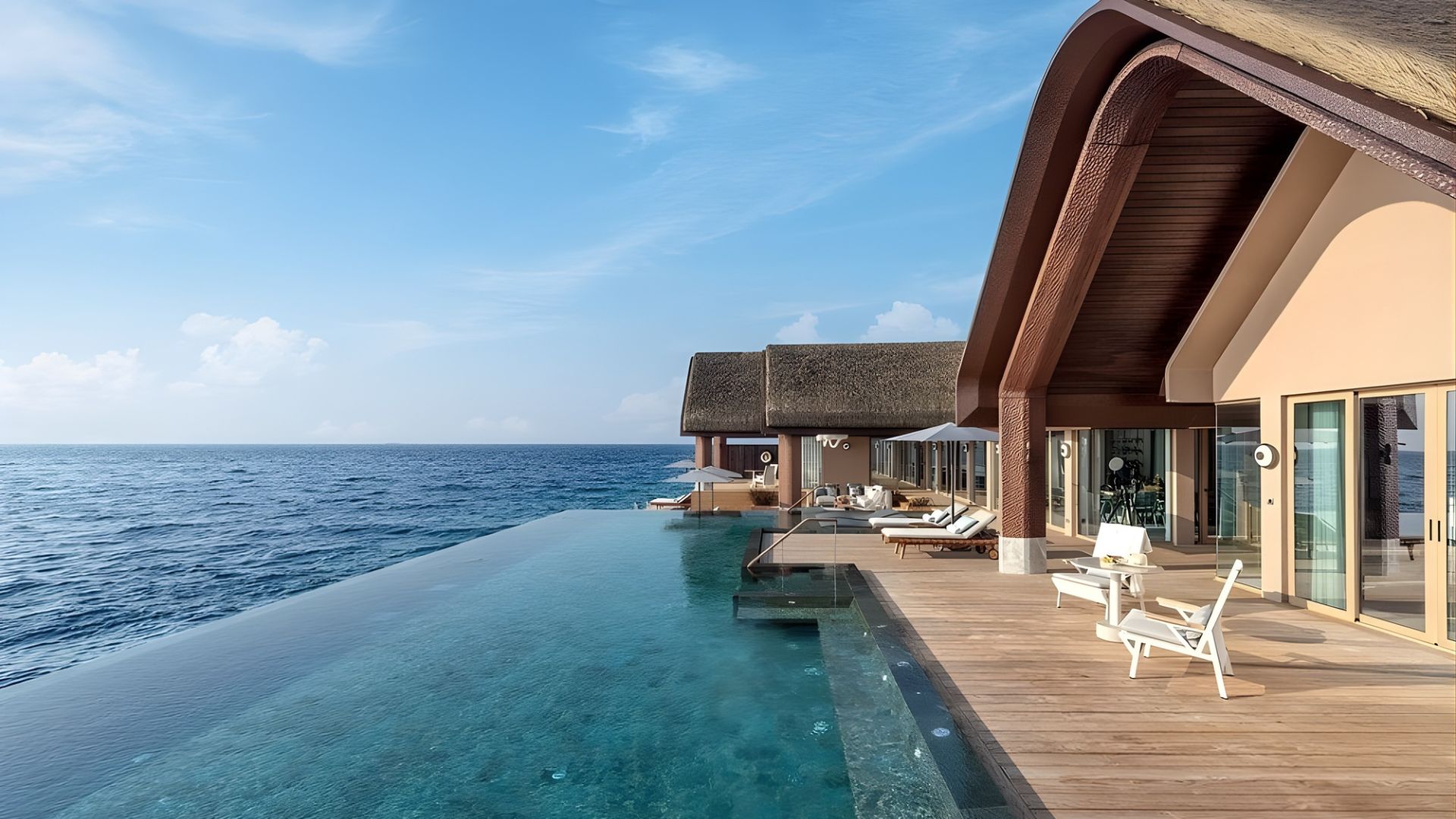
JOALI BEING in the Maldives takes luxury to the next level. Think private overwater villas, daily sound therapy, and meditation. Visiting experts run breathwork and holistic workshops, so you can try something new every day.
Santani Wellness Resort in Sri Lanka offers sustainable luxury in the hills. This eco-friendly spot specializes in Ayurveda and meditation, helping guests find their natural rhythm again.
Zulal Wellness Resort in Qatar stands out by blending Traditional Arabic and Islamic Medicine with modern approaches. It’s rare to find a high-end retreat that welcomes both adults and families, but Zulal manages it.
Unique Locations for an Immersive Experience
Location shapes your whole experience.
JOALI BEING’s Maldives setting offers pure isolation—just you and endless turquoise water. It’s almost impossible not to unplug.
Thailand’s coastal and riverside retreats bring tropical warmth and rich healing traditions. RAKxa, for example, sits on the Chao Phraya River near Bangkok and combines Thai therapies with advanced medical diagnostics.
Mountain escapes like Six Senses Vana in the Himalayas and Preidlhof in Italy’s Dolomites feel totally different. The Himalayas are perfect for deep meditation, while the Dolomites offer thermal pools with sweeping mountain views.
SHA Wellness Clinic in Costa Mujeres, Mexico, enjoys 300 sunny days a year. The Caribbean coast means you can mix outdoor fun with indoor treatments. Places like Zulal in Qatar blend desert and coastal vibes you just won’t find at your average yoga retreat.
Websites like Tripaneer make comparing retreats across regions way easier, so you can find your perfect match.
What to Expect From Your Retreat Stay
Most retreats include daily yoga and meditation. Mornings usually start with guided practice before breakfast.
TIA Wellness Resort in Da Nang even throws in daily spa treatments and all-day breakfast—yes, really.
Accommodations range from jungle villas to overwater bungalows. JOALI BEING and COMO Shambhala both give you private space to unwind between group sessions.
Meals focus on local, nourishing ingredients. Whether you’re in Sri Lanka or Thailand, expect plant-forward dishes that taste as good as they look.
At places like RAKxa and SHA, you’ll meet with practitioners who design programs based on your health goals.
Traditional therapies vary. Thai herbal compresses, Ayurveda treatments, and Arabic medicine all bring unique ways to help you reset for 2026.
Holistic Practices to Deepen Your Retreat Experience
Adding structured wellness practices to your retreat can make the benefits last long after you get home. Yoga, meditation, and breathwork work together to shift both your body and mind.
Daily Yoga Practice and Its Benefits
I’ve noticed that sticking with daily yoga during a retreat boosts strength and calms my nerves. Morning sessions usually last an hour or so, mixing different poses.
Key benefits:
- Flexibility and muscle tone
- Sleep improvements
- Lower stress hormones
- Better body awareness
Retreats offer classes for all levels. If you’re new, start with gentle flows. If you’re experienced, try arm balances or deep hip openers.
Moving your body every day releases tension. You’ll feel the difference within a couple of days.

Integrating Meditation Into Your Routine
Retreats often schedule meditation twice daily—morning and before bed. I’d suggest starting with guided sessions for 10 to 20 minutes.
You’ll learn to notice your thoughts without judging them. Sit quietly, focus on your breath or a mantra, and gently bring your mind back when it wanders.
Common meditation styles:
- Mindfulness
- Body scan
- Loving-kindness
- Walking meditation
Mental clarity from meditation helps you make better choices. Even short daily practice has cut down my anxiety and helped my focus for weeks after I get home.
The Role of Pranayama in Mind-Body Balance
Pranayama—yoga’s breathwork—regulates your nervous system by shifting breathing patterns.
I usually practice three main techniques. Alternate nostril breathing balances your brain. Ujjayi breath creates heat and calms the mind. Kapalabhati energizes you with quick exhales.
Each style affects your body differently. Slow, deep breathing calms you and lowers blood pressure. Fast breathing wakes you up and clears your head.
Most retreats spend 15 to 30 minutes on breathwork. Instructors teach you how to avoid dizziness and get the most out of each style. The trick is to pick the one that fits your mood.

Spa Treatments and Modern Wellness Therapies
Modern retreats blend old-school spa treatments with new therapies to tackle both physical tension and mental stress. These approaches support your body’s natural healing and help you truly relax.
Popular Spa Therapies at Wellness Retreats
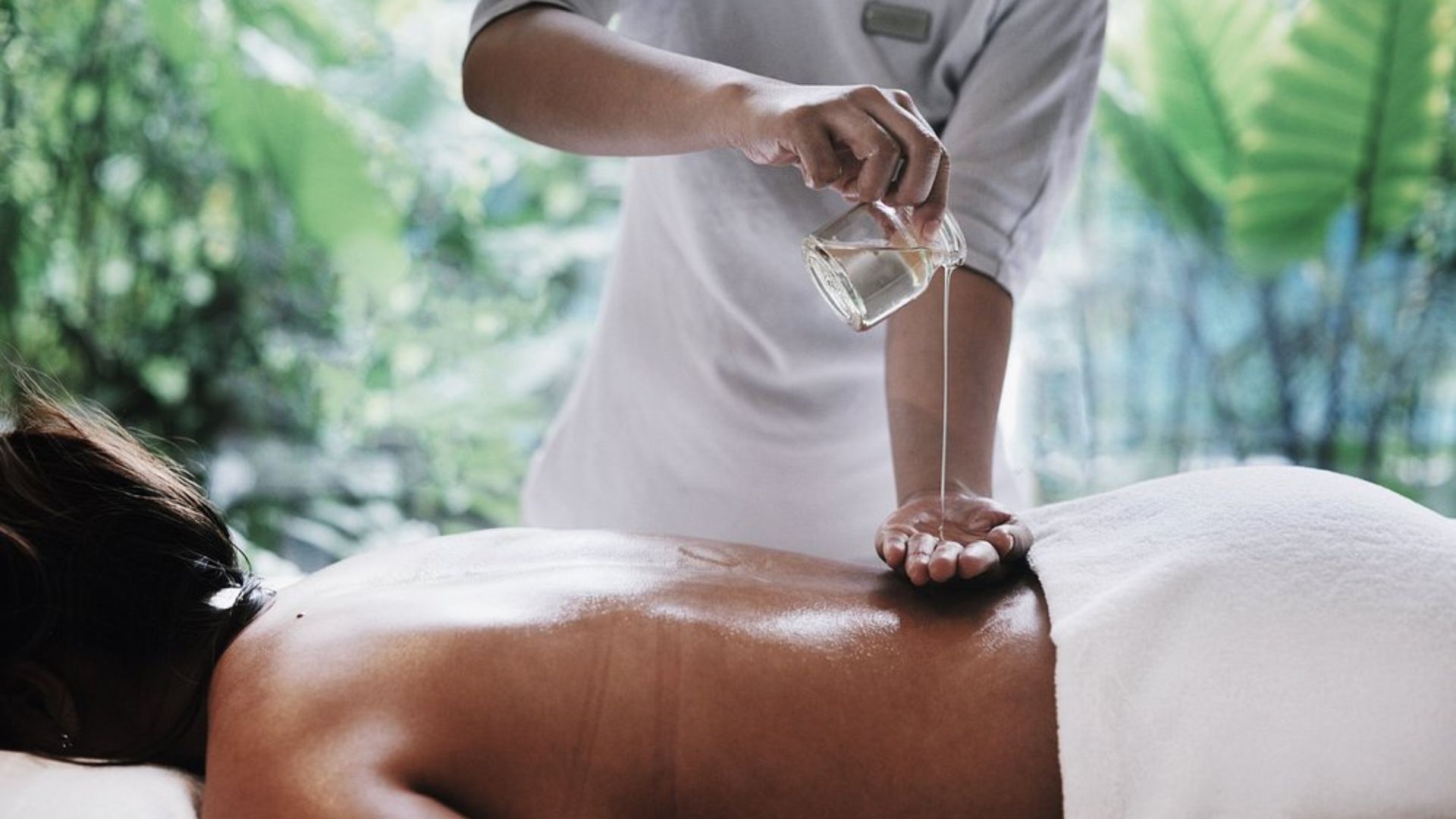
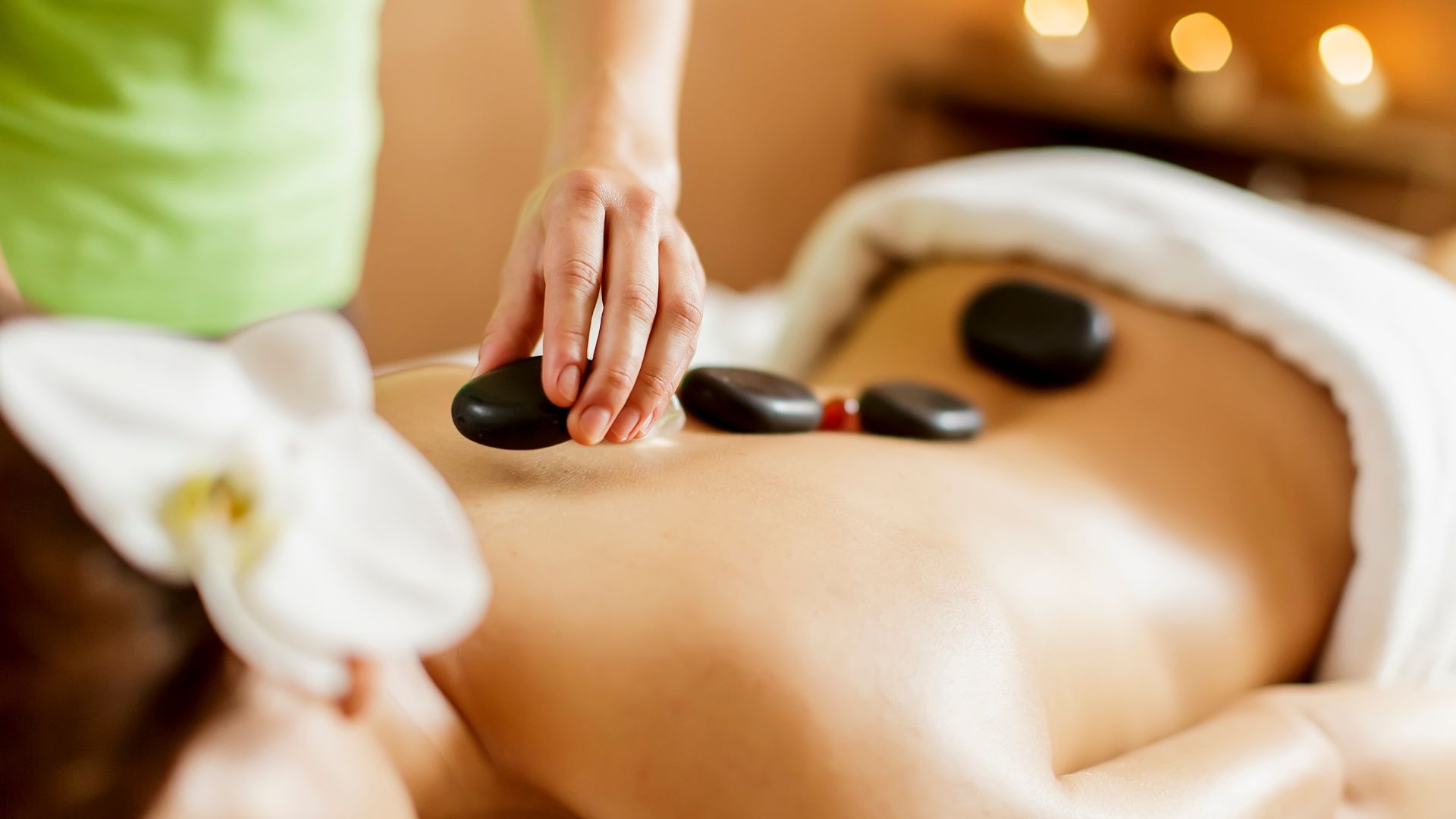
Wellness retreats offer a huge menu of spa treatments. Massage is always a staple—Swedish for relaxation, deep tissue for stubborn knots, and lymphatic drainage for detox. You’ll often find hot stone therapy and aromatherapy too.
Hydrotherapy is trending at high-end retreats. Think thermal pools, Kneipp circuits, and flotation therapy. Some even offer mud wraps and blitz showers for better circulation.
Advanced options include:
- Cryotherapy to tame inflammation
- Infrared saunas for deep muscle warmth
- Sound and crystal healing for energetic balance
- IV vitamin drips for a nutrient boost
Facials have gotten an upgrade, too. Many places now offer non-invasive lifting, oxygen therapy, and LED light treatments. Some use radiofrequency or ultrasound to tone skin and muscles.
How Spa Treatments Enhance Mind-Body Renewal
Spa sessions change both your body and mind. Massage lowers stress hormones and boosts feel-good chemicals. That’s probably why I always feel lighter and calmer after a session.
These treatments trigger your body’s rest-and-recover mode. Heart rate slows, blood pressure drops, and digestion improves. The more you practice relaxation, the easier it gets to access that calm state.
Hydrotherapy uses hot and cold to boost circulation and wake up your immune system. The temperature shifts strengthen blood vessels and help your body clear out waste. Thermal waters, like those at Palazzo Fiuggi, are packed with minerals your skin absorbs for extra health perks.
Spa time also gives your mind a break. The quiet, soothing atmosphere stops the endless mental chatter. You come out feeling more balanced and ready to handle whatever comes next.
Picking the Right Retreat for Your 2026 Reset
Finding your perfect wellness retreat comes down to matching your budget, goals, and how much time you’re ready to invest.
Factors to Consider: Budget, Goals, and Duration
Whenever I start planning a wellness retreat, I set a budget range before I even open up the search tabs. Prices really run the gamut—from $500 for a weekend close to home, to over $5,000 for those dreamy luxury escapes overseas.
This budget step narrows things down fast.
Your wellness goals deserve just as much attention as your wallet. Want to lose weight or get stronger? Look for retreats that focus on movement and nutrition. If you’re after stress relief, go for meditation and mindfulness programs.
Some places put yoga front and center, while others lean into spiritual growth or holistic healing.
Duration shapes the whole experience. Weekend retreats fit busy lives, but honestly, they only scratch the surface. Five to seven days? That’s when you can actually disconnect and maybe start building new habits.
Think about where you want to go. Are you dreaming of a tropical beach or do mountain views call your name? Consider how far you’re willing to travel and whether jet lag is worth it for you.
Retreat Selection Tips: Reviews and Recommendations
I never book a wellness retreat without reading a bunch of reviews. Tripaneer’s a solid site for recent feedback, especially since it focuses on wellness getaways.
I pay close attention to what people say about the instructors, the food, how comfy the rooms are, and whether the whole thing feels organized or not.
Watch out for red flags. Vague program descriptions or retreat leaders with no credentials? I skip those. It’s also smart to check what’s included in your price—hidden fees for meals or activities can really mess up your budget.
Ask about group size before you commit. Smaller groups usually mean more personal attention from instructors. I always request the daily schedule to see if it fits my energy and interests.
Word-of-mouth is gold. If you know someone with similar wellness goals, ask for their recommendations. Online wellness communities can be super helpful for honest, first-hand stories about specific retreats.
Frequently Asked Questions
Wellness retreats spark a lot of practical questions. People want to know about destinations, health perks, food options, activities, packing essentials, and accessibility.
Tropical spots are still the big winners for wellness retreats as we head into 2026. Bali, Costa Rica, and Thailand keep drawing travelers with their warm weather and gorgeous natural settings.
The U.S. is catching up, too. Sedona, Arizona, with its desert vibes and spiritual atmosphere, is getting a lot of buzz. California has amazing coastal retreats in Big Sur and wellness centers tucked away in Ojai.
Europe brings its own flavor. Portugal, Greece, and the Swiss Alps offer a mix of culture and wellness programming that’s hard to beat.
Wellness retreats pull you out of your daily grind. No work emails, no chores, no endless to-do lists—just space to breathe.
The physical perks come from all the structured activities. Yoga stretches out tension and helps with flexibility. Hiking and movement classes get your heart pumping.
For your mind, meditation and mindfulness exercises really do help you slow down and check in with yourself. Group workshops? They’re often packed with practical tools you can actually take home and use.
Most wellness retreats are pretty good at meeting common dietary needs. Vegetarian, vegan, and gluten-free meals are almost always available at reputable places.
Be upfront about your dietary requirements when you book. Let the staff know about allergies, religious needs, or any specific meal plans. I try to give them at least two weeks’ notice—makes life easier for everyone.
A lot of retreats focus on plant-based nutrition these days. Some even offer cooking classes, so you can bring those healthy habits home.
Yoga classes are the backbone of most wellness retreats. Morning and evening sessions are the norm, and there’s usually something for every skill level.
Meditation pops up daily, too. You’ll find everything from guided sessions for newbies to silent sits for those who’ve been practicing a while.
Other activities? Think spa treatments, nature walks, and workshops. Some places offer massage, acupuncture, or energy healing. Workshops can cover stress management, nutrition, or even how to set goals that actually stick.
I always pack comfy clothes for yoga and movement classes. Breathable athletic wear is a must, and I bring at least four or five sets if laundry isn’t an option.
Don’t underestimate the weather. Even in warm places, mornings and evenings can get chilly. A light jacket or sweater is a lifesaver.
Definitely bring a reusable water bottle, sunscreen, and any meds you need. A journal comes in handy for reflection or jotting down insights. Most retreats provide yoga mats, but double-check before you lug yours along.
Absolutely—wellness retreats for folks with mobility challenges are out there, and honestly, there are more options than you might think.
Some centers focus on adaptive yoga or even seated meditation, which can feel really inclusive.
If you’re searching for the right fit, prioritize retreats that call out their accessibility features. I always check for wheelchair access, ground-floor rooms, and activities that have been thoughtfully modified.
Spa-focused getaways tend to be a solid choice. They lean into treatments, gentle movement, and deep relaxation instead of anything too physically demanding.
One tip? Reach out to the retreat directly and chat about your needs before you commit. It’s surprising how accommodating some places can be when you ask.