
Most folks heading to the Greek islands stick with the usual hotspots. But on Nisyros, I stumbled into something wild—a real chance to walk right into an active volcanic crater.
This tiny Dodecanese island gives you something nowhere else in Greece does: you can climb down into the steaming heart of a dormant volcano and feel the planet’s raw power rumbling beneath your feet.
Nowhere else in Greece lets you stroll across the floor of a volcanic crater, breathing in sharp sulfur fumes and feeling the heat radiate up from underground. Stefanos, the main crater, sprawls 300 meters wide and plunges 25 meters deep. Steam hisses from fumaroles, a reminder that this sleeping beast could stir again someday.
I stood where molten rock once bubbled, surrounded by splashes of yellow and ochre minerals painting the ground in colors that felt almost alien.
But Nisyros goes way beyond volcanic spectacle. I peeled back layers of authentic Greek culture that the bigger, busier islands seem to have lost.
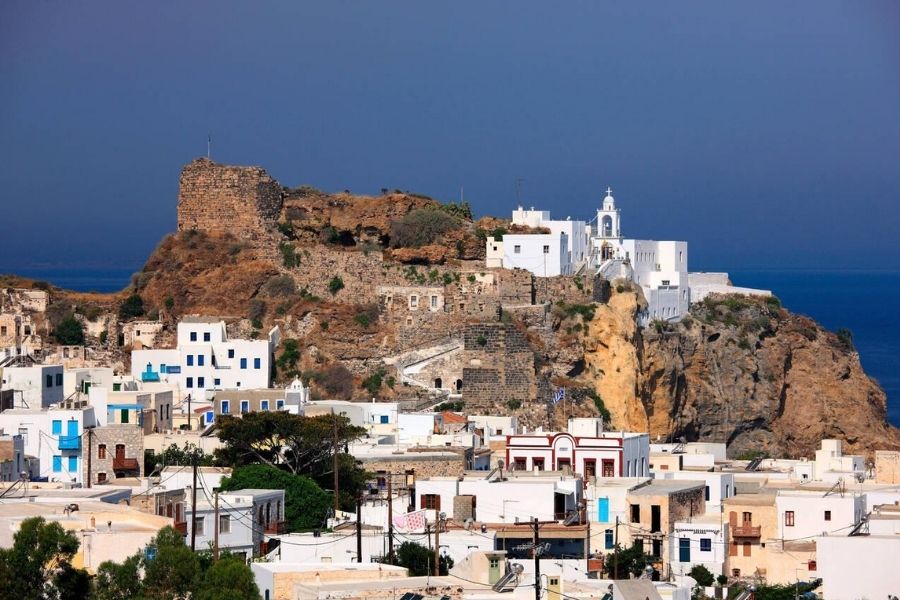
From the fishing village of Mandraki to the crater-rim hideaways of Nikia and Emporios, life here moves to a traditional beat. Locals go about their days with the volcano looming quietly in the background.
The island’s spiritual rituals, practical travel quirks, and the full-on crater experience turned my trip into a blend of science lesson and cultural deep-dive.
Entering the Heart of Nisyros: The Volcanic Crater Experience
Stefanos crater is one of those rare places where you can literally wander inside an active volcanic crater. Steam vents and sulfur stains create a landscape that’s downright otherworldly, and it’s all right at your feet.
Walking into Stefanos: Exploring an Accessible Crater
I picked my way down the rocky trail into Stefanos, probably one of the most accessible active volcanic craters anywhere.
This beast of a crater stretches between 260 and 330 meters across and drops 27 meters deep.
The descent only took about ten minutes. My shoes crunched on the loose volcanic gravel as I made my way to the bottom.
Stefanos came to life with hydrothermal eruptions about 4,000 to 5,000 years ago. Unlike other volcanoes, you don’t need any special gear to walk right onto its surface.
The crater sits inside Nisyros’s bigger caldera, which is about 3 to 4 kilometers across. Experts say it’s one of Europe’s largest and best-kept hydrothermal craters.
The volcano hasn’t erupted in a big way since 1888, so Nisyros makes this wild adventure possible. Now, most volcanic action happens deep underground.
Witnessing Fumaroles and Sulphuric Steam Up Close
Steam curled up from dozens of holes scattered across the crater floor. These fumaroles vent superheated water vapor from deep inside the earth.
The sulfur smell hit me right away—no mistaking it. Bright yellow crystals ringed each vent, glowing neon against the dark rock.
As I walked close to the fumaroles, I could feel heat radiating through my shoes. The ground here is way warmer than anywhere else I’ve hiked.
Some wild fumarole facts I spotted:
- Steam temperatures hover around 100°C (212°F)
- Bubbling and hissing sounds constantly echo from below
- Yellow sulfur rings mark the vents
- Water vapor sometimes shoots up a couple meters high
The volcano stays active through these vents. I watched mud bubble in some spots, while others just belched pure steam.
Ropes marked the danger zones, but I got surprisingly close to the action. Standing inside an active volcano as it vented steam all around me felt unreal.
Safety Insights When Visiting the Volcanic Core
Scientists keep a close eye on the volcano for any weird activity. That made me feel a bit safer about wandering around Stefanos.
The last hydrothermal eruption happened in 1888. These eruptions usually stick to small areas and don’t spit out lava like some other volcanoes.
I stuck to the marked paths and didn’t cross any ropes. A few spots looked iffy—unstable ground where the crust could give way.
Must-know safety tips:
- Wear sturdy, closed shoes
- Don’t cross ropes near the vents
- Skip touching any steam vents (seriously)
- Stay on the marked trails
My feet warmed up fast from the heat below. I kept water handy because the sulfur can make your throat scratchy.
Monitoring gear dotted the area, tracking gas and ground shifts. The volcano gets checked daily for warning signs.
I visited around midday for the best light. It’s trickier to see where you’re stepping if you come late in the day.
The Geological and Thermal Wonders of Nisyros
Nisyros is one of Greece’s youngest volcanoes, shaped by epic geologic forces that carved out its caldera and thermal oddities.
The island’s volcanic basement pumps out hot springs that bubble up along the coast. You’ll spot strange basalt formations, each one telling a tale of ancient eruptions.
Formation of Nisyros and the Dodecanese Volcanic Arc
Nisyros belongs to the Dodecanese volcanic arc, a chain of volcanic islands stretching across the southern Aegean.
This string of islands rose up where the African and European tectonic plates collide.
The volcano here is pretty young by geological standards. Huge eruptions about 140,000 years ago blew out the caldera that now fills the island’s center.
Unlike its limestone neighbors, Nisyros grew from eruption after eruption, layering pumice and pyroclastic rock all over.
The caldera today is about 4 kilometers wide. Inside this sunken plain, you’ll find Stefanos and its smaller crater siblings, Alexandros and Polyvotis.
Hot Springs and Thermal Springs Across the Island
A hydrothermal system churns beneath Nisyros, feeding hot springs all along the coast. Underground, these springs reach nearly 100°C.
Loutra is the main thermal spring spot. Here, naturally hot water seeps right out of the volcanic rocks.
But the thermal action isn’t just about springs. The whole Lakki plain feels warm underfoot, thanks to the churning system below.
Thermal highlights:
- Hot springs along the coast
- Underground heated water networks
- Crater steam vents (fumaroles)
- Warm ground across the caldera
People have flocked to these springs for centuries. At places like Avlaki beach, you can see underwater hot springs bubbling up and mixing with the sea.
Unique Volcanic Landscapes and Basalt Formations
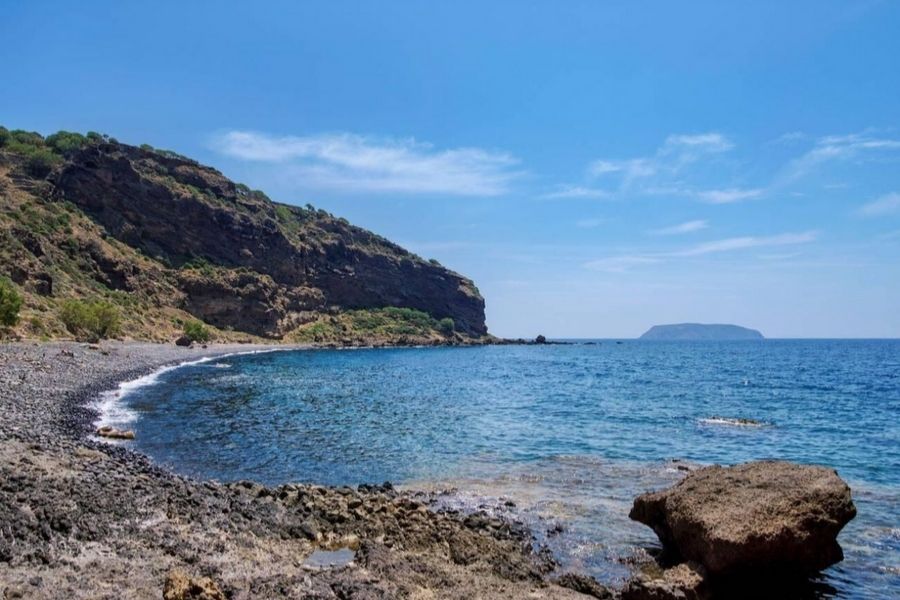
Nisyros’s volcanic basalt gives the island a look you won’t find anywhere else in Greece. Black and grey beaches ring the coast, all made from weathered lava rock.
I wandered through fields where basalt cooled into weird, jagged patterns. The lava must have hardened in a hurry.
The beaches tell the whole story—no classic Mediterranean sand here. Most are coarse, dark, and pebbly.
Volcanic features that stood out:
- Black sand beaches
- Basalt rock formations along trails
- Yellow and ochre mineral stains
- Steam vents puffing out sulfurous gas
From the caldera rim, the views are wild. Villages like Nikia perch on the edge, with green hills outside and the stark volcanic core below.
Mandraki and the Villages: Culture and Community
Nisyros’s villages give you a real taste of Greek island life.
Mandraki’s harbor squares buzz with activity, while Nikia’s caldera views are just jaw-dropping. These small communities keep old customs alive and welcome travelers into family-run tavernas and cozy guesthouses.
Mandraki: The Vibrant Island Capital
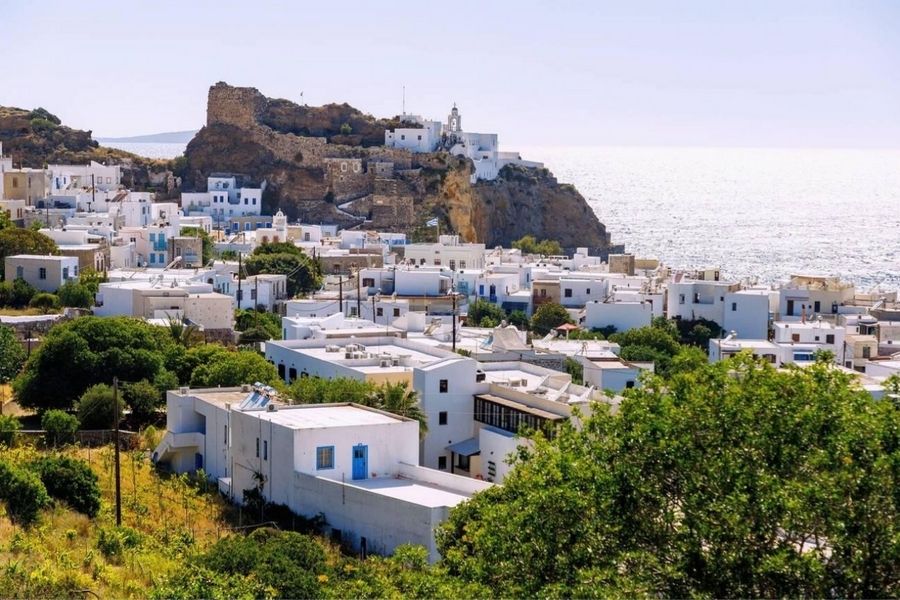
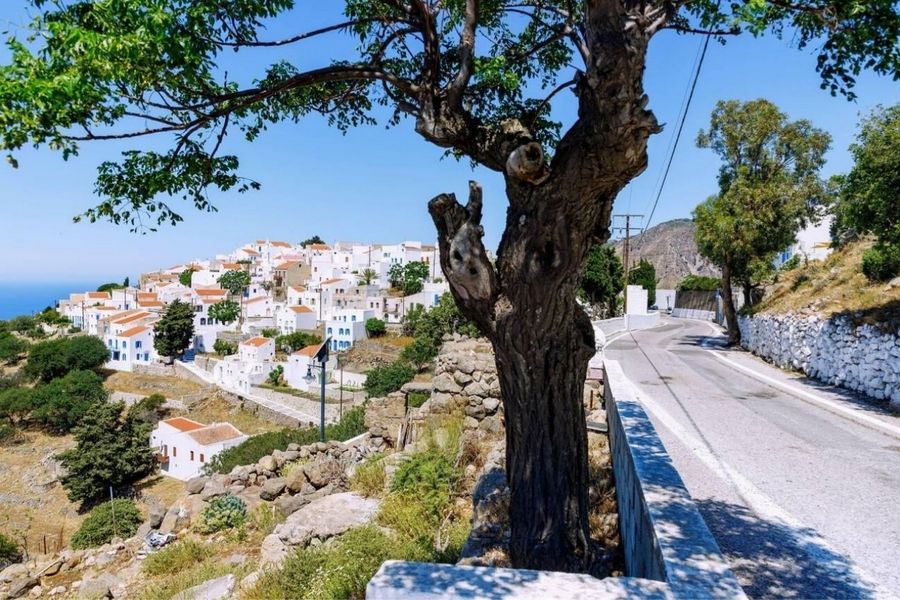
Mandraki is the island’s main port and capital. The village climbs up the hillside in steps, white houses stacked all the way to the castle ruins.
The harbor is always busy when ferries arrive from Kos. Fishermen patch their nets while visitors get lost in the maze of cobbled streets.
Don’t miss:
- Panagia Spiliani Monastery tucked into the cliffs
- Archaeological Museum packed with ancient finds
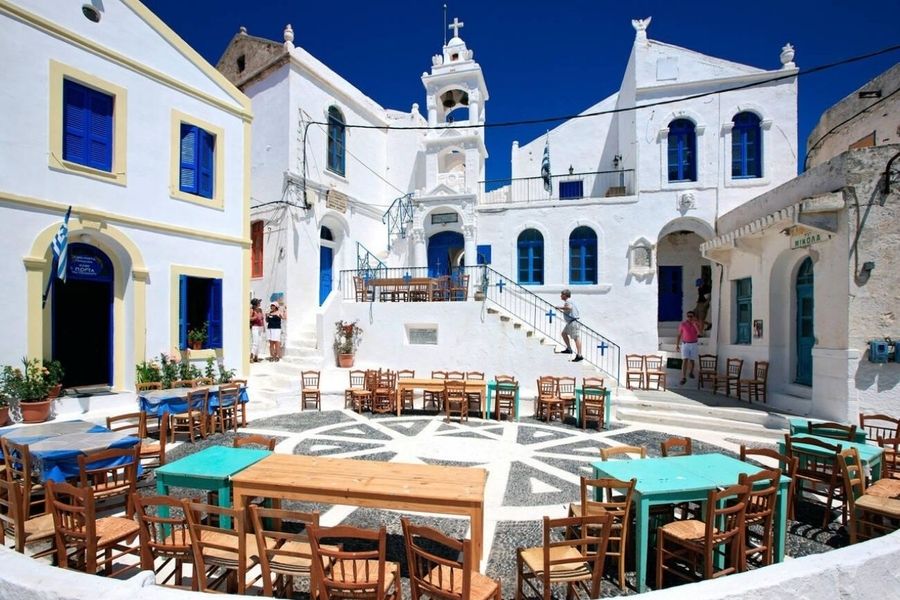
- Plateia Ilikiomenis square and its pebbled mosaics
- Venetian Castle looming above the rooftops
I spent ages wandering the little squares, admiring stone mosaics—Plateia Delfinion has dolphins made from black and white pebbles.
Shops sell handmade crafts and volcanic pumice trinkets. Despite being the main hub, Mandraki still feels genuine and lived-in.
Nikia, Emporios, and the Caldera-Rim Panoramas
Nikia clings to the volcano’s rim, and getting there meant a winding climb up the road.
The main square opens up to sweeping caldera views. I could spot steam drifting up from the crater floor far below.
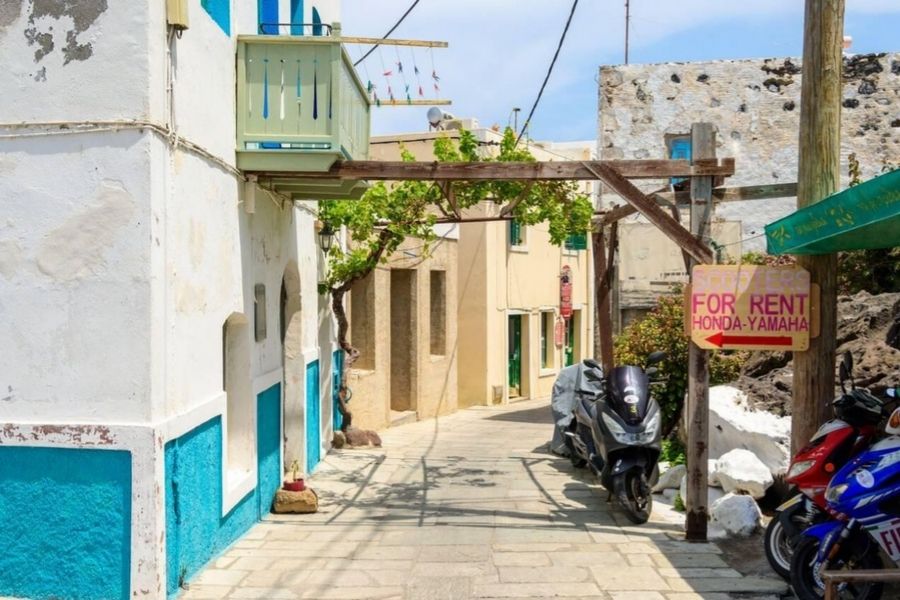
The village church sits right on the edge. Blue-shuttered houses line narrow lanes that twist to scenic viewpoints.
Emporios is further along the rim, even quieter and more remote. Hiking trails start here, leading to some epic mountain views.
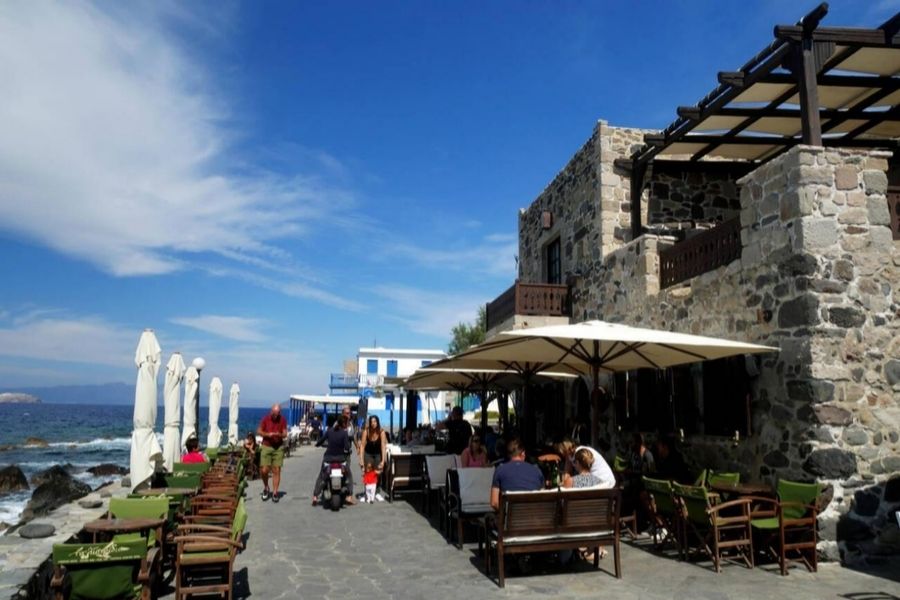
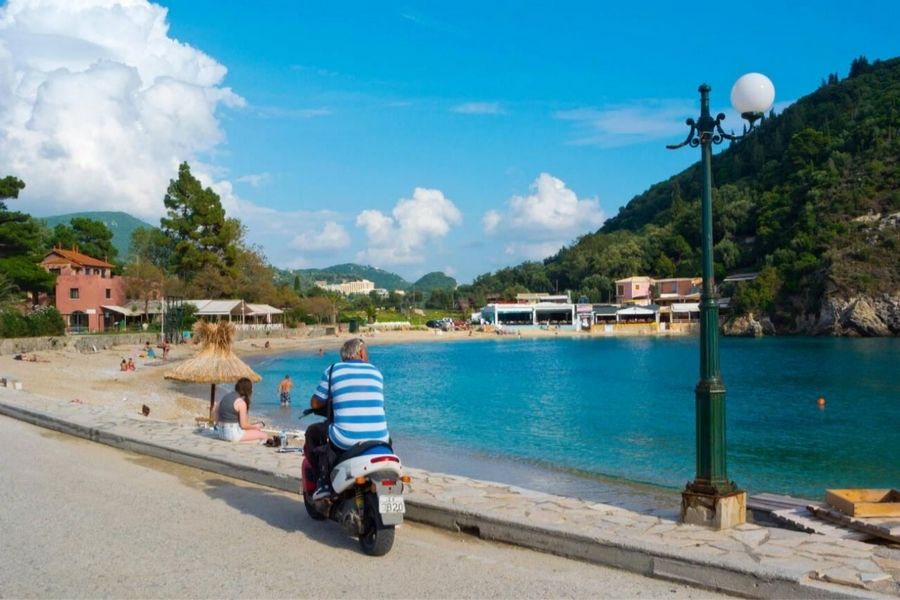
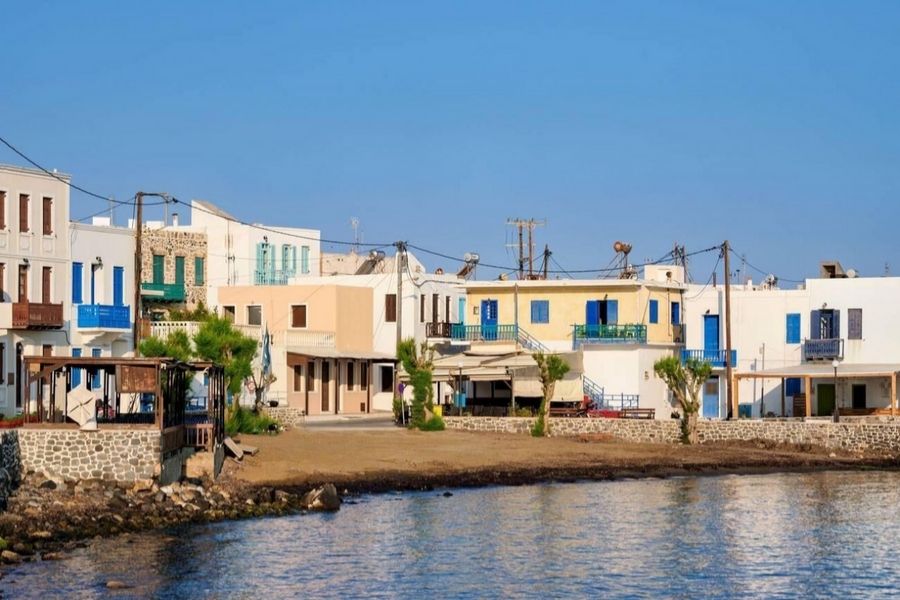
Pali is a tiny fishing port on the northwest coast. Colorful boats bob in the sheltered harbor, and a couple of waterfront tavernas serve up the day’s catch.
Traditional Tavernas, Cafés, and Local Life
Family tavernas are everywhere. I dug into fresh fish, local goat cheese, and veggies grown in the volcanic soil.
In Mandraki, Taverna Nissyros and Kleanthi dish up classic plates on terraces overlooking the harbor. The owners love to share stories about the island’s past.
Village squares buzz with café culture. Locals gather for coffee in the mornings and ouzo at night, usually with a game of backgammon on the go.
Local treats you’ve got to try:
- Fresh-caught seafood
- Soumada (almond drink)
- Homegrown wines and raki
- Honey from island bees
Life moves slow here. Shops close for siesta, and evenings revolve around long meals and good conversation.
Staying in Nisyros: Villa Calliope, Captain’s House, and More
Staying on Nisyros feels personal. Most places are family-run guesthouses or traditional homes.
Villa Calliope in Mandraki has modern rooms with volcano views. The owners go out of their way to give tips and help book hikes.
Captain’s House is all about classic Greek island style. I stayed in a cozy room with stone walls and old wooden beams near the harbor.
Hotels and apartments cluster around Mandraki’s center, often including breakfast with local honey and fresh bread.
Some travelers rent restored homes in Nikia or Pali, which means total privacy and views you’ll remember forever.
Spiritual Traditions, History, and Festivals
Nisyros mixes volcanic energy with deep spiritual roots. Ancient monasteries and Byzantine churches dot the island.
The biggest celebration honors the Virgin Mary every August, pulling in visitors from all over the Dodecanese.
Monastery of Panagia Spiliani and Religious Heritage
The Monastery of Panagia Spiliani clings to Mandraki’s cliffs, built right into caves carved from volcanic rock.
Inside, you’ll find a cherished icon of the Virgin Mary. Generations of local women have come here, praying for blessings in marriage and childbirth.
During my visit, I learned about the August novena tradition. From the 6th to the 15th, women from Nisyros and nearby islands stay at the monastery.
Each day, they perform 300 prostrations before the Virgin’s icon, fasting and singing ancient prayers.
Main Spiritual Highlights:
- Location: Built into volcanic caves above Mandraki
- Icon: Virgin Mary, deeply venerated
- Pilgrims: Women seeking blessings
- Sacred Time: August 6-15 novena
Byzantine Churches and Cultural Celebrations
Nisyros holds onto its Byzantine churches, scattered across its quiet villages. Every year, these churches burst to life with festivals that keep centuries-old traditions going strong.
Agios Nikitas is considered the island’s patron saint, and Mandraki really comes alive for his celebration on June 20-21. I remember watching the processions winding through those narrow streets—there’s something magical about it.
The Holy Apostles festival pops up on June 30 in Pali village. Locals show up in traditional costumes—I caught glimpses of men in breeches and women in beautifully embroidered shirts.
Music fills the air, too. You’ll hear violins, the haunting sound of the santur, and the steady rhythm of the lute.
Festival Calendar:
- June 20-21: Agios Nikitas (Mandraki)
- June 30: Holy Apostles (Pali)
- July 26-27: Agios Panteleimon (Avlaki)
- September 8: Nativity of Virgin Mary (Emporios)
Palaiokastro: Ancient Volcanic Fortifications
Palaiokastro stands above the villages, silent but impressive, a reminder of Nisyros’s defensive past. These walls perch on the volcanic heights, watching over the settlements below.
You can feel the layers of history here. I scrambled up to the ruins and spotted signs of different eras—Neolithic to Byzantine.
Ancient Greeks built these walls from volcanic stone, cleverly using what the island gave them. They controlled the sea routes between Rhodes and Kos from this very spot.
Pottery shards and old coins still turn up here. The views stretch over the Dodecanese, and honestly, it’s one of those places that makes you pause and take it all in.
Historical Significance:
- Period: Neolithic to Byzantine era
- Materials: Local volcanic stone
- Purpose: Maritime defense and trade control
- Current State: Accessible ruins with panoramic views
Dekapendavgousto: Assumption of the Virgin Mary on Nisyros
Dekapendavgousto (August 15th) is hands down Nisyros’s biggest celebration. The Assumption of the Virgin Mary draws crowds to Panagia Spiliani, with pilgrims arriving from all over the Dodecanese—Rhodes, Kos, you name it.
The festival kicks off with a liturgy and the blessing of kollyvo (boiled wheat). I watched as a grand procession wound down the stone steps of the monastery, leading through Mandraki and up to the Zisimopoulio theatre.
Everyone gathers for a free meal—there’s a real sense of community. In the evening, the “cup of Virgin Mary” dance takes over.
The lead dancer carries a ceremonial cup, and people pour in money as a donation for the Virgin Mary and to support the island.
Festival Highlights:
- Date: August 14-15 annually
- Main Event: Liturgy and procession
- Community Meal: Free food at Zisimopoulio theatre
- Traditional Dance: “Cup of Virgin Mary” with donations
Exploring and Experiencing Nisyros: Practical Guide
Getting to Nisyros takes a bit of planning, especially with the ferries, but it’s worth it. For the best views, you really can’t beat hiking the caldera rim trails.
The island’s volcanic museum is a must if you want to understand what’s beneath your feet.
Getting to Nisyros: Ferries and Connections from Kos, Tilos, and Piraeus
I found the ferry from Kos to be the simplest way in. During summer, boats leave daily from Kardamena and dock at Mandraki, Nisyros’s main port.
You can usually expect a morning departure from Kos and a late afternoon return, which gives you a solid 7-8 hours to explore. If you’re thinking of bringing a car or motorbike, plan ahead—space is tight, and only a couple of vehicles fit per crossing.
Ferry Schedule Options:
- From Kos: Daily in summer from Kardamena
- From Tilos: Several times weekly
- From Piraeus Port: A few times a week (longer journey)
I’d suggest the Kos route for day trips. The crossing’s about an hour, quick and easy. Book ahead if you’re coming during peak season—tour groups can fill up the boat fast.
Once you land in Mandraki, you’ll find taxis and car rentals right at the port. The volcano crater sits just 5-6 kilometers away, and signs point you straight toward the Lakki plain and Stefanos crater.
Hiking, Walking Trails, and Scenic Viewpoints
Hiking around Stefanos crater is a highlight for most visitors. I took the rim trail myself—it’s only about 30 minutes if you keep a steady pace, but you’ll want to stop for photos.
A narrow path leads right down into the crater. Signs warn you to enter at your own risk, and they’re not kidding—the crater floor can get seriously hot from the geothermal activity.
Best Viewpoints:
- Nikia village: Sweeping crater views from the caldera rim
- Emporios: Another rim village with jaw-dropping vistas
- Balkoni tou Emporiou: A natural balcony, perfect for photos
- Monastery of Stavros: Overlooks the whole Lakki plain
The trail from Nikia to Emporios hugs the caldera edge. Along the way, you’ll spot weird lava formations and tiny white chapels.
Bring sturdy shoes with thick soles. The ground heats up from the volcanic activity below, and flip-flops will make your feet regret it—trust me.
Circling the whole island on foot takes a full day. If you need a break from all the volcanic scenery, the eastern coastline hides some quiet, secluded beaches. Volcanic landscapes aren’t the only show in town.
The Volcanic Museum: Deepening Your Understanding of Nisyros
Nikia village’s volcanic museum does a great job explaining how Nisyros formed. I stopped by before hiking to the crater, and honestly, it made the whole experience more interesting.
The museum has interactive displays covering the island’s geological history. You’ll see how the hydrothermal system works and why Stefanos crater still spits out steam and sulfur.
Museum Highlights:
- Formation of the Aegean Volcanic Arc
- How Nisyros is different from Santorini’s volcano
- Current volcanic activity and monitoring
- Local minerals and rock samples
It’s a small place, but you’ll get a lot out of your visit in 45 minutes or so. Entry is only a few euros, and they hand out detailed maps of hiking trails.
Staff are happy to answer questions about the volcano’s current mood. They keep an eye on the crater every day and know which spots are safest. I found their advice super helpful before heading down into Stefanos.
Frequently Asked Questions
Stefanos crater lets you walk right into an active volcanic environment without feeling like you’re taking wild risks. Most folks can handle the moderate hike, but a bit of prep goes a long way.
What can visitors expect when exploring the Nisyros volcano’s crater?
Stefanos crater is about 300 meters across and 25 meters deep—pretty impressive up close. You can walk almost the entire floor.
Steam pours from fumaroles around the edges, hissing loudly. The sulfur smell hits you right away, no getting around it.
You’ll spot bright green and yellow sulfur crystals near the vents. The muddy floor bubbles with hot water and mud that changes from day to day.
The place feels almost alien compared to other Greek islands. I wandered around for about 45 minutes, just taking it all in.
Are there any safety considerations to be aware of when touring an active volcano?
Stay clear of the crater edges where the steam vents out. The ground can get unstable and dangerously hot near those spots.
Don’t touch the sulfur crystals or stick your hands near the steam. The gases sting your eyes and can make breathing tough.
Wear closed-toe shoes with a solid grip—the ground is uneven and sometimes slippery. Bring water; trust me, the heat and sulfur can wear you down fast.
If you have breathing issues, be extra cautious because of the fumes. The crater has marked paths to keep everyone safe.
What is the best time of year to visit the Nisyros volcano for a hiking adventure?
Spring and fall are perfect for exploring the crater. Cooler temperatures make the volcanic heat manageable.
Summer gets brutally hot inside the crater, and the sulfur smell seems even stronger. I’d avoid midday visits if you can.
Winter means fewer visitors, but rain can turn the crater muddy and slippery. Sometimes, bad weather even stops boats from reaching the island.
If you go early in the morning, you’ll beat the crowds and the heat, no matter the season.
What kind of gear is recommended for individuals planning to walk into the volcano’s crater?
You need sturdy hiking boots for the volcanic terrain. Sandals or open shoes just aren’t worth the risk.
Bring plenty of water—the heat and sulfur can zap your energy quickly. A hat and sunglasses help with the glare off the pale volcanic rock.
If the sulfur smell gets too strong, a bandana or scarf over your nose helps a lot. Keep your camera protected from the steam and sulfur, too.
Wear lightweight, breathable clothes. Long pants are a good idea to avoid scratches from the rough rocks.
How physically demanding is the trek into the Nisyros volcano crater, and is it suitable for all fitness levels?
The walk down into Stefanos crater is a moderate, 10-15 minute downhill hike. The path is decent but rocky, so you’ll need to watch your step.
Most people with basic fitness can manage the visit. The challenge is more about the uneven ground than any steep climbs.
The uphill walk back out gets tiring, especially if it’s hot. I saw people of all ages making their way in and out, though.
If you have serious mobility issues, the rocky trail could be a problem. Still, you won’t need special hiking skills or training for this adventure.
What unique geological features can be seen while touring the Nisyros volcano?
The Stefanos crater sits right inside a massive caldera, which ancient eruptions shaped about 25,000 to 35,000 years ago. Honestly, it’s wild—it feels like a volcano inside another volcano.
I noticed that active fumaroles keep moving around and changing intensity. One morning, I found a steam vent that was barely noticeable, but by afternoon, it hissed and spat with new energy.
Bright yellows and greens from sulfur deposits splash color everywhere. Bubbling mud pools constantly remind you that there’s serious hydrothermal activity going on below your feet.
Pumice covers the caldera floor, so walking across it feels a bit surreal—almost like crossing a giant, crunchy sponge. If you look up at the crater walls, you’ll spot clear layers of volcanic rock, each one telling a story from a different eruption in the island’s wild history.
