
I spent years island-hopping across Greece before stumbling upon Paxos and Antipaxos. These two tiny gems in the Ionian Sea totally upended my idea of what the perfect Greek escape should be.
Just south of Corfu, these islands serve up something that feels increasingly rare: genuine tranquility and jaw-dropping natural beauty that really puts your soul at ease.
Paxos and Antipaxos have crystal-clear turquoise waters that honestly rival the Caribbean. You’ll find pristine white sand beaches and fishing villages that seem almost untouched by the waves of mass tourism.
Antipaxos, the smaller of the two, is only accessible by boat and covers a mere 5 square kilometers. But don’t let its size fool you—beaches like Voutoumi and Vrika blew me away with water so clear, you can see every pebble on the sea floor.
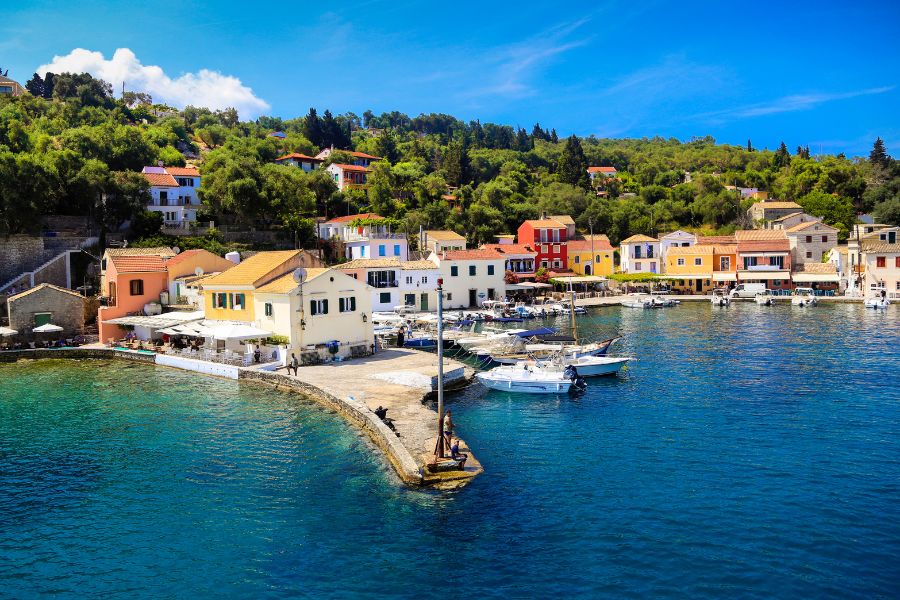
But it’s not just about the scenery. These islands blend ancient history with real Greek culture. I wandered by Byzantine churches, admired Venetian architecture, and tucked into meals at family-run tavernas pouring wine made right there on the island.
I’ll dive into everything you need to know to experience these Ionian treasures—mythical tales, practical tips, and lesser-known beaches that most folks miss.
Crystal Clear Waters and Dreamy Beaches of Paxos & Antipaxos
The waters around Paxos and Antipaxos really are something else. I’ve never seen so many shades of blue in one place.
From the famous blue caves to Antipaxos’s powdery white sands, it’s a swimmer’s paradise, especially from May through October.
Blue Caves and Sea Caves Exploration
Paxos’s blue caves offer some of the most magical water experiences in Greece. I’ve explored them by boat and kayak, and every time, sunlight dances through the water, creating this unreal, glowing blue.
The caves hug the island’s western coast. Each one has its own personality, with different shades of blue depending on the depth and the way the sun hits.
The best caves sit between Erimitis Beach and the northern tip. I usually head out in the morning—the light is at its best, and the water’s calm.
How to explore:
- Hop on a small boat tour (the classic way)
- Rent a kayak from Lakka and paddle out yourself
- Swim from nearby beaches if you’re feeling adventurous
Snorkeling inside the bigger caves is a must. The water stays calm most days, so you don’t have to worry about choppy seas.
Erimitis, Mongonissi, and Other Paxos Beaches
Erimitis Beach is my personal favorite—secluded, dramatic, and born from a landslide in 2008 that left behind striking white cliffs. There’s nothing here in terms of facilities, so I always pack water and snacks.
The walk down takes about 15 minutes along a rocky path. Once you’re there, it feels like you’ve found your own private lagoon.
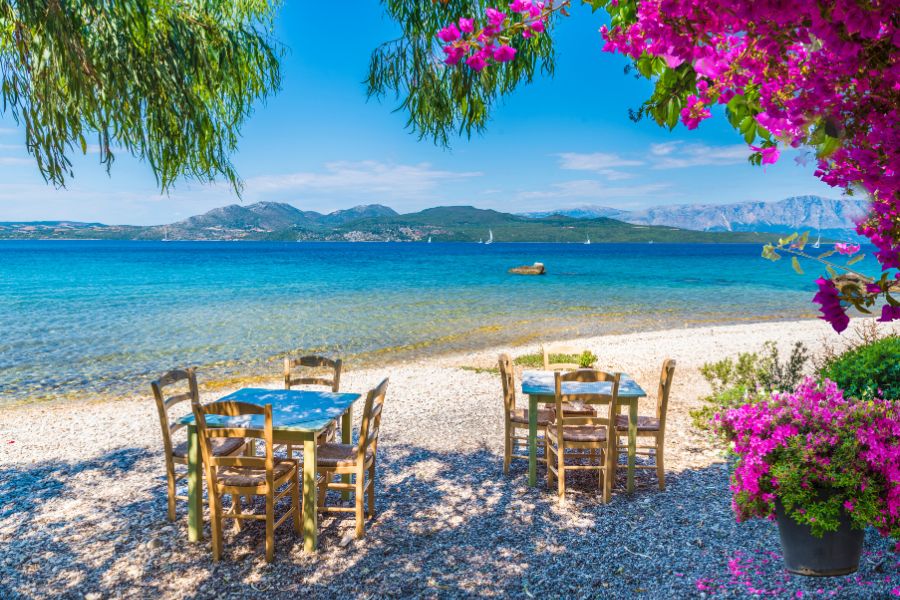
Mongonissi Beach, near Lakka village, is much easier to reach. At low tide, it connects to tiny Mongonissi island. The shallow, clear water here is great for families.
Other Paxos beaches I love:
- Kipiadi Beach: The biggest, calmest stretch
- Monodendri Beach: Sunbeds and a beach bar if you want a bit of comfort
- Orkos Beach: Tucked away through olive groves
Most Paxos beaches have pebbles, not sand. But honestly, the water clarity more than makes up for it.
Vrika and Voutoumi: Antipaxos’ White Sandy Shores
Antipaxos is where you’ll find those dreamy white sandy beaches. Voutoumi and Vrika are the stars, with sand so fine and water so turquoise, you’ll wonder if you’re still in Greece.
Voutoumi is longer and tends to get busier. I like to arrive early or late in the day to beat the crowds.
There are a few tavernas right on the beach serving up fresh seafood—nothing beats lunch with your toes in the sand.
Vrika Beach feels more intimate, and the sand stays blindingly white thanks to crushed shells and coral. Floating here is pure bliss.
How to reach Antipaxos beaches:
- Water taxi from Paxos (about 20 minutes)
- Join a day boat tour
- Rent your own boat if you’re feeling adventurous
Both beaches are fantastic for snorkeling. I’ve spotted colorful fish and cool rock formations just meters from shore.
Best Time to Visit Paxos for Swimming and Relaxation
May through October is when I hit the water in Paxos. By late May, the sea warms up nicely and stays inviting until well into September.
Monthly water conditions:
- May-June: 68-72°F, peaceful and quiet
- July-August: 75-79°F, peak season, busiest
- September-October: 72-75°F, mellow vibes

July and August bring the clearest water but also the biggest crowds. Personally, I love June and September for that sweet spot—warm water, fewer people.
Mornings are best for swimming and snorkeling. The sea is glassy, and you’ll have more space to yourself.
Afternoon winds sometimes kick up small waves, but honestly, it rarely gets rough. The Ionian Sea here is much calmer than around many other Greek islands, so you can really relax.
Enchanting Villages and Greek Island Life
Paxos has three main harbor villages, each with its own charm. Inland, I found hidden settlements where life moves to the rhythm of ancient olive groves.
Every village keeps its unique character alive through traditional architecture and local customs. The pace here is just different—peaceful, slow, and deeply authentic.
Gaios: Cosmopolitan Harbor and Historical Sights
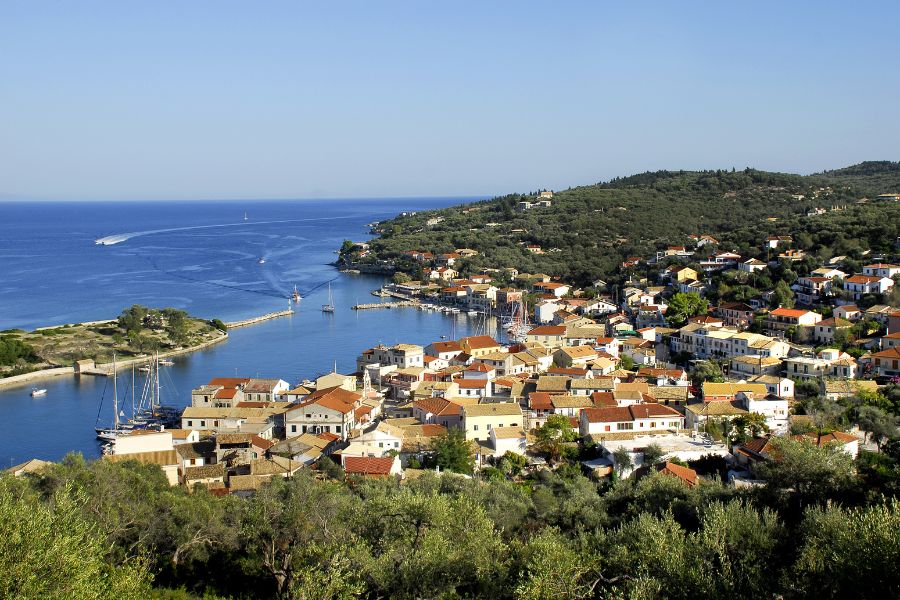
Gaios is the island’s capital and where most people arrive. The harbor entrance really makes an impression, flanked by two tiny islands—including St. Nicholas, topped with a 1423 Venetian fortress.
Gaios bustles more than you’d expect from such a small place. Venetian buildings line the waterfront, full of shops, tavernas, and colorful cafes.
The central square is anchored by the Church of the Ascension from 1853. Locals gather here all day, and it’s a great spot to people-watch.
What you’ll find in Gaios:
- Banks, ATMs, and basic services
- Medical center
- Main shopping area
- Ferry terminal
- Tourist info
Despite being the hub, Gaios never feels overwhelming. The waterfront promenade is perfect for an evening stroll, especially when locals come out for their nightly walk.
Lakka and Loggos: Tranquility Amid Olive Groves
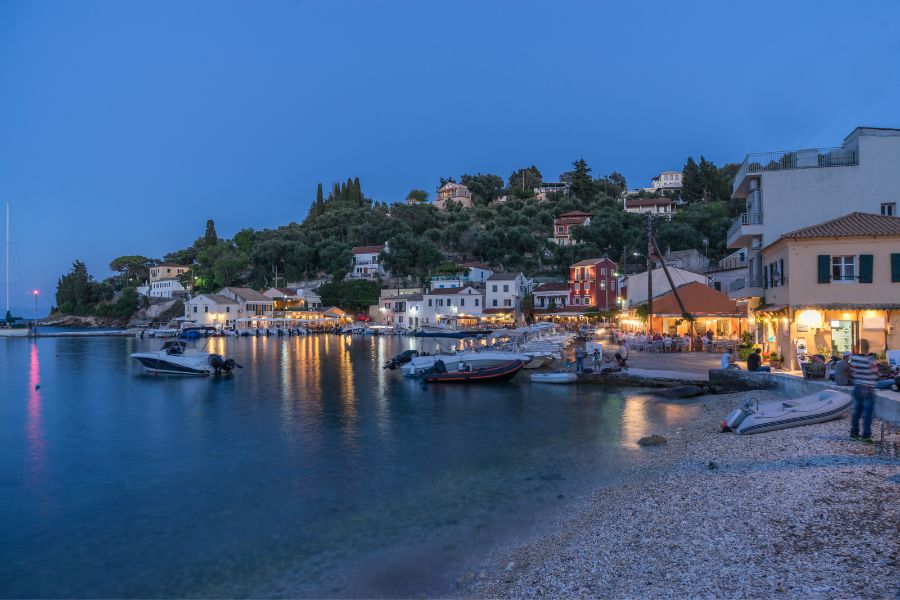
Lakka hugs the island’s northern tip, wrapped around a horseshoe bay. It’s got just the right mix of visitors and local flavor.
Sailboats from all over the Med drop anchor here. Pebble beaches stretch out on both sides, forming natural swimming spots with impossibly clear water.
Two main squares give Lakka its shape. One buzzes with local life, while the other is lined with waterfront tavernas serving up the freshest seafood.
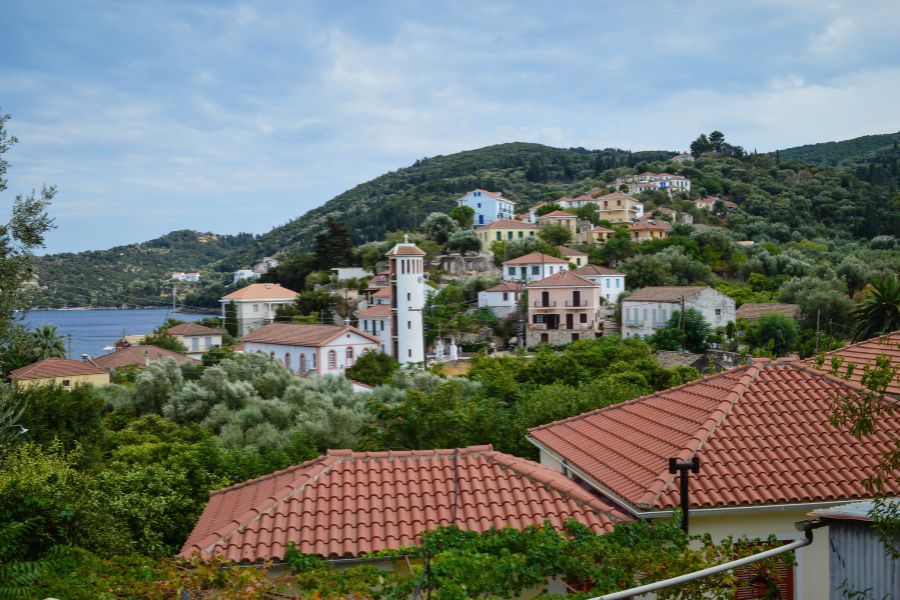
Loggos is the smallest and, honestly, the most “real” of the three. It still feels like a working harbor, with fishing boats bobbing next to fancy yachts.
Stone houses tumble down the hillside to the water’s edge. The vibe here is laid-back, and the seafront tavernas are some of the best places I’ve eaten on Paxos.
Magazia, Ozias, and Hidden Island Settlements
If you want to see the “real” Paxos, head inland. Villages here have barely changed, tucked away among ancient olive groves.
Magazia once served as the island’s capital back when pirates roamed the seas. There’s an Olive Press Museum from 1865 that’s worth a look—I found the old oil-making methods fascinating.
A couple of mini markets and a taverna cater to locals. Magazia sits between Gaios and Lakka, so it’s easy to stop by.
Ozias claims to be the oldest settlement, dating to 600 BC. I wandered through ruins and stumbled upon old churches like Agia Marina and Agios Stefanos—reminders of the island’s deep roots.
Other inland gems:
- Fontana (Platanos): Check out the rare plane tree in the square
- Velianitatika: Gorgeous old houses from the 19th century
- Scattered hamlets: Hidden among the olive trees
Life here centers on the village square, where folks gather at the kafenion for coffee and gossip. Religious festivals, especially August 15th, bring everyone together.
Legends, History, and Mythical Origins
Paxos and Antipaxos have stories that mix Greek myths, Venetian fortresses, and ancient Greek history. Poseidon’s legendary love story and centuries of battles shaped these peaceful havens.
Poseidon, Amphitrite, and the Trident Legend
Legend says Poseidon created Paxos as a secret hideaway for his wife Amphitrite. He supposedly struck his trident at Corfu’s southern tip, breaking off a chunk that became Paxos.
You’ll spot the trident symbol everywhere on the island. Locals really embrace this myth—it gives the place a magical, almost otherworldly vibe.
When I paddled through the blue caves, I could almost picture gods hiding out here. The coves and waters really do feel enchanted.
Locals spin tales of sea spirits and hidden creatures, inspired by the island’s mysterious coves and crystal waters.
Venetian Castles and Agios Nikolaos Islet
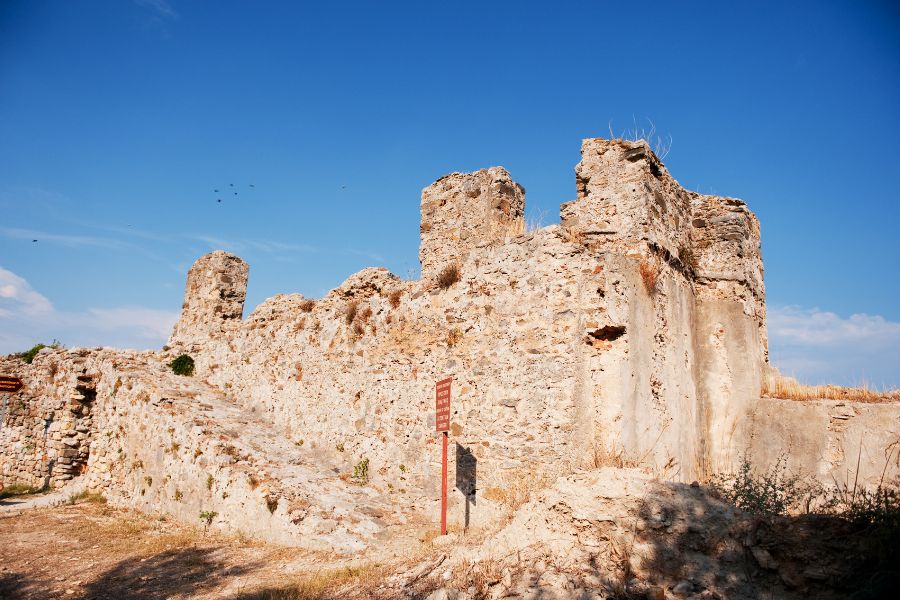
The Venetians ruled Paxos from 1386 to the late 1700s. They built castles to fend off pirates who prowled these waters for centuries.
Agios Nikolaos islet, right at Gaios harbor’s mouth, holds one of these old fortresses. I wandered its walls, picturing the battles that once raged here.
Key Venetian sites:
- Castle on Agios Nikolaos islet (Gaios Bay)
- Fortress in Lakka (northern port)
- Both perfectly placed to watch the sea
Venetians also brought olive trees—lots of them. Today, these ancient groves cover most of Paxos, giving the island its lush green look.
Pirates from North Africa and the Ottoman Empire were a real threat back then. These castles kept families and their precious olive oil safe.
Odysseus, Classical Heritage, and Local Folklore
Homer never actually mentions Paxos in the Odyssey, but locals love to link the island to Odysseus’s legendary journey. The Ionian Sea features heavily in his adventures, after all.
The name “Paxos” probably comes from the Phoenician “paks,” meaning trapezoid—pretty accurate if you look at the island from above.
Phoenicians used these islands as trading posts. You can still spot their influence in place names and bits of archaeology shared by local guides.
A quick timeline:
- 229 BC: Illyrians take over under Queen Tavta
- 13th century: Byzantine era ends
- 1386: Venetians move in
- 1864: Paxos joins Greece
Fishermen still tell stories of ancient spirits haunting the sea caves. These legends blend old myths with maritime tales, adding to the island’s charm.
Travel Practicalities: Getting There and Around
Getting to Paxos and Antipaxos isn’t as straightforward as hopping on a plane, but that’s part of the magic. No airports, no big ferry terminals—just a bit of planning and a sense of adventure.
Ferries and Water Taxis: Access from Corfu and Mainland
Ferries run regularly from Corfu to Paxos during summer. I usually catch one from Corfu Town; it’s a 90-minute ride and pretty relaxing.
The main line goes from Corfu’s New Port to Gaios, the capital. Tickets cost about €15-20 each way.
Water taxis are an option if you want more flexibility (and don’t mind paying extra). They’ll drop you right at smaller ports like Lakka or Loggos.
From mainland Greece, ferries leave Parga twice a week in high season. It’s a quick 45-minute trip and costs around €12.
There’s also a less frequent link from Kefalonia to Paxos. Schedules can change with the weather, so I always double-check before planning my trip.
Organized Tours and Boat Hire Options
You can find day trips from Corfu that bundle both islands into a single package. Most of these organized tours run about €40-60 per person, covering transport and a few hours on each island.
Tourist boats leave Gaios for Antipaxos every day at 10:00 AM. They come back between 2:00 PM and 5:30 PM. The round trip takes just 15 minutes and costs €25 per person.
If you want total freedom, boat rental is the way to go. Small boats rent for around €80 per day plus fuel at all the main ports. No license is needed for boats under certain horsepower—pretty convenient, right?
For a little extra, you can hire a private skippered boat. The captain usually costs another €100, but you’ll get to visit sea caves and secret coves that most services skip.
Local ferry services keep things budget-friendly at €1.50 each way. Just know they dock farther from the main beaches, so you might need to walk a bit.
Tips for Seamless Island Hopping
Book your accommodation on Paxos first—Antipaxos doesn’t really have hotels. Day trips to Antipaxos work best if you’re based on Paxos.
Morning boats are usually calmer and less packed. I always check the weather before heading out since strong winds can cancel services.
Bring cash for tickets because a lot of operators still don’t take cards. Pack water and snacks, as Antipaxos doesn’t offer much in the way of facilities.
Travel light for day trips between islands. Tourist boats can handle small bags, but if you’ve got big luggage, arrange that ahead of time.
If you’re planning to rent a boat in July or August, book early. You’ll get better rates and more choice that way.
Olive Groves, Vineyards, and Local Gastronomy
Paxos has these ancient olive groves that blanket the island. The olive oil is something special, and the small-batch wines go perfectly with the food you’ll find in waterfront tavernas in the villages.
Island Olive Groves and Traditional Olive Oil
I wandered through olive groves that seem to go on forever. Over 300,000 trees—many of them centuries old—twist across Paxos.
The olive oil here? It’s truly outstanding. Local families still use traditional methods, passing them down through generations. The climate gives the oil a unique flavor you won’t find elsewhere.
Some producers invite visitors in for tastings. You get to see the journey from tree to bottle. The oil’s aroma and texture really stand out compared to other Greek islands.
Key Features of Paxos Olive Oil:
- Pressed from ancient olive trees
- Crafted using time-honored methods
- Essential in nearly every local dish
- Sold directly by producers
Local markets and shops stock bottles of this premium olive oil. It’s a perfect souvenir—trust me.
Vineyards of Antipaxos and Local Wines
Paxos doesn’t have big vineyards, but you’ll find small-batch wines made with care. The methods are traditional, and the wines reflect the island’s spirit.
You’ll spot these wines on taverna menus in the villages. Winemakers here focus on quality, not quantity. Each batch feels like a little story of the island’s soil and weather.
The wines pair beautifully with seafood. Restaurant owners love recommending which bottle goes best with your meal. Some tavernas even showcase regional Ionian wines on their lists.
Where to Find Local Wines:
- Village tavernas in Gaios, Loggos, and Lakka
- Small local producers
- Specialty shops in the main villages
Here, wine is all about enjoying it with food and good company—no need for stuffy tastings.
Seaside Restaurants and Traditional Tavernas
Waterfront tavernas are a big part of eating out on Paxos. Each village has its own vibe and restaurants with killer sea views and fresh ingredients.
In Gaios, Nionios Taverna serves up locally-sourced seafood. Over in Loggos, Vasilis Taverna is all about home-cooked meals and a cozy setting. Lakka’s Akis Fish Bar & Restaurant mixes traditional and modern styles.
Most tavernas keep things simple—fresh fish, plenty of olive oil, and local produce. You’ll spot dishes like sofrito (veal stew) and bourdeto (spicy fish) on many menus.
The local honey is something else. The island’s wildflowers give it a unique flavor. You’ll often see it served with cheese or yogurt for dessert.
Tavernas usually run family-style with relaxed, unhurried service. Meals can last for hours, especially if you’re dining by the water at sunset.
Frequently Asked Questions
If you’re planning a trip to these little Ionian islands, you’re bound to have questions—transport, timing, activities. Each island has its own perks for families and adventure lovers, and Antipaxos keeps things simple when it comes to tourist services.
What are the best means of transportation for getting around Paxos with a family?
For families, I’d go with a car rental. It’s the safest, most flexible way to explore Paxos with kids.
The local bus connects Gaios, Lakka, and Loggos. Stops sit right in each village center, and timetables are easy to find.
ATVs work if you’ve got older kids and want something cheaper than a car. They’re a bit safer than scooters.
Taxis are around but get pricey if you use them a lot. I’d save them for specific trips, not as your main way to get around.
Which period of the year is ideal for a visit to Paxos to experience its serene beauty?
June through September brings the warmest weather and calm seas. The crystal-clear waters are just right for swimming and snorkeling.
July and August are peak season—expect more crowds and higher prices.
If you want fewer people and lovely weather, aim for late spring (May) or early fall (September-October). The olive groves and vineyards really shine then.
Winter is quiet, but lots of restaurants and tourist spots close. Ferries run less often too, so plan accordingly.
Are there any local specialties to try at the restaurants on Antipaxos?
Antipaxos keeps things simple with just a few restaurants open in summer. You’ll mostly find fresh seafood and classic Greek dishes.
Bella Vista restaurant sits above Voutoumi Beach and serves Mediterranean food with a view that’s hard to beat.
Beach Bar and Restaurant Voutoumi is right on the sand. They do grilled fish and all the Greek taverna favorites.
Most ingredients come from Paxos or the mainland. Antipaxos is tiny, so don’t expect a big local food scene like on some other islands.
Can you highlight the unique aspects of Paxos that differentiate it from neighboring islands?
Paxos somehow blends lush Ionian greenery with some of the clearest water I’ve ever seen in Greece. There aren’t any big resorts, so the vibe stays laid-back.
Each of the three main villages has its own personality. Gaios is the lively port, Lakka is famous for sunsets, and Loggos feels like a classic fishing village.
The island’s small—just 30 square kilometers—so you can actually see it all. Walking between villages is doable, and there are hidden beaches everywhere.
On the west coast, dramatic cliffs and the Tripitos Arch steal the show. Wind and sea carved this limestone wonder over thousands of years.
What are the top recommendations for activities in Paxos suitable for thrill-seekers?
Hop on a boat tour around Paxos and Antipaxos to reach sea caves and remote beaches. Swimming through underwater caves is pretty unforgettable.
Hiking out to the Tripitos Arch gives you adventure and epic coastal views. The trail winds through olive groves and along high cliffs.
Snorkeling here is a must. The water is so clear, especially around Antipaxos, that you’ll spot all sorts of underwater life.
If you’re into cliff jumping, there are spots along the coast. Just double-check the water depth and conditions before you leap.
Is Antipaxos inhabited, and are there any facilities or services available for tourists?
Antipaxos? Well, hardly anyone calls it home year-round. Just a small handful of permanent residents live on this tiny, 5-square-kilometer island.
In summer, the place feels a bit livelier as more people show up.
Tourist facilities? They’re pretty limited, honestly, but you’ll find what you need for a relaxing day trip. The two main beaches—Voutoumi and Vrika—offer some basic amenities, and you’ll spot a couple of inviting restaurants nearby.
Getting to Antipaxos is part of the adventure. You can only reach it by boat, setting off from either Paxos or Corfu. During the summer, ferries make the trip from Gaios in about 15 minutes.
Don’t expect to spend the night, though. There aren’t any hotels or guesthouses here. Most folks just come for the day, soak up those gorgeous beaches, and then head back to Paxos as the sun starts to dip.
