
When I first stepped into the small Tuscan town of Arezzo, I had no idea I was about to encounter one of the greatest treasures of Renaissance art.
Tucked away in the Church of San Francesco are Piero della Francesca’s stunning frescoes, known as “The Legend of the True Cross.” These magnificent works represent one of the absolute masterpieces of Italian art and are considered among the most famous pictorial cycles in the world.
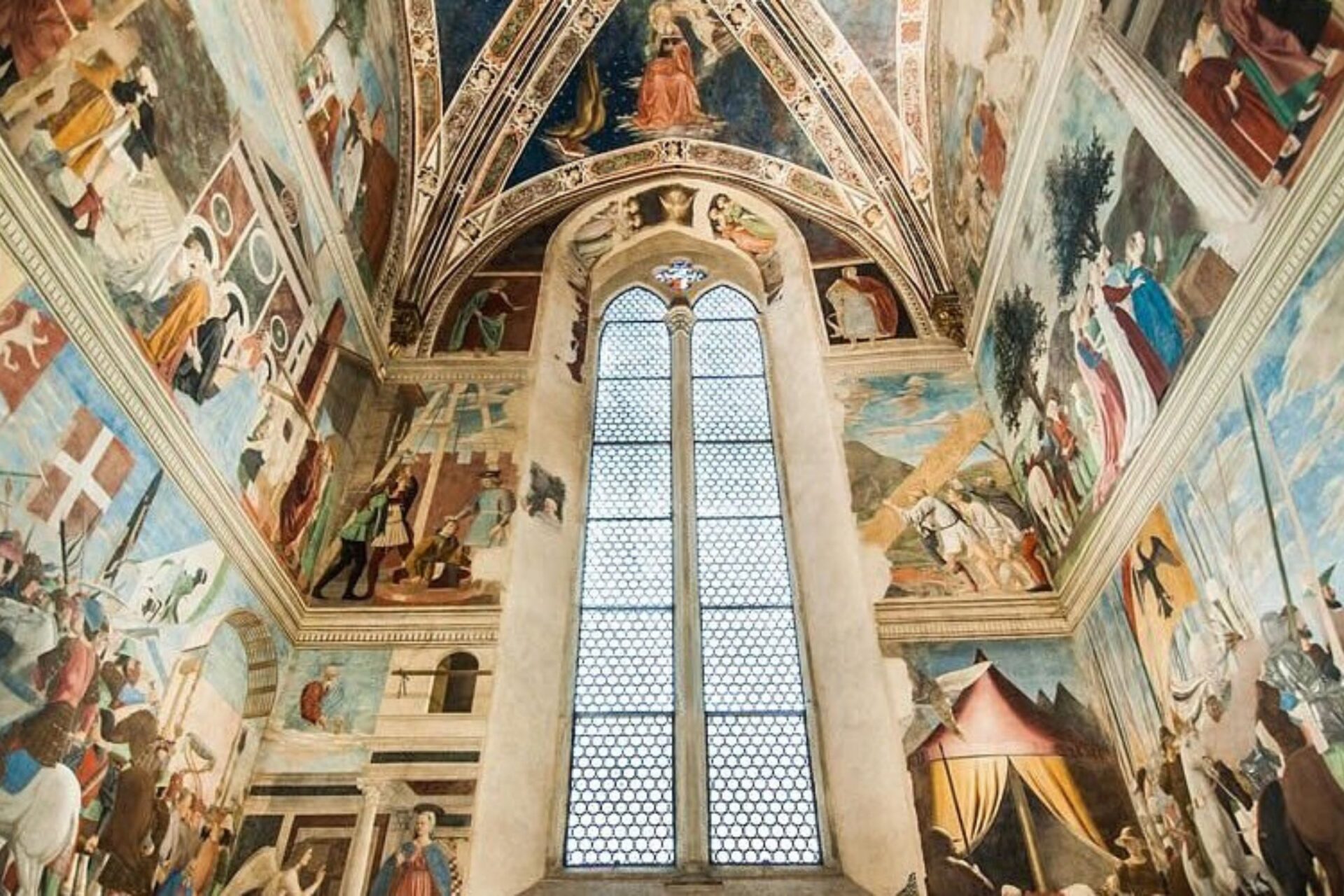
Image Source: Tripadvisor
The frescoes tell an ancient story through Piero’s remarkable artistic vision. His use of light, perspective, and color creates scenes of breathtaking beauty and emotional power.
Recently restored to their original glory, these works now reveal details and subtleties that had been hidden for centuries.
Walking through the church is like stepping back in time to the 1400s when Piero worked on these walls.
The peaceful atmosphere of Arezzo makes it the perfect place to spend a day absorbing these incredible artworks. Unlike Florence’s crowded museums, here you can often enjoy these Renaissance masterpieces in relative solitude, making for a truly personal art experience in the heart of Tuscany.
Exploring the Heart of Piero della Francesca’s Art
When I visited Arezzo, I discovered that the true magic of Piero della Francesca’s genius lies within the Church of San Francesco. Here, his masterful frescoes reveal both technical brilliance and profound storytelling that defined Renaissance art.
The Legend of the True Cross
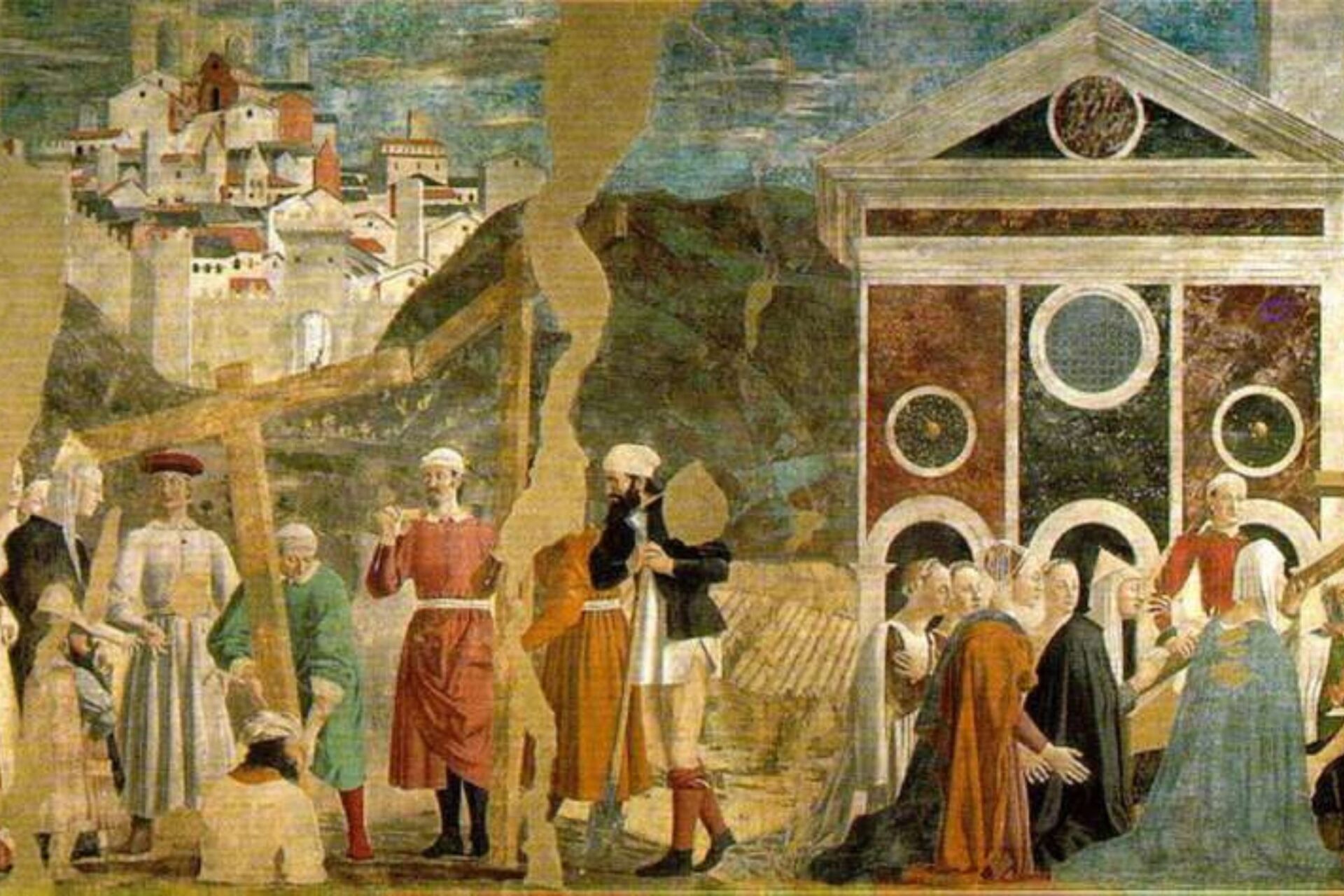
The fresco cycle tells an epic tale about the wood of Christ’s cross. Each panel shows a different chapter in this sacred journey. I was amazed by how Piero arranged these scenes in non-chronological order, yet they flow beautifully together.
The story begins with Adam’s death and follows the wood through Solomon’s reign, Queen Sheba’s vision, and eventually to Saint Helena finding the cross. The battle scenes between Emperor Heraclius and King Chosroes are particularly striking.
What impressed me most was Piero’s use of light. The morning sun filters through the church windows, making the frescoes glow with an almost supernatural luminosity. His figures stand dignified and calm, even in chaotic battle scenes.
Artistic Significance
Piero’s work in the Bacci Chapel represents a perfect blend of mathematical precision and artistic beauty. I noticed how he used perspective in revolutionary ways, creating depth that pulls viewers into each scene.
His color palette is distinctive—soft blues, pinks, and earthy tones create a harmonious atmosphere throughout the chapel. Unlike other Renaissance artists, Piero’s figures appear contemplative rather than dramatic.
The restoration work completed in recent years has revealed details previously hidden for centuries. Close inspection shows his meticulous attention to tiny elements like jewelry and architectural details.
These frescoes influenced generations of artists who followed. Standing before them, I understood why art historians consider this cycle one of the most important achievements in Western art. The quiet power of these images stays with you long after leaving Arezzo.
Arezzo: The Cradle of Renaissance Art
Tucked away in eastern Tuscany, Arezzo stands as one of Italy’s most underrated art destinations. This ancient Etruscan city captivates visitors with its rich artistic heritage and Renaissance treasures that rival those of Florence.
Historical Insights
Walking through Arezzo feels like stepping into a living museum. Founded by the Etruscans, this hilltop city later became an important Roman municipality before flourishing during the Renaissance. I was struck by how the city’s medieval architecture creates a perfect backdrop for its artistic masterpieces.
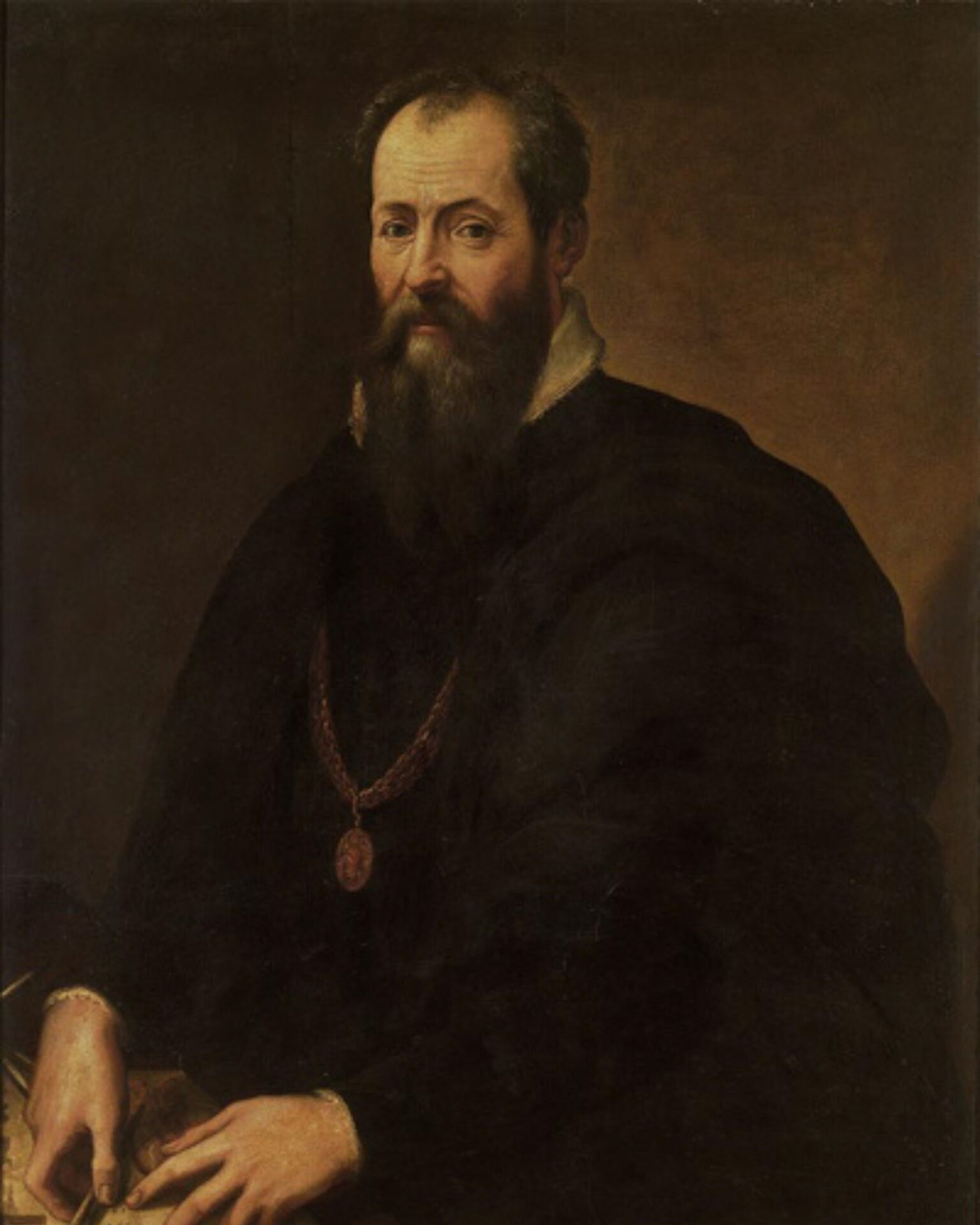
The city gained prominence in the art world thanks to native son Giorgio Vasari, the famous artist and historian who documented Renaissance artists’ lives. His influence can be felt throughout Arezzo’s streets and buildings.
What makes Arezzo special is how it preserves its artistic heritage without feeling like a tourist trap. Many churches here house remarkable works that you can admire without fighting crowds.
Piazza Grande and Its Monuments
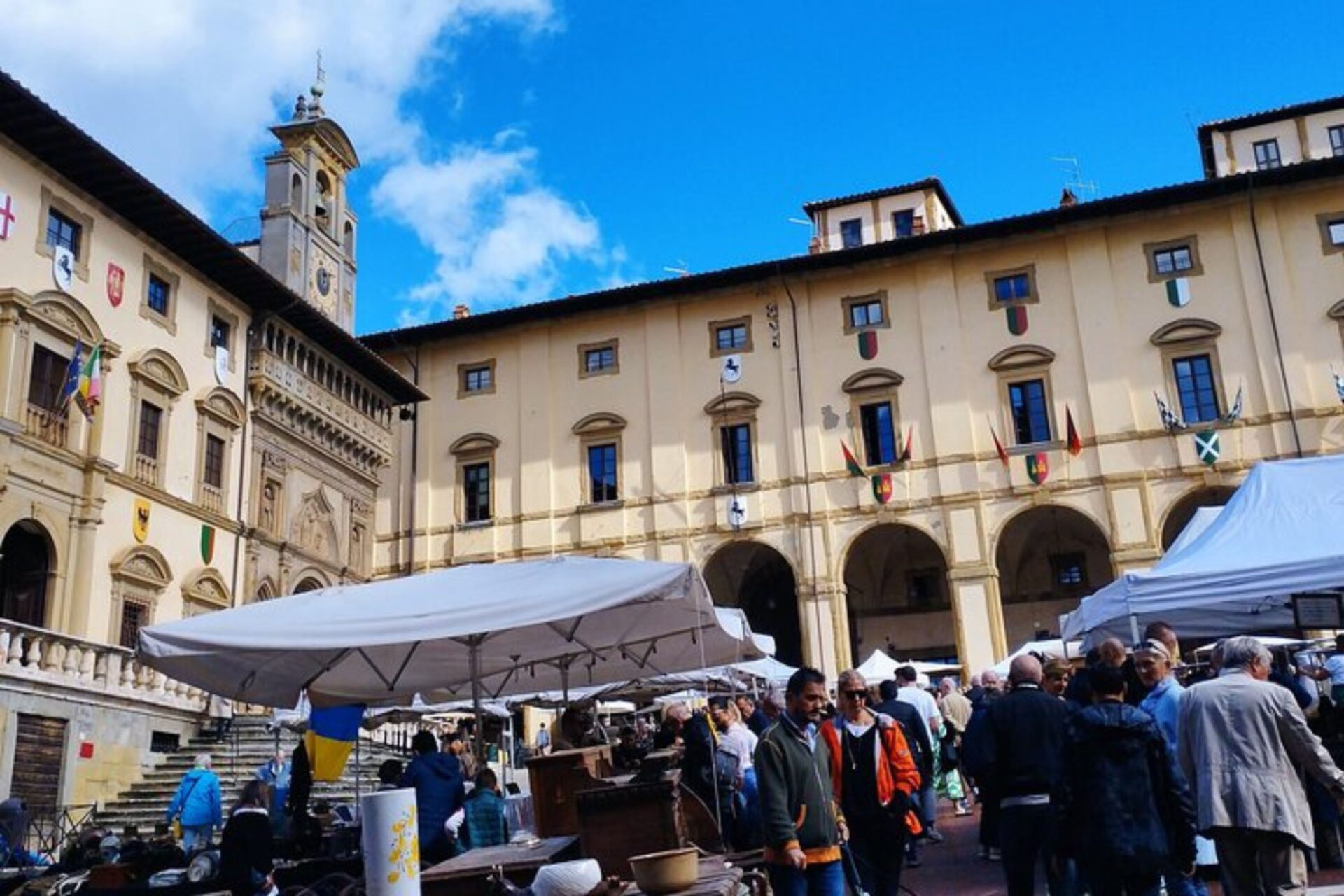
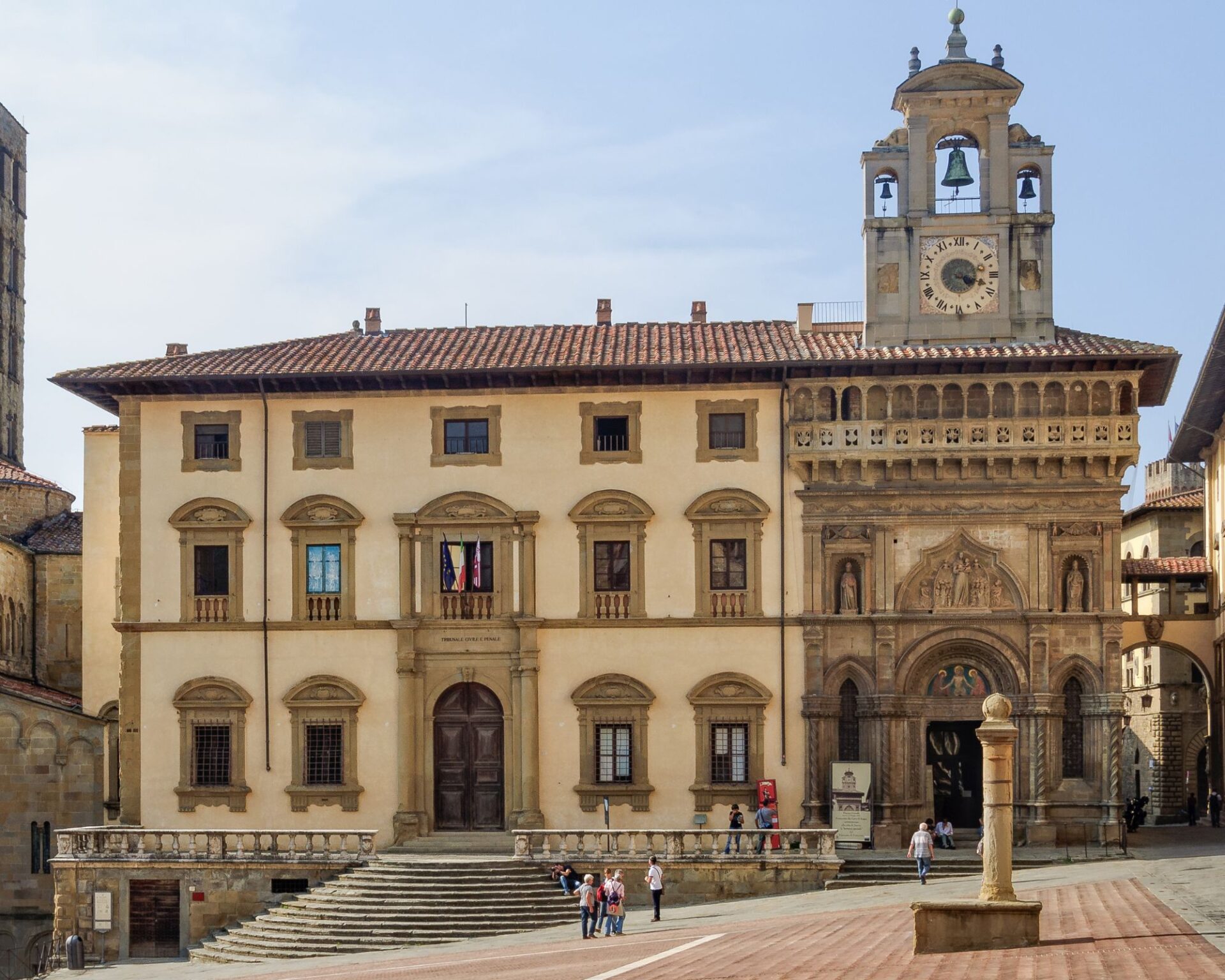
The heart of Arezzo is undoubtedly Piazza Grande, a sloping medieval square surrounded by historic buildings. This magnificent space served as the backdrop for Roberto Benigni’s “Life is Beautiful” and hosts the famous Antique Fair monthly.
The piazza is framed by architectural gems including:
- The Palazzo della Fraternita dei Laici with its ornate Gothic-Renaissance facade
- Vasari’s Loggia with its elegant arches overlooking the square
- Medieval towers and noble palaces with their distinctive stone facades
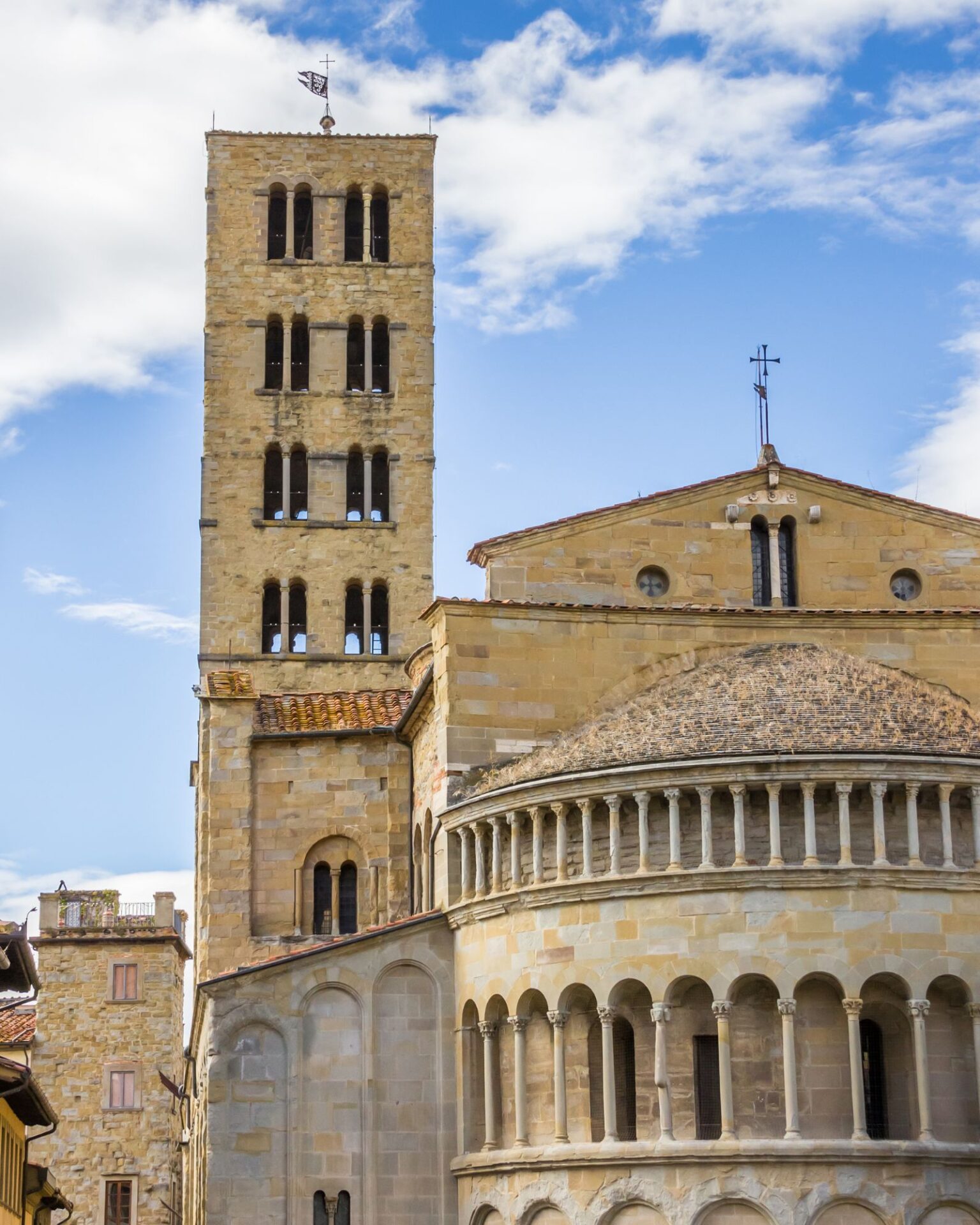
Nearby, I discovered the Romanesque church of Santa Maria della Pieve with its distinctive bell tower and honeycomb facade. Just a short walk away stands the Cathedral of San Pietro, where I spent an hour admiring its stunning stained glass windows and Gothic interior.
Planning Your Visit to Arezzo
Arezzo offers art lovers a unique opportunity to experience Piero della Francesca’s masterpieces in their original setting. I’ve found that planning ahead makes all the difference in fully appreciating these Renaissance treasures.
Best Times to Visit
I recommend visiting Arezzo during spring (April-May) or fall (September-October) when temperatures are mild and crowds are thinner.
Summer months, especially July and August, bring more tourists and higher temperatures that can make church visits less comfortable.
When I visited last May, the soft light filtering through the basilica windows created perfect viewing conditions for the frescoes. Weekday mornings, particularly Tuesdays and Thursdays, tend to be quieter.
Many local tour operators offer specialized Piero della Francesca itineraries that include transportation between Arezzo and nearby towns like Sansepolcro. I found these especially valuable for accessing multiple sites without rental car hassles.
Navigating Entrance Queues and Dress Code
The Basilica of San Francesco, home to Piero’s most famous fresco cycle, can get busy during peak seasons.
I suggest arriving early (before 10 AM) or booking tickets online through the official MUAR (Museums of Arezzo) website to avoid long entrance queues.
Remember that the basilica is an active religious site. Dress modestly with covered shoulders and knees as a sign of respect.
I always carry a light scarf in my bag for impromptu church visits.
Be aware that religious functions occasionally limit access to the frescoes. Check the basilica’s schedule in advance to avoid disappointment. When I visited, a local travel agency helped me plan around a scheduled Mass, saving me from making a wasted trip.
Guided Tours and Artistic Encounters
Exploring Piero della Francesca’s masterpieces in Arezzo becomes even more meaningful with expert guidance. The city offers several ways to connect deeply with these Renaissance treasures through specialized tours and the rich cultural context of Arezzo itself.
Professional Tour Guides
I highly recommend booking a tour with a professional guide when visiting Arezzo’s artistic treasures.
These experts in Renaissance art transform your experience from simple viewing to deep understanding. Most guides are art historians who share fascinating details about Piero’s techniques and the historical context behind his frescoes.
Tours typically begin at a central meeting point, often near the Basilica of San Francesco, home to the stunning “Legend of the True Cross” fresco cycle. A full-day guided experience usually includes visits to all of Piero’s works in Arezzo.
For art lovers seeking a complete experience, several tour operators offer extended itineraries that follow Piero’s footsteps through Tuscany. These journeys include Monterchi and Sansepolcro, where his other masterpieces reside.
The Poetry and Music of Arezzo
Arezzo’s artistic heritage extends beyond visual art into poetry and music, creating a rich backdrop for appreciating Piero’s works.
The city was home to Petrarch, one of Italy’s greatest poets, whose lyrical style echoes the harmony found in Piero’s compositions.
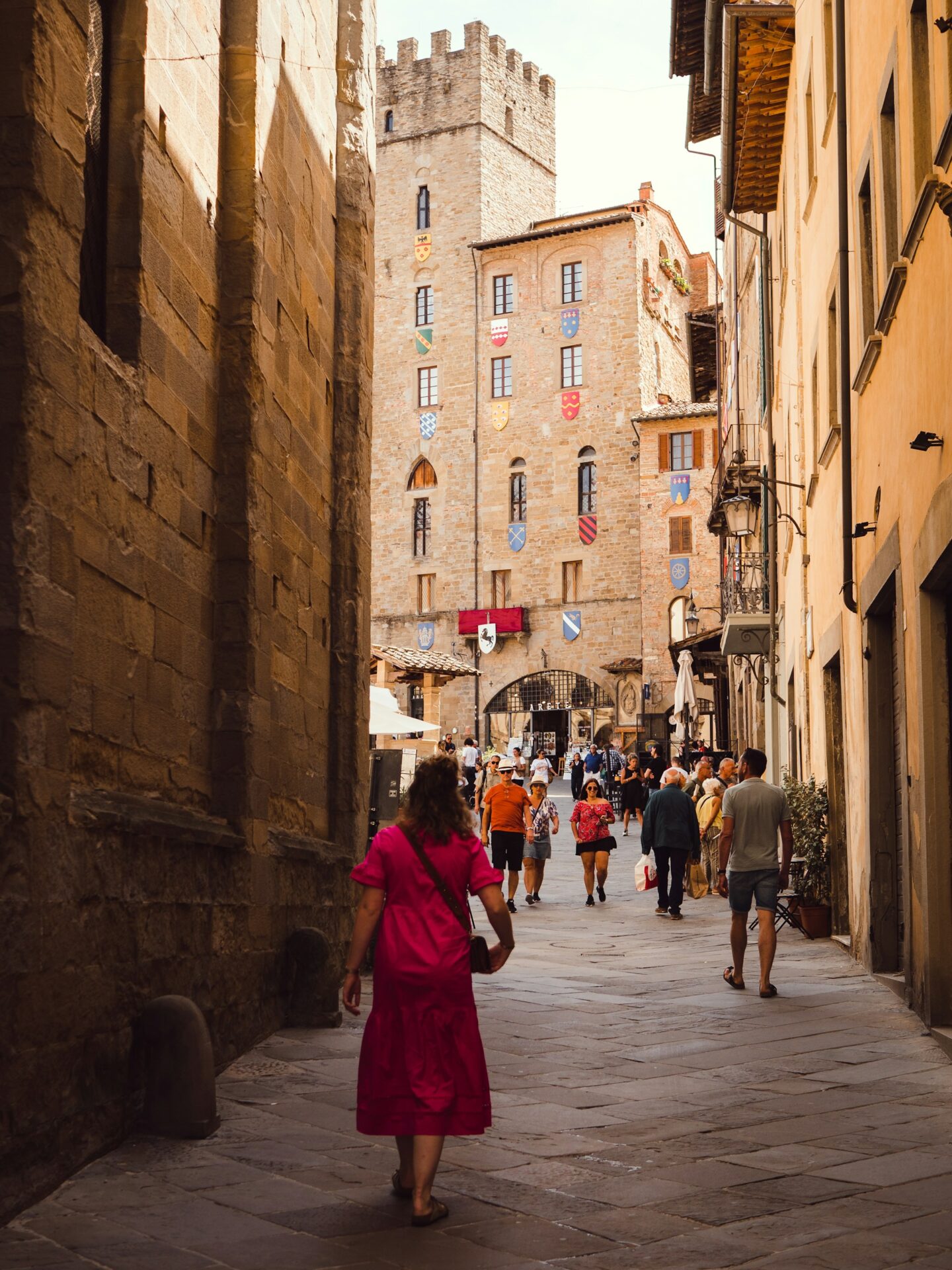
I love wandering through the medieval streets after viewing the frescoes. The city hosts frequent musical performances in historic venues that complement the artistic experience. These concerts often feature Renaissance music that would have been heard during Piero’s lifetime.
The Museo della Fraternita dei Laici sometimes offers combined tickets that include both visual arts and musical performances. This creates a multi-sensory journey through Renaissance culture.
During certain festivals, the streets come alive with period costumes and performances that transport visitors back to Piero’s time.
Practical Tips for the Art Enthusiast
Visiting Piero della Francesca’s masterpieces in Arezzo requires some preparation to fully enjoy the experience. I’ve learned a few tricks that can make your visit more pleasant and meaningful.
Photography and Etiquette
Photography policies at the San Francesco Church can change seasonally. Currently, non-flash photography is permitted in most areas, but I recommend checking the latest rules before your visit.
When I visited last, small handbags were allowed inside, but larger backpacks needed to be stored.
Keep your voice down while admiring the frescoes. The acoustics in the church can amplify even whispered conversations!
Groups larger than 8-10 people may need to book in advance. I noticed that mornings typically have fewer visitors, giving you more space to appreciate details.
Don’t bring liquid bottles inside—I learned this the hard way! Water can damage these centuries-old treasures if accidentally spilled.
Small Details, Big Difference
Bring a small pair of binoculars to catch the intricate details that Piero painted high on the walls. I missed many fascinating elements on my first visit because I didn’t have any.
Consider hiring a local guide. The symbolism in these frescoes is complex, and my guide pointed out details I would have completely missed.
Many hotels in Arezzo offer pick-up services to the church. I found this convenient as parking nearby can be challenging during peak seasons.
Wear comfortable shoes with soft soles. The marble floors can be slippery, and you’ll be standing for quite a while.
A small gratuity (€2-5) for church attendants who provide information is appreciated but not required.
