
The first time I rolled into Pinhão, the peaceful bend of the Douro River and those endless hillside vineyards totally stole my attention.
Pinhão really is the heart of Portugal’s Douro Valley. It’s famous for its gorgeous azulejo-tiled train station, lazy riverside walks, and all those nearby quintas making world-class wine.
That blend of old-world charm and wild beauty just makes this place feel so inviting.
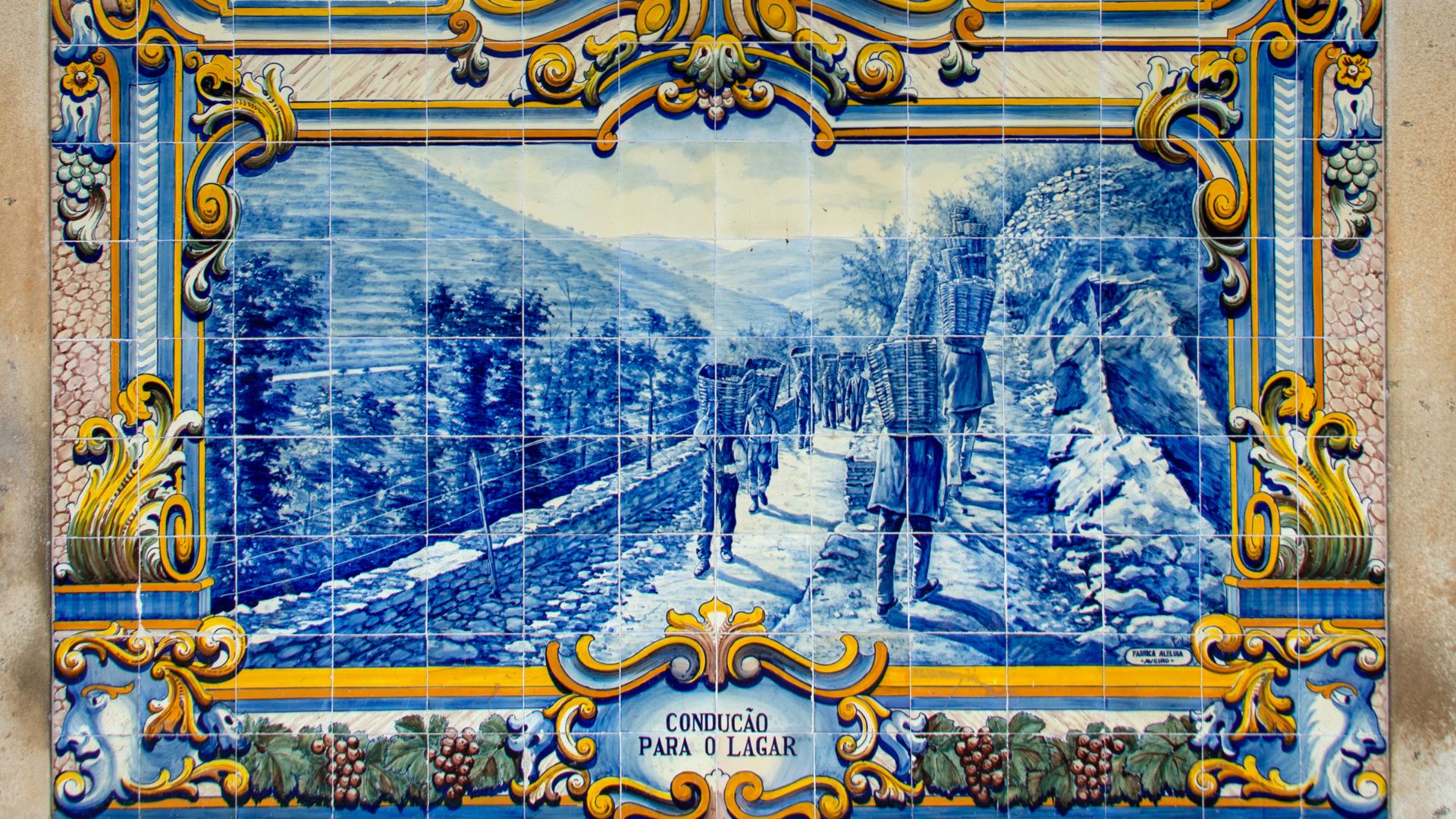
As I wandered through the train station, I had to pause and admire the blue-and-white tiles. Each panel shows grape harvests and riverside life—honestly, every one tells a piece of Pinhão’s deep winemaking story.
The smell of wine drifted down the quiet streets, and signs pointed me toward family-run quintas. Tasting authentic port and local wines here isn’t just a highlight—it’s a tradition.
Every step along the river or through the vines felt like walking into a postcard.
This little village just grabs your senses, whether you’re a wine lover, a history buff, or you just want to chill under the Portuguese sun.
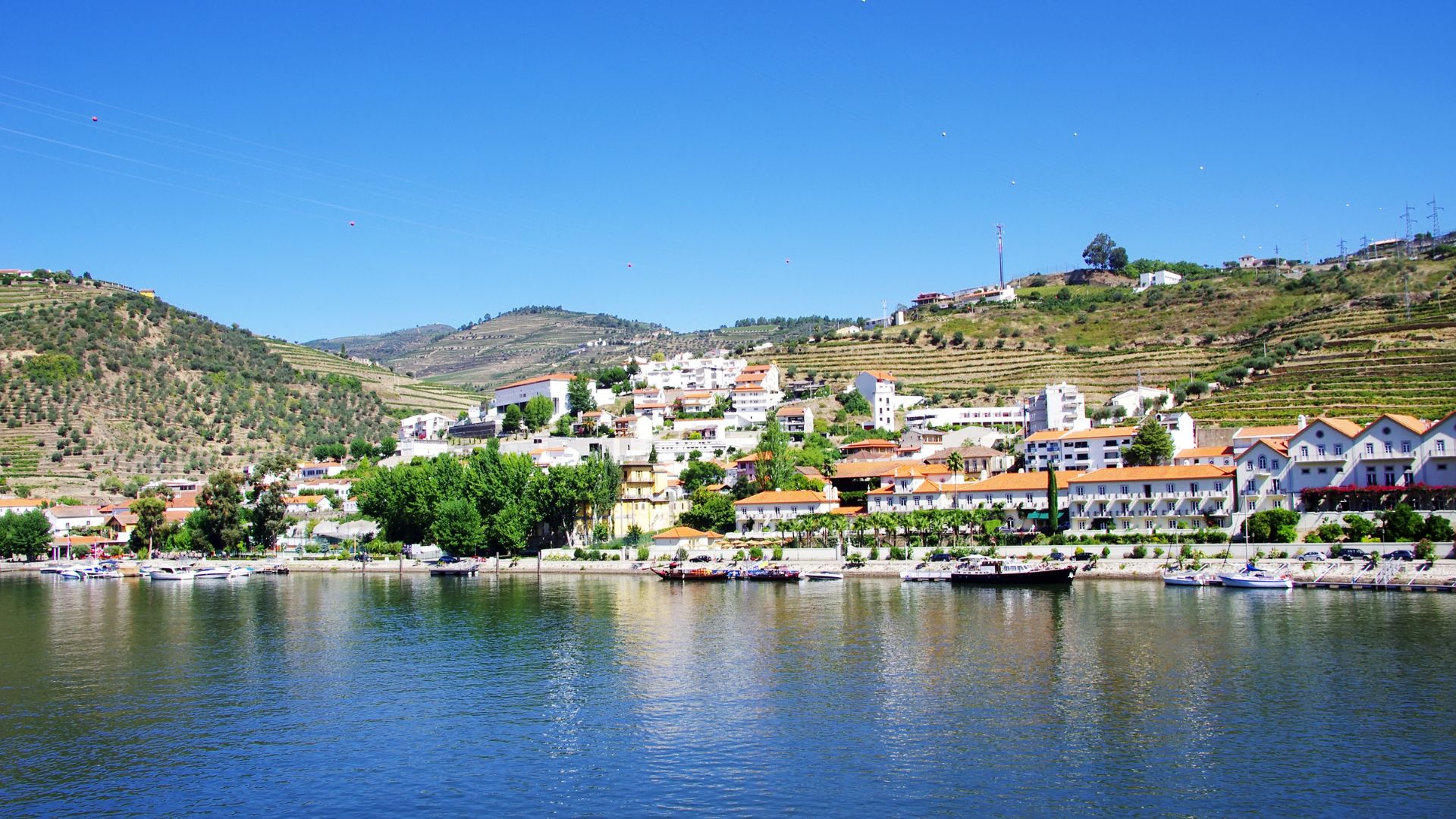
Getting to Pinhão: Your Gateway to the Douro Valley
Getting to Pinhão feels as memorable as actually being there.
Each route lets you soak up those terraced vineyards and steep green hillsides in its own way.
Arriving by Train Along the Linha do Douro
I hopped on the train from Porto’s São Bento station early in the morning, excited for the Linha do Douro ride.
This historic line hugs the river almost the whole way, winding past sleepy villages and never-ending grapevines.
The last half hour, especially from Régua to Pinhão, is just jaw-dropping—giant windows frame the river’s curves and dramatic cliffs.
Pinhão’s railway station stands out as a landmark.
Inside, I found beautiful azulejo tile panels showing off local vineyard life and the wine harvest.
The place feels almost like a museum, but trains still roll in every day.
You can grab tickets at the station or online; summer and harvest season get busy.
Train Tips:
- Route: Porto – Pinhão (Linha do Douro)
- Duration: About 2.5–3 hours
- Highlights: Epic river views, historic tiles at the station
- Best Seats: Right side of the train for the best scenery leaving Porto

Scenic Drives Through Northern Portugal
Driving through northern Portugal gave me the freedom to pull over whenever I wanted—a dream for anyone with a camera or a bit of wanderlust.
The roads to Pinhão twist through vineyards, olive groves, and tiny hilltop villages.
Portugal’s N222, which some call one of the world’s most scenic drives, made me want to slow down and just enjoy the ride.
Parking in Pinhão exists, but it gets tight during busy times.
I found it way easier to visit outside peak afternoons or on weekdays.
Car Rental Tip: Book ahead, especially around grape harvest. GPS helps a lot, but honestly, I enjoyed taking a few random detours to places like Peso da Régua.
Driving Summary Table
| Route | Distance from Porto | Estimated Time | Highlights |
|---|---|---|---|
| N222 | 120 km | ~1.5–2 hours | Vineyard landscapes, riverside stops |
| A4 + A24 | 135 km | ~1.5 hours | Fastest, less scenic |
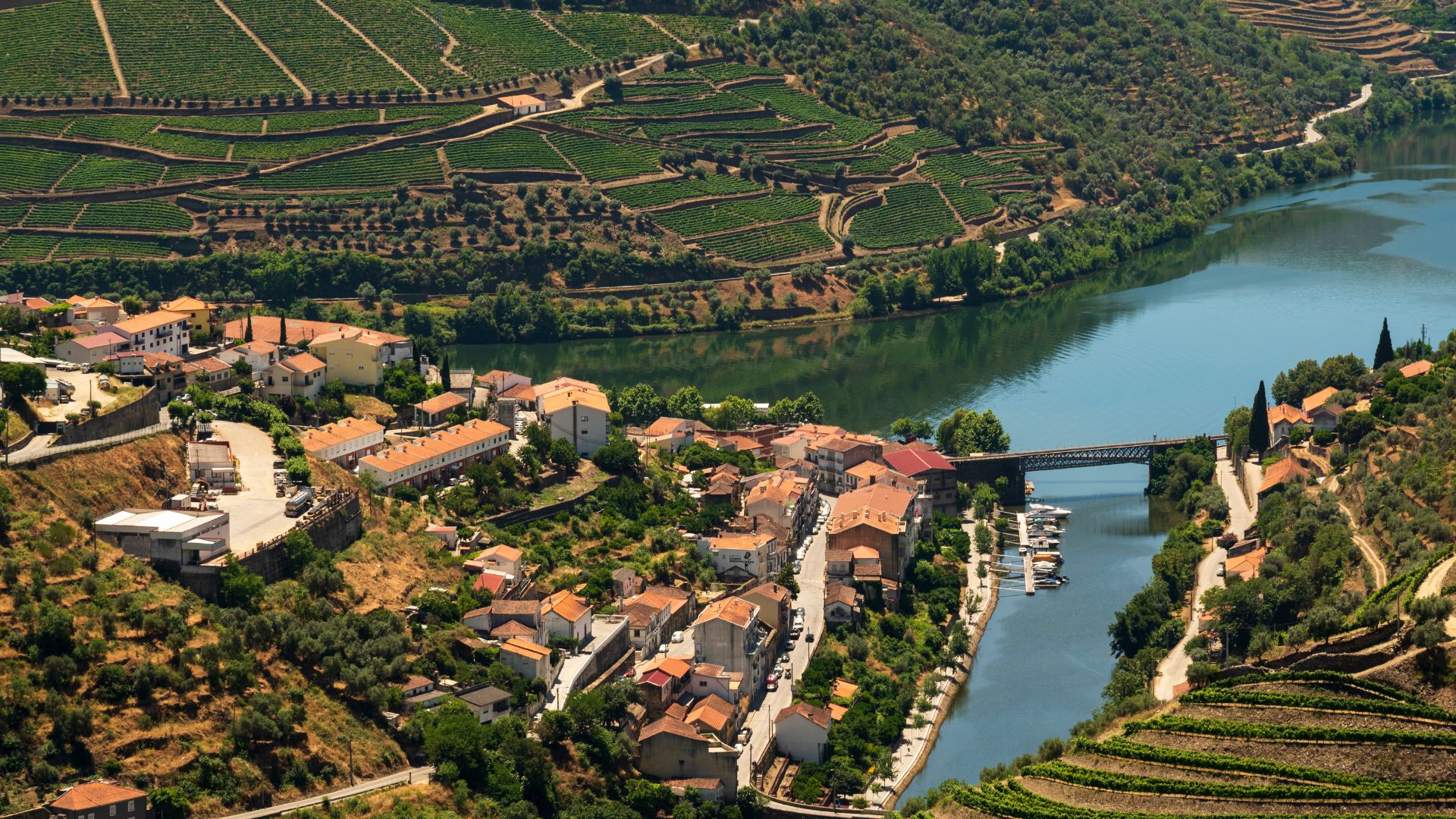
Day Trip from Porto: Travel Tips
If you only have a day, starting early from Porto is crucial.
Both train and car work, but honestly, I’d go for the train—it’s scenic and you don’t have to mess with parking or twisty roads.
Guided group tours are another option, and they usually include stops at local quintas and a port tasting.
Best time to visit: May to October, when the vineyards are at their greenest.
Grape harvest in September brings more people and a special buzz.
Bring water, sunblock, and dress in layers; the Douro can be sunny but a bit breezy, especially by the river.
Trains run pretty regularly, but I always check return times—missing the last train would be a headache.
I never leave without a snack and my camera; the photo ops as you approach Pinhão are something you don’t want to miss.
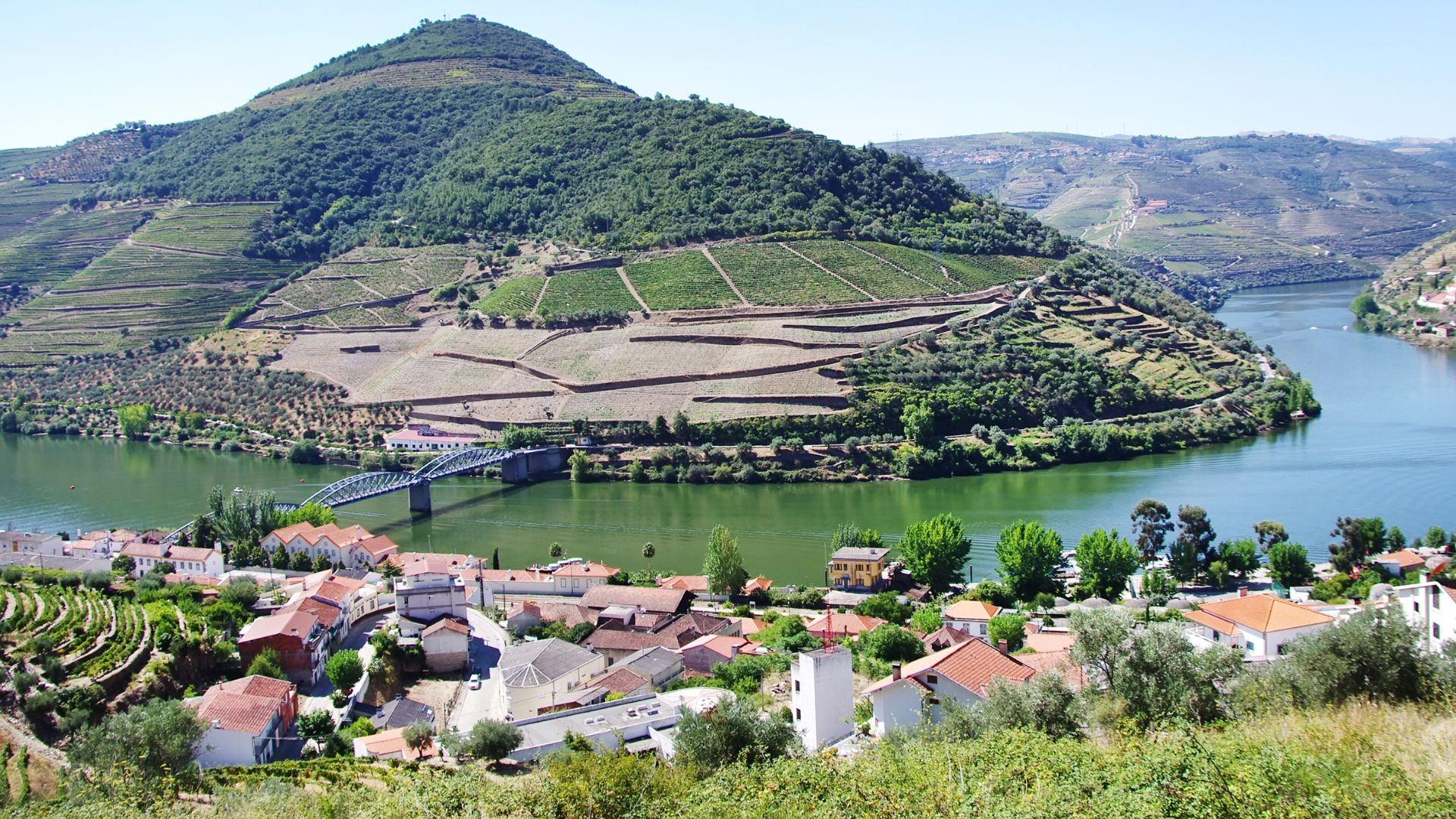
Pinhão’s Azulejo-Tiled Train Station: Artistry and History
When I arrived in Pinhão by train, those blue-and-white azulejo tiles at the station pulled me right in.
These panels aren’t just pretty—they tell stories from life along the Douro, tying together local history and the steady rhythm of the vineyards.
The Story Behind the Tile Panels
The Pinhão Train Station dates back to the 1800s, but its real claim to fame came in 1937.
That’s when artists installed twenty-four big azulejo tile panels all over the four outside walls.
Each hand-painted scene captures Douro Valley traditions, especially wine production and grape harvests.
I stood in front of the tiles, taking in images of vineyard workers, steam trains loaded with barrels, and riverboats floating down the Douro.
These tiles act like a local storybook, making the station a destination on its own.
They were meant to honor the Douro’s heritage right as the region was starting to get famous abroad.
The station’s beauty really shows the pride of a community built around port wine.
It’s now part of a UNESCO World Heritage Site.
Some travelers rush through, but I think it’s worth slowing down to soak up the station’s atmosphere and artistry.
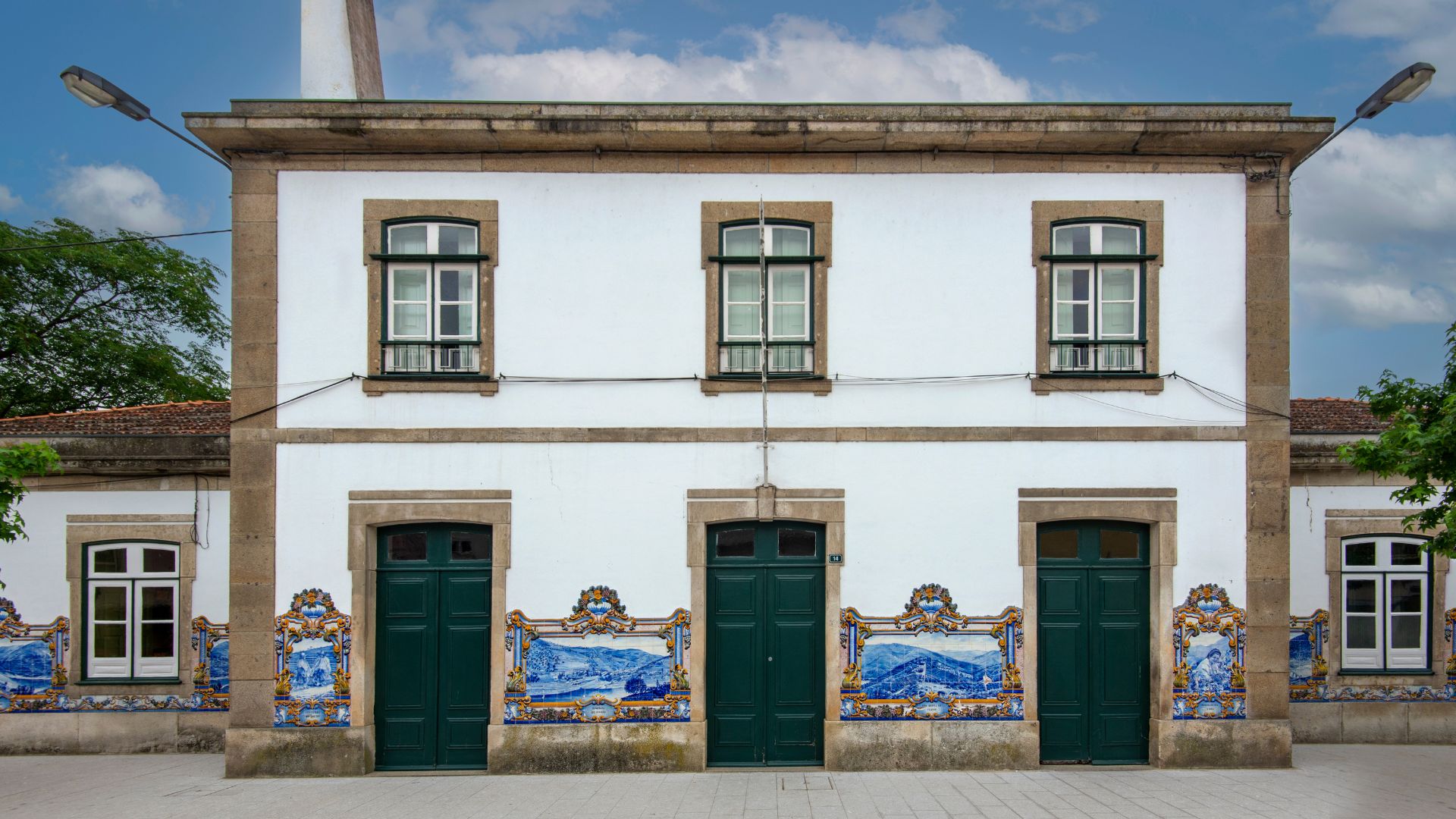
Azulejo Art and Douro Valley Traditions
Portuguese azulejos have a long history, but Pinhão’s stand out for how they connect art with the Douro’s unique life.
The tiles use classic blue and white glazes—elegant, but also deeply Portuguese.
These panels tell stories you’ll only find here: autumn grape harvests, rabelos boats hauling barrels downstream, and busy vineyard scenes.
They really show how wine and river trade shape Pinhão’s identity.
For anyone coming to the Douro, these tiles aren’t just decoration—they’re a window into local tradition.
Stopping at the station, I felt like the images helped me connect the area’s natural beauty, old railways, and living wine culture all at once.
Taking a moment to admire the azulejos is like stepping into a living story from one of Portugal’s most celebrated wine regions.
Riverside Strolls and Scenic Views
The Douro Valley pulls me in with its gentle riverbanks, vine-covered hills, and walking paths lined with olive trees and wildflowers.
Whether I’m wandering by the water or climbing for a view, Pinhão’s outdoor spaces feel peaceful and alive.
Savoring Douro River Walks
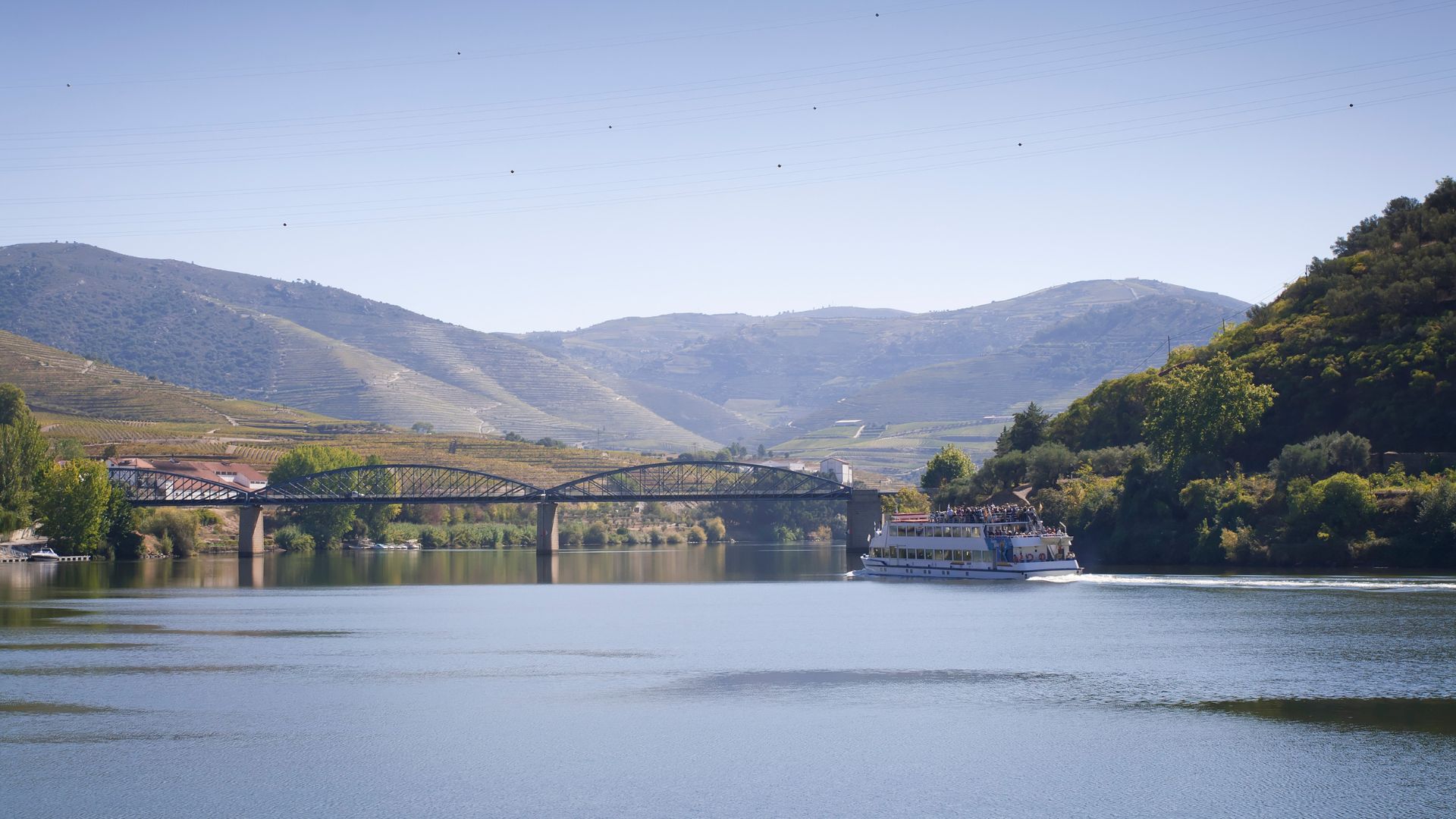
Strolling along the Douro River is probably my favorite way to see the town.
The paths hug the water, where local boats bob and old Rabelo boats—those classic wine barges—rest at the docks.
I love watching the morning mist lift, revealing those terraced vineyards on both sides.
The riverbanks stay pretty quiet, perfect for couples, visitors, and locals to walk, relax, or snap photos.
Highlights from my riverside wanderings:
- Benches under orange trees
- Fishermen out early
- Wine cellars and tasting rooms just a few steps away
Sunset by the river is something else, with golden light playing on the water.
A riverside walk in Pinhão lets me find my own pace and vibe with the valley’s rhythm.
Casal de Loivos Viewpoint: Panoramic Magic
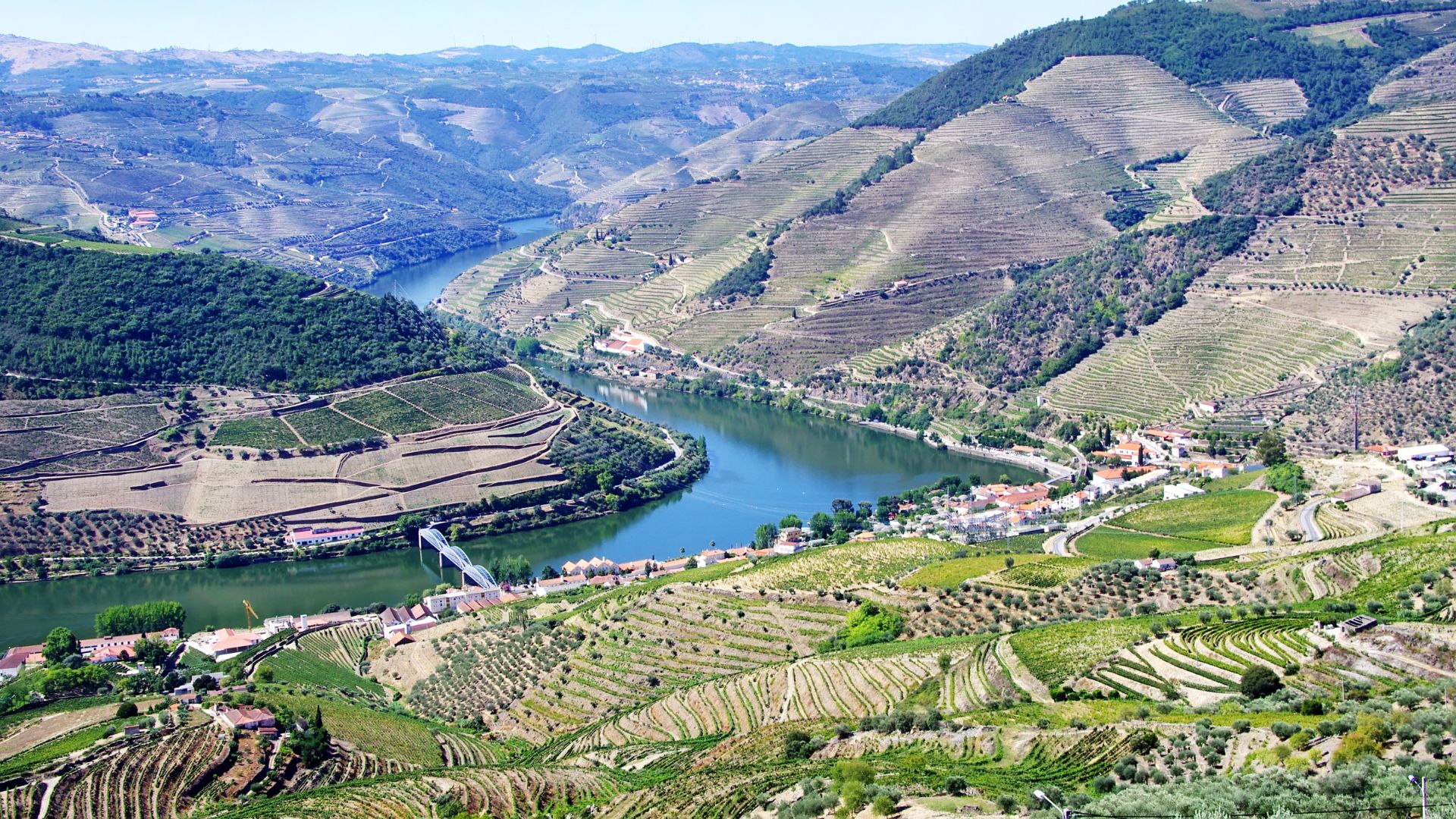
If I want to see the Douro Valley in all its glory, I hike or drive up to the Casal de Loivos viewpoint.
The five-kilometer trail from Pinhão winds through olive groves and tiny vineyards, gaining just enough height for jaw-dropping panoramas.
At the top, I stand and take in patchwork hills, curved river bends, and those striped vineyard terraces.
Even after all the scenic views I’ve seen, this one still gets me.
Casal de Loivos is a dream for photographers.
Early morning or late afternoon light makes the valley’s colors pop.
Sometimes, I just bring a picnic and hang out.
Tips for fellow hikers and travelers:
| What to Bring | Why |
|---|---|
| Water Bottle | Trails can get warm |
| Camera/Smartphone | Photo opportunities |
| Light Jacket | Breeze at the top |
Exploring Nature Trails and Hidden Gems
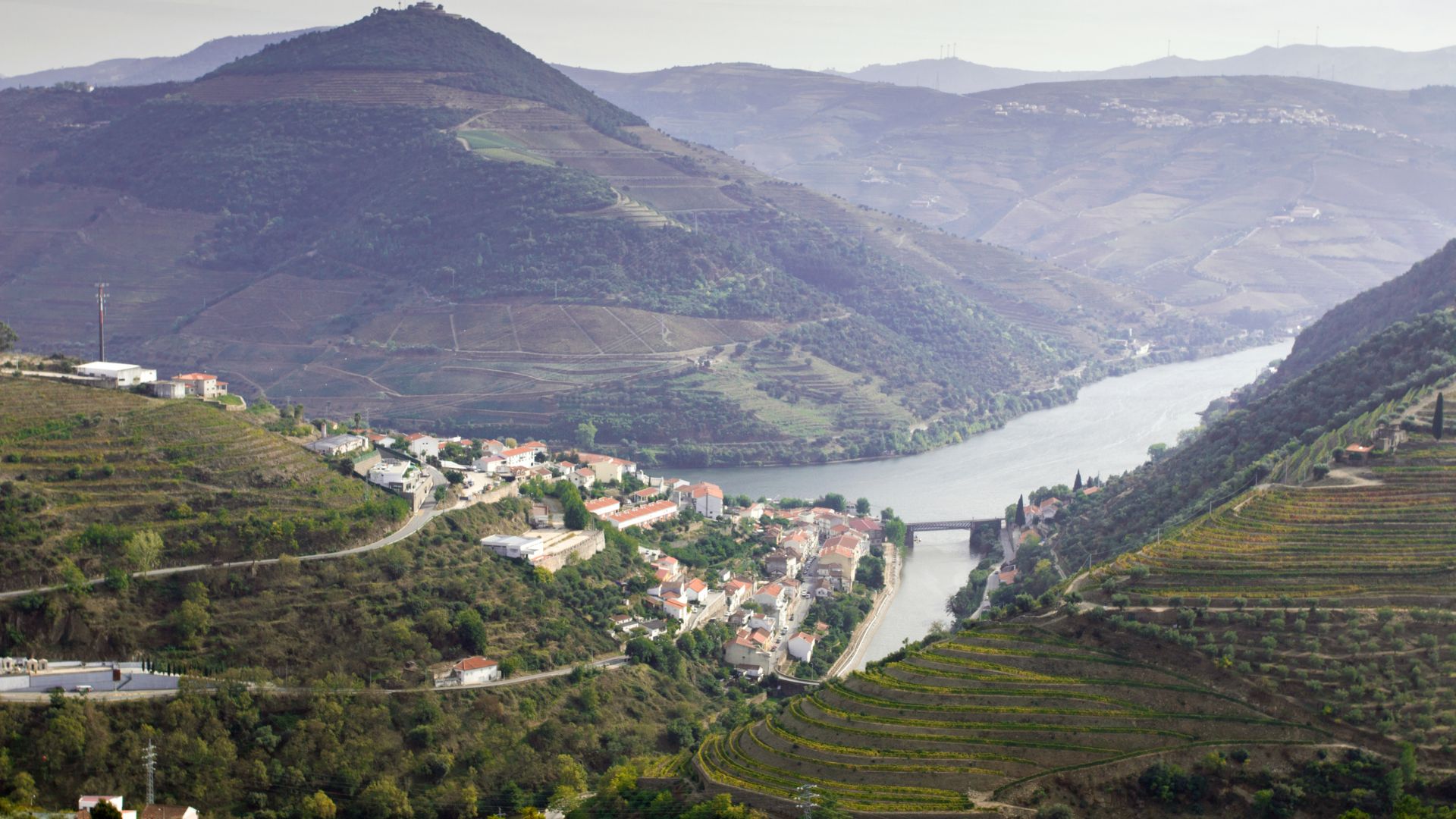
Beyond the well-known walks, Pinhão hides quiet trails that slip away from the crowds.
I’ve stumbled onto secret viewpoints tucked between vineyards, where all you hear are birds and the wind.
Some trails pass through traditional villages, letting me meet locals and peek at stone houses dressed in flowers.
Others head into the hills, giving that kind of solitude nature lovers crave.
Guided hikes can teach you about native plants and the long wine history of the region.
Every time I set out, I find a new hidden gem—maybe a tiny chapel, maybe an old olive press.
No matter where I walk, the landscapes always remind me why the Douro Valley is magic for anyone who loves nature and a good view.
Quintas Galore: Wine Estates, Tours, and Tastings
Pinhão sits among terraced vineyards and river bends, surrounded by some of the Douro Valley’s most prized quintas.
Wine lovers can join guided tours through historic wine estates, see port wine production up close, and taste wines right where the grapes grow.
Iconic Quintas: Quinta do Bomfim, Quinta das Carvalhas, and More
A few quintas around Pinhão stand out for their history and warm welcome.
Quinta do Bomfim quickly became a favorite of mine—right by the river, with beautiful tiles and a family-run feel that’s hard to beat.
The Symington family has run it for generations, and they offer both classic and premium port tastings.
Across the river, Quinta das Carvalhas is impossible to miss.
The views from the top of its vineyards are unreal.
Guided tours take you deep into wine production, and you can even join walks through the vines to see different grape varieties up close.
I’ve also got to mention Quinta de La Rosa—they blend tradition and new ideas, making both port and table wines.
Tastings here can be paired with local foods, which is a treat.
Other great stops include Quinta da Foz, one of the oldest estates, and Quinta do Crasto, famous for its still red wines and infinity pool that looks right over the Douro.
| Quinta | Key Features | Notable For |
|---|---|---|
| Quinta do Bomfim | Riverfront lodge, museum | Classic Symington Ports |
| Quinta das Carvalhas | Vine walks, panoramic views | Immersive tours |
| Quinta de La Rosa | Onsite restaurant, family owned | Food & wine pairings |
| Quinta do Crasto | Modern winery, historic cellars | Red wines, pool |
| Quinta da Foz | Traditional lagares, heritage vines | Old vine ports |

Behind the Scenes: Port Wine Production and Viticulture
Every visit to a quinta gives you a peek behind the scenes of port wine production.
I’ve watched teams explain how they still use stone lagares, crushing grapes by foot during harvest.
The way old techniques mix with modern tech really shows off the Douro’s unique winemaking approach.
Local viticulture depends on steep, terraced vineyards carved right into the hills.
The mix of microclimates and grape varieties—Touriga Nacional, Tinta Roriz, Touriga Franca—means each quinta is a little bit different.
Watching the grape harvest in September always feels like a highlight, with so much energy buzzing through the valley.
Guided tours usually take you into the cellars, where wine ages in oak barrels, and walk you through every step from fermentation to aging.
I honestly find it fascinating how different soils and slopes shape the flavors of the wines.
Wine Tasting Experiences for Enthusiasts
Wine tastings in Pinhão are way more than just a quick sip. Most quintas set up thoughtful tastings where I get to compare port styles—ruby, tawny, vintage—or try Douro table wines, which often surprise me with their bold reds and aromatic whites.
A lot of estates have built tasting rooms with amazing river or vineyard views. Seated tastings are the norm, but some places shake things up with blending workshops or food pairings. There’s something special about tasting a port wine just a few steps from the vines that produced it.
If you love meeting the people behind the wine, some estates invite guests to meet winemakers or join a personalized tour. These sessions usually lead to lively chats about the tough work of growing vines on Douro’s steep slopes and the story in every bottle.
Historic Estates and Vineyard Landscapes
When I walk through these quintas, I can’t help but notice history in every detail. Estates like Quinta do Bomfim still use 19th-century buildings, with walls covered in azulejos that tell the valley’s story.
Some facilities double as small museums, showing off old tools and harvest photos. The terraced vineyards always catch my eye—they’re proof of generations of hard work, with each stone wall built to fight erosion and catch the sun.
From some overlooks, the patchwork of vines and river bends just feels timeless. Guides often point out the UNESCO World Heritage status of the valley and explain how families shaped this landscape over centuries.
I like to wander these trails with my camera, soaking up the sense of living history and thinking about the valley’s future as one of the world’s oldest wine regions.
River Adventures: Rabelo Boats and Cruises
Pinhão sits right in the heart of the Douro, where vineyard-covered hills meet the winding river and time seems to slow down. Getting out on the water changes everything—suddenly, I see the region’s history and beauty from a whole new angle.
Classic Rabelo Boat Tours
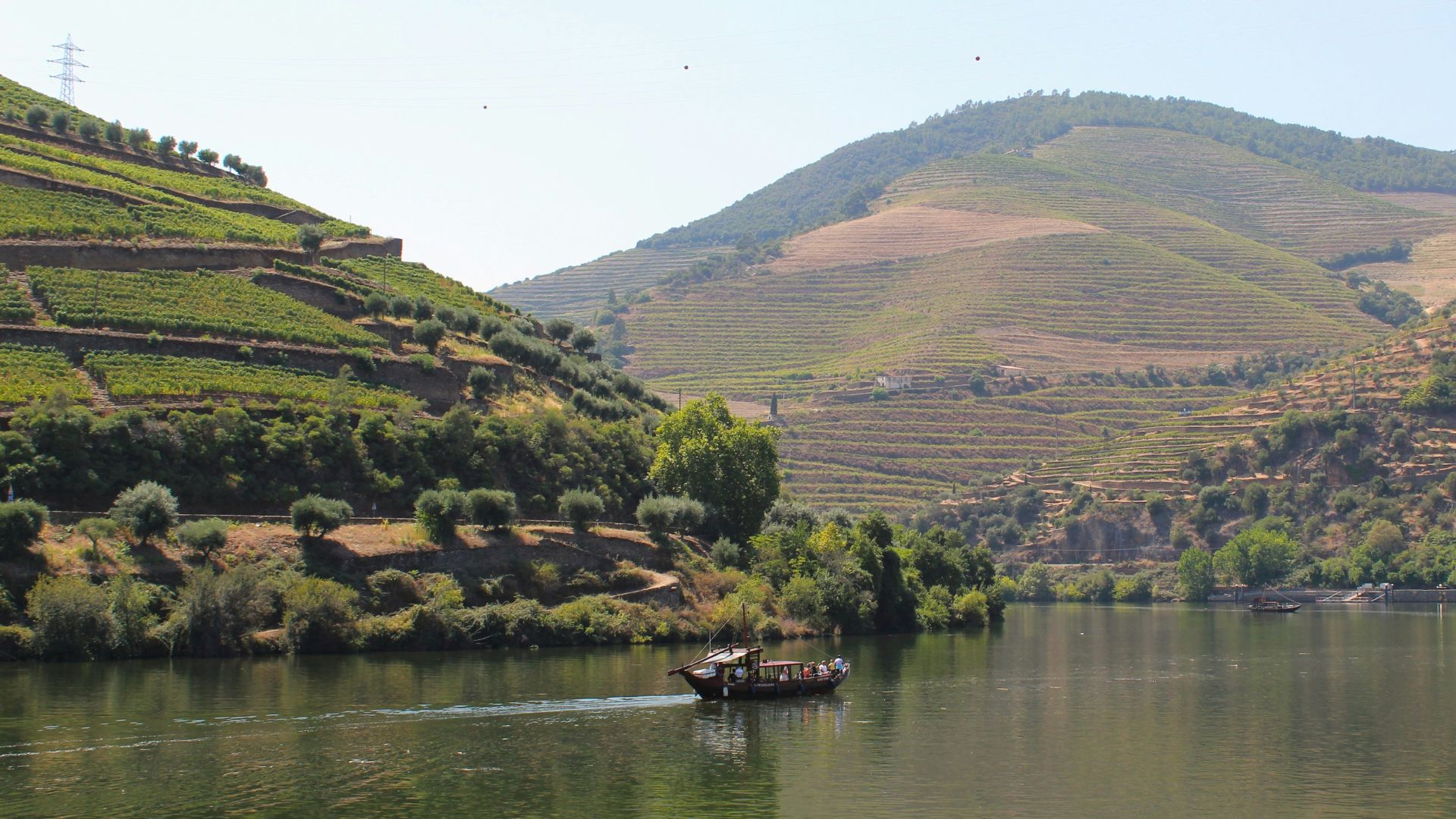
One of my favorite ways to explore the Douro is on a classic rabelo boat. These wooden boats go back to the 18th century, back when they hauled wine barrels from the quintas to Porto.
Stepping onto a rabelo feels like slipping into another era, with the splash of water and endless vineyard views. Most tours leave from the Pinhão quay and last an hour or two.
They usually include an audio guide, so I can listen to stories about the wine region, old traditions, and the families who built the Douro’s name. Audio guides often come in English, Portuguese, and sometimes Spanish, which helps bring the history to life.
The pace is slow, which fits the landscape perfectly. Onboard, I’ve sipped a glass of Port, watched fishermen along the banks, and caught sight of herons now and then.
Since the boat sits low in the water, it glides close to the granite slopes. There’s always time to snap a photo as we pass old wineries and bridges.
Modern River Cruises Along the Douro
If you want a different vibe, modern river cruises along the Douro are a hit with wine lovers and families. Larger boats give you space to wander, and sometimes you’ll find extras like a wine shop, open deck, or snack bar.
Cruises can be short one-hour loops or longer trips that reach the Tua River mouth. Most include scenic commentary about the region’s UNESCO-listed wine landscapes.
I get to spot terraced vineyards, whitewashed quintas, and rolling green hills as far as I can see. Some cruises even serve tastings of regional wines right on board, so I can sample the valley’s best without leaving my seat.
Many companies bundle river cruises with guided vineyard visits or tastings on land. I’ve found this makes it easy for newcomers to get the essentials: great wine, stunning views, and a taste of the local history—all in one go.
Sailing with Veladouro
Sailing with Veladouro always feels like a true Douro adventure. This local company runs personalized boat rides and tours from the Pinhão marina.
Their crew is friendly and loves to share stories about the river, the vineyards, and life in the valley. Veladouro offers both classic rabelo boats and modern riverboats.
I like their smaller group sizes, which mean more space and time to ask questions about winemaking or the famous Azulejo tiles at Pinhão’s train station. Depending on the tour, I might sip local wines on board, or ask for the best photo spots.
Booking is pretty straightforward. Their website lists different tours—private charters, family trips, or wine-focused cruises.
I appreciate the flexibility, since I can pick a quick tour or a longer exploration of the Douro River. Either way, I know I’ll get great company and world-class views.
Where to Stay and Eat: Accommodations and Local Flavors
Pinhão really spoils you with cozy places to stay and unforgettable food. My visit was a mix of restful nights and delicious meals—all set against endless hills and river views.
Charming Guesthouses and Boutique Hotels
As I wandered into Pinhão’s center, I noticed how the hotels and guesthouses add so much to the town’s character. The Vintage House Hotel really stood out—a gorgeous riverside spot with big rooms and sunny terraces.
Waking up there meant opening my window to the Douro River sparkling below. Near the train station, I found local guesthouses that felt homey and welcoming.
Most are family-run, and you get the feeling you’re staying with friends. LBV House Hotel caught my eye with its modern touches and warm welcome, plus a pool that overlooks the vineyards—perfect for an evening swim.
A little outside the center, Quinta de la Rosa mixes a working wine estate with rustic-chic style. Sipping local Port on their patio after dinner just felt right.
| Accommodation | Type | Standout Feature |
|---|---|---|
| Vintage House Hotel | Boutique Hotel | Riverside luxury & views |
| LBV House Hotel | Boutique Hotel | Modern, pool & vineyard views |
| Quinta de la Rosa | Guesthouse/Wine Estate | Port tastings & rustic setting |
Dining Experiences: From Bacalhau to Cozido
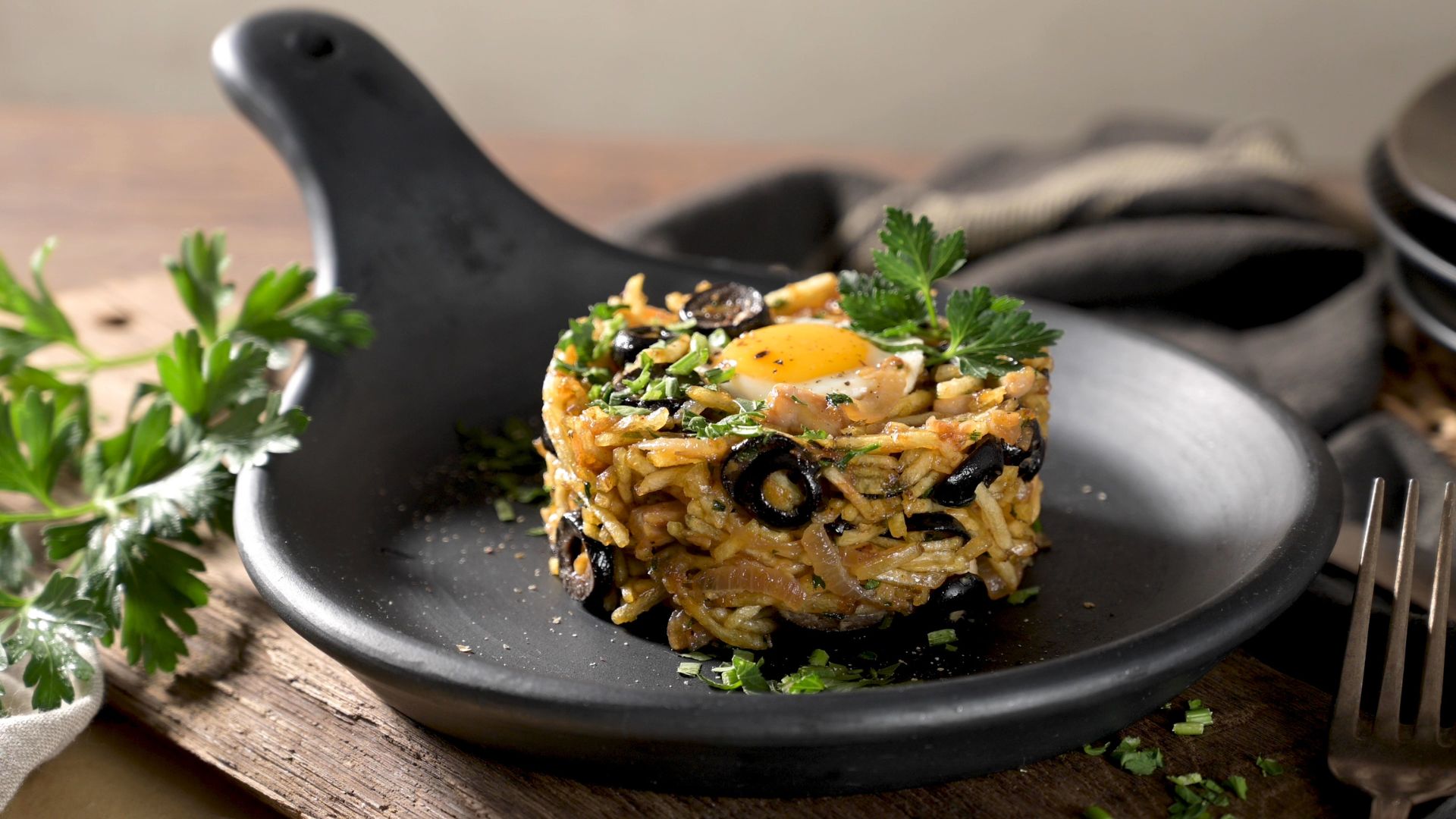
Eating in Pinhão always feels like a treat. When I walked along the river in the evening, I saw tables filled with dishes like bacalhau à brás—salted cod with eggs, potatoes, and olives.
I had to try it at Restaurante Veladouro, which I loved for its relaxed vibe and hearty plates. For a fancier meal, Cozinha da Clara served a creative twist on local food.
Their cozido, a slow-cooked meat and veggie stew, was rich and comforting—reminded me of home cooking. Pairing it with local wine made it even better.
Food here is all about fresh, simple ingredients: olive oil from nearby groves, warm crusty bread, and wine with every meal. Even if I just grab a snack, you can tell how much pride goes into local cuisine.
Local Markets and Regional Specialties
Early mornings, I wandered through Pinhão’s small local markets, hoping to find snacks and maybe a souvenir or two. Stalls overflowed with cheeses, homemade jams, and olive oils.
I just couldn’t walk by without grabbing a little bottle of golden olive oil, pressed right from the valley’s ancient groves. There’s something about the way it catches the morning light—hard to resist.
Wine shops popped up all over town, and I kept getting drawn in for tastings and a bit of advice. I’d always stumble on something new, whether it was a Douro red I’d never heard of or a rare Port you’d only find here.
The shopkeepers, always friendly, loved sharing their favorites and explaining what made each bottle stand out. Sometimes I wondered if they ever tired of talking about wine, but honestly, their enthusiasm was contagious.
The markets offered the best chance to try local specialties—sweet pastries, fresh fruit, and now and then, a homemade liqueur that packed a punch. If you want to taste real Douro flavors, this is where I’d start my mornings, hunting for treats to bring back home.
