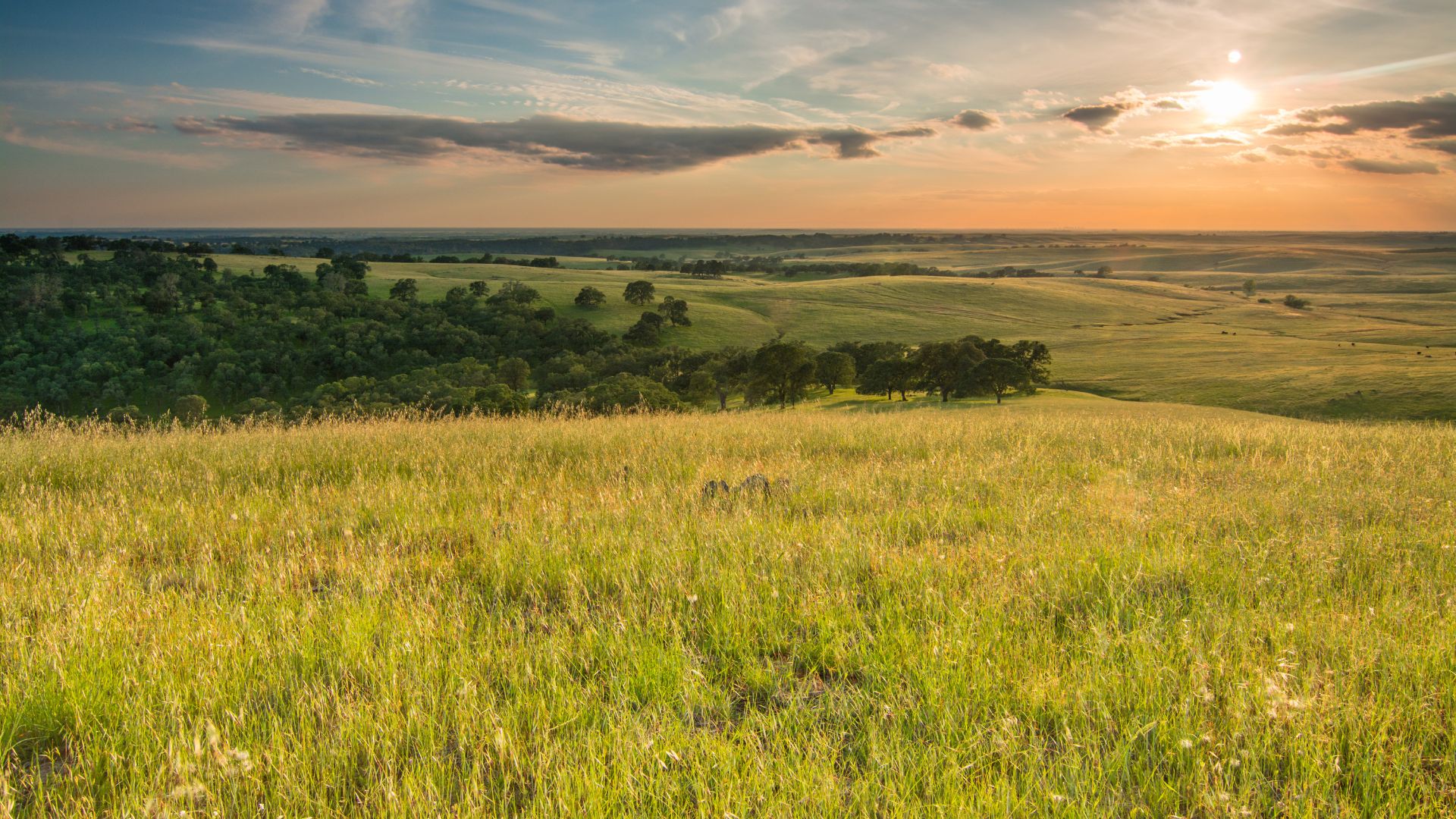
Placerville, California has a quirky place in Gold Rush history. Folks once called it “Hangtown,” where justice happened fast and gold fever ran wild.
You’ll find it just 30 miles east of Sacramento, right in the middle of El Dorado County. This historic mining town lets you step back into the 1800s but still enjoy all the modern perks that make a trip here genuinely fun.
When I wandered through Placerville, I found a place where Gold Rush heritage, scenic apple orchards, and award-winning wineries all blend together. The town started as Dry Diggins, and honestly, it’s come a long way since its wild mining camp days. Still, that spirit of adventure seems to hang in the air.
I tried panning for gold in the American River, strolled through Apple Hill’s endless farms, and tasted wine in the El Dorado Wine Country. Placerville really does have something for everyone.
Downtown keeps its old-school charm but throws in enough modern comforts to make it a great home base for exploring Gold Country.

Exploring Gold Rush Heritage in Placerville
Placerville’s journey from the gritty mining camp of Dry Diggins to a historic town tells the whole wild story of California’s Gold Rush. Preserved landmarks, quirky museums, and legendary tales give you a direct connection to the chaos and hope that shaped El Dorado County back in 1848.
The Story Behind Dry Diggins, Hangtown, and the Renaming to Placerville
Placerville didn’t always go by its current name. I learned it started out as Dry Diggins in 1848, when miners found gold in the dry creek beds.
They called it that because the rocky ground made water-based mining impossible. So, miners had to get creative and use “dry” methods.
By 1849, the town picked up the nickname Hangtown after a few public executions. The mining camps didn’t mess around when it came to crime, and the name stuck.
Residents finally decided to rebrand in 1854, choosing Placerville to sound a bit more respectable. “Placer” refers to the type of gold mining they did in the nearby creeks and hills.
The California Gold Rush and Its Impact on El Dorado County
Everything changed when James Marshall found gold at Sutter’s Mill in Coloma, just ten miles away, on January 24, 1848. That one discovery flipped El Dorado County upside down.
Thousands of people poured in, chasing dreams of fortune. Placerville turned into a busy supply center for miners heading into the mountains.
The town’s spot along the route between Sacramento and the Sierra Nevada mining camps made it a hub for business. General stores, hotels, and saloons seemed to pop up overnight.
Transportation networks sprang up to move people and supplies, and farms started to feed the swelling population.
Significant Gold Rush Landmarks and Museums
Some sites in Placerville feel almost frozen in time. The El Dorado County Historical Museum sits in the oldest building on Main Street, dating back to 1852.
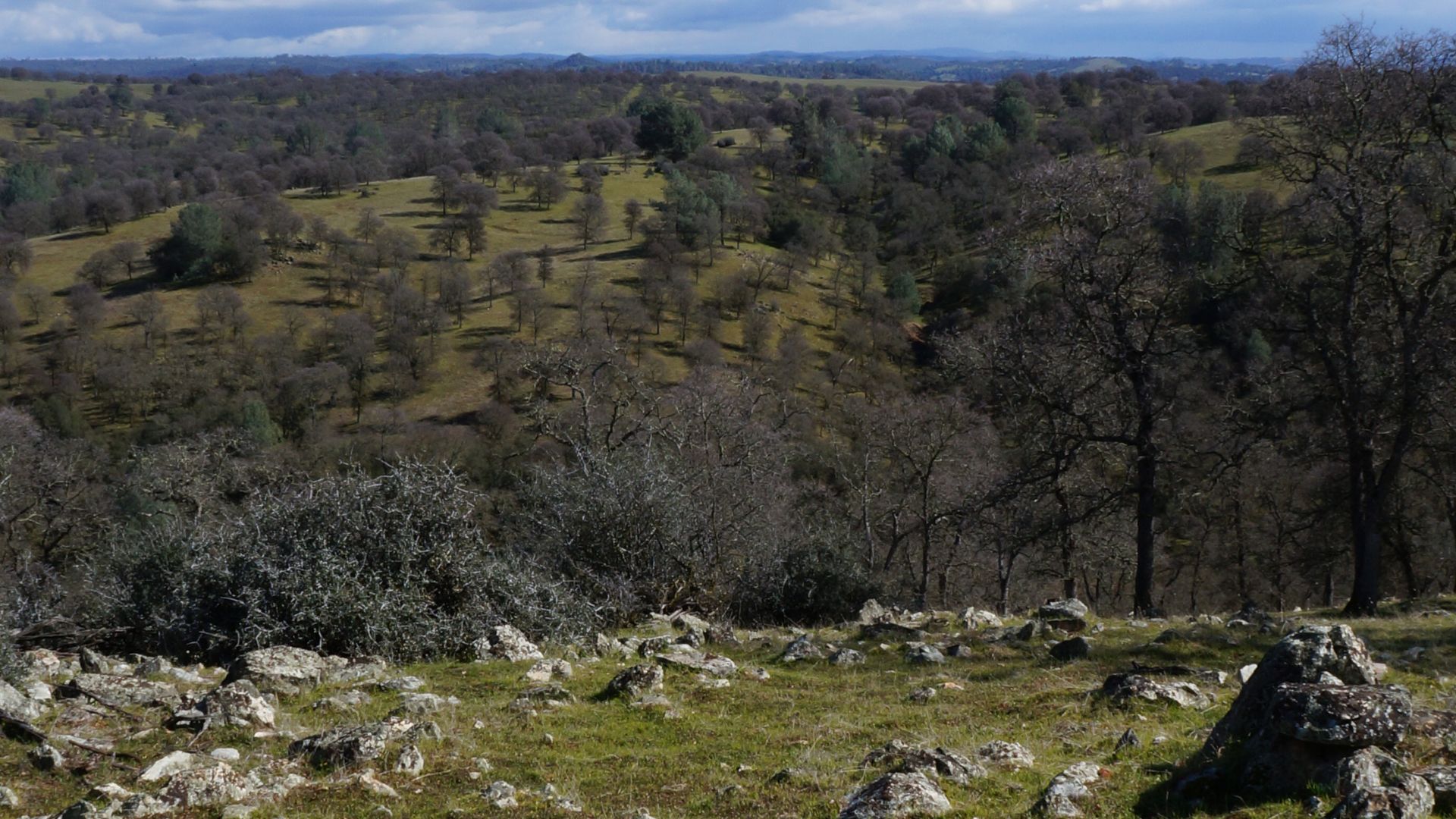
Inside, I saw Gold Rush artifacts, Native American items, and rocks pulled straight from local hills. It’s a crash course in daily life for those early miners.
At Hangtown’s Gold Bug Park, you can actually tour an underground mine. Walking through those tunnels, I imagined the clanging of pickaxes and the hope that each swing brought.
Main Street still looks much like it did in the 1850s and 1860s. The old storefronts and wooden facades make it easy to picture the town’s wild past.
The Hangman’s Tree Ice Cream Saloon stands on the spot where those infamous hangings happened. It’s a little eerie, but it connects you to the legendary side of frontier justice.
Justice in Hangtown: Historical Events and Legends
Placerville’s “Hangtown” nickname came from real-life drama. In 1849, three men faced the gallows after a quick trial for robbery and attempted murder.
They hanged them from a big oak tree right on Main Street. That tree—soon called the “Hangman’s Tree”—became part of the town’s identity.
Back then, miners handled crime themselves. Law enforcement barely existed, so vigilante committees made snap decisions about guilt and punishment.
These hangings weren’t about bloodlust—they were about survival. The camps drew both honest folks and desperate criminals, and people did what they had to do.
Over time, these stories took on a life of their own. They still draw curious visitors who want a taste of Gold Rush grit.
Gold Discovery and Mining Adventures
James Marshall’s gold discovery at Sutter’s Mill in 1848 changed California forever. You can still get a feel for those days at the Gold Bug Mine, or by panning in the American River—people are out there every day, hoping for a lucky find.
Historic Sites: Sutter’s Mill and Coloma
I took a drive out to Coloma, just eight miles from Placerville. That’s where Marshall struck gold on January 24, 1848, while working on a sawmill for John Sutter.
He spotted gold flecks in the tailrace, and suddenly, the Gold Rush was on. The original mill’s foundation is still there, right along the South Fork of the American River.
What you can see:
- Remnants of the original sawmill
- Marshall Gold Discovery State Historic Park
- Rebuilt sawmill for demonstrations
- Interactive exhibits about the discovery
Guided tours walk you through how Marshall’s find set off a wave of mining camps. Dry Diggins—later Placerville—sprang up almost overnight.
Funny enough, Sutter tried to keep the gold a secret. He worried that miners would swarm his land and destroy his plans for farming.

Gold Bug Mine: Tours, Mining Equipment, and Blacksmith Shop
Gold Bug Mine turned out to be the most authentic mining experience I found in Placerville. The 57-acre park sits right on Big Canyon Creek, where the first prospectors tried their luck.
Walking through the 352-foot mine shaft, I felt the chill and saw the marks left by miners nearly 200 years ago. It’s not hard to imagine the grit it took to work in those conditions.
Tour options:
- Self-guided audio tours
- Docent-led group tours
- Priest Mine (guided tours only)
The Joshua Hendy Stamp Mill was a highlight. I watched as the machinery crushed rock into dust, just like they did in the old days.
The blacksmith shop is still up and running. You can watch craftspeople work the forge and maybe even buy a handmade souvenir. The Cornwall Mineral Collection was a surprise—so many rare minerals packed into one spot.
Hattie’s Gold Rush Museum and the Meager House (once the mine owner’s summer home) add a layer of history and atmosphere.
Gold Panning Experiences and Guided Adventures
I rolled up my sleeves and tried gold panning at a few spots around Placerville. Gold Bug Park has panning troughs where, for a couple bucks an hour, you can sift through river silt and maybe find a gem or two.
The American River is still the go-to for serious panners. Local outfitters offer guided trips, gear, and plenty of advice.
Basic panning gear:
- Gold pan (14-16 inches is a good bet)
- Classifier for sorting
- Snuffer bottle for collecting flakes
- Small shovel or scoop
The technique is simple but takes practice. Fill your pan with gravel, add water, and swirl until the heavier stuff (hopefully gold) settles at the bottom.
Guides told me to watch for black sand—gold often hides there. The best spots are on the inside bends of the river, where the current slows and heavy materials drop out.
American River and Its Influence on Gold Mining
The American River made everything possible for Placerville’s miners. I spent time along the South Fork, where Marshall made his famous discovery, and checked out the main channel too.
Early prospectors scooped up nuggets and flakes from gravel bars using little more than a pan and a dream. When that surface gold ran out, they chased gold veins into the hills, digging mines like Gold Bug.
The river’s twists and turns decided where the gold landed. Heavy winter storms would send new gold downstream, depositing it in quiet pools and bends.
Popular mining spots:
- Coloma to Lotus stretch
- Colfax area upstream
- Auburn confluence
Even today, you’ll spot hopeful miners working those same stretches, especially after a big storm. The river just keeps giving up new gold, year after year.

Charm and Culture of Historic Downtown Placerville
Downtown Placerville is a time capsule, with 19th-century architecture and landmarks from the Gold Rush days. The Bell Tower anchors the community, and local restaurants serve up the legendary Hangtown Fry—eggs, oysters, and bacon, all in one wild dish.
Main Street Architecture and Notable Landmarks
Main Street is a treat for anyone who loves old buildings. I wandered past beautifully preserved Victorian-era storefronts that tell the story of Placerville’s mining roots.
Modern businesses fill these classic buildings, but they’ve kept the original charm. The wooden facades and quirky signage really sell the Old West vibe.
Notable buildings:
- El Dorado Hotel – Where Hangtown Fry was invented
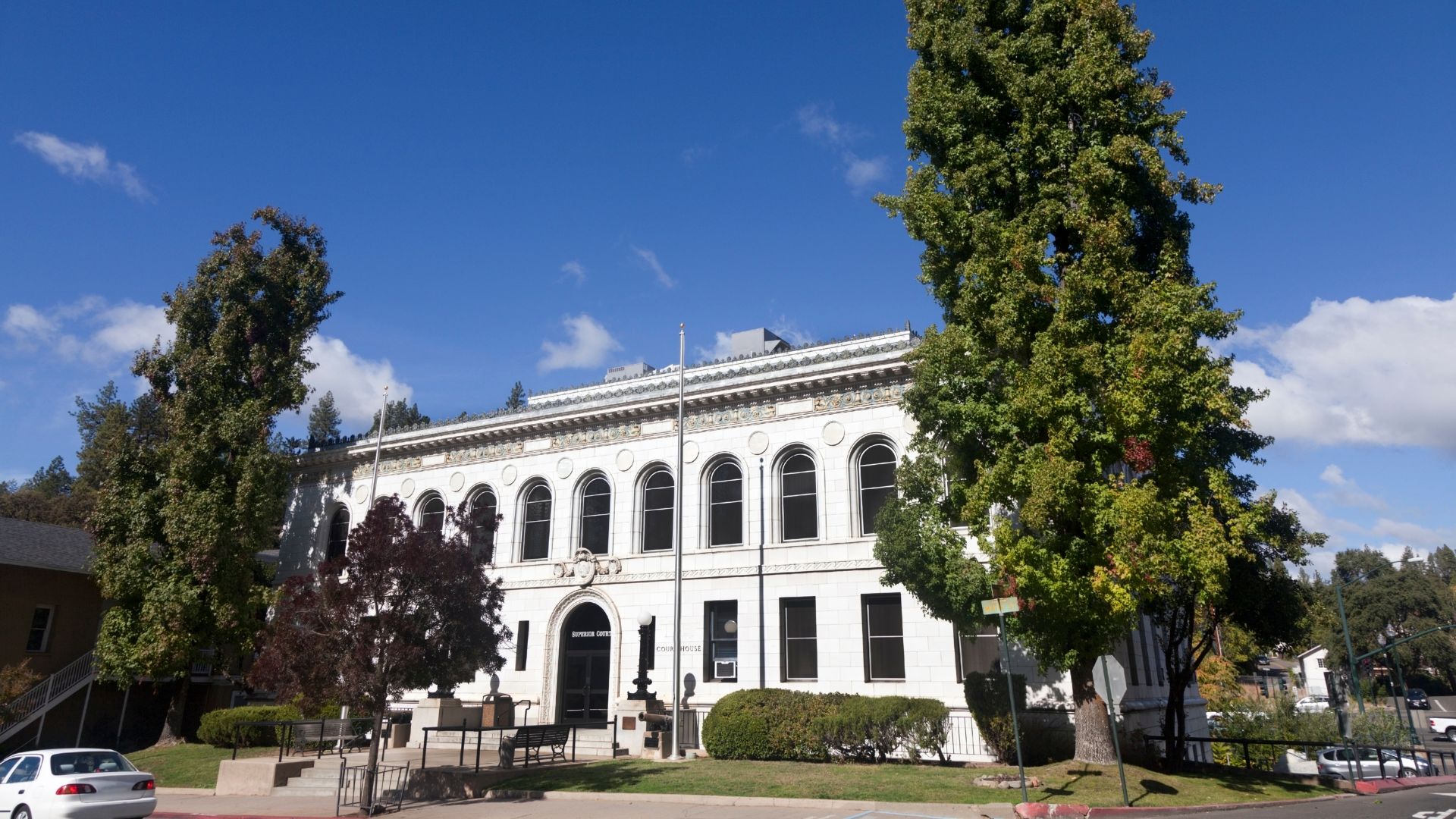
- Historic courthouses – Show off the government style of the era
- Original merchant buildings – Now home to antique stores and cozy cafes
Covered walkways and tall, false-fronts are everywhere. The ornate woodwork and vintage paint colors make you feel like you’ve stepped straight into a Gold Rush postcard.
The Placerville Bell Tower and Community Events
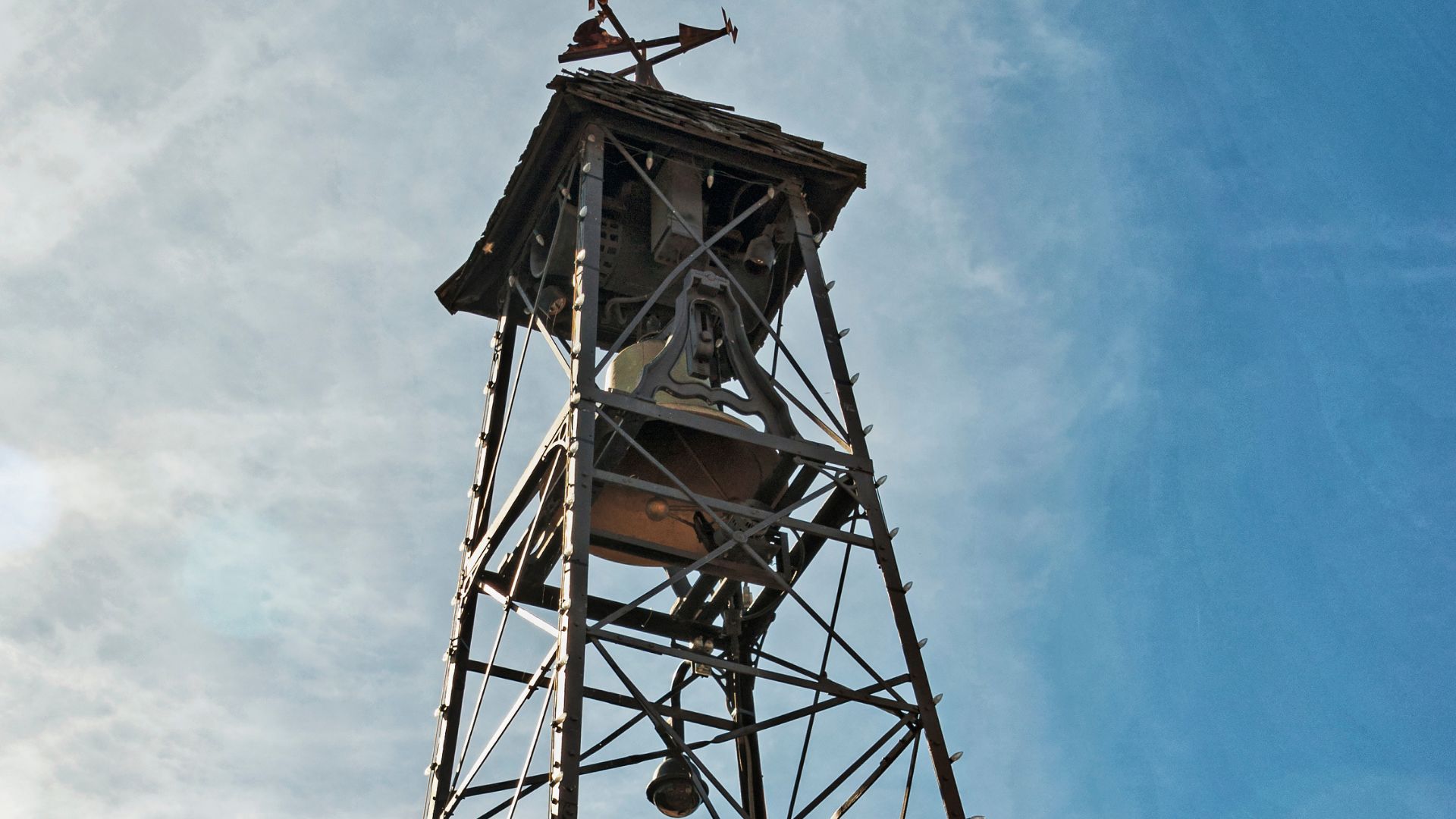
Placerville’s Bell Tower is impossible to miss on Main Street. Built in the late 1800s, it started out as a fire alarm to protect those wooden buildings from burning down.
Now, it’s the heart of local life. Festivals, parades, and special events all seem to orbit around the tower.
Big events:
- Art & Wine Fest – Local artists and wineries take over downtown
- Holiday parades and celebrations
- Gold Rush reenactments and history days
Locals and visitors use the Bell Tower as a meeting spot or just a place to snap a photo before exploring the rest of downtown.
Hangtown Fry: Culinary Traditions and Local Eateries
Hangtown Fry is Placerville’s culinary claim to fame. Legend has it, a miner struck it rich and demanded the fanciest meal in town—so the cook whipped up eggs, oysters, and bacon.
Several downtown restaurants still serve Hangtown Fry, some sticking to the original, others putting their own spin on it. The Hangman’s Tree Ice Cream Saloon even offers a version alongside sweet treats.
Where to eat:
- Historic saloons with Gold Rush menus
- Family restaurants with Hangtown Fry specialties
- Cafes offering lighter, modern takes
Chefs here love keeping the tradition alive. Thankfully, oysters are easier to get these days, so the dish won’t break the bank like it did back in the Gold Rush.
Apple Hill Orchards and Sierra Nevada Scenery
Apple Hill is tucked into the Sierra Nevada foothills near Placerville. More than 50 family-run orchards, farms, and wineries create a patchwork of fields, trees, and vineyards.
The area is famous for mountain views and hands-on farm fun, especially in autumn.
The History of Apple Hill and Its Growers
Apple Hill didn’t start out as a tourist hotspot. Back in the mid-1900s, local families planted apples in the rich foothill soil and mild climate.
They banded together to form the Apple Hill Growers Association, hoping to draw visitors during harvest season. Turns out, people from Sacramento and the Bay Area couldn’t resist a day in the orchards.
Most growers here are second or third generation. They learned the trade from parents and grandparents who planted the first trees.
Farms like Boa Vista Orchards, Kids Inc., and Rainbow Orchards have been in the same families for decades. Each one has its own specialties—apple pies, cider, even wine.
Highway 50 makes it easy to get here from Sacramento, just about 50 miles away. You can feel the history in every bite of pie or sip of cider.
Seasonal Experiences: U-Pick, Cider, and Orchard Tours
Fall rolls in with the main harvest from September through November. Honestly, October feels like the sweet spot for apple picking. The weather’s just right, and the trees are loaded.
Most orchards let you wander and fill your own bags with apples. I’ve seen folks go for Gravenstein, Gala, and Fuji—those seem to be the crowd favorites.
Throughout the year, the farms keep things interesting with special events:
- Spring: Blossoms everywhere and weekend pop-ups
- Summer: Early apples and berries for picking
- Fall: Peak apple season and pumpkin patches
- Winter: Holiday lights and wintery fun
Many farms press their own fresh cider right on-site. I stood and watched apples get crushed into juice—it’s oddly satisfying. A few places also serve up hard cider, which, if you’re into it, is worth a try.
The orchard bakeries? Oh, don’t get me started. Joan’s Apple Bakery and some others bake pies, donuts, and treats every morning during the busy months.
There’s also this quirky event called Lavender Blue Days. Farms come together and celebrate both lavender and blueberry harvests, with all sorts of food and activities. It’s a little unexpected but totally fun.
Iconic Stops in the Apple Hill Region
Boa Vista Orchards really makes an impression. They’ve got heaps of apples, a busy bakery, and even farm animals for the kids.
Kids Inc. is all about family. There are play areas, pumpkin patches, and even farm tours that sneak in a bit of learning.
Rainbow Orchards draws folks in for apple picking and their country store. You’ll find local honey, jams, and a bunch of other homemade stuff.
You’ll spot wineries scattered between the orchards. Boeger Winery and Lava Cap Winery both pour great wine with a side of mountain views.
If you’re more of a beer person, Poor Red’s and a couple other breweries serve local brews and food. During harvest, they’ll even mix in apple-themed drinks.
Come winter, Christmas tree farms open up. A lot of the apple growers switch gears and sell fresh-cut trees.
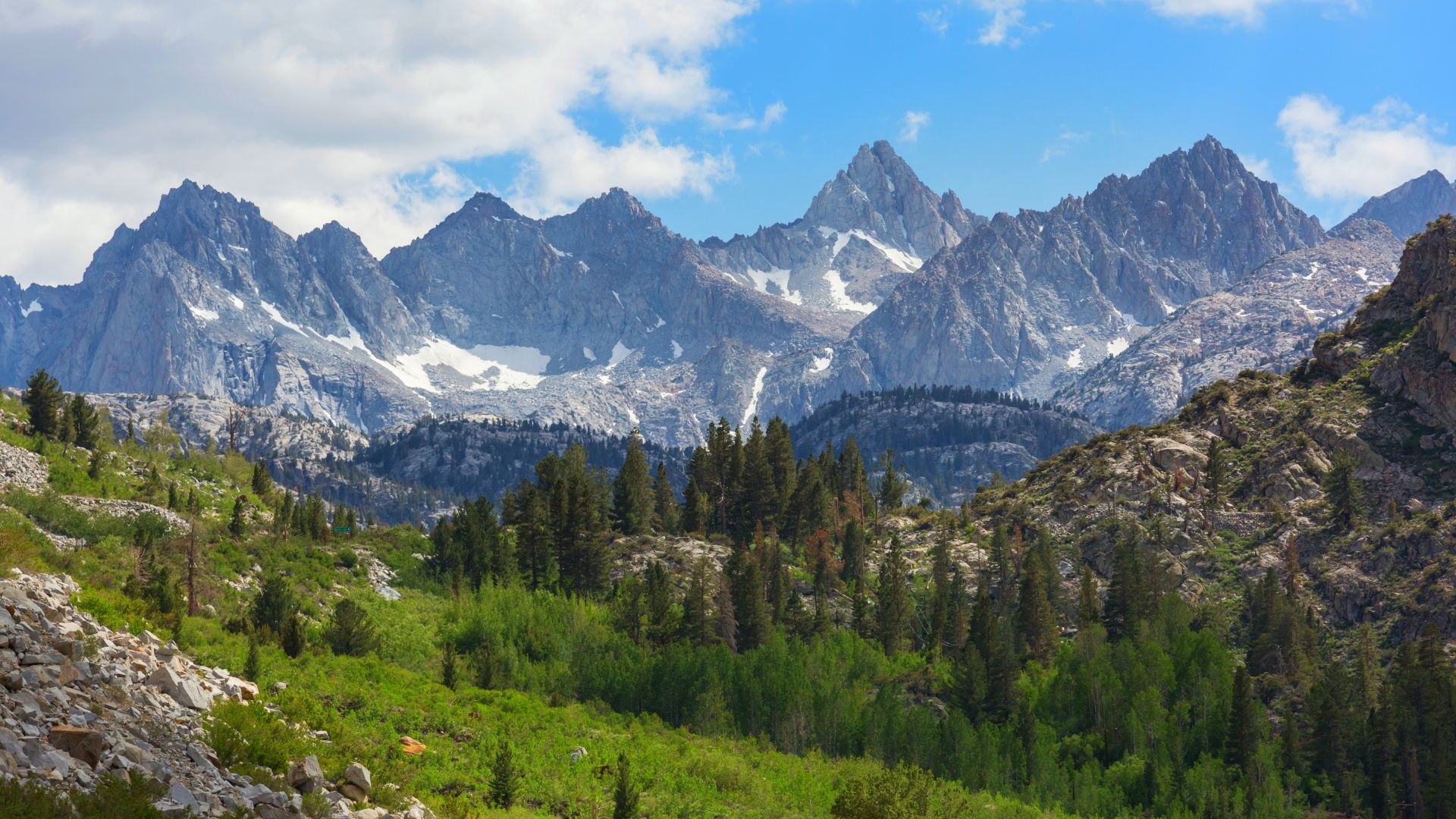
The drives between these farms are half the fun. Winding roads snake through the hills, with the Sierra Nevada mountains in the background.
Farm stands pop up along the way, selling everything from produce to baked goods and crafts. Each one feels different, depending on the family running it.
El Dorado Wine Country Discoveries
El Dorado County has transformed from Gold Rush country into one of California’s most diverse wine spots. There are over 70 wineries tucked into volcanic soils at all kinds of elevations.
This region blends award-winning wines with sustainable practices. Festivals happen all year, celebrating both old-school agriculture and new winemaking ideas.
History and Growth of El Dorado County Wineries
The El Dorado AVA popped up in 1983, earning its spot as a recognized California wine region. But grape growing here goes way back to the Gold Rush, mid-1800s style.
Boeger Winery gets the honor of being the oldest in the AVA. Greg and Sue Boeger started it up in 1972, making it the first post-Prohibition winery in the county. The property actually ran as a distillery in 1860, then switched to pears in the 1920s.
The area’s geology is wild—jagged metamorphic rocks, volcanic mudflows, all sorts of igneous stuff. That means over 80 grape varietals thrive here, each in its own little microclimate.
Modern Growth Stats:
- 70+ active wineries
- 1.2 million visitors a year
- Biggest agritourism market in North America
- Three AVAs: El Dorado, Fair Play, and Sierra Foothills
Tasting Rooms, Vineyard Tours, and Sustainable Practices
Most El Dorado wineries keep things personal. You’ll often meet the owners or winemakers themselves in the tasting room.
The local “Alpine” wine style leans fresh, vibrant, and balanced. It’s a nice change from heavier California wines.
Delfino Farms is a great example of family tradition and sustainability. Four generations have run it, combining Edio Vineyards, Joan’s Apple Bakery, and Henrietta Stich Cider under one roof. The current owners, who have Pechanga Tribe roots, are even starting a foundation to help Native American students get to college.
Lava Cap Winery shows off the area’s volcanic terroir. A UC Berkeley geology professor founded it in 1981, and now they grow more than 25 grape varieties on land that’s been farmed since the 1830s. Visitors can wander the vineyards and check out the “lava cap” formations—miners once used those as clues for finding gold.
Cantiga Wineworks does things the old-fashioned way, with minimal intervention. They let their wines age in barrels for at least three years, so what you taste is ready to drink or stash for later.
Signature Events and Festivals
El Dorado County wineries throw all sorts of events year-round. Some are cozy dinners, others are big festivals that really show off the area’s agricultural roots.
I have to say, Element 79 Vineyards always keeps things interesting with their monthly food events. Their Dine in the Vines series is a personal favorite—imagine sipping estate-grown wines right in the vineyard, paired with dishes by Chef Brian Overhauser. He really knows how to bring out the best in Fairplay AVA’s wine-growing diversity with his “wine country tapas.” Sometimes, you get those laid-back Sunday Funday brunches, and other times, it’s a full-on immersive experience they call “Divining.”
Over at Toogood Estate Winery, you can actually taste wine inside the region’s first dug-in hillside cave. It’s a bit mysterious and pretty unforgettable. If you’re into Port-style wines, their PORT CLUB is wild—they make 25 to 30 varieties every year, which is more than I’ve seen almost anywhere else.
When Apple Hill season rolls around, the whole area just buzzes. Wineries often team up with nearby orchards during harvest, so you can try both wine and apples in one visit. It’s a fun way to really get a taste of what El Dorado County grows best.