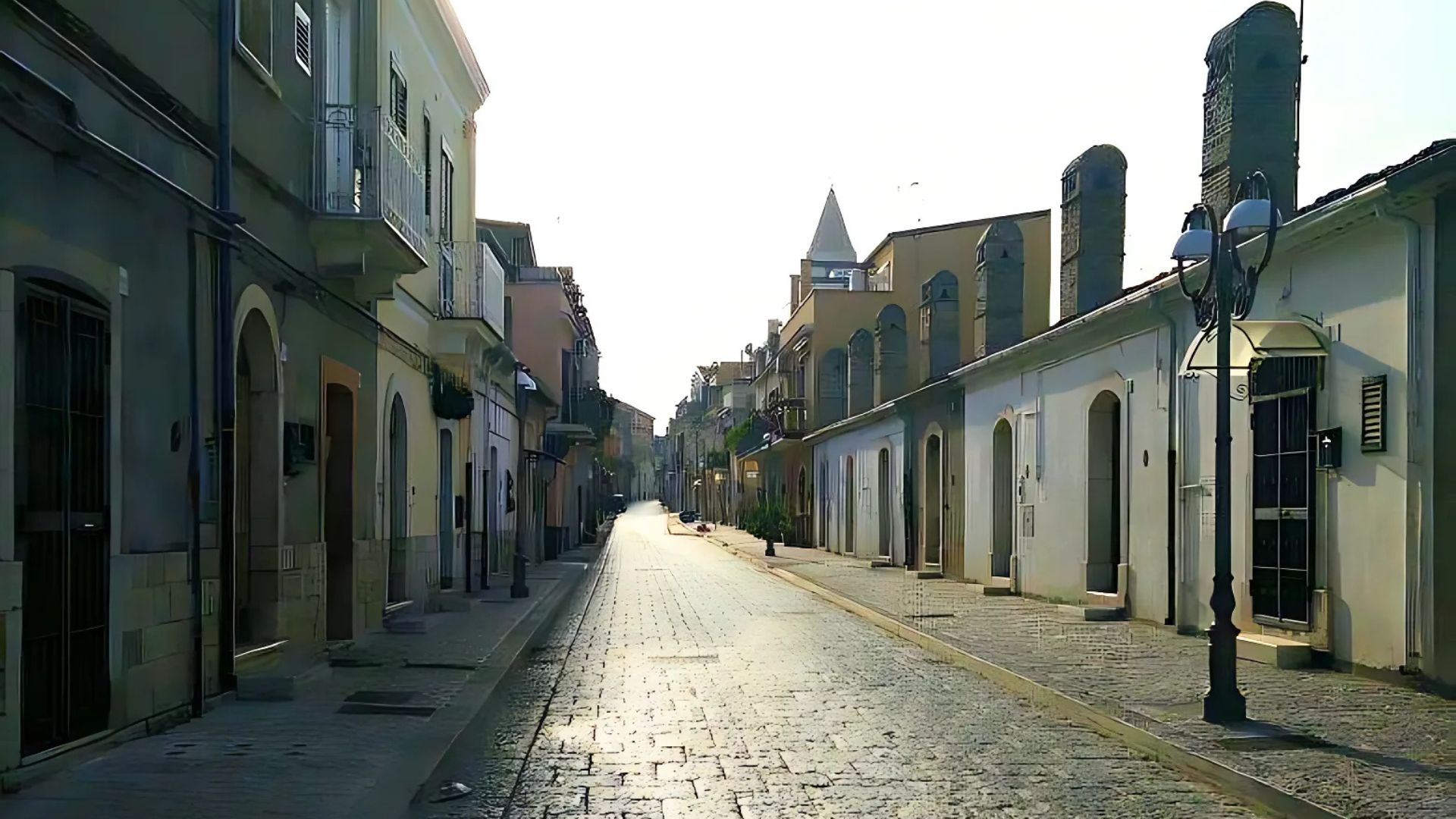
Venosa sits tucked into the old hills of southern Italy, a place with roots that run deep into classical history. When I strolled through this lovely town last summer, I realized I was walking the same streets that once belonged to Quintus Horatius Flaccus—Horace, for short—who was born here back in 65 BCE.
The birthplace of one of Rome’s greatest poets invites visitors to experience classical heritage while soaking up the authentic charm of modern Italian life.
Venosa wears its connection to Horace with pride. The poet’s influence on Western literature feels massive. As I wandered the historic center, I spotted Roman history everywhere I looked.
Horace’s story as a satirist, critic, and master of lyric poetry started right here before Rome called to him. His father, a freedman and landowner, made sure young Horace got the education that would shape his literary genius.
What gets me about Venosa is how the classical and the contemporary just blend. You might spend your morning poking around Roman ruins, then grab lunch at a local trattoria, eating food that probably isn’t so different from what Horace would’ve recognized.
Venosa sits on the border of ancient Apulia and Lucania, a crossroads that shaped Horace’s identity and his writing. This location still gives the town its special character.
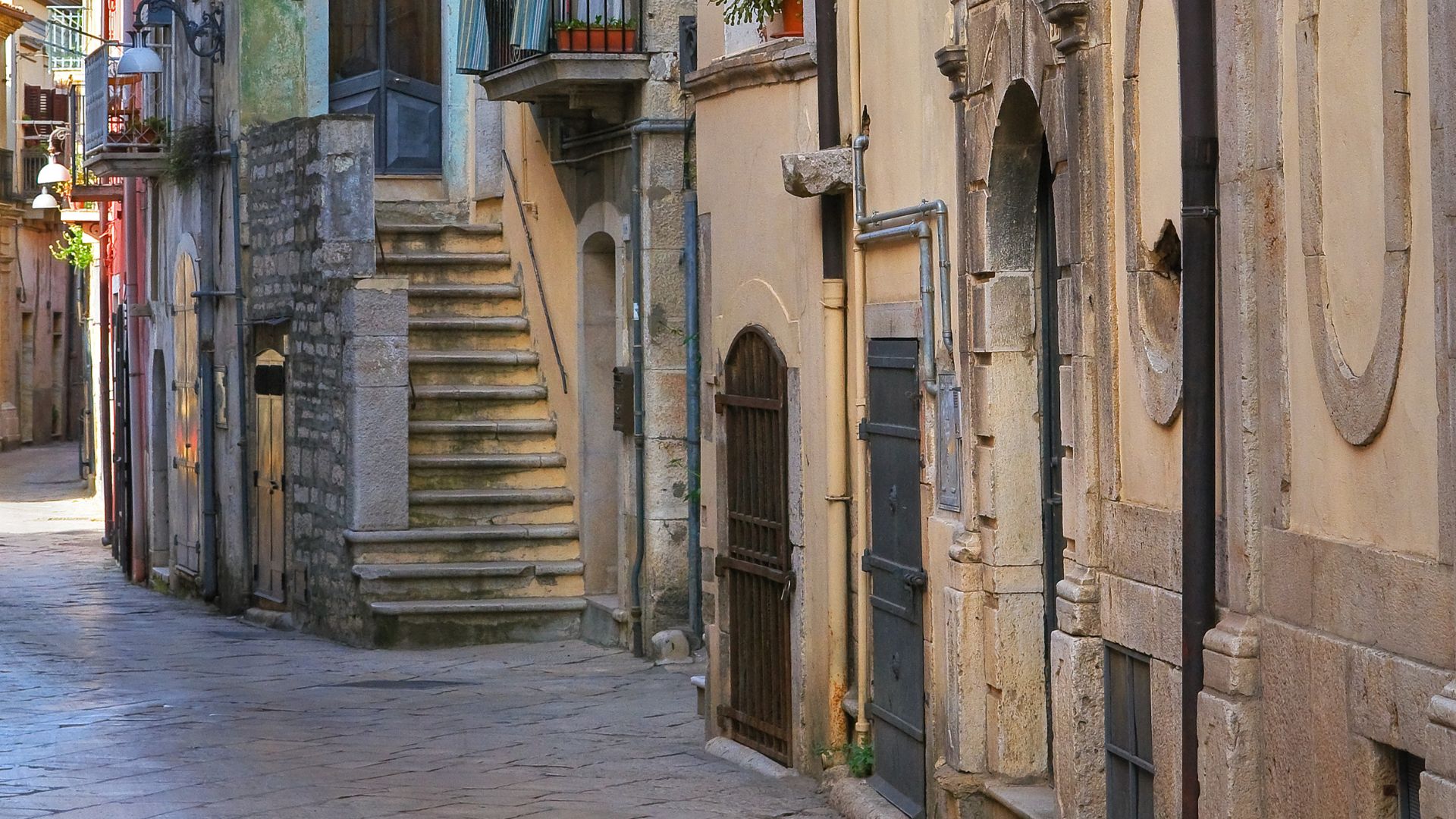
Discovering Venosa: The Birthplace of Horace
Venosa, down in southern Italy, is a town packed with history and literary weight. It’s the birthplace of Horace, the famous Roman poet, born in 65 BCE.
This spot offers a mix of ancient ruins, cultural heritage, and local traditions. It’s not just a place to see—it’s a place to feel.
Geographical Setting in Basilicata
Venosa sits in Basilicata, about halfway between Naples and Bari. The town perches on a plateau with views over the Fiumara di Venosa valley. It’s honestly a stunning backdrop.
The hills around Venosa roll with vineyards and olive groves. Horace’s pastoral poetry drew inspiration from this landscape, and I can see why—it’s gorgeous.
Basilicata doesn’t get the tourist crowds you’ll find elsewhere in Italy. That gives it a more authentic vibe. When I visited, I noticed how close it was to both Puglia and Matera, the cave city just an hour away.
The local climate is perfect for Aglianico grapes. If you’re in town, don’t skip the Aglianico del Vulture wine—it’s something.
Ancient Venosa’s Historical Significance
Romans founded Venosa—then called Venusia—around 291 BCE. They used it as a strategic outpost on the Appian Way. But it’s more than just Horace’s birthplace.
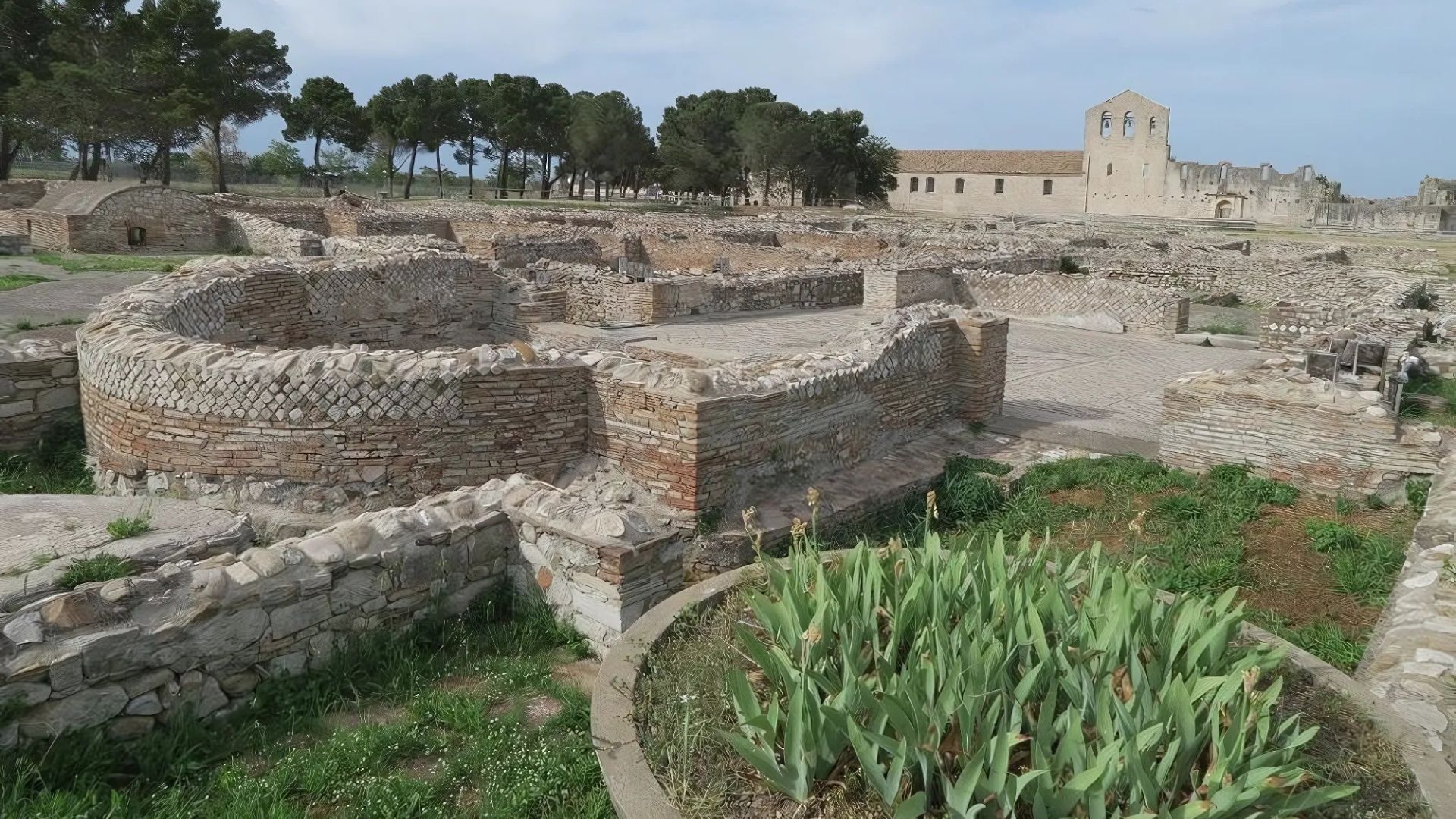
The archaeological park here has Roman baths, an amphitheater, and old residential areas. As I walked among the ruins, I could almost picture daily life in Horace’s time.
Venosa’s Jewish heritage stands out in its ancient catacombs and inscriptions scattered around town. This mix of cultures shaped its unique identity.
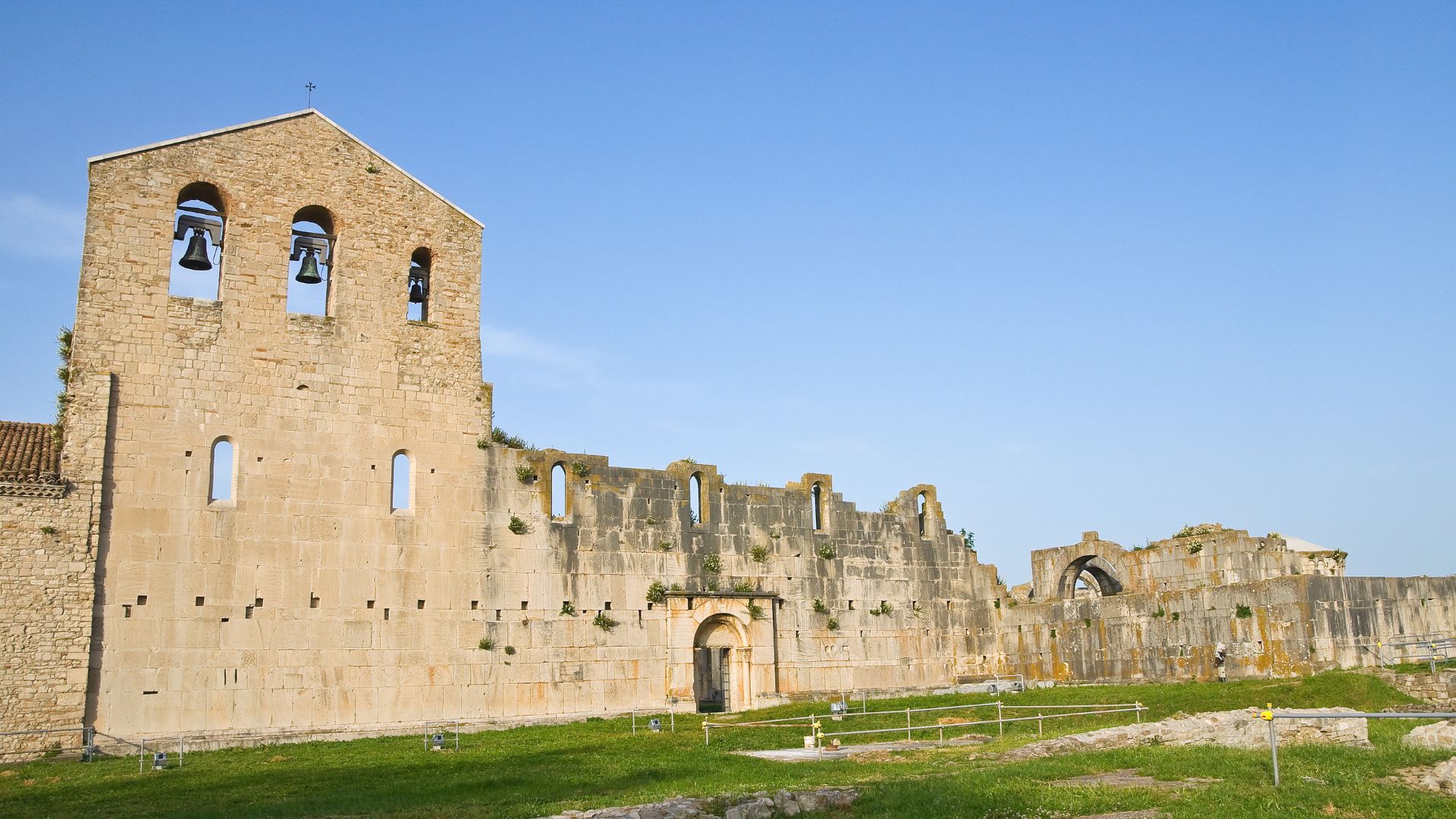
The Abbey of the Holy Trinity (Incompiuta) stands unfinished, started in the 11th century but never completed. It’s hauntingly beautiful, honestly.
Modern-Day Attractions and Travel Tips
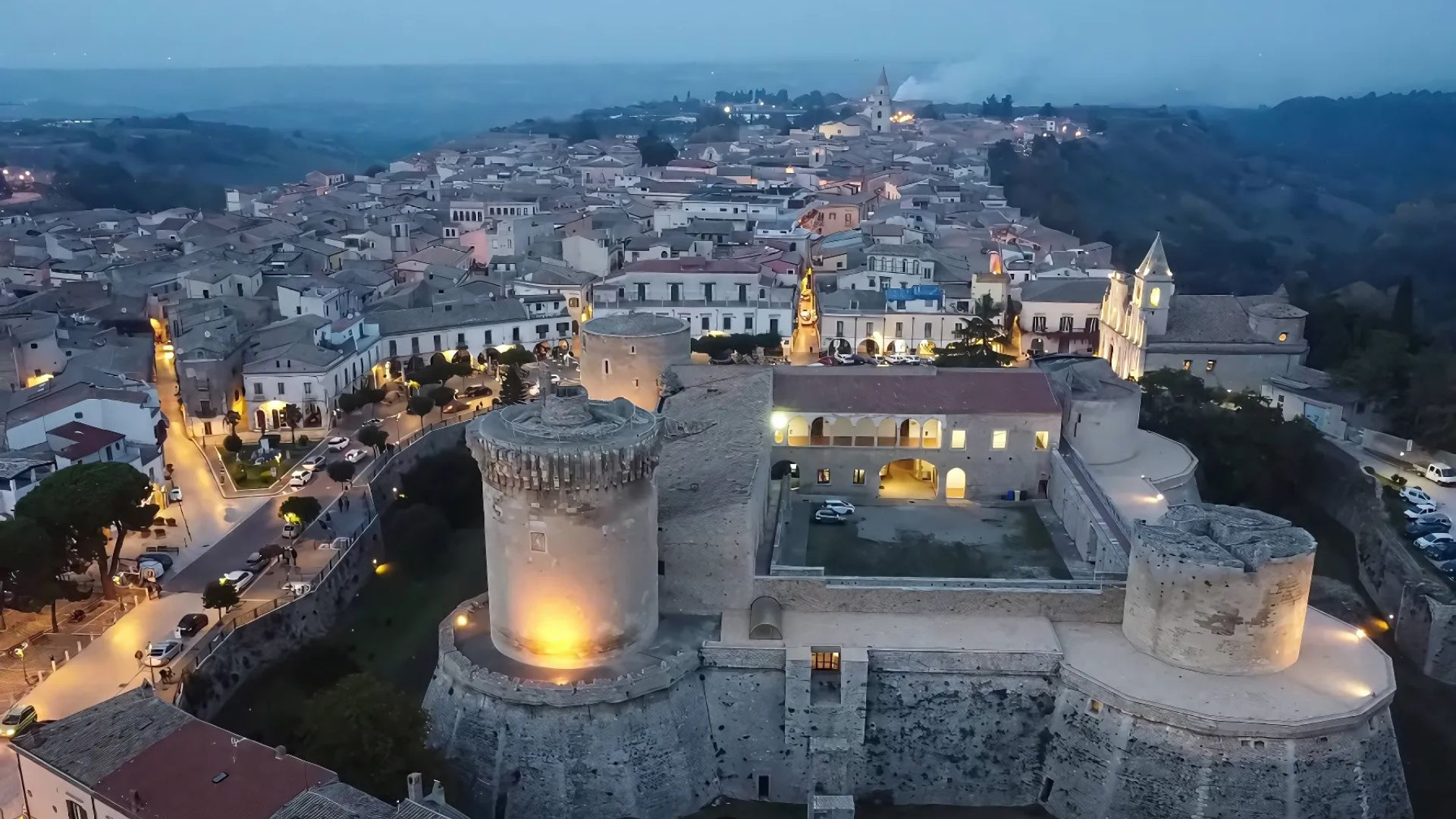
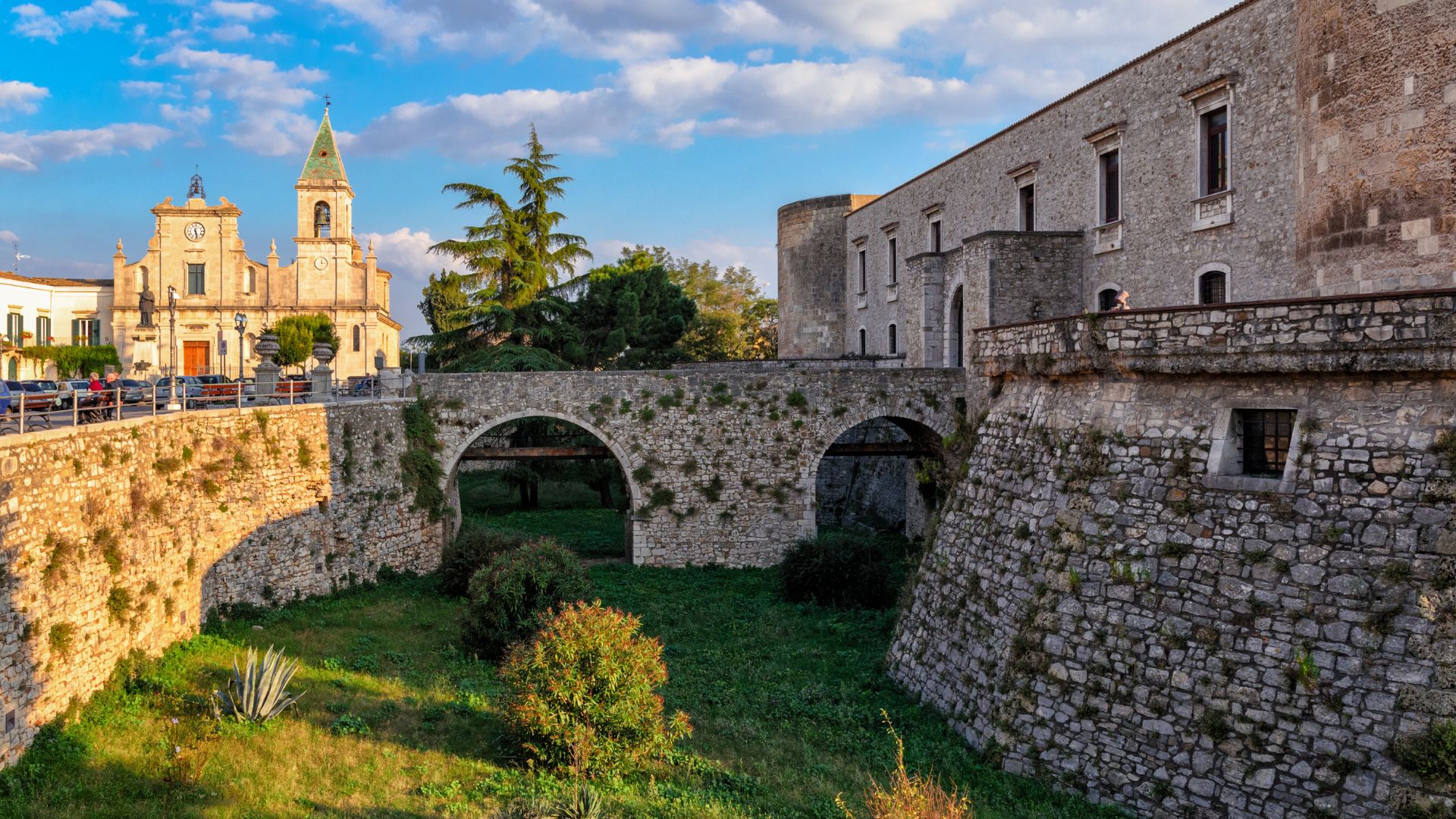
The Aragonese Castle towers over Venosa and holds the National Archaeological Museum. Inside, I found artifacts from prehistoric days through the Roman era, some even tied to Horace.
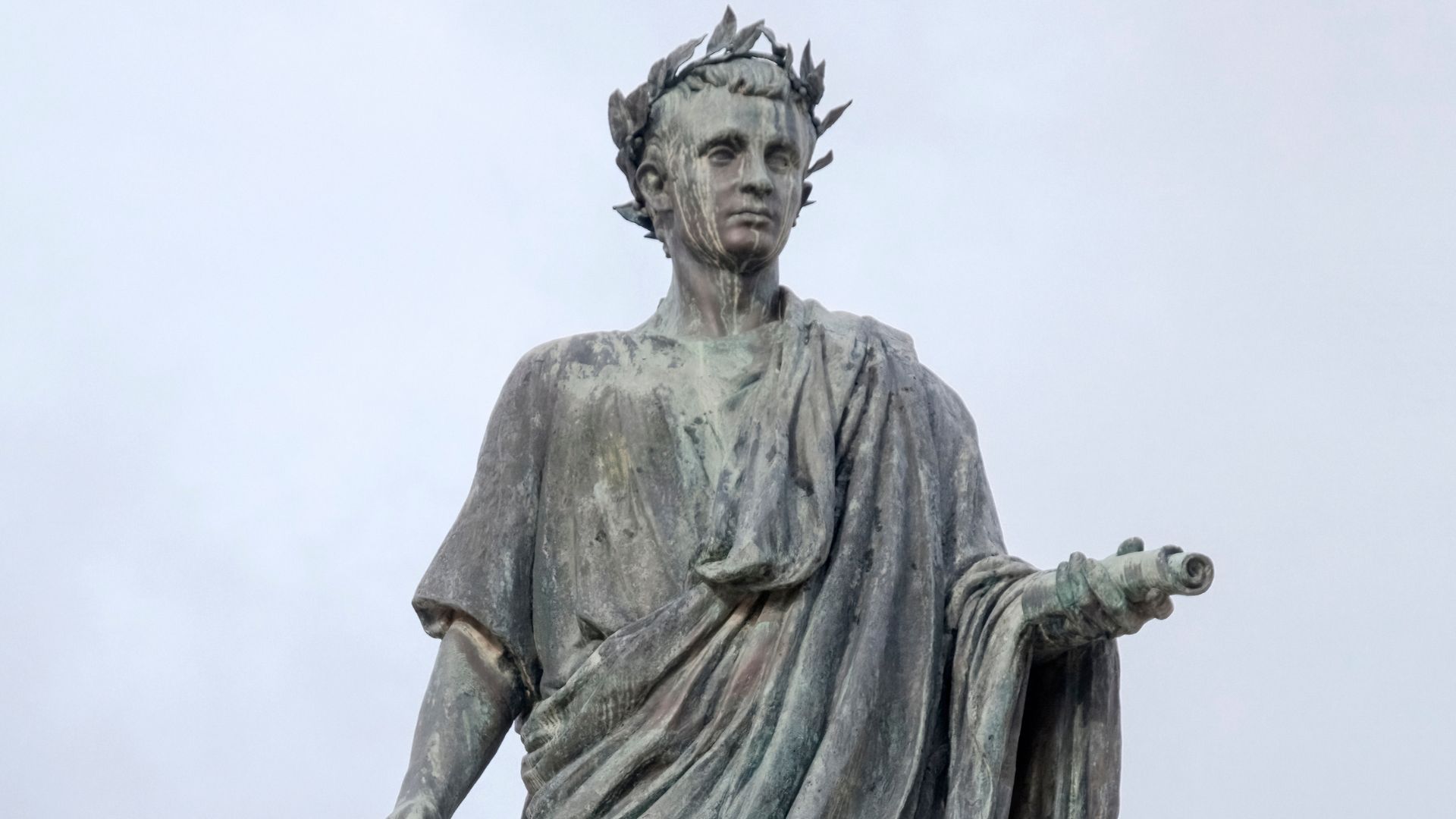
A bronze statue of Horace stands in the main piazza, a proud tribute. The town throws festivals for him, with poetry readings and cultural events that bring his legacy to life.
Spring and fall make the best seasons for a visit—mild weather and fewer tourists. I stayed at a local agriturismo and enjoyed fresh meals and genuine hospitality.
Try the local cuisine—orecchiette pasta, lamb, and those Aglianico wines. Many restaurants decorate with Horace’s quotes about food and wine.
Venosa also makes a great base for day trips to Castel del Monte in Puglia or the cave homes of Matera. Southern Italy’s hidden gems are all around.
Horace’s Early Life and Education
Quintus Horatius Flaccus, or just Horace, started his life in Venusia (now Venosa) on December 8, 65 BCE. His early years set the stage for his future as one of Rome’s greatest poets.
Family Origins and Upbringing
Horace grew up in Venusia, right on the border between Apulia and Lucania. His father, a freedman and tax collector, worked hard to give him a good start. Despite their humble background, Horace’s father put education first.
Horace often spoke of his father with respect and gratitude. In his Satires, he thanks him for moral guidance and practical advice. This upbringing, during a time of political turmoil, shaped Horace’s later outlook.
Venusia’s spot at the crossroads of Italian regions exposed Horace to different dialects and traditions. I think this multicultural setting helped make him such a versatile writer.
Education in Rome and Athens
Horace’s father sent him to Rome to study under the teacher Orbilius. That must’ve been a big leap for someone of their social standing. In Rome, Horace learned literature and rhetoric in the classic Roman style.
He dove into Greek and Latin texts, developing a real love for Greek lyric poets. After Rome, Horace went to Athens to study philosophy at Plato’s Academy.
In Athens, he explored several philosophical schools:
- Epicureanism: Finding happiness in simple pleasures
- Stoicism: Focusing on virtue and reason
- Pythagorean thought: Looking for harmony and order in the universe
These ideas later shaped both his poetry and his worldview.
Formative Influences and Friendship
While in Athens, Horace made important friends with fellow students and thinkers. But his studies got interrupted when he joined Brutus’ army after Caesar’s assassination in 44 BCE.
That military stint threw him into the harsh realities of war and politics. After losing at Philippi, Horace returned to Italy. There, he met Virgil, who would become a close friend and introduce him to Maecenas.
Maecenas changed Horace’s life, offering support and key literary connections. These friendships shaped his views and supported his poetic career.
His time in Rome and Athens gave him a command of Greek literary forms that he later brought into Latin with real skill.
The Legacy of the Classical Heritage
Venosa’s culture still draws deeply from its classical roots. Myth, old stories, ruins, and philosophy all blend into daily life here.
Mythological Roots and Local Legends
Walking through Venosa, I keep noticing how mythology weaves into the town’s identity. Locals talk about Pluto and Orcus, ancient underworld gods, as if their presence still lingers. The story of Tantalus pops up often, with regional twists that tie his punishment to local landmarks.
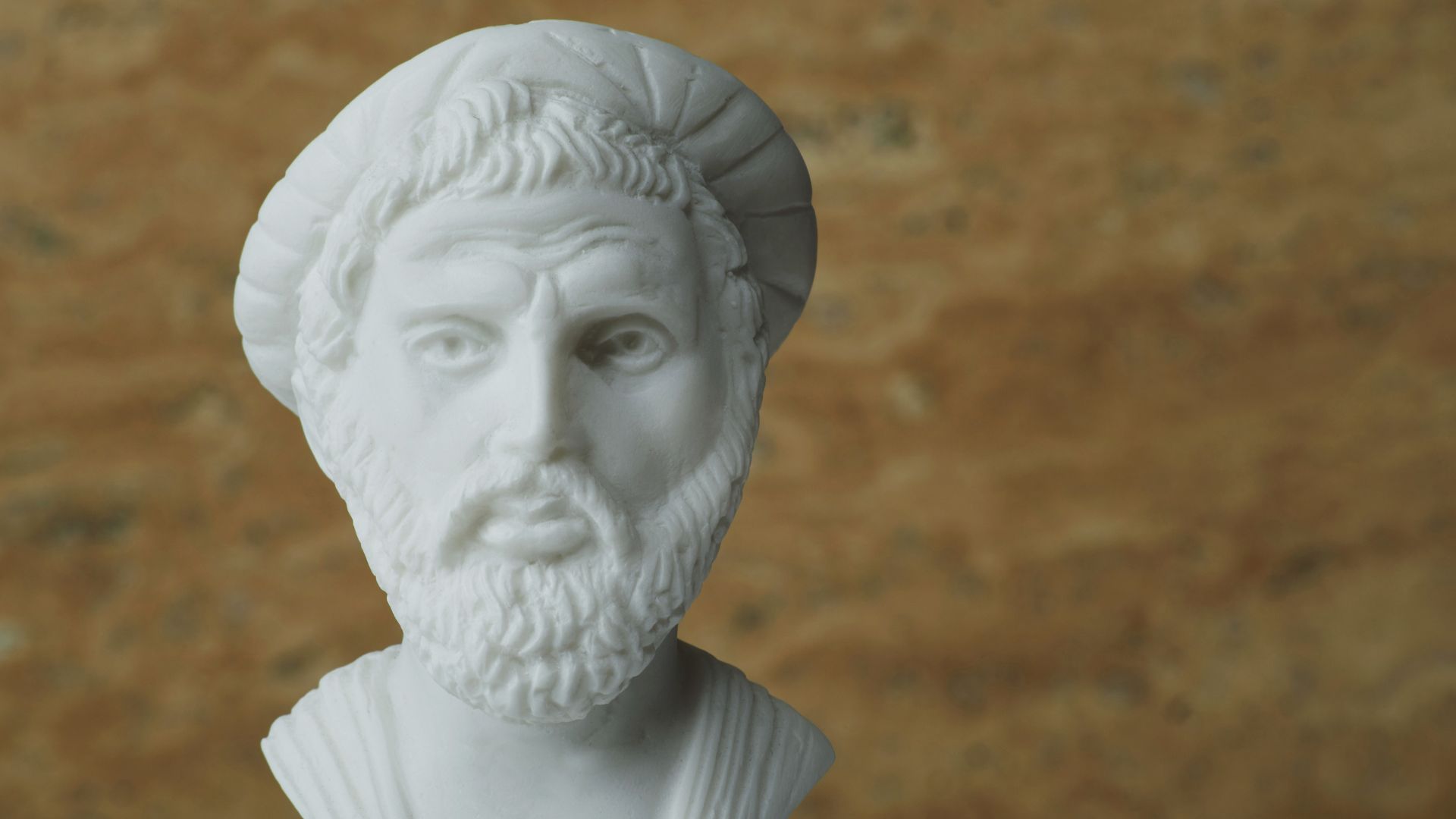
Residents love sharing tales about Pythagoras visiting the region. His ideas about soul migration—metempsychosis—took hold here, and stories about Euphorbus’s rebirth live on in local folklore.
These myths aren’t just old tales—they’re living traditions. Annual festivals celebrate them, blending classical themes with today’s customs.
Literary Inspirations: Greeks and Romans
Horace’s poetry, to me, seems inseparable from the Greek and Roman traditions that flourished in Venosa. You can hear echoes of Greek poets like Sappho and Alcaeus in his work—he borrowed their styles and made them his own in Latin.
Venosa’s literary heritage goes beyond Horace. Roman writers often mentioned the town, adding layers to its literary landscape.
Local libraries keep rare translations of classical texts, some centuries old. Some even offer regional takes on Horace’s poems, tying them to the local scenery.
Reading groups and festivals keep the tradition alive, with public readings and performances that bring ancient texts to life.
Temples, Ruins, and Archaeological Sites
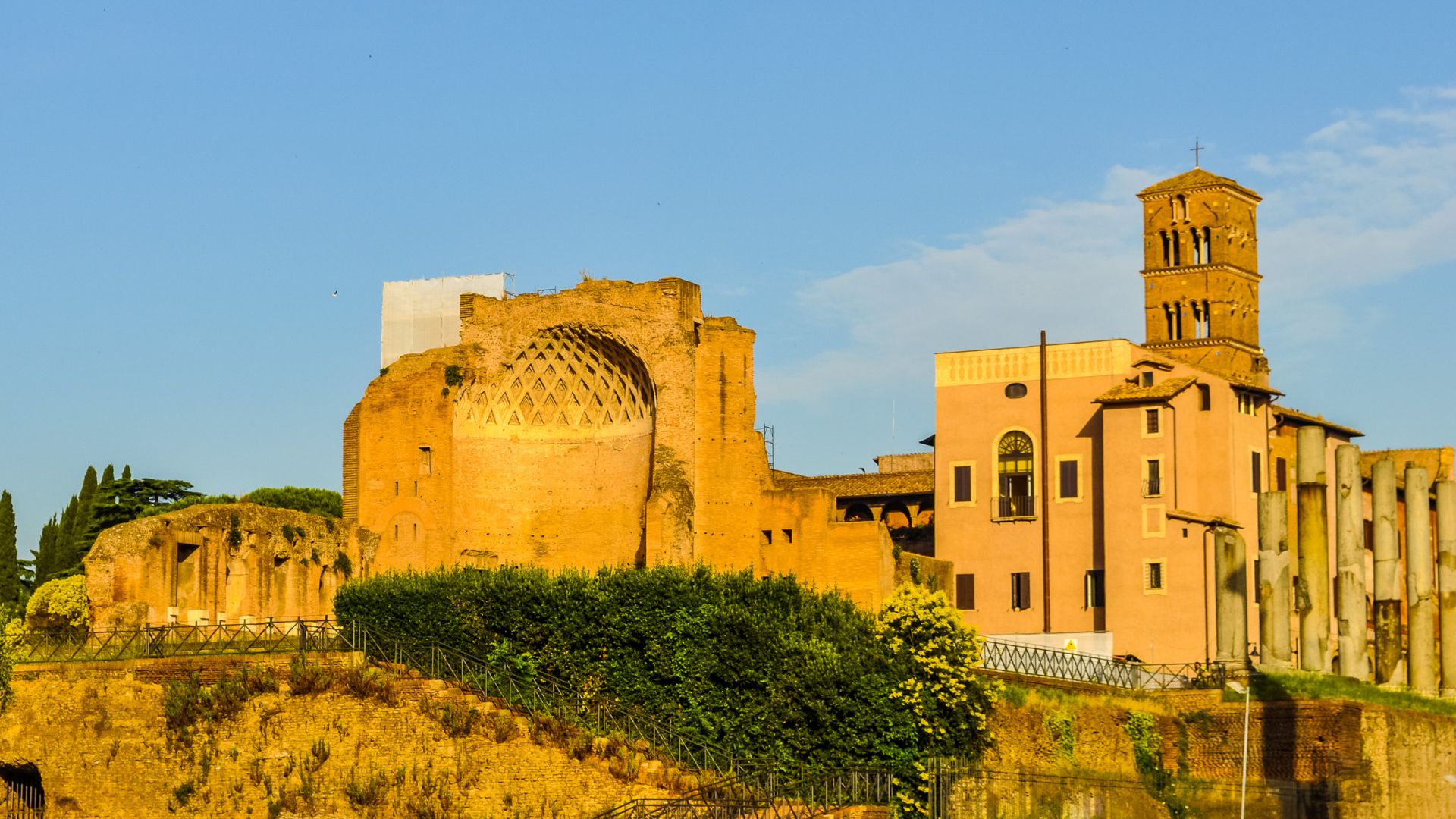
The Temple of Venus ruins just outside town offer a real, physical link to Venosa’s classical past. I love visiting at sunrise—the stones glow pink and the place feels almost magical.
Archaeologists are still digging up new finds. Recently, they uncovered a previously unknown section of Roman aqueduct, with surprisingly well-preserved engineering details.
The amphitheater’s remains reveal clever acoustic design. I tried standing in one spot and could hear whispers from across the stage. Local guides love to recite Horace’s poetry here to show off the effect.
Museums display Roman-era artifacts—cooking tools, jewelry, household items—that make the past feel close and real.
Religion, Philosophy, and Cultural Exchange
Venosa became a meeting point for different philosophies. Pythagorean teachings, especially those of Archytas, found a home here and mixed with Roman practicality.
Religious practices changed over time as cultures mixed. Romans built temples, and later, people turned them into Christian churches. These layered sacred spaces tell stories of transformation.
Some buildings include geometric elements said to reflect Pythagorean math concepts. I find that detail fascinating.
Venosa didn’t exist in a bubble. Greek colonies, Etruscan settlements, and far-off trade partners all left their mark. This cultural mix created the fertile ground for Horace’s unique voice.
Horace’s Poetry: Style, Themes, and Classical Influence
Horace’s poetry stands as one of Rome’s lasting literary achievements. His style blends Greek influence with a Roman sensibility, exploring themes of friendship, love, philosophy, and the art of living.
The Odes: Structure and Meaning
The Odes show Horace at his most skillful, adapting Greek lyric forms into Latin. Each poem follows careful metrical patterns borrowed from poets like Sappho and Alcaeus.
There’s something architectural about the Odes—each line feels crafted, every word chosen with care. The first three books, published around 23 BCE, form a collection that explores Roman values and Augustan ideals.
Horace covers a lot of ground—personal feelings, public issues, wine, friendship, and the fleeting nature of time. The famous “carpe diem” message appears in several odes, urging readers to seize the day.
Lyric Poetry, Satires, and Love Poems
Horace’s range as a poet is impressive. His lyric poems capture emotion and reflection, while his Satires poke fun at human folly.
Unlike Catullus, Horace approaches love with more philosophy than fire. His love poems often include gentle humor and practical wisdom.
The Satires show off his gift for social commentary. He writes in a conversational style, critiquing Roman society without getting too harsh. Greed, pretension, and hypocrisy are some of his favorite targets.
His Epistles, especially “Ars Poetica,” lay out literary principles that influenced writers for centuries. They mix friendly advice with real insight into writing and creativity.
Language, Metre, and Diction
Horace’s Latin is precise and elegant. He writes lines that seem simple but reveal more meaning the longer you look at them.
He took Greek metrical patterns and adapted them for Latin, which isn’t easy given the differences in rhythm. That’s a technical feat, honestly.
His word choices strike a balance—never too formal, never too crude. He finds a middle ground that feels both natural and refined.
Even small words in Horace’s poems can carry extra meaning, often tying back to philosophical ideas or Roman cultural values.
Ambiguity, Tone, and Genre
Horace uses ambiguity as a tool, leaving room for readers to interpret his poems in different ways.
His tone shifts from serious to playful, sometimes within the same poem. This lets him tackle big topics without sounding heavy or turn light subjects into something deeper.
I admire how Horace blends genres. His satires might suddenly sound lyrical, and his odes can slip into everyday language.
This willingness to mix styles shows his deep understanding of tradition—and his desire to innovate. By breaking the rules, he created poetry that still feels fresh and alive.
Enduring Fame and Global Influence
Horace’s legacy reaches far beyond his birthplace of Venusia (modern Venosa). His timeless poetry and wisdom have traveled across continents and centuries.
Patrons, Friendship, and Literary Circles
Horace didn’t rise to fame on his own. He built powerful connections along the way. Maecenas, a wealthy Roman patron of the arts, stepped in as his most important supporter and friend.
Honestly, I find it fascinating how this friendship changed everything for Horace. Maecenas gave him financial security and opened doors to elite literary circles.
Augustus, Rome’s first emperor, admired Horace’s work too. This imperial approval helped secure Horace’s place in Roman culture.
Through these relationships, Horace received a Sabine farm—a peaceful place to write and reflect.
He didn’t work in isolation, either. Horace built friendships with poets like Virgil, and together they formed a lively literary community. These connections shaped his writing and his outlook on life.

Translations and Commentary Through the Centuries
Horace’s works survived the centuries because scholars in medieval monasteries took the time to preserve and copy his texts. Without their care, we might have lost his poetry forever.
During the Renaissance, educated Europeans considered Horace essential reading. I’ve spotted his famous phrase “carpe diem” (seize the day) in so many works from different cultures.
Translators brought his words into nearly every European language. The first English translation showed up in the 16th century, and new versions still appear today.
Commentators have filled entire libraries with thoughts on his poetry. Scholars from North Africa to the Adriatic coast dove into his verses, always finding something new.
From Ancient Texts to Modern Recognition
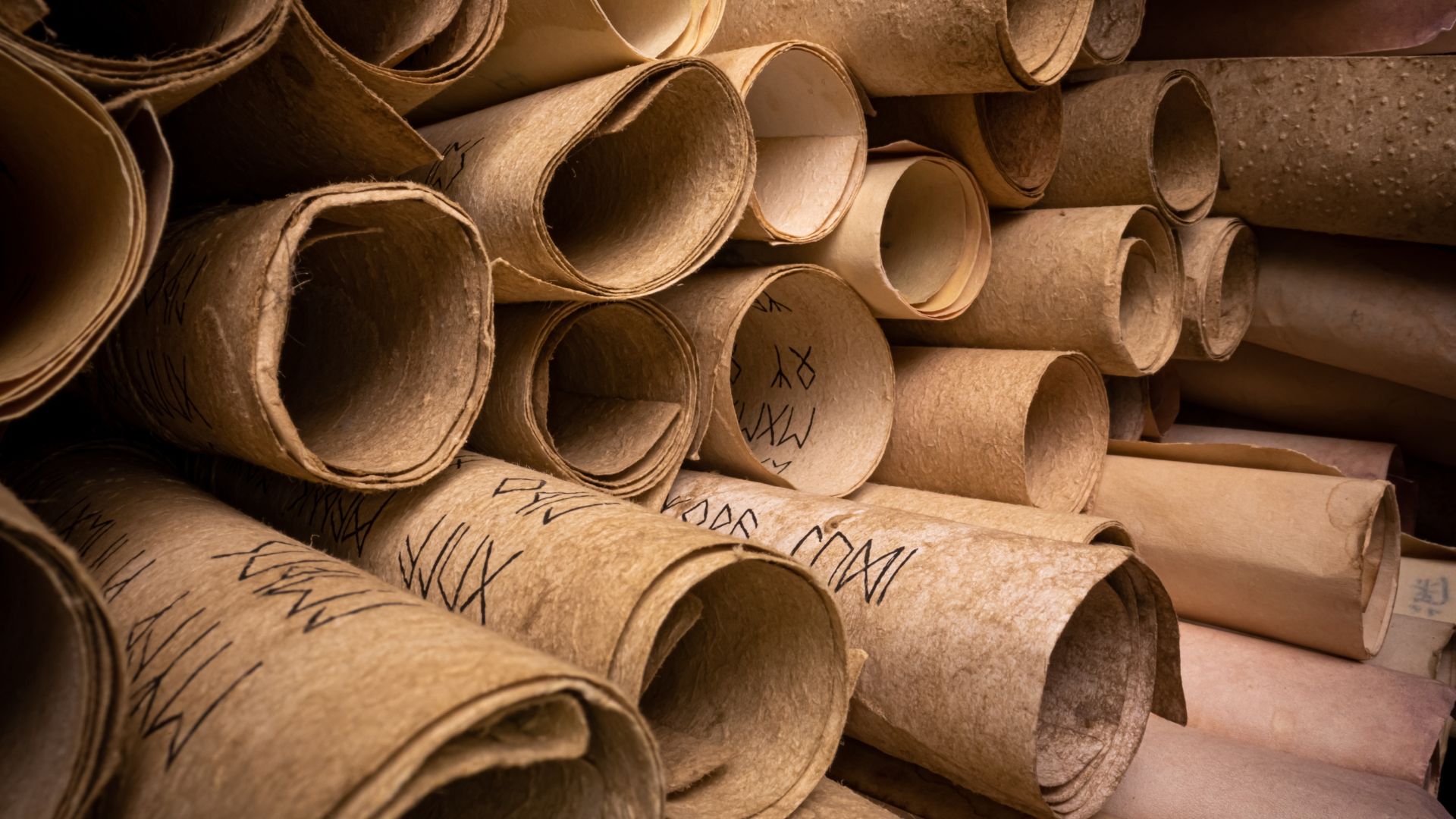
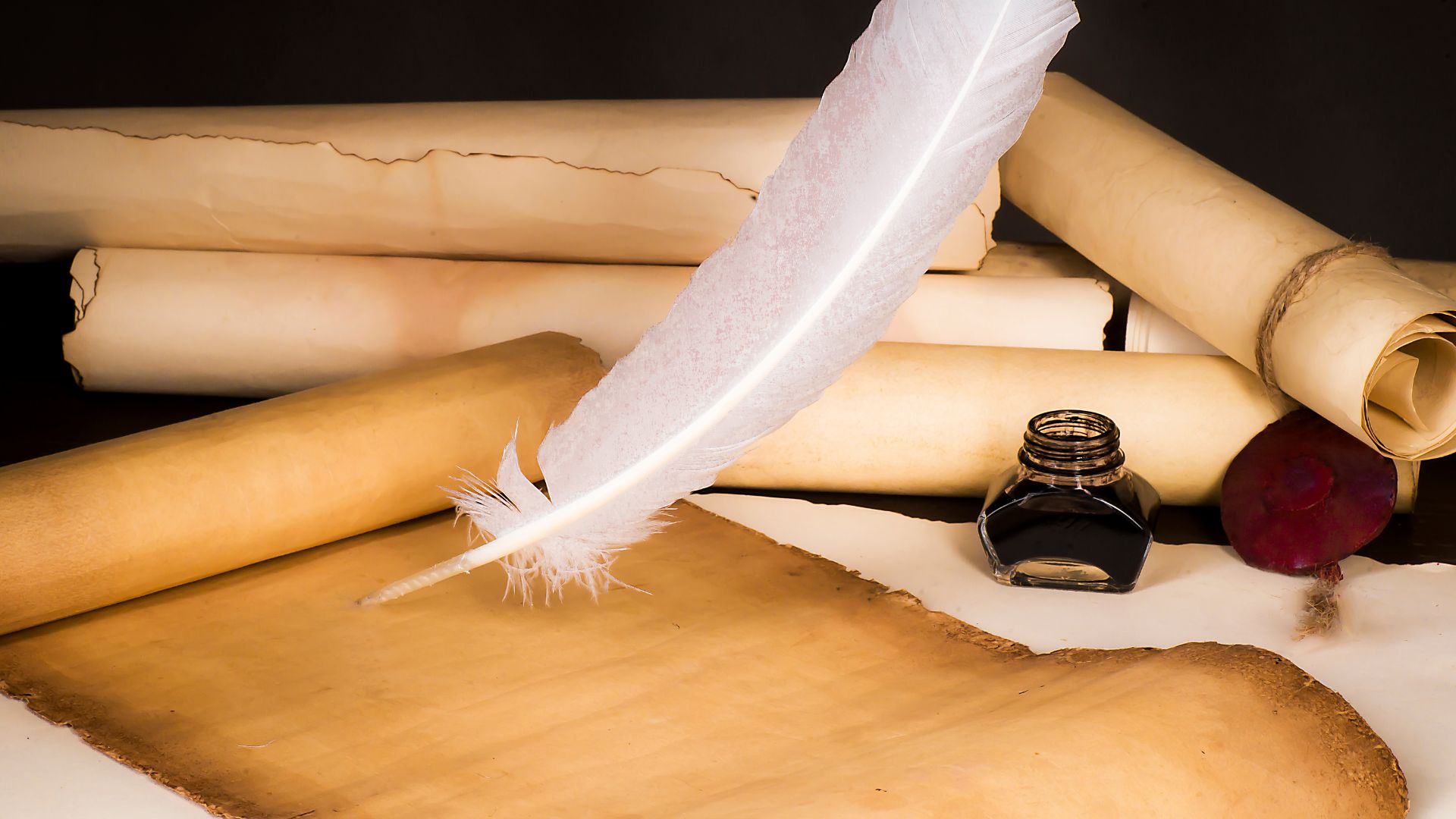
Horace’s words have traveled a long road. Scribes copied them onto papyrus, then onto medieval manuscripts, and eventually into printed books.
Venosa, his birthplace, marks its connection to Horace with monuments and celebrations. The town embraces its literary heritage.
Artists like Michelangelo found inspiration in Horace’s poetry. His words have popped up in music, architecture, and even in modern ads.
Universities around the world teach his works in classical studies programs. His poems about friendship, moderation, and enjoying simple pleasures still speak to us, even in our complicated world.
Venosa in the Tapestry of Regional and Mediterranean History
Venosa feels like a living museum. Layers of history blend, creating a cultural legacy that’s honestly hard to match. This ancient town has seen empires rise and fall, yet it somehow keeps its unique spirit alive.
Cultural Crossroads: Greeks, Romans, and Beyond
Venosa sits between Lucania and Apulia, and that strategic spot made it a prize for many civilizations. I was intrigued to discover how the Romans valued this location for controlling southern Italy.
They set up a colony here in 291 BC and turned it into a key regional center.
Before Rome, Greek influence spread from nearby coastal towns. When I walked through Venosa, I could still sense the mix of cultures. The town gained special significance in Roman times, especially since it produced Horace, one of Latin literature’s brightest voices.
What really struck me was how Venosa kept its ties to both Rome and the wider Mediterranean world. Trade routes connected it to Sicily and beyond, and that led to a lively exchange of goods and ideas.
Events That Shaped Venosa: Normans and Earthquakes
Natural disasters and invasions left deep marks on Venosa. Earthquakes, some of them massive, reshaped the town and forced people to rebuild again and again. Each rebuild added a new layer to the architecture.
The Norman conquest in the 11th century brought big changes. I visited the Norman castle that still towers over the center—it’s a striking reminder of their influence. The Normans set up new power structures and blended their culture with local traditions.
Later on, Venosa struggled with malaria outbreaks, just like much of southern Italy. These epidemics emptied parts of the region and forced people to settle elsewhere.
The Agricultural Economy and Daily Life
Farming has always been at the heart of Venosa’s economy. The countryside still produces excellent wine, olive oil, and wheat, just like it did in Horace’s era.
I tried the famous Aglianico del Vulture wine, made from grapes grown in volcanic soil. This tradition of winemaking stretches back to ancient times and remains a big part of local identity.
Daily life in old Venosa revolved around the rhythms of harvest and religious festivals. Farmers worked the fields using methods passed down for generations.
The town markets buzzed as social hubs, trading goods from Calabria and beyond.
Women played key roles in preserving food and making textiles. These home industries supported farming and helped families get through tough times.
Preserving Heritage Amid Change
Modern Venosa juggles the tricky balance of honoring its past while stepping into the future.
Local groups work hard to protect archaeological sites that reveal the story of Roman Venosa. You can still wander through the ruins of the amphitheater and thermal baths—pretty incredible, honestly.
Horace’s legacy feels central to the town’s identity. His statue stands right in the main square, and that famous “carpe diem” line? It still inspires people, even after two thousand years.
I noticed the local museums care about preserving artifacts from across the ages. These collections let today’s residents connect with their ancestors through everyday objects.
Tourism brings fresh economic opportunities and helps more people appreciate Venosa’s history. Every new visitor who stumbles upon this place adds to the hope that its stories will stick around.