
The holidays sneak up with joy, family, and, let’s be honest, more cookies than we ever intended. After weeks of festive treats and heavy meals, I always feel a bit sluggish, craving a reset. There’s just something about getting outside for a hike—fresh air, movement, and nature—that makes it one of the best ways to shake off that post-holiday heaviness.
Honestly, hiking helps me bounce back faster than any gym session. The outdoors seem to melt away stress, and the steady movement gives my energy a real boost. Forget extreme workouts or crash diets—sometimes a good walk is all you need after the holidays.
The five trails I’ve picked out cover everything from easy strolls to sweat-inducing climbs. Each one gives you a chance to move, clear your mind, and start the year feeling a bit stronger. Maybe you just nibbled a few too many cookies, or maybe you went all-in at every meal—either way, there’s a trail here for you.
Key Takeaways
- Hiking lets you move your body and lower stress, helping you recover from holiday eating.
- These five trails fit different fitness levels and goals.
- Getting outside works better for post-holiday detox than any restrictive diet I’ve tried.

Why a Post-Holiday Detox Matters
After weeks of rich meals and endless sweets, your body could use a little help getting back on track. All that holiday indulgence can mess with your digestion, zap your energy, and leave you feeling off well into January.
Effects of Holiday Overindulgence
I’ve noticed how my own eating habits around the holidays throw my body out of whack. Foods loaded with sugar and fat slow digestion and lead to that uncomfortable bloating. When I eat more processed stuff and less fiber, my gut feels it—and honestly, my mood does too.
Alcohol, salty snacks, and bigger portions make my body work overtime. I end up retaining water and feeling puffy, and my liver has to process all that extra stuff. The result? Sluggish mornings and low energy.
Late nights and erratic meal times don’t help either. My energy dips as my blood sugar bounces all over the place. Sleep gets weird, and that just makes everything harder.
Why Walking Aids Detoxification
Walking gives your body’s natural detox systems a gentle nudge. When I get moving, my blood flows better, helping my liver and kidneys do their job. Those organs clear out waste way more efficiently when I keep my circulation up.
The lymphatic system is another big one—it only works when you move. Walking gets lymph fluid moving, flushing out waste and easing that bloated feeling.
Even a simple walk after a meal helps my digestion settle down. Gas and bloating fade, and regular movement keeps things, well, regular. That’s key for detox, since your digestive tract is the main exit for waste.
There’s also something about breathing in fresh air outdoors. It clears out stale air from your lungs and brings in more oxygen, which helps your body use energy better.

The Benefits of Resetting Your Routine
Walking after the holidays helps me break out of those unhealthy patterns. When I commit to regular walks, I start making better choices—more water, healthier snacks, and a little less mindless eating.
A routine brings my energy back up. My body likes consistency, and walking helps me sleep better. Good sleep balances hormones, which, in turn, impacts everything from hunger to how my body stores fat.
Trails also give me a mental break. Nature calms stress, lowers cortisol, and helps my gut and mind recover. Less stress means less inflammation and a happier belly.
Essential Components of an Effective Post-Holiday Detox
Getting back on track after the holidays comes down to three things: clean eating that supports your natural detox systems, physical movement to boost circulation, and drinking enough water to flush out what your body doesn’t need.
Nutrition for Cleansing Your System
I lean on whole foods to help my body reset. Fresh fruits and veggies fill my plate because they’re packed with fiber and vitamins that support detox.
Cruciferous veggies—think broccoli, cauliflower, brussels sprouts, and kale—are my go-to. They help my liver process toxins. I pair them with lean proteins like fish, chicken, or lentils to keep my energy steady.
Foods I reach for during detox:
- Fiber-rich: Whole grains, fruits and veggies, lentils
- Healthy fats: Nuts, seeds, avocados
- Lean proteins: Fish, poultry, beans
- Hydrating produce: Cucumbers, celery, watermelon
I skip processed foods for now. Simple, clean meals just feel better and give my body a break.

The Role of Physical Activity in Recovery
Movement helps me bounce back faster. It boosts circulation, moving toxins out through my lymphatic system.
I don’t go all-out with tough workouts. Walking, hiking, or some gentle yoga gets my blood moving and helps with that sluggish, post-cookie feeling.
A quick walk after eating makes a difference for my digestion. I shoot for at least 30 minutes of movement each day, whether it’s a hike, a neighborhood stroll, or stretching at home.
Hydration and Detox Support
I keep a water bottle close all day to help my body flush out toxins. Water keeps my digestion humming.
I aim for 8-10 glasses a day and start each morning with a big drink before breakfast. Herbal teas count too. Ginger tea soothes my stomach, and dandelion tea helps my liver.
Sugary drinks and alcohol slow my recovery, so I skip them during my detox. For a little flavor, I’ll toss lemon, cucumber, or mint into my water—no sugar needed.

The Power of Movement: Why Hiking Is Ideal for Post-Holiday Recovery
Hiking brings together movement and the healing power of nature. It helps your body process extra food and stress, while lifting your mood and building strength.
How Hiking Stimulates Detox Pathways
Movement activates your body’s natural detox. When I hit the trail, my lymphatic system gets a boost from walking. Unlike blood, lymph needs muscles to move it along and clear out waste.
A brisk hike gets my heart pumping and lungs working. That means more oxygen for my cells, and my liver and kidneys work better.
Hiking also fires up my metabolism for hours. Trails with hills or uneven ground make my body work harder, so I burn more calories and process food faster.
Key detox benefits of hiking:
- Circulation moves nutrients and removes waste
- Deep breathing brings in extra oxygen
- Sweating releases toxins through skin
- Core engagement improves digestion
Mental Health and Mindfulness Benefits
The mental reset from hiking is huge. When I step onto a trail, I let go of holiday stress and food guilt. Nature gives me space to breathe and clear my head.
Research shows that being outside drops cortisol levels. The holidays can spike stress with family, travel, and weird schedules. Walking in nature gives my mind a break from all that noise.
Hiking makes it easy to be mindful. I focus on the trail, my breath, and the sounds around me. It’s a chance to be present and reset without overthinking what I ate last week.

Cardio, Strength, and Flexibility in Nature
Hiking is a workout that covers all the bases. Walking raises my heart rate for cardio. Hills or rocky trails make my heart and lungs work even harder.
My legs and core get a solid workout navigating uneven ground. Each step over rocks or up hills works my glutes, quads, and stabilizers. It’s real-world strength training.
Trails also help my flexibility and balance. Stepping over logs or around roots stretches my hips and ankles. It’s a bit like yoga, but way more fun.
Honestly, hiking doesn’t feel like exercise to me. It’s more of an adventure. The changing views and fresh air keep me coming back, long after the new year’s motivation fades.
5 Best Hiking Trails to Walk Off the Christmas Cookies
Here are five trails that can help kickstart your health journey after the holidays. Each one offers a different vibe and challenge level, but they all deliver that natural detox through movement and fresh air.
Trail 1: Scenic Ridge Loop for All Levels
Scenic Ridge Loop is my favorite pick for easing back into a healthy routine. This 2.5-mile trail has gentle elevation changes that get your heart going but never feel overwhelming. You’ll wind through mixed woodland and hit panoramic views at two lookout points.
The trail stays in good shape year-round. Most folks finish in about 90 minutes at a relaxed pace. Families with kids (ages 6+) do well here too.
What to Bring:
- Water bottle
- Comfy walking shoes
- Light snacks
I like heading out in the morning while it’s cool. The changing terrain keeps things interesting, but you won’t need any fancy hiking skills.
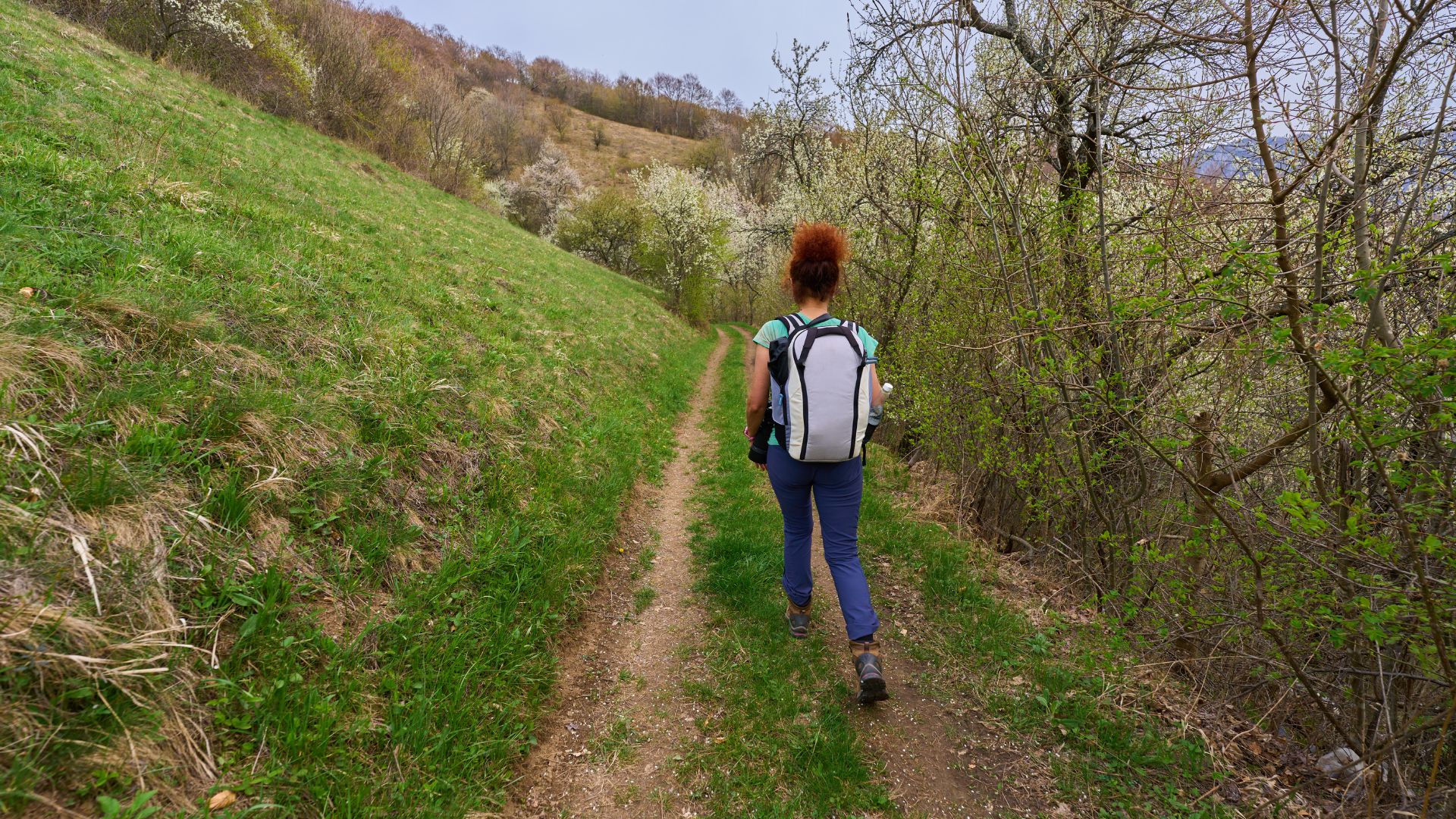
Trail 2: Forest Valley Trail for Serenity Seekers
Forest Valley Trail offers a peaceful 3-mile walk under a dense canopy and along a quiet creek. If you want a mindful, stress-busting hike, this is it. Birds and small critters pop up along the way, adding to the calm.
You’ll cross five wooden bridges, which break up the walk nicely. The steady, flat path lets me focus on my breath and movement instead of worrying about tripping.
Trail Features:
- 85% shade
- Minimal elevation (under 200 feet)
- Average time: 75 minutes
The forest keeps things cool, even on warmer days. I come back to this trail when I want a break from the sun and some quiet time.
Trail 3: Mountain Climb Challenge for Cardio Boost
If you want to really burn off those extra holiday treats, Mountain Climb Challenge is the way to go. This 4-mile trail climbs 1,200 feet—your legs and lungs will feel it. It’s tough, but the sense of accomplishment is worth it.
Three switchbacks make the steep parts doable. I usually take a few breaks, especially in the first mile when it gets steep. The summit view is epic—on a clear day, you can see for 20 miles.
Difficulty Factors:
- Rocky sections up high
- Steep grade
- 2.5 to 3.5 hours round trip
I always start early to beat the heat and finish before I get too tired. Trekking poles are a lifesaver on the way down.

Trail 4: Riverside Wellness Path for Mindful Movement
Riverside Wellness Path is a gentle 2-mile walk along a year-round river. The flat, paved surface works for all fitness levels. I use this trail when I want to focus on pace and distance without worrying about rough ground.
The sound of the river is relaxing, and mile markers help me track my progress. Benches every quarter mile make it easy to rest or stretch.
Path Benefits:
- Flat all the way
- Wheelchair and stroller friendly
- Well-lit for early or late walks
The riverside air usually feels cooler than the rest of the park. This trail is so easy to reach, it’s become a go-to for daily walks.
Maximizing Results: Post-Hike Detox Habits
After a good hike, what you do next really matters. Smart recovery helps your body process toxins, rebuild energy, and get the most out of your outdoor workout.
What to Eat After Hiking for Optimal Recovery
After a hike, I try to grab nutrient-dense foods within an hour. My muscles are tired and need fuel to repair, and honestly, after a good trail session, I’m always hungry.
A green smoothie is my go-to. It’s easy on the stomach and gets those vitamins in fast. I’ll toss in spinach or kale, a banana, some berries, and water. Sometimes I add a scoop of protein powder if I remember—my muscles thank me later.
Whole foods just work better for me than anything processed. Here’s what I reach for:
- Leafy greens like spinach or arugula
- Lean proteins—think chicken, fish, or beans
- Complex carbs such as sweet potatoes or quinoa
- Healthy fats from avocados or a handful of nuts
I keep drinking water all day, not just on the trail. Sometimes I’ll squeeze in some lemon for a little zing and to help my liver out.

Rest, Quality Sleep, and Stress Reduction
Quality sleep is everything for recovery. I shoot for 7-9 hours a night. My body does its repair work and my immune system gets a boost while I’m out cold.
Apparently, the liver kicks into high gear between 1 and 3 AM, handling all the stuff I’ve eaten and done. If I skimp on sleep, I feel sluggish and a bit puffy the next day.
Stress? It’s a sneaky one. High levels of stress release cortisol, which can slow detox and make me feel off. I keep it simple—just ten minutes of breathing or stretching before bed helps a lot.
Supporting Your Detox with Simple Home Practices
At home, I like to keep things straightforward. Dry brushing before a shower only takes a couple of minutes. I brush toward my heart with gentle circles. It’s weirdly energizing.
Some folks try intermittent fasting with an 8-hour eating window. I dabble in it now and then. It gives my digestive system a break, and I make sure to drink plenty of water during those fasting hours.
Little habits add up:
- Hot water with lemon first thing when I wake up
- Herbal teas like dandelion or ginger throughout the day
- Epsom salt baths when my muscles feel sore
I don’t bother with extreme cleanses. Small, daily actions feel way more sustainable.

Sustaining Healthy Habits Beyond the Holidays
Long-term health really comes down to the choices I make every day. Building in regular movement and learning to balance nutritious foods with the occasional treat keeps things realistic.
Incorporating More Movement into Your Routine
I find it easier to weave activity into my day rather than going all-in on hardcore workouts. Walking to run errands, taking stairs, or just standing while I work makes a difference.
Aim for about 150 minutes of moderate activity a week. That’s roughly 30 minutes, five days a week. Pick something you actually like—hiking, dancing, swimming, cycling, whatever gets you moving.
Regular movement keeps my metabolism humming and helps me hold onto muscle. If I’m stuck at a desk, I set reminders to stand and stretch every hour. Even two-minute breaks add up.
Try these easy tweaks:
- Park farther from the store
- Walk during phone calls
- Do bodyweight moves during TV commercials
- Take a quick 10-minute stroll after meals
Consistent movement does wonders for gut health, sleep, and stress. It’s all connected, really.

Balancing Nutrition and Indulgence Year-Round
Cutting out treats never works for me—I just end up wanting them more. So, I fill most of my plate with nutrient-dense options and leave space for a little indulgence.
I build meals around protein, fiber, and healthy fats. These keep me full and my energy steady. Whole grains like quinoa, brown rice, and oats are my staples.
I make sure to get protein at every meal—fish, eggs, beans, or lean meats. Healthy fats from avocados, nuts, seeds, and olive oil help my brain and make everything taste better.
Fiber is key for gut health. I aim for 25-30 grams a day from veggies, fruit, beans, and whole grains. It keeps things moving and helps curb cravings.
When I want something sweet or rich, I eat it mindfully and move on. One cookie isn’t the end of the world. It’s the day-to-day habits that count.
Frequently Asked Questions
Getting back on track after the holidays isn’t just about hiking more. It’s about picking the right trails, moving consistently, and pairing activity with smart nutrition.
I like trails with moderate elevation and distances between 3 and 6 miles. They’re challenging but not overwhelming after a holiday break.
Steady inclines are easier on the body than sudden climbs. I find I can keep a good pace and burn more fat that way.
State parks usually have well-marked intermediate trails. Urban trails tend to be well maintained and easier to navigate.
I start with 45 to 60 minutes at a moderate pace. That burns around 300 to 500 calories, depending on the trail and my energy.
If I want a bigger calorie burn, I’ll stretch it to 90 minutes or even two hours. Steady effort is better than pushing too hard and burning out.
I aim for 3 to 4 hikes each week after the holidays. Consistency matters way more than one epic trek.
Hiking helps, but it’s not a magic fix. I combine it with good hydration and balanced meals for real results.
Getting my heart rate up boosts my metabolism and helps my body’s natural detox. But I also cut back on sugar and processed foods and drink more water.
Hiking is a great boost, but healthy eating is what really makes the difference.
Beginner trails are my favorite for easy days. I look for ones rated as easy, with gentle elevation and smooth paths. Nature centers and local parks usually have beginner-friendly options under 2 miles.
Flat lakeside or old rail trails are perfect for starting out. No tricky sections or steep hills to worry about.
I always check trail reviews and recent reports before heading out. It saves me from surprises and rough patches.
Hiking gets my heart pumping and blood moving, which helps bring oxygen and nutrients where they’re needed.
It’s great for digestion too. I notice less bloating and more regularity after a few hikes, especially when I’ve overindulged.
Getting outside clears my head and lowers my stress. Fresh air, nature, and movement really help me bounce back after the holidays.
Before hitting the trail, I usually go for a light meal—think complex carbs and a bit of protein—about an hour or two ahead of time. It gives me a nice energy boost but doesn’t leave me feeling weighed down.
Once I’m back from hiking, I try to eat something with lean protein and some veggies within half an hour. That combo really helps my muscles bounce back and keeps my metabolism humming.
Water? I’m always sipping. My goal’s at least eight glasses a day, though sometimes I lose count. Staying hydrated feels essential, especially when I want my body to flush out toxins and just work better overall.
I stick to whole foods—lots of fruits, veggies, lean proteins, and whole grains. Processed stuff and sugary snacks don’t make the cut when I’m trying to feel my best on the trail.
