
Whenever I want a taste of Berlin’s local flavor, I just head to Prenzlauer Berg. This area brims with peaceful, leafy streets, indie boutiques, relaxed kids’ cafés, and that famous Mauerpark flea market. It’s one of those neighborhoods where old buildings meet lively new hangouts, so every stroll feels a bit different—never boring.
On my recent walk, I really noticed how Prenzlauer Berg keeps its original charm yet welcomes families, artists, and travelers with open arms. Inviting shops, cozy places to eat, and green parks pop up at every corner.
There’s always a new surprise if you’re willing to wander.
I happened to visit on a Sunday, so I couldn’t skip Mauerpark’s legendary flea market. The busy stalls, live music, and tempting street food summed up the neighborhood’s spirit—it’s the kind of place that makes you want to linger.
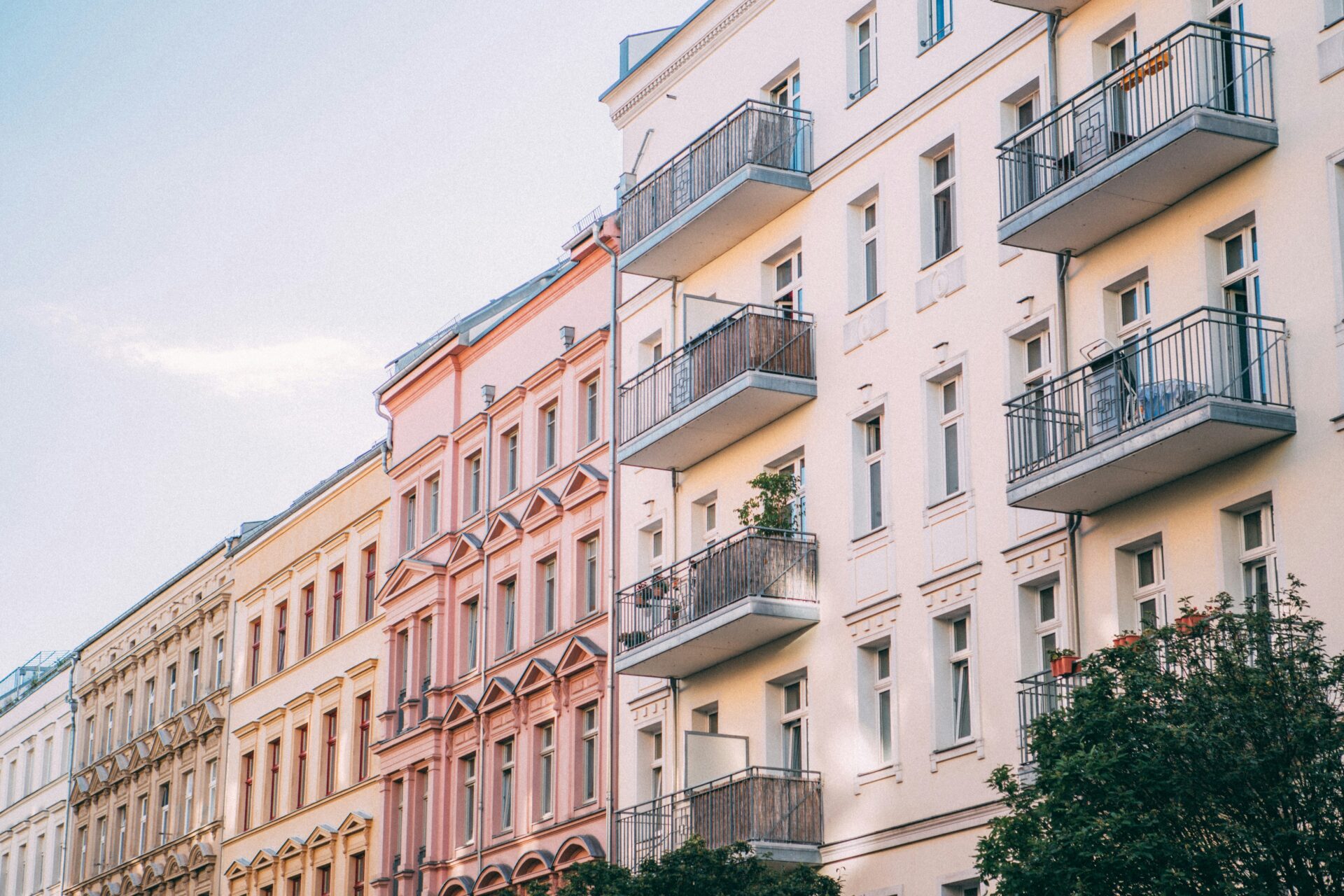
Prenzlauer Berg’s Leafy Streets and Historic Atmosphere
Walking through Prenzlauer Berg, I see a neighborhood shaped by rich history, gorgeous architecture, and subtle signs of Berlin’s changing times. The leafy avenues, old-world charm, and reminders of the Berlin Wall all blend together and create a special vibe.
Charming Cobblestone Streets and Neighborhoods
As I wander the tree-lined streets, rows of Altbau buildings catch my eye—those classic pre-war apartments with ornate doors and tall windows. The cobblestone roads of Kollwitzstrasse and Oderberger Strasse slow me down, which is perfect for people-watching or grabbing a seat at a street café.
Benches under chestnut and linden trees practically call you to sit and watch the world go by. Courtyards often hide tiny playgrounds, local bakeries, or indie boutiques.
Every block seems to have its own personality—sometimes a mural, sometimes a riot of flowers on a balcony, or an old lamp that’s seen decades of stories.
I always get a sense of warmth here that sets Prenzlauer Berg apart from other Berlin neighborhoods. Young families and groups of friends fill the sidewalks, giving the place a community buzz that’s somehow both lively and laid-back.
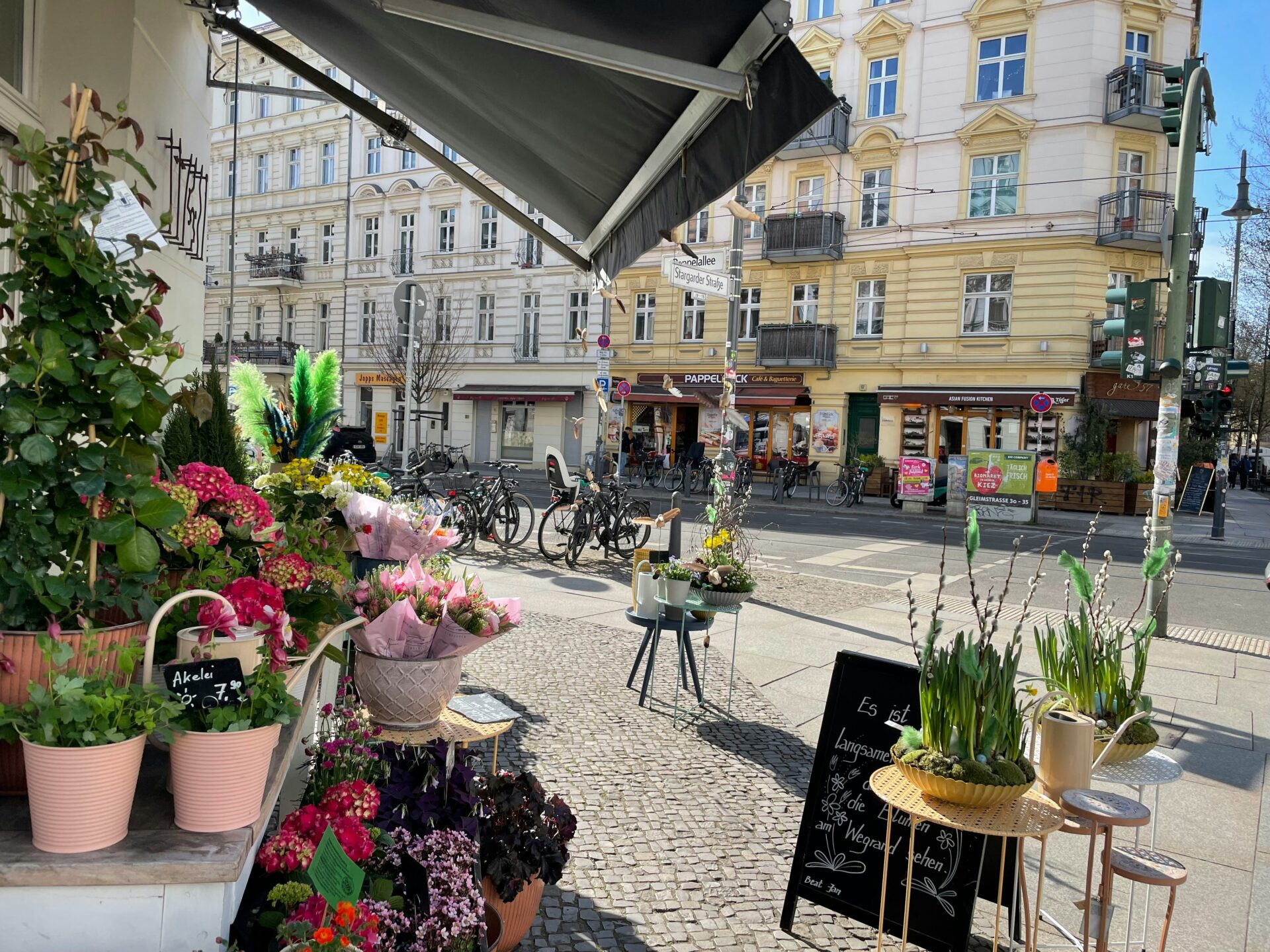
Architectural Highlights and Historic Landmarks
Many of these buildings date back to the late 1800s or early 1900s. Their stucco facades, arched entryways, and high ceilings remind me of Berlin’s past.
Some houses still show bullet marks from World War II, which brings history startlingly close.
Schönhauser Allee impresses with its grand apartment blocks. Around Kollwitzplatz, I find restored townhouses and peaceful plazas.
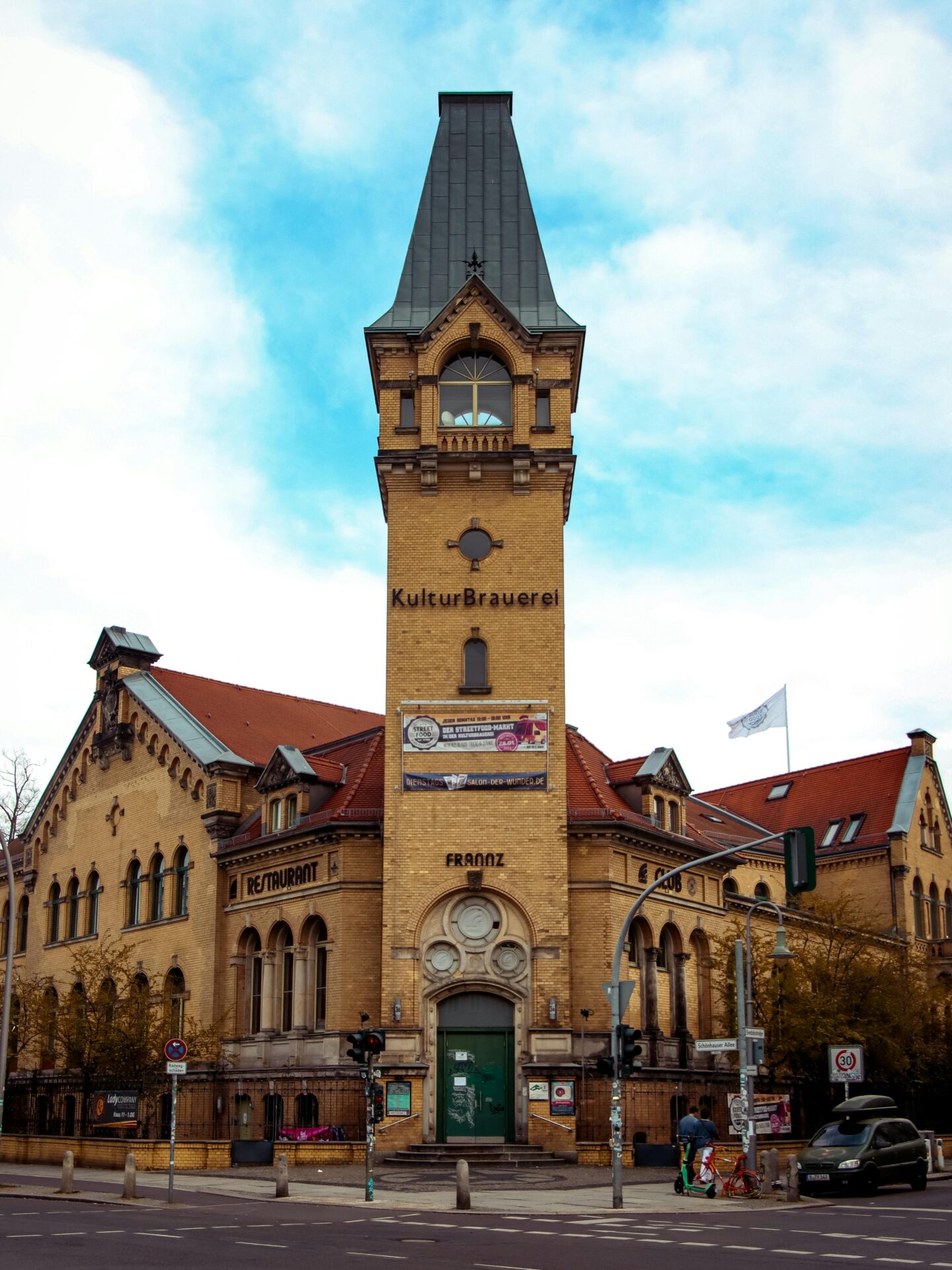
A few old breweries have found new life, like KulturBrauerei, now a cultural center. The mix of restoration and modern touches shows how the neighborhood balances preservation and creativity.
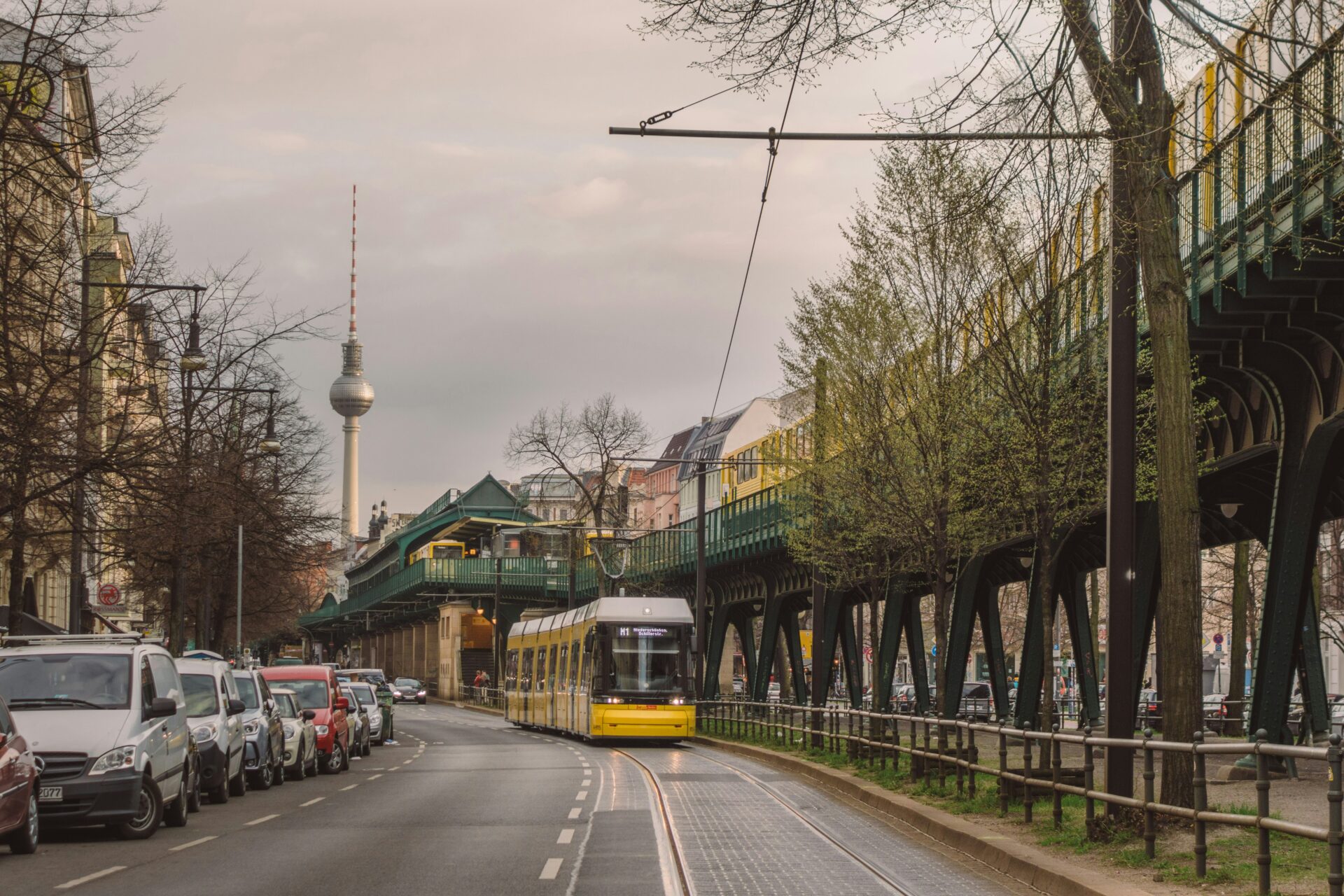
History and Transformation of Prenzlauer Berg
Prenzlauer Berg has seen huge changes over the years. In the early 1800s, farmers and windmills dotted the landscape.
By the late 19th century, apartment blocks sprang up for workers during Berlin’s boom.
After World War II, this was part of East Berlin. Many buildings fell into neglect, but in the 1990s, young families and artists moved in, drawn by cheap rents and the central location.
Gentrification swept through, rents climbed, but people fought to protect the historic buildings—and it worked. The area kept its unique style.
Today, I spot this transformation everywhere: lively cafés, kids’ shops, art spaces, and old Soviet-era apartments all side by side.
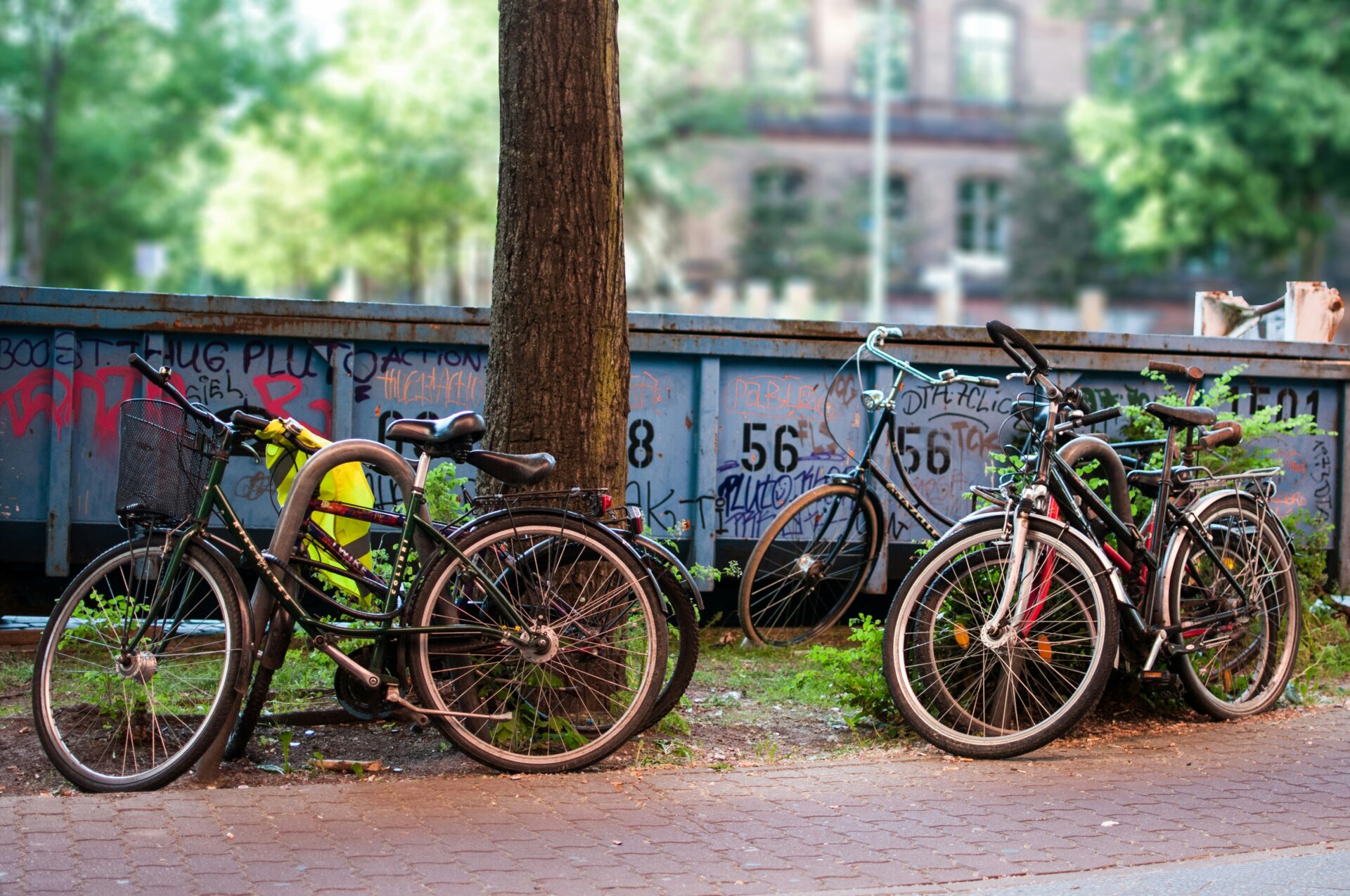
Berlin Wall Remnants and Memorials
Parts of the old Berlin Wall still stand in Prenzlauer Berg, especially near Bernauer Strasse. The Berlin Wall Memorial stretches along the street, showing the border strip’s full width, original wall fragments, and even a watchtower.
Walking here, I get a real sense of where the wall once divided East and West Berlin. Signs and displays tell stories about escape attempts and families split apart.
The memorial grounds feel peaceful, grassy, but there’s always a quiet sense of reflection. The wall’s remains are now woven into daily life, a reminder of both Berlin’s painful past and the city’s resilience.
Mauerpark Flea Market and Local Culture
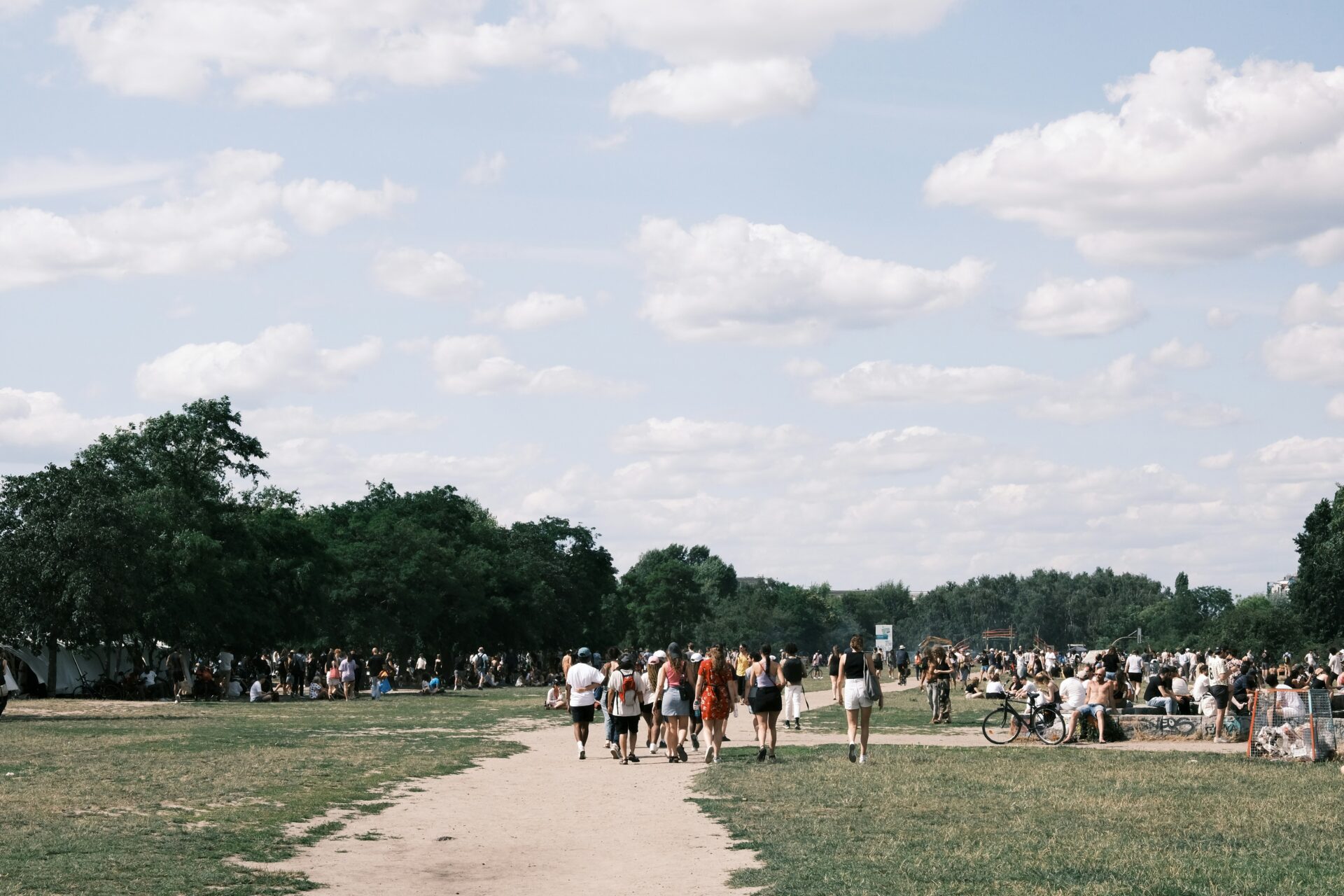
Mauerpark quickly became one of my favorite spots here. Every Sunday, crowds pour in for its energetic flea market, community events, live music, and bursts of street art.
Vintage Treasures and Second-Hand Finds
The Mauerpark Flea Market overflows with vintage clothes, antiques, vinyl, and quirky furniture. Many sellers are locals who curate their stalls with care; others are independent designers and artists from Berlin.
I’ve found everything from 80s leather jackets to mid-century lamps and East German memorabilia.
Prices are usually up for negotiation if you’re friendly about it. I love how unpredictable it all feels—one booth has handmade jewelry, the next is stacked with retro toys.
There are pop-up stands with indie zines, home decor, books, and cameras. Bargain hunters can easily lose track of time scanning tables for that one special find.
Highlights I noticed:
- Stalls open 9 am to 6 pm every Sunday
- Mix of pro vintage sellers and locals
- Stuff ranges from cheap knickknacks to rare collectibles
Bearpit Karaoke and Street Performers
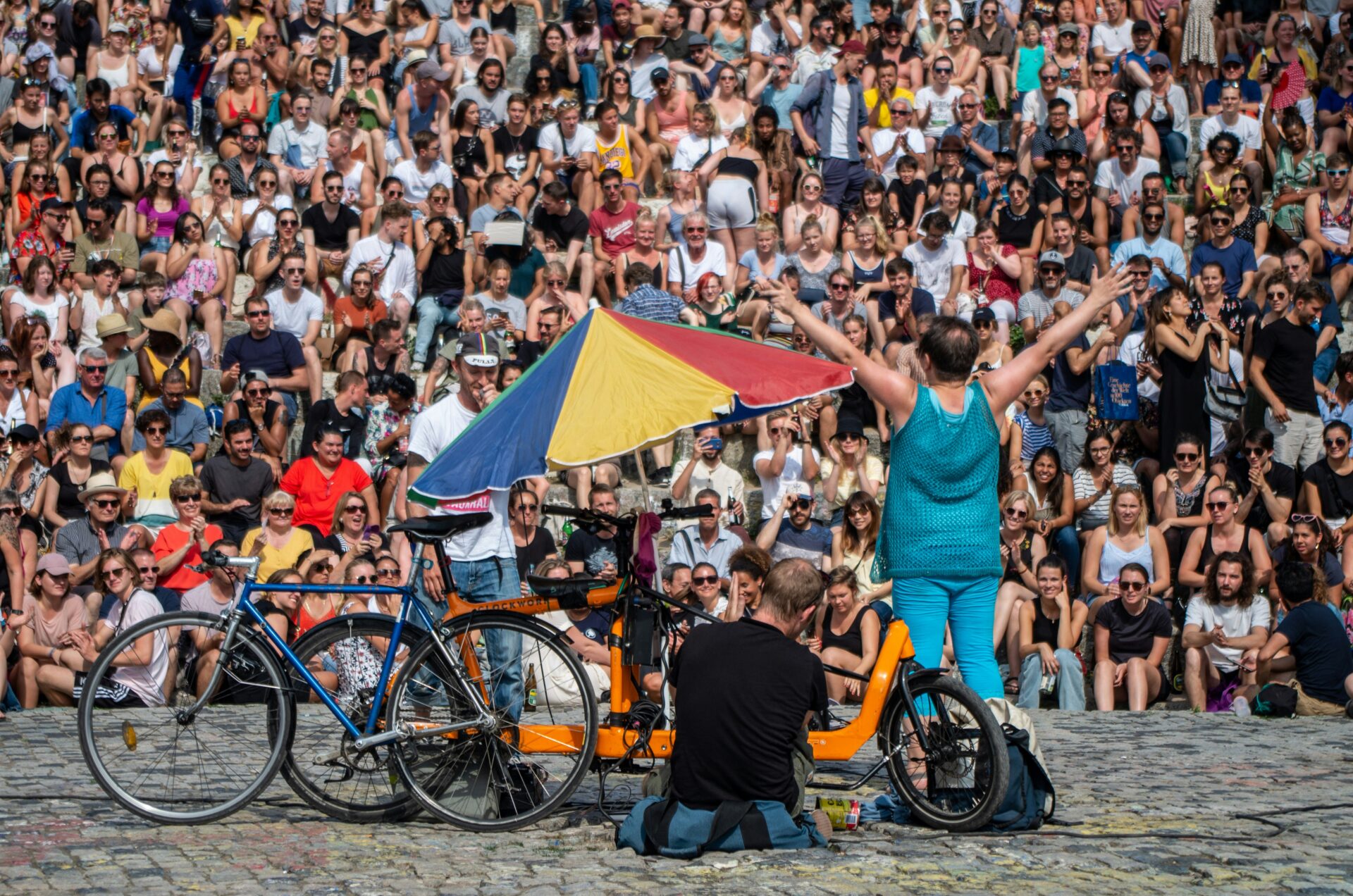
Bearpit Karaoke is the wild heart of Mauerpark. This outdoor karaoke takes over the amphitheater from about 3 pm on Sundays when the weather’s good.
Anyone can step up and sing their heart out—no experience needed, just guts.
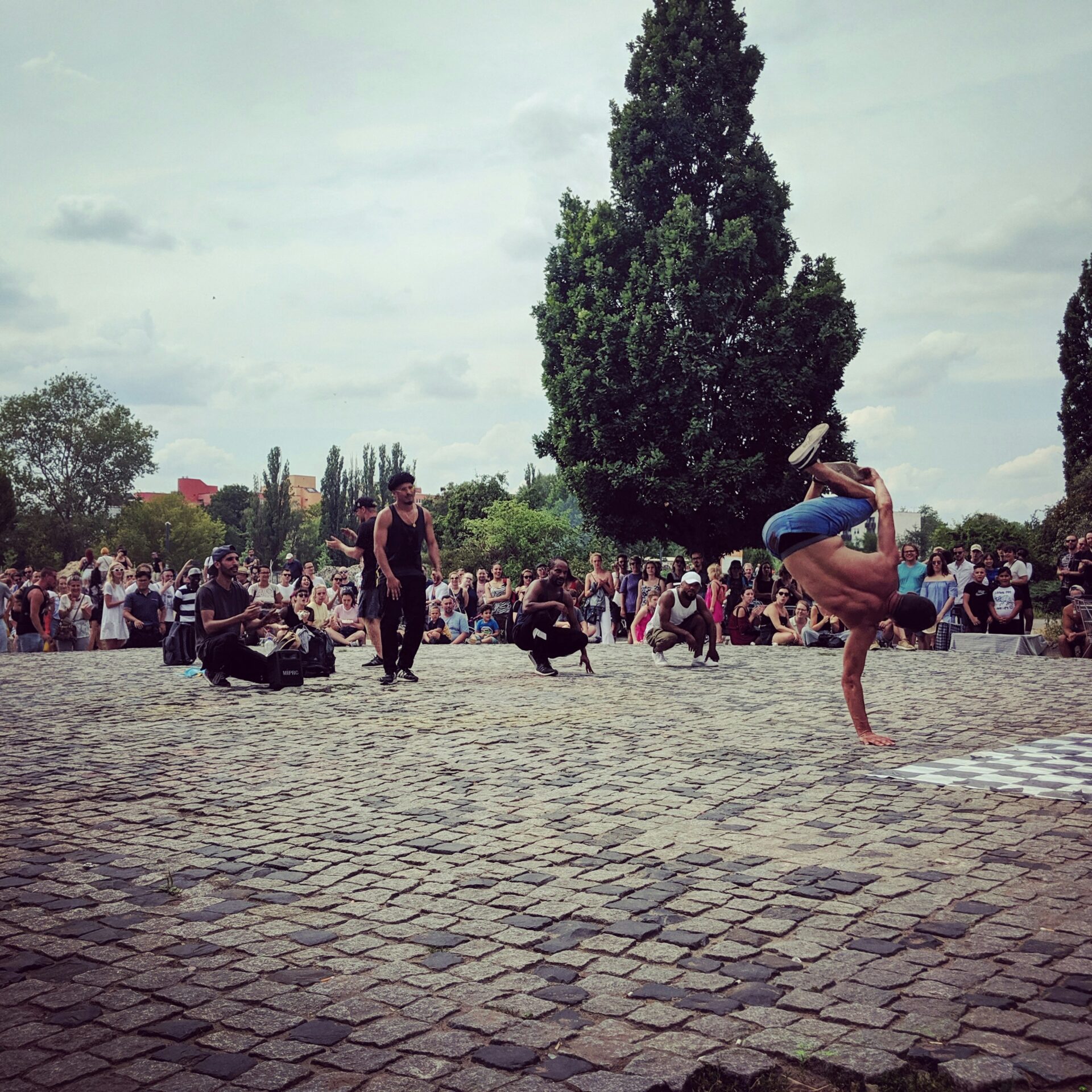
Around the amphitheater, dancers, musicians, and street performers gather. Drummers form circles on the grass, guitarists strum under shady trees, and dance crews pop up with spontaneous shows.
The performances are family-friendly and usually draw big, cheering crowds.
Bearpit Karaoke tips:
- Arrive early for a seat; it fills up fast
- No sign-up fees, just lots of encouragement
- The lineup is always a surprise—anyone can join
Street Art and Alternative Culture
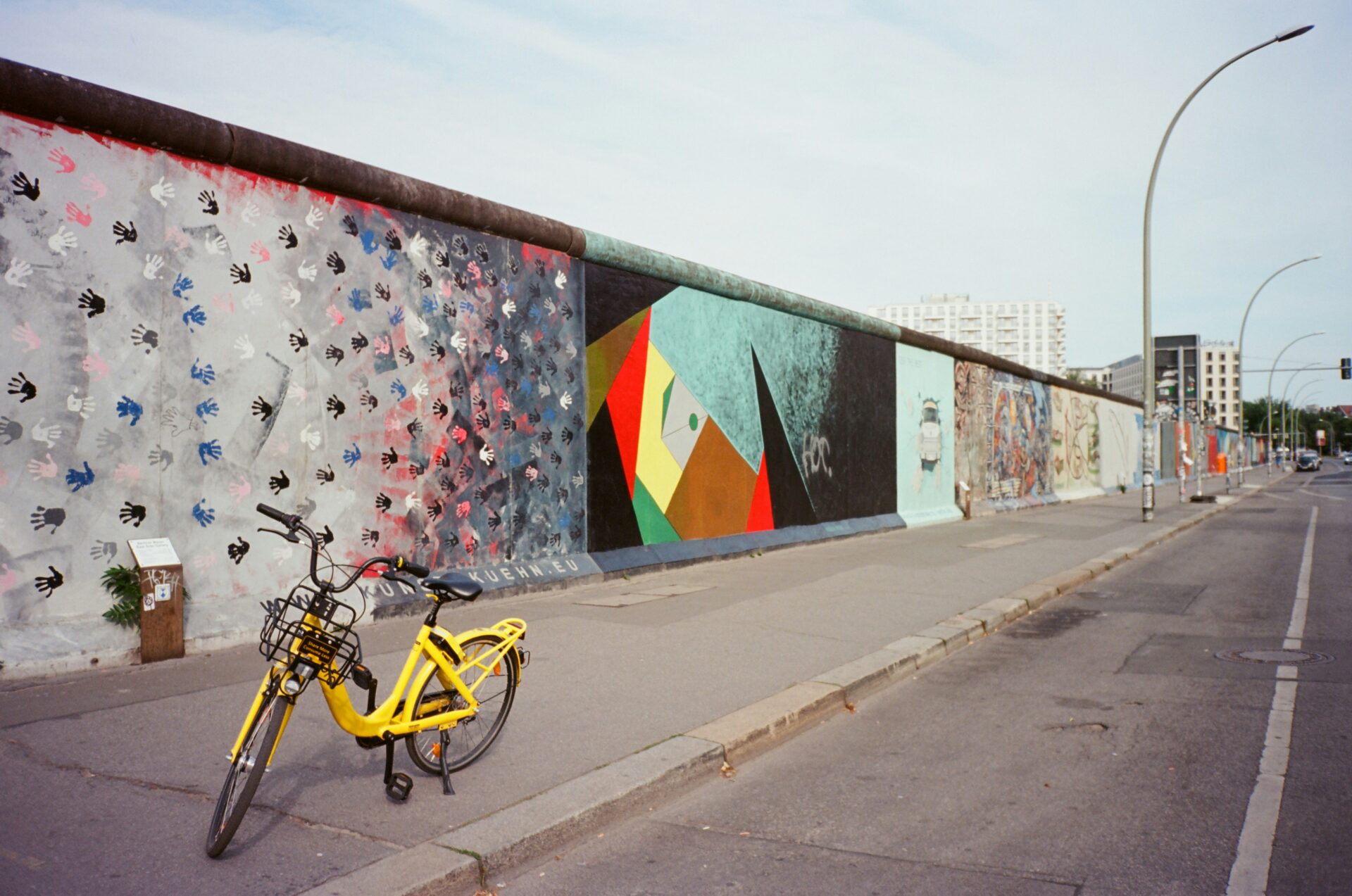
Street art covers so many surfaces in and around Mauerpark. Murals jump out with abstract shapes, portraits, and slogans—Berlin’s creative, rebellious side on full display.
I’ve watched artists painting directly on the old Berlin Wall that borders the park, while others set up booths to sell prints or run live demos.
Mauerpark’s a magnet for Berlin’s alternative scene. Event spaces and pop-up art shows appear around the park, often showcasing experimental work.
The area buzzes with families, students, young artists, and visitors. That open, accepting energy is contagious.
Key Features:
- Ever-changing murals and graffiti
- Local artists selling their creations
- Community workshops and pop-up shows
Weekly Food and Farmers Markets
Along one side of Mauerpark, rows of food stands tempt me with street food. There’s always something new—falafel, dumplings, bratwurst, vegan wraps, sweet crepes.
Many stands are run by Berliners or first-generation immigrants, so the flavors are truly global.
Some Sundays, a small farmers market pops up, offering fresh fruit, veggies, bread, and cheese from local producers. I love grabbing a snack and then stocking up on seasonal treats, all steps away from each other.
Outdoor tables fill up with families and friends, turning the market into a relaxed, communal picnic.
What I recommend:
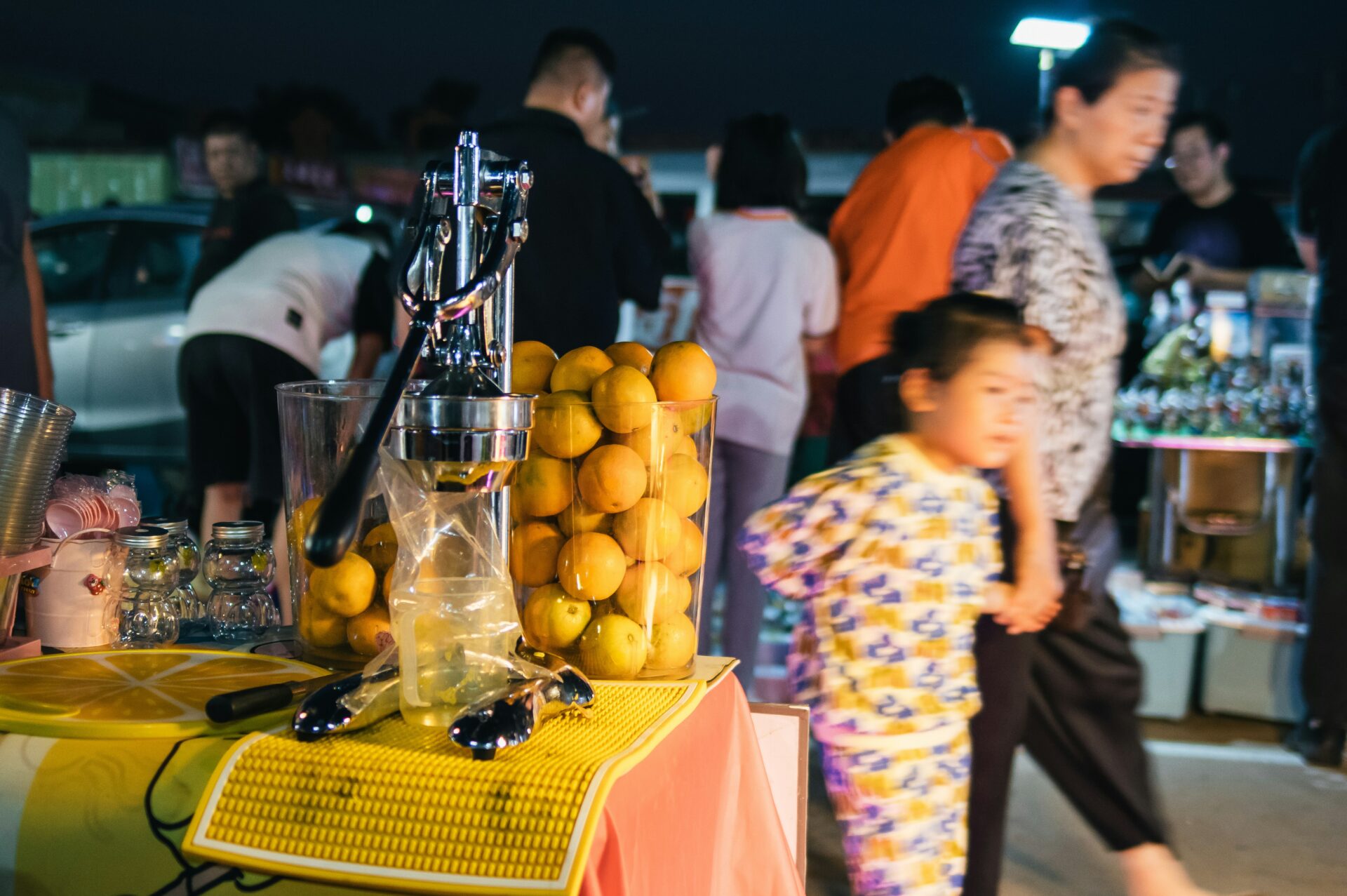
- Try the homemade lemonade or Turkish gözleme
- Look for signs showing organic and local produce
- Most stands take cash, but some accept cards too
Indie Boutiques, Galleries, and Artistic Vibes
Prenzlauer Berg stands out with its creative energy, style, and alternative spirit. The streets are lined with indie boutiques, galleries, and spaces that showcase everything from classic to modern artistry.
Boutique Shopping on Kastanienallee and Oderberger Straße
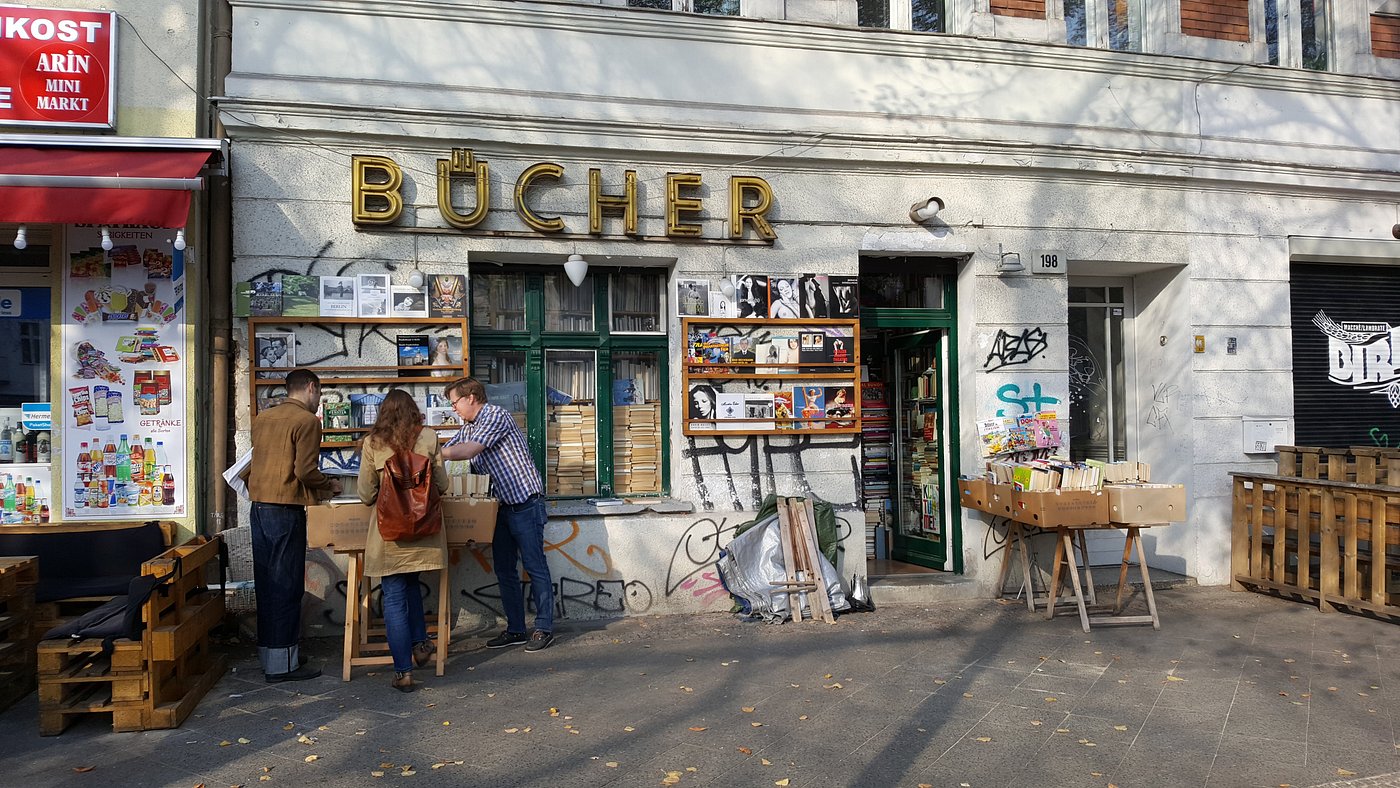
Kastanienallee and Oderberger Straße pulse with life. Both are packed with indie boutiques that offer vintage finds, contemporary fashion, and chic homeware.
Many shops on Kastanienallee are locally owned and show off Berlin’s stylish, bohemian side.
On Oderberger Straße, I’ve browsed stores selling everything from handmade jewelry to upcycled clothing. Each boutique has a distinct personality, and it’s easy to lose track of time here.
The variety is wild—one moment I’m eyeing 1960s jackets, the next admiring minimalist German designs.
Some standout shops focus on eco-friendly goods and Berlin-based designers. Window displays are mini works of art, often showing off the creativity of Prenzlauer Berg’s residents.
Plenty of boutiques double as cafés or art spaces, so shopping and local culture blend together.
Galleries, Art Exhibitions, and Creatives
Art pulses through Prenzlauer Berg’s veins. Small galleries nestle between cafés and shops, each one offering a stage to established and emerging artists.
It’s not unusual to stumble into an opening night or a pop-up show, especially on weekends.
Some galleries lean into photography; others highlight abstract painting, digital art, or sculpture. Spaces here feel approachable, often run by the artists themselves, so chatting about the art comes naturally.
Exhibitions change often, so there’s always something fresh to see.
Events range from small group shows to experimental installations. I once joined a discussion with local creatives about urban life and artistic expression along Kastanienallee.
These moments make me appreciate Berlin’s open-minded, diverse art scene.
Handmade and Artisanal Goods
Handmade and artisanal goods are everywhere in Prenzlauer Berg. Makers sell unique ceramics, vegan shoes, hand-poured candles, and crafted leather accessories.
These products really highlight the district’s love for local craft and slow fashion.
Boutiques and weekend pop-ups often specialize in handmade textiles, prints, and home decor, all produced in small batches. Shops usually feature the names and stories of the artisans, which makes shopping feel personal.
I’ve noticed a big push for ethical sourcing and eco-friendly practices here. Packaging is often recycled, and sustainable materials are the norm.
It’s less about just buying stuff and more about connecting with people who care about their craft and community.

Cafés, Kids’ Spaces, and Family-Friendly Finds
Prenzlauer Berg is super welcoming for families and young people. I find cozy cafés, endless brunch spots, fun places for kids, and lots of green spaces for play or picnics.
Cozy Cafes and Café Culture
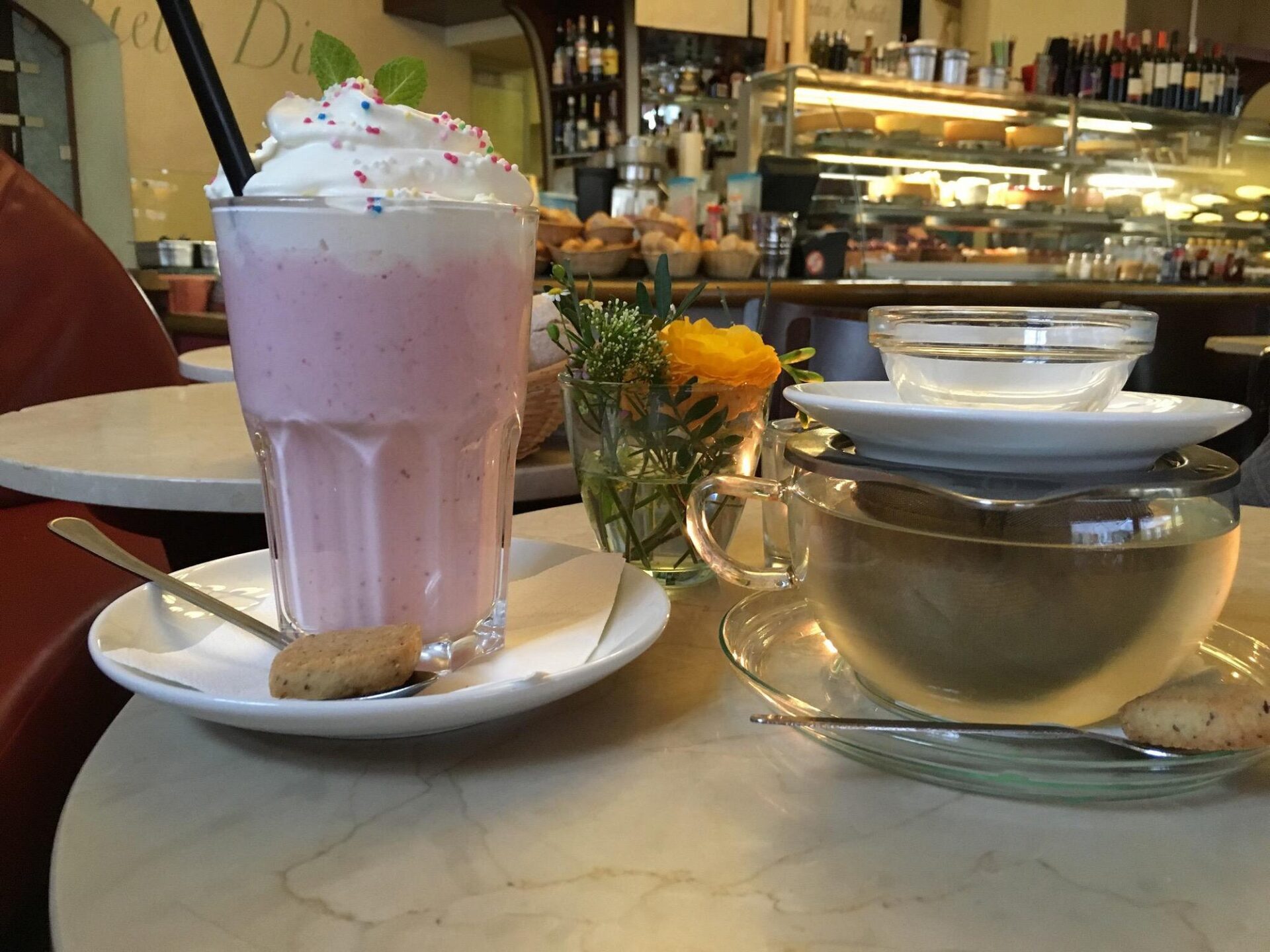
Wandering Prenzlauer Berg, it’s impossible to miss how central café culture is to daily life. Independent coffee shops, bakeries, and pastry cafés line the streets.
The scent of fresh coffee drifts from open windows and sidewalk tables.
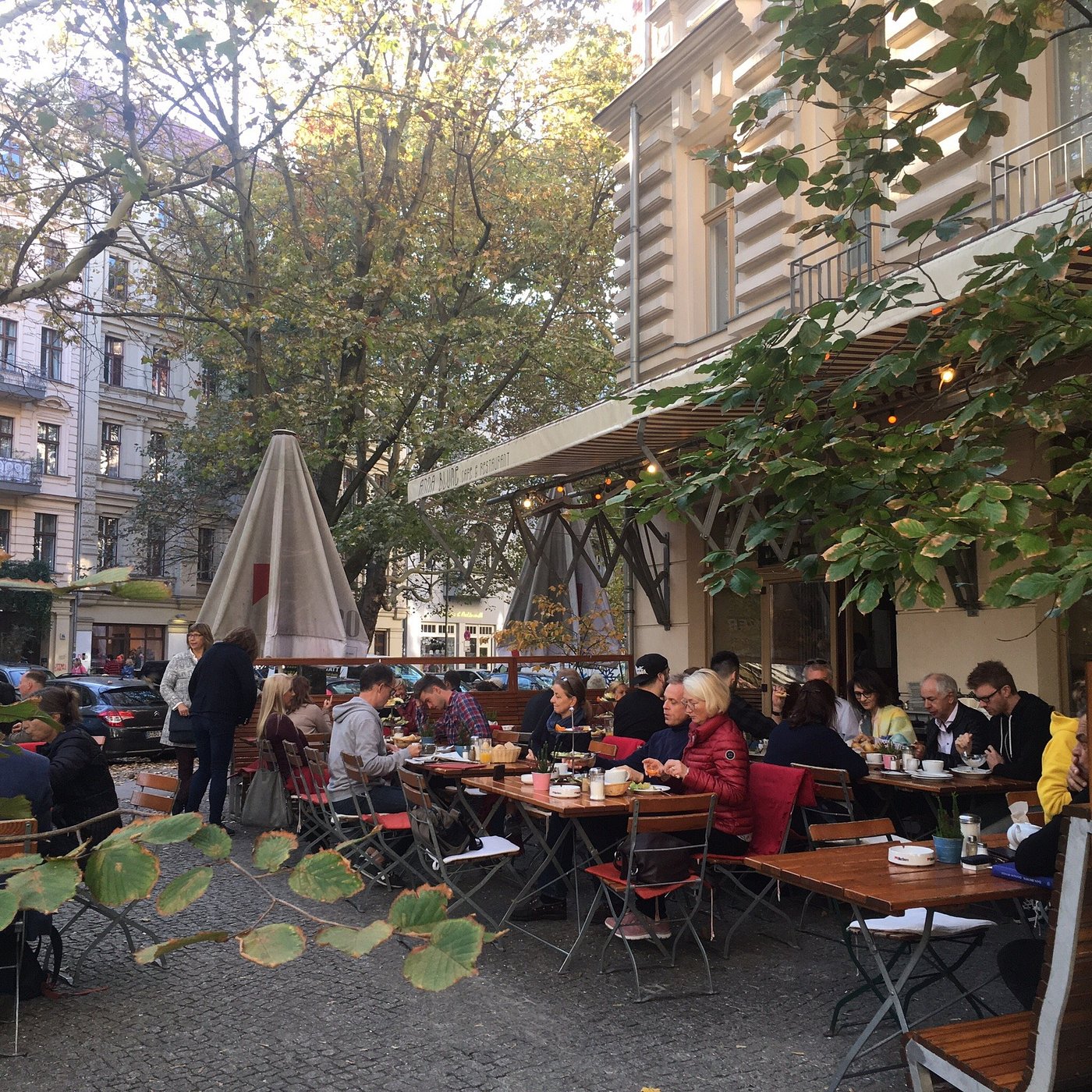
Anna Blume stands out for its flowers and irresistible cakes. Locals and visitors fill the sunny terrace for breakfast or a classic German coffee-and-cake break.
It’s easy to settle in for a slow morning or catch up with friends here.
Baristas serve up third-wave coffee and pastries made from local ingredients.
Most cafés offer both plant-based milk and classic dairy. Some brew their own blends or feature beans from Berlin’s many micro-roasters.
Family Cafés and Kids’ Friendly Spaces
Prenzlauer Berg’s cafés aren’t just about coffee. Many of them welcome families, especially those with little kids.
At Café Kiezkind, I watched children run around in the outdoor play area. Inside, a heated sandbox and a cozy reading nook kept them entertained, rain or shine.
Other cafés set out toy boxes, soft play corners, and even tiny tables and chairs just for kids.
Parents and caregivers get a chance to relax nearby, maybe with a hot drink in hand.
Menus usually offer child-friendly snacks and warm drinks. Sometimes, you’ll spot homemade cakes that cater to allergy-sensitive diets.
I’ve come across chalkboards, shelves of family books, and changing tables tucked into restrooms. These little touches really make outings with kids less stressful.
Brunch Hotspots and Sweet Treats
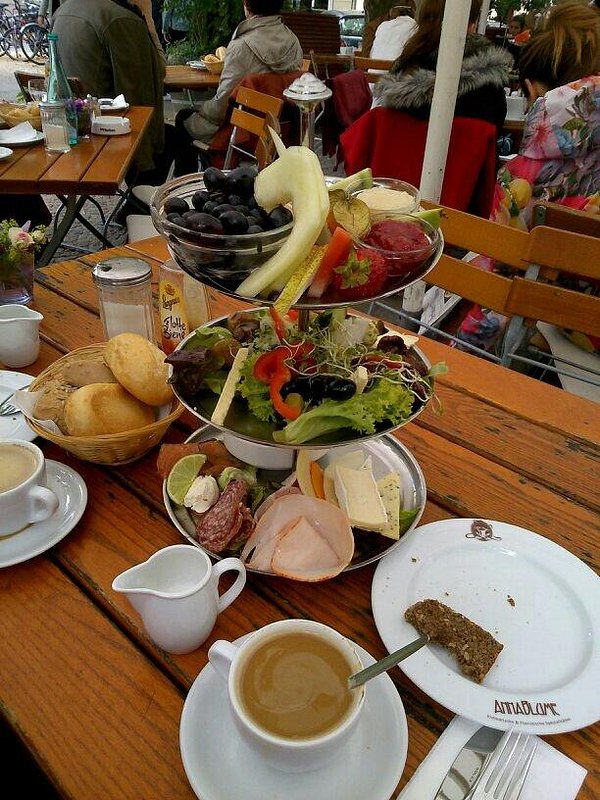
Brunch is a big deal here, especially on weekends. Some of my favorite spots serve generous breakfast platters—think cheeses, fresh bread, eggs, and homemade jams.
Anna Blume’s Etageren (those pretty tiered trays) are a feast for the eyes and the stomach, mixing sweet and savory on charming vintage porcelain.
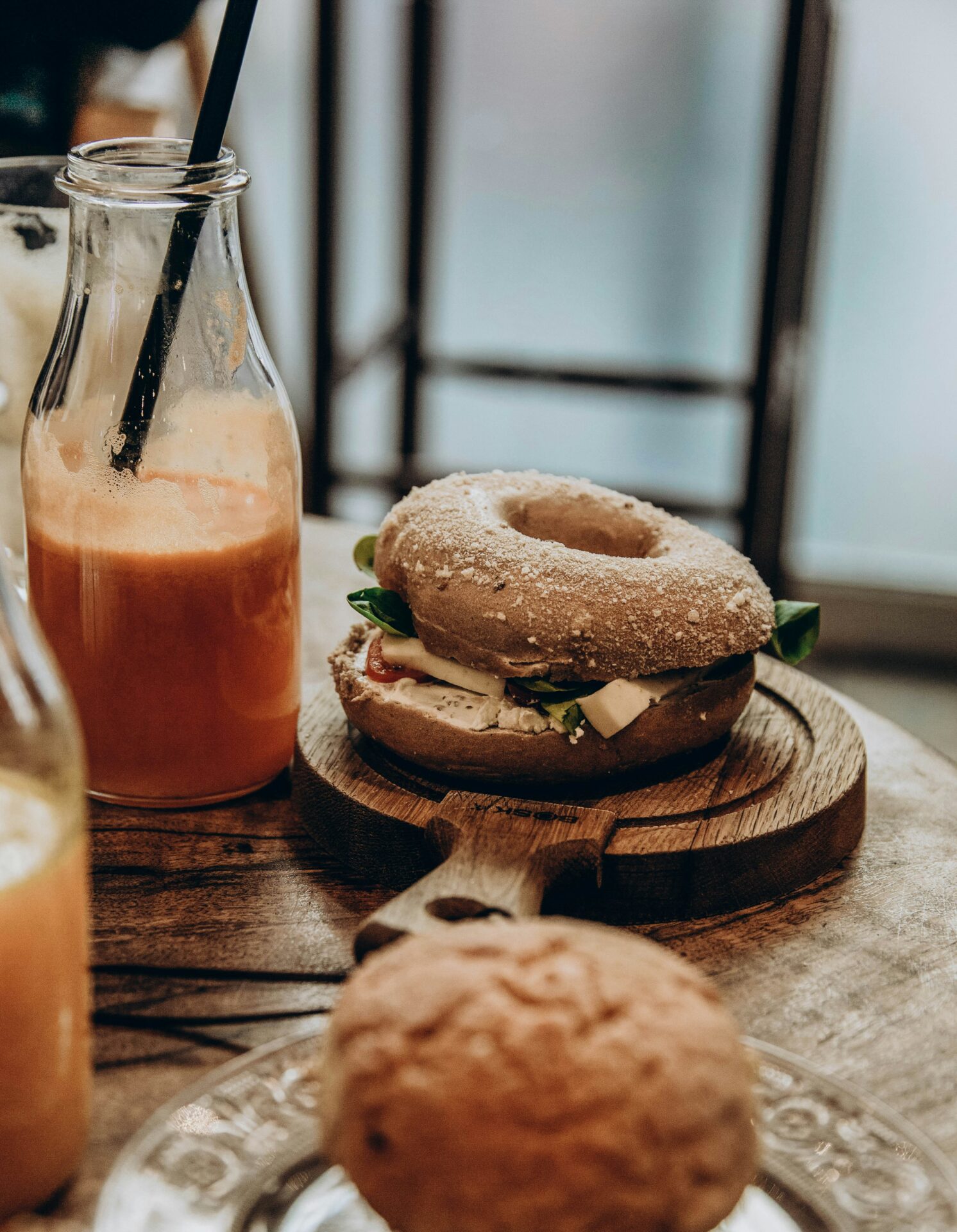
Vegan and gluten-free choices pop up everywhere. Bakeries tempt me with cinnamon buns, flaky pastries, or a slice of proper German cheesecake.
If I’m craving something special, there’s usually pancakes, fruit salad, or a warm quiche on the menu.
Strollers line up outside as families gather with friends. Most places expect you to linger, so ordering that second coffee feels almost required.
Playgrounds and Green Spaces for Families
It’s not just about the cafés—Prenzlauer Berg’s green spaces give families room to breathe. Helmholtzplatz and the areas around Kollwitzplatz offer open lawns, playgrounds, and shaded benches.
I love watching neighbors meet up here, sharing snacks while their kids play nearby.
Many parks have sandboxes, swings, and climbing frames. Kids mix easily, speaking German or whatever language they bring from home.
On weekends, families spread out picnic blankets and enjoy coffee-to-go or pastries from the local bakery.
The blend of cafés, parks, and playful spaces lets families spend entire afternoons drifting from one spot to the next.
Foodie Haven: Culinary Scene and Local Eateries
Prenzlauer Berg’s food scene surprised me with its mix of classic German flavors, international cuisines, and cozy corners for coffee or cocktails.
I found everything from speedy street snacks and kid-friendly cafés to lively beer gardens and restaurants that celebrate local produce.
Diverse Eateries From Street Food to Fine Dining
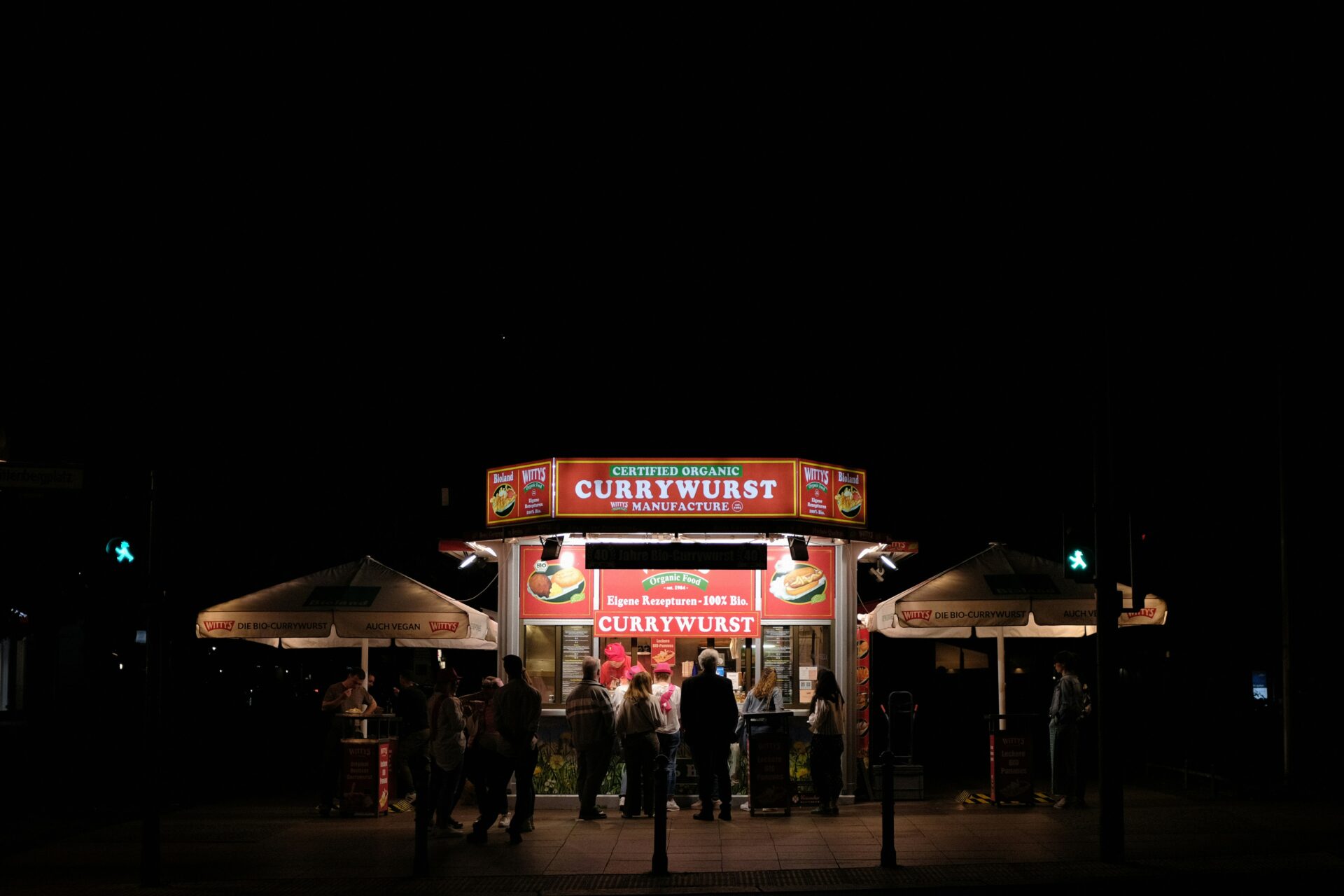
The leafy streets overflow with places to eat, no matter your budget or craving. Food trucks and street stands serve up currywurst and bratwurst, filling the air with their unmistakable scent.
Quick snacks are everywhere, but I also stumbled onto modern cafés and fresh bakeries on nearly every corner.
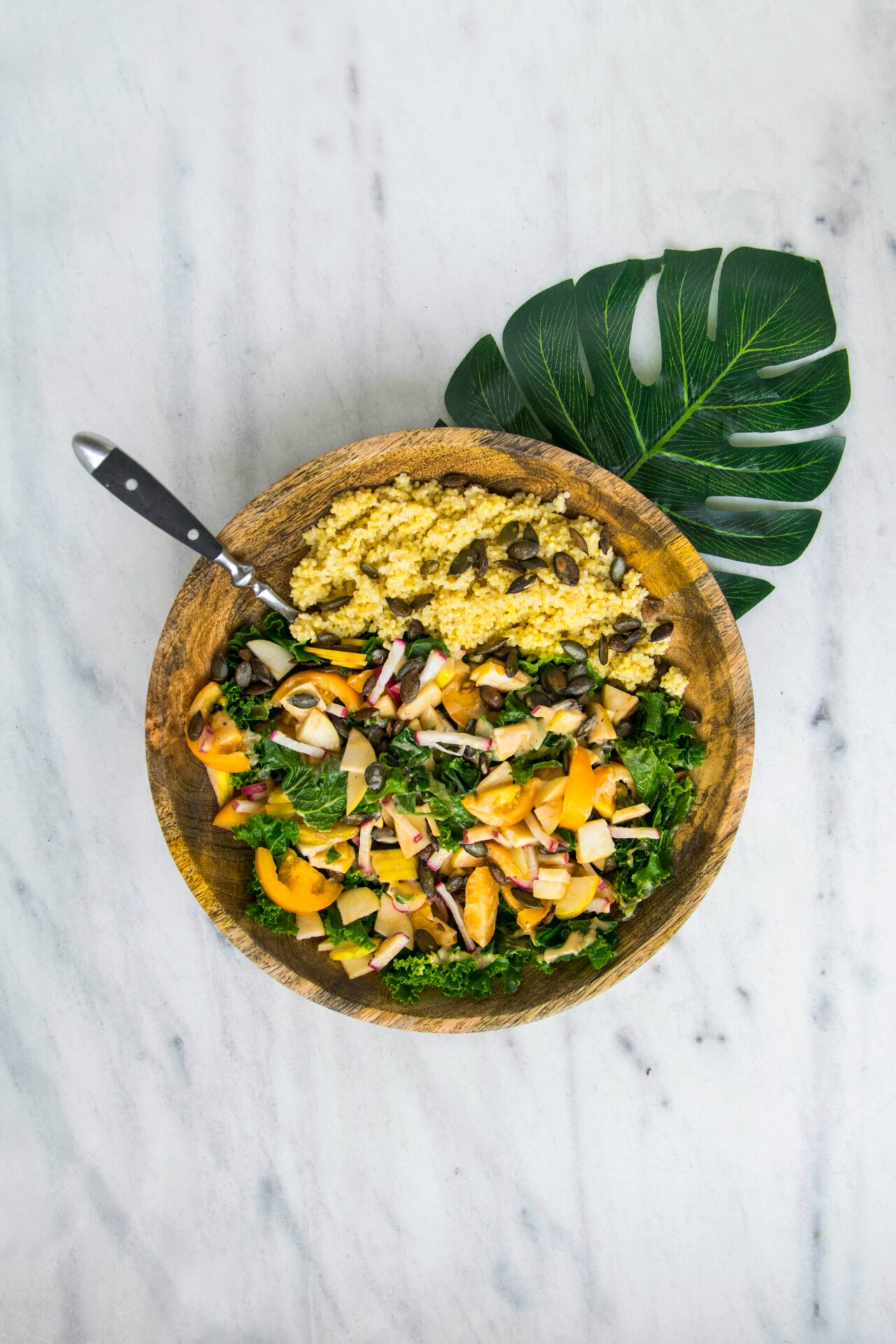
When I felt like splurging, I found upscale restaurants focused on local ingredients and creative international dishes. Family-friendly spots dotted the sidewalks, and vegan or vegetarian menus were more common than I expected.
Bonanza Coffee Roasters stood out for its beans and the cozy vibe. It’s a must if you love good coffee.
Classic Berlin Dishes and Culinary Traditions
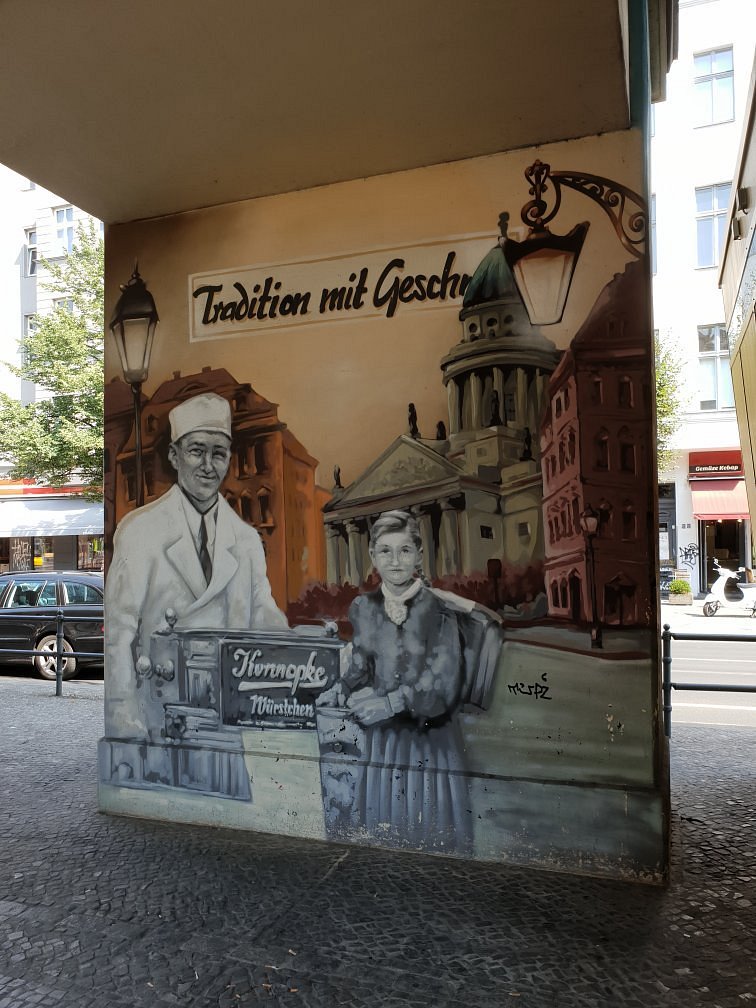
Traditional Berlin food still has a strong foothold in Prenzlauer Berg. Currywurst pops up everywhere, but Konnopke’s Imbiss under the U-Bahn tracks really drew the longest lines—and for good reason.
Their sausages, topped with spicy sauce, gave me a genuine taste of Berlin.
Schnitzel and potato salad show up at many classic eateries. Bratwurst, pickled veggies, and giant pretzels fill the plates of people catching up over dinner.
Some places put their own spin on these favorites, using fresh, local ingredients. These comforting dishes connect you straight to Berlin’s history.
Beer Gardens, Bars, and Nightlife
Evenings shift the mood—suddenly, laughter spills from beer gardens and bars. Prater Garten, Berlin’s oldest beer garden, has long wooden tables shaded by chestnut trees.
It’s the perfect place for local brews and bratwurst with friends.
Small bars pour craft beers from Berlin’s growing brewery scene. Some mix up seasonal cocktails or serve German wines.
A lot of these spots keep a local vibe, so it always feels welcoming. I even found cafés that morph into bars at night, making it easy to enjoy Prenzlauer Berg’s relaxed nightlife without wandering far.

Notable Restaurants and Culinary Hotspots
A few places really stuck with me. The Bird serves juicy burgers and generous fries, channeling a bit of American diner spirit—a fun change from the usual German fare.
At Standard, traditional flavors get a modern upgrade; their wood-fired pizza and local toppings left a lasting impression.
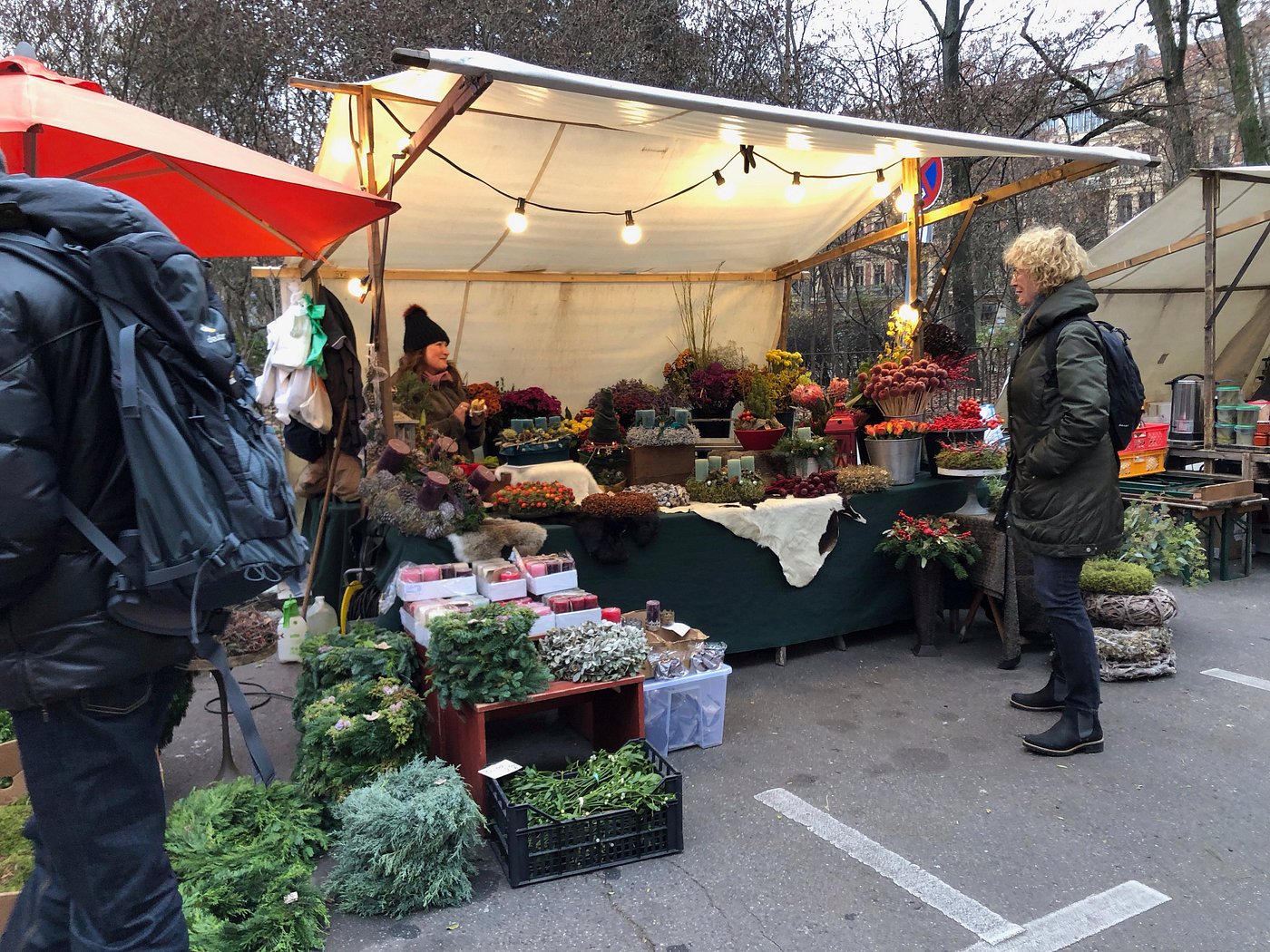
Charming cafés offer homemade cakes, vegan bites, and great coffee all day long. Weekly food markets around Kollwitzplatz serve up fresh produce and international street food.
Whether I wanted a quick breakfast, a long lunch, or a fancy dinner, something tasty was always just around the corner.
Arts, Culture, and Community Life
Prenzlauer Berg buzzes with creative spots, lively events, and a strong sense of neighborhood spirit. During my stay, I found places where artists, families, and locals mingle, celebrate, and share Berlin’s vibrant side.
Cultural Hubs and Performance Spaces
The Kulturbrauerei was a highlight for me. Once an old brewery, it now hosts galleries, music clubs, dance studios, and cozy bars.
There’s always something happening—art shows, live concerts, night markets. I wandered through open courtyards framed by old brick walls, soaking up the city’s unique vibe.
Clubs here cater to many tastes, from electronic music to jazz. A lot of venues champion new artists and host international acts, so it’s easy to tap into the alternative scene.
These spaces aren’t just about entertainment. They’re real gathering places for locals, solo travelers, and anyone curious about Berlin’s creative pulse.
Museums, Cinema, and Theater
Prenzlauer Berg offers a great mix of museums, cinemas, and theaters. I visited small community museums that focus on local history, design, and photography.
These places bridge the past and present, making history feel very much alive.
Independent cinemas are a big deal here. Kino in der Kulturbrauerei screens everything from German films to international features and documentaries.
Sitting in one of these old-school cinemas, I realized moviegoing here is as much about community as it is about film.
Theaters, big and small, stage everything from classic German plays to new works. Many shows welcome families, adding to the neighborhood’s friendly feeling.
Live performances keep things fresh and invite everyone to join in the cultural conversation.
Jewish Heritage Sites
Prenzlauer Berg holds some of Berlin’s most significant Jewish heritage sites. I took a walk to the Jüdischer Friedhof (Jewish Cemetery), which felt peaceful and steeped in history.
Many Berlin families trace their roots here, and the winding paths feel almost like an outdoor museum.
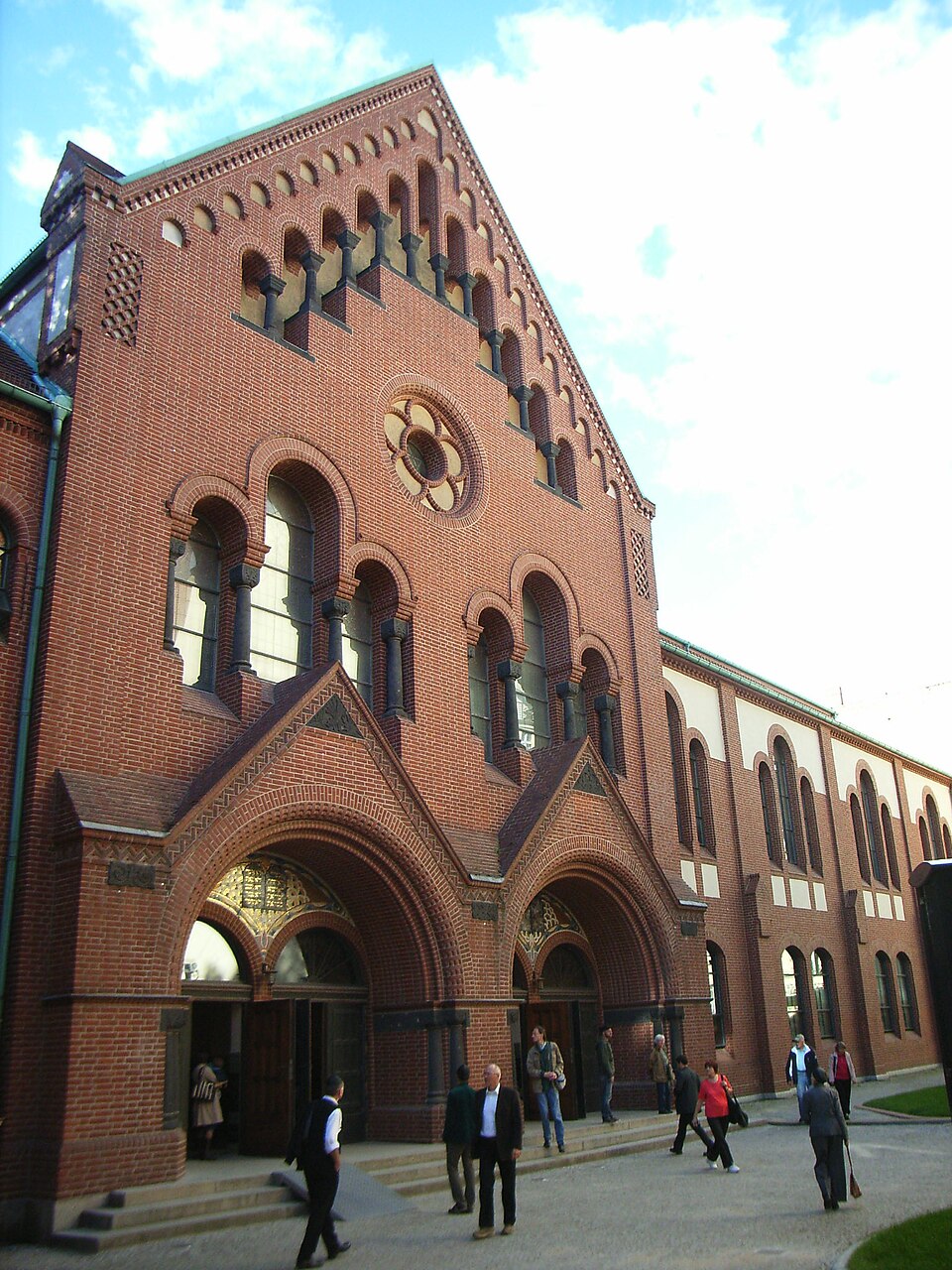
I made time for the Rykestrasse Synagogue too. It’s Germany’s largest synagogue, carefully restored after World War II.
I joined a guided tour and admired the detailed architecture and the spirit of resilience that fills the space.
Walking through these sites, I noticed plaques and small signs that tell personal stories. Each one is a reminder of the community’s ongoing effort to remember its past and welcome new visitors.
Festivals, Christmas Markets, and Events
In Prenzlauer Berg, big community events shape daily life—especially when winter rolls in. I’ve wandered into small street festivals that celebrate everything from music and art to international food.
You’ll hear music drifting down leafy streets, spot food stalls, and catch open-air performances just about everywhere. There’s always something happening, and it’s hard not to get swept up in the energy.
Christmas markets really steal the show, especially at the Kulturbrauerei once late November hits. Picture a cozy maze of booths, twinkling lights overhead, and the warm smell of mulled wine everywhere you go.
Honestly, it all feels safe and friendly—perfect for families or anyone who just wants to soak up the holiday vibe. Handmade gifts and local treats spill from every corner.
All year round, Mauerpark’s flea market draws artists, musicians, and locals every Sunday. It’s not just about shopping; open-air karaoke and street performers turn the place into a little festival of its own.
Whether I’m with friends or exploring solo, I never feel out of place. It’s easy to jump right in and feel like you belong.
These events blend community, creativity, and tradition in a way that keeps every visit fresh. I never know quite what to expect, and that’s half the fun.

