
Pylos and Navarino Bay swept me off my feet the second I arrived. The place throws together gorgeous views and a sense of history you can almost touch.
Rolling green hills tumble into clear blue water. Stories from ages ago seem to hang in the air, drifting across the bay.
Here, nature’s beauty and epic moments from the past collide, making it a spot travelers and history lovers won’t forget.
When I wandered through the quiet streets of Pylos, I could almost see the legendary naval battle of 1827 playing out in my mind. That battle really changed Greek history.
The bay feels timeless. Shipwrecks from old wars rest beneath the waves, and the peaceful shoreline begs you to relax, explore, or just soak up the stories.
If you crave a place where every view whispers a tale and the past feels almost within reach, Pylos and Navarino Bay will absolutely deliver.
Discovering Pylos: Gateway to Legends
Pylos isn’t just another pretty Greek town by the sea. Its hills and bays hide ancient secrets, wild stories, and some serious archaeological gems.
My visit really drove home how history, myth, and jaw-dropping scenery all blend together here.
How Pylos Became an Ancient Greek Stronghold
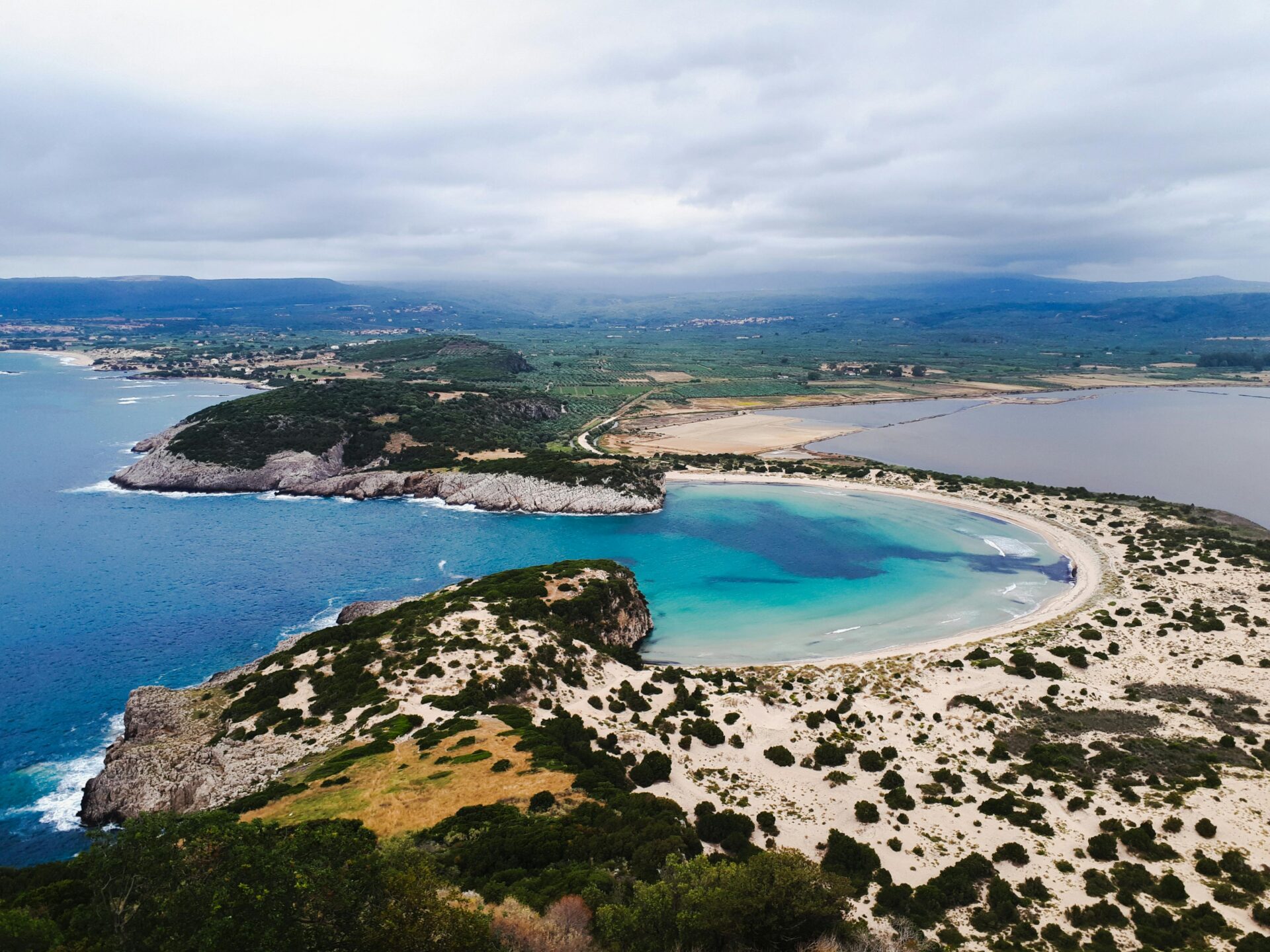
Standing at the edge of Navarino Bay, I quickly understood why ancient Greeks picked Pylos as a base. The harbor curves deep and blue, protected from storms by Sphacteria island.
This spot worked perfectly for ships and trade back in the Bronze Age.
As I walked through Pylos, I kept wondering what life felt like here centuries ago. People must have rushed between stone walls and bustling markets.
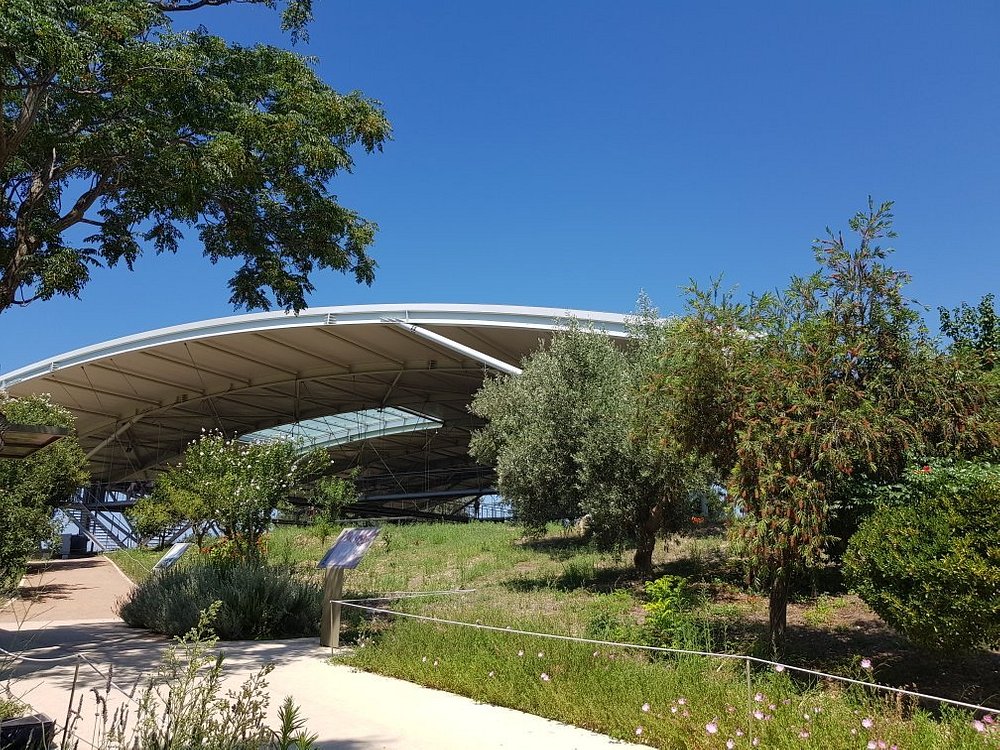
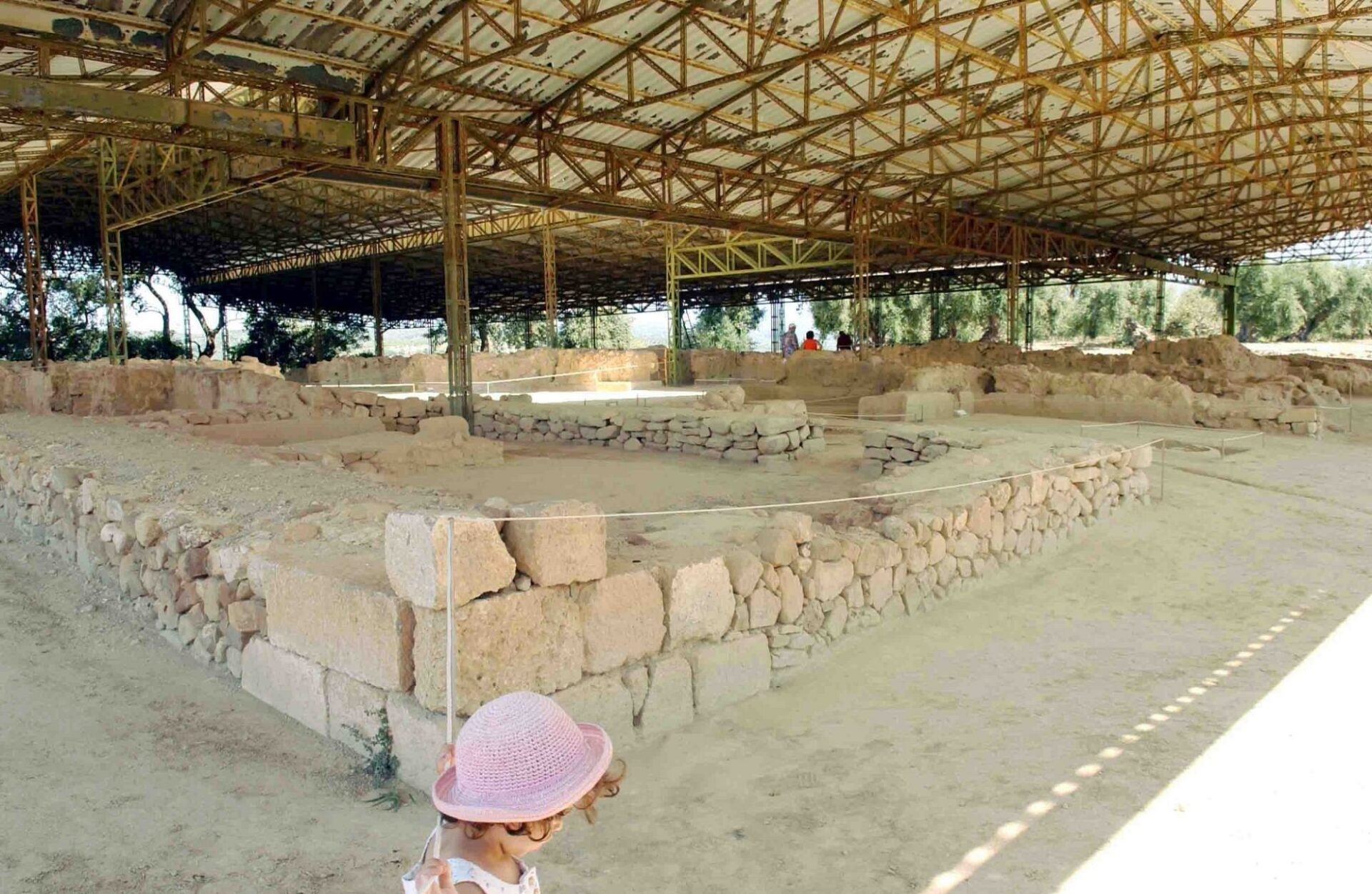
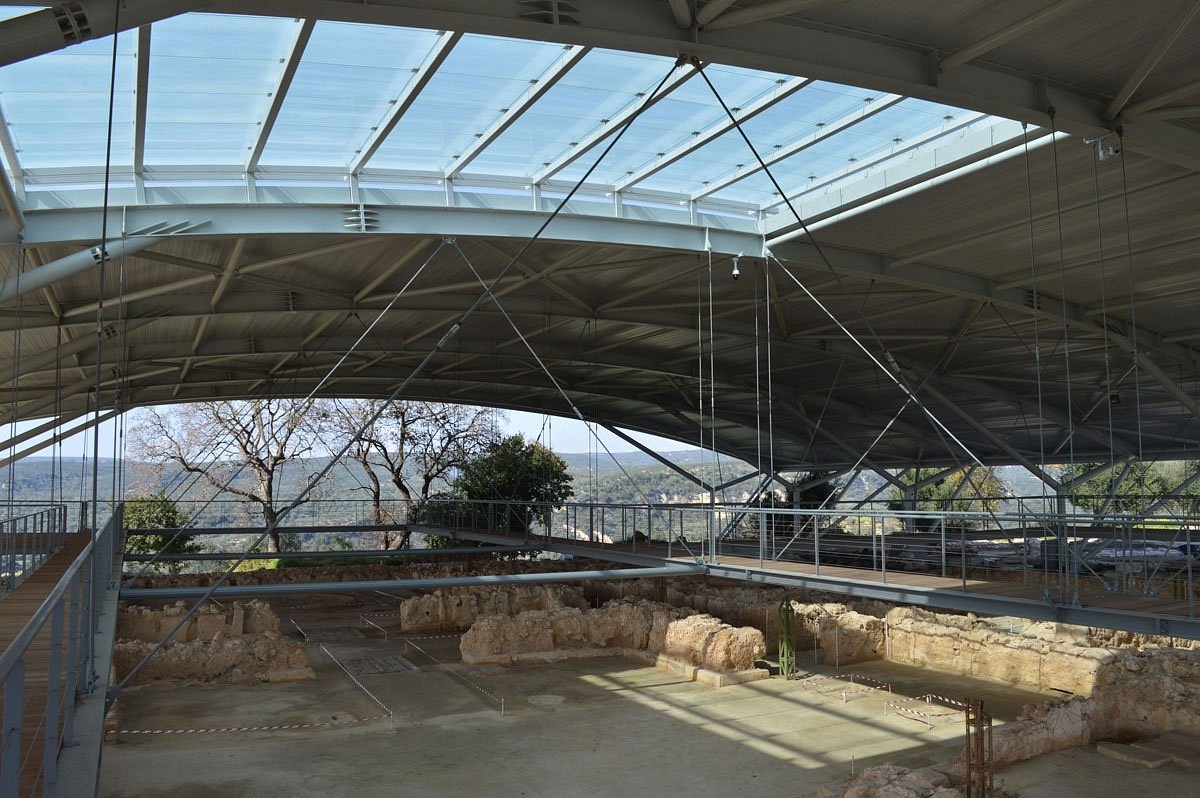
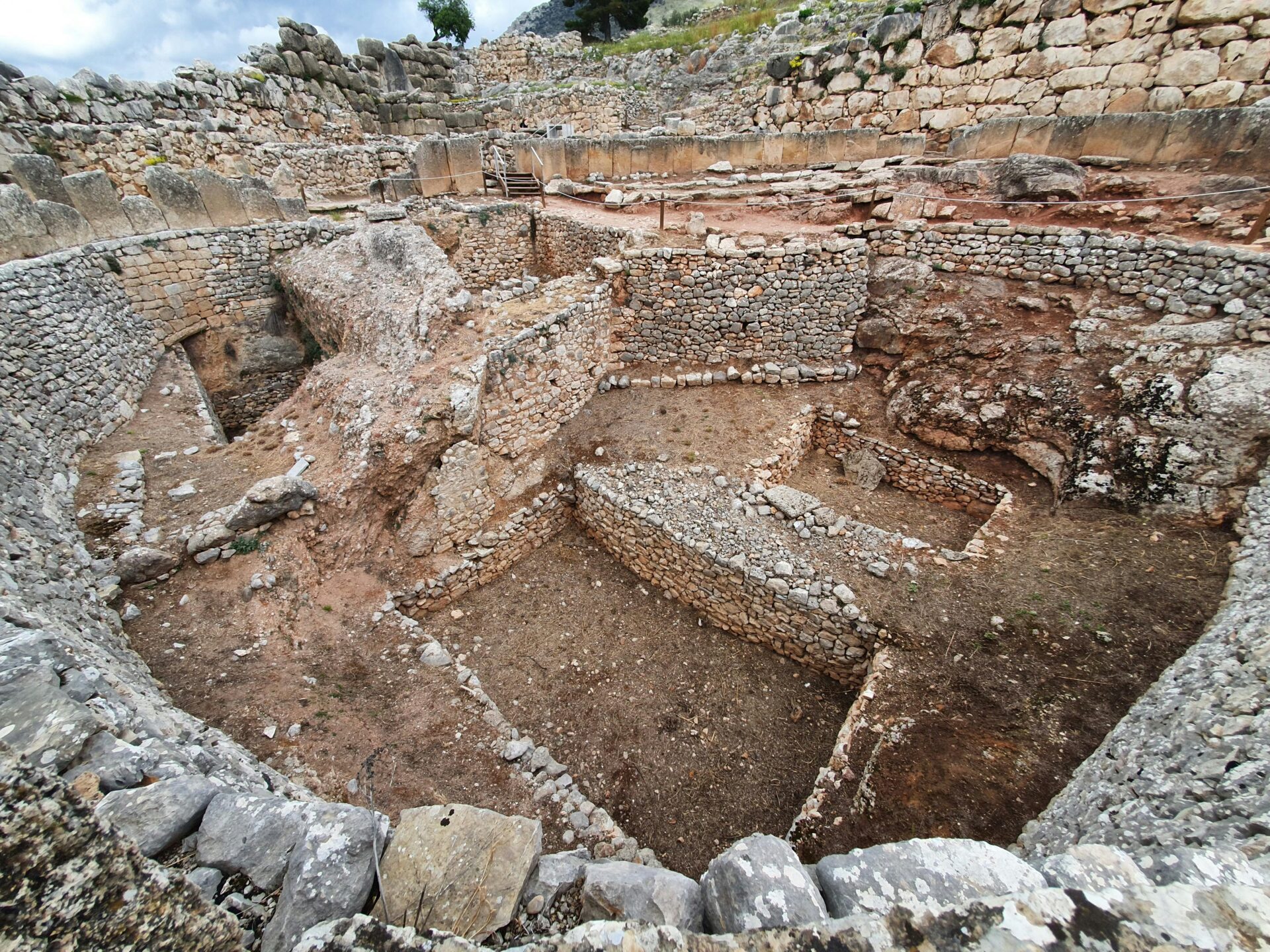
The Palace of Nestor dominates the area—a massive structure that anchored a thriving kingdom. What gets me is how much of it still stands today. Visitors can actually sense what ancient Greek life was like.
Highlights of Ancient Pylos:
| Key Feature | Significance |
|---|---|
| Navarino Bay | Safe anchorage, trade |
| Palace of Nestor | Political and cultural hub |
| Defensive Position | Enabled military strength |

Pylos and Its Connection to Homer’s Iliad
Touring the ruins of Nestor’s Palace, I couldn’t stop thinking about Homer’s Iliad and Pylos’s place in those old myths. Homer described Nestor as the wise king who guided Greek heroes during the Trojan War.
I wandered those ancient corridors, picturing the scenes from the epic.
Pylos sits right in the heart of Greek mythology. Nestor leads his forces to Troy in the Iliad, which adds a layer of legend to every stone and olive tree you pass.
Local guides love to share stories inspired by the epic. I totally got lost in the mix of fact and legend that makes Pylos so unique.
Must-see artifact: The “Linear B” tablets found at the palace. They’re the oldest written references to Greek gods—a real bridge between myth and reality.
Unraveling the Bronze Age Mysteries
Exploring ancient sites around Pylos, I felt like a detective on the hunt. This area played a big role in the Bronze Age, way before Athens built its famous monuments.
Archaeologists have dug up rooms full of pottery, weapons, and clay tablets at Nestor’s Palace.
What really blew my mind? The “Griffin Warrior” tomb, discovered in 2015. Inside, they found a warrior’s skeleton and some seriously intricate treasures—a carved sealstone, gold jewelry, and more.
These finds help us glimpse the real lives and beliefs of ancient Greeks. Standing in these places, I couldn’t help but imagine the people who once called Pylos home.
Navarino Bay: Where Ancient Waters Tell Their Tales
Navarino Bay hides on the Greek coast, a place where gentle waves carry centuries of secrets. The scenery here makes you stop in your tracks.
Every visit gives you a mix of epic stories, sparkling water, and simple joys—like exploring ruins or just enjoying local food.
The Epic Naval Battles of Navarino
Navarino Bay isn’t just another pretty patch of sea. It’s a dream for history lovers like me.
In 1827, these calm waters witnessed one of the biggest naval battles of the Greek War of Independence. The Battle of Navarino brought together allied fleets from Britain, France, and Russia, who faced off against the Ottomans.
Even though the Ottoman navy was bigger, the allied fleet destroyed it almost completely. That victory changed the war’s course and nudged Greece toward independence.
As I walked the bay, I could almost hear cannons echoing across the water and picture ships crowding the horizon. Cannons and monuments still dot the coastline—reminders of a past that locals haven’t forgotten.
Modern-Day Exploration and Waterfront Charms
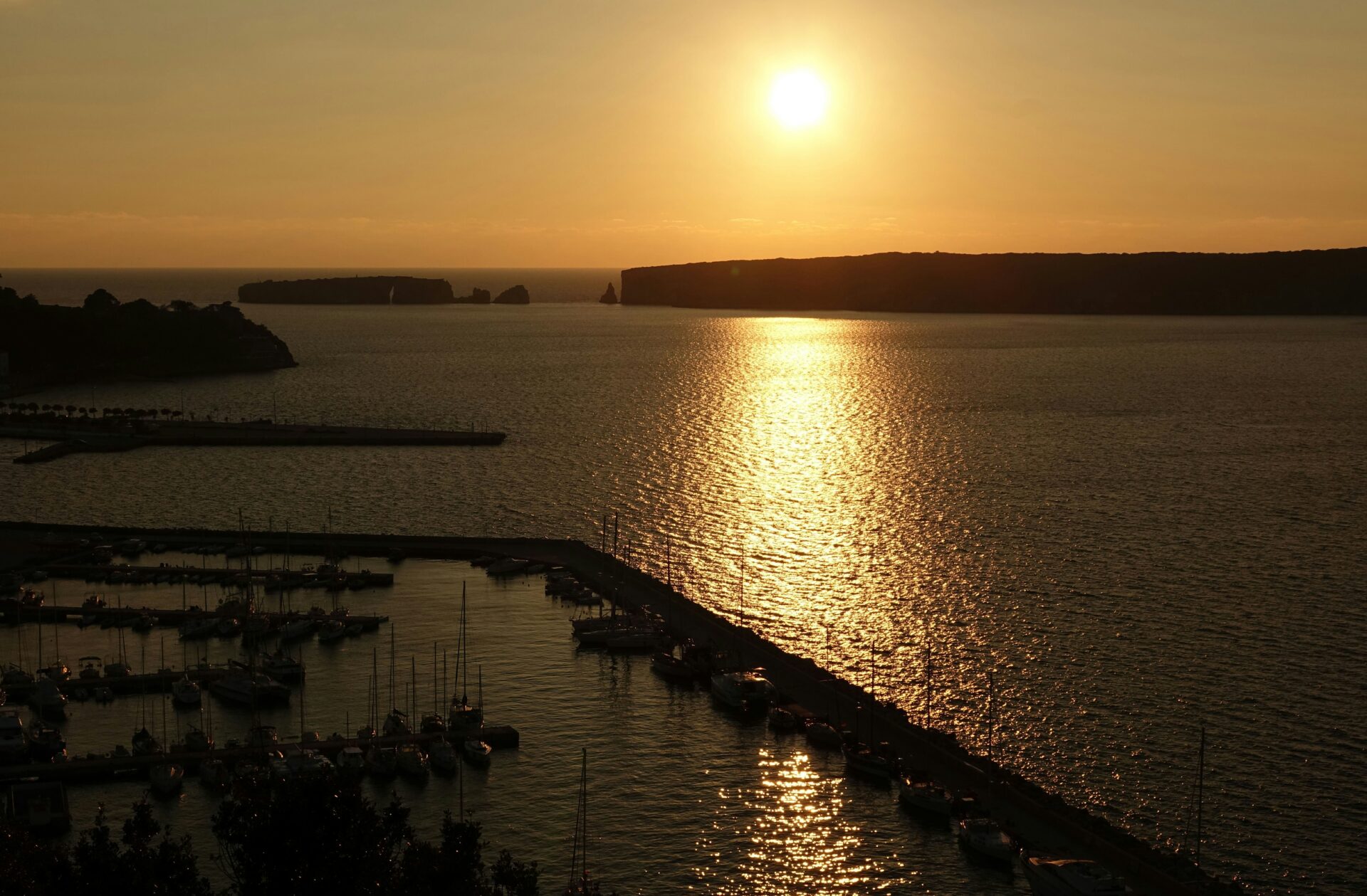
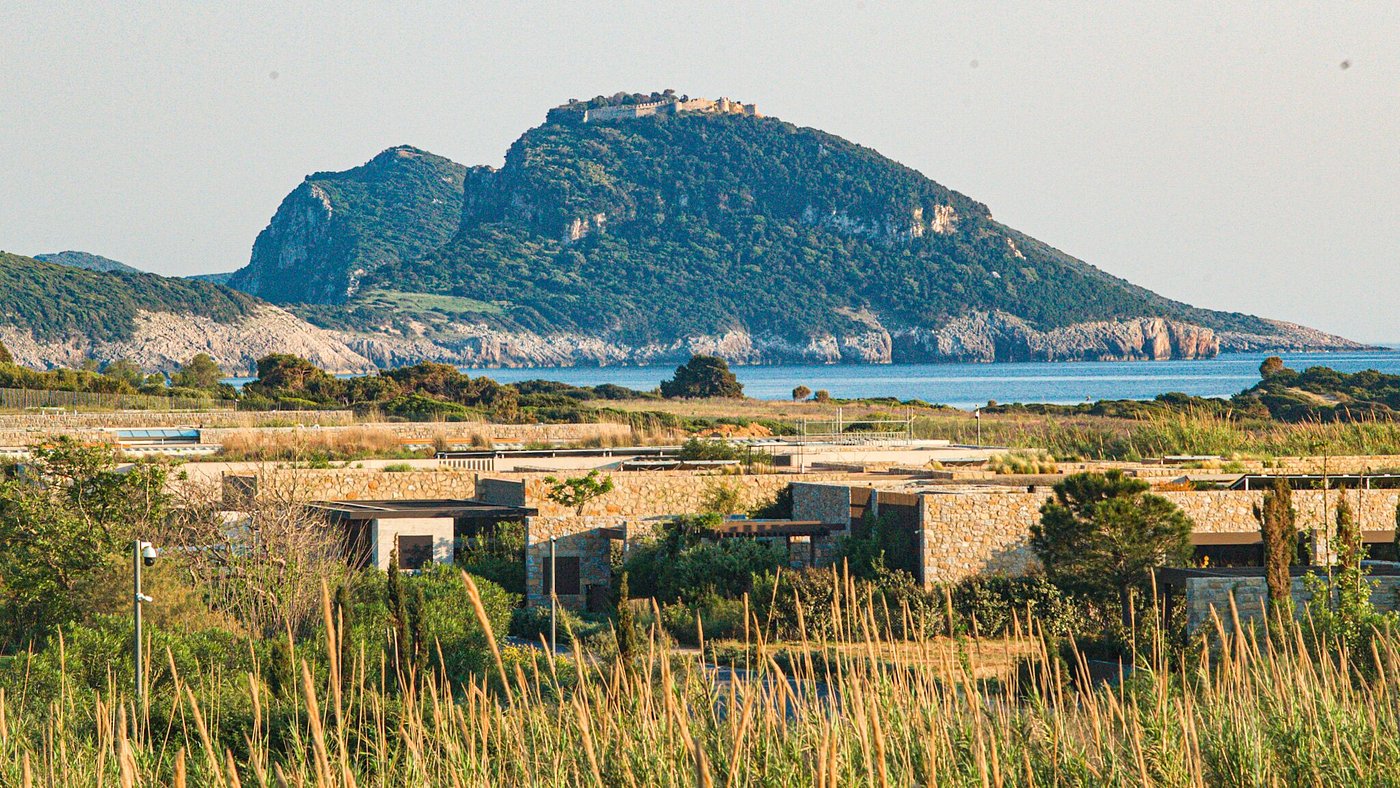
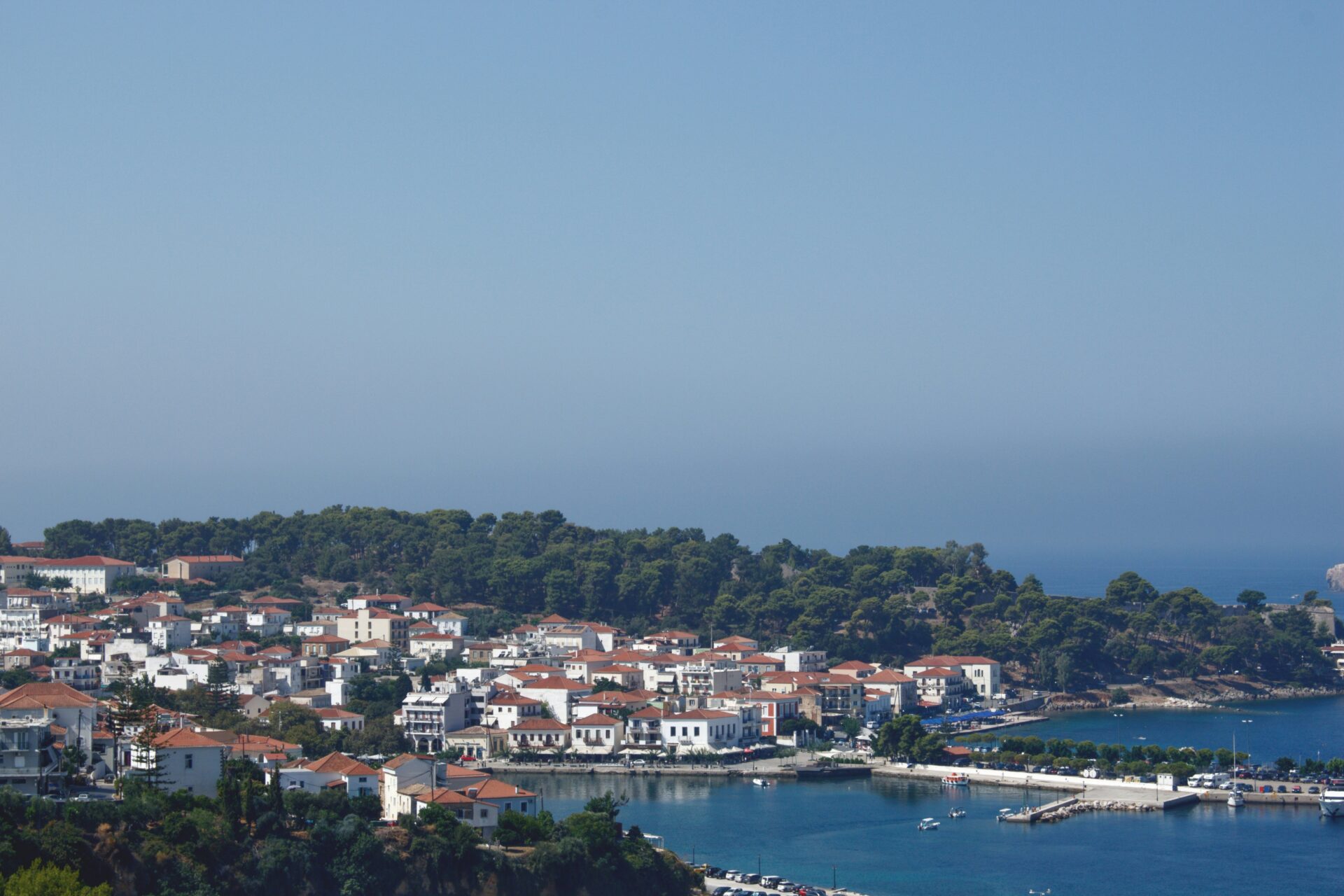
These days, Navarino Bay feels peaceful, but the waterfront buzzes with life all year. Pylos sits right on the bay’s edge, with narrow streets that spill out into sunny squares.
I love wandering here, ducking into family-run restaurants where the smell of grilled fish drifts through the air. Many places offer outdoor seating, so you can sip coffee or snack on olives while watching boats bob in the harbor.
Getting around is easy—most of Pylos is walkable. History buffs should check out the Neokastro fortress, just a short walk away.
Guided boat tours crisscross the bay, showing off hidden coves or the island of Sphacteria, which also made its mark on history.
Nature, Beauty, and Tranquility By the Sea
Navarino Bay’s natural beauty really stands out. The water changes color with the light, almost like magic.
Early mornings are calm, with fishermen quietly tending their nets. By midday, a soft breeze invites you to swim or try paddle boarding.
The surrounding hills glow green, dotted with olive trees and wildflowers. It’s a peaceful spot for walking or cycling.
Several small beaches hug the water, many with soft sand and shallow spots—great for families. I stumbled upon a cozy tavern right by the shore, serving fresh seafood and juicy local tomatoes.
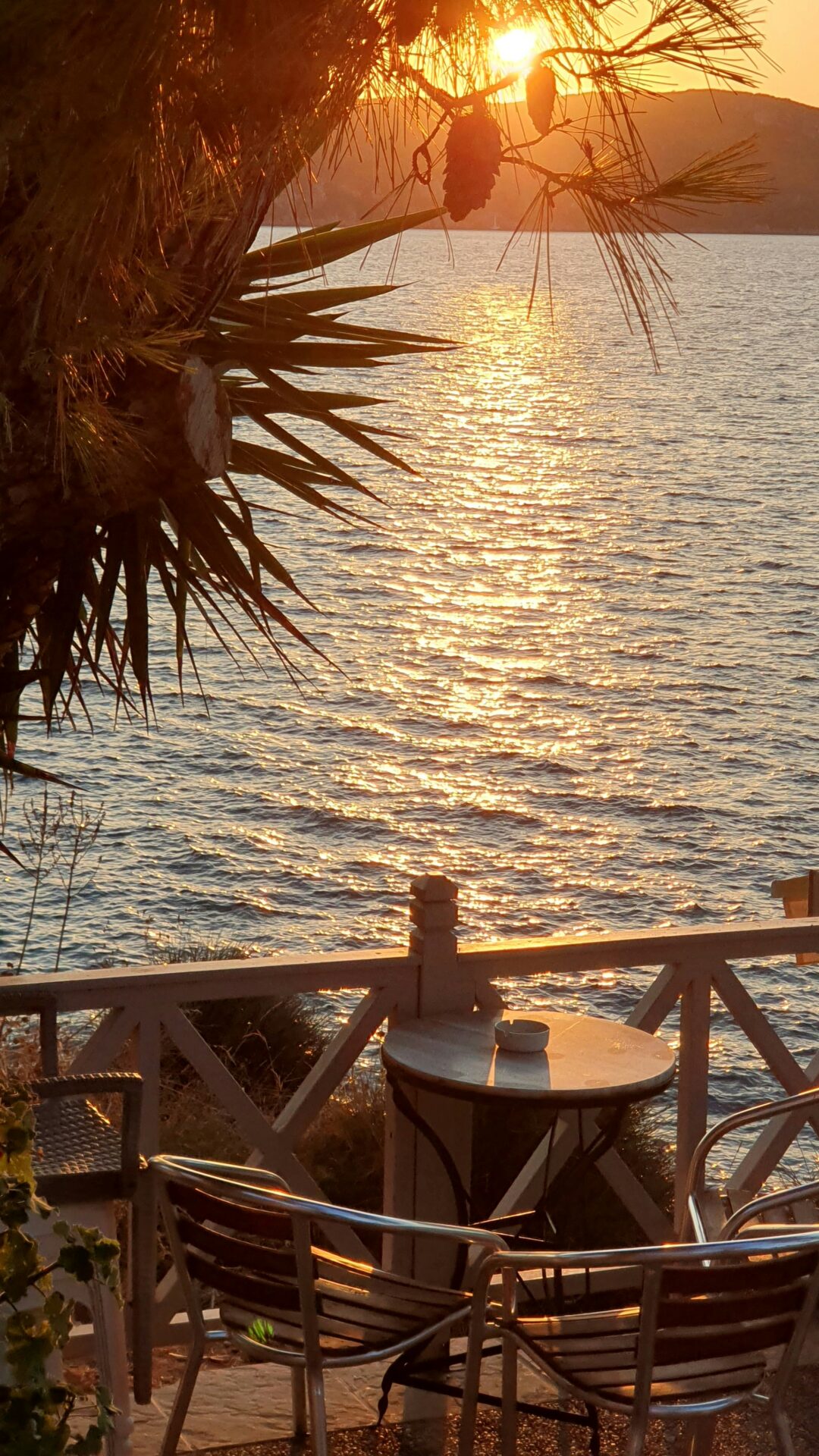
When the sun sets behind the bay, the sky explodes with pinks and oranges. It’s one of those moments that makes you pause and feel lucky to be here.
Tracing the Echoes of Heroes and Empires
Gazing across Navarino Bay, I got swept up in stories from thousands of years ago. Here, legends and empires collided, shaping the world in ways we still feel.
The Legacy of the Trojan War and Agamemnon
Pylos has deep ties to the Trojan War legends Homer wrote about. King Nestor ruled here and joined Agamemnon in the fight against Troy.
As I explored the Palace of Nestor ruins, I could almost see the war councils and royal feasts that once filled these rooms.
Agamemnon, as king of Mycenae and leader of the Greeks, put this part of Greece right in the center of ancient legend. While Troy sits far to the northeast, over in modern Turkey, leaders from the Peloponnese—Nestor, Agamemnon, Menelaus—wove these distant lands together in epic tales.
For any history nerd, standing in these ruins feels like walking alongside the heroes of the Iliad. If you can, bring a copy of Homer’s stories—it really adds something extra to the trip.
Minoan & Mycenaean Connections: Pylos, Mycenae, and Crete
Pylos, Mycenae, and Crete made up a triangle of power in the Bronze Age. The Minoans, based on Crete, started out as one of Europe’s first great civilizations. Their influence reached Pylos through trade and shared culture.
You can spot the links in pottery styles and palace layouts.
The Mycenaeans—Agamemnon’s people—built mighty fortresses and gathered riches. Pylos was a crucial Mycenaean outpost. Finds at the Palace of Nestor show just how far their reach went.
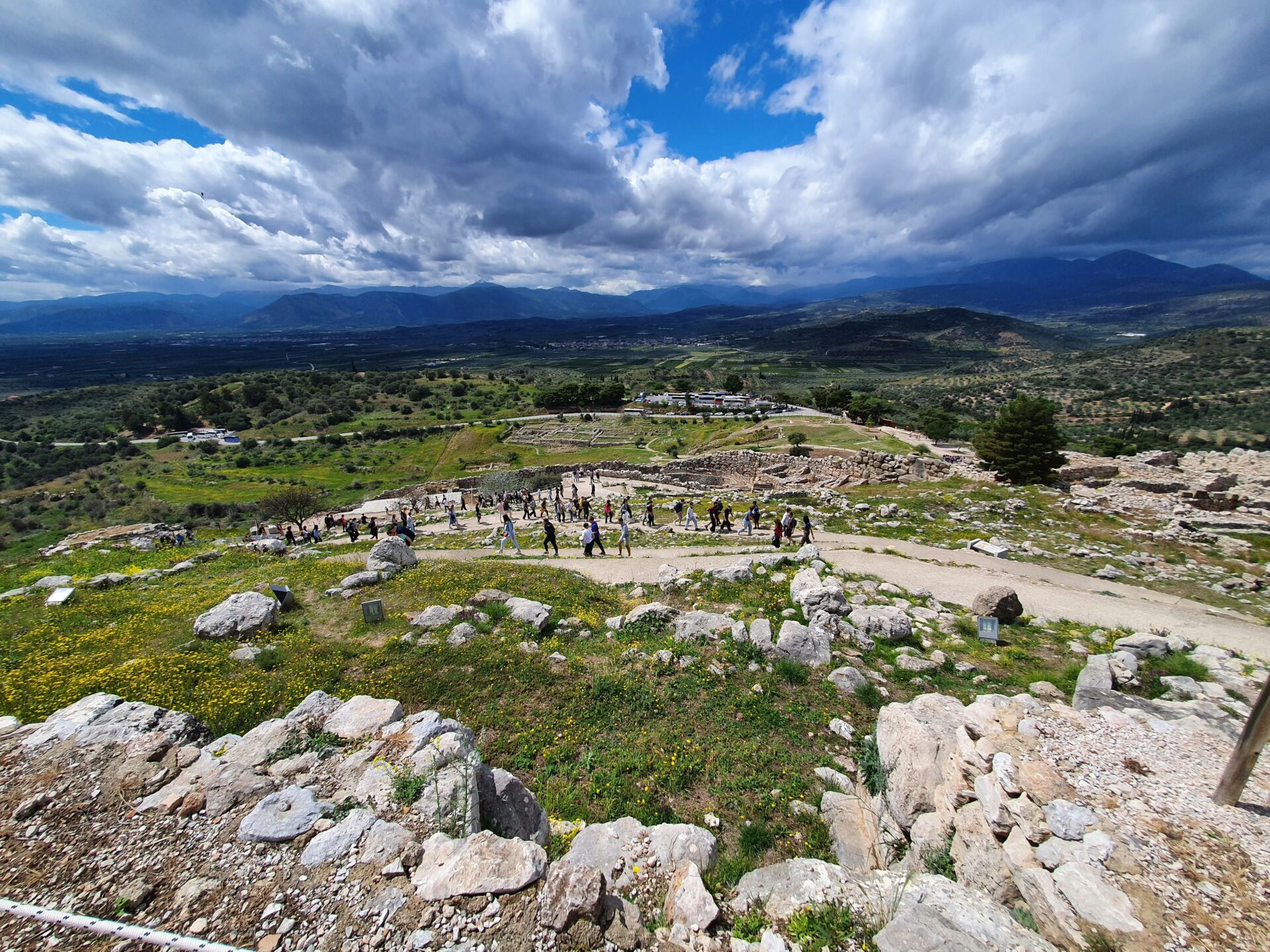
As I walked these ruins, I noticed the connections in art, architecture, and writing. Traveling from Pylos to Mycenae or Crete isn’t just a road trip—it feels like jumping between worlds that built the foundation for Greek civilization.
If you’re planning a trip, look for sites with Linear B tablets. You’ll get a peek into the administrative genius of the Mycenaeans.
Homer, Archaeology, and the Search for Ancient Troy
For centuries, people thought the tales of Troy were just stories. Then, in the 19th century, explorer Heinrich Schliemann set out to find Troy for real.
He dug at Hisarlik in Turkey and uncovered buried walls and treasures. That changed how scholars—and dreamers like me—looked at ancient myths.
Archaeology keeps reshaping what we know about this region. Finds in Pylos and Mycenae—golden masks, clay tablets—show that people here really interacted with the Hittites and other Eastern empires.
Archaeological discoveries have helped match Homer’s poetry with historical evidence.
Exploring these ancient places feels like a detective story in real life. From Pylos and Navarino Bay, I could almost see the trade ships, armies, and travelers moving between distant lands, all while the waves keep rolling in.
Living Traditions and Present-Day Pylos
Pylos still buzzes with tradition, mixing a warm local vibe with stunning scenery and a seriously rich history.
During my visit, I found the town’s customs, food, and welcoming spirit made me feel connected to both past and present.
Customs, Humanism, & Storytelling Across Centuries
In Pylos, hospitality isn’t just talk. People live it.
Old customs linger in daily life, from sharing sweet treats with guests to long evening strolls in the main square. I got invited to listen as older residents swapped stories about family, fishing, and days gone by—a tradition as sturdy as the ancient stone walls around Navarino Bay.
Humanism runs deep here. Locals take pride not just in their history, but in caring for neighbors and treating strangers like friends.
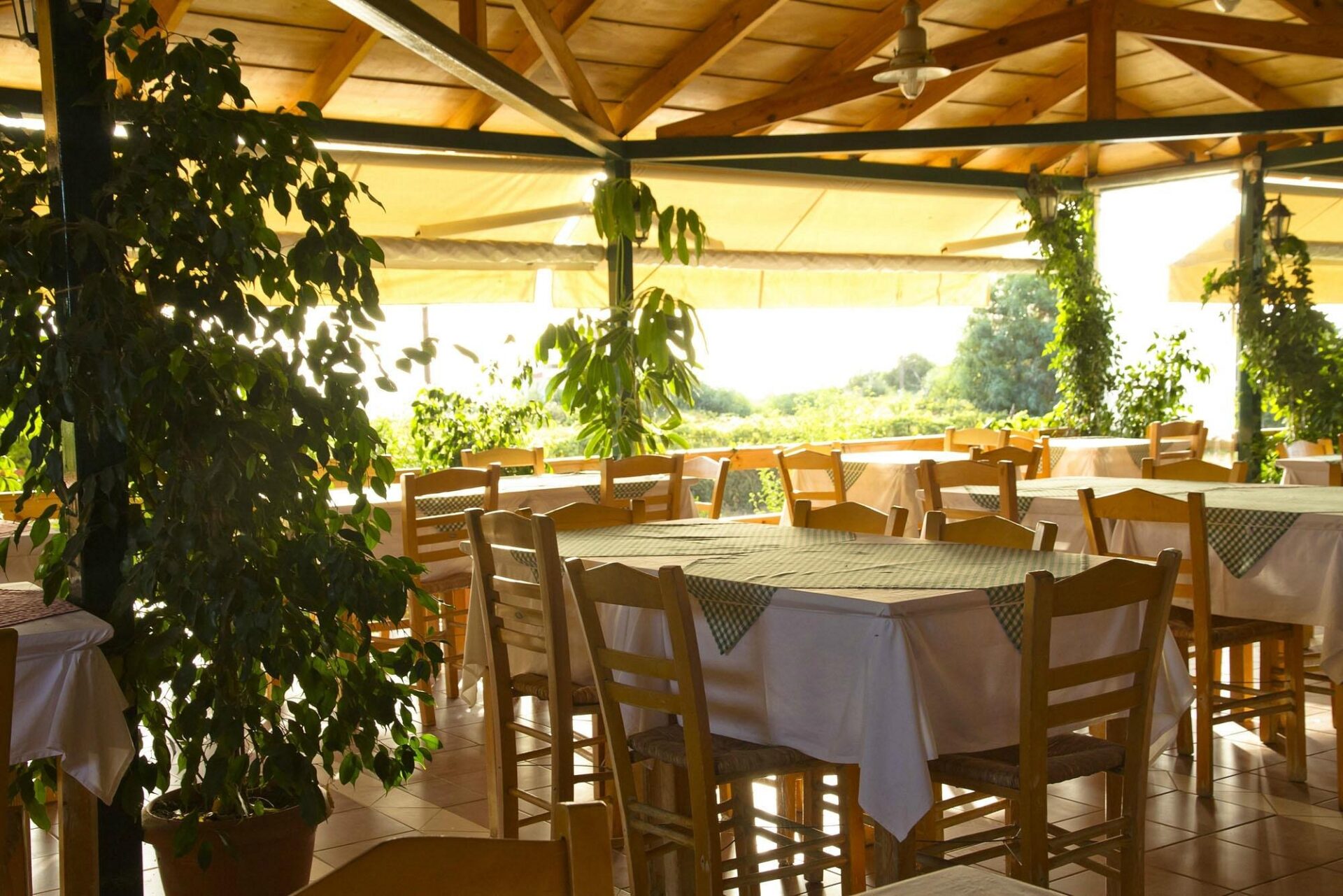
Storytelling, especially, bridges generations. My favorite moment? Gathering with locals in a waterfront taverna, faces glowing with sunset and laughter, as tales of the Battle of Navarino mingled with childhood mischief.
Every story seemed to carry a little wisdom or a sly lesson.
Travel Tips: Where to Dine, Stay, and Explore
Pylos is packed with fantastic food and laid-back places to stay.
Tavernas line the port—I tried fresh-caught fish, local olive oil, and homemade baklava. I’d recommend Katerina’s for grilled octopus and To Karavi for sunset views over the bay.
For coffee and pastries, the town bakeries are top-notch.
For places to stay, you’ll find a mix of boutique hotels and family-run guesthouses. Stone-built rooms around Navarino Bay gave me comfort and some pretty unforgettable morning views.
Here’s a quick table of favorites:
| Place | What I Loved |
|---|---|
| Katerina’s Taverna | Friendly, authentic |
| Hotel Philip | Great views, helpful staff |
| To Karavi | Sunset dining |
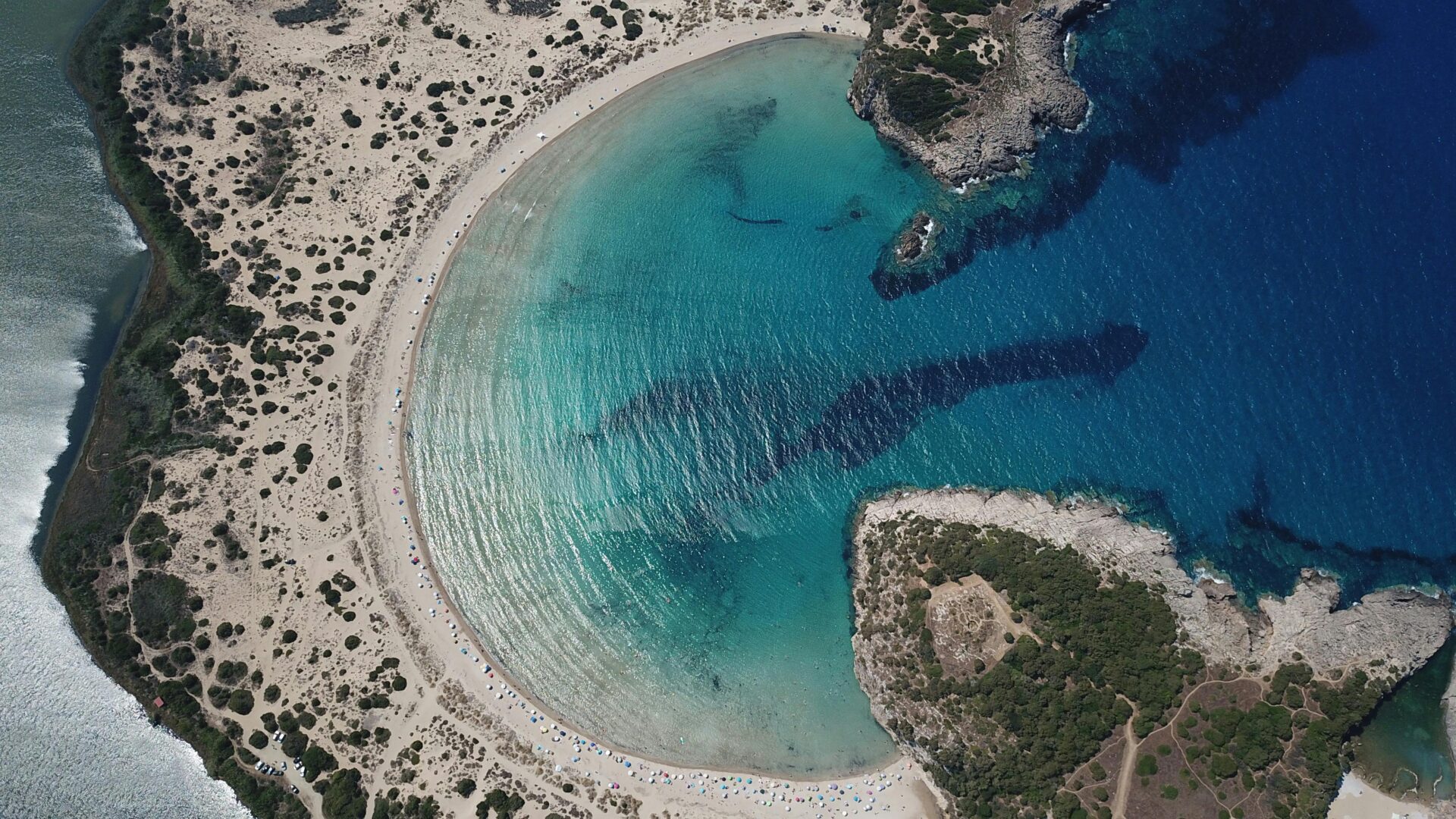
I recommend exploring the Palace of Nestor, strolling through Pylos Castle, or unwinding on Voidokilia Beach—a perfect crescent of white sand.
From Athens to the Cyclades: Making Pylos Part of Your Greek Journey
Getting to Pylos from Athens is pretty straightforward. You can drive the scenic Peloponnese route or hop on a bus.
It took me about four hours by car, and the drive itself is full of olive groves and mountain views.
Pylos fits perfectly into an island-hopping adventure. Lots of visitors spend a few days here, then head for the Cyclades.
Ferries run from mainland ports, so you can easily explore places like Santorini or Naxos after soaking up Pylos’s history and calm.
I’d plan for at least two nights in Pylos if you want time for the beaches, castles, and those long, lazy meals.
If you love Greece for its layers of history, friendly faces, and good food, Pylos has all that. Plus, you get way fewer crowds than the big-name islands.

Unearthing Treasures: From Myth to Reality
Exploring the shores of Pylos and Navarino Bay, I realized their legends often hide real history just beneath the surface.
Ancient artifacts and dramatic finds make every visit feel like you’re stepping straight into a living story.
Fabled Riches and the Role of Treasure Hunters
For centuries, people have swapped stories about golden treasure buried beneath Pylos’s soil. These old tales drew in explorers, adventurers, and, let’s be honest, plenty of opportunists hoping to stumble on lost riches.
Locals still talk about kings’ hoards and secret burial sites hidden just past the olive groves. The idea of finding something valuable—whether it’s a chunk of precious metal or a strange old relic—always adds a bit of thrill to the place.
For history lovers like me, even the chance to catch a glimpse of a rare artifact makes hiking through ruins or wandering near ancient burial grounds totally worth it.
In the past, treasure hunters yanked artifacts out of the ground without much care. These days, archaeologists oversee most exploration.
They plan proper excavations, and visitors get to see history revealed piece by piece. This careful work helps preserve Pylos’s legacy for the future.
Heinrich Schliemann’s Inspiring Archaeological Discoveries
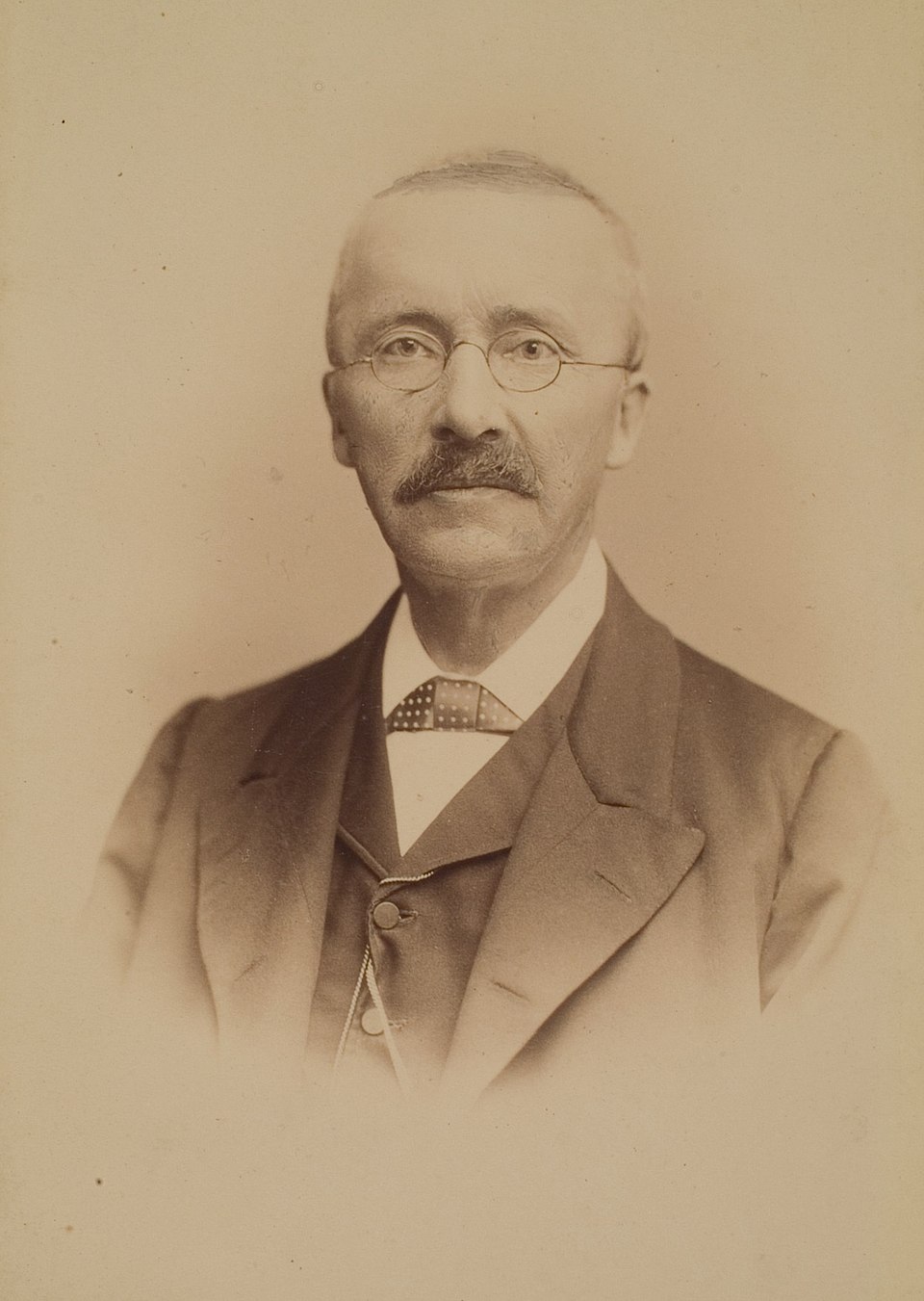
Heinrich Schliemann, the famous archaeologist, made me see Pylos in a whole new way. Sure, he’s best known for his digs at Troy and Mycenae, but his adventurous spirit sparked discoveries all over Greece.
Schliemann believed legends often held a grain of truth, and that idea encouraged others to dig deeper in places like Pylos. His passion changed the way archaeologists work here.
Excavations at Nestor’s Palace borrowed some of his methods, mixing solid research with hands-on digging. Schliemann didn’t just find things—he proved that ancient stories can lead to hidden truths underground.
When I walked around the excavation sites, I imagined nineteenth-century archaeologists sifting through dirt, turning up objects that hadn’t seen the sun in thousands of years. Those finds transformed old myths into real history that visitors can now see in museums.
Bronze Age Finds That Changed Our Understanding
The true treasures of Pylos came from the scattered Bronze Age ruins in its hills. The discovery of the “Griffin Warrior” tomb just outside town totally shifted what we know about Greek prehistory.
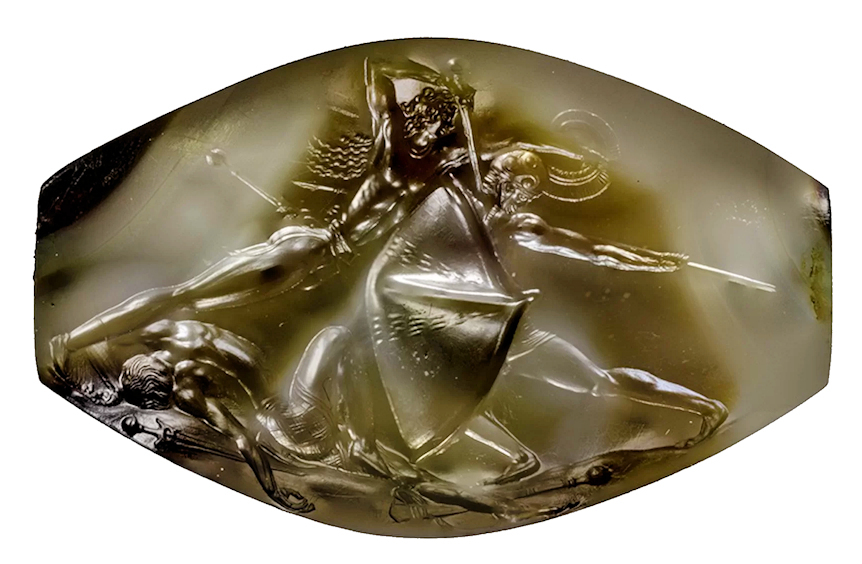
Archaeologists uncovered gold rings, carved gems, and weapons buried with an ancient warrior—over 3,500 years old. One tiny piece, the Pylos Combat Agate, shows a battle scene so detailed that modern historians call it a masterpiece.
It’s small, but the craftsmanship is wild. Seeing these finds up close made me realize how advanced the people of Pylos were, long before classical Greece.
Items from Nestor’s Palace and nearby tombs help us piece together both daily life and epic deeds. When I stand among these relics, the line between myth and reality gets pretty blurry.
Ancient Pylos comes alive in a way that’s hard to explain until you see it for yourself.
Personal Journeys: A History Buff Abroad
Chasing the legends of Pylos and Navarino Bay, I found more than just history in the stones and waves. Childhood fascinations jumped off the page, and I saw how standing in a place shaped by epic naval battles can still spark adventure in young hearts today.
Reflections on Boyhood Dreams and Exploration
As a kid, I got lost in stories of explorers and epic battles. Pylos always felt like one of those faraway, almost mythical places—full of kings, ships, and secret coves.
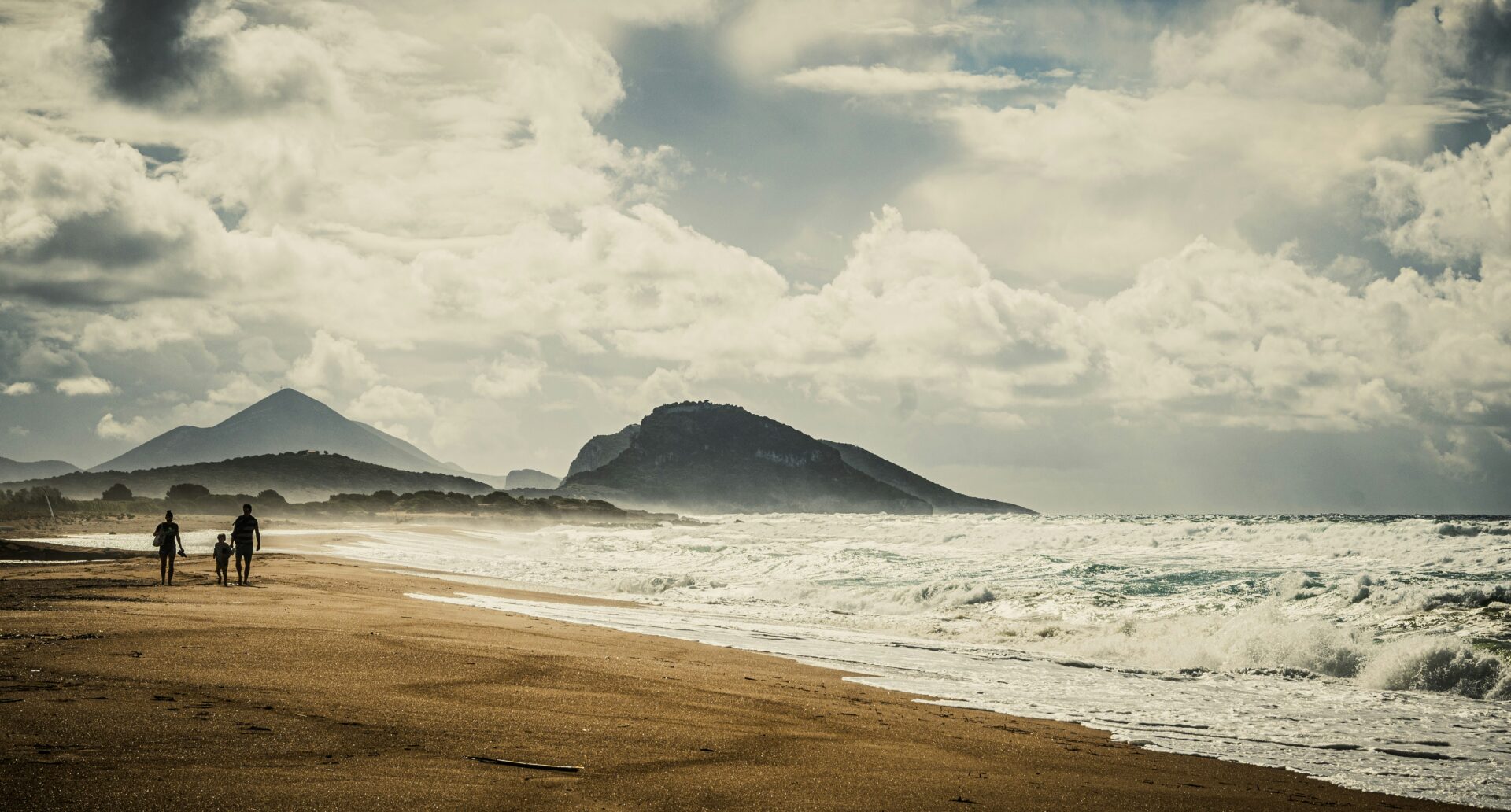
Walking the bay, I pictured ancient ships cutting through the water and could almost hear the clash of distant armies. For me, visiting Pylos meant retracing steps I’d only imagined as a boy.
Seeing the stone walls and the glittering blue bay, I remembered sketching my own battle maps. The whole landscape still feels like a stage set for some grand drama.
What really surprised me was how much the real place stirred up those old dreams. Instead of just reading about history, I finally got to live it—just like I’d always hoped.
Inspiring the American Youth to Chase Their Own Legends
Traveling to historic places like Pylos isn’t just about ticking off a box. It’s about stepping into those old stories and making them your own.
A lot of American teens hear about faraway lands in school, but honestly, most don’t picture themselves actually walking there. My visit showed me those adventures are way more possible than they seem.
I talk about my trip a lot with friends back home, especially the ones who feel curious but a little lost on where to begin. When I walked the same paths as ancient warriors, I realized you don’t have to wait until you’re older to experience history up close.
You can find tours, chat with local guides who love sharing stories, and there are tons of resources out there to help you plan a safe trip—even if you’re on a student budget.
If you’re an American teen dreaming of castles, epic battles, or ancient heroes, why not go see them for yourself? Who knows—maybe it’ll shake up what you want to do or even who you want to become.

_(cropped).jpg)
