
Paris is a city packed with timeless wonders, but honestly, nothing grabbed my heart like Notre-Dame Cathedral. Before the fire, I used to wander its grounds, feeling nostalgia and comfort beneath those soaring arches and glowing stained glass.
The echoes of centuries wrapped around every visitor, reminding us how much the past still matters.
Even after the tragic fire, Notre-Dame’s spirit lives on. It stands as a symbol of hope, resilience, and beauty for people everywhere. My memories from inside its peaceful sanctuary still shape how I see history, travel, and the magic of places that feel like home.
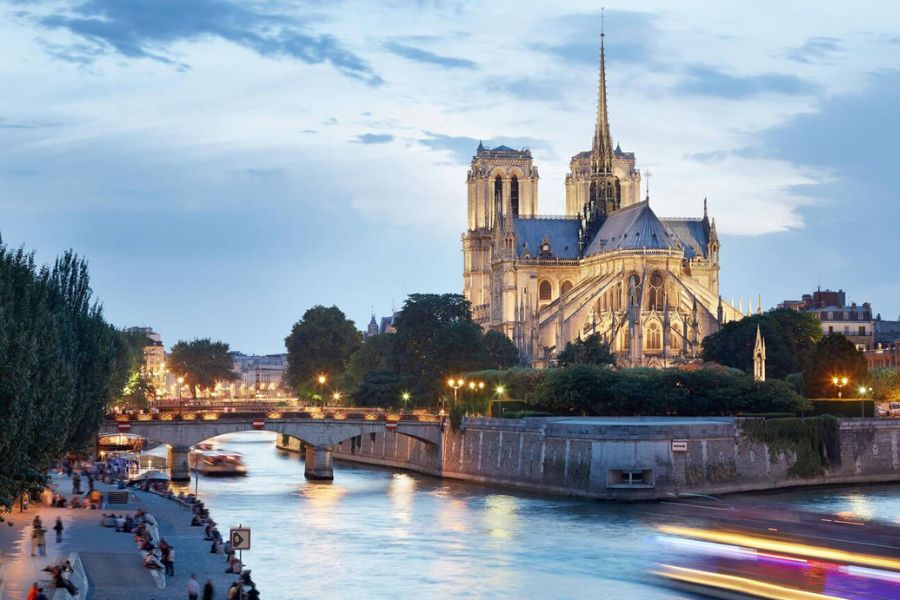
Being part of the crowd outside Notre-Dame, sharing quiet moments or just simple joys, felt as inspiring as any view in Paris.
My First Encounters With Notre-Dame
My early visits to Notre-Dame shaped my love for Paris. They taught me how comforting familiar places can be.
The cathedral’s iconic facade, those peaceful riverside paths, and family moments on its ancient parvis filled my childhood with wonder. They gave me a sense of belonging I still remember.
A Childhood Walk by the Seine
Some of my favorite memories started with a walk along the Seine beside my father. The city would slowly wake up as boats glided past, while the cathedral stood quiet and strong in the morning light.
Paris felt peaceful in those early hours.
Back then, the riverbanks stretched wide, dotted with little bookstalls and musicians setting up for the day. The sound of footsteps on the cobblestones mixed with birdsong, making each visit feel special.
My father pointed out the flying buttresses holding up Notre-Dame and explained their importance for the cathedral’s strength. I always felt a sense of comfort in that atmosphere, surrounded by history and our quiet family conversations.
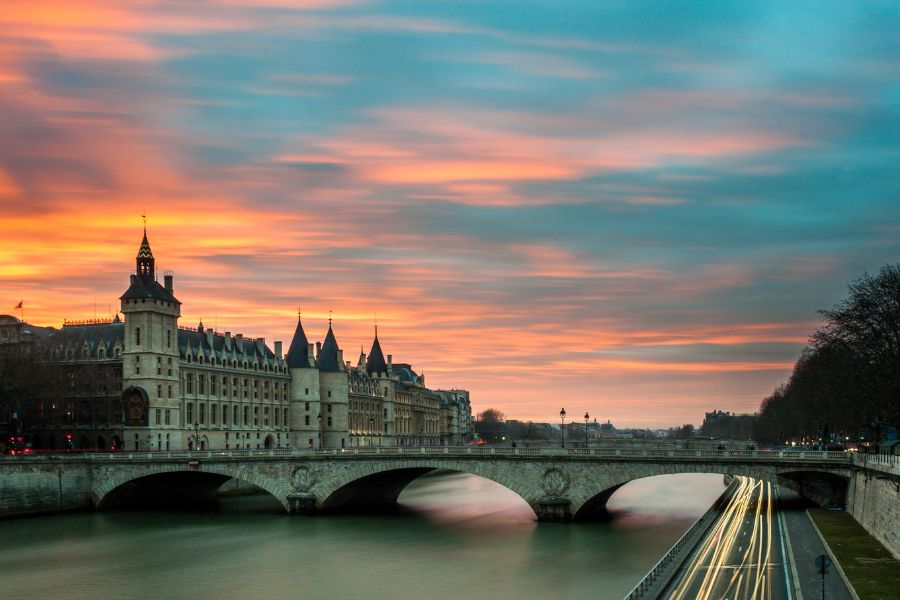
If you’re visiting today, I’d suggest taking a slow walk from Pont Saint-Michel toward Notre-Dame just after sunrise.
A few ways to make it even better:
- Bring a warm drink to sip by the river.
- Pause on the bridges and really take in the view.
- Watch how the sunlight touches the stones.
Discovering the Cathedral’s Facade
The first time I stood before Notre-Dame’s facade, I just stared. The size and detail blew me away.
Every statue and carving seemed to hold a story. In that moment, I understood why so many people see this building as a symbol of Paris.
I remember tracing the outlines of the carved saints with my eyes, searching for hidden meanings. The gargoyles perched high above looked almost alive, keeping watch over the city.
It’s easy to rush through and only focus on taking photos, but I found it so much more rewarding to stand still and really notice the details.
If you go, try this:
- Take time to admire the three main portals and their scenes.
- Look for the statue of Saint Denis holding his head.
- Notice how the facade changes as the light shifts throughout the day.
Family Moments on the Parvis
Some of our warmest family traditions happened on the broad open space in front of Notre-Dame, called the parvis. My father and I would sit on a stone bench, sharing snacks and listening to street musicians.
The busy square always felt welcoming, no matter how many tourists gathered. Kids chased pigeons while artists sketched the cathedral from every angle.
People from all over mingled on the parvis. I learned that landmarks like Notre-Dame bring people together and shape the city’s identity.
Spending time with loved ones there is something I’ll never forget.
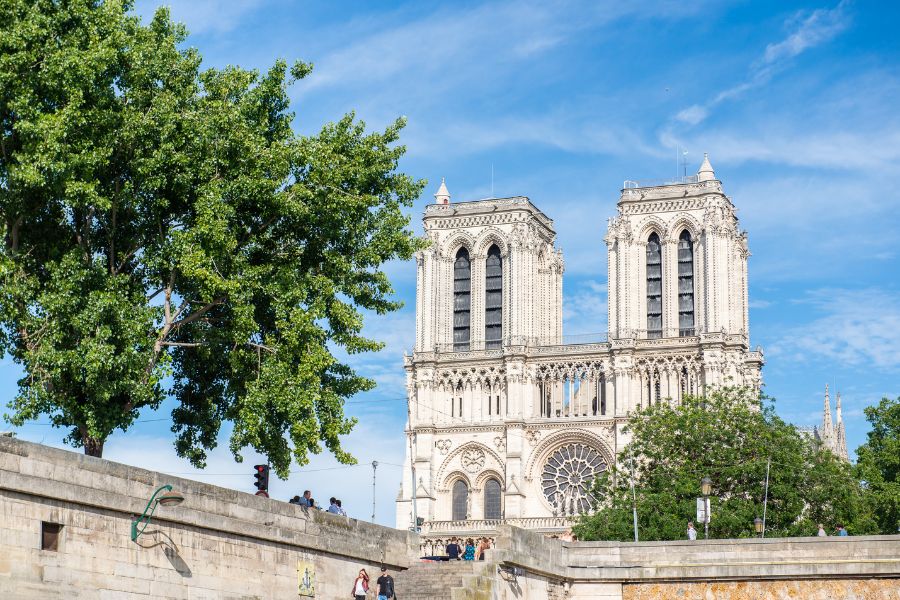
Best advice: bring a journal or sketchbook to capture your impressions. Take a break from sightseeing to soak in the lively mix of music, laughter, and history all around you.
The Cathedral’s Atmosphere and Spirituality
Notre-Dame’s atmosphere offered more than just breathtaking architecture. The spirit of the church lived in its quiet moments, opportunities for meditation, and the lasting symbolism throughout its sacred space.
Experiencing Silence and Meditation
When I stepped inside Notre-Dame, the city’s noise faded instantly.
Even with visitors filling the aisles, the air felt hushed, almost reverent. There was a unique kind of silence, not empty, but full of possibility and calm.
The cathedral’s high ceilings and stained-glass windows created this special environment.
I’d find a quiet pew, close my eyes, and just listen—sometimes to nothing but my own breath. The silence gave me space to pause and reflect.
These moments made it clear why so many came to Notre-Dame not only to admire, but to find peace and rest for the soul.
Meditative Retreats and Personal Reflection
Notre-Dame felt like more than a tourist site. It became a retreat for anyone needing space to think or pray.
I visited early in the morning, before the crowds arrived. The soft light filtered through the rose windows, painting colored shapes on the stone floor.
In that gentle light, I could settle into meditation—whether I had deep worries or just needed a break from daily life.
For travelers needing a quiet escape, the cathedral felt welcoming. The benches were open, and I often saw people in silent prayer or deep thought.
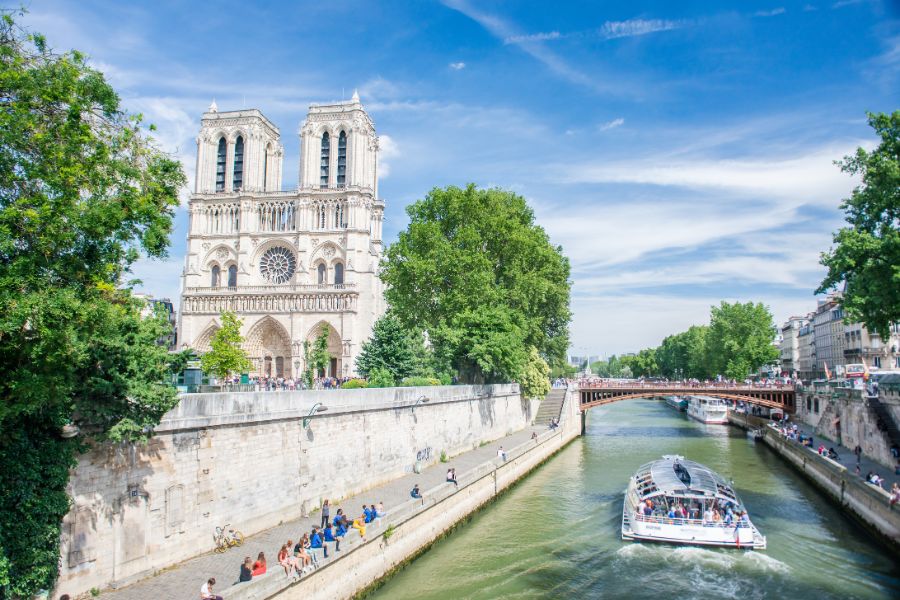
The mix of old stone, candlelight, and devotion comforted me and helped guide my own reflections.
Signs of Faith and Symbolism
Notre-Dame’s art and design are packed with signs of faith and religious symbolism.
Everywhere I looked, I found carved saints, biblical stories on stained glass, and candles flickering by statues of the Virgin Mary. Even the architecture draws your eyes upward, inviting you to look—and think—toward something greater.
Some of my favorite details are easy to miss, like engraved crosses or gold accents on the altar. Each element tells part of the church’s long story.
For visitors, these signs offer a chance to connect with centuries of tradition. They helped ground my own spirituality in something lasting and real.
Art, Creativity, and Inspiration Within Notre-Dame
Inside Notre-Dame, art and creativity fill every corner. The visual details, from stone carvings to radiant windows, have inspired generations of artists, craftspeople, and travelers like me.
Admiring Sculpture and the Work of Sculptors
The stonework inside and outside Notre-Dame always amazed me. Each gargoyle, saint, and angel isn’t just decoration—they carry stories from centuries past.
I’d stop along the facade and marvel at the detail sculptors gave to every face and garment. Their skill comes from Gothic and Renaissance periods, showing both faith and artistic identity.
Walking through the cathedral, I spotted delicate carvings along the choir and portals. It felt like walking through a living museum, open to everyone.
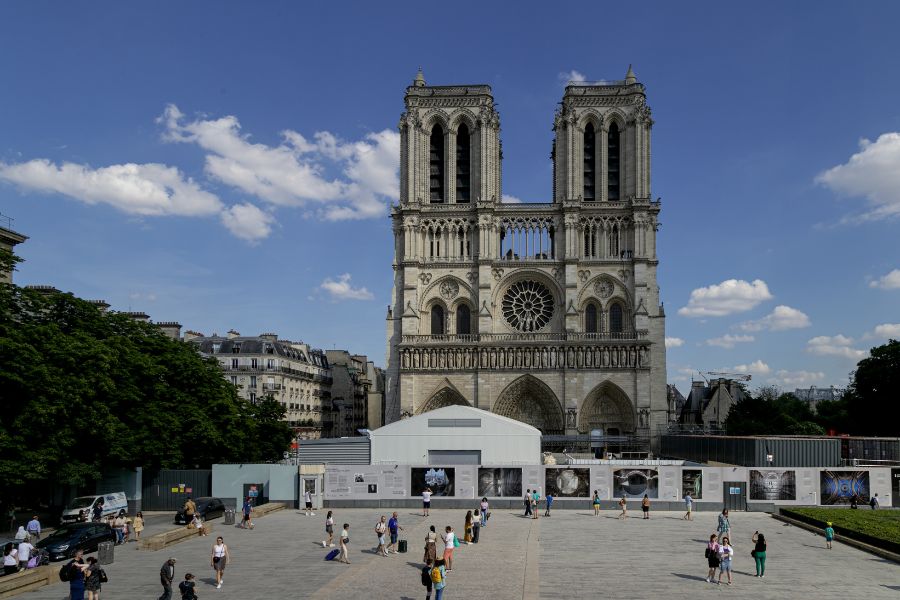
The sculptors’ dedication—working with simple tools but creating something so grand—stood out. Seeing those sculptures up close, I understood why Notre-Dame keeps inspiring artists.
Key Sculptural Highlights:
| Feature | Artistic Period | Materials/Style |
|---|---|---|
| Facade Saints | Gothic | Limestone, dramatic, detailed |
| Gargoyles | Medieval | Limestone, imaginative, protective role |
| Choir Screen | Renaissance | Finely carved biblical scenes |
Stained Glass Windows and Symbolist Details
The stained glass windows often left me speechless, even on cloudy days.
Standing under the rose windows, I’d watch sunlight fill the space with color. Each piece of glass tells a story—biblical scenes, saints, even French history—all woven together in vivid blues and reds.
The colors and symbols felt powerful, connecting art and faith. I noticed many visitors snapping photos or just standing in awe.
The way the light changed through the glass always seemed new. Even the smallest windows had careful details, showing how much creativity went into designing Notre-Dame.
The artists wanted the windows to teach and inspire. Every time I visited, I spotted something I’d missed before—a hidden saint or a new symbol.
Most Famous Rose Windows:
- North Rose: Dedicated to the Old Testament
- South Rose: Honors the New Testament
- West Rose: Features the Virgin Mary
Influence on Painters and Contemporary Art
Notre-Dame’s art hasn’t stayed inside. Over the years, painters from the Romantic era to now have captured the cathedral’s spirit.
Artists like Monet and Bryan Mark Taylor painted Notre-Dame during quiet afternoons and even on tragic days, like the fire in 2019. Each painting brings a new perspective.
For some, it’s about the light on the stone; for others, the feeling of hope or sadness in a single moment.
I’ve seen Notre-Dame reimagined in exhibits, street murals, and even contemporary art pieces around Paris. The cathedral has become a symbol of resilience and French identity.
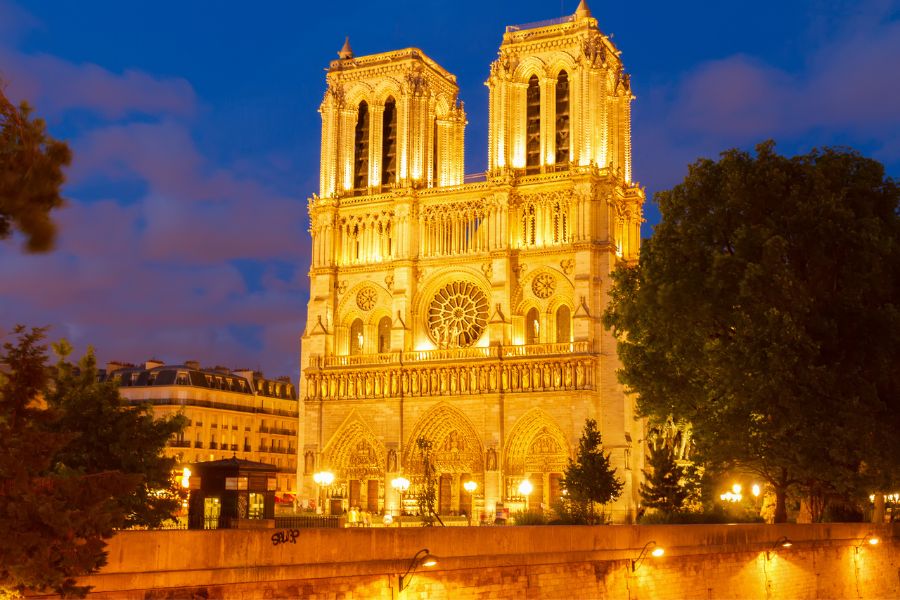
Every creative person—painter, sculptor, photographer—finds something new in its lines and details. Even after all these years, Notre-Dame keeps inspiring creativity, both in Paris and far beyond.
Daily Life, Community, and Tradition
Living near Notre-Dame meant stepping into a world shaped by centuries of tradition, lively community events, and daily moments of connection.
Every day felt meaningful, whether I was taking part in religious ceremonies, sharing a laugh with friends, or enjoying simple food beneath the shadow of the cathedral.
The Role of Holy Week and Religious Ceremonies
Holy Week stood out as the most transformative time of year. The streets around Notre-Dame filled with people from all backgrounds, and the energy felt different—both solemn and joyful.
I remember the lines of worshippers stretching around the plaza, some clutching palm branches, others deep in quiet prayer.
Masses in the cathedral became powerful moments. The music and incense echoed through the space.
The rituals during these days were full of history—bells ringing, choirs singing, candles glowing in a sea of light. Even as an observer, not just a participant, I felt drawn by the shared spirit in the air.
Attending a midnight mass or a simple weekday service always reminded me that Notre-Dame was more than a historic site. It was, and is, the living heart of the Parisian community, carrying traditions that make everyone—tourist or local—feel connected.
Moments of Humor, Love, and Shared Experience
Some of my best memories around Notre-Dame are small, unexpected moments. Once, a street musician’s violin string snapped mid-song, and the crowd burst out laughing—him included.
Strangers exchanged smiles and stories, breaking the typical Parisian reserve. I saw couples sharing quiet moments on the benches, hands linked, looking out at the Seine.
Friends gathered on the steps after class or work, their voices mixing with the sounds of ringing bells and distant traffic. Sometimes, I’d join a spontaneous conversation with travelers, talking about everything from the cathedral’s history to where to find the best baguette.
Those everyday encounters created lasting connections. Humor and love were always present, woven into the routines of life below the flying buttresses.
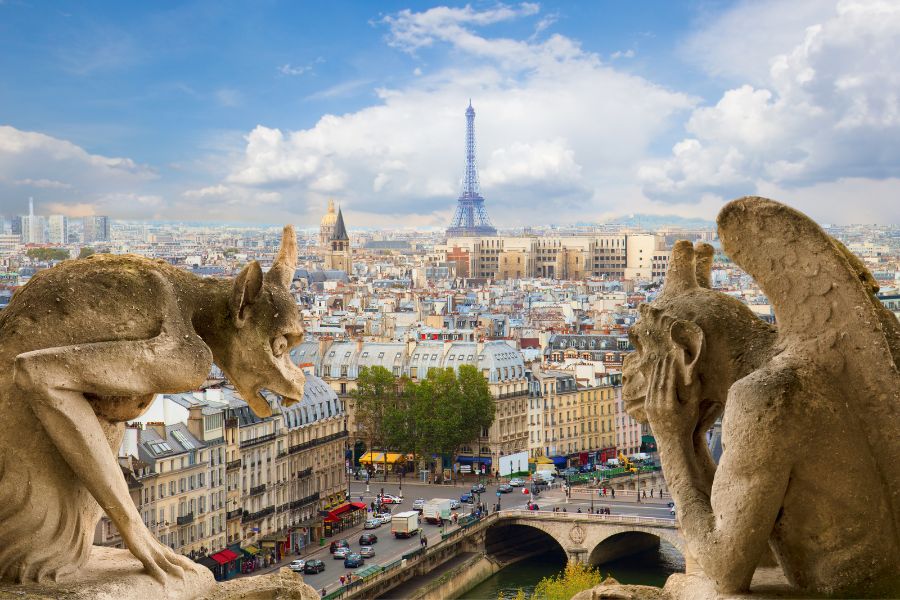
The sense of community felt strong—anchored by tradition, but always open to new memories.
Food, Wine, and Tea Around the Cathedral
Eating near Notre-Dame became a ritual for me, whether it was a picnic with a view of the towers or a slow morning at a riverside café.
Bistros and bakeries offered flaky croissants and fresh baguettes, which I enjoyed with friends or alone while people-watching.
Wine was part of many evenings, especially on warm days when locals spread blankets and uncorked bottles along the Pont Saint-Louis.
Sometimes, I’d opt for tea at tiny shops tucked into quiet corners behind the cathedral. The comfort of a warm cup, the city’s chatter, and the sight of Notre-Dame’s spires always made me feel at home.
Simple meals turned special just by being near the cathedral. Food and drink brought people together, encouraging conversation and turning every gathering into a small celebration.
Loss, Grief, and the Enduring Spirit of Notre-Dame
Losing Notre-Dame to fire in 2019 meant more than losing a historic building. It changed the heart of Paris and the memories of millions.
Pain and resilience shaped how the world responded, linking Notre-Dame’s endurance to other ruins and tragedies.
Witnessing the Destruction and Grieving the Loss
I remember when I first heard about the fire that tore through Notre-Dame’s roof and brought down the famous spire. The news just floored me. Watching those flames, I felt this sharp, gut-level grief.
It wasn’t just the loss of a monument. Generations have passed through Notre-Dame’s doors for worship, art, or just a bit of peace. Suddenly, the world seemed to stop and mourn together.
Social media exploded with photos, memories, and all sorts of messages from people who’d visited or always hoped to. For a lot of folks, it felt like a personal blow, as if something essential in Parisian life—and really, global culture—had gotten wounded.
That sadness showed me how much places can matter, no matter where we’re from. The grief we all felt reminded me that beauty and history can hit us right in the heart.
Reflections on Ruins and the Meaning of Resilience
I stood by the Seine not long after the fire, staring at the battered cathedral. There was pain, obviously, but also this strange flicker of hope. Even with the destruction, those stone towers stood tall, almost daring anyone to doubt them.
Notre-Dame’s survival has always felt like a lesson in resilience. Over centuries, it’s faced wars, revolutions, pollution—you name it. But the spirit of recovery always wins.
The ruins don’t just tell stories of loss. They speak of determination and real courage. This made me realize something practical: seeing ruins up close can deepen our understanding of human strength.
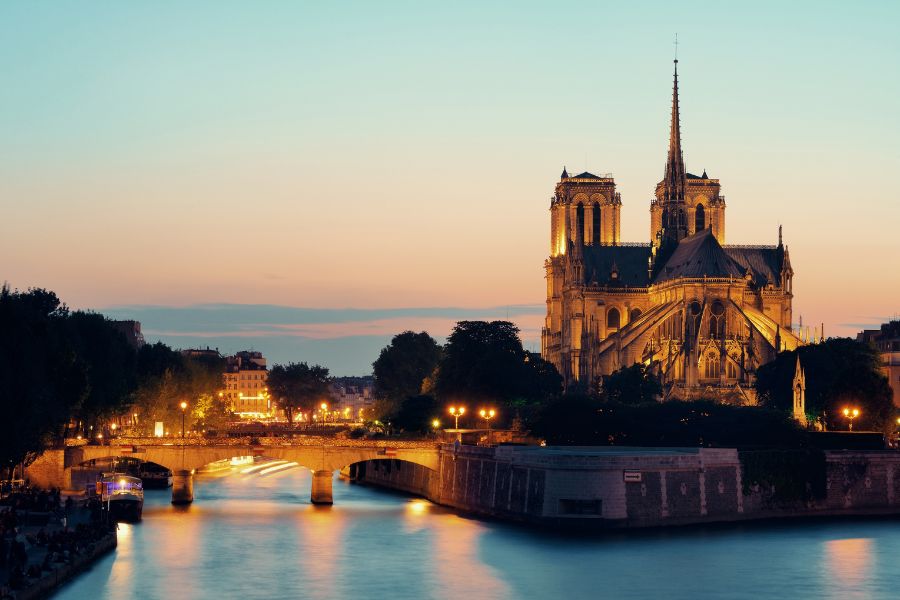
Even in loss, there’s a shot at renewal. There’s always a chance for new memories to form.
Parallels With Pompeii, Portugal, and Monasteries
Walking through Notre-Dame after the fire, I couldn’t help but think of other ruined places I’ve visited. Pompeii felt silent but powerful—a city frozen by disaster, but still alive in memory.
In Portugal, I wandered through monasteries like Batalha and Alcobaça. They still bear scars from earthquakes and time, yet somehow they remain beautiful and peaceful. The resilience there reminded me of Notre-Dame, showing how people rebuild and adapt.
Every ruin—France, Italy, Portugal, wherever—proves that destruction doesn’t erase meaning. If anything, these places gain new layers of spirit and connection. They teach me how we can honor both loss and legacy.
How Notre-Dame’s Spirit Lives On Today
Today, Notre-Dame stands as both a wounded cathedral and a symbol of hope. Its recovery has pulled people together from all over—builders, artists, donors, and travelers. The restoration moves slowly, but the support never really fades away.
The spirit lives on in small ways. The bells still ring. The stained-glass windows that survived still glow. Locals gather nearby, and street artists sketch its outline.
Tour guides still share stories, and there’s a kind of heart in every retelling.
Here’s what keeps inspiring me about Notre-Dame:
- Resilience through adversity
- Global unity and support
- A lasting source of inspiration
Travelers in Paris can still feel this spirit. Even with its scars, Notre-Dame reminds me that beauty and meaning can outlast destruction.
Enduring Influence and Personal Growth
My earliest visits to Notre-Dame shaped how I see art, faith, and my own place in the world. The cathedral’s history, those quiet corners, and the roar of crowds all played their part in how I grew and what I value now.
Lessons of Freedom and Creativity
Whenever I wandered under Notre-Dame’s arches, I felt a surprising sense of freedom. The stone sculptures, the colorful windows—they always seemed to spark ideas.
This was never just an old building to me. It felt like a giant work of art that left room for any imagination. I’d sit in the back pews, just soaking in the mix of silence and sound.
Some days, the organ music made me feel brave enough to try new things outside those walls. Other times, watching artists sketch outside inspired my own creativity.
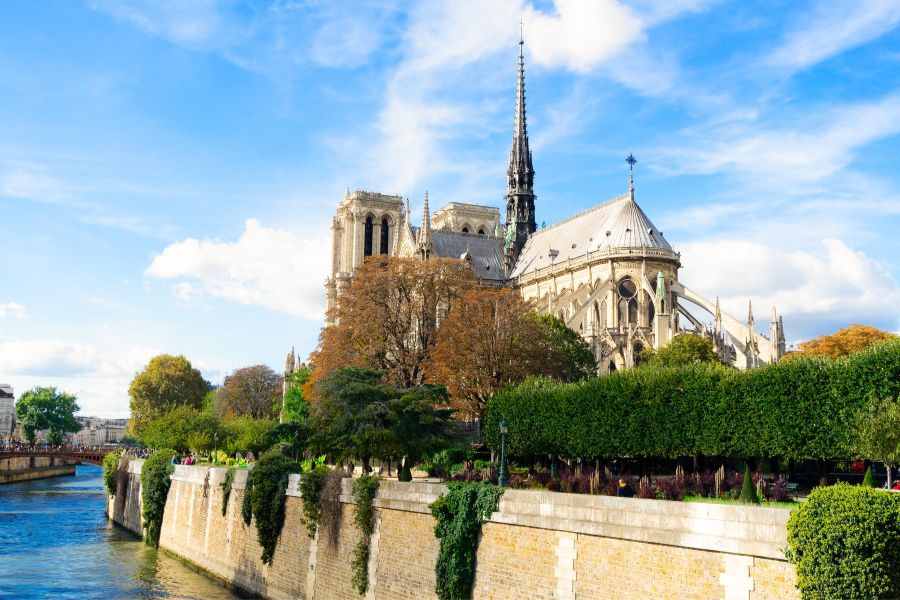
Notre-Dame showed me that creativity can thrive in places full of history and tradition. The way artists have left their marks over centuries—in tiny carvings or careful repairs—reminded me that freedom and art often go hand in hand, even in the most sacred spaces.
Finding Comfort and Identity Post-Fire
The day the fire happened in 2019, I was honestly shocked. Seeing the spire fall on the news, I realized how much my own identity was tied to this place.
I didn’t just lose a favorite landmark. I lost a retreat where I’d go to think, find comfort, and make decisions. Yet, after the fire, I found that meaning didn’t burn away.
Thousands gathered to sing and share memories. People left flowers, drawings, and candles outside the closed fences. That sense of community made me feel less alone and more connected.
Many found comfort in returning to Notre-Dame, even just to watch the restoration work. The spirit endures—not just in the stones, but in everyone who keeps its memory alive.
Visiting after the fire felt different, but it became a way to renew parts of my own identity that the cathedral helped shape.
Influence of Myths, Prophets, and the Desert
Notre-Dame carries so many layers of myth—stories about secret alchemists, gargoyles keeping watch over the city, and old prophecies that linger in the stone.
When I was a kid, I got completely drawn in by the legends from those guided tours. They told us about hidden treasures and saints who supposedly wandered through the aisles.
Later on, I started reading about prophets and desert hermits who escaped into silence. Those stories made me see the old myths in a different light.
Notre-Dame, with its quiet chapels and all those shadowy corners, sometimes felt like it stood right between busy city life and the emptiness of the desert. It turned into a spot for retreat, or maybe just a place to sit with your own thoughts.
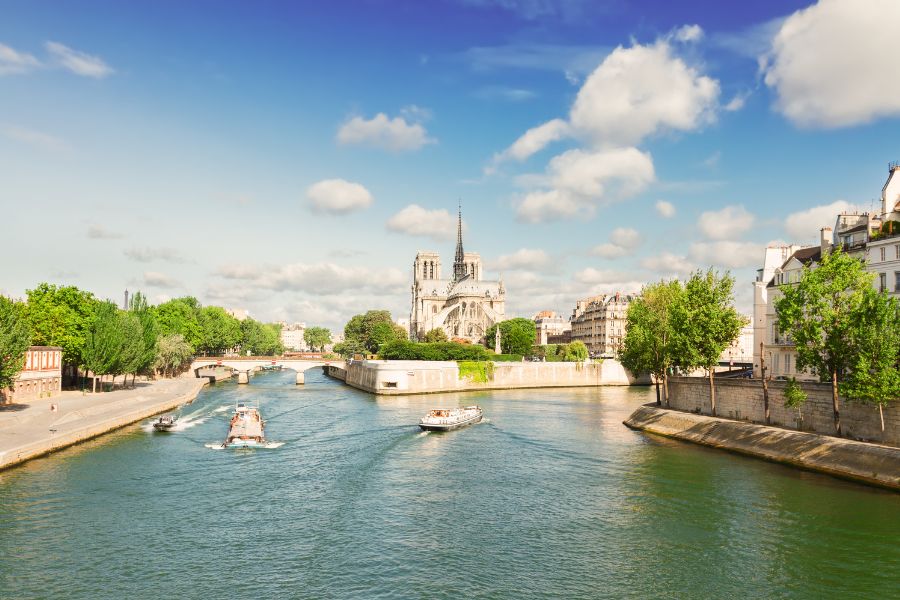
This mix of myth and history definitely shaped how I think about faith and the world. Every time I visited, it honestly felt a little like stepping into a living legend, right in the middle of Paris.
