
When I first stepped into the hills of Somiedo, I felt a mix of excitement and quiet hope. Spotting brown bears in their natural habitat here isn’t just possible—it’s actually pretty common now, since their numbers have grown in recent years.
The key to responsible bear spotting in this Asturian wilderness is simple: stay patient, respect their space, and follow local guidelines.
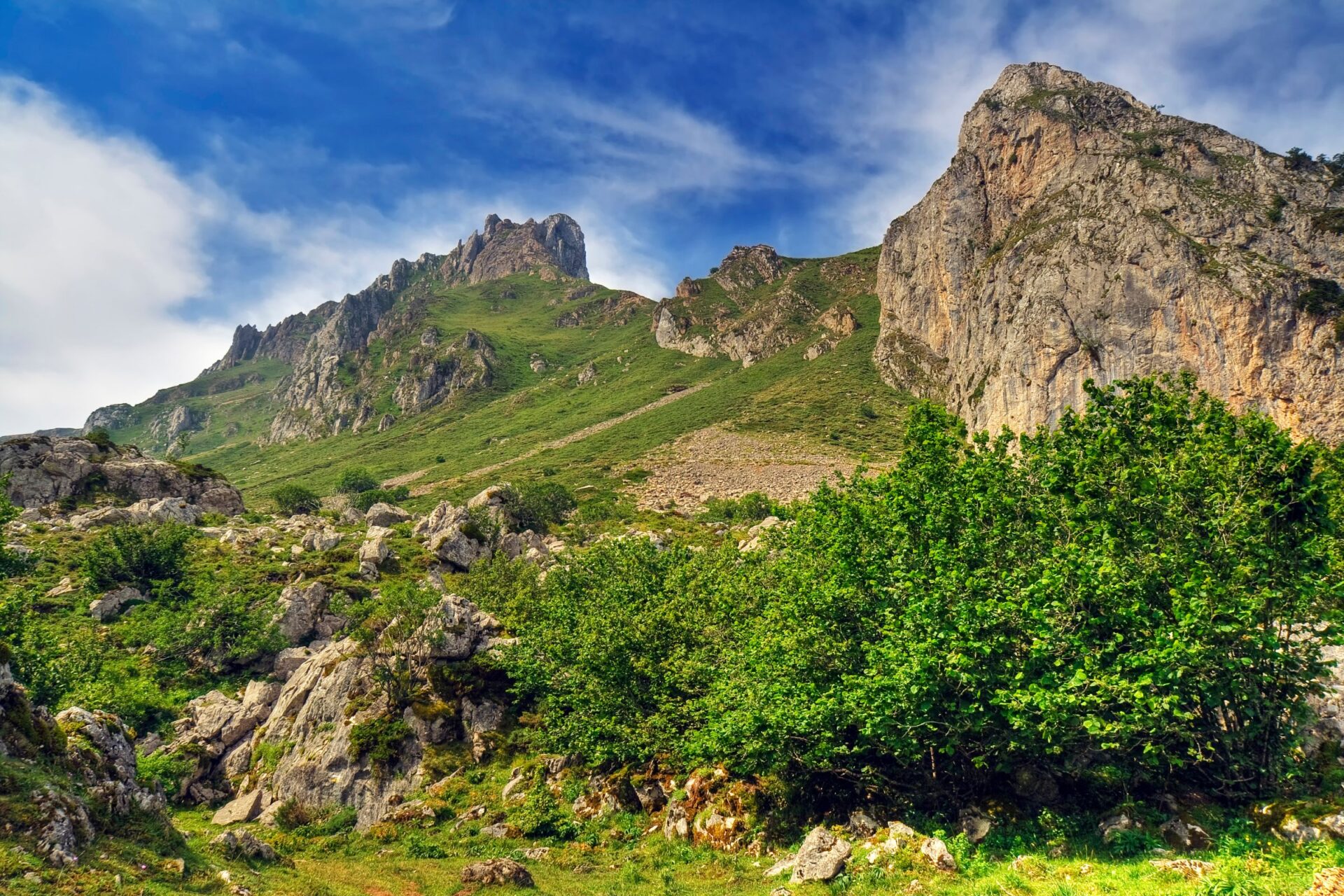
I quickly realized patience isn’t just about waiting around—it’s about blending in and letting nature do its thing. Sometimes, everything goes quiet. Maybe there’s just the wind or a branch snapping somewhere nearby, hinting at something big.
I joined a local guide, and that changed everything. They helped me understand the land and the bears’ habits. Somiedo isn’t only about wildlife watching; it’s a lesson in how travel and nature can actually work together.
If you want a real, unforgettable wildlife experience, patience and respect really matter.
Why Somiedo Is Spain’s Bear-Watching Capital
Somiedo stands out thanks to its protected mountains, thick forests, and a healthy bear population. Wildlife corridors and responsible tourism have turned it into a real hub for anyone hoping to see brown bears in the wild.
Unique Ecosystems of the Asturian Wilderness
Somiedo Natural Park stretches across deep valleys, rolling hills, and ancient woods. The blend of beech and oak forests, open meadows, and rocky peaks creates perfect cover and food for brown bears.
While I wandered the park’s trails, I found crystal-clear rivers and shady glens echoing with bird calls. Bears eat berries and nuts here and wander with almost no interruptions. The park’s remoteness lets wildlife keep their natural habits.
Misty mornings and sudden weather changes reminded me why this place feels so special. Not many parks in Spain support this much biodiversity. In Somiedo, every patch of moss or wildflower fits into a bigger web that helps the brown bear survive.
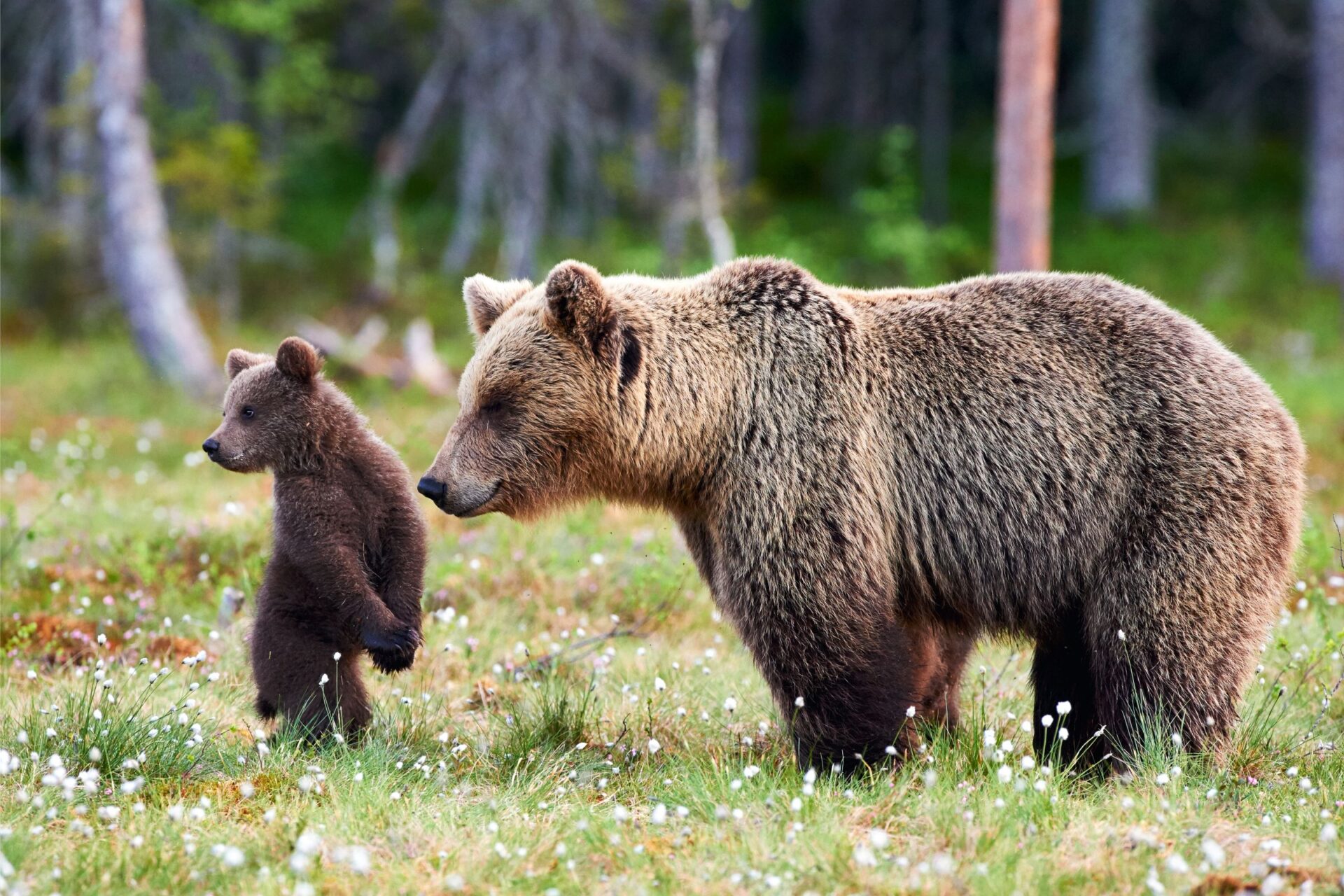
The Home of the Cantabrian Brown Bear
Cantabrian brown bears have survived here for centuries. Their numbers dropped dramatically not too long ago, and people genuinely worried they’d vanish from Spain.
But Somiedo, with its protected and quiet zones, became their last safe haven. I heard the bear population has tripled in recent decades, thanks to strict conservation laws and locals protecting their forests.
Today, Somiedo gives you the best shot at spotting these rare animals in their natural home. Local guides keep both people and wildlife safe. Most visits stick to observing from a distance, which is crucial for keeping the bears wild.
Seasonal Factors That Affect Bear Sightings
When I started planning, I learned that timing really matters. August and September are the best months for bear watching in Somiedo. In late summer, bears venture out more to eat berries and fatten up before winter.
Spring works too—they’re hungry after hibernation. But those long summer evenings make it easier to spot them. Early mornings and twilight are golden hours, especially when the slopes are quiet and shadowy.
Local guides keep track of seasonal changes. They know where the berries ripen and where bears might cross open fields. If you’re serious about bear spotting, planning around these cycles makes a huge difference.
Responsible Bear Spotting: Ground Rules and Local Ethics
Spotting brown bears in Somiedo is a privilege. Watching these rare animals means you have to respect both nature and the communities that protect them.
Following Conservation Guidelines
Being in bear country means you need to pay attention to the rules set by local authorities and conservation groups. Somiedo Natural Park has regulations on where and how you can watch wildlife.
I made sure to stick to marked trails and never approached bears or their habitat. Signs and info points are everywhere, reminding you that feeding wildlife is strictly forbidden and you shouldn’t disrupt a bear’s natural behavior.
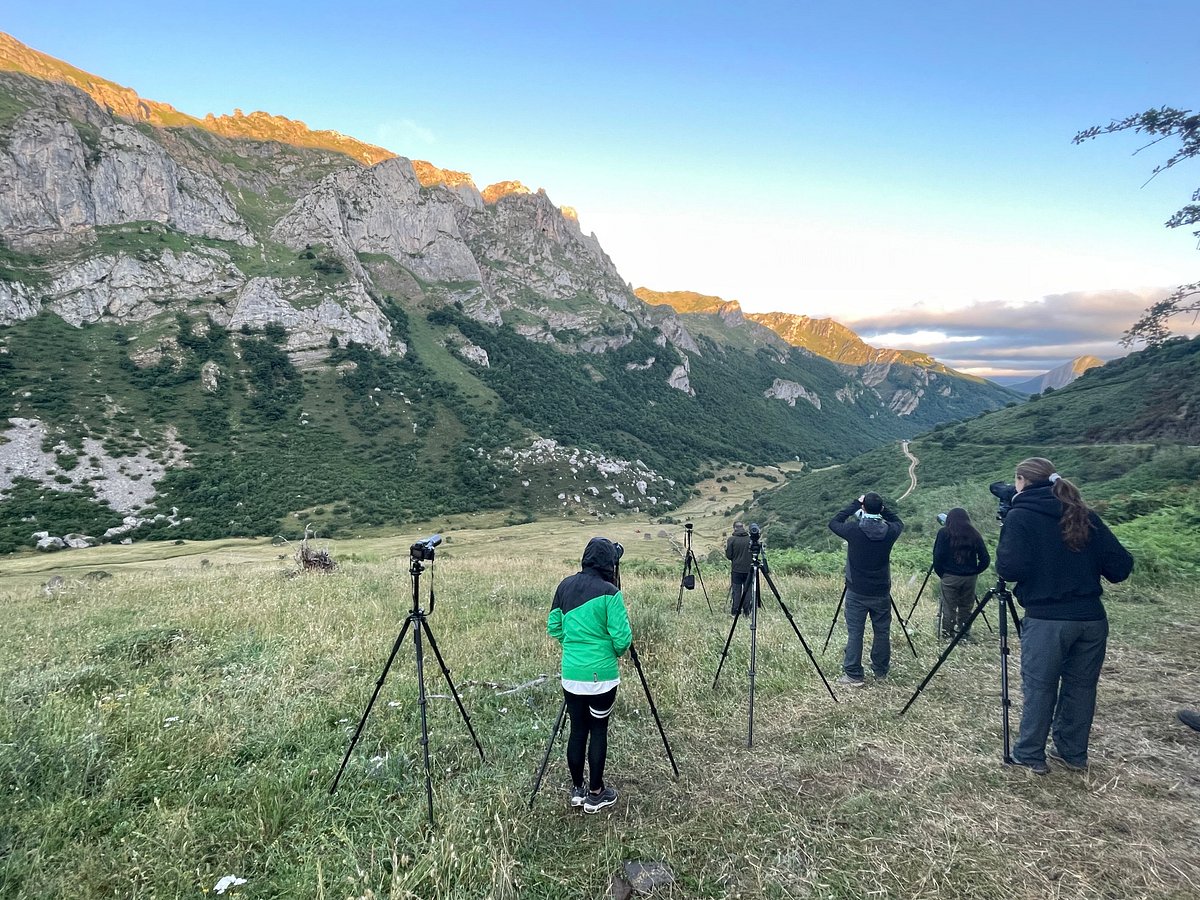
I always kept my distance, using binoculars and my camera’s zoom instead of moving closer. Night viewing isn’t allowed, and some areas limit the number of visitors at a time. These rules protect the bears and their home.
Anyone who ignores these guidelines risks fines and can hurt the local ecosystem.
Respecting Wildlife and Local Communities
Visiting Somiedo gave me a new respect for locals who live alongside bears. The community depends on tourism, but they also need peace for their daily life and for the animals.
I quickly learned that noise, litter, and wandering off trails can bother both wildlife and residents. Here’s what I did:
- Stay silent: Loud voices scare animals and annoy locals.
- Leave no trace: I always carried out my trash and took only photos.
- Be patient: Bears don’t show up on command. Waiting quietly makes all the difference.
I respected property boundaries, too. Much of the land belongs to families and farmers who’ve lived here for generations.
Working With Experienced Local Guides
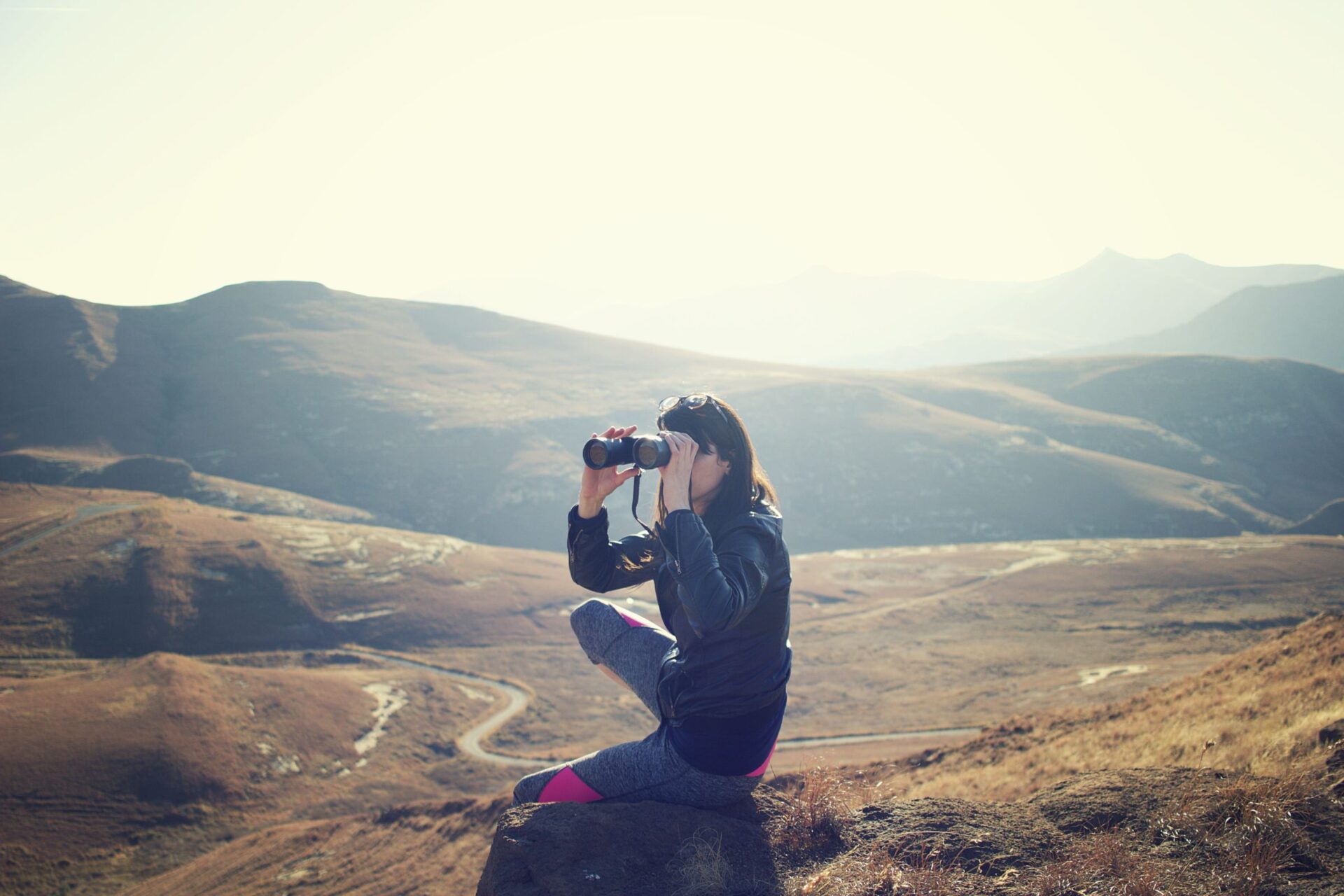
I went bear watching with a local wildlife guide. They know the best viewing spots and help keep both visitors and bears safe.
Many guides work with conservation projects and share a lot about bear habits and history. My guide explained which areas were sensitive and when sightings were most likely.
Thanks to local experts, I learned how to spot bear tracks and understand their behavior from a safe distance. Booking with a licensed guide supports the local economy and keeps tourism sustainable.
If you’re serious about bear watching in Somiedo, go with a professional. It’s just the smart choice.
My Bear-Watching Adventure in Somiedo
Getting close to wild brown bears means moving quietly, watching closely, and respecting their space. Somiedo’s rugged valleys, cool forests, and early sunrises set the scene for bear spotting—and for learning patience.
Setting Out At Dawn: The Thrill of the Search
I started my day before sunrise. A cold mist blanketed the meadows, and the hills were almost silent except for distant birds.
With a local guide, I followed winding trails through the forest, stepping softly to avoid startling wildlife. My heart raced every time I swept the binoculars over a clearing.
Each crunch of leaves sounded extra loud, and every shadow made me pause. The cool air and the hope of seeing a bear kept me alert.
Early mornings give you the best shot. Brown bears here are shy, so you have to move quietly and blend in. I learned to scan slopes for movement and listen for branches snapping or soft rustling—a sign a bear could be close.
Unexpected Encounters and Lessons Learned
Even with a guide, surprises happen. On one hillside, I spotted a family of chamois. Not the animal I was hoping for, but it reminded me that all wildlife encounters are worth appreciating.
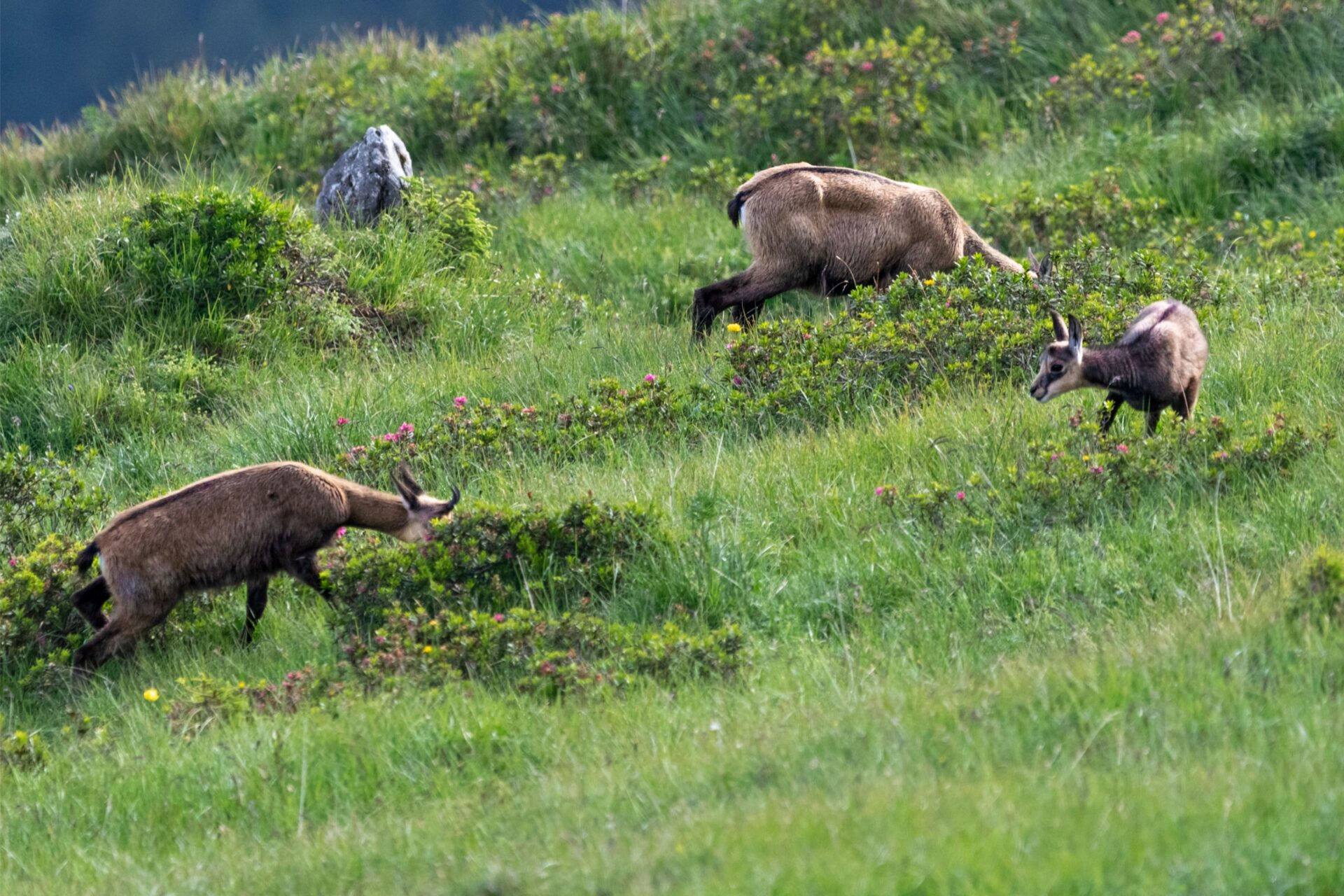
Nature doesn’t run on a schedule—patience is everything. At one point, a sudden noise in the brush made me freeze. My guide signaled to stop, and we watched as a fox appeared.
It taught me to stay flexible and ready for anything. Not every trip guarantees a bear sighting, but every encounter in Somiedo teaches you something.
Wildlife watching comes with responsibility. The park has clear rules to protect animals and visitors, including strict limits on where you can go. Sticking to these rules keeps everyone safe and the park wild.
Moments of Patience Rewarded
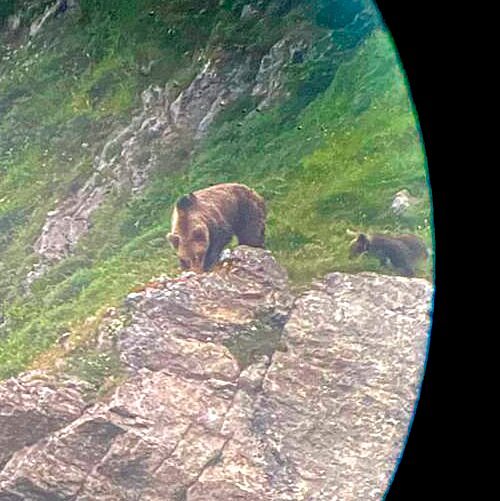
It took hours before anything happened. When the sun finally hit the higher meadows, I spotted a large brown shape near an oak tree.
I held my breath as a female bear appeared, digging for food in the grass and roots. Waiting in silence, I watched her pause and sniff the air.
Time felt like it slowed down. Seeing her move so naturally in her home felt like a privilege I’d earned by being patient.
Here’s what helped me most:
- Binoculars: Great for checking distant slopes.
- Dark, quiet clothing: Makes you less noticeable.
- A local guide: Boosts both safety and your odds of seeing something.
Moments like this stick with you. It wasn’t the thrill of a close call, but more the quiet satisfaction of witnessing a wild animal, undisturbed in her world.
Patience Is Key: Embracing the Wait
In Somiedo, bear spotting never happens on a set schedule. Success comes from quiet observation, soaking in the wild landscape, and appreciating every moment—even the ones where nothing seems to happen.
Staying Present in the Wilderness
I found the real skill in bear spotting was just learning to be present. Hours slipped by as I sat still, binoculars ready, listening to birds and the distant calls of deer.
It’s easy to let your mind wander, but focusing on the sounds and smells of the forest kept me grounded. Patience meant resisting the urge to check my phone or hurry along.
Every rustle in the bushes brought a new burst of hope. Sometimes it was just the wind or a squirrel, but those moments sharpened my awareness.
I made a little checklist to stay patient and alert:
- Practice deep breathing to calm restlessness
- Scan the area slowly instead of darting my gaze
- Notice the changing light for spotting movement
- Listen for unique animal calls
The waiting taught me more about the forest than any guidebook possibly could.
Finding Beauty Beyond the Bears
Even when the bears didn’t show up, there was so much to see. Wildflowers along the trails glowed in the morning sun. Eagles circled high above the peaks.
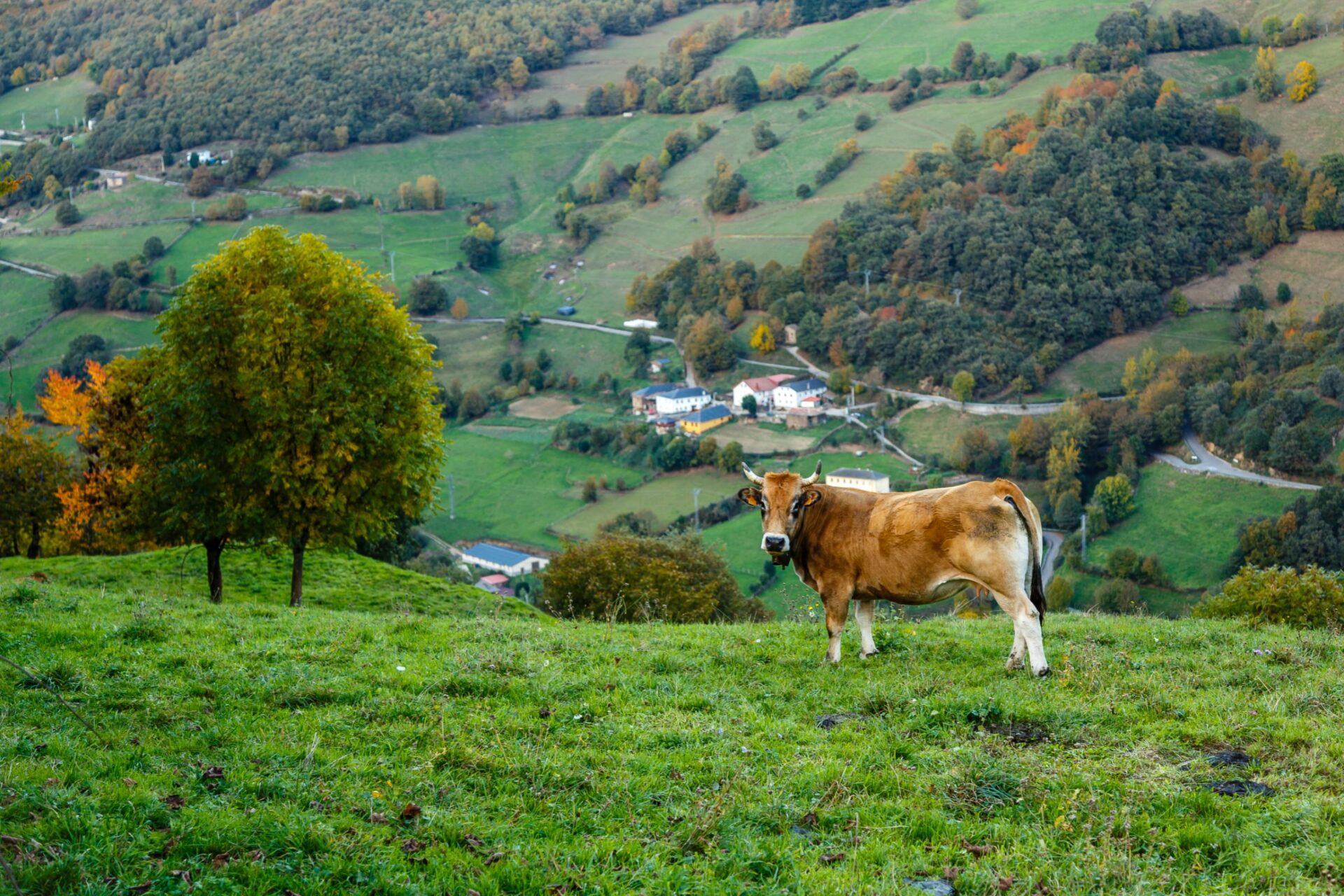
I watched clouds shift as the sun set behind the mountains. Butterflies drifted from flower to flower, and sometimes you’d hear distant bells from grazing cows.
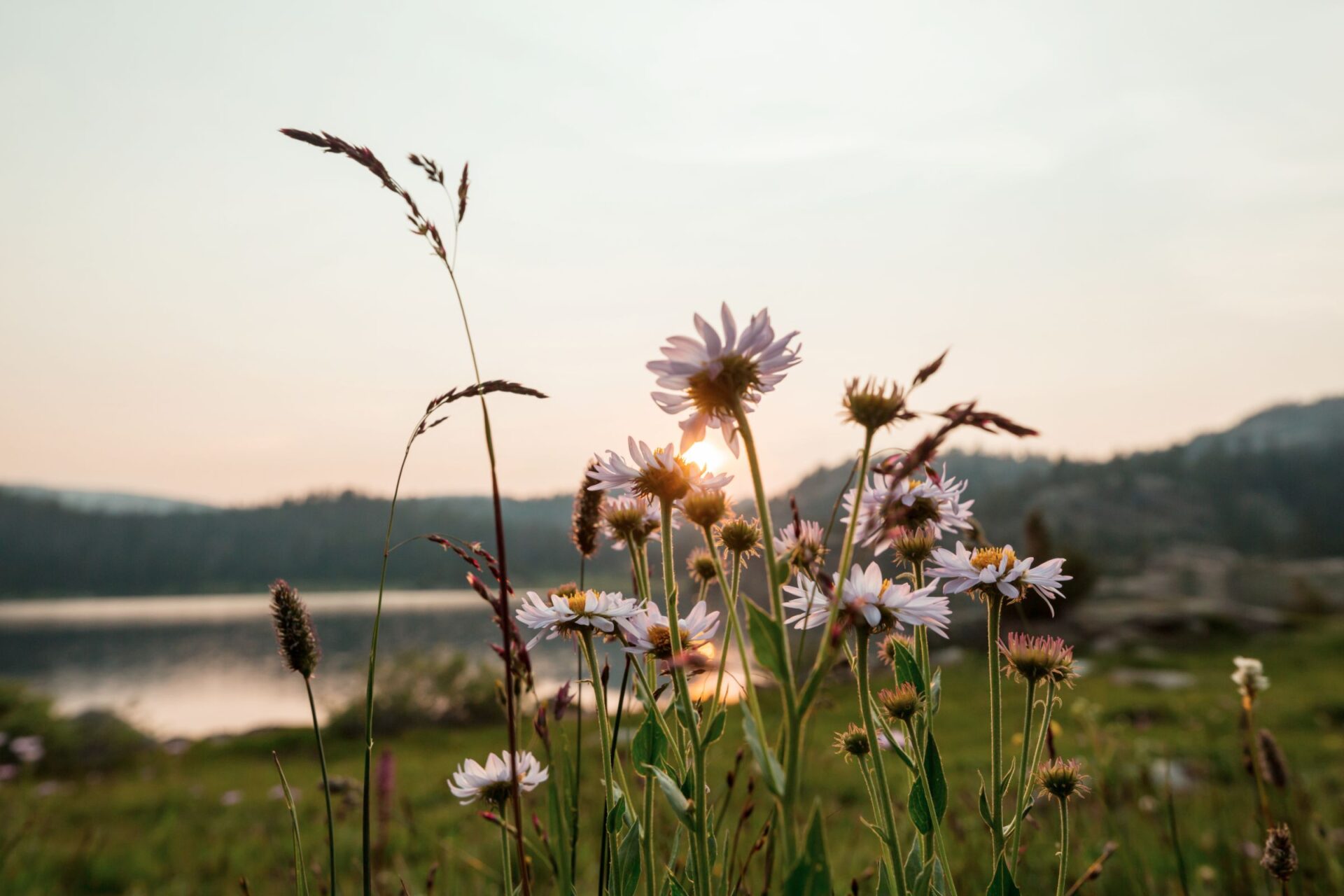
Wild horses crossed in the distance now and then. I snapped photos of moss growing on old stones and the patterns it made.
Bear spotting in Somiedo turned into noticing these quiet wonders as much as looking for the bears. By shifting my focus, I left with memories richer than any single sighting.
Tips for Planning Your Bear Spotting Visit
Planning a responsible bear spotting trip in Somiedo takes some prep. Getting the timing, location, and gear right makes all the difference—not just for you but for the bears, too.
Best Times and Places for Sightings
From what I’ve learned, late summer—especially August and September—is the best time for sightings. During these months, bears come down to eat ripe berries and fruit, so they’re easier to spot.
Somiedo Natural Park is one of the top places for seeing Cantabrian brown bears, with good chances in the mountains near Teverga, Cangas del Narcea, and Degaña.
I joined a guided group early in the morning, right as the mist started to clear. Dawn and dusk are the best times, so I always set my alarm early or planned to stay out late.
Local wildlife guides know the land, so booking a tour with an experienced guide upped my chances. It also felt safer and more respectful for the bears.
Essential Gear and What to Pack
A successful bear-spotting trip needs thoughtful packing. I never leave home without:
- Binoculars: Good quality, lightweight ones. A camera zoom lens is a bonus.
- Layered clothing: The weather changes fast, so layers help.
- Sturdy hiking boots: Some trails get steep and rocky.
- Water and snacks: There aren’t many shops once you leave the village.
- Rain jacket: Mist and quick showers are common, even in summer.
- Notebook: I like jotting down wildlife notes, but that’s optional.
I pack everything into a small backpack. Staying quiet and keeping food sealed helps avoid disturbing the bears—and keeps you out of trouble with other wildlife.
Supporting Conservation-Friendly Tourism
I want my presence to actually help the park and its wildlife, so I stick with local guides who care about conservation. A lot of these guides and companies put money back into bear research and local conservation projects.
That way, my fee feels like it matters—like it’s not just for me. I avoid off-trail hiking and skip big, noisy group activities.
When I follow the rules, I help keep wildlife safe and their homes undisturbed. I also pick locally run lodges and restaurants.
That decision supports families who really depend on responsible tourism.
If I spot a bear, I keep my distance. The best moments happen when I respect the wild, not just when I see it.
