
When I first arrived in Pisa, I was struck by how the Arno River cuts through the heart of this historic Italian city, giving it a special character that’s different from other Tuscan towns.
The Arno River has shaped Pisa’s identity for centuries. It flows from the Apennine mountains before reaching the Ligurian Sea right at Pisa’s doorstep. Walking along its banks, I discovered that locals divide their city based on which side of the river they live on, showing how central this waterway is to everyday life.
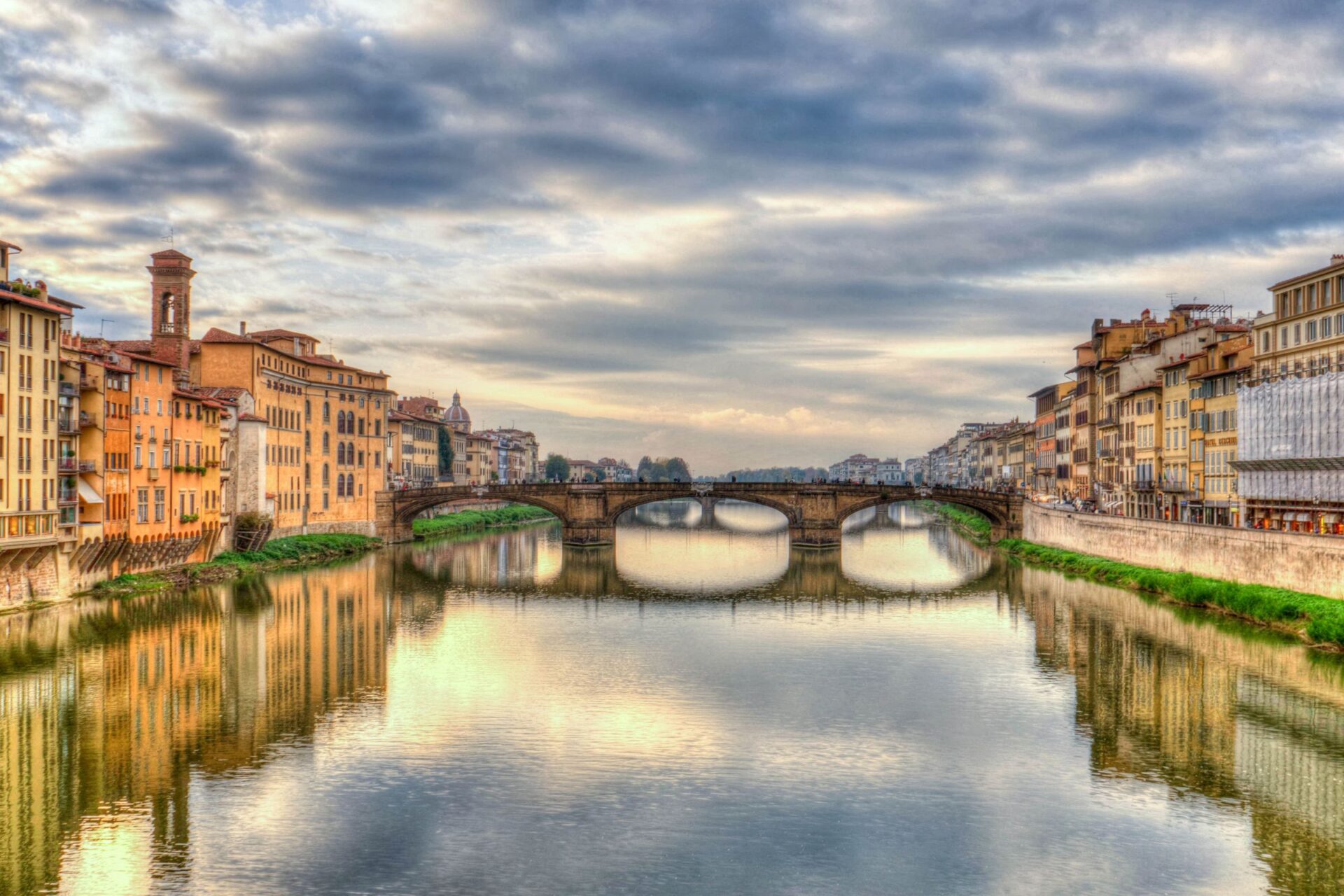
Unlike Florence, where the Arno is often crowded with tourists, Pisa offers more peaceful riverside spots perfect for afternoon strolls.
What many visitors don’t realize is that Pisa actually began as a settlement at the meeting point of the Arno and Serchio rivers, with the city originally positioned closer to the sea than it is today. The river hasn’t just influenced Pisa’s geography—it has shaped its culture, commerce, and even the mindset of its people.
Travel Tip: For the most enchanting views, head to the riverside around sunset when the ancient buildings reflect in the water.
The bridges crossing the Arno offer fantastic photo opportunities of both the river and Pisa’s architecture, away from the crowds at the Leaning Tower. These quiet moments along the Arno revealed more about Pisa’s soul to me than any guidebook ever could.
Pisa and the Arno: A Historical Perspective
The flowing Arno River has shaped Pisa’s destiny for centuries, creating both opportunities and challenges for this iconic Tuscan city. This waterway connected Pisa to the Mediterranean and helped establish it as a major maritime power during the Middle Ages.
The Formation of an Italian Jewel
Walking along the Arno today, I’m always struck by how this river birthed Pisa’s greatness. The city emerged as a settlement where the Arno meets the Ligurian Sea, making it perfectly positioned for trade and defense.
In ancient times, Pisa sat much closer to the coastline than it does now. Over centuries, silt deposits from the Arno gradually pushed the shoreline westward. This geographic transformation is fascinating – like a “reverse Atlantis” where land appeared rather than disappeared.
By the 11th century, Pisa had transformed into a formidable maritime republic. The wealth generated through river and sea trade financed magnificent buildings in what we now call the Square of Miracles, including the famous Leaning Tower.

Strategic and Economic Significance
The Arno provided Pisa with unparalleled advantages during its golden age. As a powerful naval republic, Pisa controlled Mediterranean shipping routes and established trading posts throughout the region.
The river served as both highway and lifeline. Goods from Tuscany’s interior floated downstream to Pisa before heading to distant ports. Following the river’s path helps me understand why Pisa and Florence developed such a complex relationship over the centuries.
By the early 1500s, however, this relationship turned collaborative. Historical records show Leonardo da Vinci worked on a project to divert the Arno in 1503-1504, highlighting the river’s continued strategic importance.
Today, the Arno bisects Pisa beautifully, offering stunning views and a peaceful atmosphere for visitors exploring beyond the Leaning Tower. Its banks provide perfect walking paths to appreciate this historic city’s unique character.
Architectural Marvels Along the River
Pisa’s relationship with the Arno River has shaped its architectural identity, creating a stunning riverside landscape dotted with historical treasures. The river serves as a natural backdrop to some of Italy’s most remarkable structures, many dating back several centuries.
Leaning Tower and the Piazza del Duomo
Walking along the Arno, I found myself drawn to Pisa’s most famous landmark visible from various riverside vantage points. The Leaning Tower, part of the UNESCO World Heritage Site, stands as a testament to both architectural ambition and engineering miscalculation.
When I visited the Piazza del Duomo, I was struck by how the entire complex forms a magnificent ensemble. The stunning Pisa Cathedral with its intricate façade commands attention alongside the tower.
The Baptistery completes this trio of white marble masterpieces, showcasing remarkable acoustics inside its circular structure. This architectural complex represents the height of Pisan Romanesque style, a unique blend that influenced buildings throughout the region.
All these structures utilize the distinctive white marble that makes them gleam in the Tuscan sunlight, creating a stark contrast to the flowing Arno nearby.

Lungarnos and the Riverfront Splendor
The Lungarnos, Pisa’s elegant riverside promenades, offer some of my favorite walking paths in the city. These streets running along both banks of the Arno showcase majestic palaces like Palazzo Blu and Palazzo della Carovana.
I spent hours exploring these grand buildings that line the river, their facades reflecting centuries of architectural evolution. Many feature ornate details that tell stories of Pisa’s wealthy merchant past.
The riverfront architecture creates a stunning panorama best appreciated from key viewpoints along the Arno. During sunset, the buildings take on a golden hue as light reflects off the water.
Renaissance piazzas open unexpectedly as you wander the Lungarnos, creating peaceful spaces away from tourist crowds. These squares served as gathering places for locals throughout history and continue to do so today.

Romanesque Churches and Ancient Bridges
Crossing the Ponte di Mezzo, I gained a fresh perspective on Pisa’s riverscape. This bridge connects the northern and southern parts of the historic center, serving as both practical crossing and architectural highlight.
The Santa Maria della Spina caught my eye immediately – a tiny jewel box of Gothic architecture sitting right beside the Arno. Its intricate stone carvings and delicate spires seem almost too elaborate for such a small church.
Pisa’s Romanesque buildings showcase a distinct style different from Florence’s Renaissance splendor. Churches like San Paolo a Ripa d’Arno feature the characteristic striped marble exteriors and rounded arches typical of Pisan Romanesque.
Ancient bridges span the Arno at various points, each with unique histories and designs. These crossings were vital to Pisa’s development as a river city and trading hub, connecting neighborhoods and facilitating commerce.

Cultural Heartbeat: Piazza dei Miracoli and Beyond
Pisa’s cultural landscape is defined by its magnificent squares that showcase centuries of artistic achievement and civic pride. These public spaces serve as both historical monuments and living centers of local life.
The Significance of Sacred Spaces
Piazza dei Miracoli stands as Pisa’s crowning jewel. When I first stepped into this “Square of Miracles,” I was struck by how perfectly the monuments complement each other despite being built over several centuries.
The iconic Leaning Tower draws millions of visitors yearly, but I found the entire ensemble breathtaking. The white marble buildings create a stunning contrast against the green lawns.
The Cathedral of Pisa represents remarkable Romanesque architecture with its intricate façade and impressive interior. During my visit, the baptistery’s perfect acoustics demonstrated why it’s considered an architectural marvel.
What makes this UNESCO World Heritage site special isn’t just the famous tilting tower, but the harmonious grouping of monuments representing birth, life, and death through the baptistery, cathedral, and cemetery.

Piazza dei Cavalieri: A Square Steeped in History
Just a short walk from the tourist-filled Piazza dei Miracoli, I discovered Piazza dei Cavalieri (Knights’ Square), the political center of medieval Pisa.
The square is dominated by Palazzo della Carovana, adorned with stunning sgraffito decorations. Now housing the Scuola Normale Superiore, this building exemplifies Renaissance grandeur through its detailed façade.
During my afternoon visit, local students gathered on the steps, creating a lively atmosphere where history meets modern university life. The square feels more authentically “Pisan” with fewer tourists.
The Church of Santo Stefano dei Cavalieri and the Palazzo dell’Orologio add to the square’s historical significance. I was particularly moved by the Torre della Muda, immortalized in Dante’s Inferno.
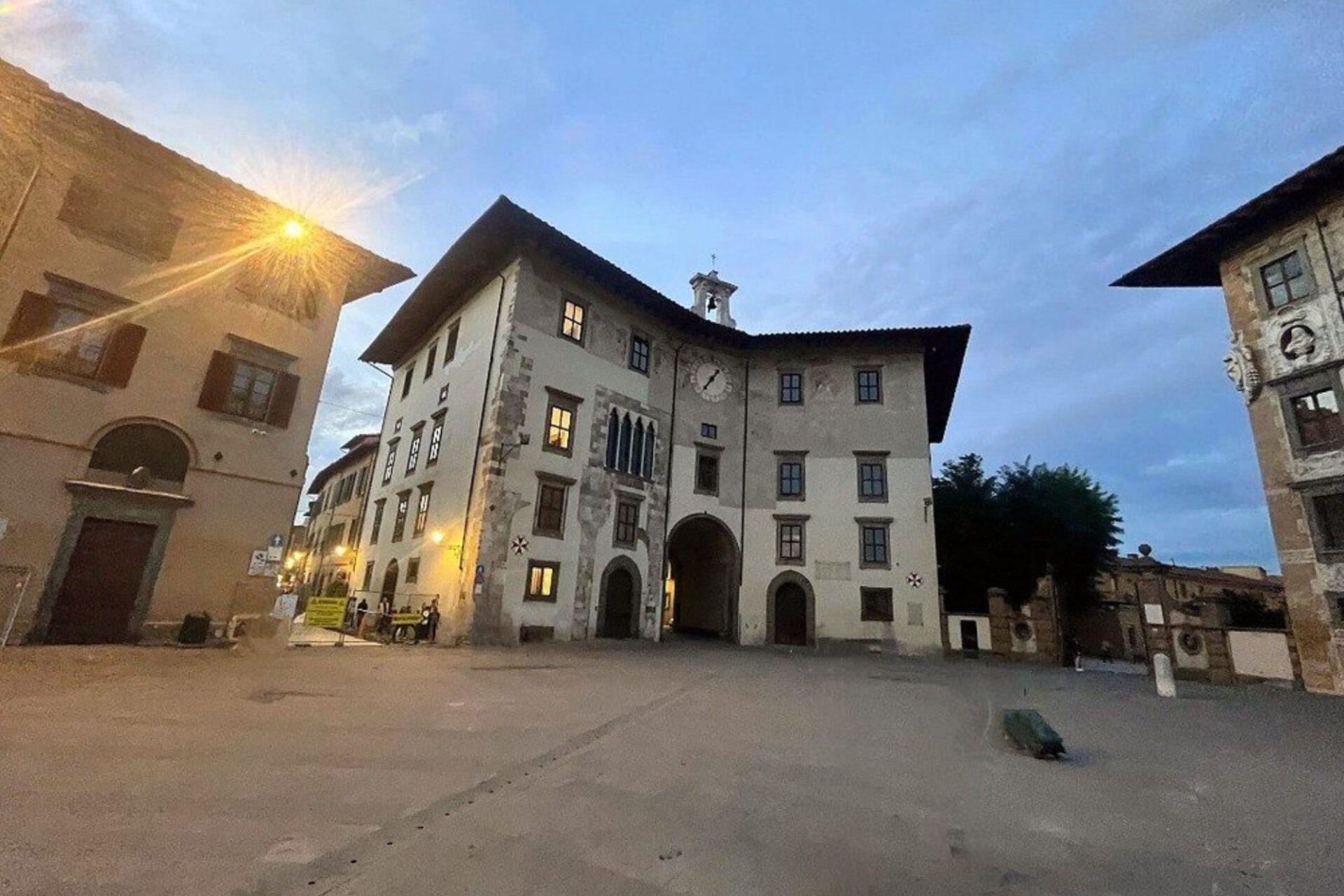
Image Source: Tripadvisor
Modern Life By the Water’s Edge
Today’s Pisa offers a unique blend of historic charm and contemporary living along the Arno’s banks, where locals and visitors alike enjoy the river’s presence in everyday life.
Living with the River: Apartments and Local Life
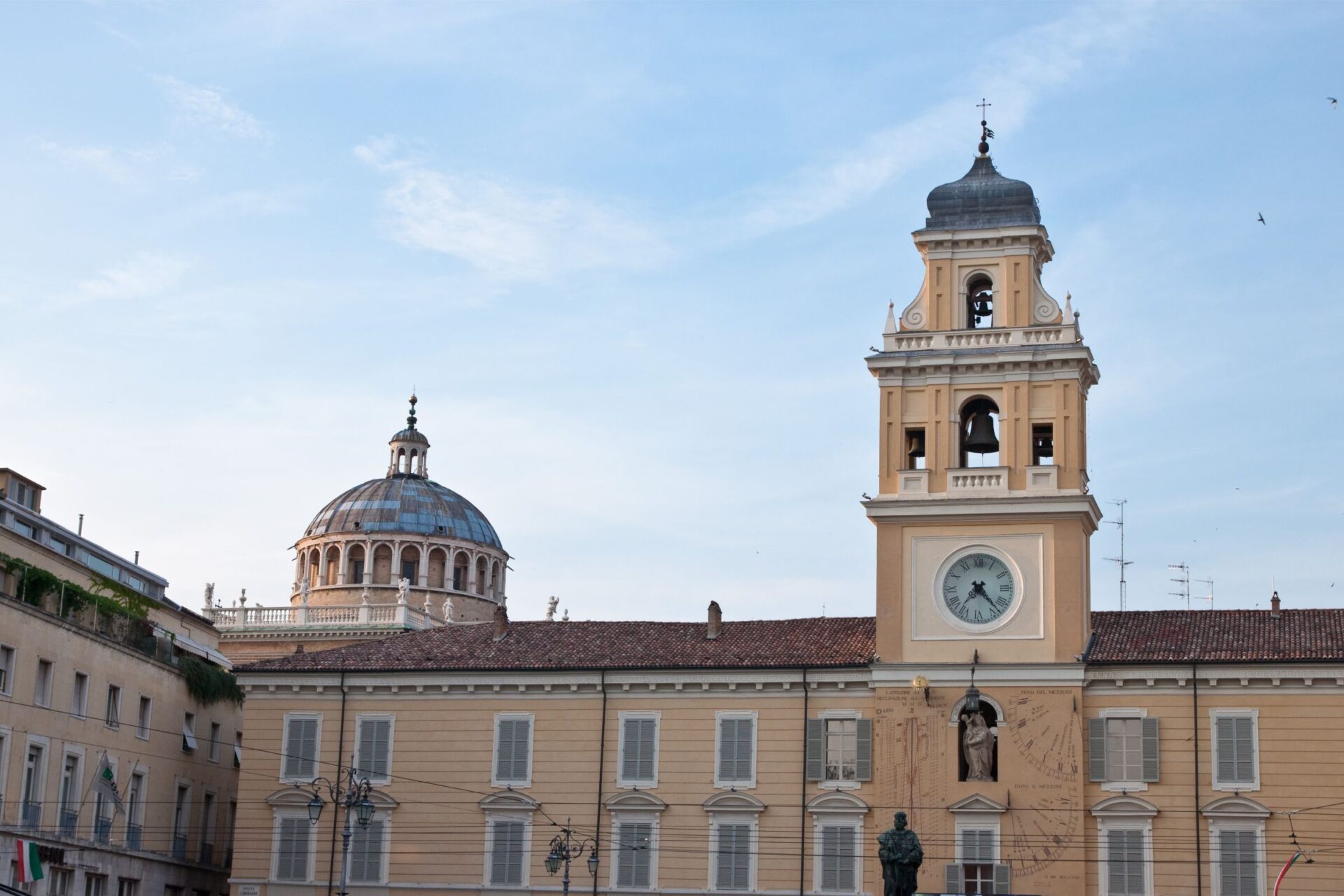
Walking along the Arno in Pisa, I’m always struck by the beautiful apartment buildings that line its banks. Many feature colorful facades in traditional Tuscan yellows and oranges, with windows perfectly positioned to catch river views.
Locals gather at Piazza Garibaldi, a lively square near the Ponte di Mezzo where I’ve spent many evenings watching the sunset paint the river golden. The square buzzes with activity – families chatting on benches, students from the university meeting friends.
The apartments here command premium prices for their water views, but residents tell me it’s worth it. There’s something special about living where you can hear the gentle flow of the Arno through open windows.
Many buildings along the riverfront have been carefully renovated to maintain their historic exteriors while offering modern amenities inside.
Navigating Pisa: Transportation and Walkability
Pisa is wonderfully walkable, especially around the Arno. The Ponte di Mezzo connects the two halves of the city, and I’ve found it’s rarely more than a 20-minute walk to most attractions from the river.
The charming Borgo Stretto, a narrow medieval street lined with shops under beautiful arcades, runs parallel to the river on the north side. I love wandering here, where upscale boutiques neighbor traditional gelaterias.
Corso Italia, the main shopping street, starts near the river and offers everything from Italian fashion to local crafts. During evening passeggiata (the traditional Italian evening stroll), it fills with locals and visitors alike.
The train station is just a 15-minute walk from the riverfront, making day trips to Florence or the coast incredibly convenient. Local buses are reliable but honestly, I’ve found walking is almost always more pleasant.
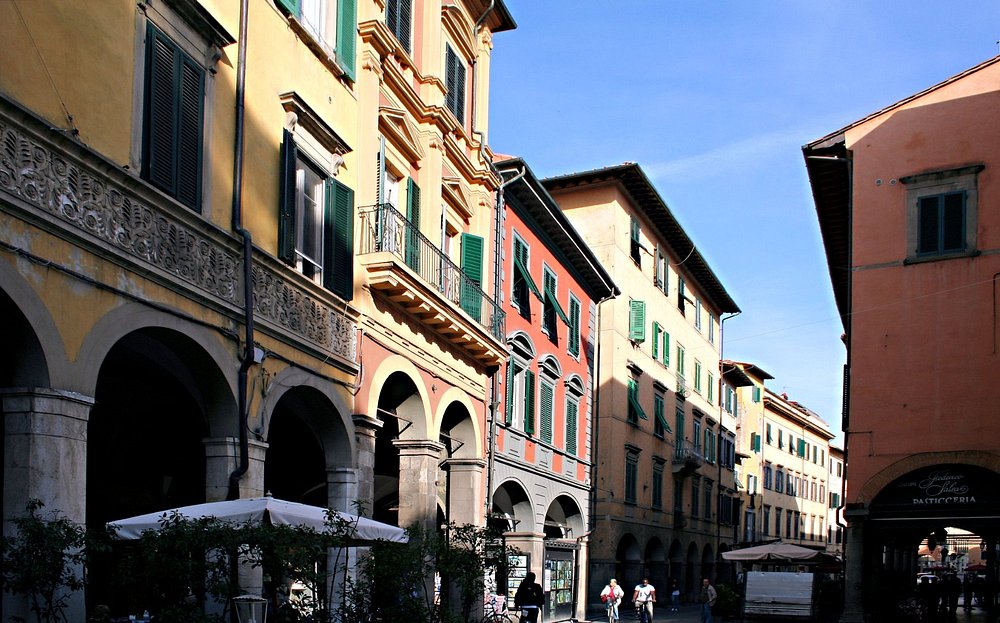
Image Source: Tripadvisor
Planning Your Visit: A Traveler’s Guide
Pisa offers much more than just its famous leaning tower. The Arno river creates a beautiful backdrop for exploring this charming Tuscan city with its rich history and culture.
Must-See Landmarks and Hidden Gems
The Leaning Tower in Piazza dei Miracoli is obviously a must-see, but don’t rush away after taking that iconic photo!
I recommend spending time exploring the entire square, which includes the magnificent Cathedral, Baptistery, and Cemetery (Camposanto).
For a less crowded experience, I love walking along the Arno riverbanks at sunset. The colorful buildings reflected in the water create perfect photo opportunities.
Don’t miss the Santa Maria della Spina, a tiny Gothic church near the river with incredible detail. When I first stumbled upon it, I was amazed by its intricate façade.
The Botanical Garden (Orto Botanico) is one of the oldest in Europe and provides a peaceful retreat from tourist crowds.
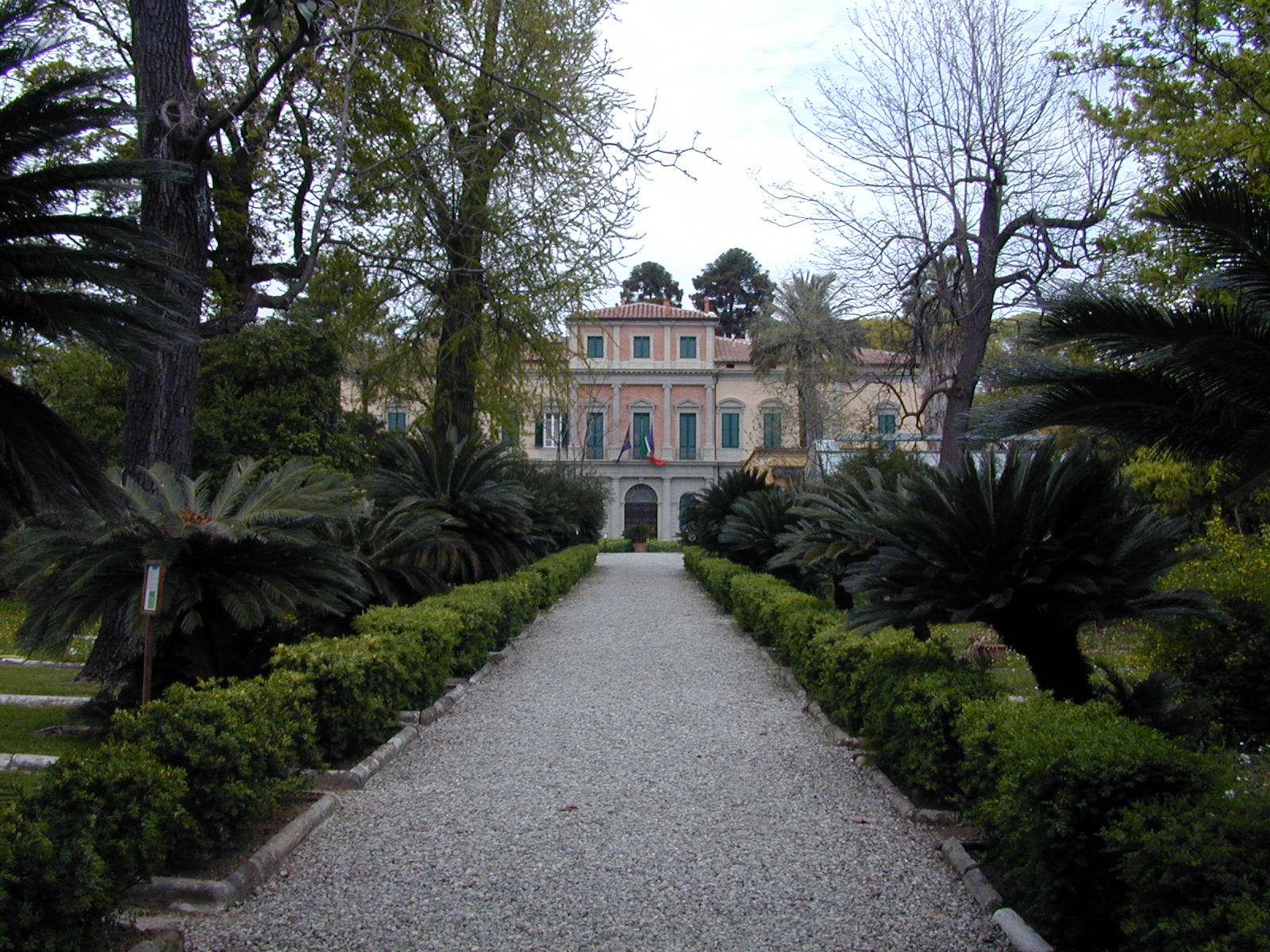
Image Source: Wikimedia Commons
Tips and Itineraries for First-Time Visitors
I suggest planning a minimum two-day stay in Pisa to fully appreciate the city beyond the famous tower. Book tickets for the Leaning Tower online in advance. They sell out quickly, especially during summer months!
Morning itinerary:
- Start early at Piazza dei Miracoli (8-9am) to avoid crowds.
- Climb the tower if you’ve booked tickets.
- Explore the Cathedral and Baptistery.
Afternoon walking tour:
- Stroll along Borgo Stretto for shopping.
- Cross Ponte di Mezzo to explore the south side.
- Walk along the Arno river to Santa Maria della Spina.
The best restaurants are found away from tourist areas. I’ve enjoyed authentic Tuscan meals in the San Martino district where locals dine.
Consider visiting during spring or fall when temperatures are pleasant and crowds are thinner.

