
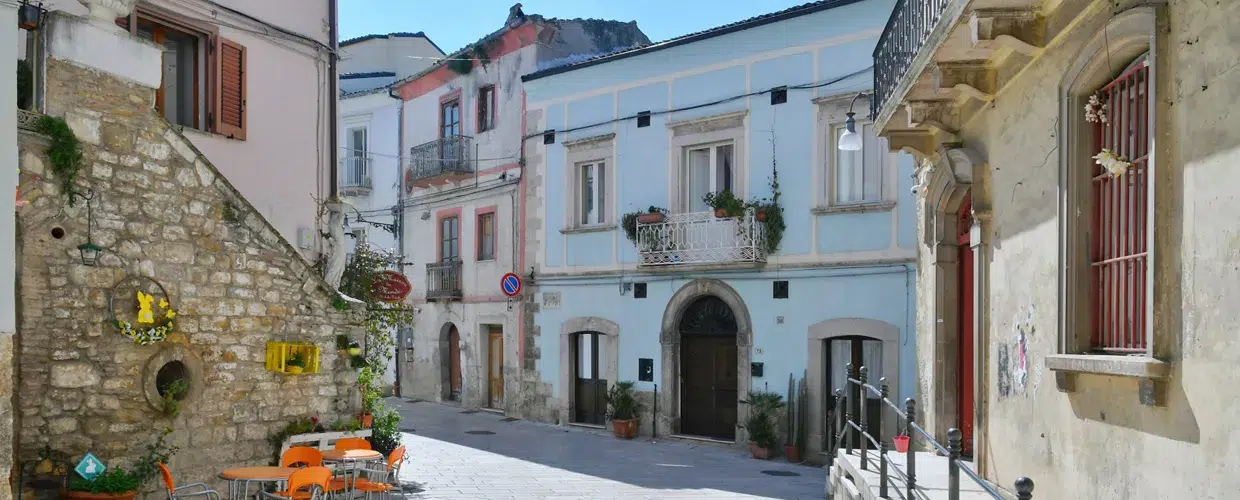
Hidden in Italy’s overlooked Molise region, Larino quickly won me over with its striking double legacy. I couldn’t help but stare at the Roman amphitheater, standing strong since the first century, its elliptical structure and four entrances whisking you right back to another era.
Larino’s magic comes from the way it merges Roman ruins and Renaissance architecture. It’s like a living timeline—two thousand years of Italy, all in one place.
Strolling through Larino, I felt like I was flipping through the pages of a history book—just, you know, with better coffee. The amphitheater, once roaring with gladiator games, now sits quietly across from those stately Renaissance palaces lining the old streets.
I found ancient baths near the amphitheater, their geometric mosaics still vivid. They’re a reminder of the sophisticated Roman life that flourished here.
What really struck me? History in Larino isn’t locked away behind glass. The ducal palace bursts with Renaissance energy, while just steps away, the amphitheater whispers stories of emperors and spectacles.
Not many places pack such a dramatic mix of eras into such a walkable, charming spot.
The Roman Amphitheater of Larino
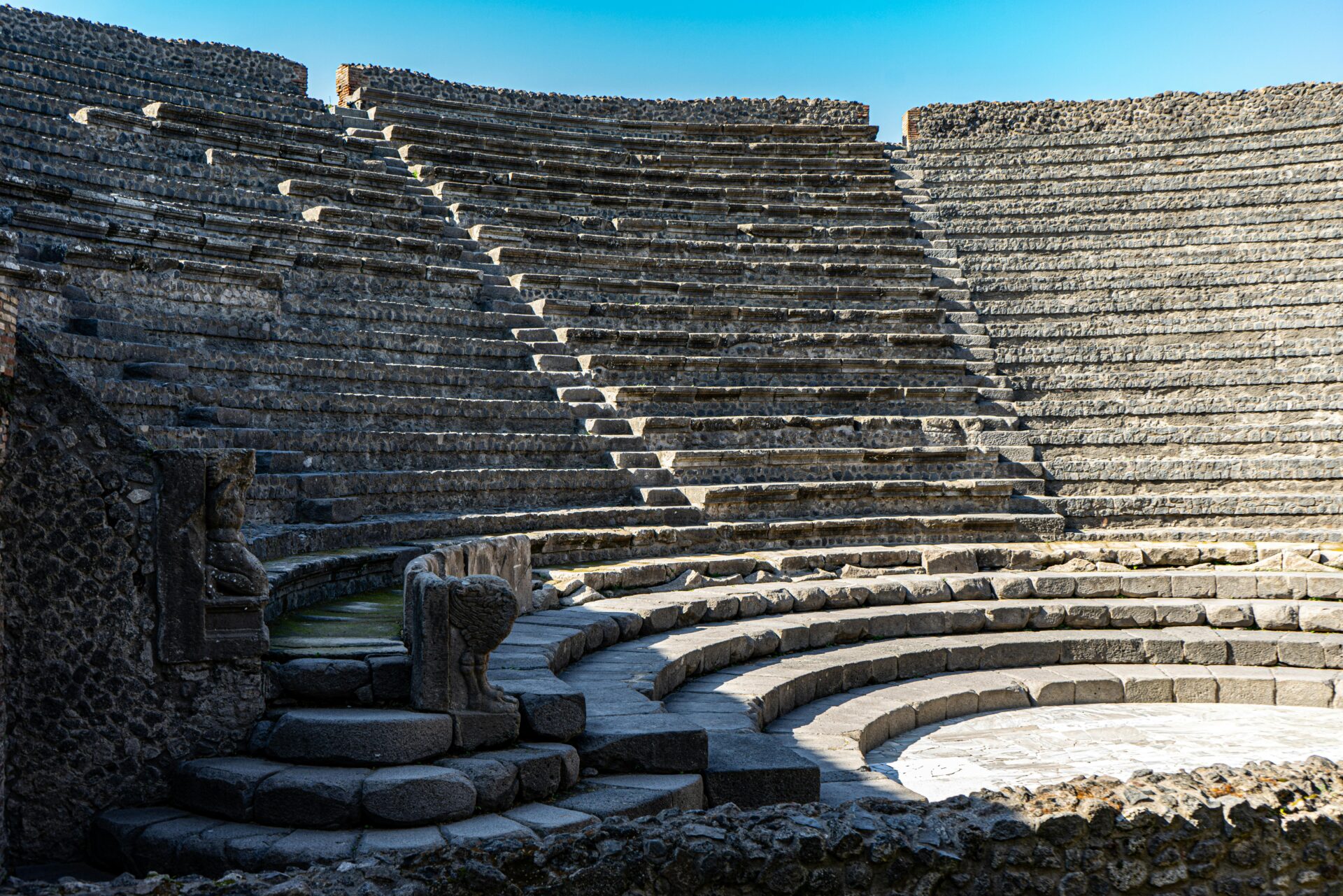
The Roman Amphitheater of Larino stands out as one of the most impressive ancient structures in Molise. This place gives you a peek into the entertainment and social lives of the Romans who called this region home.
Architectural Marvel: Design and Structure
Every time I wander through the amphitheater’s remains, I’m floored by its engineering. Built in the 1st century AD, this oval arena could pack in up to 12,000 people—pretty wild for a small town.
You’ll spot all the classic Roman touches: a central arena ringed by rows of seating. The seating (cavea) separated folks by social status, with officials and aristocrats snagging the best spots.

But the coolest part for me? The underground complex beneath the arena. These hypogeum chambers once held animals, gladiators, and all the gear for the big shows.
Builders used local limestone for the outer walls, and you can still see bits of those arched entrances that let crowds flow in and out.
Gladiator Games and Public Spectacles
The arena’s sand once soaked up the drama of gladiator contests. These weren’t just brawls—they were carefully staged events, with rules and different gladiator classes.
In Larino, the games often celebrated military wins or honored big political names. The spectacles kicked off with a parade (pompa), then wild animal hunts (venationes) took over, showing off exotic beasts.

The main event was always the gladiator fights. These fighters—slaves, prisoners, or glory-seekers—battled with an array of weapons and armor. Sometimes, the arena even hosted public executions, a harsh reminder of Roman justice.
Military Conquest and Entertainment
Romans built amphitheaters to show off their military power and entertain the masses. After a conquest, they’d put up these grand structures as symbols of their reach.
I find it fascinating how they used these venues for more than just fun—they reinforced authority here. Veterans and soldiers got the best seats, tying military service to social rank.
For a few hours, everyday worries faded as everyone gathered for the games. People from all walks of life came together, sometimes catching a glimpse of their rulers.
The amphitheater also hosted civic ceremonies and announcements, making it a real community hub.
Renaissance Palaces: Symbols of Virtue and Culture
While exploring Larino, I realized how Renaissance palaces became powerful symbols of culture and civic virtue. These buildings weren’t just for show—they blended art, politics, and daily life in surprising ways.
Palatial Artistry: Frescoes and Decor
Larino’s palaces burst with artistic flair, from elaborate frescoes to intricate decor. I remember standing under ceilings painted with classical virtues—Prudence, Justice, and more. These weren’t just pretty pictures; they were moral lessons in brushstrokes.
Noble families brought in artists to craft spaces that reflected their sophistication. The use of perspective in these paintings blew me away, making rooms feel open and boundless.
Marble, gilded woodwork, and other rich materials shouted wealth and taste. Every detail told you something about the family’s values and their Renaissance ideals.
The Palaces’ Role in Shaping Modern Ideas
Renaissance palaces in Larino changed how people thought about civic life. These places weren’t just homes—they were centers where ideas about politics, art, and society took root.
Open courtyards and grand halls became gathering spots for debate and learning. Palace libraries filled up with classical texts, fueling the humanist movement.
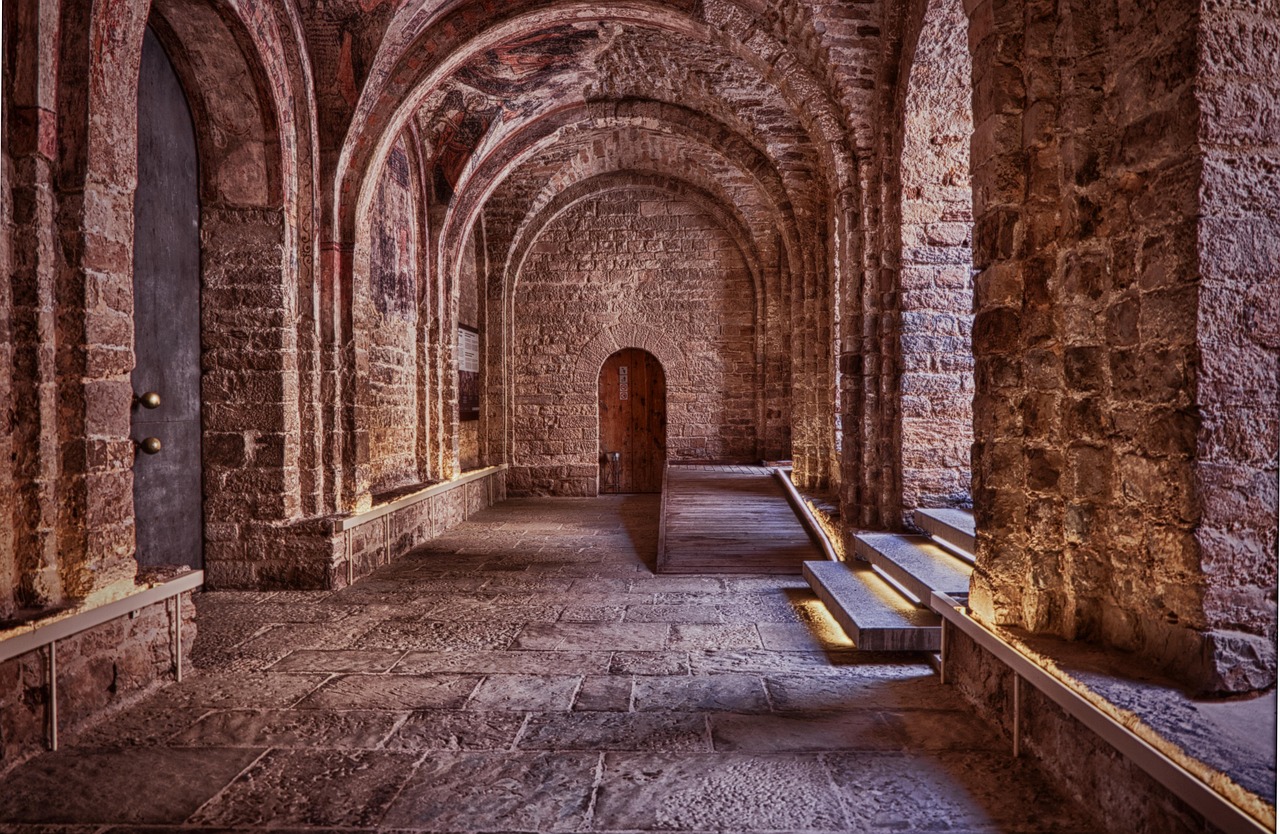
The architecture itself reflected new ideas. Proportional harmony and mathematical precision showed off Renaissance thinking about order and reason.
You can still spot these design echoes in Larino’s civic buildings today.
Noble Families and Local Influence
Powerful families in Larino used their palaces to show off their status and steer local affairs. They built their homes right in the heart of town—definitely not by accident.
Family crests and emblems decorate the façades, loud reminders of who’s in charge. These symbols sent a clear message to everyone passing by.
Palace owners supported artists, musicians, and scholars, creating cultural networks that put Larino on the map.
They also hosted grand celebrations that mixed private luxury with public duty. Using personal wealth for the community’s good still earns respect in Larino today.
Larino’s Dual Heritage in Everyday Life
People in Larino don’t just preserve their Roman and Renaissance heritage—they live it. As I wandered the streets, I kept spotting ancient and Renaissance touches in local traditions and festivals.
Festivals Blending Ancient and Renaissance Traditions
I lucked out and caught Larino’s May Festival. Locals dressed in togas parade from the amphitheater to the ducal palace, acting out the town’s journey through time.
During winter solstice, the community gathers at the amphitheater for a ceremony rooted in Roman times. Renaissance touches, added in the 15th century, make it a blend you won’t find anywhere else.

Food festivals here also mirror this dual legacy. You’ll see Roman recipes with farro and olives next to Renaissance-inspired dishes loaded with imported spices and fancy presentations.
Local Legends and Philosophers
Larino’s philosophical streak draws from both Roman Stoicism and Renaissance Humanism. I chatted with elders who still tell stories of Quintus Larinius, a local Roman philosopher whose practical wisdom lingers in town attitudes.
The library keeps Renaissance manuscripts from the days when Larino buzzed with philosophical debate. Scholars met at the ducal palace to pore over rediscovered classics.
There’s a tradition of annual philosophical walks, where townsfolk stroll from the amphitheater to the palaces. It’s a nod to both Roman and Renaissance thinkers who prized public discourse.
Kids here grow up on legends that knit together their long, layered heritage.
Exploring Larino: Nature, Landscape, and Inspiration
Larino’s natural setting is just as captivating as its history. The rolling countryside, lively wildlife, and hints of mythology give the place a special energy.
Walking Ancient Paths Amid Rolling Hills
On my last visit, the landscape around Larino took my breath away. Hills ripple out from town, dotted with olive groves and vineyards.
Old paths snake through these hills. Some go back to Roman times, stones worn smooth by centuries of travelers.

The scenery shifts with the seasons. Spring paints the hillsides with wildflowers. Summer brings golden wheat fields. In autumn, vineyards blaze red and orange.
These hills aren’t just pretty—they’ve shaped Larino’s fate, guarding it through the ages.
Wildlife Encounters: Jackals and Jackdaws
Larino’s wild corners teem with life. On early morning hikes, I even spotted golden jackals—rare in Italy, and honestly, a bit of a thrill.
Jackdaws are everywhere, nesting in ancient stonework. Their calls fill the air at sunrise and sunset.

Other creatures you might see:
- Wild boar rustling in the woods
- Hares darting through fields
- Raptors circling overhead
- Butterflies flitting about in spring and summer
If you want to spot wildlife, local guides can help—but a little patience goes a long way.
The Influence of Pan and Mythology
The hills around Larino echo with old myths, especially those tied to Pan. Some locals still believe these groves once belonged to the god himself.
I stumbled across shrines tucked into the landscape, blending Christian and pagan symbols. Some are ancient, others just look the part.
During spring festivals, dancers wear olive wreaths and play reed pipes, channeling Pan’s spirit.
If you listen closely, the wind through the olive trees really does sound a bit like Pan’s pipes.
Larino in the Broader Italian and Mediterranean Context
Larino’s story isn’t just local—it’s woven into the wider Mediterranean tapestry. The town’s architecture and culture show centuries of exchange and influence.
Connections to the Peloponnese and Acropolis
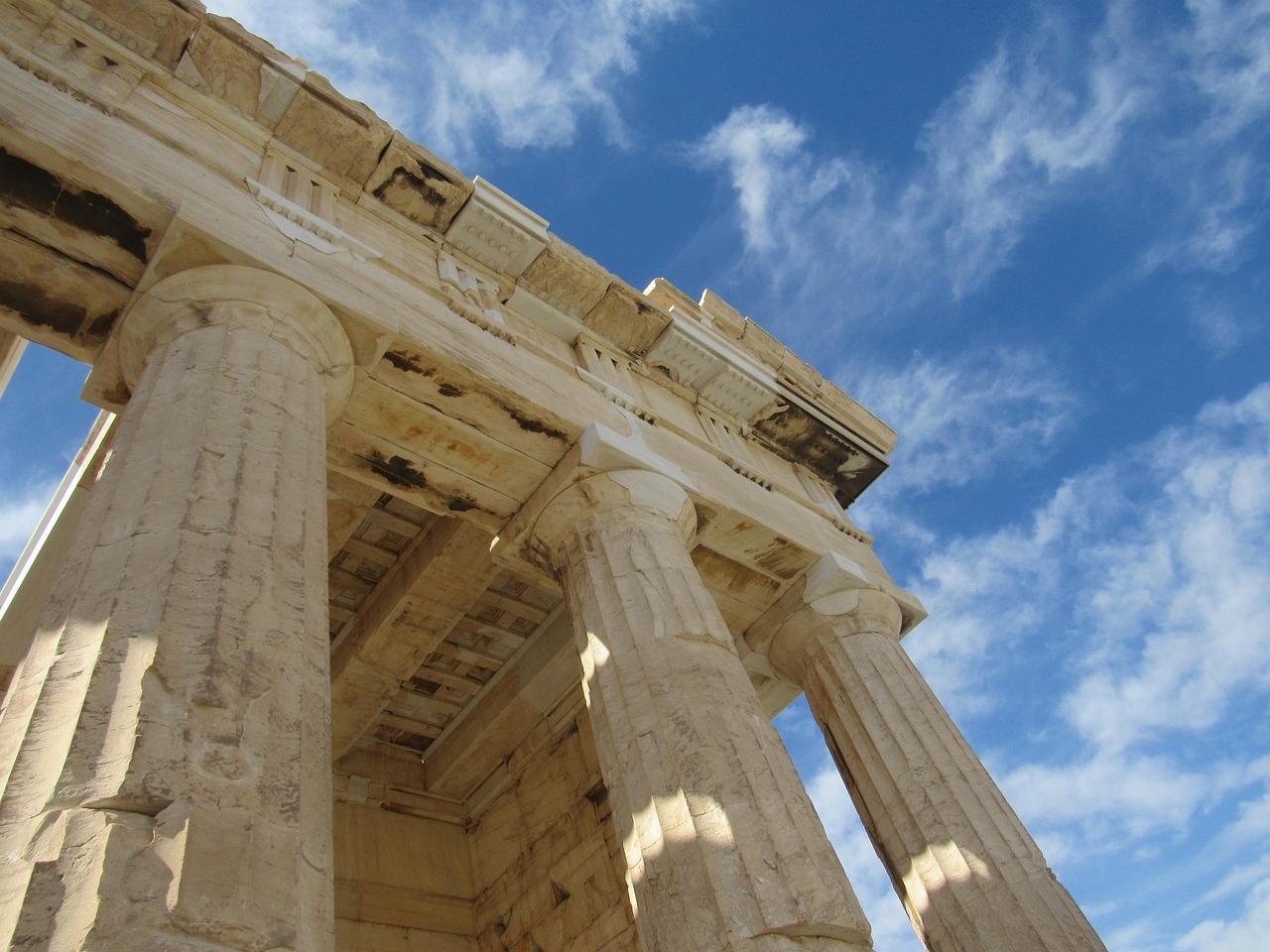
Exploring Larino’s old quarter, I kept spotting hints of Greek style, especially from the Peloponnese. The columns at the amphitheater might be Roman, but there’s something Greek in their lines.
The ducal palace sits high above the town, a bit like the Acropolis in Athens—though on a much humbler scale. This wasn’t just for the view; it’s part of a long Mediterranean tradition.
During spring festivals, I saw dances that local historians say trace back to Greek ceremonies. These connections remind you how trade and culture once flowed across the sea.
Legacies From Ithaca to Jackson and Jacob
Digging into Larino’s past, I found stories tying noble families to Ithaca. Town archives mention Ithacan merchants setting up shop here in the 1400s.
The museum displays letters between an 18th-century Larino scholar named Jackson and his Venetian friend Jacob. They debated Larino’s classical heritage, offering glimpses into how Renaissance minds saw this place.
Every year, artisans in Larino craft traditional goods using age-old methods. These skills, passed down through generations, keep the Mediterranean’s shared heritage alive right here in Molise.