
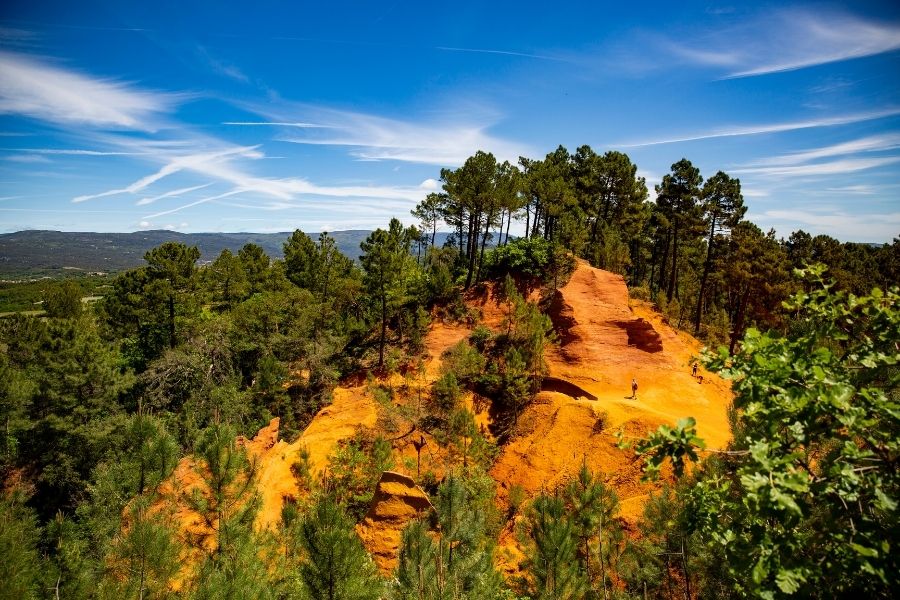
Walking the Ochre Trail in Roussillon felt like I’d wandered into a painting. Fiery cliffs in every shade of red, orange, and yellow surrounded me, almost unreal.
This famous path in the heart of Provence shows off one of the region’s wildest landscapes—nature’s colors shaped over thousands of years. Every turn brought new sandstone towers and rugged cliffs. Some of these cliffs rise more than 25 meters, which makes the scenery stick in your mind.
My steps crunched along the marked trail, and I passed through both narrow ravines and wide plateaus. Ochre dust clung to my shoes, a weirdly satisfying souvenir. The sunlight just makes the earth here glow.
This walk really changed how I see Provence. There’s so much more than lavender fields and sleepy villages.
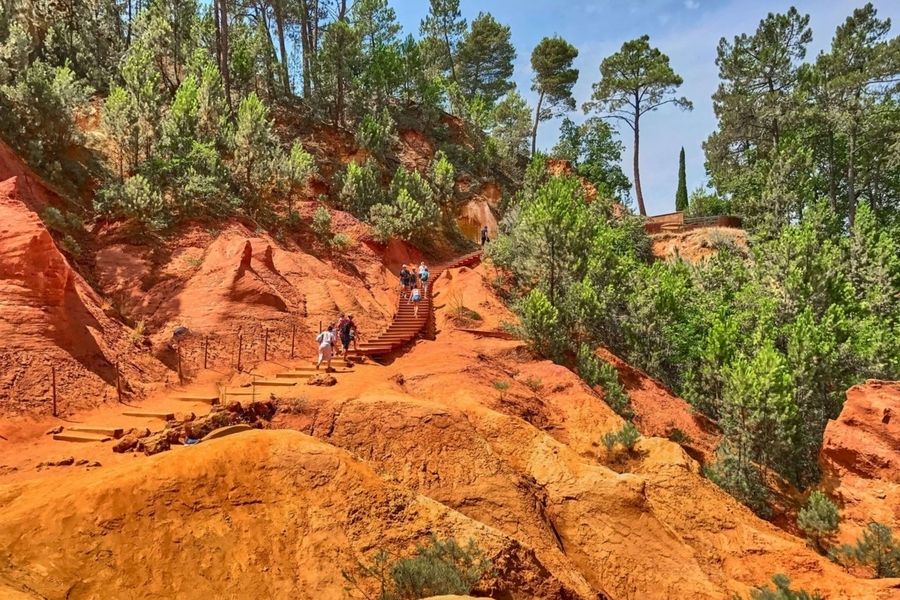
Discovering the Ochre Trail: Roussillon’s Vibrant Heart
The Ochre Trail in Roussillon hit me with a burst of red, orange, and yellow. The cliffs almost seem to tell ancient stories, and the walk through this colorful heart of Provence felt like stepping into another world.
A Glimpse Into Provence’s Most Colorful Village
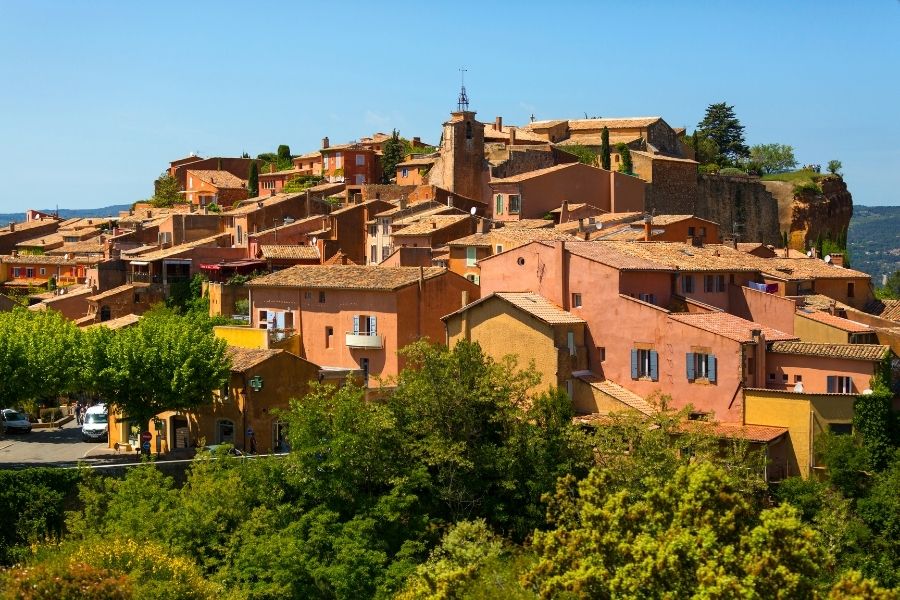
Roussillon isn’t just something you see in guidebooks—it’s a feast for the eyes in real life. When I arrived, I noticed that almost every building matched the orange and red cliffs nearby.
People wandered through narrow lanes, passing cafes and art shops painted in every warm shade you can imagine. Even the air felt tinged with color.
Locals have used ochre pigments for ages, painting their walls in bold colors that seem to glow, especially in late afternoon light.
Roussillon sits on a hill above the Luberon countryside. The village is peaceful but still lively, buzzing with visitors drawn to the Ochre Trail.
I found the main entrance without trouble. Signs pointed me toward the trail, which starts just behind the village square.
There’s a small entrance fee. Honestly, I didn’t mind—it helps keep the trails clean.
As soon as I started walking, the cliffs’ colors made it obvious why so many people call Roussillon the most colorful spot in Provence.
History and Formation of the Ochre Cliffs
Long before tourists showed up, Roussillon’s ochre started forming over 100 million years ago. This part of France used to be under a shallow sea.
Sand and clay mixed with iron oxide, settling into layers that slowly became ochre-rich rock.
Over time, rainwater and wind carved out the cliffs and ravines. The wild shapes along the trail are the result of all that erosion.
By the 18th century, locals figured out how to quarry the ochre and use its pigment for paint, dyes, and even cosmetics.
As I walked, I spotted old quarry sites. Faded equipment and piles of ochre still linger.
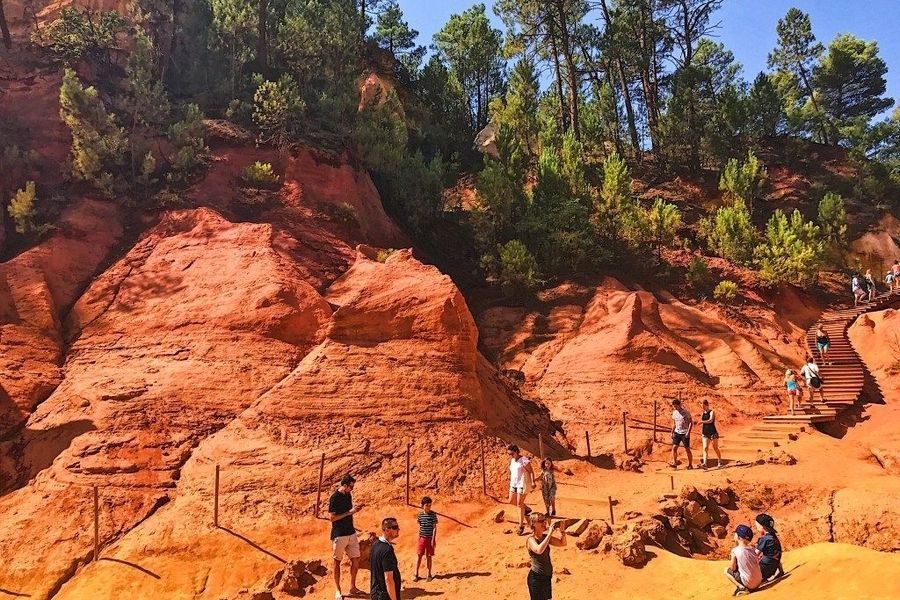
You can feel the history in every step, from the ancient rock to the paths where workers once hauled baskets of ochre.
Today, local protection efforts keep the cliffs safe. The trails let us explore without damaging this wild landscape.
What Makes Roussillon’s Red, Orange, and Yellow So Striking
The cliffs in Roussillon are basically nature’s palette. Iron oxides in the earth create all those deep reds, bright oranges, and soft yellows.
It’s not just sunlight—those minerals run through the rock, coloring everything.
On the main trail, I watched the colors shift as the day went on. In the morning, the cliffs glowed yellow. By afternoon, the reds and oranges deepened.
Even the dust on my shoes was a rich orange, a little reminder of what’s underfoot.
These bold hues set Roussillon apart from anywhere else I’ve been. The color isn’t just outdoors—locals use ochre paint for shutters, pottery, and more.
Artists and photographers must love this place. The colors inspire creativity at every turn.
For anyone who loves vibrant scenery, Roussillon is a dream—part natural wonder, part living art.
Walking the Fiery Landscape: My Journey Along the Trail
The Roussillon Ochre Trail winds through some of the most vivid scenery I’ve seen in Provence. Rich colors, strange rock formations, and the earthy smell of ochre fill the air.
The gentle rustle of pine trees follows you along the path.
First Impressions: Arrival at the Trailhead
I stepped out of the car near the entrance and heard the quiet chatter of visitors. Pine needles scented the air.
The trailhead sits just past the village, where signs make it easy to find your way. Roussillon itself is painted in reds, yellows, and oranges—the same colors as the cliffs.
At the gate, a small ticket booth waits. The fee seemed fair, and the staff handed me a simple map.
I noticed families, solo travelers, and couples, all ready to start their walk. The vibe was relaxed, so even as a solo visitor, I felt at home.
As soon as I stepped onto the ochre dust, my shoes picked up a new hue. Everything here seems touched by color.
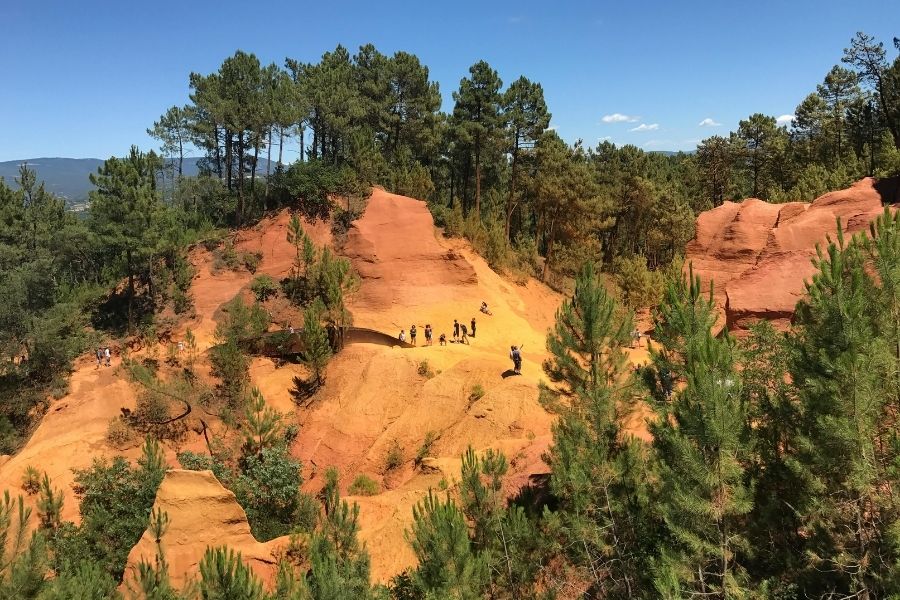
The energy felt different, almost like the whole place was quietly buzzing.
Highlights of the Red, Orange, and Yellow Cliffs
Minutes after starting, the path opened to dramatic cliffs painted in thick layers of red, orange, and gold. The colors didn’t just stand out—they glowed where the sun hit.
Some cliffs towered above, while others sloped gently down into ravines.
I stopped often for photos and to just stare. Some highlights stuck with me:
- Cliffside Lookouts: Wooden railings mark safe spots for panoramic views.
- Narrow Pathways: Parts of the trail squeeze between deep, ochre-colored gullies.
- Exposed Plateaus: Sunny plateaus offer a place to pause and watch the light change.
Every turn along the trail brought a new view of these shifting, layered cliffs.
Sights and Sensations: Colors, Textures, and Aromas
Every sense was on alert. The ochre dust felt soft under my feet and stuck to my fingers when I grabbed the handrails.
Pine trees cast shadows across the path, and the air mixed fresh resin with earthy minerals.
Birds chirped from hidden branches, adding to the rustic soundtrack.
Colors changed constantly. In the shade, ochre turned deep brown. Under the sun, yellows and oranges looked almost electric against the sky.
Top tips for enjoying the Ochre Trail:
- Wear old shoes—ochre stains for life.
- Bring water, especially in summer. There’s not much shade.
- Keep your camera or phone handy. The light changes everything.
I slowed down and let myself enjoy the mix of nature, geology, and a landscape shaped by time.
Practical Guide to Exploring the Ochre Trail
Hiking the Ochre Trail is a colorful adventure through cliffs and winding paths. I picked up some practical tips to help make the most of the visit, from choosing a route to timing your arrival.
Trail Routes: Which Path to Take
You can pick between two main routes, known as the “short circuit” and the “long circuit.”
The short route is about 1 km and usually takes 30 minutes. It’s perfect for families or anyone wanting a quick look.
The long route is around 2 km and takes under an hour. I chose the long one so I could see every view.
The paths are clear and well-marked—not too steep, but some stairs and sandy spots can get slippery.
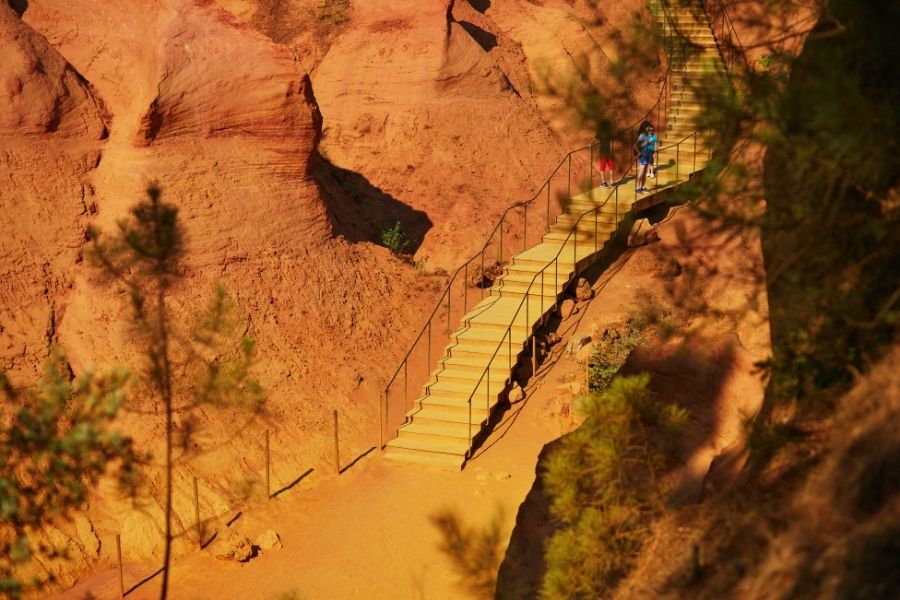
Wear good walking shoes. Bright clothes pick up orange dust fast, as I learned.
Here’s a quick comparison:
| Route | Distance | Time | Best For |
|---|---|---|---|
| Short Circuit | 1 km | ~30 mins | Quick visits, families |
| Long Circuit | 2 km | ~60 mins | Photo stops, longer walks |
When to Visit for the Best Experience
The trail stays open all year, but timing matters.
Spring and early autumn are my favorites. The weather’s mild, and crowds are smaller.
I went early on a weekday, so the paths were quiet and the cliffs glowed in golden light.
Midday in summer gets hot, and there’s little shade. Go in the morning or late afternoon for the best photos.
Check the trail’s opening hours before you go—they change with the seasons.
After rain, the colors look even brighter, but some parts get muddy. In winter, bring a jacket. The wind can bite.
Admission, Access, and Visitor Facilities
You’ll pay a small fee at the entrance booth. Last time, it cost just a few euros.
That money goes toward keeping the paths and safety barriers in good shape.
Parking sits just outside Roussillon, with a short stroll through the village’s colorful streets to reach the trailhead.
Toilets are near the entrance, and you’ll find a few info boards with maps and history.
The trail doesn’t work well for wheelchairs or strollers—stairs and uneven ground make it tricky.
I brought water and snacks since only a few shops near the entrance sold food. There aren’t any lockers, so I traveled light.
After my walk, I stopped at a small café and poked around the souvenir shops back in town.
Inspirations and Photogenic Moments
Roussillon’s Ochre Trail feels like an open-air art gallery where nature does the painting.
Every turn brings new shades of red, orange, and yellow—ideal for anyone who loves vibrant landscapes.
Capturing the Colors: Photography Tips for the Ochre Trail
A camera or even a phone easily captures the intense ochre shades.
I found the colors looked best just after sunrise or an hour before sunset. Low sun brings out richer reds and softer golds.
When I take photos, I focus on contrasts—blue sky against orange cliffs, or green pines beside fiery rocks.
Using the “vivid” or “landscape” setting on my phone helps the colors pop.
If people are in the shot, I ask them to wear simple colors (white or blue works great) so they stand out.
I skip heavy filters—the cliffs are already brilliant. A polarizer lens can help with glare on sunny days.

Some of my favorite photos come from getting low and pointing the camera up. It makes the cliffs look even taller and the color contrasts more dramatic.
Where to Find the Most Striking Vistas
The Ochre Trail has plenty of spots that stopped me in my tracks.
Near the entrance, there’s a famous lookout with a panoramic view of ochre cliffs and pine trees. It’s usually busy with photographers.
Halfway through, I like to pause on a wooden platform over the old quarry. The cliffs look especially rugged here, and you get every hue from deep red to pale yellow.
Best lookout spots on the Ochre Trail:
| Location | View Type | Time of Day |
|---|---|---|
| Entrance Scenic Overlook | Wide panorama | Morning/Early PM |
| Mid-Trail Wooden Platform | Cliffs close-up | Late afternoon |
| Quarry Edge | Layered colors | Sunset |
For a quieter view, I sometimes wander off the main path (where it’s allowed) to a side trail. Those less crowded spots feel like my own private discovery.
Painting and Sketching Amidst the Cliffs
The Ochre Trail isn’t just for hikers—it’s a haven for artists, too. I always pack a small sketchbook and a watercolor kit before heading out.
My favorite spots are the shaded benches or those quiet little nooks along the path. I can sit and soak in the colors without blocking the way for anyone else.
Shadows move fast here. I try to get the outline of the cliffs and the big color shapes down first. Watercolors really bring out the reds and oranges that shift in the light.
Now and then, I spot artists using bits of ochre rock to draw straight onto their paper. That’s pretty cool, honestly.
Art supply shops in Roussillon actually sell pigments made from local ochre. Painting outside, right in the middle of all those colors, just makes everything feel more real. Each sketch picks up something from the day, and the landscape ends up living in my memory.
Connecting With Provence’s Culture and Natural Beauty
Walking the Ochre Trail gave me more than just pretty views. I feel like the colors of Roussillon come alive through the creative folks and the daily life in the village.
Local Artisans and Ochre Workshops
Ochre shapes Roussillon’s history—not just on the cliffs, but in its art and crafts. Local workshops open their doors so visitors can see how they make ochre pigments.
I watched a craftsman grind red and yellow rocks into fine powders. Inside the workshop, jars overflowed with rich hues, each one echoing the landscape outside.
Some places run short classes where you can mix your own ochre paint or make a simple piece of art to take home. The artisans seem genuinely friendly, and they love sharing their methods and stories about ochre miners and painters.
I walked out with ochre-stained fingers and a deeper appreciation for how this mineral shaped tradition and creativity in Provence. Bringing home a little pot of pigment or a hand-painted tile just feels way more special than a typical souvenir.
Exploring Roussillon Village Beyond the Trail
After I wrapped up my walk, Roussillon just drew me in even more. The village bursts with those same bold reds and oranges you see on the cliffs—honestly, it feels like every street corner is part of that ochre story.
Cobblestone streets wind past galleries and bakeries. I wandered by houses with bright shutters and windowsills overflowing with flowers.
I stopped at a café for an espresso. Artists sat nearby, sketching the scenery while I watched people pass.
A few tiny shops caught my eye. They sold handmade soaps and ceramics, all clearly inspired by the local colors.
As I wandered through the quieter alleys, I started to notice the village rhythm. Kids played on the steps, neighbors chatted in shady doorways.
Fresh bread cooled on window ledges. The colors and that sense of community just made Provence feel so alive—more than just a place on a map, you know?
