
When I landed in Saint-Germain-des-Prés, it honestly felt like I’d wandered straight into the heart of Paris’s creative legacy. Every corner seemed to pulse with old stories—famous writers, jazz legends, artists who made these winding streets their own.
Saint-Germain-des-Prés is the spot if you crave iconic Parisian cafés, indie bookstores, and that timeless vibe that made Paris a magnet for dreamers.
As I strolled through, buzzing cafés spilled out onto sidewalks where Sartre and Simone de Beauvoir once debated over coffee. Jazz drifted from open doors while I hopped between bookshops and galleries. The energy here feels both historic and alive, drawing in art lovers, readers, and music fans from all over.
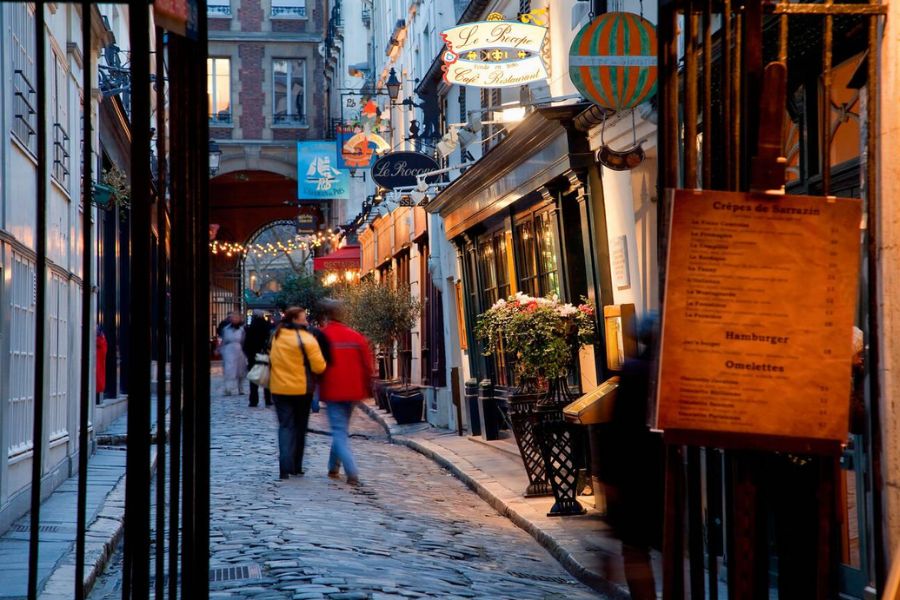
If you’re after the real Paris—the one where culture and curiosity collide—this neighborhood delivers. My wandering through its cafés, bookshops, and jazz clubs made it clear why Saint-Germain-des-Prés still inspires people from everywhere.
Saint-Germain-des-Prés: Literary Legacy and Artistic Influence
Honestly, it’s tough to capture just how much Saint-Germain-des-Prés has shaped Paris’s creative world. With its legendary cafés, lively bookshops, and late-night jazz, this Left Bank neighborhood turned into a playground for writers, artists, and thinkers who wanted to shake things up.
Literary Modernism in Saint-Germain-des-Prés
After World War II, Saint-Germain-des-Prés became the heart of literary modernism. Smoke-filled spots like Les Deux Magots and Café de Flore buzzed with philosophers, poets, and novelists searching for new ways to see the world. Jean-Paul Sartre and Simone de Beauvoir argued existentialism here, laying foundations for modern French literature.
Reading about those days, I tried to picture the heated debates about Nietzsche or someone scribbling notes that would shape an entire generation. The neighborhood seemed to breathe freedom and creative risk, and honestly, it still pulls me in every time.
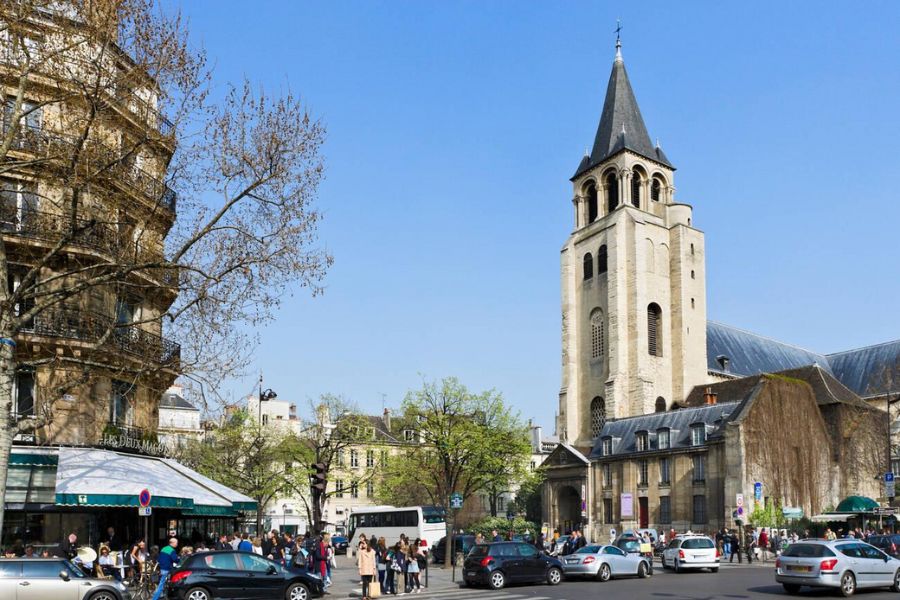
Bookshops and literary hangouts keep that spirit going. Browsing shelves or catching a reading, I felt echoes of past writers nudging me to think about my own childhood dreams of writing. Somehow, it made me see memoir and autobiography in a new light.
The Influence of French Literature
French literature runs deep in Saint-Germain-des-Prés. Voltaire and Rousseau once lived here, and stories like The Scarlet Pimpernel by Baroness Orczy found fans in these Left Bank circles. The café terraces welcomed everything from poetry to political manifestos.
As I wandered past old landmarks, I could almost hear the writers’ voices in the air. The narrow streets whispered old tales, linking my reading of ancient texts to the present. French literature isn’t just some relic here—it’s alive and kicking.
Finding new translations and stumbling on Hungarian writers whose memoirs traced wild journeys to Paris always surprised me. Naomi’s books sat right next to French classics, proof that this neighborhood loves all voices, not just the famous ones.
Famous Authors and Their Haunts
Writers and artists turned Saint-Germain-des-Prés into their playground. Ernest Hemingway edited drafts in local cafés. James Joyce finished Ulysses while living nearby. The American expat crowd mingled with French thinkers over coffee, jazz, and maybe a croissant or two.
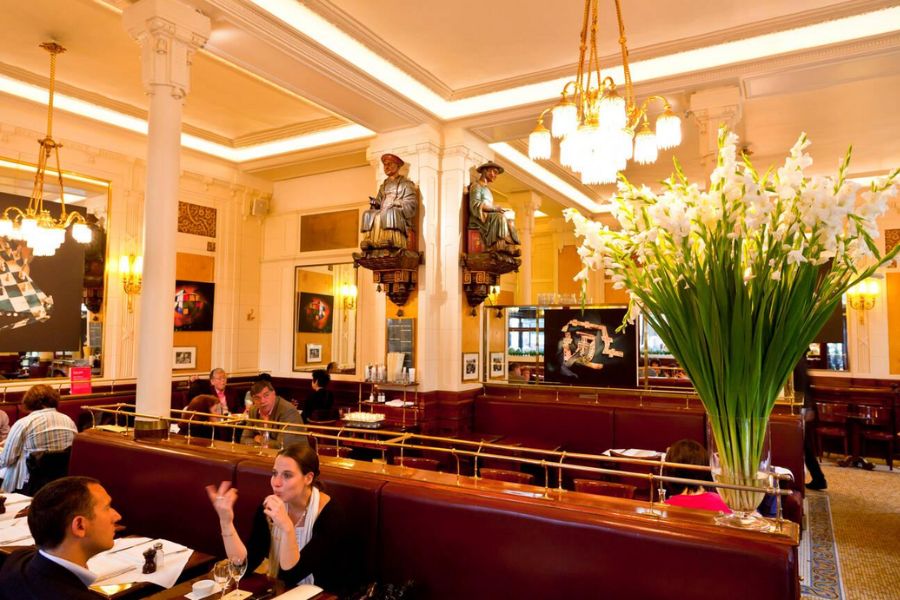
Most mornings, I grabbed a corner seat at Café de Flore or Brasserie Lipp and imagined myself following in the footsteps of literary giants. I pictured Voltaire arguing philosophy, or Baroness Orczy plotting her next secret. Locals shared stories about nights when jazz spilled onto the street, setting the scene for poets and dreamers.
If you visit, try a few of these legendary spots. Sip an espresso, eavesdrop on the chatter, and let the creative buzz spark your own ideas. In Saint-Germain-des-Prés, literary history isn’t just something you read about—you actually feel it.
Cafés of the Left Bank: Culture, Creativity, and Conversation
The old-world cafés of Saint-Germain-des-Prés line the streets like living rooms for artists, writers, and anyone who loves the city’s slow, thoughtful rhythm. Each place has its own personality and a stack of stories.
Iconic Cafés of Saint-Germain-des-Prés
Whenever I walk down Boulevard Saint-Germain, I spot the terraces of Les Deux Magots and Café de Flore. Both have become symbols of Parisian culture and creativity. Hemingway scribbled notes here. Simone de Beauvoir and Sartre argued philosophy at neighboring tables.
Les Deux Magots sits on a busy corner, always alive with tourists and locals. The sense of history and free thought lingers in the air. Café de Flore stands across the street, famous for its art deco interior and waiters who never hurry you. Both cafés have watched waves of literary debate and artistic change.
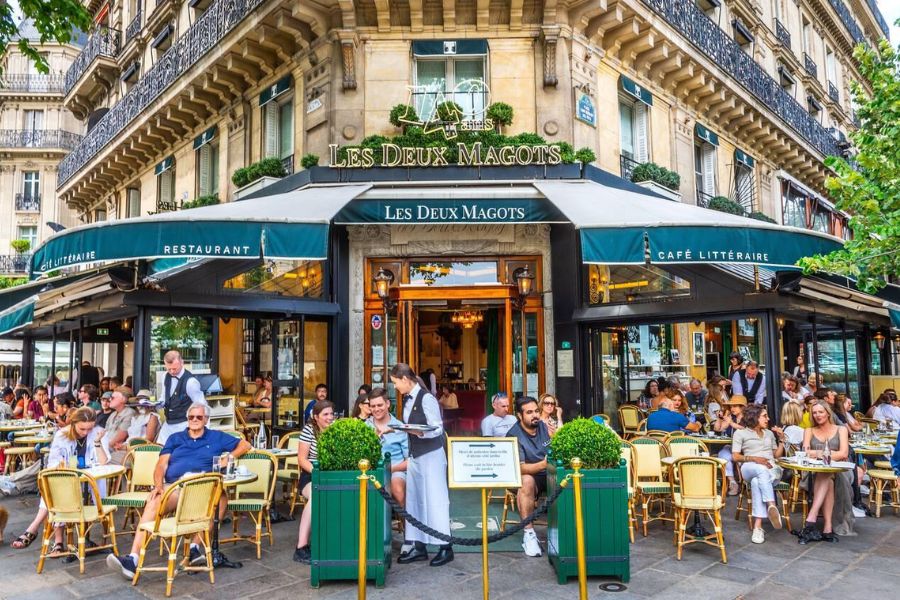
Here’s a quick comparison of the two:
| Café | Famous Guests | Signature Feature |
|---|---|---|
| Les Deux Magots | Hemingway, Picasso | Intellectual debates |
| Café de Flore | Beauvoir, Sartre | Art deco, attentive staff |
Famous Encounters and Creative Exchanges
Saint-Germain’s cafés attract people who care about bold ideas and new art. Creative minds have always found encouragement and inspiration here. When I sit among the old black-and-white photos on the walls, I try to imagine the conversations that shaped modern literature.
Artists and writers didn’t just socialize—they challenged each other with criticism and debate. Picasso talked painting techniques, while Camus picked apart plots over endless espressos. Every cup of coffee seemed to spark a new idea.
These cafés turned into informal classrooms. Criticism happened face-to-face, and sympathy flowed as freely as the house red. The legacy of those exchanges still lingers in the layered atmosphere.
Savoring Parisian Café Life
Just sitting at a Left Bank café feels like an experience. I open my notebook and soak up the sounds—cups clinking, quiet laughter, maybe a line of poetry. Time slips by when you’re lost in conversation or just people-watching.
The slow pace lets me reflect. Waiters in crisp aprons move through the scene, dropping off tiny cups of coffee with a nod. Their patient, almost gentle attitude makes it easy to linger.
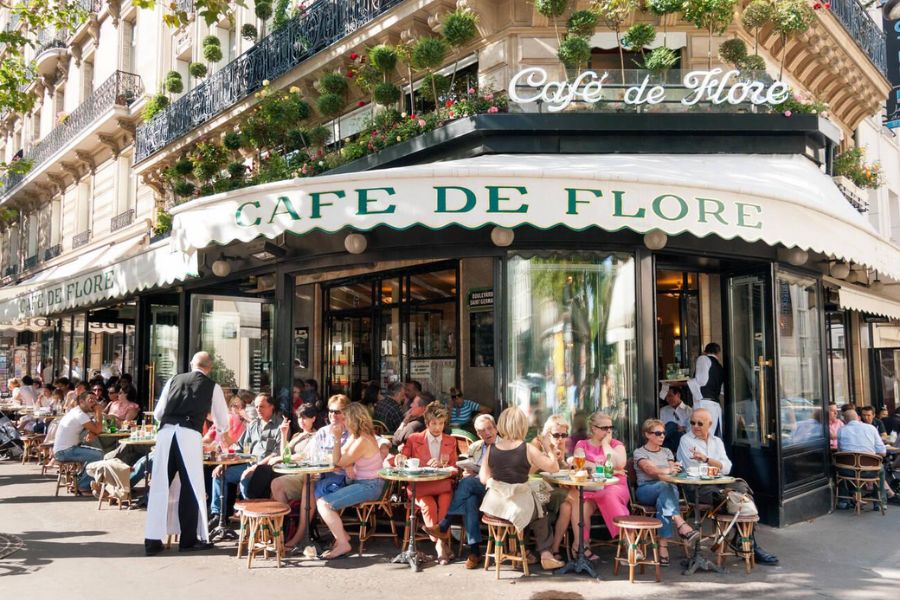
Cafés in Saint-Germain teach you to be present. The spirit of support and creative exchange still fills the air. Even on my own, I never feel out of place—there’s always inspiration brewing nearby.
Bookshops and Literary Exploration in Saint-Germain-des-Prés
As I wandered Saint-Germain-des-Prés, I felt surrounded by the spirit of writers and readers. The bookshops, copyright history, and the mix of old and new reading styles create a literary world that’s just waiting to be explored.
Historic Bookstores and Their Stories
Saint-Germain-des-Prés is packed with some of Paris’s most beloved bookshops. I ducked into Shakespeare and Company, the legendary English-language bookstore near the Seine. The scent of old paper, the maze of shelves, and notes tucked away by travelers showed me why writers like James Joyce and Hemingway loved it.
Smaller, independent shops line the nearby streets. Each one has its own story—a spot where artists and philosophers gathered over the years. I found rare French poetry at Librairie Tschann and stumbled into a back alley shop with vintage comics. These stores have survived for decades, even as the neighborhood changes around them. They’re more than shops; they’re living pieces of Paris.
Don’t miss:
- Shakespeare and Company: Famous for its “tumbleweed” tradition, letting young writers sleep among the shelves.
- Librairie Gallimard: Known for its rich history and serious literature.
- Librairie Tschann: Offers both French classics and new discoveries.
Public Domain and Copyright in Parisian Book Culture
Paris’s book scene thrives thanks to its unique approach to copyright and the public domain. Many classic French works—think Victor Hugo or Marcel Proust—are free to read because of generous copyright laws in France and the EU. The first thing I noticed were tables full of public domain books at street stalls along the Seine.
Project Gutenberg makes thousands of these classics free as ebooks. Shopkeepers explained how, over time, new works move into the public domain, making literature accessible to everyone. This steady flow from copyright to public ownership keeps Paris’s literary world vibrant.
Copyright laws shape what’s on the shelves. Some shops focus on rare first editions, others on newly public domain classics. Looking up the copyright status of a favorite book, I realized how legal rules and a sense of virtue—giving everyone access—work together here.
Reading Experiences: eBooks and Print
On the Left Bank, I spotted both old and new reading habits. Some people lounged in cafés with battered paperbacks, while others tapped through ebooks on their phones. I switched between a slim volume of Baudelaire and a Project Gutenberg file on my eReader.
Print books still hold a special place here. Turning real pages in a café, surrounded by locals and visitors, brings a kind of slow joy. But ebooks come in handy—especially for travelers who don’t want to lug around heavy bags. Parisian bookshops now often sell both, and I noticed free Wi-Fi signs inviting readers to download classics with their coffee.
Quick tip: Want to blend in? Carry a small paperback. But if you’re staying a while, download some public domain gems from Project Gutenberg and read wherever you roam.
The Jazz Scene and Musical Life of Saint-Germain-des-Prés
Saint-Germain-des-Prés stands as the beating heart of Parisian jazz, mixing legendary music spots with a street life that hums late into the night. The cafés and cellar clubs are woven into the city’s jazz history, and their magic keeps going through festivals, dance, and everyday rhythms.
Parisian Jazz Legends and Hotspots
When I wander through Saint-Germain-des-Prés, I swear I can hear echoes of jazz spilling from every doorway. The area has welcomed jazz greats—Miles Davis, Bud Powell, and Django Reinhardt all played here. The cellars and smoky clubs became their stages.
Legendary venues include:
- Le Caveau de la Huchette: Known for its wild jam sessions.
- Le Duc des Lombards: Hosts world-class acts and intimate shows.
- Les Deux Magots and Café de Flore: Both served as gathering places for literary and musical crowds after long nights.
The annual Jazz à Saint-Germain-des-Prés festival brings special concerts in May, drawing jazz lovers from everywhere. Many bars and cafés also feature live sets throughout the year.
The Neighborhood’s Dynamic Musical Heritage
For decades, Saint-Germain-des-Prés has pulled in musicians, artists, and students. The jazz boom took off after World War II, when American GIs brought the sounds of New Orleans and Harlem to the Left Bank. Jazz blended with French chanson, and new styles took root.
The music scene here isn’t stuck in the past. New bands and soloists keep things fresh. Street musicians play in public squares, sharing sounds from jazz to gypsy swing and beyond.
I love passing classic bookshops and suddenly catching the sound of a saxophone, mixing with the city’s rush. The old and new blend together, making music part of daily life.
Dance and Nightlife Culture in the Left Bank
Jazz rhythms still pulse through the dance floors and bars of Saint-Germain-des-Prés. Clubs like Caveau de la Huchette keep the party going late, with everything from swing and lindy hop to wild Latin jazz nights.
Live bands crank up the energy. The nightlife here feels open and social—locals and travelers just drift together, sipping wine, chatting about art or politics, and soaking in the piano tunes.
Nobody expects you to be an expert. You can join the fun or just watch from the sidelines, and nobody minds either way.

Honestly, catching a midnight set with friends in some vaulted basement feels like a rite of passage in Paris. The music and dancing in Saint-Germain-des-Prés always turn the night into a celebration of art and community.
Tracing Heritage and Memories: Personal Pilgrimage Through the Neighborhood
As I walked the streets of Saint-Germain-des-Prés, I kept feeling layers of history and connection with every step. This wasn’t just another Paris trip for me—it was a way to follow threads of family, culture, and memory across borders and years.
Ancestry, Childhood, and Family Ties
Growing up, stories about my ancestry popped up around the dinner table all the time. My Hungarian roots shaped not just holidays but also the little routines of daily life.
Childhood felt like a bridge between worlds—one foot in Eastern Europe, the other always itching for Western adventure. Paris, and especially the Left Bank, had this mythic pull in family stories.
Saint-Germain-des-Prés with its bookshops and cafés became a symbol of art and discovery. Sometimes I wondered how different things might’ve been if my family had landed here instead.
Old family photos—faded and creased—showed relatives at railway stations or crowded cafes. Sometimes it was Budapest, sometimes Parisian terraces. These images became maps as I tried to trace their steps, looking for places where memory and reality blurred together.
Connecting Hungarian Roots to Paris
Even though my family left Hungary ages ago, that identity sticks with me. When I first set foot in Saint-Germain-des-Prés, I felt echoes of Hungarian writers and artists who once gathered here.
There’s common ground in longing and art, and in cafés filled with strangers.
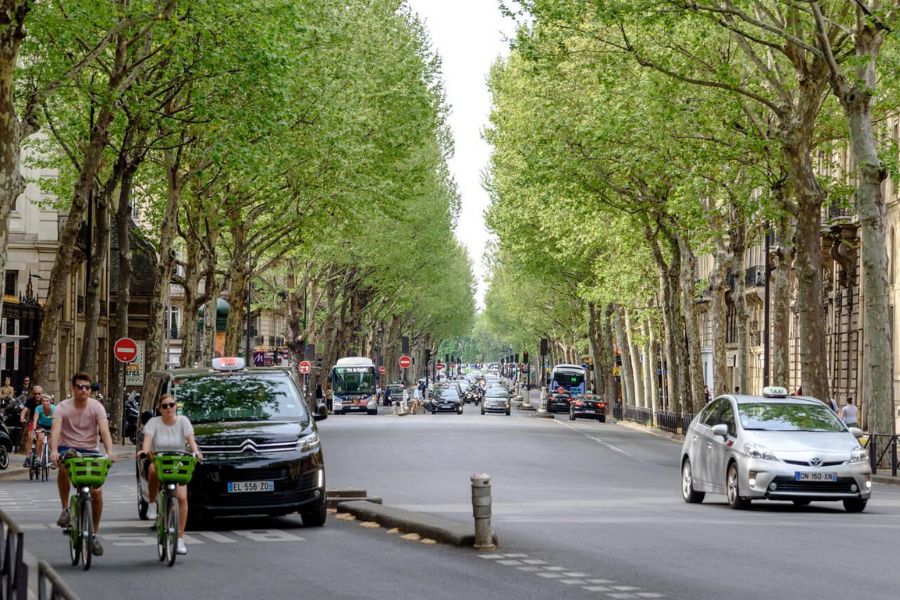
Table: Similarities Between Budapest & Saint-Germain-des-Prés
| Budapest | Saint-Germain-des-Prés |
|---|---|
| Literary coffeehouse traditions | Historic cafés and intellectual life |
| Art nouveau architecture | Elegant facades, iconic design |
| Danube river walks | Strolls along the Seine |
Some days, I’d sit in Café de Flore or Les Deux Magots, letting the jazz drift through the air. The sound reminded me of family gatherings—music, laughter, voices mixing Hungarian and French.
The comfort of familiar dishes like dobos torta or goulash always seemed just around the corner in Parisian bistros, tying my two worlds together.
Journeys: Budapest, Trianon, and Railway Adventures
The trip from Budapest to Paris has always meant more than just travel—it’s layered with personal and historical weight. The Treaty of Trianon upended my grandparents’ lives overnight, shifting borders and destinies.
Stories of migration started with sorrow but somehow turned into adventures along Europe’s railway lines. Railway journeys, once long and uncertain, became big family events.
Trains meant hope, challenge, and a constant sense of movement. I remember old journal sketches, tickets pressed between pages, and stories about delays and crowded stations.
There’s a certain magic in those memories—always moving, always searching for a place that feels like home. When I travel by train now, I can’t help but think of those family journeys.
The hum of the tracks, the changing scenery, and that anticipation of arrival all echo the stories I grew up with. Saint-Germain-des-Prés stands as both a destination and a reminder of all those journeys.
Monte Carlo Connections and Inconvenience Along the Way
Not every family adventure goes off without a hitch. One side trip to Monte Carlo turned into a story we still laugh about at home, mostly because it was such a hassle.
We dealt with train delays. Missed connections left us scrambling for a hotel at the last minute, in a city overflowing with tourists and gamblers. Honestly, it felt like everything that could go wrong did.
That whole mess taught me something: travel’s never really perfect, is it? Inconvenience just sneaks in and becomes part of the story. Even if you think you’ve got it all figured out, you can lose tickets, mess up timetables, or get tripped up by language barriers.
You just have to roll with it.
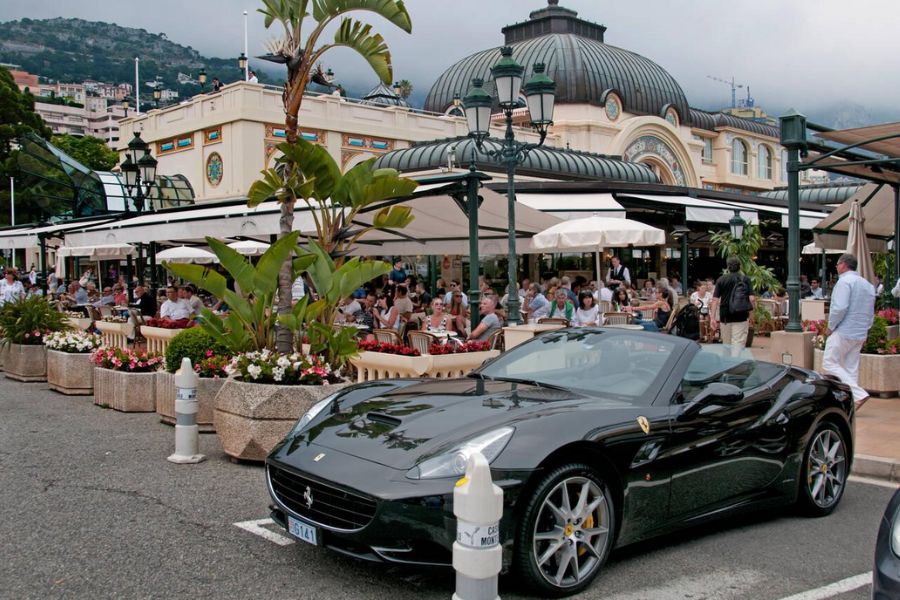
When I finally made it back to Paris after that Monte Carlo chaos, Saint-Germain-des-Prés felt like a warm hug. I noticed the rhythm of the neighborhood cafés more than ever, and those old cobbled streets—maybe my ancestors wandered them too—felt extra comforting.
Funny how each hassle ends up weaving itself into my life’s own tapestry of travel.
