
Stepping into Sainte-Chapelle in Paris felt like entering another world. Sunlight poured through thousands of stained glass panels, filling the chapel with colors I didn’t think were even possible.
Nothing really prepared me for the jaw-dropping sight of all that light spilling across the chapel—Sainte-Chapelle shows off Gothic art right in the heart of France’s capital.
The chapel boasts 1,113 stained glass windows, each one telling Bible stories in bright, shimmering detail. Walking beneath the high, vaulted ceilings, I understood why people call this place a jewel box of glass and light.
Its rose window, finished in the late 1400s, stands out as a highlight for anyone exploring European history in Paris.

If you’re visiting Paris or traveling around Europe, you really should put Sainte-Chapelle on your must-see list. Seeing those windows up close is unforgettable, and it’s easy to reach from other big sights like the Louvre.
History of Sainte-Chapelle
Walking into Sainte-Chapelle, I felt surrounded by stories from eight centuries ago. Royal ambition, faith, and the chaos of revolution have all left their mark on these delicate walls and glowing glass.
Origins and Construction
Between 1242 and 1248, King Louis IX, later Saint Louis, had Sainte-Chapelle built. The chapel sits on the Île de la Cité, right in the heart of Paris and not far from Notre-Dame.
He wanted a royal chapel for his palace, and the architecture still blows my mind. Architects and craftsmen poured their skill into it, blending Gothic style with a wild sense of verticality.
Enormous stained glass windows replaced most of the stone walls, turning light into color. Its layout is compact but grand.
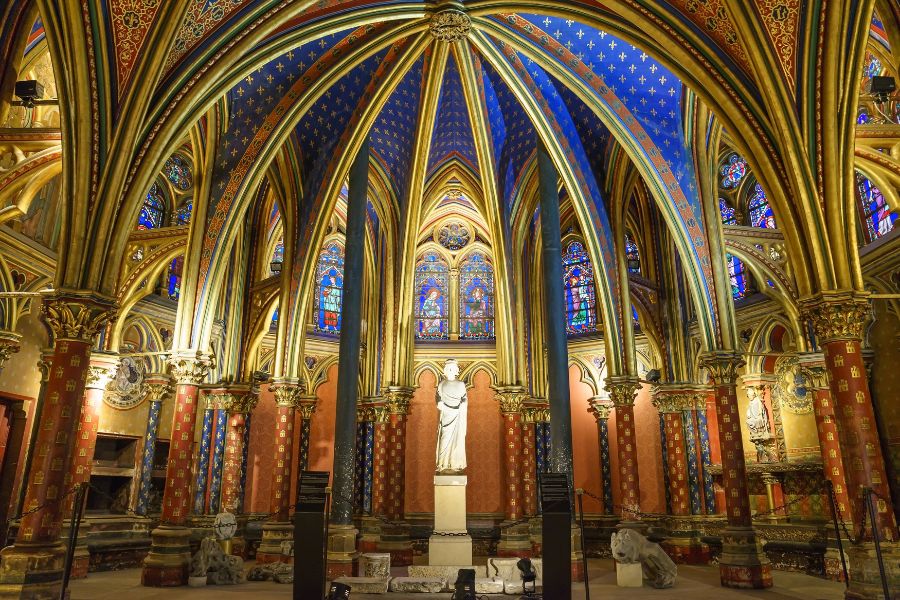
There are two levels—a lower chapel for palace staff and an upper chapel for the royal family and their treasures. Every time I step in, I imagine what it felt like to be part of the medieval French court, climbing those spiral stairs and looking up at a sea of color.
Saint Louis and the Relics
Louis IX was deeply religious and wanted to bring glory and protection to France through faith. In 1239, he bought the Crown of Thorns—a relic believed to have been worn by Christ—and several other sacred objects from Constantinople.
These relics actually cost more than the chapel itself. To protect and display them, he ordered Sainte-Chapelle built as a magnificent reliquary.
When the relics arrived, crowds lined the streets for a grand procession. I’ve read old descriptions of people in awe, much like visitors today.
Inside, the relics sat on the upper level’s raised platform, surrounded by columns of stained glass. For a time, Sainte-Chapelle became the spiritual heart of the French monarchy.
It quickly grew into a symbol of royal piety and prestige.
Survival Through Revolution and Terror
The French Revolution turned everything upside down for Sainte-Chapelle. Anti-monarchy anger swept Paris, and people took the chapel’s relics away—some were destroyed, while others survived in the treasury at Notre-Dame.
Revolutionary mobs targeted royal symbols all over the city, from the Bastille to the Tuileries Palace. Sainte-Chapelle barely escaped total ruin.
Most of the chapel’s original furniture and decoration vanished. During the Commune and later unrest, fear of more damage hung over this delicate gem.
I always try to picture how empty and quiet it must have felt as the city outside raged with revolutionaries plotting new orders.
Restorations and Preservation
By the 19th century, Sainte-Chapelle had fallen into rough shape—windows darkened, sculptures broken, and decoration lost. Under King Louis XV, hardly anyone cared about fixing it.
But when France started appreciating its heritage, restorations got underway in the 1830s. The work dragged on for decades.
Architects cleaned and replaced damaged glass, trying to use old techniques. Some glass even got moved around or borrowed from other parts of Paris.
Restoration teams did what they could to capture the medieval skill and spirit. Now, thanks to modern preservation, those iconic stained glass windows shine as vividly as the day I first saw them—making every visit magical, rain or shine.
The Stained Glass Windows: A Dazzling Masterpiece
Sainte-Chapelle’s stained glass windows are the true heart and soul of the chapel. From the moment I walked in, the windows told stories with light and color, drawing me in and filling the space with awe.
Artistry and Craftsmanship
Each of the fifteen main stained glass windows stands close to 50 feet (about 15 meters) tall. The sheer skill and patience it took to plan and build something this complex is hard to believe.
The windows use 1,113 individual panels, each carefully pieced together like a giant puzzle. Artisans in the 13th century used colored glass and bits of enamel to create designs that look almost painted.
Their work has survived centuries, outlasting fires and revolutions. From below, I could spot crowns, lilies, and other symbols of the French monarchy.
As I moved along the gallery, the windows became more than decoration—they felt like living history. I could almost sense the craftsmen and artists behind every panel.
Biblical Stories in Glass
The windows tell more than royal stories—they bring the Bible to life. Each panel shows scenes from both the Old and New Testaments.
Instead of reading words, I “read” the story of creation, Moses crossing the Red Sea, and the Passion of Christ through glowing pictures. Following the sequence of glass panels, I felt like I was walking through a gallery of faith.
The images flow in order, inviting visitors to join an adventure that stretches into eternity. Every detail, from facial expressions to backgrounds, helps people understand scripture—especially those in medieval times who couldn’t read.
It’s amazing how faith, art, and storytelling come together in this visual language.
The Jewel Box Effect: Light and Color
People call Sainte-Chapelle a “jewel box,” and when sunlight pours through the glass, you see why. The morning I visited, beams of light turned the whole chapel into a sparkling rainbow.
Gold, ruby, sapphire, and emerald colors danced across the walls and ceiling. It wasn’t just pretty; it was an experience.
The light shifted as clouds moved by, so every moment felt unique—almost like the windows painted new pictures every second.
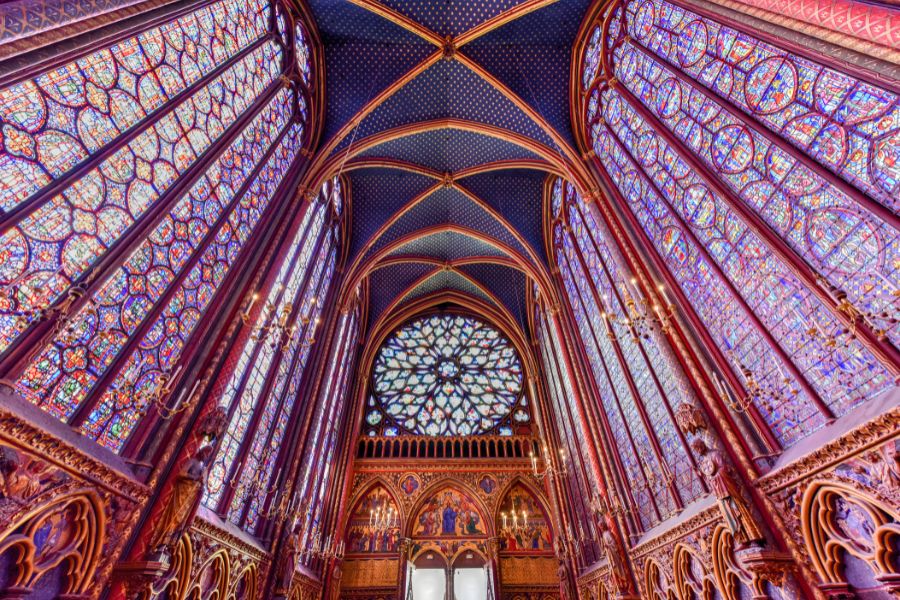
If you love pictures, photography, or art, standing inside Sainte-Chapelle feels like being surrounded by the world’s most breathtaking gallery. The glowing colors bring old stories to life, making faith and history feel vibrant and real.
Experiencing Sainte-Chapelle: A Personal Journey
When I arrived at Sainte-Chapelle, excitement was already building. Hidden away on the Île de la Cité, this Gothic chapel promised something unique—the kind of beauty you only find in centuries-old stained glass and ancient architecture.
Stepping Into the Upper Chamber
Climbing the narrow spiral staircase, I left the busy city behind and entered the Upper Chamber. My heart raced as the room opened up into a forest of tall, slender columns and soaring windows full of colored glass.
It felt completely different from the dark, plain lower level—almost like walking into another world. The windows towered over me, stretching nearly floor to ceiling.
Each panel looked like it belonged in a royal palace, shimmering with reds, blues, and gold. I wandered between pillars, stopping to read the small plaques that explained the biblical stories in the glass.
There was something both welcoming and mysterious in the air—as if history itself was watching. Suddenly, I realized I was surrounded by travelers from everywhere, everyone speaking quietly, snapping photos, or just standing in silence, gazing upward.
For a few minutes, I let myself do the same, just soaking it all in.
When the Light Hits: An Unforgettable Moment
The stained glass changed as sunlight poured through the windows. In mid-morning, when I visited, the light hit at just the right angle, and the colors exploded across the stone floor.
Blues looked almost electric, and reds seemed to glow from within. The glass told thousands of years of stories—kings, queens, battles, miracles.
A guide nearby explained the symbolism and how the design reflected royal power and faith. I pulled out my notebook, eager to write down my reaction and sketch what I saw.
It was impossible to capture exactly, but I wanted to remember the feeling of being inside what felt like a jewel box. There was humor, too—I overheard someone whisper, “Is this even real?”
The scene’s pathos came from realizing how many people over centuries have stared at the same windows in awe.
Sounds of the Bells
Just as I was about to leave, I heard the faint chime of bells from nearby, echoing through the chambers. The sound cut through the quiet chatter and gave the space even more presence, as if a watchman was still keeping careful watch over the relics.
It startled visitors for a second, bringing a hush as everyone listened. The bells didn’t last long, but they made the room feel alive and full of purpose.
I found myself thinking about all the addresses and ceremonies that must have happened right here, with bells marking the moment.
As I walked outside, the sound lingered in my mind—reminding me that Sainte-Chapelle is more than just stained glass; it’s a living piece of history, full of stories, music, and light.
Architectural Wonders Beyond the Glass
Sainte-Chapelle isn’t just about stained glass. Its creative design and daring structure had me pausing to notice details beyond the famous windows.
Every corner seems designed to impress, from soaring arches to hidden rooftops and quirky towers.
Gothic Features and Innovations
Inside, the first thing that hit me was the height of the nave. The thin stone columns reach up toward the ceiling like the frame of a delicate cage.
This isn’t just for show—the design supports massive windows without thick, heavy walls. I could almost feel the story of Gothic architecture in the pointed arches and ribbed vaults.
These touches make the chapel seem taller and lighter. The walls are nearly all glass, so the light pours in from every direction.
That’s why people call it a “jewel box” of glass. But there’s more to these features than beauty.
The building once served royalty and clergy, and there are spaces off to the sides that felt almost hidden—maybe for prayer, maybe for royal business. I couldn’t help but imagine medieval scholars or royal officials walking through these echoing corridors.
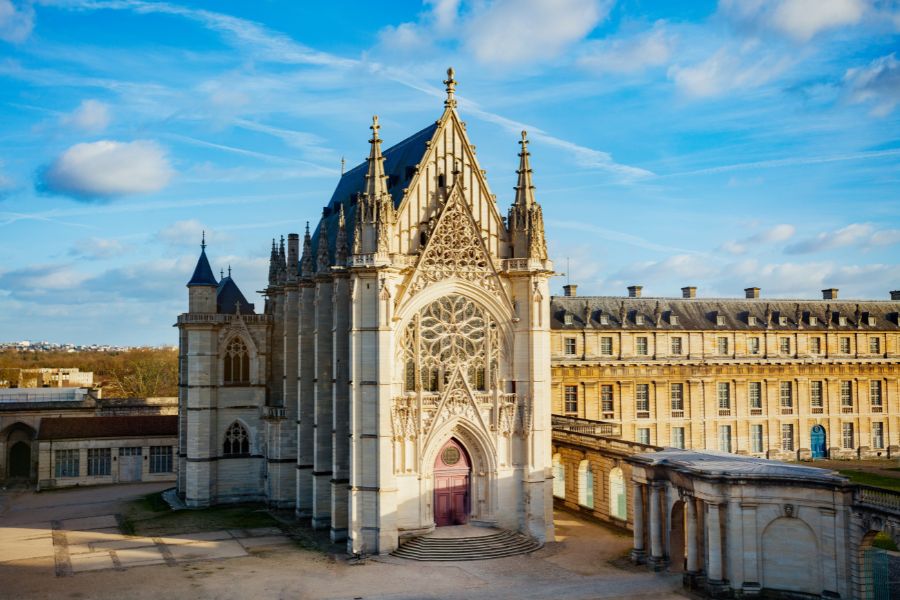
Key Gothic Elements:
- Pointed Arches
- Slender Columns
- High Vaulted Ceilings
- Extensive Use of Glass
There aren’t schools, gardens, or offices here, but the chapel once stood surrounded by a bustling island village—the heart of old Paris.
Roofs, Chimneys, and Towers
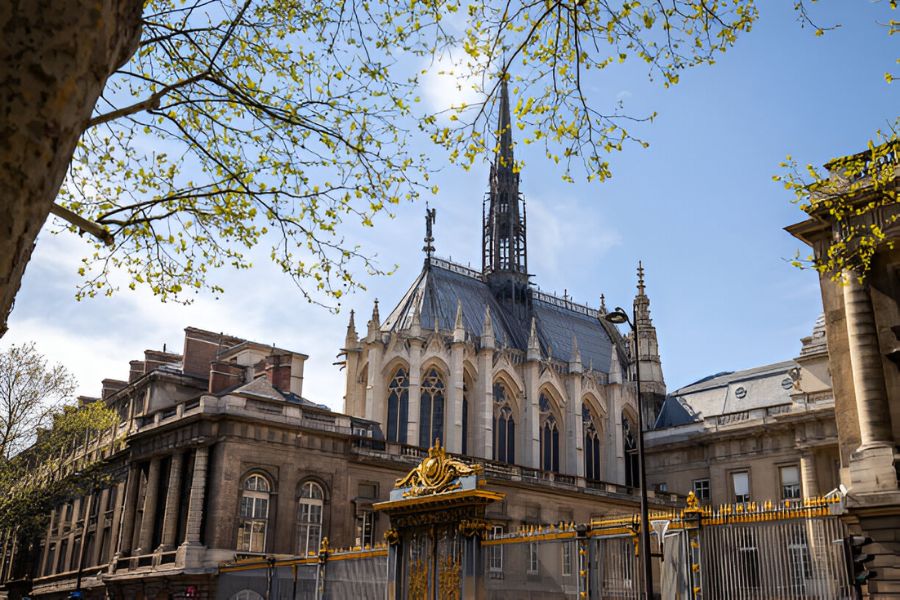
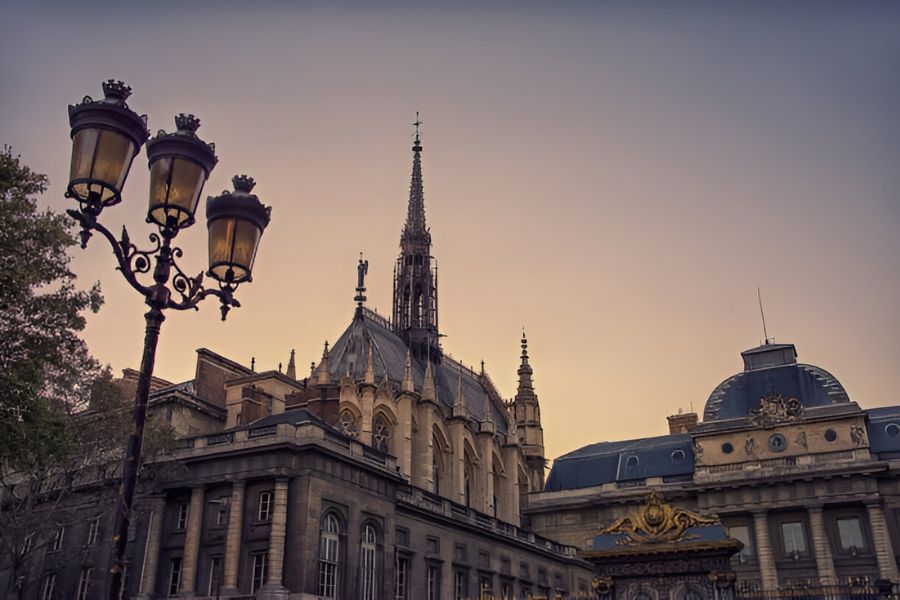
Stepping outside, I craned my neck to see the sharply pointed roof, covered in slate. Unlike most Gothic cathedrals, Sainte-Chapelle’s roof looks almost dainty.
The steep pitch lets rain slide right off, protecting the glass below from leaks. One chimney stands out, tucked near a cluster of elegant spires.
It hints at how the building needed to stay warm in Paris winters despite so much glass. The roof has intricate cresting and is topped by a tall central spire, shooting up above the city’s rooftops.
The towers and spire act as visual markers. I found myself wondering how, centuries ago, these would have guided villagers and travelers across the Seine back toward the royal palace.
The towers don’t serve as classrooms or offices, but they add to the sense of drama—each one a piece of historic artistry anchoring the heart of Paris.
Essential Tips for Visiting Sainte-Chapelle
A visit to Sainte-Chapelle feels like stepping inside a jewel box, especially if you time your trip well and plan the details. Here are my most helpful, firsthand tips on light, tickets, getting around, and squeezing in nearby Paris adventures.
Best Times to Visit for Magical Light
I quickly realized that Sainte-Chapelle’s magic is really all about the light. The best time? Midday, from about 11 am to 3 pm, when sunlight just floods through those stained glass windows.
The colors turn vivid and almost electric. If you swing by early in the morning or too late in the afternoon, you’ll probably miss the full effect—especially if the sky’s overcast.
Here’s a tip I picked up from some travel forums: try visiting about an hour before sunset. That low sun sometimes sends golden beams that make everything glow.
I’ve noticed that spring and late autumn bring softer light and fewer crowds. Things feel calmer, and honestly, it’s just nicer.
If you’re coming by train, double-check the schedule so you show up during those peak light hours. The window scenes—stories from the Bible—really come alive when the whole place is washed in color.
Tickets, Access, and Practical Advice
Lines at Sainte-Chapelle can get ridiculously long, especially on weekends or holidays. I always book my ticket online now; it’s faster and you know you’ll get in.
Don’t forget to bring any necessary legal documents or ID. The staff usually checks them at the entrance.
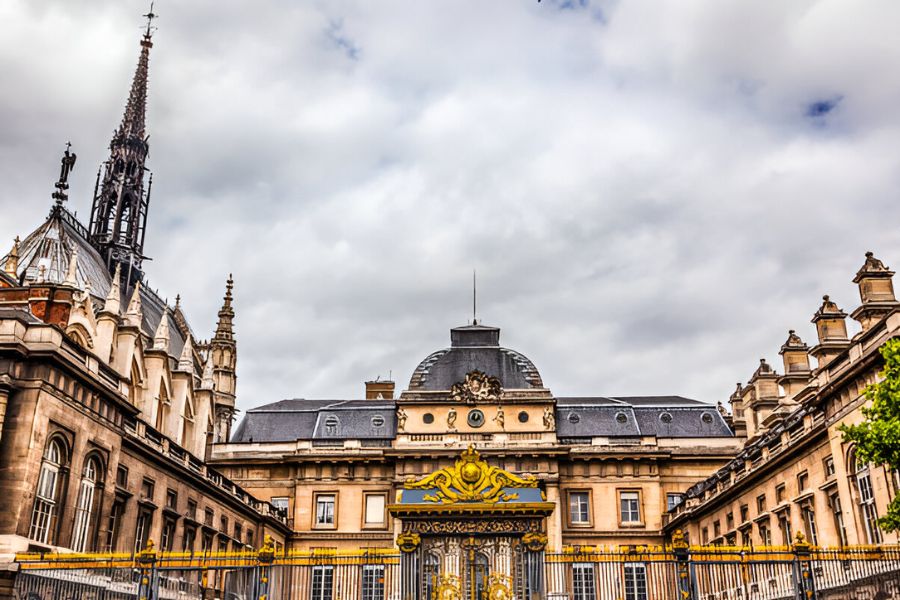
Since the chapel sits inside the Palais de Justice, you’ll go through airport-style security. Bag rules are strict, so leave big backpacks at home.
The official address is 10 Boulevard du Palais, 75001 Paris. The Cité metro stop on Line 4 is basically right outside.
If you need accessible entry, lifts are available, but it helps to let the staff know in advance. Before you go, check the official site for updates—sometimes restoration work closes off parts of this jewel box, and you don’t want surprises.
Nearby Highlights in Paris
You’re already on the Île de la Cité for Sainte-Chapelle, so why not check out some nearby icons?
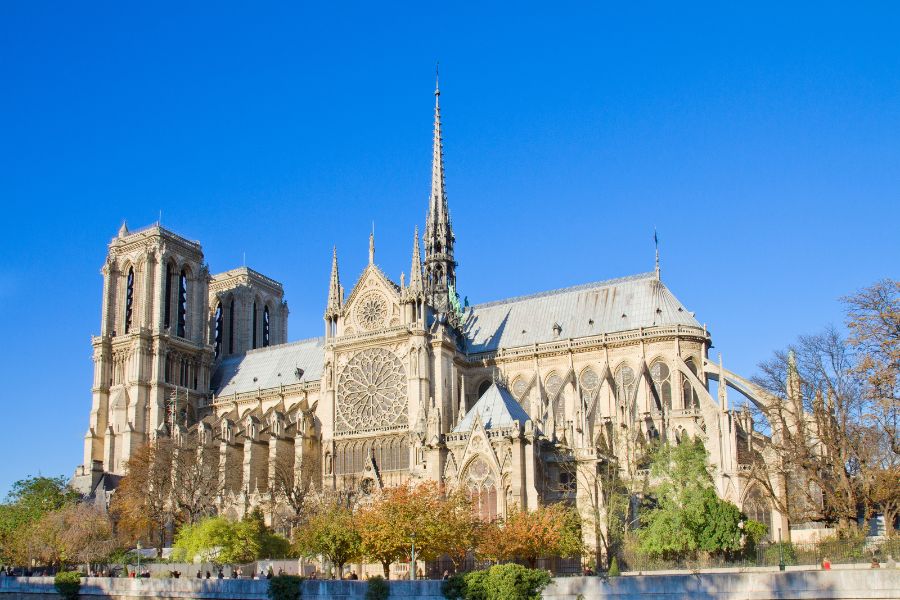
Notre-Dame Cathedral sits just about a block away. It’s an easy city stroll after you’ve soaked up all that stained glass.
If you’re into legal history, take a look at the Palais de Justice from outside. It’s right there, and honestly, it’s hard not to be curious.
Got extra time? The Conciergerie sits adjacent and gives you a peek into medieval justice, royal drama, and some wild moments from the French Revolution.
I like to wander over to the banks of the Seine for a breather. The views are perfect for reflecting—or, let’s be real, snapping a few photos.
If you want a full day out in Paris, try wandering through the Latin Quarter just south of the river. With train stations nearby, you can hop anywhere by rail, whether you’re chasing a café or heading out to catch a show.
