
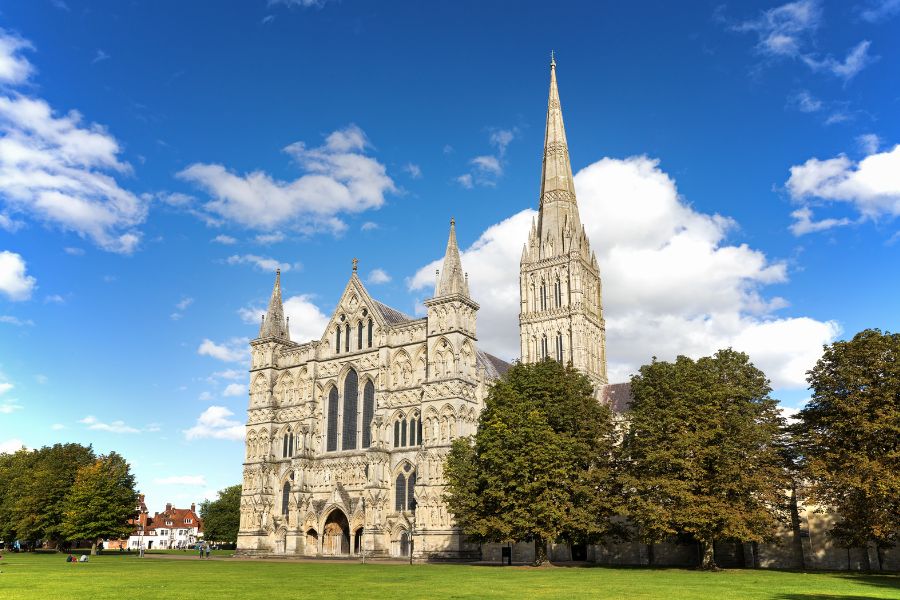
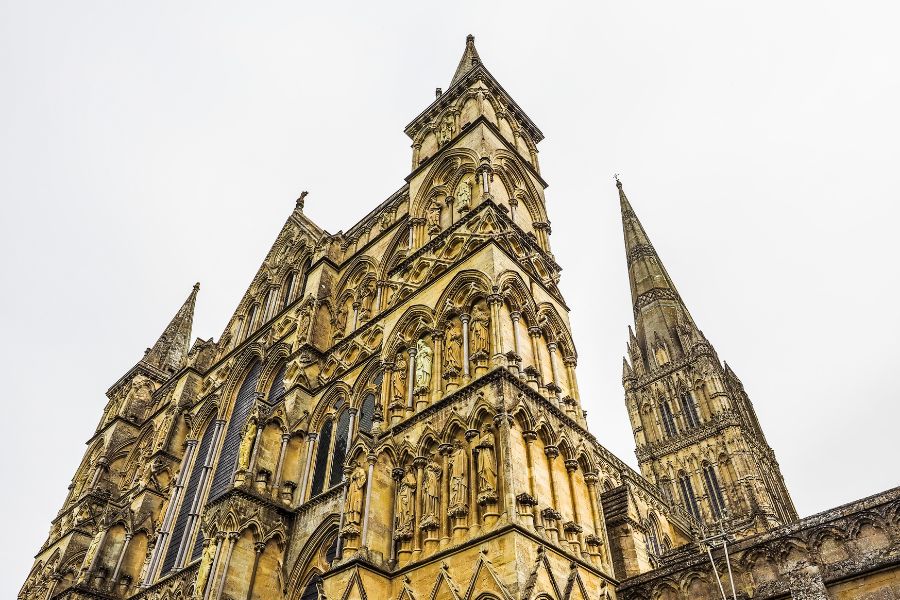
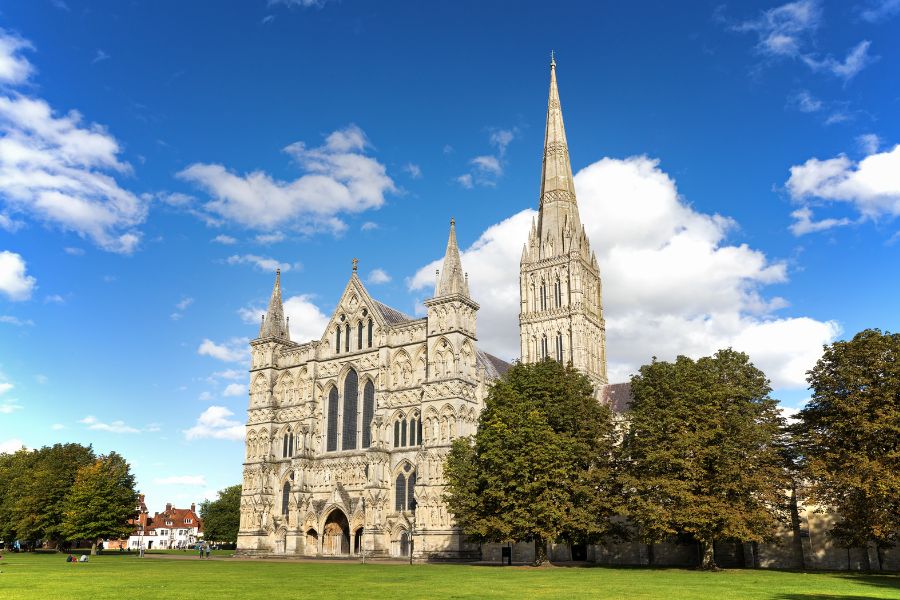
Salisbury Cathedral blew me away with its bold Gothic architecture and that legendary spire—the tallest in Britain at 123 meters. As I walked up to the cathedral, I just had to stop and gawk. That spire towers over the city, impossible to miss, and honestly, it’s been doing its thing for centuries.
The stone walls and those massive stained-glass windows pulled me in. I couldn’t resist; I had to see what was inside.
One of the biggest moments? Seeing the Magna Carta up close. It’s wild to think this ancient document, tucked away in the cathedral, still shapes laws today. Standing just a few feet from it felt surreal—like brushing up against the past.
This wasn’t just a sightseeing trip. I soaked up stories about medieval builders, the culture back then, and why every detail inside matters. If you’ve ever wondered what makes Salisbury Cathedral so special, stick around—I’ve got plenty to share.
Discovering Salisbury Cathedral: A Medieval Masterpiece
Salisbury Cathedral stands out for its rich history, that sky-piercing spire, and a medieval design that really grabs your attention. It’s not just another old church—it went up fast, broke new ground for Gothic architecture, and some fascinating people made it all happen.
Historical Significance and Construction
Builders finished Salisbury Cathedral between 1220 and 1258. That’s just 38 years, which is almost lightning speed for something this huge in the Middle Ages.
The new cathedral replaced an older church at Old Sarum. It marked a fresh start for the city, and honestly, you can still feel that energy.
They hauled over 70,000 tons of stone, 3,000 tons of timber, and 450 tons of lead to get the job done. It’s hard to wrap your head around those numbers.
And then there’s the spire—404 feet of ambition. They added it soon after the main building and, well, it’s been Salisbury’s calling card ever since.
Inside, I spotted the world’s oldest working clock. It’s been ticking since 1386, which is just mind-boggling.
The cathedral also keeps one of only four surviving Magna Carta copies from 1215. They protect it in a special display, and it’s a huge deal for British legal history.
Early English Gothic Architecture Features
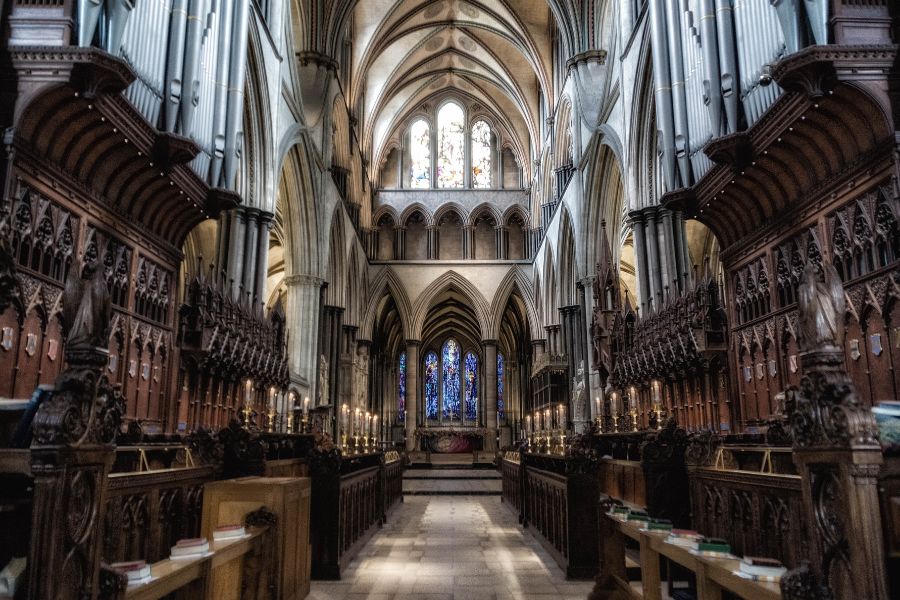
Salisbury Cathedral really shows off Early English Gothic style. Think pointed arches, big windows, and ribbed vaults everywhere.
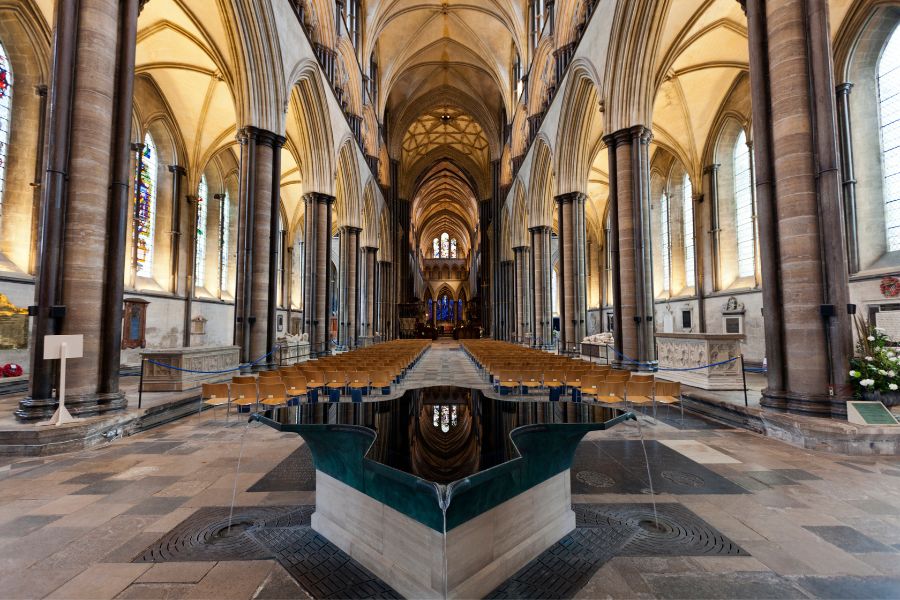
Tall columns and those long, narrow spaces fill the interior. It all feels open and light, almost like the building wants you to look up.
Here’s what stood out:
- That spire: 404 feet, and you can see it for miles.
- Massive cloisters: The biggest in Britain, each side stretches 181 feet.
- A unified look: Since they built most of it at once, the style flows together—unlike other cathedrals that got pieced together over centuries.
I kept noticing the slender columns, crisp lines, and all the stone carvings as I wandered. The innovations here really set the bar for English Gothic churches.
The Role of Elias of Dereham in Cathedral History
Elias of Dereham was the behind-the-scenes genius at Salisbury Cathedral. He didn’t just organize the construction; he shaped some of its coolest features.
As a canon of Salisbury, he had serious project management skills. He even attended the sealing of the Magna Carta and made sure Salisbury got its own copy.
Elias worked closely with builders and craftsmen, pushing for that innovative look. Historians still give him credit for how efficient and impressive the project turned out.
His leadership left a mark that’s easy to feel, even now. Without him, who knows if Salisbury Cathedral would be the icon it is today?
The Soaring Spire and Panoramic Tower Tours
Salisbury Cathedral’s spire dominates the city skyline. It’s taller than any other church spire in Britain, and climbing it is a real adventure.
I took on the winding staircases for views you can’t get anywhere else. It’s not just about the sights—the climb gives you a peek into the minds of the medieval builders who dreamed this thing up.
Tallest Spire in Britain: Facts and Figures
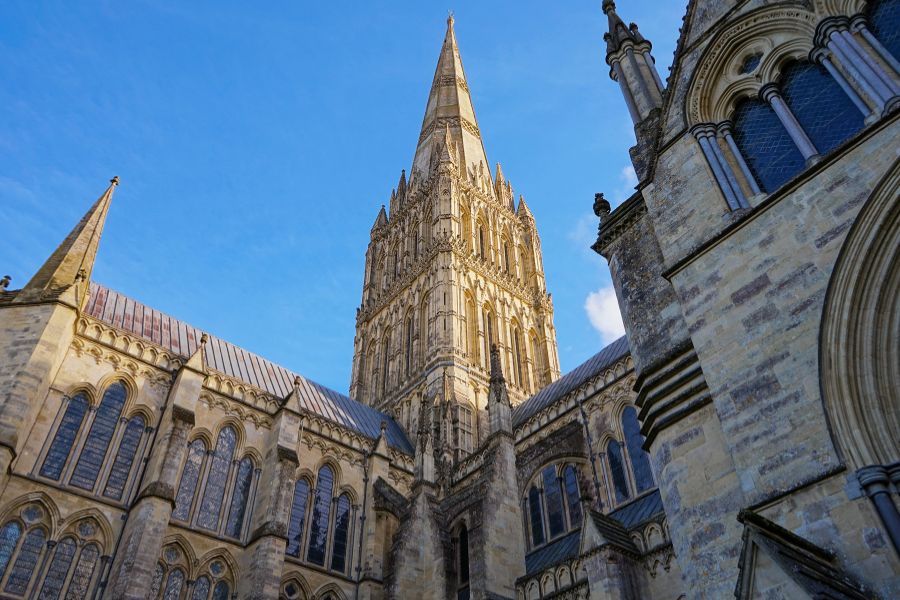
The spire shoots up 123 meters (about 404 feet). They built it between 1220 and 1320, and it quickly became a symbol of medieval ambition.
Originally, the spire wasn’t even part of the plan. Now, it’s the face of Salisbury.
If you want to climb it, be ready for 332 steps. Some stairways are tight and lack handrails, so it’s not for the faint of heart.
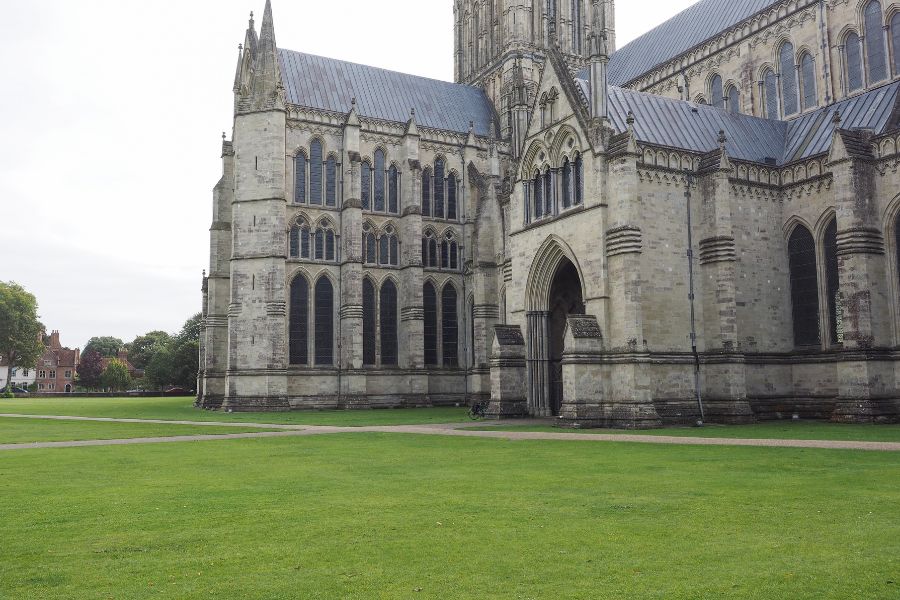
The spire adds over 6,000 tons to the cathedral’s weight. That’s a lot to balance on an ancient foundation.
Experiencing the Tower Tour and Spectacular Views
I decided to book the Tower Tour, which takes about 90 to 105 minutes. It’s a workout, but the guides break up the climb and point out cool details along the way.
Safety matters—some steps feel steep and narrow, and you’ll want to watch your footing.
The higher I climbed, the more I could see inside the spire’s skeleton. Old wooden beams crisscross above you, and it’s wild to think how long they’ve lasted.
At the top, panoramic views of Salisbury and Wiltshire roll out in every direction. Every step felt like tracing history, and seeing the spire’s guts up close made me appreciate it even more.
Tower Tour Highlights:
- 332 steps (your legs will feel it)
- Up-close looks at medieval construction
- Sweeping views over Salisbury and beyond
Medieval Engineering and Maintenance of the Spire
Medieval builders took some real risks with this spire. Balancing all that heavy stone and wood required serious skill.
Over the years, the spire faced storms, shifting ground, and its own weight. It’s amazing it’s still standing.
Sir Christopher Wren, the legendary architect, checked out the spire in the 1600s. He added tie-beams and metal rods to keep things stable.
Today, teams still inspect and repair parts of the tower. Maintenance never really ends, but that’s what keeps it safe for everyone.
The spire’s survival comes down to a mix of medieval smarts and modern care. Guides love to share stories about William Longespee and other big names who helped the cathedral through tough times.
Exploring the Cathedral: Architecture, Art, and Spaces
Salisbury Cathedral isn’t just about height—it’s about beauty, light, and craft. Every corner has something worth a closer look.
The Nave and Pointed Arches
Walking into the nave, I instantly felt dwarfed by the open space. Slender stone pillars line the way, and pointed arches shoot upward, drawing your eyes to the vaulted ceiling.
The floor’s patterned with dark and light stones, guiding you forward. Ribbed vaulting overhead adds both beauty and strength.
As I wandered, the arches and columns seemed to multiply, giving the space a hypnotic rhythm. Those pointed arches aren’t just pretty—they help hold up all that weight and let in more light than older designs.
Cloisters and Chapter House
The cloisters wrap around a quiet courtyard, each side stretching 181 feet—Britain’s biggest. Covered walkways offer a peaceful escape, and stone benches invite you to sit and imagine life centuries ago.
Grassy patches fill the center, making it feel like a secret garden.
The Chapter House connects to the cloisters—a striking octagonal room with a single pillar branching out like a tree trunk. Medieval decoration covers every surface.
This is where I found the Magna Carta, displayed in a special case. Stone seats line the walls, reminders of the monks and clergy who once met here.
Stained Glass Windows and Artistic Highlights
The stained glass windows are breathtaking, especially when sunlight streams through. Some date back to the Middle Ages, while others are newer, but all tell stories—biblical scenes, saints, and slices of English history.
The Prisoners of Conscience Window stands out. It’s a modern piece with a message about justice and hope, and it fits right in.
Everywhere you look, there’s art—stone carvings, memorials, and thoughtful details that make the place feel alive with history.
Magna Carta: Encountering a Historic Treasure
Seeing one of the world’s most important historical documents at Salisbury Cathedral was honestly a highlight. This treasured artifact ties England’s medieval past to the freedoms we talk about today.
History of Magna Carta and King John
Back in 1215, King John faced off with angry barons over taxes and failed wars. They forced him to meet at Runnymede, where he put his seal on Magna Carta.
It was meant to keep the peace. The document promised things like, “No free man shall be seized or imprisoned except by the lawful judgment of his equals or by the law of the land.”
Sure, Magna Carta didn’t magically fix everything. But it set the tone—kings aren’t above the law, and everyone deserves some rights.
Only four original copies from 1215 survived. Salisbury’s is especially well-preserved.
Viewing the Magna Carta in the Chapter House
I found the Magna Carta in the Chapter House—a space that feels ancient, with stained glass and stonework everywhere.
They keep the document in a glass case, protected from the elements. Up close, you can see the dense Latin writing and the wax seal, still hanging on after 800 years.
There are info panels and interactive exhibits nearby, so you can dig into the history and meaning. Standing there, face to face with history, is something I’ll never forget.
Legacy and Influence: From England to the American Constitution
Magna Carta’s ideas went global. The basics—no one above the law, the right to a fair trial—still echo in democracies everywhere.
When the American colonists wrote their Constitution, they borrowed from Magna Carta. Trial by jury, protection from unfair imprisonment—it all traces back to this English document.
The Salisbury copy reminds us how old promises can still matter. Its legacy lives on in courts and parliaments wherever people care about freedom and justice.
Planning Your Visit: Modern Amenities and Local Attractions
Salisbury Cathedral makes it easy for visitors, blending centuries of history with modern comforts. I noticed the little things—entry hours, places to grab a bite, and how to get around—all add up to a smoother, more enjoyable day at this incredible site.
Opening Times, Tickets, and Parking
Salisbury Cathedral usually opens at 9:30 a.m. and closes at 5:00 p.m. from Monday to Saturday. The last entry is at 4:00 p.m.
On Sundays, they open later—12:30 p.m. to 4:00 p.m., with the last entry at 3:00 p.m. Sometimes, special events or holidays might shift these hours a bit, so it’s worth double-checking before you go.
You can grab tickets at the front desk or just book online, which I found saves time when you arrive. The ticket price covers both the main cathedral and the Chapter House—where I got to see the Magna Carta, which is honestly a highlight.
They offer concessions for students, seniors, and families. That’s always a nice touch, especially if you’re traveling in a group.
Parking’s pretty straightforward. You’ll spot signs for nearby lots as you get close to the Cathedral Close. There’s a fee, and street parking can be a bit hit-or-miss, especially later in the day.
If you show up early, you’ll likely snag a spot closer to the entrance. That’s always a relief if you’re juggling bags or kids.
| Day | Opening Hours | Last Entry |
|---|---|---|
| Mon–Sat | 9:30 a.m. – 5:00 p.m. | 4:00 p.m. |
| Sunday | 12:30 p.m. – 4:00 p.m. | 3:00 p.m. |
Refectory Restaurant, Gift Shop, and Accessibility
Right inside the cathedral grounds, I stumbled into the Refectory Restaurant. They serve up sandwiches, hot meals, and sweet treats, plus a solid cup of tea or coffee.
If the weather isn’t playing nice, it’s a cozy spot to take a breather. Sometimes, I just sit and watch people filter in and out.
The gift shop is packed with souvenirs, books, and crafts made by local folks. I picked up a guidebook there—couldn’t resist.
Prices won’t break the bank, and the staff always seem happy to chat or help out if you’re lost in the options.
Accessibility really stands out here. Step-free entrances, ramps, and accessible toilets make a big difference for all kinds of visitors.
They even lend out mobility scooters and wheelchairs if you need one. Service dogs are welcome everywhere, which I love to see.
Volunteer Guides, Evensong, and Music
Volunteer guides really bring Salisbury Cathedral’s stories to life. I joined a tour led by someone who clearly loved the place—it made the history and art feel personal.
Tours come included with your ticket, and guides are always up for questions. I’ve learned something new every time.
Evensong happens daily, and it’s truly special. This sung evening service fills the choir with music and gives the whole space a peaceful, almost magical vibe.
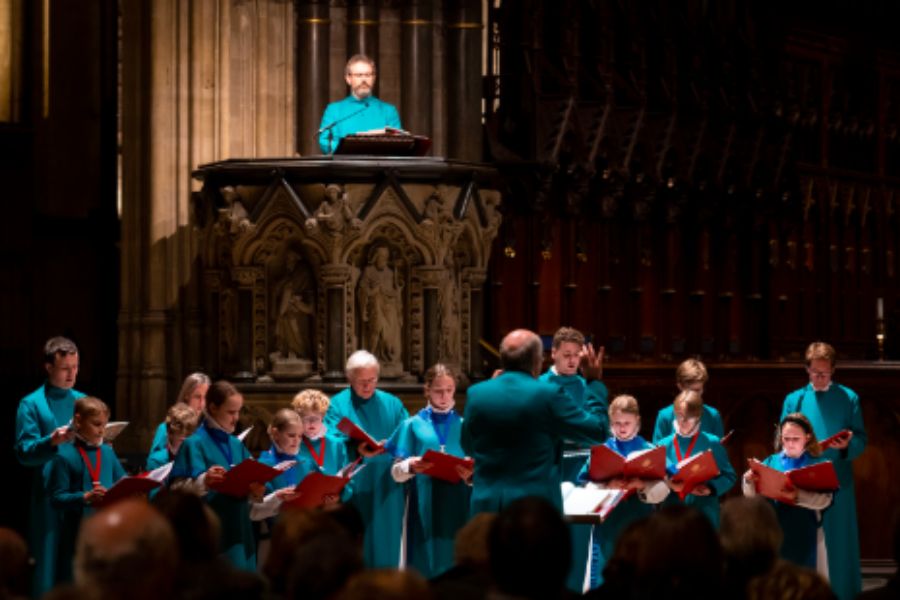
The choir’s voices echo through the cathedral. I still remember the calm it brought after a busy day.
Music is everywhere here—organ recitals, choral performances, you name it. I always check the events calendar before visiting, just in case there’s something unique on.
Transport Options and Repeat Visits
Getting to Salisbury Cathedral couldn’t be easier. I hopped off the train at Salisbury station and walked about 15 minutes to the entrance.
Buses drop you nearby, and taxis are always around if you don’t feel like walking. Cyclists can lock up their bikes right outside, which is handy.
The city center sits just a short stroll away. It’s perfect if you want to grab coffee or wander the shops after your visit.
The cathedral feels different every season, and there’s often a new exhibition or event happening. I never get bored coming back.
Annual passes are available if you think you’ll return. For me, every visit has its own surprises, so I’d say it’s worth it.
Extending the Journey: Salisbury, Wiltshire, and Beyond
After exploring Salisbury Cathedral, I realized the city and the county have so much more to offer. Quiet parks, historic spots, and even world-famous places like Stonehenge are all close by.
The Cathedral Close and Local Landmarks
The Cathedral Close wraps around Salisbury Cathedral, and it’s honestly one of my favorite places to wander. Lawns and gardens stretch out, and the old buildings give the area a timeless feel.
It’s peaceful, especially compared to the busier city streets just outside the walls. Sometimes I just sit and soak it in.
Several historic houses dot the Close. Mompesson House, for example, is a gorgeous 18th-century townhouse run by the National Trust.
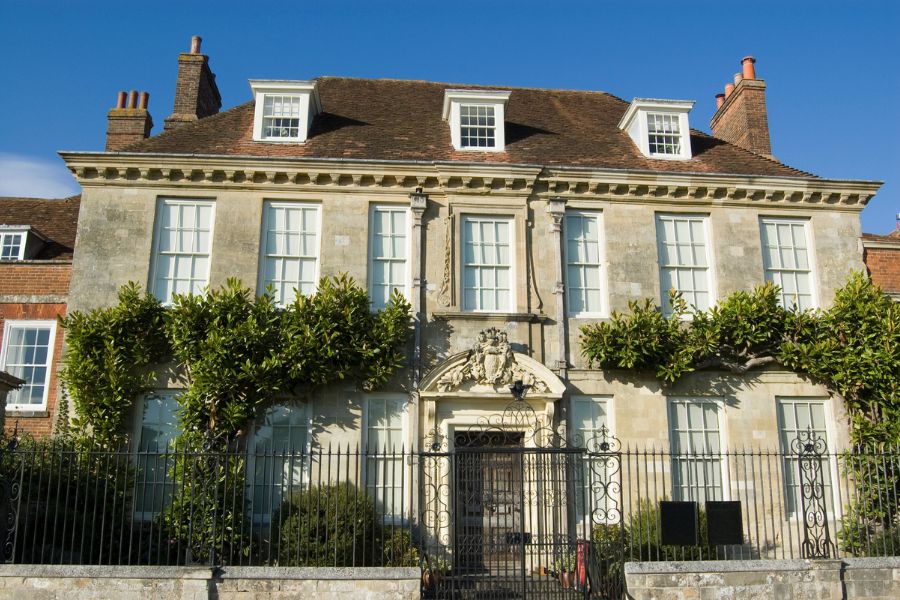
Inside, you’ll find Georgian rooms, decorative arts, and a walled garden that’s perfect for a quiet moment. It’s a little window into another era.
The Salisbury Museum sits close by in the King’s House. Its displays cover everything from local history to treasures from Stonehenge and Old Sarum.
I found the medieval exhibits especially fascinating. They really paint a picture of what Wiltshire was like centuries ago.
Old Sarum itself is only a few miles outside Salisbury. It’s where the original settlement stood, with the ruins of the first cathedral.
Standing on those ancient earthworks, I tried to imagine the place bustling with life over 900 years ago. It’s wild to think about.
Medieval Clock and the Oldest Working Mechanical Clock
Inside Salisbury Cathedral, I made a beeline for the medieval clock. Built around 1386, it just might be the oldest working mechanical clock in the world.
You won’t find a clock face here. Instead, it chimes on the hour, ringing bells to call people to worship—long before wristwatches were a thing.
Caretakers still wind it by hand a few times a week. Watching the gears turn, I couldn’t help but marvel at the skills and tools they had back in medieval England.
There are info panels nearby that break down the clock’s parts and story. Even kids seem to get a kick out of it.
Nearby Attractions: Stonehenge, Salisbury Museum, and More
Salisbury really feels like the perfect spot to branch out and see what Wiltshire has to offer. Honestly, one of the best parts of my trip was hopping over to Stonehenge—it’s just a quick drive.
Standing near those massive ancient stones, I couldn’t help but wonder about the people who built them. The theories you hear are fascinating, but honestly, the mystery only deepens when you’re right there.
The Salisbury Museum sits close to the cathedral and digs even deeper into the area’s history. I wandered through rooms packed with artifacts from Stonehenge, Old Sarum, and quirky displays about local legends—stories of Abraham, Noah, and more.
Craving a bit of city energy or something different? Bath, Winchester, and Bristol are all within easy reach. Bournemouth’s seaside vibe is just a train ride away, and if you’re up for a bigger adventure, York’s medieval streets are worth the journey.
I found the Wiltshire countryside pretty unforgettable too. Rolling hills, quiet little villages—there’s a peacefulness that sneaks up on you.
Whether you’re chasing iconic landmarks or stumbling upon hidden gems, Salisbury and its surroundings have more than enough to keep you busy for a day, a weekend, or even longer.
