
The first time I landed on Samos, I felt like I’d stumbled onto a place where ancient wisdom and wild beauty just collide. This lush, mountainous island in Greece’s northeastern Aegean Sea quickly charmed me—not just because it’s the birthplace of Pythagoras, but also for its UNESCO World Heritage sites, award-winning Muscat wine, and honestly, some of the cleanest, most inviting beaches I’ve seen in the Greek islands.
Samos gives travelers a rare mix of rich history, from ancient temples and wild feats of engineering, to landscapes packed with pine forests, vineyards, and those glass-clear waters.
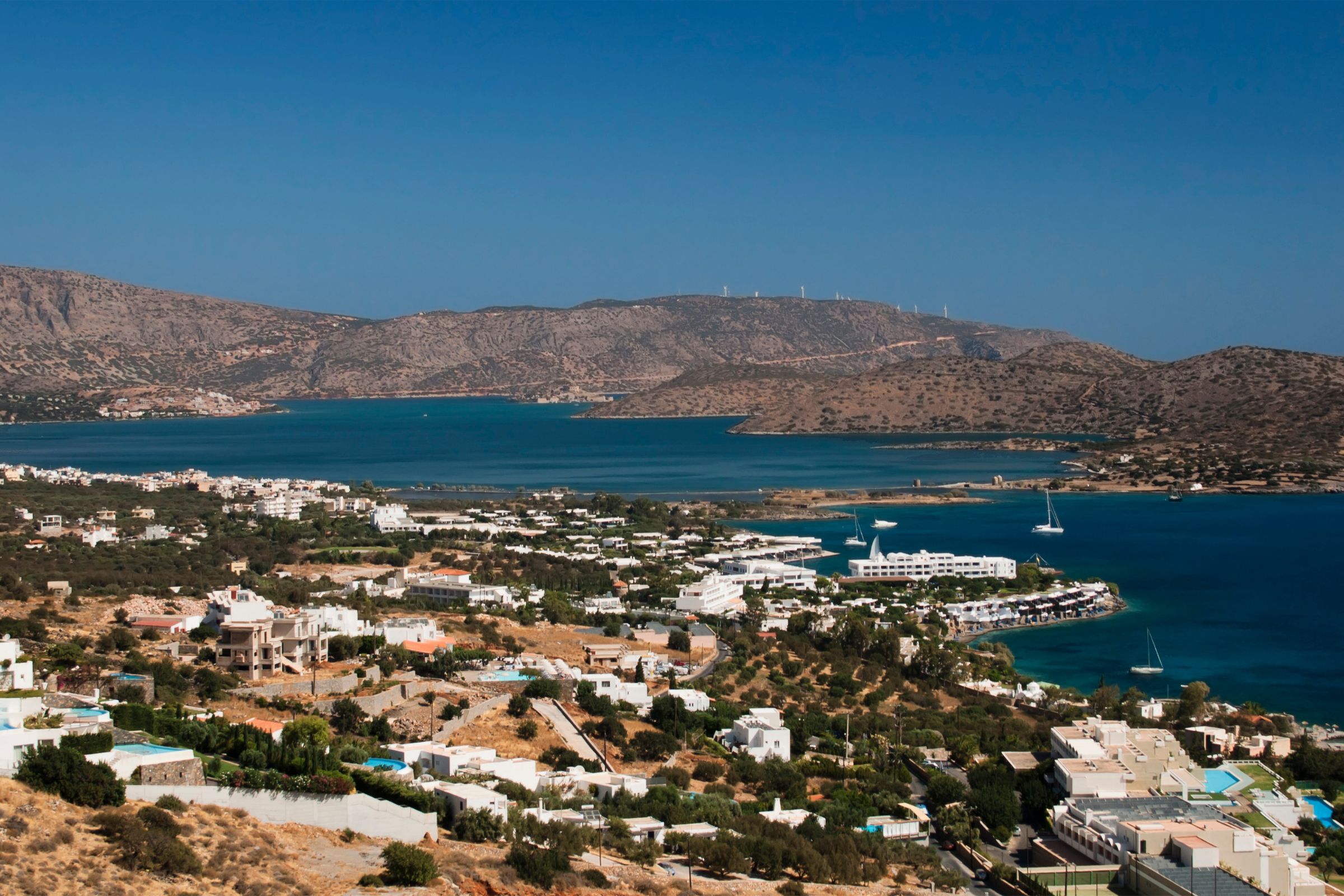
Wandering around this under-the-radar gem, I kept thinking: why don’t more people talk about Samos, apart from the whole Pythagoras thing?
You can spend your days exploring ancient ruins, sipping sweet local wines, hiking emerald hills, or just flopping onto a Blue Flag beach. Samos really nails that blend of culture, adventure, and laid-back Greek island vibes.
A Legendary Island: Origins and Identity
Samos stands out as one of Greece’s most historically loaded islands, shaped by the genius of Pythagoras, its spot in the Aegean, and its deep roots in mythology as the birthplace of Hera.
The Historical Legacy of Pythagoras
So, Samos owes a lot of its lasting fame to Pythagoras. This legendary mathematician and philosopher was born here around 570 BCE. His impact goes way beyond that Pythagorean theorem we all learned in school.
Pythagoras traveled all over—Egypt, Babylon—before coming home to set up his school. His followers, the Pythagoreans, believed numbers sat at the heart of everything. They lived together, followed strict codes, and saw math as something kind of spiritual.
His teachings mixed numbers with big ideas about the soul and reincarnation. He really thought numbers could unlock the secrets of the universe. Later thinkers like Plato and Aristotle picked up on his ideas and ran with them.
Samos also produced more than just Pythagoras:
- Epicurus – another big-name philosopher
- Aristarchus – an astronomer who, way before Copernicus, suggested the sun sits at the center

Image Source: Wikimedia Commons
Geography and Natural Setting in the Aegean Sea
Samos sits just a stone’s throw from Turkey’s Dilek Peninsula. This made it a key spot for ancient maritime trade.
The island’s landscape? Dramatic, to say the least.
- Olive groves blanket the hills.
- Mountains shoot up from the middle.
- Valleys burst with crops.
- Beaches are clean and inviting.
At about 180 square miles, Samos ranks as the eighth-largest Greek island. Unlike those bare, rocky islands you might picture, Samos stays lush and green. The soil and climate here are perfect for Muscat grapes, and you can taste the difference in the wine.
Winds whip across the island, keeping things fresh and helping those vineyards thrive. The mix of mountains and coast creates all sorts of habitats—so wildlife and wildflowers are everywhere.
Samos in Greek Mythology and Ancient Culture
In Greek mythology, Samos claims a pretty epic backstory as the birthplace of Hera, queen of the gods. That alone made it a big deal in the ancient world.
The Heraion of Samos was one of the biggest, most important temples in Greece. Built in the 6th century BCE, this sanctuary drew pilgrims from across the Mediterranean.
Festivals for Hera happened here all the time. The Festival of Hera mixed athletic contests, art, and religious rituals. These gatherings kept Samos on the map, culturally and politically.
Samian sculptors and architects picked up plenty of fame, too. Their pottery and design skills influenced finds all over the region, turning Samos into a hub for art and ideas.
Ancient Wonders and UNESCO World Heritage
Samos grabbed a spot on the UNESCO World Heritage list thanks to two jaw-dropping sites: the fortified port city of Pythagorio (with its mind-blowing tunnel-aqueduct) and the ancient Heraion temple complex.
Exploring Pythagorio and Its Timeless Harbor
Pythagorio, honestly, took me by surprise. This ancient port, now a UNESCO site, keeps the bones of a city that thrived in the 6th century BC.
Wandering the harbor, I found Greek and Roman ruins everywhere. The place tells its story through crumbling theaters, old fortifications, and harbor installations.
What stood out:
- The remains of an ancient theater
- Structures from the Hellenistic and Roman eras
- City walls and defenses
- Bits of the original harbor
The city takes its name from Pythagoras, of course. Walking among the ruins, I could almost hear the buzz of ancient trade and construction.
What’s wild is how untouched it feels. Unlike some sites, Pythagorio hasn’t been swallowed by modern buildings, so you get a real sense of the past.

Tunnel of Eupalinos: An Ancient Engineering Marvel
The Tunnel of Eupalinos? I’m still not over it. This aqueduct from the 6th century BC runs over a kilometer straight through solid rock, channeling water from mountain springs into the city.
Eupalinos of Megara designed the tunnel, and workers dug from both ends, somehow meeting almost perfectly in the middle. Herodotus himself called this one of the three wonders of the ancient world.
Quick facts:
- Length: 1,036 meters
- Built: 6th century BC
- How: Dug from both sides
- Why: Bring water to the city
The tunnel worked for centuries, serving Greeks, Romans, and Byzantines. Now, you can actually walk through parts of it—if you’re not claustrophobic.
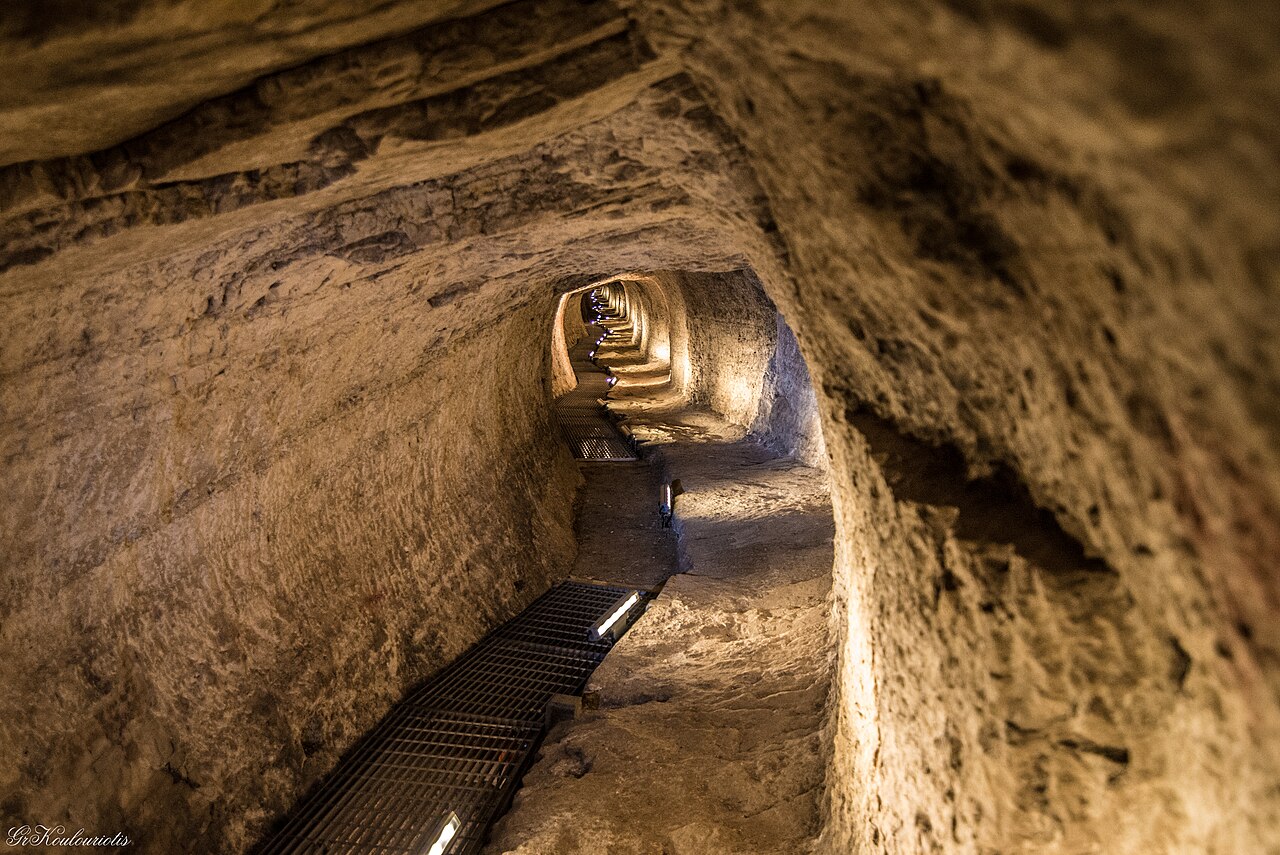
Image Source: Wikimedia Commons
The Heraion of Samos and the Temple of Hera
The Heraion of Samos drops you right into the heart of ancient religious life. It sits about six kilometers from Pythagorio, surrounded by fields and ruins.
I wandered through layers of temples—some going back to the 8th century BC. The first was the earliest Greek temple to hit 100 feet in length.
The biggest project kicked off under Polycrates in 535 BC. This temple was massive: 55 by 108 meters, with 155 columns soaring 20 meters high.
Temple timeline:
- 8th century BC: First big temple
- 7th century BC: New column designs
- 570-560 BC: Ionic style appears
- 535 BC: The colossal temple
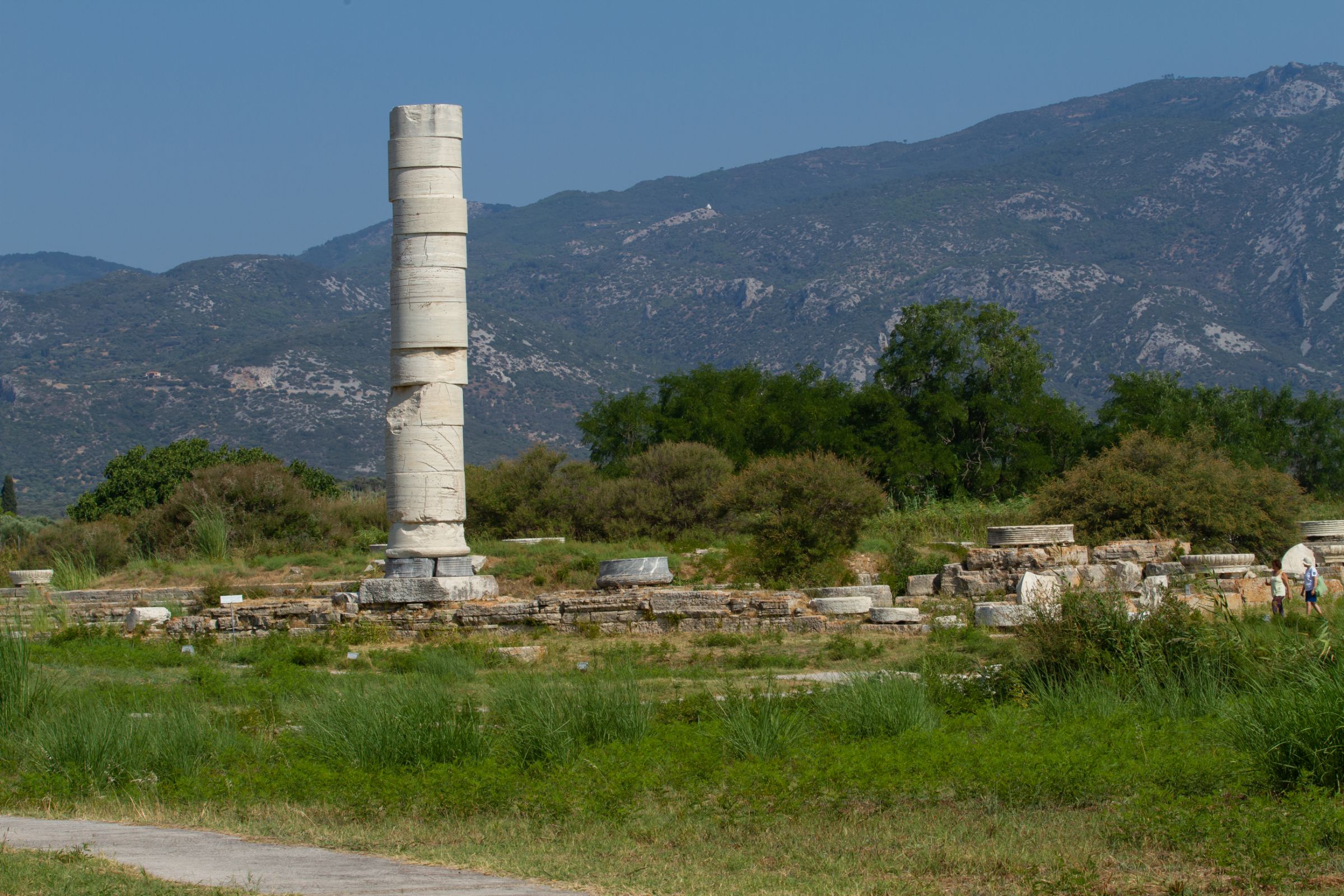
Only one column still stands, but the foundations hint at its former glory. Back then, offerings poured in from all over the Mediterranean.
The Heraion set trends in Greek temple design, influencing architecture for ages.
Nature’s Embrace: Lush Green Landscapes and Outdoor Adventures
If you love hiking, Samos is your place. Trails wind up Mount Kerkis and through dense forests. Near Karlovasi, waterfalls hide in the woods, while villages like Karlovasi and Vathy offer a slower pace.
Hiking Mount Kerkis and Scenic Trails
Mount Kerkis, topping out at 1,434 meters, dominates the island. The hiking trails up here are tough but worth every step.
The main summit trail takes about 4–5 hours, starting in Votsalakia and winding through oak forests.
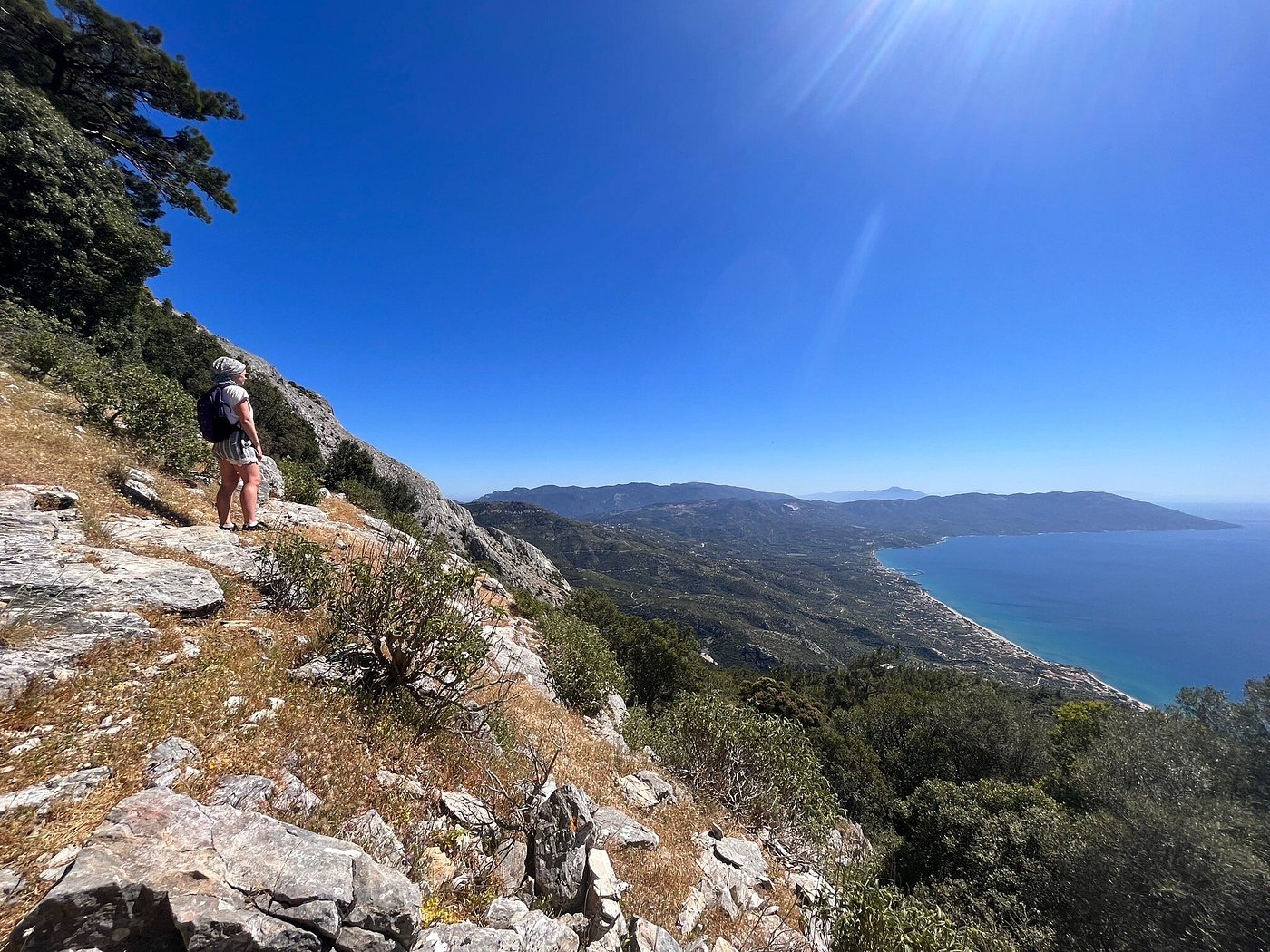
Image Source: Tripadvisor
On the way up:
- Huge views over the Aegean
- Old stone terraces
- Wild herbs and pines everywhere
- Dramatic limestone cliffs
Start early if you’re hiking in summer—the sun gets brutal after 10 AM.
Lower trails around Kerkis are gentler. They cut through green valleys and pass tiny chapels tucked into rocks.
Water’s scarce up here. I always carried at least two liters per person for the summit trail.
Waterfalls Near Karlovasi and Forested Wonders
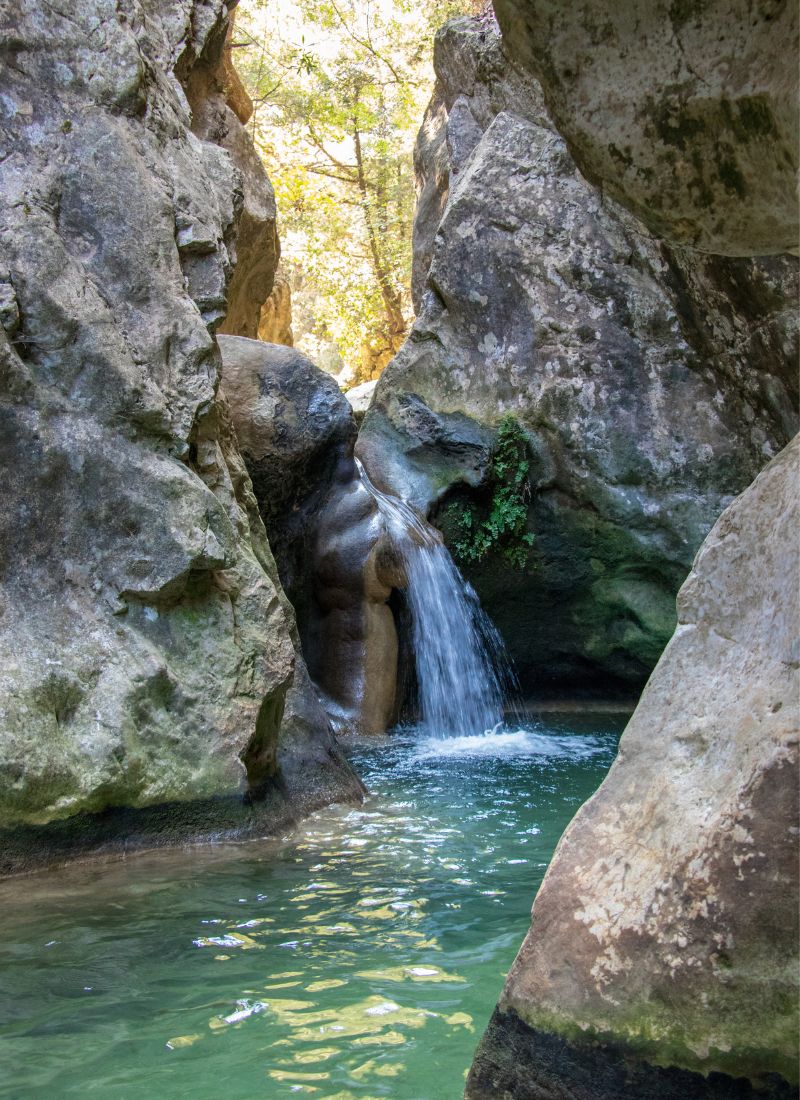
Karlovasi’s forests hide some real surprises. Waterfalls tumble through the trees, and reaching them only takes a short walk.
Karlovasitis Waterfall runs year-round but really roars in spring. The 20-minute walk from town follows a creek under giant plane trees.
Potami Waterfalls are closer to the coast. I reached them after a 30-minute hike that crosses wooden bridges and streams.
Best times to go:
- April to June for peak flow
- Early mornings for cool air
- After rain for the strongest falls
The forests are thick with oak, pine, and chestnut. Wild orchids and herbs pop up along the trail.
These woods stay cool, even when the rest of the island bakes. Perfect for a mid-afternoon wander.
Village Life: Exploring Karlovasi and Vathy
Karlovasi became my base for exploring northern Samos. This port town has three neighborhoods linked by winding roads.
Neo Karlovasi is where you’ll find the harbor and most restaurants. After a day on the trails, I usually grabbed fresh seafood here.
Paleo Karlovasi shows off traditional island style. Stone houses stack up the hillside, and narrow streets twist between tiny squares.
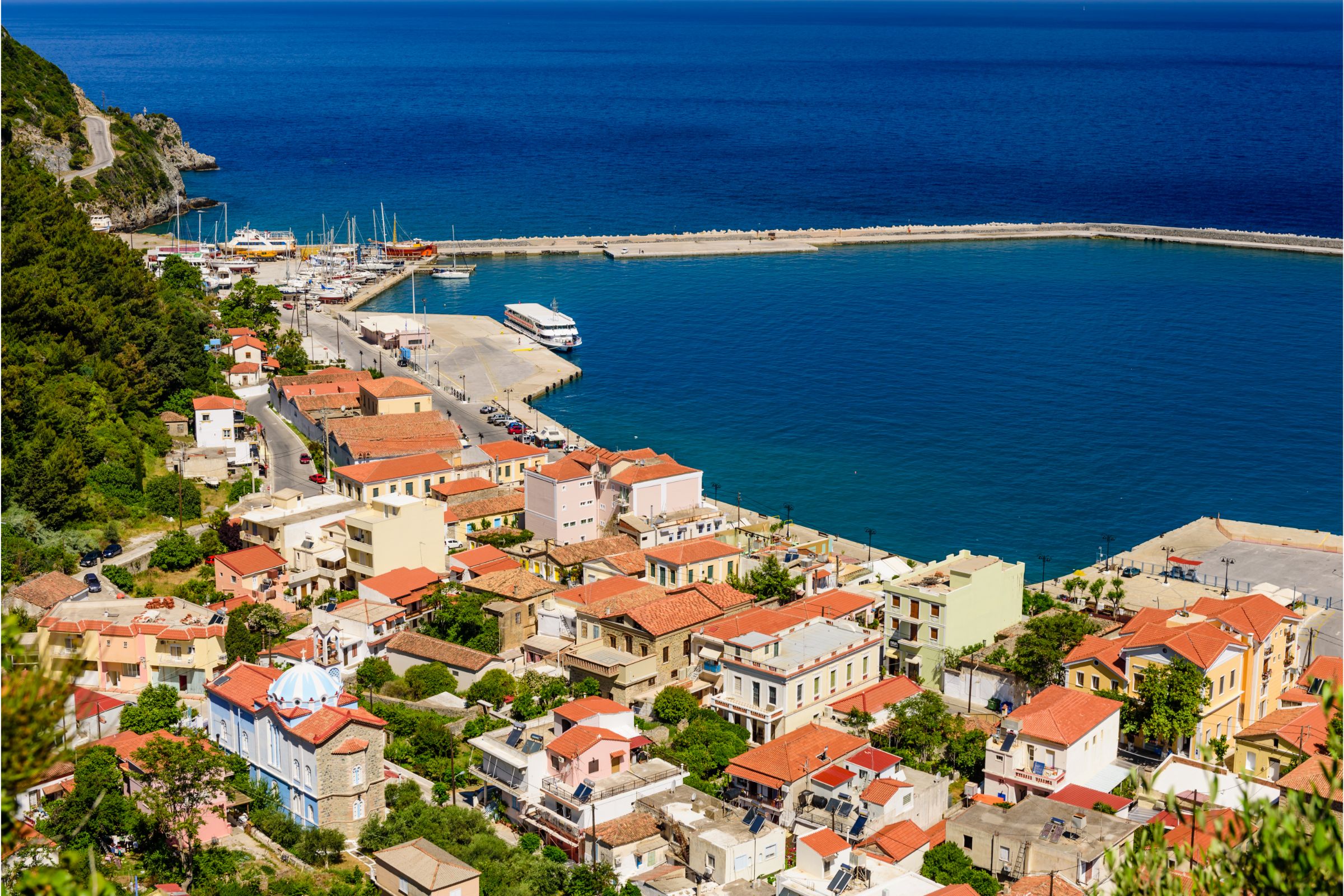
Vathy, the capital, curves around a horseshoe bay. I loved checking out its neoclassical buildings and the archaeological museum.
The waterfront promenade in Vathy is perfect for evening strolls. Taverns serve Samos wine with grilled fish and other local dishes.
Both towns make great jumping-off points for hikes. Buses connect you to remote beaches and mountain villages, so getting around is easy.
Azure Waters and Pristine Beaches
Samos might just have the clearest waters in the Greek islands. The beaches range from well-organized family spots to hidden coves you have to hike to. The coastline mixes fine pebbles and crystal depths—ideal for swimming or snorkeling.
Best Beaches for Relaxation and Sunbathing
Tsamadou Beach tops my list for a chill day by the sea. Pine trees crowd right up to the shore, offering natural shade in Kokkaris bay. With small pebbles and super-clear water, it’s great for swimming. Sunbeds, umbrellas, and a beach bar round things out.
Pythagorio Beach stretches a whopping 4.5 kilometers. This Blue Flag spot has a mix of pebbles and sand, plus loads of amenities. I found beach bars and water sports options all along the shore.
Votsalakia Beach in Marathokampos bay gives you 2.8 kilometers of fine pebbles and shallow, family-friendly water. It’s protected from wind, with tavernas, cafes, and sea ramps nearby.
Snorkeling and Diving in Crystal-Clear Waters
The waters around Samos are a snorkeler’s dream. Tsamadou’s pebbles keep the water clear, so you can see the seabed even in deep spots.
Kaladakia Beach probably has the clearest water I found. The seabed drops off quickly, making it good for snorkeling. There’s even a half-submerged cave to swim into.
Kerveli Beach offers shallow, blue-green water—perfect if you’re new to snorkeling. The cove near Posidonio has a diving center, and you can rent gear or join a guided dive.
Hidden Coves and Off-the-Beaten-Path Shores
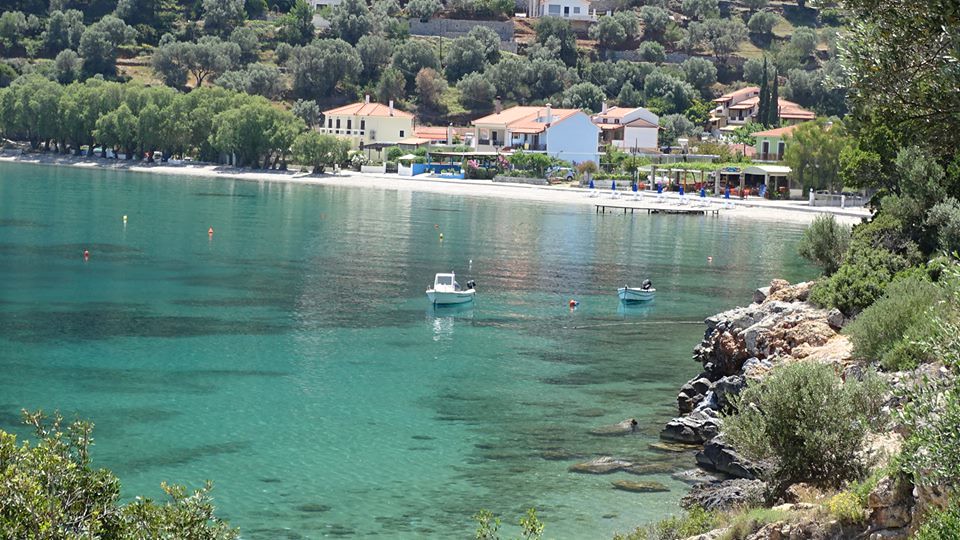
Mikro and Megalo Seitani beaches take a bit of effort—you’ll hike about 3 kilometers from Potami Beach. But the reward? Complete seclusion, emerald water, and dramatic rocks. No facilities, so you’ll need to bring everything with you.
Mikri Lakka is one of Samos’s most hidden gems. Pine trees almost touch the water, giving it a wild vibe. You can get there by boat or a quick 10-minute walk from Mourtia Beach.
Livadaki Beach sits in a narrow, fjord-like cove. It’s tiny and fills up fast, so I’d go early or late in the day. The last bit of the drive is on a dirt road, so be ready for a little adventure.
The Sweet Heritage of Muscat and Samian Wine
Samos isn’t just another Greek island; it’s legendary for its dessert wines crafted from Muscat grapes. These grapes have tangled their roots into Samian soil since ancient times, and honestly, you can taste that history in every sip.
The island’s wild mix of sun, rocky hills, and sea breezes makes for wines that just don’t taste like anything else. Samian winemakers have been perfecting their craft for centuries, and the world has noticed.
Muscat Wine: History and Signature Flavors
Samian wine’s story goes way back—even ancient myths couldn’t stop talking about its sweetness. Traders shipped it all over the Mediterranean. It’s kind of amazing to think that people have been obsessed with these flavors for thousands of years.
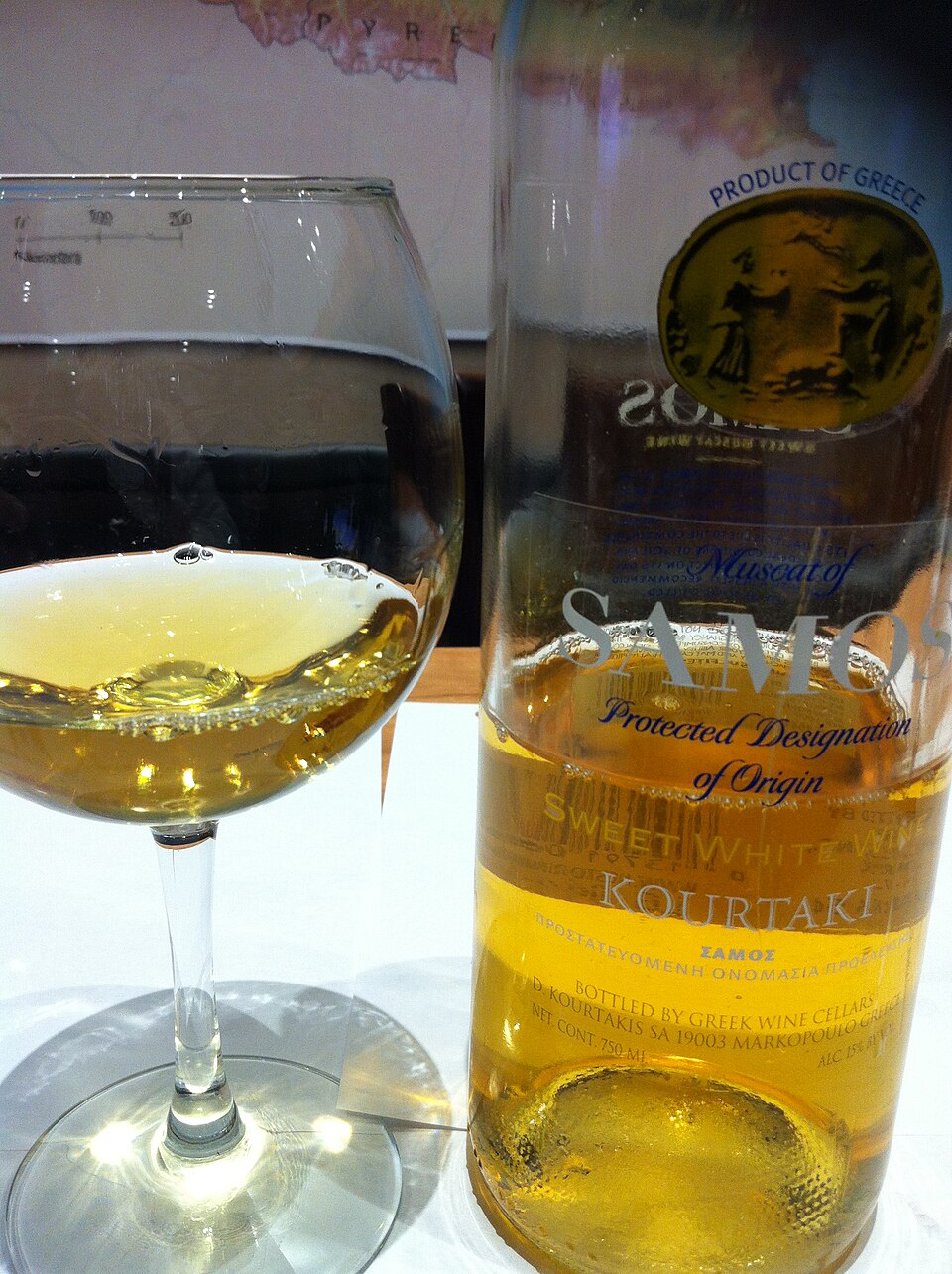
Image Source: Wikimedia Commons
Muscat vines first arrived from Asia Minor in the late 1500s. The Muscat Blanc à Petits Grains grape just thrived in Samos’ climate and rocky soil.
After phylloxera wiped out vineyards across Europe in the 1800s, French and Italian winemakers came searching for alternatives. They turned their attention to Samos, and suddenly, demand for Muscat soared. Vineyard areas expanded fast—prices too.
French enologists brought over new winemaking gear and techniques. They started stopping fermentation with a splash of alcohol, which locks in that signature sweetness. The Union of Cooperatives of Samos still swears by this method.
Samian wines picked up their first international medals in London (1862) and Paris (1867). These days, they’re still racking up awards.
You’ll find a few main styles:
- Samos Vin Doux: Classic, sweet dessert wine with 15% fortification
- Samos: From high-altitude, low-yield vineyards
- Samos Anthemis: Aged 5 years in oak, amber and rich
- Samos Nectar: Made from sun-dried grapes, aged 3 years
Visiting Vineyards and Wine Tasting Journeys
Most of Samos’ vineyards sprawl across the west, north, and center of the island. Terraces hug the hillsides, and natural springs keep the vines happy.
If you want to dive into the island’s wine culture, the Samos Wine Museum in Vathy is a must. It’s right in the capital and gives you a crash course in local traditions.
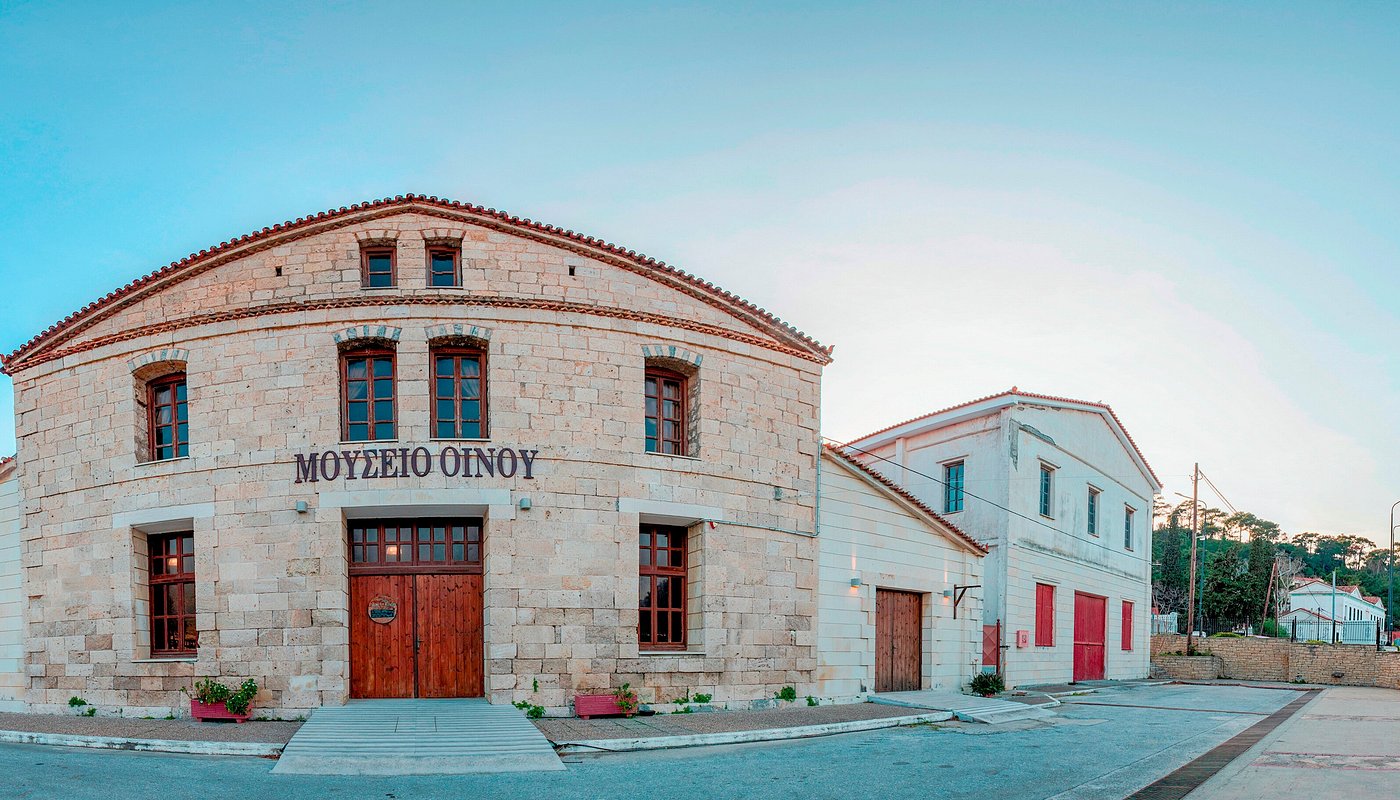
Image Source: Tripadvisor
The Union of Cooperatives of Samos runs the show here. Twenty-five sub-cooperatives and about 4,000 members work together, turning out a wild 7 million liters of wine a year.
Harvest season? That’s August through October. I love how cooperative experts roam the vineyards, checking grape quality before the big pick. The final say happens at wineries in Vathi and Karlovasi.
The best grapes grow between 500 and 600 meters up, but a few vineyards climb as high as 900 meters on the slopes near Ambelos. That altitude really amps up the flavors.
Muscat of Samos dominates, covering 95% of the island’s 18,000 vineyard acres. The rest? That’s mostly Fokiano grapes, which make a bold red.
Local Cuisine and Gastronomy Experiences
Samian Muscat wines and local desserts? It’s a match I didn’t know I needed. The honey-soaked pastries and fresh fruit just sing with a glass of sweet wine.
Restaurants love to serve Muscat with:
- Baklava and other classic Greek treats
- Fresh figs, grapes, and whatever fruit’s in season
- Local cheeses
- Roasted nuts and dried fruit
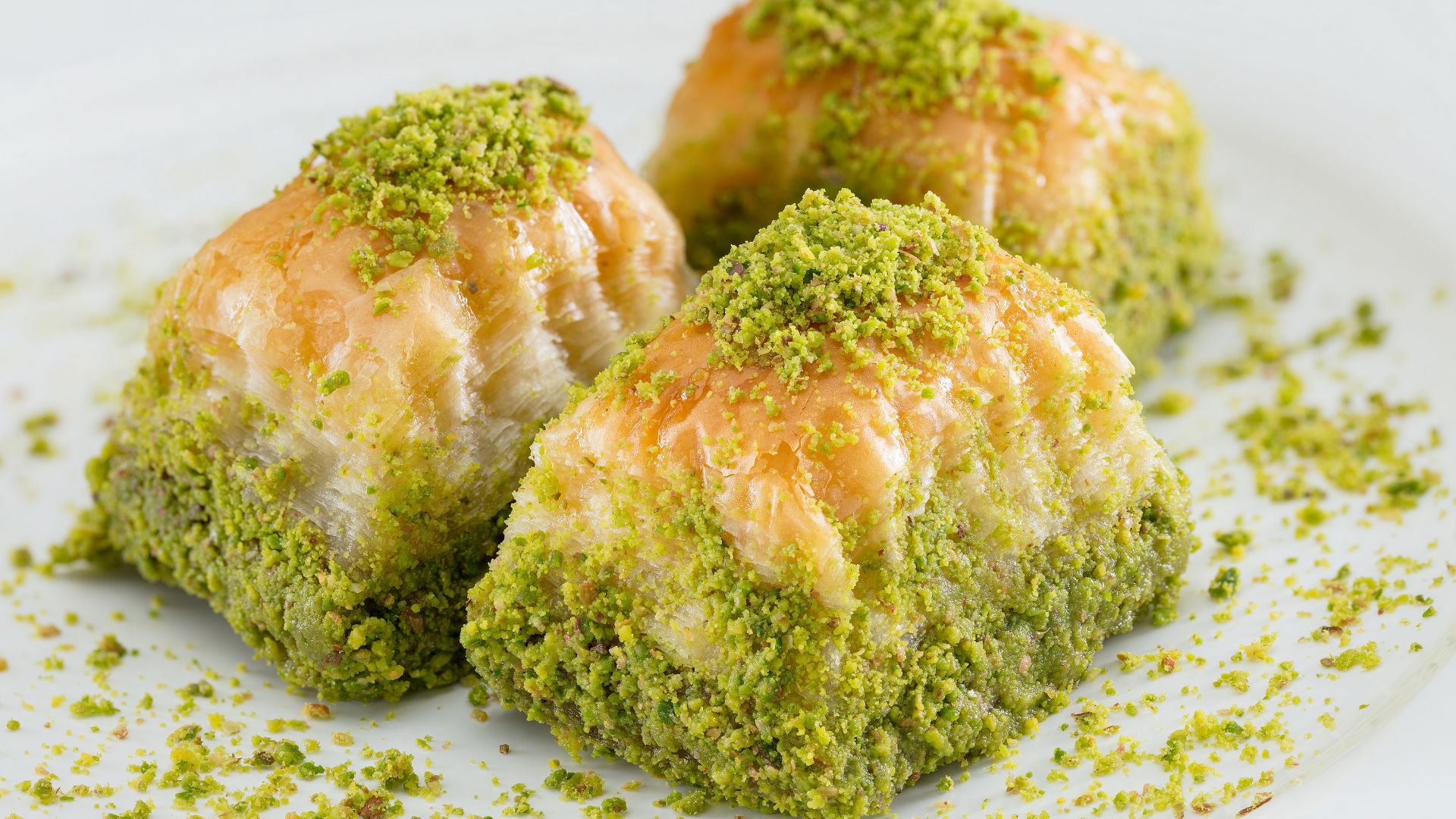
The Orthodox Church even uses a special “Church wine” for the Eucharist. That says a lot about how deep wine runs in the island’s culture.
Samos Nectar really shines with dessert. Its intense aromas and deep, cafe-colored hue make every sip memorable. Letting it linger in your mouth? Highly recommended.
The Samos Doux packs at least 221 grams of sugar per liter. That’s serious sweetness—perfect with lighter, less sugary desserts.
Many local tavernas offer wine tastings with meals. It’s honestly the best way to see how Samian wines play with the island’s food.
Past Meets Present: Attractions, Towns, and Culture
Samos somehow manages to blend ancient wonders with lively Greek island living. One minute you’re wandering ancient ruins, the next you’re sipping coffee in a fishing village. The cultural sites here stretch across 3,000 years, but the towns feel refreshingly real and lived-in.
The Archaeological Museum and Cultural Sites
If you’re even a little bit into history, the Archaeological Museum in Vathy will blow your mind. The collection is packed with ancient sculptures and pottery from old Samos.
The museum also displays treasures from the Temple of Hera at Heraion. This ancient sanctuary was massive in its day. You’ll find the actual site just 8km west of Pythagorio.
Key Archaeological Sites:
- Heraion Temple – Sanctuary dedicated to Hera
- Tunnel of Eupalinos – 1,000-meter ancient aqueduct in Pythagorio
- Castle of Lykourgos Logothetis – 19th-century fortress with sea views
- Ancient ruins of Pythagorio – Layers of history everywhere
Pythagorio is where it all comes together. The town’s basically an open-air museum, with ruins from ancient Greece to the Byzantine era. Walking those streets, I could almost feel the centuries under my feet.
The Monastery of Panagia Spiliani perches above Pythagorio, offering sweeping views and classic Orthodox architecture.

Vibrant Life in Villages and Seaside Towns
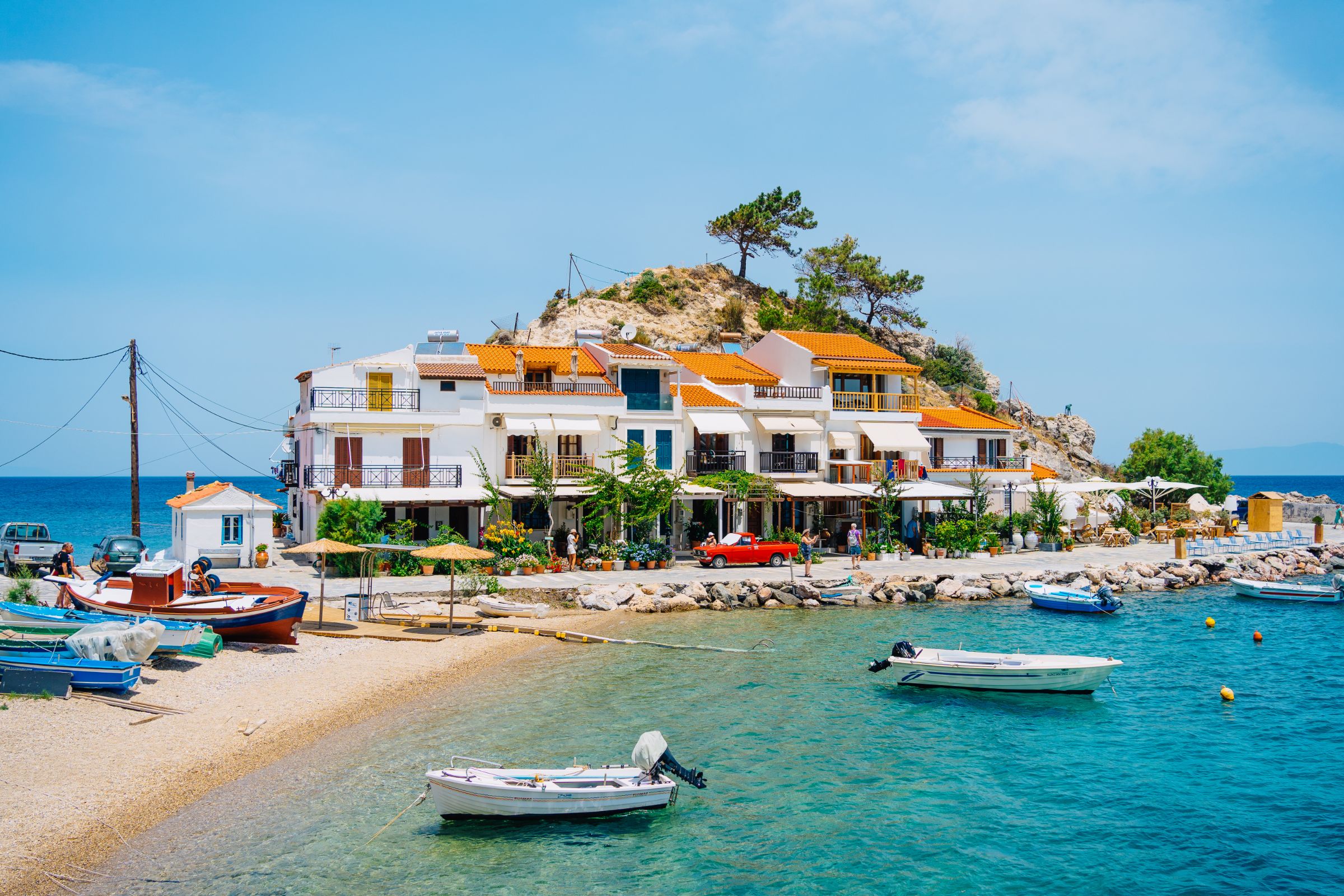
Kokkari steals the show as the prettiest seaside village. Its harbor, pebble beach, and old-school architecture are a photographer’s dream. Plus, you can grab a table right on the water.
Vathy, the capital, is where most ferries from Athens dock. The town climbs the hills around a natural harbor. I loved strolling the pedestrian promenade from the old port to the marina.
Notable Towns by Character:
- Kokkari – Most scenic harbor village, windsurfing hotspot
- Pythagorio – Historic port, lively marina
- Vathy – Capital with neoclassical flair
- Manolates – Mountain village, cobblestone charm
- Marathokampos – Quiet spot, ideal for escaping crowds
Mountain villages like Manolates feel like stepping back in time. Narrow streets twist between stone houses, and the village square is always shaded by giant plane trees—perfect for a lazy coffee.
Each town has its own vibe. Pythagorio attracts history buffs and yachties. Kokkari is a magnet for windsurfers and anyone with a camera. Vathy keeps things running as the island’s bustling heart.
Travel Tips, Access, and Getting Around Samos
You can get to Samos from Athens by either flying or hopping on a ferry. The airport? It’s tucked near Pythagorio, right along the island’s southern edge.
Ferries pull into Vathy port up north, so you’ve got options depending on where you want to land.
Transportation Options:
- Flight – Direct flights from Athens run all year, which is pretty convenient if you don’t want to deal with boats.
- Ferry – Regular ferries leave from Piraeus, Athens’ main port. The ride’s scenic if you don’t mind spending a few hours at sea.
- Car rental – Honestly, renting a car makes exploring Samos so much easier. Especially if you’re eyeing those mountain villages.
- Local buses – Buses link up the bigger towns and main beaches, but don’t expect them to reach every hidden corner.
If you ask me, renting a car is the way to go. Samos stretches about 35 km from Vathy to Karlovasi, so you’re never too far from anything, but public transport just doesn’t cut it for those tucked-away spots.
Mountain villages? You’ll need your own wheels since buses rarely go there. It feels freeing to just drive and stop wherever looks interesting.
Distances here are pretty manageable. For example, Kokkari is only about 10 km from Vathy port and 18 km from the airport. Pythagorio sits 13 km from Vathy and is right next to the airport—super handy if you’re flying in.
Choosing where to stay really depends on what you want from your trip. Kokkari oozes charm and is perfect for relaxing. Vathy is more practical if you want easy ferry access. Pythagorio stands out for its rich history and beaches—kind of the best of both worlds.
In July and August, crowds swarm the beaches and harbors. If you’d rather skip the bustle, try spring or fall—the weather’s still lovely, but the island feels quieter and more authentic.
Winter? Well, things slow down a lot. Fewer ferries run, and some restaurants close up shop, but if you like peace and don’t mind the calm, it’s a different side of Samos.



