
The first time I wandered the cobblestone lanes of Santa Cruz de La Palma, I felt like I’d stepped into a living postcard. This small capital somehow stays timeless and lively at once.
Those colorful wooden balconies along the historic streets set the scene, but it’s the easygoing rhythm of daily life that really invites you to slow down. Here, you can actually breathe and take things in—no need to rush.
Santa Cruz de La Palma might just be the most authentic, laid-back capital in the Canary Islands. Colonial architecture mingles with island charm, and the two get along famously.
Founded back in 1493, this port city once ranked as Europe’s third largest. You can still see echoes of that grand past in every carved balcony and cobbled street.
While exploring, I realized that Santa Cruz de La Palma rewards patience. The city isn’t in a hurry to reveal its treasures.
I found Renaissance churches filled with Flemish art and lively plazas where locals gather. The city’s magic opens up to those willing to wander at the island’s gentle pace.
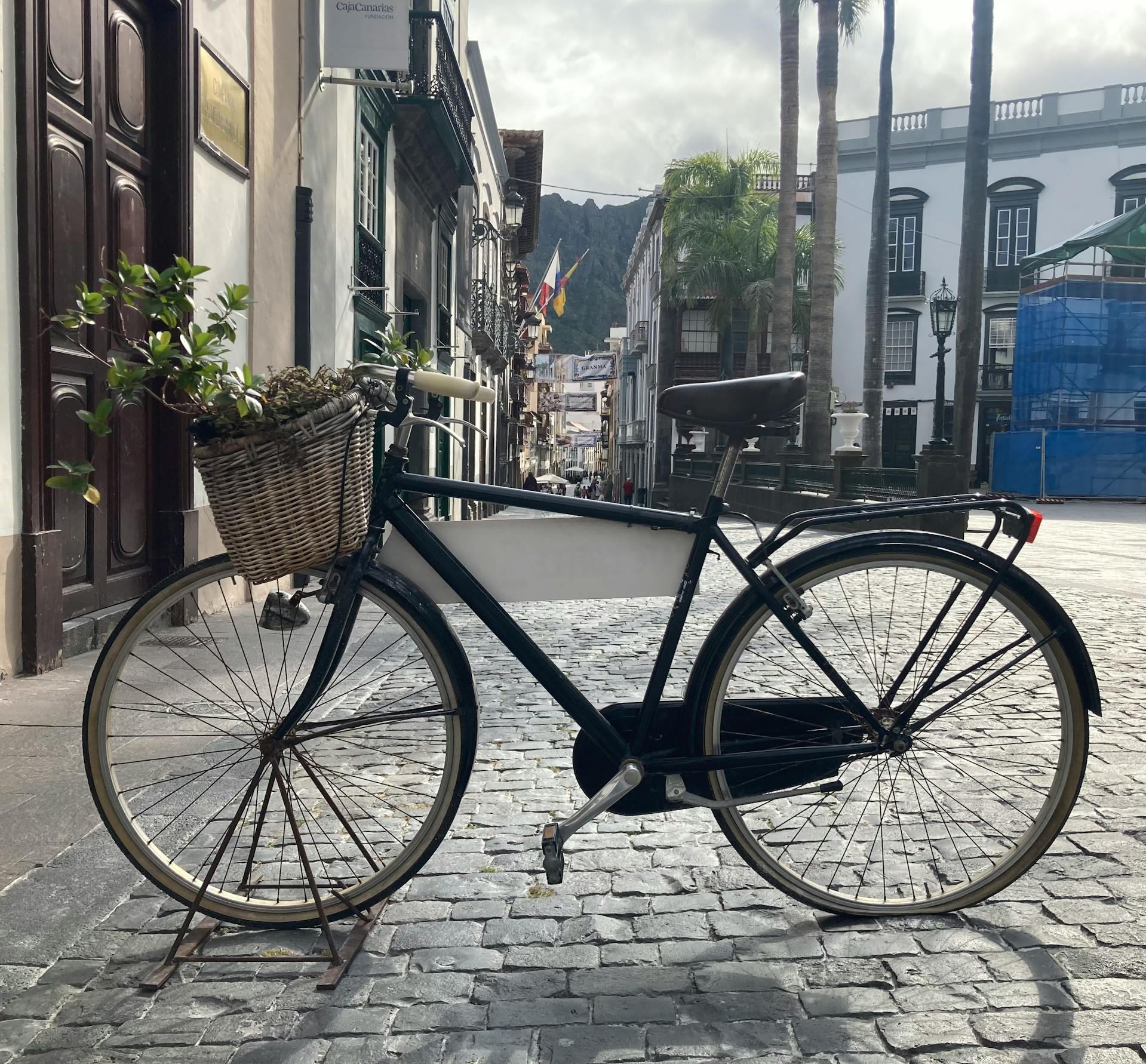
Santa Cruz de la Palma’s Iconic Balconies and Colorful Streets
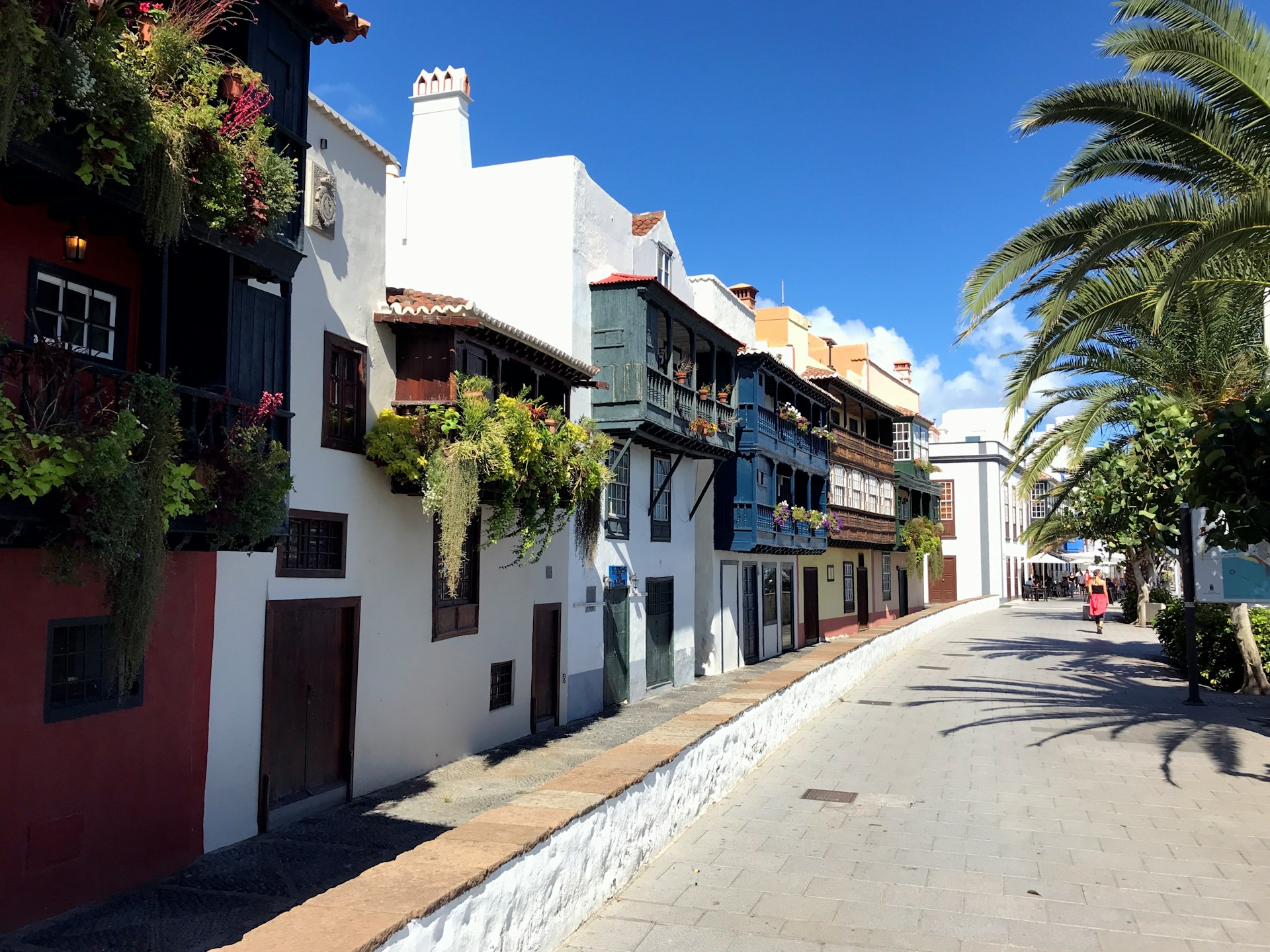
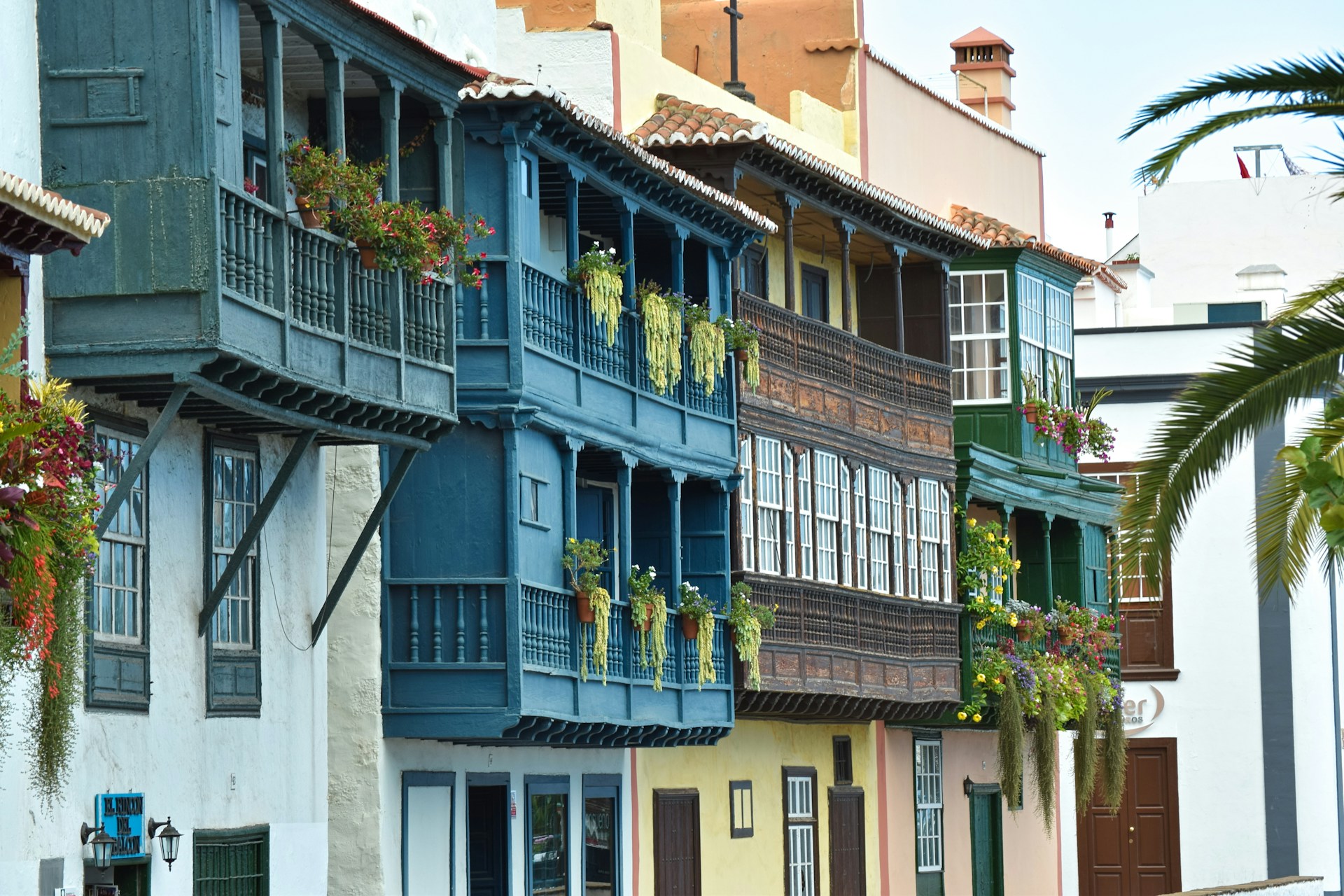
What really stands out here? The traditional wooden balconies lining Avenida Marítima and those cobblestone streets bordered by vibrant colonial houses. Together, they give the city its unmistakable character.
History of Wooden Balconies
Santa Cruz de la Palma’s wooden balconies go way back, all the way to the late 15th century. Wealthy merchants and plantation owners built these ornate homes to show off a bit.
These Canarian-style balconies became a signature across the islands. The intricate woodwork—honestly, it’s a testament to generations of craftsmanship.
But they weren’t just for show. The balconies offered shade from the sun and let ocean breezes drift in, keeping houses cool.
You’ll spot:
- Hand-carved details
- Geometric designs
- Natural wood tones
- Some with two or more levels
Today, these balconies stand as La Palma’s architectural heritage. The city has worked hard to preserve them, and it shows.
Strolling Along Avenida Marítima
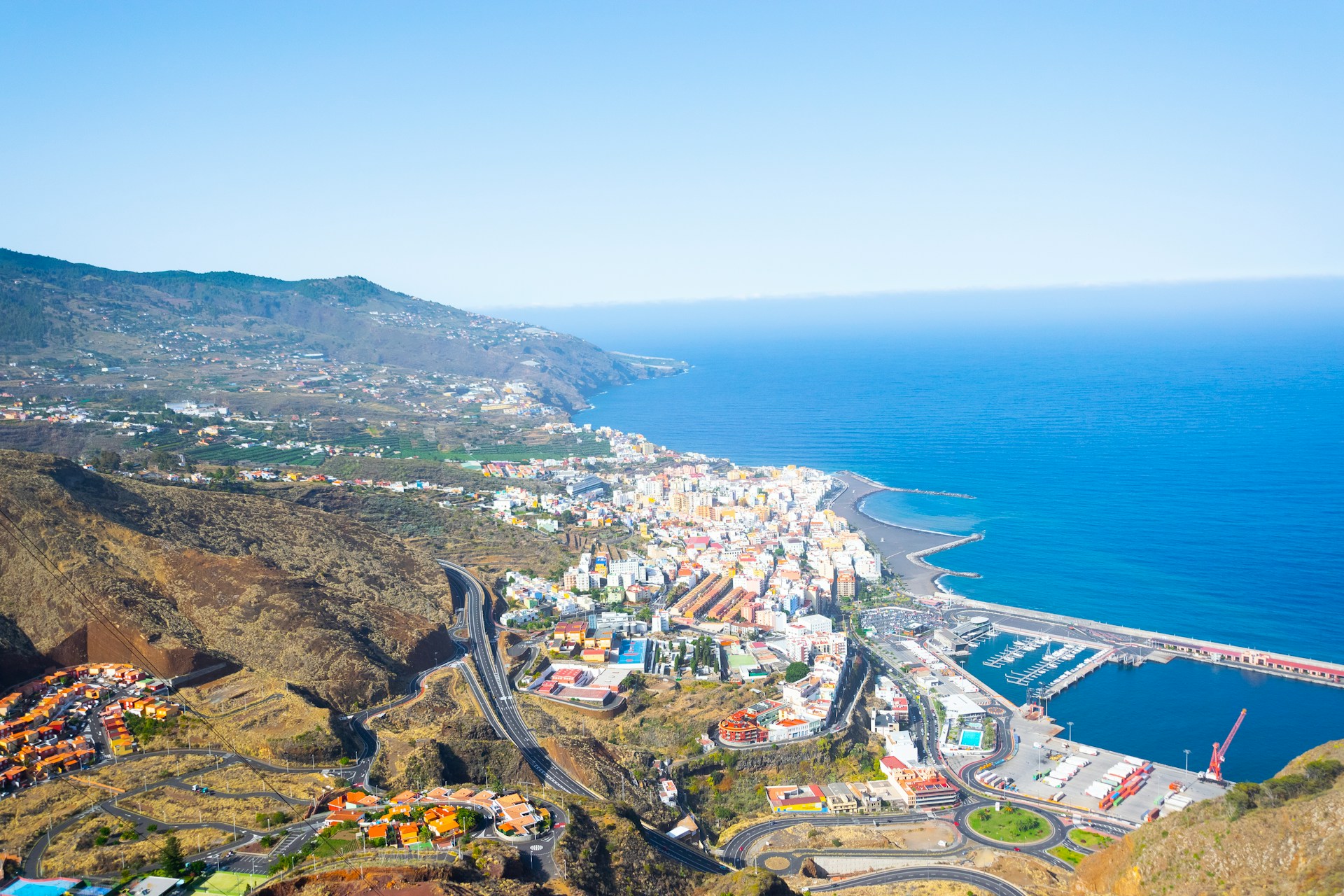
If you’re after the best balcony views, head to Avenida Marítima. This waterfront stretch hugs the eastern coast, giving you open views of the Atlantic.
The Balcones de la Avenida Marítima are pure eye candy. Each building sports a unique mix of colors and balcony styles, each telling its own story.
I usually walk the whole avenue in about 20 minutes, and honestly, the morning light is unbeatable for photos.
Favorite spots:
- By the maritime museum
- The central waterfront
- Near the port at the northern end
This promenade ties the old city center to the newer port. Many of the ground floors hide cozy shops and cafes—perfect for a quick break.
Cobbled and Cobblestone Street Walks
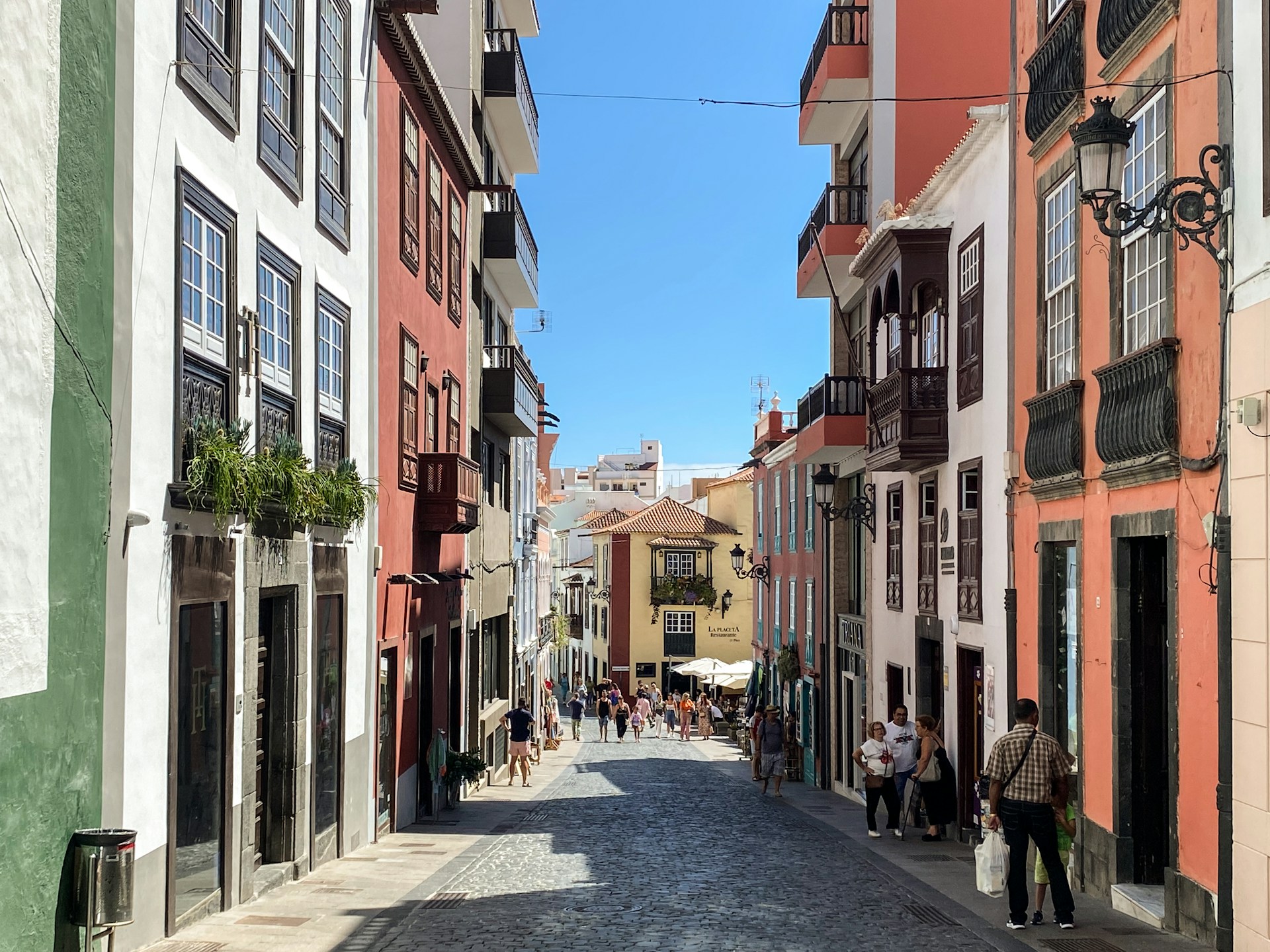
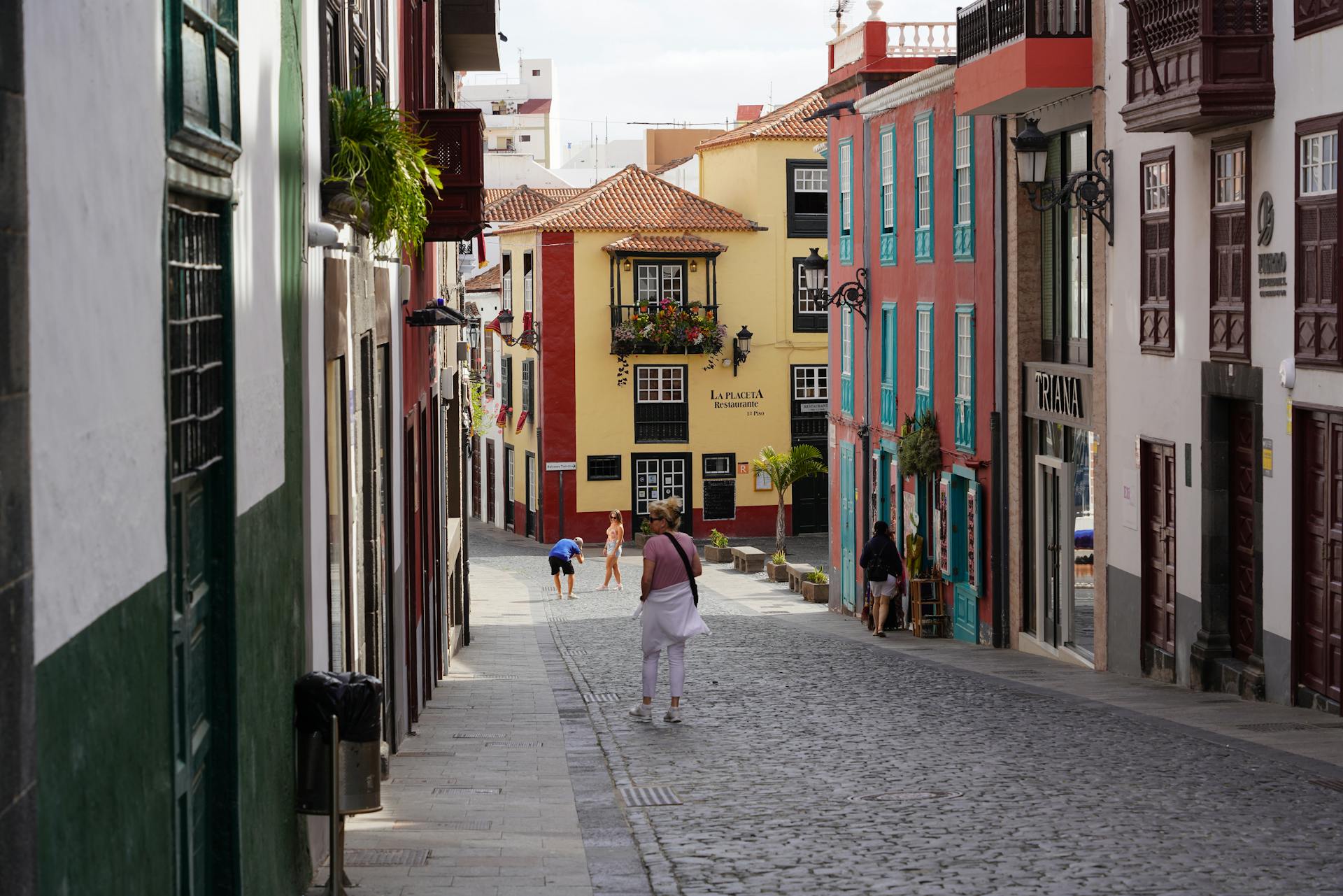
Santa Cruz de la Palma’s cobblestone streets have been around since the city was founded. They twist and turn through the old center, linking up plazas and landmarks.
Calle O’Daly is the main pedestrian route. Walking here, you pass under wooden balconies that almost reach out over the walkway.
I love the sound of my shoes on the stones—it just feels right. The streets still follow their original 16th-century routes, connecting the port to the neighborhoods.
Some key paths:
- Plaza España to the sea
- Side streets in the old center
- Walkways around colonial buildings
The city keeps these stones in great shape, but bring comfy shoes. Trust me, your feet will thank you.
Floral Displays and Colorful Houses
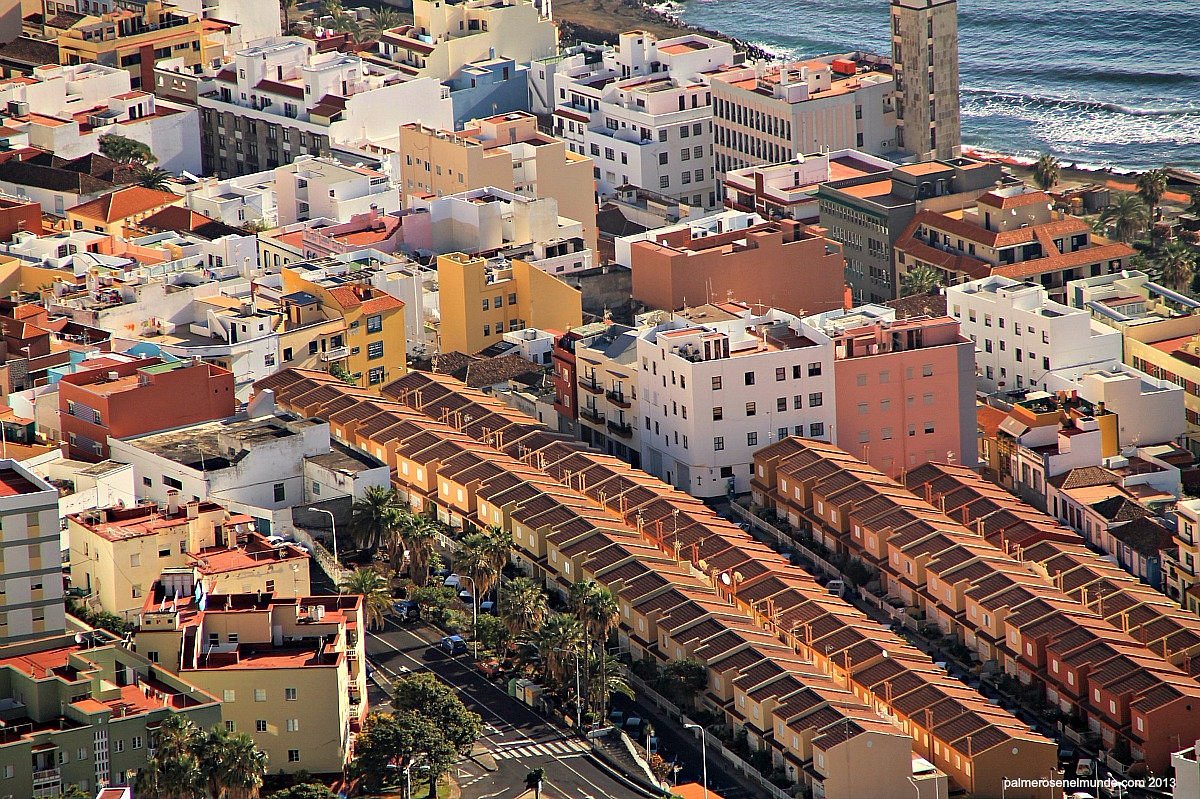
Houses here burst with color—pastel blues, sunny yellows, coral pinks, mint greens—and it all pops against the island’s wild beauty.
Locals love their plants. Flowering vines and pots of bougainvillea, geraniums, and tropical greenery spill from balconies and windowsills year-round.
The colors and blooms together create a kind of visual feast. Each street feels a little different, depending on the neighborhood’s style.
Some classic combos:
- Blue walls with white trim
- Yellow houses and green shutters
- Pink facades, dark wood accents
Santa Cruz de la Palma is easily one of the most photogenic capitals in the Canaries—maybe even anywhere. Frequent repainting and the mild climate keep everything looking fresh.
A Leisurely Pace and Vibrant Local Atmosphere
Santa Cruz de La Palma moves to a rhythm that feels… different. It’s both timeless and a bit invigorating.
Here, old Canarian customs blend with that unmistakable island pace. You can feel it in the way people connect, in the spaces that invite you to linger.
Island Culture and Daily Life
As I walk the city, I see daily life unfolding at its own speed. Locals gather in plazas for coffee and a chat before the day heats up.
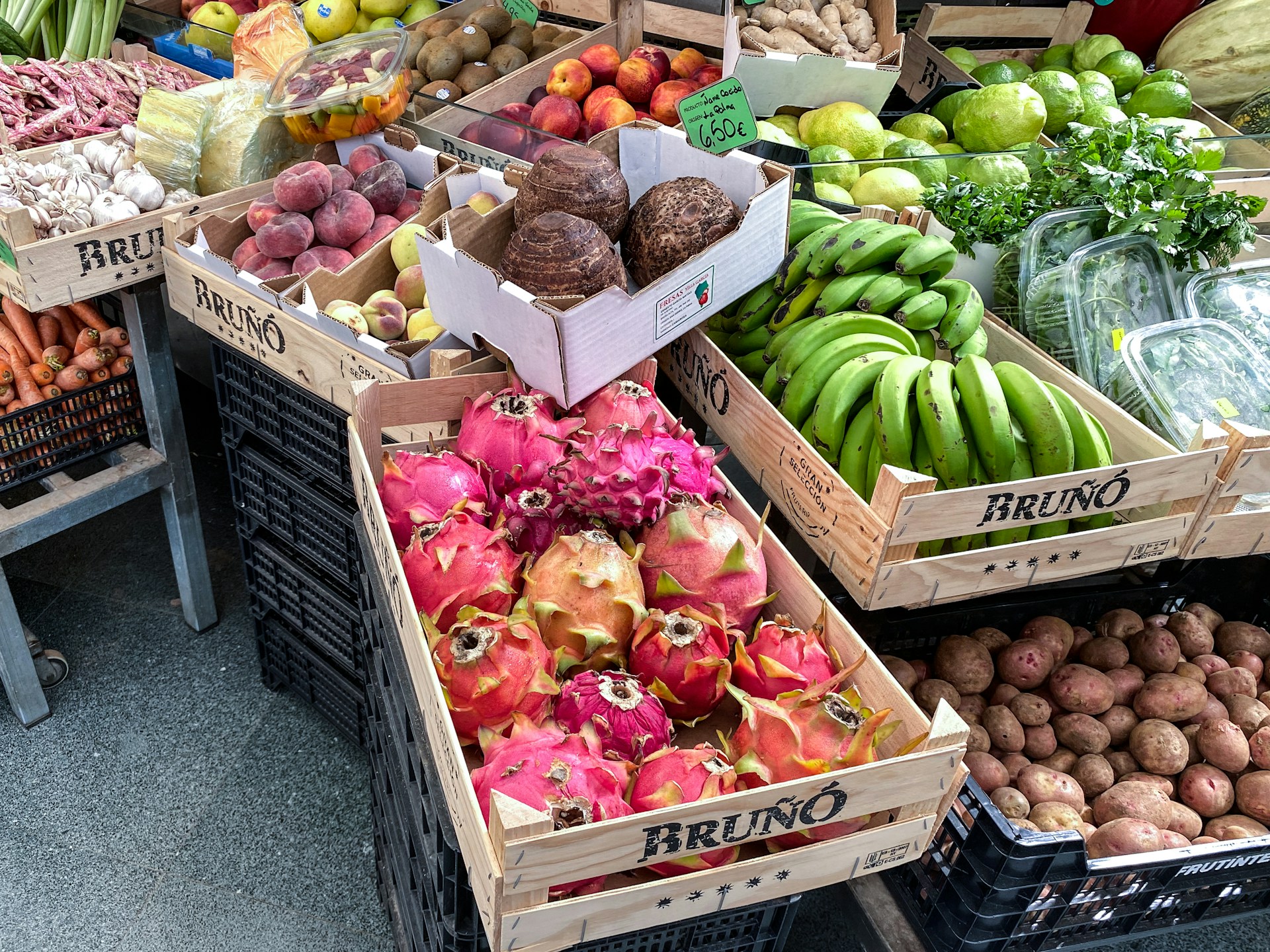
The mercadillo (local market) turns into a lively meeting spot twice a week. Vendors set out fresh produce from the island’s volcanic soil. Families pick out bananas and avocados while catching up on the latest news.
A few scenes I keep noticing:
- Older folks playing dominoes in the shade
- Kids walking to school on the cobbles
- Shopkeepers sweeping the sidewalk, no rush at all
- Afternoon siestas—yes, they’re still a thing
The colonial buildings frame all of this. Balconies become little gathering spots where neighbors call out greetings. It’s got a sense of community you just don’t find in bigger cities.
The Gentle Rhythm of the Capital
Santa Cruz de La Palma runs on hora canaria—Canary Island time. Shops shut down for long lunches, and no one eats dinner early.
After a few hectic travel days, I find this slower pace so refreshing. There’s no pressure to move along. Cafés let you linger, and park benches practically invite you to take a break.
A typical day:
- Morning buzz peaks around 10 AM
- Quiet settles in from 1-4 PM
- Social time picks up again from 6-8 PM
- Dinner? Don’t expect it before 9 PM
The port area gets a bit more action, thanks to the ferries. Still, even there, nobody seems rushed.
Meeting Locals and Artisan Encounters
Santa Cruz de La Palma is full of artisans keeping old Canarian crafts alive. I stumble upon small workshops hidden between houses—places where people carve wood, work volcanic stone, or weave textiles.
These meetings just happen as I wander. Doors are often open, and artisans welcome a curious visitor. Most speak some English, but they light up if you try a little Spanish.
Some memorable moments:
- Potters explaining how they use volcanic clay
- Woodworkers showing me how they build those balconies
- Weavers making baskets from palm fronds
- Stone carvers crafting little decorative touches
Locals genuinely care about your experience on La Palma. They’ll share hiking tips, restaurant finds, or point you toward hidden gems. The conversations feel real—never forced or touristy.
Historic Sites and Architectural Heritage
Santa Cruz de La Palma stands out as one of the Canary Islands’ most historic cities. Spanish conquistador Alonso Fernández de Lugo founded it in 1493, and you can see its colonial architecture everywhere.
City Origins and Alonso Fernández de Lugo
On May 3, 1493, Alonso Fernández de Lugo established Santa Cruz de La Palma. He picked the eastern coast for its perfect spot on the trade routes.
The city quickly turned into a key port between Europe and the Americas. By the 16th century, Santa Cruz had become Europe’s third largest port after Antwerp and Seville.
Trade brought in wealth, and you can still see the results—grand homes line the waterfront, and churches and public buildings from that era still stand.
Colonial and Renaissance Architecture
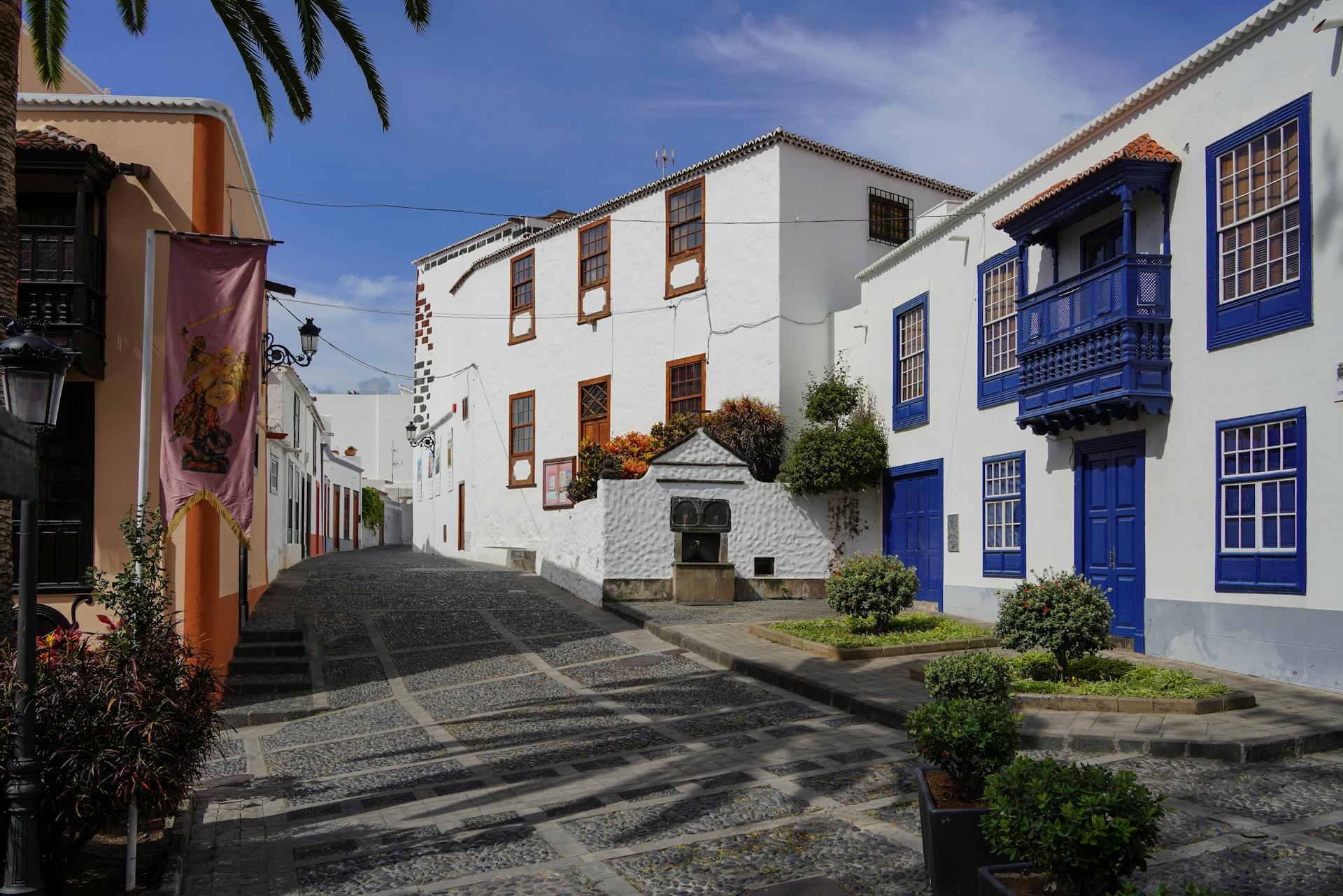
Santa Cruz’s architectural heritage tells the story of its golden age. I spot influences from Portuguese, British, and French colonial styles as I wander the center.
Cobbled streets wind past stately mansions built by merchant families. Those famous wooden balconies, many from the 16th and 17th centuries, still overlook the sea.
Look for:
- Flemish religious art in old churches
- Colonial mansions with ornate fronts
- Canarian balconies painted in bold hues
- Stone and timber construction everywhere
Santa Catalina Castle and Casa Sotomayor stand out as highlights of this architectural mix.
Preserved Historic Areas
Santa Cruz de La Palma holds official status as a Cultural Interest Site and Historical-Artistic Complex. This protects its best buildings and streets.
The Balcones de la Avenida Marítima show off the best-preserved wooden balconies. Walking this avenue, I feel like not much has changed in centuries.
The historic center keeps its narrow cobbled streets and tiny plazas. Plazuela de la Cruz del Tercero is a favorite spot to see colonial urban planning in action.
Must-See Plazas and Cultural Landmarks
Santa Cruz de La Palma’s heart beats strongest in its Renaissance squares and old churches. The city’s maritime heritage is alive along the waterfront promenade and in the naval museum.
Plaza de España Highlights
Plaza de España is the lively Renaissance hub of Santa Cruz de La Palma. This square captures the city’s spirit—historic buildings, daily life, and all.
The 16th-century town hall anchors one side. It started as a cardinal’s palace and got rebuilt after pirates destroyed the original. The stories these walls could tell!
During festivals, the town hall gets decked out in banners. Its Renaissance facade hints at the city’s golden age, back when trade with the Americas brought in wealth.
A bronze statue of Manuel Diaz stands at the center, honoring a key local figure.
The plaza buzzes all day. Locals sip coffee, tourists snap photos. The cafes around the square are perfect for people-watching.
Iglesia Matriz de El Salvador
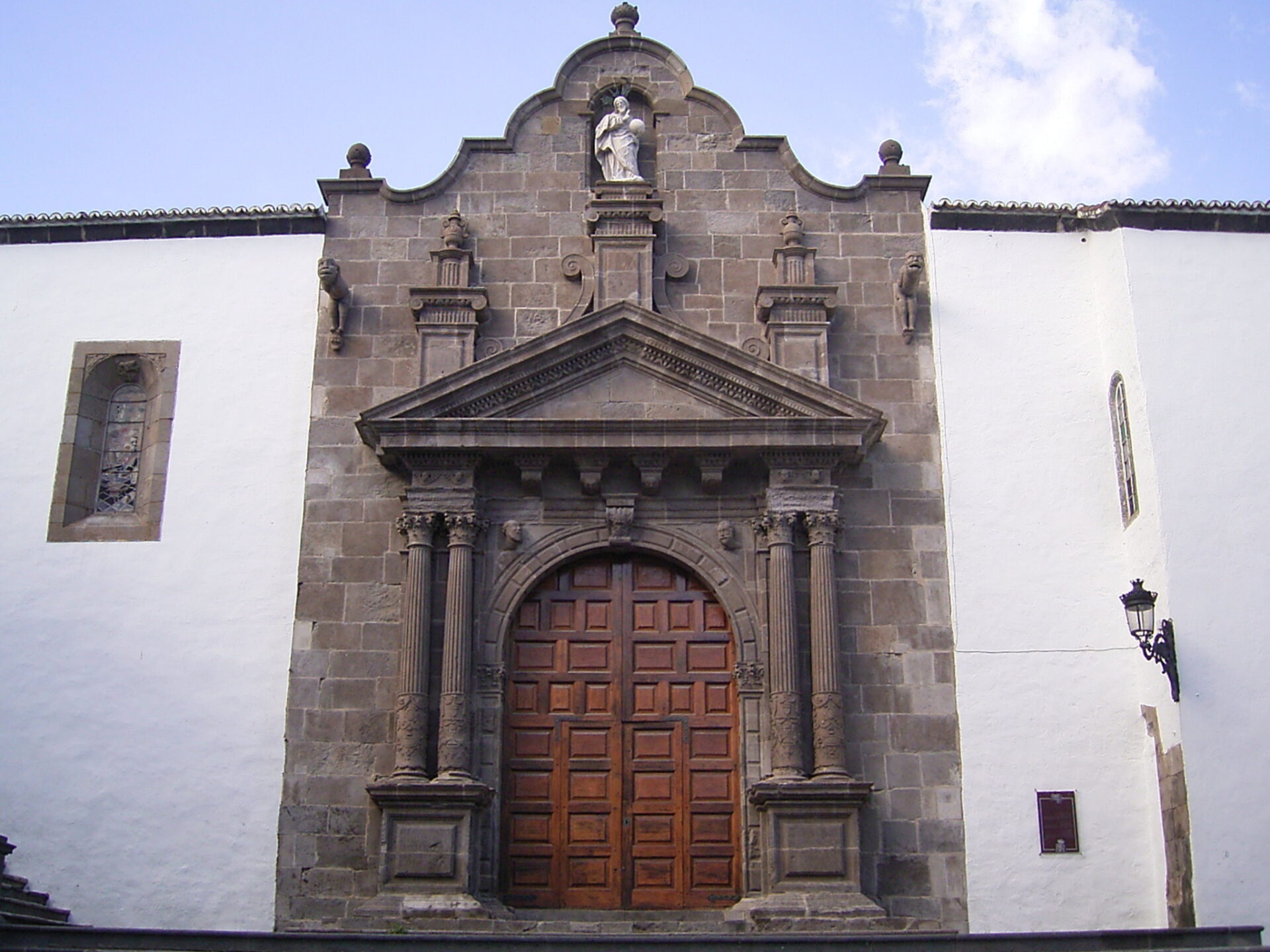
The Church of the Salvador stands out as one of Santa Cruz’s grandest churches. This 17th-century building reflects the wealth that once flowed through the city.
That elaborate facade always catches my eye. The baroque details and stonework are a testament to the skills of Spanish colonial architects.
Inside, you’ll find religious art and artifacts from across the centuries. The church still plays a big part in local festivals, becoming the heart of processions and celebrations.
Plaza de la Alameda and Maritime Promenade
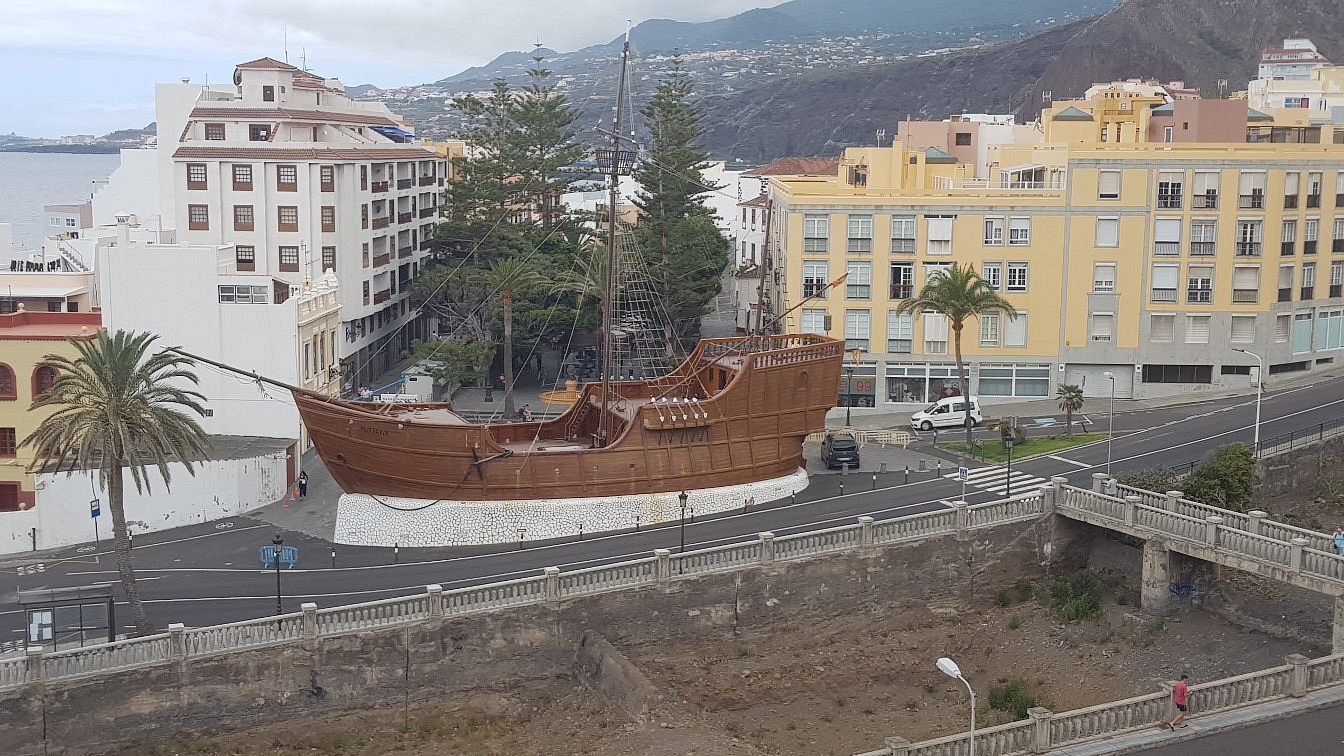
Plaza de la Alameda links the city center with the waterfront. It’s a spot where Santa Cruz’s seafaring past feels close.
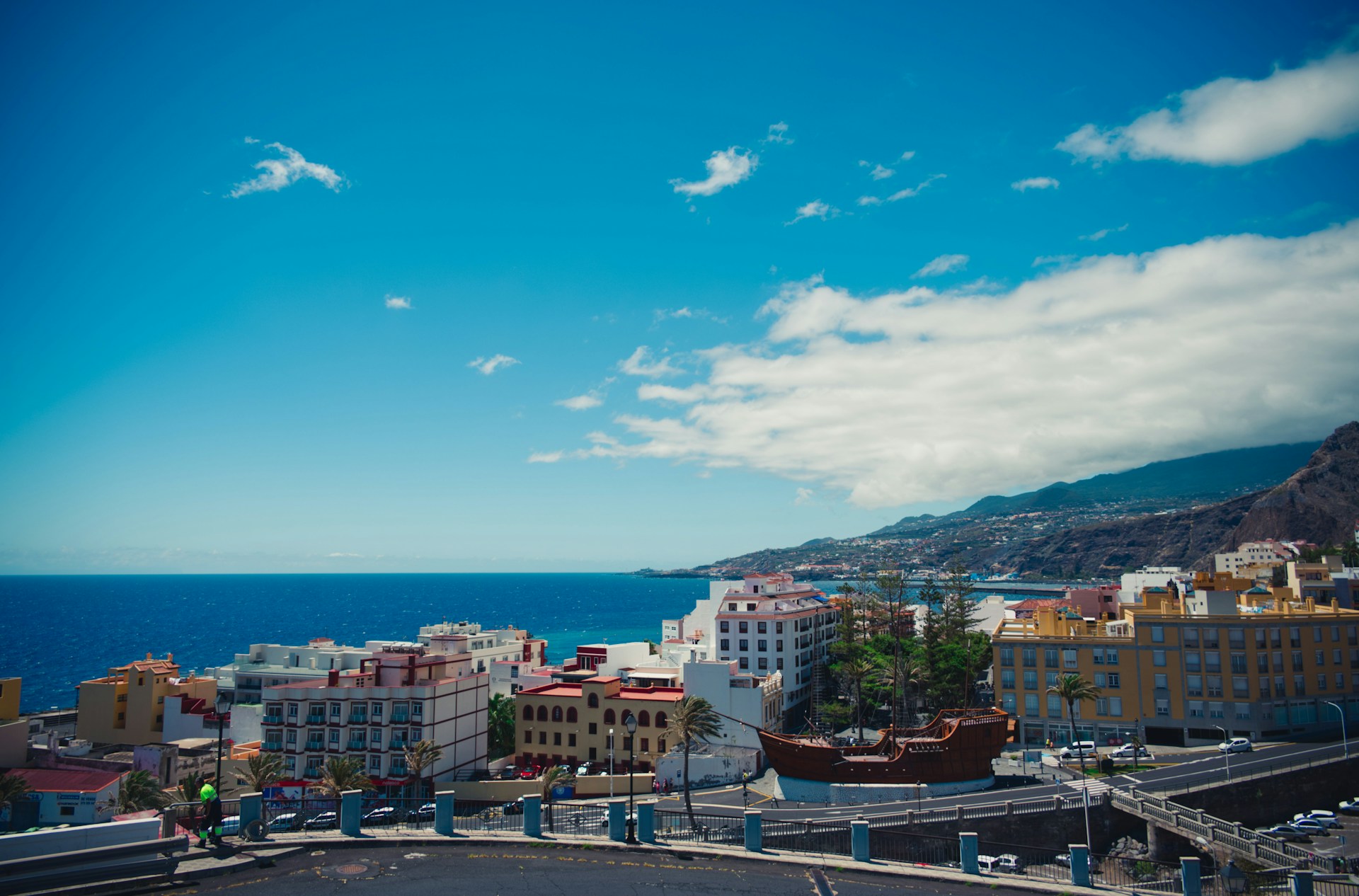
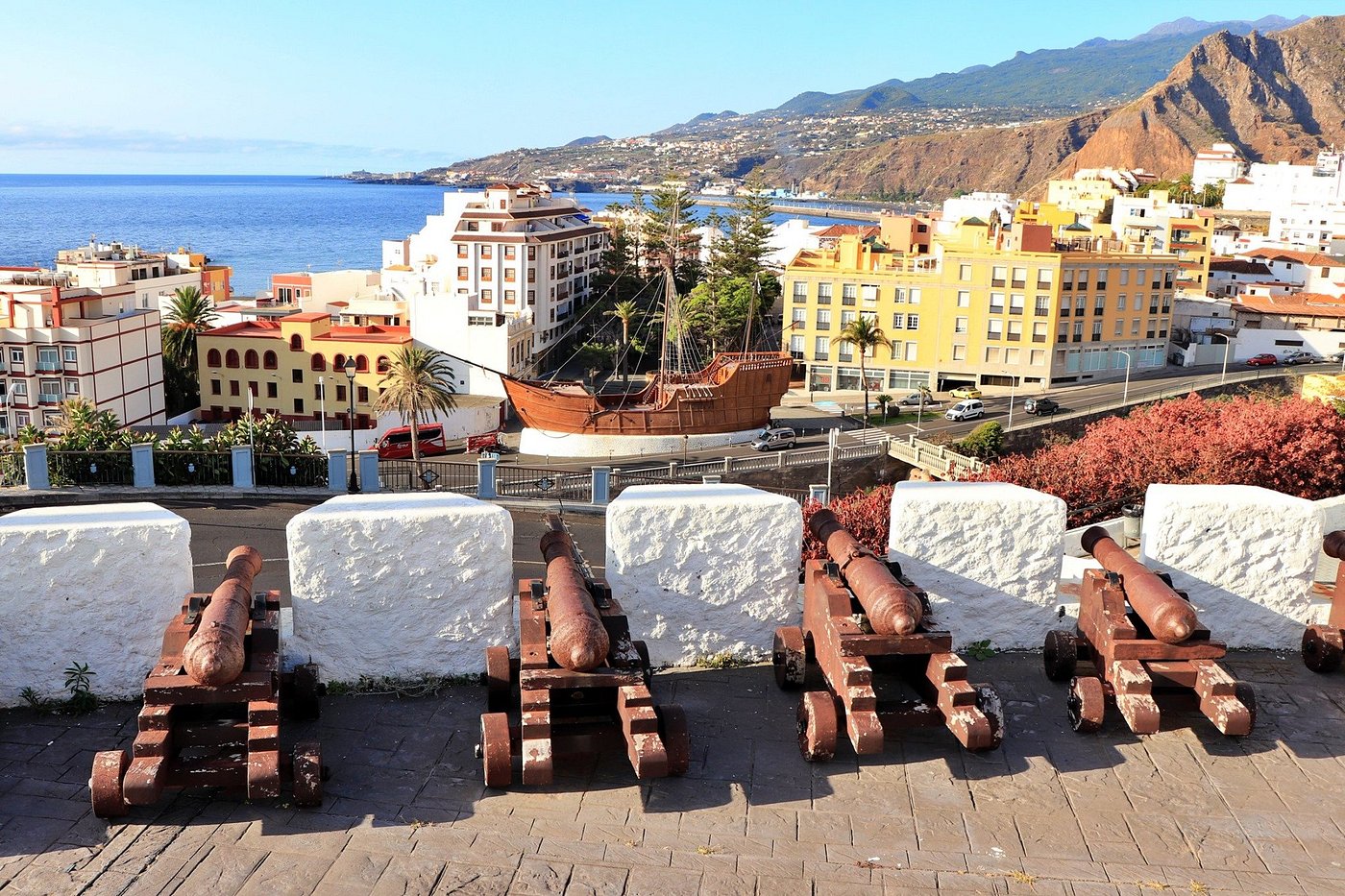
The Museo Naval sits nearby, inside a replica ship called the Barco de la Virgen. It’s small but worth a visit if you’re curious about the island’s maritime traditions.
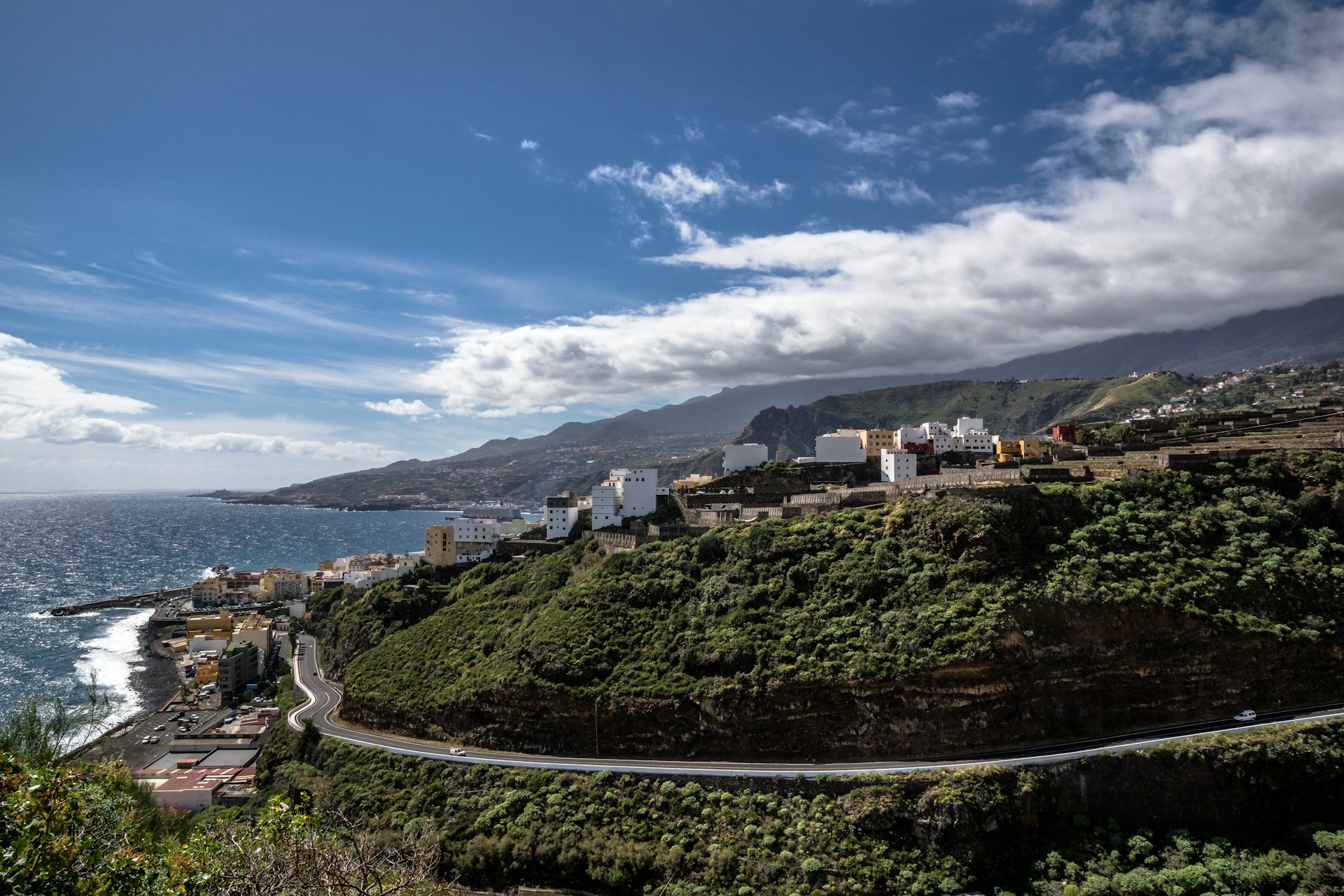
The promenade follows the black volcanic shoreline. You can really sense how the Atlantic shaped both the land and the people here.
Walking along, I see the harbor where ships once loaded goods for Europe and the Americas. Now, fishing boats and yachts come and go.
The promenade leads right to those famous balconied houses. It’s this blend of sea and city that gives Santa Cruz its unique vibe.
Gastronomy and Canarian Cuisine
Santa Cruz de la Palma serves up a true taste of Canarian cuisine, inspired by volcanic landscapes and the sea. The capital is a great place to try authentic mojo sauces, fresh Atlantic seafood, and traditional favorites like papas arrugadas.
Island Flavors in the Capital
Santa Cruz de la Palma really brings Canarian cuisine to life. The city blends Spanish, African, and indigenous flavors in ways that keep surprising me. Volcanic soil gives local ingredients a punch you won’t find elsewhere.
Mojo sauce? It’s everywhere, and honestly, I never get tired of it. There are two main types:
- Mojo verde—that green, herb-packed sauce with a fresh kick
- Mojo rojo—spicy, red, and full of peppers
Every family seems to have their own secret twist. People use mojo as a marinade, a dip, or just drizzle it over grilled meats and fish. It’s the kind of thing you start craving as soon as you leave the island.
Gofio is another staple I always spot on the table. Islanders have relied on this roasted grain flour—usually wheat or corn—for generations. You’ll see it next to fish or whipped into gofio escaldado, a hearty paste that sticks to your ribs.
That nutty flavor adds something special to old-school recipes. Chefs here aren’t shy about mixing gofio into both traditional and modern dishes. Sometimes it works, sometimes it’s a little odd, but it’s always interesting.

Seaside Tapas and Cafés
Down by the harbor, the vibe shifts to something more laid-back. I love wandering through street markets or ducking into a taverna to see what’s fresh that day.
Seafood takes center stage in most places, and it’s usually just off the boat. Fresh seafood really does taste different here.
Some favorites:
- Grilled sardines with a splash of olive oil and garlic
- Octopus salad, bright with local herbs
- Calamari, fried until it’s perfectly crisp
Restaurants change up their specials depending on what the fishermen bring in each morning. It keeps things exciting and guarantees you’re eating the best of the season.
Cafés serve up almogrote, a creamy cheese spread from nearby La Gomera. It’s sharp, garlicky, and rich—fantastic on a hunk of warm bread. I could make a meal out of it alone.
Traditional Dishes to Try
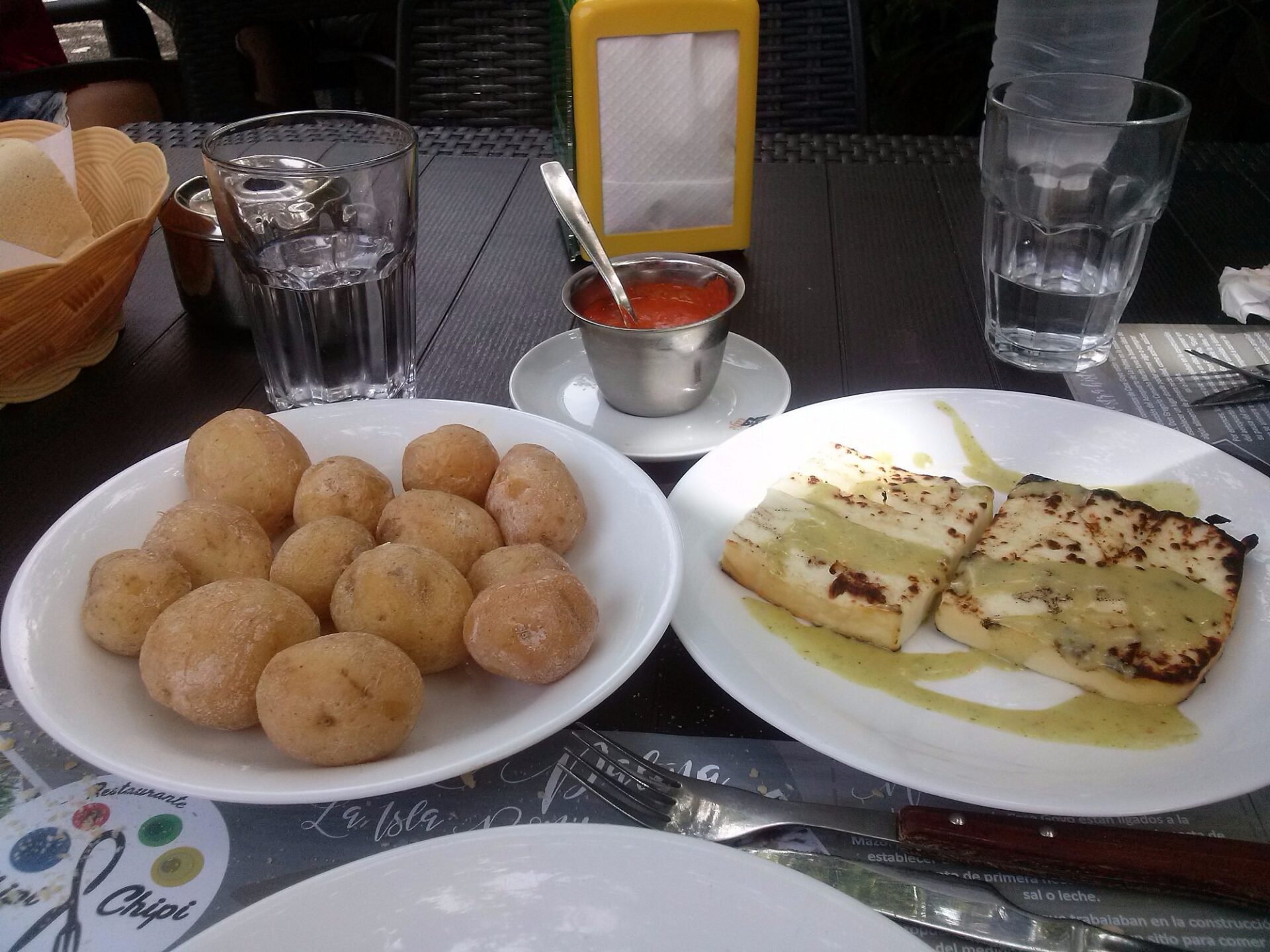
If you’re only going to try one dish, make it papas arrugadas. These wrinkly little potatoes get boiled in salty water until they’re tender and packed with flavor.
They come with mojo sauce, of course. The combo just works—simple, salty, and addictive.
Cazuela de pescado is the island’s answer to comfort food. Fishermen bring in grouper or snapper, and cooks simmer it with potatoes, tomatoes, and bell peppers.
A pinch of saffron and a handful of local spices round out the stew. Everything comes together slowly, and you can taste the care in every bite.
For dessert, bienmesabe is a must-try. This almond cream is usually served with ice cream and makes for a sweet, nutty finish. Or go for tarta de plátano—a moist banana cake topped with cream and fruit, made with the island’s famous bananas.
These treats show off La Palma’s farming roots and always seem to hit the spot after a good meal.
Exploring La Palma’s Natural Surroundings
La Palma’s wild volcanic scenery is honestly some of the most dramatic I’ve seen anywhere. Caldera de Taburiente National Park stands out as the island’s crown jewel. La Cumbrecita offers jaw-dropping viewpoints, and Roque de los Muchachos is where you go if you want to stargaze like a pro.
Caldera de Taburiente National Park
Caldera de Taburiente just blows me away every time. This enormous volcanic crater stretches 10 kilometers across and plunges almost 2,000 meters deep. Pictures never do it justice.
The park has hiking trails for everyone, from easy strolls to serious treks. The Barranco de las Angustias ravine leads you right into the heart of the caldera.
Key hiking options:
- Gentle walks along the rim with sweeping views
- Moderate hikes to waterfalls tucked inside the crater
- Tough, multi-day adventures across the caldera floor
Bring plenty of water and check the weather before you set out—conditions can change fast. The visitor center has up-to-date maps and advice.
Volcanic erosion shaped the caldera over millions of years. Pine forests blanket the upper slopes, and rare plants cling to the crater walls.
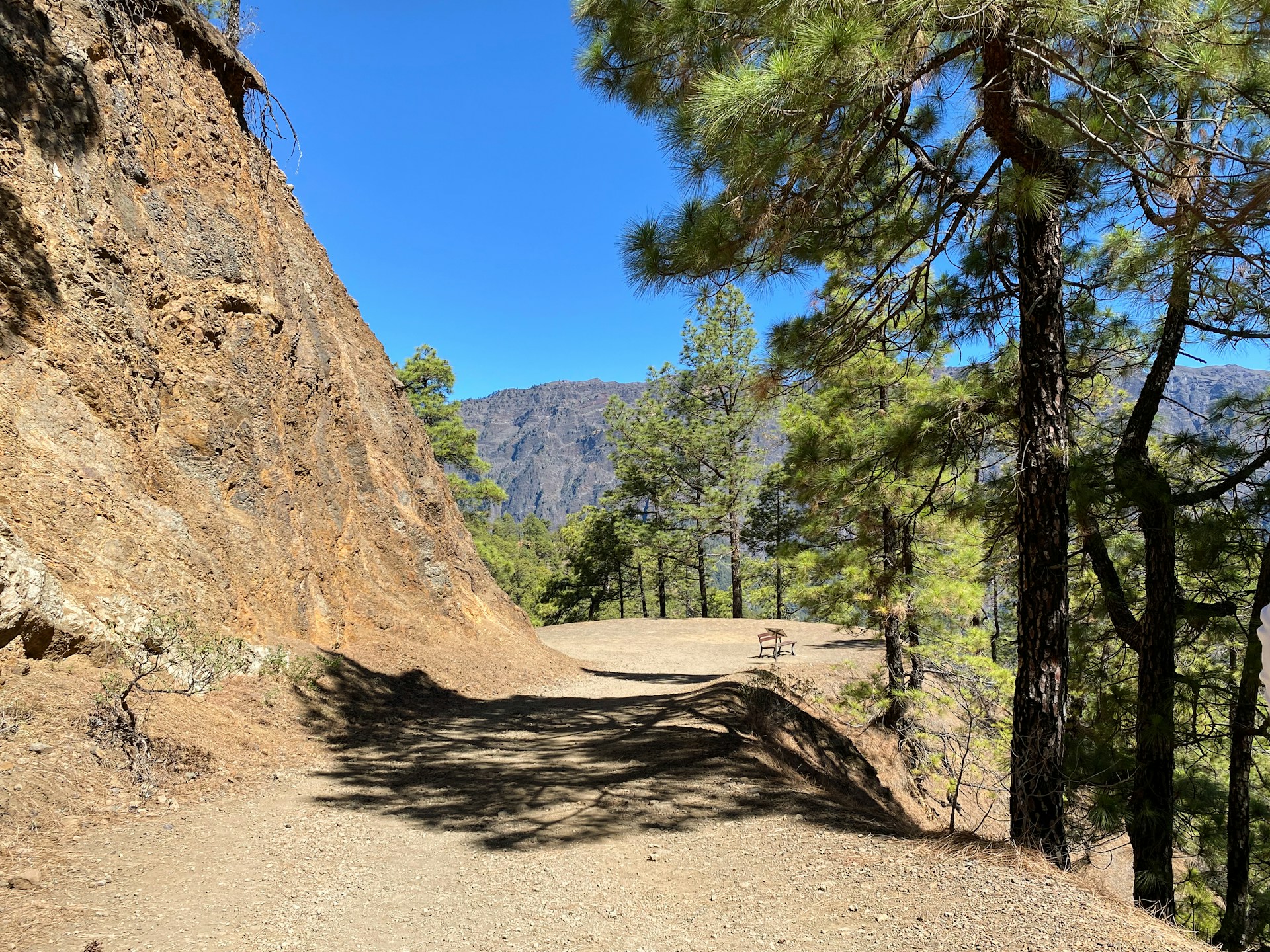
La Cumbrecita and Scenic Viewpoints
La Cumbrecita is the spot everyone talks about, and for good reason. I never skip it on a visit to La Palma.
You’ll find the viewpoint at 1,297 meters. During busy times, you’ll need to book your parking in advance. If you don’t want to drive, there’s a shuttle bus that gets you there.
From up here, the entire caldera opens up below you. The way the green pines contrast with the black volcanic rock is just stunning—perfect for photos, if you’re into that.
Best moments to visit:
- Early mornings for crystal-clear views
- Late afternoons when the light gets golden and dramatic
- On clear days, you might even spot neighboring islands
Short trails branch out from the main viewpoint, each leading to another postcard-worthy scene. The paths are well-marked and easy enough for most people to handle.
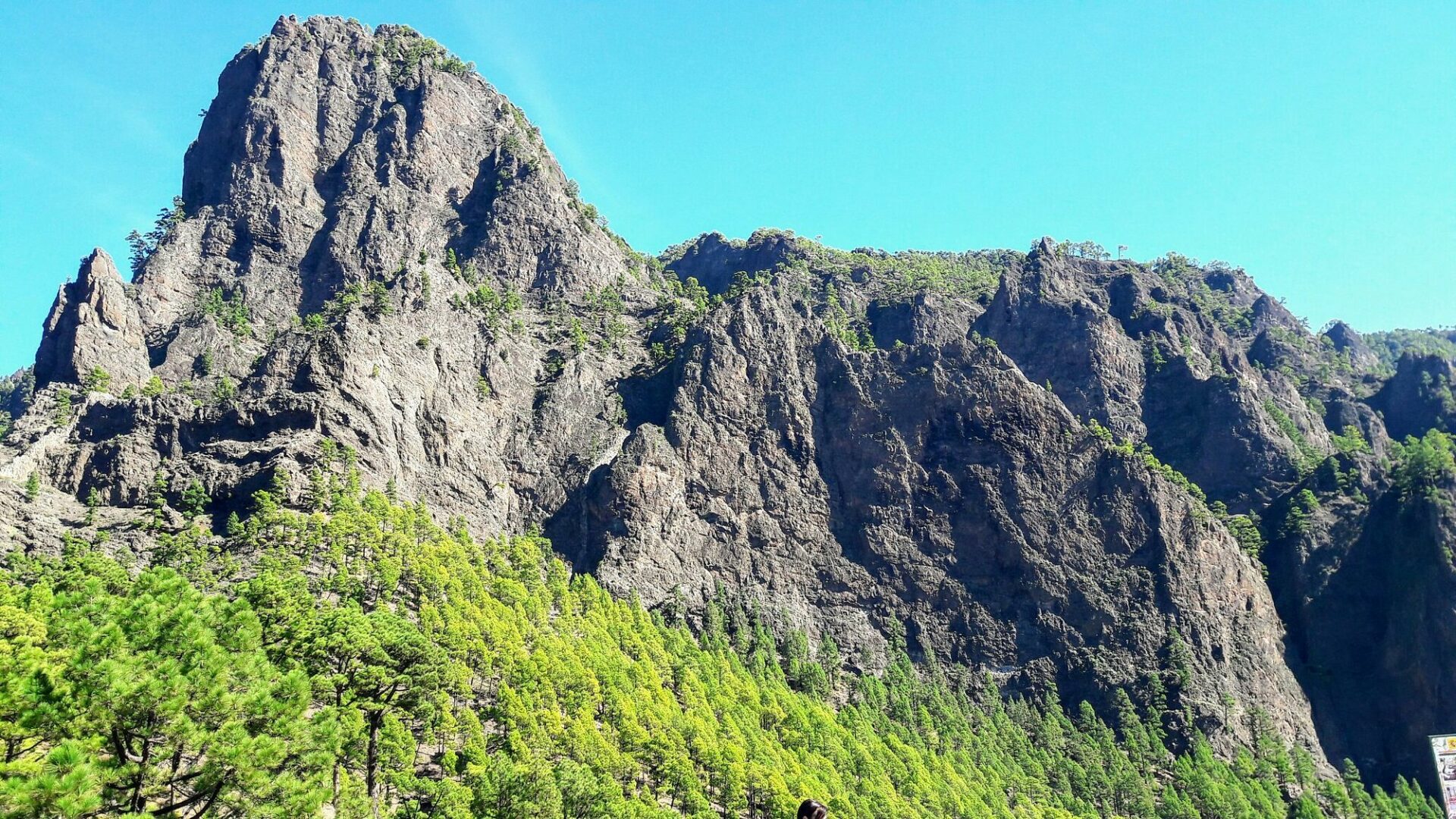
Roque de los Muchachos
Roque de los Muchachos stands tall as La Palma’s highest peak, reaching 2,426 meters above sea level. Up here, you’ll find one of the world’s most significant astronomical observatories.
Getting to the summit usually takes around 45 minutes from Santa Cruz de La Palma. The mountain roads twist and turn quite a bit, so I always check the road conditions before heading out—just in case.
At the Roque de los Muchachos Observatory, several international telescopes point their gaze skyward. They offer free guided tours on certain days, but you’ll need to book ahead since spots fill up quickly.
Once you reach the top, the views are just wild—full panoramic sweeps over La Palma and even some of the other Canary Islands. On a really clear day, I can spot Tenerife, La Gomera, and El Hierro way off in the distance.
What to expect:
- The temperature drops fast at this height, so bring layers.
- Winds can get pretty fierce up here.
- Weather? It changes its mind a lot.
Most days above 2,000 meters, you’ll find yourself floating above a blanket of clouds. It’s that classic “sea of clouds” moment—a bit surreal, honestly.

