
Just north of Berlin, I wandered into the Schorfheide-Chorin Biosphere Reserve, one of Germany’s largest protected areas. This UNESCO World Heritage Site grabbed my attention with its ancient beech forests, sparkling lakes, and those wide, open glacial landscapes that feel almost untouched.
It’s honestly one of those rare places where beavers, eagles, and black storks still find safe havens. If you crave wildlife or just need a solid escape from city noise, this place is a no-brainer.
The reserve stretches out over 1,300 square kilometers in Brandenburg. I found myself strolling through deep woods and circling quiet lakes that felt miles away from any kind of chaos.
With every step, I heard the forest’s soundtrack and felt the weight of its history—old trees, clear water, and a sense that time moves slower here.
If you’re planning a trip near Berlin, I’d say don’t miss Schorfheide-Chorin. It’s wild Germany at its best—unspoiled, beautiful, and always surprising.

Exploring the Ancient Beech Forests
As I wandered Schorfheide-Chorin, I kept stumbling across old beech forests, tranquil lakes, and so much wildlife. The whole area stands out because the ice ages shaped it, leaving behind rare plants and wild spaces that feel genuinely preserved.
Old Beech Forests of Grumsin
Right in the heart of the reserve sits the Buchenwald Grumsin, a real gem of the UNESCO World Natural Heritage. These beech forests have grown with barely any disturbance for centuries.
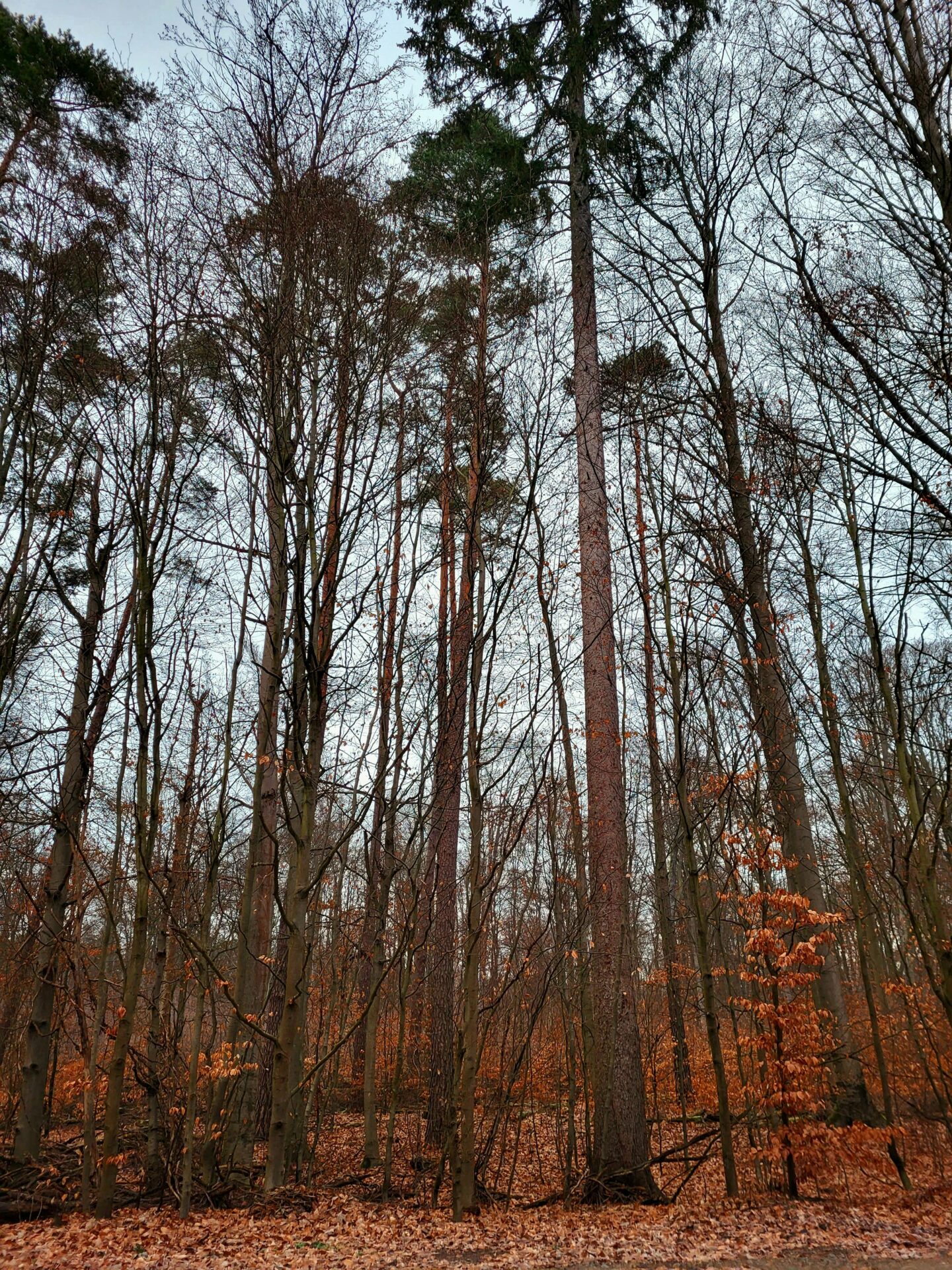
Tall, straight beeches rise up over rolling hills, while the ground below is tangled with ferns, moss, and fallen wood.
The quiet under the beech canopy really struck me. Sunlight barely made it through those thick green leaves, so the whole place glowed soft and green.
Many of these trees are over 100 years old, supporting all sorts of insects and birds that need old, rotting wood to survive.
Some of the trails twisted narrowly through the forest, past little ponds and wet patches. Scientists and nature lovers flock here from everywhere.
People want to see one of the last pieces of Europe’s ancient woodland. The untouched woods and rare wildlife make Grumsin feel special in a way that’s hard to describe.
Ice Age Legacy and Forests of Germany
Schorfheide-Chorin’s landscape still shows scars from the last ice age. When the glaciers finally melted, they left behind hills, lakes, and valleys.
Today, those shapes are covered with thick forests and wetlands. I followed trails over old glacial ridges and around deep, clear lakes.
The forests grow on soils left by ancient ice, so the plants change a lot from one spot to the next. Some of Germany’s oldest beech forests grew up in these glacier-shaped lands.
This ever-changing landscape gives a home to a wild mix of plants, birds, and small mammals. It’s easy to see why scientists study this place to learn how forests recover and change over time.
Protected Natural Heritage and Biosphärenreservat Schorfheide-Chorin
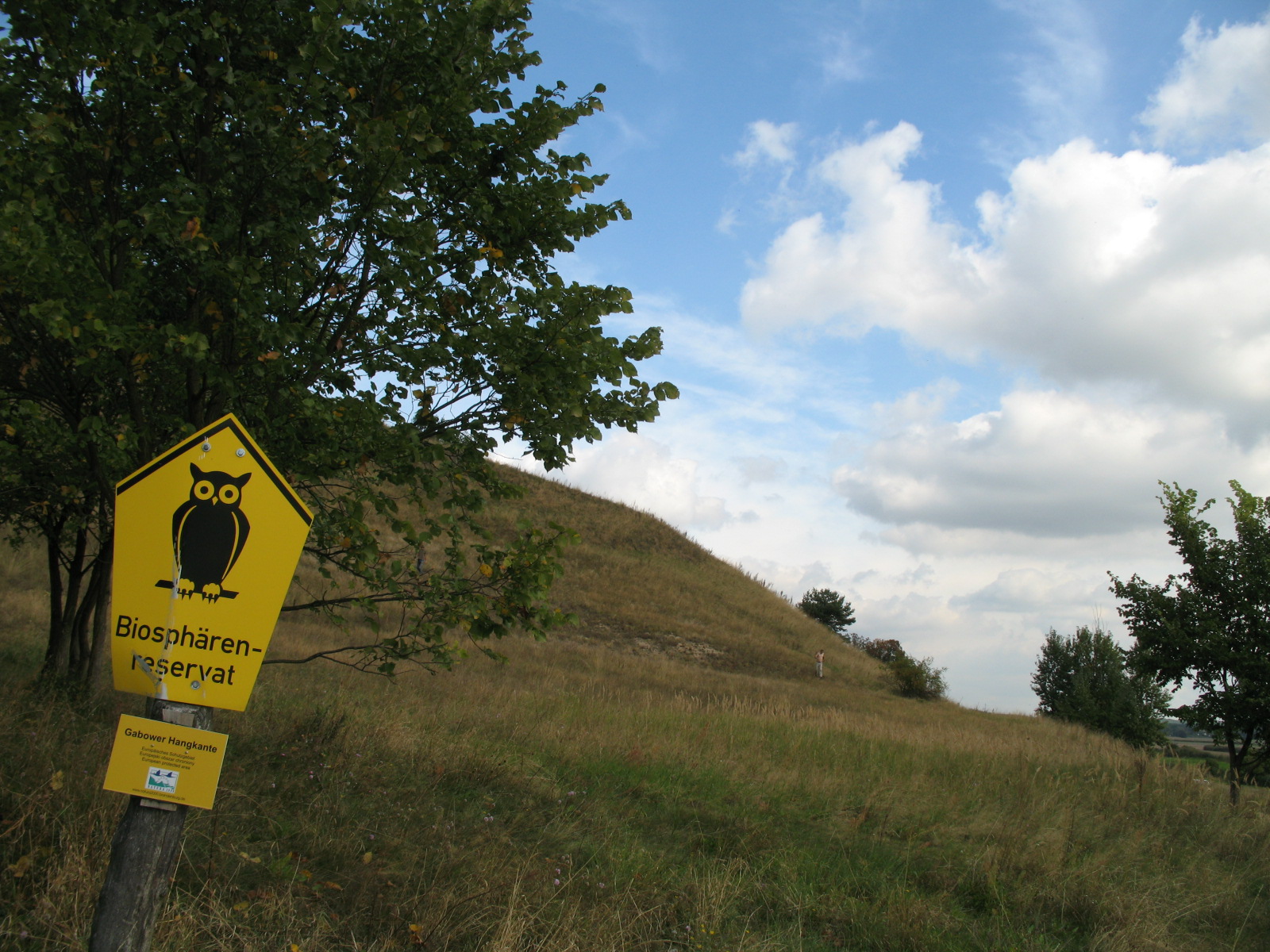
Schorfheide-Chorin covers a massive area—over 1,300 km²—and has been a UNESCO Biosphere Reserve since 1990. It’s also a key part of Europe’s protected nature network.
Strict rules keep old forests, wetlands, and creatures like the white-tailed eagle, beaver, and otter safe. Nature comes first here, plain and simple.
Hikers and cyclists get marked trails, but some core areas stay wild and off-limits to protect the most sensitive spots.
Here’s a quick look at some of the wildlife I spotted:
| Animal | Habitat Type |
|---|---|
| White-tailed eagle | Lakes, forests |
| Beaver | Rivers, wetlands |
| Otter | Streams, ponds |
| Lesser-spotted eagle | Open woods, wetlands |
Every part of the reserve—from ancient beech stands to shallow lakes—gets careful protection. This kind of stewardship keeps Schorfheide-Chorin special for both wildlife and people like me who just want to experience it.
Crystal Clear Lakes and Pristine Waters
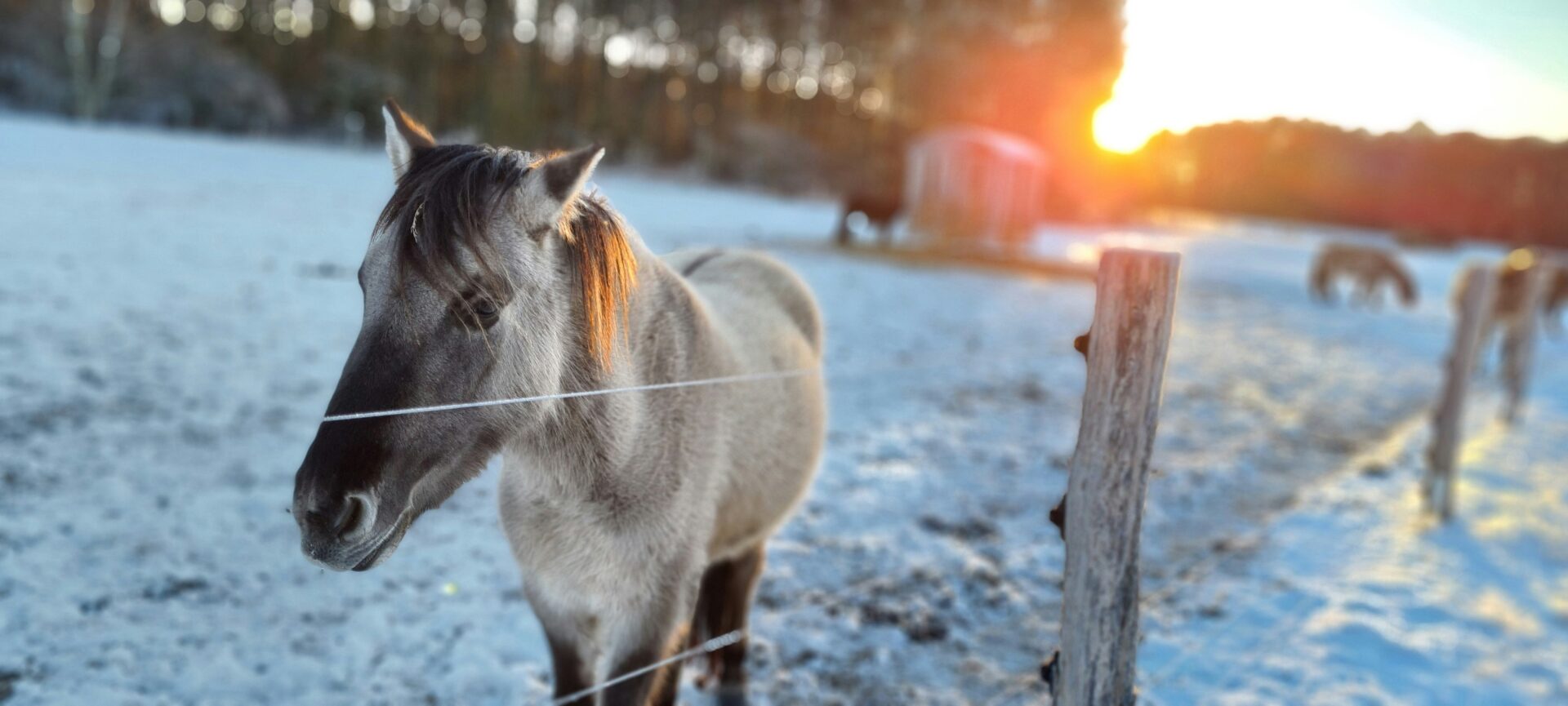
Schorfheide-Chorin Biosphere Reserve is dotted with lakes, streams, and wetlands that shape its wild beauty. The water here is so clean, and the habitats are so untouched, that I found some of the best swimming and nature-watching spots north of Berlin.
Werbellinsee and Grimnitzsee
Werbellinsee caught my eye first with its unbelievably clear water and long, tree-lined shores. This lake is huge, stretching for kilometers, and you can see fish and plants right from the edge.
There are swimming spots and sandy beaches that make it perfect for a summer dip. Grimnitzsee, just a short distance away, is quieter but just as lovely.
It’s got little bays for boating and fishing, and the surrounding forests offer shady picnic spots. The nearby villages, Uckermark and Barnim, are easy to reach and have cozy lakeside restaurants. I enjoyed some traditional food there after a long day outside.
Here’s what I got up to at these lakes:
- Swimming
- Canoeing and kayaking
- Fishing
- Wildlife watching

Bogs, Moors, and Wetland Ecosystems
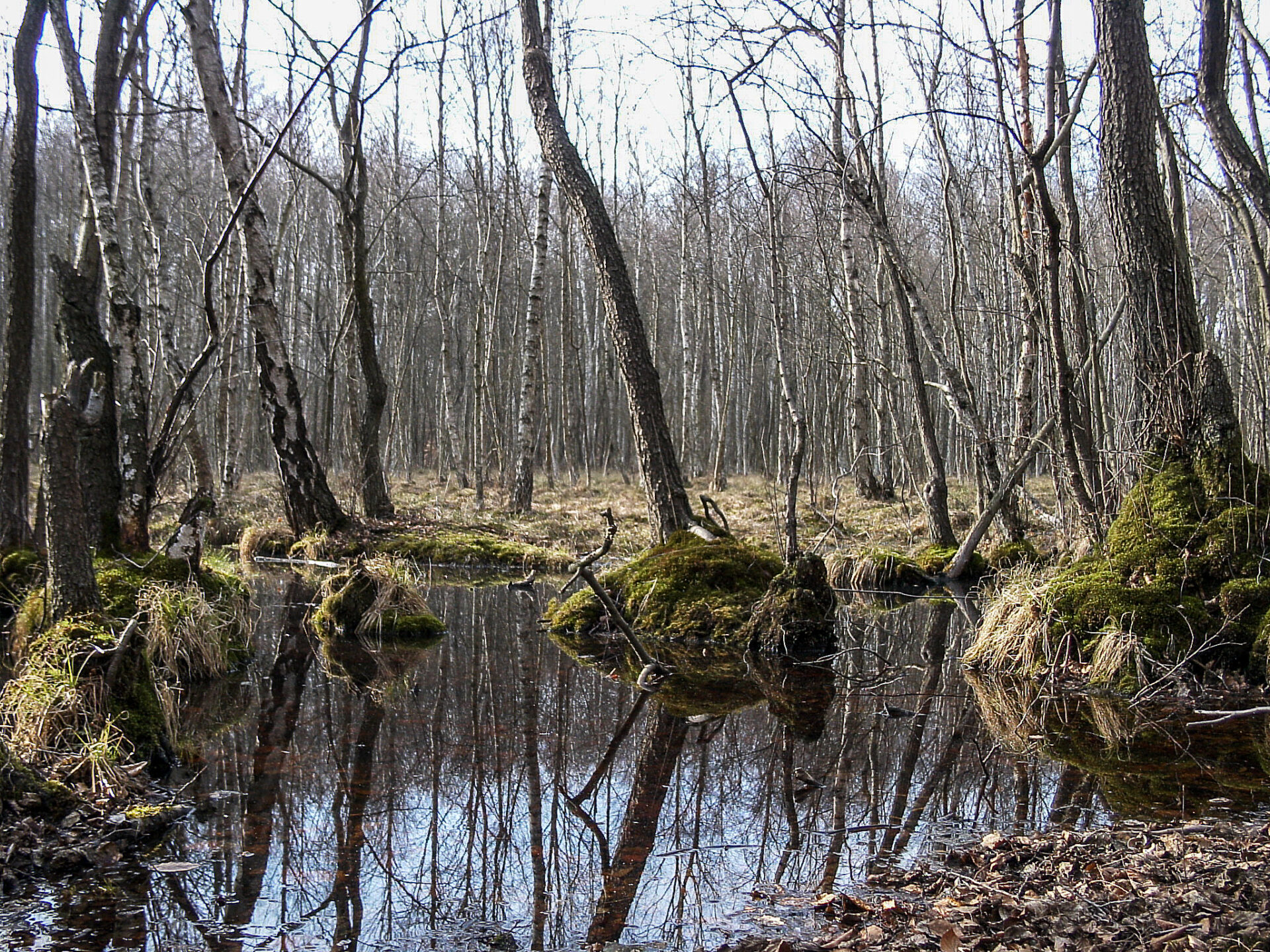
Beyond the lakes, I found a whole network of bogs and moors. These wetlands filter water and shelter rare plants and animals.
In spring and early summer, the meadows around them burst with wildflowers. The bogs store rainwater and help prevent flooding.
I walked along wooden boardwalks that let me explore without getting soaked. The quiet here draws birds like cranes and storks.
Frogs, dragonflies, and even otters thrive in these damp places. Wetlands are crucial for the reserve’s biodiversity, so they’re strictly protected.
Signs around the moors explained their history and why they matter, which made my visit both relaxing and surprisingly educational.
Wildlife Safari: Species and Habitats
Schorfheide-Chorin Biosphere Reserve is a patchwork of habitats—ancient beech woods, clear lakes, wetlands, and moors. These places support rare mammals, an incredible variety of birds, and some unique amphibians I’ve gotten to see up close.
Endangered Mammals: Beavers and Otters
On my walks, I’d often pause by riverbanks or quiet lakes, hoping to spot the shy European otter. This endangered mammal uses the clean waterways and thick reed beds for shelter and hunting.
Their comeback here shows just how well conservation efforts—like the EU’s FFH directives—are working.
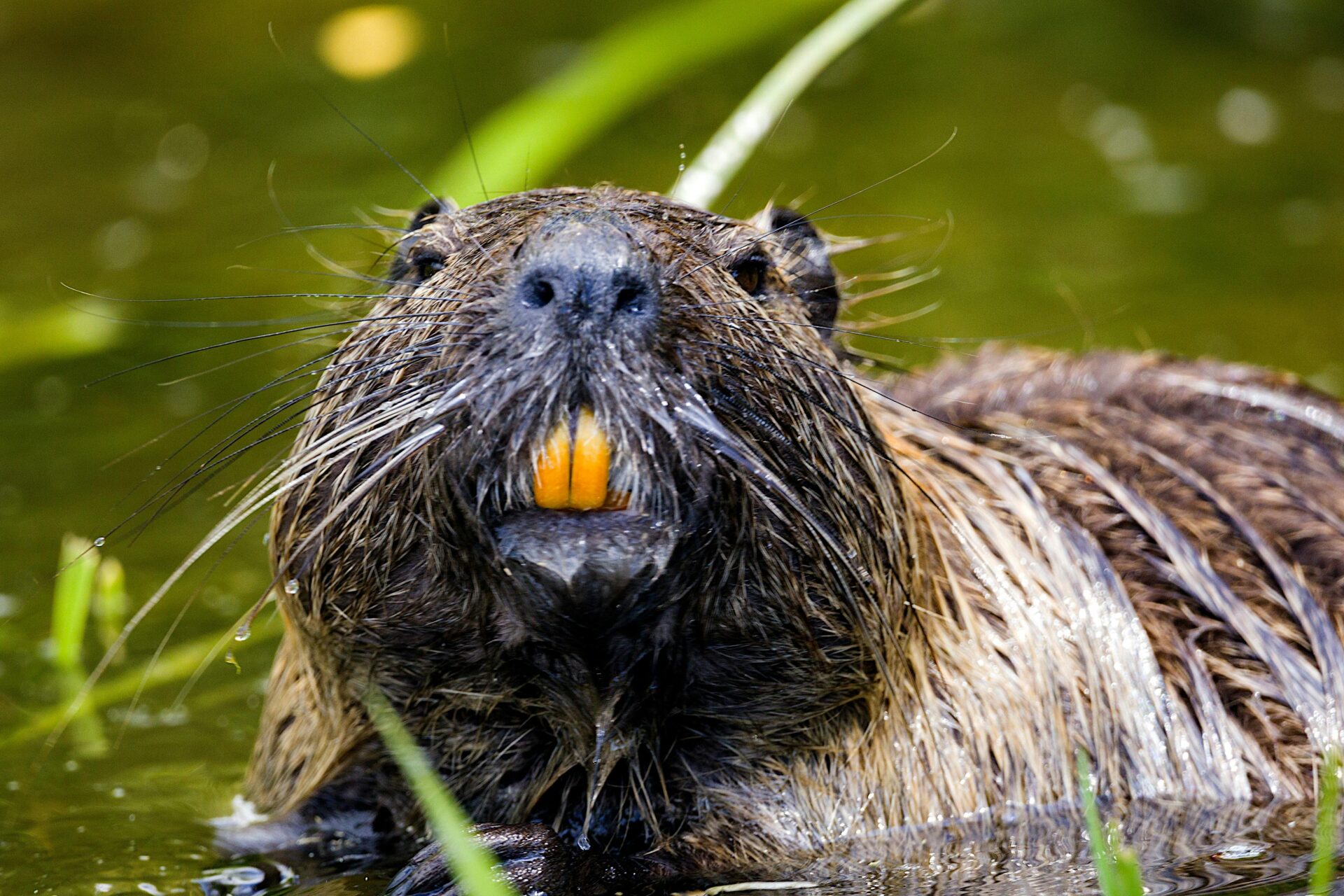
I’ve also watched beavers hard at work, building dams and lodges along forest streams. Their engineering skills actually improve water quality and create new wetlands for other creatures.
Beavers were once rare, but now their numbers are up thanks to protection and reintroduction. Both otters and beavers rely on wild shorelines, old trees, and plenty of aquatic plants.
Their survival here really shows how well the reserve’s core and buffer zones get managed.
Birdlife: Cranes, Storks, and Eagles
There’s nothing quite like seeing a flock of cranes gliding overhead or hearing them call from the meadows. Schorfheide-Chorin sits in a key EU-Vogelschutzgebiet (EU bird protection area), so it’s a haven for threatened birds.
I’ve been lucky enough to spot both white storks and the rarer black storks nesting in tall oaks.
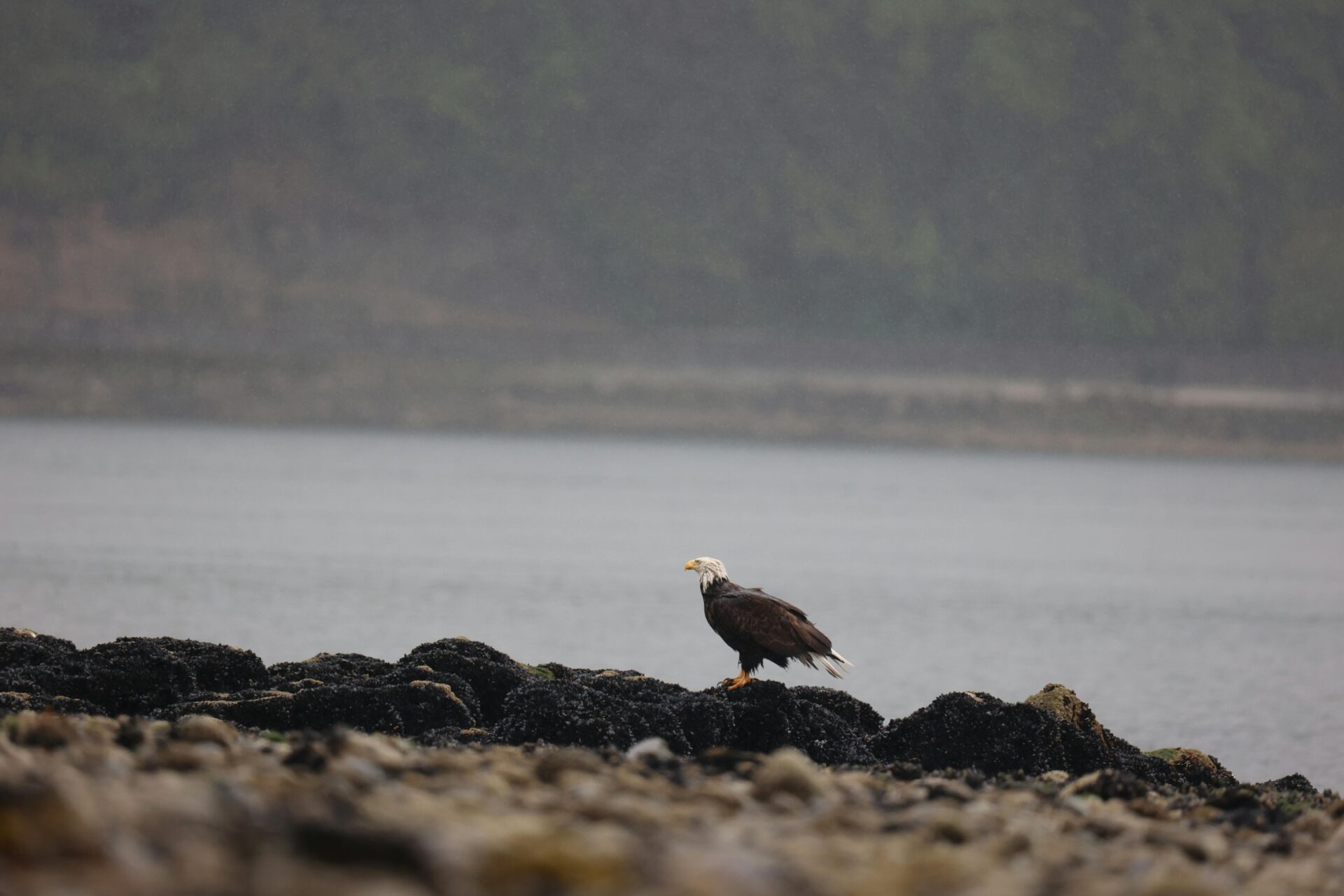
Early mornings, I’d often catch sight of ospreys and white-tailed eagles—Europe’s largest raptors—hunting over the lakes. These birds need big, undisturbed territories and plenty of fish.
During nesting, special protection zones keep people out. Some trails close entirely to help these colonies thrive, especially for endangered species.
Unique Amphibians and Habitat Diversity
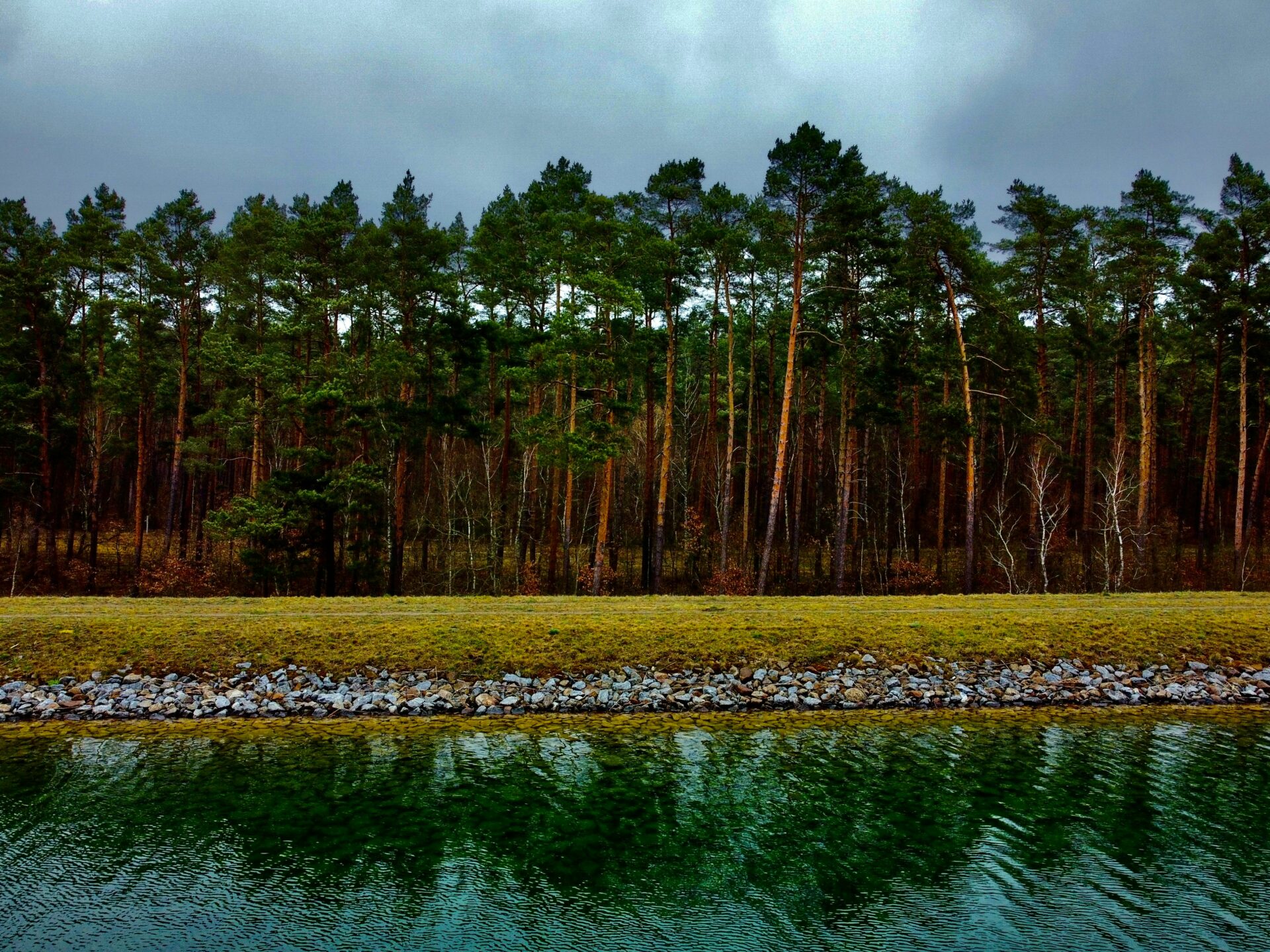
Sometimes my boots sank into the muddy edges of moorland pools and shallow ponds—prime breeding ground for the fire-bellied toad. This colorful amphibian is a sign of healthy wetlands throughout the reserve.
Moist peat bogs, flooded meadows, and temporary pools create just the right conditions for these toads. Beyond the wetlands, a patchwork of fields, old forests, and grasslands gives frogs, newts, and countless insects a place to thrive.
Limited use of chemicals and regular monitoring keep these habitats safe. The presence of such sensitive species proves how effective the reserve’s strict zoning and biodiversity projects are.
Every habitat here has a purpose, supporting both rare and common animals I love searching for on my wildlife walks.
Cultural Landscape and Sustainable Tourism
Visiting Schorfheide-Chorin, I found a fascinating mix of human history, thoughtful land use, and responsible tourism. The relationship between people, nature, and tradition really stands out here.
Joachimsthal, Eberswalde, and Regional Identity
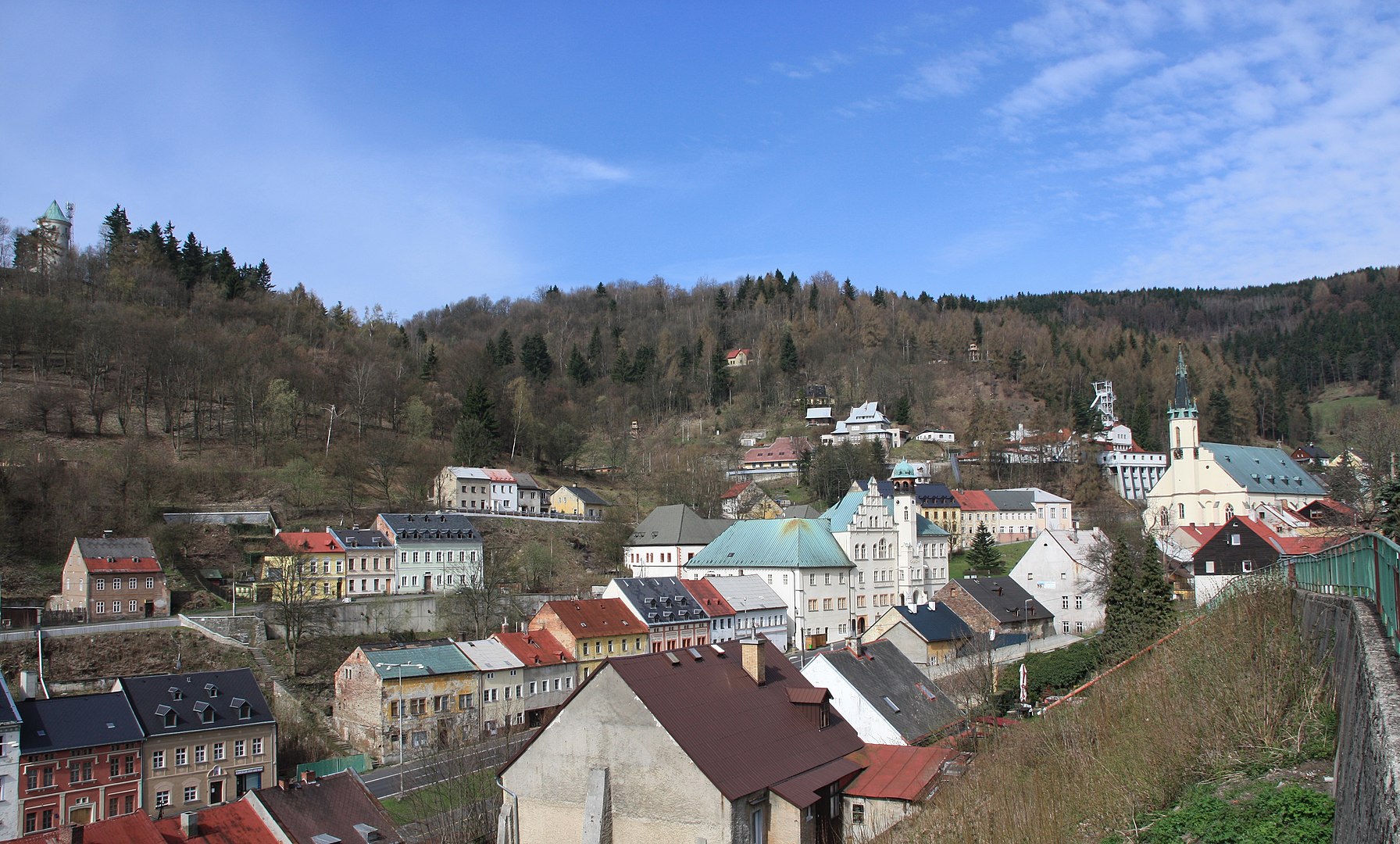
Joachimsthal and Eberswalde act as gateways to the reserve, each with its own charm. Joachimsthal is steeped in history, with traditional buildings and a strong sense of heritage.
Eberswalde feels livelier, with cultural events and bustling markets. Both towns celebrate the “Baukulturwettbewerb 2025,” a regional push to preserve the area’s building traditions.
Walking these streets, I noticed how closely the towns connect to the forests and lakes around them. Local museums and events often focus on nature, conservation, and the unique history of the reserve.
People here take their stewardship of the land seriously. Old routes and village centers show how humans and nature have shaped each other for centuries.
Organic Farming and Local Land Use
Much of the open land in Schorfheide-Chorin is used for organic farming. I saw fields managed with care—crops grown without heavy chemicals, and a real focus on protecting soil and water.
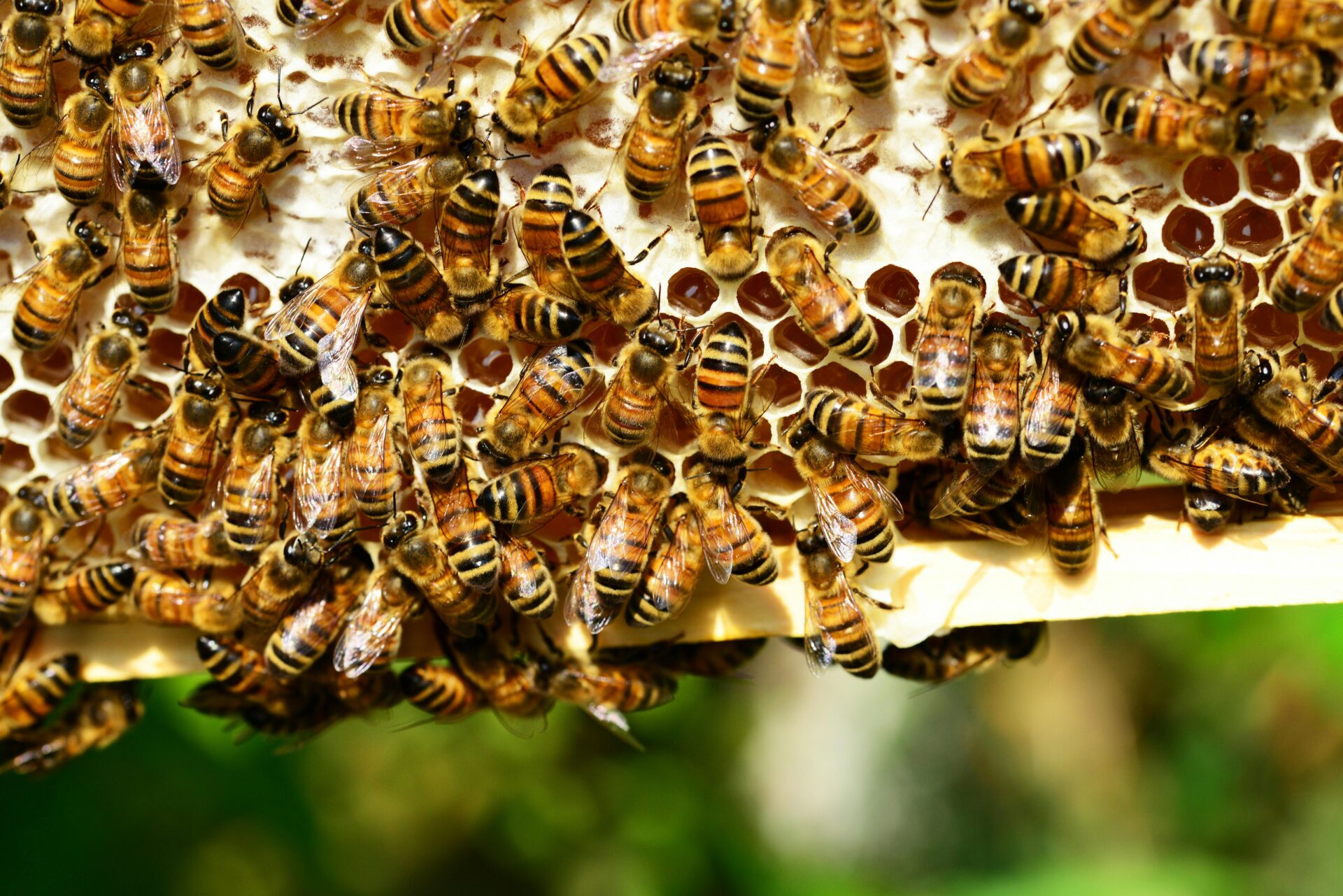
Many farms welcome visitors, and I sampled fresh honey and cheese at the weekly markets. The area experiments with green tech too, like photovoltaic panels on barns and fields.
This helps cut down the region’s carbon footprint and supports nachhaltige Entwicklung (sustainable development). Farmers here balance agriculture with nature conservation.
Fields, forests, and wetlands all get managed thoughtfully, and farming usually works in harmony with the protected reserve. That balance gives the region its unique character.
Sustainable Activities and Excursion Destinations
There are plenty of ways to explore the biosphere reserve without harming it. I loved hiking trails that wind past peaceful lakes like Werbellinsee and into the ancient beech forests of Grumsin.
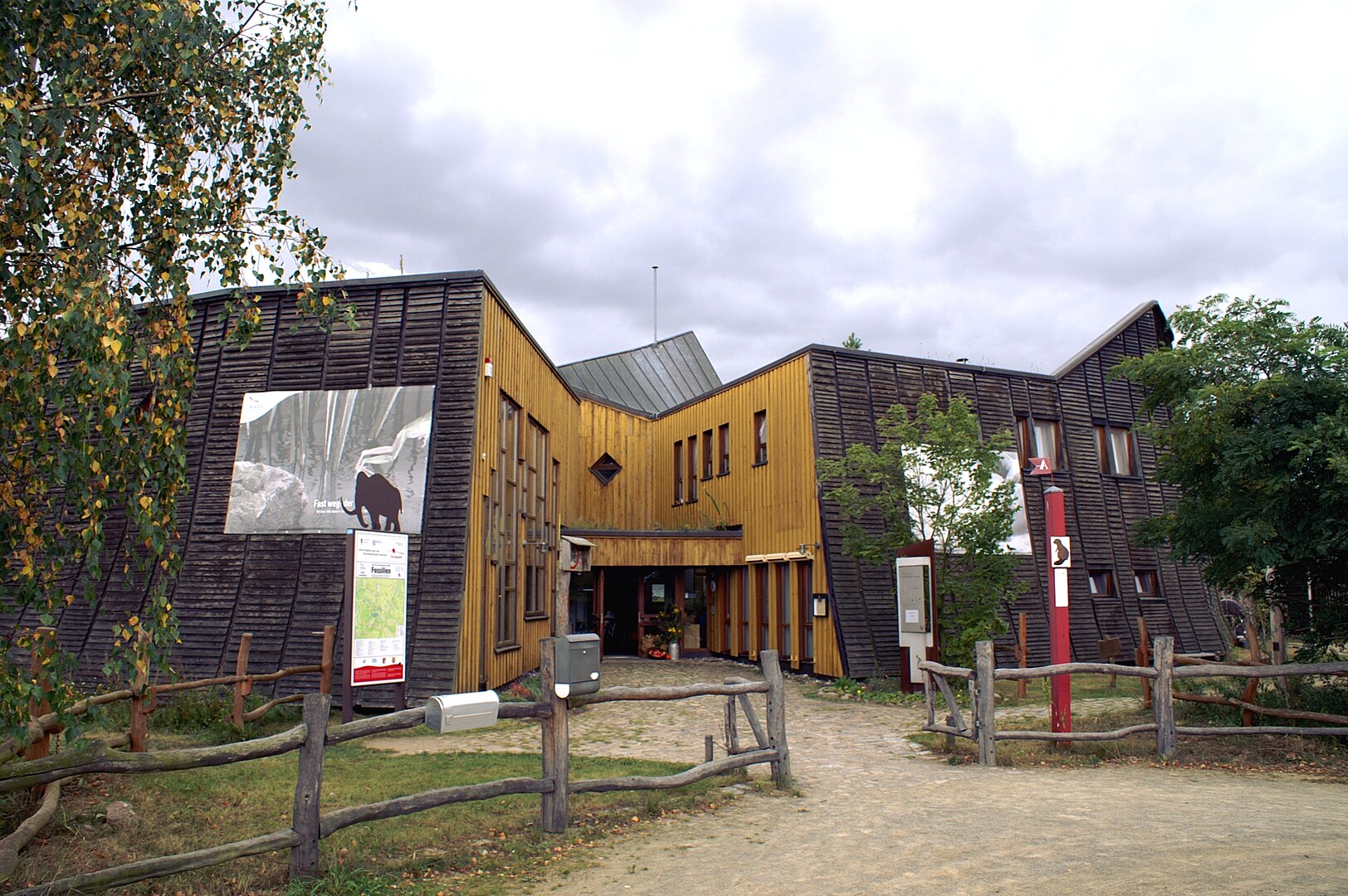
Blumberger Mühle was a real highlight for me. This nature and visitor center has interactive exhibits about the local ecosystem and serves as a starting point for guided tours.
Boat trips, birdwatching, and cycling paths let you discover the landscape gently. Top excursion spots include the monastery ruins at Chorin, open-air museums, and wildlife towers in Schorfheide.
Visitors get encouraged to use public transport or bikes, not cars. Locals work hard to reduce waste and promote local products, keeping tourism low-impact and community-friendly.
Conservation, Education, and Community Initiatives
Schorfheide-Chorin Biosphere Reserve is so much more than a protected landscape. Its conservation work, hands-on education, science, and climate projects bring together nature lovers, students, researchers, and locals.
Everyone pitches in to care for this slice of Germany’s wilderness.
Biosphärenreservatsverwaltung and Naturwacht Brandenburg
When I first arrived, I realized pretty quickly that the Reserve’s administration—Biosphärenreservatsverwaltung—takes the lead in keeping the ecosystem thriving. They manage the protected core zones, restore wetlands, and actually stick to traditional land practices to help biodiversity flourish.
During my visit, I watched the Naturwacht Brandenburg rangers teaming up with local farmers and residents. These folks keep an eye on rare plants and animals, plus they go out and maintain bird nesting aids—especially for species like the black tern (Trauerseeschwalbe). They even manage floating breeding islands (Brutinseln) for birds like the common tern (Flussseeschwalbe).
Rangers head out on regular patrols to cut down on illegal fishing and any disturbances. Their dedication really helps protect the reserve’s 240-plus lakes and thousands of moors so future generations can enjoy them too.
Citizen Science and Youth Networks
The reserve genuinely values community involvement. I discovered tons of activities for visitors of all ages, which honestly surprised me.
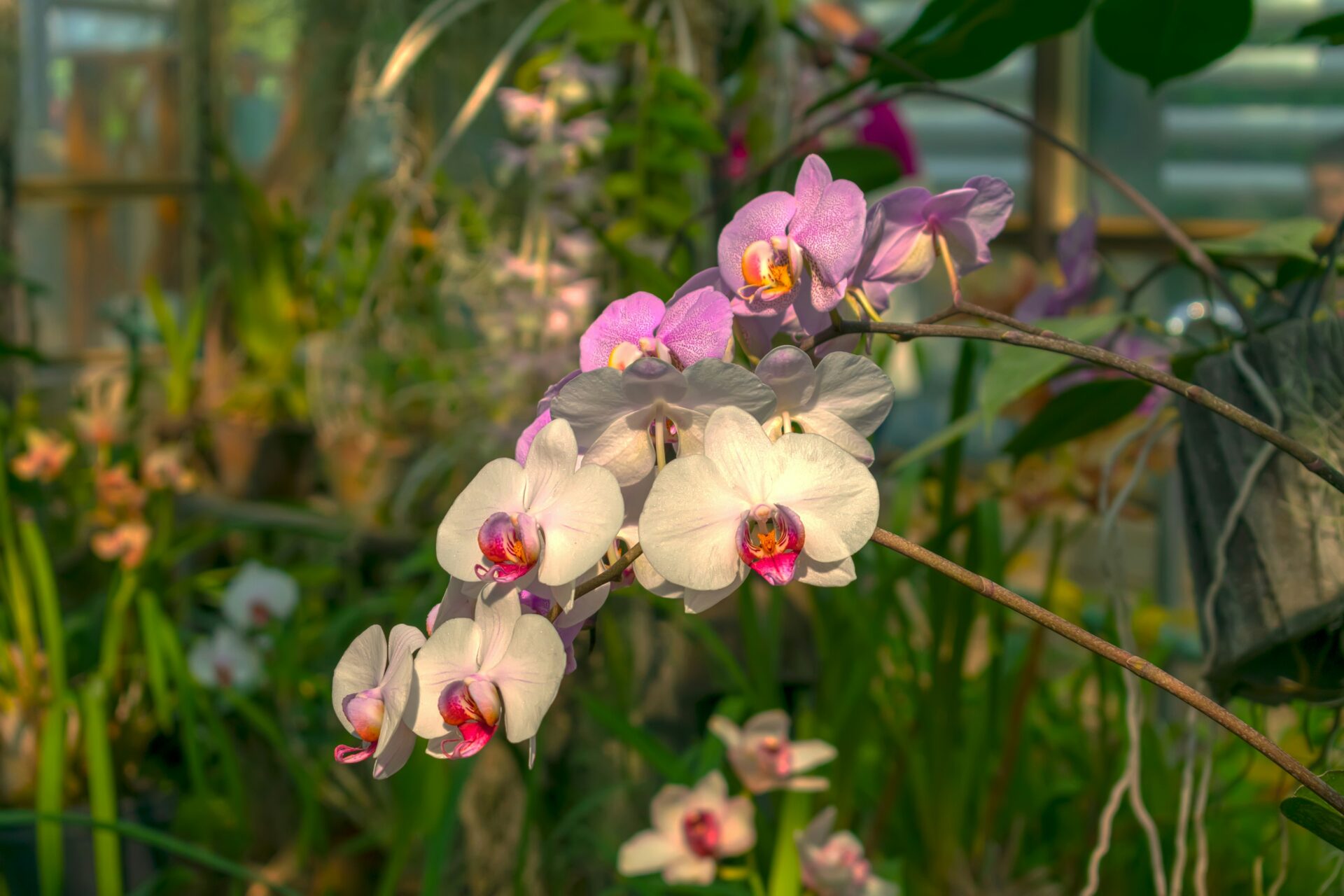
One project that stood out is the orchid counting (Orchideenzählung) event. Locals and visitors join together to track fragile orchid populations every year. There are also citizen science gigs like checking bird boxes or guiding bat tours—perfect if you’re curious and want to help out.
The Youth Network Biosphere (Jugendnetzwerk Biosphäre) caught my attention, too. This program lets young people volunteer as rangers, collect data, and get hands-on with real conservation work. Photographers aren’t left out—there’s the #welterbeverbindet photo contest (Fotowettbewerb) where you can share images that celebrate the UNESCO World Heritage status and inspire others to care about local wildlife.
Climate Change and ZENAPA Projects
To tackle climate change, Schorfheide-Chorin works with the ZENAPA (Zero Emission Nature Protection Areas) project. I noticed ZENAPA connects biosphere reserves all over Europe, and they actually share ideas and climate strategies with each other.
Here, the focus lands on using renewable energy, rewetting drained peatlands, and cutting greenhouse gases wherever possible. They keep tabs on long-term ecosystem changes to guide their next steps.
By collaborating with farmers, the reserve encourages eco-friendly agriculture and protects habitats like those old beech forests that seem almost timeless. They also put effort into teaching about climate adaptation, getting both the landscape and the local community ready for whatever the environment throws at them next.

Education and Awareness: European Natural Forest School
Education here isn’t just about sitting at a desk. The European Natural Forest School really stood out to me as something special in Schorfheide-Chorin.
Teachers and students head out into the woods to learn firsthand about forest life, local species, and why these old-growth beech woods matter. Outdoor lessons and hands-on workshops make everything feel a bit more real.
Some days, you might find yourself identifying wetland plants, or maybe spotting animal tracks and trying to guess what passed by. They get everyone thinking about climate change, too, but in a way that’s grounded—literally, you’re out there in the field.
Local schools use their resources, and the school often opens its doors (well, trails) to the public. People can wander, observe, and just soak up the forest atmosphere.
In the end, this whole approach makes conservation feel personal. It’s not just facts and figures; it’s memories and real connections that stick with you.



