
Lombardy captivated me from the moment I first stepped foot in Milan’s bustling streets. This northern Italian region offers a perfect blend of Alpine landscapes, Renaissance art, and modern fashion that changes dramatically with the seasons.
The best time to visit Lombardy is during late spring (May-June) or early fall (September-October). During these months, you’ll enjoy pleasant temperatures, fewer tourists, and reasonable prices while still experiencing the rich cultural offerings.
I’ve found that these shoulder seasons provide the ideal balance for exploring Lombardy’s treasures. The summer crowds have yet to arrive (or have already departed), allowing for more intimate experiences in the region’s museums, cathedrals, and historic sites.
Walking through Como’s lakeside villages or Bergamo’s medieval streets becomes much more enjoyable when you’re not battling throngs of tourists or sweltering in the summer heat.

My travels through Northern Italy have taught me that timing is everything. While winter offers magical Alpine views and Christmas markets, spring brings vibrant flowers along Lake Como and fall delivers harvest festivals across the countryside. Each season reveals a different side of Lombardy’s character, from its rich history to its innovative spirit. The region’s blend of natural beauty, cultural significance, and culinary excellence makes it worth visiting any time of year—though those golden shoulder seasons truly showcase it at its best.
Discovering the Seasons of Lombardy
Lombardy’s character transforms with each passing season, offering unique experiences throughout the year. The region’s diverse landscapes—from serene lakes to Alpine mountains—create a playground for travelers seeking both cultural immersion and outdoor adventures.
Springtime Splendor and Cultural Festivals
Spring breathes new life into Lombardy between March and May. I love watching the countryside burst into color, with wildflowers carpeting the rolling hills and gardens coming alive after winter’s rest.
The moderate temperatures (usually 55-70°F) make this an ideal time for exploring the region’s many hiking trails. The paths around Lake Como and Lake Garda are particularly stunning, with snow-capped mountains still visible in the distance.
Spring is festival season in Lombardy! Don’t miss Milan’s Design Week in April, when the city transforms into the world’s creative hub. Local food festivals celebrate seasonal delicacies like asparagus and artichokes.
The crowds are smaller than summer, making this the perfect time to visit popular attractions without the long lines. I’ve found springtime offers the perfect balance of pleasant weather and authentic cultural experiences.
Summer Adventures by Lakes and Mountains
Summer (June-August) brings warm sunshine and endless outdoor possibilities. The famous Italian lakes become the region’s crown jewels during these months, with temperatures ranging from 75-85°F.
I spend my summer days swimming in Lake Como’s crystal waters or sailing on Lake Maggiore. The lakeside towns like Bellagio and Stresa come alive with visitors enjoying gelato along flower-lined promenades.
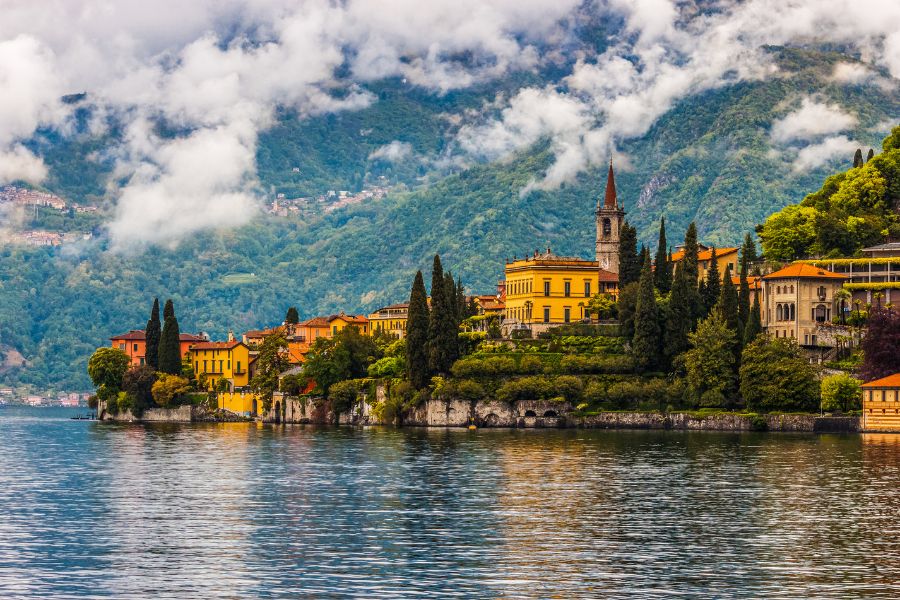
For adventure seekers, the mountains offer excellent hiking opportunities. The trails in Valtellina and around Bergamo provide breathtaking Alpine views and cooler temperatures than the cities below.
Summer evenings mean outdoor dining and concerts under the stars. Local festivals celebrate age-old traditions with music, dance, and incredible food. Try dining al fresco with a glass of Franciacorta, Lombardy’s answer to champagne.
Autumn in Lombardy: Wine Harvests and Crisp Air
Fall (September-November) might be my favorite season to explore Lombardy. The summer crowds thin out, temperatures cool to a pleasant 50-70°F, and the landscape transforms into a canvas of gold, amber, and russet.
This is harvest season in Franciacorta wine country. I’ve joined grape harvests and wine tastings that showcase the region’s sparkling wines. The vineyards set against autumn foliage create postcard-perfect vistas.
Autumn brings a bounty of seasonal foods. Look for festivals celebrating:
- Chestnuts and mushrooms in mountain villages
- Truffles in Lomellina
- Polenta dishes throughout the region

The lakes take on a mystical quality in fall, often shrouded in morning mist that burns off to reveal stunning clarity. Hiking paths through forests offer spectacular leaf-peeping opportunities, especially in Lombardy’s many regional parks.
Winter Wonders: Skiing and Christmas Markets
Winter transforms Lombardy (December-February) into a snow-covered wonderland. The Alps and Pre-Alps become playgrounds for winter sports enthusiasts, with temperatures ranging from 25-45°F in the lowlands and much colder in the mountains.
I’ve spent magical days skiing in Bormio and Livigno, where world-class slopes cater to all skill levels. The Valtellina valley offers some of Italy’s best ski resorts with reliable snowfall from December through March.
Christmas in Lombardy means enchanting markets in every city and town. Milan’s market in Piazza Duomo sparkles with lights and local crafts. I love sipping mulled wine while browsing handmade gifts and decorations.
Winter cuisine turns hearty and warming. Try these traditional dishes:
- Cassoeula (pork and cabbage stew)
- Polenta with game meats
- Risotto al Barolo
Don’t miss February’s Carnival celebrations, especially in Bagolino, where ancient traditions come alive with costumed dancers and folk music.
Lombardy’s Rich Tapestry of Art and Architecture
Lombardy stands as one of Italy’s greatest artistic treasures, where centuries of creativity have shaped stunning buildings, churches, and public spaces. The region offers an incredible mix of ancient Roman ruins, medieval fortresses, Renaissance masterpieces, and cutting-edge modern design.
Milan: A World Capital of Fashion and Design
When I first stepped into Milan’s magnificent Duomo, I was speechless. This Gothic cathedral took nearly six centuries to complete, and its 3,400 statues and 135 spires create an unforgettable silhouette against the sky. The marble facade gleams in the sunlight, changing colors throughout the day.
Leonardo da Vinci’s “The Last Supper” sits quietly in the refectory of Santa Maria delle Grazie. I recommend booking tickets months in advance to see this masterpiece. The delicate fresco captures a pivotal moment with remarkable emotional depth.

Milan’s artistic spirit extends beyond historical works. The Brera Art Gallery houses impressive Italian paintings, while modern venues like Fondazione Prada showcase contemporary art. Fashion lovers shouldn’t miss the Quadrilatero della Moda district, where Italian design genius is on full display.
The Historic Charms of Bergamo and Mantua
Bergamo captivated me with its division into two distinct cities: the medieval Città Alta (Upper City) and the modern Città Bassa (Lower City). The upper section sits behind ancient Venetian walls with well-preserved medieval and Renaissance buildings.
I spent hours wandering Bergamo’s Piazza Vecchia, the perfect Renaissance square surrounded by palaces and the beautiful Contarini Fountain. The Colleoni Chapel features some of the finest Renaissance decoration I’ve seen in northern Italy.
Mantua offers another artistic haven, shaped by the powerful Gonzaga family. The Ducal Palace contains over 500 rooms and stunning frescoed chambers. Palazzo Te showcases Giulio Romano’s breathtaking Room of the Giants, where painted figures seem to burst through the walls. Both cities offer quieter, more intimate artistic experiences than Milan.
UNESCO World Heritage Sites and Grandeur
Lombardy boasts an impressive nine UNESCO World Heritage Sites. I was particularly moved by the Sacred Mountains, a series of chapels with artistic representations of religious scenes set against dramatic natural backdrops.
The prehistoric rock drawings in Val Camonica offer fascinating glimpses into ancient civilization. Dating back 8,000 years, these carvings show hunting scenes, dancing figures, and celestial symbols that still communicate across millennia.
Crespi d’Adda, a perfectly preserved company town, reveals a different side of Lombardy’s heritage. This model factory village showcases late 19th-century industrial architecture and progressive social planning.
The Certosa di Pavia monastery left me awestruck. Its marble facade combines Gothic and Renaissance elements with incredible detail. Inside, I found artistic treasures including paintings by Bergognone and intricate inlaid woodwork that demonstrates Lombardy’s artistic mastery across all mediums.
A Guide to Lombardy’s Breathtaking Lakes
Lombardy’s lake district offers some of the most stunning waterscapes in all of Europe. These crystal-clear waters nestled among alpine mountains create perfect settings for relaxation, adventure, and cultural exploration.
Lake Como: A Paradise for the Romantic and Refined
I’ve visited Lake Como several times, and it never fails to take my breath away. The lake’s Y-shape creates endless dramatic vistas with mountains plunging straight into deep blue waters.
Bellagio sits at the junction of the lake’s three branches, earning its nickname “The Pearl of Lake Como.” Its narrow cobblestone streets lined with boutiques and cafés make for perfect afternoon strolls.
For luxury seekers, I recommend the historic Grand Hotel Tremezzo. This art nouveau palace features floating pools and gardens that have attracted celebrities for generations.
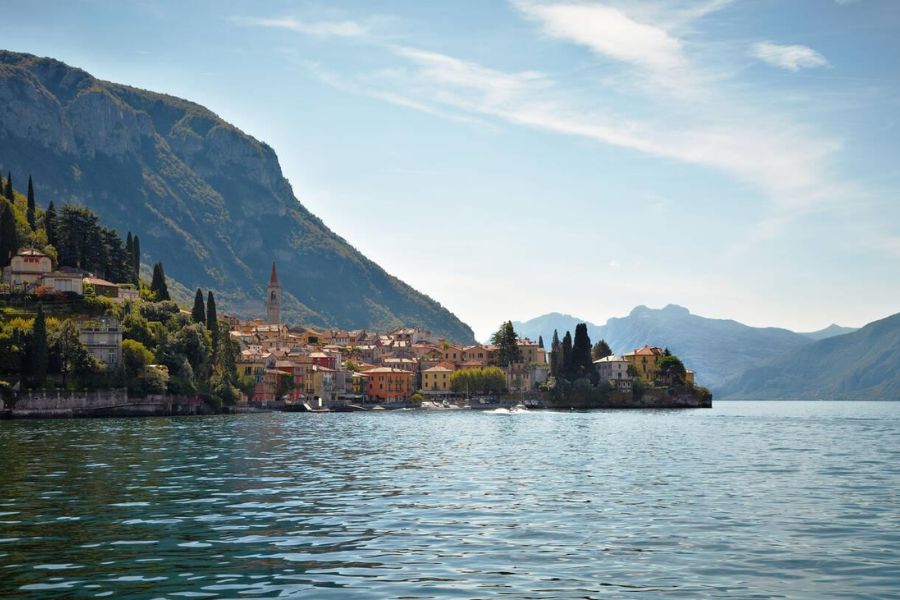
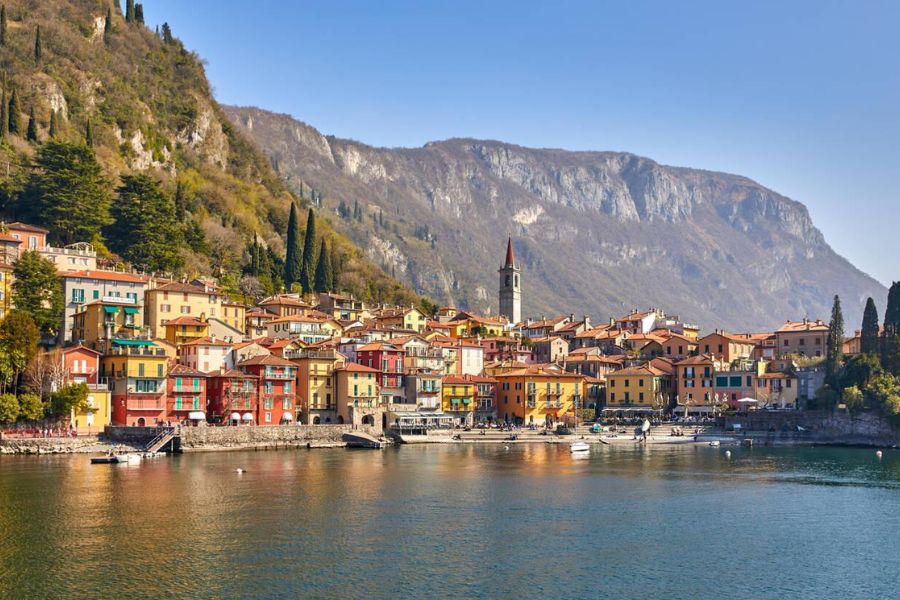
Don’t miss the lakeside villages like Varenna and Menaggio. Each has its own charm with waterfront promenades, colorful buildings, and authentic restaurants serving local lake fish dishes.
Lake Garda: Family Fun and Adventure
Lake Garda, Italy’s largest lake, offers something for everyone in your travel group. The southern shores feature family-friendly beaches and the popular Gardaland theme park that my nieces absolutely adored.
Water sports enthusiasts will love the northern part where winds create perfect conditions for windsurfing and sailing. I spent a thrilling afternoon learning to windsurf near Riva del Garda.
The eastern shore’s Malcesine offers a cable car to Monte Baldo with panoramic views that are worth every penny. Nearby medieval towns like Sirmione feature thermal baths and impressive Roman ruins.
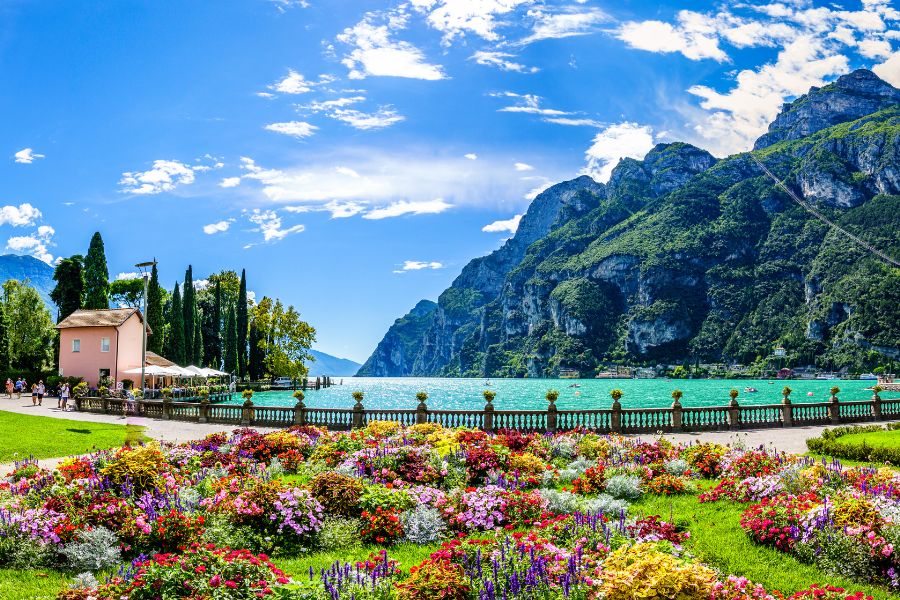
Hiking trails for all difficulty levels surround the lake. The path between Limone and Riva provides stunning views without requiring professional hiking gear.
The Hidden Gem: Lake Iseo and Franciacorta
Lake Iseo remains wonderfully uncrowded compared to its famous neighbors. At its center lies Monte Isola, Europe’s largest lake island, which I explored on foot during my last visit.
The surrounding Franciacorta region produces Italy’s finest sparkling wines. I recommend booking a winery tour to sample these elegant bubbles that rival French champagne.
Waterfront villages like Lovere and Iseo town offer authentic Italian experiences without the tourist crowds. Local restaurants serve incredible lake fish paired with regional wines.
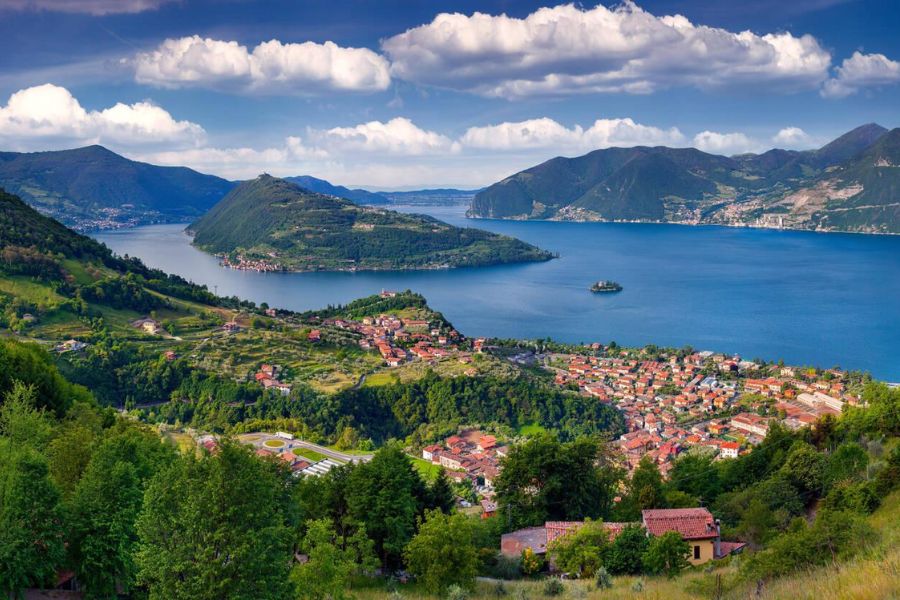
For nature lovers, the nearby wetlands of Torbiere del Sebino provide excellent birdwatching opportunities. The wooden walkways make it accessible for casual hikers like me.
Cuisine and Tradition: A Taste of Lombardy
Lombardy’s cuisine reflects its diverse landscape, from alpine mountains to fertile plains, offering some of Italy’s most distinctive flavors. The region balances rustic traditions with sophisticated urban influence, creating a food culture that’s both hearty and refined.
Local Delicacies: From Risotto to Franciacorta Wine
When I wandered through Lombardy’s villages and cities, I discovered a cuisine that’s surprisingly diverse from what many expect of Italian food. Risotto reigns supreme here, particularly the golden Risotto alla Milanese with its signature saffron tint and buttery finish. It’s a dish I now try to recreate at home, though never quite matching the authentic texture.
The region’s meat dishes deserve special attention. The cotoletta alla milanese—a breaded veal cutlet fried in butter—offers a delicious example of Austrian influence on Lombard cooking. In the mountain areas, I fell in love with pizzoccheri, buckwheat pasta layered with potatoes, cabbage, and local cheese.

Lombardy’s cheese tradition is exceptional. Look for Gorgonzola, Taleggio, and Grana Padano on local menus. To complement these flavors, the region produces outstanding Franciacorta wine—Italy’s answer to champagne—made using the traditional method but with its own distinct character.
Food Markets and Culinary Experiences
Exploring Lombardy’s food markets provides a window into local life that I found irresistible. Milan’s Mercato di Via Fauché offers an authentic experience. Here, locals shop for the freshest ingredients each week.
In smaller towns, I discovered markets that have operated for centuries. Vendors at these markets come from families that have sold the same specialty foods for generations.
Cooking classes have become my favorite way to understand Lombard cuisine. In Bergamo, I learned to prepare casoncelli—pasta parcels filled with meat, raisins, and amaretti cookies—topped with sage butter and pancetta. These unexpected flavor combinations reveal Lombardy’s culinary creativity.
Farm visits in the countryside showcase the region’s agricultural traditions. The rice fields south of Milan produce the perfect grains for risotto. Meanwhile, the alpine pastures create ideal conditions for the region’s famous cheeses. Many producers welcome visitors for tastings and demonstrations.
Festivals Celebrating Lombard Traditions
I’ve timed several visits to coincide with Lombardy’s food festivals, and they’ve become highlights of my travels. October brings the Festa del Torrone in Cremona, celebrating the region’s famous nougat candy with demos, tastings, and historical reenactments. The atmosphere is both festive and educational.
Wine festivals dot the calendar throughout the year. The Franciacorta Festival in September offers tastings from dozens of producers in this prestigious wine region. I spent a memorable day sampling sparkling wines while chatting with passionate winemakers about their craft.
Traditional harvest festivals showcase seasonal ingredients and ancient customs. In the Valtellina valley, autumn brings celebrations of bresaola (air-dried beef) and buckwheat. These festivals preserve customs that might otherwise fade away, connecting modern visitors to Lombardy’s rich cultural heritage through food and celebration.
Travel Essentials for Lombardy
Preparing for a trip to Lombardy requires some practical knowledge about transportation, places to stay, and helpful resources. I’ve found that having the right information before arriving makes exploring this northern Italian region much more enjoyable.
Navigation: Airports and Train Networks
Milan serves as the main gateway to Lombardy with two primary airports. Milan Malpensa, the larger international hub, sits about 50 km northwest of the city center with regular shuttle services and train connections. For closer access, Linate Airport is just 7 km from downtown Milan—perfect for European connections.
Getting around Lombardy is remarkably easy by train. Trenitalia operates the national railway network with high-speed options to major cities like Rome and Venice. For regional travel within Lombardy, I’ve found Trenord trains to be reliable and affordable. They connect Milan to beautiful lake destinations like Como and Garda.
The integrated public transportation in Milan includes:
- Metro (4 lines)
- Trams
- Buses
- Car sharing options like Enjoy and ShareNow
You should purchase a tourist travel card for the best value when exploring the city.
Accommodations: From Luxury to Lakeside Retreats
Lombardy offers incredible diversity in places to stay. In Milan, luxury hotels cluster around the fashion district near Via Montenapoleone, where I’ve spotted celebrities during Fashion Week. Mid-range options abound near Milano Centrale station with easier access to transportation.
For lakeside charm, consider staying in Bellagio or Varenna on Lake Como. These towns feature boutique hotels and vacation rentals with stunning water views. I once stayed in a converted villa that dated back to the 18th century—the morning views were unforgettable.
Budget travelers should look to:
- University districts for affordable options
- Hostels in central Milan
- Agriturismo (farm stays) in the countryside
- Small B&Bs in less touristy towns like Bergamo and Brescia
Book well in advance during summer months and Milan’s major trade fairs.
Tourist Information and Resources for First-Time Visitors
The official tourist information centers in Milan and other Lombardy cities have been lifesavers during my visits. The main Milan Tourist Office at Piazza Duomo provides free maps, discount cards, and multilingual assistance. Many staff members speak excellent English.
I recommend downloading these essential apps before your trip:
- ATM Milano (public transport)
- Trenord (regional trains)
- Too Good To Go (find discounted meals from restaurants)
- Google Maps (download offline maps of the region)
For first-time visitors, the Milano Card offers free public transport and discounted admissions to major attractions.
Weather in Lombardy varies dramatically by season, so check forecasts before packing.
Banking is straightforward with ATMs widely available, though I always keep some cash handy for smaller establishments and markets that may not accept cards.
