
Walking through Sissinghurst Castle Garden felt like stepping into a living story woven from flowers, clipped hedges, and a bit of old English magic. Each “garden room” revealed its own personality, shaped by Vita Sackville-West and her husband, Harold Nicolson.
Sissinghurst has earned its fame for these unique garden rooms, each brimming with color, fragrance, and a kind of hush you don’t find just anywhere.
I wandered from one room to the next, never quite sure what I’d find around each corner. Some spaces exploded with bold blossoms, while others offered a cool, green retreat.
The famous White Garden? Absolutely breathtaking. Its restrained beauty made it clear just how much thought Vita poured into every inch.
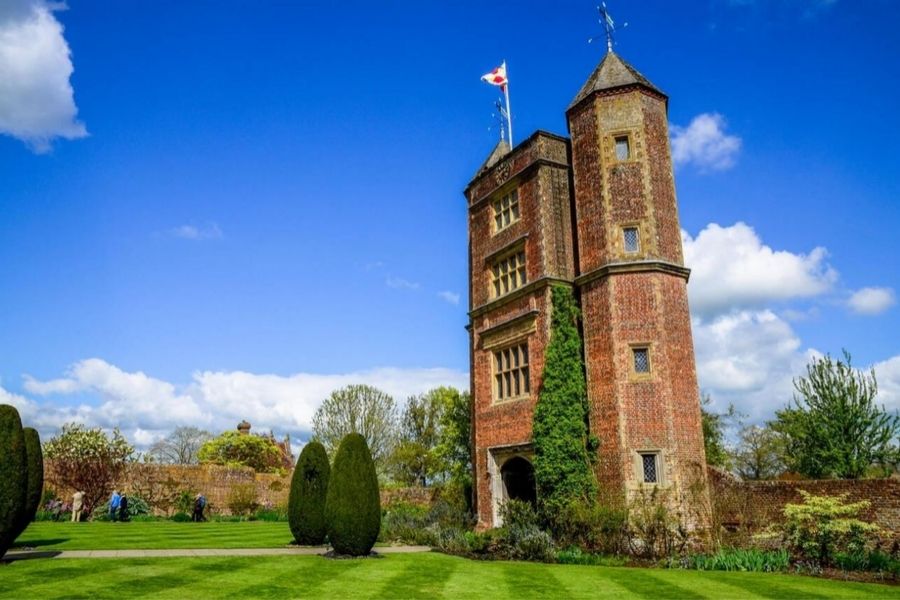
Exploring these rooms, I started to see why gardeners and dreamers from all over the world flock here. Every area gently asks you to slow down, look closer, and soak up the beauty Vita created.
History and Legacy of Sissinghurst Castle Garden
People celebrate Sissinghurst Castle Garden for its unusual layout and the way it’s changed gardening forever. Its story intertwines with the lives of Vita Sackville-West, Harold Nicolson, and their bold ideas about landscape design.
Origins and Evolution Under Vita Sackville-West
Back in 1930, Vita Sackville-West and Harold Nicolson bought Sissinghurst when it was honestly falling apart. The house stood half-ruined, and the garden looked wild and forgotten.
Vita, poet and writer, teamed up with Harold to bring the place back to life. She brought the wild, exuberant planting; he brought structure and order.
Restoration took years. They respected the estate’s history but never hesitated to add their own stamp.
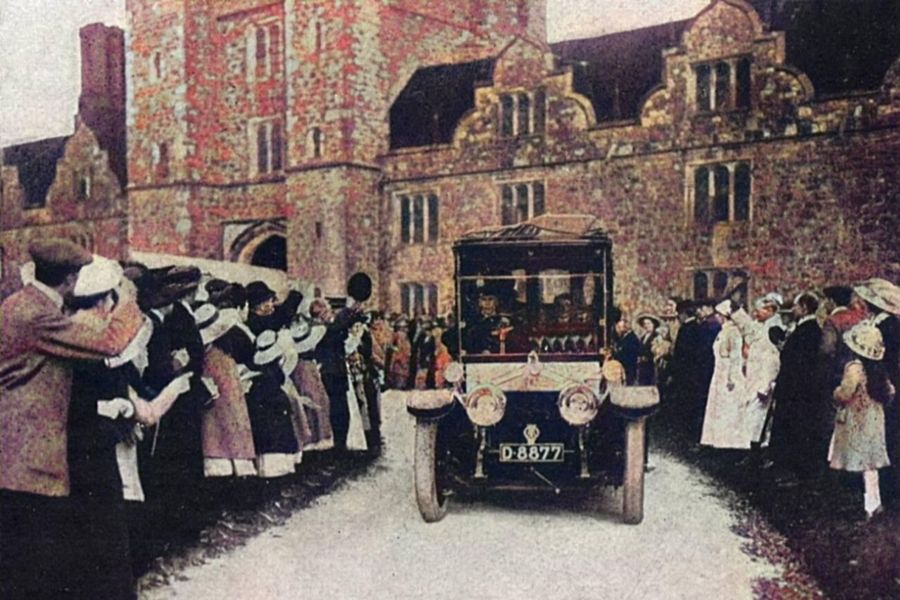
Together, they shaped every corner, from the vivid borders to the peaceful hideaways. Sissinghurst stands as proof of their passion and creativity.
Development of the Garden ‘Rooms’ Concept
One thing that makes Sissinghurst unforgettable is the idea of garden “rooms.” They divided the garden into ten themed spaces, each with its own mood and planting style.
Walls, hedges, and winding paths break up the garden into distinct places. I always notice how each room—like the White Garden, the Rose Garden, or the Cottage Garden—feels like a world of its own.
You’re encouraged to explore, to wander and discover. Vita and Harold’s teamwork sparked this room-by-room approach, making the garden a true original.
Sissinghurst Castle’s Global Influence on Garden Design
Sissinghurst didn’t just change one patch of English countryside—it changed gardens everywhere. The idea of outdoor rooms caught on with garden designers worldwide.
Gardeners, from amateurs to professionals, started dividing spaces into themed zones. The blend of structure and lush, overflowing planting—so obvious at Sissinghurst—became the new standard.
People visit not just to admire the beauty, but to learn from it. The garden’s influence keeps shaping how we think about outdoor spaces, even now.
Exploring the Distinct Garden ‘Rooms’
Sissinghurst Castle Garden splits into several “rooms,” each with a distinct theme, color story, and planting style.
Hedges and walls separate the spaces, so every turn brings a new surprise. It’s a clever way to let each garden’s personality shine.
White Garden and Its Timeless Allure
The White Garden draws crowds for a reason. Every flower here—white irises, pompom dahlias, gladioli, Japanese anemones—sticks to a strict white and silver palette.
I walked in and instantly felt calm. The silver leaves and varied textures, which Vita adored, made the greenery pop.

The White Garden isn’t just about flowers. It’s about how the space glows at dusk or dawn. Even on a gray day, the place seems to shimmer, and I can’t help but slow down.
Rose Garden: Vibrant Color and Perfume
The Rose Garden explodes with color and scent in summer. Roses climb arches, tumble over pathways, and crowd the borders.
Most are old-fashioned varieties—chosen for fragrance and shape, not just color. Walking the winding paths, I found myself surrounded by blooms and that unmistakable rose perfume.
Deep reds, gentle pinks, creamy whites—all woven together. Low box hedges frame the beds, making each rose stand out.
Vita planned for interest even after the roses fade, so there’s always something to see.
Cottage Garden’s Intimate Planting Schemes
The Cottage Garden feels wild and cozy at the same time. Plants spill over the edges, mingling in bold clashes of oranges, yellows, and deep blues.
Hollyhocks, poppies, lupins, and other classic English flowers stand tall among a tangle of perennials. You’ll even spot herbs and vegetables, a nod to practicality.
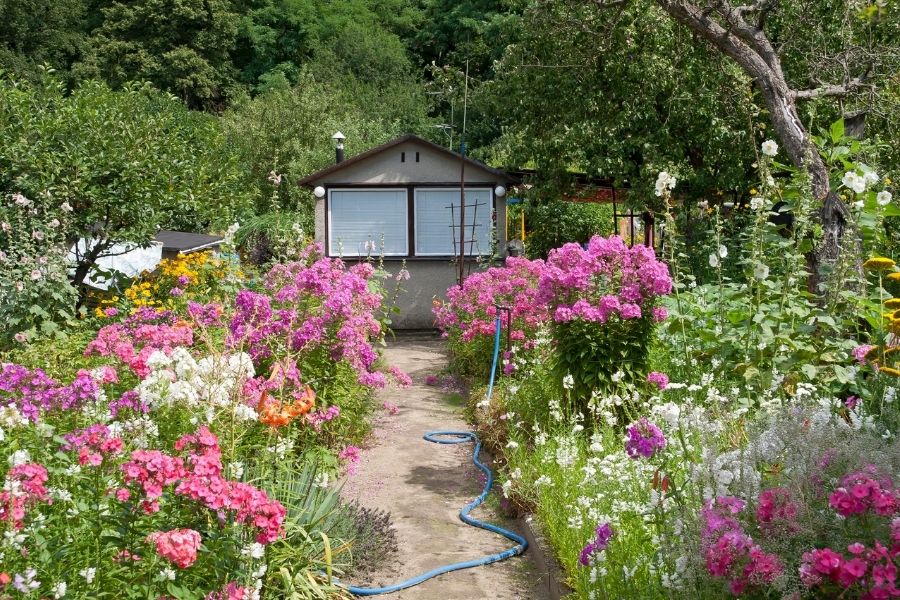
Narrow paths twist through the space, making it feel secret and inviting. I love pausing here to study the details or just enjoy the jumble of color.
Icons of Creativity: Vita Sackville-West and the Gardens
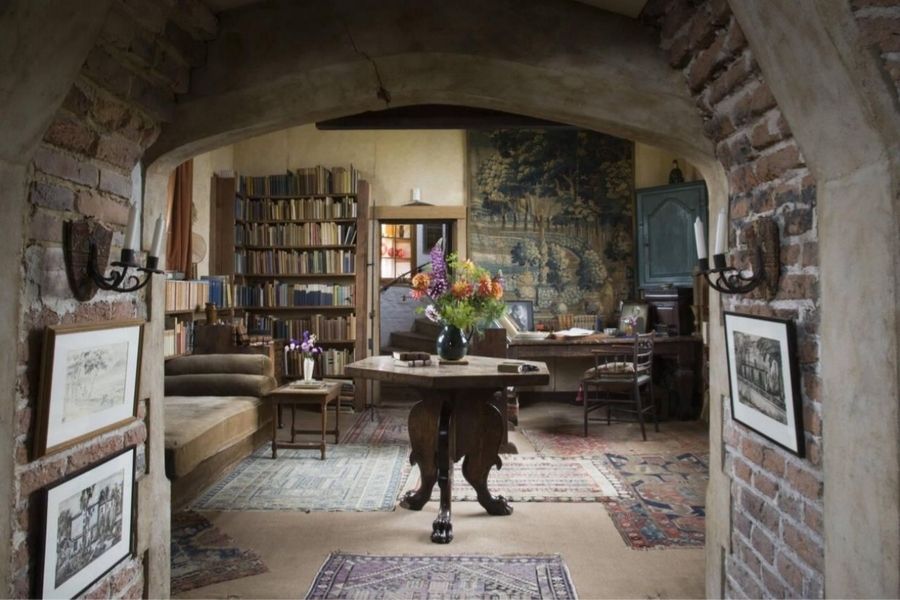
Vita Sackville-West turned Sissinghurst Castle Garden into a living work of art. With Harold Nicolson, she created a place where gardening, writing, and creativity all met.
Vita Sackville-West’s Artistic Vision
Vita’s artistic vision still lingers in every corner. She didn’t see gardens as blank open spaces. Instead, she imagined a series of “rooms,” each with its own mood, layout, and color story.
She loved bold contrasts and rich textures. Take the White Garden—only white and silver plants allowed. She picked flowers for shape, scent, and how they’d look through the seasons.
Vita experimented with pairings and always matched plants to their best spots. Her attention to detail—climbing roses, clematis on old walls—matters as much as the big, showy beds.
Partnership with Harold Nicolson
Sissinghurst happened because Vita and Harold worked together. Vita brought the wild, creative planting; Harold set out the paths, walls, and geometric bones.
He drew the lines and laid out the structure. Vita softened the edges and filled the spaces with unexpected energy.
They argued, debated colors, and tried new ideas side by side. That mix of order and freedom made Sissinghurst what it is today.

You can feel both their personalities in every room—Harold’s neatness, Vita’s exuberance—melding into something truly special.
Cultural Impact and Literary Connections
Sissinghurst is more than a garden. It’s a cultural touchstone.
Vita Sackville-West was a celebrated writer and poet, and her gardening columns for The Observer inspired a whole generation of gardeners.
She wrote about Sissinghurst, sharing stories and advice that still resonate. The garden also connects to the Bloomsbury Group, since Vita was friends with Virginia Woolf and other literary icons.
Visitors come for the flowers, but many also want to stand where so much writing and creativity happened. Sissinghurst’s influence stretches far beyond the garden gate.
Visitor Experience at Sissinghurst Castle Garden
Visiting Sissinghurst feels thoughtfully organized, but never stuffy. I found the entry process smooth, and the walk through the “rooms” was immersive from the start.
Booking and Entry Process
I began by booking online—pretty straightforward. The site let me pick a date and time, and after entering card details, I got a confirmation by text and email.
At the gate, staff checked my reference quickly. Having the confirmation handy (on my phone) sped things up.
Parking was included, which was a relief. Signs led me right to the entrance, and staff answered questions with a smile.
Pre-booking really helped keep things relaxed and crowd-free.
Navigating Garden Galleries and Highlights
Inside, a clear path guided me through the various garden “rooms.” Each gallery offered its own mix of flowers, trees, and clever design.
The White Garden radiated calm, while the Cottage Garden felt warm and vibrant. Maps were available, and signs made it easy to choose where to linger.
Benches were scattered throughout, perfect for soaking in details—especially near the rose-clad tower.
Some guides chatted about Vita’s vision, but you could also wander solo or join a small tour if you felt like it.
What to Expect During Your Wander
Moving between rooms, I noticed how each space set a different mood. Some areas felt tranquil and meditative; others buzzed with color and scent.
Timed entries meant the garden never felt overcrowded. Most paths were easy to walk, though a few were narrow or gravelly, so comfy shoes were a must.
The gardens welcomed all ages. Staff answered questions about plants or history without hesitation.
Photography was allowed, so I took my time capturing the shapes and bursts of color. Shaded spots and open lawns gave me plenty of places to pause. Eating areas and restrooms were easy to find, making the visit both beautiful and practical.
Seasonal Beauty and Practical Visitor Information
Sissinghurst changes with the seasons, and every visit feels a little different. Knowing when to go and what to expect makes the experience even better.
Best Times of Year to Visit
Sissinghurst impresses any time of year, but each season brings its own highlights. In spring, tulips and blossoming trees fill the air with fragrance and energy.
The White Garden wakes up in late spring and peaks in early summer. Summer turns the Cottage Garden into a riot of reds and oranges, and the roses reach their best from June through July.
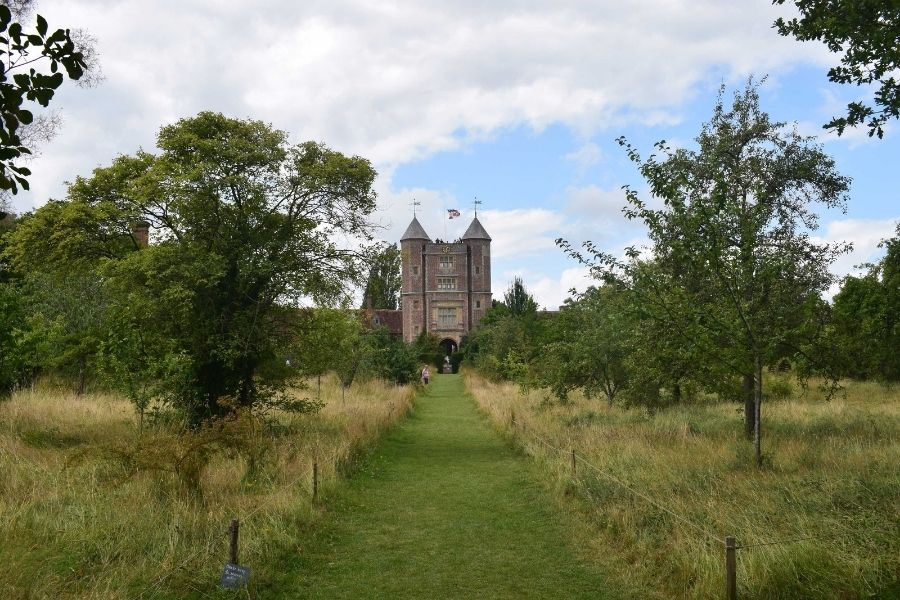
Autumn brings softer light and fewer crowds. Late-blooming perennials show off their colors, and the garden feels peaceful. No matter when you visit, there’s always something new to catch your eye.
Accessibility and Facilities
Sissinghurst aims to be accessible, though some old paths are narrow or bumpy. Most main areas have level access, but a few spots include steps or grass.
Benches are scattered throughout for resting. Accessible toilets and a café with indoor and outdoor seating are available.
Signs make navigation easy, and staff are happy to help. If you need detailed info on accessibility, check the official website or ask when you arrive.
Insider Tips for an Enriching Experience
Try to get there early in the morning or swing by later in the afternoon. I’ve noticed crowds thin out at these times, especially if you avoid weekends or the height of summer.
If you’re into photography, you’ll love the way the gardens glow in that soft morning or evening light. Trust me, it’s worth setting your alarm.
Don’t forget sturdy shoes—some of those paths get pretty slick after a rain. I’ve learned that lesson the hard way.
Grab a map or a guidebook at the entrance. It makes wandering through each garden “room” a lot more satisfying, and you won’t accidentally miss a hidden corner.
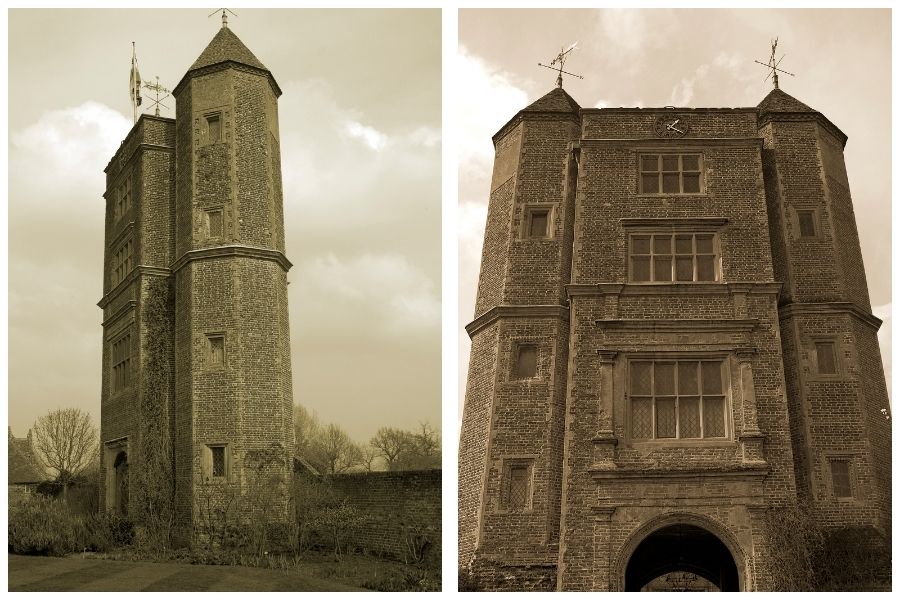
Climb up the Tower if you can handle the stairs. The view from up there really gives you a sense of the whole garden’s layout.
If you want a peaceful stroll, try to visit on a weekday or during autumn. It’s quieter, and honestly, the garden looks just as magical when the crowds thin out.
