
When I first thought about visiting the Costa del Sol in Spain, I imagined endless beaches crowded with tourists and resorts. But honestly, there’s so much more waiting if you know where to wander. Let’s dive into how you can find your perfect place along the Costa del Sol, whether you’re after lively sun-soaked towns, hidden coves, or peaceful whitewashed villages.
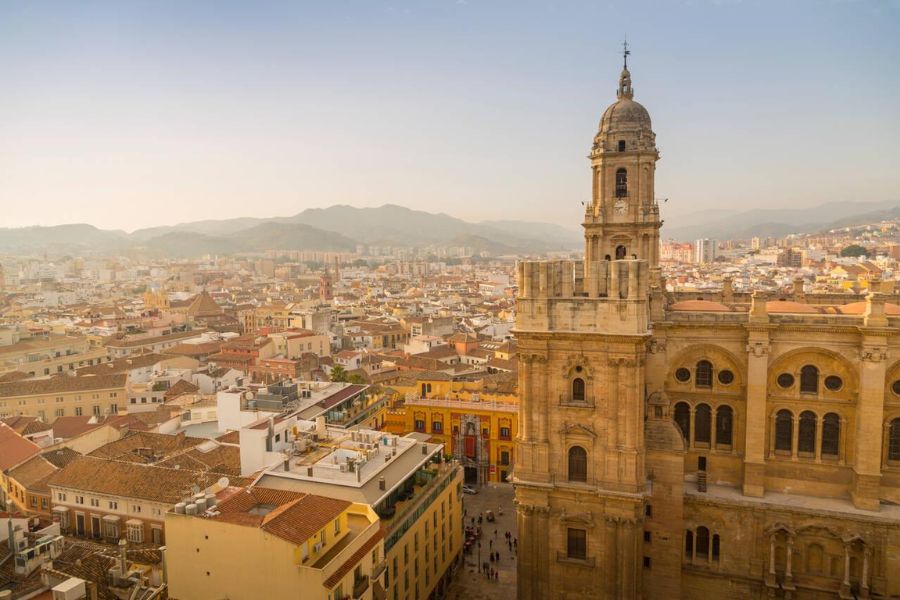
Every traveler hopes to find that spot where they just fit in, even if it’s just for a day. I’ve explored everything from the golden Mediterranean coastline to the quiet inland villages, checking out both famous spots and a few surprises. Forget the usual stereotypes—there’s a corner of the Costa del Sol that’s just right for you.
Rethinking Costa del Sol: Beyond the Clichés
To find the real Costa del Sol, you have to look past the flashy resorts and packed beaches. I’ve found that meeting locals, asking questions, and noticing the little details in daily Spanish life make all the difference.
Understanding Local Life
It’s so easy to land in a tourist hotspot and totally miss what makes it special. I started my days early, heading out as the locals began theirs.
Walking through town markets, I found fresh produce, just-caught fish, and real conversations at every stall. It’s not just about snapping photos of oranges or olives.
I chatted with the butcher, who calls everyone “amigo,” and the baker, who remembered my favorite pastry. That’s what stuck with me.
Locals eat later than tourists, gathering around 9 PM for tapas. When I joined them at small neighborhood bars, I saw a slower, more social rhythm. No one’s in a rush here.
This lifestyle isn’t a show. It’s woven into daily life, and stepping into it made Spain’s traditions feel alive.
Challenging Stereotypes
People usually picture the Costa del Sol as just beaches for sunbathers or party-loving tourists. But honestly, it’s so much more than summer postcards.
One afternoon, I wandered through Estepona’s old town and watched families chat in shaded plazas. Kids darted past mosaic benches, and seniors swapped jokes at their favorite cafés.
Most locals aren’t trying to impress anyone—they’re just living their lives.
Common Stereotype Table
| Stereotype | What I Actually Found |
|---|---|
| Only resorts and beaches | Family-run shops, quaint old towns |
| Overcrowded everywhere | Quiet side streets once you wander deep |
| Tourist-only nightlife | Traditional music in small village bars |
Breaking away from these clichés, I stumbled onto unique festivals, real local customs, and gatherings most tourists miss.
Passion and Creativity in Daily Moments
People here pour passion into the smallest things. I watched a fishmonger sing as he filleted his daily catch. Street artists filled plazas with chalk murals, kids gathered around them in awe.
I joined a pottery class in Mijas Pueblo, led by an artist whose family had shaped clay for generations. She explained with her hands as much as her words, guiding us with laughter and patience.

Everywhere I turned, I noticed a spark—from neighbors chatting over morning coffee to late-night guitar strums drifting above narrow streets. This quiet creativity and heartfelt living make each day in southern Spain stick with me. It’s not just about what you see, but how you feel when you slow down and watch passion at work.
Finding Your Own Perfect Spot
Costa del Sol isn’t just its famous beaches or busy resorts. I found that quiet hideaways, authentic towns, and mountain trails show off a different side—one full of surprises, good food, and local flavor.
Hidden Beaches and Secret Coves
Sometimes, I just needed a break from the crowds, so I went searching for lesser-known beaches. Mojama Beach and Playa Los Caños de Meca turned out to be perfect for anyone wanting a quiet stretch of sand.
These hidden spots sit away from the main tourist routes, often reached only by narrow paths or local tips.
Here’s what you might find:
- Mojama Beach: Soft sand, hardly any crowds, peaceful water
- Papaya Beach Bar: Laid-back vibes, tasty local snacks
- Small rocky coves near Nerja: Clear water, great for snorkeling
I’d pack snacks, a towel, and a book. It’s easy to spend the whole day here and almost feel like you’ve got the Mediterranean to yourself.
Charming Towns and Villages
When I left the beach behind, I found Costa del Sol’s real warmth in its towns and villages. Marbella mixes luxury shopping with historic streets. Malaga City buzzes with museums, street art, and lively tapas bars.
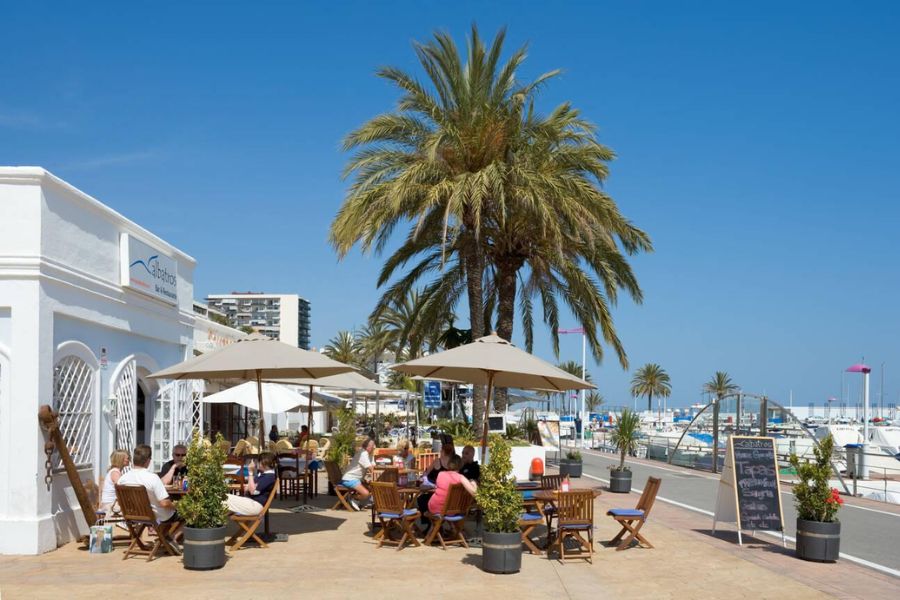
Here are a few spots I always recommend:
| Town/Village | Must-See Feature | Best For |
|---|---|---|
| Marbella | Old Town, luxury shops | Glamour and nightlife |
| Nerja | Balcon de Europa views | Scenery and relaxation |
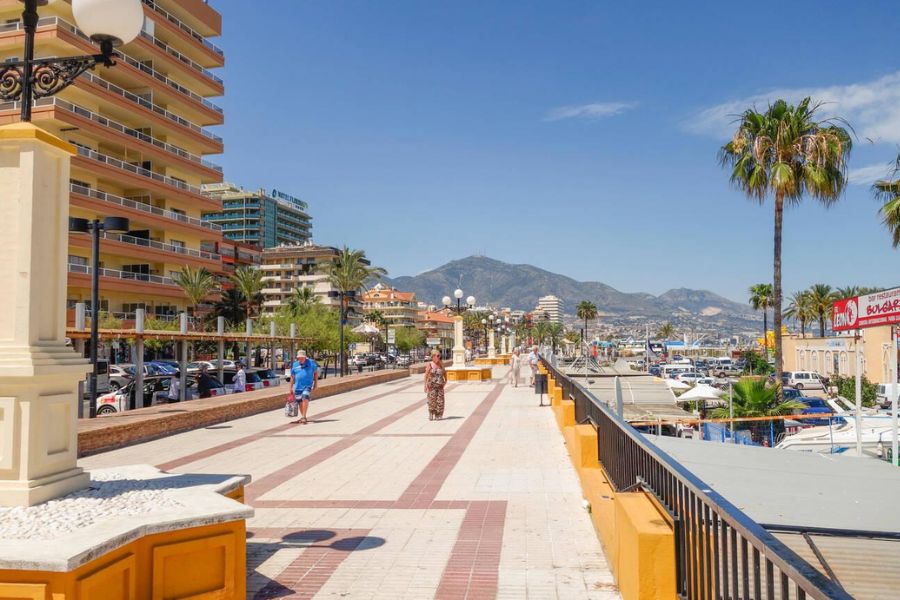
| Fuengirola | Local markets, beaches | Families & budget stays |
You can reach these towns easily by train or bus. I like to just wander, grab a coffee, and let myself get a little lost.
Nature Escapes and Hiking Trails
After soaking up the coast, I craved some quiet walks and new views. The hills behind Costa del Sol are dotted with white villages and natural parks.
Some trails lead to waterfalls, others wind through flower-filled forests or up to sunny mountain tops.
My favorite routes:
- Hiking up to Mijas Pueblo for sweeping sea views
- Montes de Málaga Natural Park trails for wildlife spotting
- Short walks near Benalmádena for family-friendly hikes
Walking these paths, I found peace and places where time seemed to slow. Stopping at a roadside café for a cold drink afterward always felt just right.
Personal Stories Along the Coast
As I wandered the Costa del Sol, I realized that real moments hide in small details—unexpected connections, the rhythm of local life, and bursts of creative energy. Through my own experiences, I found honest stories of passion and poetry, just beyond the tourist crowds.
Poetry in Everyday Encounters
There’s something poetic about chatting with an older man at a tiny Marbella café. His stories colored the warm air, and he told me about fishing before sunrise as a child. Locals still find beauty in the simplest routines.
Sharing olive oil and bread felt like a quiet celebration of tradition.
I started noticing more: a painter capturing Nerja’s blue dawns, kids running along Torremolinos sands, neighbors greeting each other by name. These moments felt unfiltered, slow, and real.
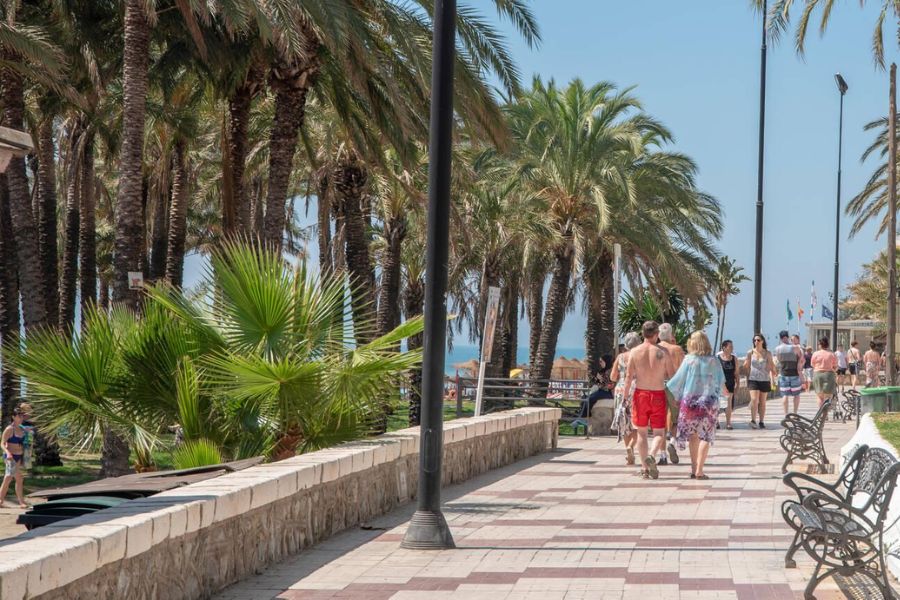
Instead of rushing from one attraction to the next, I paused and found friendships and quiet lessons. Costa del Sol isn’t just about beaches; it’s about lives lived with meaning, right alongside visitors like me.
| Small Joys Spotted | What Made Them Special? |
|---|---|
| Early bakery visits | Laughing with staff, fresh aromas |
| Local markets | Learning recipes hands-on |
| Beach walks | Stories swapped at sunrise |
Unexpected Inspirations
Passion here pops up when you least expect it. One morning in Estepona, I found myself drawn to a group of teens breakdancing on the promenade. Their energy was infectious, music blending with the sea breeze.
These spontaneous moments—full of movement and life—reminded me that the Costa del Sol’s spirit is always changing.
In another town, I met an artist who made sculptures from driftwood and shells she found along the shore. Each piece had its own story, and she told me how the coast’s diversity inspired her work.
Spending time in local galleries and workshops, I started to see how creativity thrives here.
If you’re searching for real experiences, let passion lead you. The coast rewards curiosity and open eyes.
Connecting Cultures: Not Just Spain
As I traveled through the Costa del Sol, I noticed the coast feels more open than the typical Spanish postcard image. The streets and people show how places blend, borrow, and grow beyond their borders.
Influences from Portugal and Lisbon
Walking along the Costa del Sol’s promenades, I noticed tiles that reminded me of the azulejos in Lisbon. Blue and white patterns pop up in old town corners.
In cafés, people linger over coffee just like in Portugal, sharing pastries that taste a bit richer, a bit different from classic Spanish treats.
Sometimes, I’d catch bits of Portuguese in the air, especially from visitors who said they felt right at home here. Maybe it’s the Atlantic influence mixing with Mediterranean sun.
When I ordered grilled sardines at a beachside chiringuito, I couldn’t help but compare them to the ones I tried along the River Tagus in Lisbon. The flavors mingle, just like the cultures, making the Costa del Sol a bridge—not a border—between Iberian traditions.
Key Similarities:
- Tiled architecture: Decorative patterns show up in both places.
- Café culture: Long, lazy mornings with sweet pastries and strong coffee.
- Seafood traditions: Fresh sardines and octopus are celebrated on both coasts.
- Language mix: While Spanish dominates, Portuguese influences pop up in daily life.
Memories of Nantucket by the Mediterranean
It might sound odd, but sometimes the Costa del Sol really reminds me of Nantucket. There’s this feeling in the air when the sea breeze cools down those whitewashed houses.
Cobblestone streets collect salt and driftwood, and the sunlight just feels softer—almost like those hazy summer evenings back in New England.
I wander by yacht clubs along Málaga’s marina and can’t help but think of Nantucket’s harbor, even if the boats here fly different flags.
Locals chat about the weather and distant storms, just like folks on the Massachusetts coast do.
Some beach resorts set up striped umbrellas that instantly bring Nantucket’s classic beach look to mind. The quiet charm of little fishing towns east of Málaga pulls me back to walking those docks in Siasconset.
It’s odd, but the parallels comfort me. If you love Nantucket’s mix of calm, community, and that salty ocean air, you might find the Costa del Sol surprisingly familiar—though you’ll spot olive groves on the horizon instead of cranberry bogs.
Similar Vibes:
- Whitewashed villages that really feel like Nantucket homes
- Marinas and yacht clubs giving both places that nautical energy
- Sea breezes and sunsets that just invite you to slow down and take a walk
